Showing Posts From
Healthy recipes
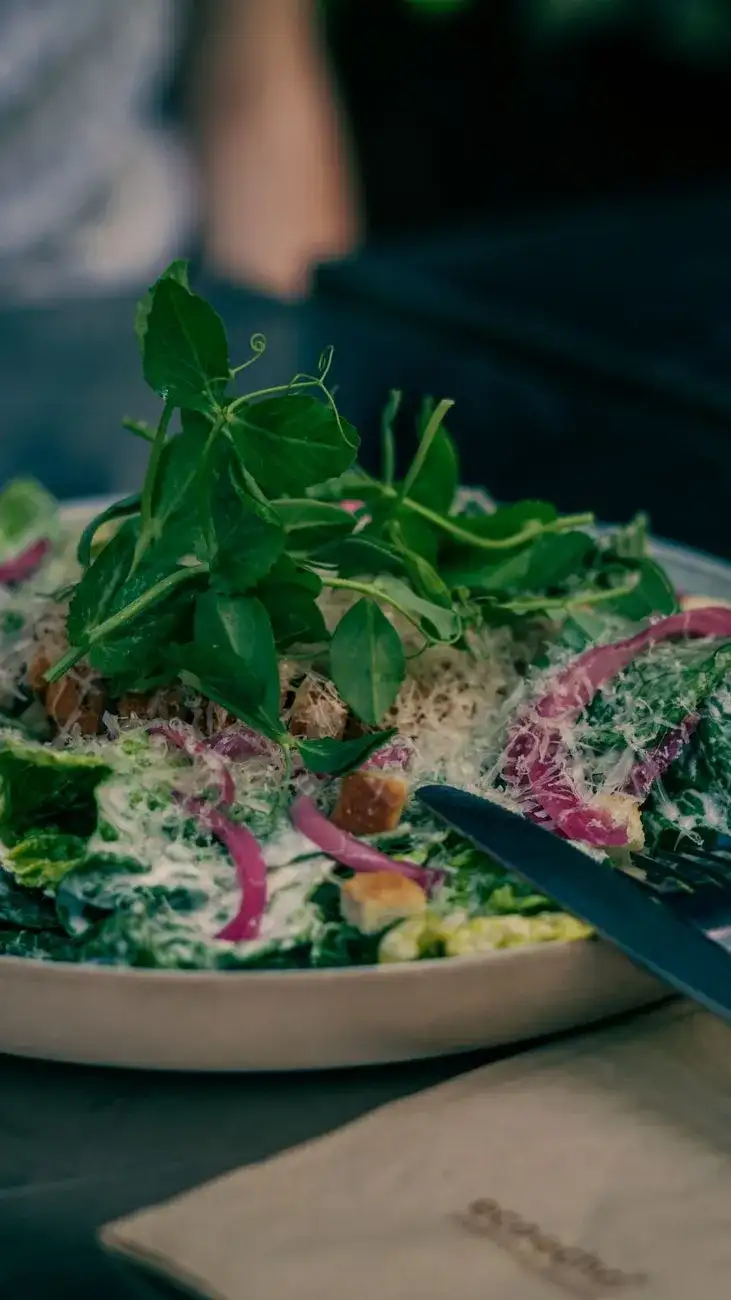

Introduction to the Mediterranean Diet The Mediterranean diet has been widely studied for its numerous health benefits, including reducing the risk of heart disease, obesity, and certain types of cancer. According to a study published in the journal Obesity, the Mediterranean diet has been shown to be effective in reducing body weight and improving cardiometabolic risk factors. The diet is characterized by high consumption of plant-based foods, such as fruits, vegetables, whole grains, and legumes, as well as moderate consumption of dairy products, fish, and poultry. The Importance of Antioxidants Antioxidants play a crucial role in maintaining overall health and well-being. They help to neutralize free radicals, which can cause oxidative stress and damage to cells. According to a study published in the journal ANTIOKSIDANTNI PRODUKTY, antioxidants such as vitamins C and E, flavonoids, and polyphenols have been shown to have anti-inflammatory and anti-cancer properties. Pomegranates, which are a key ingredient in this salad, are rich in antioxidants and have been shown to have numerous health benefits, including reducing inflammation and improving cardiovascular health.Preparing the Quinoa Quinoa is a complete protein and a good source of fiber, making it an excellent ingredient for a healthy and filling salad. To prepare the quinoa, rinse it in a fine mesh strainer and drain well. Then, in a medium saucepan, bring the quinoa and water to a boil. Reduce the heat to low, cover, and simmer for 15-20 minutes, or until the quinoa is tender and fluffy.Assembling the Salad To assemble the salad, whisk together the lemon juice, olive oil, salt, and black pepper in a large bowl. Then, add the chopped parsley, mint, pomegranate seeds, and scallions to the bowl and toss to combine. Fluff the cooked quinoa with a fork and add it to the bowl. Toss the quinoa with the herb and pomegranate mixture until well combined.Serving and Enjoying The Pomegranate and Quinoa Tabbouleh Salad is best served at room temperature or chilled. It makes a great side dish or light lunch, and can be paired with grilled meats or fish for a more substantial meal. The salad is also a great way to get your daily dose of antioxidants and fiber, making it a healthy and delicious addition to any meal.In conclusion, the Pomegranate and Quinoa Tabbouleh Salad is a healthy and delicious twist on a classic Middle Eastern dish. With its high antioxidant content and numerous health benefits, it makes a great addition to any meal. Whether you're looking for a light and refreshing side dish or a healthy and filling lunch, this salad is sure to please. #HealthyLiving #Gastronomy #MediterraneanDiet #QuinoaSalad #PomegranateBenefits Related InsightsThe Unfolding Tapestry of Flavor: A Millennia-Spanning Journey Through the Epic Evolution of Curry The Ambrosial Alchemist's Secret: Unearthing Oxymel's Ancient Culinary Resurgence Nihari: The Rich Morning Stew of the Nawabs{ "@context": "https://schema.org", "@type": "FAQPage", "mainEntity": [ { "@type": "Question", "name": "What is the main focus of Pomegranate and Quinoa Tabbouleh Salad: A Delicious and Healthy Twist?", "acceptedAnswer": { "@type": "Answer", "text": "This Pomegranate and Quinoa Tabbouleh Salad is a healthy and delicious twist on the classic Middle Eastern dish, packed with antioxidants and fresh flavors. According to recent studies, the Mediterranean diet, which this dish is inspired by, has been shown to have numerous health benefits, including reducing the risk of heart disease and obesity." } }, { "@type": "Question", "name": "Who authored the comprehensive guide on Pomegranate and Quinoa Tabbouleh Salad: A Delicious and Healthy Twist?", "acceptedAnswer": { "@type": "Answer", "text": "This detailed article and its insights were carefully researched and authored by Demir Şef." } }, { "@type": "Question", "name": "Where can I find more related content about Food?", "acceptedAnswer": { "@type": "Answer", "text": "You can explore more articles, detailed reviews, and similar insights by browsing the Related Insights section at the bottom of this article or visiting our dedicated Food category page." } } ] }
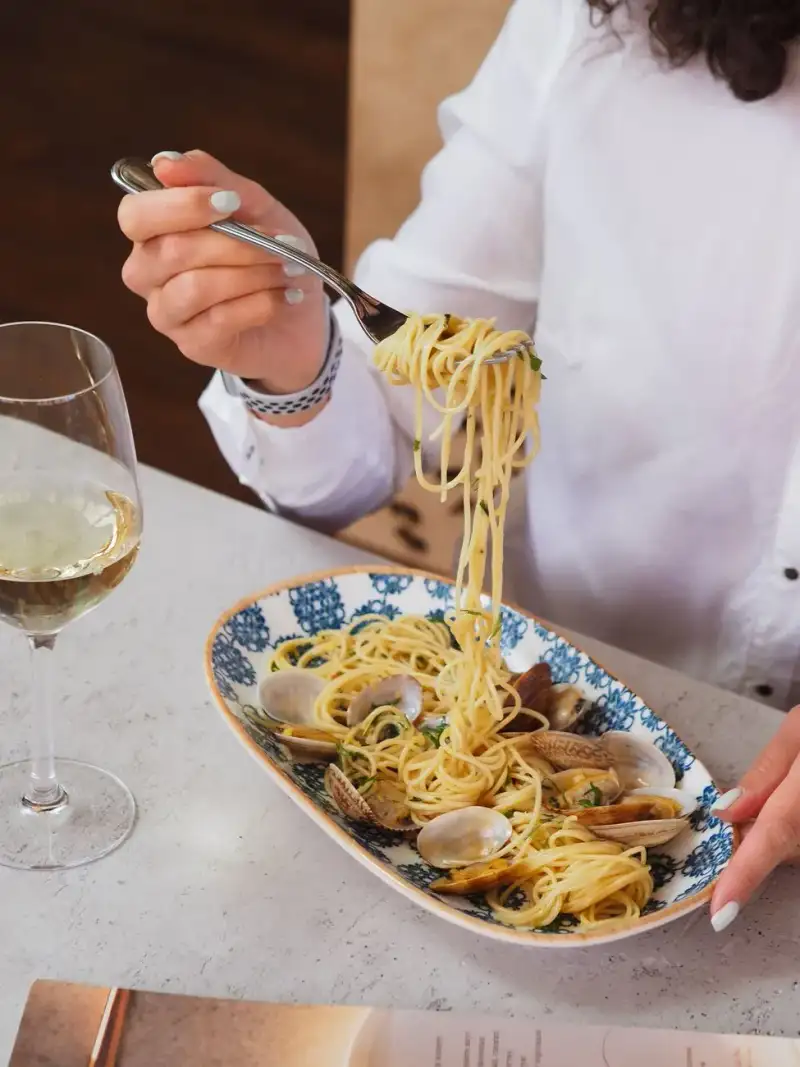

Introduction to the Caprese Salad The Caprese salad, a dish that embodies the essence of Italian cuisine, is more than just a simple salad. It's a symphony of flavors, textures, and aromas that come together to create a culinary experience like no other. According to recent studies, the ingredients used in this salad, particularly tomatoes and extra virgin olive oil, are rich in antioxidants, which play a crucial role in maintaining our overall health. Research on antioxidants shows that they help protect the body against free radicals, which can cause oxidative stress and lead to chronic diseases such as heart disease, cancer, and Alzheimer's.The Health Benefits of Tomatoes Tomatoes, one of the main ingredients in the Caprese salad, are a rich source of antioxidants, including lycopene, beta-carotene, and vitamin C. These compounds have been shown to have numerous health benefits, including reducing the risk of certain cancers, such as prostate cancer, and protecting against heart disease. The antioxidant properties of tomatoes also help to reduce inflammation and improve cognitive function. Furthermore, tomatoes are low in calories and high in fiber, making them an excellent addition to a weight management diet.The Nutritional Value of Wild Arugula Wild arugula, with its peppery flavor and delicate texture, adds a unique dimension to the Caprese salad. This leafy green is rich in vitamins A, C, and K, as well as minerals such as calcium and iron. The antioxidants present in wild arugula, including kaempferol and quercetin, have been shown to have anti-inflammatory properties, which can help to reduce the risk of chronic diseases. Additionally, the fiber content in wild arugula can help to promote digestive health and support healthy blood sugar levels. Extra Virgin Olive Oil: A Rich Source of Antioxidants Extra virgin olive oil, the dressing of choice for the Caprese salad, is a rich source of antioxidants, including vitamin E and polyphenols. These compounds have been shown to have numerous health benefits, including reducing inflammation, improving heart health, and protecting against certain cancers. The high levels of antioxidants in extra virgin olive oil also help to protect against cell damage and promote overall health and well-being.The Cultural Significance of the Caprese Salad The Caprese salad, with its simple yet elegant composition, is a dish that is deeply rooted in Italian culture. The salad is typically served as an antipasto or side dish, and its ingredients are often sourced from local farms and producers. The use of fresh mozzarella, tomatoes, and basil in the Caprese salad is a testament to the Italian tradition of using high-quality, seasonal ingredients to create delicious and memorable meals. Preparing the Caprese Salad To prepare the Caprese salad, start by arranging the sliced tomatoes on a large plate or platter. Top each tomato slice with a round of fresh mozzarella cheese. Drizzle the extra virgin olive oil over the salad and sprinkle with salt and pepper. Add the wild arugula to the salad and drizzle with balsamic vinegar. Finally, garnish with fresh basil leaves and serve immediately. Tips and Variations To add some variety to the Caprese salad, consider using different types of tomatoes, such as heirloom or cherry tomatoes. You can also add other ingredients, such as sliced avocado or prosciutto, to give the salad a unique twist. For a lighter version of the salad, use less mozzarella cheese and add more wild arugula. Experiment with different types of olive oil, such as infused or flavored oils, to add more depth and complexity to the salad.#HealthyLiving #Gastronomy #AntioxidantRich #ItalianCuisine Related InsightsRussian Vinaigrette Salad: A High Fiber Masterpiece Tuscan White Bean and Kale Stew: A High Fiber Delight The Wild Yeast Revolution: Beyond the Loaf into the World of Fermented Alchemy{ "@context": "https://schema.org", "@type": "FAQPage", "mainEntity": [ { "@type": "Question", "name": "What is the main focus of Caprese Salad: A Symphony of Flavors and Antioxidants?", "acceptedAnswer": { "@type": "Answer", "text": "Indulge in the rich flavors of Italy with our Caprese salad recipe, featuring fresh mozzarella, juicy tomatoes, and fragrant basil, all brought together with the goodness of extra virgin olive oil and the peppery bite of wild arugula." } }, { "@type": "Question", "name": "Who authored the comprehensive guide on Caprese Salad: A Symphony of Flavors and Antioxidants?", "acceptedAnswer": { "@type": "Answer", "text": "This detailed article and its insights were carefully researched and authored by Marco Rossi." } }, { "@type": "Question", "name": "Where can I find more related content about Food?", "acceptedAnswer": { "@type": "Answer", "text": "You can explore more articles, detailed reviews, and similar insights by browsing the Related Insights section at the bottom of this article or visiting our dedicated Food category page." } } ] }


"Tuscan White Bean and Kale Stew: A High Fiber Delight" In the rolling hills of Tuscany, where the sun dips into the horizon and paints the sky with hues of gold, the art of cooking is a revered tradition. It is a place where the love for food, family, and community comes together in perfect harmony. At the heart of this culinary heritage lies a dish that embodies the essence of Tuscan cuisine: the humble white bean and kale stew. This hearty, comforting stew is not only a staple of the region but also a testament to the power of high fiber foods in promoting overall health and well-being. Introduction to High Fiber Benefits According to recent studies, a diet rich in high fiber foods can have a significant impact on our health, from reducing the risk of chronic diseases like heart disease and diabetes to promoting a healthy gut microbiome. Research on high fiber shows that it can help lower cholesterol levels, regulate blood sugar levels, and even support weight management. The benefits of high fiber are numerous, and incorporating it into our daily diet can have a profound impact on our overall health.The Nutritional Power of Kale Kale, a leafy green vegetable, is a powerhouse of nutrition. It is packed with vitamins A, C, and K, as well as minerals like calcium and iron. Kale is also an excellent source of fiber, containing both soluble and insoluble fiber. According to a study on Brassica vegetables, kale is a rich source of dietary fiber, vitamin C, vitamin B6, vitamin K, minerals, and antioxidants glucosinolates and flavonoids, which exhibit anticarcinogen properties. These compounds have been shown to have a protective effect against certain types of cancer and other diseases.The Health Benefits of White Beans White beans, also known as cannellini beans, are a type of legume that is native to Italy. They are an excellent source of protein, fiber, and complex carbohydrates. White beans are also rich in minerals like potassium, magnesium, and iron, making them a nutritious addition to any meal. Research has shown that a diet rich in legumes like white beans can help reduce the risk of heart disease, type 2 diabetes, and certain types of cancer. The high fiber content in white beans can also help promote digestive health and support healthy blood sugar levels.Preparing the Stew To prepare the Tuscan white bean and kale stew, start by heating olive oil in a large pot over medium heat. Add the onion, garlic, carrot, and celery, and cook until the vegetables are tender. This will create a flavorful base for the stew and add a depth of flavor that is characteristic of Tuscan cuisine.Next, add the kale and cook until it is wilted. This will help to release the nutrients and flavors of the kale, making it a delicious and healthy addition to the stew.Once the kale is wilted, add the cannellini beans, diced tomatoes, vegetable broth, thyme, and rosemary. Season with salt and pepper to taste, and then simmer the stew for 30 minutes. This will allow the flavors to meld together and the stew to thicken, creating a hearty and comforting meal.Serving and Enjoying To serve the Tuscan white bean and kale stew, ladle it into bowls and top with a drizzle of olive oil and a sprinkle of parsley. This will add a fresh and herbaceous flavor to the dish, as well as a pop of color and texture.The Tuscan white bean and kale stew is a delicious and nutritious meal that is perfect for any time of year. It is a testament to the power of high fiber foods in promoting overall health and well-being, and it is a dish that is sure to become a staple in your kitchen. #HealthyLiving #Gastronomy #HighFiberRecipes #TuscanCuisine
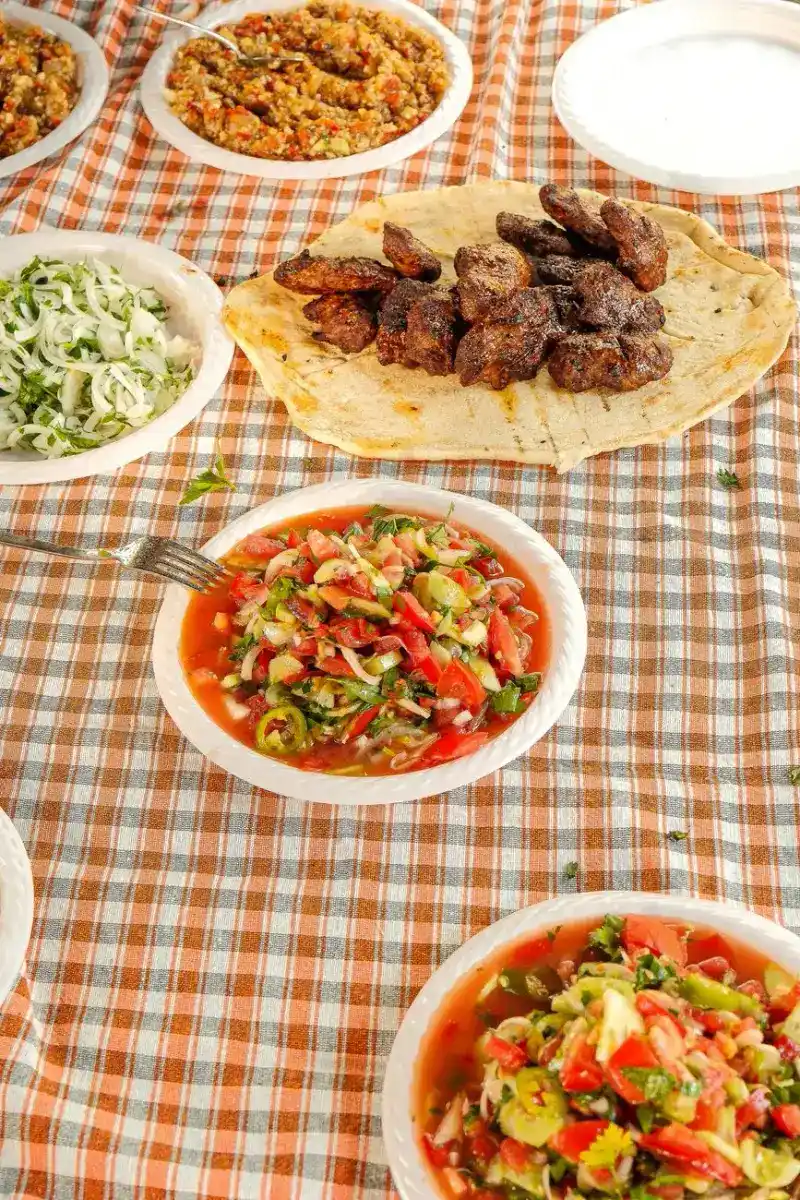
Greetings, food lovers and health enthusiasts! Demir Şef here, inviting you to embark on a culinary journey that transcends mere sustenance, delving deep into the heart of flavor, culture, and profound wellness. Today, we're celebrating a dish that is as ubiquitous as it is beloved across Turkey: the inimitable Çoban Salata, or Shepherd's Salad. But we're not just making any Çoban Salata; we're elevating it, enriching it, and exploring its powerful "antioxidant-rich" properties with the addition of one of nature's most impressive superfoods: walnuts. Prepare to be enchanted by a symphony of fresh tastes and robust health benefits that have sustained generations. The Heartbeat of Turkish Cuisine: A Cultural Overture Turkish cuisine, much like the vibrant tapestry of its history, is a profound expression of identity, heritage, and communal life. From the bustling bazaars to the tranquil village homes, food is more than just a meal; it is a narrative, a shared experience, a connection to the past, and a celebration of the present. Çoban Salata embodies this spirit perfectly. A simple yet incredibly flavorful amalgamation of finely diced tomatoes, cucumbers, green peppers, and onions, dressed lightly with olive oil and lemon juice, it is a staple at virtually every Turkish table, served alongside everything from grilled meats to hearty stews. It’s the refreshing counterpoint, the palate cleanser, the vibrant splash of color and crispness that completes a meal. The cultural significance of food is deeply ingrained, extending even to the linguistic fabric of society. Recent studies, such as the one focusing on Gaziantep's gastronomic values and cultural identity, highlight how culinary elements are woven into the very fabric of social memory and local culture. The research emphasizes that gastronomic nicknames and food-related terminology are not merely descriptive; they are critical in transmitting cultural heritage and sustaining local identity. This suggests that even a dish as seemingly simple as Çoban Salata carries an unspoken cultural weight, becoming a marker of regional identity and a bearer of culinary traditions that span centuries.Similarly, the documentation of diverse culinary traditions is crucial for cultural preservation. Research into Azerbaijani cuisine, for instance, underscores the richness and diversity of regional food cultures and the importance of documenting these "forgotten flavors" to preserve cultural memory. While distinct from Turkish cuisine, the underlying principle holds true: traditional, often simple, recipes like Çoban Salata are vital components of a nation's cultural heritage. They represent a legacy of health and flavor honed over generations, ensuring that valuable gastronomic knowledge is passed down. My version today is a testament to this enduring tradition, enhanced with the nutritional powerhouse of walnuts. Çoban Salata: More Than Just a Salad – An Antioxidant Powerhouse Now, let's turn our attention to the remarkable health benefits packed within this seemingly humble salad. In an age where processed foods dominate, returning to fresh, whole ingredients is paramount for our well-being. Çoban Salata is a shining example of this philosophy. What makes this dish truly extraordinary, particularly with the addition of walnuts, is its incredible concentration of antioxidants. You've likely heard the term "antioxidants" tossed around in health discussions, but what exactly are they, and why are they so crucial? Antioxidants are compounds that combat oxidative stress in our bodies. Oxidative stress is a state where there's an imbalance between free radicals (unstable molecules that can damage cells) and antioxidants. Prolonged oxidative stress can contribute to chronic diseases, inflammation, and premature aging. By neutralizing free radicals, antioxidants play a vital role in protecting our cells, supporting immune function, and promoting overall health. The scientific community has extensively studied the profound benefits of antioxidant-rich foods. For instance, a fascinating study on Aronia (Aronia melanocarpa), often hailed as a "superfruit," showcases its incredibly high content of polyphenolic compounds, including phenolic acids, anthocyanins, and flavonoids. This research identifies Aronia as a powerhouse of antioxidants, suggesting it could even be a functional alternative to blueberries in processed food products due to its high bioactive component profile. While Çoban Salata doesn't feature Aronia, the principle it champions – the immense health benefits derived from a high concentration of polyphenolic compounds – is directly applicable to our dish. The fresh vegetables in Çoban Salata, such as tomatoes, cucumbers, and green peppers, are naturally rich in various vitamins and phytonutrients that act as antioxidants. Tomatoes, for example, are an excellent source of lycopene, a potent antioxidant, especially when slightly processed or in ripe form. Green peppers provide a generous dose of Vitamin C, another powerful antioxidant. Cucumbers offer hydration and a range of beneficial plant compounds. Even the red onion contributes its own unique set of antioxidants like quercetin. Walnuts: The Brain's Best Friend and an Antioxidant Champion However, it's the inclusion of walnuts that truly elevates our Çoban Salata into an unparalleled antioxidant haven. Walnuts are not just a crunchy addition; they are a nutritional goldmine, consistently ranked among the top nuts for their antioxidant capacity. Walnuts are exceptional for their robust profile of polyphenols, particularly ellagic acid, which is known for its potent antioxidant and anti-inflammatory effects. They also contain melatonin, a hormone that not only regulates sleep but also acts as a powerful antioxidant. Furthermore, walnuts are a significant source of alpha-linolenic acid (ALA), a plant-based omega-3 fatty acid. Omega-3s are crucial for heart health, brain function, and reducing inflammation throughout the body. According to various nutritional studies, including those that echo the emphasis on polyphenolic compounds found in "superfruits" like Aronia, walnuts deliver a broad spectrum of protective compounds. By incorporating walnuts into our Çoban Salata, we are not just adding texture and a nutty depth of flavor; we are significantly boosting the salad’s ability to combat oxidative stress and support long-term health. Think of it as a delicious, natural shield against the wear and tear of daily life.The Art of Simplicity: Crafting Your Çoban Salata One of the beauties of Çoban Salata is its simplicity. The magic lies in the freshness of the ingredients and the precise, uniform dicing. Every component should be cut small enough to allow you to get a little bit of everything in each bite, creating a harmonious burst of flavor and texture. This salad is a testament to the idea that the most profound culinary experiences often come from the purest, most unadulterated ingredients. For the best Çoban Salata, source the freshest, ripest seasonal produce you can find. Local farmers' markets are often the best places to discover tomatoes bursting with summer sweetness, crisp cucumbers, and vibrant green peppers. The choice of green pepper is also key: while standard green bell peppers work well, traditional Turkish sivri biber (a long, slender, slightly spicier green pepper) adds an authentic zing that is truly special. The dressing is equally straightforward: a generous glug of high-quality extra virgin olive oil and the bright, tangy squeeze of fresh lemon juice. This simple pairing not only enhances the natural flavors of the vegetables but also provides its own health benefits. Extra virgin olive oil is a cornerstone of the Mediterranean diet, renowned for its monounsaturated fats and its own impressive array of antioxidants, including polyphenols. Lemon juice adds Vitamin C and further brightens the entire dish. Some prefer a touch of sumac, a dried, ground berry with a tart, slightly fruity flavor, which adds another layer of complexity and an additional antioxidant punch.Beyond the Plate: The Lifestyle Connection Incorporating dishes like Çoban Salata with walnuts into your diet is more than just eating a healthy meal; it's embracing a lifestyle. It’s a commitment to fresh, whole foods, a connection to ancient culinary traditions, and a proactive step towards a healthier, more vibrant you. When you prepare and share a dish like this, you're not just nourishing your body; you're participating in a rich cultural narrative that celebrates the earth's bounty and the joy of shared meals. This salad is incredibly versatile. It makes a perfect light lunch on its own, a vibrant side dish for grilled meats or fish, or an excellent component of a larger meze spread. Its refreshing qualities are particularly welcome on hot days, making it a perfect addition to any summer spread. And with the added walnuts, it provides sustained energy and satiety, thanks to its healthy fats, fiber, and protein. The Recipe: Turkish Shepherd's Salad (Çoban Salata) with Walnuts Now, let’s get into the kitchen and create this masterpiece. This recipe is designed to be straightforward yet precise, ensuring you capture the authentic essence and health benefits of this incredible dish. Yields: 4-6 servings Prep time: 20 minutes Cook time: 0 minutes Ingredients:3-4 ripe medium tomatoes, finely diced 2-3 medium cucumbers (English or regular), peeled if desired, finely diced 2-3 green bell peppers or Turkish sivri biber, seeds removed, finely diced 1 small red onion, very finely minced 1/2 cup fresh flat-leaf parsley, finely chopped 1/4 cup fresh mint leaves, finely chopped (optional but highly recommended for an extra layer of freshness) 1/2 cup walnuts, roughly chopped 1/4 cup high-quality extra virgin olive oil Juice of 1-2 fresh lemons (start with 1, adjust to taste) 1 teaspoon sumac (optional, but adds a lovely tang and color) Salt to taste (approximately 1 teaspoon, adjust as needed) Freshly ground black pepper to tasteInstructions:Prepare All Vegetables: Begin by meticulously washing all your produce. The key to a truly authentic and enjoyable Çoban Salata is uniform, fine dicing. Take your time to finely dice the tomatoes, cucumbers, and green peppers into small, even pieces, roughly 1/4 inch cubes. Mince the red onion as finely as possible; a sharp knife is your best friend here. Finely chop the fresh parsley and mint leaves. This precise preparation ensures a harmonious blend of flavors and textures in every bite. Combine Vegetables: In a large, spacious salad bowl, gently combine the diced tomatoes, cucumbers, green peppers, and the finely minced red onion. Handle the ingredients with care to maintain their integrity. Add Herbs and Walnuts: Now, fold in the freshly chopped parsley and mint (if using). Add the roughly chopped walnuts, ensuring they are evenly distributed. You might want to reserve a small sprinkle of walnuts for a beautiful garnish just before serving. Prepare the Dressing: In a separate small bowl or a jar with a lid, whisk together the extra virgin olive oil, fresh lemon juice, sumac (if using), salt, and freshly ground black pepper. Whisk vigorously until the dressing is well emulsified. Taste the dressing and adjust the seasoning – perhaps a little more lemon for zing, or a pinch more salt to your preference. Remember, the dressing is crucial for tying all the flavors together. Dress and Serve: Pour the prepared dressing over the salad ingredients in the large bowl. Using two large spoons or tongs, toss the salad gently but thoroughly, ensuring every piece of vegetable and every walnut is lovingly coated with the vibrant dressing. Allow Flavors to Marry: For the absolute best flavor experience, cover the bowl and let the Çoban Salata rest in the refrigerator for about 10-15 minutes before serving. This brief resting period allows the flavors to meld beautifully and intensify, transforming the individual components into a cohesive, delectable whole. Garnish and Enjoy: Just before serving, give the salad a final gentle toss. Garnish with the reserved walnuts or a fresh sprig of mint for an appealing presentation. Serve immediately and relish the invigorating, antioxidant-rich goodness.This Çoban Salata with walnuts is more than just a recipe; it's an invitation to savor the vibrant heritage and incredible health benefits of Turkish cuisine. It's a reminder that truly nourishing food doesn't have to be complicated, but simply fresh, thoughtful, and prepared with love. Afiyet olsun! (Enjoy your meal!)#TurkishCuisine #ÇobanSalata #AntioxidantRich #HealthyEating #WalnutRecipes Related InsightsThe Fire and the Flesh: Unveiling the Eternal Alchemy of the Turkish Kebab Kimchi's Untold Saga: Unearthing the Fermented Superfoods Beyond the Cabbage You Thought You Knew Hannah Weber's Guide to Delicious and Healthy Sprouted Grain Bread with Avocado and Radish (Vegan){ "@context": "https://schema.org", "@type": "FAQPage", "mainEntity": [ { "@type": "Question", "name": "What is the main focus of The Emerald Jewel of Turkish Cuisine: Çoban Salata with Walnuts – A Masterclass in Antioxidant-Rich Gastronomy?", "acceptedAnswer": { "@type": "Answer", "text": "Discover Çoban Salata, the vibrant Turkish Shepherd's Salad elevated with walnuts, a dish celebrated for its fresh flavors and powerful antioxidant benefits, deeply rooted in culinary heritage." } }, { "@type": "Question", "name": "Who authored the comprehensive guide on The Emerald Jewel of Turkish Cuisine: Çoban Salata with Walnuts – A Masterclass in Antioxidant-Rich Gastronomy?", "acceptedAnswer": { "@type": "Answer", "text": "This detailed article and its insights were carefully researched and authored by Demir Şef." } }, { "@type": "Question", "name": "Where can I find more related content about Food?", "acceptedAnswer": { "@type": "Answer", "text": "You can explore more articles, detailed reviews, and similar insights by browsing the Related Insights section at the bottom of this article or visiting our dedicated Food category page." } } ] }
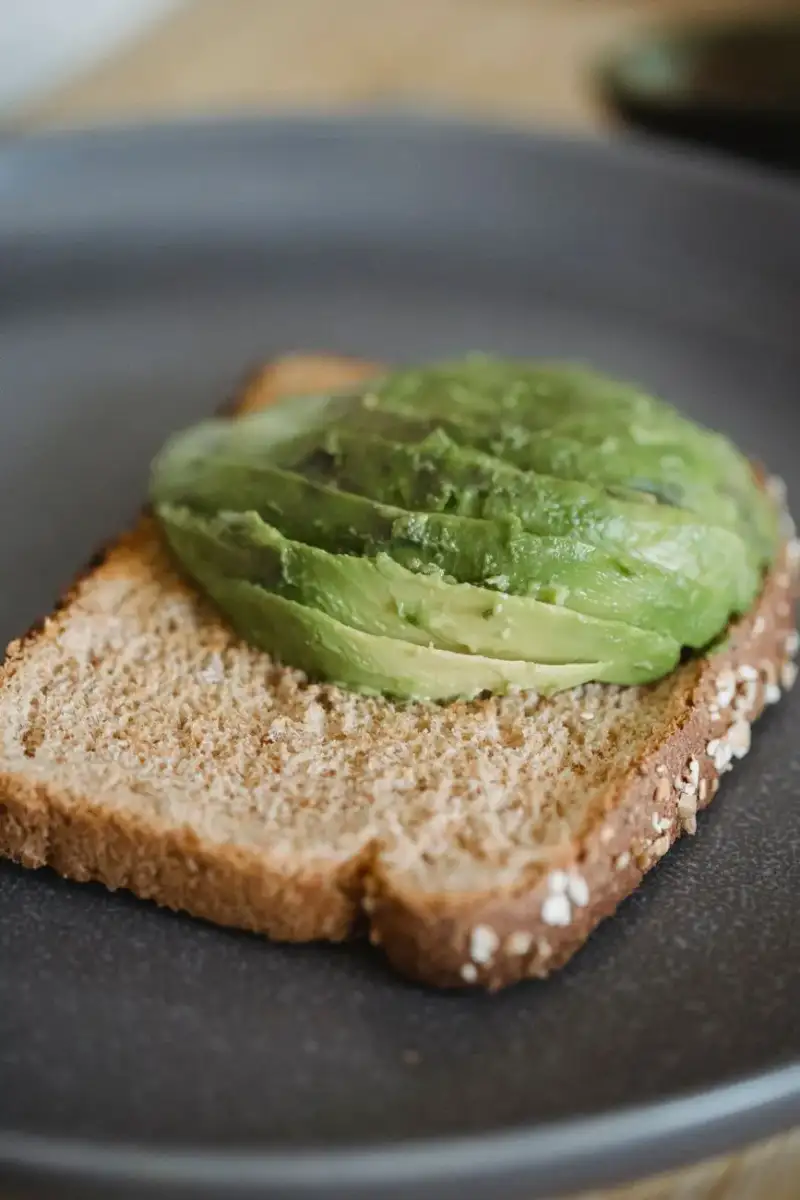
Introduction to Avocado and Poached Egg Toast The classic combination of avocado and poached egg on toast has become a staple in many health-conscious households, and for good reason. According to recent studies, the monounsaturated fats present in avocados have been shown to have numerous health benefits, including reducing the risk of heart disease and improving cognitive function. Research on monounsaturated fats shows that they can help lower LDL cholesterol levels, which can reduce the risk of cardiovascular disease. In addition to the health benefits of avocados, poached eggs provide a rich source of protein, which is essential for maintaining healthy muscles and bones. The combination of these two ingredients on whole grain sourdough bread creates a nutritious and filling breakfast that can help keep you energized throughout the morning. The Science Behind Monounsaturated Fats A study published in the journal of nutrition found that eating a diet rich in monounsaturated fats can help improve heart health by reducing inflammation and improving blood lipid profiles. The study, which analyzed data from 761 community-dwelling men aged 75 years and older, found that those who consumed higher amounts of monounsaturated fats had lower levels of triglycerides and higher levels of HDL cholesterol. These findings are consistent with other research on the topic, which suggests that monounsaturated fats can help reduce the risk of chronic diseases such as heart disease, type 2 diabetes, and certain types of cancer. According to the study, the geometric framework and nutrition in older age play a crucial role in maintaining overall health and well-being. Preparing the Perfect Avocado and Poached Egg Toast To prepare the perfect avocado and poached egg toast, start by toasting four slices of sourdough bread in the oven for 10-12 minutes, or until lightly browned. While the bread is toasting, mash two ripe avocados in a bowl and season with salt and pepper to taste. Once the bread is ready, spread the mashed avocado on each slice, leaving a small border around the edges. Next, poach four eggs by cracking them into a pot of simmering water and cooking for 3-4 minutes, or until the whites are set and the yolks are cooked to your desired doneness. Assembling the Dish To assemble the dish, place a poached egg on top of the avocado layer on each slice of bread. Season with salt and pepper to taste, and add any optional toppings such as cherry tomatoes, spinach, and feta cheese. The combination of creamy avocado, rich poached eggs, and crusty sourdough bread creates a delicious and nutritious breakfast that is sure to please even the pickiest of eaters. With its numerous health benefits and simple preparation, avocado and poached egg toast on sourdough is a dish that is sure to become a staple in your household. Conclusion In conclusion, the combination of avocado and poached egg on sourdough toast is a match made in heaven. With its rich source of monounsaturated fats, protein, and whole grains, this dish provides a nutritious and filling breakfast that can help keep you energized throughout the morning. Whether you're a health-conscious foodie or just looking for a new breakfast idea, avocado and poached egg toast on sourdough is a dish that is sure to please. #HealthyLiving #Gastronomy #BreakfastIdeas #AvocadoLove #PoachedEggs #SourdoughBread Related InsightsFrom Ancient Fields to Modern Crusts: Mastering Emmer & Spelt Sourdough Delighting in the Flavors of Lemony Chicken Piccata with Capers and Spinach From Sacred Cacao to Velvet Bars: The Lost Art and Modern Renaissance of Artisanal Chocolate{ "@context": "https://schema.org", "@type": "FAQPage", "mainEntity": [ { "@type": "Question", "name": "What is the main focus of Avocado and Poached Egg Toast on Sourdough?", "acceptedAnswer": { "@type": "Answer", "text": "A nutritious and delicious twist on a classic breakfast dish, featuring the health benefits of monounsaturated fats from avocados and the richness of poached eggs on sourdough toast." } }, { "@type": "Question", "name": "Who authored the comprehensive guide on Avocado and Poached Egg Toast on Sourdough?", "acceptedAnswer": { "@type": "Answer", "text": "This detailed article and its insights were carefully researched and authored by Michael Chef." } }, { "@type": "Question", "name": "Where can I find more related content about Food?", "acceptedAnswer": { "@type": "Answer", "text": "You can explore more articles, detailed reviews, and similar insights by browsing the Related Insights section at the bottom of this article or visiting our dedicated Food category page." } } ] }
-
 Michael Chef
 - 21 May, 2026 08:39
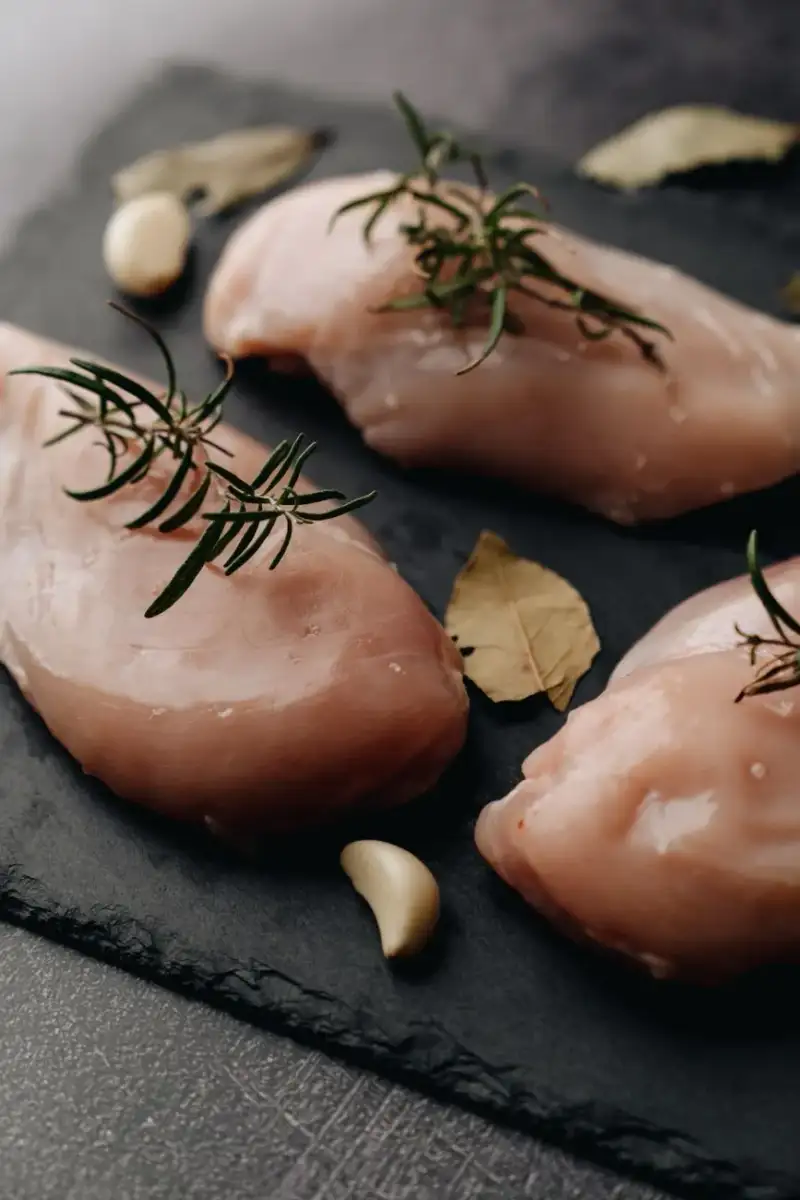
Turmeric Roasted Chicken Breast with Quinoa Stuffing: A Delicious Anti-Inflammatory Dish
In the realm of culinary and health enthusiasts, there exists a profound appreciation for dishes that not only tantalize our taste buds but also provide a myriad of health benefits. One such ingredient that has garnered significant attention in recent years is turmeric, a spice commonly found in many Asian and Middle Eastern recipes. Turmeric contains a powerful compound called curcumin, which has been extensively studied for its anti-inflammatory properties. According to general scientific knowledge, curcumin has been shown to have potent antioxidant and anti-inflammatory effects, making it a valuable ingredient in the prevention and management of various chronic diseases. Introduction to Turmeric and Quinoa Turmeric, with its vibrant yellow color and distinct flavor, has been a staple in many traditional cuisines for centuries. Its anti-inflammatory properties have been revered for their potential to alleviate symptoms associated with arthritis, gout, and other inflammatory diseases. On the other hand, quinoa, a protein-rich grain, has been recognized for its nutritional benefits, including its high fiber and mineral content. The combination of turmeric and quinoa creates a dish that is not only delicious but also provides a range of health benefits. The Science Behind Turmeric's Anti-Inflammatory Effects Research on anti-inflammatory compounds has shown that curcumin, the active component in turmeric, plays a significant role in reducing inflammation in the body. By inhibiting the production of pro-inflammatory enzymes, curcumin helps to alleviate symptoms associated with inflammatory diseases. Furthermore, curcumin has been shown to have antioxidant properties, which help to protect the body against free radicals and oxidative stress. Preparing the Turmeric Roasted Chicken Breast with Quinoa Stuffing To prepare this dish, start by preheating the oven to 375F. While the oven is heating up, prepare the quinoa stuffing by cooking the quinoa according to the package instructions. In a pan, heat two tablespoons of olive oil over medium heat. Add the chopped onion and cook until translucent, followed by the minced garlic. Add the mixed vegetables and cook until they are tender. Seasoning the Chicken Breast with Turmeric In a small bowl, mix together one tablespoon of turmeric powder, salt, and pepper. Rub the turmeric mixture evenly onto both chicken breasts, making sure to coat them thoroughly. Place the chicken breasts on a baking sheet lined with parchment paper and roast in the oven for 25-30 minutes, or until cooked through. Assembling the Dish Once the chicken is cooked, remove it from the oven and let it rest for a few minutes. Slice the chicken breast into thin strips and serve with the quinoa stuffing. Garnish with fresh herbs, such as parsley or cilantro, and a squeeze of lemon juice. Conclusion In conclusion, the Turmeric Roasted Chicken Breast with Quinoa Stuffing is a dish that combines the anti-inflammatory properties of turmeric with the nutritional benefits of quinoa. By incorporating this dish into your diet, you can reap the rewards of a healthier and more delicious meal. Whether you're a health enthusiast or a foodie, this recipe is sure to please even the most discerning palates. #HealthyLiving #Gastronomy #AntiInflammatoryRecipes #NutritionAndHealth #FoodAndMedicine
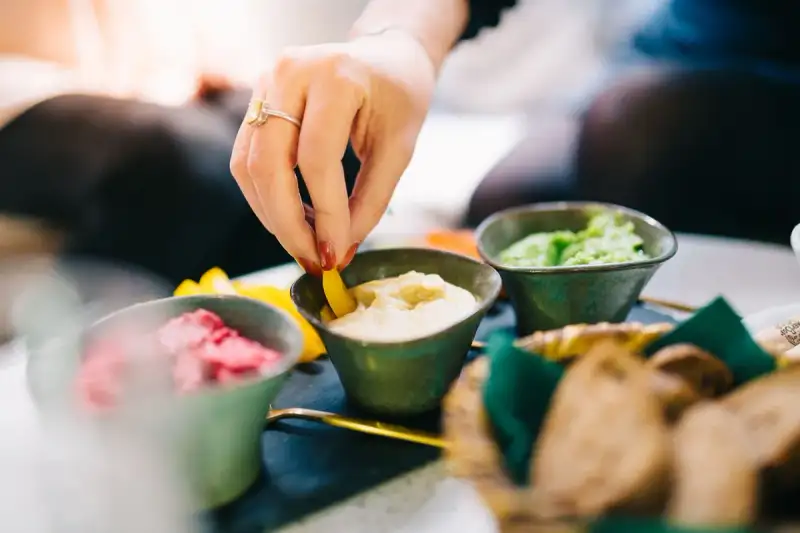
As a culinary and health blogger, I am always excited to share recipes that not only delight the palate but also provide numerous health benefits. Today, I want to introduce you to a dish that has been a staple in Middle Eastern cuisine for centuries: roasted beetroot hummus with toasted sesame. This delicious and nutritious dip is not only a treat for the taste buds, but it also boasts an impressive array of anti-inflammatory compounds that can help to reduce inflammation and promote overall health. Introduction to Beetroot and Sesame Beetroot, with its deep red color and sweet, earthy flavor, is a root vegetable that has been cultivated for thousands of years. It is an excellent source of fiber, vitamins, and minerals, including potassium, magnesium, and iron. According to recent studies, beetroot has been shown to have potent anti-inflammatory properties, which can help to reduce inflammation and improve cardiovascular health. Sesame, on the other hand, is a versatile seed that has been used in cooking for centuries. It is a rich source of healthy fats, protein, and fiber, and is also packed with antioxidants and anti-inflammatory compounds. Toasted sesame seeds add a nutty flavor and crunchy texture to our roasted beetroot hummus, making it a delicious and satisfying snack or appetizer.The Anti-Inflammatory Power of Beetroot and Sesame Research on anti-inflammatory compounds has shown that beetroot and sesame both contain a range of bioactive compounds that can help to reduce inflammation and promote overall health. Beetroot, for example, contains a unique antioxidant called betalain, which has been shown to have potent anti-inflammatory and antioxidant effects. Sesame, on the other hand, contains a range of anti-inflammatory compounds, including sesamin and sesamolin, which have been shown to have potent anti-inflammatory effects. These compounds can help to reduce inflammation and improve cardiovascular health, making them an excellent addition to our roasted beetroot hummus.The Culinary Delight of Roasted Beetroot Hummus Now that we have explored the health benefits of beetroot and sesame, let's talk about the culinary delight of roasted beetroot hummus. This dish is a staple in Middle Eastern cuisine, and for good reason. The combination of roasted beetroot, tahini, lemon juice, and garlic creates a rich and creamy dip that is both delicious and nutritious.To prepare our roasted beetroot hummus, we will need to roast the beetroot in the oven until it is tender and caramelized. We will then blend it with tahini, lemon juice, garlic, and olive oil to create a smooth and creamy dip. Finally, we will stir in toasted sesame seeds and season with salt and pepper to taste. The Recipe Here is the recipe for our roasted beetroot hummus with toasted sesame: Ingredients:2 large beetroot 1/4 cup lemon juice 1/4 cup tahini 2 cloves garlic 1/2 cup olive oil 1/2 cup toasted sesame seeds Salt and pepper to tasteInstructions:Preheat the oven to 425F. Wrap the beetroot in foil and roast for 45 minutes, or until tender and caramelized. Let the beetroot cool, then peel and chop into small pieces. In a blender, combine the beetroot, lemon juice, tahini, garlic, and olive oil. Blend until smooth, then stir in toasted sesame seeds and season with salt and pepper to taste. Serve the hummus with pita bread, vegetables, or crackers, and enjoy!Conclusion In conclusion, our roasted beetroot hummus with toasted sesame is a delicious and nutritious dish that combines the best of Middle Eastern cuisine with the power of anti-inflammatory compounds. With its rich and creamy texture, and the added crunch of toasted sesame seeds, this dish is sure to delight both the palate and the senses. So go ahead, give it a try, and experience the delicious and nutritious world of roasted beetroot hummus with toasted sesame! #HealthyLiving #Gastronomy #AntiInflammatoryFoods #RoastedBeetrootHummus