Showing Posts From
Heartstopper volume
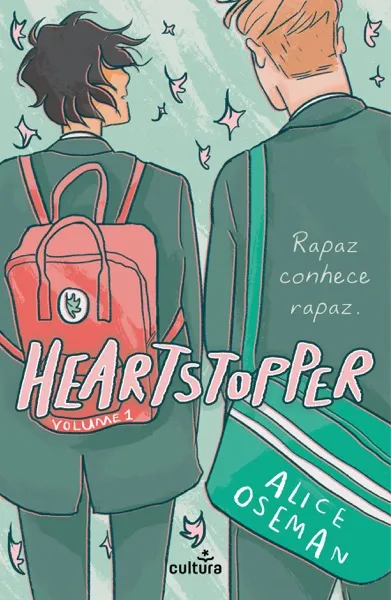

Heartstopper, Volume 1 Author: Alice OsemanPage Count: UnknownPublication Year: 2018-GB In the realm of young adult fiction, few books have managed to capture the hearts of readers quite like Alice Oseman's "Heartstopper, Volume 1". This global bestseller, first published in 2018, has taken the world by storm with its poignant and relatable portrayal of first love, identity, and the complexities of adolescence. At its core, "Heartstopper" is a beautifully crafted tale of self-discovery, told through the eyes of two teenage boys, Charlie Spring and Nick Nelson. Charlie, an openly gay student, has been struggling to find his place in the world, while Nick, a star rugby player, appears to have it all together. When the two meet, a spark is ignited, and they embark on a journey of exploration, navigating the intricacies of their blossoming relationship. One of the standout features of Oseman's writing style is her ability to tackle tough topics with sensitivity and nuance. She masterfully weaves together themes of mental health, bullying, and identity, creating a narrative that is both authentic and accessible. The characters are multidimensional and relatable, with distinct voices that leap off the page. The author's use of graphic novel format adds a unique layer of depth to the storytelling, allowing the reader to experience the world of "Heartstopper" in a visually stunning way. The illustrations are simple yet effective, perfectly capturing the emotional intensity of the characters' experiences. What sets "Heartstopper" apart from other YA novels is its unwavering commitment to representation. Oseman's portrayal of LGBTQ+ characters is genuine and heartfelt, offering a much-needed reflection of the diversity that exists in our world. The book is a powerful reminder that everyone deserves to see themselves represented in literature, and that love is love, regardless of gender or sexuality. Throughout the book, Oseman's writing is infused with a sense of hope and optimism, even in the face of adversity. The characters' struggles are real, but their resilience and capacity for love are inspiring. As the story unfolds, the reader is reminded that it's okay to be vulnerable, to take risks, and to be true to oneself. In short, "Heartstopper, Volume 1" is a triumph of contemporary young adult literature. Alice Oseman's masterful storytelling, combined with her passion for representation and inclusivity, has created a book that will resonate with readers of all ages. If you're looking for a story that will capture your heart and stay with you long after you finish reading, then "Heartstopper" is an absolute must-read. #Heartstopper #LGBTQPlus #YoungAdultFiction #GraphicNovel #MentalHealthMatters #LoveIsLove Related InsightsMorfran, Dark Lord Reformed Book Review and Summary Creature of the Night (Monster Hunter, #5) Book Review and Summary Our Not-So-Lonely Planet Travel Guide, Volume 7 Book Review and Summary{ "@context": "https://schema.org", "@type": "FAQPage", "mainEntity": [ { "@type": "Question", "name": "What is the main focus of Heartstopper, Volume 1 Book Review and Summary?", "acceptedAnswer": { "@type": "Answer", "text": "Everything you need to know about Heartstopper, Volume 1 with our detailed review." } }, { "@type": "Question", "name": "Who authored the comprehensive guide on Heartstopper, Volume 1 Book Review and Summary?", "acceptedAnswer": { "@type": "Answer", "text": "This detailed article and its insights were carefully researched and authored by Piotr Nowak." } }, { "@type": "Question", "name": "Where can I find more related content about Books?", "acceptedAnswer": { "@type": "Answer", "text": "You can explore more articles, detailed reviews, and similar insights by browsing the Related Insights section at the bottom of this article or visiting our dedicated Books category page." } } ] }
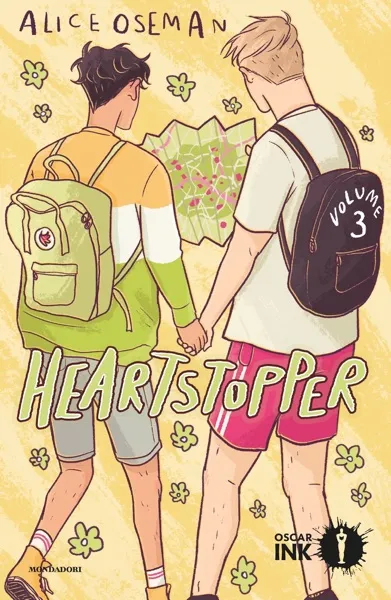

Heartstopper, Volume 3 Author: Alice OsemanPage Count: UnknownPublication Year: 2020-GB Heartstopper, Volume 3 continues Alice Oseman’s tender, heartfelt exploration of love, friendship, and self-discovery, this time diving deeper into the emotional lives of Nick and Charlie as they navigate the complexities of their relationship. Published in 2020, this installment of the beloved graphic novel series has cemented its place as a modern classic in LGBTQ+ storytelling, praised for its authenticity, warmth, and gentle yet powerful portrayal of young queer love. Oseman’s style remains one of the most distinctive and effective aspects of Heartstopper. Her clean, expressive linework and soft, pastel-heavy palette create an inviting, almost dreamlike atmosphere that perfectly complements the story’s themes of hope and tenderness. Unlike many graphic novels that rely on exaggerated expressions or dramatic visuals, Oseman’s art feels intimate and personal. The characters’ faces—often drawn with simple, rounded features—are incredibly expressive, conveying an entire spectrum of emotions from quiet joy to deep anxiety in just a few lines. This minimalist approach makes the rare moments of intensity—like a tense argument or a heartfelt confession—feel all the more impactful. The central theme of Volume 3 revolves around communication, honesty, and the fear of vulnerability. Nick and Charlie, now a couple, face their first major challenge when Nick struggles to come out to his rugby teammates. The moment is fraught with tension, not because of external homophobia—though that lurks in the background—but because of Nick’s own internalized fear of disappointing those he loves. Oseman handles this with remarkable nuance, avoiding simplistic resolutions and instead showing how growth often comes with discomfort. Nick’s journey isn’t about grand gestures but small, hesitant steps toward self-acceptance, and Charlie’s unwavering support serves as a quiet but powerful foundation for that growth. What makes Heartstopper so special is its refusal to shy away from the messiness of real relationships. Oseman doesn’t sugarcoat conflict; instead, she presents it as a natural part of love. A miscommunication between Nick and Charlie, rooted in Nick’s avoidance of a difficult conversation, leads to a raw and painful fight. The way Oseman depicts this—through fragmented panels and sparse dialogue—mirrors the disorientation of emotional turmoil. It’s uncomfortable to read, but that discomfort is what makes the eventual reconciliation so satisfying. When Nick finally opens up, not with a grand speech but with a simple, "I’m sorry," the relief is palpable. It’s a reminder that love isn’t about perfection but about showing up, even when it’s hard. Oseman also excels in her portrayal of friendship, particularly through the characters of Tao, Elle, and Tara. Their dynamic feels lived-in, with rivalries, inside jokes, and shared moments of vulnerability. The group’s support for Nick and Charlie isn’t performative; it’s woven into the fabric of their daily lives, making the story feel like a snapshot of real, evolving relationships. Volume 3 introduces new layers to their friendships, particularly as Elle navigates her own identity and relationships, adding depth to a cast that already feels like family. Another standout element is Oseman’s use of silence. In a medium often driven by dialogue, Heartstopper thrives in the quiet moments—Nick and Charlie sitting together in a park, a shared glance across a crowded room, the weight of a hand on a shoulder. These scenes are where the story’s emotional core shines brightest. Oseman understands that some feelings can’t be articulated, and her art conveys that beautifully, whether through a lingering gaze or the softness of a character’s posture. The pacing of Volume 3 is deliberate, allowing the story to breathe without feeling slow. Oseman balances introspective moments with lighter, humorous beats, ensuring the tone never feels overly heavy. The rugby subplot, for instance, injects a sense of normalcy and camaraderie, grounding the story in the everyday while still exploring deeper themes. Ultimately, Heartstopper, Volume 3 is a celebration of love in all its forms—romantic, platonic, and self-love. It’s a story that trusts its readers to sit with discomfort, to embrace imperfection, and to believe in the possibility of happiness. Oseman’s ability to capture the small, seemingly insignificant moments that define relationships is what makes Heartstopper so universally beloved. It’s not just a story about being queer; it’s a story about being human. For anyone who has ever felt the flutter of a first crush, the ache of miscommunication, or the relief of being truly seen, Heartstopper is a balm. It’s a reminder that love isn’t about grand declarations but about the quiet, steady choices we make to show up for one another. #Heartstopper #AliceOseman #LGBTQYA #GraphicNovels #NickAndCharlie #QueerLoveStories Related InsightsIdentity Book Review and Summary Never Let Me Go Book Review and Summary Angels & Demons Book Review and Summary{ "@context": "https://schema.org", "@type": "FAQPage", "mainEntity": [ { "@type": "Question", "name": "What is the main focus of Heartstopper, Volume 3 Book Review and Summary?", "acceptedAnswer": { "@type": "Answer", "text": "Everything you need to know about Heartstopper, Volume 3 with our detailed review." } }, { "@type": "Question", "name": "Who authored the comprehensive guide on Heartstopper, Volume 3 Book Review and Summary?", "acceptedAnswer": { "@type": "Answer", "text": "This detailed article and its insights were carefully researched and authored by Carmen Martinez." } }, { "@type": "Question", "name": "Where can I find more related content about Books?", "acceptedAnswer": { "@type": "Answer", "text": "You can explore more articles, detailed reviews, and similar insights by browsing the Related Insights section at the bottom of this article or visiting our dedicated Books category page." } } ] }
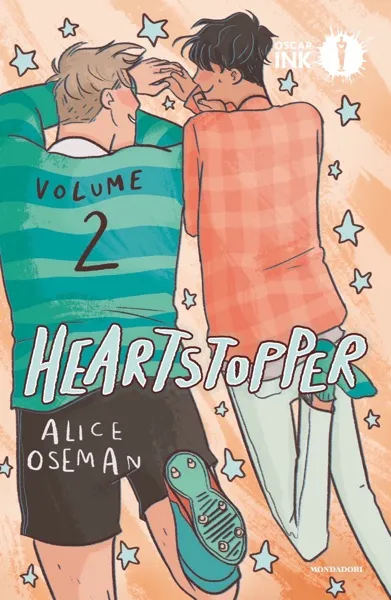

Heartstopper, Volume 2 Author: Alice OsemanPage Count: UnknownPublication Year: 2019-GB Heartstopper, Volume 2 is the kind of book that reminds you why graphic novels can pack such an emotional punch. Alice Oseman’s sequel to Volume 1 doesn’t just expand the world of Charlie and Nick—it deepens it with warmth, authenticity, and a quiet insistence that queer love stories deserve to be told with tenderness rather than drama. In a publishing landscape still catching up to the richness of LGBTQ+ narratives, Oseman’s gentle, unhurried storytelling feels revolutionary. At its core, Heartstopper, Volume 2 is about the quiet evolution of love—how it starts as a fragile spark and slowly becomes a steady flame. The story picks up where Volume 1 left off, with Nick and Charlie navigating the early days of their relationship, but this time, the focus shifts from the thrill of newfound attraction to the messier, more human work of understanding one another. Oseman excels at capturing those small, almost imperceptible moments that define a relationship: the way Nick hesitates before holding Charlie’s hand in public, the way Charlie overanalyzes a text message, the way both boys struggle to name what they’re feeling because the words haven’t caught up to the emotion yet. It’s a testament to Oseman’s skill that she makes these ordinary moments feel extraordinary. The book’s strength lies in its ability to balance humor and heartbreak without tipping into melodrama. Oseman’s dialogue is crisp and natural, filled with the kind of banter that feels lifted straight from real teenage conversations. There’s a scene where Nick, overwhelmed by the pressure of his rugby teammates’ expectations, confesses to Charlie that he’s not sure he can be openly gay yet. It’s a moment that could easily veer into heavy-handedness, but Oseman handles it with such delicacy that it feels more like a plea for understanding than a confrontation. Charlie’s response—patient, loving, but also firm—shows the maturity of their relationship, even as it’s still in its infancy. It’s a scene that lingers because it’s not about resolving conflict with grand gestures, but about two people learning to communicate, even when the words are hard to find. Visually, Oseman’s art is deceptively simple but incredibly effective. Her line work is clean and expressive, with a softness that mirrors the gentleness of the story. The character designs are expressive in the best way—Nick’s awkward, broad-shouldered frame conveys his insecurity just as clearly as Charlie’s slight, wiry build suggests his vulnerability. The use of color is subtle but meaningful; warm tones dominate, reflecting the growing affection between the characters, while cooler shades creep in during moments of doubt or tension. Oseman also uses negative space brilliantly, letting the quiet moments breathe. A single panel of Nick sitting alone on a bench, staring at his phone, speaks volumes about his internal struggle without a single word. What makes Heartstopper, Volume 2 so special is its refusal to sensationalize queer love. There’s no dramatic coming-out explosion, no explosive confrontation with bigoted family members—just the quiet, persistent reality of two boys figuring out how to love each other in a world that isn’t always kind. Oseman’s world-building is subtle but rich, with supporting characters like Tao, Elle, and the ever-watchful Victoria adding depth and texture to the story. Even minor characters feel fully realized, their own arcs playing out in the background without stealing focus from Charlie and Nick’s journey. Oseman’s writing shines in its unapologetic focus on the mundane. A scene where Charlie and Nick share a bag of chips on a park bench is as emotionally charged as any grand romantic gesture. It’s a reminder that love isn’t always about grand declarations; sometimes it’s about the quiet, everyday ways we show up for each other. The book also excels in its portrayal of mental health, with Charlie’s anxiety and Nick’s self-doubt handled with a nuance that feels authentic rather than exploitative. Oseman doesn’t offer easy fixes, but she does offer hope—a hope that feels earned because it’s rooted in the characters’ growth, not just plot convenience. If there’s any criticism to be leveled, it’s that the pacing occasionally stumbles, with some transitions feeling a bit abrupt. A few subplots, like Elle’s adjustment to her new school, feel underdeveloped compared to the main narrative. But these are minor quibbles in an otherwise flawlessly constructed story. Heartstopper, Volume 2 isn’t just a sequel; it’s a testament to the power of slow-burn storytelling. It’s a book that trusts its readers to sit with the quiet moments, to feel the weight of a glance or the significance of a shared silence. In a world where LGBTQ+ stories are still often reduced to tragedy or struggle, Heartstopper is a breath of fresh air. It’s a story that says queer love can be soft, messy, hopeful, and ordinary—all at once. Alice Oseman has crafted something rare: a graphic novel that feels like a warm hug, a reminder that love, in all its forms, is worth the risk. #Heartstopper #AliceOseman #GraphicNovel #LGBTQRomance #QueerLiterature #CharlieAndNick Related InsightsPadre Rico, Padre Pobre (Edición 25 Aniversario) / Rich Dad Poor Dad Book Review and Summary Nunca Book Review and Summary Legend Book Review and Summary{ "@context": "https://schema.org", "@type": "FAQPage", "mainEntity": [ { "@type": "Question", "name": "What is the main focus of Heartstopper, Volume 2 Book Review and Summary?", "acceptedAnswer": { "@type": "Answer", "text": "Everything you need to know about Heartstopper, Volume 2 with our detailed review." } }, { "@type": "Question", "name": "Who authored the comprehensive guide on Heartstopper, Volume 2 Book Review and Summary?", "acceptedAnswer": { "@type": "Answer", "text": "This detailed article and its insights were carefully researched and authored by Marta Wisniewska." } }, { "@type": "Question", "name": "Where can I find more related content about Books?", "acceptedAnswer": { "@type": "Answer", "text": "You can explore more articles, detailed reviews, and similar insights by browsing the Related Insights section at the bottom of this article or visiting our dedicated Books category page." } } ] }
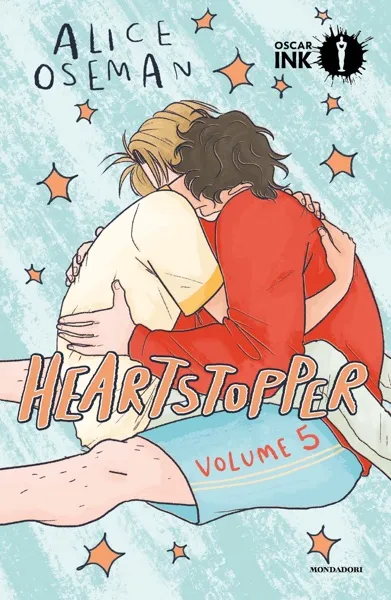

Heartstopper, Volume Five Author: Alice OsemanPage Count: UnknownPublication Year: 2021-GB Heartstopper, Volume Five is a masterclass in emotional storytelling, proving once again why Alice Oseman’s graphic novel series has captivated millions worldwide. This installment—part of the heartfelt and exuberant journey of Charlie and Nick—delivers not just a continuation of their love story, but a poignant exploration of growth, identity, and the quiet courage it takes to be true to oneself. At its core, Heartstopper is about more than romance; it’s about the messy, beautiful process of becoming who you are meant to be. Volume Five unfolds with the same tender precision that has defined the series, but with a deeper focus on the characters’ internal struggles. Nick, now openly gay and comfortable in his skin, faces a new kind of uncertainty—one that comes not from hiding, but from the weight of expectation. His relationship with Charlie is stronger than ever, yet he grapples with the fear of not living up to the ideal version of himself that others, and even he, have imagined. Oseman captures this internal conflict with remarkable subtlety, using quiet moments and expressive illustrations to convey emotions that words alone might miss. A single glance, a hesitant touch, or a shared silence often speaks volumes, reinforcing the idea that love is as much about patience and understanding as it is about passion. Charlie, ever the resilient optimist, serves as a grounding force for Nick, but he too is navigating his own evolution. His journey isn’t about coming out—he’s long since done that—but about embracing his identity beyond labels. He’s a young gay man learning that self-worth isn’t tied to external validation, and Oseman beautifully illustrates this arc through small, everyday moments: Charlie doodling in his sketchbook, laughing with his friends, or simply existing without apology. The book doesn’t shy away from the complexities of queer adolescence, but it approaches them with warmth and authenticity, never reducing its characters to stereotypes or tropes. Oseman’s art style is deceptively simple yet profoundly expressive. Her line work is clean and uncluttered, allowing the emotional weight of each panel to shine through. The use of color is particularly noteworthy—soft pastels dominate, evoking a sense of warmth and nostalgia, but moments of intensity are highlighted with bolder hues, signaling emotional shifts. The facial expressions are incredibly nuanced; a raised eyebrow, a downturned mouth, or wide, vulnerable eyes can convey entire conversations. This visual storytelling elevates the narrative, making the reader feel as though they are right there with the characters, experiencing their highs and lows in real time. One of the most striking aspects of Volume Five is its unflinching honesty about mental health. Oseman doesn’t sugarcoat the struggles Nick and Charlie face, whether it’s anxiety, self-doubt, or the pressure to conform. Yet, she frames these challenges within a context of support and love. The presence of their found family—Elle, Tao, and Darcy—is a testament to the power of chosen family, and their unwavering loyalty offers a counterbalance to the external pressures the protagonists face. This balance between vulnerability and hope is what makes Heartstopper so resonant. It acknowledges that life isn’t perfect, but it’s in those imperfections that we find our strength. Oseman’s writing is equally compelling. The dialogue crackles with authenticity, capturing the cadence of real teenage speech without resorting to clichés. There’s a refreshing lack of melodrama; the characters’ emotions are portrayed with quiet realism, making their triumphs feel earned and their setbacks poignant. The pacing is impeccable, blending humor, romance, and introspection seamlessly. Even the quieter scenes, where characters reflect or simply exist, are imbued with a sense of purpose, reinforcing the idea that every moment of growth matters. Heartstopper, Volume Five is a triumph not just because of its storytelling, but because of its heart. It’s a reminder that love, in all its forms, is a journey—and one that’s worth every stumble and triumph along the way. Oseman has crafted a world that feels intimate and expansive at once, where readers can see themselves reflected in the characters’ struggles and triumphs. It’s a story that lingers long after the final page, leaving you with a sense of warmth and possibility. For anyone who has ever felt like an outsider, or who has loved and been loved in return, this book is a balm. It’s a celebration of authenticity, a testament to the power of kindness, and a love letter to those who have ever doubted their place in the world. In a genre often crowded with drama and angst, Heartstopper stands out for its gentle, unyielding hope. #Heartstopper #AliceOseman #QueerRomance #GraphicNovel #LGBTQBooks #ComingOfAge Related InsightsMemory's Legion Book Review and Summary Eyes of the Void Book Review and Summary Anthem Book Review and Summary{ "@context": "https://schema.org", "@type": "FAQPage", "mainEntity": [ { "@type": "Question", "name": "What is the main focus of Heartstopper, Volume Five Book Review and Summary?", "acceptedAnswer": { "@type": "Answer", "text": "Everything you need to know about Heartstopper, Volume Five with our detailed review." } }, { "@type": "Question", "name": "Who authored the comprehensive guide on Heartstopper, Volume Five Book Review and Summary?", "acceptedAnswer": { "@type": "Answer", "text": "This detailed article and its insights were carefully researched and authored by Antoine Leroy." } }, { "@type": "Question", "name": "Where can I find more related content about Books?", "acceptedAnswer": { "@type": "Answer", "text": "You can explore more articles, detailed reviews, and similar insights by browsing the Related Insights section at the bottom of this article or visiting our dedicated Books category page." } } ] }
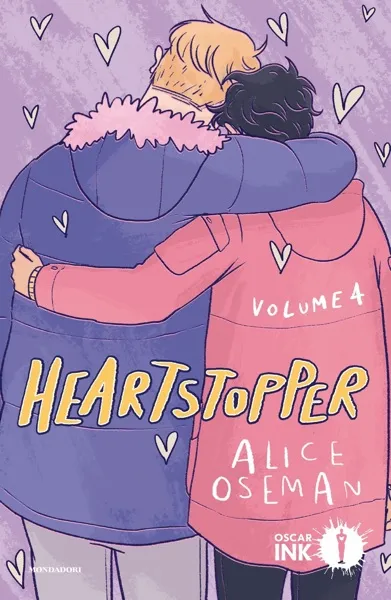

Heartstopper, Volume 4 Author: Alice OsemanPage Count: UnknownPublication Year: 2021-GB Heartstopper, Volume 4: A Tender Symphony of Growth and Belonging Alice Oseman’s Heartstopper, Volume 4 is more than just a graphic novel—it’s a heartbeat. A pulse of raw emotion, gentle humor, and quiet resilience that steadies the reader even as it races with the characters. Continuing the tender saga of Charlie and Nick, this installment deepens their love story while exploring the messy, beautiful chaos of adolescence with unflinching honesty. Oseman’s signature style—soft watercolor strokes, expressive character designs, and dialogue that lingers in the mind—elevates this volume beyond mere storytelling into a visceral experience. At its core, Heartstopper, Volume 4 is about visibility. Not the grand, cinematic kind, but the quiet, personal kind that changes lives. Nick and Charlie’s relationship is no longer a secret to be guarded; it’s a living thing, tender and unapologetic, that grows alongside them. Oseman handles their journey with remarkable care, avoiding the trap of melodrama that often plagues LGBTQ+ narratives. Instead, she lets their love unfold naturally, through stolen glances, hesitant confessions, and the kind of mundane moments that define real intimacy. When Nick finally comes out to his rugby team—an act that should feel climactic—Oseman renders it with such understatement that its power sneaks up on you. The relief isn’t in the announcement; it’s in the aftermath, in the way his teammates’ acceptance doesn’t feel like a concession but a natural extension of who he’s always been. Oseman’s genius lies in her ability to balance humor with heartache. The banter between the characters—especially between Charlie and his friends—is hilarious, filled with the kind of inside jokes and sarcasm that make real-life friendships so special. Yet, Oseman never shies away from the heavier themes: Charlie’s lingering insecurities, Nick’s struggle with self-doubt, and the ever-present fear of being seen as “too much” or “not enough.” The artistry here isn’t just in the visuals but in the way Oseman lets silence speak volumes. A single panel of Nick staring at his reflection, his expression unreadable, conveys more than pages of exposition ever could. The supporting cast shines just as brightly. Tao’s protective loyalty, Elle’s journey toward self-acceptance, and the group’s dynamic—flawed but fiercely loving—add layers to the story. Oseman avoids the pitfall of making secondary characters mere foils; each one feels like a person with their own arcs and quirks. Even minor figures, like Nick’s younger sister, radiate personality, grounding the story in a lived-in reality. What makes Heartstopper truly exceptional is its refusal to tie up narratives neatly. Life isn’t a series of resolved conflicts and happy endings, and neither is this book. Oseman acknowledges that. There are still trials ahead for Charlie and Nick, still uncertainties, still moments where the world feels too loud. But the beauty of this volume is in how it reassures readers that it’s okay to stumble. What matters is the hand you hold when you do. Oseman’s prose, when she writes it, is sparse but evocative. Her dialogue crackles with authenticity, whether it’s the stumbling, awkward conversations of teenagers or the quiet, loaded silences between lovers. The art, rendered in soft pastels and delicate linework, mirrors the emotional tone: gentle, but never fragile. There’s a warmth to it, a sense of safety that mirrors the book’s central theme—that love, in all its forms, should be a place you can return to. Heartstopper, Volume 4 isn’t just a story about two boys falling in love; it’s about the quiet revolutions that happen in the spaces between words. It’s about finding yourself in the unlikeliest of places, and realizing that home isn’t a place, but a feeling. Oseman doesn’t just tell a love story—she crafts an anthem for anyone who’s ever felt like an outsider, whispering, You belong here. If you haven’t fallen in love with Heartstopper yet, this volume will do it. And if you have? You’ll find yourself right back where you started—heart racing, eyes stinging, and a smile that won’t quit. #Heartstopper #AliceOseman #LGBTQRomance #GraphicNovel #CharlieAndNick #QueerLiterature Related InsightsI Am Legend and Other Stories Book Review and Summary Breakfast of Champions Book Review and Summary The Compleat Works of Wllm Shkspr Book Review and Summary{ "@context": "https://schema.org", "@type": "FAQPage", "mainEntity": [ { "@type": "Question", "name": "What is the main focus of Heartstopper, Volume 4 Book Review and Summary?", "acceptedAnswer": { "@type": "Answer", "text": "Everything you need to know about Heartstopper, Volume 4 with our detailed review." } }, { "@type": "Question", "name": "Who authored the comprehensive guide on Heartstopper, Volume 4 Book Review and Summary?", "acceptedAnswer": { "@type": "Answer", "text": "This detailed article and its insights were carefully researched and authored by Camille Dubois." } }, { "@type": "Question", "name": "Where can I find more related content about Books?", "acceptedAnswer": { "@type": "Answer", "text": "You can explore more articles, detailed reviews, and similar insights by browsing the Related Insights section at the bottom of this article or visiting our dedicated Books category page." } } ] }
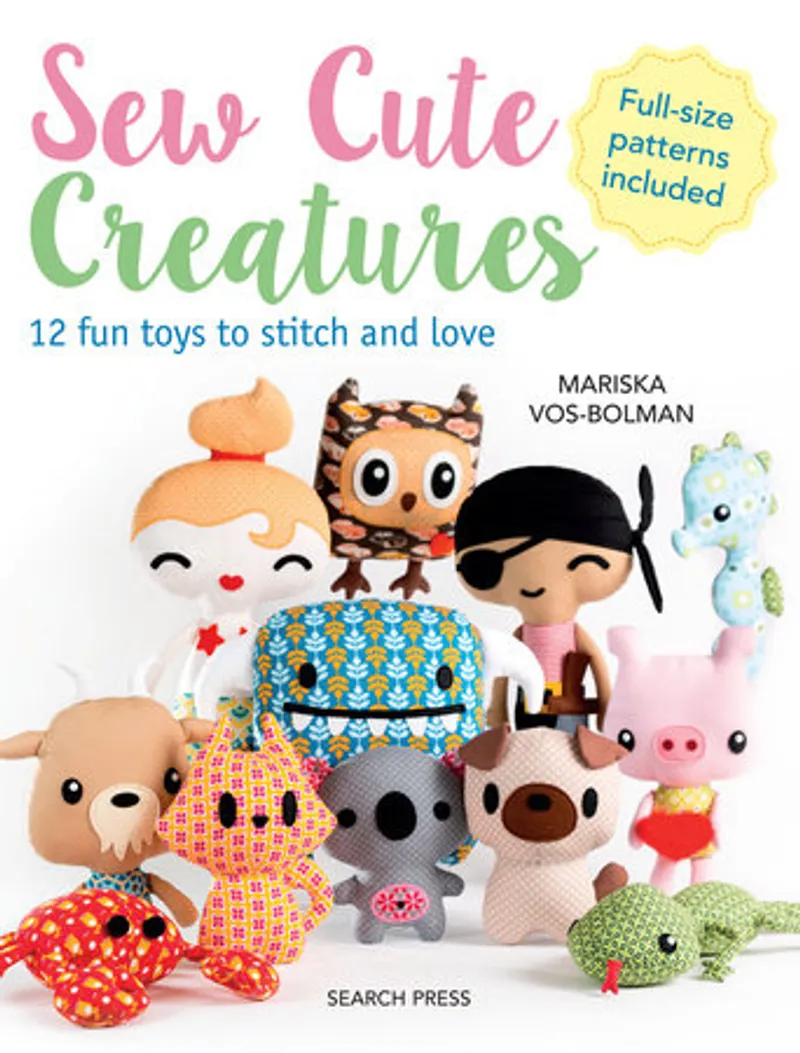
Sew Cute Creatures Author: Mariska Vol-BolmanPage Count: UnknownPublication Date: 2018-PRH In the world of sewing and crafting, few things bring as much joy as creating adorable amigurumi-style toys. Mariska Vol-Bolman's "Sew Cute Creatures" is a delightful book that embodies this joy, offering a collection of 12 cute and cuddly characters to sew and cherish. As the creator of the popular DIY Fluffies, Vol-Bolman's expertise shines through in this colorful and fun book that is sure to delight crafters of all skill levels. One of the standout features of "Sew Cute Creatures" is the incredible diversity of characters to choose from. From Pippa Puppy and Sally Seahorse to Miranda Mermaid and Peter Pirate, each toy is uniquely designed and bursting with personality. The use of colorful fabrics and amigurumi style brings these characters to life, making them perfect as collectibles or cuddly playmates for children. What sets "Sew Cute Creatures" apart from other sewing books is the clarity and ease of the instructions. Vol-Bolman provides full-size templates and clearly illustrated steps that make it easy for beginners to follow along. The projects can be sewn by machine or by hand, making it accessible to crafters who prefer either method. This attention to detail and commitment to user-friendliness makes the book an excellent choice for those new to sewing or amigurumi-style toys. Vol-Bolman's style is unmistakable throughout the book. Her love for creating adorable and whimsical characters is evident in every project, and her expertise in sewing and crafting shines through in the clear instructions and beautiful photographs. The book is a reflection of her passion for DIY Fluffies, and her enthusiasm is infectious, making readers want to dive in and start sewing their own cute creatures. Overall, "Sew Cute Creatures" is a must-have book for anyone who loves sewing, crafting, and creating adorable toys. With its diverse range of characters, clear instructions, and beautiful photographs, it's a book that will delight crafters of all skill levels. Whether you're a seasoned sewer or just starting out, this book is sure to inspire you to create something truly special. #AmigurumiToys #SewingForBeginners #DIYCrafting #CuteSewingProjects #SewCuteCreatures #MariskaVolBolman Related InsightsA Game of Thrones Book Review and Summary Resonance Surge Book Review and Summary Dark Tracks Book Review and Summary{ "@context": "https://schema.org", "@type": "FAQPage", "mainEntity": [ { "@type": "Question", "name": "What is the main focus of Heartstopper: Volume One Book Review and Summary?", "acceptedAnswer": { "@type": "Answer", "text": "Everything you need to know about Heartstopper: Volume One with our detailed review." } }, { "@type": "Question", "name": "Who authored the comprehensive guide on Heartstopper: Volume One Book Review and Summary?", "acceptedAnswer": { "@type": "Answer", "text": "This detailed article and its insights were carefully researched and authored by Alice Oseman." } }, { "@type": "Question", "name": "Where can I find more related content about Books?", "acceptedAnswer": { "@type": "Answer", "text": "You can explore more articles, detailed reviews, and similar insights by browsing the Related Insights section at the bottom of this article or visiting our dedicated Books category page." } } ] }