Showing Posts From
Japanese cuisine
-
 Eleanor Hughes
 - 09 Aug, 2026 19:13
Slurp Your Way Through Japan: The Definitive Ramen Roadmap from Tonkotsu to Shoyu
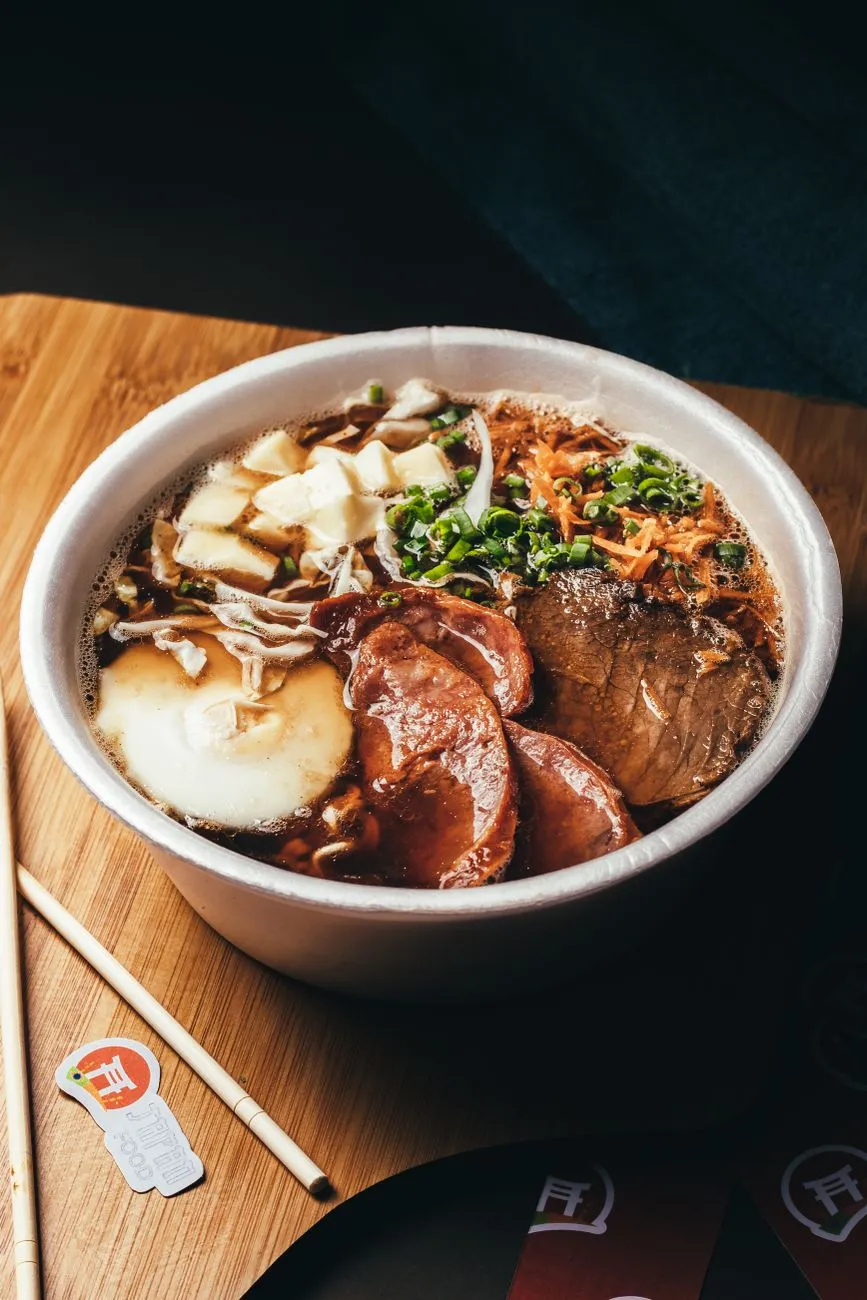
Tokyo’s Lantern-Lit Alleys to Osaka’s Steam-Filled Kitchens: Where Ramen Was Born Few dishes carry the weight of history and comfort quite like ramen. Born in the late 19th century as a humble adaptation of Chinese wheat noodles, ramen evolved into a cultural icon—one that now fuels millions daily across Japan and beyond. From the creamy, collagen-rich broths of Fukuoka’s tonkotsu ramen to the soy-kissed clarity of Tokyo’s shoyu ramen, each bowl tells a story of regional pride, culinary innovation, and communal warmth. But what truly sets ramen apart isn’t just its flavor—it’s the precision behind every element: the wheat’s gluten structure, the pork’s collagen breakdown, the umami depth of kombu and katsuobushi. Whether you’re a first-time slurper or a seasoned ramen hunter, mastering the nuances of this dish means understanding its soul: the broth.The Broth Alchemy: How Collagen, Time, and Fire Create Liquid Gold At the heart of every bowl of ramen lies its broth—a symphony of flavor built over hours, sometimes days, of patient extraction. The four primary broth styles—tonkotsu (pork bone), shoyu (soy sauce), miso, and shio (salt)—each demand a unique approach, but all share a common goal: to dissolve collagen into gelatin, extract minerals, and layer umami until the liquid hums with depth. Tonkotsu ramen, hailing from Fukuoka, is the poster child of collagen extraction. Traditionally simmered for 12–18 hours, pork femurs and trotters are boiled at a rolling boil to emulsify fat and marrow into a thick, creamy white broth. The result? A velvety texture with a neutral base that lets toppings shine. Science backs this up: collagen breaks down into gelatin at 160°F (71°C), but sustained high heat (212°F/100°C) accelerates the process, extracting more gelatin and fat for body. A 2018 study in the Journal of Food Science confirmed that prolonged boiling increases free amino acids like glycine and proline, enhancing umami and mouthfeel. Shoyu ramen, Tokyo’s answer to flavor, blends chicken or pork broth with soy sauce, mirin, and dashi. The soy sauce—fermented for months—adds saltiness, acidity, and a reddish-brown hue. A key trick? Adding a splash of kombu dashi (kelp stock) to balance the soy’s intensity. Miso ramen, born in Hokkaido, swaps soy for fermented soybean paste, introducing earthy, funky notes. The miso’s enzymes break down proteins further, creating a thicker, almost paste-like broth. Shio ramen, the lightest style, relies on salt and chicken or pork stock, often clarified with egg whites (a technique called chawanmushi filtration) for a crystal-clear finish. Broth Style Comparison TableStyle Base Ingredients Cooking Time Key Flavor Profile Regional OriginTonkotsu Pork bones, trotters 12–18 hrs Creamy, rich, fatty FukuokaShoyu Chicken/pork broth, soy sauce 6–8 hrs Salty, tangy, umami TokyoMiso Pork/chicken broth, miso paste 4–6 hrs Earthy, funky, bold SapporoShio Chicken/pork broth, salt 3–5 hrs Clean, delicate, briny HakodateNoodles: The Unsung Heroes of Texture and Taste If broth is ramen’s soul, noodles are its backbone. Made from just four ingredients—wheat flour, water, salt, and kansui (alkaline mineral water)—ramen noodles undergo a transformation unlike any other. Kansui, typically a mix of sodium carbonate and potassium carbonate, raises the pH to 9–11, strengthening the gluten network. This gives ramen noodles their signature chew (al dente bite) and springy resilience. The flour matters too. Japanese noodle flour is typically a blend of hard and soft wheat, with protein content around 11–13%. Higher protein means more gluten, which translates to a firmer noodle. For example, Hakubaku’s ramen noodles use a 12% protein flour, resulting in a noodle that holds up to broth without turning mushy. The kneading and resting process is equally critical: dough is rested for 30–60 minutes to relax the gluten, then rolled thin (1.2–1.5mm) and cut into fine strands. Regional variations abound. Sapporo’s miso ramen noodles are thicker and wavier, designed to cling to the rich broth. Tokyo’s shoyu noodles are medium-thin and straight, slicing through the broth’s clarity. Tonkotsu noodles in Fukuoka are thick and curly, trapping the creamy broth in their folds. And in Kyoto, salt ramen noodles are often slightly alkaline, giving them a subtle yellow tint and a firmer bite.Toppings That Elevate Ramen from Meal to Masterpiece No bowl of ramen is complete without its garnishes—a carefully curated ensemble that adds texture, color, and contrast. The most iconic topping is chashu: slow-braised pork belly, marinated in soy sauce, sake, mirin, and sugar. The cut is crucial—belly’s fat melts during cooking, basting the meat in its own juices. A 2020 study in Meat Science found that sous-vide chashu at 165°F (74°C) for 12 hours yields the most tender, evenly cooked results. Eggs are another star. Ajitsuke tamago (marinated eggs) are soft-boiled, then soaked in a soy-mirin mixture for 4–12 hours. The yolk remains custardy, while the white firms up just enough to hold its shape. For extra richness, some chefs use onsen tamago (hot spring eggs), where eggs are poached in 140°F (60°C) water for 45 minutes, resulting in a creamy, almost runny yolk. Vegetables add freshness and crunch. Menma (fermented bamboo shoots) provide a tangy bite, while narutomaki (fish cake) offers a mild, slightly sweet flavor. Green onions, nori (seaweed), and sesame seeds round out the ensemble, their bright colors and textures cutting through the broth’s richness. The Art of Assembly: How to Build a Bowl Like a Pro Building a bowl of ramen is like conducting a symphony—each element must play its part in harmony. Start with the broth: strain it carefully to remove impurities, then reheat gently to preserve its clarity and body. Add the noodles last, cooking them al dente (1–2 minutes in boiling water) to avoid mushiness. Drain well, then transfer to a bowl. Next, ladle the hot broth over the noodles, ensuring they’re fully submerged. Arrange the toppings artfully: place the chashu slices on one side, the ajitsuke tamago on the other, and scatter the menma, narutomaki, and green onions on top. Finally, add a sprinkle of sesame seeds or a drizzle of chili oil for heat.From Tokyo to Hakodate: A Ramen Pilgrimage Across Japan Ramen isn’t just a dish—it’s a journey. Each region of Japan boasts its own style, shaped by local ingredients, climate, and history. In Tokyo, shoyu ramen reigns supreme. The city’s first ramen shop, Nakiryu (now a Michelin-starred spot), opened in 1959, popularizing the soy-based broth. Tokyo’s ramen is all about balance: a clear, golden broth with a hint of tang from vinegar or citrus, paired with medium-thin, straight noodles. Toppings are minimal—chashu, egg, and green onions—letting the broth shine. Head north to Sapporo, and you’ll find miso ramen, a hearty, warming dish born from Hokkaido’s cold winters. The miso base is rich and earthy, often paired with corn, butter, and local seafood like scallops or crab. The noodles are thick and wavy, designed to cling to the thick broth. In Fukuoka, tonkotsu ramen takes center stage. The broth is a creamy, opaque white, thanks to the emulsified fat and collagen. The noodles are thick and curly, and toppings often include pickled ginger and garlic for extra zing. A must-try spot is Ichiran, where you can customize your spice level and broth richness. Hakodate, on the northern tip of Honshu, is famous for its shio ramen. The broth is light and clear, with a delicate saltiness that lets the umami of kombu and katsuobushi shine. The noodles are thin and slightly alkaline, giving them a subtle yellow hue. Toppings are simple—chashu, egg, and nori—letting the broth’s purity take the spotlight. South to Kumamoto, and you’ll encounter tonkotsu shoyu ramen, a hybrid style blending Fukuoka’s creamy tonkotsu with Tokyo’s tangy shoyu. The result is a broth that’s both rich and bright, with a deep umami backbone.Ramen at Home: How to Recreate the Magic in Your Kitchen You don’t need a Michelin-starred kitchen to make great ramen at home. Start with the broth: for tonkotsu, simmer pork bones and trotters for 12–18 hours, skimming fat and impurities regularly. For shoyu, use a blend of chicken and pork bones, simmered for 6–8 hours, then finished with soy sauce and dashi. For the noodles, you can buy fresh or dried ramen noodles from an Asian grocery store. If you’re feeling ambitious, make your own dough with bread flour (12% protein), water, salt, and kansui (available online or at specialty stores). Knead the dough for 10 minutes, rest it for 30 minutes, then roll and cut it thin. The toppings are where you can get creative. Marinate pork belly in soy sauce, sake, mirin, and sugar for at least 4 hours (overnight is ideal), then braise it low and slow until tender. For the egg, soft-boil it for 6–7 minutes, then marinate in soy-mirin mixture for 4–12 hours. Pro Tips for Home CooksBroth Clarity: Use egg whites to clarify your broth. Whisk 2 egg whites per liter of broth, heat gently, then strain through a fine-mesh sieve. Noodle Texture: Cook noodles in salted water (like pasta water) to enhance their flavor. Umami Boost: Add a piece of kombu or a few shiitake mushrooms to your broth for extra depth. Spice Control: Customize heat with chili oil, rayu (chili sesame oil), or fresh chili peppers.The Global Ramen Revolution: How the World Fell in Love with a Japanese Icon Ramen’s journey from Japan to the world is a testament to its universal appeal. In the 1970s, instant ramen—pioneered by Momofuku Ando—became a global phenomenon, with brands like Nissin and Maruchan making ramen accessible to millions. Today, instant ramen is a $30 billion industry, with innovations like cup noodles and freeze-dried broths. But the real ramen revolution is happening in restaurants. From New York’s Ivan Ramen to London’s Bao, chefs worldwide are putting their spin on the dish. In Los Angeles, Daikokuya serves a tonkotsu ramen with a spicy miso twist. In Melbourne, Ramen Kan offers a vegan ramen with mushroom and kombu broth. Even in Paris, Umami Matcha blends French techniques with Japanese flavors, creating a ramen that’s both familiar and avant-garde. Ramen’s global success isn’t just about flavor—it’s about adaptability. Chefs are experimenting with gluten-free noodles, plant-based broths, and fusion toppings like truffle oil or kimchi. Yet, the core principles remain: a rich, umami-packed broth, chewy noodles, and thoughtful toppings.The Future of Ramen: Innovation Meets Tradition As ramen continues to evolve, two trends are shaping its future. First, sustainability: chefs are exploring nose-to-tail cooking, using every part of the pig (even the blood for kurobuta ramen) and sourcing ingredients locally. Second, technology: labs are developing new techniques, like pressure-cooking broths to reduce cooking time without sacrificing flavor, or using enzymes to enhance umami. Yet, despite these innovations, the soul of ramen remains unchanged. It’s a dish that brings people together—whether in a tiny Tokyo alley or a bustling New York kitchen. It’s comfort in a bowl, history in a slurp, and a reminder that the best meals are the ones shared with others. So the next time you lift your spoon, take a moment to appreciate the craft behind your bowl. From the collagen-rich broth to the al dente noodles, every element is a testament to the art of ramen.#RamenLove #JapaneseCuisine #FoodieAdventure Related InsightsThe Art of Dim Sum: Hong Kong’s Tiny Bites That Pack a World of Flavor Baba Ghanoush: The Smoky Eggplant Dip Andean Superfoods Unveiled: The Alchemical Power of Quinoa, Kiwicha, and Canihua{ "@context": "https://schema.org", "@type": "FAQPage", "mainEntity": [ { "@type": "Question", "name": "What is the main focus of Slurp Your Way Through Japan: The Definitive Ramen Roadmap from Tonkotsu to Shoyu?", "acceptedAnswer": { "@type": "Answer", "text": "Dive into the soul of Japanese ramen with this expert guide covering broths, noodles, toppings, and the best regional styles to try at home or abroad." } }, { "@type": "Question", "name": "Who authored the comprehensive guide on Slurp Your Way Through Japan: The Definitive Ramen Roadmap from Tonkotsu to Shoyu?", "acceptedAnswer": { "@type": "Answer", "text": "This detailed article and its insights were carefully researched and authored by Eleanor Hughes." } }, { "@type": "Question", "name": "Where can I find more related content about Food?", "acceptedAnswer": { "@type": "Answer", "text": "You can explore more articles, detailed reviews, and similar insights by browsing the Related Insights section at the bottom of this article or visiting our dedicated Food category page." } } ] }
-
 Kenji Sato
 - 15 Jul, 2026 18:22
Japanese Ramen: The Ultimate Guide to Regional Styles, Secret Broths, and How to Make Them at Home
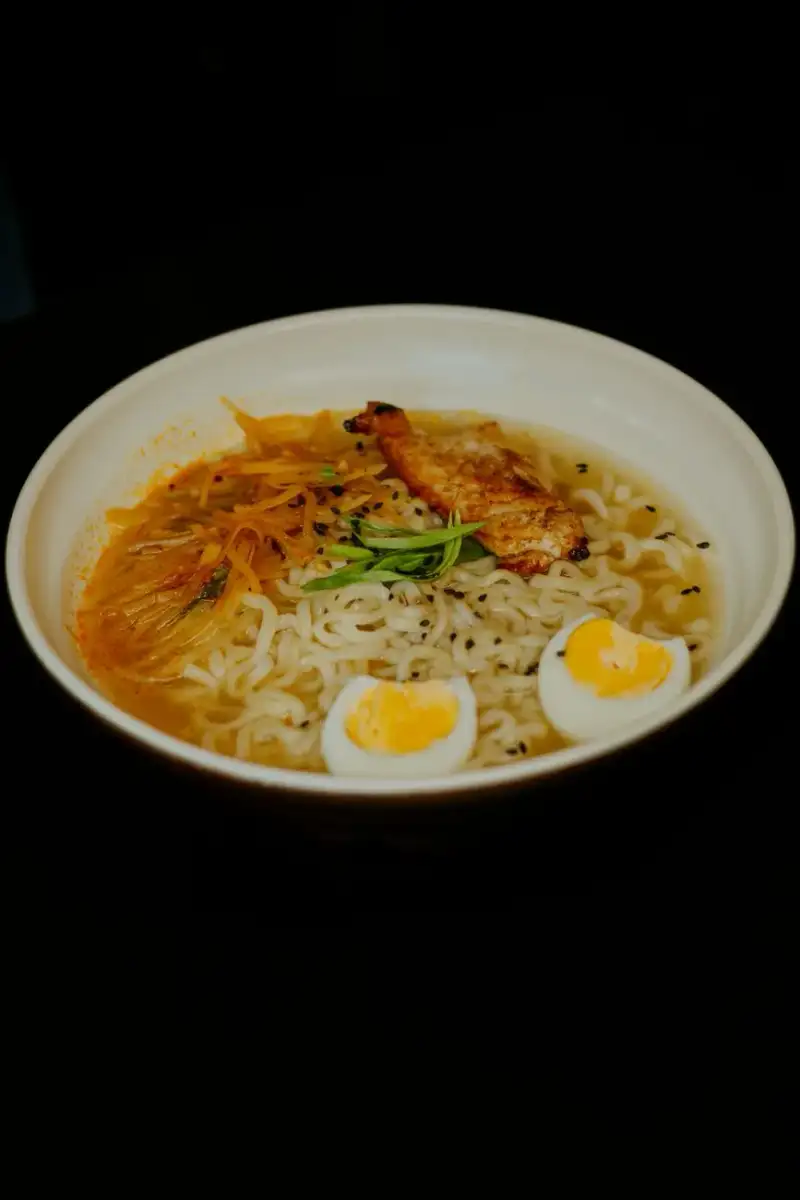
Introduction Few dishes in the world evoke the same level of passion, precision, and cultural pride as Japanese ramen. Born in the bustling streets of Tokyo in the early 20th century, ramen has evolved from a humble noodle soup to a global phenomenon, celebrated for its deep flavors, regional diversity, and artisanal craftsmanship. But what truly sets ramen apart is its regional soul—each prefecture in Japan boasts its own signature style, defined by unique broths, noodles, and toppings that reflect local ingredients and traditions. At the heart of ramen’s allure lies its broth, a meticulously crafted elixir that can take days—or even weeks—to perfect. From the rich, creamy tonkotsu of Fukuoka to the delicate, soy-based shoyu of Tokyo, the broth is the foundation of every bowl. Yet, despite its ubiquity, ramen remains shrouded in mystery for many outside Japan. How does a simple combination of water, bones, and seasonings transform into a bowl of pure umami? What are the secrets behind the regional variations that make ramen so endlessly fascinating? In this deep dive, we’ll explore the geography of ramen, uncover the science and tradition behind its broths, and provide step-by-step guidance on how to recreate these iconic flavors at home. Whether you’re a seasoned ramen enthusiast or a curious newcomer, prepare to embark on a journey through Japan’s noodle landscape—one slurp at a time.The Geography of Ramen: A Tour of Japan’s Iconic Regional Styles Japanese ramen is a culinary map of Japan, with each region offering a distinct interpretation of the dish. These variations are not arbitrary; they are deeply rooted in local history, climate, and available ingredients. Understanding these regional styles is the first step in appreciating ramen’s true diversity. Hokkaido: The Birthplace of Miso Ramen Hokkaido, Japan’s northernmost island, is famous for its miso ramen, a hearty and robust style that emerged in the 1950s. The cold climate of Hokkaido inspired locals to create a rich, warming broth that could stand up to the region’s harsh winters. The key ingredient? Fermented soybean paste, or miso, which lends the broth its deep, savory flavor and characteristic brown hue. Sapporo, Hokkaido’s capital, is the epicenter of miso ramen. The broth is typically made by simmering chicken, pork, or fish bones with vegetables and miso paste, resulting in a thick, almost paste-like consistency. Toppings often include corn, butter, bean sprouts, and chashu (braised pork belly), adding layers of texture and flavor. The noodles are thick and curly, designed to cling to the rich broth. Fukuoka: The Tonkotsu Powerhouse Fukuoka, located on the southern island of Kyushu, is the home of tonkotsu ramen, one of the most famous and labor-intensive styles in Japan. Unlike other broths that rely on a combination of bones and vegetables, tonkotsu is made exclusively from pork bones, which are simmered for up to 18 hours to extract collagen and gelatin. The result is a thick, creamy, and opaque broth that coats the noodles in a velvety embrace. The secret to Fukuoka’s tonkotsu lies in the emulsification process. As the bones cook, the fat and collagen break down and combine with the broth, creating a rich, almost milk-like consistency. This style is often served with thin, straight noodles and topped with pickled ginger, green onions, and sesame seeds. The intense umami and fatty richness make tonkotsu ramen a favorite among ramen purists. Tokyo: The Classic Shoyu Ramen Tokyo’s shoyu ramen is the quintessential representation of the dish’s urban roots. Shoyu, or soy sauce, is the dominant seasoning, lending the broth a balanced blend of salty, sweet, and tangy notes. The broth is typically made from a combination of chicken and pork bones, simmered with vegetables and soy sauce to create a clear, amber-colored liquid. Tokyo’s shoyu ramen is known for its simplicity and elegance. The noodles are thin and straight, designed to let the broth shine. Toppings are minimal but impactful, often including chashu, menma (fermented bamboo shoots), nori (seaweed), and a soft-boiled egg. The result is a harmonious bowl where every ingredient complements the others without overpowering the broth. Osaka: The Shio Ramen Tradition Osaka, Japan’s second-largest city, is famous for its shio ramen, or salt ramen. Unlike other styles that rely on soy sauce or miso for flavor, shio ramen uses salt as its primary seasoning, resulting in a light, clear broth that highlights the natural flavors of the ingredients. The broth is typically made from chicken or pork bones, simmered with vegetables and salt to create a delicate, refreshing base. Shio ramen is often served with thin, straight noodles and topped with ingredients like chashu, spinach, and a soft-boiled egg. The simplicity of the broth makes it a versatile style, allowing for a wide range of toppings and regional variations. In Osaka, shio ramen is a staple of the city’s culinary identity, reflecting its reputation for hearty yet balanced flavors. Kyoto: The Kyoto-style Ramen Kyoto, known for its refined cuisine, offers a unique take on ramen with its Kyoto-style ramen. This style is characterized by a light, soy-based broth that is simmered with vegetables and sometimes fish or seafood. The noodles are thin and straight, designed to complement the delicate flavors of the broth. Kyoto-style ramen often includes toppings like chashu, menma, and nori, but it can also feature more unusual ingredients like pickled plum or grated ginger. The result is a bowl that is both comforting and sophisticated, reflecting Kyoto’s reputation as a city of tradition and elegance.The Science of Ramen Broth: Decoding the Secrets Behind the Flavors At the heart of every bowl of ramen lies its broth, a complex and deeply flavorful liquid that is the result of science, patience, and tradition. The broth is not just a soup base; it is a carefully crafted elixir that balances umami, fat, acidity, and sweetness to create a harmonious whole. Understanding the science behind ramen broth is essential for both appreciating and recreating it at home. The Four Pillars of Ramen Broth Ramen broth can be broadly categorized into four main types: shio (salt), shoyu (soy sauce), miso (fermented soybean paste), and tonkotsu (pork bone). Each type relies on different ingredients and techniques to achieve its signature flavor profile.Shio Ramen Broth Shio ramen broth is the simplest of the four, relying on salt as its primary seasoning. The broth is typically made by simmering chicken or pork bones with vegetables like onions, carrots, and celery, then seasoning with salt to taste. The key to a good shio broth is balance—too much salt can overpower the natural flavors of the ingredients, while too little can leave the broth bland. The science behind shio broth lies in the Maillard reaction, a chemical process that occurs when proteins and sugars are heated, resulting in the browning and caramelization of the broth. This reaction not only enhances the flavor but also contributes to the broth’s color and aroma.Shoyu Ramen Broth Shoyu ramen broth is made by simmering chicken and pork bones with soy sauce, which adds depth, umami, and a characteristic dark color. The soy sauce is typically added toward the end of the cooking process to preserve its flavor and prevent it from becoming bitter. The umami in shoyu broth comes from glutamates, which are naturally present in soy sauce and bones. When combined with the acidity of the soy sauce, these glutamates create a complex, savory flavor that is both rich and balanced. The acidity also helps to cut through the fat in the broth, making it lighter and more refreshing.Miso Ramen Broth Miso ramen broth is made by simmering chicken, pork, or fish bones with miso paste, which adds a deep, fermented flavor and a thick, almost paste-like consistency. The miso paste is typically added toward the end of the cooking process to preserve its probiotic benefits and prevent it from breaking down. The science behind miso broth lies in fermentation. Miso is made by fermenting soybeans with salt and koji (a type of fungus), which breaks down the proteins and carbohydrates into simpler compounds like amino acids and sugars. These compounds contribute to the broth’s umami, sweetness, and complexity.Tonkotsu Ramen Broth Tonkotsu ramen broth is the most labor-intensive of the four, requiring up to 18 hours of simmering to extract collagen and gelatin from pork bones. The result is a thick, creamy, and opaque broth that coats the noodles in a velvety embrace. The science behind tonkotsu broth lies in the emulsification of fat and water. As the bones cook, the fat and collagen break down and combine with the broth, creating a stable emulsion that gives the broth its characteristic creaminess. This emulsion is what sets tonkotsu apart from other broths and makes it so rich and satisfying.The Role of Umami in Ramen Broth Umami is the fifth taste, alongside sweet, sour, salty, and bitter. It is the savory, meaty flavor that makes ramen broth so addictive. Umami in ramen broth comes from a variety of sources, including:Glutamates: Naturally present in ingredients like soy sauce, miso, and bones. Nucleotides: Found in fish, seafood, and meat, which enhance the umami flavor. Aged Ingredients: Fermented ingredients like miso and soy sauce develop deeper umami flavors over time.The combination of these compounds creates a broth that is not just salty or savory but deeply complex and satisfying. The Art of Skimming and Clarifying Broth One of the most important steps in making ramen broth is skimming and clarifying. As the broth simmers, impurities like fat, foam, and blood rise to the surface. Skimming these impurities off the top ensures a clear, clean broth that is free of bitterness and off-flavors. Clarifying the broth involves straining it through a fine-mesh sieve or cheesecloth to remove any remaining solids. This step is crucial for achieving a smooth, velvety texture that allows the flavors of the broth to shine.Noodles, Toppings, and the Art of Assembly: Crafting the Perfect Bowl No ramen bowl is complete without its noodles and toppings, which are just as important as the broth in defining the dish’s character. The noodles provide texture and structure, while the toppings add layers of flavor, color, and contrast. Together, they create a harmonious whole that is greater than the sum of its parts. The Anatomy of Ramen Noodles Ramen noodles are made from four main ingredients: wheat flour, water, salt, and kansui (alkaline mineral water). The kansui gives the noodles their signature chewiness and springiness, as well as their slightly yellow hue. The type of noodle used can vary depending on the regional style of ramen:Thin and Straight: Common in Tokyo-style shoyu ramen, these noodles are designed to let the broth shine. Thick and Curly: Found in Hokkaido’s miso ramen, these noodles cling to the rich broth and provide a satisfying bite. Medium and Wavy: Typical of Fukuoka’s tonkotsu ramen, these noodles have a balance of chew and texture that complements the creamy broth.The texture of ramen noodles is just as important as their shape. A good bowl of ramen should have noodles that are firm yet tender, with a slight resistance when bitten into. Overcooked noodles can turn mushy and lose their integrity, while undercooked noodles can be unpleasantly chewy. The Essential Toppings Toppings are where ramen truly becomes a canvas for creativity. While some toppings are universal, others are specific to certain regional styles. Here are some of the most common and iconic toppings:Chashu (Braised Pork Belly) Chashu is perhaps the most iconic ramen topping, made by slow-cooking pork belly in a sweet and savory marinade of soy sauce, mirin, sake, and sugar. The result is tender, melt-in-your-mouth meat that pairs perfectly with the broth. Chashu is typically sliced thinly and arranged neatly on top of the noodles.Ajitsuke Tamago (Seasoned Soft-Boiled Egg) Ajitsuke tamago is a marinated soft-boiled egg that adds a creamy, rich element to the bowl. The eggs are typically marinated in a mixture of soy sauce, mirin, and dashi, which gives them a glossy, umami-packed exterior. The yolk should be slightly runny, providing a luxurious contrast to the other toppings.Menma (Fermented Bamboo Shoots) Menma are fermented bamboo shoots that add a crunchy, slightly tangy texture to the bowl. They are made by simmering bamboo shoots in a mixture of soy sauce, sugar, and spices, then fermenting them for several days. Menma is a staple topping in Tokyo-style shoyu ramen.Nori (Seaweed) Nori is a type of dried seaweed that adds a briny, umami-rich flavor to the bowl. It is typically toasted and cut into thin strips before being placed on top of the noodles. Nori is a key topping in both shoyu and shio ramen.Negi (Green Onions) Negi, or green onions, add a fresh, sharp contrast to the rich broth. They are typically sliced thinly and scattered on top of the noodles just before serving. The green parts are used for garnish, while the white parts can be added to the broth for extra flavor.Corn Corn is a signature topping in Hokkaido’s miso ramen, adding a touch of sweetness and crunch. It is typically boiled or grilled before being placed on top of the noodles.Kikurage (Wood Ear Mushrooms) Kikurage are thin, delicate mushrooms that add a chewy texture and earthy flavor to the bowl. They are typically rehydrated and simmered in the broth before being placed on top of the noodles.The Art of Assembly Assembling a bowl of ramen is a delicate balance of flavors, textures, and temperatures. Here’s a step-by-step guide to crafting the perfect bowl:Prepare the Broth Start by heating the broth to a gentle simmer. The broth should be hot but not boiling, as boiling can cause the fat to separate and the flavors to become muddy.Cook the Noodles Cook the noodles according to the package instructions, but aim for them to be slightly undercooked. Ramen noodles continue to cook in the hot broth, so it’s important to account for this carryover cooking.Assemble the Bowl Place the cooked noodles in a deep bowl. Ladle the hot broth over the noodles, ensuring that they are fully submerged. Arrange the toppings on top of the noodles in an aesthetically pleasing manner.Garnish and Serve Garnish the bowl with any remaining toppings, such as green onions, sesame seeds, or chili oil. Serve the bowl immediately, while the broth is still hot and the noodles are at their peak texture.Making Ramen at Home: A Step-by-Step Guide to Authentic Flavors While there’s no substitute for a bowl of ramen from a Michelin-starred shop in Tokyo, making ramen at home is a rewarding and delicious endeavor. With the right techniques and ingredients, you can recreate the flavors of Japan in your own kitchen. Here’s a step-by-step guide to making authentic ramen at home. Step 1: Choose Your Broth Style The first step in making ramen at home is choosing the broth style that appeals to you. Each style has its own unique flavor profile and requires different ingredients and techniques. Here’s a quick guide to help you decide:Broth Style Key Ingredients Cooking Time Flavor ProfileShio Chicken/pork bones, salt, vegetables 6-8 hours Light, clear, saltyShoyu Chicken/pork bones, soy sauce, vegetables 6-8 hours Rich, savory, balancedMiso Chicken/pork/fish bones, miso paste, vegetables 4-6 hours Thick, fermented, umami-richTonkotsu Pork bones 12-18 hours Creamy, opaque, fattyStep 2: Prepare the Broth Once you’ve chosen your broth style, it’s time to prepare it. Here’s a general method for making ramen broth at home:Blanch the Bones If using pork or chicken bones, blanch them in boiling water for 5-10 minutes to remove impurities. This step is crucial for achieving a clear, clean broth.Simmer the Broth Transfer the blanched bones to a large pot and cover with cold water. Bring to a boil, then reduce to a gentle simmer. Skim off any foam or impurities that rise to the surface.Add Aromatics After 1-2 hours of simmering, add aromatics like onions, carrots, celery, garlic, and ginger. These ingredients will infuse the broth with flavor.Season the Broth Once the broth is fully cooked, season it with your chosen seasoning (salt, soy sauce, miso, etc.). For shoyu broth, add soy sauce toward the end of cooking to preserve its flavor. For miso broth, add miso paste at the very end to preserve its probiotic benefits.Strain and Clarify Strain the broth through a fine-mesh sieve or cheesecloth to remove any solids. This step ensures a smooth, velvety texture.Step 3: Make the Noodles While the broth is simmering, you can prepare the noodles. If you’re making noodles from scratch, here’s a basic recipe:Mix the Dough Combine 2 cups of bread flour, 1/2 teaspoon of salt, 1/2 teaspoon of kansui (or substitute with 1/2 teaspoon of baking soda), and 3/4 cup of water. Knead the dough until smooth and elastic.Rest the Dough Wrap the dough in plastic wrap and let it rest at room temperature for 30 minutes.Roll and Cut the Noodles Roll the dough out into a thin sheet, then cut it into thin strips using a pasta machine or sharp knife. For ramen noodles, aim for a thickness of about 1-2 mm.Cook the Noodles Cook the noodles in boiling water for 1-2 minutes, or until al dente. Drain and rinse under cold water to stop the cooking process.Step 4: Prepare the Toppings While the broth and noodles are cooking, prepare the toppings. Here are some recipes for classic ramen toppings:Chashu1 lb pork belly 1/2 cup soy sauce 1/2 cup mirin 1/2 cup sake 1/4 cup sugar 4 cloves garlic, smashed 1-inch piece of ginger, sliced Combine all ingredients in a pot and bring to a simmer. Reduce heat and cook for 2-3 hours, or until the pork is tender. Slice thinly and serve.Ajitsuke Tamago4 eggs 1/2 cup soy sauce 1/2 cup mirin 1/2 cup dashi 1 tablespoon sugar Combine soy sauce, mirin, dashi, and sugar in a saucepan and bring to a simmer. Reduce heat and let cool slightly. Peel the eggs and marinate in the sauce for at least 4 hours.Menma1 lb bamboo shoots 1/4 cup soy sauce 2 tablespoons sugar 1 tablespoon mirin Simmer bamboo shoots in a mixture of soy sauce, sugar, and mirin for 30-45 minutes. Drain and slice thinly.Step 5: Assemble the Bowl Once all the components are ready, it’s time to assemble the bowl. Here’s how to do it:Cook the Noodles Cook the noodles according to the package instructions, then drain and rinse under cold water.Heat the Broth Heat the broth to a gentle simmer.Assemble the Bowl Place the cooked noodles in a deep bowl. Ladle the hot broth over the noodles, ensuring that they are fully submerged. Arrange the toppings on top of the noodles in an aesthetically pleasing manner.Garnish and Serve Garnish the bowl with any remaining toppings, such as green onions, sesame seeds, or chili oil. Serve the bowl immediately, while the broth is still hot and the noodles are at their peak texture.The Global Ramen Revolution: Trends, Challenges, and the Future of Noodles Ramen’s journey from a humble street food to a global phenomenon is a testament to its universal appeal. Today, ramen is enjoyed in every corner of the world, from high-end restaurants in New York and London to street stalls in Bangkok and Seoul. But as ramen continues to evolve, it faces both opportunities and challenges in the global market. The Rise of Ramen Outside Japan The global ramen revolution began in the 1970s, when instant ramen became a staple in households around the world. Brands like Nissin and Maruchan introduced millions of people to the convenience and comfort of ramen, albeit in a simplified form. However, it wasn’t until the 2000s that authentic, artisanal ramen began to gain traction outside Japan. Today, ramen shops can be found in major cities across the globe, from Tokyo-style shoyu ramen in Los Angeles to tonkotsu ramen in Melbourne. These shops cater to both Japanese expats and local food enthusiasts, offering a taste of Japan’s noodle culture. The rise of social media has also played a significant role in ramen’s global popularity, with food bloggers and influencers sharing their ramen adventures with millions of followers. The Challenges of Authenticity One of the biggest challenges facing ramen outside Japan is the issue of authenticity. Many restaurants claim to serve "authentic" ramen, but the reality is often far from the truth. Factors like ingredient quality, cooking techniques, and cultural understanding can all impact the final product. For example, tonkotsu ramen requires up to 18 hours of simmering to achieve its signature creaminess. Many restaurants outside Japan cut corners by using pre-made broths or shortcuts like pressure cooking, which can result in a broth that lacks depth and complexity. Similarly, the use of low-quality noodles or toppings can detract from the overall experience. To address these challenges, some ramen chefs outside Japan have turned to training in Japan or collaborating with Japanese masters to ensure their dishes are as authentic as possible. Others have embraced innovation, creating fusion styles that blend Japanese techniques with local ingredients and flavors. The Future of Ramen As ramen continues to evolve, several trends are shaping its future:Healthier Options With growing awareness of dietary preferences and restrictions, many ramen shops are offering healthier options, such as gluten-free noodles, vegan broths, and low-sodium seasonings. These adaptations make ramen more accessible to a wider audience without compromising on flavor.Sustainability Sustainability is becoming an increasingly important factor in the food industry, and ramen is no exception. Chefs and restaurants are exploring ways to reduce waste, such as using locally sourced ingredients, composting food scraps, and minimizing plastic packaging.Fusion and Innovation While authenticity remains important, many chefs are experimenting with fusion styles that blend Japanese techniques with local flavors. For example, ramen shops in the United States might incorporate ingredients like pulled pork, avocado, or sriracha to appeal to local tastes.Technology and Convenience The rise of food delivery apps and meal kits has made ramen more accessible than ever. Companies like Sun Noodle and My Ramen Bar are offering pre-made broths, noodles, and toppings that can be assembled at home, allowing people to enjoy restaurant-quality ramen without leaving their kitchens.The Role of Research in Ramen’s Evolution Research plays a crucial role in the evolution of ramen, both in Japan and abroad. Studies on food science, nutrition, and culinary techniques help chefs and food scientists understand the intricacies of ramen and develop new ways to improve it. For example, research on the Maillard reaction has led to innovations in broth clarification, while studies on fermentation have deepened our understanding of miso and soy sauce. One such study, titled "Feasibility and Challenges of Introducing Authentic Sanuki Udon Internationally," explores the business and marketing challenges of bringing traditional Japanese noodle dishes to a global audience. While the study focuses on udon rather than ramen, its insights are applicable to the ramen industry as well. Key challenges include ingredient sourcing, cultural adaptation, and competition from local noodle dishes. By addressing these challenges, ramen chefs and food scientists can ensure that the dish remains both authentic and relevant in an ever-changing culinary landscape.Conclusion Japanese ramen is more than just a dish—it’s a cultural phenomenon, a culinary art form, and a testament to the power of tradition and innovation. From the rich, creamy tonkotsu of Fukuoka to the delicate, soy-based shoyu of Tokyo, each regional style offers a unique window into Japan’s diverse culinary landscape. The broth, the noodles, and the toppings all come together to create a harmonious whole that is greater than the sum of its parts. Making ramen at home is a rewarding experience that allows you to explore the depths of this iconic dish. Whether you’re simmering a pot of tonkotsu broth for 18 hours or carefully arranging toppings on a bowl of noodles, every step is an opportunity to connect with the craftsmanship and passion that define ramen. As ramen continues to evolve on the global stage, it faces both challenges and opportunities. Authenticity, sustainability, and innovation will shape its future, ensuring that it remains a beloved dish for generations to come. Whether you’re a seasoned ramen enthusiast or a curious newcomer, there’s never been a better time to dive into the world of Japanese ramen. So, grab your chopsticks, slurp loudly, and savor every bite. After all, as the Japanese say, "Ramen wa jinsei da"—ramen is life.#Hashtags #RamenLover #JapaneseCuisine #NoodleArt #UmamiBomb #FoodieAdventure Related InsightsKale and Grilled Chicken Caesar Salad with Greek Yogurt Dressing: A High Protein Delight Unlock the Secrets of Craft Beer: Your Step-by-Step Guide to Brewing at Home Like a Pro Kimchi's Untold Saga: Unearthing the Fermented Superfoods Beyond the Cabbage You Thought You Knew{ "@context": "https://schema.org", "@type": "FAQPage", "mainEntity": [ { "@type": "Question", "name": "What is the main focus of Japanese Ramen: The Ultimate Guide to Regional Styles, Secret Broths, and How to Make Them at Home?", "acceptedAnswer": { "@type": "Answer", "text": "Discover the rich diversity of Japanese ramen, from Hokkaido’s miso broth to Tokyo’s classic shoyu, and learn how to recreate authentic flavors at home." } }, { "@type": "Question", "name": "Who authored the comprehensive guide on Japanese Ramen: The Ultimate Guide to Regional Styles, Secret Broths, and How to Make Them at Home?", "acceptedAnswer": { "@type": "Answer", "text": "This detailed article and its insights were carefully researched and authored by Kenji Sato." } }, { "@type": "Question", "name": "Where can I find more related content about Food?", "acceptedAnswer": { "@type": "Answer", "text": "You can explore more articles, detailed reviews, and similar insights by browsing the Related Insights section at the bottom of this article or visiting our dedicated Food category page." } } ] }
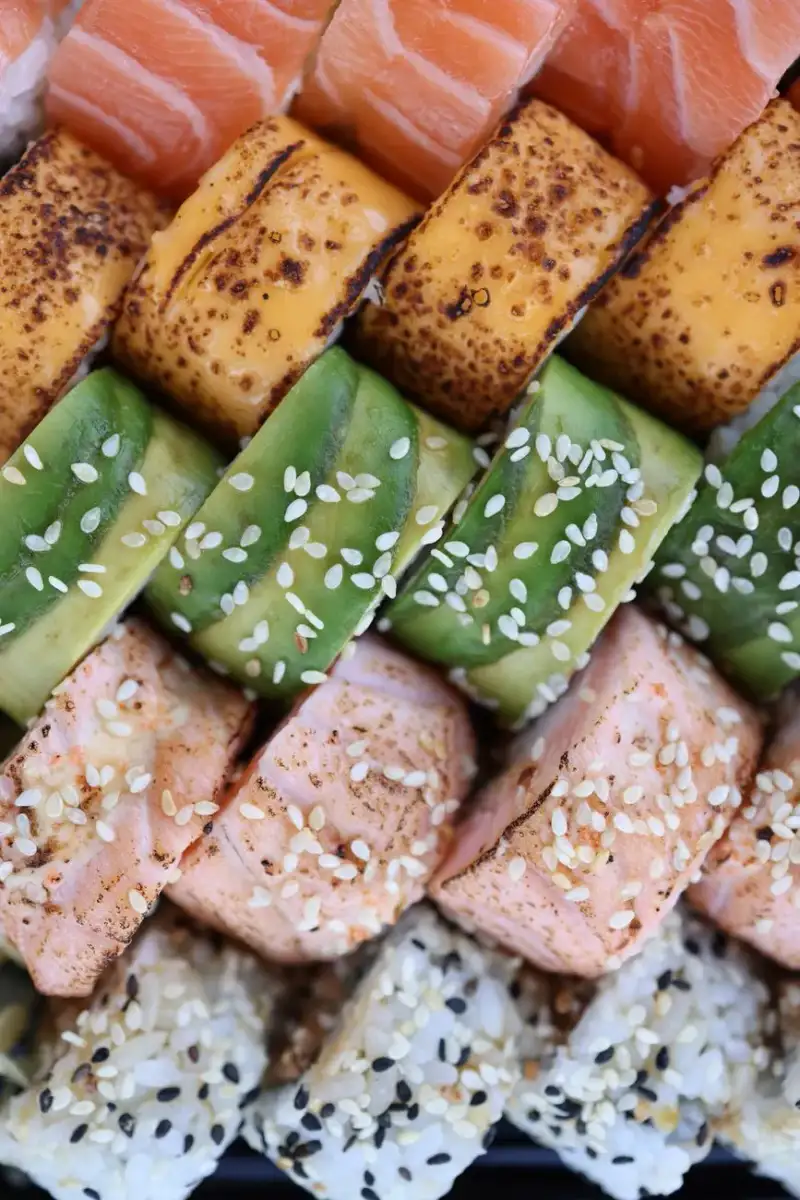

The marriage of acidity and ocean brine is not merely a culinary choice; it is a historical dialogue spanning centuries and continents. To the uninitiated, sushi is a modern luxury—a precise arrangement of raw fish atop a mound of pearlescent rice. But beneath the surface of this aesthetic perfection lies a complex metamorphosis. It is a story of survival, a scientific dance of lactic acid fermentation, and a societal shift from the slow preservation of proteins to the high-velocity appetite of a bustling metropolis. The essence of sushi is not the fish, but the shari—the vinegared rice—a component that serves as the heartbeat of the entire tradition. The Primal Roots: Narezushi and the Science of Survival Long before the neon lights of Tokyo or the refined omakase counters of Kyoto, the ancestor of sushi was born from a desperate need to preserve sustenance. The journey begins not in Japan, but in the river basins of Southeast Asia—specifically the Mekong and Irrawaddy basins, encompassing what we now know as Laos, Cambodia, Thailand, Vietnam, and Myanmar. In these humid landscapes, freshwater fish were abundant but volatile. To prevent spoilage, ancient peoples developed a method of packing fish in salted, cooked rice. This was not sushi as we know it today, but narezushi—"matured fish." The process was a triumph of primitive biochemistry. Through lactic acid fermentation, the rice created an acidic environment that acted as a natural preservative, halting the decay of the protein. Interestingly, in this primordial version of the dish, the rice was merely a tool for preservation; once the fermentation process was complete, the rice was discarded, and only the pungent, sour fish was consumed. The first scholarly trace of this practice appears in a fourth-century Chinese dictionary, describing salted fish placed in steamed rice. This method echoed across the Asian continent, manifesting as burong isda in the Philippines, pekasam in Indonesia, padaek in Laos, and sikhae in Korea. When this technique migrated to Japan during the Yayoi period, it found a perfect synergy with wet-field rice cultivation. During the rainy seasons, lakes and rivers would flood the rice paddies, leaving behind a bounty of fish. Narezushi became the vital protein bridge that allowed Japanese communities to survive the lean months.The very word "sushi" is a linguistic fossil of this era. Derived from the antiquated terminal-form conjugation shi of the adjectival verb sui (meaning "to be sour"), sushi literally translates to "sour-tasting." It refers to that precise moment where fermentation transforms the flavor profile into a savory, umami-rich experience. Even today, this ancient heritage survives in regional specialties, such as the funa-zushi of Shiga Prefecture, serving as a living museum of Japan's culinary origins. The Transition: Namanare and the Birth of the Rice-Fish Duo As centuries passed, the Japanese palate began to evolve, and the slow, months-long fermentation of narezushi started to feel cumbersome. During the Muromachi period (1336–1573), a pivotal shift occurred with the invention of namanare, or "partially fermented" sushi. This era marked a fundamental change in the relationship between the fish and the grain. In namanare, the fermentation period was significantly shortened. Because the fish did not reach a state of full maturation, the rice retained a palatable texture and flavor. For the first time in history, the rice was no longer discarded. It was eaten alongside the fish. This transition was supported by broader shifts in Japanese lifestyle. The population began adopting a rhythm of three meals a day, and the method of preparing rice shifted from steaming to boiling. Furthermore, the discovery and development of rice vinegar began to accelerate. To further speed up the process, chefs started incorporating sake and sake lees. The "slow food" of the ancients was beginning to accelerate, moving away from a method of preservation and toward a method of gastronomy. The Edo Revolution: Haya-zushi and the Fast Food Phenomenon The true explosion of sushi as a cultural icon occurred during the Edo period (1603–1867). This era brought about haya-zushi (fast sushi), a revolutionary approach that completely eliminated the need for lactic acid fermentation. Instead of waiting for nature to sour the rice over days or weeks, chefs simply mixed rice vinegar directly into the grains. This provided the desired sour taste instantaneously, allowing the fish and rice to be consumed immediately. This innovation turned sushi into the ultimate "fast food" for the chōnin (merchant and artisan) class of Edo (modern-day Tokyo). The streets of the city became hubs for quick, satisfying meals. It was during this vibrant period that the diverse styles we recognize today were born: chirashizushi (scattered sushi), inarizushi (tofu skin sushi), and makizushi (rolled sushi). The most significant breakthrough of this era, however, arrived around 1824. A visionary chef named Hanaya Yohei is credited with perfecting nigiri-zushi—the hand-pressed mound of vinegared rice topped with a slice of seafood. Yohei’s creation was a masterpiece of efficiency and flavor, designed for the fast-paced life of Edo's citizens.However, the nigiri of the 1820s differed substantially from the delicate morsels found in modern Michelin-starred restaurants. The rice portions were roughly three times larger than today's standards. The flavor profile was bolder and more acidic, utilizing aka-su (red vinegar) made from fermented sake lees, a product developed by Nakano Matazaemon, the founder of the Mizkan company. Sugar was virtually non-existent in the recipe; instead, a higher concentration of salt was used to season the shari. Because this sushi utilized fresh catches from Tokyo Bay, it was termed Edomae zushi (sushi from "in front of Edo"). This term survives today as a mark of prestige, denoting a specific style of preparation that honors the traditions of the bay. The Anatomy of Modern Sushi: Ingredients and Distinctions To understand sushi in the contemporary era, one must look beyond the fish. The defining component is always the vinegared rice, known as shari or sumeshi. While medium-grain white rice is the gold standard for its ability to hold the vinegar and maintain structure, variations using brown rice or short-grain rice exist. The ingredients draped over the rice, known as neta, are diverse. While raw seafood is the most prominent—ranging from the buttery richness of salmon and tuna to the firm texture of squid and yellowtail—it is a misconception that all neta must be raw. Eel (unagi) is typically cooked, and many vegetarian options utilize cucumbers or avocado. Even "imitation crab" (surimi) has found its way into the global lexicon of sushi. A critical distinction must be made between sushi and sashimi. While often served on the same platter, they are fundamentally different. Sashimi consists solely of thinly sliced raw fish or meat, devoid of the vinegared rice. If there is no shari, it is not sushi. The experience is completed by a carefully curated set of accompaniments:Gari: Pickled ginger, used as a palate cleanser between different types of fish. Wasabi: The pungent Japanese horseradish that provides a sharp counterpoint to the fatty fish. Soy Sauce: The salty, umami-rich dip that enhances the natural flavors of the neta. Daikon: Either raw or pickled (takuan), providing a crisp, refreshing garnish.The Global Legacy of a Simple Grain From the river basins of the Mekong to the sophisticated counters of the world's greatest cities, sushi has traveled a path of constant refinement. It has evolved from a desperate means of preserving protein into a global symbol of culinary precision and health. The genius of sushi lies in its simplicity: the balance of the sour rice, the sweetness of the fresh fish, and the punch of the wasabi. It is a dish that respects the ingredient above all else, a philosophy that traces back to the very first practitioners of narezushi. Whether it is a quick makizushi roll from a local shop or a curated Edomae experience, every bite carries the echoes of the Edo period, the Muromachi transition, and the ancient whispers of Southeast Asian fermentation. Sushi is more than a meal; it is a historical record of human ingenuity—a testament to how we have learned to harness acidity, time, and the bounty of the ocean to create something timeless. #Sushi #JapaneseGastronomy #CulinaryHistory #FoodScience #Edomae Related InsightsPeruvian Ceviche Revealed: The Ancient Citrus Alchemy That Transforms Seafood into a Nutritional Powerhouse (Part 2) nicoise salad with seared tuna and green beans: a delicious omega-3 rich dish Salmon Kulebyaka: A Harmonious Union of Omega-3 Rich Fish, Buckwheat, and Herbs{ "@context": "https://schema.org", "@type": "FAQPage", "mainEntity": [ { "@type": "Question", "name": "What is the main focus of The Alchemy of Vinegar and Ocean: The Deep Evolution of Sushi?", "acceptedAnswer": { "@type": "Answer", "text": "Explore the scientific and historical journey of sushi, from ancient Southeast Asian fermentation to the fast-food revolution of Edo Tokyo." } }, { "@type": "Question", "name": "Who authored the comprehensive guide on The Alchemy of Vinegar and Ocean: The Deep Evolution of Sushi?", "acceptedAnswer": { "@type": "Answer", "text": "This detailed article and its insights were carefully researched and authored by Michael Chef." } }, { "@type": "Question", "name": "Where can I find more related content about Food?", "acceptedAnswer": { "@type": "Answer", "text": "You can explore more articles, detailed reviews, and similar insights by browsing the Related Insights section at the bottom of this article or visiting our dedicated Food category page." } } ] }