Showing Posts From
Leg rowing fishermen
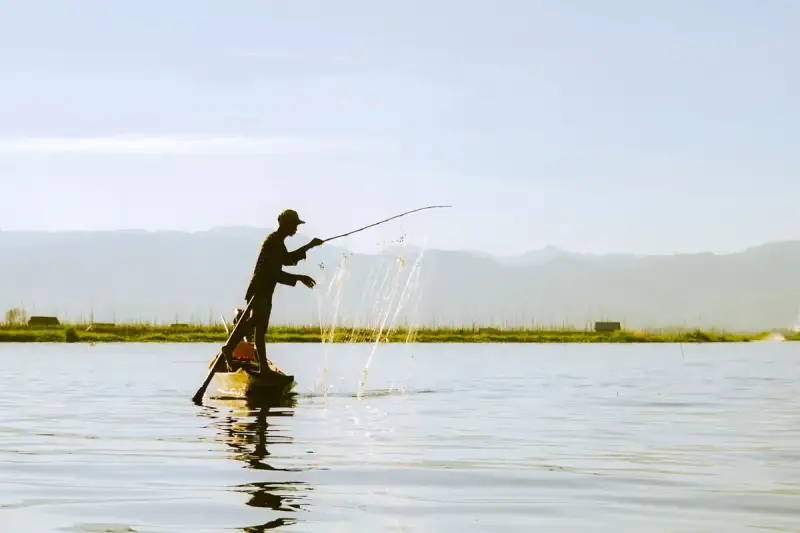

Few places on Earth evoke the kind of serene, almost surreal beauty as Inle Lake in Myanmar. Nestled in the Shan Hills of eastern Myanmar, this vast, shallow freshwater lake is not just a body of water—it is a living, breathing ecosystem where human ingenuity and nature coexist in perfect harmony. Here, leg-rowing fishermen balance precariously on their narrow wooden boats, using a single leg to propel themselves forward while casting nets with practiced ease. Around them, floating gardens drift lazily on the water’s surface, their lush greens and vibrant flowers nourished by nutrient-rich silt. This is a world where time moves differently, where tradition is not just preserved but performed daily, and where every ripple on the lake’s surface tells a story. Inle Lake is more than a destination; it is an experience that transcends the ordinary. Whether you're gliding through the mist at dawn, watching fishermen weave through the reeds, or wandering through the vibrant floating markets, the lake offers a rare glimpse into a way of life that has remained unchanged for centuries. But beyond its cultural allure, Inle Lake is also a testament to human resilience and innovation. The floating gardens, for instance, are not just a tourist spectacle—they are a vital agricultural system that sustains entire communities. Meanwhile, the leg-rowing technique, a UNESCO-recognized cultural heritage, is a skill passed down through generations, a dance of balance and precision that defines the identity of the Intha people, the lake’s indigenous inhabitants. As Myanmar reopens to the world, Inle Lake stands as a must-visit destination for travelers seeking authenticity, adventure, and a connection to a culture that thrives in harmony with its environment. But visiting this enchanting lake requires more than just a camera and a sense of wonder. To truly appreciate its magic, you need to understand its rhythms, its challenges, and its secrets. From the best time to visit and how to navigate the lake’s intricate waterways to the ethical considerations of supporting local communities, this guide will equip you with everything you need to experience Inle Lake like a seasoned traveler. So, let’s embark on a journey to one of Southeast Asia’s most captivating wonders—a place where the water reflects not just the sky, but the soul of a people who have made the impossible possible.The Leg-Rowing Fishermen: Masters of the Water At the heart of Inle Lake’s cultural identity are the leg-rowing fishermen, known locally as Intha fishermen. This unique tradition is not just a spectacle for tourists—it is a way of life that has been practiced for over 1,300 years. The Intha people, who migrated to the lake from the surrounding hills, adapted to their aquatic environment by developing a distinctive rowing technique that allows them to navigate the lake’s shallow waters with unparalleled skill. The technique itself is a marvel of efficiency and balance. Unlike traditional rowing, where oars are used, Intha fishermen use one leg to wrap around an oar and propel the boat forward. This method leaves their hands free to cast nets, steer, or even hold a cigarette—yes, it’s not uncommon to see a fisherman puffing away while effortlessly gliding across the water. The leg used for rowing is often wrapped in a piece of cloth or a net to prevent blisters, a testament to the physical demands of this craft. The boats themselves are narrow and long, designed to skim across the water’s surface with minimal resistance, allowing the fishermen to move swiftly and silently through the reeds. But why leg-rowing? The answer lies in the lake’s unique geography. Inle Lake is shallow, with an average depth of just 2 to 3 meters (6.5 to 10 feet), and its waters are often obscured by dense vegetation. Traditional rowing would be cumbersome in such conditions, but leg-rowing allows fishermen to navigate tight spaces, avoid obstacles, and even row while standing up—giving them a vantage point to spot fish beneath the surface. This technique also enables them to fish in pairs or small groups, working in sync to herd fish into their nets. The best time to witness this tradition is at dawn, when the lake is shrouded in a soft, ethereal mist and the fishermen set out in their boats, their silhouettes blending into the early light. As the sun rises, the mist lifts, revealing a bustling scene of boats weaving through the water, their rhythmic leg movements creating a hypnotic pattern. It’s a scene that feels frozen in time, a snapshot of a culture that has thrived in isolation for centuries. However, the leg-rowing tradition is not without its challenges. Modernization, climate change, and overfishing have put pressure on the lake’s ecosystem, leading to dwindling fish stocks and a decline in the number of young fishermen adopting the craft. Recognizing its cultural significance, UNESCO inscribed the leg-rowing technique on its Representative List of the Intangible Cultural Heritage of Humanity in 2015. This recognition has helped raise awareness and support for the preservation of this tradition, but it also underscores the need for sustainable tourism practices. For travelers, encountering the leg-rowing fishermen is a privilege. It’s an opportunity to witness a living heritage in action, to engage with a community that has shaped its identity around the lake, and to support their livelihoods through responsible tourism. When visiting Inle Lake, consider hiring a local guide who can introduce you to the fishermen, share their stories, and explain the nuances of their craft. And remember, while it’s tempting to take photos, always ask for permission first—these are not performers, but people going about their daily lives.Floating Gardens: Nature’s Ingenious Agricultural Marvel One of the most extraordinary sights on Inle Lake is the floating gardens, a testament to human ingenuity and the lake’s fertile ecosystem. These gardens are not just a tourist attraction; they are a vital agricultural system that has sustained the local population for generations. Unlike traditional land-based farming, the floating gardens are built entirely on the lake’s surface, using a technique that combines organic matter, silt, and water to create a nutrient-rich growing medium. The process begins with the collection of lake-bottom silt, which is rich in organic material and minerals. Fishermen and farmers use long bamboo poles to scoop up the silt and pile it onto a floating base made of water hyacinth roots and other aquatic plants. Over time, the silt decomposes, creating a thick, fertile layer that can support a variety of crops. The most common plants grown in these gardens are tomatoes, cucumbers, beans, and flowers, though some farmers also cultivate leafy greens and herbs. The gardens are anchored in place using bamboo poles, and their buoyancy allows them to rise and fall with the water level, ensuring that crops are never waterlogged. What makes the floating gardens so remarkable is their sustainability. Unlike conventional farming, which depletes the soil of nutrients, the floating gardens rely on the natural fertility of the lake’s silt. This closed-loop system minimizes the need for chemical fertilizers, making it an eco-friendly alternative to land-based agriculture. Additionally, the gardens provide a habitat for fish and other aquatic life, further enhancing the lake’s biodiversity. Visiting the floating gardens is a sensory experience. As you glide through the waterways in a small boat, you’ll be surrounded by a patchwork of vibrant greens and yellows, the scent of earth and vegetation filling the air. Farmers can often be seen tending to their crops, their boats laden with freshly harvested produce. Some gardens double as nurseries, where young plants are nurtured before being transplanted to larger plots. The most famous of these nurseries is the Ywama Floating Gardens, where you can see the entire process in action, from silt collection to harvest. But the floating gardens are not just about agriculture—they are also a cultural symbol. The Intha people have developed a deep understanding of the lake’s ecosystem, and their farming techniques reflect a harmonious relationship with nature. This philosophy is embodied in the concept of thanaka, a traditional Burmese beauty practice that also has agricultural applications. Thanaka, a paste made from the bark of the thanaka tree, is used to protect crops from pests and sun damage, showcasing the Intha people’s holistic approach to farming. For travelers, the floating gardens offer a glimpse into a sustainable way of life that is increasingly rare in the modern world. Supporting local farmers by purchasing their produce is a great way to contribute to the community’s economy. Many guesthouses and restaurants on the lake source their ingredients from the floating gardens, so you can enjoy fresh, locally grown food while knowing you’re supporting a tradition that has thrived for centuries.Exploring Inle Lake: A Step-by-Step Guide to the Ultimate Experience Inle Lake is a destination that rewards exploration, but navigating its waterways requires a bit of planning. The lake spans approximately 116 square kilometers (45 square miles) and is dotted with over 200 villages, each with its own unique character. To make the most of your visit, it’s essential to understand the best ways to explore the lake, the key attractions, and the logistics of getting around. Getting to Inle Lake The most common way to reach Inle Lake is by flying into Heho Airport, the nearest airport located about 30 kilometers (19 miles) from the lake. Heho Airport is serviced by domestic flights from Yangon, Mandalay, and Bagan, making it a convenient entry point for travelers coming from other parts of Myanmar. From the airport, you can take a taxi or a shared minibus to Nyaungshwe, the main gateway to Inle Lake. The journey takes about 45 minutes to an hour, depending on traffic and road conditions. Alternatively, you can take a bus or train from Yangon or Mandalay to Taunggyi, the capital of Shan State, and then continue to Nyaungshwe by road. This option is more budget-friendly but takes significantly longer, with bus journeys lasting up to 12 hours. If you’re coming from Bagan, you can also take a scenic overnight bus or train to Nyaungshwe, combining travel with an adventure. Where to Stay Nyaungshwe is the most popular base for exploring Inle Lake, offering a range of accommodations from budget guesthouses to luxury resorts. For a truly immersive experience, consider staying in a lakeside lodge or a floating hotel. These properties often provide easy access to boat tours and cultural sites, and some even offer cooking classes or workshops on traditional crafts. One of the most iconic places to stay is the Inle Heritage House, a boutique hotel that blends modern comfort with traditional Shan architecture. The hotel is surrounded by lush gardens and offers stunning views of the lake. Another excellent option is the Sanctuary Inle Lake, a luxury resort that combines eco-friendly design with world-class hospitality. For budget travelers, guesthouses like Little Bird Guesthouse and Ostello Bello Inle offer affordable accommodations with a social atmosphere, making them great places to meet fellow travelers. Boat Tours: The Best Way to Explore The best way to experience Inle Lake is by boat, and there are several tour options to suit different interests and budgets. The most popular is the half-day boat tour, which typically includes visits to the floating gardens, the leg-rowing fishermen, and the Inle Lake Floating Market. For a more in-depth experience, consider a full-day tour that takes you to lesser-known villages like Indein, where you can explore ancient pagodas and witness the unique architecture of the Intha people. Another must-visit is Shwe Indein Pagoda, a cluster of 1,000-year-old stupas that glow golden in the afternoon light. If you’re interested in photography, a sunrise or sunset tour is highly recommended. The soft light of dawn or dusk casts a magical glow over the lake, creating perfect conditions for capturing the fishermen at work or the floating gardens in full bloom. Cultural and Ethical Considerations While Inle Lake is a magical destination, it’s important to approach your visit with respect and mindfulness. The Intha people have a deep connection to the lake, and their way of life is not a tourist attraction but a living tradition. When visiting villages or interacting with locals, always ask for permission before taking photos, and avoid intrusive behavior. Supporting local businesses is another way to ensure your visit benefits the community. Purchase souvenirs from local artisans, dine at family-run restaurants, and consider hiring local guides who can share their knowledge and stories. Many tour operators in Nyaungshwe are owned and operated by locals, so choosing them over international companies can make a big difference. Best Time to Visit The ideal time to visit Inle Lake is during the cool, dry season, which runs from November to February. During this period, the weather is pleasant, with temperatures ranging from 15°C to 25°C (59°F to 77°F), and the lake is at its most vibrant. The Inle Lake Festival, held in October or November, is a highlight of the year, featuring boat races, traditional performances, and a lively atmosphere. The rainy season, from June to October, brings lush greenery and fewer tourists, but heavy rains can make boat tours challenging. The hot season, from March to May, is less ideal due to high temperatures and occasional haze from agricultural burning.👉 Continue Reading: Myanmar’s Inle Lake: Where Leg-Rowing Fishermen Dance on Water and Floating Gardens Feed a Nation (Part 2)#MyanmarTravel #InleLakeMagic #SustainableTourism #LegRowingFishermen #FloatingGardens Related InsightsEchoes in Stone: Unearthing Sardinia's Lost Cyclopean Mysteries in the Wild Heart of Barbagia Oman Unveiled: Where Golden Dunes Meet Timeless Forts and Hidden Oases The Serengeti: A Timeless Rhythm of Life and Survival{ "@context": "https://schema.org", "@type": "FAQPage", "mainEntity": [ { "@type": "Question", "name": "What is the main focus of Myanmar’s Inle Lake: Where Leg-Rowing Fishermen Dance on Water and Floating Gardens Feed a Nation?", "acceptedAnswer": { "@type": "Answer", "text": "Discover the timeless magic of Inle Lake in Myanmar, where leg-rowing fishermen glide across shimmering waters and floating gardens bloom with life—an unforgettable journey into culture, tradition, and nature." } }, { "@type": "Question", "name": "Who authored the comprehensive guide on Myanmar’s Inle Lake: Where Leg-Rowing Fishermen Dance on Water and Floating Gardens Feed a Nation?", "acceptedAnswer": { "@type": "Answer", "text": "This detailed article and its insights were carefully researched and authored by Wei Chen." } }, { "@type": "Question", "name": "Where can I find more related content about Travel?", "acceptedAnswer": { "@type": "Answer", "text": "You can explore more articles, detailed reviews, and similar insights by browsing the Related Insights section at the bottom of this article or visiting our dedicated Travel category page." } } ] }
This is Part 2 of the series. Read Part 1 here.Inle Lake’s Hidden Gems: Villages, Crafts, and Conservation Beyond the leg-rowing fishermen and floating gardens, Inle Lake is home to a wealth of cultural and natural treasures. Venturing beyond the main tourist spots reveals a side of the lake that is equally captivating, from traditional crafts to conservation efforts that are preserving the lake’s fragile ecosystem. The Villages of Inle Lake Inle Lake is dotted with over 200 villages, each with its own unique character and traditions. One of the most fascinating is Ywama, a village built entirely on stilts over the water. Here, you can see how the Intha people live in close-knit communities, with houses, schools, and even temples constructed on wooden platforms. The village is also known for its silk weaving, a craft that has been passed down through generations. The women of Ywama are renowned for their skill in weaving intricate patterns using traditional looms, and you can visit their workshops to see the process firsthand. Another village worth exploring is Kyaing Khan, home to the Inle Lake Bird Sanctuary. This protected area is a haven for migratory birds, including the rare spot-billed pelican and lesser adjutant stork. The sanctuary is a great place for birdwatching, with guided tours available to help you spot and identify the various species that call the lake home. For a glimpse into the past, visit Shwe Yan Pyay Monastery, a stunning wooden structure built on stilts in the middle of the lake. The monastery is a masterpiece of Shan architecture, with intricate carvings and a serene atmosphere. It’s also a place of spiritual significance, where monks and locals gather for prayers and ceremonies. Traditional Crafts and Workshops Inle Lake is a hub for traditional crafts, many of which are practiced by local artisans in their homes or small workshops. One of the most famous is silver smithing, a craft that has been practiced in the region for centuries. The village of Kyauk Ka village is known for its silver workshops, where artisans create intricate jewelry, utensils, and decorative items using traditional techniques. Visitors can watch the smiths at work and even purchase handmade souvenirs. Another craft to explore is lotus weaving, a unique art form that uses fibers from the lotus plant to create delicate textiles. The lotus plant grows abundantly in the lake’s waters, and its fibers are harvested, processed, and woven into scarves, shawls, and other garments. The lotus weaving workshop in Nyaungshwe offers hands-on experiences where you can try your hand at this labor-intensive craft. For those interested in lacquerware, the village of Kyaing Khan is home to skilled artisans who create beautiful bowls, boxes, and decorative items using traditional lacquer techniques. The process involves layering natural resins onto a bamboo or wood base, creating a durable and glossy finish. Many workshops offer demonstrations and the opportunity to purchase one-of-a-kind pieces. Conservation Efforts and Sustainable Tourism Inle Lake faces significant environmental challenges, including pollution, overfishing, and the impacts of climate change. Recognizing the need for conservation, local organizations and international groups have launched initiatives to protect the lake’s ecosystem and support sustainable tourism. One such initiative is the Inle Lake Conservation Project, which works with local communities to promote eco-friendly farming practices, reduce plastic waste, and restore degraded areas of the lake. The project also offers educational programs to raise awareness about the importance of preserving the lake’s biodiversity. Another organization making a difference is the Inle Heritage Foundation, which focuses on cultural preservation and sustainable development. The foundation runs workshops on traditional crafts, supports local artisans, and advocates for policies that protect the lake’s environment. As a traveler, you can support these efforts by choosing eco-friendly tour operators, minimizing your plastic use, and respecting the lake’s natural and cultural heritage. Simple actions like carrying a reusable water bottle, avoiding single-use plastics, and supporting local businesses can make a big difference.Practical Tips: Costs, Logistics, and Local Etiquette Planning a trip to Inle Lake requires careful consideration of practical details, from budgeting to cultural norms. While Myanmar remains one of Southeast Asia’s most affordable destinations, prices can vary depending on the season and your travel style. Here’s a breakdown of what to expect in terms of costs, logistics, and local etiquette. Cost of Living and Travel Expenses Myanmar is known for its affordability, and Inle Lake is no exception. Here’s a rough estimate of costs for a mid-range traveler:Expense Cost (USD) NotesBudget guesthouse $10–$25/night Basic but clean, often with shared bathroomsMid-range hotel $30–$80/night Private rooms, en-suite bathrooms, often lakesideLuxury resort $100–$250/night High-end amenities, often with spa and fine diningLocal meal $2–$5 Simple dishes like mohinga (noodle soup) or shan tofuRestaurant meal $5–$15 Western-style dishes or local specialties in tourist areasBoat tour (half-day) $15–$30 Group tours are cheaper; private tours cost moreBoat tour (full-day) $30–$60 Includes visits to multiple villages and attractionsLocal transport (taxi) $5–$15 Short trips within Nyaungshwe or to Heho AirportEntrance fees $5–$10 Some temples and attractions charge small feesCurrency: The local currency is the Myanmar Kyat (MMK). As of 2026, the exchange rate is approximately 1 USD = 2,100 MMK, though rates can fluctuate. It’s advisable to carry small denominations of kyats for markets and local vendors, as many places do not accept credit cards or foreign currency. ATMs: ATMs are available in Nyaungshwe, but they can be unreliable or out of cash, especially during peak tourist seasons. Withdraw larger amounts when you have the chance, and carry backup cash. Visa Requirements Most travelers to Myanmar require a visa, which can be obtained online through the e-Visa system or at a Myanmar embassy. The e-Visa is valid for 90 days from the date of issue and allows a stay of up to 30 days. The application process is straightforward, but it’s best to apply at least a few weeks before your trip to avoid delays. Visa on Arrival (VOA): Some nationalities may be eligible for a visa on arrival, but this is less reliable than the e-Visa. Check the latest requirements on the official Myanmar e-Visa website before traveling. Health and Safety Inle Lake is generally safe for travelers, but it’s important to take precautions to ensure a healthy and enjoyable trip.Vaccinations: Recommended vaccines include hepatitis A and B, typhoid, and Japanese encephalitis. Consult your doctor or a travel clinic at least 4–6 weeks before your trip. Malaria and Dengue: The lake’s tropical climate means mosquito-borne illnesses are a risk. Use insect repellent, wear long sleeves and pants, and consider taking antimalarial medication if recommended by your doctor. Water and Food: Drink only bottled or purified water, and avoid ice in drinks unless you’re sure it’s made from purified water. Street food can be delicious but opt for busy stalls where food is freshly prepared. Altitude Sickness: Inle Lake sits at an elevation of 880 meters (2,890 feet), which can cause mild altitude sickness in some travelers. Stay hydrated and take it easy for the first day or two.Local Etiquette and Cultural Norms Myanmar is a deeply Buddhist country, and respecting local customs is essential for a positive experience.Dress Modestly: When visiting temples or religious sites, wear clothing that covers your shoulders and knees. This is especially important for women. Remove Shoes: Always remove your shoes before entering a temple, monastery, or someone’s home. Respect the Monks: Monks are highly revered in Myanmar. If you encounter a monk, avoid physical contact, especially with women, as it is considered inappropriate. Ask Before Taking Photos: Always ask for permission before photographing locals, especially in villages or during religious ceremonies. Bargaining: Haggling is common in markets, but do so politely and with a smile. Start at about 50% of the asking price and negotiate from there.Connectivity and Communication Internet access in Inle Lake is limited, especially in rural areas. Most guesthouses and hotels offer Wi-Fi, but the connection can be slow and unreliable. Consider purchasing a local SIM card for better connectivity. MPT (Myanmar Posts and Telecommunications) and Telenor are the main providers, with coverage in Nyaungshwe and some lakeside areas.Conclusion & Sign-off Inle Lake is more than just a destination—it is a journey into the heart of Myanmar’s cultural and natural heritage. From the leg-rowing fishermen who glide effortlessly across the water to the floating gardens that nourish entire communities, every aspect of the lake tells a story of resilience, innovation, and harmony with nature. It’s a place where time slows down, where traditions are preserved with pride, and where every visit leaves a lasting impression. But Inle Lake is also a reminder of the fragility of such ecosystems. Climate change, overfishing, and pollution threaten the lake’s delicate balance, making sustainable tourism more important than ever. As travelers, we have a responsibility to explore mindfully, to support local communities, and to leave no trace behind. By doing so, we can help ensure that the magic of Inle Lake endures for generations to come. Whether you’re drawn by the allure of the leg-rowing fishermen, the vibrant floating gardens, or the rich cultural tapestry of the Intha people, Inle Lake promises an experience that is both unforgettable and transformative. It’s a place where the water reflects not just the sky, but the soul of a people who have made the impossible possible. So pack your bags, leave your preconceptions behind, and prepare to be enchanted. Inle Lake awaits, and it’s ready to share its secrets with those who seek them. Safe travels, and may your journey be as serene and inspiring as the waters of Inle Lake itself.#MyanmarTravel #InleLakeMagic #SustainableTourism #LegRowingFishermen #FloatingGardens Related InsightsL'Eclissi del Re Sole: Tra gli Specchi e l'Oro di Versailles La Sagrada Familia : Le Gothique Réinventé par Gaudí Beneath the City of Light: Descending into the Empire of the Dead in Paris{ "@context": "https://schema.org", "@type": "FAQPage", "mainEntity": [ { "@type": "Question", "name": "What is the main focus of Myanmar’s Inle Lake: Where Leg-Rowing Fishermen Dance on Water and Floating Gardens Feed a Nation (Part 2)?", "acceptedAnswer": { "@type": "Answer", "text": "Discover the timeless magic of Inle Lake in Myanmar, where leg-rowing fishermen glide across shimmering waters and floating gardens bloom with life—an unforgettable journey into culture, tradition, and nature." } }, { "@type": "Question", "name": "Who authored the comprehensive guide on Myanmar’s Inle Lake: Where Leg-Rowing Fishermen Dance on Water and Floating Gardens Feed a Nation (Part 2)?", "acceptedAnswer": { "@type": "Answer", "text": "This detailed article and its insights were carefully researched and authored by Wei Chen." } }, { "@type": "Question", "name": "Where can I find more related content about Travel?", "acceptedAnswer": { "@type": "Answer", "text": "You can explore more articles, detailed reviews, and similar insights by browsing the Related Insights section at the bottom of this article or visiting our dedicated Travel category page." } } ] }