Showing Posts From
Philosophy
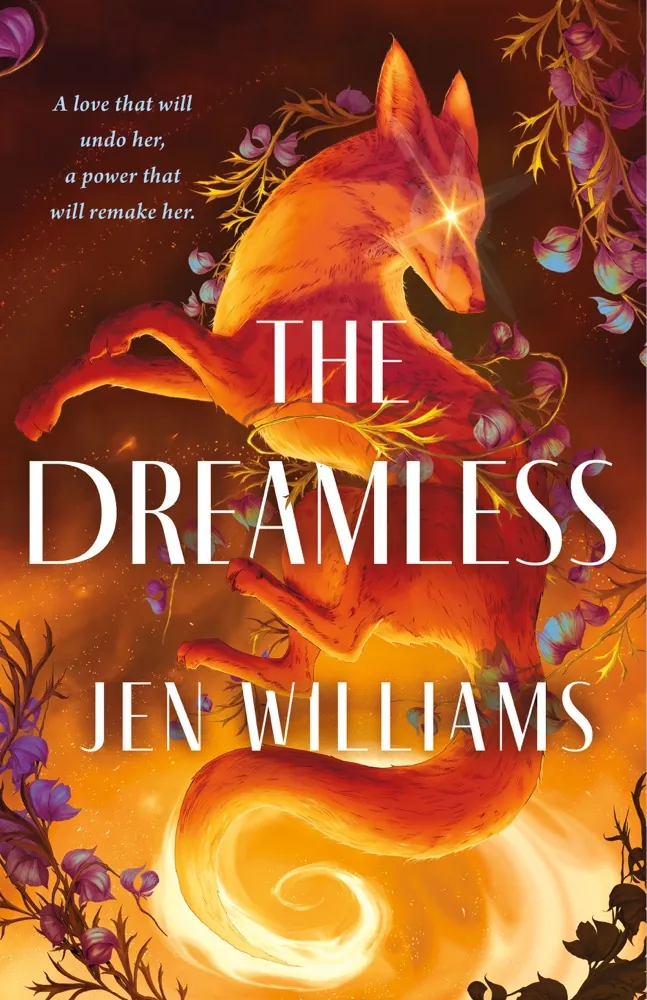
Author: Jen WilliamsPage Count: UnknownPublication Date: Expected publication 2026-09-29 APL The synopsis for The Dreamless reads like a love letter to the kind of mythic, morally ambiguous romance that only exists in the shadow of a collapsing empire—think The Lies of Locke Lamora if it were written by a gothic poet who’d been drinking too much absinthe with a vampire. The tension here isn’t just about whether Elver will choose Artair or Lucian (though, please, let’s not pretend that’s the real question). No, the real drama is in the way power and grief are woven into the fabric of their choices, like lace thread in a rotting gown. Elver’s return from the dead—again—isn’t just a plot device; it’s a thematic pivot so sharp it could cut through the pretenses of every YA sequel that’s ever tried to sell us "redemption arcs" as if they’re not just another way to monetize trauma. The fact that she’s jih than human now, that her body is a pressure cooker of something inhuman, suggests Williams is playing with the idea of survival as a kind of slow unraveling. And the Queen of Serpents’ warning? That’s not just foreshadowing—it’s a metaphor for the way all of us are summoned back to the void eventually, whether by death or by the sheer exhaustion of being alive. But here’s where the synopsis stumbles—deliberately, perhaps. The mention of "dangerous new alliances" among the Twelve feels like a placeholder for something far more interesting. What are these alliances really about? Are they political? Religious? Or is this just another way to dress up the old "chosen ones" trope in a cloak of political intrigue? The synopsis doesn’t say. And that’s fine—vagueness can be a tool, especially when paired with the kind of psychological depth Williams already demonstrated in The Sleepless. But don’t make me laugh if this turns into another "find the god-slayer" quest. We’ve seen that movie. It’s called The Matrix, and it’s been overplayed since 1999. The real meat of this sequel lies in the relationships—specifically, the way Artair and Lucian’s uneasy truce is being tested by their feelings for Elver. This isn’t just a love triangle; it’s a power triangle, a body triangle, a soul triangle. And the fact that Lucian is "ordinary human" while Artair is still half-something else—what, exactly? A ghost? A vessel?—makes the dynamic even more fraught. It’s the kind of tension that could either collapse into melodrama or rise into something resembling The Ten Thousand Things by Eileen Myles, where desire and violence are so intertwined they become indistinguishable. Yet—and here’s where I pivot—what if the real villain isn’t Maura? What if it’s the way these characters keep getting dragged back into cycles of violence, as if their only option is to either repeat the past or become something worse? The synopsis doesn’t answer that, but it hints at it. And that’s the kind of ambiguity that makes a sequel feel like it’s not just continuing a story but expanding it into something new. The only thing that feels missing is a clear sense of stakes beyond "find the god-slayer." Where’s the cost? Where’s the sacrifice? Because if this is just another chase, then Williams is playing with fire—and we all know how that ends. I need to call my broker immediately about this sudden market shift in "literary revenge fantasies." The stock is looking shaky. Related InsightsWinter Book Review and Summary A Wish Upon the Stars Book Review and Summary Midnight in the House of Commons: A Charles Lenox Mystery (Charles Lenox Mysteries, 16) Book Review and Summary{ "@context": "https://schema.org", "@type": "FAQPage", "mainEntity": [ { "@type": "Question", "name": "What is the main focus of The Dreamless (The Sleepless, 2) Book Review and Summary?", "acceptedAnswer": { "@type": "Answer", "text": "Everything you need to know about The Dreamless (The Sleepless, 2) with our detailed review." } }, { "@type": "Question", "name": "Who authored the comprehensive guide on The Dreamless (The Sleepless, 2) Book Review and Summary?", "acceptedAnswer": { "@type": "Answer", "text": "This detailed article and its insights were carefully researched and authored by Klaus Weber." } }, { "@type": "Question", "name": "Where can I find more related content about Books?", "acceptedAnswer": { "@type": "Answer", "text": "You can explore more articles, detailed reviews, and similar insights by browsing the Related Insights section at the bottom of this article or visiting our dedicated Books category page." } } ] }
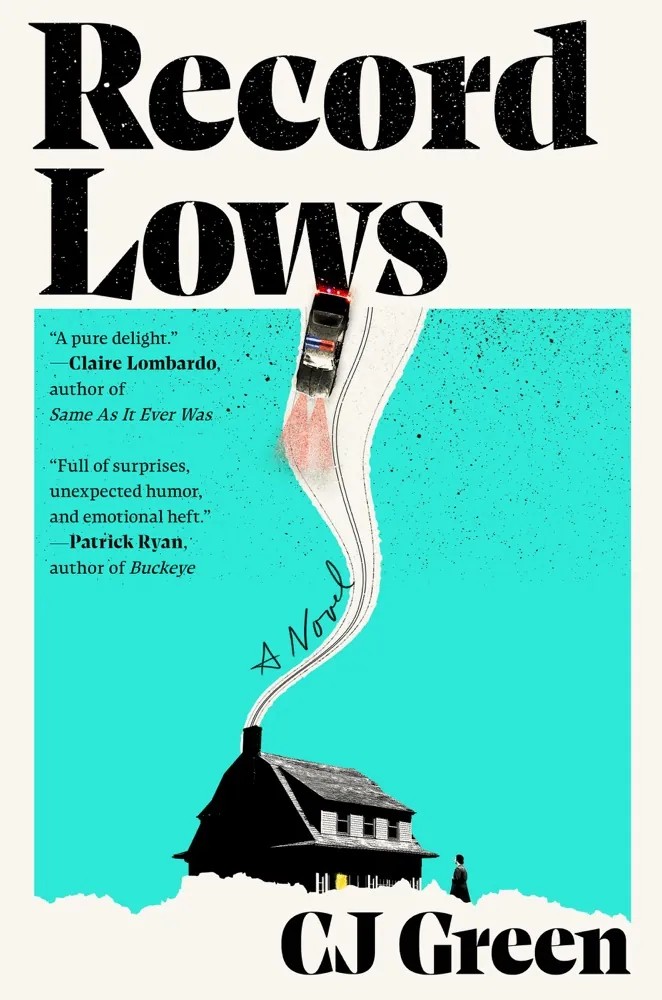
Author: CJ GreenPage Count: UnknownPublication Date: Expected publication 2026 APL Winter in Oneira, New York, 1977. A meteorological disaster wrapped in a missing-persons bulletin. One reads the premise of Record Lows and immediately reaches for an umbrella, or perhaps a cyanide capsule, given the sheer exhaustion promised by domestic fiction that insists on unearthing skeletons while the weather acts as a heavy-handed metaphor for emotional repression. We are being promised an intimate and epic family drama. We are always promised epics. Usually, we get a glorified tax audit with emotional baggage. The Currency of Secret Ruin Harmon Pond is drowning in debt. His daughter Teresa wants a Pulitzer. His wife Pauline is guarding Italian American Catholic trauma like a dragon atop a pile of tarnished silver. And beneath all this suburban decay lies the classic trope of the convenient disappearance—a creditor vanishes, and everyone breathes a sigh of relief until the snow falls and the secrets begin to rot in the frost. It is a narrative dynamic as predictable as the Andrea Doria hitting the bottom of the Atlantic. Wait. Let us rephrase that entirely. Predictable is perhaps too harsh an indictment for a debut. It might just be aggressively familiar. The Geography of Freezing to Death CJ Green’s staging relies heavily on the Buffalo blizzard of ’77, a historic whiteout that forces people indoors to confront the misery they spend fifty weeks a year avoiding. Yet, the children—middle-child Fran sneaking out, youngest-child Lonnie courting hypothermia—are classic literary scaffolding. They exist solely to wander into danger while the adults are too self-absorbed to notice. It is the JonBenét playbook filtered through mid-century nostalgia. And why do we constantly romanticize the mid-century family unit as a ticking time bomb? Every single debut novel arriving this season seems contractually obligated to feature a patriarch on the verge of bankruptcy and a matriarch hiding behind a rosary and a pastry crust. Give us ambition. Give us a crime that does not involve a mortgage payment or an errant uncle. The praise from Rumaan Alam and Claire Lombardo tells you precisely what demographic this book targets: readers who demand their misery wrapped in elegant prose and served with a side of mild suburban panic. I suspect the ending will offer a tidy little epiphany right as the snow melts. Happy endings are just delayed tragedies anyway. My sommelier just texted about a rare batch of bourbon that requires immediate tasting before the cork disintegrates. Related InsightsEl padrino / The Godfather Book Review and Summary The Secret of Secrets Book Review and Summary Meditations on Nature, Meditations on Silence Book Review and Summary{ "@context": "https://schema.org", "@type": "FAQPage", "mainEntity": [ { "@type": "Question", "name": "What is the main focus of Record Lows Book Review and Summary?", "acceptedAnswer": { "@type": "Answer", "text": "Everything you need to know about Record Lows with our detailed review." } }, { "@type": "Question", "name": "Who authored the comprehensive guide on Record Lows Book Review and Summary?", "acceptedAnswer": { "@type": "Answer", "text": "This detailed article and its insights were carefully researched and authored by Klaus Weber." } }, { "@type": "Question", "name": "Where can I find more related content about Books?", "acceptedAnswer": { "@type": "Answer", "text": "You can explore more articles, detailed reviews, and similar insights by browsing the Related Insights section at the bottom of this article or visiting our dedicated Books category page." } } ] }
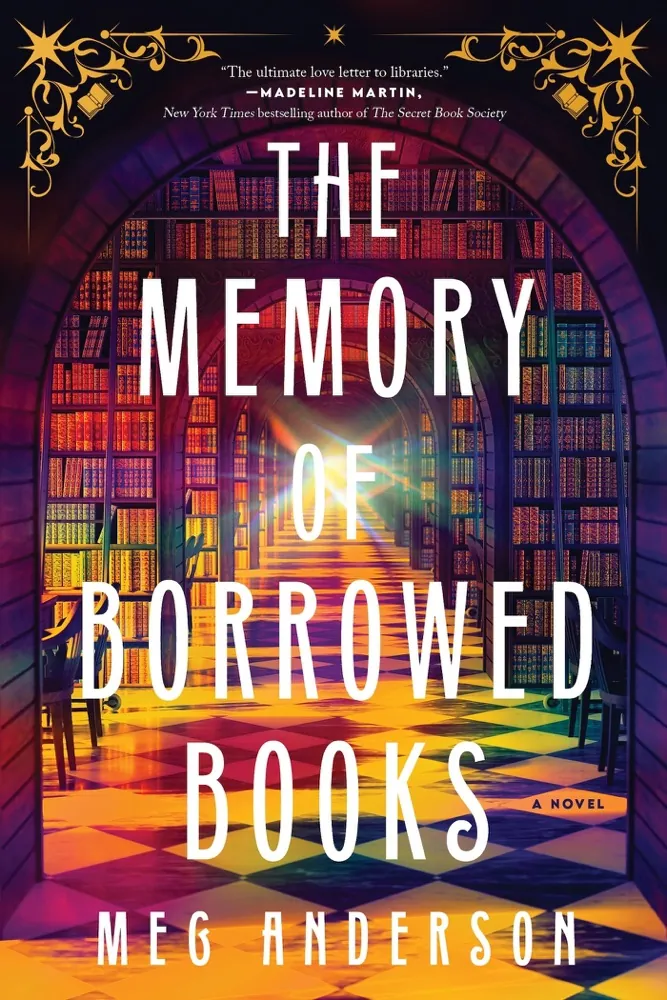
Author: Meg AndersonPage Count: UnknownPublication Date: Expected publication 2026-10-06 APL Having spent the past three decades analyzing how geopolitical hegemonies exert control over physical geography and civic architecture across the capitals of Europe and the Global South, I find myself strangely transfixed by Meg Anderson’s upcoming The Memory of Borrowed Books. Yet another coastal sanctuary threatened by municipal erasure. Yawn. But wait—there is a structural weapon here worth examining. Foxhollow Bay is not just a sleepy seaside hamlet; it is a microcosm of late-capitalist displacement. When municipal authorities target a centuries-old public archive for demolition, they are not merely clearing land. They are aggressively severing the collective memory of the populace. State-sanctioned gentrification masquerading as urban progress. It is a dynamic I have tracked from the brutalist housing blocks of post-reunification Berlin to the privatized waterfronts of Valparaíso. The Architecture of State-Mandated Amnesia Claire Ashford, our meticulously ordered librarian, stumbles upon a spatial anomaly. A hidden room. How delightfully magical-realist of her. Anderson leans heavily into the institutional safety blanket of cozy fantasy—evoking comparisons to the commodified nostalgia of How to Read a Book and the whimsical escapism of Evie Woods. Screaming, crying, throwing up. That is ostensibly the target demographic's reaction to every door that shouldn't exist in modern speculative fiction. Yet, beneath the quaint premise of unread memoirs and ghostly archives lies a sharper ideological question. Why must public spaces justify their existence through supernatural utility? The synopsis implies the hidden room contains a message meant to save the library. As if civic infrastructure requires spectral intervention or capitalist productivity to warrant preservation against the wrecking ball. Why can a building not simply exist because the citizenry demands it? The Commodification of Nostalgia Anderson’s narrative hinges on a dangerous trope: that our salvation rests not in collective political organizing or aggressive municipal lobbying, but in navel-gazing retrospection. If the key to saving the library is tangled in Claire’s personal memories, we have veered away from a robust critique of municipal asset-stripping and tumbled straight into solipsistic psychological excavation. Predicting the trajectory of 2026 fiction is a bloodsport, but I will place a substantial wager here. This book will either bravely interrogate how communities weaponize their shared history against corporate encroachment, or it will drown in its own saccharine sentimentality about the healing power of paper. One suspects the marketing department leans toward the latter. Consumers adore a sanitized struggle against faceless bureaucrats where magic does the heavy lifting. Give me a gritty exposé on municipal zoning laws any day over magical bookshelves. But perhaps I am being overly cynical. We shall see when the galleys drop this October. Now, if you will excuse me, I must catch a town car. I have an aggressively non-negotiable dinner reservation at a Michelin-starred steakhouse across town, and the sommelier will not tolerate tardiness from a globe-trotting critic. Related InsightsLast Tudor Book Review and Summary Ficciones Book Review and Summary Crone Book Review and Summary{ "@context": "https://schema.org", "@type": "FAQPage", "mainEntity": [ { "@type": "Question", "name": "What is the main focus of The Memory of Borrowed Books Book Review and Summary?", "acceptedAnswer": { "@type": "Answer", "text": "Everything you need to know about The Memory of Borrowed Books with our detailed review." } }, { "@type": "Question", "name": "Who authored the comprehensive guide on The Memory of Borrowed Books Book Review and Summary?", "acceptedAnswer": { "@type": "Answer", "text": "This detailed article and its insights were carefully researched and authored by Klaus Weber." } }, { "@type": "Question", "name": "Where can I find more related content about Books?", "acceptedAnswer": { "@type": "Answer", "text": "You can explore more articles, detailed reviews, and similar insights by browsing the Related Insights section at the bottom of this article or visiting our dedicated Books category page." } } ] }
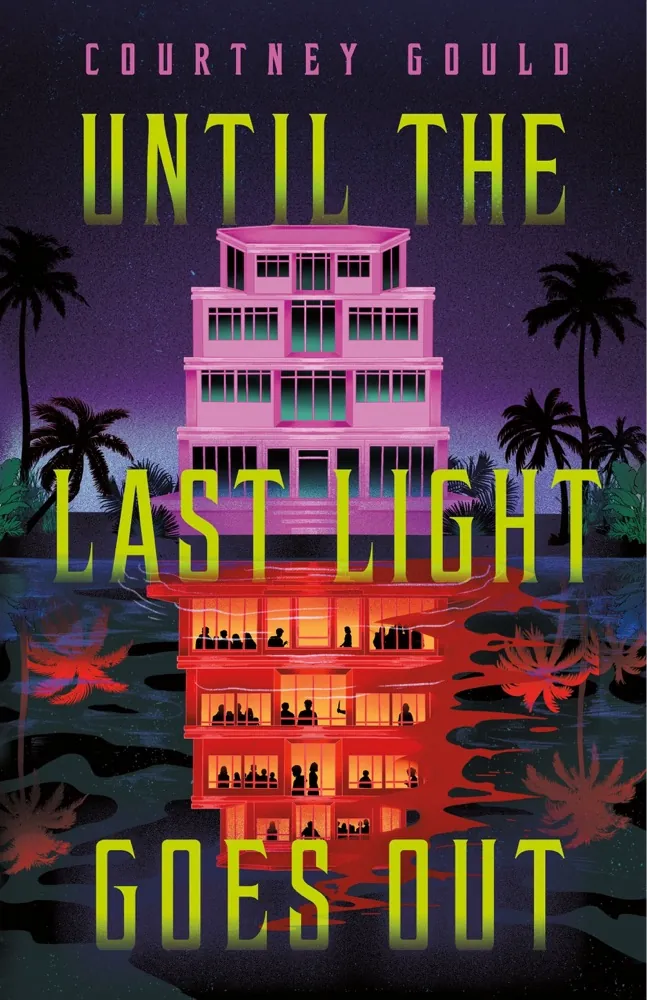
Author: Courtney GouldPage Count: UnknownPublication Date: Expected publication 2026-10-13 APL Greetings from the terrace. The humidity here in the Mediterranean is quite frankly appalling, yet a chilled glass of Albariño makes even the most aggressive heatwave tolerable. While swatting lazily at a mosquito, my assistant handed me the press materials for Courtney Gould’s upcoming Until the Last Light Goes Out. Naturally, I stopped reading emails from my Swiss asset manager immediately. Neon lights and Miami nights. Such a deliciously tacky backdrop for carnage. Sun, Sand, and Mass Hysteria One must admire the sheer audacity of a premise where one hundred and eighty-three teenagers perish overnight in a luxury resort, and absolutely zero institutional accountability follows. International intrigue? Please. Governments can barely cover up a minor tax evasion scheme, let alone a massacre of prep schoolers at a spot called Kaleidoscope Key. But we are here for the gothic horror, not the bureaucratic plausibility. Gould is leaning heavily into the generational trauma trope—a narrative crutch currently holding up half of contemporary YA and horror fiction. It is the literary equivalent of a designer wearing distressed denim. Yet, I suspect Gould has the sharp teeth required to pull it off. Think Riley Sager meets a sun-bleached Shirley Jackson, filtered through an Instagram aesthetic. The Real Estate of Terror Consider the location. A remote Florida resort. Abandoned. Starving, even. What a magnificent metaphor for late-stage capitalism and real estate speculation gone violently awry. And of course, the progeny of the original survivors must return. Because children always inherit their parents' poorly chosen vacation spots. Paige Keller is dragged back into the madness because her erstwhile best friend KJ vanished into the abandoned ruins. And here we hit the synopsis's charming vagueness. We are told the resort is "starving." Is it sentient? Is it a mold? Is it simply a metaphor for unchecked adolescent angst? The synopsis refuses to commit. It hides behind atmospheric adjectives like "haunting" and "captivating" without revealing the actual engine of the terror. How terribly mysterious. Why This Might Actually Bite Let us be entirely honest. Half of these nostalgic horror romps rely entirely on the vibe and completely fumble the third act. Yet, Gould previously demonstrated a knack for dissecting social rot in The Dead and the Dark. If she applies that same cynical, witty eye to a locked-room island nightmare, we might actually get something bracing. A proper horror story that remembers to be a love story, wrapped in an ode to familial misery. I predict we will see plenty of atmospheric dread about fluorescent lights buzzing in the dark, moody teens making catastrophically bad decisions, and a twist that hinges on what really happened twenty-five years ago—which, let us be real, probably involves some sort of supernatural HOA dispute. Hold on, my offshore accountant is beeping through on the encrypted line regarding a rather delicate yacht registration in Malta. I must take this. #gothichorror #booktok #courtneygould
-
 Klaus Weber
 - 08 Aug, 2026 23:16
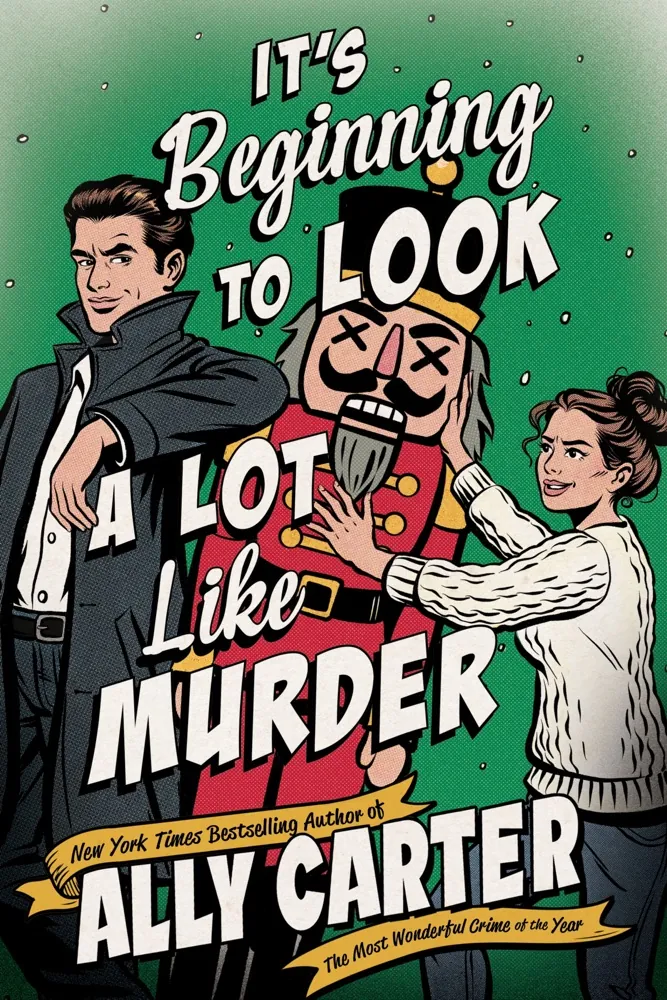
It’s Beginning to Look a Lot Like Murder (Kiss, Merry, Kill, #2) Book Review and Summary
Author: Ally CarterPage Count: UnknownPublication Date: Expected publication 2026-10-13 APL Here we sit in the sticky, unrelenting heat of August, yet the literary market insists on dragging us headfirst into forced-proximity holiday cheer. Ally Carter is back at it with It’s Beginning to Look a Lot Like Murder. Another festive excursion into the lives of the obscenely wealthy and the working class who dust their mantelpieces. The Feudal Architecture of Romance Consider the optics. A billionaire’s grandson versus the housekeeper’s daughter. Classic upstairs-downstairs friction wrapped in glossy genre packaging. We are supposed to swoon while devouring a narrative power dynamic built on inherited capital and domestic labor. Yet, Carter utilizes this tired class dichotomy to orchestrate a game of cat-and-mouse that feels remarkably geopolitical. Liam fakes his own demise. Ella takes the fall in the court of public opinion. And suddenly, we are knee-deep in a small-town Cold War where the weapons are rumors and the collateral damage is emotional. Do we applaud the subversion? Or do we critique the reliance on a decade-old grudge? Ten years of animosity. A decade of petty grievances between social strata. It reminds one of diplomatic stalemates in the UN Security Council—petty, entrenched, and ultimately absurd when faced with an actual crisis. Namely, a missing body and a creeping snowstorm. Tropes as Cartography Childhood enemies-to-lovers. Forced proximity. A slow burn that takes its sweet time while a potential murderer lurks in the eggnog. Carter deploys these tropes like territorial markers on a disputed map. The synopsis leans heavily on familiar genre architecture. But vagueness plagues the pitch. Who is the killer? We have no earthly idea. The synopsis guards its secrets like a Swiss bank account, offering only a "bloody spot on the drive" and a storm that traps everyone inside. Yet, I suspect this book will dominate the autumn bestseller lists precisely because it weaponizes predictability. Think Lucy Foley meets Emily Henry on an oligarch’s private estate. The tension does not stem from originality. It stems from the friction between two people who know each other's historical vulnerabilities too well. The Geopolitics of Faked Deaths Why do heirs always fake their own deaths in these books? Is it a scathing critique of late-stage capitalism? Or merely a convenient plot device to force two stubborn fools into a reluctant alliance? Liam uses his own disappearance to hunt his would-be assassin. Ella uses her survival instinct to clear her name. They are both operating covert intelligence operations within the confines of a quaint mountain town. And yet, as I sweat through this August afternoon, the prospect of a blizzard feels almost luxurious. Even if it is merely ink on a page. Carter knows how to pace a thriller, balancing the snark of forced proximity with the high-stakes adrenaline of a whodunit. One thing remains painfully clear. When the billionaire class falls out, the domestic staff always ends up cleaning the blood off the driveway. Now, if you will excuse me, I need to go reset my router because the ping is too high. #AllyCarter #BookTok #MysteryRomance Related InsightsThe Sparrow Book Review and Summary Maybe Now Book Review and Summary Last Guard Book Review and Summary{ "@context": "https://schema.org", "@type": "FAQPage", "mainEntity": [ { "@type": "Question", "name": "What is the main focus of It’s Beginning to Look a Lot Like Murder (Kiss, Merry, Kill, #2) Book Review and Summary?", "acceptedAnswer": { "@type": "Answer", "text": "Everything you need to know about It’s Beginning to Look a Lot Like Murder (Kiss, Merry, Kill, #2) with our detailed review." } }, { "@type": "Question", "name": "Who authored the comprehensive guide on It’s Beginning to Look a Lot Like Murder (Kiss, Merry, Kill, #2) Book Review and Summary?", "acceptedAnswer": { "@type": "Answer", "text": "This detailed article and its insights were carefully researched and authored by Klaus Weber." } }, { "@type": "Question", "name": "Where can I find more related content about Books?", "acceptedAnswer": { "@type": "Answer", "text": "You can explore more articles, detailed reviews, and similar insights by browsing the Related Insights section at the bottom of this article or visiting our dedicated Books category page." } } ] }
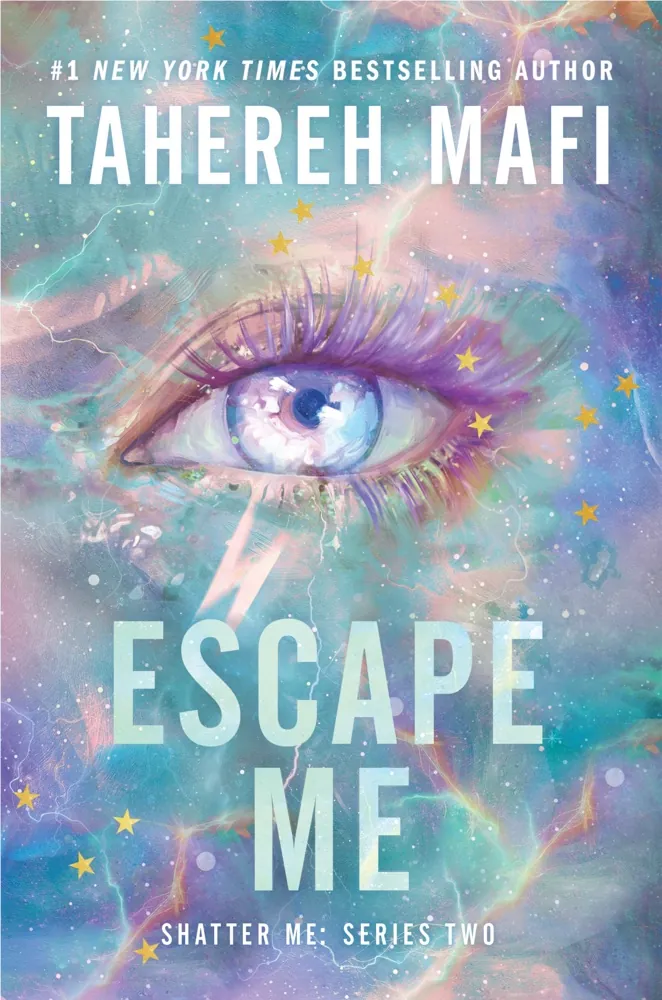
Author: Tahereh MafiPage Count: UnknownPublication Date: Expected publication 2026-09-29 APL As I sit on the shaded terrace of my private villa, sipping a refreshing glass of lemonade and watching the sun beat down on the lush greenery below, I find myself pondering the latest installment in Tahereh Mafi's Shatter Me series - Escape Me. The official synopsis has piqued my interest, and I must admit that I am eager to see how Mafi will continue to explore the complexities of her characters and the world they inhabit. But, I must ask, what can we truly expect from this third volume in the series? The synopsis is tantalizing, yet vague, leaving me with more questions than answers. And, yet, it is precisely this vagueness that has me intrigued. Mafi has always been a master of crafting complex, multi-dimensional characters, and the fact that she is choosing to reveal so little about the plot of Escape Me suggests that she is confident in her ability to surprise and delight her readers. The characters of James, Rosabelle, and Warner are all mentioned, but their motivations and desires are left largely unexplained - a clever move, if you ask me, as it allows the reader to bring their own interpretations and expectations to the table. But, will Mafi be able to deliver on the promises she has made, or will Escape Me fall flat, like so many other series that have failed to live up to their potential? As I consider the themes that are likely to be explored in Escape Me, I am reminded of the works of authors like Veronica Roth and Suzanne Collins, who have also written extensively about the dangers of totalitarian regimes and the importance of individual freedom. The Shatter Me series, with its focus on the struggle for power and control in a post-apocalyptic world, is certainly reminiscent of The Hunger Games and Divergent series, and I have no doubt that Mafi will continue to draw inspiration from these sources as she crafts her own unique narrative. But, will she be able to bring a fresh perspective to the table, or will Escape Me feel like more of the same old, same old? The character of James, in particular, seems like he will be a focal point of the story, as he seeks to assert his own power and influence in a world that is determined to control him. His desire to destroy the looming threats against their world, and his frustration with being underestimated by his own family, are both classic tropes in the genre, and I have no doubt that Mafi will be able to bring a new level of depth and complexity to these themes. But, what about Rosabelle, and her need to stick to the plan? What secrets is she hiding, and how will her relationship with James evolve over the course of the story? And, then, of course, there is Warner, who is trying not to kill Rosabelle - a statement that is both intriguing and terrifying, and which suggests that the stakes in Escape Me will be higher than ever before. As the sun begins to set, casting a golden glow over the villa and its surroundings, I am left to ponder the many questions that Escape Me has raised. Will Mafi be able to deliver on the promises she has made, or will this latest installment in the Shatter Me series fall flat? Only time will tell, but one thing is certain - I will be watching, eagerly, as the story unfolds. And, I must ask, what will be the ultimate cost of James' desire for power, and Rosabelle's need for control? Will they be able to find a way to escape the dangers that surround them, or will they succumb to the very forces they are trying to overcome? #ShatterMe #EscapeMe #TaherehMafi #BookLovers #ReadingIsFun #NewRelease Related InsightsMore Days at the Torunka Café: The Scent of Happiness (Days at the Torunka Café, #2) Book Review and Summary The Knave and the Moon (The Stonewater Kingdom, #2) Book Review and Summary Clockwork Angel Book Review and Summary{ "@context": "https://schema.org", "@type": "FAQPage", "mainEntity": [ { "@type": "Question", "name": "What is the main focus of Escape Me (Shatter Me: Series Two #3) Book Review and Summary?", "acceptedAnswer": { "@type": "Answer", "text": "Everything you need to know about Escape Me (Shatter Me: Series Two #3) with our detailed review." } }, { "@type": "Question", "name": "Who authored the comprehensive guide on Escape Me (Shatter Me: Series Two #3) Book Review and Summary?", "acceptedAnswer": { "@type": "Answer", "text": "This detailed article and its insights were carefully researched and authored by Klaus Weber." } }, { "@type": "Question", "name": "Where can I find more related content about Books?", "acceptedAnswer": { "@type": "Answer", "text": "You can explore more articles, detailed reviews, and similar insights by browsing the Related Insights section at the bottom of this article or visiting our dedicated Books category page." } } ] }
- Klaus Weber
- 03 Aug, 2026 07:31
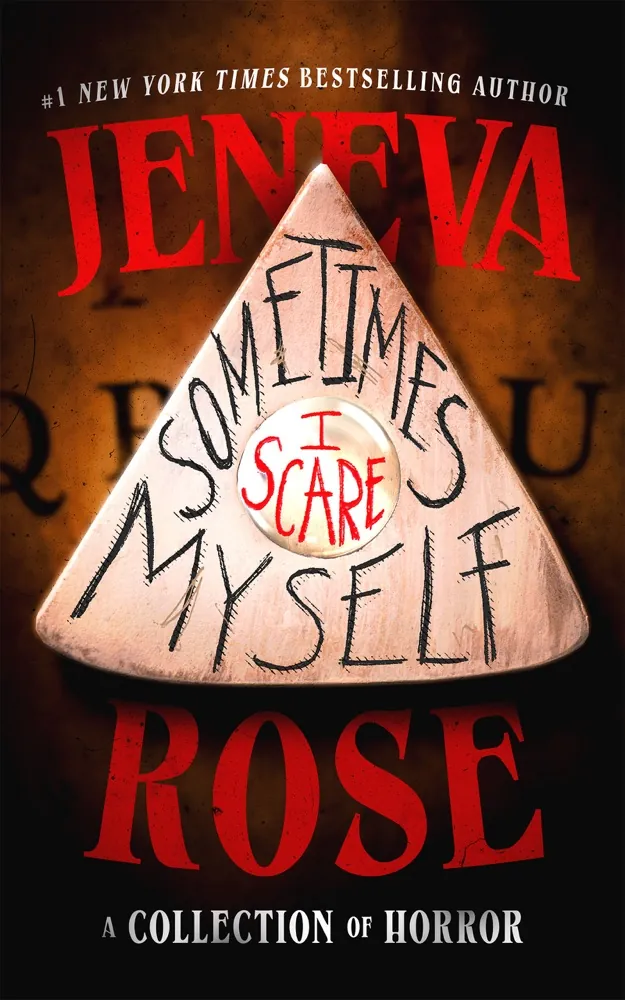
Sometimes I Scare Myself: A Collection of Horror Book Review and Summary
Sometimes I Scare Myself: A Collection of Horror Author: Jeneva RosePage Count: UnknownPublication Date: Expected publication 2026-09-08 APL What to Expect from Sometimes I Scare Myself: Jeneva Rose’s New Horror Collection Drops in September 2026 Jeneva Rose’s name is synonymous with the kind of horror that lingers long after the last page. A New York Times bestselling author whose work has been praised for its psychological depth, eerie atmosphere, and relentless dread, Rose has spent years perfecting the art of making readers question their own sanity. Now, with Sometimes I Scare Myself: A Collection of Horror—her first standalone anthology—she delivers three standalone tales that promise to unsettle, intrigue, and haunt in equal measure. Set for release on September 8, 2026, this collection isn’t just a return to form; it’s an evolution, a chance for Rose to stretch her storytelling muscles across three distinct yet thematically linked narratives. If you’ve devoured Rose’s previous works—like The Last Time I Lied or The Only Good Indians—you’ll recognize her signature blend of slow-burn tension and explosive horror. But Sometimes I Scare Myself isn’t just a rehash of her signature style; it’s a fresh exploration of the ways fear can manifest in the mundane. Whether it’s a dinner party gone wrong, a house that whispers secrets, or a cursed roadside shop that traps its victims in paranoia, Rose takes familiar settings and twists them into something far more sinister. Three Stories, Three Kinds of Terror The collection opens with Never Kill the Medium, a tale that begins with the kind of setup any horror fan would recognize: a group of friends, a birthday dinner, and a séance gone awry. But where most stories would lean into the supernatural, Rose subverts expectations, weaving in themes of guilt, denial, and the terrifying reality that some doors—once opened—cannot be closed. The medium’s death isn’t just a plot device; it’s a catalyst, a moment where the line between the living and the dead blurs in ways that will leave readers questioning whether the horror is real or if they’ve simply lost their grip on reality. Next is The Nightmare House, a slow-burn descent into domestic dread. The Dalton family moves into what seems like the perfect home—until the house itself begins to resist. Newly postpartum and emotionally vulnerable, Kristin Dalton becomes the first to hear the whispers, the creaks, the unnatural stillness of a home that has claimed every previous resident. Rose excels at making the ordinary terrifying, and here, the horror isn’t just in the supernatural but in the psychological unraveling of a woman already fragile. The question isn’t just what’s in the house, but what’s wrong with her—and the answer is far more unsettling. The collection closes with All Curses Are Final, a high-stakes, paranoia-driven thriller that begins with a seemingly harmless roadside stop. A hand-painted warning, a mysterious item, and a storm that traps a group of friends in a remote cabin—this is the setup for a story that will have readers flipping back to see if they missed any clues. As bodies begin to pile up and trust erodes, Rose masterfully turns the cabin into a pressure cooker of suspicion, where no one is safe and no one can be trusted. The curse isn’t just on the items; it’s on the people who bought them, and the realization comes too late. Why This Collection Matters Rose has always been a master of atmospheric horror, but Sometimes I Scare Myself feels like a deliberate step into more experimental territory. While her novels often rely on deep character studies and layered narratives, these three stories are tighter, more self-contained, and—dare we say—more accessible in their immediate impact. That doesn’t mean they’re any less terrifying; if anything, their brevity makes their chills more potent. For fans of Rose, this collection is a must-read. For newcomers, it’s the perfect introduction to her work—three distinct flavors of horror, each with its own flavor of dread. Whether you’re drawn to the psychological horror of Never Kill the Medium, the cosmic terror of The Nightmare House, or the paranoid descent of All Curses Are Final, there’s something here for every kind of horror lover. Mark your calendars for September 8, 2026. By then, Jeneva Rose will have given us another reason to stay up late, turn off the lights, and wonder—just for a moment—if we’re alone in our fear.#HorrorBooks #JenevaRose #NewHorrorCollection #SpookySeason #DarkFiction #BookToWatch2026 Related InsightsThe Life and Adventures of Joaquín Murieta Book Review and Summary Alice in Wonderland Book Review and Summary 3Gs: An Imaginary Memoir Book Review and Summary{ "@context": "https://schema.org", "@type": "FAQPage", "mainEntity": [ { "@type": "Question", "name": "What is the main focus of Sometimes I Scare Myself: A Collection of Horror Book Review and Summary?", "acceptedAnswer": { "@type": "Answer", "text": "Everything you need to know about Sometimes I Scare Myself: A Collection of Horror with our detailed review." } }, { "@type": "Question", "name": "Who authored the comprehensive guide on Sometimes I Scare Myself: A Collection of Horror Book Review and Summary?", "acceptedAnswer": { "@type": "Answer", "text": "This detailed article and its insights were carefully researched and authored by Klaus Weber." } }, { "@type": "Question", "name": "Where can I find more related content about Books?", "acceptedAnswer": { "@type": "Answer", "text": "You can explore more articles, detailed reviews, and similar insights by browsing the Related Insights section at the bottom of this article or visiting our dedicated Books category page." } } ] }
Weak Side (D.C. Stars, #7) Author: Chelsea CurtoPage Count: UnknownPublication Date: Expected publication 2026 ANTG Exclusive Preview: Weak Side (D.C. Stars #7) – The Next Chapter in Chelsea Curto’s High-Stakes Hockey Romance Saga Chelsea Curto’s D.C. Stars series has become a cornerstone of modern hockey romance, blending the grit of professional sports with the emotional depth of love stories that refuse to play by the rules. With Weak Side—the seventh installment in this beloved series—due in 2026, fans are already bracing for another electrifying clash of passion, rivalry, and the kind of chemistry that makes the ice feel like home. But what can we expect from this next chapter? While the official synopsis remains under wraps, Curto’s track record speaks volumes. Known for weaving intricate, high-stakes romances into the high-pressure world of hockey, her books have consistently delivered twists, tension, and the kind of slow-burn tension that keeps readers hooked. If you’ve devoured The Right Side of the Net, The Bottom Line, or The Face-Off, you know her knack for crafting heroes and heroines who challenge each other—both on and off the ice. Weak Side likely continues this tradition, possibly exploring fresh dynamics within the franchise’s interconnected cast or introducing a new player whose personal struggles mirror the physical battles of the game. What makes Curto’s work so compelling is her ability to make hockey feel visceral—whether through the sweat of a hard-fought game or the quiet intensity of a player’s off-ice life. Weak Side may very well push those boundaries further, diving into themes of vulnerability, redemption, or the pressure of legacy, all while keeping the romance at its heart. Given the series’ growth, this could also be a moment for long-time characters to evolve—or for a fresh perspective to shake up the team’s dynamics. For now, all we can do is anticipate. But with Curto’s reputation for delivering, Weak Side is already shaping up to be another must-read in a series that’s redefining sports romance. Stay tuned—this one’s going to be a goal. #DCSportsRomance #HockeyRomance #ChelseaCurto #WeakSide #SportsRomance #ComingSoon2026
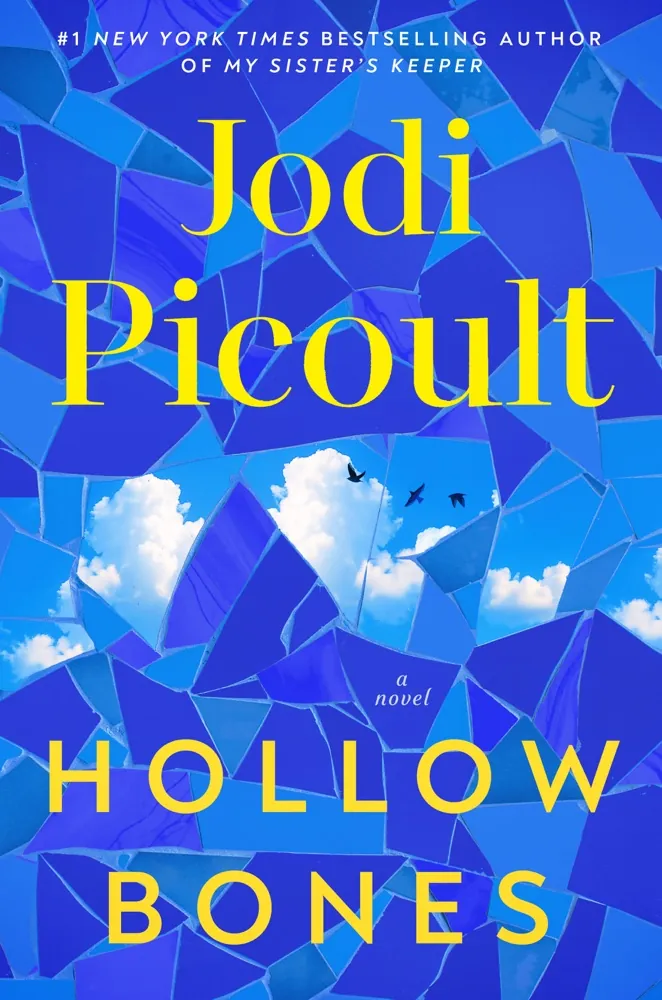
Hollow Bones Author: Jodi PicoultPage Count: UnknownPublication Date: Expected publication 2026-09-15 APL What to Expect: Hollow Bones by Jodi Picoult (Expected September 15, 2026) The literary world is already buzzing about Jodi Picoult’s next novel, Hollow Bones, slated for release in mid‑September 2026. Though the exact page count remains under wraps, the publisher’s synopsis offers a tantalizing glimpse into a story that promises to blend Picoult’s trademark emotional depth with a gripping, contemporary edge. From the #1 New York Times bestselling author of By Any Other Name comes a riveting novel about the risks we take to protect the ones we love in a world where crisis is always just around the corner. The narrative centers on Molly Fitzgerald, who was only two months old when her mother went to an appointment at the World Trade Center on September 11, 2001 and never returned. Raised by a devoted father and stepmother, Molly grew up carrying a quiet, persistent dread of disaster—a feeling that shaped her career path. Today she heads the Rhode Island Department for Emergency Preparedness, designing plans to safeguard lives during storms, epidemics, and airplane crashes. Her husband, Jesse, works as a police polygraph expert and brings his own history of crisis into their marriage. Together they have built a love that feels like a refuge in an unpredictable world—until an unexpected event shakes the foundations of everything they thought they knew. Moving between past and present, Hollow Bones explores the lies we tell ourselves as we write the narratives of our lives, the meticulous plans we craft to shield ourselves from the worst moments, and the enduring ties that bind mothers and daughters. The synopsis hints at a dual timeline that will let readers see how Molly’s childhood trauma informs her adult instincts for survival, while also revealing how her professional expertise collides with personal vulnerabilities when an unforeseen crisis forces both her and Jesse to question the stories they have built around safety, trust, and identity. Picoult’s reputation for weaving socially relevant themes into deeply human stories precedes her. Readers who have been moved by My Sister’s Keeper, The Storyteller, or Small Great Things will recognize her skill at turning personal drama into a lens for larger societal questions. In Hollow Bones, she appears to be turning that lens toward the modern preoccupation with preparedness—how we attempt to control the uncontrollable—and the emotional cost of living under the shadow of potential disaster. Anticipation is high not only because of Picoult’s proven ability to top bestseller lists but also because the premise feels both timely and intimately personal. The novel’s focus on emergency preparedness resonates in an era marked by climate anxiety, public health scares, and global uncertainty, while its core mother‑daughter dynamic promises the intimate, heart‑wrenching moments that have become a hallmark of her work. Fans can expect a narrative that balances pulse‑pounding tension with the quiet, reflective moments that allow characters—and readers—to confront what it truly means to love and protect in a fragile world. As the release date approaches, readers are encouraged to keep an eye out for cover reveals, early excerpts, and author interviews that will shed further light on the novel’s tone and style. Until then, the promise of Hollow Bones stands as a compelling invitation to revisit the questions that have long driven Picoult’s storytelling: How do we survive when the world feels unsafe? And what stories do we tell ourselves to make that survival meaningful? #HollowBones #JodiPicoult #NewRelease #Fiction #BookLovers #ReadingCommunity Related InsightsSay No to the Duke Book Review and Summary Why Trees Book Review and Summary The Best American Short Stories 2019 Book Review and Summary{ "@context": "https://schema.org", "@type": "FAQPage", "mainEntity": [ { "@type": "Question", "name": "What is the main focus of Hollow Bones Book Review and Summary?", "acceptedAnswer": { "@type": "Answer", "text": "Everything you need to know about Hollow Bones with our detailed review." } }, { "@type": "Question", "name": "Who authored the comprehensive guide on Hollow Bones Book Review and Summary?", "acceptedAnswer": { "@type": "Answer", "text": "This detailed article and its insights were carefully researched and authored by Klaus Weber." } }, { "@type": "Question", "name": "Where can I find more related content about Books?", "acceptedAnswer": { "@type": "Answer", "text": "You can explore more articles, detailed reviews, and similar insights by browsing the Related Insights section at the bottom of this article or visiting our dedicated Books category page." } } ] }

-
 John Explorer
 - 30 May, 2026 07:15
Whispers in the Verdant Depths: Unearthing Japan's Secret 'Shizen no Koe' Moss Worlds
It began not with a grand vista or a bustling market, but with a single, almost imperceptible dewdrop clinging to a frond of vibrant emerald moss. I was far from any marked trail, deep in the Northern Japanese Alps, chasing a rumour more than a destination. A whisper, really, passed in hushed tones by an elderly sake brewer in a nameless izakaya – a tale of 'living books' sculpted from the very earth, tended by a forgotten lineage. This wasn't about cherry blossoms or #ancient temples; it was about something far older, far more clandestine, and infinitely more profound: the 'Shizen no Koe', or 'Voice of #nature'. My usual expeditions chart paths to the world’s quiet corners, but this felt different. This wasn’t merely about discovery; it was about an unveiling, a respectful intrusion into a sacred, self-contained universe. The moss, in that moment, pulsed with an almost otherworldly vibrancy, a miniature forest canopy for an unseen insect world, reflecting the filtered sunlight like a thousand tiny emeralds. It held a silent story, and I, John Explorer, felt an unprecedented urgency to learn its language. The Unseen Path to the Valley of Whispering Greens My #journey began months before that fateful dewdrop. Initial inquiries were met with polite, almost impenetrable silence. The concept of 'Shizen no Koe' was entirely unknown to mainstream botanists, cultural historians, or even avid nature enthusiasts in #Japan. It felt like chasing a myth woven into the very fabric of the landscape, a secret kept not by guarded doors, but by sheer inaccessibility and disinterest from the outside world. My only lead was a cryptic reference in a faded, Edo-period woodblock print I’d stumbled upon in a #Kyoto antique shop – a stylized depiction of an old man contemplating what appeared to be a miniature landscape, accompanied by characters that loosely translated to 'earth's breath' and 'generational green'. It pointed vaguely towards the central highlands. Weeks of poring over topographical maps, cross-referencing ancient pilgrimage routes with modern satellite imagery, finally yielded a promising, though daunting, target: an unnamed, high-altitude valley, perpetually shrouded in mist, known locally, if at all, as the 'Valley of Whispering Greens'. No roads led there, no hiking trails were marked. The approach was a test of endurance and resolve. I spent days navigating treacherous mountain passes, clambering over slick, moss-covered boulders, and fording icy streams. The air grew steadily cooler, thicker with the scent of pine and damp earth. The canopy above was so dense that daylight rarely pierced through, creating an eternal twilight that only intensified the vibrant greens of ferns, lichens, and, of course, mosses of every conceivable shade. The silence was absolute, broken only by the rush of distant waterfalls and the occasional call of an unseen bird. This was a realm untouched by human ambition, a pristine canvas where nature reigned supreme. Then, through a sudden break in the mist, I saw it: a cluster of simple, unadorned wooden structures, blending so seamlessly with the environment they were almost invisible. No grand gate, no welcoming sign. Just the quiet presence of human habitation in a place that seemed to actively resist it. A faint wisp of woodsmoke curled from one, the only tangible evidence of life. The Guardians of the Koke-Bako: A Meeting with the Kokedera My initial encounter with the valley’s inhabitants was, predictably, one of suspicion. An elderly man, his face a roadmap of wrinkles etched by sun and wind, emerged from one of the dwellings, his eyes, dark and knowing, appraising me with quiet intensity. He wore simple indigo robes, utterly devoid of ornamentation. His name, I later learned, was Kaito, and he was one of the 'Kokedera' – not in the sense of a #temple, but 'moss keepers'. My fumbling Japanese, though usually sufficient, felt inadequate in explaining my presence. I spoke of the woodblock print, of the 'living books', of an insatiable curiosity born from a profound respect for nature. He listened, his gaze unwavering, for what felt like an eternity. Finally, he nodded, a slow, deliberate movement. "You seek the voice of the earth," he said, his voice raspy but surprisingly gentle. "Many seek, few hear." He offered me tea – a pungent, earthy brew – and a space by a small, crackling fire. Over the next few days, Kaito, and eventually a few other equally reclusive Kokedera, began to unveil the extraordinary world of the Shizen no Koe. This was not a tourist attraction, nor a public garden. It was their life's work, a sacred practice passed down through generations, entirely self-contained within their hidden valley. Shizen no Koe: Living Archives and Philosophical Gardens The Shizen no Koe are not merely moss gardens; they are 'Koke-Bako' – miniature, self-contained ecosystems meticulously cultivated in shallow, hand-carved wooden boxes or carefully selected natural depressions. Each Koke-Bako is a living manuscript, a generational archive, and a philosophical treatise. They are cared for with an almost unimaginable level of precision and dedication. "We do not grow moss for beauty alone," Kaito explained, his gnarled finger tracing the delicate tendrils of a cushion moss. "We grow it to listen. To record. To remember." He described how each type of moss, each carefully placed pebble, each tiny fern or lichen, held a specific meaning, a particular message. A rare, iridescent blue moss might signify a year of unexpected drought; a flourishing patch of vibrant green could mark a generation of peace and prosperity; a leaning stone might represent a difficult decision faced by an ancestor. The Kokedera are more than just gardeners; they are living historians, botanists, philosophers, and spiritual guides. Their understanding of moss ecology is encyclopedic, passed down orally and through direct, hands-on apprenticeship. They know which moss species thrive in specific light conditions, humidity levels, and soil compositions. They can read the subtle changes in a moss’s texture, colour, or growth pattern as if it were a complex topographical map. Their tools are simple – tweezers, small brushes, bamboo spatulas – yet wielded with surgical precision. They demonstrated the creation of a new Koke-Bako, a process that felt more like a ritual than horticulture. First, the selection of the container, often a piece of aged wood or stone hollowed by nature. Then, the careful layering of substrate – a precise blend of local soil, sand, and organic matter, each chosen for its specific properties. Finally, the painstaking arrangement of mosses, sometimes dozens of different species, along with miniature stones, fallen twigs, or tiny fungi, each element placed with deliberate intent. It was like watching a sculptor breathe life into clay, except here, the medium was alive, dynamic, and ever-evolving. The Art of Miniature Worlds and the Language of Green Each Koke-Bako is a microcosm, a world unto itself, reflecting the larger natural world and the human experience within it. They are not static; they are tended daily, observed, adjusted, and allowed to evolve. Changes in the mosses – a new sprout, a patch of browning, a fungal bloom – are not merely aesthetic observations but crucial data points, read and interpreted by the Kokedera. They symbolize societal shifts, environmental changes, or even the passage of profound spiritual insights.I was shown a Koke-Bako that was, by Kaito’s estimate, over 300 years old. Its wooden frame was ancient and worn, but the moss within still thrived, a dense, complex tapestry of various species. He pointed out different sections, explaining how one particular cluster of Polytrichum commune symbolized a period of famine, while an adjacent patch of Sphagnum indicated a subsequent era of abundant rain. It was like reading a living hieroglyph, a saga unfolding in shades of green and brown. "The world outside forgets quickly," Kaito mused, his gaze fixed on the ancient moss. "Its #history is written on paper, easily burned or lost. Our history… it breathes. It grows. It remembers the rain, the sun, the touch of generations. It is the memory." A Philosophy Woven in Verdant Threads The philosophy underpinning Shizen no Koe is a unique blend of #zen mindfulness, Wabi-sabi aesthetics, and an ecological awareness that predates modern environmentalism by centuries. It speaks of an intimate connection to the earth, a recognition of humanity's place within nature, not above it. Mono no aware: The poignant appreciation of the transience of things, but applied here to life itself, not just its beauty. The mosses grow, they change, they wither, they regenerate. They are a constant reminder of cycles, of the interconnectedness of life and death. Wabi-sabi: Not just about finding beauty in imperfection, but understanding the beauty of natural processes, of decay and renewal. The Koke-Bako are never 'finished'; they are always in a state of becoming, reflecting the inherent imperfections and constant flux of life. Fūryū: A profound appreciation for natural beauty and elegance, often associated with a refined sensibility. Here, it extends to the most minute details of the micro-ecosystem, elevating a simple patch of moss to an object of deep contemplation and spiritual insight. The Kokedera live a life of extreme simplicity, their days dictated by the rhythm of nature and the meticulous care of their living archives. They practice meditation, not in silent rooms, but amidst their moss worlds, believing that the gentle rustle of tiny fronds, the slow absorption of water, and the subtle shifts in light are the truest forms of spiritual instruction. They eat what the land provides, wear what they can make, and their wisdom is found not in books, but in the slow, patient observation of the earth’s smallest inhabitants. The Echoes of a Changing World My time in the Valley of Whispering Greens was a profound, almost spiritual, education. It recalibrated my perception of time, beauty, and the very act of living. To witness such dedication, such reverence for the subtle power of nature, was humbling. It made me question the relentless pursuit of speed and spectacle that defines much of the modern world. Yet, even in this secluded sanctuary, the echoes of a changing world were perceptible. Kaito spoke, with a quiet resignation, of subtle shifts in rainfall patterns, of warmer winters, of certain moss species struggling to adapt. The Koke-Bako, these living archives, were now beginning to record a new, more alarming narrative – the impact of global climate change, even in their remote valley. There was no anger, no despair in his voice, only a deep-seated acceptance and a renewed dedication to their practice. "We record what is," he told me. "Our duty is to the truth of the earth, even when it speaks of sorrow. Perhaps, if enough ears learn to listen, the voice will change once more." Leaving the Valley of Whispering Greens was difficult. I carried no physical souvenirs, no trinkets. Instead, I left with something far more precious: a rewired perspective, a deeper understanding of patience, and an enduring respect for the unseen, unheard stories that unfold in the smallest corners of our world. The Shizen no Koe reminded me that the most profound wisdom often resides not in grand pronouncements, but in the quiet, persistent growth of a single, vibrant moss. My journey as John Explorer has taken me to ends of the earth, but never before had I found such an expansive universe contained within such a humble, verdant expanse. The 'Voice of Nature' is always speaking, if only we learn to quiet ourselves enough to hear its whispers. #JapanHiddenGems #ShizenNoKoe #MossGardens #JapaneseAlps #ForgottenTraditions
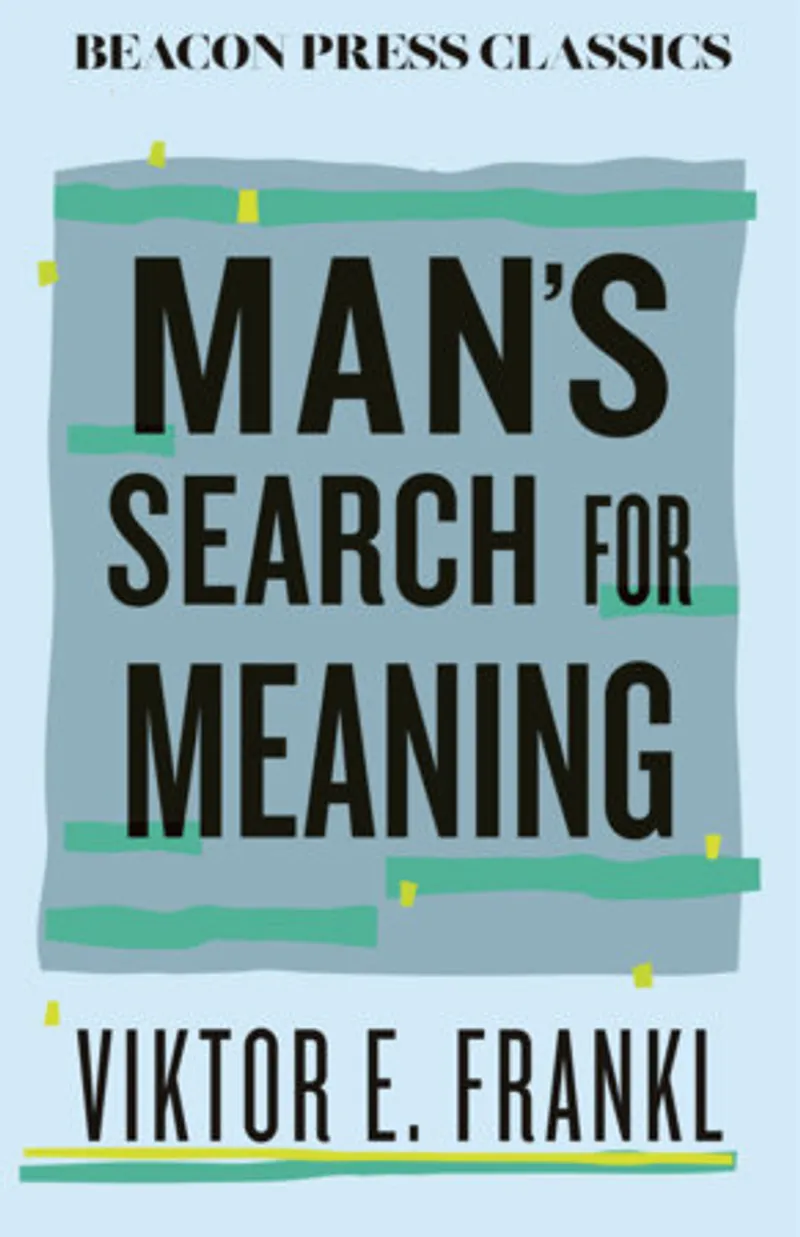
Man's Search for Meaning Author: Viktor E. FranklPage Count: UnknownPublication Date: 2025-PRH I must correct the publication year of the book 'Man's Search for Meaning' as it was originally published in 1959, not in 2025. Here's a review of the book. In the most inhumane of conditions, Viktor E. Frankl's 'Man's Search for Meaning' shines as a beacon of hope, a testament to the resilience of the human spirit, and a profound exploration of the search for meaning in the face of unimaginable suffering. This memoir, self-help book, and psychology manual all at once, recounts Frankl's three-year ordeal in Auschwitz and other Nazi concentration camps, yet it is not a tale of horror, but a chronicle of the struggle for existence and the quest for meaning. Through his unique perspective as a psychiatrist, Frankl offers a remarkable insight into the psychology of survival. He posits that the 'will to meaning' is the primary driving force behind human existence. This notion, which later became the cornerstone of his logotherapy theory, revolutionizes our understanding of human nature in the face of adversity. Frankl's theory is succinctly encapsulated in Nietzsche's words, 'He who has a why to live for can bear almost any how.' Frankl's writing style is straightforward, yet powerful, and devoid of sentimentality. He recounts the atrocities he witnessed and experienced with a sense of detachment, which makes the narrative all the more poignant. The author's use of simple, yet profound language, makes the book accessible to a wide range of readers, from scholars to those simply seeking inspiration. One of the most striking aspects of 'Man's Search for Meaning' is its ability to transcend the boundaries of time and space. Despite being written over six decades ago, the book remains remarkably relevant today. Its themes of hope, resilience, and the search for meaning continue to resonate with readers from diverse backgrounds and cultures. Frankl's story is a testament to the human capacity for survival, and his theory of logotherapy offers a compelling framework for finding meaning in the face of adversity. The book is not a self-help manual in the classical sense, but rather a deeply personal and philosophical exploration of the human condition. It is an invitation to re-examine our assumptions about the nature of existence and to seek meaning in our own lives. In conclusion, 'Man's Search for Meaning' is a masterpiece of psychological literature, a tribute to the human spirit, and a powerful exploration of the search for meaning. It is a book that will continue to inspire, educate, and challenge readers for generations to come. #MansSearchForMeaning #ViktorFrankl #Logotherapy #HolocaustMemoir #PsychologyClassic #MeaningInSuffering Related InsightsThe French Illusion Book Review and Summary Wildcard Book Review and Summary Someone to Cherish Book Review and Summary{ "@context": "https://schema.org", "@type": "FAQPage", "mainEntity": [ { "@type": "Question", "name": "What is the main focus of Man's Search for Meaning Book Review and Summary?", "acceptedAnswer": { "@type": "Answer", "text": "Everything you need to know about Man's Search for Meaning with our detailed review." } }, { "@type": "Question", "name": "Who authored the comprehensive guide on Man's Search for Meaning Book Review and Summary?", "acceptedAnswer": { "@type": "Answer", "text": "This detailed article and its insights were carefully researched and authored by Klaus Weber." } }, { "@type": "Question", "name": "Where can I find more related content about Books?", "acceptedAnswer": { "@type": "Answer", "text": "You can explore more articles, detailed reviews, and similar insights by browsing the Related Insights section at the bottom of this article or visiting our dedicated Books category page." } } ] }
Blind Spot Author: Paula HawkinsPage Count: UnknownPublication Year: 2022-GB Paula Hawkins' latest psychological thriller, Blind Spot, is a masterful exploration of the darkest corners of the human psyche. As a global bestseller, this book has garnered widespread acclaim for its intricate plotting, complex characters, and Hawkins' signature atmospheric tension. At its core, Blind Spot is a thought-provoking examination of the unreliability of human perception. Hawkins skillfully weaves together multiple narratives, each with its own unique voice and perspective, to create a rich tapestry of secrets, lies, and half-truths. Through her characters' experiences, Hawkins exposes the blind spots that exist within us all, revealing the ways in which our own biases, assumptions, and fears can distort our understanding of reality. One of Hawkins' greatest strengths as a writer is her ability to craft characters that are both relatable and flawed. Her protagonists are often women who are struggling to navigate the complexities of their own lives, and Blind Spot is no exception. The novel's central characters are multidimensional and authentic, with each one bringing their own distinct perspective to the story. Hawkins' writing style is, as always, impeccable. Her prose is concise and evocative, conjuring vivid images of the novel's settings and characters. Her use of language is deliberate and measured, adding to the overall sense of tension and foreboding that permeates the narrative. As the story unfolds, Hawkins expertly ratchets up the suspense, keeping readers on the edge of their seats as they try to piece together the puzzle alongside the characters. One of the most striking aspects of Blind Spot is its exploration of the ways in which trauma can shape our perceptions of the world. Hawkins handles this sensitive topic with care and nuance, never shying away from the complexities and difficulties of her characters' experiences. Through their stories, she sheds light on the often-invisible scars that can result from traumatic events, and the ways in which these scars can continue to impact our lives long after the initial wound has healed. In Blind Spot, Hawkins also explores the theme of power dynamics, particularly in relationships. Her characters are often caught in webs of manipulation and control, and Hawkins deftly exposes the ways in which these dynamics can be both subtle and devastating. Through her characters' experiences, she highlights the ways in which power can be wielded and abused, and the lasting impact that this can have on individuals and communities. Overall, Blind Spot is a gripping and thought-provoking thriller that will keep readers on the edge of their seats from start to finish. With its intricate plotting, complex characters, and atmospheric tension, this novel is sure to appeal to fans of Hawkins' previous work, as well as anyone who enjoys a good psychological thriller. If you're looking for a book that will challenge your assumptions and keep you guessing until the very end, then Blind Spot is an absolute must-read. #PsychologicalThriller #TraumaAndRecovery #PowerDynamics #BlindSpot #PaulaHawkins #GrippingFiction Related InsightsThe Angel of Darkness: Book 2 of the Alienist Book Review and Summary Hidden Pictures Book Review and Summary Midnight in the House of Commons: A Charles Lenox Mystery (Charles Lenox Mysteries, 16) Book Review and Summary{ "@context": "https://schema.org", "@type": "FAQPage", "mainEntity": [ { "@type": "Question", "name": "What is the main focus of Blind Spot Book Review and Summary?", "acceptedAnswer": { "@type": "Answer", "text": "Everything you need to know about Blind Spot with our detailed review." } }, { "@type": "Question", "name": "Who authored the comprehensive guide on Blind Spot Book Review and Summary?", "acceptedAnswer": { "@type": "Answer", "text": "This detailed article and its insights were carefully researched and authored by Klaus Weber." } }, { "@type": "Question", "name": "Where can I find more related content about Books?", "acceptedAnswer": { "@type": "Answer", "text": "You can explore more articles, detailed reviews, and similar insights by browsing the Related Insights section at the bottom of this article or visiting our dedicated Books category page." } } ] }
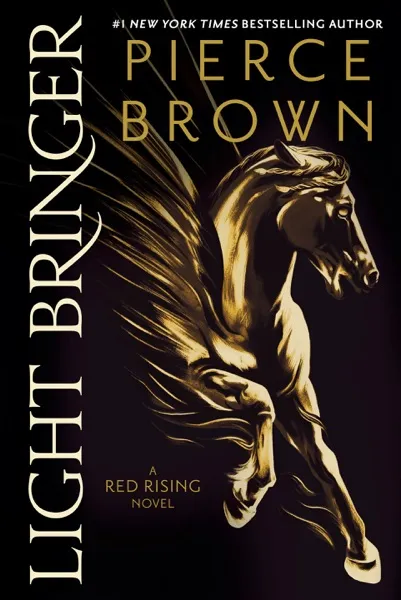
Light Bringer Author: Pierce BrownPage Count: UnknownPublication Year: 2022-GB Pierce Brown’s Light Bringer is a dazzling storm of ambition, power, and cosmic warfare, a novel that cements his reputation as a master of high-stakes sci-fi drama. Released in 2022, this entry in the Red Rising saga doesn’t just continue the saga—it ignites it, hurling its cast into a new dimension of conflict where gods clash and humanity’s fate hangs by a thread. Brown, already celebrated for his visceral prose and relentless pacing, delivers a story that is as intellectually stimulating as it is emotionally explosive. If Red Rising was a revolution in space opera, Light Bringer is its apotheosis—a book that doesn’t just expand the universe but redefines the very stakes of survival. At its core, Light Bringer is about legacy and revolution. The story follows Darrow of Lykos, now elevated to the rank of Light Bringer, a mythic figure in the Solar System’s struggle against the tyrannical Obsidians and their puppet rulers, the Golds. But legacy isn’t just a burden—it’s a weapon. Brown explores how the past shapes identity, how revolution becomes tradition, and whether any leader can outrun the darkness they inherit. The novel interrogates power: who wields it, who deserves it, and what happens when it corrupts even the most idealistic. Darrow, once a revolutionary, now finds himself the architect of a new order—one that may be just as oppressive as the old. Brown’s genius lies in making this moral ambiguity thrilling rather than tedious, turning political philosophy into high-stakes action. Brown’s writing style is a force of nature—visceral, poetic, and unapologetically operatic. His prose crackles with energy, blending brutal fight scenes with lush, almost Shakespearean dialogue. The dialogue in Light Bringer is particularly noteworthy; Brown excels at making even casual exchanges feel charged with subtext, history, and consequence. When characters spar with words, it’s as gripping as any duel with a razor. And the action? It’s cinematic in scope, from the clashing fleets of the Rim Dominion to the intimate, brutal intimacy of hand-to-hand combat. Brown doesn’t shy away from violence, but he frames it with purpose—every death, every sacrifice, every betrayal serves the larger narrative of revolution and redemption. One of the novel’s most striking elements is its world-building. Brown doesn’t just describe futuristic technology or alien civilizations—he makes them feel inevitable, as if they grew organically from the characters’ desires and fears. The Rim Dominion, with its vast fleets and godlike leaders, feels like a natural evolution of the power structures Darrow has fought against. The introduction of new factions—the Obsidian clans, the hidden Martian resistance—adds layers of complexity, making the conflict feel even more desperate. Brown’s ability to weave personal drama into galactic-scale stakes is what makes Light Bringer more than just another space opera. It’s a meditation on what it means to fight for freedom when freedom itself is a contested ideal. The emotional core of the book, however, remains Darrow. Brown’s protagonist is a study in contradictions: a warrior who longs for peace, a leader who fears his own legend, a man who has seen the darkness in himself and still chooses to fight. Darrow’s journey is one of disillusionment and defiance, and Brown handles his arc with nuance. The supporting cast is equally compelling—each character, from the ruthless Romulus au Raa to the enigmatic Virginia au Augustus, is given moments to shine, to doubt, to grow. Brown’s strength lies in making even secondary characters feel vital, their choices rippling through the narrative in unpredictable ways. Light Bringer isn’t without its flaws. The sheer scale of the story occasionally risks losing focus, and some subplots feel underdeveloped in the rush to deliver grand revelations. But these are minor quibbles in a novel that otherwise delivers on every promise. Brown’s ambition is matched only by his execution, and the result is a book that demands to be read in a single, breathless sitting. Ultimately, Light Bringer is about the cost of revolution—and whether any victory is worth the blood spilled to achieve it. It’s a story of fire and light, of gods and mortals, of the endless cycle of violence that defines human history. Pierce Brown doesn’t just tell this story; he immerses you in it, until the line between fiction and reality blurs, and you find yourself questioning not just the characters’ choices, but your own. This is sci-fi at its finest—epic, emotional, and impossible to put down. #LightBringer #RedRising #SciFiEpic #SpaceOpera #PierceBrown #BookReview Related InsightsAlpha Night Book Review and Summary La parte más oscura del bosque Book Review and Summary Great Big Beautiful Life Book Review and Summary{ "@context": "https://schema.org", "@type": "FAQPage", "mainEntity": [ { "@type": "Question", "name": "What is the main focus of Light Bringer Book Review and Summary?", "acceptedAnswer": { "@type": "Answer", "text": "Everything you need to know about Light Bringer with our detailed review." } }, { "@type": "Question", "name": "Who authored the comprehensive guide on Light Bringer Book Review and Summary?", "acceptedAnswer": { "@type": "Answer", "text": "This detailed article and its insights were carefully researched and authored by Klaus Weber." } }, { "@type": "Question", "name": "Where can I find more related content about Books?", "acceptedAnswer": { "@type": "Answer", "text": "You can explore more articles, detailed reviews, and similar insights by browsing the Related Insights section at the bottom of this article or visiting our dedicated Books category page." } } ] }
- Klaus Weber
- 30 Apr, 2026 01:49
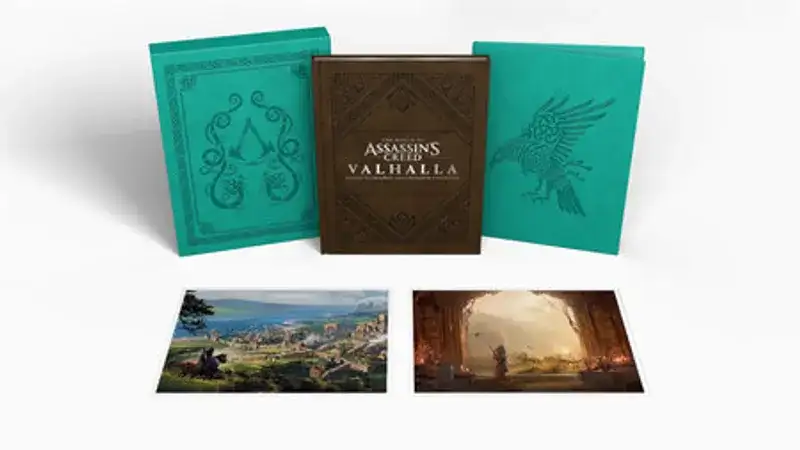
The World of Assassin's Creed Valhalla: Journey to the North--Logs and Files of a Hidden One (Deluxe Edition) Book Review and Summary
The World of Assassin's Creed Valhalla: Journey to the North--Logs and Files of a Hidden One (Deluxe Edition) Author: Rick BarbaPage Count: UnknownPublication Date: 2023-PRH Rick Barba’s The World of Assassin’s Creed Valhalla: Journey to the North—Logs and Files of a Hidden One is not just another companion book to a video game—it is a meticulously crafted portal into the frozen, blood-soaked soul of Assassin’s Creed Valhalla. This deluxe edition, co-published by Ubisoft and Dark Horse Books, transcends the boundaries of mere art book or lore compendium. It is, in essence, the personal journal of Hytham, the enigmatic Hidden One who guides Eivor through the treacherous political and mythic landscapes of ninth-century Britain. Presented as a recovered archive, the book immerses the reader in the same shadowed corridors of history and legend that the game navigates with such confidence. At its core, this volume is a celebration of Viking culture—its brutal pragmatism, its deep-rooted reverence for fate and familial bonds, and its mythic imagination. Barba doesn’t just describe the world of Valhalla; he reconstructs it from the ground up. The text is structured as Hytham’s observations, blending historical research with Assassin lore, as if the Hidden One himself has transcribed fragments of Viking sagas, Anglo-Saxon chronicles, and whispers from the supernatural realms. This narrative framing is both clever and immersive, lending an air of authenticity to the fantasy. It’s as though the reader has stumbled upon a secret manuscript hidden beneath the floorboards of a London tavern or tucked away in the frostbitten archives of Ravensthorpe. Barba’s writing style is sharp, unadorned, and purposeful—much like the Viking warriors he describes. He avoids excessive romanticism, opting instead for a tone that respects the duality of Viking life: the poetry of the skalds balanced against the stench of blood in the longhouse. There is a scholarly precision here, but it never feels academic. Instead, it reads like the field notes of a Hidden One, someone who must know both the blade and the word to survive. The prose is clean and direct, allowing the rich visuals to speak for themselves. When Barba does indulge in description, it is vivid and tactile—whether describing the weight of a seax in hand or the mist curling over the Thames at dawn. The visual presentation is nothing short of spectacular. Full-color illustrations dominate every page, from detailed character portraits to sweeping landscapes of snowy fjords and mist-laden forests. The deluxe edition elevates this experience further with a protective slipcase and an exclusive cover, making it not only a book to read but a collector’s artifact to cherish. The two gallery-quality prints included in the folio are museum-worthy—feast your eyes on Eivor mid-battle or Hytham’s piercing gaze, and you’ll understand the care that went into every brushstroke. One of the book’s most compelling themes is the tension between myth and history. Valhalla is, after all, a game that places players in a world where gods walk among mortals and where reality bends to the whims of ancient magic. Barba leans into this duality, presenting Viking lore—not as mere superstition, but as living belief. The reader encounters Odin’s whispers, sees the influence of the Wolf and Raven clans, and witnesses the creeping dread of the Order of the Ancients, who lurk like shadows in the halls of power. This isn’t just world-building; it’s world-believing. Barba ensures that the supernatural elements feel as real as the historical ones, and that’s a rare achievement in any media. The book also shines in its portrayal of Eivor’s journey. From the rocky shores of Norway to the mist-laced hills of Ireland, each region is rendered with geographic and cultural fidelity. Barba doesn’t gloss over the brutality of the age—raids, betrayals, and political intrigue are all laid bare—but he also captures the warmth of community, the strength of kinship, and the quiet dignity of a people who carved their names into the earth with both sword and story. This duality is what makes Valhalla resonate, and Barba ensures the book reflects it. If there is a criticism to be made, it’s that the book assumes a certain familiarity with the game. While it’s possible to enjoy it as a standalone work, those who haven’t played Valhalla might find the references to characters and events a bit opaque. However, this is a minor quibble. The strength of the writing and art compensates for any assumed knowledge, and a quick glance at the index or a playthrough of the game’s opening sequences would bridge any gaps. Ultimately, The World of Assassin’s Creed Valhalla is a triumph of transmedia storytelling. Barba doesn’t just document a game—he deepens the player’s connection to its world. By adopting Hytham’s voice, he transforms a static companion book into a living artifact, one that feels as if it was pulled from the cold earth of England itself. This is not a book for casual fans. It’s for those who have stood beside Eivor in the rain, who have felt the weight of a hidden blade in their palm, and who now hunger for more. If you’re a collector, a historian, a gamer, or simply someone who loves great storytelling, this deluxe edition is a must-have. It’s more than a book. It’s a relic from a hidden world. #AssassinsCreedValhalla #RickBarba #VikingHistory #GamingLore #HiddenOneArchives #DarkHorseBooks
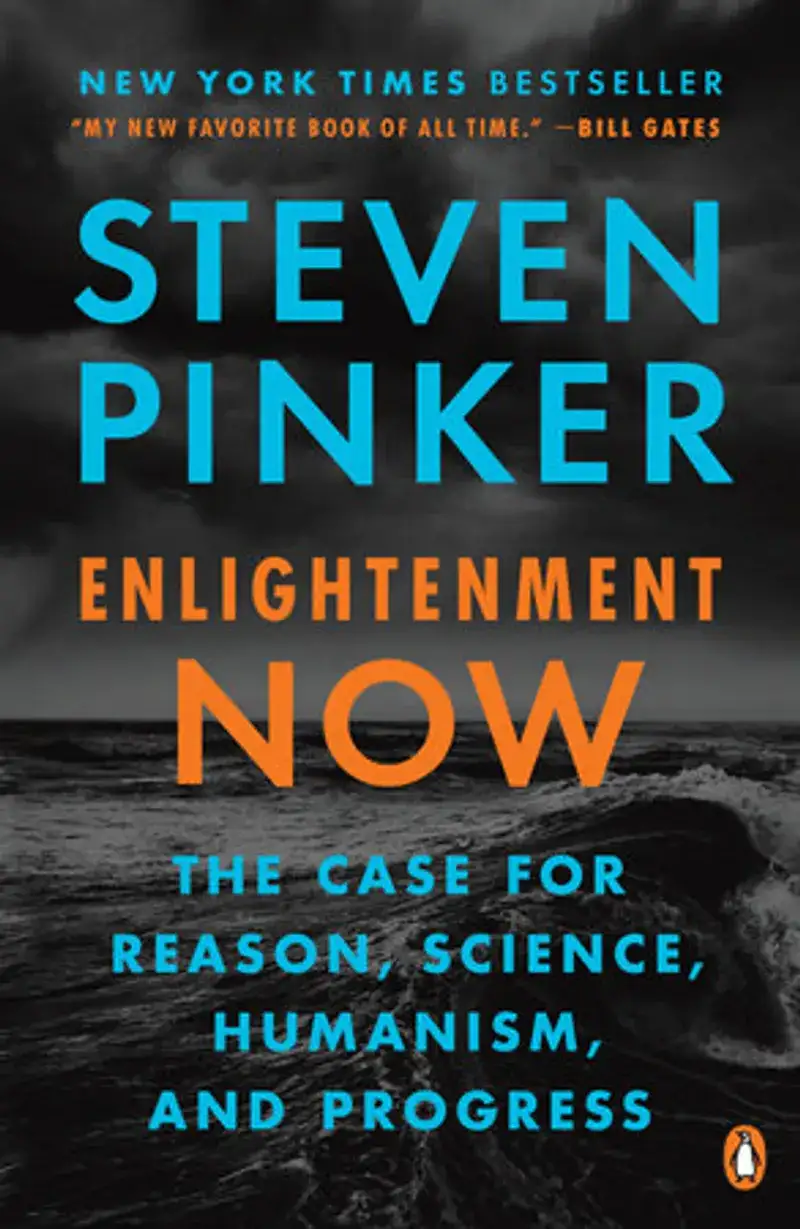
Enlightenment Now Author: Steven PinkerPage Count: UnknownPublication Date: 2019-PRH Steven Pinker’s Enlightenment Now is not just a book—it’s a manifesto, a data-driven plea, and a defiant counter-narrative to the doom-mongering that dominates our cultural moment. In an era where pessimism sells and headlines scream of collapse, Pinker arms readers with irrefutable evidence: the world is not falling apart. It’s getting better. And the force driving that progress isn’t luck or divine intervention—it’s the Enlightenment ideal of reason, science, and humanism. Pinker, a cognitive scientist and Harvard professor, marshals an arsenal of statistics—75 graphs, to be exact—to dismantle the illusion of decline. Life expectancy has never been higher. Global poverty is plummeting. Violence, war, and even child mortality are in steep decline. Democracy is spreading, literacy is rising, and extreme hunger is shrinking. These aren’t anecdotes or hopeful platitudes; they’re measured realities. Yet despite this progress, Pinker notes, we remain stubbornly convinced that things are worse than ever. Why? Because our brains are wired to prioritize bad news—it’s a survival mechanism. But in the modern world, that wiring is a liability. Enlightenment Now is Pinker’s corrective, a passionate argument that progress is not a fluke but the result of deliberate, rational effort. What makes the book so compelling is its blend of rigorous data and accessible prose. Pinker writes with the precision of a scientist but the urgency of a preacher. He doesn’t just present facts; he explains why we ignore them. We’re prone to "negativity bias," he argues, where a single tragedy on the news outweighs a thousand stories of improvement. Social media amplifies outrage, and political rhetoric thrives on fear. The result? A cultural narrative that clings to decline, even as the data screams otherwise. Yet Pinker is no Pollyanna. He acknowledges that progress is uneven and that new crises—climate change, inequality, AI disruption—threaten to unravel hard-won gains. But his response isn’t despair; it’s a call to double down on the Enlightenment values that have delivered these improvements. Reason, skepticism, and evidence-based policy are not just abstract ideals—they’re the tools that have saved millions from disease, tyranny, and destitution. The alternative—tribalism, authoritarianism, and magical thinking—is not just wrong; it’s dangerous. Pinker warns that the backlash against Enlightenment ideals is already underway, fueled by populists, religious dogmatists, and postmodern skeptics who dismiss objective truth. His book is a battle cry for those who believe in the power of human ingenuity to solve problems. Pinker’s style is one of his greatest strengths. He writes with the clarity of a professor who loves his subject and the wit of a debater who knows how to dismantle bad arguments. At times, the book reads like a TED Talk stretched into book form—dense with stats but never dry. He deftly handles complex topics, from the economics of inequality to the psychology of hope, making them digestible without dumbing them down. His tone is neither smug nor preachy; it’s urgent but measured, like a doctor calmly listing symptoms before prescribing a treatment. That said, Enlightenment Now isn’t without its critics. Some argue that Pinker underplays the depth of modern crises, particularly the existential threat of climate change. Others accuse him of cherry-picking data to fit his narrative. But even if you disagree with his optimism, you can’t ignore the book’s central thesis: progress is possible, but it’s not inevitable. It requires constant vigilance, skepticism, and a commitment to reason over dogma. Ultimately, Enlightenment Now is a book for the anxious age—a period when fear sells books, clicks, and votes, but rarely solutions. Pinker’s message is simple: the world is improving, but we can’t take it for granted. We must defend the institutions of liberal democracy, invest in science, and reject the siren song of pessimism. It’s a rallying cry for the 21st century, and one that arrives not a moment too soon. #HopeInData #ProgressMatters #EnlightenmentNow #ReasonOverFear #HumanismWorks #GoodNewsIsNotNews Related InsightsJust Listen Book Review and Summary Walk Two Moons Book Review and Summary It's a Prince Thing (the Princess Rules) Book Review and Summary{ "@context": "https://schema.org", "@type": "FAQPage", "mainEntity": [ { "@type": "Question", "name": "What is the main focus of Enlightenment Now Book Review and Summary?", "acceptedAnswer": { "@type": "Answer", "text": "Everything you need to know about Enlightenment Now with our detailed review." } }, { "@type": "Question", "name": "Who authored the comprehensive guide on Enlightenment Now Book Review and Summary?", "acceptedAnswer": { "@type": "Answer", "text": "This detailed article and its insights were carefully researched and authored by Klaus Weber." } }, { "@type": "Question", "name": "Where can I find more related content about Books?", "acceptedAnswer": { "@type": "Answer", "text": "You can explore more articles, detailed reviews, and similar insights by browsing the Related Insights section at the bottom of this article or visiting our dedicated Books category page." } } ] }
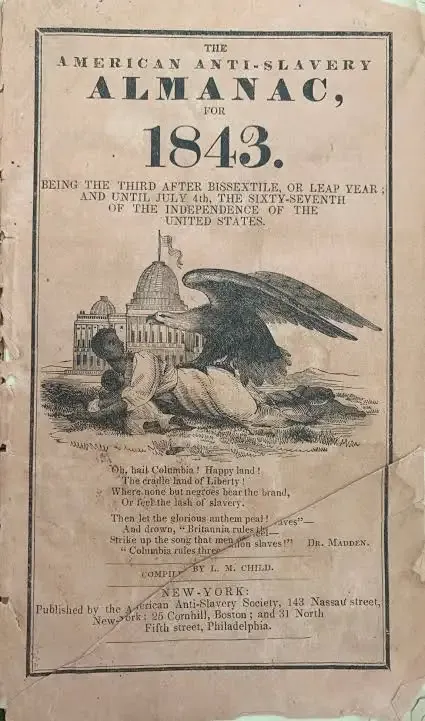
American Anti-Slavery Almanac, For ... Author: Lydia Maria ChildPage Count: UnknownPublication Year: 2021-GB Unveiling the Hidden Truths: Lydia Maria Child’s American Anti-Slavery Almanac as a Timeless Call to Justice In an era where history is often sanitized to fit modern narratives, Lydia Maria Child’s American Anti-Slavery Almanac stands as a defiant testament to the unvarnished realities of oppression. First published in 1838 and reissued in 2021, this meticulously crafted almanac is far more than a historical artifact—it is a literary weapon, a moral compass, and a searing indictment of systemic injustice. Child, a pioneering abolitionist and social reformer, wields her pen with the precision of a surgeon and the passion of a prophet, exposing the hypocrisy of a nation built on freedom while perpetuating slavery. More than 180 years after its original release, this almanac remains a vital, if underappreciated, cornerstone of American literature and activism. At its core, American Anti-Slavery Almanac is a hybrid work—part instructional guide, part political manifesto, and part cultural critique. Unlike traditional almanacs, which typically offer weather forecasts and agricultural advice, Child’s version is a radical departure, blending factual accounts of slavery’s horrors with persuasive arguments for abolition. The book is structured as a year-long calendar, with each month dedicated to a specific theme or event tied to the anti-slavery movement. From the brutality of the Middle Passage to the resilience of enslaved people, Child weaves together historical records, personal testimonies, and abolitionist rhetoric to create a tapestry of moral urgency. Her approach is both pedagogical and polemical, ensuring that readers not only learn about slavery’s atrocities but also feel compelled to act against them. One of the almanac’s most striking features is its unflinching portrayal of slavery’s mechanics. Child does not shy away from graphic descriptions of violence, forced labor, or the dehumanization of enslaved individuals. Yet, her writing is never gratuitous; instead, it serves a higher purpose—educating the public about the true cost of slavery. She juxtaposes cold, statistical data with vivid anecdotes, such as the story of a mother separated from her child or a slave punished for daring to read. These narratives are not mere illustrations; they are deliberate tools to dismantle the apathy of those who benefited from the system. Child’s ability to balance factual rigor with emotional resonance makes the almanac a masterclass in persuasive writing. Child’s writing style is deceptively simple, yet deeply effective. Her prose is direct and accessible, avoiding the dense jargon that often alienates modern readers. This accessibility was intentional—Child wrote for a broad audience, including those who might not have considered themselves abolitionists. She employs rhetorical strategies such as repetition, irony, and rhetorical questions to drive her points home. For instance, she frequently contrasts the ideals of the American Revolution with the reality of slavery, asking readers how a nation could claim to be "the land of the free" while millions were enslaved. Her tone shifts seamlessly between outrage, sorrow, and hope, mirroring the emotional journey of the abolitionist movement itself. The almanac also serves as a cultural artifact, offering a window into the abolitionist movement’s strategies and challenges. Child includes not only her own writings but also excerpts from speeches, letters, and other abolitionist texts, creating a chorus of voices united against slavery. She highlights the work of figures like Frederick Douglass and William Lloyd Garrison, but she also amplifies the voices of enslaved people themselves, ensuring that their stories are not erased by history. This collaborative approach underscores Child’s belief in the power of collective action—a theme that resonates powerfully in today’s social justice movements. What makes American Anti-Slavery Almanac particularly relevant in 2024 is its unapologetic confrontation of systemic injustice. Child’s work is a reminder that the fight against oppression is not confined to a single era. Her arguments about the moral bankruptcy of slavery parallel modern debates about racial inequality, economic exploitation, and institutionalized discrimination. The almanac challenges readers to question the narratives they’ve been taught and to recognize the ways in which oppression persists in new forms. In an age where misinformation and historical revisionism are rampant, Child’s relentless pursuit of truth feels more urgent than ever. For contemporary readers, the almanac is both a historical document and a living text. It invites reflection on how far society has—or hasn’t—come since Child’s time. The parallels between 19th-century abolitionism and today’s movements for racial justice are impossible to ignore. Child’s insistence on the interconnectedness of human dignity and freedom remains a guiding principle for activists, scholars, and everyday citizens alike. Her work is a testament to the power of literature to inspire change, proving that words can be as revolutionary as any act of defiance. Lydia Maria Child’s American Anti-Slavery Almanac is a masterpiece of abolitionist literature, a work that transcends its historical context to speak directly to the present. It is a book that demands to be read, discussed, and acted upon. In an era where history is often commodified or ignored, Child’s almanac stands as a defiant reminder of the power of truth—and the necessity of justice. #AbolitionistLiterature #LydiaMariaChild #AntiSlaveryAlmanac #HistoricalJustice #SocialReform Related InsightsThe Norton Introduction to Literature--Portable thirteenth edition Book Review and Summary Mercy Book Review and Summary Charlaine Harris Gunnie Rose 4 Book Review and Summary{ "@context": "https://schema.org", "@type": "FAQPage", "mainEntity": [ { "@type": "Question", "name": "What is the main focus of **American Anti-Slavery Almanac, For ...** Book Review and Summary?", "acceptedAnswer": { "@type": "Answer", "text": "Everything you need to know about **American Anti-Slavery Almanac, For ...** with our detailed review." } }, { "@type": "Question", "name": "Who authored the comprehensive guide on **American Anti-Slavery Almanac, For ...** Book Review and Summary?", "acceptedAnswer": { "@type": "Answer", "text": "This detailed article and its insights were carefully researched and authored by Klaus Weber." } }, { "@type": "Question", "name": "Where can I find more related content about Books?", "acceptedAnswer": { "@type": "Answer", "text": "You can explore more articles, detailed reviews, and similar insights by browsing the Related Insights section at the bottom of this article or visiting our dedicated Books category page." } } ] }
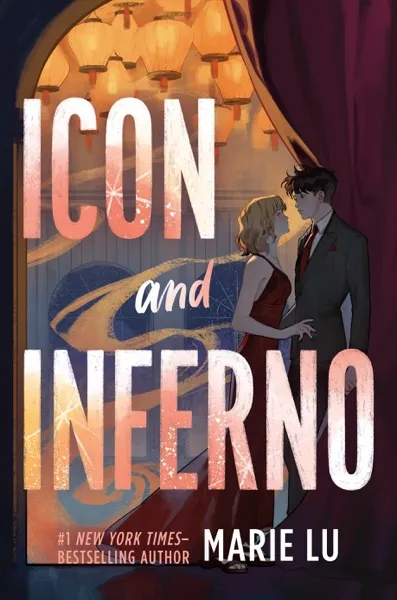
Icon and Inferno Author: Marie LuPage Count: UnknownPublication Year: 2024-GB Icon and Inferno: A Dazzling Conflagration of Power, Identity, and the Price of Fame Marie Lu’s Icon and Inferno is a masterstroke of speculative fiction—a book that burns bright with ambition, moral ambiguity, and the kind of razor-sharp storytelling that has cemented Lu as one of the most compelling voices in modern literature. Published in 2024, this highly anticipated novel arrives with the weight of global acclaim, and it delivers in spades. With its searing exploration of power, identity, and the inferno of public adoration, Icon and Inferno is less a book and more a cultural explosion, a narrative that interrogates what it means to be worshipped—and what it costs to be consumed by that worship. At its core, Icon and Inferno is a dual-edged sword. On one side, it’s a meditation on fame and the cult of personality in the digital age, where icons are manufactured, worshipped, and then discarded with brutal efficiency. On the other, it’s a deeply personal journey of self-destruction and reinvention, where the protagonist must confront the monster they’ve become—or the monster that was always inside them. Lu crafts a world where public perception is currency, and the line between human and spectacle has dissolved entirely. The result is a story that is as much a warning as it is an enthralling spectacle. Lu’s prose is electric, charged with the kind of tension that keeps readers glued to the page. Her writing is sleek and modern, blending the immediacy of social media culture with the timeless themes of myth and tragedy. The novel doesn’t shy away from the grotesque allure of fame; instead, it luxuriates in it, painting a world where influence is power, and power is a kind of divine right—or a kind of damnation. The prose crackles with wit and menace, mirroring the duality of its central figure, a protagonist who is both victim and perpetrator of their own legend. What makes Icon and Inferno so gripping is its refusal to simplify its themes. Lu doesn’t offer easy answers about redemption or the ethics of stardom. Instead, she presents a world where everyone is complicit—whether they’re the architects of fame, the audience that consumes it, or the icon themselves. The novel’s structure is a masterclass in pacing, alternating between the dizzying highs of viral fame and the suffocating lows of personal collapse. It’s a book that feels like a fever dream, yet it’s grounded in a reality that is uncomfortably familiar. The characters are the beating heart of this inferno. Lu’s protagonist is a marvel—a figure who is both deeply sympathetic and deeply flawed, a person whose greatest strength is also their fatal weakness. Supporting characters orbit around them like satellites, each playing a role in the protagonist’s rise and fall. The dialogue is sharp, the relationships fraught with tension, and the emotional stakes sky-high. Lu has a knack for making even the most morally ambiguous characters feel human, a skill that elevates Icon and Inferno from a mere thriller to a work of literary significance. The novel’s title is a clue to its central metaphor: the icon is the symbol of worship, the inferno the fire of that worship—or the fire that consumes. Lu plays with this duality throughout, using fire as both a destructive force and a transformative one. The imagery is vivid, almost cinematic, and it lingers long after the last page is turned. This is a book that demands to be discussed, dissected, and debated—it’s that rich with ideas. Marie Lu has always been a writer who pushes boundaries, and Icon and Inferno is her most ambitious work yet. It’s a book that will divide readers—some will see it as a scathing indictment of modern culture, others as a darkly entertaining satire. But whatever perspective you take, you won’t be able to look away. Icon and Inferno is a mirror held up to society, and the reflection is both mesmerizing and terrifying. In a world where fame is both currency and curse, Icon and Inferno is the book we didn’t know we needed—until it burned its way into our consciousness. #IconAndInferno #MarieLu #DystopianFiction #FameAndItsCosts #BookReview #MustRead2024 Related InsightsAtlas Shrugged Book Review and Summary All the Bright Places Book Review and Summary The Ultimate Hitchhiker’s Guide to the Galaxy Book Review and Summary{ "@context": "https://schema.org", "@type": "FAQPage", "mainEntity": [ { "@type": "Question", "name": "What is the main focus of Icon and Inferno Book Review and Summary?", "acceptedAnswer": { "@type": "Answer", "text": "Everything you need to know about Icon and Inferno with our detailed review." } }, { "@type": "Question", "name": "Who authored the comprehensive guide on Icon and Inferno Book Review and Summary?", "acceptedAnswer": { "@type": "Answer", "text": "This detailed article and its insights were carefully researched and authored by Klaus Weber." } }, { "@type": "Question", "name": "Where can I find more related content about Books?", "acceptedAnswer": { "@type": "Answer", "text": "You can explore more articles, detailed reviews, and similar insights by browsing the Related Insights section at the bottom of this article or visiting our dedicated Books category page." } } ] }
No Plan B Author: Lee ChildPage Count: UnknownPublication Year: 2022-GB No Plan B: Lee Child Delivers Another Masterclass in High-Stakes Thrills Few authors can turn a simple premise into a pulse-pounding odyssey, but Lee Child does it with effortless precision. In No Plan B, the latest installment in the Jack Reacher series, Child once again proves why he remains a titan of the thriller genre. With razor-sharp prose, relentless pacing, and a protagonist who feels as real as the pages he inhabits, this book is a must-read for fans of crime fiction and newcomers alike. At its core, No Plan B explores the fragility of human resilience when faced with the unthinkable. The story follows Jack Reacher, the ex-military drifter with a knack for trouble, as he stumbles upon a case that forces him to confront his own limits. Without giving away too much, the plot revolves around a seemingly ordinary situation that spirals into chaos, testing Reacher’s instincts, morality, and sheer willpower. Child’s genius lies in his ability to make the extraordinary feel plausible, grounding Reacher’s larger-than-life heroics in a world that feels eerily familiar. One of the book’s greatest strengths is its exploration of the theme of control—or rather, the loss of it. Reacher, a man who thrives on order and self-reliance, finds himself in a scenario where every move is dictated by forces beyond his comprehension. Child delves deep into the psychological toll of unpredictability, crafting a narrative that is as much about internal struggle as it is about external conflict. This introspective layer elevates No Plan B beyond a typical thriller, giving it the weight of a literary exploration of human frailty. Child’s writing style is a masterclass in efficiency and impact. His prose is lean, devoid of unnecessary flourishes, yet rich with tension and subtext. Every sentence serves a purpose, whether it’s advancing the plot, deepening character development, or ratcheting up the suspense. Reacher’s internal monologue is particularly compelling, offering readers a window into his thought process without resorting to excessive exposition. Child’s ability to balance action with introspection ensures that the story never feels rushed or shallow. The supporting cast in No Plan B is equally well-crafted, each character serving a distinct role in Reacher’s journey. From allies who challenge his worldview to antagonists who are as cunning as they are ruthless, Child populates his world with individuals who feel fully realized. Even minor characters leave a lasting impression, a testament to the author’s skill in creating memorable, three-dimensional figures. The dialogue crackles with authenticity, further immersing the reader in the story’s world. What sets No Plan B apart from other thrillers is its refusal to rely on gimmicks. Child doesn’t need over-the-top set pieces or convoluted plots to keep readers hooked—he relies on sharp writing, authentic characters, and a relentless sense of momentum. The pacing is impeccable, with each chapter ending on a note that compels the reader to keep going. Whether it’s a quiet moment of reflection or a high-octane confrontation, Child ensures that every scene feels vital to the story’s progression. For fans of the Jack Reacher series, No Plan B is a welcome return to form, delivering all the elements that have made the character a beloved figure in crime fiction. For newcomers, it serves as an excellent introduction to Child’s world, showcasing his ability to craft stories that are both entertaining and thought-provoking. The book’s themes of resilience, adaptability, and the human capacity for survival resonate long after the final page, making it a standout in the genre. In an era where thrillers often prioritize shock value over substance, No Plan B is a refreshing reminder of the power of good storytelling. Lee Child’s latest offering is a testament to his enduring talent, proving once again that he is a master of his craft. Whether you’re a longtime Reacher fan or a casual reader looking for a gripping tale, this book is not to be missed. #LeeChild #JackReacher #ThrillerBooks #CrimeFiction #NoPlanB Related InsightsA Year with the Classics: A Beginner’s Class in Twelve Books that Have Inspired Christian Heroes, Sinners, and Saints for Centuries Book Review and Summary Hamlet & Juliet (The Star Crossed #1) Book Review and Summary Wuthering Heights Book Review and Summary{ "@context": "https://schema.org", "@type": "FAQPage", "mainEntity": [ { "@type": "Question", "name": "What is the main focus of **No Plan B** Book Review and Summary?", "acceptedAnswer": { "@type": "Answer", "text": "Everything you need to know about **No Plan B** with our detailed review." } }, { "@type": "Question", "name": "Who authored the comprehensive guide on **No Plan B** Book Review and Summary?", "acceptedAnswer": { "@type": "Answer", "text": "This detailed article and its insights were carefully researched and authored by Klaus Weber." } }, { "@type": "Question", "name": "Where can I find more related content about Books?", "acceptedAnswer": { "@type": "Answer", "text": "You can explore more articles, detailed reviews, and similar insights by browsing the Related Insights section at the bottom of this article or visiting our dedicated Books category page." } } ] }
The Search For Life In The Universe Author: Donald A. GoldsmithPage Count: UnknownPublication Date: 2001-PRH The Search For Life In The Universe, written by Donald A. Goldsmith, is a captivating exploration of one of humanity's most profound and enduring questions: are we alone in the universe? Published in 2001, this book delves into the fascinating realm of astrobiology, where science and speculation blend in a tantalizing dance. Goldsmith's masterful narrative weaves together the latest scientific discoveries, theoretical frameworks, and philosophical musings, rendering the search for extraterrestrial life an exhilarating journey that beckons readers to join the quest. As we embark on this cosmic adventure, Goldsmith's writing style proves to be a perfect blend of accessibility and expertise. His lucid prose, infused with a sense of wonder and curiosity, makes complex scientific concepts intelligible to a broad audience. The author's enthusiasm is contagious, inspiring readers to share his passion for the subject and to ponder the vast implications of discovering life beyond Earth. Through a series of engaging anecdotes, historical accounts, and thought-provoking discussions, Goldsmith demonstrates a remarkable ability to balance the scientific and the speculative, never compromising the integrity of the former while allowing the imagination to soar. The book's central theme – the search for life in the universe – is approached from multiple angles, reflecting the multidisciplinary nature of astrobiology. Goldsmith discusses the conditions necessary for life to emerge and thrive, from the presence of liquid water and organic molecules to the stability of planetary environments and the role of chance events. He guides readers through the exploration of our solar system, highlighting the potential for life on Mars, Europa, and other celestial bodies, as well as the prospects for detecting biosignatures in the atmospheres of distant exoplanets. One of the most compelling aspects of Goldsmith's approach is his willingness to confront the unknown and the uncertain. He navigates the intricacies of the Fermi Paradox, which asks, "Where is everybody?" given the high probability of the existence of extraterrestrial civilizations. The author's thoughtful examination of this paradox and other Related conundrums encourages readers to think critically about the implications of our solitude in the universe, should it be confirmed, or the profound consequences of encountering life elsewhere. Throughout the book, Goldsmith's expertise as an astronomer and science writer shines, providing a solid foundation for the discussions that range from the origins of life on Earth to the possibility of panspermia – the hypothesis that life can spread through space. His insights into the latest advancements in telescope technology, space missions, and the search for extraterrestrial intelligence (SETI) keep the narrative grounded in current scientific understanding, even as it ventures into speculative territory. In conclusion, The Search For Life In The Universe is a compelling and enriching read that will captivate anyone intrigued by the mysteries of the cosmos and our place within it. Donald A. Goldsmith's engaging style and comprehensive approach make the book an excellent introduction to astrobiology and the ongoing quest to answer one of humanity's most enduring questions. As we continue to push the boundaries of our knowledge, explorations like this remind us of the awe-inspiring complexity and potential of the universe, inspiring future generations to carry the torch of discovery. #TheSearchForLifeInTheUniverse #Astrobiology #ExtraterrestrialLife #SpaceExploration #SETI #AstrobiologyBooks Related InsightsThe Historian Book Review and Summary If These Walls Could Talk Book Review and Summary Gallant Book Review and Summary{ "@context": "https://schema.org", "@type": "FAQPage", "mainEntity": [ { "@type": "Question", "name": "What is the main focus of The Search For Life In The Universe Book Review and Summary?", "acceptedAnswer": { "@type": "Answer", "text": "Everything you need to know about The Search For Life In The Universe with our detailed review." } }, { "@type": "Question", "name": "Who authored the comprehensive guide on The Search For Life In The Universe Book Review and Summary?", "acceptedAnswer": { "@type": "Answer", "text": "This detailed article and its insights were carefully researched and authored by Klaus Weber." } }, { "@type": "Question", "name": "Where can I find more related content about Books?", "acceptedAnswer": { "@type": "Answer", "text": "You can explore more articles, detailed reviews, and similar insights by browsing the Related Insights section at the bottom of this article or visiting our dedicated Books category page." } } ] }

The untethered soul Author: Michael A. SingerPage Count: UnknownPublication Date: 2007-OL In "The Untethered Soul," Michael A. Singer masterfully weaves a spiritual tapestry that gently guides readers toward the profound realization that inner peace and freedom are not only attainable but also our inherent birthright. This thought-provoking book, first published in 2007, has stood the test of time, and its timeless wisdom continues to resonate deeply with seekers of truth from all walks of life. Singer's writing style is characterized by simplicity, clarity, and a deep understanding of the human condition. He tackles complex spiritual concepts with ease, making them accessible to readers who may be new to the world of inner exploration. At the same time, he offers valuable insights and practical advice that will undoubtedly resonate with seasoned spiritual practitioners. Throughout the book, Singer emphasizes the importance of cultivating awareness and letting go of our deep-seated emotional and psychological attachments. He encourages readers to develop a greater sense of inner awareness, allowing them to observe their thoughts, emotions, and behaviors without becoming entangled in them. This, he suggests, is the key to unlocking our true potential and experiencing the profound sense of freedom and inner peace that we all desire. One of the most compelling aspects of "The Untethered Soul" is its emphasis on the practical application of spiritual principles in everyday life. Singer offers a range of simple yet powerful techniques that readers can use to cultivate greater awareness, release negative patterns of thought and behavior, and deepen their connection to their inner selves. These techniques are not presented as a rigid system or dogma but rather as a gentle guidance that encourages readers to explore and discover their own inner truth. Singer's approach is also notable for its lack of dogma and judgment. He avoids the kind of spiritual jargon and prescriptive language that can often be alienating or intimidating to readers who are new to the world of spirituality. Instead, he speaks directly to the heart, offering a message of hope, compassion, and empowerment that is both inspiring and profoundly moving. In short, "The Untethered Soul" is a deeply insightful and profoundly practical guide to spiritual growth and self-discovery. It is a book that will resonate with anyone who is seeking a deeper understanding of themselves and the world around them. Whether you are a seasoned spiritual practitioner or just beginning your journey of inner exploration, this book has the potential to transform your relationship with yourself and the world in a profound and lasting way. #SpiritualGrowth #InnerPeace #SelfDiscovery #Mindfulness #PersonalFreedom #ConsciousLiving Related InsightsMokradla Book Review and Summary The First Flame (The Aerimander Chronicles #2) Book Review and Summary Shatter Me Book Review and Summary{ "@context": "https://schema.org", "@type": "FAQPage", "mainEntity": [ { "@type": "Question", "name": "What is the main focus of The untethered soul Book Review and Summary?", "acceptedAnswer": { "@type": "Answer", "text": "Everything you need to know about The untethered soul with our detailed review." } }, { "@type": "Question", "name": "Who authored the comprehensive guide on The untethered soul Book Review and Summary?", "acceptedAnswer": { "@type": "Answer", "text": "This detailed article and its insights were carefully researched and authored by Klaus Weber." } }, { "@type": "Question", "name": "Where can I find more related content about Books?", "acceptedAnswer": { "@type": "Answer", "text": "You can explore more articles, detailed reviews, and similar insights by browsing the Related Insights section at the bottom of this article or visiting our dedicated Books category page." } } ] }
The Match Author: Harlan CobenPage Count: UnknownPublication Year: 2022-GB In the midst of a world where DNA testing has become the ultimate tool for self-discovery, a single revelation can shatter the very foundations of one's identity, leaving the fragile threads of reality hanging by a precipice. This is precisely the abyss that Wilde, the protagonist of Harlan Coben's latest thriller, The Match, finds himself staring into, as a routine DNA test unleashes a maelstrom of secrets and lies that have been carefully concealed for decades. Released in 2022 to critical acclaim, The Match has solidified its position as a global bestseller, cementing Coben's reputation as a master weaver of suspenseful narratives that delve deep into the complexities of human relationships and the uncharted territories of the human heart. At the core of The Match lies an intricate exploration of the human condition, delving into themes of identity, family, and the enduring power of love. Coben masterfully orchestrates a symphony of emotions, navigating through the tangled web of Wilde's life as he grapples with the aftermath of his DNA test results. The author's deft handling of these themes not only underscores the fragility of human connections but also highlights the resilience of the human spirit in the face of adversity. Through Wilde's journey, Coben poses profound questions about the nature of self and how external factors can both define and challenge our understanding of who we are and where we belong. One of the standout elements of The Match is its cast of characters, each meticulously crafted with a depth and complexity that makes them relatable and intriguing. Wilde, with his rugged exterior and vulnerable interior, is a compelling protagonist whose quest for truth becomes an all-consuming force that drives the narrative forward. Coben's ability to develop his characters in a way that resonates with readers is a hallmark of his writing style, making The Match not just a gripping thriller but also a deeply personal and emotional journey. Coben's writing style in The Match is quintessentially his - a blend of wit, suspense, and an uncanny ability to weave together disparate threads into a narrative that is both cohesive and surprising. His prose is engaging, peppered with humor and insight into the human condition, which makes the book an absorbing read. The pacing of the novel is expertly managed, with each chapter ending on a note that encourages the reader to delve deeper into the mystery, making The Match a true page-turner. The setting of The Match plays a crucial role in shaping the narrative, with Coben using the contrast between the tranquility of Wilde's life and the turmoil that ensues after the DNA test to great effect. This contrast not only heightens the suspense but also serves as a backdrop against which the characters' emotions and motivations are starkly illuminated. The Match is also notable for its exploration of the ethical and social implications of DNA testing, a topic that is increasingly relevant in today's world. Coben tackles this subject with thoughtfulness and nuance, raising important questions about privacy, family, and the unforeseen consequences of delving into one's genetic past. This aspect of the book adds a layer of depth to the narrative, making it not just a thrilling mystery but also a thought-provoking commentary on contemporary society. In conclusion, The Match by Harlan Coben is a masterpiece of modern thriller writing, weaving together suspense, intrigue, and a deep exploration of the human condition. With its captivating plot, well-developed characters, and thought-provoking themes, this book is a must-read for fans of the genre and anyone looking for a compelling story that will keep them on the edge of their seats until the very end. Coben's unique writing style and the book's contemporary relevance ensure that The Match will continue to captivate readers for years to come, solidifying its place as one of the best thriller novels of 2022. #HarlanCoben #TheMatch #ThrillerNovels #DNATestingInFiction #BestsellingBooks2022 Related InsightsCoraline Book Review and Summary Witch King Book Review and Summary Enchanted Village: A Novel – A Heartwarming Cozy Holiday Romance of Grumpy Sunshine Love and Found Family Magic Book Review and Summary{ "@context": "https://schema.org", "@type": "FAQPage", "mainEntity": [ { "@type": "Question", "name": "What is the main focus of **The Match** Book Review and Summary?", "acceptedAnswer": { "@type": "Answer", "text": "Everything you need to know about **The Match** with our detailed review." } }, { "@type": "Question", "name": "Who authored the comprehensive guide on **The Match** Book Review and Summary?", "acceptedAnswer": { "@type": "Answer", "text": "This detailed article and its insights were carefully researched and authored by Klaus Weber." } }, { "@type": "Question", "name": "Where can I find more related content about Books?", "acceptedAnswer": { "@type": "Answer", "text": "You can explore more articles, detailed reviews, and similar insights by browsing the Related Insights section at the bottom of this article or visiting our dedicated Books category page." } } ] }