Showing Posts From
Remotework
-
 Aisha Sharma
 - 02 Oct, 2026 13:04
Arctic Circle Digital Nomadism: Building Connectivity in Greenland's Remote Towns
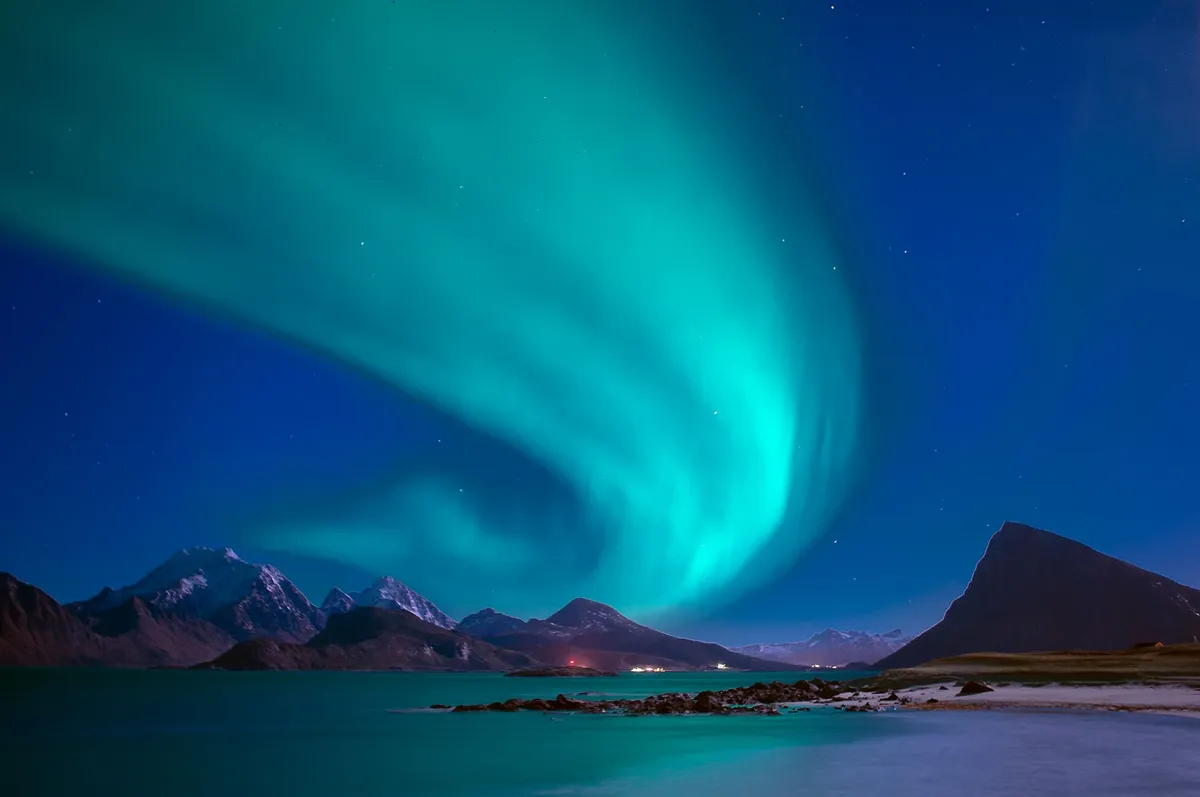
Midnight Sun Workstations: Setting Up in Ilulissat Ilulissat, the gateway to the UNESCO‑listed Icefjord, has quietly transformed from a seasonal tourism hotspot into a year‑round base for location‑independent professionals. The town’s modest population of roughly 4,700 belies a surprisingly robust infrastructure: a handful of cafés now offer dedicated power strips, high‑speed Wi‑Fi (up to 150 Mbps on the municipal fiber loop), and ergonomic seating that rivals any Scandinavian coworking hub. The local municipality, in partnership with the Arctic Digital Nomads initiative, has earmarked a former fish‑processing warehouse for conversion into a 24‑hour coworking space slated to open in Q2 2025. Early‑access members report latency under 30 ms to European cloud nodes, a figure that makes video‑conferencing and large‑file transfers practical even during the polar night. The climate, while harsh, offers a unique productivity rhythm. From late May to late July the sun never sets, granting an endless “golden hour” for deep‑focus work sessions; conversely, the winter darkness encourages a disciplined schedule anchored by artificial lighting and community events. Nomads who have wintered here describe a heightened sense of presence — fewer distractions, stronger bonds with fellow residents, and a daily ritual of watching icebergs drift past the harbor while debugging code. The town’s compact size means everything — grocery, gym, post office — sits within a ten‑minute walk, eliminating commute friction entirely. Housing remains the primary bottleneck. Short‑term rentals are scarce; most nomads negotiate month‑to‑month leases with private homeowners or secure rooms through the Arctic Digital Nomads accommodation portal, which vets properties for heating reliability and internet redundancy. Average monthly rent for a furnished one‑bedroom hovers around 9,500 DKK (≈ 1,270 USD), a figure that aligns with Numbeo’s cost‑of‑living index for “mid‑range” Arctic settlements. Utilities (electricity, water, heating) add another 1,200 DKK, but the municipality subsidizes renewable‑energy heating for residents who sign a two‑year lease, shaving up to 15 % off the bill.Fiber Under Ice: The Quest for Broadband in Nuuk Nuuk, Greenland’s capital with a population nearing 19,000, sits at the forefront of the nation’s digital ambition. In 2023 the government‑owned telecom Tusass completed the “Arctic Connect” submarine cable, linking Nuuk to the Canadian mainland and onward to the global internet backbone. The result: residential plans now advertise symmetrical 500 Mbps fiber for 1,200 DKK/month, while business‑class lines push 1 Gbps with dedicated SLAs. Real‑world speed tests conducted by nomads in Q1 2024 consistently show 420‑460 Mbps downstream and 380‑410 Mbps upstream — sufficient for high‑definition streaming, large‑scale CI/CD pipelines, and real‑time collaboration tools. Latency to major European data centers averages 55 ms, a dramatic improvement over the previous satellite‑only era where 600‑800 ms was the norm. This leap has attracted a wave of SaaS startups and freelance developers who previously avoided the region due to connectivity risk. The municipal IT department publishes a quarterly “Network Health Dashboard” that tracks uptime, packet loss, and scheduled maintenance windows, giving remote workers transparency rarely seen in larger metros. Beyond raw speed, Nuuk’s ecosystem nurtures community. The “Nuuk Tech Meetup” convenes monthly at the Katuaq cultural centre, blending talks on Arctic data sovereignty with informal networking over locally roasted coffee. The Arctic Digital Nomads chapter here runs a mentorship program pairing newcomers with seasoned residents who navigate the nuances of Danish‑Greenlandic bureaucracy, tax residency, and the seasonal ebb of tourism‑driven demand for short‑term rentals.Community Roots: Arctic Digital Nomads and Local Life The Arctic Digital Nomads network, described in its own literature as “more than coworking—it’s community, connection, and a place to live,” operates on a model that intertwines professional infrastructure with cultural immersion. In towns like Sisimiut and Qaqortoq, the organization has signed memoranda of understanding with municipal councils to co‑manage community halls as pop‑up workspaces during the off‑season. These agreements guarantee nomads access to reliable power, heated spaces, and a local liaison who can translate municipal notices and facilitate introductions to artisans, hunters, and researchers. Participation in local life is encouraged, not optional. Nomads are invited to join “Kaffemik” gatherings — traditional Greenlandic coffee mornings where stories, music, and food circulate freely. Such events foster trust, a currency far more valuable than bandwidth in a region where social capital determines access to hidden resources: a spare generator, a boat ride to a remote fjord, or an invitation to a dog‑sled expedition. The network’s “Skill‑Swap” evenings let a UX designer teach wireframing to a local teacher while learning Inuktitut phrases, creating a reciprocal knowledge economy that sustains both parties. Data from the network’s 2024 impact survey (n = 112 respondents) shows that 78 % of participants reported a “strong sense of belonging” after three months, and 64 % extended their stay beyond the initial visa window. The survey also highlighted a measurable economic contribution: average monthly spend per nomad on local goods and services reached 12,300 DKK, injecting an estimated 1.4 million DKK annually into towns with fewer than 5,000 residents. This inflow supports micro‑enterprises — bakeries, craft shops, guiding outfits — that otherwise struggle during the long winter.Cost of Living on the Edge: A Numbeo Snapshot Understanding the financial reality is essential before packing a laptop for the Arctic. Numbeo’s crowdsourced database, which aggregates millions of user submissions and validates them against market data, provides a reliable benchmark for Greenlandic towns. The following table compares key expense categories for a single digital nomad in Nuuk versus Ilulissat, expressed in Danish Krone (DKK) and USD (1 USD ≈ 7.45 DKK, 2024 average).Expense Category Nuuk (DKK) Nuuk (USD) Ilulissat (DKK) Ilulissat (USD)Rent (1‑bed, furnished) 11,500 1,545 9,500 1,275Utilities (electricity, water, heating) 1,500 200 1,200 160Fiber Internet (500 Mbps) 1,200 160 1,000 135Groceries (monthly) 3,800 510 3,500 470Transport (local buses, occasional taxi) 800 107 600 80Coworking / Community Membership 1,500 200 1,200 160Total Monthly 20,300 2,722 17,000 2,280Numbeo’s cost‑of‑living index ranks Nuuk at 84.3 (New York = 100) and Ilulissat at 71.5, reflecting the premium of capital‑city amenities versus the smaller settlement’s lower housing pressure. Notably, both towns score high on safety (crime index < 15) and healthcare quality (public system free at point of use for residents), factors that heavily influence nomad retention. Navigating Visas and Seasons: Practical Playbook Greenland remains an autonomous territory within the Kingdom of Denmark, so visa policy mirrors the Schengen framework with a few Arctic‑specific twists. Citizens of EU/EEA states, the United States, Canada, Australia, and Japan may enter visa‑free for up to 90 days within any 180‑day period. For stays beyond 90 days, a Danish “D‑type” residence permit is required; the application can be filed at the Danish embassy in the applicant’s home country or, since 2022, via the online “New to Denmark” portal. Processing typically takes 6‑8 weeks, and the permit grants the right to work remotely for a foreign employer — no local labor market test needed. Seasonality dictates logistics. Summer (June‑August) brings 24‑hour daylight, open‑water shipping, and a surge of tourists, which inflates short‑term rental prices by 30‑40 %. Winter (November‑March) offers cheaper accommodation, but limited daylight (2‑4 hours in Nuuk, none above the Arctic Circle) and occasional flight cancellations due to storms. Savvy nomads schedule “deep‑work sprints” during the dark months, leveraging the quiet, and reserve the bright season for field research, content creation, or client visits. Health insurance is mandatory for the residence permit. The Danish public system covers emergency care, but many nomads supplement with a private international plan that includes medical evacuation — critical given the limited specialist facilities outside Nuuk. The Arctic Digital Nomads community maintains a shared spreadsheet of vetted insurers, local clinics, and English‑speaking doctors, updated quarterly. Final Coordinates: Your Arctic Chapter Begins Standing on the edge of the world, where the aurora paints the sky in electric greens and the internet hums beneath a sheet of sea ice, you realize that connectivity here is more than bandwidth — it’s a lifeline woven from fiber, community, and sheer human curiosity. The towns of Greenland have turned isolation into an asset, offering a rare blend of pristine nature, reliable infrastructure, and a welcoming network that treats every newcomer as a future collaborator. Whether you chase the midnight sun for inspiration or the polar night for focus, the Arctic Circle now writes a new chapter for digital nomadism: one where the office window frames icebergs, the coffee comes with a story, and the next big idea might just be a dogsled ride away. Pack your laptop, secure that residence permit, and let the north rewrite your workflow.#DigitalNomad #Greenland #RemoteWork #ArcticConnectivity #CostOfLiving Related InsightsMoscow Red Square The Pantanal, Brazil: Unlocking the World’s Largest Wetland and Its Untamed Wildlife Beyond the Horizon: Unveiling Naoshima and Teshima – Japan's Transformative Art Island Odyssey (Part 2){ "@context": "https://schema.org", "@type": "FAQPage", "mainEntity": [ { "@type": "Question", "name": "What is the main focus of Arctic Circle Digital Nomadism: Building Connectivity in Greenland's Remote Towns?", "acceptedAnswer": { "@type": "Answer", "text": "Explore how remote Greenlandic towns are becoming viable hubs for digital nomads, from fiber rollouts to community-driven coworking." } }, { "@type": "Question", "name": "Who authored the comprehensive guide on Arctic Circle Digital Nomadism: Building Connectivity in Greenland's Remote Towns?", "acceptedAnswer": { "@type": "Answer", "text": "This detailed article and its insights were carefully researched and authored by Aisha Sharma." } }, { "@type": "Question", "name": "Where can I find more related content about Travel?", "acceptedAnswer": { "@type": "Answer", "text": "You can explore more articles, detailed reviews, and similar insights by browsing the Related Insights section at the bottom of this article or visiting our dedicated Travel category page." } } ] }
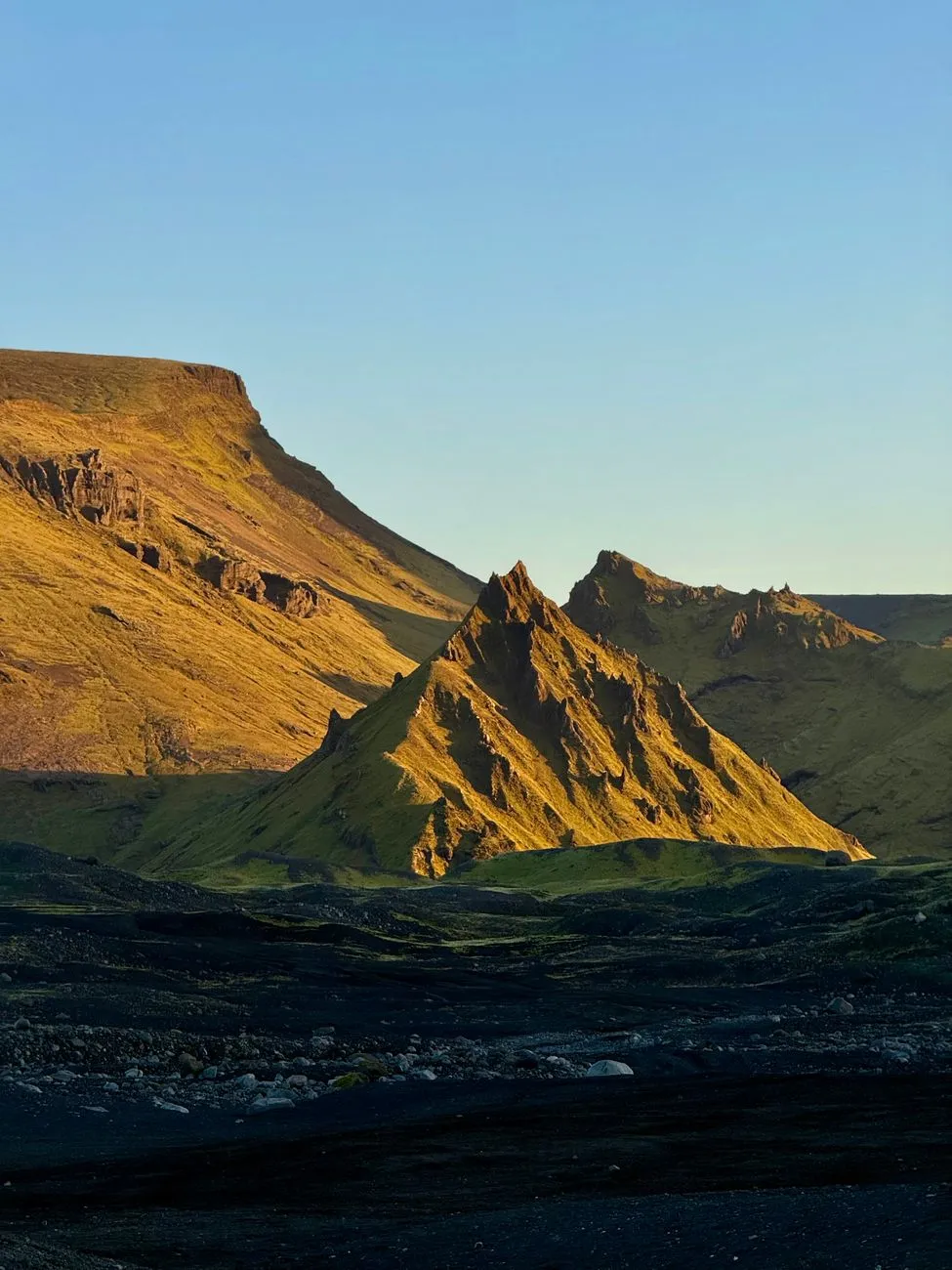

The siren song of the North is louder than ever, and for the modern remote worker, Iceland’s Golden Circle has transformed from a mere tourist checklist into a potential long-term base. As we step into 2026, the intersection of rugged wilderness and high-speed fiber-optic connectivity has created a paradox: how does one balance the raw, unforgiving elements of the Arctic with the professional demands of a global digital career? I am Mark Dinn, and having spent years navigating the nomadic lifestyle across various continents, I find that Iceland demands more preparation, more capital, and more reverence than perhaps any other destination on the planet. This region, defined by the interplay of tectonic shifts, geothermal heat, and glacial water, is not a place for the impulsive traveler. It is a place for the disciplined professional. To thrive here, you must understand the logistical scaffolding that supports life in a country where the sun dictates your mood and the wind dictates your schedule. We are looking at a landscape where the infrastructure is top-tier, but the price of admission—both literally and figuratively—is high. If you are planning to relocate your office to the shadow of the Great Geysir, you need a blueprint that goes beyond Instagram filters. You need the cold, hard data of 2026. Navigating the Legal Landscape of Icelandic Remote Residency The Icelandic long-term visa for remote work remains one of the most coveted yet misunderstood documents in the digital nomad ecosystem. By 2026, the process has matured into a stable, albeit stringent, administrative procedure. To be eligible, you must prove that you are not seeking to settle permanently in the traditional sense, but rather that you are an international professional providing services to companies based outside of Iceland. The core requirement remains: a consistent monthly income threshold that reflects the country’s high cost of living. As of current assessments, the income requirement is significant—aimed at ensuring you can sustain yourself without tapping into the local labor market. When you cross the 183-day threshold, you become a tax resident. This is where many nomads get caught off guard. Iceland’s tax system is robust and integrated; once you hit that six-month mark, the Revenue Directorate will expect a declaration of your global income. It is imperative that you consult with a local tax advisor before you even land in Keflavík. Many nomads choose to rotate their stays to avoid the automatic tax residency trap, but for those committed to the full experience, it is a matter of integrating into the local financial infrastructure. Banking in Iceland is remarkably digitized, yet it is notoriously difficult to open a local kennitala (national ID) account without a specific residence permit. For most nomads on the remote work visa, you will be relying on international digital banking solutions. However, you will need that Icelandic ID number for everything from gym memberships to booking local logistics or utilities in the Golden Circle area. This bureaucratic hurdle is the first test of your patience. If you can navigate the UTL (Directorate of Immigration) requirements, you have already cleared the hardest part of the relocation. The transition from tourist to resident is not a physical move; it is a mental shift into the methodical, organized, and often expensive reality of Icelandic law.The Financial Reality of the Fire and Ice Economy Living in the Golden Circle is an indulgence that comes with a steep price tag. When we look at the numbers for 2026, it is clear that Iceland is not for the budget-conscious traveler. The cost of living is approximately 47.4% higher than in the United States, a figure that becomes tangible the moment you walk into a grocery store in Selfoss or Hveragerði. For a single person, excluding rent, you are looking at a monthly commitment of roughly $1,594.60 (191,609.7 ISK). If you are bringing a family, that figure balloons to over $6,000, and that is before you sign a lease on a property that is likely heated by geothermal energy but priced by local scarcity. The primary expenses that will erode your savings are food, imported goods, and transport. Because the Golden Circle is a relatively remote, sparsely populated area, you will be reliant on a vehicle. Car ownership in Iceland is expensive due to taxes, fuel costs, and the high maintenance required to handle the volcanic terrain and harsh winters. You aren't just paying for the car; you are paying for the safety features and the insurance that covers damage from everything from volcanic ash to stray sheep. Despite these costs, the value proposition is found in the intangible. High-speed, reliable internet is ubiquitous, even in the smallest hamlets. You will rarely find yourself offline. Utilities, specifically electricity and heating, are surprisingly affordable compared to the rest of Europe because they are sourced directly from geothermal vents. This is a massive boon for the remote worker. Your heating bill in the dead of winter will be a fraction of what you would pay in a modern apartment in London or New York. The trade-off is clear: you pay a premium for imported food and transport, but you save significantly on your climate-controlled office environment. Smart nomads learn to live like locals—buying seasonal produce, utilizing the local community pools (the heart of Icelandic social life), and minimizing trips to the capital for non-essentials.Expense Category Monthly Cost (Single - USD) Monthly Cost (Family of 4 - USD)Basic Utilities (Heating/Water) $185.00 $310.00Grocery/Food Supplies $650.00 $2,400.00High-Speed Internet/Comms $95.00 $130.00Transportation/Fuel/Maintenance $480.00 $1,250.00Leisure/Community Pools $184.60 $1,937.20Total (Excluding Rent) $1,594.60 $6,027.20Climate Adaptation and the Nomad’s Daily Schedule The climate in the Golden Circle is not something you "deal with"—it is something you integrate into your daily pulse. By 2026, the weather patterns have remained as volatile as ever. In the summer, the Midnight Sun provides an almost unnatural energy; you might find yourself working until midnight, simply because your internal clock forgets that darkness is a requirement for sleep. Conversely, the winter brings the short, dark days where the sun barely crests the horizon. This is the most challenging period for the nomadic professional. If you lack structure, the seasonal affective shift can plummet your productivity and mood. Successful nomads in the Golden Circle don't fight the weather; they equip for it. My advice is to invest in high-quality technical gear immediately. Do not buy your outdoor clothing locally unless you are prepared to pay the premium; bring your base layers, high-end waterproof shells, and durable footwear from home. You will be spending your mornings either working or hitting the local geothermal pools to wake your muscles. The pool culture—sundlaugar—is essential for mental health. Sitting in a 40-degree Celsius hot tub while the air temperature hovers near freezing is the most effective way to clear a brain drained by Zoom calls and data analysis. Your workday in the Golden Circle will likely be fragmented. You might choose to block your time during the early morning hours, catch the peak daylight for outdoor exploration during lunch, and finish your tasks in the evening. This flexibility is the nomad’s greatest asset. However, you must remain vigilant about safety. If you decide to go for a hike near the Gullfoss waterfall or the Kerid crater, check the local weather apps religiously. The wind speeds in Iceland can be lethal, and the weather changes in minutes. When you are a remote worker, your laptop is your livelihood; don't risk getting caught in a storm that makes it impossible to return to your workspace. The Golden Circle teaches you that efficiency is not about doing things fast; it is about doing things at the right time when the elements allow.Infrastructure, Connectivity, and the Remote Office The myth of the isolated nomad in Iceland is just that—a myth. In 2026, the Golden Circle is arguably one of the most technologically advanced regions in the world. Iceland has invested heavily in fiber-optic infrastructure, and most guest houses, farms, and modern residential hubs in areas like Laugarvatn or Flúðir are equipped with high-speed internet that rivals any major city. However, you must verify this before you sign a lease. A "remote" house might be picturesque, but if it relies on a satellite connection that struggles during high-wind events, your professional life will suffer. When choosing a base, look for "Work-Ready" certifications. Many properties in the Golden Circle are now catering specifically to the nomad market, offering ergonomic chairs, dedicated desk spaces, and backup power generators. This is a critical investment. Iceland’s electrical grid is stable, but in the middle of a winter blizzard, any rural property is vulnerable. Having a secondary source of power or a reliable mobile hotspot is non-negotiable. I recommend securing a local SIM card with a high-data plan immediately upon arrival; the local carriers (Nova, Síminn, Vodafone) offer coverage that is startlingly good, even in the middle of a lava field. Setting up your "city playbook" for the Golden Circle involves knowing your service hubs. You won't find a sprawling metropolis here, but you will find reliable grocery stores like Bónus and Krónan, which are the lifelines of the local economy. Plan your shopping trips. If you are working on a high-stakes project, do not count on a grocery delivery service to be available at the drop of a hat. You must manage your supplies like a local resident. Stock up on pantry staples, respect the cold chain, and understand that you are living in a supply-chain-sensitive environment. The beauty of living here is the forced simplification. Without the distractions of a city, the noise of traffic, or the constant temptation of urban consumption, you will find your output increasing. The Golden Circle is not a distraction; it is a canvas for deep, focused work. The Cultural Integration and Long-Term Lifestyle Strategy Living in the Golden Circle as a nomad is not merely about surviving the climate; it is about engaging with a culture that values autonomy, resilience, and a deep connection to the land. The local population is sparse but welcoming to those who demonstrate respect for their environment. The most common pitfall for temporary residents is a lack of engagement. If you hide behind your screen for months, you miss the essence of the Icelandic experience. Attend the local community events, support the local farmers' markets, and respect the "Leave No Trace" ethos that defines Icelandic environmental policy. If you choose to stay for an extended period, you will start to notice the rhythms of the year. The transition from the frantic tourist season in summer to the contemplative quiet of winter is profound. As a nomad, you are in the unique position of being able to observe this transformation. You aren't just visiting the Golden Circle; you are bearing witness to the geological and social changes that define this region. It is a humbling experience that shifts your perspective on what "home" really means. Ultimately, your strategy for success is rooted in the balance between professional output and personal presence. You must master the logistics—the visas, the taxes, the specialized winter gear—but you must also leave room for the wonder. Hike the trails behind the waterfalls, sit in silence at the edge of a tectonic plate, and let the sheer scale of the landscape reset your professional focus. In 2026, the Golden Circle offers more than just a place to plug in your computer; it offers a place to rediscover the clarity of purpose that often gets lost in the noise of the digital world. You are not just working in Iceland; you are living in a place that has survived eruptions, ice ages, and the relentless passage of time. If you can mirror that resilience in your work and your lifestyle, you won't just succeed here—you will thrive in a way that few professionals ever get the chance to experience. Embracing the North: Your Next Professional Frontier The Golden Circle is more than a destination; it is an environment that tests your readiness for the modern nomadic life. It requires a level of fiscal maturity and logistical discipline that is rare in the wanderlust-driven world of remote work. By navigating the complexities of the 2026 visa regulations and embracing the high costs as a trade-off for unparalleled quality of life, you position yourself at the forefront of a new wave of global professionals. Iceland does not offer an easy path, but for those willing to brave the winds and the cold, it offers the ultimate reward: a life lived with intention, surrounded by the raw, untamed majesty of the Earth. Whether you are here for the six-month permit or planning to rotate your residency to make this your long-term base, remember that the environment you cultivate is just as important as the one you are inhabiting. Keep your finances in order, respect the local infrastructure, and never stop exploring. The Land of Fire and Ice will change the way you work, the way you think, and the way you view the world. Pack your layers, secure your connectivity, and prepare for a chapter of your career that will define your professional growth for years to come. Your office is waiting, and the view is unlike anything else on the planet.#DigitalNomad #IcelandTravel #RemoteWorkLife #GoldenCircle #LocationIndependence Related Insights西递:中国古代木雕的巅峰 Dive Into a Hidden World: The Most Breathtaking Underwater Museums and Sculpture Parks L'Écho des Pierres : Voyage au Cœur du Patrimoine Vivant{ "@context": "https://schema.org", "@type": "FAQPage", "mainEntity": [ { "@type": "Question", "name": "What is the main focus of The Nomad’s Guide to the Golden Circle: Living and Thriving in Iceland’s Volcanic Heart?", "acceptedAnswer": { "@type": "Answer", "text": "Discover the realities of remote work in Iceland's Golden Circle, from navigating the digital nomad visa to managing the high cost of living in the Land of Fire and Ice." } }, { "@type": "Question", "name": "Who authored the comprehensive guide on The Nomad’s Guide to the Golden Circle: Living and Thriving in Iceland’s Volcanic Heart?", "acceptedAnswer": { "@type": "Answer", "text": "This detailed article and its insights were carefully researched and authored by Mark Dinn." } }, { "@type": "Question", "name": "Where can I find more related content about Travel?", "acceptedAnswer": { "@type": "Answer", "text": "You can explore more articles, detailed reviews, and similar insights by browsing the Related Insights section at the bottom of this article or visiting our dedicated Travel category page." } } ] }


The sunrise does not announce itself with the dull chime of an alarm clock; it bleeds through the sheer curtains of a loft in Lisbon or shimmers off the glass-paned skyscrapers of Singapore, marking the start of a life untethered. To be a digital nomad in 2026 is no longer an act of rebellion, but a sophisticated art form—a calculated navigation of global infrastructure, culinary heritage, and the pursuit of professional autonomy. We have moved past the era of the backpacker in a coffee shop; we are now the architects of a distributed workforce, building legacies from the edges of the world’s map. Chasing the Horizon: Where the Modern Professional Finds Anchor When we discuss the geography of 2026, we are looking at a triad of factors: latency, community, and the sanctity of the aesthetic environment. The nomadic life demands a marriage of hyper-modern connectivity and centuries-old culture. Lisbon remains the crown jewel of the European circuit. It is a city that understands the balance between the melancholic weight of Fado music echoing through the Alfama district and the rapid growth of its tech corridors. For the nomad, this means access to high-speed fiber optics tucked into apartments featuring 18th-century azulejo tiles. Moving eastward, Bali has evolved from a spiritual retreat into a refined hub for digital creators. Here, the infrastructure has matured. Coworking spaces like those in Canggu or Ubud now offer ergonomic suites that rival the best offices in Manhattan, yet you are never more than a ten-minute motorbike ride from the volcanic soil of a rice terrace.Gastronomy as a Compass: Sustenance for the Remote Mind A nomad is only as sharp as their fuel. Eating, in the year 2026, is an exercise in cultural anthropology. It is not enough to find "food"; one must find the history embedded in the plate. In the bustling night markets of Bangkok, the nomadic traveler encounters a masterclass in efficiency and sensory overload. The concept of the street food stall is the original agile startup—minimal overhead, high output, and a product that defines the culture of the region. Dining on Pad Thai cooked over a charcoal brazier is a reminder that excellence is found in the details of the craft, not in the luxury of the kitchen. In Tokyo, the dining experience transitions into a form of silent meditation. For those needing deep focus, the shokudo (traditional eateries) offer the quintessential "work-lunch" balance: rapid service, nutritional density, and an environment that demands respectful silence. The disciplined precision of a bowl of ramen or a meticulously curated bento box serves as a metaphor for the nomadic workflow—clean, efficient, and deeply rooted in tradition. The Architecture of Thrive: Designing Your Daily Rhythm Thriving is not a constant state; it is a recurring process. To thrive in 2026, one must cultivate a "Nomadic OS"—a personal operating system that manages energy rather than time. Physical health is the primary pillar of this system. In high-density hubs like Seoul or Berlin, the nomadic professional leverages the proximity of public transit and the abundance of local health markets. The ability to source fresh, organic produce in the Mitte district of Berlin allows the remote worker to maintain a lifestyle that resists the sedentary decay of standard office culture. Intellectual stimulation is the second pillar. I recommend carrying a digital library that bridges the gap between historical context and future trends. Books are the silent mentors of the nomadic life. When the internet flickers or the loneliness of a new time zone creeps in, the right prose provides the necessary architecture for the mind to restructure itself.Curating the Digital Workspace Across Borders Connectivity in 2026 is a utility as vital as water. However, the true professional learns to work around the limitations of geography. Satellite internet has changed the landscape, allowing us to find "productivity pockets" in places like the mountains of Montenegro or the coast of Patagonia. When choosing a base, I prioritize the following criteria:The 3-Hour Buffer: Does the location allow for a three-hour window of overlap with your primary team’s time zone? The Tactile Environment: Can you find a space—a library, a quiet museum cafe, or a dedicated studio—that allows for deep work? The Local Exchange: Does the city facilitate interaction with local creators, or is it merely an echo chamber of other expats?Building the Legacy: Why We Roam We roam not to escape, but to expand. The world of 2026 offers a unique convergence: we are simultaneously more connected and more transient than at any point in human history. To be a digital nomad today is to participate in a global movement of intentional living. When you spend your mornings analyzing data from a desk in Tallinn and your evenings walking the medieval walls of the city, you are bridging the divide between the past and the digital future. You are proving that work is not a location; it is a contribution. The playbook for 2026 is ultimately your own. It is a compilation of the lessons learned when the train is delayed in the Swiss Alps, when the monsoon rains hit in Singapore, and when you finally find the perfect cup of coffee in a hidden alleyway in Buenos Aires. The most successful nomads are those who embrace the "beautiful friction" of travel. They don't seek a permanent residence because they realize that home is a flexible concept. Home is your laptop, your network, your physical health, and your willingness to step into the unknown every single month. As you venture forward, remember that the goal is not to fill your passport with stamps, but to fill your life with perspectives. Whether you are coding in an apartment in Prague or writing poetry on a beach in Tulum, you are part of a lineage of explorers who realized that the walls of a cubicle were never high enough to contain the human potential. The horizon is calling. The infrastructure is ready. Are you prepared to write your own chapter in the book of the global traveler?#DigitalNomad #RemoteWork #GlobalCitizen #TravelTech #NomadicLifestyle Related InsightsRed (The Myth That Burns, #1) Book Review and Summary Embers of Magic Book Review and Summary Jane Eyre Book Review and Summary{ "@context": "https://schema.org", "@type": "FAQPage", "mainEntity": [ { "@type": "Question", "name": "What is the main focus of The Nomad’s Odyssey: Rewriting the Geography of Work in 2026?", "acceptedAnswer": { "@type": "Answer", "text": "Discover the world's premier hubs for the modern remote professional, blending deep historical resonance with high-speed connectivity." } }, { "@type": "Question", "name": "Who authored the comprehensive guide on The Nomad’s Odyssey: Rewriting the Geography of Work in 2026?", "acceptedAnswer": { "@type": "Answer", "text": "This detailed article and its insights were carefully researched and authored by Emily Page." } }, { "@type": "Question", "name": "Where can I find more related content about Books?", "acceptedAnswer": { "@type": "Answer", "text": "You can explore more articles, detailed reviews, and similar insights by browsing the Related Insights section at the bottom of this article or visiting our dedicated Books category page." } } ] }