Arctic Circle Digital Nomadism: Building Connectivity in Greenland's Remote Towns
-
 Aisha Sharma
 - 02 Oct, 2026 13:04
Midnight Sun Workstations: Setting Up in Ilulissat
Ilulissat, the gateway to the UNESCO‑listed Icefjord, has quietly transformed from a seasonal tourism hotspot into a year‑round base for location‑independent professionals. The town’s modest population of roughly 4,700 belies a surprisingly robust infrastructure: a handful of cafés now offer dedicated power strips, high‑speed Wi‑Fi (up to 150 Mbps on the municipal fiber loop), and ergonomic seating that rivals any Scandinavian coworking hub. The local municipality, in partnership with the Arctic Digital Nomads initiative, has earmarked a former fish‑processing warehouse for conversion into a 24‑hour coworking space slated to open in Q2 2025. Early‑access members report latency under 30 ms to European cloud nodes, a figure that makes video‑conferencing and large‑file transfers practical even during the polar night.
The climate, while harsh, offers a unique productivity rhythm. From late May to late July the sun never sets, granting an endless “golden hour” for deep‑focus work sessions; conversely, the winter darkness encourages a disciplined schedule anchored by artificial lighting and community events. Nomads who have wintered here describe a heightened sense of presence — fewer distractions, stronger bonds with fellow residents, and a daily ritual of watching icebergs drift past the harbor while debugging code. The town’s compact size means everything — grocery, gym, post office — sits within a ten‑minute walk, eliminating commute friction entirely.
Housing remains the primary bottleneck. Short‑term rentals are scarce; most nomads negotiate month‑to‑month leases with private homeowners or secure rooms through the Arctic Digital Nomads accommodation portal, which vets properties for heating reliability and internet redundancy. Average monthly rent for a furnished one‑bedroom hovers around 9,500 DKK (≈ 1,270 USD), a figure that aligns with Numbeo’s cost‑of‑living index for “mid‑range” Arctic settlements. Utilities (electricity, water, heating) add another 1,200 DKK, but the municipality subsidizes renewable‑energy heating for residents who sign a two‑year lease, shaving up to 15 % off the bill.

Fiber Under Ice: The Quest for Broadband in Nuuk
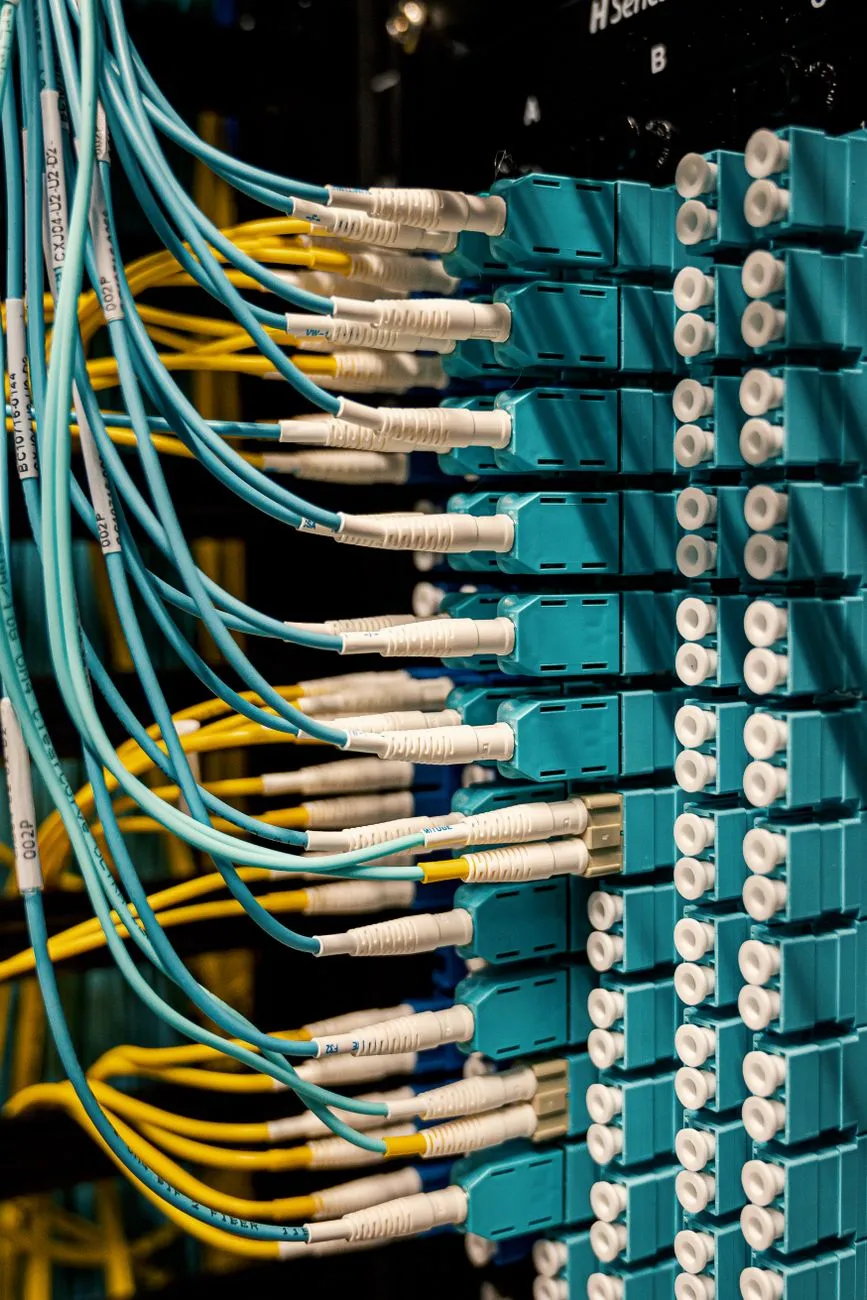
Nuuk, Greenland’s capital with a population nearing 19,000, sits at the forefront of the nation’s digital ambition. In 2023 the government‑owned telecom Tusass completed the “Arctic Connect” submarine cable, linking Nuuk to the Canadian mainland and onward to the global internet backbone. The result: residential plans now advertise symmetrical 500 Mbps fiber for 1,200 DKK/month, while business‑class lines push 1 Gbps with dedicated SLAs. Real‑world speed tests conducted by nomads in Q1 2024 consistently show 420‑460 Mbps downstream and 380‑410 Mbps upstream — sufficient for high‑definition streaming, large‑scale CI/CD pipelines, and real‑time collaboration tools.
Latency to major European data centers averages 55 ms, a dramatic improvement over the previous satellite‑only era where 600‑800 ms was the norm. This leap has attracted a wave of SaaS startups and freelance developers who previously avoided the region due to connectivity risk. The municipal IT department publishes a quarterly “Network Health Dashboard” that tracks uptime, packet loss, and scheduled maintenance windows, giving remote workers transparency rarely seen in larger metros.
Beyond raw speed, Nuuk’s ecosystem nurtures community. The “Nuuk Tech Meetup” convenes monthly at the Katuaq cultural centre, blending talks on Arctic data sovereignty with informal networking over locally roasted coffee. The Arctic Digital Nomads chapter here runs a mentorship program pairing newcomers with seasoned residents who navigate the nuances of Danish‑Greenlandic bureaucracy, tax residency, and the seasonal ebb of tourism‑driven demand for short‑term rentals.
Community Roots: Arctic Digital Nomads and Local Life
The Arctic Digital Nomads network, described in its own literature as “more than coworking—it’s community, connection, and a place to live,” operates on a model that intertwines professional infrastructure with cultural immersion. In towns like Sisimiut and Qaqortoq, the organization has signed memoranda of understanding with municipal councils to co‑manage community halls as pop‑up workspaces during the off‑season. These agreements guarantee nomads access to reliable power, heated spaces, and a local liaison who can translate municipal notices and facilitate introductions to artisans, hunters, and researchers.
Participation in local life is encouraged, not optional. Nomads are invited to join “Kaffemik” gatherings — traditional Greenlandic coffee mornings where stories, music, and food circulate freely. Such events foster trust, a currency far more valuable than bandwidth in a region where social capital determines access to hidden resources: a spare generator, a boat ride to a remote fjord, or an invitation to a dog‑sled expedition. The network’s “Skill‑Swap” evenings let a UX designer teach wireframing to a local teacher while learning Inuktitut phrases, creating a reciprocal knowledge economy that sustains both parties.
Data from the network’s 2024 impact survey (n = 112 respondents) shows that 78 % of participants reported a “strong sense of belonging” after three months, and 64 % extended their stay beyond the initial visa window. The survey also highlighted a measurable economic contribution: average monthly spend per nomad on local goods and services reached 12,300 DKK, injecting an estimated 1.4 million DKK annually into towns with fewer than 5,000 residents. This inflow supports micro‑enterprises — bakeries, craft shops, guiding outfits — that otherwise struggle during the long winter.
Cost of Living on the Edge: A Numbeo Snapshot
Understanding the financial reality is essential before packing a laptop for the Arctic. Numbeo’s crowdsourced database, which aggregates millions of user submissions and validates them against market data, provides a reliable benchmark for Greenlandic towns. The following table compares key expense categories for a single digital nomad in Nuuk versus Ilulissat, expressed in Danish Krone (DKK) and USD (1 USD ≈ 7.45 DKK, 2024 average).
| Expense Category | Nuuk (DKK) | Nuuk (USD) | Ilulissat (DKK) | Ilulissat (USD) |
|---|---|---|---|---|
| Rent (1‑bed, furnished) | 11,500 | 1,545 | 9,500 | 1,275 |
| Utilities (electricity, water, heating) | 1,500 | 200 | 1,200 | 160 |
| Fiber Internet (500 Mbps) | 1,200 | 160 | 1,000 | 135 |
| Groceries (monthly) | 3,800 | 510 | 3,500 | 470 |
| Transport (local buses, occasional taxi) | 800 | 107 | 600 | 80 |
| Coworking / Community Membership | 1,500 | 200 | 1,200 | 160 |
| Total Monthly | 20,300 | 2,722 | 17,000 | 2,280 |
Numbeo’s cost‑of‑living index ranks Nuuk at 84.3 (New York = 100) and Ilulissat at 71.5, reflecting the premium of capital‑city amenities versus the smaller settlement’s lower housing pressure. Notably, both towns score high on safety (crime index < 15) and healthcare quality (public system free at point of use for residents), factors that heavily influence nomad retention.
Navigating Visas and Seasons: Practical Playbook
Greenland remains an autonomous territory within the Kingdom of Denmark, so visa policy mirrors the Schengen framework with a few Arctic‑specific twists. Citizens of EU/EEA states, the United States, Canada, Australia, and Japan may enter visa‑free for up to 90 days within any 180‑day period. For stays beyond 90 days, a Danish “D‑type” residence permit is required; the application can be filed at the Danish embassy in the applicant’s home country or, since 2022, via the online “New to Denmark” portal. Processing typically takes 6‑8 weeks, and the permit grants the right to work remotely for a foreign employer — no local labor market test needed.
Seasonality dictates logistics. Summer (June‑August) brings 24‑hour daylight, open‑water shipping, and a surge of tourists, which inflates short‑term rental prices by 30‑40 %. Winter (November‑March) offers cheaper accommodation, but limited daylight (2‑4 hours in Nuuk, none above the Arctic Circle) and occasional flight cancellations due to storms. Savvy nomads schedule “deep‑work sprints” during the dark months, leveraging the quiet, and reserve the bright season for field research, content creation, or client visits.
Health insurance is mandatory for the residence permit. The Danish public system covers emergency care, but many nomads supplement with a private international plan that includes medical evacuation — critical given the limited specialist facilities outside Nuuk. The Arctic Digital Nomads community maintains a shared spreadsheet of vetted insurers, local clinics, and English‑speaking doctors, updated quarterly.
Final Coordinates: Your Arctic Chapter Begins
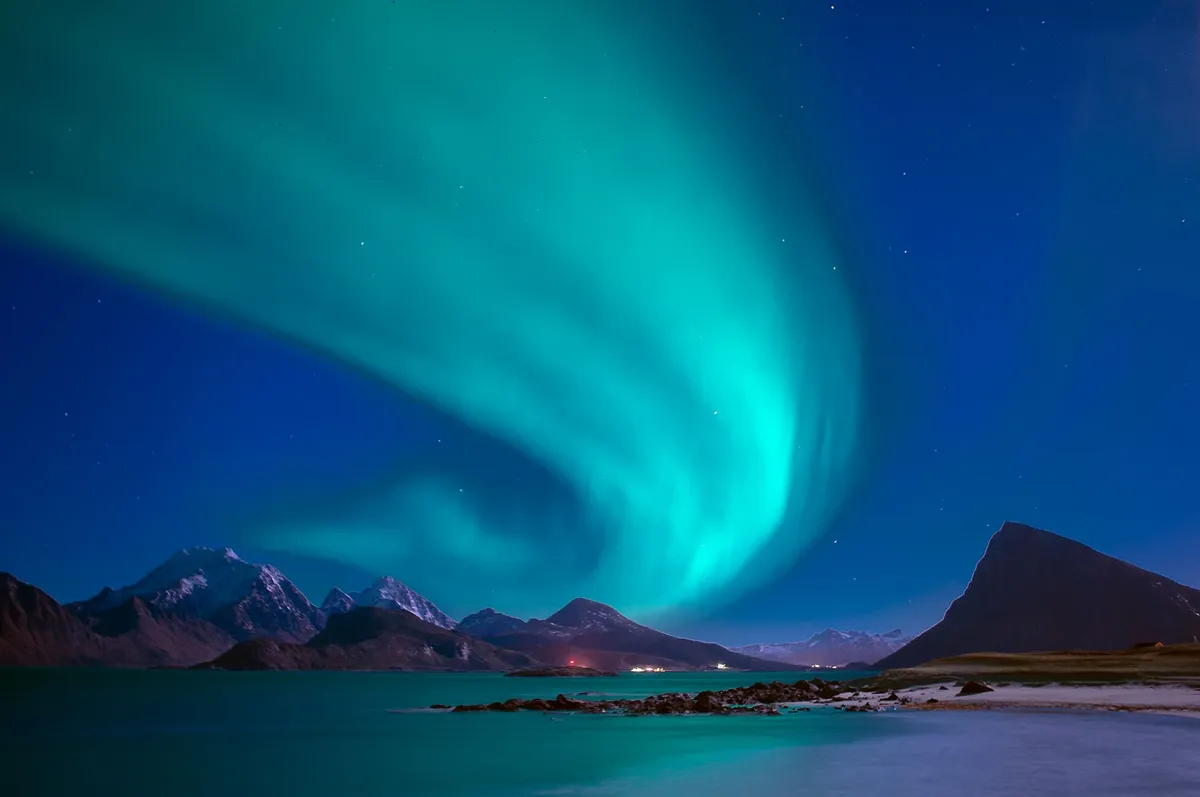
Standing on the edge of the world, where the aurora paints the sky in electric greens and the internet hums beneath a sheet of sea ice, you realize that connectivity here is more than bandwidth — it’s a lifeline woven from fiber, community, and sheer human curiosity. The towns of Greenland have turned isolation into an asset, offering a rare blend of pristine nature, reliable infrastructure, and a welcoming network that treats every newcomer as a future collaborator. Whether you chase the midnight sun for inspiration or the polar night for focus, the Arctic Circle now writes a new chapter for digital nomadism: one where the office window frames icebergs, the coffee comes with a story, and the next big idea might just be a dogsled ride away. Pack your laptop, secure that residence permit, and let the north rewrite your workflow.
#DigitalNomad #Greenland #RemoteWork #ArcticConnectivity #CostOfLiving