Showing Posts From
Science
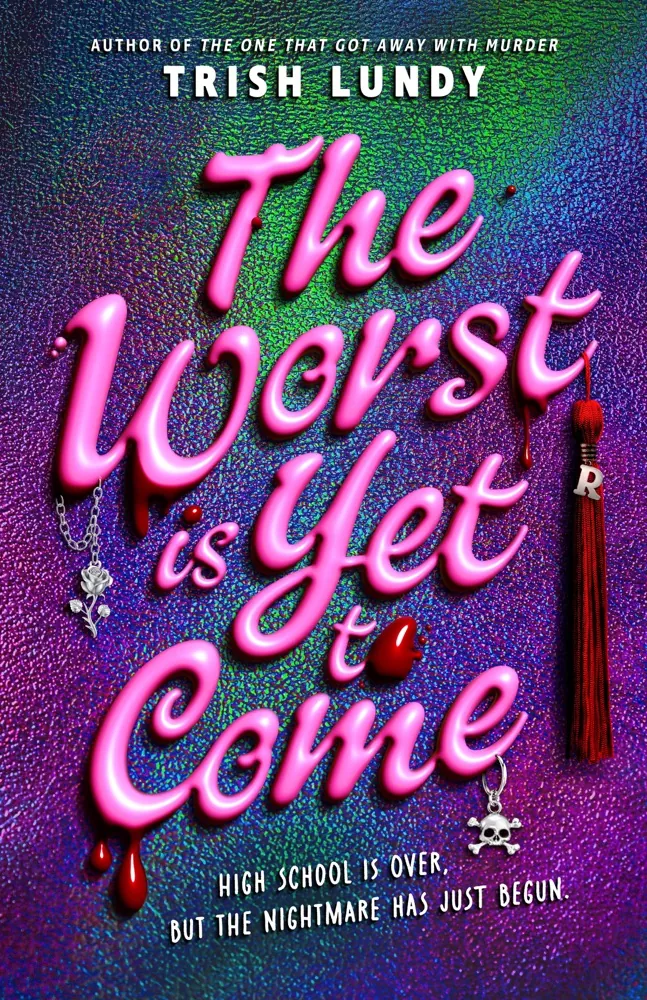
The Worst Is Yet to Come Author: Trish LundyPage Count: UnknownPublication Date: Expected publication 2026-10-06 APL Exclusive Preview: 'The Worst Is Yet to Come' by Trish Lundy - A Gripping YA Mystery Awaits Get ready to dive into the dark and thrilling world of Trish Lundy's latest novel, 'The Worst Is Yet to Come', set to hit shelves on October 6, 2026. This highly anticipated YA mystery promises to deliver a gripping tale of survival, secrets, and vengeance, perfect for fans of Holly Jackson and Karen M. McManus. For those who devoured Lundy's previous novel, 'The One That Got Away with Murder', the wait is almost over. Lundy's unique blend of suspense, intrigue, and relatable characters is sure to captivate readers once again. With 'The Worst Is Yet to Come', she delves into the complexities of small-town secrets and the horrors that can unfold when the truth begins to unravel. The story follows Rose, a high school graduate who survives a brutal murder attempt on graduation night, only to discover that her best friend was not so lucky. Left for dead at an abandoned house, Rose is rescued by Jake, a former high school quarterback and heartthrob, who becomes her unlikely ally in uncovering the truth behind the attacks. As Rose delves deeper into the mystery, she uncovers a dark history of similar events in her community, leaving her to wonder if a copycat killer is on the loose or if the original murderer has returned to finish what they started. With time running out, Rose must navigate the treacherous landscape of her town's secrets and lies to uncover the truth before she becomes the next victim. Lundy's masterful storytelling and intricate plotting promise to keep readers on the edge of their seats as they follow Rose's perilous journey. With its blend of mystery, suspense, and romance, 'The Worst Is Yet to Come' is set to become a must-read for fans of the YA thriller genre. Mark your calendars for October 6, 2026, and get ready to immerse yourself in the gripping world of 'The Worst Is Yet to Come'. With its dark and twisty plot, relatable characters, and small-town secrets, this novel is sure to leave you breathless. #YAMystery #ThrillerThursday #BookLovers #NewRelease #TrishLundy #TheWorstIsYetToCome
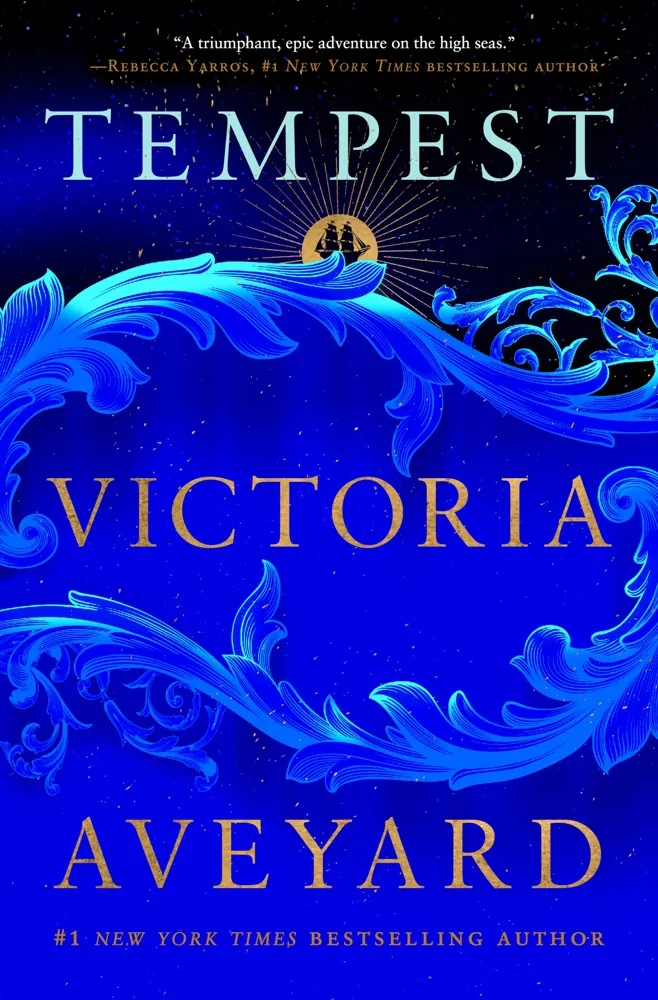
Tempest (The Lyrian Sea, #1) Author: Victoria AveyardPage Count: UnknownPublication Date: Expected publication 2026-09-08 APL A Storm Brews on the High Seas: Victoria Aveyard Returns with 'Tempest' (The Lyrian Sea, #1) In the world of literary fiction, few authors have captured the collective imagination quite like Victoria Aveyard. With a string of bestselling novels under her belt, including the iconic Red Queen series, fans have come to expect nothing short of epic storytelling, complex characters, and immersive world-building. Her latest foray, Tempest (The Lyrian Sea, #1), promises to be another thrilling installment in the world of epic fantasy. Set against the backdrop of a brutal war for the high seas, Tempest introduces us to Cat Rose, a resilient and determined protagonist who knows what it means to live in two worlds, in two times. From the treacherous waters of the Lyrian Sea to the opulent halls of the Meridian Empire, Cat's journey is set to be a wild ride, filled with love, betrayal, and adventure. Aveyard's masterful world-building is on full display as the stakes are high, and the fate of the pirate republic hangs precariously in the balance. With the Meridian Empire closing in, Cat must choose between loyalty and survival, all while navigating the treacherous waters of her own heart. As the official release date of September 8th approaches, fans are abuzz with anticipation. Will Cat find a way to rally the pirates and save her people, or will the Empire crush all hope? One thing is certain – with Aveyard at the helm, we're in for a treat that will leave us breathless and begging for more. If you loved the high-stakes politics and action-packed battles of Aveyard's Red Queen series, or relished the epic world-building of her subsequent novels, then Tempest is set to be your next obsession. With her unparalleled storytelling ability and mastery of the fantasy genre, this is an author who continues to raise the bar with each new release. So, set sail with Cat Rose and immerse yourself in the world of Tempest. The storm is rising, and we can't wait to see what the future holds. #FantasyLiterature #VictoriaAveyard #NewRelease #TheLyrianSea #Tempest #EpicFantasy Related InsightsSharpest Court (Thorn Season #2) Book Review and Summary Dream Girl Drama Book Review and Summary I, Claudius Book Review and Summary{ "@context": "https://schema.org", "@type": "FAQPage", "mainEntity": [ { "@type": "Question", "name": "What is the main focus of Tempest (The Lyrian Sea, #1) Book Review and Summary?", "acceptedAnswer": { "@type": "Answer", "text": "Everything you need to know about Tempest (The Lyrian Sea, #1) with our detailed review." } }, { "@type": "Question", "name": "Who authored the comprehensive guide on Tempest (The Lyrian Sea, #1) Book Review and Summary?", "acceptedAnswer": { "@type": "Answer", "text": "This detailed article and its insights were carefully researched and authored by Natalia Sokolova." } }, { "@type": "Question", "name": "Where can I find more related content about Books?", "acceptedAnswer": { "@type": "Answer", "text": "You can explore more articles, detailed reviews, and similar insights by browsing the Related Insights section at the bottom of this article or visiting our dedicated Books category page." } } ] }
-
 Antoine Leroy
 - 02 Aug, 2026 22:42
The Mirror of Infinite Endings (Once Upon a Broken Heart, #3.5) Book Review and Summary
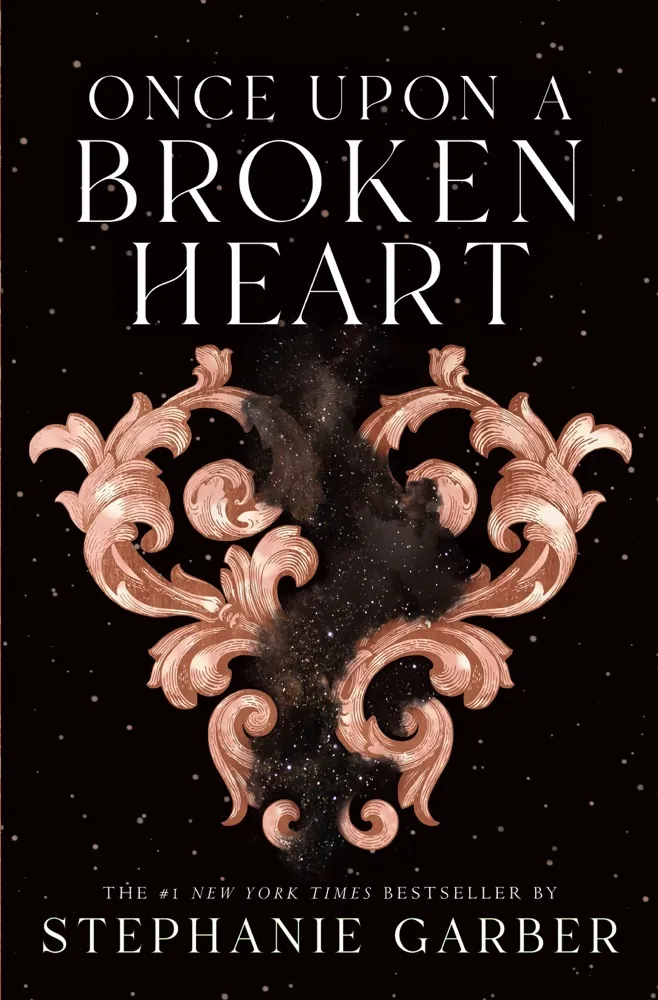
The Mirror of Infinite Endings (Once Upon a Broken Heart, #3.5) Author: Stephanie GarberPage Count: UnknownPublication Date: Expected publication 2026 APL What to Expect from Stephanie Garber's The Mirror of Infinite Endings Stephanie Garber is no stranger to crafting captivating and enchanting stories that transport readers to magical worlds. Her Once Upon a Broken Heart series has captured the hearts of many with its unique blend of love, curses, and happily ever afters. Now, fans of the series are eagerly awaiting the release of The Mirror of Infinite Endings, a highly anticipated installment in the series. While we don't have a detailed synopsis of The Mirror of Infinite Endings just yet, we can look back at the original premise of the series to get a sense of what we might expect. The Once Upon a Broken Heart series begins with Evangeline Fox, a young woman who believes in true love and happy endings, only to discover that the love of her life is set to marry another. Desperate to stop the wedding and heal her heart, Evangeline makes a deal with the charismatic but wicked Prince of Hearts, exchanging three kisses for his help. As fans of the series know, this deal sets off a chain of events that takes Evangeline on a journey of self-discovery, love, and heartbreak. With each installment, Garber has masterfully woven together elements of fantasy, romance, and adventure, creating a world that is both magical and relatable. Given Garber's track record of creating immersive and engaging stories, we can expect The Mirror of Infinite Endings to be just as captivating. If you loved her previous bestsellers, such as Caraval and The Ballad of Never After, you'll likely be drawn into the world of The Mirror of Infinite Endings just as easily. While we wait for the release of The Mirror of Infinite Endings, we can only speculate about what's in store for Evangeline and the other characters in the series. Will they find their happily ever after, or will they face even greater challenges and heartbreak? One thing is certain – with Garber at the helm, we can expect a story that is both enchanting and unforgettable. #OnceUponABrokenHeart #TheMirrorOfInfiniteEndings #StephanieGarber #FantasyRomance #YoungAdultFiction #NewRelease Related InsightsFrom Goethe’s Apprentice to Modern Hero: Unraveling the Bildungsroman’s Secret Path Sunflower Season Book Review and Summary That Someday Book Review and Summary{ "@context": "https://schema.org", "@type": "FAQPage", "mainEntity": [ { "@type": "Question", "name": "What is the main focus of The Mirror of Infinite Endings (Once Upon a Broken Heart, #3.5) Book Review and Summary?", "acceptedAnswer": { "@type": "Answer", "text": "Everything you need to know about The Mirror of Infinite Endings (Once Upon a Broken Heart, #3.5) with our detailed review." } }, { "@type": "Question", "name": "Who authored the comprehensive guide on The Mirror of Infinite Endings (Once Upon a Broken Heart, #3.5) Book Review and Summary?", "acceptedAnswer": { "@type": "Answer", "text": "This detailed article and its insights were carefully researched and authored by Antoine Leroy." } }, { "@type": "Question", "name": "Where can I find more related content about Books?", "acceptedAnswer": { "@type": "Answer", "text": "You can explore more articles, detailed reviews, and similar insights by browsing the Related Insights section at the bottom of this article or visiting our dedicated Books category page." } } ] }
Untitled (A Court of Thorns and Roses, #7) Author: Sarah J. MaasPage Count: UnknownPublication Date: Expected publication 2026 ANTG Literary Dispatch: The Return to Prythian – What We Know About Sarah J. Maas's Untitled ACOTAR #7 For millions of fantasy readers across the globe, the mere mention of Sarah J. Maas is enough to send shockwaves through the book community. As one of the undisputed titans of modern romantasy, Maas has built empires out of intricate world-building, high-stakes political intrigue, and unforgettable romance. Now, all eyes are turned toward the horizon as anticipation builds for the untitled seventh installment in her mega-bestselling A Court of Thorns and Roses series, tentatively expected in 2026. If you loved her previous literary phenomenons—from the sweeping faerie courts of ACOTAR to the cosmic rebellions of Crescent City and the legendary trials of Throne of Glass—you already know the level of cultural impact a new Sarah J. Maas release carries. Her books do not merely launch on bestseller lists; they dominate them, sparking months of online theories, cosplay, special edition collector covers, and passionate debates among fans. At this current juncture, specific plot details, character focal points, and page counts remain strictly under wraps. Because no official synopsis has been released yet, the exact narrative path of ACOTAR #7 is entirely unconfirmed. However, for a universe as vast and richly populated as Prythian, the possibilities are endless. Readers are eager to see which beloved characters will take center stage next as the overarching narrative threads of the Night Court and its allies continue to evolve. While we wait for Bloomsbury to lift the veil on the official title, cover reveal, and synopsis, the excitement is palpable. Keep your bookshelves cleared and your theories ready—Prythian is calling us home once again in 2026. #SarahJMaas #ACOTAR #BookTok #FantasyBooks #Romantasy #BookRelease
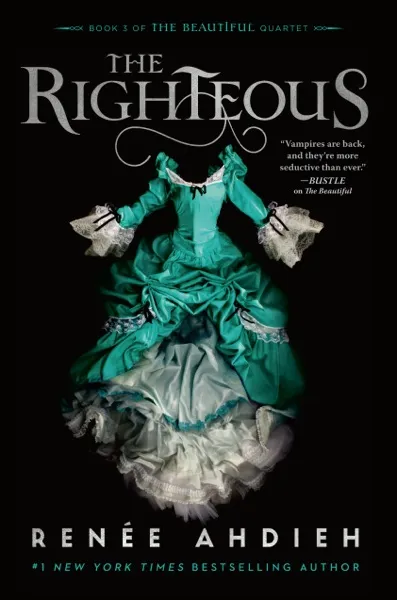
Righteous Author: Renée AhdiehPage Count: UnknownPublication Year: 2021-GB Renée Ahdieh’s Righteous is more than just a historical fantasy—it’s a shimmering tapestry of ambition, betrayal, and divine retribution, woven through the blood-soaked corridors of 19th-century Paris. Published in 2021, this novel cements Ahdieh’s reputation as a master of atmospheric storytelling, blending the grit of the Belle Époque with the mysticism of angels and demons. With its razor-sharp prose and morally complex characters, Righteous doesn’t just entertain; it haunts, lingering like the scent of gunpowder and roses long after the final page. At its core, Righteous explores the intoxicating allure of power and the cost of playing god. The story unfolds in an alternate Paris where angels and demons walk among mortals, their presence masked by the city’s glittering facade. The protagonist, Celine, is a woman caught between worlds—neither fully human nor divine, her loyalties fractured by love, vengeance, and an insatiable hunger for control. Ahdieh doesn’t shy away from the brutal realities of power; every decision Celine makes is a double-edged sword, slicing through her own soul as much as her enemies’. The novel’s central conflict isn’t just about who will rule the celestial hierarchy but whether justice can ever be righteous when it’s meted out by flawed hands. Ahdieh’s prose is a force of nature—lyrical yet precise, dripping with decadence and menace. She has a knack for painting vivid, almost cinematic scenes, whether it’s the opulent decadence of a Parisian ballroom or the claustrophobic terror of a back-alley duel. Her dialogue crackles with wit and danger, each line a potential betrayal. The author’s worldbuilding is equally impressive, seamlessly integrating supernatural elements into the historical setting without ever feeling anachronistic. The angels and demons of Righteous aren’t just mythological window dressing; they’re reflections of human nature, their conflicts mirroring the political and social upheavals of the era. What sets Righteous apart is its refusal to romanticize its characters. Celine is a protagonist who makes terrible choices, and Ahdieh doesn’t shy away from showing the consequences. Her relationships—whether with the enigmatic and morally ambiguous Sébastien or the fierce and loyal Odette—are built on shifting sands, their foundations as fragile as the glass ceilings of the Parisian opera houses. The novel’s villains are just as compelling, their motivations rooted in pain and ambition rather than pure malice. This complexity elevates Righteous beyond mere escapism; it becomes a meditation on what it means to be human in a world where divinity is just another weapon. Ahdieh’s style is also notable for its unflinching exploration of gender and agency. In a time when women were often relegated to the role of pawns in men’s games, Righteous gives its female characters teeth. They scheme, they fight, they kill—not out of desperation, but from a place of calculated power. Celine’s journey is as much about reclaiming her autonomy as it is about vengeance. The novel’s Paris is a gilded cage, and Ahdieh’s characters claw at its bars, determined to break free. The pacing of Righteous is relentless, each chapter a punch to the gut. Ahdieh doesn’t waste time on unnecessary exposition; instead, she drops the reader into the action, trusting them to piece together the world as they go. The stakes are sky-high from the beginning, and the tension never lets up. Whether it’s a high-stakes card game, a midnight duel, or a betrayal that shakes the very foundations of the celestial order, every moment feels urgent. The novel’s climax is a masterclass in suspense, a whirlwind of violence and revelation that leaves the reader breathless. For fans of historical fantasy, Righteous is a triumph. It’s a book that demands to be read in one sitting, not just for its plot but for the sheer pleasure of Ahdieh’s writing. She crafts sentences that linger, descriptions that dazzle, and characters that refuse to be forgotten. Righteous isn’t just a story about angels and demons—it’s a story about what it means to be human, to strive for greatness, and to face the consequences of your choices. If you’re looking for a book that will transport you to another world while forcing you to confront the darker corners of your own soul, Righteous is it. Renée Ahdieh has outdone herself, delivering a novel that is as thought-provoking as it is thrilling. #RighteousBook #HistoricalFantasy #AngelAndDemon #DarkFantasy #RenéeAhdieh #ParisianFantasy Related InsightsInto the Wild Book Review and Summary The Memory Police Book Review and Summary War Lord (the Last Kingdom Series, Book 13) Book Review and Summary{ "@context": "https://schema.org", "@type": "FAQPage", "mainEntity": [ { "@type": "Question", "name": "What is the main focus of Righteous Book Review and Summary?", "acceptedAnswer": { "@type": "Answer", "text": "Everything you need to know about Righteous with our detailed review." } }, { "@type": "Question", "name": "Who authored the comprehensive guide on Righteous Book Review and Summary?", "acceptedAnswer": { "@type": "Answer", "text": "This detailed article and its insights were carefully researched and authored by Antoine Leroy." } }, { "@type": "Question", "name": "Where can I find more related content about Books?", "acceptedAnswer": { "@type": "Answer", "text": "You can explore more articles, detailed reviews, and similar insights by browsing the Related Insights section at the bottom of this article or visiting our dedicated Books category page." } } ] }
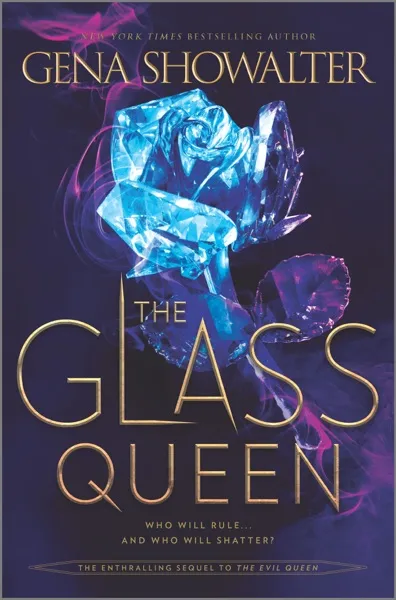
Glass Queen Author: Gena Showalter,Page Count: UnknownPublication Year: 2020-GB Glass Queen: A Dazzling, Dark Fantasy Where Power and Fragility Collide Gena Showalter’s Glass Queen (2020) is a glittering yet razor-sharp fantasy that blends the allure of high-stakes magic with the raw vulnerability of its protagonist. As a global bestseller, the novel cements Showalter’s reputation as a master of emotional, high-octane storytelling—a trait she wields with devastating precision in this tale of a woman who must shatter to rise. At its core, Glass Queen is a story about survival, identity, and the paradox of strength: the harder you fight to stay intact, the more likely you are to crack. The protagonist, Princess Adara, is a character carved from contradiction. She is the last in a bloodline of sorcerers who once ruled with unbreakable magic, now reduced to a fragile shell due to a curse that turns her bones to glass. Showalter’s genius lies in making Adara’s fragility her greatest weapon. Unlike the archetypal "chosen one" who wields power effortlessly, Adara’s magic is a double-edged sword—literally. Her every movement risks fracture, her every emotion a potential shatterpoint. This vulnerability isn’t just a plot device; it’s the emotional engine of the story, forcing readers to confront uncomfortable truths about resilience. What does it mean to be strong when your body is a liability? How much of yourself are you willing to break to save what’s left? Showalter’s prose is as polished as Adara’s cursed bones—sharp, vivid, and laced with a dark humor that cuts through the tension. Her writing thrives on contrasts: the opulence of courtly intrigue versus the grittiness of survival, the warmth of fleeting human connections against the cold calculations of power. The dialogue crackles with wit, particularly in the banter between Adara and her reluctant allies, whose loyalty is as precarious as the princess herself. Yet beneath the snark and spectacle, there’s a haunting melancholy. Showalter doesn’t shy away from exploring grief—whether it’s the loss of a kingdom, a loved one, or a version of oneself that no longer exists. The worldbuilding is equally compelling, though it serves primarily as a stage for Adara’s internal struggle. The kingdom of Iceanea, with its towering glass spires and treacherous politics, feels like a character in its own right—a frozen kingdom where beauty is as lethal as the blades in the dark. The magic system, rooted in bloodlines and curses, is inventive without being overly complex, allowing the focus to remain on Adara’s personal odyssey. Showalter excels at weaving personal stakes into larger conflicts, making the fate of a kingdom feel intimately tied to one woman’s fractured heart. What elevates Glass Queen beyond a mere fantasy romance is its refusal to offer easy answers. Adara’s journey isn’t about reclaiming her throne or mastering her magic—it’s about learning to exist in the in-between, where strength isn’t measured by unbreakability but by the courage to stay standing even when every step threatens to destroy you. The novel’s climax is a masterclass in emotional payoff, where victory isn’t celebrated with fanfare but with the quiet relief of a bruised survivor making it through another day. Showalter’s style is unmistakable: a blend of raw emotion and razor-sharp pacing, where every chapter feels like a duel—both external and internal. She doesn’t just tell a story; she immerses you in it, making you ache with Adara’s pain and cheer her on as she stumbles forward. Glass Queen is a testament to the idea that sometimes, the most powerful magic isn’t the kind that heals or destroys, but the kind that simply is—fragile, flawed, and fiercely alive. If you love dark fantasies that dig into the soul as much as they do into swordplay, if you’ve ever admired a heroine who’s as broken as she is brilliant, then Glass Queen is your next obsession. It’s a book that reminds you that even glass can reflect light—and that light is worth protecting, even if it means risking the cracks. #GlassQueen #DarkFantasy #GenaShowalter #FracturedHeroine #FantasyRomance #ShatterToRise Related InsightsBoy Who Cried Bear Book Review and Summary A Tree Grows in Brooklyn Book Review and Summary Camera Stays On Book Review and Summary{ "@context": "https://schema.org", "@type": "FAQPage", "mainEntity": [ { "@type": "Question", "name": "What is the main focus of Glass Queen Book Review and Summary?", "acceptedAnswer": { "@type": "Answer", "text": "Everything you need to know about Glass Queen with our detailed review." } }, { "@type": "Question", "name": "Who authored the comprehensive guide on Glass Queen Book Review and Summary?", "acceptedAnswer": { "@type": "Answer", "text": "This detailed article and its insights were carefully researched and authored by Antoine Leroy." } }, { "@type": "Question", "name": "Where can I find more related content about Books?", "acceptedAnswer": { "@type": "Answer", "text": "You can explore more articles, detailed reviews, and similar insights by browsing the Related Insights section at the bottom of this article or visiting our dedicated Books category page." } } ] }
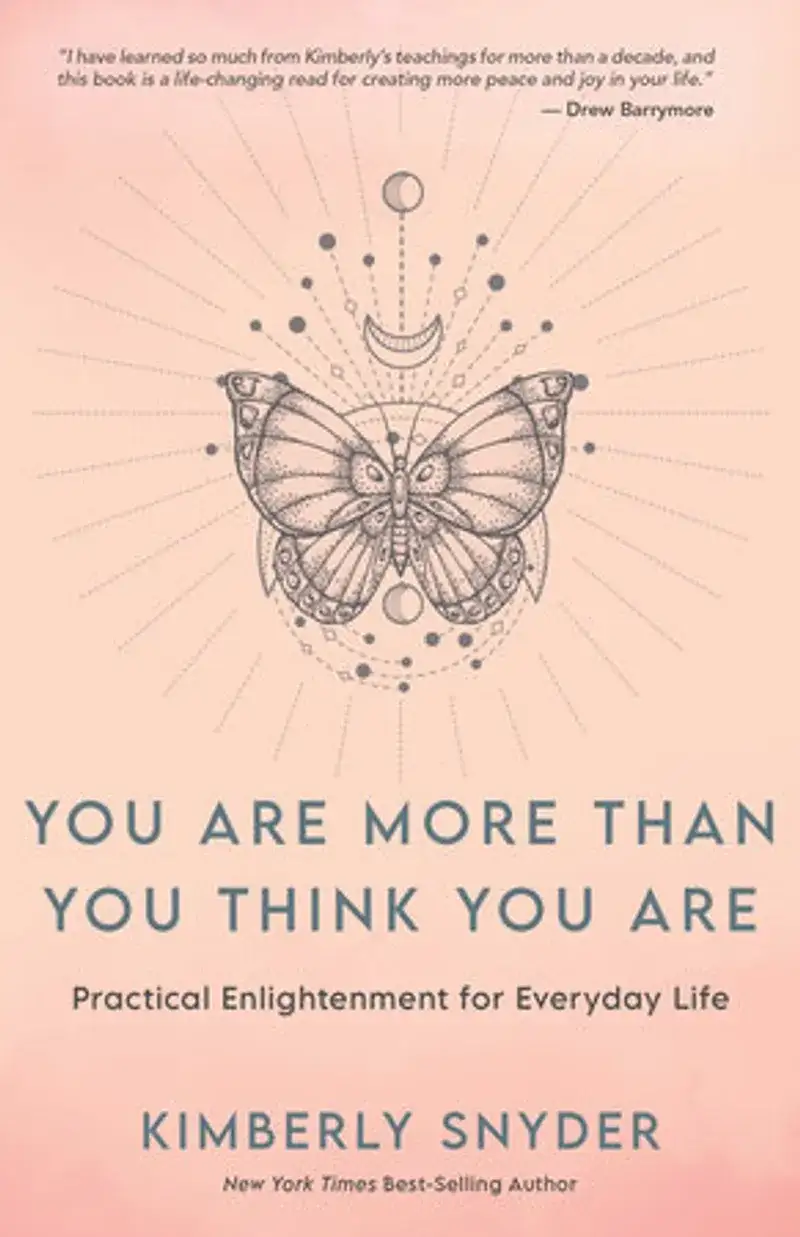
You Are More Than You Think You Are Author: Kimberly SnyderPage Count: UnknownPublication Date: 2023-PRH You Are More Than You Think You Are: A Transformative Guide to Unlocking Your True Self Kimberly Snyder’s You Are More Than You Think You Are is a radiant manifesto for anyone who has ever felt trapped in self-doubt, believing they are less than they truly are. In this compelling and accessible book, Snyder—a bestselling author and wellness expert—draws from the timeless wisdom of Paramahansa Yogananda, blending ancient spiritual teachings with modern science to deliver a message of empowerment. Her central thesis is simple yet profound: enlightenment, joy, and success are not reserved for a select few—they are within reach for anyone willing to shed their limiting beliefs and embrace their infinite potential. Snyder’s writing is both soothing and invigorating, like a warm breeze carrying the promise of transformation. She doesn’t just preach; she guides. Each chapter feels like a conversation with a wise, compassionate friend who gently nudges you toward self-realization. Her style is warm, conversational, and deeply personal, peppered with anecdotes from her own life and the lives of others who have undergone similar awakenings. This makes the book feel less like a dry self-help manual and more like a heart-to-heart revelation. The heart of the book lies in its exploration of the "True Self"—a concept Snyder frames not as some abstract, unreachable ideal, but as the core essence of who we are, waiting to be uncovered. She dismantles the illusion of inadequacy by exposing how our negative self-perceptions are often inherited, reinforced by societal expectations, or simply learned behaviors we’ve outgrown. Through a mix of introspective exercises, meditation practices, and practical steps, she teaches readers how to revise their internal narratives, replacing self-sabotaging thoughts with affirmations of their inherent worth. One of the book’s standout strengths is its accessibility. Snyder avoids dense, esoteric language, making complex spiritual ideas digestible for modern readers. Whether she’s discussing the science of neuroplasticity or the power of mantras, she grounds her teachings in relatable terms. For instance, her explanation of how repetitive thoughts shape our reality mirrors the way neural pathways are strengthened in the brain—a concept backed by neuroscience. This blend of ancient wisdom and contemporary research makes her message both credible and compelling. The book also shines in its emphasis on action. Snyder doesn’t just inspire introspection; she demands it. She challenges readers to confront their fears, to visualize their ideal lives, and to take small, consistent steps toward their goals. Her exercises are designed to be simple yet profound—whether it’s a five-minute meditation to cultivate self-love or a journaling prompt to uncover deep-seated beliefs. These tools are not gimmicks but gateways to lasting change. What makes You Are More Than You Think You Are particularly resonant is its inclusivity. Snyder doesn’t frame self-realization as a solitary journey but as a universal one. She writes about the "goddess," the "warrior," the "lover," and the "creator" within each of us, framing these archetypes not as gendered roles but as facets of the human experience. This approach ensures that readers from all walks of life can see themselves in her words. That said, the book is not without its challenges. Some readers might find Snyder’s perspective on positivity a bit idealistic, especially in a world where systemic barriers and genuine hardships exist. However, her focus is less on denying reality and more on shifting one’s relationship to it. Her message is about agency—the idea that while we can’t always control our circumstances, we can control how we respond to them. Ultimately, You Are More Than You Think You Are is a beacon for anyone standing at the crossroads of self-doubt, ready to step into their power. It’s a reminder that enlightenment isn’t about becoming someone else—it’s about remembering who you’ve always been. Kimberly Snyder’s words don’t just inspire; they ignite a quiet revolution within the reader, one belief at a time. #SelfDiscovery #SpiritualGrowth #InnerPower #MindsetShift #YouAreEnough #TransformationJourney
-
 Natalia Sokolova
 - 18 Jun, 2026 09:36
National 4/5 Administration and IT Course Notes for New 2019 Exams Ebook Book Review and Summary
National 4/5 Administration and IT Course Notes for New 2019 Exams Ebook Author: Kathryn PearcePage Count: UnknownPublication Year: 2020-GB Kathryn Pearce’s National 4/5 Administration and IT Course Notes for New 2019 Exams is a meticulously crafted guide that distills the complexities of modern administrative practices and IT systems into a digestible, exam-ready format. Aimed at Scottish students navigating the National 4/5 curriculum, Pearce’s work stands out not just as a textbook but as a lifeline—a tool designed to demystify the often-daunting intersection of administration and technology. With the 2019 exams as its focal point, the book arrives at a critical juncture where digital literacy and organizational skills are no longer optional but essential for academic and professional success. At its core, the book addresses the dual pillars of contemporary administrative work: efficiency and technological fluency. Pearce does not merely present facts; she constructs a narrative around how information flows, how tasks are managed, and how IT systems underpin every modern office environment. Whether it’s the nuances of database management, the principles of effective communication, or the practicalities of spreadsheets and word processing, the book treats these topics with a clarity that resonates with students accustomed to fast-paced digital ecosystems. This is not dry theory—it’s a living syllabus, responsive to the real-world demands of today’s workplaces. What makes Pearce’s approach particularly effective is her ability to balance depth with accessibility. The book is structured to mirror the exam’s assessment demands, moving seamlessly from theoretical foundations to applied tasks. Each chapter feels like a scaffolded lesson, beginning with concise explanations, progressing through worked examples, and culminating in practice questions that mirror the style and rigor of the actual National 5 exams. This scaffolding is not accidental; it’s a deliberate pedagogical strategy, one that reflects Pearce’s deep understanding of how students learn and retain complex material. Her writing style is direct, uncluttered, and devoid of unnecessary jargon, making it ideal for learners who may struggle with traditional textbook prose. Pearce’s voice is authoritative yet approachable—a quality that sets her apart in the often-stiff landscape of educational publishing. She writes with the precision of an examiner but the patience of a mentor. There’s a rhythm to her prose that guides the reader through intricate topics like cloud computing or data protection laws with the same ease as she might explain the layout of a business letter. The tone never wavers into condescension, nor does it assume prior knowledge, making it equally valuable for self-starters and students who rely on structured guidance. This balance is rare and speaks to Pearce’s experience in both educational settings and professional administration. One of the book’s most compelling features is its integration of real-world scenarios. Unlike many course notes that remain abstract, Pearce peppers her chapters with case studies and mini-scenarios that ask students to apply what they’ve learned. Whether it’s drafting a formal report under a tight deadline or troubleshooting a network issue in a simulated office environment, these exercises transform passive reading into active learning. It’s a technique that mirrors modern pedagogical trends, emphasizing critical thinking over rote memorization—a shift that aligns perfectly with the evolving demands of the National 5 exams. The book’s layout further enhances its usability. While the page count remains unknown, the digital format allows for intuitive navigation, with clear headings, bullet points, and bolded key terms that serve as quick-reference aids. This is particularly useful for revision, where students often need to skim for specific concepts. The inclusion of sample exam papers and model answers is another standout feature, offering a dual benefit: immediate practice and a benchmark for self-assessment. That said, no book is without its limitations. The most apparent is its specificity to the Scottish curriculum. While incredibly useful for students preparing for National 4/5 in Administration and IT, its utility may be limited outside this context. Additionally, as an ebook, it relies heavily on the digital reading experience—something that may disadvantage students who prefer tactile learning or those with limited screen time. A physical companion or supplementary workbook might have broadened its appeal, though this is a minor critique in an otherwise polished and purposeful work. Ultimately, Kathryn Pearce’s National 4/5 Administration and IT Course Notes succeeds where many educational texts fail: it transforms a potentially dry subject into a dynamic, relevant, and even engaging study resource. It doesn’t just prepare students for an exam; it equips them with skills that will serve them long beyond the classroom. In an era where administrative roles are increasingly digitized and data-driven, this book is more than a study aid—it’s a primer for the modern workplace. Pearce’s clarity, practical focus, and empathetic tone make this a standout choice for any student aiming to excel in Administration and IT. #National5AdministrationAndIT #CourseNotes #ExamPrep #DigitalSkills #BusinessEducation #StudySmart Related InsightsLoveless Book Review and Summary La pitonisa y el idiota / The Prophet and the Idiot Book Review and Summary How to Be a Wallflower Book Review and Summary{ "@context": "https://schema.org", "@type": "FAQPage", "mainEntity": [ { "@type": "Question", "name": "What is the main focus of National 4/5 Administration and IT Course Notes for New 2019 Exams Ebook Book Review and Summary?", "acceptedAnswer": { "@type": "Answer", "text": "Everything you need to know about National 4/5 Administration and IT Course Notes for New 2019 Exams Ebook with our detailed review." } }, { "@type": "Question", "name": "Who authored the comprehensive guide on National 4/5 Administration and IT Course Notes for New 2019 Exams Ebook Book Review and Summary?", "acceptedAnswer": { "@type": "Answer", "text": "This detailed article and its insights were carefully researched and authored by Natalia Sokolova." } }, { "@type": "Question", "name": "Where can I find more related content about Books?", "acceptedAnswer": { "@type": "Answer", "text": "You can explore more articles, detailed reviews, and similar insights by browsing the Related Insights section at the bottom of this article or visiting our dedicated Books category page." } } ] }
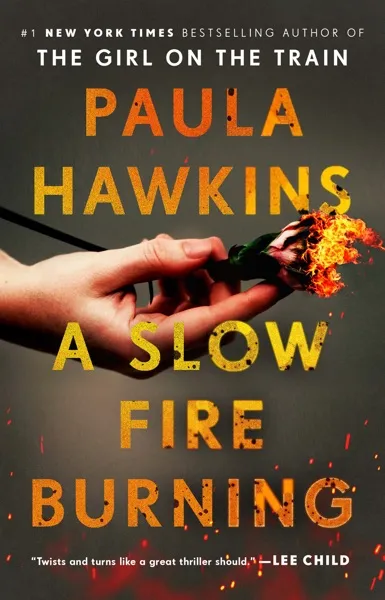
A Slow Fire Burning Author: Paula HawkinsPage Count: UnknownPublication Year: 2019-GB A Slow Fire Burning: A Masterclass in Psychological Suspense Paula Hawkins, the queen of modern psychological thrillers, returns with A Slow Fire Burning, a book that smolders like a barely contained blaze—unpredictable, intense, and impossible to look away from. Published in 2019, this standout novel cements Hawkins’ reputation as a storyteller who excels at dissecting the darkest corners of human nature, where secrets fester and guilt festers like an open wound. At its core, A Slow Fire Burning is a murder mystery wrapped in a psychological examination of grief, trauma, and the lies we tell ourselves to survive. The story centers on Laura, a young woman with a murky past, who becomes the prime suspect in the brutal murder of a man she once loved. But Laura isn’t alone in her guilt—every character in this novel is nursing a wound, hiding a secret, or nursing a grudge. Hawkins’ genius lies in her ability to weave these disparate threads into a tapestry of suspicion, where the real villain isn’t just one person but the collective rot of denial and obsession. What makes this book so compelling is Hawkins’ razor-sharp focus on character. Unlike some thriller writers who prioritize plot twists at the expense of depth, Hawkins digs into the psyche of her characters with surgical precision. Laura is a particularly fascinating protagonist—not because she’s likable, but because she’s undeniably human. She’s flawed, vulnerable, and desperate to outrun her past, but her instincts for self-preservation often lead her into deeper trouble. The supporting cast is equally well-drawn: from the grieving mother to the enigmatic neighbor, each person carries a burden that feels achingly real. Hawkins’ prose is deceptively simple, almost understated, but that’s part of what makes it so effective. She doesn’t rely on overwrought descriptions or melodrama; instead, she lets the tension simmer beneath the surface, building to a slow, insidious boil. The chapters alternate between past and present, revealing fragments of Laura’s history while the present-day investigation unfolds. This structure keeps the reader guessing—just when you think you have a handle on the story, Hawkins pulls the rug out from under you with a revelation that reframes everything. The theme of A Slow Fire Burning is as much about the fires we set ourselves as it is about the ones we set for others. Laura’s struggle isn’t just about proving her innocence; it’s about confronting the truth of who she is and what she’s capable of. Hawkins explores how trauma shapes us, how guilt can become a second skin, and how the need for control can curdle into something far more destructive. The novel asks uncomfortable questions: How well do we really know the people we love? Can we ever truly escape our past? And at what cost do we protect our secrets? What sets this book apart from Hawkins’ earlier work, The Girl on the Train, is its tighter focus and more intimate scale. While The Girl on the Train sprawled across multiple perspectives, A Slow Fire Burning hones in on a small cast of characters, allowing their flaws and contradictions to collide in explosive ways. The result is a more contained but no less devastating story—a slow burn that eventually ignites into something raw and unforgettable. Hawkins’ writing is addictive, but it’s also unsettling. She has a knack for making the mundane feel sinister—a quiet street, a flickering streetlamp, the way someone’s voice catches when they’re lying. The prose isn’t flashy, but it lingers, like the aftertaste of something bitter and necessary. A Slow Fire Burning is a book that lingers in your mind long after the last page, not just because of its mystery, but because of its humanity. It’s a story about the fires we carry inside us, how they consume us, and whether we have the strength to let them burn themselves out. Hawkins doesn’t offer easy answers, but she doesn’t need to—her brilliance lies in making you ask the questions yourself. If you’re a fan of psychological thrillers that dig deep rather than just dazzle, this is a must-read. If you’re new to Hawkins’ work, consider this the perfect entry point. Either way, be warned: once you start reading, you won’t be able to put it down until the embers fade. #SlowFireBurning #PaulaHawkins #PsychologicalThriller #MysteryNovel #DarkFiction #BookRecommendation Related InsightsHouse Across the Lake Book Review and Summary Ghosts of the West Yorkshire Moors: The Savage Soul of Wuthering Heights Carry On Book Review and Summary{ "@context": "https://schema.org", "@type": "FAQPage", "mainEntity": [ { "@type": "Question", "name": "What is the main focus of A Slow Fire Burning Book Review and Summary?", "acceptedAnswer": { "@type": "Answer", "text": "Everything you need to know about A Slow Fire Burning with our detailed review." } }, { "@type": "Question", "name": "Who authored the comprehensive guide on A Slow Fire Burning Book Review and Summary?", "acceptedAnswer": { "@type": "Answer", "text": "This detailed article and its insights were carefully researched and authored by James Miller." } }, { "@type": "Question", "name": "Where can I find more related content about Books?", "acceptedAnswer": { "@type": "Answer", "text": "You can explore more articles, detailed reviews, and similar insights by browsing the Related Insights section at the bottom of this article or visiting our dedicated Books category page." } } ] }
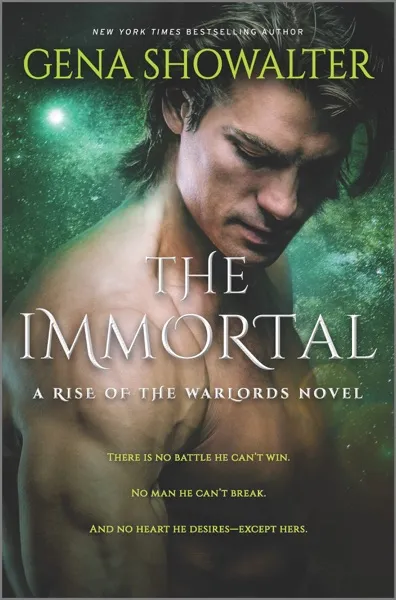
Immortal Author: Gena Showalter,Page Count: UnknownPublication Year: 2022-GB Gena Showalter’s Immortal isn’t just another paranormal romance—it’s a fever dream of desire, danger, and divine reckoning. Released in 2022, this global bestseller cements Showalter’s reputation as a master of high-stakes supernatural storytelling, weaving a tale where immortality isn’t a blessing but a curse, and love is the one sin that can damn—or save—even the gods. At its core, Immortal explores the price of eternity. Showalter takes the classic "immortal hero" trope and flips it on its head: what if being immortal doesn’t grant wisdom or power, but only deepens loneliness, regret, and the gnawing fear of time’s relentless march? The protagonist, a fallen warrior bound to an eternal cycle of suffering, is a tragic figure—both awe-inspiring and heartbreaking. Showalter doesn’t just ask what it means to live forever; she forces her characters—and readers—to confront whether immortality is even desirable when love is fleeting and betrayal is inevitable. The book’s strength lies in its duality: it’s a love story as much as it is a battle between realms. Showalter’s signature style—punctuated by sharp wit, fiery dialogue, and relentless pacing—shines here. Her prose crackles with energy, balancing steamy romantic tension with brutal action sequences. The romance isn’t just a subplot; it’s the emotional linchpin that makes the stakes feel real. When the hero and heroine clash in a dance of desire and distrust, their chemistry is electric, charged with the kind of chemistry that makes readers forget to breathe. Showalter’s worldbuilding is equally compelling. She crafts a mythology that feels fresh yet familiar, blending ancient myths with modern sensibilities. The immortal realm is vividly rendered—glittering with danger, rife with political intrigue, and haunted by the ghosts of past mistakes. The villains are not just evil for evil’s sake; they’re tragic, complex figures, their motives rooted in pain and powerlessness. This depth elevates Immortal beyond the typical paranormal romance, giving it the weight of a myth rather than a mere escapist fantasy. What truly sets Immortal apart, however, is Showalter’s unflinching portrayal of emotional vulnerability. In a genre often criticized for glossing over genuine emotional stakes, she delves deep into her characters’ fears, insecurities, and moments of raw humanity. The hero’s struggle with his past sins, the heroine’s battle to reclaim her agency—these aren’t just plot devices. They’re the heart of the story, making the stakes feel personal and urgent. Showalter’s style is also marked by her knack for balancing humor and darkness. Even in the most intense scenes, there’s a spark of wit, a line of dialogue that cuts through the tension like a knife. This balance keeps the story from becoming overwhelmingly bleak, grounding it in a sense of hope, however fragile. Immortal is a book that demands to be experienced, not just read. It’s a testament to Showalter’s skill as a storyteller that she can make readers care so deeply about characters who, by their very nature, should feel untouchable. The book lingers long after the last page, leaving readers questioning their own mortality and the fleeting nature of love. In a world where paranormal romance is often dismissed as lightweight, Immortal proves that genre fiction can be both thrilling and thought-provoking. It’s a story about the agony and ecstasy of forever, and why even the immortal heart yearns for something—anything—to hold onto. #ImmortalGenaShowalter #ParanormalRomance #FallenHeroes #EternalLove #SupernaturalFantasy #Bookstagram Related InsightsFrom the Grave Book Review and Summary How to Let Go: A Memoir of Finding Peace in Endings Book Review and Summary Hidden Nature Book Review and Summary{ "@context": "https://schema.org", "@type": "FAQPage", "mainEntity": [ { "@type": "Question", "name": "What is the main focus of Immortal Book Review and Summary?", "acceptedAnswer": { "@type": "Answer", "text": "Everything you need to know about Immortal with our detailed review." } }, { "@type": "Question", "name": "Who authored the comprehensive guide on Immortal Book Review and Summary?", "acceptedAnswer": { "@type": "Answer", "text": "This detailed article and its insights were carefully researched and authored by James Miller." } }, { "@type": "Question", "name": "Where can I find more related content about Books?", "acceptedAnswer": { "@type": "Answer", "text": "You can explore more articles, detailed reviews, and similar insights by browsing the Related Insights section at the bottom of this article or visiting our dedicated Books category page." } } ] }
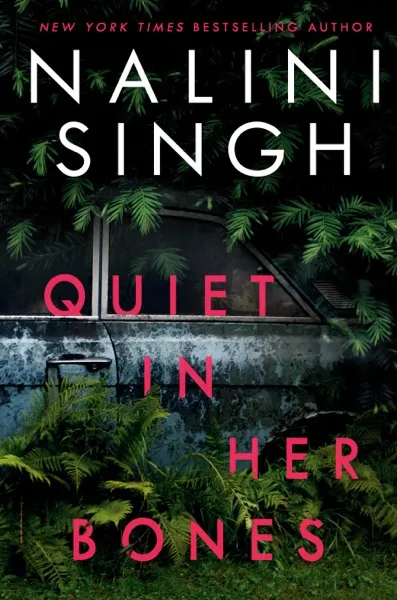
Quiet in Her Bones Author: Nalini SinghPage Count: UnknownPublication Year: 2021-GB Quiet in Her Bones is Nalini Singh’s latest psychological thriller that plunges readers into the dark, twisting corridors of obsession, family secrets, and the haunting persistence of the past. With her signature blend of taut suspense, razor-sharp prose, and deeply layered characters, Singh once again proves why she is a master of the genre. This isn’t just another thriller—it’s a chilling exploration of how far one woman will go to uncover the truth, even when the truth might destroy her. At its core, Quiet in Her Bones is a story about memory and its power to unravel lives. The narrative follows Inaya, a woman who returns to her childhood home after years of self-imposed exile, only to discover that the past she thought she’d left behind is still very much alive—and far more sinister than she remembered. Singh excels at weaving a web of half-truths and buried traumas, where every revelation feels like a crack in the foundation of Inaya’s carefully constructed reality. The book’s title itself is a masterstroke of foreshadowing; it hints at the quiet, insidious ways in which memory lingers, waiting to erupt into something devastating. Singh’s prose is both elegant and unnerving, striking a perfect balance between lyrical description and relentless pacing. She has a rare talent for making the mundane feel ominous, whether it’s the creak of a floorboard in an empty house or the way a character’s smile doesn’t quite reach their eyes. The atmosphere is thick with dread, and the tension builds steadily, page by page, until the reader is left breathless. One of the most striking aspects of Singh’s writing is her ability to convey complex emotions with precision—her characters’ fears, desires, and obsessions are rendered with such vividness that they feel like living, breathing entities. The theme of family is central to the novel, but Singh subverts expectations by portraying family not as a source of comfort, but as a labyrinth of lies and betrayal. Inaya’s return home is framed as a desperate attempt to reconnect with her roots, but it quickly becomes clear that her childhood home is a gilded cage, holding secrets that could shatter her. Singh’s exploration of family dynamics is particularly chilling because it taps into universal fears—what if the people who were supposed to love and protect you were actually the ones who hurt you the most? The novel’s emotional core lies in Inaya’s struggle to reconcile the past with the present, and Singh handles this with a deft touch, avoiding melodrama while still delivering a deeply affecting story. Another standout element of Quiet in Her Bones is Singh’s use of dual timelines. The story alternates between Inaya’s present-day return to her childhood home and flashbacks to her youth, gradually revealing the events that led to her escape. This structure keeps the reader on edge, as each new revelation peels back another layer of the mystery. The past and present intersect in unexpected ways, and Singh’s skillful handling of these timelines makes the narrative feel both intricate and cohesive. It’s a testament to her storytelling prowess that she can maintain such a high level of suspense while also delivering moments of genuine emotional depth. Singh’s characters are another major strength of the novel. Inaya is a compelling protagonist—flawed, vulnerable, and fiercely determined, she feels like a real person rather than a mere vehicle for the plot. Her internal struggles are portrayed with sensitivity, and her journey from self-doubt to self-discovery is both relatable and gripping. The secondary characters, too, are well-drawn, each with their own secrets and motivations that add layers to the story. Even the most minor characters leave an impression, thanks to Singh’s keen eye for detail and her ability to give even fleeting appearances a sense of weight. Quiet in Her Bones is more than just a thriller—it’s a meditation on the ways in which the past shapes us, and how the quest for truth can sometimes lead us down dark and dangerous paths. Singh’s writing is immersive and hypnotic, drawing the reader into a world where nothing is as it seems and trust is a rare and fragile commodity. The novel’s climax is both shocking and satisfying, delivering the kind of twists that leave readers questioning everything they thought they knew. For fans of psychological thrillers, Quiet in Her Bones is a must-read. It’s a book that lingers long after the final page, its themes and characters echoing in the mind like a half-remembered dream. Singh once again demonstrates why she is one of the most talented and versatile authors in the genre, crafting a story that is as thought-provoking as it is thrilling. If you’re looking for a book that will keep you up at night, both gripped by fear and compelled to turn the pages, then Quiet in Her Bones is exactly what you need. #NaliniSingh #PsychologicalThriller #QuietInHerBones #DarkMystery #FamilySecrets #ThrillerBooks Related InsightsQueen of Shadows Book Review and Summary On the Road Book Review and Summary Regretting You Book Review and Summary{ "@context": "https://schema.org", "@type": "FAQPage", "mainEntity": [ { "@type": "Question", "name": "What is the main focus of Quiet in Her Bones Book Review and Summary?", "acceptedAnswer": { "@type": "Answer", "text": "Everything you need to know about Quiet in Her Bones with our detailed review." } }, { "@type": "Question", "name": "Who authored the comprehensive guide on Quiet in Her Bones Book Review and Summary?", "acceptedAnswer": { "@type": "Answer", "text": "This detailed article and its insights were carefully researched and authored by Natalia Sokolova." } }, { "@type": "Question", "name": "Where can I find more related content about Books?", "acceptedAnswer": { "@type": "Answer", "text": "You can explore more articles, detailed reviews, and similar insights by browsing the Related Insights section at the bottom of this article or visiting our dedicated Books category page." } } ] }

- Antoine Leroy
- 03 Jun, 2026 03:29
Del cosmos a la vida / From the Cosmos to Life Book Review and Summary
Del cosmos a la vida / From the Cosmos to Life Author: Carlos BrionesPage Count: UnknownPublication Date: 2027-PRH Carlos Briones’ From the Cosmos to Life is a breathtaking voyage through the universe’s grandest questions, weaving together astrobiology, chemistry, and philosophy in a way that feels both deeply scientific and profoundly poetic. Though the book is scheduled for publication in 2027, its premise—a sweeping exploration of how the cosmos gave rise to life—promises to be a landmark work in popular science. Briones, a leading astrobiologist and science communicator, has crafted a narrative that is as rigorous as it is accessible, blending cutting-edge research with the kind of wonder that makes the reader feel like a child again, staring up at the stars and wondering: How did we get here? At its core, From the Cosmos to Life is a story of transformation—from the Big Bang’s chaotic energy to the delicate dance of molecules that birthed consciousness. Briones doesn’t just recount the well-trodden steps of cosmic evolution; he breathes life into them. The book begins not with a dry recitation of scientific facts but with an evocation of the early universe: a seething, expanding void where the first atoms of hydrogen and helium coalesced under the pull of gravity. From there, he guides the reader through the formation of stars, the alchemy of nuclear fusion, the birth of planets, and—most tantalizingly—the emergence of life. What sets Briones apart is his ability to make these processes feel intimate, as if we’re not just observers of a distant past but participants in a grand, ongoing miracle. One of the book’s greatest strengths is its interdisciplinary reach. Briones deftly navigates the intersection of astronomy, chemistry, biology, and even philosophy, showing how each discipline contributes to the puzzle of life’s origins. He doesn’t shy away from complexity—discussing the role of RNA in early life, the conditions of hydrothermal vents, or the tantalizing possibility of life on other worlds—but he presents these ideas with clarity and elegance. The prose is never dumbed down; instead, it’s imbued with a clarity that makes even the most abstract concepts feel tangible. For instance, when he describes how amino acids might have formed in the protoplanetary disks around young stars, he doesn’t just say they did—he makes you feel the heat of primordial oceans, the crackle of lightning across a young Earth, the slow, inexorable march of chemistry toward biology. Briones’ style is a masterclass in balancing wonder with precision. He avoids the pitfalls of either dry technical jargon or overly sentimental prose, striking a tone that is both authoritative and lyrical. There’s a rhythmic quality to his writing, a cadence that mirrors the processes he describes—whether it’s the slow, stately dance of galaxies colliding or the rapid, chaotic assembly of a living cell. He also has a knack for the perfect metaphor. Describing the early Earth’s atmosphere, he writes, “It was a cauldron of gases, a witches’ brew of methane, ammonia, and water vapor, waiting for a single spark to ignite the greatest experiment in the universe: life.” These kinds of lines don’t just inform; they linger in the mind long after the page is turned. What makes From the Cosmos to Life particularly compelling is its forward-looking perspective. While much of the book is grounded in the past—reconstructing the conditions that allowed life to emerge—Briones doesn’t stop there. He extends his gaze to the future, pondering the implications of our discoveries. If life can arise from the chaos of the cosmos once, why not again? And if it has, where might we find it? The book becomes a meditation on our place in the universe, not as passive bystanders but as active participants in a grand, unfolding story. Briones’ optimism is infectious. He doesn’t just leave the reader with the awe of our cosmic origins; he leaves them with a sense of possibility, of the endless frontiers still waiting to be explored. If there’s a criticism to be levied, it’s that the book’s scope is so vast that at times, it can feel overwhelming. Briones crams a staggering amount of information into its pages, and while his explanations are clear, the sheer volume of ideas might leave some readers needing to pause and reflect. But this is a minor quibble. The book is less a casual read and more an invitation to deep thinking—a work to be savored slowly, like a fine wine or a piece of music that reveals new layers with each listen. Ultimately, From the Cosmos to Life is more than a book about science; it’s a book about meaning. It reminds us that we are, in every sense, stardust given the chance to contemplate itself. Carlos Briones has written not just a chronicle of the universe’s history but a love letter to the mystery of existence itself. This is a book that will appeal to anyone who has ever looked up at the night sky and wondered how all that beauty and complexity came to be—and what it means for us, here, on this pale blue dot. #CosmicOrigins #Astrobiology #LifeInTheUniverse #ScienceAndWonder #FromBigBangToBiology #CarlosBriones Related InsightsMind Games Book Review and Summary Sophie’s World Book Review and Summary Club Dead Book Review and Summary{ "@context": "https://schema.org", "@type": "FAQPage", "mainEntity": [ { "@type": "Question", "name": "What is the main focus of Del cosmos a la vida / From the Cosmos to Life Book Review and Summary?", "acceptedAnswer": { "@type": "Answer", "text": "Everything you need to know about Del cosmos a la vida / From the Cosmos to Life with our detailed review." } }, { "@type": "Question", "name": "Who authored the comprehensive guide on Del cosmos a la vida / From the Cosmos to Life Book Review and Summary?", "acceptedAnswer": { "@type": "Answer", "text": "This detailed article and its insights were carefully researched and authored by Antoine Leroy." } }, { "@type": "Question", "name": "Where can I find more related content about Books?", "acceptedAnswer": { "@type": "Answer", "text": "You can explore more articles, detailed reviews, and similar insights by browsing the Related Insights section at the bottom of this article or visiting our dedicated Books category page." } } ] }

- Natalia Sokolova
- 03 Jun, 2026 01:01
El código de la vida / The Code Breaker: Jennifer Doudna, Gene Editing, and the Future of the Human Book Review and Summary
El código de la vida / The Code Breaker: Jennifer Doudna, Gene Editing, and the Future of the Human Author: Walter IsaacsonPage Count: UnknownPublication Date: 2021-PRH "The Code Breaker: Jennifer Doudna, Gene Editing, and the Future of the Human" by Walter Isaacson is a riveting narrative that delves into the life of Jennifer Doudna, a Nobel Prize-winning scientist who has revolutionized the field of biology. With his signature style, Isaacson masterfully weaves a tale that is both a biography of Doudna and a comprehensive exploration of the CRISPR technology that she helped develop. The book is a testament to Isaacson's exceptional storytelling ability, as he seamlessly blends science, history, and personal anecdotes to create a compelling narrative. From Doudna's early days as a curious and ambitious student to her current status as a leading figure in the scientific community, Isaacson's portrayal is both intimate and informative. At the heart of the book is the CRISPR technology, a groundbreaking innovation that has the potential to transform the field of medicine and beyond. Isaacson provides a clear and concise explanation of the science behind CRISPR, making it accessible to readers who may not have a background in biology. He also explores the implications of this technology, raising important questions about its potential applications and the ethical considerations that come with it. One of the strengths of the book is its ability to balance the scientific and personal aspects of Doudna's story. Isaacson's portrayal of Doudna is multifaceted, revealing a complex and dynamic individual who is driven by both scientific curiosity and a desire to make a positive impact on the world. Through Doudna's story, Isaacson also sheds light on the often-overlooked contributions of women in science, highlighting the challenges and obstacles that they face in their careers. Isaacson's writing style is engaging and conversational, making the book feel like a fascinating conversation with a knowledgeable friend. He has a talent for distilling complex ideas into clear and concise language, making the book an enjoyable read for both scientists and non-scientists alike. The book also explores the broader implications of the CRISPR technology, including its potential to revolutionize the field of medicine and beyond. Isaacson raises important questions about the ethics of gene editing, including the possibility of using it to enhance human traits or to create "designer babies." He also explores the potential risks and unintended consequences of this technology, highlighting the need for careful consideration and regulation. Overall, "The Code Breaker" is a gripping and thought-provoking book that is both a compelling biography and a comprehensive exploration of the CRISPR technology. Isaacson's masterful storytelling and clear explanations make the book an enjoyable and informative read, and his exploration of the ethical implications of this technology raises important questions about the future of humanity. #CRISPR #GeneEditing #JenniferDoudna #TheCodeBreaker #WalterIsaacson #GeneticEngineering Related InsightsBody in the Backyard Book Review and Summary Take a Chance, Sasha Sinclair (Clover Lake #3) Book Review and Summary Rebecca Yarros's Fourth Wing Keychain Book Review and Summary{ "@context": "https://schema.org", "@type": "FAQPage", "mainEntity": [ { "@type": "Question", "name": "What is the main focus of El código de la vida / The Code Breaker: Jennifer Doudna, Gene Editing, and the Future of the Human Book Review and Summary?", "acceptedAnswer": { "@type": "Answer", "text": "Everything you need to know about El código de la vida / The Code Breaker: Jennifer Doudna, Gene Editing, and the Future of the Human with our detailed review." } }, { "@type": "Question", "name": "Who authored the comprehensive guide on El código de la vida / The Code Breaker: Jennifer Doudna, Gene Editing, and the Future of the Human Book Review and Summary?", "acceptedAnswer": { "@type": "Answer", "text": "This detailed article and its insights were carefully researched and authored by Natalia Sokolova." } }, { "@type": "Question", "name": "Where can I find more related content about Books?", "acceptedAnswer": { "@type": "Answer", "text": "You can explore more articles, detailed reviews, and similar insights by browsing the Related Insights section at the bottom of this article or visiting our dedicated Books category page." } } ] }
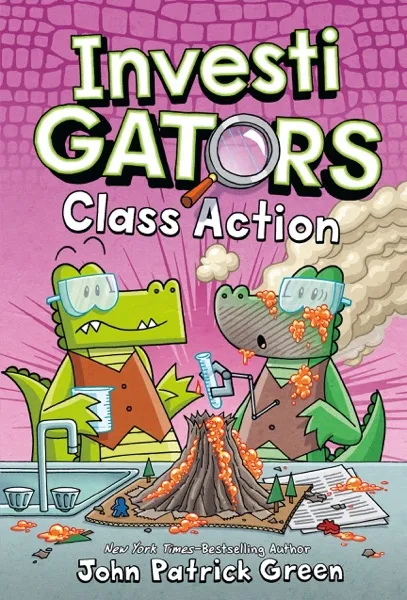
InvestiGators : Class Action Author: John Patrick GreenPage Count: UnknownPublication Year: 2024-GB John Patrick Green’s InvestiGators: Class Action isn’t just another graphic novel—it’s a masterclass in blending absurd humor, sharp satire, and deceptively clever storytelling. As the latest installment in the beloved series, this book proves that middle-grade comics can be as sophisticated as they are silly, packing layers of wit and social commentary beneath its pun-filled, cheese-gobbling surface. If you’ve ever laughed at a comic where two alligator detectives solve crimes while munching on snacks, you already know the drill. But beneath the goofy exterior lies a story that’s surprisingly timely, tackling themes of systemic injustice, corporate greed, and the power of collective action—all while keeping the page-turning energy of a classic adventure. At its core, Class Action is about the little guy (or, in this case, little gators) fighting back against the big, faceless institutions that try to grind them down. The story follows the dynamic duo of Mango and Brash as they uncover a sinister plot by the evil S.U.I.T. Corporation, which is polluting their city’s water supply and framing innocent animals for its crimes. The parallels to real-world environmental and corporate malfeasance are unmistakable, but Green never beats you over the head with them. Instead, he weaves the themes into the fabric of the plot, making them feel organic rather than preachy. The result is a book that’s as funny as it is thought-provoking—a rare feat in children’s literature. Green’s writing style is a masterstroke of economy and precision. His dialogue crackles with wit, delivered in bite-sized chunks that feel like the verbal equivalent of a Looney Tunes chase scene. The humor isn’t just in the one-liners, either—it’s in the visual gags, the absurd situations, and the sheer joy of watching two incompetent-but-well-meaning detectives stumble into solutions. Green’s art, which remains consistently expressive and dynamic, gives the book a tactile energy that pulls the reader along. Whether it’s the exaggerated facial expressions of the characters or the meticulously detailed backgrounds (which often hide Easter eggs for eagle-eyed readers), every panel is a testament to his skill as both a writer and an artist. What makes Class Action stand out, though, is its ability to balance satire with sincerity. Green doesn’t shy away from tackling heavy topics, but he does so with a light touch, ensuring that the story never feels weighed down by its own themes. The emotional beats land because they’re earned through the characters’ growth, not because Green forces them onto the page. Mango and Brash, despite their many flaws, feel like real heroes—not because they’re perfect, but because they’re persistent, flawed, and ultimately willing to learn. Their journey from bumbling investigators to something more resembles a classic underdog story, but with a modern twist that makes it feel fresh. The book’s pacing is another highlight. Green knows when to slow down for a joke, when to ramp up the action, and when to let the visuals carry the story. The action sequences are kinetic and engaging, but they’re never so frantic that they lose the reader. Instead, they serve as a reminder that InvestiGators is, first and foremost, a fun read—and one that rewards attentiveness with moments of genuine surprise and delight. For all its strengths, Class Action isn’t without its quirks. Some readers might find the humor a bit too niche, or the satire too subtle for its own good. But that’s the beauty of Green’s approach—he trusts his audience to keep up, and in doing so, he crafts a story that feels inclusive without being dumbed down. It’s a book that respects its readers’ intelligence while never taking itself too seriously. Ultimately, InvestiGators: Class Action is a triumph of comic book storytelling. It’s a book that makes you laugh out loud one minute and think critically the next, all while keeping you invested in its characters and plot. In an era where children’s media is often either overly simplistic or weighed down by heavy-handed messages, Green’s work is a breath of fresh air. It proves that you can have fun, be smart, and still make a point—without ever losing sight of what makes a story truly engaging. If you’re a fan of the InvestiGators series, this book will feel like a natural extension of the world you’ve come to love. If you’re new to the series, it’s the perfect entry point—funny, fast-paced, and full of heart. Either way, Class Action is a book that deserves to be on your shelf, your coffee table, or your child’s nightstand. #InvestiGators #GraphicNovelsForKids #MiddleGradeBooks #JohnPatrickGreen #KidsComics #AnimalDetectives Related InsightsEvery Pretty Thing: A Novel Book Review and Summary Revenge Plot Book Review and Summary The Grapes of Wrath Book Review and Summary{ "@context": "https://schema.org", "@type": "FAQPage", "mainEntity": [ { "@type": "Question", "name": "What is the main focus of InvestiGators : Class Action Book Review and Summary?", "acceptedAnswer": { "@type": "Answer", "text": "Everything you need to know about InvestiGators : Class Action with our detailed review." } }, { "@type": "Question", "name": "Who authored the comprehensive guide on InvestiGators : Class Action Book Review and Summary?", "acceptedAnswer": { "@type": "Answer", "text": "This detailed article and its insights were carefully researched and authored by Antoine Leroy." } }, { "@type": "Question", "name": "Where can I find more related content about Books?", "acceptedAnswer": { "@type": "Answer", "text": "You can explore more articles, detailed reviews, and similar insights by browsing the Related Insights section at the bottom of this article or visiting our dedicated Books category page." } } ] }
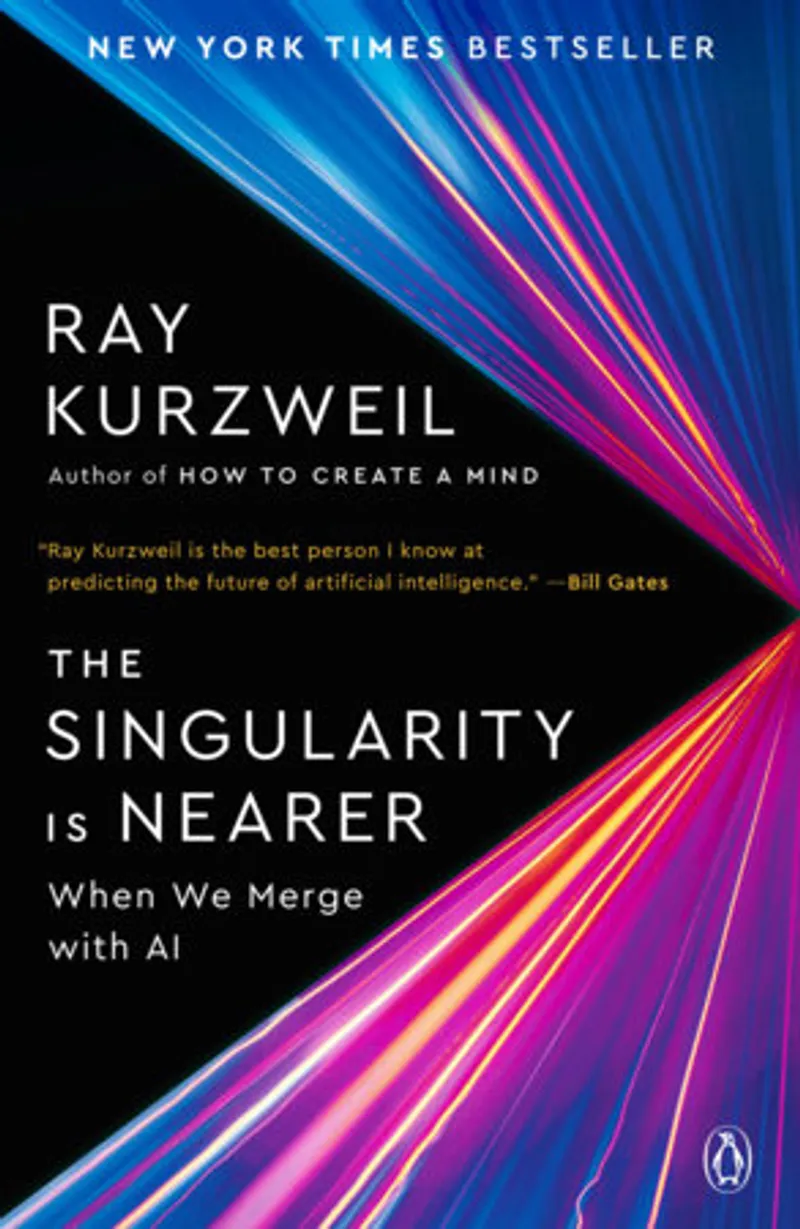
The Singularity Is Nearer Author: Ray KurzweilPage Count: UnknownPublication Date: 2026-PRH Ray Kurzweil’s The Singularity Is Nearer is not just a book—it’s a manifesto for the future, a bold declaration that the next era of human evolution is hurtling toward us at breakneck speed. Published in 2026, this follow-up to his 2005 landmark The Singularity Is Near arrives at a moment when the promises and perils of artificial intelligence, biotechnology, and nanotechnology are no longer speculative fiction but daily headlines. Kurzweil, the futurist, inventor, and Google’s director of engineering, doubles down on his most controversial claim: that by the mid-21st century, human intelligence will merge with machines, transcending biology itself. But this time, he’s not just predicting—he’s mapping the road. The central thesis of The Singularity Is Nearer is deceptively simple: the Singularity—the point at which artificial intelligence surpasses human intelligence and triggers runaway technological growth—isn’t a distant abstraction. It’s arriving sooner than even Kurzweil previously thought. Where his earlier work laid the groundwork, this book is a status report, a warning, and a call to arms. Kurzweil argues that exponential progress in computing power, genetic engineering, and brain-computer interfaces will converge within decades, not centuries. By 2045, he predicts, we’ll witness the birth of a new civilization—one where human and machine cognition blur into a hybrid intelligence capable of solving problems we can’t yet imagine. What makes this book compelling is not just its vision but its relentless optimism. Kurzweil’s style is that of a scientist who has spent a lifetime turning science fiction into reality. He writes with the clarity of a man who has spent decades explaining complex ideas to skeptics, yet his prose never dumbs down the material. Instead, he invites the reader into a world where Moore’s Law extends beyond silicon, where DNA becomes programmable code, and where consciousness itself may be uploaded. His arguments are meticulously researched, drawing from advances in neuroscience, quantum computing, and synthetic biology that have occurred since his last book. Yet, he doesn’t shy away from the ethical dilemmas—he confronts them head-on, framing them as challenges to overcome rather than insurmountable obstacles. Kurzweil’s optimism is infectious, but it’s not naive. He acknowledges the risks—job displacement, inequality, the potential for AI to act unpredictably—but he frames them as temporary hurdles on the path to abundance. His faith in human ingenuity is absolute. He points to historical precedents: when the printing press disrupted scribes, when electricity replaced manual labor, society adapted. The Singularity, he insists, will be no different. The difference this time? The pace of change will be so rapid that adaptation won’t be a choice—it will be a necessity. The book’s structure mirrors its subject: it’s a spiral of ideas, each chapter building on the last, accelerating toward a crescendo. Kurzweil begins with the science—how close we are to cracking the code of the human brain, how quantum computers are inching toward simulating consciousness. He then pivots to the societal implications: education systems that adapt in real time, healthcare that eradicates disease before symptoms appear, and economies where scarcity is a relic of the past. His tone is urgent but not alarmist. He’s not a doomsayer; he’s a guide, leading us through the fog of the future with data, not dogma. One of the book’s most striking sections is its exploration of mind uploading—the idea that human consciousness could be transferred to a digital substrate. Kurzweil doesn’t just describe the technology; he envisions what it means to be human in a world where identity is no longer tied to flesh. He grapples with questions of continuity: If your mind is copied, is the original "you" still you? If your memories are edited, are you still the same person? These aren’t abstract philosophical musings; they’re questions that will define the next generation. Kurzweil’s approach is pragmatic: he doesn’t claim to have all the answers, but he insists we start asking the right questions now. His writing style is a blend of the technical and the visionary. Kurzweil doesn’t just cite studies—he extrapolates. He takes a single breakthrough in neural networks and imagines how it could scale to redefine intelligence itself. His prose is dense with ideas, but it’s never overwhelming. He has a knack for distilling complexity into digestible insights, making even the most esoteric concepts feel within reach. Yet, there’s a undercurrent of urgency in his tone. He knows that for many readers, the Singularity still feels like a distant dream. His mission is to convince them it’s closer than they think. Critics will argue that Kurzweil’s timeline is too aggressive, that the Singularity remains a moving target. They’ll point to the failures of past predictions—where AI hype outpaced reality. But Kurzweil’s genius lies in his ability to adapt. He revises his forecasts based on new data, and in The Singularity Is Nearer, he does just that. The book is less a rigid prophecy and more a living document, a snapshot of where we stand on the precipice of a revolution. Ultimately, The Singularity Is Nearer is a book for those who refuse to accept the limits of the possible. It’s for the dreamers who see technology not as a tool but as an extension of human potential. Kurzweil doesn’t just predict the future—he invites us to shape it. And in doing so, he reminds us that the most profound changes aren’t the ones we fear, but the ones we dare to imagine. #Singularity2045 #AIandHumanity #FutureIsNow #TechnoOptimism #MindUploading #BeyondBiology Related InsightsShe’s Come Undone Book Review and Summary Firstdawn Book Review and Summary Every Story Is a Love Story Book Review and Summary{ "@context": "https://schema.org", "@type": "FAQPage", "mainEntity": [ { "@type": "Question", "name": "What is the main focus of The Singularity Is Nearer Book Review and Summary?", "acceptedAnswer": { "@type": "Answer", "text": "Everything you need to know about The Singularity Is Nearer with our detailed review." } }, { "@type": "Question", "name": "Who authored the comprehensive guide on The Singularity Is Nearer Book Review and Summary?", "acceptedAnswer": { "@type": "Answer", "text": "This detailed article and its insights were carefully researched and authored by Antoine Leroy." } }, { "@type": "Question", "name": "Where can I find more related content about Books?", "acceptedAnswer": { "@type": "Answer", "text": "You can explore more articles, detailed reviews, and similar insights by browsing the Related Insights section at the bottom of this article or visiting our dedicated Books category page." } } ] }
-
 James Miller
 - 23 May, 2026 02:54
The Broken Earth Trilogy: The Fifth Season, The Obelisk Gate, The Stone Sky Book Review and Summary
The Broken Earth Trilogy: The Fifth Season, The Obelisk Gate, The Stone Sky Author: N. K. JemisinPage Count: UnknownPublication Year: 2018-GB N.K. Jemisin’s Broken Earth Trilogy—comprising The Fifth Season, The Obelisk Gate, and The Stone Sky—is not just a masterpiece of speculative fiction; it is a seismic redefinition of what epic storytelling can achieve. Published in 2018, this trilogy didn’t just win awards—it shattered expectations, sweeping the Hugo Award for Best Novel three years in a row and cementing Jemisin as one of the most visionary voices in modern literature. The story unfolds in a world on the brink of apocalypse, not through some distant cosmic threat, but through the slow, inevitable collapse of a society built on oppression, exploitation, and denial. At its core, the Broken Earth Trilogy explores the cost of survival—both personal and societal. The world of the Stillness is a place where catastrophic climate disasters, known as "Fifth Seasons," routinely devastate civilizations, forcing humanity into rigid social structures designed to endure or perish. The ruling Sanzed Empire enforces a brutal caste system, with "orogenes"—people gifted with the power to manipulate seismic energy—treated as dangerous weapons to be controlled, feared, or destroyed. Jemisin flips the script on the traditional hero’s journey by centering her narrative on these ostracized figures, particularly Essun, a woman whose orogeny is both a source of trauma and a tool for transformation. What makes this trilogy so revolutionary is Jemisin’s narrative daring. The story is structured in nonlinear fragments, weaving together past and present with a precision that mirrors the fracturing earth itself. Each book alternates between two timelines: the present-day unraveling of Essun’s life as she seeks her missing daughter, and the past that shaped her into the woman she’s become. The prose is visceral, poetic, and unflinching, blending lyrical beauty with raw, unfiltered brutality. Jemisin doesn’t shy away from depicting violence, systemic cruelty, or the psychological toll of survival. There are no easy victories here—just hard choices, painful growth, and the quiet dignity of those who refuse to be broken. The trilogy’s greatest strength lies in its thematic depth. It’s a story about the violence of structural oppression and the myth of progress. The Stillness is a society that survives by enforcing stasis, punishing change, and demonizing difference—mirroring our own world’s cycles of oppression and resistance. Jemisin forces readers to confront uncomfortable questions: Who gets to survive? Who decides what survival looks like? And what happens when the systems meant to protect us become the chains that destroy us? The orogenes, like oppressed groups throughout history, are both feared and weaponized, their power both a threat and a necessity. Essun’s journey is one of reclamation—not just of her own agency, but of the narrative itself. She transforms from a victim of circumstance into a figure of mythic resistance, her orogeny no longer a curse but a force of renewal. Jemisin’s worldbuilding is another standout feature. The Stillness is a land of geological upheaval, where mountains rise and oceans boil without warning. The society’s rigid social codes—the use of "use-caste" language, the brutal training of orogenes in the Fulcrum, the euphemisms for oppression—are so vividly realized that they feel like a dark reflection of our own world’s hierarchies. The trilogy’s mythos is richly layered, with hints of a lost world before the current one, and a looming question: is the Stillness doomed to repeat its cycles of destruction, or can it evolve? The prose itself is a force of nature. Jemisin’s sentences are muscular and precise, often brutal in their clarity. She writes with a poet’s eye for rhythm and a historian’s grasp of consequence. The fragmented narrative isn’t just a stylistic choice; it mirrors the fractured reality of the Stillness, where time itself feels unstable, where the past is never truly buried, and where the future is always on the verge of collapse. The emotional weight of the story is immense—loss, grief, rage, and resilience pulse through every page. By the trilogy’s end, The Stone Sky delivers a conclusion that is both devastating and transcendent. It refuses to offer easy redemption or hollow hope. Instead, it presents survival as an act of defiance—a refusal to accept the world as it is, and a demand to reshape it. Essun’s final choice is not about saving the world as it exists, but about forging a new one, even if it means burning the old to the ground. It’s a breathtaking, heartbreaking end to a saga that has never been afraid to ask: what does it mean to be human in a world that seeks to erase you? N.K. Jemisin has crafted something rare here—a work of speculative fiction that is at once a gripping adventure, a searing social critique, and a deeply personal story of healing and power. The Broken Earth Trilogy isn’t just a story about the end of the world. It’s about the world that comes after. And it’s a testament to the idea that even in the darkest times, the earth—and those who love it—will find a way to endure. #BrokenEarthTrilogy #NJKJemisin #SFFMasterpiece #HugoAwardWinner #EpicFantasy #SpeculativeFiction Related InsightsKing of Scars Book Review and Summary First Love Last Love: A Novel Book Review and Summary Final Fantasy XIV: Stormblood -- The Art of the Revolution -Western Memories- Book Review and Summary{ "@context": "https://schema.org", "@type": "FAQPage", "mainEntity": [ { "@type": "Question", "name": "What is the main focus of The Broken Earth Trilogy: The Fifth Season, The Obelisk Gate, The Stone Sky Book Review and Summary?", "acceptedAnswer": { "@type": "Answer", "text": "Everything you need to know about The Broken Earth Trilogy: The Fifth Season, The Obelisk Gate, The Stone Sky with our detailed review." } }, { "@type": "Question", "name": "Who authored the comprehensive guide on The Broken Earth Trilogy: The Fifth Season, The Obelisk Gate, The Stone Sky Book Review and Summary?", "acceptedAnswer": { "@type": "Answer", "text": "This detailed article and its insights were carefully researched and authored by James Miller." } }, { "@type": "Question", "name": "Where can I find more related content about Books?", "acceptedAnswer": { "@type": "Answer", "text": "You can explore more articles, detailed reviews, and similar insights by browsing the Related Insights section at the bottom of this article or visiting our dedicated Books category page." } } ] }
Midnight Sun Author: Stephenie MeyerPage Count: UnknownPublication Year: 2020-GB Stephenie Meyer’s Midnight Sun is the long-awaited companion to Twilight, the novel that ignited a global phenomenon. Published in 2020 after a decade and a half of anticipation, it offers readers a chance to see the same story from a different perspective—this time through the eyes of Edward Cullen, the brooding, enigmatic vampire whose magnetic allure and moral conflict captivated millions. At its core, Midnight Sun is a meditation on love, obsession, and the terrifying power of desire, wrapped in a narrative that blends gothic romance with contemporary YA fiction. Meyer’s prose is deceptively simple, but it carries a haunting elegance that lingers. Her writing is not flashy or overly ornate; instead, it relies on quiet intensity, where every glance, every internal monologue, feels weighted with significance. Edward is an unreliable narrator in the most compelling way—his hyper-perceptive mind dissects every detail of Bella Swan’s presence with a mix of awe and dread, as if her very existence is both a salvation and a sentence. His voice is one of obsessive introspection, filled with poetic musings on mortality, predation, and the crushing weight of eternity. The reader is drawn into his psyche, experiencing the world through the lens of someone who sees beauty in the things others fear, who longs for warmth but is bound to the cold. The novel’s central theme is the duality of love—how it can be both transcendent and destructive. Edward’s love for Bella is not just romantic; it’s almost religious in its fervor. He worships her, yet he is constantly torn between his instincts and his desire to protect her. His internal struggle is the heart of the book. He is a predator who refuses to hunt, a creature of night who craves sunlight, and a being of infinite time who fears the eternity of his own existence without Bella. The tension between his humanity (yes, he clings to it fiercely) and his monstrosity is what makes him so compelling. Meyer doesn’t shy away from the darker implications of their relationship—Edward’s struggle to resist his nature, his jealousy, his possessiveness—all of it is laid bare in his narration. This isn’t just a love story; it’s a reckoning with what it means to love something so deeply that it threatens to consume you. Meyer’s world-building remains as vivid as ever. The small town of Forks, with its perpetually overcast skies and foreboding forests, is almost a character in itself—a place where the supernatural and the mundane blur. The Quileute legends, the Cold Ones’ history, and the fragile peace between vampires and werewolves are woven seamlessly into the narrative. Yet, it’s Edward’s perspective that elevates the familiar story. We see the Cullens not just as a family, but as a unit bound by duty and love, their dynamics shifting under the scrutiny of his all-consuming focus on Bella. Alice, with her prophetic visions, becomes both a guide and a threat in Edward’s eyes—someone who sees the future but cannot alter his own fate. One of the most striking aspects of Midnight Sun is how it forces the reader to confront the moral ambiguities of the Twilight saga. Edward’s narration doesn’t romanticize his vampire nature; instead, it reveals the horror of his existence. He is acutely aware of the suffering he could inflict, the lives he could take, and the guilt that haunts him. Bella, in this version, is both his obsession and his torment. She is the light in his darkness, but her presence also endangers those around her. The book doesn’t gloss over the danger of their relationship; it amplifies it, making the reader question whether their love is truly meant to be. Meyer’s style is immersive, almost hypnotic. She has a knack for lingering on sensory details—the scent of Bella’s blood, the sound of her heartbeat, the way the moonlight filters through the trees. These moments are not just atmospheric; they’re psychological. Edward’s heightened senses make the ordinary seem extraordinary, and the reader is made to share in his fixation. The novel’s pacing is deliberate, with long stretches of introspection punctuated by sudden bursts of action or tension. It’s a risky approach for a story that many already know the ending to, but Meyer pulls it off by making the journey as compelling as the destination. For fans of Twilight, Midnight Sun offers a fresh layer of complexity to a beloved story. For those who dismissed the original as mere teen romance, this book might change their minds—it’s darker, more introspective, and far more psychologically nuanced. Edward Cullen is one of YA fiction’s most fascinating protagonists precisely because he is so flawed, so conflicted, and so deeply human despite his inhuman nature. In the end, Midnight Sun is more than a retelling; it’s a redemption arc for Edward, a glimpse into the mind of a monster who dreams of being a man. It’s a story about the lengths we go for love, the battles we fight within ourselves, and the terrifying beauty of being alive—even when you’re undead. #MidnightSun #TwilightSeries #EdwardCullen #VampireRomance #StephenieMeyer #YAFantasy Related InsightsBallistic Kiss Book Review and Summary „Die Alchemie der Ballaststoffe: Wenn das literarische Erbe auf den vollwertigen Shepherd’s Pie trifft“ Chosen Son (Fallen City Duology, #2) Book Review and Summary{ "@context": "https://schema.org", "@type": "FAQPage", "mainEntity": [ { "@type": "Question", "name": "What is the main focus of Midnight Sun Book Review and Summary?", "acceptedAnswer": { "@type": "Answer", "text": "Everything you need to know about Midnight Sun with our detailed review." } }, { "@type": "Question", "name": "Who authored the comprehensive guide on Midnight Sun Book Review and Summary?", "acceptedAnswer": { "@type": "Answer", "text": "This detailed article and its insights were carefully researched and authored by James Miller." } }, { "@type": "Question", "name": "Where can I find more related content about Books?", "acceptedAnswer": { "@type": "Answer", "text": "You can explore more articles, detailed reviews, and similar insights by browsing the Related Insights section at the bottom of this article or visiting our dedicated Books category page." } } ] }
The Signal and the Noise Author: Nate SilverPage Count: UnknownPublication Date: 2015-PRH Nate Silver’s The Signal and the Noise is not just a book about prediction—it’s a manifesto for thinking clearly in a world drowning in data. Published in 2015, Silver, the statistician and founder of FiveThirtyEight, dismantles the myth of infallible forecasting and champions a humble, probabilistic approach to understanding uncertainty. His argument is both timely and timeless: the more we accept that we don’t know, the better we can prepare for what we do know. Silver’s central thesis revolves around the "prediction paradox." In an era where big data and AI promise precision, we often confuse confidence for accuracy. Experts and pundits alike cling to overconfident forecasts, only to be humbled by reality—whether in politics, economics, or public health. Silver’s antidote? A rigorous embrace of uncertainty. He argues that the best forecasters are not those who claim to predict the future with certainty, but those who understand the limits of their knowledge and adjust accordingly. What makes The Signal and the Noise compelling is Silver’s ability to blend storytelling with hard data. His writing is accessible yet intellectually rigorous, drawing on examples from poker, baseball, weather forecasting, and even the stock market to illustrate his points. He doesn’t just tell us to be humble; he shows us how humility leads to better predictions. For instance, he examines how meteorologists improved hurricane tracking by acknowledging the inherent unpredictability of weather systems, or how poker players use Bayesian reasoning to make better bets. Silver’s style is both analytical and engaging. He breaks down complex statistical concepts—like Bayes’ theorem or the dangers of overfitting models—into digestible anecdotes. His critique of failed forecasts, from the 2008 financial crisis to political polling errors, is sharp without being cynical. He doesn’t just point out mistakes; he explains why they happen and how to avoid them. This makes the book not just a critique of bad prediction, but a guide to doing it better. One of the book’s strongest sections explores the role of human bias in forecasting. Silver highlights how our brains are wired to see patterns where none exist—a cognitive flaw that leads to false confidence. He contrasts this with the disciplined approach of successful forecasters, who rely on rigorous models and continuous feedback loops. His discussion of "expert intuition" versus statistical prediction is particularly illuminating, showing how even the most seasoned professionals can be led astray by their own biases. The Signal and the Noise is also a timely read in today’s world of misinformation and algorithmic echo chambers. Silver’s insights into how data can be misused—whether by journalists cherry-picking statistics or by pundits exploiting uncertainty for drama—feel eerily prescient in an age where truth is increasingly contested. His call for better communication of uncertainty is a necessary corrective to the black-and-white thinking that dominates public discourse. Silver’s prose is clear and unpretentious, making the book accessible to both casual readers and data enthusiasts. He avoids jargon while still delivering depth, a rare feat in a book about statistics. His voice is authoritative but not condescending, and his examples are drawn from a wide range of fields, ensuring that there’s something for everyone. At its core, The Signal and the Noise is a book about humility—not just in prediction, but in how we engage with the world. Silver doesn’t promise that his methods will eliminate uncertainty, but he shows that embracing it can lead to more reliable insights. In an era where confidence often masquerades as competence, this is a vital lesson. In a world where data is everywhere but wisdom is scarce, Nate Silver’s The Signal and the Noise is a beacon. It reminds us that the goal isn’t to eliminate uncertainty, but to navigate it wisely. For anyone who wants to think more clearly about the future, this book is essential reading. #PredictionParadox #DataScience #BayesianThinking #UncertaintyMatters #BetterForecasting #NateSilver Related InsightsTess of the D’Urbervilles Book Review and Summary Blacktail Book Review and Summary Drop Dead Handsome Book Review and Summary{ "@context": "https://schema.org", "@type": "FAQPage", "mainEntity": [ { "@type": "Question", "name": "What is the main focus of The Signal and the Noise Book Review and Summary?", "acceptedAnswer": { "@type": "Answer", "text": "Everything you need to know about The Signal and the Noise with our detailed review." } }, { "@type": "Question", "name": "Who authored the comprehensive guide on The Signal and the Noise Book Review and Summary?", "acceptedAnswer": { "@type": "Answer", "text": "This detailed article and its insights were carefully researched and authored by Natalia Sokolova." } }, { "@type": "Question", "name": "Where can I find more related content about Books?", "acceptedAnswer": { "@type": "Answer", "text": "You can explore more articles, detailed reviews, and similar insights by browsing the Related Insights section at the bottom of this article or visiting our dedicated Books category page." } } ] }

Sooley Author: John GrishamPage Count: UnknownPublication Year: 2022-GB Sooley by John Grisham: A Heart-Stirring Tale of Dreams, Resilience, and the Power of the Human Spirit John Grisham, the master of legal thrillers, surprises readers with Sooley, a novel that defies expectations while delivering the same gripping storytelling his fans adore. Published in 2022, this book is a departure from his courtroom dramas, weaving a poignant narrative about basketball, ambition, and the unyielding pursuit of greatness. With its richly drawn characters and emotionally charged prose, Sooley cements Grisham’s versatility as a storyteller, proving that his talent extends far beyond the confines of legal drama. At the heart of Sooley is Samuel Sooleyman, a young South Sudanese refugee whose life changes when a college basketball scout discovers his extraordinary talent. The novel follows Sooley’s journey from the war-torn streets of Juba to the hardwood floors of an American university, where he faces both the thrill of opportunity and the crushing weight of expectation. Grisham crafts a story that is as much about the love of the game as it is about the universal human desire to rise above adversity. The title character is a beacon of hope, a young man whose resilience and determination make him impossible to forget. One of the most compelling aspects of Sooley is its exploration of displacement and belonging. Sooley’s journey is not just a physical one but an emotional odyssey, as he grapples with the ghosts of his past while trying to carve out a future in a foreign land. Grisham handles this theme with sensitivity, avoiding clichés and instead focusing on the raw, unfiltered emotions of his protagonist. The contrast between Sooley’s humble beginnings and the high-stakes world of college basketball adds depth to the narrative, making it a story that resonates on multiple levels. Grisham’s writing style in Sooley is both accessible and immersive. He balances descriptive passages with fast-paced action, ensuring that the reader is never bogged down by excessive detail. The basketball sequences are particularly vivid, capturing the energy and intensity of the sport without resorting to overly technical jargon. This makes the book appealing not just to sports fans but to anyone who appreciates a well-told story about perseverance and triumph. The supporting characters in Sooley are equally well-developed, each serving a purpose in Sooley’s journey. From his supportive coach to his skeptical teammates, Grisham creates a cast that feels authentic and relatable. The relationships Sooley forms—whether fleeting or long-lasting—add layers to the story, highlighting the importance of human connection in overcoming life’s challenges. What sets Sooley apart from Grisham’s other works is its emotional depth. While he is known for his legal dramas, this novel delves into the personal struggles of its protagonist with a tenderness that is both refreshing and moving. The themes of hope, sacrifice, and the pursuit of dreams are universal, making the story resonate with a wide audience. Grisham’s ability to blend sports, drama, and social commentary is masterful, resulting in a book that is as thought-provoking as it is entertaining. Sooley is more than just a sports story; it is a testament to the power of the human spirit. It reminds readers that greatness is not measured solely by victories on the court but by the strength of character and the courage to keep moving forward, no matter the odds. Grisham’s storytelling prowess shines brightly in this novel, offering a fresh perspective while staying true to the themes that have made him a literary icon. For fans of John Grisham, Sooley is a must-read, offering a new side of the author’s talent. For those unfamiliar with his work, it serves as an excellent introduction to his range as a writer. Whether you’re drawn to the thrill of basketball, the drama of personal growth, or the beauty of a well-crafted story, Sooley delivers on all fronts. #JohnGrisham #Sooley #BookReview #SportsFiction #LiteraryFiction Related InsightsOne of Our Kind Book Review and Summary The Grand Dark Book Review and Summary The Other Boleyn Girl Book Review and Summary{ "@context": "https://schema.org", "@type": "FAQPage", "mainEntity": [ { "@type": "Question", "name": "What is the main focus of **Sooley** Book Review and Summary?", "acceptedAnswer": { "@type": "Answer", "text": "Everything you need to know about **Sooley** with our detailed review." } }, { "@type": "Question", "name": "Who authored the comprehensive guide on **Sooley** Book Review and Summary?", "acceptedAnswer": { "@type": "Answer", "text": "This detailed article and its insights were carefully researched and authored by James Miller." } }, { "@type": "Question", "name": "Where can I find more related content about Books?", "acceptedAnswer": { "@type": "Answer", "text": "You can explore more articles, detailed reviews, and similar insights by browsing the Related Insights section at the bottom of this article or visiting our dedicated Books category page." } } ] }
The Red Scrolls of Magic Author: Wesley ChuPage Count: UnknownPublication Year: 2019-GB Wesley Chu’s The Red Scrolls of Magic is a dazzling fusion of fantasy and romance, a novel that crackles with supernatural intrigue and emotional depth. As the first book in the The Casanovas series, it introduces readers to a world where demons, ancient scrolls, and forbidden love collide in a way that feels both fresh and timeless. At its core, the book explores the tension between duty and desire—a theme that resonates deeply in a genre often dominated by black-and-white moral choices. Chu’s protagonist, an exorcist named Ryland, is a man torn between his sacred oath and his forbidden passion for the demon he’s supposed to destroy. This internal conflict isn’t just a plot device; it’s the beating heart of the story, driving both character development and narrative tension. Ryland’s struggle is relatable in its human frailty—he’s not a flawless hero but a man grappling with his own humanity, making his journey all the more compelling. Chu’s writing style is electric, blending sharp dialogue with rich, immersive world-building. His prose has a cinematic quality, zipping between high-stakes action sequences and tender, intimate moments with ease. The dialogue, in particular, crackles with wit and authenticity, giving the characters a dynamic energy that keeps the pages turning. Whether he’s describing a demonic possession or a quiet conversation between lovers, Chu’s attention to detail ensures that every scene feels vivid and alive. The book’s pacing is another standout feature. Chu masterfully balances action with introspection, never letting the story drag while still giving readers room to breathe and absorb the emotional weight of the characters’ choices. The world of The Red Scrolls of Magic is vividly realized, with a mix of historical and supernatural elements that feel seamlessly integrated. The lore is deep enough to satisfy hardcore fantasy fans but never so dense that it overwhelms. One of the most striking aspects of the book is its approach to its central romance. Chu doesn’t shy away from the complexities of love between two beings who are fundamentally at odds with each other. The relationship between Ryland and the demon he’s supposed to hunt is fraught with danger, moral ambiguity, and genuine affection. It’s a love story that defies convention, and Chu handles it with a deft touch, avoiding clichés while still delivering moments of raw emotional power. The villains, too, are memorable—not just as obstacles for the protagonists but as fully realized characters with their own motivations and flaws. Chu’s antagonists aren’t caricatures; they’re complex figures who challenge both the heroes and the readers, adding layers of depth to the story. If there’s any critique to be made, it’s that the book occasionally leans too heavily into its romantic subplot at the expense of some of the other narrative threads. While the love story is compelling, there are moments where the pacing stumbles slightly as the focus shifts between Ryland’s personal struggles and the larger supernatural conflict. However, this is a minor quibble in an otherwise masterfully crafted narrative. The Red Scrolls of Magic is a standout in modern fantasy, a book that delivers on every level—action, romance, character development, and world-building. Chu’s voice is fresh and engaging, and his willingness to explore the gray areas of morality and love makes this a book that lingers in the mind long after the last page is turned. For fans of urban fantasy with a dash of romance, this book is a must-read. It’s a story about the power of love to transcend even the most unnatural of divides, and it does so with a stylish flair that’s all Chu’s own. #FantasyRomance #UrbanFantasy #SupernaturalLoveStory #DemonLovers #WesleyChu #TheCasanovas Related InsightsNebula Awards Showcase 56 Book Review and Summary The Home Within: Design a Life You Love from the Inside Out Book Review and Summary Murder on 34th Street: A Novel Book Review and Summary{ "@context": "https://schema.org", "@type": "FAQPage", "mainEntity": [ { "@type": "Question", "name": "What is the main focus of The Red Scrolls of Magic Book Review and Summary?", "acceptedAnswer": { "@type": "Answer", "text": "Everything you need to know about The Red Scrolls of Magic with our detailed review." } }, { "@type": "Question", "name": "Who authored the comprehensive guide on The Red Scrolls of Magic Book Review and Summary?", "acceptedAnswer": { "@type": "Answer", "text": "This detailed article and its insights were carefully researched and authored by James Miller." } }, { "@type": "Question", "name": "Where can I find more related content about Books?", "acceptedAnswer": { "@type": "Answer", "text": "You can explore more articles, detailed reviews, and similar insights by browsing the Related Insights section at the bottom of this article or visiting our dedicated Books category page." } } ] }
The Elegant Universe Author: Brian GreenePage Count: UnknownPublication Date: 2008-PRH Brian Greene’s The Elegant Universe is a masterclass in making the incomprehensible feel not just accessible, but exhilarating. This isn’t just a book about string theory—it’s a guided tour through the mind-bending landscape of modern physics, where the laws of the universe are rewritten in real time, and the very fabric of reality is up for grabs. Greene, a physicist and gifted storyteller, doesn’t just explain complex theories; he invites readers to experience them, weaving together the raw beauty of scientific discovery with the clarity of a seasoned communicator. At its core, The Elegant Universe is about the quest for a single, unifying theory that could explain all the forces and particles in the cosmos—a "Theory of Everything." For decades, physicists have been stymied by a fundamental conflict: Einstein’s general relativity, which governs the grand scales of planets and galaxies, and quantum mechanics, which rules the subatomic world. These two pillars of physics don’t play well together, like two tectonic plates grinding against each other. String theory, Greene’s chosen hero in this narrative, proposes a radical solution: the universe isn’t built from point-like particles but from tiny, vibrating strings whose harmonics give rise to all matter and forces. These strings exist in 11 dimensions (yes, 11), where space can tear and mend like fabric, and hidden dimensions curl up like forgotten garden hoses. What makes Greene’s approach so compelling is his refusal to dumb down the science. He doesn’t shy away from equations or abstract concepts—instead, he translates them into vivid metaphors. Need to understand why extra dimensions might exist? Imagine an ant crawling on a garden hose: from a distance, the hose looks like a one-dimensional line, but up close, the ant discovers a second dimension wrapped around the tube. Greene’s analogies aren’t just clever; they’re necessary, because the universe he describes is so alien to our everyday experience that without them, we’d be lost in a fog of jargon. His writing style is another triumph. Greene balances rigor with lyricism, shifting seamlessly between technical detail and poetic wonder. He describes the "fabric of spacetime" as something that can stretch, tear, and heal, likening it to a "cosmic trampoline" that bends under the weight of massive objects. When he turns to the concept of branes (short for membranes, the higher-dimensional objects where strings might be anchored), he conjures images of parallel universes floating like sheets in a cosmic laundry, occasionally colliding in cataclysmic events that could explain the Big Bang. It’s hard not to feel a childlike awe as he unfolds these ideas, as if he’s handing you a telescope to peer into the mechanics of creation itself. The book’s structure is equally elegant. Greene begins with a patient primer on the crises in physics—the incompatibility of relativity and quantum mechanics, the stubborn mysteries of black holes, the elusive nature of gravity. He then introduces string theory as the most promising candidate for reconciliation, walking the reader through its evolution: from the first vibrating strings in the late 1960s (initially dismissed as a mathematical curiosity) to the dazzling M-theory of the 1990s, which unified five different string theories under a single framework. Along the way, he tackles objections head-on, acknowledging the theory’s critics and the lack of experimental evidence—yet he does so without undermining his own enthusiasm. This isn’t blind advocacy; it’s a scientist’s love letter to an idea that might be true, written with the hope that future breakthroughs will vindicate it. Greene’s tone is one of infectious curiosity. He compares his work to that of a detective piecing together clues, or an explorer charting unknown territory. When he writes, "The universe is not only stranger than we imagine, it is stranger than we can imagine," he’s not just quoting J.B.S. Haldane—he’s echoing his own awe. This isn’t dry exposition; it’s a conversation with a brilliant mind who’s just as thrilled by the journey as he is by the destination. Of course, The Elegant Universe isn’t without its challenges. The deeper Greene delves into string theory’s mathematical intricacies—supersymmetry, Calabi-Yau manifolds, the holographic principle—the more the reader may feel like they’re swimming against a current. But even here, Greene’s clarity shines. He breaks down concepts into digestible chunks, often revisiting them with fresh examples until they click. The book rewards patience, not just with knowledge, but with a transformed perspective. By the end, the idea of 11 dimensions doesn’t feel like science fiction; it feels like an inevitable conclusion, a hidden layer of reality waiting to be uncovered. What lingers most after reading The Elegant Universe isn’t just the theory itself, but the sense of wonder Greene instills. In a world where science is often reduced to headlines about black holes or multiverses, Greene reminds us that physics is more than data points—it’s a grand narrative of human ingenuity, a story of how we’ve peered into the abyss and found not chaos, but a hidden order. His book is a testament to the power of ideas, and a call to keep asking questions, even when the answers seem beyond reach. If you’ve ever looked up at the night sky and wondered what holds it all together, this book is your guide. If you’ve ever felt the thrill of a puzzle coming together, Greene will make you feel that thrill anew. And if you’ve ever doubted whether the universe could be beautiful—well, by the final page, you’ll be convinced it is. #StringTheory #PhysicsForEveryone #BrianGreene #TheElegantUniverse #ScienceWriting #Multiverse Related InsightsFangirl Book Review and Summary Beneath Waves and Shadows: The Sinking of the Steamship Valencia Book Review and Summary By the Light of the Stars Book Review and Summary{ "@context": "https://schema.org", "@type": "FAQPage", "mainEntity": [ { "@type": "Question", "name": "What is the main focus of The Elegant Universe Book Review and Summary?", "acceptedAnswer": { "@type": "Answer", "text": "Everything you need to know about The Elegant Universe with our detailed review." } }, { "@type": "Question", "name": "Who authored the comprehensive guide on The Elegant Universe Book Review and Summary?", "acceptedAnswer": { "@type": "Answer", "text": "This detailed article and its insights were carefully researched and authored by Antoine Leroy." } }, { "@type": "Question", "name": "Where can I find more related content about Books?", "acceptedAnswer": { "@type": "Answer", "text": "You can explore more articles, detailed reviews, and similar insights by browsing the Related Insights section at the bottom of this article or visiting our dedicated Books category page." } } ] }