Showing Posts From
Silk road
-
 Aisha Sharma
 - 24 Sep, 2026 21:44
The Silk Road Rediscovered: Navigating the Ancient Caravanserais of Central Asia
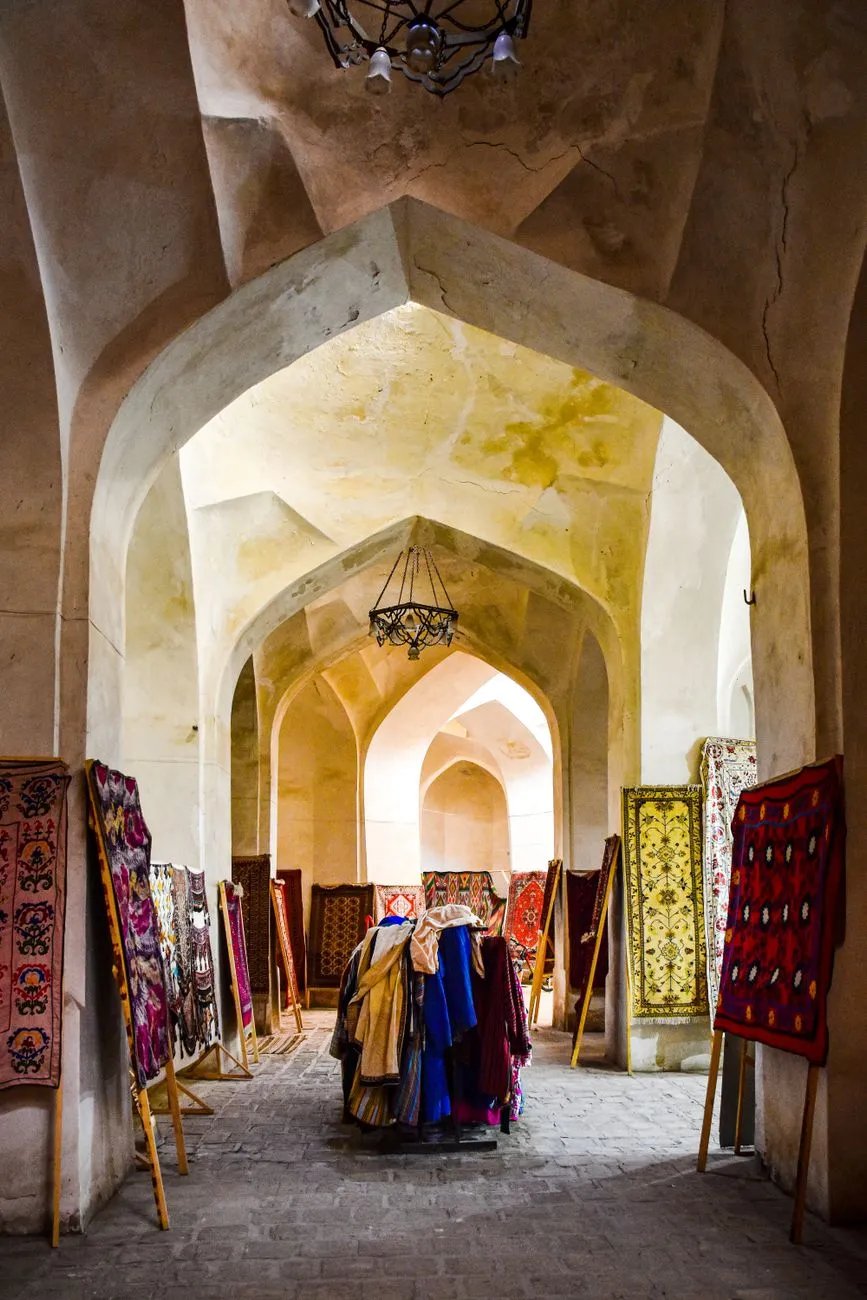
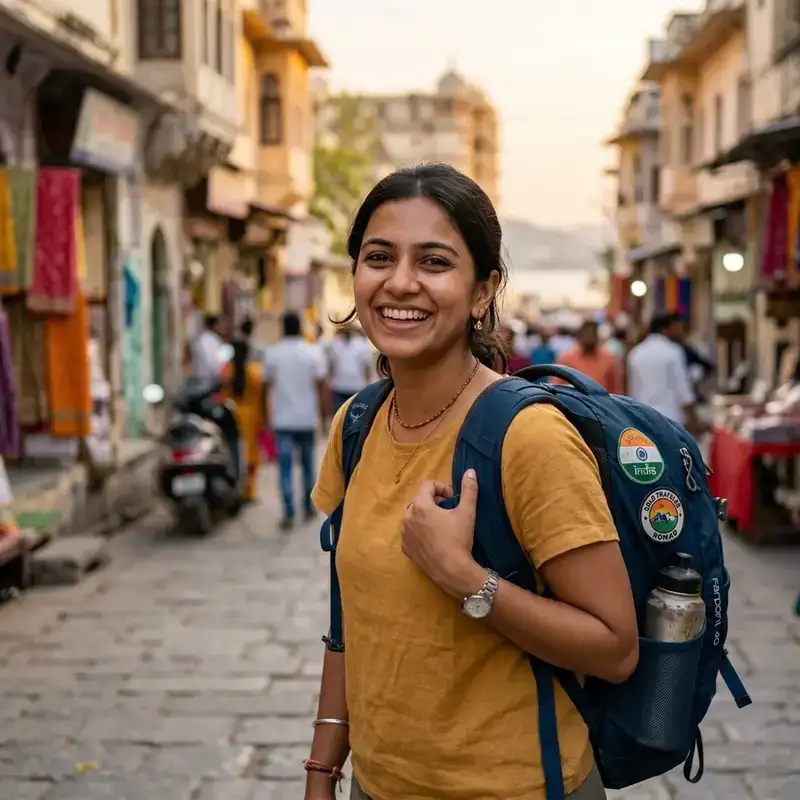
The Silk Road was never a single highway; it was a living network of oases, mountain passes, and bustling markets stitched together by the humble caravanserai. These fortified inns offered shelter, fresh water, and a place to trade news as readily as silk, spices, or ideas. Today, the stone arches of those waystations still stand across Uzbekistan, Kyrgyzstan, Kazakhstan, Turkmenistan, and Tajikistan, inviting modern travelers to step into a narrative that spans millennia. Whether you are a history‑obsessed backpacker, a digital nomad chasing reliable Wi‑Fi in a courtyard of turquoise tiles, or a photographer hunting the perfect light on a domed roof, the surviving caravanserais deliver an authentic pulse of the past that no museum replica can replicate. Whispers of the Dunes: Khiva’s Living MuseumKhiva, a UNESCO World Heritage site, feels less like a city and more like a time capsule from the Silk Road era. The inner fortress, Ichan Kala, houses a cluster of restored caravanserais that once accommodated camel caravans laden with Chinese porcelain and Persian carpets. The most iconic, the Kalta Minor Minaret complex, includes a vaulted courtyard where merchants tethered their beasts beneath a canopy of blue‑glazed bricks. Walking the narrow lanes, you can still see the original “suv” (water) channels that fed both humans and animals, a hydraulic ingenuity that predates modern plumbing by centuries. For the digital nomad, Khiva offers a rare blend of atmosphere and connectivity. According to Numbeo’s crowdsourced data, a modest one‑bedroom apartment in the historic centre rents for roughly $250‑$300 per month, while a high‑speed internet package averages $15‑$20. Cafés tucked into former caravanserai cells serve strong Uzbek coffee and reliable Wi‑Fi, making deep‑work sessions feel like a scholarly retreat. Safety scores on Numbeo place Khiva well above the regional average, with a crime index below 20, so evening strolls through the moonlit arches are both inspiring and secure. Beyond the main tourist circuit, the Kunya‑Ark Citadel houses a lesser‑known caravanserai that now functions as a craft workshop. Artisans demonstrate silk‑weaving techniques unchanged since the 14th century, and visitors can purchase hand‑loomed fabrics directly from the loom. The site’s preservation plan, funded jointly by the Uzbek government and UNESCO, emphasizes adaptive reuse—keeping the stones alive with contemporary purpose rather than fossilizing them behind glass. Practical tip: Arrive early (before 9 am) to avoid tour groups and capture the courtyard’s geometric shadows at their sharpest. A local guide can unlock the “hidden hammam” beneath the main hall, a subterranean bathhouse once reserved for high‑ranking merchants. Bring a reusable water bottle; the ancient “suv” channels still run, and the water is potable after a quick filter. Stone Sentinels of the Steppe: Tash Rabat and the Kyrgyz HighlandsPerched at 3,200 meters on the ancient “Great Silk Road” branch that linked Kashgar to Lake Issyk‑Kul, Tash Rabat is a stone‑built caravanserai that feels more like a fortress than an inn. Its massive basalt walls, each over a meter thick, enclose a central courtyard flanked by 31 vaulted chambers—each designed to house a merchant, his goods, and a pair of camels. The structure’s orientation follows the cardinal points, a deliberate design that maximized solar gain in winter and shade in summer. Reaching Tash Rabat requires a 4‑hour drive from Naryn on a partially paved mountain road that climbs through the “Kyzyl‑Art” pass. The journey itself is a pilgrimage: yurts dot the valleys, herders wave from horseback, and the air carries the scent of juniper and fermented mare’s milk (kumis). Numbeo lists Naryn’s cost of living at roughly $350‑$400 per month for a modest lifestyle, with internet packages around $25—slightly higher than Khiva due to the remote terrain. The caravanserai’s interior remains remarkably intact. Archaeologists have uncovered “tandoor” ovens, grain silos, and a sophisticated “qanat” drainage system that channeled meltwater away from the sleeping quarters. Recent restoration, financed by the World Monuments Fund, replaced collapsed roof sections with locally quarried stone, preserving the original “corbelled” vaulting technique. Visitors can now spend a night in a restored chamber, sleeping on felt mats while the wind whistles through the stone lintels—a rare chance to experience the Silk Road as a traveler, not a spectator. For those planning a multi‑day trek, the nearby “Kara‑Kul” lake offers a high‑altitude campsite with basic facilities. Local tour operators provide “horse‑back” packages that follow the historic caravan trail to “Kashgar” (now in China), though border permits are required. Digital nomads should note that mobile coverage is spotty; a satellite hotspot is advisable if uninterrupted connectivity is essential. Blueprint of Hospitality: Bukhara’s Timeless InnsBukhara, the “City of a Thousand Minarets,” boasts a concentration of caravanserais unmatched anywhere on the route. The “Caravanserai of Sayfuddin” (also known as “Tim‑Abdullah”) sits directly opposite the “Kalyan Minaret”, its massive wooden gates still swinging on iron hinges forged in the 16th century. Inside, a double‑height arcade runs the length of the courtyard, each bay once rented to a different guild—spice merchants, textile traders, metalworkers—creating a micro‑economy that mirrored the macro‑trade of the Silk Road. Modern Bukhara has leveraged this heritage for tourism without sacrificing authenticity. The “Bukhara Silk Road Festival” each May transforms the caravanserai courtyards into open‑air galleries, where calligraphers, miniature painters, and “dutar” musicians perform. Numbeo data shows a comfortable one‑bedroom in the old town averages $300‑$350, while coworking spaces like “Silk Hub” charge $80‑$100 per month for a dedicated desk and high‑speed fiber. A hidden gem lies beneath the “Mir-i-Arab Madrasa”: a subterranean “sardoba” (water reservoir) that once supplied the entire caravanserai complex. Guided tours reveal the “karez” engineering—vertical shafts linked by gently sloping tunnels—that transported groundwater from the “Zarafshan” mountains over 30 kilometers. The system’s resilience is a testament to the hydraulic mastery that sustained desert commerce for centuries. Food lovers should not miss the “Plov” prepared in a “kazan” (cast‑iron cauldron) within the caravanserai’s communal kitchen. The recipe, passed down through generations of “oshpaz” (master chefs), includes “devzira” rice, “quince”, and a secret blend of “cumin, coriander, and barberries”. Sharing a plate with local artisans offers a direct line to the oral histories that no guidebook can capture. Crossroads of Empires: Samarkand’s Merchant HallsSamarkand’s “Registan” square is framed by three madrasas, but tucked behind the “Sher‑Dor” façade lies the “Caravanserai of the Silk Merchants”, a sprawling complex that once housed up to 500 camels. Its layout follows a “four‑iwan” plan—four vaulted halls opening onto a central courtyard—allowing separate zones for “wholesale”, “retail”, “storage”, and “rest”. The “iwan” arches are adorned with “muqarnas” (stalactite vaulting) that diffuse sunlight into a soft, golden glow, a design later echoed in Mughal architecture across the subcontinent. Today, the complex hosts the “International Craft Center”, where master ceramists fire “blue‑white” tiles using the same “cobalt” pigments that colored the “Bibi‑Khanym Mosque” dome. Numbeo lists Samarkand’s average rent for a centrally located apartment at $350‑$420, with internet at $18‑$22. The city’s “Silk Road Co‑Working” space, housed in a restored caravanserai wing, offers $90 monthly memberships and a community of freelance developers, translators, and travel writers. A practical itinerary for a two‑day deep dive: Day 1 – morning tour of the “Ulugbek Observatory”, then lunch at the caravanserai’s “chaikhana” (tea house) sampling “shashlik” grilled over apricot Related InsightsExploring the Aegean Coast Svalbard: Arctic Adventures Beyond the Northern Lights – A Remote Paradise for Explorers and Digital Nomads (Part 2) Rusting Rails of the Sahara: The Forgotten Iron Spine of a Colonial Dream{ "@context": "https://schema.org", "@type": "FAQPage", "mainEntity": [ { "@type": "Question", "name": "What is the main focus of The Silk Road Rediscovered: Navigating the Ancient Caravanserais of Central Asia?", "acceptedAnswer": { "@type": "Answer", "text": "Journey through the restored caravanserais that once powered the world’s greatest trade route, with practical tips, cost insights, and hidden gems." } }, { "@type": "Question", "name": "Who authored the comprehensive guide on The Silk Road Rediscovered: Navigating the Ancient Caravanserais of Central Asia?", "acceptedAnswer": { "@type": "Answer", "text": "This detailed article and its insights were carefully researched and authored by Aisha Sharma." } }, { "@type": "Question", "name": "Where can I find more related content about Travel?", "acceptedAnswer": { "@type": "Answer", "text": "You can explore more articles, detailed reviews, and similar insights by browsing the Related Insights section at the bottom of this article or visiting our dedicated Travel category page." } } ] }
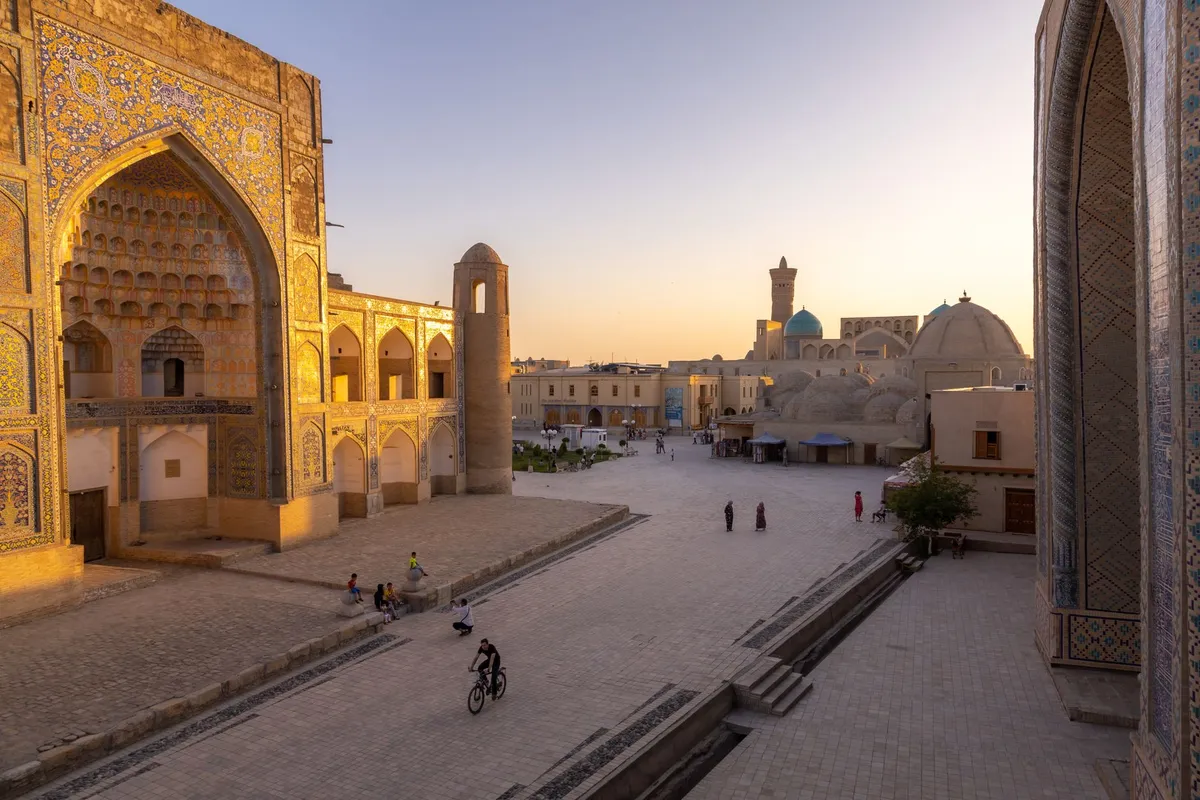

Where Time Stands Still: The Timeless Allure of Uzbekistan’s Silk Road The first light of dawn spills over the turquoise domes of Registan Square in Samarkand, casting golden reflections on the mosaic tiles that have witnessed centuries of caravans, scholars, and emperors. This is not a scene from a history book—it is the living heartbeat of Uzbekistan, a country where the past breathes through every brick of its ancient cities and the future hums in the air-conditioned cafes of Tashkent. Here, on the legendary Silk Road, time does not merely pass; it lingers, inviting travelers to step into a world where the echoes of Genghis Khan’s horsemen mix with the clatter of modern high-speed trains. Uzbekistan is more than a destination; it is an awakening. Once the crossroads of empires, it now stands as Central Asia’s most accessible and rapidly modernizing jewel, offering an unparalleled blend of heritage, affordability, and innovation. With a cost of living 65% lower than the United States—including rent—and a brand-new digital nomad visa launched in 2026, this is the moment to explore a land where the Silk Road’s legacy is being rewritten in real time.From Caravans to Code: How Uzbekistan is Rewriting Its Future For centuries, the Silk Road was the world’s greatest trade network, a labyrinth of routes connecting China to the Mediterranean, carrying silk, spices, and ideas. Today, Uzbekistan is reclaiming its role—not as a mere stop on the old route, but as a global hub for the new economy. The government’s ambitious reforms, launched in 2020, have transformed the country into a magnet for expats, digital nomads, and investors. Visa policies have been liberalized, with a 1-year digital nomad visa now available for remote workers earning as little as $1,500 per month. This is not just tourism; it’s a lifestyle revolution. The numbers tell the story. A single person can live comfortably in Tashkent for just $508.70 per month, while a family of four manages on $1,869.90—excluding rent. Compare that to the U.S., where the same expenses would cost nearly three times as much. But affordability is only part of the equation. Uzbekistan’s infrastructure is undergoing a renaissance. The Tashkent Metro, with its Soviet-era grandeur and modern efficiency, now connects to a high-speed rail network linking major cities. The new Tashkent International Airport, expanded in 2025, serves as a gateway to Central Asia, with direct flights to Istanbul, Dubai, and beyond. Yet, the true magic lies in the balance. While Tashkent’s skyline boasts glass towers and co-working spaces, the ancient cities of Bukhara, Khiva, and Samarkand remain frozen in time. Here, 15th-century madrasahs stand beside boutique hotels, and horse-drawn carriages share the streets with electric scooters. It’s a juxtaposition that defines modern Uzbekistan: a nation that honors its past while sprinting toward the future.The Three Crown Jewels: Samarkand, Bukhara, and Khiva No journey along the Silk Road is complete without wandering the labyrinthine streets of Uzbekistan’s three most iconic cities. Each is a UNESCO World Heritage Site, a living museum where history is not just preserved but celebrated. Samarkand: The Jewel of Timur’s Empire Samarkand is where the Silk Road’s grandeur is most vividly on display. Founded in the 6th century BCE, it became the capital of the Timurid Empire in the 14th century, under the rule of the legendary conqueror Amir Timur. His legacy is etched into every corner: the Registan Square, a trio of madrasahs (Ulugh Beg, Sher-Dor, and Tilya-Kori) whose turquoise domes and intricate tilework defy description; the Gur-e-Amir Mausoleum, the final resting place of Timur himself; and the Shah-i-Zinda necropolis, a street of mausoleums glowing in cobalt and azure. But Samarkand is not a relic. The city’s new Museum of Timurid History, opened in 2024, uses augmented reality to bring the past to life, while the Afrasiab Museum showcases 2,700-year-old frescoes uncovered from the ancient Sogdian settlement. For food lovers, the Siyob Bazaar offers a sensory overload of fresh fruits, spices, and the legendary non (Uzbek bread), baked in clay ovens. And when the sun sets, the city transforms into a hub of modern Uzbek cuisine, where traditional plov (rice pilaf) meets farm-to-table dining at restaurants like Plov Center. Bukhara: The Scholar’s Paradise If Samarkand is the empire’s crown, Bukhara is its soul. This 2,500-year-old city was a center of Islamic learning, home to over 200 madrasahs at its peak. The Ark of Bukhara, a fortress-palace dating back to the 5th century, was the residence of Bukhara’s emirs for nearly a millennium. Nearby, the Kalon Minaret, built in 1127, has survived earthquakes and invasions, standing as a testament to Bukhara’s resilience. The city’s charm lies in its intimacy. Unlike the grand squares of Samarkand, Bukhara’s streets are narrow and winding, lined with artisan workshops where potters, weavers, and jewelers practice age-old crafts. The Lyab-i Hauz plaza, with its 16th-century madrasahs and the ancient Hauz-i-Khan pond, is the perfect place to sip green tea and watch the world go by. For a taste of Bukhara’s culinary heritage, try samsa (meat pies) from a street vendor or dine at Chashmai Mirob, a restaurant serving dishes like manti (steamed dumplings) and shurpa (lamb soup). Khiva: The Open-Air Museum Khiva is a city straight out of a fairy tale. Enclosed within its 10-meter-high walls, the Itchan Kala (Inner City) is a UNESCO site where every building seems to whisper stories of the Silk Road. The Kuhna Ark fortress, once the residence of Khiva’s khans, offers panoramic views of the city, while the Islam Khodja Minaret, the tallest in Central Asia, provides a vantage point over the desert horizon. Khiva’s magic is in its authenticity. Unlike Samarkand and Bukhara, which have seen modern development, Khiva retains a timeless quality. The wooden caravanserais, the intricate tilework of the Juma Mosque, and the eerie silence of the Muhammad Amin Khan Madrasah at dusk create an atmosphere of suspended time. For a truly immersive experience, stay in a chaikhana (tea house) within the old city, where the walls are lined with centuries-old manuscripts and the scent of somsa fills the air.Beyond the Cities: The Hidden Gems of Uzbekistan’s Countryside While Samarkand, Bukhara, and Khiva are the stars, Uzbekistan’s true soul often lies in its lesser-known corners. Venture beyond the tourist trail, and you’ll discover a land of emerald valleys, snow-capped peaks, and nomadic traditions that have survived for millennia. The Nurata Mountains and Aydarkul Lake Nestled in the Kyzylkum Desert, the Nurata Mountains are a haven for hikers and history buffs. The ruins of the ancient fortress of Nur, built by Alexander the Great, overlook the vast Aydarkul Lake, a shimmering expanse of turquoise water where flamingos and pelicans nest. The nearby village of Nurata is a gateway to the yurt camps of the Kyrgyz nomads, where travelers can experience traditional beshbarmak (horse meat noodles) and kumis (fermented mare’s milk) under the stars. The Chimgan Mountains and Beldersay Ski Resort Just an hour from Tashkent, the Chimgan Mountains offer a surprising escape into alpine landscapes. In winter, Beldersay Ski Resort attracts skiers and snowboarders, while in summer, the meadows burst with wildflowers. The nearby Charvak Reservoir is a popular spot for kayaking and picnics, with the backdrop of the Ugam Range providing a dramatic setting. The Aral Sea: A Cautionary Tale and a Symbol of Hope The Aral Sea, once the world’s fourth-largest lake, is a stark reminder of environmental mismanagement. But Uzbekistan is fighting back. The Nukus Museum of Art, home to the avant-garde Savitsky Collection, and the nearby Aralkum Desert offer a poignant look at the region’s ecological challenges—and its resilience. Projects like the restoration of the Amu Darya Delta are slowly bringing life back to the area, making it a powerful destination for eco-tourists.A Taste of the Silk Road: Uzbekistan’s Culinary Odyssey To travel the Silk Road is to taste it. Uzbek cuisine is a fusion of Persian, Turkic, and Chinese influences, a reflection of the region’s history as a crossroads of cultures. At its heart is plov, the national dish, a fragrant rice pilaf cooked with lamb, carrots, and onions in a kazan (cauldron). But Uzbek food is so much more than plov. The Bread of Life: Non No meal in Uzbekistan begins without non, the round, crusty bread baked in clay ovens. The process of making non is an art form, with each baker having their own secret recipe. In Bukhara, the non from the Lyab-i Hauz bakery is legendary, while in Tashkent, the Chorsu Bazaar offers a dizzying array of varieties, from sesame-studded non to sweet non flavored with cardamom. Manti and Samsa: The Dumpling Delights Manti are steamed dumplings filled with minced lamb, onions, and pumpkin, served with a dollop of sour cream and garlic sauce. Samsa, on the other hand, are baked in a tandoor (clay oven), with a flaky crust and juicy filling. In Khiva, the samsa from the local market is a must-try, while in Samarkand, the manti at Plov Center are a revelation. Shorpa and Lagman: Hearty Stews and Noodles Shurpa is a lamb soup slow-cooked with vegetables and herbs, while lagman is a hand-pulled noodle dish with a rich beef broth and chunks of meat. Both are perfect for Uzbekistan’s chilly winters, and both are best enjoyed in a chaikhana (tea house) with a pot of green tea. Sweet Treats: Halva and Chak-chak No Uzbek meal is complete without dessert. Halva comes in two varieties: halva-yassi (a dense, nutty bar) and halva-kand (a crumbly, sweet confection). Chak-chak, a pyramid of fried dough balls drenched in honey, is a favorite at celebrations. In Tashkent, the Halva Museum offers a deep dive into the history of this beloved treat.Uzbek Dish Description Average Cost (USD)Plov Rice pilaf with lamb, carrots, onions $3.50 - $5.00Manti Steamed dumplings with lamb $2.00 - $3.50Samsa Baked meat pies $1.50 - $2.50Shurpa Lamb soup with vegetables $4.00 - $6.00Lagman Hand-pulled noodles with beef $5.00 - $7.00Non Traditional Uzbek bread $0.50 - $1.00Halva Nutty or crumbly sweet $2.00 - $4.00Living the Dream: The Digital Nomad’s Guide to Uzbekistan Uzbekistan is not just a place to visit—it’s a place to live. With the launch of its digital nomad visa in 2026, the country has positioned itself as a top destination for remote workers seeking adventure without sacrificing comfort. Here’s what you need to know to make the move. Visa Requirements and Costs The digital nomad visa is valid for 1 year and can be extended for another year. To qualify, you’ll need to show proof of remote income (minimum $1,500 per month) and health insurance. The visa fee is $200, and the application process is straightforward, with e-visa options available for many nationalities. Where to Live: Tashkent vs. The Ancient Cities Tashkent is the obvious choice for those who want a modern lifestyle. The city offers co-working spaces like Smart Point and Idea Space, high-speed internet, and a vibrant expat community. Rent for a 1-bedroom apartment in the city center averages $300-$500 per month, while a 3-bedroom apartment costs $600-$900. For those seeking a slower pace, the ancient cities offer a different kind of luxury. In Samarkand, a modern apartment with views of Registan Square can be rented for $400-$600 per month, while in Bukhara, you can find charming guesthouses for $25-$50 per night. The cost of living in these cities is even lower, with meals at local restaurants costing as little as $3-$5. Internet and Connectivity Uzbekistan’s internet infrastructure has improved dramatically in recent years. Tashkent and the major cities have 4G coverage, while fiber-optic internet is available in most urban areas. For remote workers, UzMobile and Beeline offer affordable data plans, and co-working spaces provide high-speed Wi-Fi. Healthcare and Safety Uzbekistan’s healthcare system is a mix of public and private facilities. Expats typically opt for private health insurance, which costs around $50-$100 per month. The country is generally safe, with low crime rates and a welcoming attitude toward foreigners. However, it’s always wise to take standard precautions, such as avoiding poorly lit areas at night. Cultural Etiquette and Language Uzbekistan is a Muslim-majority country, and while it is secular and tolerant, it’s important to respect local customs. Dress modestly in religious sites, and avoid public displays of affection. The official language is Uzbek, but Russian is widely spoken, and English is becoming more common, especially in tourist areas. Learning a few phrases in Uzbek, such as Salom (Hello) and Rahmat (Thank you), will go a long way in making connections.The Silk Road’s New Chapter: Why Now is the Time to Visit Uzbekistan is at a crossroads—not just geographically, but culturally and economically. The country’s efforts to modernize while preserving its heritage have created a unique opportunity for travelers and expats alike. The digital nomad visa, the ultra-low cost of living, and the country’s rich history make it a destination like no other. But beyond the practicalities, there’s something intangible about Uzbekistan that draws people in. It’s the feeling of walking through the Registan at dawn, the taste of plov cooked over an open fire, the warmth of a stranger’s smile in a chaikhana. It’s the realization that the Silk Road is not just a relic of the past—it’s a living, breathing entity, and Uzbekistan is its guardian. So, whether you’re a history buff, a foodie, a digital nomad, or simply someone in search of adventure, Uzbekistan awaits. The Silk Road is calling.#SilkRoadRevival #UzbekistanTravel #DigitalNomadParadise Related InsightsMud‑Brick Horizons: Documenting the Architectural Soul of Djenné and Timbuktu Azure Horizons and Fragile Ecosystems: The Maldives Reality Check L'Odyssée du Continent Austral : Entre Terres Rouges, Récifs d'Azur et Horizon Infini{ "@context": "https://schema.org", "@type": "FAQPage", "mainEntity": [ { "@type": "Question", "name": "What is the main focus of The Silk Road Revival: Uzbekistan’s Ancient Cities and Modern Wonders?", "acceptedAnswer": { "@type": "Answer", "text": "Discover Uzbekistan’s breathtaking Silk Road cities, ultra-low cost of living, and a brand-new digital nomad visa that’s transforming Central Asia into a traveler’s paradise." } }, { "@type": "Question", "name": "Who authored the comprehensive guide on The Silk Road Revival: Uzbekistan’s Ancient Cities and Modern Wonders?", "acceptedAnswer": { "@type": "Answer", "text": "This detailed article and its insights were carefully researched and authored by Mark Dinn." } }, { "@type": "Question", "name": "Where can I find more related content about Travel?", "acceptedAnswer": { "@type": "Answer", "text": "You can explore more articles, detailed reviews, and similar insights by browsing the Related Insights section at the bottom of this article or visiting our dedicated Travel category page." } } ] }
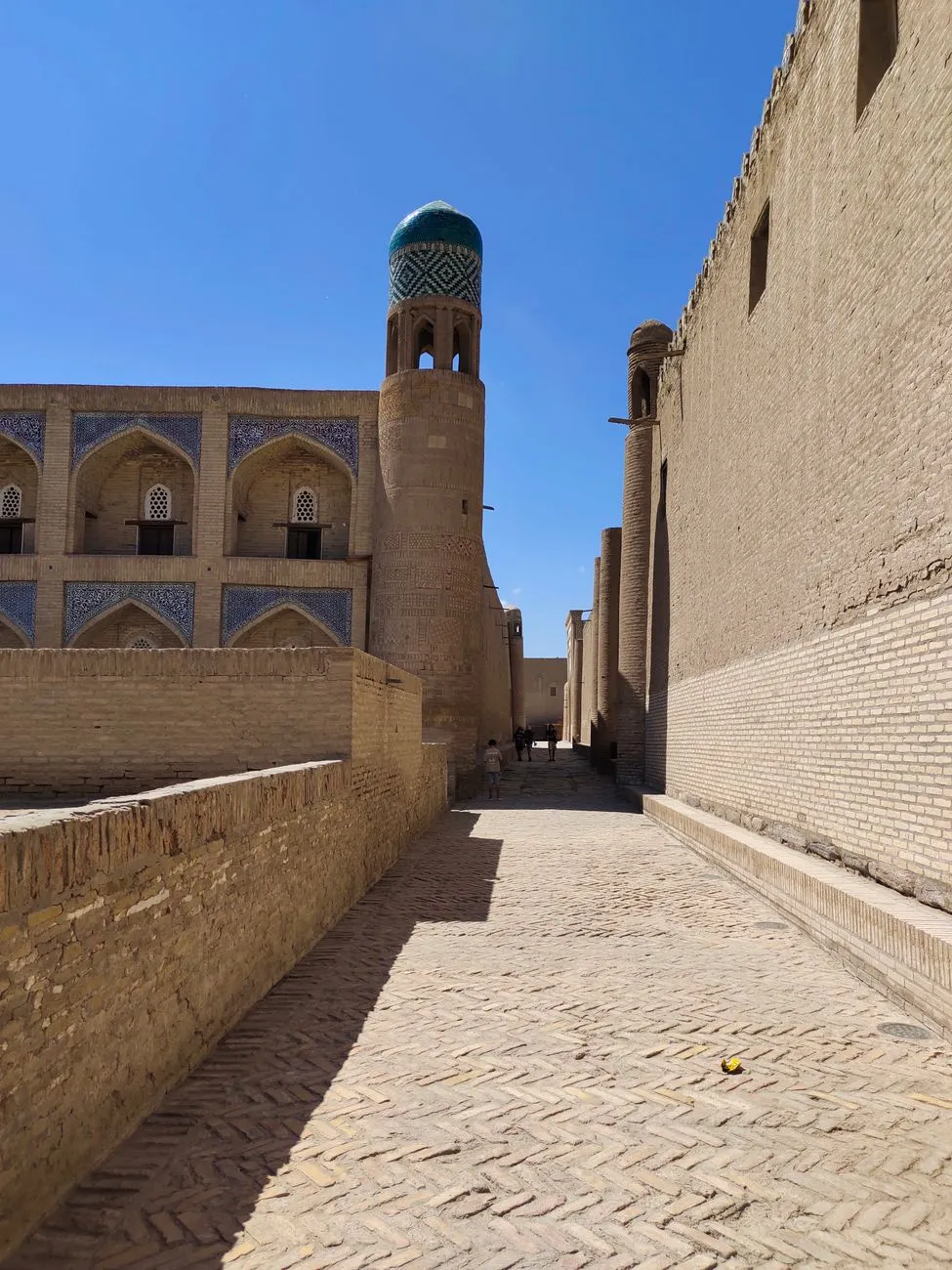

This is Part 2 of the series. Read Part 1 here.The Desert Caravanserai: A Rest Stop for Travelers Khiva’s caravanserais, like the Kutlug Murad Inak Madrasa, were once bustling rest stops for Silk Road travelers and their camels. Today, they house artisan workshops and guesthouses, where visitors can experience traditional Uzbek hospitality. The Khan’s Bathhouse, a 19th-century hammam, offers a chance to relax in a setting that has remained unchanged for centuries. Khiva’s Modern Face: A Hub for Art and Culture While Khiva’s ancient sites are its main attraction, the city is also embracing modernity. The Khiva Silk Carpet Museum showcases the artistry of Uzbek weavers, while the Khiva Art Gallery features contemporary works inspired by the city’s history. For digital nomads, guesthouses like Orient Star Khiva offer reliable Wi-Fi and a quiet workspace, making it easy to explore the city’s wonders while staying connected. Khiva is a place where time seems to have stopped. It’s a city where the desert wind whispers stories of caravans and kings, where every brick holds a secret, and where the spirit of the Silk Road lives on in the most unexpected ways.4. Tashkent: Uzbekistan’s Cosmopolitan Capital While Samarkand, Bukhara, and Khiva dazzle with their ancient charm, Tashkent is Uzbekistan’s modern face—a bustling metropolis where Soviet-era grandeur meets Central Asian tradition. With a population of over 3 million, Tashkent is the country’s cultural, economic, and political heart. It’s a city of wide boulevards, green parks, and futuristic architecture, where the past and future coexist in harmony. Chorsu Bazaar: The Soul of Tashkent Chorsu Bazaar is one of the largest and oldest markets in Central Asia, a labyrinth of stalls selling everything from fresh produce to handmade ceramics. The bazaar’s iconic blue dome, supported by 12 massive columns, is a landmark of Tashkent. Here, you can sample non (Uzbek flatbread), samsa (meat pies), and choy (tea) while bargaining with friendly vendors. The market is a sensory overload—colors, smells, and sounds collide in a symphony of Uzbek life. Khast Imam Complex: A Treasure Trove of Islamic Art The Khast Imam Complex is a spiritual and cultural hub, home to the Uthman Quran, one of the oldest and most revered copies of the Quran in the world. The complex includes the Barak-Khan Madrasa, the Tilla Sheikh Mosque, and the Muyi Muborak Library, which houses rare manuscripts and artifacts. The intricate tilework and calligraphy of the complex are a testament to Uzbekistan’s deep Islamic heritage. Amir Timur Square: A Monument to a Conqueror Amir Timur Square is the heart of Tashkent, a vast plaza dominated by a towering statue of the legendary conqueror. The square is surrounded by government buildings, museums, and the Navruz Palace, a modern structure that hosts cultural events. The Amir Timur Museum offers a deep dive into the life and legacy of Timur, while the Fine Arts Museum of Uzbekistan showcases the country’s rich artistic traditions. Tashkent’s Modern Wonders Tashkent is also a city of innovation. The Tashkent Metro, with its marble stations and Soviet-era mosaics, is a marvel of engineering and design. The Tashkent Tower, one of the tallest structures in Central Asia, offers panoramic views of the city. For digital nomads, co-working spaces like Smart Point provide high-speed internet and a community of like-minded professionals. Cafés like Café Loft serve up artisanal coffee and Uzbek fusion dishes, while the Tashkent City business district is a hub of modern commerce. Green Spaces and Urban Oases Despite its urban sprawl, Tashkent is a green city, with parks like Bog’i Erkinlik and Alisher Navoi Park offering a respite from the hustle and bustle. The Tashkent Botanical Garden is a haven for nature lovers, with over 3,000 species of plants from around the world. The city’s wide boulevards, lined with trees and fountains, make it easy to explore on foot or by bike. Tashkent is a city of contrasts—where Soviet-era buildings stand alongside modern skyscrapers, where ancient traditions meet cutting-edge innovation. It’s a place where the past and future collide, and where the spirit of Uzbekistan’s resilience and creativity shines through.5. Practical Travel Guide: Budget, Visa, and Digital Nomad Life in Uzbekistan Uzbekistan is not just a destination for history lovers—it’s also a paradise for budget travelers and digital nomads. With its ultra-affordable cost of living, fast-growing visa program, and modern infrastructure, the country is quickly becoming a hotspot for remote workers and explorers alike. Here’s everything you need to know to plan your trip, from visas to budgets, healthcare, and beyond. Visa Requirements: Easy Entry for Most Travelers Uzbekistan has made significant strides in simplifying its visa process. As of 2026, citizens of over 80 countries, including the US, UK, EU, Canada, Australia, and Japan, can enter Uzbekistan visa-free for up to 30 days. For longer stays, a tourist visa (valid for up to 30 days) can be obtained online via the e-Visa portal, with processing taking just 3 business days. For digital nomads, a 1-year multiple-entry visa is available for those who can prove remote work or business ties in Uzbekistan. Cost of Living: Affordable Luxury Uzbekistan is one of the most affordable destinations in the world, with a cost of living significantly lower than in Western Europe or North America. According to Numbeo, a single person can live comfortably in Tashkent or Samarkand on $800–$1,200 per month, while a couple can manage on $1,200–$1,800. Here’s a breakdown of typical expenses:Expense Category Cost (USD)Rent (1-bed apartment) $200–$400/monthUtilities (electricity, water, gas) $50–$100/monthGroceries $100–$200/monthDining out (mid-range restaurant) $5–$15/mealPublic transport (monthly pass) $10–$20SIM card (1 month, unlimited data) $5–$10Coworking space (monthly membership) $50–$150Accommodation: From Guesthouses to Boutique Hotels Uzbekistan offers a range of accommodation options to suit every budget:Guesthouses (1–2 stars): $15–$30/night – A great way to experience Uzbek hospitality, often run by local families. Boutique hotels (3–4 stars): $50–$100/night – Stylish, centrally located, and often housed in historic buildings. Modern apartments (Airbnb): $30–$80/night – Ideal for digital nomads seeking privacy and comfort. Luxury hotels (5 stars): $150–$300/night – For those seeking high-end amenities, like the Hyatt Regency Tashkent or Lotte City Hotel Samarkand.Healthcare: Reliable and Affordable Uzbekistan’s healthcare system has improved significantly in recent years, with modern hospitals and clinics in major cities. For digital nomads, international health insurance is highly recommended. The cost of a doctor’s visit ranges from $10–$30, while a night in a private hospital is around $50–$100. Pharmacies are widely available, and medications are generally affordable. Transportation: Getting Around Easily Uzbekistan’s transportation network is efficient and affordable:Domestic flights: Tashkent to Samarkand or Bukhara costs $50–$100 one-way. High-speed train (Afrosiyob): Tashkent to Samarkand in 2 hours for $25–$40. Marshrutkas (shared minivans): $2–$5 for short trips between cities. Taxis (Yandex.Taxi): $5–$15 for city rides. Bicycle rentals: $5–$10/day – A great way to explore cities like Bukhara and Khiva.Digital Nomad Life: Work, Wi-Fi, and Community Uzbekistan is rapidly becoming a digital nomad hotspot, thanks to its digital nomad visa, affordable cost of living, and growing community of remote workers. Here’s what to expect:Internet: Uzbekistan has 4G coverage across the country, with speeds averaging 20–50 Mbps. Major cities like Tashkent, Samarkand, and Bukhara have fiber-optic internet in most cafes and co-working spaces. Co-working spaces: Impact Hub Samarkand – $10/day or $100/month. Smart Point Tashkent – $8/day or $80/month. Coworking.uz Bukhara – $5/day or $50/month.Community: Facebook groups like Digital Nomads Uzbekistan and Expat Tashkent are great for networking and tips.Safety and Cultural TipsSafety: Uzbekistan is generally safe, with low crime rates. Petty theft can occur in tourist areas, so keep an eye on your belongings. Dress code: Uzbekistan is a Muslim-majority country, but it’s relatively liberal. Dress modestly in religious sites (cover shoulders and knees), but Western clothing is fine in cities. Language: Uzbek and Russian are the main languages, but English is spoken in tourist areas and by younger generations. Currency: The Uzbek som (UZS) is the local currency. $1 USD ≈ 12,500 UZS (as of 2026). Credit cards are accepted in major hotels and restaurants, but cash is king in markets and small shops.Uzbekistan is a destination that rewards curiosity, patience, and an open mind. Whether you’re exploring ancient cities, working remotely in a cozy café, or bargaining in a bustling bazaar, the country offers an experience that is as enriching as it is affordable.The Silk Road is not just a relic of the past—it’s a living, breathing thread that connects Uzbekistan’s ancient cities to a vibrant present. From the turquoise domes of Samarkand to the labyrinthine alleys of Bukhara, the desert jewel of Khiva, and the cosmopolitan energy of Tashkent, this country is a testament to the enduring power of history, culture, and human connection. Uzbekistan is more than a destination; it’s an invitation to step into a world where the past and future coexist, where every brick tells a story, and where the spirit of the Silk Road lives on in the most unexpected ways. Whether you’re a history buff, a digital nomad, a foodie, or simply someone seeking beauty in the unexpected, Uzbekistan offers a journey that will leave you inspired, enriched, and longing to return. So pack your bags, grab your passport, and set out on the adventure of a lifetime. The Silk Road is waiting.#SilkRoadRevival #UzbekistanTravel #CentralAsiaAdventure #CulturalJourney #DigitalNomadLife Related InsightsIceland's Golden Circle: Unveiling the Land of Fire and Ice Arctic Circle Digital Nomadism: Building Connectivity in Greenland's Remote Towns Fairy Tale Châteaux: A Journey Through the Loire Valley{ "@context": "https://schema.org", "@type": "FAQPage", "mainEntity": [ { "@type": "Question", "name": "What is the main focus of The Silk Road Revival: Uzbekistan’s Ancient Cities and Modern Wonders (Part 2)?", "acceptedAnswer": { "@type": "Answer", "text": "Step into the heart of Central Asia and rediscover the Silk Road through Uzbekistan’s breathtaking cities, where 3,000 years of history meet vibrant modernity and ultra-affordable living." } }, { "@type": "Question", "name": "Who authored the comprehensive guide on The Silk Road Revival: Uzbekistan’s Ancient Cities and Modern Wonders (Part 2)?", "acceptedAnswer": { "@type": "Answer", "text": "This detailed article and its insights were carefully researched and authored by Wei Chen." } }, { "@type": "Question", "name": "Where can I find more related content about Travel?", "acceptedAnswer": { "@type": "Answer", "text": "You can explore more articles, detailed reviews, and similar insights by browsing the Related Insights section at the bottom of this article or visiting our dedicated Travel category page." } } ] }
-
 John Explorer
 - 05 Jul, 2026 20:45
Beyond Merv's Veil: Unearthing Turkmenistan's Ghost Oases of the Silk Road
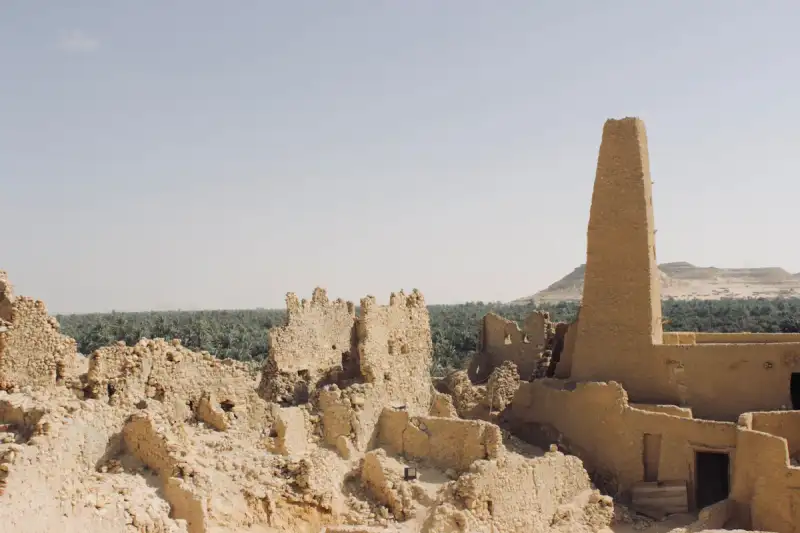
The desert, they say, remembers. It doesn't forgive, nor does it forget. For millennia, the vast, unforgiving expanse of the Karakum in Turkmenistan has been a canvas for human ambition, a crucible for civilization. Cities rose from its sandy embrace, glittering beacons of trade and culture, only to be swallowed whole by the relentless dunes and the unforgiving march of time. We speak of the Silk Road, of course, but not of its most celebrated pearls like Samarkand or Bukhara. Instead, I invite you on an odyssey into the very heart of its forgotten narrative, to the ghost oases of Turkmenistan, places where the wind still whispers tales of empires and caravans long vanished, far beyond the well-trodden routes, beyond even the magnificent Merv. To truly understand Turkmenistan's role in the Silk Road saga is to strip away the romanticized notions of bustling bazaars and grand imperial courts, and to confront the raw, visceral reality of survival and commerce in one of Earth's most challenging landscapes. This isn't a trip for the faint of heart or the casual tourist. This is an expedition into a past so profound, so deeply buried beneath the sands, that it demands a certain reverence, a willingness to shed modern comforts and embrace the stark beauty of desolation. My quest began with a nagging question: what secrets lie beyond the commonly recognized archaeological sites, in the deepest, most inaccessible corners of the Karakum? What echoes of forgotten glory could still be found, standing testament to an audacity of spirit that once dared to tame the desert? The Karakum's Embrace: A Sculptor of Empires The Karakum, meaning "Black Sand" in Turkic languages, is one of the world's largest deserts, covering an astonishing 70% of Turkmenistan's territory. It is a land of extremes: searing summer heat, biting winter winds, and an almost complete absence of surface water. Yet, it was precisely this unforgiving nature that shaped the unique character of its ancient civilizations. Water, or the lack thereof, was the ultimate arbiter of destiny. Where ancient rivers like the Oxus (Amu Darya) or the Murghab once fanned out into sprawling deltas, or where underground qanat systems could be engineered, life flourished, giving birth to cities that rivaled any in the ancient world. The Silk Road through Turkmenistan wasn't a single highway but a labyrinth of routes, constantly shifting with political tides, water sources, and the caprices of tribal allegiances. Caravans, laden with silk, spices, ceramics, and ideas, navigated these perilous paths, relying on strategically placed oases and caravanserais for sustenance and safety. These waystations were more than just inns; they were vital nodes in a vast network, often evolving into substantial cities themselves, drawing populations and cultures from across Eurasia. It is these ephemeral yet monumental testaments to human endeavor that call to the intrepid explorer, promising glimpses into a past often overlooked by conventional histories. Konye-Urgench: A Phoenix from the Dust While perhaps not "hidden" in the strictest sense, Konye-Urgench (Old Urgench) serves as an essential gateway to understanding the grandeur that once permeated the region. Located in northern Turkmenistan, near the border with Uzbekistan, it was once the capital of the Khwarezmian Empire, a powerful medieval Islamic state. For centuries, it was a thriving metropolis, a rival to Bukhara and Samarkand, a center of learning, art, and trade. Its eventual destruction by Genghis Khan in 1221, followed by a second devastating blow from Timur, left it largely in ruins, its remnants gradually consumed by the shifting Amu Darya and the encroaching sands. Today, what remains is a UNESCO World Heritage site, a hauntingly beautiful collection of mausoleums, minarets, and fortifications that stand defiantly against the desert sky. The most iconic is the Kutlug-Timur Minaret, soaring over 60 meters high, a slender brick beacon that once guided caravans across the vast plains. The elaborate brickwork of the Turabek-Khanum Mausoleum, a 14th-century architectural masterpiece, speaks volumes of the artistic sophistication that flourished here. Wandering through its silent courtyards, one can almost hear the echoes of scholars debating, merchants haggling, and the faithful at prayer. Konye-Urgench is not just a collection of ruins; it is a profound testament to resilience, a city that repeatedly rose from the ashes, only to finally succumb to the forces of nature and history. It sets the stage for the even deeper dives into Turkmenistan's forgotten past.Dehistan: The Isolated Jewel of the Misrian Plain My journey then veered sharply southwest, towards one of the most enigmatic and least-visited archaeological sites in Turkmenistan: Dehistan, also known as Mashad-i Misrian. This ancient city, once a major stop on the Silk Road connecting Central Asia with Persia, lies utterly isolated on the Misrian Plain, a desolate expanse that hints at its former proximity to the Caspian Sea. The drive itself is an adventure, traversing seemingly endless salt flats and gravel tracks, the horizon shimmering with heat haze, the only companions being the occasional camel and the vast, silent sky. Dehistan flourished between the 9th and 14th centuries, a testament to ingenious hydrological engineering that diverted water from the Atrek River. What strikes you upon arrival is the sheer scale and profound emptiness of the place. The remains of its impressive city walls, some still standing several meters high, delineate a vast urban area. Inside, the ruins of mosques, minarets, and residential quarters – mostly sun-baked mud brick – whisper stories of a vibrant past. The two remaining minarets, built by the Khwarezmshahs, though heavily weathered, still command the landscape, their intricate brick patterns a ghostly reminder of the artistry that once graced this remote outpost. Exploring Dehistan is a solitary experience. There are no tourist facilities, no souvenir stands, just you, the wind, and the ghosts of a thousand years. The silence is profound, broken only by the crunch of your boots on the dust and the distant cries of desert birds. One can spend hours simply walking the perimeter, imagining the caravans arriving, the merchants setting up their wares, the bustling life that once animated this now-desolate plain. It’s a place that forces introspection, a powerful reminder of the ephemeral nature of even the grandest human endeavors when pitted against the relentless forces of nature and history. Dehistan is not just a ruin; it is a meditation on impermanence, a place where the Silk Road truly feels like a vanished dream. Izmukshir and the Parthian Echoes of Nisa Further explorations reveal other vital, yet often overlooked, chapters of Turkmenistan's Silk Road narrative. The ancient site of Izmukshir, not far from Konye-Urgench but distinct in its historical layers, offers another fascinating glimpse into the region's past. While less imposing in its visible remains than Dehistan, its strategic location near the Amu Darya's ancient course underscores its importance as a former fortress and trade hub, another victim of the shifting river and subsequent abandonment. Its archaeological layers hint at a rich tapestry of settlement, from early agricultural communities to later Islamic period fortifications. For the dedicated archaeological enthusiast, it offers a quieter, more academic insight into the hydrological challenges and successes of ancient Central Asian civilizations. Then, there is Ancient Nisa, located closer to the modern capital of Ashgabat. While more accessible, its profound historical significance often gets overshadowed by its more famous Silk Road counterparts further east. Nisa was the capital of the Parthian Empire, one of the most powerful empires of the ancient world, rivaling Rome. Established in the 3rd century BCE, it served as a vital administrative and cultural center, a nexus where Hellenistic and Iranian cultures merged. Its ruins, a UNESCO World Heritage site, consist of two tells: Old Nisa (a royal fortress and temple complex) and New Nisa (a Hellenistic city). The discovery of unique rhytons (drinking horns) decorated with mythological scenes and Parthian inscriptions at Nisa provided invaluable insights into the art, religion, and daily life of this formidable empire. The inclusion of Nisa in this narrative of "forgotten" oases might seem counter-intuitive given its relative accessibility. However, its importance lies in demonstrating the depth of Turkmenistan's historical engagement with long-distance trade. Nisa wasn't just a Silk Road stop; it was an imperial power that facilitated and controlled significant segments of the early Silk Road, bridging the gap between the Hellenistic West and the nascent empires of the East. Understanding Nisa's role provides a crucial context for the later Islamic cities that would rise and fall in the Karakum. It shows that the history of trade in this region stretches back far further than the traditional "Silk Road" narrative often begins. Life on the Edge: Nomadic Legacy and Caravanserai Culture The cities, grand as they were, were only one facet of life in the Karakum. The vast spaces between these urban centers were traversed by nomadic tribes – the ancestors of today's Turkmen – whose mastery of the desert was unparalleled. They were the guides, the protectors (and sometimes raiders), and the essential logistical support for the caravans. Their intimate knowledge of water sources, safe paths, and seasonal changes was indispensable. The interdependency between the settled oasis dwellers and the nomadic pastoralists created a unique socio-economic fabric, one that allowed the Silk Road to function across such hostile terrain. The remains of numerous caravanserai, literally "palace of caravans," dot the desert landscape, some barely discernible mounds of earth, others still retaining evocative architectural features. These fortified inns were sanctuaries in the desert, offering weary travelers and their animals a safe haven, food, water, and often a bustling marketplace. They were microcosms of the Silk Road itself, where languages, religions, and goods from across the known world mingled. Imagine the stories exchanged around a flickering fire, the negotiations over prices, the shared relief of reaching safety after days of arduous travel. These caravanserai, often built roughly a day's journey apart, were the beating heart of the desert routes, essential arteries that kept the blood of commerce flowing. Their ruins are a stark reminder of the immense logistical effort required to sustain such a vast trade network.The Allure of the Undiscovered: Why These Sites Matter Why embark on such a challenging journey, enduring rough roads, extreme temperatures, and often rudimentary facilities, to visit places that are largely empty ruins? The answer lies in the profound sense of connection these sites offer. Unlike crowded tourist attractions where history is presented through curated exhibits, the ghost oases of Turkmenistan demand a more active engagement. Here, you are not merely an observer; you are an explorer, piecing together fragments of a lost world with every step you take. These sites are not just about bricks and dust; they are about human stories of resilience, ingenuity, and cultural exchange. They speak of the incredible audacity required to build and maintain sophisticated societies in such an unforgiving environment. They are a powerful reminder that history is not just made in the grand imperial capitals but also forged in the remote, challenging frontiers, where diverse cultures met and mingled. For the truly adventurous traveler, these forgotten places offer an unparalleled opportunity to connect with the raw, untamed spirit of the Silk Road, to feel the weight of centuries beneath your feet, and to hear the whispers of empires long past carried on the desert wind. The preservation of these sites is a complex undertaking. Many are highly vulnerable to the elements – the wind, the sand, the occasional rain – and to a lesser extent, human activity. Turkmenistan's commitment to protecting its heritage is growing, but the sheer vastness and isolation of many sites pose significant challenges. Responsible tourism, where visitors respect the fragile nature of the ruins and support local initiatives, can play a vital role in their long-term survival. Conclusion: Echoes in the Sand My journey through Turkmenistan's ghost oases of the Silk Road was more than a travel experience; it was a profound historical pilgrimage. It was a testament to the enduring human spirit, capable of building wonders in the most inhospitable places, and a humbling reminder of nature's ultimate power to reclaim what it has temporarily lent. The Karakum Desert, far from being an empty void, is a living museum, its vastness concealing layers of history, waiting patiently for those willing to seek them out. Beyond Merv's famous gates, in the silent expanse of the Karakum, lies a world of vanished cities and forgotten stories. To walk among the crumbling walls of Dehistan, to gaze upon the defiant minaret of Konye-Urgench, or to ponder the Parthian legacy at Nisa, is to engage in a conversation with history itself. It is to acknowledge that the greatest adventures often lie not on the well-beaten path, but in the untamed wilderness where the echoes of the past speak loudest, inviting us to listen, to learn, and to wonder. The Silk Road, in Turkmenistan, is not merely a historical route; it is an enduring spirit of exploration, waiting to be rediscovered.#Turkmenistan #SilkRoad #KarakumDesert #AncientCities #HiddenGems Related InsightsThe Crystal Spine of Afar: An Odyssey Through Ethiopia's Ancient Salt Routes Bhutan’s Tiger’s Nest Monastery: A Pilgrimage to the Clouds (Part 2) Echoes in the Clouds: A Pilgrimage Through Meteora’s Forgotten Monasteries{ "@context": "https://schema.org", "@type": "FAQPage", "mainEntity": [ { "@type": "Question", "name": "What is the main focus of Beyond Merv's Veil: Unearthing Turkmenistan's Ghost Oases of the Silk Road?", "acceptedAnswer": { "@type": "Answer", "text": "Journey deep into Turkmenistan's Karakum Desert to discover the forgotten cities and ghost oases that once thrived on the ancient Silk Road, far beyond the well-trodden paths." } }, { "@type": "Question", "name": "Who authored the comprehensive guide on Beyond Merv's Veil: Unearthing Turkmenistan's Ghost Oases of the Silk Road?", "acceptedAnswer": { "@type": "Answer", "text": "This detailed article and its insights were carefully researched and authored by John Explorer." } }, { "@type": "Question", "name": "Where can I find more related content about Travel?", "acceptedAnswer": { "@type": "Answer", "text": "You can explore more articles, detailed reviews, and similar insights by browsing the Related Insights section at the bottom of this article or visiting our dedicated Travel category page." } } ] }
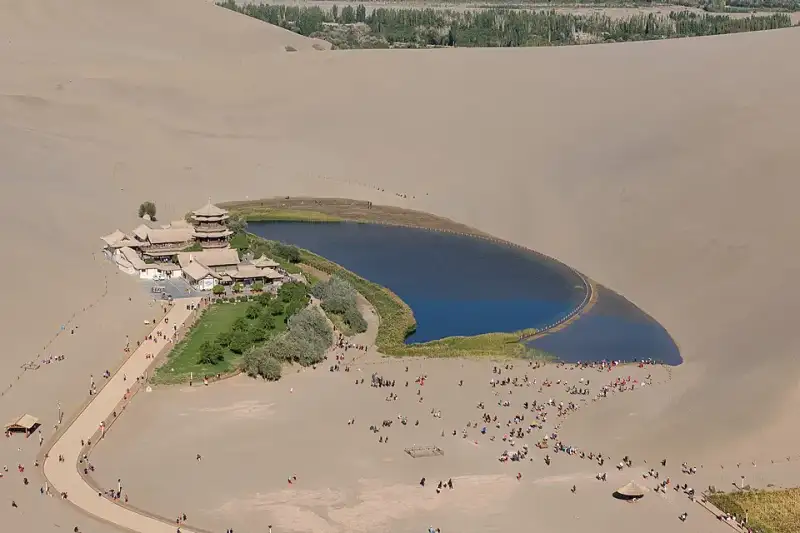

在浩瀚无垠的中国西北腹地,漫天黄沙如同一块无边无际的巨大金毯,覆盖着广袤的戈壁。这里是生命的禁区,是狂风与干旱的领地。然而,就在这片看似毫无生机的荒漠之中,却隐藏着一个足以令世人惊叹的奇迹。它宛如一枚璀璨的蓝宝石,又似一弯悄然坠落凡间的明月,静静地镶嵌在连绵起伏的沙丘之间。这便是享誉中外的 #月牙泉 (Crescent Lake),一处历经千年风沙洗礼却依然清澈如初的沙漠绿洲。作为 #敦煌 的标志性景观之一,月牙泉不仅是大自然鬼斧神工的杰作,更是 #丝绸之路 上一段不朽的历史传奇。今天,让我们一同走进这片神秘的土地,拂去历史的尘埃,探寻月牙泉背后的千年沧桑与永恒之美。 第一章:风与沙的博弈——地理奇观的诞生 要理解月牙泉的奇迹,我们首先必须了解它所处的独特地理环境。月牙泉位于甘肃省敦煌市西南约六公里处,被巍峨的 #鸣沙山 四面环抱。这里的沙山不仅高大陡峭,而且在风的吹动下会发出如雷鸣般的轰响,“鸣沙”之名由此而来。然而,最令人费解的现象是:在这样一个风沙肆虐的地方,一汪面积仅有数亩的浅水潭为何没有被流沙掩埋?为什么它能够历经千万年而依然碧波荡漾? 科学家们经过长期的考察与研究,揭开了这个 #自然奇迹 背后的秘密。原来,鸣沙山和月牙泉之间形成了一种极为精妙的空气动力学平衡。这里的地形呈现出一种特殊的环形洼地结构。当强风刮过沙漠,遇到高大的沙丘阻挡时,气流会顺着沙山的迎风坡向上攀升,并在洼地内部形成一种强烈的上升旋风。这种旋风不仅不会将周围的沙子吹入低洼的泉水中,反而会将从四周重力滑落的沙粒重新带回到沙山的山脊之上。正如古文献中所记载的:“沙岭晴鸣,月泉晓澈。风夹沙而飞响,泉映月而无尘。”这种奇特的地形与风向的动力学效应,使得流沙永远无法填平这片低洼的泉水,从而造就了“沙水共生、沙不掩泉”的千古奇观。 不仅如此,月牙泉的水源补给系统也极具传奇色彩。在古代乃至近代早期,敦煌地区拥有着极其丰富且自成体系的地下水网络。巍峨的祁连山脉每年融化的冰雪,通过地下暗河源源不断地汇入敦煌盆地。月牙泉恰好位于这个地下蓄水盆地的最低海拔处。充沛的地下水受到承压作用,在这里自然涌出地表,形成了这弯清澈甘冽的泉水。在干旱无情的 #沙漠绿洲 中,水就是一切生命的起源,而月牙泉正是大自然赐予这片苍茫大地最珍贵的生命之眼。 第二章:丝路长歌——历史长河中的生命驿站 如果说鸣沙山是月牙泉坚实厚重的躯壳,那么波澜壮阔的 #丝绸之路 就是赋予月牙泉灵魂的不息血脉。回溯到两千多年前的大汉王朝,博望侯张骞奉命出使西域,历经九死一生,终于凿空了连接中原王朝与中亚、西亚乃至欧洲的伟大商路。在这条商路上,敦煌作为河西走廊的最西端、玉门关与阳关的后盾,成为了丝绸之路上至关重要的咽喉要道。从繁华的长安出发的庞大商队,在历经千辛万苦穿过漫长的河西走廊后,必须在敦煌进行最重要的一次物资补给和休整,然后才能踏上更为凶险莫测的塔克拉玛干沙漠和西域三十六国。 试想一下,对于那些在烈日下跋涉了数月、干渴难耐的旅人和负重的骆驼来说,当他们翻过漫漫黄沙,几近绝望之时,突然看到前方那一弯清澈见底的泉水,心中的狂喜与震撼是何等难以用笔墨来形容的!月牙泉不仅为商队提供了足以挽救生命的饮用水,更为他们带来了精神上的极大抚慰与重生的希望。在这里,疲惫不堪的商人可以卸下沉重的货物,洗去满身的征尘;虔诚的僧侣可以掬一捧清泉,闭目诵经,寻找内心的宁静与信仰的力量。#历史印记 在这片波光中显得格外深沉厚重。 据多种史料考证与推测,许多在中国历史上留下赫赫声名的伟大人物都曾在这片清泉畔驻足。唐代著名高僧玄奘在西行印度求法的漫漫旅途中,穿越莫贺延碛之前,极有可能也曾在敦煌的月牙泉畔补充珍贵的水源。随着丝绸之路在隋唐时期的极度繁荣,月牙泉畔逐渐建起了供人歇息和礼佛的庙宇及亭台楼阁。古代的文人墨客更是对这里流连忘返,留下了无数脍炙人口的赞美诗句。清代禁烟名将林则徐在被流放新疆的凄苦途中经过敦煌,看到这一奇景时,也曾提笔写下感叹大自然鬼斧神工的诗篇。这里的每一滴晶莹的水珠,似乎都曾倒映过古代商旅疲惫却坚毅的倒影;这里的每一阵裹挟着细沙的微风,似乎都在诉说着汉唐时代的辉煌壮阔与西域古道的无限苍凉。 第三章:文化交融的倒影——诗词、建筑与信仰的共鸣 月牙泉的存在,从来不仅仅是一个单纯的地理学奇迹,它在漫长的历史演进中被赋予了极为深厚的中国传统哲学与宗教意蕴。在东方的传统文化语境中,水代表着阴柔、包容、滋润和勃勃生机,而漫天的黄沙则象征着阳刚、狂暴、荒芜和无情。鸣沙山与月牙泉长达千年的和谐并存,宛如一幅天然的太极图,完美地诠释了阴阳相济、刚柔并济的东方智慧。#文化遗产 的精髓在这里得到了最生动、最直观的展现。 距离月牙泉不远处,便是被列为世界文化遗产、举世闻名的佛教艺术宝库——#莫高窟。两者同为敦煌引以为傲的绝世名片,一处是大自然演化亿万年的奇迹,一处是人类文明雕琢千年的艺术巅峰。可以说,如果没有月牙泉、党河等水源的默默滋养,就不会有敦煌这片沙漠绿洲的繁荣富庶,自然也就不可能孕育出辉煌灿烂的敦煌石窟壁画与彩塑艺术。古代那些在昏暗的洞窟中劳作的画师和工匠们,用手中绚丽的矿物颜料描绘着西方极乐世界的壮丽景象。当他们放下画笔,走出洞窟,凝视着不远处的鸣沙山与月牙泉时,或许在他们充满虔诚的眼中,这弯宁静的清泉与连绵的沙丘,正是佛经中所描述的人间净土的真实写照。 在月牙泉的南岸,矗立着一组古色古香、错落有致的建筑群——鸣月阁。这是一组典型的汉族传统木构风格建筑,飞檐翘角,斗拱交错,古朴典雅。虽然历史上的古建筑曾因战乱和风化而屡遭破坏,现存的建筑多为后世根据历史原貌精心重建,但它们依然完美地复原了清代甚至更早时期的边塞建筑风貌。漫步在亭台水榭之间,微风拂过屋檐,风铃发出清脆的叮当声,闭上眼睛,仿佛能够听到千年前的梵音在沙海中缭绕回荡。这里不仅是游人观赏泉水、避暑乘凉的绝佳位置,更是当地百姓祈福、修心的精神家园。每年农历四月初八的佛教“浴佛节”,敦煌周边的百姓都会扶老携幼聚集在鸣沙山和月牙泉畔,举行盛大的滑沙、赛马活动和传统的祈福仪式。这一源远流长的民间传统已经延续了千百年,不仅未曾中断,反而成为了敦煌独特的地方文化和民俗风情的重要组成部分。 在这个特殊的生态系统中,还曾孕育出被称为“月泉三宝”的珍稀特产:铁背鱼、七星草和五色沙。相传,生长在泉水中的铁背鱼能延年益寿,长在泉边的七星草(罗布麻)能治愈百病,而鸣沙山五彩斑斓的沙粒则被视为吉祥的象征。这些传说不仅为月牙泉披上了一层神秘的仙家色彩,也反映了古人对这片不可思议的生命绿洲的敬畏与感恩之心。 第四章:拯救消逝的明眸——生态危机的警示与浴火重生 然而,纵使是历经了千年风雨的奇迹,也无法轻易抵御现代人类活动和全球气候变暖带来的巨大生态冲击。进入二十世纪中后期,由于敦煌地区人口的大幅增长、城市化进程的加快以及农业灌溉用地的无节制扩张,当地开始大量开采地下水资源。水库的修建截断了地表水流,地下水位的急剧下降导致整个敦煌盆地的水文循环遭到了破坏。曾经生命力旺盛的月牙泉,也因此面临着史无前例、甚至可以说是毁灭性的 #生态危机。 根据可靠的水文观测记录,在二十世纪六十年代初,月牙泉的水域面积依然保持在二十多亩左右,最大水深可达九米,泉水丰盈,碧波荡漾。但随着环境的恶化,到了九十年代末期,由于地下水位的持续暴跌,月牙泉的面积曾一度锐减至不到一亩,平均水深更是降到了可怜的不足一米。最危急的时刻,水面被沙丘分割成几个毫无生气的小水洼,曾经美丽的“沙漠明眸”变成了一滩浑浊不堪的死水,甚至面临着彻底干涸、永远被黄沙吞噬的致命危险。 这一严峻的现象引起了中国全社会的广泛关注和国内外环保专家的强烈担忧。如果月牙泉消失,那失去的不仅是一处举世闻名的自然景观,更是敦煌千年历史记忆的断裂,是人类在处理人与自然关系上的一次巨大失败。 为了拯救濒临绝境的月牙泉,一场争分夺秒的生态救援行动在世纪之交全面展开。地方政府和大量 #环境保护 专家经过反复论证,提出了一套科学的“应急补水”与“长效治理”相结合的系统性拯救方案。专家们没有采取简单粗暴的直接往泉水里注水的方式,因为那样会破坏月牙泉原有水质和底部的自然渗水结构。相反,他们实施了巧妙的“水系生态恢复工程”:通过在距离月牙泉数公里外的特定区域修建大型渗水场,将党河的河水引入其中,让水自然渗透到地下蓄水层中。通过提高整个区域的地下水位,利用地下水的侧向补给压力,使得纯净的地下水再次从月牙泉的泉眼中自然涌出。 同时,政府出台了极为严格的水资源管理政策,下达了“禁止开荒、禁止打井、禁止移民”的禁令,大力推进退耕还林、还草工程,减少农业用水,从根本上恢复敦煌盆地的整体生态平衡。经过十几年如一日的不懈坚持和巨额资金的投入,这场惊心动魄的生态保卫战终于取得了令人欣慰的成效。如今的月牙泉,水位已经稳定在安全的刻度以上,水域面积重新扩大并恢复了经典的月牙形状,泉水再次清澈见底,周边的芦苇和沙生植物也重新焕发了勃勃生机。 这次近乎劫后重生的危机,给全人类敲响了一记震耳欲聋的警钟:在极其脆弱的沙漠生态系统面前,大自然的恩赐并不是取之不尽、用之不竭的。保护生态环境,维持 #生态平衡,不是一句空洞的口号,而是我们对子孙后代、对地球家园必须承担的绝对责任。月牙泉的复苏,不仅是中国生态治理的一个成功范例,也证明了只要人类懂得敬畏自然、采取科学合理的补救措施,大自然依然愿意给予我们重新开始的机会。 第五章:大漠落日圆——亲历沙与水的完美交融 作为一个长期在路上游历、热衷于探寻世界角落的旅行者,当我在一个初秋的傍晚真正踏上这片魂牵梦绕的土地,亲眼目睹月牙泉的真容时,那种视觉的冲击和灵魂深处的震撼是任何纪录片或文字都无法完全传达的。我的 #旅行日志 里,记录下了我在敦煌这片大漠之中度过的最难忘的日与夜。 记得那天下午,气温依然高炽,我雇了一匹高大的骆驼,跟随着长长的驼队在连绵起伏的鸣沙山上缓慢前行。驼铃声在空旷无垠的沙漠中悠悠回荡,单调却充满着神秘的韵律,仿佛瞬间将时间折叠,把我拉回到了那个充满未知的古老年代。西斜的夕阳将每一座沙丘的轮廓勾勒得异常分明,向阳面是耀眼的赤金,背阴面则是深邃的暗影。光与影在沙漠表面交织出令人窒息的几何美感。 随着傍晚的临近,白日的燥热被戈壁吹来的凉风渐渐驱散。当我踩着绵软细腻的黄沙,气喘吁吁地爬上一座沙山的最高处,俯瞰下方的深谷时,那一幕彻底将我惊艳,让我暂时忘记了呼吸: 在巨大的金色沙山构筑的怀抱中,一弯清澈无比的泉水静静地躺在那里,宛如遗落在茫茫人海中的一块绝世碧玉。泉边茂密的芦苇在晚风中轻轻摇曳,发出沙沙的声响;鸣月阁的飞檐上,红色的灯笼已经亮起,在平静的水面上投下古朴而温暖的倒影。此时此刻的月牙泉,不再是一个冷冰冰的地质学名词,而是一个有生命、有呼吸、有温度的灵魂。它太安静了,安静得让人不忍大声喧哗,生怕哪怕一丝杂音都会惊扰了它做了一千年的好梦。一轮浑圆的落日正悬挂在天际线,#沙漠日落 的余晖毫不吝啬地洒在水面上,波光粼粼,如同一幅铺展在天地间的绝美画卷。 夜幕终于完全降临,喧闹的游客渐渐散去,大漠恢复了它亘古不变的寂静。我没有急于离开,而是独自躺在微凉的沙地上,仰望着浩瀚的星空。这里的夜空纯净得没有一丝杂质,璀璨的银河如同一条流淌的钻石河流,横跨天际。而大地之上,那弯月牙形的泉水在微弱的星光下反射出幽幽的光芒,仿佛是地球睁开的一只明眸,正在与苍穹之上的冷月进行着一场超越时空的无声对话。 在这个神奇的瞬间,我真切地感受到了时间的停滞。我感受到了宇宙的无垠与人类的渺小,感受到了大自然的伟大与历史的厚重。月牙泉就像是一位充满智慧的长者,它看惯了丝绸之路上的驼队商旅,看尽了古代帝国的兴衰更替,历经了战争、干旱和岁月的侵蚀,却依然坚守在这里,保持着自己最初的从容与清澈。 第六章:沙水相依的未来——写给明天的寄语 今天,月牙泉的魅力不仅在于它惊艳世人的自然美景,更在于它所承载的深厚人文精神和生态价值。它无疑是当今 #中国旅游 版图上一颗不可替代的璀璨明珠,每年吸引着数以百万计的国内外游客慕名而来。每一个站在鸣沙山顶俯瞰月牙泉的人,都会被它的美丽所折服,同时也会被它脆弱的生命力所深深触动。 然而,随着现代旅游业的飞速发展,月牙泉也迎来了前所未有的机遇与挑战。如何在巨大的人流量和旅游开发面前,保护好这片脆弱的绿洲?如何让鸣沙山的声音永远雄浑,让月牙泉的波光永远闪耀?这是摆在我们每一个现代人面前的一道严肃考题。推行可持续的旅游模式、加强生态保护的科普宣传、实施更加科学严谨的景区环境管理,每一个环节都显得至关重要。作为游客,我们也需要用更加敬畏的心态去欣赏它,用呵护的行动去对待它,不乱扔垃圾,不破坏植被,让这份属于全人类的自然遗产能够被完好无损地传承给下一个千年。 结语:不朽的大漠明眸 风,依然在吹;沙,依然在鸣。岁月流转,星海更替,月牙泉依然静静地守望在敦煌的大漠深处。 它是一面不朽的明镜,映照出千年前丝绸之路上不绝于缕的驼队与繁华的市集;它是一滴大地的眼泪,凝聚了无数旅人对自然之美、生命之源的无限眷恋与感恩;它更是一个生生不息的奇迹,向世人宣告着生命在绝境中所能爆发出的惊人韧性。从古至今,无数人来到这里,把脚印留在沙丘上,随后又被风沙无情地抹去;无数人在这里许下美好的心愿,寄托哀思,然后转身继续各自的人生旅程。但月牙泉始终未曾改变,它用那一弯澄澈至极的倒影,温柔地包容了世间所有的故事与沧桑。 在这个瞬息万变、喧嚣浮躁的现代世界里,月牙泉以它独特的存在方式让我们相信:有些美好是可以跨越时间的边界,成为永恒的。当你有一天也能够背起行囊,踏上这片充满魔力的土地,请一定要在夕阳最温柔的时刻,站在高高的沙山上凝视那汪清泉。闭上眼,听一听风中传来的历史回响;睁开眼,感受一下那份沙与水共生的奇妙和谐。相信在那一刻,你的灵魂也会得到一次久违的洗礼与升华。 愿月牙泉,这颗 #自然奇观 中的明珠,不仅活在诗人的长歌里、画家的笔触中,更能永远鲜活地荡漾在地球的版图上,永远闪耀在人类文明的星空中。 #Dunhuang #CrescentLake #SilkRoad #ChinaTravel Related InsightsCanada's Rocky Mountains: Emerald Lakes and Alpine Adventures Dive Into a Hidden World: The Most Breathtaking Underwater Museums and Sculpture Parks Hiking the Lycian Way{ "@context": "https://schema.org", "@type": "FAQPage", "mainEntity": [ { "@type": "Question", "name": "What is the main focus of 沙漠中的永恒明镜:敦煌月牙泉的千年回眸?", "acceptedAnswer": { "@type": "Answer", "text": "探秘中国敦煌鸣沙山下的奇迹——月牙泉。了解这片沙漠绿洲的千年历史、地理奇观以及现代生态保护,感受丝绸之路的沧桑与美丽。" } }, { "@type": "Question", "name": "Who authored the comprehensive guide on 沙漠中的永恒明镜:敦煌月牙泉的千年回眸?", "acceptedAnswer": { "@type": "Answer", "text": "This detailed article and its insights were carefully researched and authored by Li Wei." } }, { "@type": "Question", "name": "Where can I find more related content about Travel?", "acceptedAnswer": { "@type": "Answer", "text": "You can explore more articles, detailed reviews, and similar insights by browsing the Related Insights section at the bottom of this article or visiting our dedicated Travel category page." } } ] }
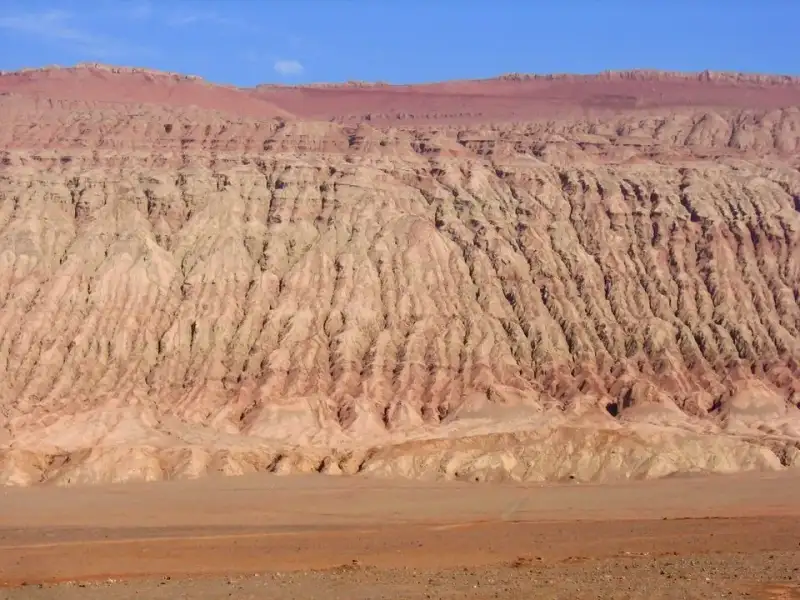
在广袤无垠的中国大西北,新疆维吾尔自治区那片充满神秘色彩的土地上,横亘着一条令人瞩目的红色山脉。它不以奇峰突兀而闻名,也不以郁郁葱葱而著称,而是以其仿佛永不熄灭的“烈焰”和极端酷热的严酷气候,深深地烙印在每一位旅人、历史学家和文化探索者的心中。这就是举世闻名的火焰山(Flaming Mountains)。#新疆旅游 #火焰山 #大西北探秘 每当盛夏的骄阳无情地炙烤着吐鲁番盆地(Turpan Depression),这座绵延不绝的山脉便在热浪的扭曲中,呈现出如同一条巨龙般腾飞的火红色光芒。在那一刻,现实与神话的边界变得模糊不清,人们仿佛真的能看到那燃烧了千年的八卦炉余烬,感受到孙悟空大闹天宫时的惊天动地。在这篇文章中,我将带您深入剖析这座横跨天山山脉(Tian Shan)的奇特地貌,从它的地理成因、极端气候,到《西游记》赋予它的不朽神话,再到丝绸之路(Silk Road)上那段辉煌而沧桑的历史,甚至追溯到数千万年前白垩纪时期恐龙们在这里繁衍生息的壮丽画卷。让我们一起踏上这场穿越神话、历史与烈焰的奇幻之旅。#奇幻之旅 #历史地理 地理与自然奇观:燃烧的红砂岩 火焰山,当地维吾尔语称之为“克孜勒塔格”(意为红山),主要由侏罗纪、白垩纪和第三纪的红色砂岩(sandstone)和泥岩组成。它坐落在巨大的塔克拉玛干沙漠(Taklamakan Desert)的北缘,吐鲁番市的东面,宛如一道天然的红色屏障横卧在盆地之中。整座山脉东西长约100公里,南北宽约5到10公里,平均海拔高度约为500米,其中部分主峰的海拔则超过了800米。#地质奇观 #红砂岩 #自然奥秘 这片贫瘠的土地经历了千万年的风化和雨水冲刷,大自然这位鬼斧神工的雕刻家,在红色的砂岩基岩上刻画出了无数道纵横交错的沟壑与堑壕。在烈日的照射下,这些奇特的沟壑投射出深浅不一的阴影,而红色的山体则反射出耀眼的光芒,使得整座山脉在一天中的特定时刻,特别是夕阳西下或者烈日当空时,看起来就像是熊熊燃烧的烈火。这种视觉上的错觉,正是火焰山得名的最直观原因,也是大自然赋予人类最壮丽的视觉盛宴之一。 然而,火焰山的“火”并不仅仅停留在视觉上,它的物理温度更是令人望而生畏。吐鲁番盆地本就是中国最热的地方之一,素有“火洲”之称,而火焰山则是这火洲的绝对核心。这里的山体气候极其恶劣,夏季气温经常飙升至常人难以忍受的极高水平。在2008年,一项通过卫星进行的高精度测量数据显示,这里的地表辐射温度竟然达到了惊人的66.8摄氏度(152.2华氏度)。这是当年整个地球上记录到的最高地表温度之一。在这样的高温下,沙子里甚至可以烤熟鸡蛋。 为了让游客更直观地感受到这种酷热,景区内在山脚下特意竖立了一根巨大的温度计,它被巧妙地设计成孙悟空的“金箍棒”造型。这根巨型温度计实时记录并显示着周围的地表温度,如今已经成为了所有游客来到火焰山必定会去竞相打卡的热门地标。无数人站在这个巨大的温度计前,感受着脚底下仿佛要沸腾的红色沙土,惊叹于大自然那种极端而又原始的狂暴力量。#极端天气 #世界记录 #高温挑战 神话传说的摇篮:《西游记》与铁扇公主 如果说红色的地貌赋予了火焰山骨骼,那么浩瀚的中国神话传说则赋予了它灵魂。提到火焰山,绝大多数中国人的第一反应必然是明代小说家吴承恩所著的古典文学名著《西游记》(Journey to the West)。在这部充满奇幻色彩的神魔小说中,火焰山成为了唐僧师徒四人西天取经路上最为艰难险阻的关卡之一,其知名度甚至超越了山脉本身的地理意义。#西游记 #古典名著 #传统文化 根据小说的生动描述,这座山脉之所以会终年燃烧着八百里连天大火,是因为当年齐天大圣孙悟空大闹天宫时,一脚蹬翻了太上老君炼丹的八卦炉。炉中的几块带有余火的砖块跌落凡间,正好落在了如今的吐鲁番盆地,从而化作了这片永远燃烧、阻挡去路的火焰山。这个充满奇思妙想的起源故事,不仅赋予了火焰山一种神圣而又叛逆的神秘色彩,也将大自然令人敬畏的地质奇观与人类璀璨的文学创作完美地融合在了一起。 为了能够平安翻越这座烈焰冲天的山脉,保护师傅顺利西行,孙悟空不得不去向牛魔王的妻子——铁扇公主(Princess Iron Fan)借取那把能够扇灭大火的芭蕉扇。铁扇公主的这把芭蕉扇是一件极其强大的法宝,扇一下能够灭火,扇两下能够生风,扇三下则能降下甘霖。然而,由于火焰山的火势太过猛烈,铁扇公主每次只肯扇灭一年的火。她利用这一优势,让附近的百姓向她献上丰厚的供品,将她奉为神明般敬仰。这也是为什么在神话中,这里的生态系统能够勉强维系的原因。 小说中孙悟空“三调芭蕉扇”的故事,情节跌宕起伏、曲折离奇,充满了智慧、勇气与力量的较量。这不仅是《西游记》中最精彩、最脍炙人口的篇章之一,更使得火焰山、铁扇公主、牛魔王这些名字在中国文化中家喻户晓,代代相传。每年都有成千上万的游客慕名而来,他们站在滚烫的红色砂岩前,闭上眼睛,仿佛就能听到孙悟空那凌厉的金箍棒撕裂空气的风声,看到铁扇公主挥舞巨大芭蕉扇时卷起的遮天蔽日的狂风。这种深厚的文化底蕴,赋予了火焰山超越自然景观的、永恒的生命力。#神话传说 #文化遗产 #文化之旅 维吾尔族民间传说:屠龙勇士的壮歌 如果说《西游记》为火焰山披上了一层道教与佛教交织的中原神话外衣,那么当地维吾尔族(Uyghur)的民间传说,则为这座山脉注入了更加原始、粗犷且充满血性的本土英雄主义色彩。不同的民族在面对同一片壮丽山河时,展现出了截然不同但同样精彩的想象力。#维吾尔族 #民间传说 #英雄史诗 在维吾尔族古老而世代相传的口耳传说中,火焰山的形成与一条代表着灾难与毁灭的邪恶毒龙息息相关。传说在很久很久以前,雄伟的天山深处潜伏着一条凶残无比的恶龙。这条恶龙不仅体型极其庞大,能够喷吐足以熔化岩石的烈焰,而且生性嗜血残忍,经常飞下深山,吞食当地的牲畜和幼童,让整片原本宁静祥和的绿洲陷入了无尽的恐慌和深重的悲痛之中。 为了拯救无辜的百姓,恢复绿洲的和平,一位名叫哈拉和卓的勇敢维吾尔族青年英雄挺身而出。他手持锋利的宝剑,跋山涉水,历经千辛万苦,终于在天山的重山峻岭中找到了这条恶龙的巢穴。经过三天三夜惊心动魄、天昏地暗的殊死搏斗,这位英雄凭借着过人的勇气、非凡的武艺和超群的智慧,最终一剑刺穿了恶龙的心脏,将其斩杀。为了防止这只恐怖的妖兽日后复活,英雄挥舞长剑,将恶龙庞大的身躯硬生生地砍成了八截。 令人无比震撼的是,恶龙体内喷涌而出的滚烫鲜血流淌在山野间,染红了整片连绵的山脉,使得原本光秃秃的石头变成了刺目的猩红色,这便形成了今天我们所看到的如鲜血般赤红的火焰山。而那被英雄砍成八截的恶龙躯体,则化作了火焰山脉中那八条深邃的沟谷,其中包括了后来因盛产甜美葡萄而闻名遐迩的葡萄沟,以及充满历史沧桑的吐峪沟等。这个充满悲壮色彩的屠龙故事,不仅以一种极其浪漫主义的方式解释了火焰山红色地貌和沟壑纵横的自然成因,更深刻地反映了古代维吾尔族人民不畏强暴、勇于抗争、征服自然的伟大精神。#屠龙勇士 #传奇故事 #民族精神 历史的见证:丝绸之路与高昌古城 然而,火焰山的魅力绝不仅仅存在于虚幻的神话和奔放的传说中,它更是一座实实在在、见证了人类文明交汇融合的历史丰碑。在古代,火焰山脚下的吐鲁番盆地是连接中原大地与广袤西域,乃至中亚、中东和欧洲的咽喉要道。那条改变了世界历史进程、举世闻名的丝绸之路(Silk Route)便在这里蜿蜒穿过。#丝绸之路 #历史遗迹 #文明交汇 对于那些长途跋涉在丝绸之路上的疲惫商人、肩负使命的使节和充满好奇的探险家来说,火焰山那极端酷热的气候和寸草不生的荒凉地貌,无疑是一道极其危险、难以逾越的死亡屏障。为了避开这片令人绝望的生命禁区,聪明的古代旅行者和当地先民们选择在广袤沙漠的边缘、天山纯净雪水滋润的绿洲地带,建立起了一座座生机勃勃的补给站和繁华的贸易集散地。在这些绿洲明珠中,最为著名的,莫过于依傍在火焰山南麓脚下、扼守着重要交通隘口的高昌古城(Gaochang)。 高昌古城曾经是丝绸之路上一颗璀璨夺目的明珠,它是东西方物质财富和精神思想交汇的熔炉。浩浩荡荡的商队们在这里停歇,用来自中原的精美丝绸、华丽瓷器和先进铁器,交换西域及更远地方的珍贵香料、奇异珠宝、优良马匹和异域农作物。这种极其繁荣的商业贸易不仅为当地带来了巨大的物质财富,更重要的是,它极大地促进了各种思想、艺术、语言和宗教在这里的碰撞与传播。 在那个贸易空前繁荣的时代,满怀信仰的佛教传教士们也常常跟随着商队的步伐,沿着这条繁忙的国际贸易路线不辞辛劳地向东跋涉。他们在繁华的贸易中心和偏远寂静的山口建立起了数量众多的佛教寺院和修行的庙宇。历史上的唐代高僧玄奘法师,在公元627年为了追求佛法真理前往印度求取佛经时,就曾途经高昌国,并受到了高昌国王麴文泰的极高礼遇和盛情款待。玄奘离开高昌后,正是穿越了天山的一处险峻山口继续西行。这段真实、艰辛而又充满传奇色彩的旅行经历,正是后来吴承恩创作《西游记》火焰山等章节最核心的历史事实原型。现实中的高僧与小说中的神话在这里交汇,使得火焰山的历史维度变得更加丰满。#玄奘西行 #高昌故城 #文化交流 信仰的印记:柏孜克里克千佛洞 在古丝绸之路文化交融的鼎盛时期,信仰的力量在火焰山那看似冰冷坚硬的红色绝壁上,留下了令人惊叹、不可磨灭的深刻印记。在火焰山中段、木头沟河谷西岸的一条幽深峡谷中断崖绝壁上,隐藏着一处令人叹为观止的佛教艺术宝库——柏孜克里克千佛洞(Bezeklik Thousand Buddha Caves)。#柏孜克里克千佛洞 #佛教艺术 #石窟文化 “柏孜克里克”在维吾尔语中的意思是“山腰”或是“修饰描绘的地方”。这处庞大的石窟群主要开凿于公元5世纪至9世纪之间,正值高昌国及随后回鹘王国统治的鼎盛繁荣时期。整个石窟群由七十多个大大小小的佛教洞窟依山势而建组成,它们如同错落有致的蜂巢般镶嵌在险峻的悬崖绝壁上,静静地俯瞰着下方如今已经干涸的古老河谷。 在这些洞窟的内部,曾经绘制着数以千计、色彩极其鲜艳夺目的佛陀(Buddha)壁画。这些壁画(murals)不仅展现了当时工匠极高的艺术造诣,更完美地融合了中原传统的绘画技法与西域本土的艺术风格,如果仔细观察,甚至还能从中清晰地看到波斯、印度、希腊等多地文化交流融合的深刻影响。壁画的内容极其丰富,涵盖了佛经故事、菩萨造像、供养人画像、各类瑞兽以及当时的世俗生活场景等。这些都是后人研究古代丝绸之路沿线宗教历史、民族演变、古代服饰、音乐舞蹈等极其珍贵的一手视觉资料。 试着想象一下,在千百年前的某个酷热难耐的盛夏之日,当外面的火焰山被无情的烈日烤得如同太上老君的炼丹炉一般炙热时,那些无比虔诚的僧侣和长途跋涉、疲惫不堪的商旅们走进了这片阴凉、肃穆的石窟。在摇曳生姿的酥油灯微弱的光芒下,他们仰望着墙壁上那些悲悯众生的慈悲佛像,聆听着空谷回音般的梵音诵唱,内心该是何等的宁静与巨大的慰藉。柏孜克里克千佛洞不仅是高超艺术技巧的结晶,更是人类在极端恶劣的自然环境下,对精神高度寄托和崇高信仰追求的伟大历史见证。尽管在漫长的岁月中经历了千年的风沙侵蚀,以及近代西方探险家的大规模切割与盗劫,这些残存的精美壁画依然在红色的断崖间,用无声的语言诉说着往昔那段不可复制的辉煌岁月。#文化瑰宝 #信仰的力量 #世界遗产 白垩纪的失落世界:远古恐龙的乐园 如果你认为火焰山的历史仅仅局限于这几千年的人类文明史,那你就大错特错了,大自然的日记本远比这厚重得多。在这片看似死寂、了无生机的荒凉山丘之下,其实深埋着一个数千万年前、生机勃勃的失落世界。在现代古生物学(Palaeontology)家的眼中,火焰山地区绝不仅是一片焦土,而是一个名副其实、蕴藏丰富的远古化石宝库。#古生物学 #恐龙化石 #远古探秘 在火焰山及其周边广阔的区域内,地质学家和古生物学家们经过长期的勘探,发现了多个含有丰富化石的古老地层。其中最为著名的,当属连木沁组(Lianmuqin Formation)和苏巴什组(Subashi Formation)。这两个地层的地质年代可以分别追溯到遥远的白垩纪早期(Early Cretaceous)和晚期(Late Cretaceous),也就是距今大约一亿四千万年到六千六百万年前的那段漫长岁月。 在那个极其遥远的史前时代,这里的地理环境和气候绝不是今天我们所看到的这般酷热与干旱。相反,地质证据表明,曾经的吐鲁番盆地是一片气候温暖湿润、巨大湖泊密布、蕨类和裸子植物极其茂盛的生命乐园。优越的环境使其成为了各类史前巨兽繁衍生息的天堂。古生物学家们在连木沁组的红色岩层中,发掘出了属于鲨齿龙科(Carcharodontosaurid)的兽脚亚目(theropod)恐龙化石,例如极其著名且残暴的克拉玛依龙(Kelmayisaurus)。这是一种体型极其庞大、异常凶猛的顶级肉食掠食者,它们凭借着强壮的后肢和满嘴犹如锯齿般的利齿,在这片土地上横行霸道,毫无争议地处于当时食物链的最顶端。 而在年代稍晚一些的苏巴什组地层中,科学家们的发现则更加令人兴奋。他们不仅在这里发现了属于暴龙科(Tyrannosaurid)的特暴龙(Tarbosaurus)化石,还发现了属于泰坦巨龙类(Titanosaurian)的极其庞大的蜥脚类(sauropod)恐龙——捏梅盖特龙(Nemegtosaurus)。特暴龙是大名鼎鼎的霸王龙的亚洲近亲,拥有极其强壮的下颚、惊人的咬合力和锋利如刀的牙齿,是晚白垩世的恐怖统治者;而捏梅盖特龙则是拥有极其长长的脖颈、挥舞着鞭子般长尾巴、身躯如同一座小山般的温和植食性巨兽,它们成群结队地在森林边缘游荡,啃食着高处的树叶。 当我们今天顶着烈日,站在滚烫得几乎可以煎鸡蛋的红色砂岩上,凝视着那些被岁月无情风化、深不见底的沟壑时,真的很难想象,就在我们此时此刻脚下的这片土地深处,曾经是一个各种恐龙成群结队漫步、充满各种奇妙史前生物叫声的葱郁世界。从生机勃勃、绿意盎然的恐龙乐园,演变到如今寸草不生、飞鸟难渡的火焰山,地球环境的沧海桑田、地质板块的剧烈碰撞与抬升以及气候环境的沧桑巨变,在这里被展现得淋漓尽致。这种极其强烈的跨时空巨大反差对比,不仅让人对大自然那种摧枯拉朽的伟岸力量心生无限敬畏,也让火焰山的科学考察价值和科普意义得到了极大的提升。#地球历史 #生命演化 #白垩纪霸主 结语:燃烧在岁月深处的永恒奇观 新疆吐鲁番的火焰山,绝不仅仅是一座红色的、温度极高的地质山脉那么简单。它是大自然这位伟大的艺术家,用亿万年的漫长时间、以风霜雨雪为刻刀,精心雕刻出的一件无与伦比的地质奇观;它是气候极端到令人咋舌、名副其实的“火洲”核心标志;它是中原古典文学巅峰之作《西游记》中那段瑰丽神话最完美的现实载体;也是维吾尔族古老英雄史诗中一处充满热血与悲壮的壮丽丰碑;它是古老而漫长的丝绸之路上,见证过无数商贾云集、多元文明碰撞与交融的不可替代的历史坐标;更是深深埋藏着亿万年前远古恐龙庞大足迹和生命密码的失落世界。#深度旅行 #自然奇观 #历史文化遗产 无论是被它那如熊熊烈火般燃烧、震撼人心的视觉冲击所强烈吸引,还是被它背后那深厚得如同百科全书般的文化底蕴和神秘莫测的科学谜团所深深迷醉,火焰山都以其在这颗星球上独一无二的非凡魅力,持续不断地吸引着全世界探索者的目光。在这片被烈日无情炙烤的红色砂岩之上,虚幻的神话与真实的现实在这里奇妙交织,厚重的历史与未知的未来在这里轻声对话。当你亲身踏足这片传奇的土地,闭上双眼,用心感受那扑面而来、仿佛能将灵魂点燃的热浪时,你不仅是在欣赏一处举世罕见的自然风景,更是在一页一页地阅读一部融合了天地造化神功与人类文明光辉的宏大史诗。火焰山,这座在远古神话中熊熊燃烧、在漫长现实中巍然屹立的奇幻之山,将永远以其最炙热、最奔放的姿态,等待着下一位充满好奇心的探索者的到来。#探索未知 #一生必去 #中国最美的地方 #FlamingMountains #Xinjiang #JourneytotheWest #SilkRoad #Turpan Related InsightsThe Serengeti: A Timeless Rhythm of Life and Survival The Faroe Islands: Where Nordic Wilderness Meets Photographic Magic L'Orizzonte Senza Fine: Viaggio nell'Anima e nel Motore del Turismo Australiano{ "@context": "https://schema.org", "@type": "FAQPage", "mainEntity": [ { "@type": "Question", "name": "What is the main focus of 新疆火焰山:穿越神话、历史与烈焰的奇幻之旅?", "acceptedAnswer": { "@type": "Answer", "text": "深入探秘新疆吐鲁番火焰山。从《西游记》的神话传说,到丝绸之路的历史遗迹,再到白垩纪的恐龙化石,这是一篇带你领略火焰山独特魅力的长文。" } }, { "@type": "Question", "name": "Who authored the comprehensive guide on 新疆火焰山:穿越神话、历史与烈焰的奇幻之旅?", "acceptedAnswer": { "@type": "Answer", "text": "This detailed article and its insights were carefully researched and authored by Li Wei." } }, { "@type": "Question", "name": "Where can I find more related content about Travel?", "acceptedAnswer": { "@type": "Answer", "text": "You can explore more articles, detailed reviews, and similar insights by browsing the Related Insights section at the bottom of this article or visiting our dedicated Travel category page." } } ] }
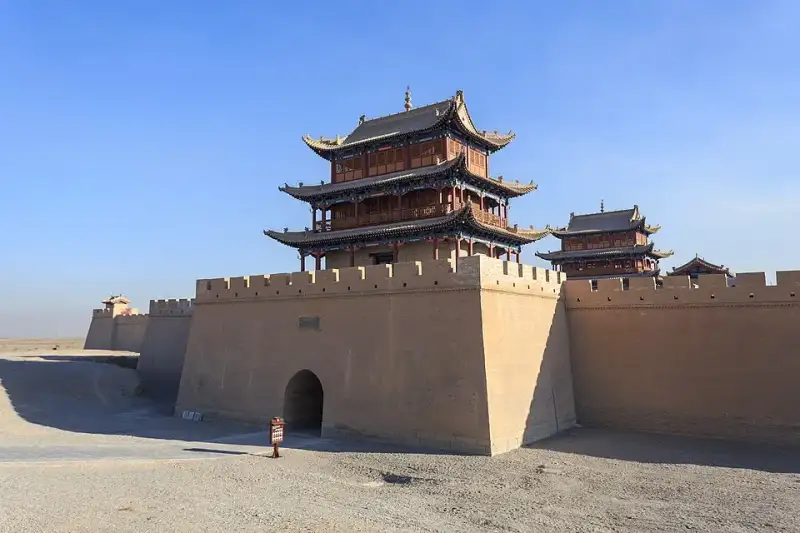
嘉峪关:天下第一雄关的壮丽史诗 在广袤无垠的中国大西北,黄沙漫漫的戈壁滩上,矗立着一座见证了数百年风霜雨雪的古代军事堡垒。当西风吹过祁连山的白雪,卷起河西走廊的阵阵狂沙时,这座雄关依然静静地横亘在天地之间,宛如一位披甲执锐的老将军,默默守望着神州大地的西部边陲。这,就是被誉为“天下第一雄关”的嘉峪关。 嘉峪关不仅是明长城最西端的起点,更是古丝绸之路上的重要咽喉。它不仅承载着金戈铁马的厚重历史,更浓缩了古代劳动人民的建筑智慧与艺术结晶。今天,让我们一起走进这座黄土与青砖交织的历史丰碑,去聆听那些被岁月掩埋在风沙深处的壮丽史诗。 #嘉峪关 #天下第一雄关 #大美中国 一、 历史溯源:大明王朝的边关锁钥 时光回溯到公元1372年(明洪武五年),大明王朝刚刚建立不久,元朝的残余势力依然在北方和西北地区频频游弋,对新生的明政权构成了巨大的威胁。为了巩固西北边防,切断蒙古骑兵南下与西域势力的联系,明朝开国名将征虏大将军冯胜在平定河西之后,敏锐地察觉到了嘉峪山西麓这片土地的战略价值。 这里南依终年积雪的祁连山,北接险峻陡峭的黑山,两山之间形成了一道天然的狭窄通道。冯胜决定在此地选址建关,嘉峪关由此诞生。起初的嘉峪关,只是一个简单的土城,随着明朝边患的不断加剧,以及丝绸之路贸易的逐渐恢复,嘉峪关经历了长达一百六十多年的扩建与修缮,最终在明正德年间形成了一座由内城、外城、罗城、瓮城、护城河以及长城墩台等组成的严密军事防御体系。 这座雄关的建立,不仅在军事上有效地抵御了帖木儿帝国及其他游牧民族的潜在侵扰,更为明朝在西北地区的屯田、经贸与文化交流提供了强有力的安全保障。嘉峪关,这座大明王朝的边关锁钥,从此在历史的长河中留下了浓墨重彩的一笔。 #明朝历史 #军事堡垒 #历史长河 二、 地理奇观:河西走廊的绝对咽喉 要真正理解嘉峪关的伟大,就必须将它置于宏大的地理坐标系中去考量。河西走廊,这条夹在青藏高原与蒙古高原之间的狭长通道,自古以来就是中原文明通往中亚、西亚乃至欧洲的必经之路。而嘉峪关,正好处在河西走廊最狭窄的“蜂腰”地带。 站立在嘉峪关的城楼上极目远眺,南面是连绵起伏、白雪皑皑的祁连山脉,北面是如同黑铁般冷峻的黑山(马鬃山支脉)。这两座大山就像是两道天然的屏障,将广袤的荒漠硬生生地挤压出一条仅有十五公里宽的通道。嘉峪关就卡在这条通道的咽喉之处,大有“一夫当关,万夫莫开”之势。 这里的自然环境极其严酷。常年干旱少雨,风沙肆虐,“长风几万里,吹度玉门关”的景象在这里是家常便饭。然而,正是这种苍凉与悲壮,赋予了嘉峪关一种无法言喻的崇高美学。在蓝天白云的映衬下,黄土夯筑的城墙与远处的雪山交相辉映,构成了一幅绝美的边塞风光画卷。这种独特的地理奇观,让每一个来到这里的旅人都能深刻感受到自然与人力的完美结合。 #河西走廊 #大漠风光 #祁连山雪 三、 建筑艺术:黄土与青砖交织的奇迹 嘉峪关的建筑艺术,是中国古代冷兵器时代防御工程的巅峰之作。整座关城平面呈梯形,分为内城、外城和瓮城三重,防线层层叠叠,森严壁垒。 内城是嘉峪关的核心防御区,城墙高达九米,下宽上窄,主要由黄土层层夯筑而成。在古代,为了保证城墙的坚固,工匠们对黄土的要求极其苛刻,甚至有“击土不散,方可筑墙”的说法。在内城的东、西两面,分别建有光化门和柔远门。“光化”意为紫气东升、光华普照;“柔远”则取“怀柔远人”之意,彰显了大国对西域各邦的包容与安抚。两座城门之上,各建有一座高达十七米的三层歇山顶式城楼,飞檐凌空,气势恢宏。 除了宏伟的城门楼,内城的四角还建有两层歇山顶的角楼,用于瞭望和防守。南北城墙的中部还设有敌楼,城墙外侧则是一圈连续的垛墙,射孔与瞭望孔密布,形成了一个没有任何火力死角的立体防御网络。 在关城的两端,长城向南北两个方向延伸。向北,是顺着山势蜿蜒而上、如巨龙般盘踞在陡峭山脊上的“悬壁长城”;向南,则是直抵讨赖河畔、绝壁之上的“长城第一墩”。这三者共同构成了一个进可攻、退可守的宏大防御体系。漫步在青砖铺就的马道上,抚摸着那些历经数百年风雨侵蚀的城砖,人们仿佛还能听到当年守城将士的巡逻脚步声和战马的嘶鸣声。 #中国古建筑 #长城奇观 #工匠精神 四、 传奇与神话:一块定城砖的千古绝唱 一座拥有深厚底蕴的历史名胜,总是少不了动人的传奇故事。在嘉峪关,最脍炙人口的莫过于“一块定城砖”的传说。 相传在明朝正德年间,负责修筑嘉峪关的主管官员名叫李端澄,他为了确保工程质量和不浪费物料,要求工匠们必须精确计算出修关所需的每一块砖。当时有一位技艺极其高超的建筑工匠,名叫易开占,他经过缜密的计算,报出了一个精确到个位的砖石数量:九万九千九百九十九块。 监工对此半信半疑,甚至有意刁难,威胁说如果完工后多出一块或少了一块砖,就要将易开占及全体工匠斩首示众。工程历经漫长而艰辛的岁月,终于宣告竣工。然而,当工匠们在西瓮城门楼的后檐台上清点剩余物料时,竟然发现还剩下一块砖! 监工见状,立刻大喜过望,准备以此为借口治罪。面对生死关头,易开占不慌不忙地指着那块砖说:“那是神仙放置的定城砖,如果有谁敢轻易搬动它,整座关城就会轰然倒塌。”监工虽然满腹狐疑,但宁可信其有不可信其无,最终不敢妄动。 如今,这块神奇的“定城砖”依然安安稳稳地放置在西瓮城门楼的后檐台上,成为游人争相目睹的一大奇观。这个故事虽然带有明显的神话色彩,但它从一个侧面反映了古代工匠们卓越的建筑才华、严谨的敬业精神,以及他们在强权面前的机智与反抗。 #神话传说 #定城砖 #智慧结晶 五、 丝路明珠:东西方文化的交汇枢纽 如果我们仅仅把嘉峪关看作是一座军事堡垒,那就大大低估了它的历史价值。在古丝绸之路上,嘉峪关更扮演着海关、驿站与国际贸易枢纽的重要角色。 作为大明帝国最西端的官方出入境口岸,嘉峪关见证了无数商队、使节、僧侣和探险家的身影。从长安、洛阳出发的商队,满载着精美的丝绸、芬芳的茶叶、细腻的瓷器和先进的技术,经过这里走向中亚、波斯和欧洲;而来自西域的骆驼客们,则驮着汗血宝马、香料、玉石、琉璃以及葡萄、核桃等异域特产,穿过嘉峪关的大门,源源不断地输入中原大地。 当时,嘉峪关内设有专门的游击将军府和关帝庙,关外则有驿站供过往行人歇息。出关与入关的通关文牒(古人的护照)都在这里严格查验。在这片黄土地上,不同肤色、不同语言、不同信仰的人们汇聚一堂。汉族的商贾、回回的使臣、蒙古的牧民、西域的客商,带来了各自的文化与习俗,使嘉峪关成为了一个真正意义上的文化熔炉。 当夜幕降临,商队在关外扎营,悠扬的驼铃声伴随着羌笛的呜咽,混合着篝火烤肉的香气,在戈壁滩上随风飘荡。那是一幅何等繁华而又充满异域风情的历史画卷啊!嘉峪关,就如同丝绸之路上的一颗璀璨明珠,照亮了东西方文明交流的漫长道路。 #丝绸之路 #文化交流 #东西方交汇 六、 边塞诗情:文人墨客笔下的孤城长河 “黄河远上白云间,一片孤城万仞山。羌笛何须怨杨柳,春风不度玉门关。”唐代诗人王之涣的这首绝句,虽然写的是玉门关,但其描绘的苍凉悲壮意境,同样适用于数百里之外的嘉峪关。自古以来,雄奇险峻的边关总是能激发起文人墨客无尽的情思。 对于古代的文人官员来说,出嘉峪关往往意味着离开故土、被贬流放或者是艰苦的西征。因此,在描绘嘉峪关的诗词中,常常交织着悲凉、豪迈与深沉的家国情怀。清代名臣林则徐在虎门销烟后,被道光皇帝革职流放新疆伊犁。途经嘉峪关时,面对着高耸的城墙和漫漫黄沙,他写下了悲愤而又雄浑的诗句:“严关百尺界天西,万里征人驻马蹄。飞阁遥连秦树直,缭垣斜压陇云低。”这首诗不仅生动地描绘了嘉峪关巍峨险峻的地势,也流露出了他“苟利国家生死以,岂因祸福避趋之”的赤子之心和对国家命运的深深忧虑。 走在嘉峪关的城墙上,耳边仿佛还能听到那些古老诗句的吟唱。风沙吹老了岁月,却吹不散这些文化基因中流淌的诗情画意。嘉峪关,不仅是一座用砖土砌成的物理城池,更是一座由诗词歌赋筑起的精神堡垒。 #边塞诗 #林则徐 #家国情怀 七、 岁月沧桑:晚清与近代的兴衰更迭 进入清朝以后,随着中国版图的扩大,特别是清政府平定新疆、设立新疆行省之后,国家边防线大幅向西推移,嘉峪关逐渐失去了它作为边疆第一线军事堡垒的战略地位。然而,它作为交通枢纽和关税卡口的功能依然存在。 晚清时期,国力衰微,内忧外患不断。西北地区先后经历了回乱、左宗棠收复新疆等一系列重大历史事件。嘉峪关在这一时期也遭受了不同程度的战火洗礼和自然风化。很多古老的建筑因为年久失修而逐渐颓败,甚至被黄沙掩埋了一部分。 到了近代,特别是在抗日战争时期,河西走廊成为了中国大后方与苏联进行物资交流的国际大通道。大批军用物资通过这条“现代丝绸之路”源源不断地运往前线。嘉峪关再次见证了中华民族在生死存亡之际的不屈抗争。那些从城楼下驶过的卡车扬起的尘土,与古代商队的驼铃声跨越时空,形成了一种奇妙的共振。 #近代历史 #岁月沧桑 #文化印记 八、 当代传承:跨越时空的永恒守望 时间车轮滚滚向前,新中国成立后,嘉峪关这颗蒙尘的明珠终于迎来了它的新生。从20世纪80年代开始,中国政府对嘉峪关进行了大规模的抢救性修缮,本着“修旧如旧”的原则,最大程度地恢复了这座天下第一雄关的昔日风采。1987年,嘉峪关作为中国长城的重要组成部分,被联合国教科文组织列入《世界遗产名录》,成为了全人类共同的文化瑰宝。 今天的嘉峪关,已经发展成为一座现代化的旅游工业城市。而那座古老的关城,则是这座城市最耀眼的灵魂。每天,都有来自世界各地的成千上万名游客慕名而来。他们在这里租赁古代的通关文牒,体验一次穿越时空的“出关”仪式;他们骑着骆驼走在茫茫戈壁上,重温丝绸之路的苍凉与浪漫;他们站在城楼上俯瞰壮美的西北风光,用镜头记录下夕阳下长城那令人心悸的剪影。 更令人欣慰的是,随着数字化技术的应用,嘉峪关的文物保护工作也迈上了一个新的台阶。通过三维激光扫描、无人机航拍监测等高科技手段,这处珍贵的文化遗产得到了更为全面和精准的呵护。同时,诸如《天下雄关》等大型实景演出,通过现代声光电技术,将沉睡的历史生动地呈现在观众面前,让古老的文化焕发出了新的勃勃生机。 #世界文化遗产 #文旅融合 #文化传承 九、 结语:风沙洗尽后的文化烙印 “前不见古人,后不见来者。念天地之悠悠,独怆然而涕下。”陈子昂的《登幽州台歌》虽然写于异地,却极好地诠释了站立在嘉峪关城头的那种旷达与悲凉。 嘉峪关,是石头与泥土谱写的一首凝固的史诗。它沉默不语,却比任何史书都更加真实地震撼人心。它见证过中原王朝的盛衰兴亡,聆听过丝绸之路的繁华喧闹,抵御过金戈铁马的血雨腥风,也承载着无数戍边将士和行旅商贾的悲欢离合。 当我们在夕阳西下时,看着那抹余晖将嘉峪关的城墙染成金黄,看着远处的祁连雪山在夜幕降临前散发出最后的光芒,我们不禁会陷入深深的思考:在浩瀚的历史长河和无尽的时间面前,人类的生命或许如白驹过隙般短暂,但人类所创造的文明、所彰显的勇气和智慧,却能像这座雄关一样,跨越千年的风沙,屹立不倒。 天下第一雄关,它不仅仅是一个地理坐标,更是中华民族坚韧不拔、包容开放精神的永恒图腾。 #历史遗迹 #中国梦 #不朽丰碑 #Jiayuguan #GreatWall #SilkRoad #ChineseHistory Related Insights西安城墙:穿越千年的守护与荣耀{ "@context": "https://schema.org", "@type": "FAQPage", "mainEntity": [ { "@type": "Question", "name": "What is the main focus of 嘉峪关:天下第一雄关的壮丽史诗?", "acceptedAnswer": { "@type": "Answer", "text": "深入探索嘉峪关的历史、文化与建筑奇迹,感受天下第一雄关的无尽魅力。在这篇长文中,我们将带您穿越时光,领略河西走廊咽喉的苍凉与雄伟。" } }, { "@type": "Question", "name": "Who authored the comprehensive guide on 嘉峪关:天下第一雄关的壮丽史诗?", "acceptedAnswer": { "@type": "Answer", "text": "This detailed article and its insights were carefully researched and authored by Li Wei." } }, { "@type": "Question", "name": "Where can I find more related content about 历史与文化?", "acceptedAnswer": { "@type": "Answer", "text": "You can explore more articles, detailed reviews, and similar insights by browsing the Related Insights section at the bottom of this article or visiting our dedicated 历史与文化 category page." } } ] }
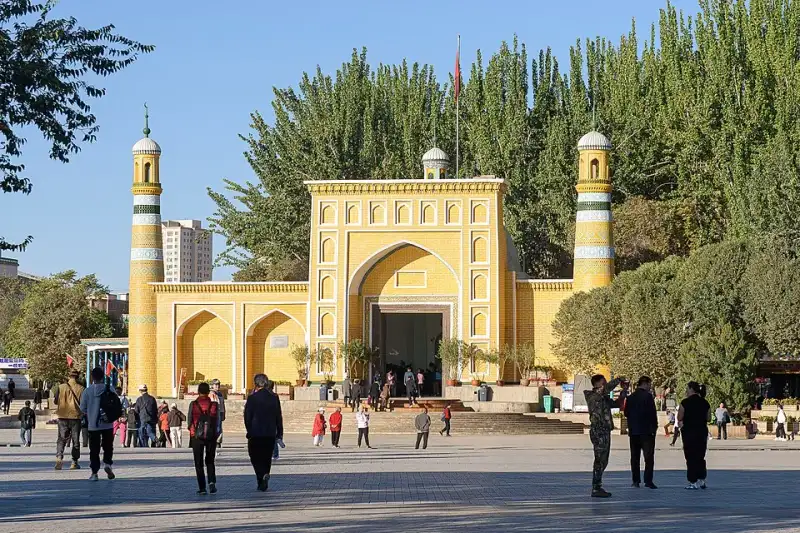
(引言) “不到喀什,就不算到过新疆。”这句在旅行者中广为流传的谚语,不仅是对这座位于中国最西端城市的最高赞誉,更是对其深厚文化底蕴和独特地理位置的精准概括。喀什,全称“喀什噶尔”,意为“玉石般的地方”。它静静地依偎在帕米尔高原的群峰脚下,塔克拉玛干沙漠的边缘。这里是东西方文明的十字路口,是古代 #丝绸之路 上最耀眼的明珠。当清晨的第一缕阳光洒在古老的土石建筑上,当宣礼塔上传来悠扬的诵经声,你会瞬间被拉回到那个驼铃声声、商贾云集的辉煌时代。在这片神奇的土地上,时间仿佛放慢了脚步,历史与现实在这里交织成一幅绚丽多姿的画卷。#喀什 #新疆旅游 #丝绸之路 (地理与历史的交汇) 喀什的地理位置极其特殊。它西接塔吉克斯坦、阿富汗、巴基斯坦,南邻喀喇昆仑山,北倚天山,东部则是浩瀚无垠的塔克拉玛干沙漠。正是这样独特的地理位置,使得喀什自古以来就是中西交通的咽喉枢纽。早在两千多年前的汉代,张骞出使西域,便在史书上留下了关于“疏勒国”(喀什古称)的记载。那时的疏勒,已经是丝绸之路南道和中道的交汇点,无数满载着丝绸、瓷器、茶叶的东方驼队,与运送着香料、琉璃、珠宝的西方商队在这里相遇。他们在这里交换商品,也在这里交流文化、宗教与思想。#历史名城 #文化交融 翻开喀什厚重的历史画卷,我们会看到各种文明在这里碰撞与融合。在佛教传入中原之前,喀什曾是西域著名的佛教中心。后来,随着历史的演进,伊斯兰教逐渐在这片土地上扎根,并最终成为这里的主流信仰。公元10世纪至13世纪,喀喇汗王朝在这里建都,喀什迎来了其历史上的一个黄金时期。著名的《突厥语大词典》和长诗《福乐智慧》便诞生于这一时期,它们不仅是维吾尔族文学的瑰宝,也是世界文化遗产的重要组成部分。无数的王朝兴替、战火洗礼,都没有将这座城市抹去,反而赋予了它更加坚韧和包容的品格。#丝路重镇 #文化遗产 (漫步老城:活着的千年古城) 要真正读懂喀什,就必须走进喀什老城(Kashgar Old City)。这是一座“活着的”千年古城,也是世界上现存规模最大的生土建筑群之一。老城内的街道犹如迷宫般错综复杂,曲径通幽。如果不熟悉地形,很容易在其中迷失方向。然而,正是这种“迷失”,让漫步老城成为一种充满惊喜的体验。#喀什老城 #古城漫步 老城的民居多为土木结构,土黄色的外墙在阳光的照耀下散发着温暖而古朴的气息。许多房屋都有着精美的木雕门窗,阳台上种满了各色花草,绿意盎然。这里的建筑格局十分独特,有的房屋跨街而建,形成半掩蔽的“过街楼”;有的则是层层叠叠,依地形而建,错落有致。近年来,为了改善居民的生活条件和消除地震隐患,当地政府对老城进行了大规模的保护性改造。改造后的老城不仅保留了原有的风貌和肌理,还通了水电、天然气和互联网,让古老的街区焕发出了新的生机。#生土建筑 #历史街区 走在老城的石板路上,你会感受到浓浓的生活气息。街边的老茶馆里,几位戴着花帽的维吾尔族大爷正围坐在一起,喝着砖茶,聊着家常;铁匠铺里,炉火熊熊,铁匠师傅正挥舞着铁锤,敲打着各式各样的铜器和铁器;木雕坊里,手艺人正屏气凝神,在木板上雕刻着繁复的几何图案。这里没有大城市的喧嚣与浮躁,只有岁月静好的安逸与祥和。如果你有幸遇到当地人的婚礼,还会被邀请加入欢快的麦西热甫(维吾尔族传统舞蹈)中,感受那份淳朴与热情。#民俗风情 #非遗手艺 (信仰的见证:艾提尕尔清真寺与香妃墓) 在喀什,宗教信仰不仅是人们精神世界的寄托,也深深融入了他们的日常生活和建筑艺术中。位于市中心的艾提尕尔清真寺,是全疆乃至全中国最大的清真寺之一,也是喀什的精神地标。这座始建于公元1442年的宏伟建筑,融合了维吾尔族传统建筑与伊斯兰建筑的艺术风格。巨大的黄色砖砌大门高耸入云,两侧的宣礼塔巍峨挺拔。走进清真寺内部,宽敞的庭院里绿树成荫,给人一种宁静肃穆之感。每逢古尔邦节、肉孜节等重要节日,数以万计的穆斯林会从四面八方涌来,在这里举行盛大的会礼,场面极其壮观。#艾提尕尔清真寺 #伊斯兰建筑 除了艾提尕尔清真寺,位于喀什市东郊的阿帕克霍加墓(Afaq Khoja Mausoleum),即人们熟知的“香妃墓”,也是喀什不可错过的历史遗迹。这座始建于公元1640年的家族陵墓,是新疆现存最大、最精美的伊斯兰圆顶建筑。陵墓的外部全部用绿色、黄色和蓝色的琉璃砖镶嵌,拼凑出各种美丽的花纹,在阳光下熠熠生辉。传说中,这里安葬着清朝乾隆皇帝的宠妃——身上带有异香的“香妃”(即容妃)。虽然历史学家对此仍有争议,但这凄美的传说无疑为这座古老的陵墓增添了几分浪漫与神秘的色彩。#香妃墓 #传说与历史 (舌尖上的喀什:巴扎里的烟火气) 旅行的意义,不仅在于看风景,更在于品尝当地的美食。而要寻找喀什最地道的美食,就必须去巴扎(Bazaar,即集市)。喀什的巴扎历史悠久,规模宏大,其中最著名的当属“星期天大巴扎”(Kashgar Sunday Market)。每到星期天,周边的农牧民就会赶着牛羊、带着自家的农副产品来到这里交易。整个巴扎人山人海,叫卖声、讨价还价声此起彼伏,热闹非凡。#喀什大巴扎 #巴扎文化 喀什的美食,充满了浓郁的西域风情,是肉食者和碳水爱好者的天堂。首先不容错过的就是抓饭(Polo)。一大锅金黄色的抓饭,米粒饱满,油光发亮,里面混合着软烂的羊肉、甜美的胡萝卜和葡萄干,吃上一口,满嘴留香。烤肉(烤羊肉串)更是喀什街头最常见的美食,大块的羊肉在炭火上烤得滋滋作响,撒上孜然和辣椒面,外焦里嫩,鲜美无比。#新疆美食 #吃货日记 此外,还有烤包子(Samsa),金黄酥脆的面皮里包裹着羊肉洋葱馅,刚出炉时一口咬下去,汁水四溢,令人回味无穷。拉条子(Laghman,即手拉面)也是当地人的主食之一,筋道的面条配上由羊肉、西红柿、辣椒、皮芽子(洋葱)等炒制的菜码,酸辣开胃。当然,喀什也是著名的“瓜果之乡”。无论是甜过初恋的哈密瓜、无花果,还是汁多味美的石榴、葡萄,都能让你的味蕾得到极大的满足。在喀什的街头,随处可见卖鲜榨石榴汁的小摊,一杯红宝石般的石榴汁下肚,清凉解渴,沁人心脾。#烤包子 #手抓饭 (现代与传统的交响) 如今的喀什,不仅是一座历史悠久的古城,也是一座充满活力的现代化都市。作为中国设立的第六个经济特区,喀什正迎来前所未有的发展机遇。在共建“一带一路”倡议的推动下,喀什的交通基础设施得到了极大的改善。喀什机场已经开通了多条国内国际航线,南疆铁路和喀和铁路将喀什与中国内地紧密连接在一起,而中巴经济走廊的建设更是让喀什成为了中国向西开放的重要窗口。#一带一路 #经济特区 走在喀什的新城区,宽阔的马路、高耸的写字楼、现代化的购物中心与古老的老城区形成了鲜明的对比。然而,这种现代与传统的交汇并不是割裂的,而是和谐共生的。年轻一代的喀什人,既能熟练地使用智能手机、在互联网上冲浪,又能弹奏着都塔尔,唱着古老的木卡姆。他们穿着时尚的服装,但也绝不会忘记在重大节日穿上传统的艾德莱斯绸。这种对传统的坚守与对现代的拥抱,使得喀什散发出一种独特的时代魅力。#城市发展 #传统与现代 (民俗与艺术:木卡姆的悠扬) 如果不提及维吾尔族木卡姆艺术,对喀什的描述就是不完整的。木卡姆是一种集歌、舞、乐于一体的大型综合艺术形式,被称为“维吾尔族音乐的灵魂”。在喀什的许多茶馆或庭院里,你经常能听到琴师拨动热瓦普或弹拨尔的琴弦,歌手唱起高亢而悲怆的木卡姆曲调。这些曲调中,既有对爱情的赞美,也有对生活苦难的倾诉,充满了深邃的哲学意蕴和浓烈的情感力量。2005年,“中国新疆维吾尔木卡姆艺术”被联合国教科文组织列入“人类口头和非物质遗产代表作”名录,这不仅是喀什的骄傲,也是全人类的文化财富。#木卡姆 #非物质文化遗产 #艺术之美 喀什的民间手工艺同样令人叹为观止。在老城的手工业街(职人街),你可以看到世代相传的手艺人如何用灵巧的双手化腐朽为神奇。从精美的铜器、华丽的陶器、绚丽的艾德莱斯绸,到手工打制的民族乐器,每一件手工艺品都凝聚着工匠们的心血和智慧,承载着维吾尔族深厚的文化底蕴。购买一件当地的手工艺品,不仅是带走了一份纪念,更是带走了一段关于喀什的文化记忆。#工匠精神 #手工艺品 (周边探索:大自然的鬼斧神工) 喀什的魅力不仅在于城市本身,其周边壮丽的自然风光同样令人心驰神往。从喀什出发,沿着蜿蜒的中巴友谊公路(喀喇昆仑公路)向南行驶,你将进入壮美的帕米尔高原。在这里,你可以看到波光粼粼的白沙湖,宛如镶嵌在群山之中的一块翡翠;你可以仰望海拔7546米的“冰山之父”慕士塔格峰,感受大自然的雄浑与伟大;你还可以探访位于塔什库尔干的石头城遗址,寻觅古代丝绸之路的苍凉印记。#帕米尔高原 #慕士塔格峰 #自驾游 在帕米尔高原上,世代居住着被称为“高山之鹰”的塔吉克族。他们热情好客,民风淳朴。如果你有幸在春天来到这里,或许还能赶上塔吉克族的传统节日——引水节或播种节,感受他们独特的民俗风情。大自然的鬼斧神工与丰富的人文景观在这里完美结合,使得喀什周边的旅行路线成为了无数户外爱好者和摄影师的终极梦想。#新疆自驾 #塔吉克族 (结语) 喀什,这座被时光眷顾的古城,犹如一部厚重而迷人的史书。每一条小巷,每一座建筑,每一张笑脸,都在诉说着过去、现在与未来的故事。在这里,你可以跨越千年的时空,触摸历史的脉搏;在这里,你可以品味多元文化的交融,感受信仰的力量;在这里,你可以品尝人间烟火的美味,体验生活的美好。 旅行至此,你会明白,喀什不仅是一个地理意义上的目的地,更是一个精神意义上的归宿。它让你在喧嚣的世界中找到内心的宁静,让你在浩瀚的宇宙中感受到人类文明的伟大。随着“一带一路”的深入推进,喀什这座昔日的丝路重镇,正以更加开放和包容的姿态,迎接来自世界各地的旅人。李伟在此强烈推荐,如果你的一生只有一次去新疆的机会,请把留给喀什,因为喀什,永远值得你跨越千山万水,奔赴而来。#旅行推荐 #大美新疆 #一生必去 #Kashgar #Xinjiang #SilkRoad #China #Travel Related InsightsExploring the Aegean Coast The Stone Dreams of Kings: Unveiling the Loire Valley’s Living Tapestry The Maldives: Where Overwater Bungalows Meet Coral Reef Conservation{ "@context": "https://schema.org", "@type": "FAQPage", "mainEntity": [ { "@type": "Question", "name": "What is the main focus of 喀什:丝绸之路上的明珠与时光交错的古城?", "acceptedAnswer": { "@type": "Answer", "text": "跟随李伟的脚步,深入探索新疆喀什,这座拥有两千多年历史的丝路重镇,感受其独特的维吾尔族文化、迷人的老城风光以及现代与传统的交融。" } }, { "@type": "Question", "name": "Who authored the comprehensive guide on 喀什:丝绸之路上的明珠与时光交错的古城?", "acceptedAnswer": { "@type": "Answer", "text": "This detailed article and its insights were carefully researched and authored by Li Wei." } }, { "@type": "Question", "name": "Where can I find more related content about Travel?", "acceptedAnswer": { "@type": "Answer", "text": "You can explore more articles, detailed reviews, and similar insights by browsing the Related Insights section at the bottom of this article or visiting our dedicated Travel category page." } } ] }