Showing Posts From
South indian cuisine
-
 Eleanor Hughes
 - 31 Aug, 2026 14:20
Savor the Spice: A Deep Dive into South India’s Coastal and Vegan Culinary Wonders
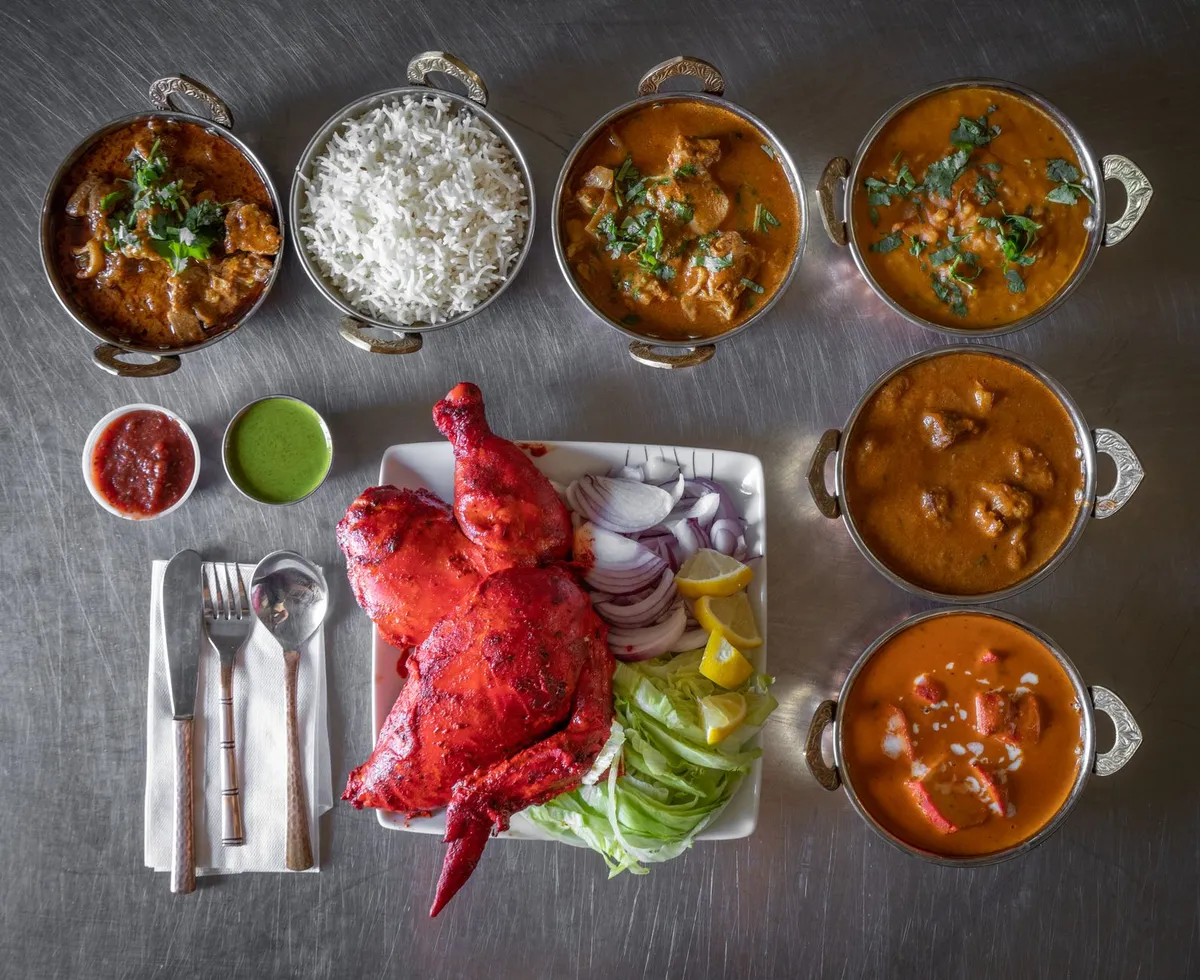
South India’s culinary landscape is a symphony of flavors, where the rhythmic waves of the Indian Ocean meet the lush greenery of the Western Ghats, and where centuries-old traditions blend seamlessly with modern vegan innovations. This region, stretching from the sun-kissed beaches of Kerala to the aromatic backwaters of Tamil Nadu, is a treasure trove of coastal delicacies and plant-based masterpieces. Whether you're a seasoned foodie or a curious vegan explorer, South India offers a sensory journey that’s as nourishing as it is unforgettable. Here, coconut reigns supreme—not just as an ingredient but as a cultural cornerstone. From the creamy coconut milk that thickens curries to the freshly grated coconut that crowns dosas, this versatile fruit is the heartbeat of South Indian cuisine. Meanwhile, the coastal regions infuse every dish with the briny kiss of the sea, where fish curries dissolve into tangy tamarind broths and prawns dance in fiery red masalas. For vegans, the challenge isn’t scarcity but abundance: jackfruit masquerades as meat, lentils transform into rich stews, and banana blossoms star in crispy fritters. But what makes South Indian food truly extraordinary is its ability to balance heat, acidity, and umami with effortless grace. The cuisine thrives on contrasts—tangy tamarind cuts through the richness of coconut, while fiery green chilies are tempered by cooling yogurt or coconut water. Even the simplest meal, like a bowl of steaming sambar with rice, becomes a revelation when the spices are freshly ground and the ingredients are locally sourced. In this guide, we’ll peel back the layers of South India’s culinary magic, exploring its coastal treasures and vegan delights through the lens of history, science, and sensory experience. Prepare to be transported to a world where every bite tells a story.The Spice Route Reimagined: How Coastal Flavors Define South India’s Culinary IdentitySouth India’s coastline, stretching over 800 kilometers, has been a crossroads of trade, culture, and cuisine for millennia. The spice route that once connected India to the Mediterranean and beyond left an indelible mark on the region’s food, infusing it with flavors that are as diverse as they are vibrant. Coastal cuisine here is a celebration of the sea, where fish, prawns, and crab are transformed into dishes that are as much about texture as they are about taste. Take, for example, the iconic Karimeen Pollichathu, a Kerala delicacy made with pearl spot fish marinated in a fiery red masala, wrapped in banana leaf, and grilled to perfection. The banana leaf not only imparts a subtle aroma but also enhances the dish’s umami profile. Similarly, Meen Moilee, a coconut milk-based fish curry, showcases the region’s love for creamy, mildly spiced gravies. The secret? Freshly ground spices like turmeric, coriander, and fenugreek, which are toasted to release their essential oils before being blended into a smooth paste. But coastal South Indian cuisine isn’t just about seafood. The region’s proximity to the ocean means that coconut, a staple crop, is used in every form imaginable—from milk to oil to grated flesh. Coconut oil, with its high smoke point, is ideal for frying, while coconut milk adds richness to curries without overpowering the delicate flavors of fish or vegetables. Even the humble appam, a lacy rice pancake, is made with coconut milk, giving it a slightly sweet, chewy texture that pairs perfectly with stews or curries. For vegans, the coastal influence is equally transformative. Dishes like Chemmeen Thoran, a stir-fry of prawns with coconut and curry leaves, can be reimagined using banana blossoms or jackfruit to mimic the texture of seafood. The key is to use the same aromatic spices—mustard seeds, curry leaves, and dried red chilies—to create a dish that’s just as satisfying. Even fish curry can be veganized by substituting fish with firm tofu or mushrooms, marinated in tamarind and coconut milk to replicate the tangy, briny notes. The science behind these flavors is fascinating. Coconut, for instance, contains medium-chain triglycerides (MCTs), which are metabolized quickly for energy and may aid in digestion. Meanwhile, the capsaicin in chilies triggers endorphin release, creating that addictive "spice high" that South Indian food is famous for. And let’s not forget the role of fermentation—dishes like idli and dosa rely on the microbial magic of rice and lentil batter, which not only enhances digestibility but also boosts the bioavailability of nutrients like iron and zinc. To truly understand coastal South Indian cuisine, one must visit its heartland. In Kochi, the aroma of Karimeen Pollichathu wafts through the air as fishermen unload their daily catch at the harbor. In Mangalore, the fiery Goli Baje, a spicy fritter made with semolina and coconut, is a street food staple. And in Chennai, the Meen Kuzhambu, a tamarind-based fish curry, is a testament to the region’s love for bold, tangy flavors.From Farm to Table: The Vegan Alchemy of South India’s Plant-Based TraditionsSouth India’s vegan cuisine is a testament to the region’s resourcefulness and deep-rooted connection to the land. Long before plant-based diets became a global trend, communities across Tamil Nadu, Karnataka, and Kerala were crafting meals that were not only nourishing but also entirely free of animal products. At the heart of this tradition lies the sambar, a lentil-based stew that’s as versatile as it is flavorful. Made with pigeon peas, tamarind, and a medley of vegetables like drumsticks, eggplant, and pumpkin, sambar is a nutritional powerhouse. A single serving provides 15 grams of protein, 10 grams of fiber, and a hefty dose of vitamin C from the tamarind and vegetables. Another cornerstone of South Indian vegan cuisine is avial, a coconut-based vegetable medley that’s both creamy and crunchy. The dish is a celebration of seasonal produce, with vegetables like carrots, beans, and yam simmered in a coconut-yogurt gravy. The yogurt, though technically a dairy product, is often substituted with coconut yogurt in modern vegan adaptations, adding a tangy depth without compromising on ethics. Avial is rich in antioxidants from the vegetables and healthy fats from the coconut, making it a balanced and satisfying dish. One of the most ingenious vegan adaptations in South Indian cuisine is the use of jackfruit. When young and unripe, jackfruit has a meaty texture that’s perfect for curries and stir-fries. In Kerala, jackfruit is often cooked in a spicy coconut gravy, mimicking the texture of meat while delivering a low-fat, high-fiber alternative. A 100-gram serving of jackfruit contains just 95 calories and 1.7 grams of protein, but its high water content makes it incredibly hydrating. For those looking to boost their protein intake, pairing jackfruit with lentils or tofu can create a complete amino acid profile. Banana blossoms, or vazhaipoo, are another vegan secret weapon. These vibrant purple flowers are packed with iron, calcium, and vitamin A, and their slightly bitter taste makes them a perfect match for spicy curries. In Tamil Nadu, vazhaipoo is often used to make crispy fritters or stir-fries, where its delicate texture shines. The blossoms are also a great source of polyphenols, which have anti-inflammatory properties. But perhaps the most iconic vegan dish in South India is the dosa. Made from fermented rice and lentil batter, dosa is not only delicious but also easily digestible due to the fermentation process. The batter’s microbial activity breaks down phytic acid, which can inhibit mineral absorption, making the nutrients in dosa more bioavailable. A single dosa contains 3 grams of protein and 2 grams of fiber, and when paired with coconut chutney and sambar, it becomes a complete meal. For those looking to recreate these dishes at home, the key is to use fresh, locally sourced ingredients. Spices like mustard seeds, cumin, and coriander should be toasted just before grinding to preserve their volatile oils, which are responsible for the aromatic punch. Tamarind, a staple in South Indian cooking, should be soaked and squeezed to extract its tangy pulp, while coconut should be used in its freshest form—grated, milked, or pressed into oil.The Science of Spice: Decoding the Flavors That Make South Indian Food IrresistibleSouth Indian cuisine is a masterclass in flavor balancing, where heat, acidity, sweetness, and umami coexist in perfect harmony. The secret lies in the spices, which are not just seasonings but bioactive compounds that interact with our taste buds and even our physiology. Take, for example, turmeric, a golden spice that’s a staple in almost every South Indian dish. Curcumin, the active compound in turmeric, has been shown in PubMed studies to have anti-inflammatory and antioxidant properties, which may help reduce the risk of chronic diseases like heart disease and cancer. Then there’s mustard seeds, which are tempered in hot oil to release their pungent aroma. Mustard seeds contain glucosinolates, compounds that have been linked to cancer prevention and digestive health. When heated, these compounds break down into isothiocyanates, which give mustard its signature kick and may also have antimicrobial properties. Cumin, another cornerstone of South Indian cooking, is rich in iron, making it a boon for those at risk of anemia. A single teaspoon of cumin seeds provides 1.4 milligrams of iron, which is 8% of the daily recommended intake. Cumin also contains thymol, a compound that stimulates digestive enzymes and may help alleviate bloating and indigestion. But perhaps the most fascinating spice in South Indian cuisine is asafoetida, or hing. This pungent resin is used in tiny quantities to add a savory, umami depth to dishes, especially in vegan cooking where it mimics the taste of meat. Asafoetida contains coumarins, compounds that have been studied for their anti-inflammatory and antimicrobial effects. It’s also a great source of iron and calcium, making it a nutritional powerhouse. The heat in South Indian food comes primarily from green chilies and black pepper. Capsaicin, the compound responsible for the burn, has been shown to boost metabolism and reduce appetite, making it a popular ingredient in weight management diets. Black pepper, on the other hand, contains piperine, a compound that enhances the absorption of nutrients like selenium and vitamin B6. Even the tamarind used in dishes like puliyodarai (tamarind rice) is a nutritional gem. Tamarind is rich in tartaric acid, which gives it its signature tang and has been studied for its antioxidant and anti-inflammatory properties. It’s also a good source of magnesium, potassium, and iron. To truly appreciate the science behind South Indian flavors, one must understand the concept of flavor pairing. In South Indian cuisine, ingredients are often combined based on their volatile compounds, which create complementary aromas. For example, coconut and curry leaves share similar aromatic profiles, which is why they’re often used together. Similarly, mustard seeds and curry leaves release compounds that enhance each other’s flavors when tempered in hot oil. For home cooks looking to replicate these flavors, the key is to toast spices lightly before grinding them. This process, known as tempering, helps release the essential oils and deepens the flavor profile. Freshly ground spices should be used within a week to preserve their potency, and whole spices should be stored in airtight containers away from light and heat.👉 Continue Reading: Savor the Spice: A Deep Dive into South India’s Coastal and Vegan Culinary Wonders (Part 2)#SouthIndianVegan #CoastalCuisineMagic #PlantBasedJourney Related InsightsPeruvian Ceviche Revealed: The Ancient Citrus Alchemy That Transforms Seafood into a Nutritional Powerhouse Das vergessene Moretum: Eine kulinarische Zeitreise in die römische Bauernküche Beyond Black Pepper: The Enchanting Aromas of Long Pepper and Grains of Paradise{ "@context": "https://schema.org", "@type": "FAQPage", "mainEntity": [ { "@type": "Question", "name": "What is the main focus of Savor the Spice: A Deep Dive into South India’s Coastal and Vegan Culinary Wonders?", "acceptedAnswer": { "@type": "Answer", "text": "Unlock the secrets of South India’s vibrant coastal flavors and plant-based traditions in this expert-led culinary journey." } }, { "@type": "Question", "name": "Who authored the comprehensive guide on Savor the Spice: A Deep Dive into South India’s Coastal and Vegan Culinary Wonders?", "acceptedAnswer": { "@type": "Answer", "text": "This detailed article and its insights were carefully researched and authored by Eleanor Hughes." } }, { "@type": "Question", "name": "Where can I find more related content about Food?", "acceptedAnswer": { "@type": "Answer", "text": "You can explore more articles, detailed reviews, and similar insights by browsing the Related Insights section at the bottom of this article or visiting our dedicated Food category page." } } ] }
- Eleanor Hughes
- 31 Aug, 2026 14:20
Savor the Spice: A Deep Dive into South India’s Coastal and Vegan Culinary Wonders (Part 2)
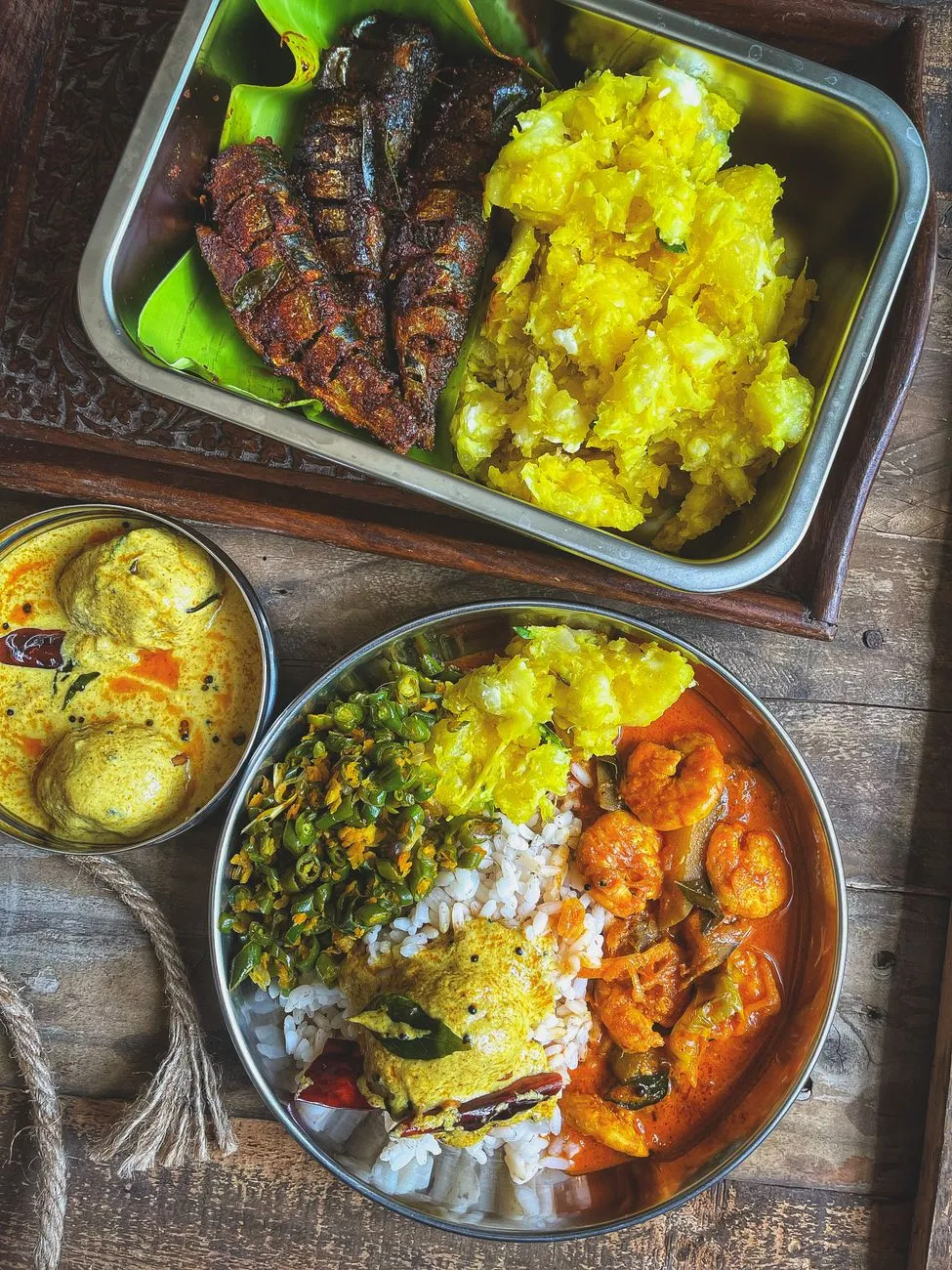
This is Part 2 of the series. Read Part 1 here.A Feast for the Senses: The Rituals and Traditions Behind South Indian Meals In South India, food is more than sustenance—it’s a ritual, a celebration, and a way of life. Meals are often served on banana leaves, which not only add a subtle aroma but also have antimicrobial properties that keep food fresh. The leaf is arranged in a specific order, with rice placed in the center and accompaniments like sambar, rasam, and curries placed around it. This arrangement isn’t just aesthetic; it’s designed to create a balanced meal where each component complements the others. The meal typically begins with a sambar or rasam, both of which are lentil-based soups that aid digestion. Sambar, with its thick, vegetable-packed gravy, is rich in protein and fiber, while rasam, a tangy tamarind-based soup, is packed with vitamin C and antioxidants. These dishes are followed by vegetable curries, which provide a variety of textures and flavors. In coastal regions, seafood curries like meen moilee or chemmeen curry take center stage, their creamy coconut milk and fiery spices creating a symphony of taste. One of the most beloved traditions in South Indian cuisine is the filter coffee, a strong, frothy brew made with dark roasted coffee beans and chicory. The coffee is poured from a height to create a frothy layer, which is then mixed with hot milk and sugar. This ritual isn’t just about taste—it’s about community. In Kerala, it’s common to see people gathering at toddy shops to sip coffee and discuss the day’s events over steaming cups. For vegans, the challenge is to adapt these traditions without losing their essence. Coconut yogurt can replace dairy yogurt in dishes like thayir sadam (yogurt rice), while cashew milk can be used to make creamy curries. Even ghee, a staple in traditional cooking, can be substituted with coconut oil or vegan ghee made from plant-based fats. The act of eating on a banana leaf is also steeped in symbolism. In many South Indian cultures, the leaf represents hospitality and prosperity. It’s believed that the leaf’s natural oils enhance the flavor of the food, and its biodegradable nature aligns with the region’s emphasis on sustainability. After the meal, the leaf is often folded and given to guests as a token of gratitude. To experience the full magic of South Indian meals, one must visit a traditional feast or sadya, a multi-course vegetarian meal served during festivals like Onam. A sadya typically includes 11 to 13 dishes, each with its own unique flavor and texture. From the crispy papadam to the sweet payasam (a rice pudding), every bite is a celebration of South India’s culinary heritage.Beyond the Plate: The Cultural and Environmental Impact of South Indian CuisineSouth Indian cuisine is deeply intertwined with the region’s culture, environment, and economy. The use of local, seasonal ingredients isn’t just a culinary choice—it’s a way of life that supports small farmers and preserves biodiversity. In Kerala, for example, the rice-tapioca combination is a staple, reflecting the state’s reliance on tubers during monsoon seasons. Tapioca, or kappa, is a drought-resistant crop that thrives in the region’s humid climate, making it a sustainable alternative to rice. The coconut palm, often called the "tree of life," is another example of South India’s sustainable food culture. Every part of the coconut is used—water for hydration, flesh for milk and oil, husk for coir, and leaves for thatching. Coconut oil, a byproduct of coconut milk production, is a key ingredient in South Indian cooking and is also used in ayurvedic medicine for its antimicrobial properties. But South Indian cuisine isn’t without its challenges. The region’s love for seafood has led to overfishing in some areas, threatening marine ecosystems. In response, many coastal communities are turning to sustainable fishing practices and aquaculture to preserve fish populations. Similarly, the rise of veganism has prompted a shift toward plant-based proteins like lentils, jackfruit, and banana blossoms, reducing the environmental footprint of the cuisine. The spice trade, which once fueled colonial ambitions, has also left a lasting impact on South India’s culinary landscape. Today, spices like cardamom, black pepper, and cinnamon are grown in small farms across Kerala and Tamil Nadu, providing livelihoods for thousands of farmers. The Fair Trade movement has further empowered these communities, ensuring that they receive fair wages for their labor. For vegans, South Indian cuisine offers a sustainable and ethical alternative to traditional diets. By focusing on plant-based proteins, seasonal produce, and locally sourced ingredients, vegan South Indian meals have a lower carbon footprint than their meat-based counterparts. A study by the University of Oxford found that a vegan diet can reduce an individual’s carbon footprint by up to 73%, making it one of the most effective ways to combat climate change. The cultural significance of South Indian cuisine extends beyond its borders. Dishes like dosa, idli, and sambar have become global symbols of Indian cuisine, inspiring fusion restaurants and plant-based eateries worldwide. In cities like London, New York, and Berlin, South Indian vegan restaurants are popping up, offering a taste of the region’s culinary magic to international audiences. To support South India’s culinary traditions, consumers can look for certified organic and fair-trade products when shopping for spices and ingredients. By choosing sustainably sourced coconut oil, tamarind, and lentils, they can contribute to the preservation of the region’s food culture while enjoying its incredible flavors.The Ultimate South Indian Vegan Feast: A Step-by-Step Guide to Cooking Like a ProFor those eager to bring the flavors of South India into their own kitchens, here’s a step-by-step guide to crafting an authentic vegan feast. Whether you’re a beginner or a seasoned cook, these recipes will help you master the art of South Indian cuisine. 1. The Perfect Vegan Sambar Ingredients:1 cup pigeon peas (toor dal) 1 cup mixed vegetables (drumsticks, eggplant, pumpkin) 1 tbsp sambar powder 1 tsp turmeric 1 tbsp tamarind paste 1 tsp mustard seeds 1 tsp cumin seeds 2 dried red chilies 1 sprig curry leaves Salt to taste 2 cups waterInstructions:Pressure cook the pigeon peas with turmeric and 2 cups of water until soft (about 5 whistles). In a pan, temper mustard seeds, cumin seeds, red chilies, and curry leaves in coconut oil. Add the cooked dal and vegetables, followed by sambar powder and tamarind paste. Simmer for 10 minutes, adjusting salt to taste. Serve hot with rice or dosa.Nutritional Profile (per serving):Nutrient AmountCalories 250 kcalProtein 15 gFiber 10 gIron 3 mgVitamin C 20 mg2. Crispy Banana Blossom Fritters (Vazhaipoo Pakoda) Ingredients:1 cup banana blossom (finely chopped) 1 cup besan (gram flour) 1 tsp cumin seeds 1 green chili (finely chopped) 1/2 tsp turmeric Salt to taste Oil for fryingInstructions:Soak the banana blossom in water to remove bitterness, then drain and pat dry. Mix besan, cumin seeds, green chili, turmeric, and salt in a bowl. Add water gradually to form a thick batter. Dip the banana blossom pieces in the batter and deep-fry until golden brown.Nutritional Profile (per serving):Nutrient AmountCalories 180 kcalProtein 6 gFiber 4 gIron 2 mg3. Coconut Chutney (The Ultimate Accompaniment) Ingredients:1 cup grated coconut 1/2 cup roasted chana dal 1 green chili 1/2 inch ginger Salt to taste Water as neededInstructions:Blend all ingredients in a mixer until smooth. Adjust water for desired consistency. Temper with mustard seeds and curry leaves for extra flavor.Nutritional Profile (per serving):Nutrient AmountCalories 120 kcalProtein 4 gFiber 3 gA Culinary Love Letter to South IndiaSouth India’s culinary traditions are a testament to the region’s resilience, creativity, and deep connection to the land. From the fiery coastal curries of Kerala to the fragrant vegan feasts of Tamil Nadu, every dish tells a story of culture, history, and innovation. Whether you’re savoring a steaming bowl of sambar, biting into a crispy dosa, or sipping on a frothy filter coffee, you’re not just eating—you’re participating in a centuries-old ritual that celebrates the beauty of plant-based living. For those looking to explore further, South India offers endless possibilities. Visit a local spice farm in Wayanad to see how cardamom and black pepper are grown. Take a cooking class in Chennai to master the art of making vegan biryani. Or simply gather friends for a banana leaf feast and let the flavors transport you to the backwaters of Kerala. In a world where food is often reduced to mere sustenance, South Indian cuisine reminds us that meals are celebrations—of life, of community, and of the incredible diversity of our planet. So go ahead, light the stove, grind those spices, and let the aromas of South India fill your home. After all, the best way to understand a culture isn’t just through its history books, but through its food.#SouthIndianVegan #CoastalCuisineMagic #PlantBasedJourney Related InsightsSip, Savor, and Swoon: The Art of French Wine and Cheese Pairings That Will Transport You to the Vineyards of Bordeaux Slurp Your Way Through Japan: The Definitive Ramen Roadmap from Tonkotsu to Shoyu The Umami Echo: Tracing Garum's Resurgence from Pompeii to Michelin Stars{ "@context": "https://schema.org", "@type": "FAQPage", "mainEntity": [ { "@type": "Question", "name": "What is the main focus of Savor the Spice: A Deep Dive into South India’s Coastal and Vegan Culinary Wonders (Part 2)?", "acceptedAnswer": { "@type": "Answer", "text": "Unlock the secrets of South India’s vibrant coastal flavors and plant-based traditions in this expert-led culinary journey." } }, { "@type": "Question", "name": "Who authored the comprehensive guide on Savor the Spice: A Deep Dive into South India’s Coastal and Vegan Culinary Wonders (Part 2)?", "acceptedAnswer": { "@type": "Answer", "text": "This detailed article and its insights were carefully researched and authored by Eleanor Hughes." } }, { "@type": "Question", "name": "Where can I find more related content about Food?", "acceptedAnswer": { "@type": "Answer", "text": "You can explore more articles, detailed reviews, and similar insights by browsing the Related Insights section at the bottom of this article or visiting our dedicated Food category page." } } ] }