Savor the Spice: A Deep Dive into South India’s Coastal and Vegan Culinary Wonders (Part 2)
-
 Eleanor Hughes
 - 31 Aug, 2026 14:20
This is Part 2 of the series. Read Part 1 here.
A Feast for the Senses: The Rituals and Traditions Behind South Indian Meals
In South India, food is more than sustenance—it’s a ritual, a celebration, and a way of life. Meals are often served on banana leaves, which not only add a subtle aroma but also have antimicrobial properties that keep food fresh. The leaf is arranged in a specific order, with rice placed in the center and accompaniments like sambar, rasam, and curries placed around it. This arrangement isn’t just aesthetic; it’s designed to create a balanced meal where each component complements the others.
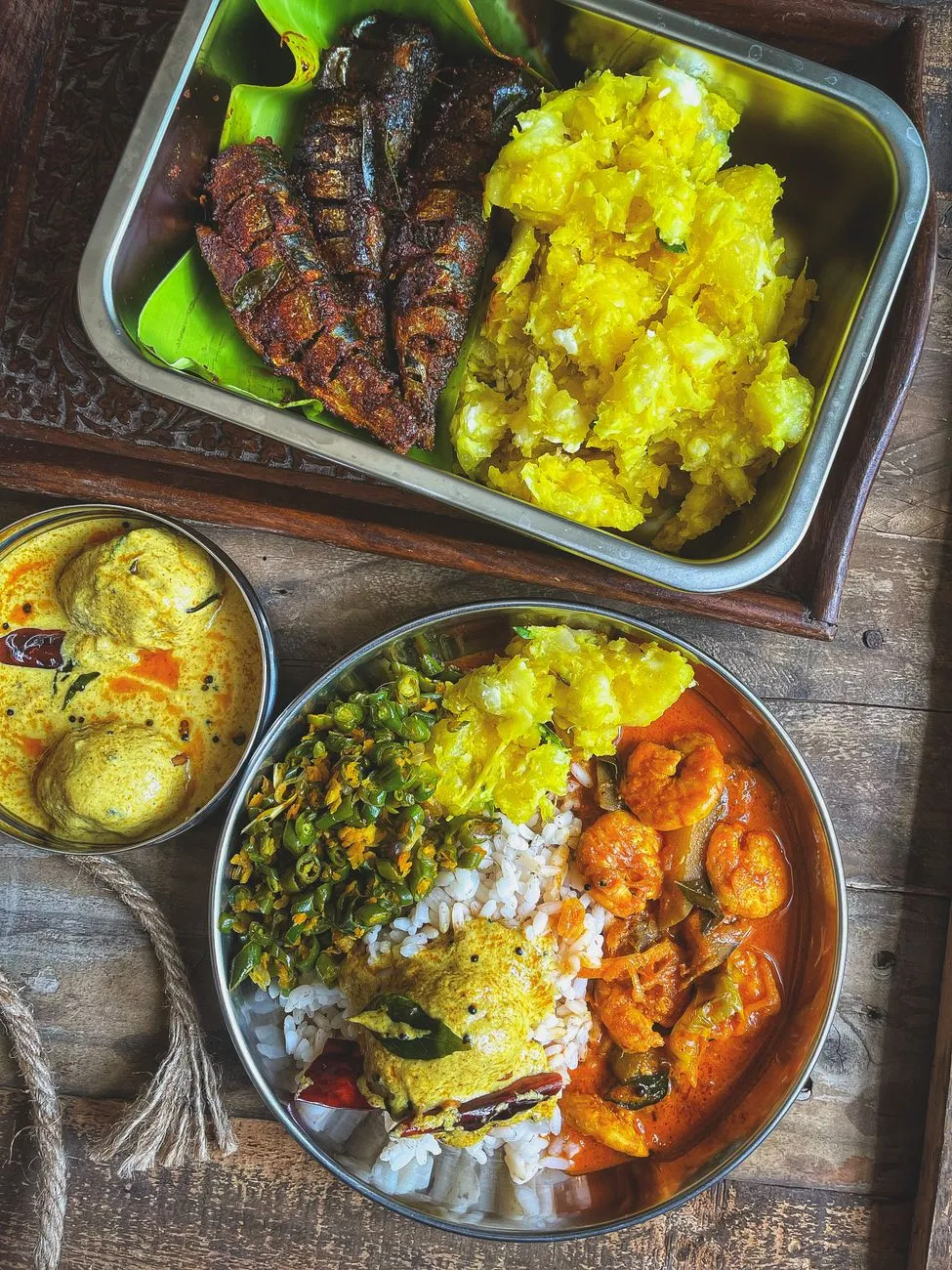
The meal typically begins with a sambar or rasam, both of which are lentil-based soups that aid digestion. Sambar, with its thick, vegetable-packed gravy, is rich in protein and fiber, while rasam, a tangy tamarind-based soup, is packed with vitamin C and antioxidants. These dishes are followed by vegetable curries, which provide a variety of textures and flavors. In coastal regions, seafood curries like meen moilee or chemmeen curry take center stage, their creamy coconut milk and fiery spices creating a symphony of taste.
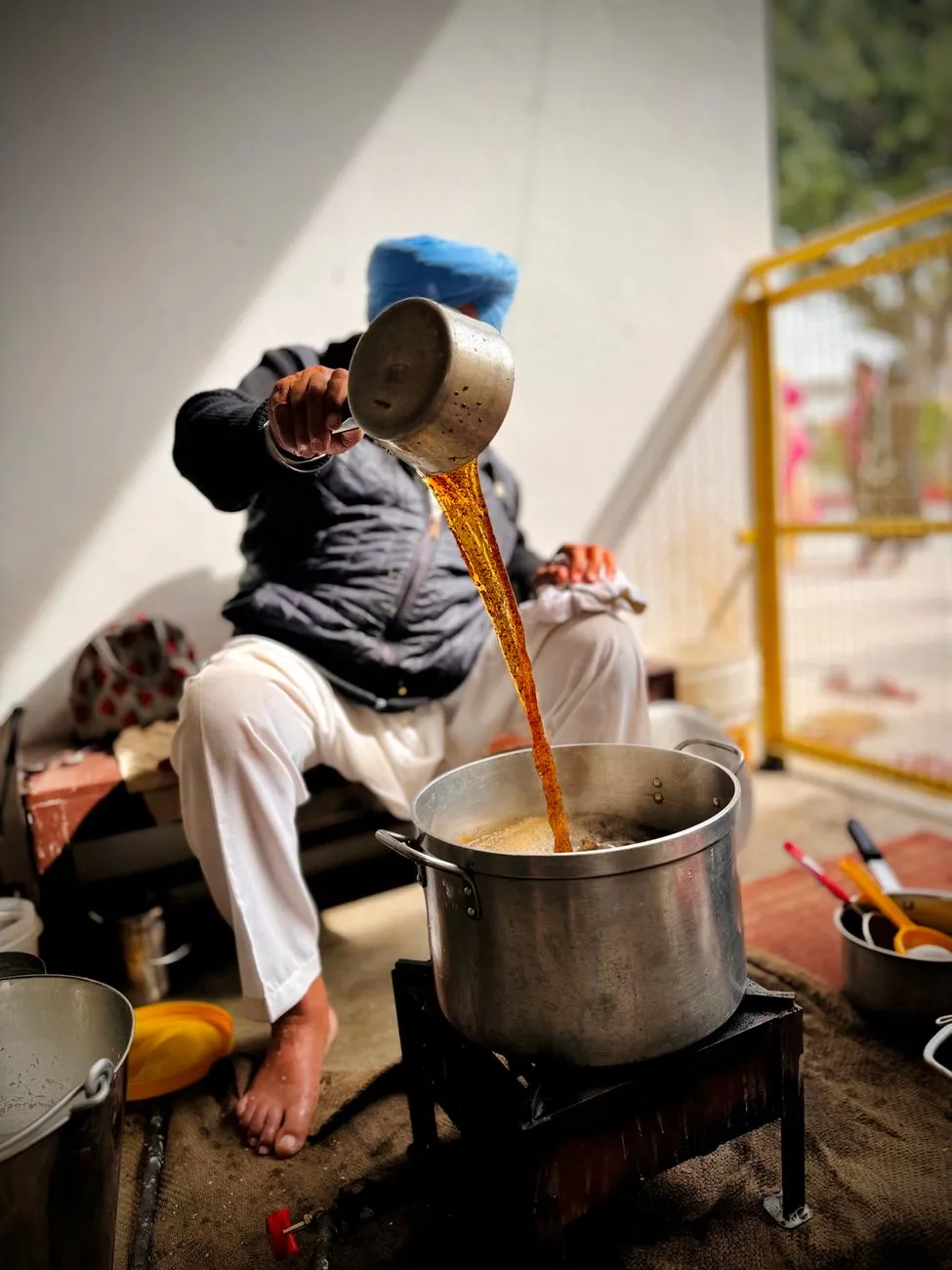
One of the most beloved traditions in South Indian cuisine is the filter coffee, a strong, frothy brew made with dark roasted coffee beans and chicory. The coffee is poured from a height to create a frothy layer, which is then mixed with hot milk and sugar. This ritual isn’t just about taste—it’s about community. In Kerala, it’s common to see people gathering at toddy shops to sip coffee and discuss the day’s events over steaming cups.
For vegans, the challenge is to adapt these traditions without losing their essence. Coconut yogurt can replace dairy yogurt in dishes like thayir sadam (yogurt rice), while cashew milk can be used to make creamy curries. Even ghee, a staple in traditional cooking, can be substituted with coconut oil or vegan ghee made from plant-based fats.
The act of eating on a banana leaf is also steeped in symbolism. In many South Indian cultures, the leaf represents hospitality and prosperity. It’s believed that the leaf’s natural oils enhance the flavor of the food, and its biodegradable nature aligns with the region’s emphasis on sustainability. After the meal, the leaf is often folded and given to guests as a token of gratitude.
To experience the full magic of South Indian meals, one must visit a traditional feast or sadya, a multi-course vegetarian meal served during festivals like Onam. A sadya typically includes 11 to 13 dishes, each with its own unique flavor and texture. From the crispy papadam to the sweet payasam (a rice pudding), every bite is a celebration of South India’s culinary heritage.
Beyond the Plate: The Cultural and Environmental Impact of South Indian Cuisine

South Indian cuisine is deeply intertwined with the region’s culture, environment, and economy. The use of local, seasonal ingredients isn’t just a culinary choice—it’s a way of life that supports small farmers and preserves biodiversity. In Kerala, for example, the rice-tapioca combination is a staple, reflecting the state’s reliance on tubers during monsoon seasons. Tapioca, or kappa, is a drought-resistant crop that thrives in the region’s humid climate, making it a sustainable alternative to rice.
The coconut palm, often called the “tree of life,” is another example of South India’s sustainable food culture. Every part of the coconut is used—water for hydration, flesh for milk and oil, husk for coir, and leaves for thatching. Coconut oil, a byproduct of coconut milk production, is a key ingredient in South Indian cooking and is also used in ayurvedic medicine for its antimicrobial properties.
But South Indian cuisine isn’t without its challenges. The region’s love for seafood has led to overfishing in some areas, threatening marine ecosystems. In response, many coastal communities are turning to sustainable fishing practices and aquaculture to preserve fish populations. Similarly, the rise of veganism has prompted a shift toward plant-based proteins like lentils, jackfruit, and banana blossoms, reducing the environmental footprint of the cuisine.
The spice trade, which once fueled colonial ambitions, has also left a lasting impact on South India’s culinary landscape. Today, spices like cardamom, black pepper, and cinnamon are grown in small farms across Kerala and Tamil Nadu, providing livelihoods for thousands of farmers. The Fair Trade movement has further empowered these communities, ensuring that they receive fair wages for their labor.
For vegans, South Indian cuisine offers a sustainable and ethical alternative to traditional diets. By focusing on plant-based proteins, seasonal produce, and locally sourced ingredients, vegan South Indian meals have a lower carbon footprint than their meat-based counterparts. A study by the University of Oxford found that a vegan diet can reduce an individual’s carbon footprint by up to 73%, making it one of the most effective ways to combat climate change.
The cultural significance of South Indian cuisine extends beyond its borders. Dishes like dosa, idli, and sambar have become global symbols of Indian cuisine, inspiring fusion restaurants and plant-based eateries worldwide. In cities like London, New York, and Berlin, South Indian vegan restaurants are popping up, offering a taste of the region’s culinary magic to international audiences.
To support South India’s culinary traditions, consumers can look for certified organic and fair-trade products when shopping for spices and ingredients. By choosing sustainably sourced coconut oil, tamarind, and lentils, they can contribute to the preservation of the region’s food culture while enjoying its incredible flavors.
The Ultimate South Indian Vegan Feast: A Step-by-Step Guide to Cooking Like a Pro
For those eager to bring the flavors of South India into their own kitchens, here’s a step-by-step guide to crafting an authentic vegan feast. Whether you’re a beginner or a seasoned cook, these recipes will help you master the art of South Indian cuisine.
1. The Perfect Vegan Sambar
Ingredients:
- 1 cup pigeon peas (toor dal)
- 1 cup mixed vegetables (drumsticks, eggplant, pumpkin)
- 1 tbsp sambar powder
- 1 tsp turmeric
- 1 tbsp tamarind paste
- 1 tsp mustard seeds
- 1 tsp cumin seeds
- 2 dried red chilies
- 1 sprig curry leaves
- Salt to taste
- 2 cups water
Instructions:
- Pressure cook the pigeon peas with turmeric and 2 cups of water until soft (about 5 whistles).
- In a pan, temper mustard seeds, cumin seeds, red chilies, and curry leaves in coconut oil.
- Add the cooked dal and vegetables, followed by sambar powder and tamarind paste.
- Simmer for 10 minutes, adjusting salt to taste. Serve hot with rice or dosa.
Nutritional Profile (per serving):
| Nutrient | Amount |
|---|---|
| Calories | 250 kcal |
| Protein | 15 g |
| Fiber | 10 g |
| Iron | 3 mg |
| Vitamin C | 20 mg |
2. Crispy Banana Blossom Fritters (Vazhaipoo Pakoda)
Ingredients:
- 1 cup banana blossom (finely chopped)
- 1 cup besan (gram flour)
- 1 tsp cumin seeds
- 1 green chili (finely chopped)
- 1/2 tsp turmeric
- Salt to taste
- Oil for frying
Instructions:
- Soak the banana blossom in water to remove bitterness, then drain and pat dry.
- Mix besan, cumin seeds, green chili, turmeric, and salt in a bowl.
- Add water gradually to form a thick batter.
- Dip the banana blossom pieces in the batter and deep-fry until golden brown.
Nutritional Profile (per serving):
| Nutrient | Amount |
|---|---|
| Calories | 180 kcal |
| Protein | 6 g |
| Fiber | 4 g |
| Iron | 2 mg |
3. Coconut Chutney (The Ultimate Accompaniment)
Ingredients:
- 1 cup grated coconut
- 1/2 cup roasted chana dal
- 1 green chili
- 1/2 inch ginger
- Salt to taste
- Water as needed
Instructions:
- Blend all ingredients in a mixer until smooth.
- Adjust water for desired consistency.
- Temper with mustard seeds and curry leaves for extra flavor.
Nutritional Profile (per serving):
| Nutrient | Amount |
|---|---|
| Calories | 120 kcal |
| Protein | 4 g |
| Fiber | 3 g |
A Culinary Love Letter to South India

South India’s culinary traditions are a testament to the region’s resilience, creativity, and deep connection to the land. From the fiery coastal curries of Kerala to the fragrant vegan feasts of Tamil Nadu, every dish tells a story of culture, history, and innovation. Whether you’re savoring a steaming bowl of sambar, biting into a crispy dosa, or sipping on a frothy filter coffee, you’re not just eating—you’re participating in a centuries-old ritual that celebrates the beauty of plant-based living.
For those looking to explore further, South India offers endless possibilities. Visit a local spice farm in Wayanad to see how cardamom and black pepper are grown. Take a cooking class in Chennai to master the art of making vegan biryani. Or simply gather friends for a banana leaf feast and let the flavors transport you to the backwaters of Kerala.
In a world where food is often reduced to mere sustenance, South Indian cuisine reminds us that meals are celebrations—of life, of community, and of the incredible diversity of our planet. So go ahead, light the stove, grind those spices, and let the aromas of South India fill your home. After all, the best way to understand a culture isn’t just through its history books, but through its food.
#SouthIndianVegan #CoastalCuisineMagic #PlantBasedJourney