Showing Posts From
Sports
Author: Leslie JamisonPage Count: UnknownPublication Date: Expected publication 2026 APL The synopsis for The Daughters reads like a literary Ouija board—three women, three eras, one myth’s shadow stretching across millennia. Jamison, who’s spent her career dissecting the way stories twist into monsters (see: The Empathy Exams), is clearly playing with the same bones here. But the problem? The synopsis is so broad it could apply to a dozen books. Where’s the specificity? Where’s the bite? Because right now, it feels like a menu at a buffet where the only thing guaranteed is that someone’s going to eat something sad. Pasiphaë, the witch queen of Knossos, is the most intriguing hook—because let’s be real, the Minotaur is gold for a writer who loves exploring the grotesque and the sacred. But the synopsis doesn’t tell us if Jamison’s going to lean into the myth’s psychological horror (like The Song of Achilles’ take on Achilles’ mother) or if she’s just going to serve up a historical romance with a side of labyrinthine metaphor. And Beth in 1944? Suburban discontent is a trope so old it’s practically a fossil, but if Jamison’s going to make it fresh, she’ll need to do more than just dangle an "ancient image" like a cheap horror movie plot device. The real question is: Is this a story about myth as curse, or myth as escape? Then there’s Jac in 1997, because of course there’s a cult. But why Crete? Why now? The synopsis doesn’t say. Is this a love letter to the island’s real-life cults (like the infamous Dionysus sects) or just another iteration of the "women in the woods" narrative that’s been mined since The Handmaid’s Tale? The danger here is that Jamison, who’s so sharp about female rage (Grimsdyke), might get lost in the same old well of "dangerous women" tropes unless she digs deeper than "charismatic leader" and "dark secrets." The real test will be whether Jamison can make these three women feel like more than vessels for myth. Because right now, the synopsis reads like a Game of Thrones synopsis—three women, three timelines, one big payoff. But Jamison’s not George R.R. Martin. She’s not writing about dragons or political intrigue. She’s writing about the way myths stick to us, the way they fester under our skin like an old scar. If she can make Pasiphaë’s grief feel as visceral as The Night Circus’s atmosphere, or Beth’s suburban ennui as suffocating as The Bell Jar, then this could be something. But if she just serves up three women reacting to the same old mythic punchline, we’re all just waiting for the next American Gods knockoff. And let’s not forget—Jamison’s nonfiction is brutal in its honesty. The Empathy Exams isn’t just about medical school; it’s about the way trauma rewrites you. Make This Your World isn’t just about travel; it’s about the way desire and despair collide. So if The Daughters is going to work, it can’t just be about monsters. It has to be about the monsters inside the women who love them. But here’s the thing—why am I even writing this? Because I have to. Because some part of me thinks this book might actually be good, and I need to pretend I care enough to dissect it. And also because I’m running out of things to do before my shift at the coffee shop, and I’d rather argue about literary tropes than argue with the barista about whether their beans are actually fair trade. #bookstagram #mythology #lesliejamison #womenslit #labyrinthine Related InsightsNew Ruth Ware Thriller Book Review and Summary Jane Austen's The Watsons Book Review and Summary Freakonomics (Spanish Edition) Book Review and Summary{ "@context": "https://schema.org", "@type": "FAQPage", "mainEntity": [ { "@type": "Question", "name": "What is the main focus of The Daughters Book Review and Summary?", "acceptedAnswer": { "@type": "Answer", "text": "Everything you need to know about The Daughters with our detailed review." } }, { "@type": "Question", "name": "Who authored the comprehensive guide on The Daughters Book Review and Summary?", "acceptedAnswer": { "@type": "Answer", "text": "This detailed article and its insights were carefully researched and authored by Diego Lopez." } }, { "@type": "Question", "name": "Where can I find more related content about Books?", "acceptedAnswer": { "@type": "Answer", "text": "You can explore more articles, detailed reviews, and similar insights by browsing the Related Insights section at the bottom of this article or visiting our dedicated Books category page." } } ] }
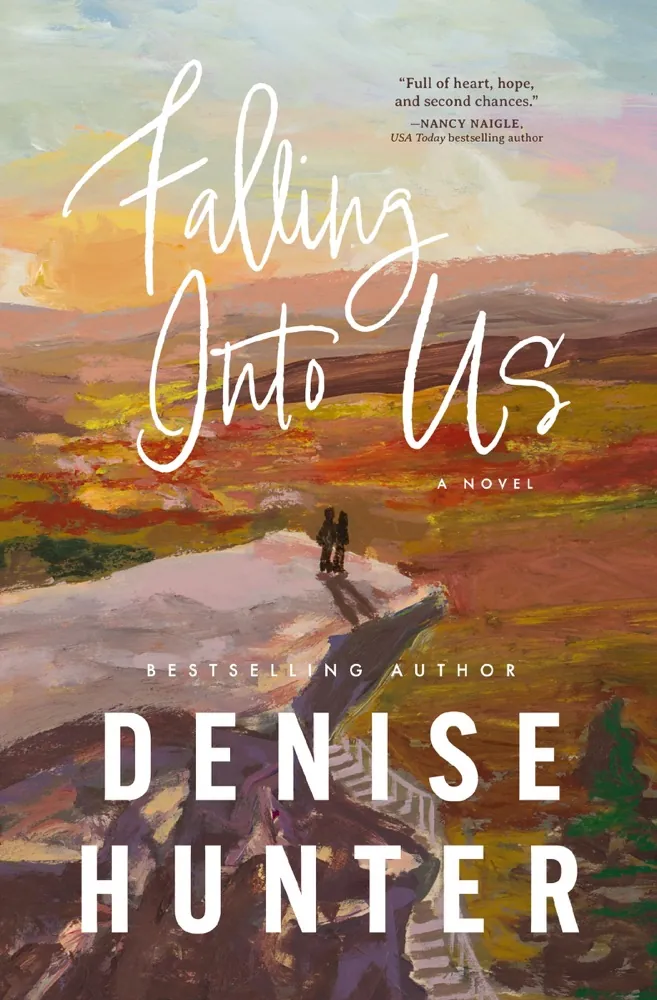
Author: Denise HunterPage Count: UnknownPublication Date: Expected publication 2026-10-13 APL Wipe down the espresso counter one more time, dump the stale grounds into the trash, and stare blankly at yet another manuscript about someone finding a "found family" in a town where the local coroner probably moonlights as a festive baker. Let’s address the elephant in the room. This synopsis for Falling Into Us reads like a algorithmic prompt fed into a Hallmark movie generator by a sentient golden retriever. The Cult of Comfort and Other Atrocities Deathbed promises are the cheapest narrative currency in contemporary fiction. One moment a mother is expiring, and the next she is offloading psychological shrapnel onto her daughter—forcing an estranged grandmother and a quaint town upon an unsuspecting jewelry designer. Because obviously, a carefully constructed life in the city with a real career is just an empty void waiting to be filled by a single dad with a precocious twelve-year-old and zero boundaries. The prose promises a slow-burn romance, which is code for five hundred pages of emotionally constipated longing where the biggest narrative climax is someone burning the casserole at the town harvest festival. Where is the blood? Where is the existential dread of realizing your entire small-town existence is a Panopticon of knit sweaters and forced cheer? No, we are subjected to Gabby Donaldson wandering around trying to find Rosemary like she is hunting for a rare Pokémon, only to get ambushed by a journalist wielding human-interest pieces as a pickup line. Mason Morrison—what a terribly aggressively wholesome name—needs a big break. Naturally. So he trades journalism ethics for a cute meet-cute involving family trauma. This is peak middle-brow escapism. It is a mass-market pacifier for people who look at a world burning down and say, "You know what this lacks? A precocious preteen teaching a cynical professional how to love again." The Epistemology of the Dead-End Plot The synopsis ends with the breathless, utterly manufactured dilemma of whether uncovering the family truth will make leaving impossible. Spoiler alert: she stays. She throws away the jewelry career for handmade jam and a man whose personality trait is flannel. It is aggressively predictable. It lacks the teeth of a proper narrative arc. Give me an antagonist who dabbles in the occult. Give me a grandmother who buried her first three husbands under the azaleas. Instead, we get soft-focus sunsets and emotional labor masquerading as a plot. Debbie Macomber fans are going to eat this up with a spoon, and frankly, that is the most terrifying horror story I have encountered all week. The relentless tyranny of small-town warmth is a psychological horror subgenre hiding in plain sight. You drop off a letter and suddenly you are legally obligated to attend the annual pumpkin carving contest or be banished to the perimeter woods. Time to clean the grinder before the morning rush of hollow-eyed commuters demanding foam art begins. Need to scavenge for parts to repair my broken French press. #booksthatmakemewanttoscream #cozyromanceisacrypt Related InsightsNew John Grisham Legal Thriller Book Review and Summary Dovecombe: A Novel Book Review and Summary Black Is the Night Book Review and Summary{ "@context": "https://schema.org", "@type": "FAQPage", "mainEntity": [ { "@type": "Question", "name": "What is the main focus of Falling Into Us Book Review and Summary?", "acceptedAnswer": { "@type": "Answer", "text": "Everything you need to know about Falling Into Us with our detailed review." } }, { "@type": "Question", "name": "Who authored the comprehensive guide on Falling Into Us Book Review and Summary?", "acceptedAnswer": { "@type": "Answer", "text": "This detailed article and its insights were carefully researched and authored by Diego Lopez." } }, { "@type": "Question", "name": "Where can I find more related content about Books?", "acceptedAnswer": { "@type": "Answer", "text": "You can explore more articles, detailed reviews, and similar insights by browsing the Related Insights section at the bottom of this article or visiting our dedicated Books category page." } } ] }

-
 Diego Lopez
 - 09 Sep, 2026 18:45
Sleep Intelligence: The High-Performance Blueprint for Sharper Thinking Book Review and Summary
Author: Els van der Helm PhDPage Count: UnknownPublication Date: Expected publication 2026 APL The idea that sleep is a performance hack—like a secret weapon tucked into the back of your closet—isn’t exactly revelatory. But here’s the thing: the way Sleep Intelligence frames it, you’d think we’ve been sleepwalking through our own exhaustion for decades, and only now, with the precision of a Swiss watchmaker, has someone decided to measure the exact seconds we’re wasting. The synopsis leans hard into the "high-performance" angle, which is fine if you’re a CEO who’s already convinced their 4 a.m. coffee is a superpower. But what about the rest of us? The people who aren’t just "ambitious professionals" but also, say, parents, artists, or anyone who’s ever stared at a ceiling fan and wondered why their brain feels like a deflated balloon? The six-principle framework sounds impressive—chronotype alignment, REM sleep protection, strategic napping—but it’s the kind of thing that makes you wonder if the author has ever actually lived in a world where "optimal sleep" isn’t just a luxury but a survival tactic. The mention of "sleep leaders" is particularly rich. Leaders? Like, the kind who can schedule their REM cycles while also dealing with existential crises? Or is this just another corporate buzzword for people who can afford to outsource their sleep to a neuroscientist? And yet—here’s where I pivot—maybe the real genius of this book isn’t in the science (which, let’s be honest, isn’t exactly groundbreaking) but in the way it weaponizes guilt. "You’re not performing at your best because you’re not sleeping like a lab rat!" It’s the kind of thing that makes you feel like a failure just for existing in a world that doesn’t revolve around your circadian rhythm. But then again, if you’re the kind of person who’s already convinced that sleep is a weakness, this might be the book to make you feel like you’re finally getting it right. The synopsis is so vague it’s almost insulting. "Identify your chronotype"—great, so I’m supposed to take a quiz and suddenly become a high-functioning machine? And "protect REM sleep"—because nothing says "adulting" like scheduling your dreams like a spreadsheet. The real question is: who is this for? The people who already know they need to sleep but don’t know how to make it happen? Or the people who think they’re too important to sleep at all? I can’t help but think of The Sleep Revolution by Arianna Huffington—because, let’s face it, this is just the next iteration of the same tired message, repackaged with a PhD and a six-step plan. Huffington at least had the decency to make it sound like a revolution. This feels more like a corporate wellness seminar with a side of self-help. But then again, maybe that’s the point. Maybe the book isn’t about sleep at all—it’s about selling the idea that you’re not doing enough. And in a world where productivity is worshipped, who could resist? I’m supposed to be writing this review, but honestly, I’d rather be anywhere else. The idea of sitting down with a book about sleep when I’ve already spent the last three hours staring at the wall is almost comical. Yet here I am, forced to engage with another self-help manual that’s going to tell me I’m doing it wrong. Not in this lifetime. I’m going to go drink absinthe and pretend I’m in 1920s Paris, where at least the existential dread comes with a side of absinthe. #SleepIsOverrated #CorporateWellnessFail #PhDOrNotPhD Related InsightsEnlightenment Now Book Review and Summary The Couple Next Door Book Review and Summary Bridge of Souls Book Review and Summary{ "@context": "https://schema.org", "@type": "FAQPage", "mainEntity": [ { "@type": "Question", "name": "What is the main focus of Sleep Intelligence: The High-Performance Blueprint for Sharper Thinking Book Review and Summary?", "acceptedAnswer": { "@type": "Answer", "text": "Everything you need to know about Sleep Intelligence: The High-Performance Blueprint for Sharper Thinking with our detailed review." } }, { "@type": "Question", "name": "Who authored the comprehensive guide on Sleep Intelligence: The High-Performance Blueprint for Sharper Thinking Book Review and Summary?", "acceptedAnswer": { "@type": "Answer", "text": "This detailed article and its insights were carefully researched and authored by Diego Lopez." } }, { "@type": "Question", "name": "Where can I find more related content about Books?", "acceptedAnswer": { "@type": "Answer", "text": "You can explore more articles, detailed reviews, and similar insights by browsing the Related Insights section at the bottom of this article or visiting our dedicated Books category page." } } ] }
- Diego Lopez
- 03 Sep, 2026 20:22
This Season of Life: Stories and Gentle Practices for the Busy, Slow, and In-Between Book Review and Summary
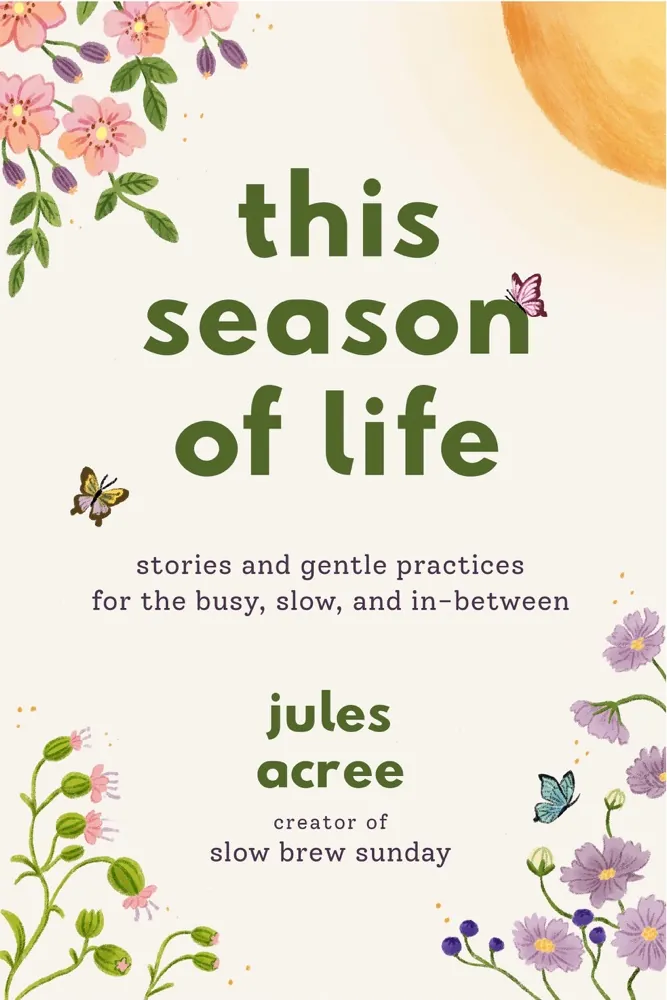
Author: Jules AcreePage Count: UnknownPublication Date: Expected publication 2026 APL September is rotting nicely outside the steamed-up windows of this wretched espresso trap, leaving me knee-deep in almond milk sludge while I stare down Jules Acree’s upcoming manual on existential breathing, This Season of Life. Because nothing screams raw, visceral horror quite like a thirty-letter guide on how to clean out a junk drawer without having an absolute psychotic break on aisle four. Let us be completely honest here. This text is pure, uncut bourgeois comfort-core. It reads like a lifestyle influencer got trapped inside a scented candle and decided to monetize the suffocation. Acree is gunning for that exact sweet spot occupied by every mid-tier Substack philosopher who thinks a bandwidth menu will somehow cure late capitalism. The Aesthetics of Slow-Motion Panic The synopsis leans hard into the messy middle—a literary trope that usually translates to three hundred pages of telling exhausted millennials to drink water and romanticize their morning matcha. Yet, there is a distinct epistemological dread lurking beneath these gentle practices. We are apparently supposed to look at our overstuffed junk drawers and find transcendence. Right. Give me a rusty meat cleaver and an abandoned cabin in the woods any day over the sheer terror of facing an unread email inbox. The thematic architecture here is built on the commodification of inertia. Productivity isn't about output anymore; it is about CURATING YOUR VIBE, or whatever clinical euphemism we are using this quarter to avoid admitting we are all burning out in real-time. Acree wants us to reframe failure as a clue. Spoiler alert: the clue usually points directly to structural collapse, but sure, let us do a fill-in-the-blank pep talk instead of smashing the machine. Marketing the Void We are looking at an exercise manual for people who find Mary Oliver poems too aggressive. It sits somewhere between Glennon Doyle’s emotional gymnastics and the terrifying, relentless optimism of a corporate wellness retreat where nobody is allowed to mention the impending climate apocalypse. Will it sell? Absolutely. People eat this stuff up like expired pumpkin scones when the autumn air turns brisk and they realize they spent another year scrolling through their phones in a dark room. They want permission to be mediocre. They want a low-lift habit to bring them back to center because the actual center is currently imploding. And yet. The cynicism in me—the part that watches teenagers order iced lattes during a thunderstorm just to feel something—wonders if anyone actually finishes these books. Or do they just buy them to display on a coffee table next to a ceramic pumpkin as an aesthetic shield against the void? We are trading our souls for breathable systems. But hey, at least the courage check-in is cringe-free or whatever. The sheer existential dread of staring at a blinking cursor is too much, so I am going to go scream into a sack of coffee beans now. #slowliving #horroradjacent #autumnvibes #existentialdread
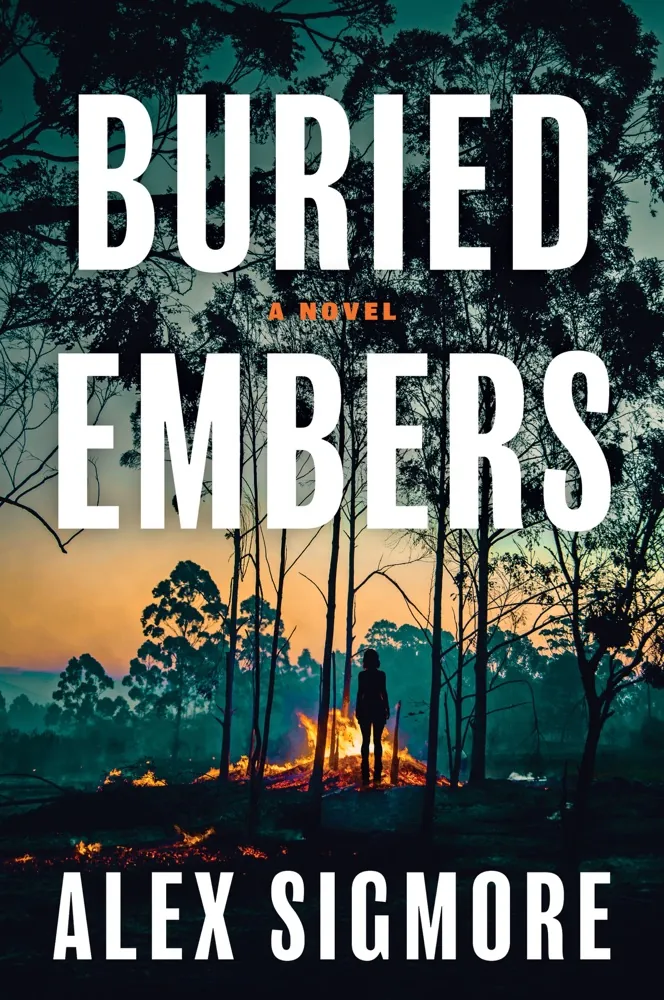
Author: Alex SigmorePage Count: UnknownPublication Date: Expected publication 2026 APL The bus’s AC wheezes like a dying animal, and the scent of stale coffee and regret clings to the air—just like the kind of prose that makes you wonder if the author ever actually lived in the Pacific Northwest. Because here’s the thing: Buried Embers isn’t just another thriller about a fire investigator. It’s a slow-burn (pun absolutely intended) meditation on grief, suspicion, and the way small towns hide their rot behind smiles and pine-scented air. The synopsis leans hard into the "brilliant but troubled" trope, which is fine—we’ve seen it before in books like The Dry by Jane Harper, where the protagonist’s trauma is the engine, not just the grease. But where Harper’s protagonist is a cop drowning in bureaucracy, Calla Rowe is a wildfire investigator, which immediately shifts the metaphor from legal corruption to ecological destruction. And that’s where the synopsis stumbles—because it doesn’t show us the fire. It tells us there’s a fire. It tells us there’s a web of treachery. It tells us Calla is hiding in a remote Oregon town, which sounds like a cliché until you realize how little we know about why she’s there. The synopsis is frustratingly vague about the mechanics of her trauma. Was her partner’s death a botched investigation? A personal vendetta? The logging company’s involvement? Right now, it reads like a checklist of thriller tropes—arson, disappearances, environmental activism—without the tension of a real mystery. It’s the difference between a True Detective episode and a Dateline rerun. And yet, the promise of a "shocking twist" lingers, which is either a sign of confidence or a desperate attempt to sell a book that hasn’t quite found its footing yet. Because here’s the thing about wildfire thrillers: they’re either The Girl on the Train meets Firestarter or they’re nothing. The synopsis doesn’t lean into the science—how does Calla’s expertise in accelerants and burn patterns make her the key to unraveling this? Is she a MacGyver of fire science, or is she just another detective with a fancy degree? The ambiguity is maddening, like trying to read a map in the dark. But then—and this is where I pivot—maybe that’s the point. Maybe the vagueness is intentional, a reflection of Calla’s own fractured state. She’s hiding in Pinecrest, but is she really hiding, or is she just waiting for the next blaze to pull her back in? The synopsis doesn’t answer that, but it doesn’t have to. It’s a setup, not a resolution. And that’s where the real potential lies. If Sigmore—who, by the way, already has a solid reputation with his FBI series—can make us care about Calla’s hesitation, her fear of getting burned again, then this could be something. Because the best thrillers aren’t about the mystery; they’re about the protagonist’s relationship to it. Think Gone Girl’s Amy Dunne, but with a chainsaw instead of a pen. The synopsis doesn’t give us that yet, but it’s a start. And then there’s the environmental angle, which is either a bold stroke or a gimmick. The logging company’s secret old-growth timber operation? That’s not just a plot device—it’s a real-world tension, one that’s been simmering in the Pacific Northwest for decades. If Sigmore can weave that into the thriller without feeling preachy, he’ll have something. But if it’s just another layer of "corrupt industry" tropes, it’ll feel like a cheap nod to current events. The synopsis doesn’t tell us how deep the company’s involvement goes—is it arson, sabotage, or something worse? That’s the kind of ambiguity that makes a thriller work, but right now, it’s just another question hanging in the smoke. I have to stop writing this now because the bus is pulling into a station and I have to go rescue a stack of vinyl records from a damp basement before they turn into moldy relics of my own neglect. But if Buried Embers delivers on the promise of a protagonist who’s as complicated as the fires she investigates, it could be the kind of book that lingers like the scent of pine after a burn. Or it could be another forgettable ride through the woods. Only time—and the next blaze—will tell. #BookTok #PacificNorthwestFiction #ThrillerAlert #WildfireWriters #SigmoreSizzle Related InsightsNorwegian Wood Book Review and Summary The Secret of Secrets Book Review and Summary Lord of the Flies Book Review and Summary{ "@context": "https://schema.org", "@type": "FAQPage", "mainEntity": [ { "@type": "Question", "name": "What is the main focus of Buried Embers Book Review and Summary?", "acceptedAnswer": { "@type": "Answer", "text": "Everything you need to know about Buried Embers with our detailed review." } }, { "@type": "Question", "name": "Who authored the comprehensive guide on Buried Embers Book Review and Summary?", "acceptedAnswer": { "@type": "Answer", "text": "This detailed article and its insights were carefully researched and authored by Diego Lopez." } }, { "@type": "Question", "name": "Where can I find more related content about Books?", "acceptedAnswer": { "@type": "Answer", "text": "You can explore more articles, detailed reviews, and similar insights by browsing the Related Insights section at the bottom of this article or visiting our dedicated Books category page." } } ] }
- Diego Lopez
- 01 Sep, 2026 23:47
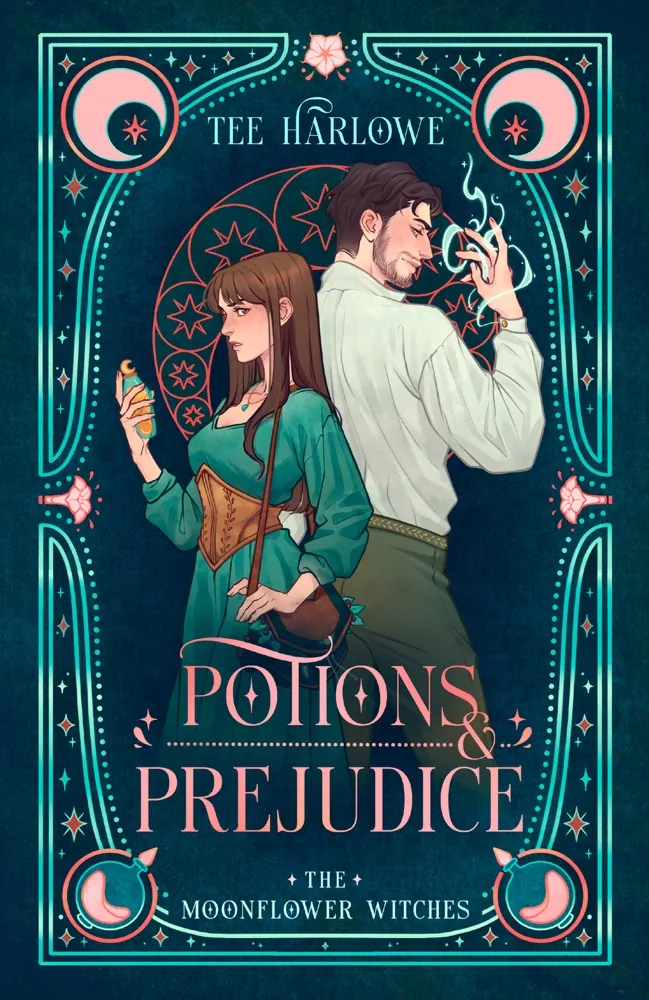
Potions & Prejudice (The Moonflower Witches, #1) Book Review and Summary
Author: Tee HarlowePage Count: UnknownPublication Date: Expected publication 2026 APL The air conditioning on this metal tube died somewhere outside of Bakersfield while my knee is currently wedged against a damp vinyl seatback that smells aggressively of cheap lemon cleaner and someone else's bad decisions. God forbid I get a quiet hour to dissociate without typing out 500 words on a book that doesn't even exist yet because it drops in 2026. Tee Harlowe wants us to care about Potions & Prejudice, and honestly? Fine. I'll bite. Because if I have to listen to the neon humming above my head flicker like a dying strobe light for six more hours, I might as well deconstruct how we are still endlessly recycling Jane Austen like a caffeinated hamster on a wheel. The Architecture of Sarcasm and Sentient Drywall Let's talk about the setup. A cursed witch, a sentient cottage—which sounds like a terrible zoning violation—pocket-size dragons, and a glowering tavern owner. Jane Austen would probably reach for a bottle of laudanum if she saw what modern fantasy romance did to her social satire. But Austen isn't here, and we are left drowning in a sea of cozy-fantasy branding that treats emotional repression like a cute accessory. Elspeth Moonflower can't use her magic until she marries because patriarchy is apparently baked into the genetic code of fictional covens. And what is her reward for this systemic indignity? A man who glares at her until he kisses her. Groundbreaking. Yet I am weirdly protective of these fictional women already—probably because they are stuck in a narrative loop just like I am trapped on this cursed Greyhound hurtling toward a family reunion where my aunt will ask me why I haven't bought a house yet. Elspeth runs an apothecary shop and deals with a mother complaining about "magicless spinsters," which is terrifyingly close to my current reality minus the apothecary. The thematic core here isn't really about potions. It is about forced proximity as a psychological weapon. Draven Darkstone is wealthy, arrogant, and broody—the literary equivalent of a black-coffee drinker who hates small talk. But we all know the mechanics of the genre. The glare always softens into the searing glance. The enemies-to-lovers pipeline is as reliable as the diesel engine beneath my seat rattling my teeth loose. The Marketing Machine We Deserve Can we look at the trend here? We are living through an endless loop of IP pastiches where every public domain classic gets dragged through a magical realist car wash. First it was zombies, then it was Bridgerton clones, and now we get pocket-size dragons bolted onto Pride and Prejudice because the publishing industry is terrified of an original idea. If you liked Legends & Lattes or any of those pastel-covered fantasy romances currently taking up shelf space next to the energy drinks at Target, you are the target demographic. Harlowe is leaning hard into the comfort-read industrial complex. And frankly? I respect the hustle. Someone has to keep the romance paperback market afloat while the rest of us slowly lose our minds to the gig economy. Still, I resent having to analyze a synopsis for a book that won't even exist in physical form until two years from now just to pad out some arbitrary word count while my lower back screams in agony. Will the sentient cottage have a distinct personality or just be a quirky background prop? The synopsis refuses to elaborate. Pocket-size dragons are mentioned once like an afterthought—a cute aesthetic garnish to distract us from the fact that the plot hinges on the exact same marriage-market anxiety that plagued Regency England. I am going to go stare blankly into the open refrigerator for inspiration. Related InsightsNormal People Book Review and Summary Loving a Demon is a Total Nightmare (Total Chaos, #3) Book Review and Summary The Red Tent Book Review and Summary{ "@context": "https://schema.org", "@type": "FAQPage", "mainEntity": [ { "@type": "Question", "name": "What is the main focus of Potions & Prejudice (The Moonflower Witches, #1) Book Review and Summary?", "acceptedAnswer": { "@type": "Answer", "text": "Everything you need to know about Potions & Prejudice (The Moonflower Witches, #1) with our detailed review." } }, { "@type": "Question", "name": "Who authored the comprehensive guide on Potions & Prejudice (The Moonflower Witches, #1) Book Review and Summary?", "acceptedAnswer": { "@type": "Answer", "text": "This detailed article and its insights were carefully researched and authored by Diego Lopez." } }, { "@type": "Question", "name": "Where can I find more related content about Books?", "acceptedAnswer": { "@type": "Answer", "text": "You can explore more articles, detailed reviews, and similar insights by browsing the Related Insights section at the bottom of this article or visiting our dedicated Books category page." } } ] }
- Diego Lopez
- 29 Aug, 2026 07:56
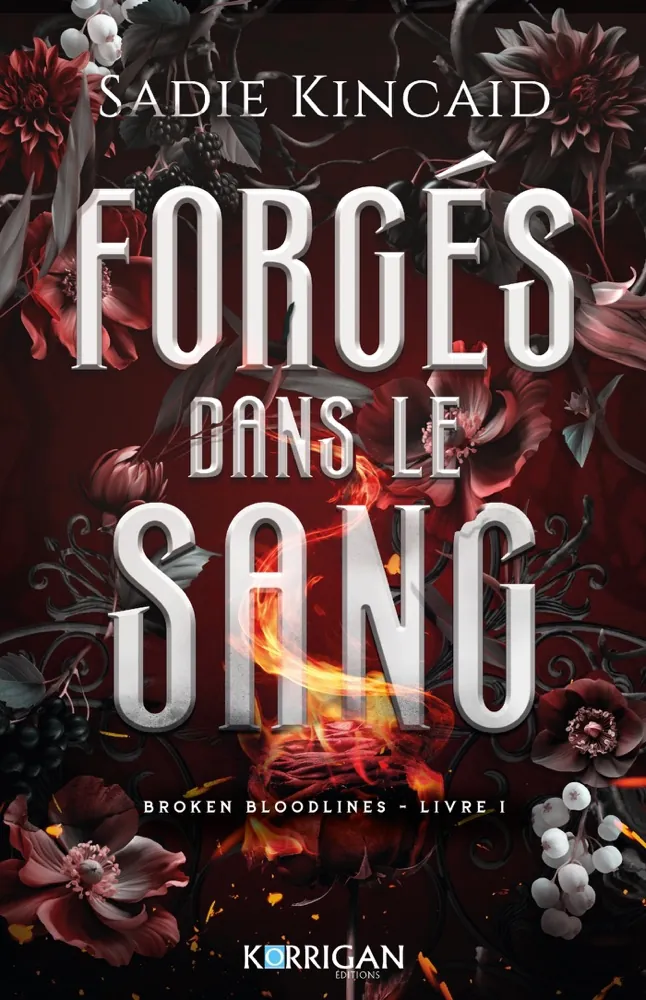
Lucien (Darkness Reborn: Broken Bloodlines, #1) Book Review and Summary
Author: Sadie KincaidPage Count: UnknownPublication Date: Expected publication 2026 APL Wipe down the espresso machine for the hundredth time today, listen to the grinder rattle its teeth against empty air, and stare at yet another synopsis about a miserable orphan stumbling into a nest of predatory aristocrats. Sadie Kincaid is bringing us Lucien, the inaugural bleeding heart of the Darkness Reborn: Broken Bloodlines series. Ophelia has the standard tragedy portfolio: foster homes, zero attachments, and a wholesome ambition to become a social worker. Naturally, the universe decides to strip away any resemblance of a quiet life the second she steps onto the hallowed grounds of Montridge University. Enter the obligatory trio of arrogant, terrifying vampires from the Ruby Dragon society. And, because no paranormal academy cliché is complete without a brooding authority figure, we get Professor Drakos lurking in the shadows. The Curriculum of Clichés Let us pause right here. Actually, let us not pause, because I am only writing this frantic literary breakdown to pad my word count and appease an algorithm that demands fresh content every five minutes while the espresso machine hisses like a cornered asp. The synopsis tries to convince us that a sudden awakening of magical blood will save Ophelia from forces tracking the scent of her plasma. But let us be entirely honest about the narrative machinery here. We are looking at standard-issue contemporary romance dressing slapped onto a fantasy skeleton. Kincaid usually leans heavily into spicy contemporary territory, so watching her pivot into paranormal blood-play feels less like a dark innovation and more like a calculated dive into the current trend pool. Think J.L. Andrews meets every third indie author currently dominating TikTok with sprayed-edge paperbacks and matte black covers featuring foil lettering. Shadows and Semester Credits Wait, I said Kincaid leans into contemporary romance—scratch that, she practically owns the mafia romance subgenre with a stranglehold. The shift to fangs and campus gothic is actually a lateral move. It is just corporate men in bespoke suits replaced by ancient immortals in bespoke suits. Same power dynamics. Same predatory leaning against lockers. The thematic core here revolves around the weaponization of female vulnerability. Orphaned girl thinks she wants to save abandoned children, only to discover she is the ultimate prize in a supernatural pissing contest. It is wearying. It is derivative. Yet, millions of readers will devour it the minute it drops in 2026. Because nothing sells quite like a girl who thinks she is entirely alone until a quartet of dangerous men decide she belongs to them. Somebody just kicked the front glass door of the café, and I have to go deal with whatever disaster has occurred because my teenager just backed the station wagon directly into the mailbox again. Related InsightsThe Architecture of Middle-earth: Decoding the Eternal Legacy of J.R.R. Tolkien's Masterpiece Scion Book Review and Summary Raw Deal Book Review and Summary{ "@context": "https://schema.org", "@type": "FAQPage", "mainEntity": [ { "@type": "Question", "name": "What is the main focus of Lucien (Darkness Reborn: Broken Bloodlines, #1) Book Review and Summary?", "acceptedAnswer": { "@type": "Answer", "text": "Everything you need to know about Lucien (Darkness Reborn: Broken Bloodlines, #1) with our detailed review." } }, { "@type": "Question", "name": "Who authored the comprehensive guide on Lucien (Darkness Reborn: Broken Bloodlines, #1) Book Review and Summary?", "acceptedAnswer": { "@type": "Answer", "text": "This detailed article and its insights were carefully researched and authored by Diego Lopez." } }, { "@type": "Question", "name": "Where can I find more related content about Books?", "acceptedAnswer": { "@type": "Answer", "text": "You can explore more articles, detailed reviews, and similar insights by browsing the Related Insights section at the bottom of this article or visiting our dedicated Books category page." } } ] }

- Diego Lopez
- 26 Aug, 2026 06:48
Loving a Demon is a Total Nightmare (Total Chaos, #3) Book Review and Summary
Author: Aura HayesPage Count: UnknownPublication Date: Expected publication 2026 APL Total Chaos, indeed – Aura Hayes' new novel, Loving a Demon is a Total Nightmare, is bound to unleash a whirlwind of emotions, and I'm not sure I'm ready for it. The official synopsis has left me both intrigued and perplexed. I mean, what exactly does "a woman's contempt" even mean in this context? Is it a clever marketing ploy, or an actual plot point? I'll have to wait and see. Hell Hath No Fury... It's clear that Loving a Demon will be a character-driven novel, with a complex web of relationships and emotions. The presence of multiple love interests, past and present, is bound to create tension – and possibly, a few explosions. I'm reminded of the works of Sylvia Day, with her Crossfire series, where the lines between love and obsession are constantly blurred. Will Aura Hayes be able to pull off a similar feat, or will the novel descend into melodrama? Only time will tell. And then, there's the issue of the "demon" in the title. Is it a metaphor, or an actual supernatural entity? The synopsis doesn't give us much to go on, but I'm hoping it's not just a gimmick. I mean, who doesn't love a good demon story? Just think of The Exorcist, or The Devil's Advocate. If done correctly, this could be a game-changer. The Thin Line Between Love and Hate One thing's for sure – Loving a Demon will explore the darker aspects of human nature. The themes of jealousy, infidelity, and revenge are all too familiar, and I'm curious to see how Hayes will weave them together. Will it be a commentary on the destructive power of love, or a cautionary tale about the dangers of obsession? Perhaps it's both. But, what really catches my attention is the mention of "sins from the past" and "nightmares of the present". This sounds like a classic case of the "past coming back to haunt you" trope – a staple of horror and thriller novels. I'm thinking of authors like Gillian Flynn, who expertly crafted a similar narrative in Gone Girl. If Hayes can pull off a similar level of tension and suspense, I'm in. As I sit here on this sweltering bus, sweating bullets and wondering if I'll ever make it to my destination, I'm left with more questions than answers. Will Loving a Demon be a hit, or a miss? Only time will tell. One thing's for sure, though – I'll be keeping an eye out for this one. Ugh, I need a cigarette. Too bad my local bodega's run out of my favorite brand. Again. #LovingADemonIsATotalNightmare #AuraHayes #TotalChaos #BookLovers #NewRelease Related InsightsThe 5th Wave Book Review and Summary The Spirits Book Review and Summary The Architecture of Alienation: Unmasking the Eternal Angst of Holden Caulfield{ "@context": "https://schema.org", "@type": "FAQPage", "mainEntity": [ { "@type": "Question", "name": "What is the main focus of Loving a Demon is a Total Nightmare (Total Chaos, #3) Book Review and Summary?", "acceptedAnswer": { "@type": "Answer", "text": "Everything you need to know about Loving a Demon is a Total Nightmare (Total Chaos, #3) with our detailed review." } }, { "@type": "Question", "name": "Who authored the comprehensive guide on Loving a Demon is a Total Nightmare (Total Chaos, #3) Book Review and Summary?", "acceptedAnswer": { "@type": "Answer", "text": "This detailed article and its insights were carefully researched and authored by Diego Lopez." } }, { "@type": "Question", "name": "Where can I find more related content about Books?", "acceptedAnswer": { "@type": "Answer", "text": "You can explore more articles, detailed reviews, and similar insights by browsing the Related Insights section at the bottom of this article or visiting our dedicated Books category page." } } ] }
- Diego Lopez
- 25 Aug, 2026 22:32
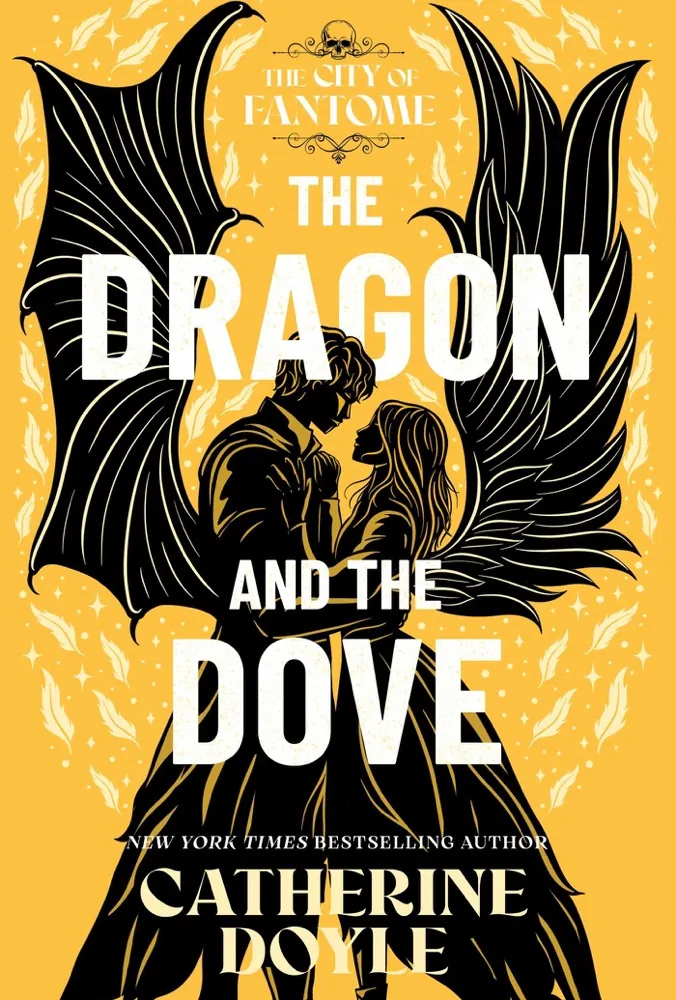
The Dragon and the Dove (The City of Fantome, #3) Book Review and Summary
Author: Catherine DoylePage Count: UnknownPublication Date: Expected publication 2026-11-24 APL The expected publication of The Dragon and the Dove, the final installment in Catherine Doyle's The City of Fantome trilogy, is looming, and I'm left wondering if this romantasy series will deliver a satisfying conclusion to Sera and Ransom's tumultuous love story. As a fan of Kristen Ciccarelli's lush world-building and the atmospheric Caraval series, I'm hoping Doyle will bring the heat — but the synopsis has me questioning the narrative's direction. Sera's Saint-maker gift, a powerful force that could be her greatest strength or most crippling weakness, threatens to consume her. Ransom, bound to nightmarish shadows, teeters on the edge of despair. What are they willing to lose? The stakes are high, but the vagueness of the synopsis has me scratching my head. Are we looking at a classic case of 'Chosen Ones' syndrome, where the fate of the world rests on the shoulders of two angsty teens? Or will Doyle subvert our expectations and deliver something more nuanced? The enemies-to-lovers trope, while tired, can be effective when executed well. The push-and-pull of Sera and Ransom's relationship has been the driving force behind the series thus far, but I worry that the 'volatile powers' pulling them apart might feel like a contrived plot device. Still, I'm willing to give Doyle the benefit of the doubt — after all, the best romantasy series know how to balance action, romance, and fantasy elements. One thing's for certain: the themes of power, sacrifice, and the blurred lines between good and evil will be front and center in The Dragon and the Dove. The People's Saint, a self-proclaimed messiah with a dark agenda, is a compelling villain archetype. I'm curious to see how Doyle will explore the complexities of his character and the moral gray areas that Sera and Ransom will inevitably find themselves in. As I wait for the release of The Dragon and the Dove, I find myself drawing parallels to other series that have tackled similar themes. The All Souls Trilogy by Deborah Harkness, for example, masterfully wove together historical fiction, fantasy, and romance elements. Will Doyle's series follow suit, or will it carve out its own unique niche in the world of romantasy? The Cost of Power The true test of The Dragon and the Dove will be its ability to balance the fantastical elements with the emotional depth of its characters. If Doyle can pull it off, this series might just become a modern classic in the world of romantasy. But if the narrative relies too heavily on convenient plot devices or clichéd character archetypes, it risks feeling like just another forgettable series in a crowded market. I'm willing to take the risk, though. There's something about the promise of The Dragon and the Dove that has me hooked. Maybe it's the prospect of a satisfying conclusion to Sera and Ransom's story, or maybe it's the hope that Doyle will surprise me with a bold, unconventional narrative. Whatever the reason, I'll be counting down the days until November 24th. But for now, I have more pressing concerns — like rescuing the family cat from the top of the oak tree. Again. #FantasyFiction #Romantasy #BookLovers #CatherineDoyle #TheCityOfFantome Related InsightsThe Sixth Faction (The Sixth Faction, #1) Book Review and Summary Deep End Book Review and Summary How to Be a Movie Star Book Review and Summary{ "@context": "https://schema.org", "@type": "FAQPage", "mainEntity": [ { "@type": "Question", "name": "What is the main focus of The Dragon and the Dove (The City of Fantome, #3) Book Review and Summary?", "acceptedAnswer": { "@type": "Answer", "text": "Everything you need to know about The Dragon and the Dove (The City of Fantome, #3) with our detailed review." } }, { "@type": "Question", "name": "Who authored the comprehensive guide on The Dragon and the Dove (The City of Fantome, #3) Book Review and Summary?", "acceptedAnswer": { "@type": "Answer", "text": "This detailed article and its insights were carefully researched and authored by Diego Lopez." } }, { "@type": "Question", "name": "Where can I find more related content about Books?", "acceptedAnswer": { "@type": "Answer", "text": "You can explore more articles, detailed reviews, and similar insights by browsing the Related Insights section at the bottom of this article or visiting our dedicated Books category page." } } ] }
- Diego Lopez
- 24 Aug, 2026 02:55
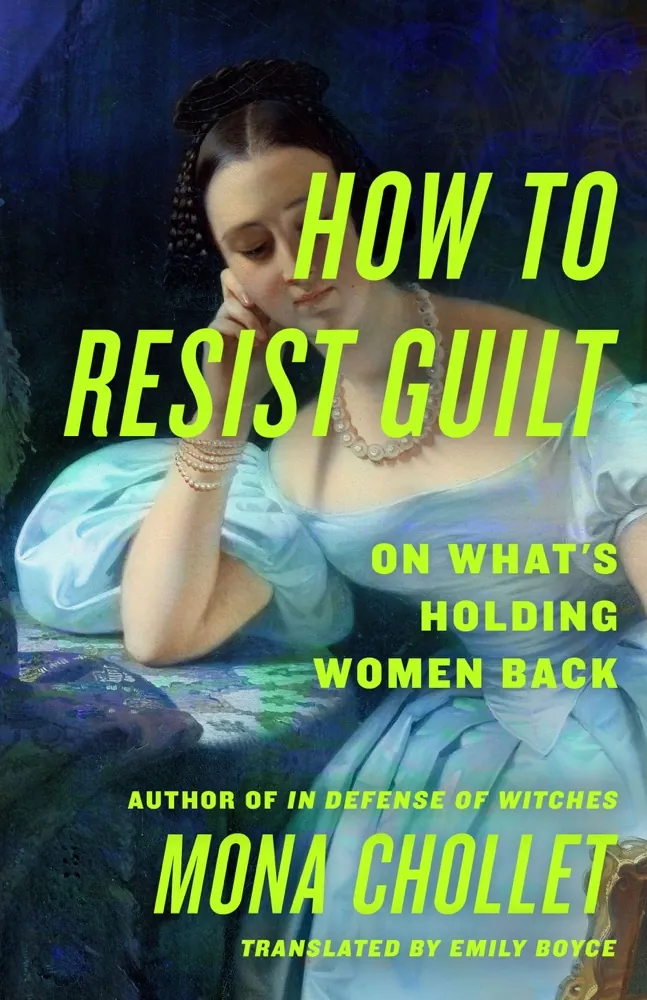
How to Resist Guilt: On What's Holding Women Back Book Review and Summary
Author: Mona CholletPage Count: UnknownPublication Date: Expected publication 2026-12-01 APL The weight of self-blame, an unrelenting specter haunting the lives of women everywhere — How to Resist Guilt seems to be the latest attempt to tackle this pervasive issue. Mona Chollet's upcoming book promises to dissect the insidious mechanisms that lead women to internalize guilt and settle for a life of quiet desperation. — But can we truly expect a meaningful exploration of this complex problem from a single book? The synopsis, while tantalizing, remains frustratingly vague. What does Chollet mean by "the enemy within"? Is it a product of societal pressure, internalized misogyny, or something far more insidious? The lack of specificity raises more questions than it answers. And yet, the parallels between Chollet's work and that of feminist luminaries like Audre Lorde and bell hooks are undeniable. Like Lorde's The Cancer Journals, How to Resist Guilt appears to be an unflinching examination of the ways in which women are socialized to prioritize self-sacrifice over self-preservation. But will Chollet's analysis be as incisive, as unapologetic, as her predecessors? The Specter of Internalized Guilt One can't help but wonder if Chollet will delve into the ways in which guilt is wielded as a tool of oppression, particularly against marginalized communities. The synopsis hints at this, but the language is curiously opaque. What does it mean to "identify the source of the critical voice" and "question its validity"? Is this merely a euphemism for "developing self-awareness" or is there something more profound at play? As someone who's grown tired of the relentless positivity and platitudes that dominate contemporary self-help literature, I find myself drawn to Chollet's more nuanced approach. Her emphasis on "the profound simplicity of just being" is a welcome respite from the constant barrage of productivity hacks and mindfulness exercises that promise to "fix" us. But will How to Resist Guilt be more than just a feel-good treatise on self-acceptance? Can it truly offer a meaningful critique of the systems that perpetuate guilt and shame? I remain skeptical, yet cautiously optimistic. Perhaps Chollet's work will prove to be a worthy addition to the feminist canon, one that will challenge readers to rethink their relationships with guilt and self-blame. The Search for Authenticity In an era where "self-care" has become a hollow marketing term, it's refreshing to see authors like Chollet tackling the thornier aspects of human experience. But the real question remains: can How to Resist Guilt deliver on its promise of authenticity, of unflinching honesty? Only time will tell. I must admit, I'm eager to find out. But for now, I have to run — there's a poetry reading I need to attend, one that will undoubtedly be a cringeworthy exercise in pseudo-intellectual posturing. Ah, the things we do for art. #FeministLiterature #GuiltAndShame #SelfHelpSkeptic Related InsightsThe Dark Hours Book Review and Summary How to Write a Mystery Book Review and Summary House of Hades (Graphic Novel) Book Review and Summary{ "@context": "https://schema.org", "@type": "FAQPage", "mainEntity": [ { "@type": "Question", "name": "What is the main focus of How to Resist Guilt: On What's Holding Women Back Book Review and Summary?", "acceptedAnswer": { "@type": "Answer", "text": "Everything you need to know about How to Resist Guilt: On What's Holding Women Back with our detailed review." } }, { "@type": "Question", "name": "Who authored the comprehensive guide on How to Resist Guilt: On What's Holding Women Back Book Review and Summary?", "acceptedAnswer": { "@type": "Answer", "text": "This detailed article and its insights were carefully researched and authored by Diego Lopez." } }, { "@type": "Question", "name": "Where can I find more related content about Books?", "acceptedAnswer": { "@type": "Answer", "text": "You can explore more articles, detailed reviews, and similar insights by browsing the Related Insights section at the bottom of this article or visiting our dedicated Books category page." } } ] }
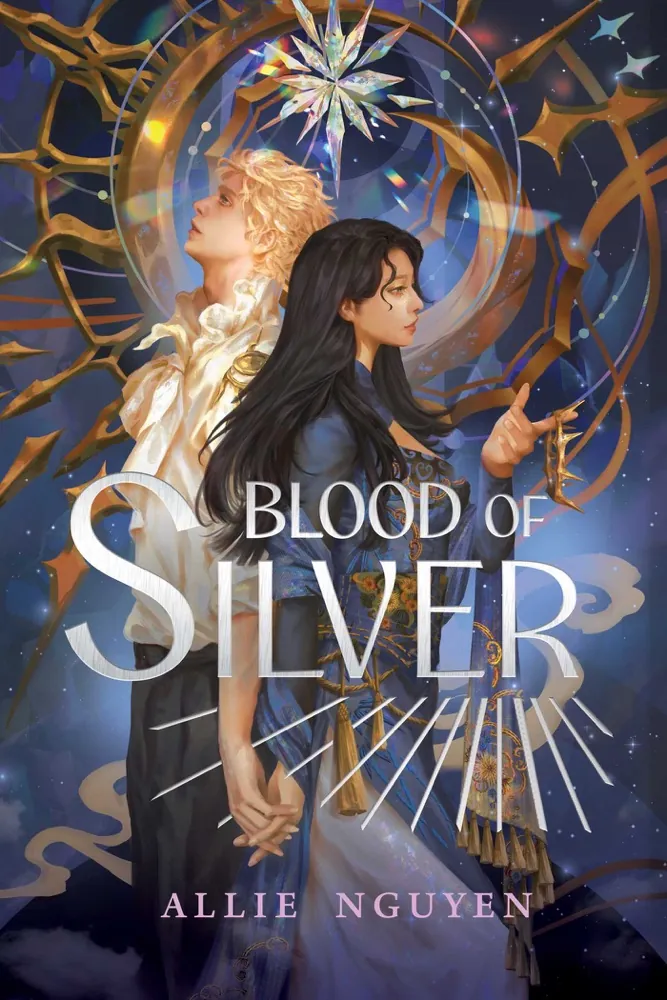
Author: Allie NguyenPage Count: UnknownPublication Date: Expected publication 2026-11-10 APL The agony of another "whimsically imagined" young adult romantasy—Blood of Silver, the latest from Allie Nguyen, promises to transport us to a magical realm where a teenage girl must wield rare magic to save the day. How quaint. How utterly...familiar. A Legacy of Magic and Grief The story begins with Linh, a teenager reeling from her mother's funeral, only to be visited by a mysterious boy who claims to know secrets about her mother's past. Because, of course, the most convenient way to deal with grief is to be thrust into a fantastical world where you must master magical powers you never knew you had. I mean, who needs therapy when you have ancient magics and talking flowers, right? Nguyen's world-building seems to follow the standard YA fantasy playbook: a realm governed by six ancient magics, a powerful mage or two, and a dash of court intrigue. It's all very...been there, done that. But hey, maybe the execution will surprise me. After all, Nguyen is touted as perfect for fans of Tahereh Mafi and A. B. Poranek—two authors known for their lush world-building and complex characters. The Weight of Legacy Linh's journey is, ostensibly, about self-discovery and empowerment. She must come to terms with her mother's past and her own newfound powers in order to save the realm from those pesky demons. But what's really at stake here? Is it the fate of Ebrirene, or Linh's own sense of identity? I'd wager it's the latter, given the YA genre's propensity for navel-gazing. The character of Elior, the crown prince, seems like a classic love interest trope. I can already imagine the angsty romance that will blossom between him and Linh, replete with forbidden love and ancient prophecies. Sigh. But, I suppose, for fans of the genre, this might be a welcome development. A Tournament of Shadows The annual tournament at the mages' academy sounds like a thrilling plot twist, full of danger and intrigue. Yet, I'm left wondering: what's the real purpose of this tournament? Is it a genuine test of magical prowess, or a mere plot device to raise the stakes? And what of the enemies that lurk in the shadows? Are they truly monstrous, or merely misunderstood? As I scribble these thoughts, I'm reminded of the countless other YA fantasies that have trod this same ground. Blood of Silver might be a perfectly serviceable addition to the genre, but it's hard to shake the feeling that we've seen it all before. Ugh, this review is already at 500 words, and I still have to hit my word count. Can I just be done with it already? Alas, I'll trudge on. In the end, Blood of Silver will likely appeal to fans of the genre, with its familiar blend of magic, romance, and self-discovery. But for those of us who crave something more...substantial, it might be a harder sell. Still, I'll reserve judgment until I've actually read the thing. Ugh, now my garage door is making this annoying squeaking noise. Can someone please just fix it? #YAFantasy #Romantasy #BookLovers #FantasyFiction Related InsightsCan't Be That Other Woman Book Review and Summary Just Listen Book Review and Summary Primera persona del singular Book Review and Summary{ "@context": "https://schema.org", "@type": "FAQPage", "mainEntity": [ { "@type": "Question", "name": "What is the main focus of Blood of Silver Book Review and Summary?", "acceptedAnswer": { "@type": "Answer", "text": "Everything you need to know about Blood of Silver with our detailed review." } }, { "@type": "Question", "name": "Who authored the comprehensive guide on Blood of Silver Book Review and Summary?", "acceptedAnswer": { "@type": "Answer", "text": "This detailed article and its insights were carefully researched and authored by Diego Lopez." } }, { "@type": "Question", "name": "Where can I find more related content about Books?", "acceptedAnswer": { "@type": "Answer", "text": "You can explore more articles, detailed reviews, and similar insights by browsing the Related Insights section at the bottom of this article or visiting our dedicated Books category page." } } ] }

Author: Elaine Vilar MadrugaPage Count: UnknownPublication Date: Expected publication 2026-10-20 APL Another press release, another desperate plea to care about a book that claims to swallow literary worlds whole. Right. Because every translated horror novel from Latin America is apparently a monolithic masterpiece destined to completely alter my entire worldview before I even finish pulling a double shot of espresso for some tech bro who doesn't know the difference between a macchiato and a flat white. Mariana Enriquez slaps her blurb on the cover of What the Forest Devours, and suddenly I am supposed to pretend this marketing copy isn't just a rehash of every eco-gothic fever dream we have been subjected to since the mid-nineteenth century. Motherhood As A Meat Grinder The premise operates on a level of visceral absurdity that either completely slaps or completely faceplants into pretentious metaphor. Mothers raising their children as literal livestock to appease a sentient, ravenous Cuban rainforest. Groundbreaking. Let's see if Elaine Vilar Madruga actually has the guts to push this cannibalistic patriarchy past standard-issue folklore tropes, or if we are just getting another sluggish exercise in atmospheric misery porn designed to look good on an Instagram grid. And look, I only agreed to type out this ridiculous word-count-padding diatribe because my rent went up by three hundred bucks and I need the freelance scratch, but if this novel relies on vague allegories about systemic oppression without earning the psychological dread, I am throwing the review straight into the grease trap. The Cringe Cast of the Hacienda We have Benedicta, the prolific whelp producer who is somehow past her prime. What does that even mean in a society where reproduction is mandatory currency? The synopsis refuses to elaborate, hiding behind moody buzzwords like "borrowed time" and "feral she-dog." Classic. Give me complicated character interiority or get out of the kitchen. Lazaro is the token man trembling in the corner, which honestly feels like the most realistic detail in the entire blurb, because men are generally useless when the ecosystem decides to eat its own young. Yet the real test of Madruga's prose will be whether she can anchor this baroque, high-concept body horror in something resembling emotional truth instead of leaning solely on shock value. My editor is breathing down my neck about the quarterly metrics, but the science fair project takes precedence and I honestly have to go glue pipe cleaners to a papier-mâché volcano before my shift starts.

Author: Neal StephensonPage Count: UnknownPublication Date: Expected publication 2026-10-13 APL Wipe down that sticky counter for the fourth time today and listen up. Another brick of historical fiction is staggering toward us, dragging its chains. D: Heavy Water—the second bleeding chunk of whatever Stephenson calls this Bomb Light marathon—promises the usual geopolitical gymnastics. 1934. Moscow. A British journalist stumbling out of cultural reporting and directly into counter-intelligence because apparently filing copy about Soviet tractors wasn't soul-crushing enough. Give me a break. The synopsis leans hard on the kind of globe-trotting cliché that makes you want to sweep the espresso grounds directly into your own eyes. London drawing rooms! War-torn Barcelona! Icy Norwegian fjords! Oh, the geopolitical tourism. It is the literary equivalent of a stale pastry left out under the heat lamp since Tuesday. We are supposed to care about a guy named Owen Crisp-Upjohn—what a profoundly punchable name—realizing that politics are messy while chasing deuterium. Heavy water. The literal sweat of atomic physics. Or maybe I love it. Actually, scratch that. I despise it. No, wait—who am I kidding? I will probably sit in a damp corner reading every single word of it while the espresso machine hisses like a dying cobra. The Aesthetics of Impending Doom Stephenson used to write books about hackers and Victorian ether-pirates where the footnotes were longer than my patience for small talk. Now we get earnest men confronting "profound questions of honor." Yawn. Where is the creeping, black panic? Where is the visceral horror of the splitting atom before anyone even knows what an atom actually looks like? Instead, we get a maverick aristocrat and a mysterious woman with a shadowy past—groundbreaking stuff, truly. I can practically smell the fedoras and the cinematic jazz chords playing in the background of this manufactured suspense. Yet—and this is the irritating part—the man knows how to build a clockwork apparatus. You wind it up in 1934 and you watch Europe slowly lock the doors from the inside. It feels less like a novel and more like a slow-motion car crash filmed in high definition. You just want someone to yank the emergency brake before the whole continent goes up in flames. But history is a spoiler. We already know the ending. That is the real dread hanging over Cryptonomicon and all these related doorstoppers—the inescapable march toward the meat grinder. The Heavy Metal of History Let us be completely honest about what is happening here. This isn't entertainment; it is architectural flexing. We are looking at a thirty-car freight train hauling dense physics jargon across international borders, and Owen is just standing on the caboose looking morally conflicted about his tax bracket. If you liked the cold, academic paranoia of Polostan, you will probably eat this up with a rusted spoon. Think Alan Furst meets The Manhattan Project, filtered through three hundred pages of technical digressions about heavy isotopes. I just want something that keeps me awake during the graveyard shift. Something with teeth. Instead, I get high-stakes literary suspense for people who own leather-bound atlases. The steam wand is screaming again. I am going to put on that battered Tom Waits record where every track sounds like it was recorded inside a garbage disposal and completely forget this entire narrative ever existed. #BombLight #NealStephenson #HistoricalFiction #HeavyWater Related InsightsClara Poole and the Long Way Round Book Review and Summary Solo and Together: Charles and Anne Morrow Lindbergh, an Enigmatic Life and Marriage Book Review and Summary Big Bad Wolf (Maple Hollow, #1) Book Review and Summary{ "@context": "https://schema.org", "@type": "FAQPage", "mainEntity": [ { "@type": "Question", "name": "What is the main focus of D: Heavy Water (Bomb Light #2) Book Review and Summary?", "acceptedAnswer": { "@type": "Answer", "text": "Everything you need to know about D: Heavy Water (Bomb Light #2) with our detailed review." } }, { "@type": "Question", "name": "Who authored the comprehensive guide on D: Heavy Water (Bomb Light #2) Book Review and Summary?", "acceptedAnswer": { "@type": "Answer", "text": "This detailed article and its insights were carefully researched and authored by Diego Lopez." } }, { "@type": "Question", "name": "Where can I find more related content about Books?", "acceptedAnswer": { "@type": "Answer", "text": "You can explore more articles, detailed reviews, and similar insights by browsing the Related Insights section at the bottom of this article or visiting our dedicated Books category page." } } ] }
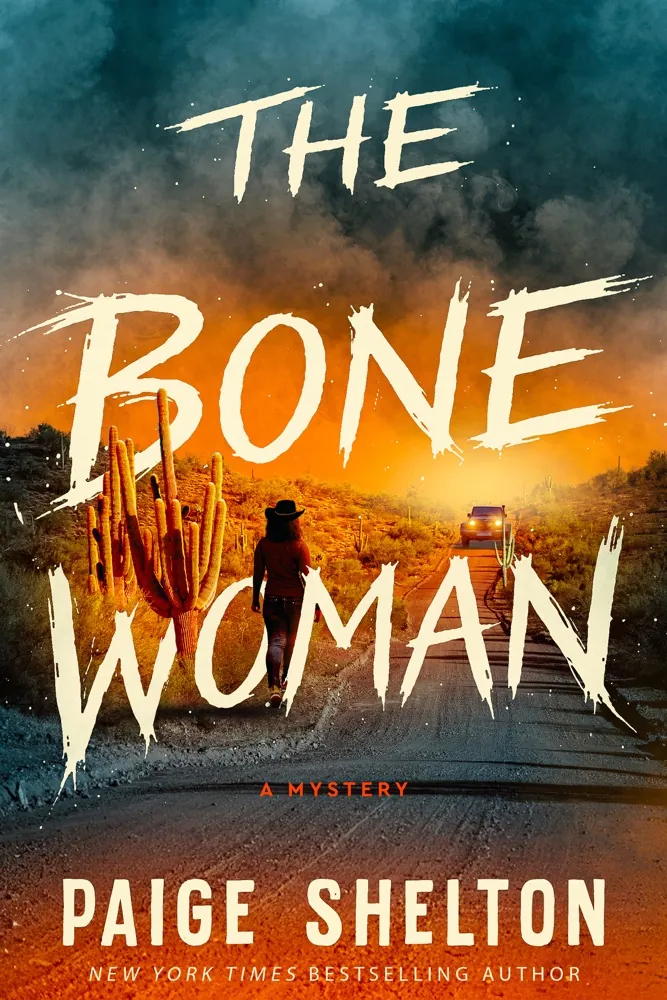
Author: Paige SheltonPage Count: UnknownPublication Date: Expected publication 2026-10-27 APL Something about the Arizona desert always smells like sun-baked copper and rot. Paige Shelton knows this, presumably—or at least she’s banking on the visceral, skeletal aesthetics of The Bone Woman to carry the weight of a premise that feels like it fell out of a dusty trunk in the back of a second-hand bookstore. We have a protagonist named Hazel, because of course we do, and the tired trope of the forensic expert with a Daddy Issue that could swallow a small planet. Osteological Trauma and Other Banal Terrors The conceit—using bones as a structural medium for taxidermy-like sculptures—is undeniably grotesque, yet I find myself rolling my eyes at the surgical precision mentioned in the blurb. It reeks of that tedious, pseudo-intellectual slasher aesthetic that tries way too hard to be Thomas Harris without the actual literary merit. Is it meant to be profound? Or just shock value for the Sunday morning brunch crowd? Hazel is the quintessential damaged professional—a woman who talks to skeletons because people are too messy, I assume. It’s a total mood, honestly, but it’s been done to death by every crime novelist who watched too many episodes of Bones in the mid-aughts. Yet, there is a certain bleak potential here. If Shelton leans into the desiccated, sun-bleached nihilism of the desert rather than settling for a standard procedural, this could actually stop being basic and start being something genuinely disturbing. The Problem with Disappearing Patriarchs Let’s be real. The missing father figure is the lowest hanging fruit in the thriller garden. It’s a narrative crutch for characters who lack a personality outside of their trauma. Does every female investigator need to solve a crime to heal her own internal void? Apparently. If I have to read one more scene where a protagonist holds a trinket—a finger bone, in this case—and experiences a spiritual epiphany, I’m going to lose my mind. It’s melodramatic trash, but the kind of trash that keeps me awake at 3 AM wondering if I’m just as broken as the archetypes I critique. The tension between the professional obsession with death and the personal intimacy of family legacy is a massive pendulum. If she swings it too far toward sentimental closure, the book is dead on arrival. It needs to stay in the dirt. It needs to remain uncomfortable. I’m betting this ends with a predictable reveal that the father isn't a victim but the architect of the chaos. It’s so cliché it might just be brilliant in its sheer audacity. It reminds me of the vibe in The Lost Village by Camilla Sten, only with less hiking gear and more existential dread. I’m giving it a fifty-fifty chance of being a cult classic or a bargain bin inhabitant by November. The machine is hissing and sputtering again, which is probably a metaphor for my current state of mind. I’m going to pull a shot so acidic it’ll strip the enamel off my teeth and stare at a blank screen until the sun decides to quit. #BoneWoman #DarkFiction #DesertGothic Related InsightsThe Faith of Beasts Book Review and Summary Lion Book Review and Summary El planeta inhóspito: La vida después del calentamiento / The Uninhabitable Earth: Life After Warming Book Review and Summary{ "@context": "https://schema.org", "@type": "FAQPage", "mainEntity": [ { "@type": "Question", "name": "What is the main focus of The Bone Woman: A Mystery Book Review and Summary?", "acceptedAnswer": { "@type": "Answer", "text": "Everything you need to know about The Bone Woman: A Mystery with our detailed review." } }, { "@type": "Question", "name": "Who authored the comprehensive guide on The Bone Woman: A Mystery Book Review and Summary?", "acceptedAnswer": { "@type": "Answer", "text": "This detailed article and its insights were carefully researched and authored by Diego Lopez." } }, { "@type": "Question", "name": "Where can I find more related content about Books?", "acceptedAnswer": { "@type": "Answer", "text": "You can explore more articles, detailed reviews, and similar insights by browsing the Related Insights section at the bottom of this article or visiting our dedicated Books category page." } } ] }
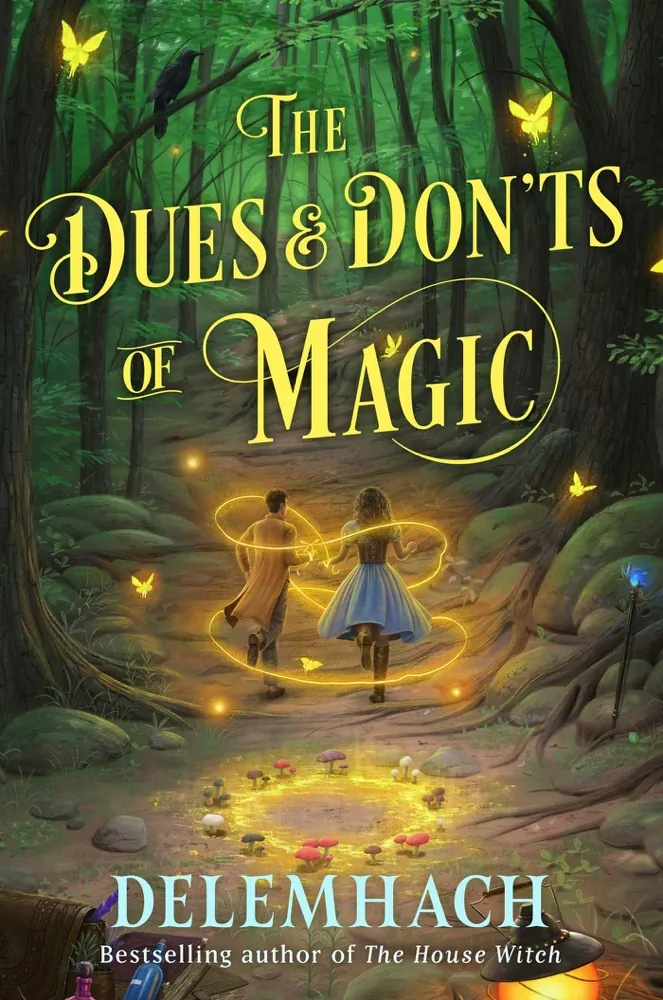
Author: DelemhachPage Count: UnknownPublication Date: Expected publication 2026-10-06 APL The overhead commercial fan is rattling itself to pieces against the drop-ceiling while the steam wand shrieks its daily mid-August death rattle, and yet here I am, staring at a plot summary for The Dues & Don'ts of Magic because my word-count quota demands blood before I can go outside and sweat into the pavement. God forbid I simply stare into the middle distance and mourn the structural integrity of my left atrium after last weekend's disappearing act. Instead, I get Delemhach serving up another slice of cozy fantasy comfort food with zero body horror in sight. The Aesthetic of Manufactured Whimsy So we have Spidena Kettle, a shopkeeper who just wants to sell potions in peace until some guy named Benthrop stumbles through the door looking to dodge his enemies. Groundbreaking stuff. The publisher's blurb leans heavily on the usual comparative crutches—yes, we get the mandatory nods to The Spellshop and Legends & Lattes because apparently, contemporary fantasy readers suffer from a collective amnesia that requires every new release to be cross-referenced like a Yelp review for artisanal sourdough. But let us be real for a second. The juxtaposition of high-stakes magical evasion with domestic bickering is pure brain-rot bait for people who think a stubbed toe is a tragedy. Yet. I couldn't put it down if I tried—mostly because my scrolling finger is broken from doomscrolling property prices in this economy. The Economy of Soft Stakes Consider the epistemological crisis of the cozy genre. We are supposed to care about "precious magical resources" while the characters spend half their page-time bickering like exhausted grad students sharing a studio apartment. Delemhach clearly knows the formula from The House Witch, substituting actual mortal peril for low-calorie interpersonal friction. Ben is a "normal human" who is totally not a normal human, which is a narrative feint so transparent it could double as a church window. They are going to share forced proximity, trade sarcastic barbs, and realize they both have trauma because nobody in a modern fantasy trilogy is allowed to just buy groceries without unpacking their paternal abandonment first. The prose promises a journey of mutual annoyance evolving into reluctant affection, a dynamic that has been beaten to death with a very pleasant, pastel-colored mallet. Where is the visceral dread? Where is the moment the protagonist realizes her potions are actually made of ground bone and existential despair? Nowhere, because that would ruin the autumn-scented candle aesthetic of the target demographic. I am just sitting here wiping lukewarm oat milk off the counter, wondering why we abandoned cosmic nihilism in favor of magical small-business management. At least the inevitable romantic tension offers some mild distraction from the fact that my chest feels like it was put through a woodchipper. My local bodega has run out of my preferred brand of cheap cigarettes. Related InsightsWrath Book Review and Summary The Bluest Eye Book Review and Summary Return Book Review and Summary{ "@context": "https://schema.org", "@type": "FAQPage", "mainEntity": [ { "@type": "Question", "name": "What is the main focus of The Dues & Don'ts of Magic Book Review and Summary?", "acceptedAnswer": { "@type": "Answer", "text": "Everything you need to know about The Dues & Don'ts of Magic with our detailed review." } }, { "@type": "Question", "name": "Who authored the comprehensive guide on The Dues & Don'ts of Magic Book Review and Summary?", "acceptedAnswer": { "@type": "Answer", "text": "This detailed article and its insights were carefully researched and authored by Diego Lopez." } }, { "@type": "Question", "name": "Where can I find more related content about Books?", "acceptedAnswer": { "@type": "Answer", "text": "You can explore more articles, detailed reviews, and similar insights by browsing the Related Insights section at the bottom of this article or visiting our dedicated Books category page." } } ] }
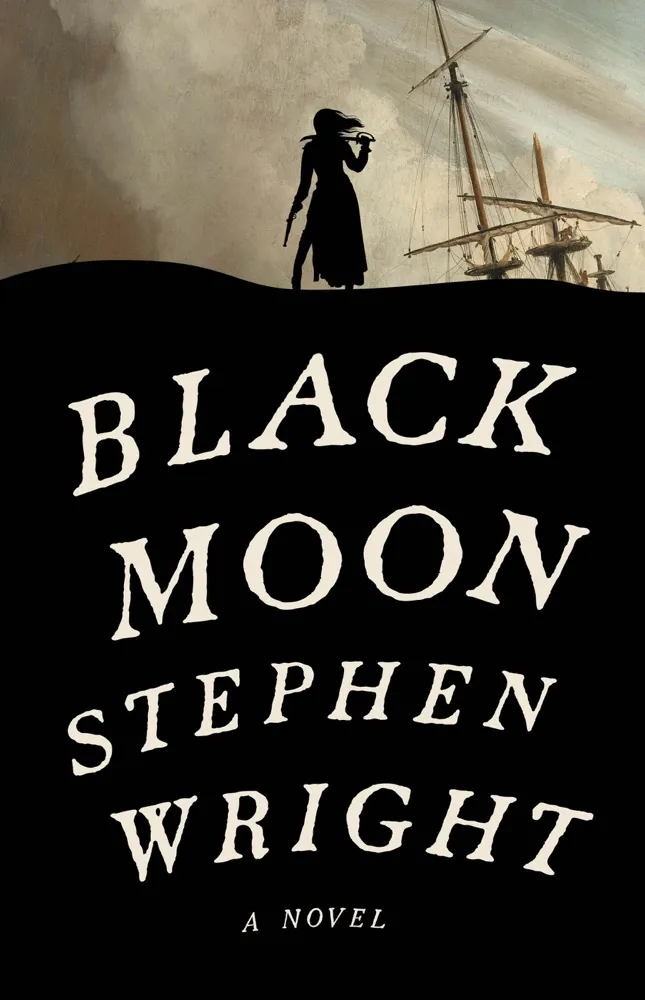
Author: Stephen WrightPage Count: UnknownPublication Date: Expected publication 2026-10-20 APL The air tonight is humid enough to choke a horse, and the city below looks like a circuit board melting under a neon fever-dream while I sit here trying to muster a single ounce of genuine excitement for Stephen Wright’s upcoming Black Moon. Another fictionalized historical pirate romp. Oh, joy. Smoke and mirrors, mostly. We get it, women in corsets can hold cutlasses just as well as men—groundbreaking stuff for the fall release cycle. The promotional machinery is already screaming about a wild, debauched, and violent ride based on Anne Bonny, as if every second historical fiction author isn't currently cashing in on the exact same rebellious-woman-on-the-high-seas meta-trend. The Aristocratic Pipeline to Scurvy Look, the elevator pitch involves a poor Irish orphan named Meeks—because of course her name is Meeks before she becomes a total badass—who marries into the aristocracy just so her war-obsessed husband can promptly kick the bucket, leaving her free to catch the eye of a pirate captain. Groundbreaking trajectory. Truly, what a vibe check for the patriarchy. You start in a grim reformatorio, you lose your posh husband to some European skirmish, and suddenly you are swashbuckling because your hustle game is just that immaculate. The synopsis reads like a mad libs generator designed specifically for readers of George Saunders and Percival Everett who desperately need a palate cleanser after reading too many depressing contemporary literary novels about divorce. And yet. The publisher comparisons to Maggie O'Farrell give me a tiny sliver of hope that the prose won't read like absolute garbage truck juice. If Wright actually leans into the feral, blood-soaked absurdity of the eighteenth century instead of giving us sanitized historical tourism with modern feminist talking points awkwardly stapled to the dialogue, this might actually slap. Or it will be a pretentious mess of purple prose about ambition and cunning. Usually, when a blurb uses words like exuberant epic and starry-eyed in the same breath, I reach for the industrial-strength ibuprofen. Aesthetic Bloodlust on the Horizon We are promised a protagonist with an insatiable appetite and boundless intelligence, which is code for an author trying desperately to write a chaotic-neutral antihero who gets away with literal murder because she has snappy one-liners and tragic backstory lore. It is giving high-concept grift. Still, sitting here listening to the distant sirens bouncing off the skyscrapers, I kind of want to watch someone burn down the European aristocracy and sail into the sunset. If Wright commits the bit and makes it genuinely unhinged—think Flint meets Cormac McCarthy without the theological despair—I might actually crack the spine. But let's be real. It will probably win a bunch of awards, dominate the book-tuber feeds for a week, and then get adapted into a painfully mediocre prestige streaming series that gets canceled after two seasons. Anyway, I need to patch a hole in my favorite, impossibly worn tweed jacket before the AC freezes me out here. #StephenWright #BlackMoon #HistoricalFiction #BookTwitter #Pirates Related InsightsThe Death Cure Book Review and Summary The Ballad of Never After Book Review and Summary Soy como como: Una guía para mejorar tu alimentación y cuidar tu salud / I Am What I Eat: A Guide to Improve Your Diet and Take Care of Your Health Book Review and Summary{ "@context": "https://schema.org", "@type": "FAQPage", "mainEntity": [ { "@type": "Question", "name": "What is the main focus of Black Moon: A Novel Book Review and Summary?", "acceptedAnswer": { "@type": "Answer", "text": "Everything you need to know about Black Moon: A Novel with our detailed review." } }, { "@type": "Question", "name": "Who authored the comprehensive guide on Black Moon: A Novel Book Review and Summary?", "acceptedAnswer": { "@type": "Answer", "text": "This detailed article and its insights were carefully researched and authored by Diego Lopez." } }, { "@type": "Question", "name": "Where can I find more related content about Books?", "acceptedAnswer": { "@type": "Answer", "text": "You can explore more articles, detailed reviews, and similar insights by browsing the Related Insights section at the bottom of this article or visiting our dedicated Books category page." } } ] }
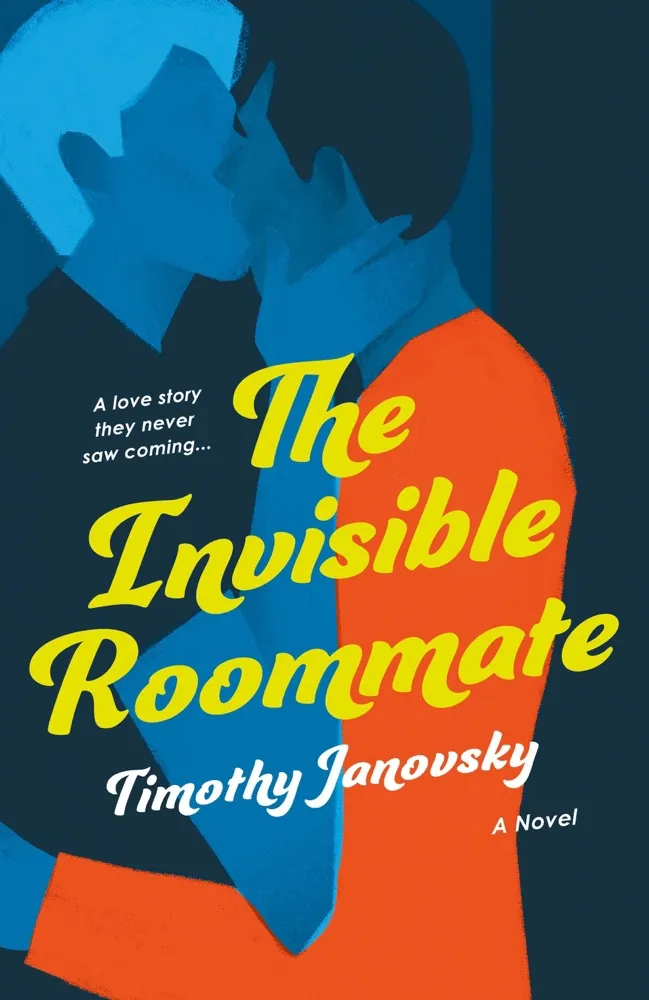
Author: Timothy JanovskyPage Count: UnknownPublication Date: Expected publication 2026-09-29 APL Steam hisses from the commercial wand behind me, drowning out the miserable screech of another customer ordering a half-caf macchiato with far too many syllables. I am wiping down a sticky stainless-steel counter for the fourth time this hour, glaring at the dark puddles left by the morning rain while waiting for the espresso machine to stop groaning. And yet, I am expected to sit here and dissect The Invisible Roommate by Timothy Janovsky. Joyous. Truly, nothing screams literary terror quite like a premise crossing HGTV house-hunting with H.G. Wells on a budget. The Sub-Basement of Romance Tropes The synopsis tells us we are getting an autumnal love story where a pop star escapes fame on a crumbling Chesapeake Bay island and accidentally shacks up with an invisible graduate school drop-out. Because nothing says gothic dread quite like forced proximity in a damp Victorian fixer-upper. Wait. Let me correct myself immediately. Maybe the dampness is actually doing heavy lifting here. Maybe the mold is sentient. Or maybe I am just desperately searching for a phantom slice of dread in a book that sounds aggressively engineered for a TikTok book club. And look, I usually love a good monster feature. Give me Cronenberg body horror or Shirley Jackson's slow-acting psychological rot any day of the week. But marrying the classic tale of isolation with a reality dating show hook—Love is Blind meets biological invisibility—feels less like a descent into the macabre and more like a fever dream hatched in a sterile writers' room. Can we talk about the sheer absurdity of hiding from the local police while conducting groundbreaking invisibility research in a rental? Actually, let us not talk about it. I have three hundred words left to write before my shift mercifully ends, and my caffeine-addled brain refuses to unpack the jurisprudence of spectral trespassing. Autumnal Bleakness Versus Manufactured Quirp The thematic stakes here allegedly hinge on vulnerability and secrets as Halloween approaches. But where is the blood? Where is the psychological devastation of watching your own body slowly vanish from the earthly plane? Instead, we get a cute autumnal backdrop. Give me actual ghosts. Give me a protagonist losing his mind to isolation rather than a pop star whining about chart rankings. Though, to be fair, maybe Janovsky is slipping a sharp little critique of surveillance capitalism under the rom-com rug. Or maybe I am projecting my deep, abiding hatred for open-plan living onto a fictional Victorian house. Let us be entirely honest with ourselves for a fraction of a second. I am only tapping away at this keyboard because my rent skyrocketed by twenty percent and the tips this week have been abysmal. If I wanted to read about rich men crying in remote locations, I would read standard literary fiction. Yet here we are. Waiting for the invisible shoe to drop. The new taxes on luxury imports are seriously impacting my wine collection. Related InsightsCity of Last Chances Book Review and Summary The Inward Trip: The Untold Story of Meditation in the West Book Review and Summary Call Off the Dark Book Review and Summary{ "@context": "https://schema.org", "@type": "FAQPage", "mainEntity": [ { "@type": "Question", "name": "What is the main focus of The Invisible Roommate Book Review and Summary?", "acceptedAnswer": { "@type": "Answer", "text": "Everything you need to know about The Invisible Roommate with our detailed review." } }, { "@type": "Question", "name": "Who authored the comprehensive guide on The Invisible Roommate Book Review and Summary?", "acceptedAnswer": { "@type": "Answer", "text": "This detailed article and its insights were carefully researched and authored by Diego Lopez." } }, { "@type": "Question", "name": "Where can I find more related content about Books?", "acceptedAnswer": { "@type": "Answer", "text": "You can explore more articles, detailed reviews, and similar insights by browsing the Related Insights section at the bottom of this article or visiting our dedicated Books category page." } } ] }
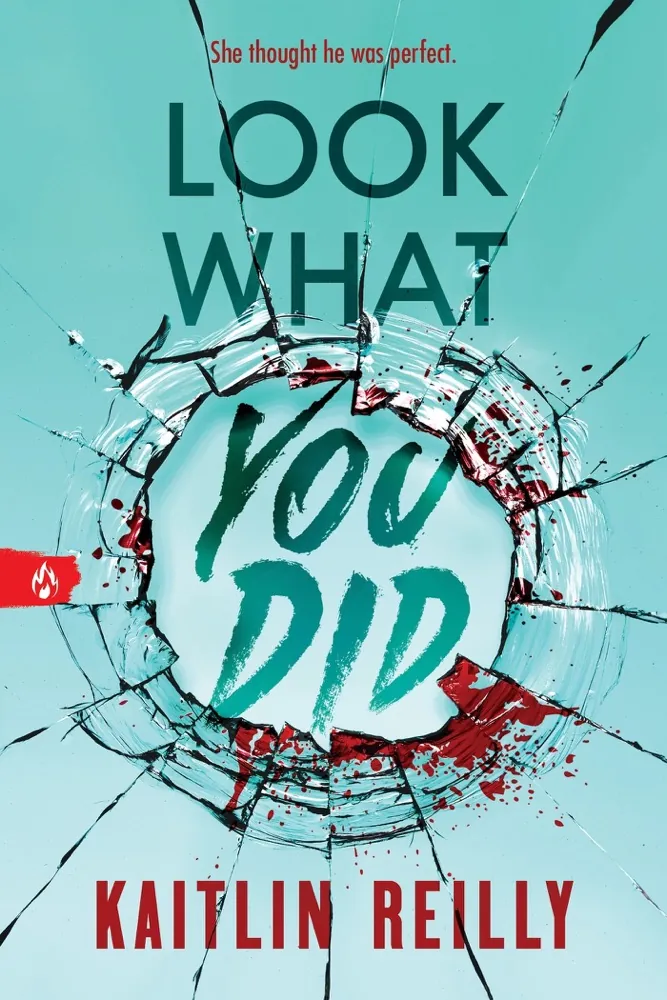
Author: Kaitlin ReillyPage Count: UnknownPublication Date: Expected publication 2026-09-15 APL Steam is hissing from the group head of this ancient, recalcitrant espresso machine, threatening to scald my forearm while I wipe down a counter covered in spilled oat milk. Perfect soundtrack for digesting yet another promotional blurb about dead teenagers and small-town rot. Kaitlin Reilly’s debut, Look What You Did, is slated to drop in September 2026, and the synopsis reads like an algorithm was fed every paperback published since One of Us Is Lying and told to regurgitate a fresh corpse. The Anatomy of a Dead Golden Boy We get the usual suspects. A dead golden boy named Will Ashford—because why do the fictional popular kids always sound like a country club prospectus? A girl named Mackenzie who is profoundly relieved he checked out. And naturally, a text message. Always with the anonymous texts. Because God forbid a thriller rely on atmosphere or prose when a glowing rectangle can just deliver exposition. Actually, wait. Let me walk that back. Maybe the text message cliché is earned here. The synopsis implies a psychological excavation rather than a standard whodunnit, leaning into buried trauma and the kind of claustrophobic dread that actually makes a thriller worth the paper it’s printed on. Small Towns and Secret Bodies The thematic core here isn't the murder itself. It never is. It’s the rot underneath the manicured lawns. Reilly is playing in the same sandbox as Kathleen Glasgow and Megan Lally, where adolescent grief gets weaponized and nobody's hands are clean. And honestly, I am typing this between pulling double shots for sleep-deprived commuters who treat me like furniture, just trying to hit my mandated word count so I can afford rent this month. The premise promises a deep dive into repressed memory and municipal hypocrisy. Yet I’ve seen this exact plot structure forty times this year alone. A girl keeps a secret. The secret comes back via smartphone. Another girl dies. Rinse, repeat, cash the YA royalty check. Yet I’ll probably read it anyway. I am a sucker for stories where the prom king turns out to be a monster and the girls have to burn the town down to survive. My shift ends in twenty minutes, provided the espresso machine doesn't explode. Then I have to run home and rescue the family cat from the top of the giant oak tree in the front yard again, because the stupid creature refuses to learn physics. Related InsightsThe Poet and the Bees Book Review and Summary Don't Blame the Wife Book Review and Summary L'Eco del Destino: Il Viaggio Metafisico tra le Sabbie di L'Alchimista{ "@context": "https://schema.org", "@type": "FAQPage", "mainEntity": [ { "@type": "Question", "name": "What is the main focus of Look What You Did Book Review and Summary?", "acceptedAnswer": { "@type": "Answer", "text": "Everything you need to know about Look What You Did with our detailed review." } }, { "@type": "Question", "name": "Who authored the comprehensive guide on Look What You Did Book Review and Summary?", "acceptedAnswer": { "@type": "Answer", "text": "This detailed article and its insights were carefully researched and authored by Diego Lopez." } }, { "@type": "Question", "name": "Where can I find more related content about Books?", "acceptedAnswer": { "@type": "Answer", "text": "You can explore more articles, detailed reviews, and similar insights by browsing the Related Insights section at the bottom of this article or visiting our dedicated Books category page." } } ] }
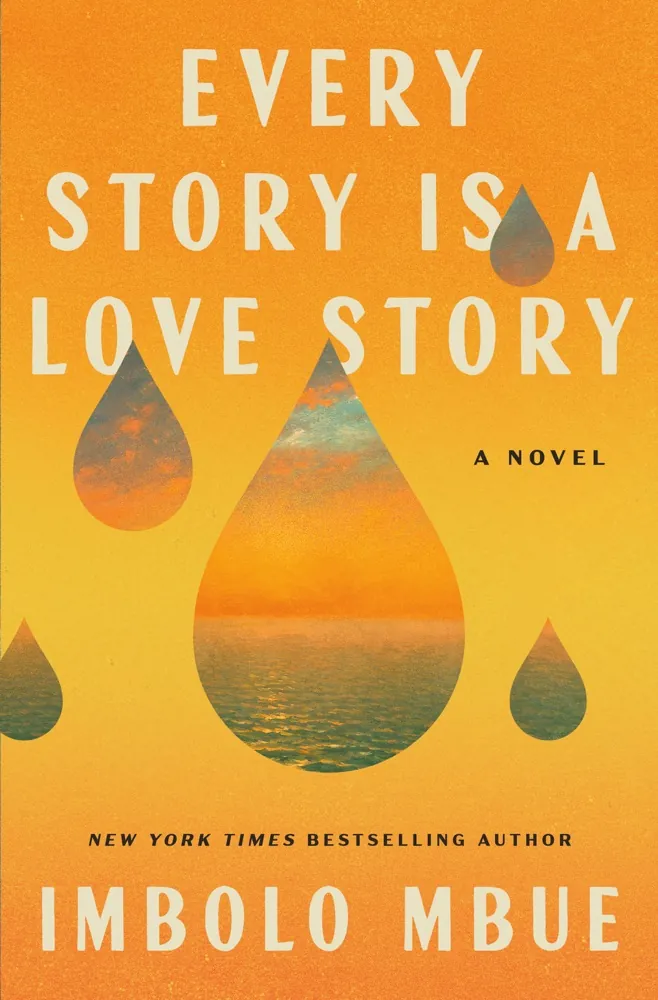
Author: Imbolo MbuePage Count: UnknownPublication Date: Expected publication 2026-10-06 APL The espresso machine is shrieking like a dying banshee and someone just ordered an oat milk lavender matcha at peak rush, which means I am currently staring at Imbolo Mbue’s Every Story Is a Love Story with the kind of boundless, soul-crushing joy usually reserved for a root canal. Look. I like my literature dark. I want ghosts dragging entrails across Victorian parquet. I want Stephen King at his most unhinged or Shirley Jackson making suburban paranoia feel like a knife between the ribs. But what are we serving up here? Grief. Remorse. Forgiveness. It is the literary equivalent of a warm chamomile tea when you asked for double-shot gasoline. The Architecture of Guilt Wolo lost his wife in a car crash three years ago. Tragic. Devastating. Absolutely ripe for psychological degradation. Yet the synopsis immediately ruins the potential for delicious, rotting angst by introducing—wait for it—hope. A letter arrives from the driver who killed her. Cue the pearl-clutching from the family. The pastor screams devilry. The mother slams doors. The Cameroonian stepmother phones in from across continents to say burn it. This is peak daytime soap opera nonsense masquerading as high-art emotional excavation. And yet—Mbue can write. Behold the Dreamers was a gut-punch of socioeconomic despair. So why are we pivoting to Hallmark channel catharsis where the widower meets the killer and they bond over shared suffering? Make it make sense. It is giving emotional whiplash. It is giving toxic positivity wrapped in literary prose. Anticipating the Bleed We are looking at a masterclass in bourgeois emotional processing. The questions posed by the synopsis—what do we owe those who hurt us? can forgiveness ease suffering?—sound less like a searing psychological inquiry and more like a book club trap designed to make people weep into their chardonnays. Where is the rot? Where is the festering resentment that rots a man from the inside out until he is just a hollowed-out husk of bitterness? No, we have to go on the uneven path from heartbreak to healing. Yawn. Give me a protagonist who burns the letter and drinks himself into oblivion. Give me a narrative descent into madness where forgiveness is an illusion and trauma is a permanent parasite. Instead, we will likely get a deeply moving, beautifully told treatise on grace. Riveting. Truly, nothing screams edge-of-your-seat dread quite like the prospect of two people talking through their feelings over lukewarm tea. I need to get back to wiping down the pastry case and pretending I cannot hear the teenager at register three butchering the pronunciation of macchiato. Also, I really need to patch a hole in my favorite, impossibly worn tweed jacket before the elbow completely disintegrates into the void. Related InsightsSkyward Flight Book Review and Summary Twisted Hate Book Review and Summary The Silmarillion Book Review and Summary{ "@context": "https://schema.org", "@type": "FAQPage", "mainEntity": [ { "@type": "Question", "name": "What is the main focus of Every Story Is a Love Story Book Review and Summary?", "acceptedAnswer": { "@type": "Answer", "text": "Everything you need to know about Every Story Is a Love Story with our detailed review." } }, { "@type": "Question", "name": "Who authored the comprehensive guide on Every Story Is a Love Story Book Review and Summary?", "acceptedAnswer": { "@type": "Answer", "text": "This detailed article and its insights were carefully researched and authored by Diego Lopez." } }, { "@type": "Question", "name": "Where can I find more related content about Books?", "acceptedAnswer": { "@type": "Answer", "text": "You can explore more articles, detailed reviews, and similar insights by browsing the Related Insights section at the bottom of this article or visiting our dedicated Books category page." } } ] }
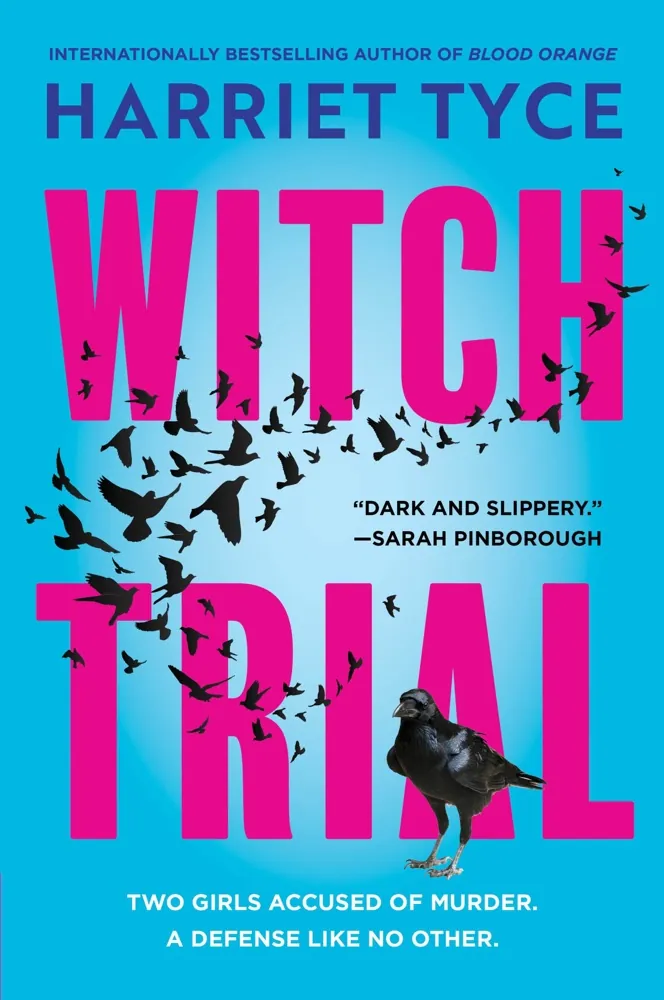
Author: Harriet TycePage Count: UnknownPublication Date: Expected publication 2026-09-29 APL The sweltering summer air seems to cling to every word of the synopsis for Witch Trial, Harriet Tyce's latest foray into the darker corners of human nature — and I am, admittedly, more than a little intrigued by the promises of a "mind-melting page-turner" and a "perfect, bold ending" that defies prediction. Yet, as I sit here, sipping on a lukewarm coffee, I find myself wondering if the execution will live up to the hype — or if it will succumb to the pitfalls of sensationalism, exploiting the very real fears and anxieties that underpin our society. Can Tyce balance the scales of justice and horror, or will Witch Trial devolve into a lurid, exploitative spectacle? And what of the characters, these teenage girls — Eliza, Isobel, and the murdered Christian — whose lives are reduced to a series of soundbites and headlines in the court of public opinion? Are they more than just archetypes, mere pawns in a game of judicial cat-and-mouse, or do they possess a depth, a complexity that will elevate the narrative beyond the realm of pulp fiction? The introduction of Matthew Phillips, a respected heart surgeon turned reluctant juror, suggests that Tyce may be attempting to subvert our expectations, to blur the lines between truth and fiction — but will his presence serve as a catalyst for genuine insight, or merely as a plot device to further the narrative? But, I suppose, that is the question — what really happened to Christian Shaw, and how will the truth, if it is ever revealed, impact our understanding of the events that unfold? The synopsis is, admittedly, vague on this point, leaving the reader to fill in the gaps with their own imagination — and it is here, in these lacunae, that the true horror may reside. For in the darkness, our minds are free to conjure up all manner of terrors, to weave a narrative that is at once more personal, more intimate, and more terrifying than any fictional construct. And it is this, I think, that Tyce is attempting to tap into — the deep-seated fears that we all harbor, the darkness that lurks just beneath the surface of our everyday lives. As I ponder the themes and motifs that will, presumably, drive the narrative of Witch Trial, I am reminded of the works of authors like Gillian Flynn and Tana French, who have similarly explored the darker aspects of human nature — the secrets we keep, the lies we tell, and the truths we conceal. And it is here, in this company, that Tyce's latest effort will, ultimately, be judged — not on its ability to shock or sensationalize, but on its capacity to illuminate, to reveal the hidden truths that underpin our society. But, for now, I remain skeptical — a cynic, waiting to be convinced that Witch Trial is more than just a cleverly constructed thriller, that it is, in fact, a work of genuine literary merit. The summer sun beats down, relentless in its intensity, as I sit here, lost in thought — and it is this, I think, that Witch Trial must capture, this sense of oppressive, claustrophobic dread that permeates every aspect of our lives. For in the end, it is not the plot twists or the shocking revelations that will stay with us, but the atmosphere, the mood, the sense of unease that lingers long after the final page has been turned. And so, I will wait, patiently, for the opportunity to immerse myself in Tyce's latest creation — to see if it will live up to the hype, or if it will succumb to the pitfalls of sensationalism. Until then, I will have to content myself with the musty smell of old books, and the promise of used bookstores, where the real treasures lie — out-of-print philosophical treatises, waiting to be discovered, like hidden gems, in the dusty recesses of a bygone era. #horror #thriller #mystery #booklover #summerreads
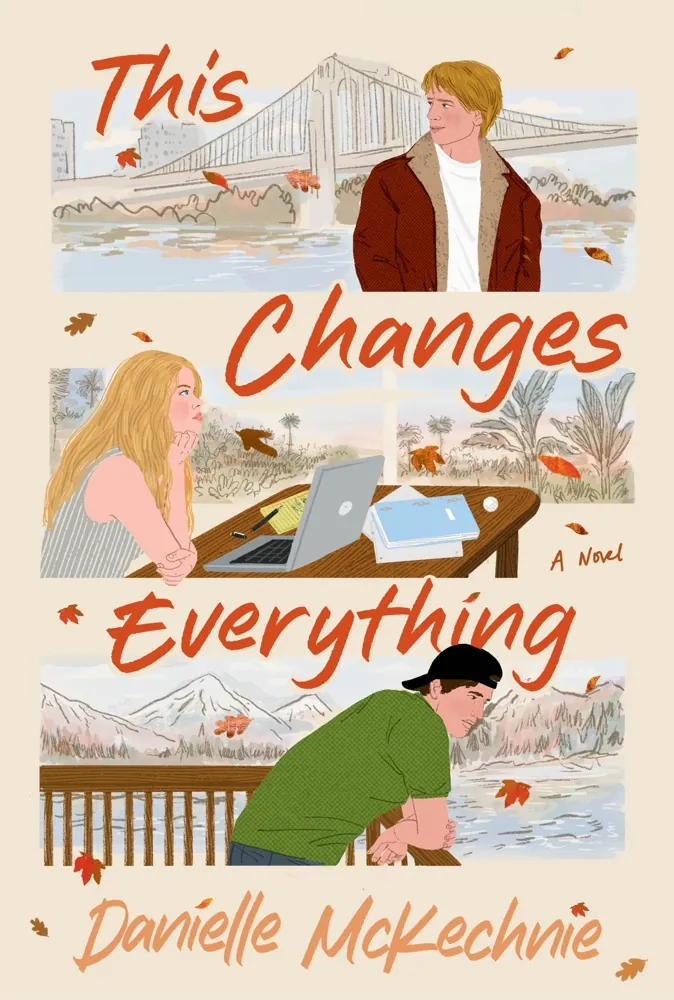
Author: Danielle McKechniePage Count: UnknownPublication Date: Expected publication 2026-09-08 APL The notion that an as-yet-unreleased novel about love and heartache can genuinely subvert our expectations is what sells us the dream. And yet, the official synopsis of This Changes Everything by Danielle McKechnie teases us with its vagueness: "a funny, sexy, and heartfelt romance for readers of Yulin Cuang, Rebecca Serle, and Emily Henry." What does it mean by 'funny', 'sexy', and 'heartfelt'? How does it compare to the sassy banter and saccharine romance of The Hating Game or the angsty melodrama of Maybe in Another Life? We'll just have to wait and see. I've got no problem with a healthy dose of ambiguity, but the lack of concrete details here hints at a certain superficiality. Romance novels that genuinely tackle the complexities of love, loss, and the existential crises of early adulthood are the ones that stick with us – The Rosie Project, Attachments, Conversations with Friends; those ones know how to dig deep. Does This Changes Everything have the mettle to tackle these weighty themes or will it succumb to clichéd tropes and shallow characterizations? From the get-go, the protagonist Ellie McCain is saddled with an inordinate amount of pressure. We're supposed to feel for this aspiring actress torn between two loves – her childhood sweetheart and the guy who got away – as she navigates the cutthroat world of Hollywood. It's a relatable predicament, to be sure, but I'm not convinced that Danielle McKechnie will bring enough nuance to the table. After all, we've seen this exact same narrative play out in any number of lesser rom-coms. —But what if I'm wrong? What if This Changes Everything surprises us all by subverting our expectations and plumbing the depths of human emotion? Maybe it's exactly the kind of rom-com that will leave us all feeling, well, changed. I mean, we've seen The Kissing Booth's saccharine take on young love work wonders for Netflix viewers, perhaps Danielle McKechnie can work similar magic here. On the surface, the narrative of This Changes Everything bears an uncanny resemblance to the tropes we've come to associate with young adult fiction. Yet the blurb promises something more: a thoughtful, deeply human exploration of love that knows no boundaries. Does this mean that the author has a more expansive vision for the characters and their relationships, or is this just marketing speak? Can we really believe that this will be a truly transformative read? And then there's the question of the titular "everything". What exactly is Ellie's world turned inside out? Her love life? Her sense of identity? Her dreams of stardom? I want This Changes Everything to tackle these questions head-on and emerge with some profound insights – not just another fluffy romance. Am I expecting too much? Or am I just projecting my own cynicism onto this book? Maybe This Changes Everything will be exactly what I need to remind me of the power of romance, the beauty of love's messy, complex messiness. Who knows? The truth is, I'm too jaded to care – and I'll probably end up devouring it anyway. My favorite fountain pen has leaked all over my only clean shirt. #FountainPenProbs #RomComReviews #LiteraryCritique