Showing Posts From
Streetfood
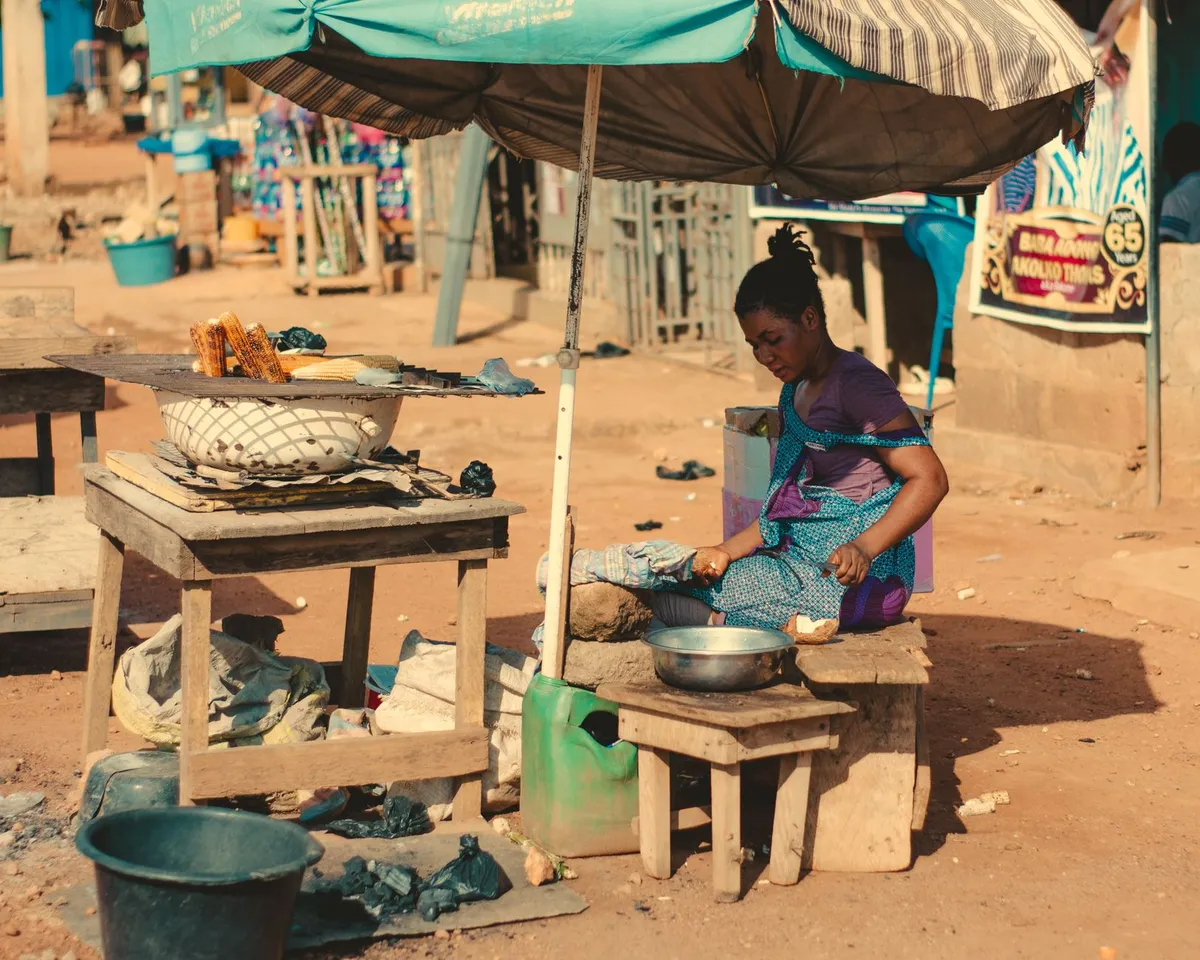
Tra le strade polverose e vibranti di Accra, quando il sole inizia appena a scaldare l'asfalto e l'aria è intrisa del profumo pungente della terra, sorge un rito che unisce un'intera nazione. Non è un semplice pasto; è una celebrazione dell'identità. Il Waakye, spesso traslitterato come "waakye" o "wakye", è molto più di una combinazione di riso e fagioli: è il battito cardiaco della colazione ghanese. Un’Eredità Tintoria nel Piatto La magia del Waakye risiede in un elemento botanico quasi mistico: le foglie di sorgo, conosciute localmente come "waakye leaves". Queste foglie non vengono mangiate, ma agiscono come un agente tintorio naturale. Quando vengono bollite insieme al riso e ai fagioli dell'occhio, rilasciano un pigmento che trasforma la vivanda in una tonalità rosso-brunastra profonda, quasi color ruggine. Questo processo non è solo estetico. Le foglie conferiscono al riso una consistenza particolare e un aroma terroso che non può essere replicato con metodi moderni. È un esempio perfetto di come la tecnologia alimentare ancestrale, tramandata oralmente tra le generazioni di madri ghanesi, abbia saputo sfruttare la biodiversità locale per creare un piatto che è allo stesso tempo nutriente e visivamente accattivante.L'Architettura di una Colazione Complessa Il Waakye non si presenta mai solo. È il fulcro di un sistema complesso di sapori che riflette l'abbondanza dei mercati dell'Africa occidentale. Se il Waakye è la base — il fondamento – gli accompagnamenti sono la sua architettura. Per comporre il piatto perfetto, bisogna navigare tra una serie di opzioni che variano da venditore a venditore, ma che seguono una grammatica culinaria precisa:Shito: La celebre salsa di peperoncino nero, un concentrato di crostacei essiccati, zenzero e spezie che aggiunge profondità e un calore persistente. Gari: La farina di manioca fermentata, che aggiunge una croccantezza acida essenziale per bilanciare la morbidezza del riso. Uova sode e carne stufata: Proteine fondamentali che trasformano questo pasto in un'iniezione di energia per affrontare la giornata. Talia (spaghetti): Spesso serviti insieme al riso, un retaggio dell'influenza coloniale riadattato perfettamente alla dieta locale. Avocado: La freschezza grassa del frutto locale che rinfresca il palato tra un boccone di peperoncino e l'altro.Dalla Strada al Cuore della Comunità Il Waakye si mangia in piedi, spesso servito su foglie di banano o in contenitori di plastica riciclata, ma sempre con una dignità quasi cerimoniale. Vedere le donne ghanesi – le "Waakye Queens" – mescolare i grandi pentoloni di alluminio con cucchiai di legno usurati è osservare la storia vivente. La loro abilità nello stimare le proporzioni di riso, fagioli e acqua è il risultato di anni di pratica, un'arte che non conosce misurini standardizzati.Questa pietanza è democratica per definizione. Che tu sia un facoltoso uomo d'affari di Cantonments o uno studente che corre verso l'Università del Ghana a Legon, il Waakye è il tuo punto di incontro. È un piatto che abbatte le barriere di classe, un rito collettivo che trasforma l'atto di nutrirsi in un momento di coesione sociale. La Scienza dei Sapori Fermentati Non dobbiamo dimenticare il ruolo cruciale della fermentazione nel Waakye. Il Gari, che accompagna quasi sempre il piatto, subisce un processo di fermentazione lattica che non solo conserva la manioca, ma crea un profilo aromatico acido che taglia la ricchezza del riso. L'abbinamento tra il riso (carboidrati puri) e i fagioli (proteine e fibre) rende il Waakye un esempio eccellente di piatto bilanciato, capace di fornire energia a rilascio prolungato. È questa sinergia tra ingredienti umili che rende il Waakye un capolavoro della nutrizione popolare. In un mondo dominato da cibi ultra-processati, la sopravvivenza del Waakye come pilastro della colazione ghanese è una testimonianza della resistenza delle tradizioni culinarie autentiche. Verso il Futuro: La Globalizzazione del Waakye Negli ultimi anni, il Waakye ha iniziato a varcare i confini del Ghana. Grazie alla diaspora ghanese, è possibile trovare ristoranti che servono questa prelibatezza a Londra, New York e Toronto. Tuttavia, molti esperti e puristi sostengono che per vivere l'esperienza autentica sia necessario tornare alle origini: una bancarella a bordo strada, il rumore del traffico di Accra, e il sapore inconfondibile delle foglie di sorgo appena utilizzate.Il successo del Waakye all'estero è sintomatico di un nuovo interesse globale verso le cucine dell'Africa sub-sahariana. Non è più vista come una gastronomia di nicchia, ma come una risorsa di sapori audaci e tecniche antiche che hanno molto da insegnare alla cucina moderna. Un Invito alla Scoperta Se mai vi trovaste a calpestare il suolo rosso del Ghana, non cedete alla tentazione di cercare la comodità di un hotel internazionale al mattino. Uscite presto. Cercate il fumo che sale dai bidoni trasformati in stufe, seguite il profumo del peperoncino tostato e chiedete una porzione di Waakye. Non sarà solo un pasto. Sarà un rito di iniziazione. Mangerete il rosso del Ghana, sentirete il calore del sole mattutino e capirete perché, in questo angolo di mondo, la colazione non è solo una funzione biologica, ma un atto d'amore verso la propria terra. Il Waakye è l'essenza di un popolo che sa trasformare gli ingredienti più semplici in un'opera d'arte quotidiana, un equilibrio perfetto tra terra, fuoco e memoria. Il viaggio del Waakye è tutt'altro che terminato. Ogni volta che una nuova generazione di cuochi impara a padroneggiare la tecnica della colorazione naturale, il piatto si rinnova, mantenendo intatto il legame con gli antenati. È questa continuità, questa fedeltà alla materia prima, che rende il Waakye non solo un piatto, ma una dichiarazione d'indipendenza culinaria.#Waakye #CucinaGhanese #StreetFood #AfricaDaMangiare #TradizioniCulinarie Related InsightsExploring the Delightful World of Cheese Pairings Bhel Puri: The Crunchy, Tangy Beachside Snack Delving into the World of Anti-Inflammatory German Potato Salad with Dill and Apple Cider Vinaigrette (Vegan){ "@context": "https://schema.org", "@type": "FAQPage", "mainEntity": [ { "@type": "Question", "name": "What is the main focus of Il Cuore Rosso del Ghana: L'Alchimia Millenaria del Waakye?", "acceptedAnswer": { "@type": "Answer", "text": "Scopri il Waakye, il re indiscusso dello street food ghanese, un piatto che fonde tradizioni ancestrali, riso, fagioli e un colore rosso rubino inconfondibile." } }, { "@type": "Question", "name": "Who authored the comprehensive guide on Il Cuore Rosso del Ghana: L'Alchimia Millenaria del Waakye?", "acceptedAnswer": { "@type": "Answer", "text": "This detailed article and its insights were carefully researched and authored by Giovanni Luigi." } }, { "@type": "Question", "name": "Where can I find more related content about Food?", "acceptedAnswer": { "@type": "Answer", "text": "You can explore more articles, detailed reviews, and similar insights by browsing the Related Insights section at the bottom of this article or visiting our dedicated Food category page." } } ] }


In the sweltering, relentless hum of a Cairo afternoon, amidst the cacophony of honking taxis and the rhythmic calls of vendors, there exists a singular, steaming bowl that anchors the Egyptian identity. It is a dish that defies the elitism of haute cuisine, opting instead for the democratic embrace of the street. This is Koshari—a symphony of textures, a carbohydrate-laden titan, and a culinary monument to the resourcefulness of a culture that has mastered the art of making the humble feel like a feast. A Mosaic of Grains and History To understand Koshari is to understand the layers of Egypt itself. It is not merely a dish; it is a historical document written in pulses and grains. While often misattributed to ancient roots, the Koshari we celebrate today is a nineteenth-century marvel, a product of a cosmopolitan era where Egypt sat at the crossroads of global trade. The bowl itself is a testament to colonial influence and domestic adaptation. It mirrors the spirit of the British occupation era, where diverse influences mingled with local ingredients. It is believed that Indian soldiers and settlers brought the inspiration of 'khichdi'—a dish of rice and lentils—to Egypt. However, the Egyptian spirit took this foundation and transformed it into something uniquely chaotic and harmonious. By adding pasta, tomato sauce, and the signature crispy fried onions, the Egyptians created a caloric powerhouse that powered the city’s working class through the most grueling days.The Anatomy of the Perfect Bowl If you ask a Cairene about the construction of the perfect Koshari, you are likely to spark a debate that lasts until dawn. It is a precise architecture of comfort. At the base, you have the foundation: a hearty mix of rice, black lentils, and macaroni. This trinity provides the canvas upon which the real magic happens. The "sauce" is the soul of the operation. It begins with a deep, garlicky tomato base, often spiked with a vinegary kick that cuts through the starch, awakening the palate. But the true mastery lies in the condiments. No self-respecting Koshari shop is complete without two sidekicks: 'da’ah', a thin, pungent garlic and vinegar liquid, and 'shatta', a fiery chili-infused oil that challenges the bravest of diners. When you douse your bowl with these, the dish undergoes a metamorphosis, shifting from a mild comfort meal to a sharp, aggressive, and deeply addictive sensory experience. The Cultural Pulse of the Street Koshari is the ultimate equalizer. Whether you are a business mogul in a bespoke suit or a student clutching a few small coins, the Koshari stall treats everyone with the same steamy, garlicky warmth. It is a street food that transcends economic boundaries. In the narrow, vibrant alleys of the Khan el-Khalili market or the bustling districts of downtown Cairo, the sound of metal spoons scraping against metal bowls is the unofficial rhythm of the city. This dish is a testament to the Egyptian philosophy of "baraka," or blessing. It is filling, inexpensive, and accessible. It represents the resilience of the people—a dish that can be assembled in seconds but requires a lifetime of mastery to get the balance of vinegar and heat exactly right.Why the World Obsesses Over This Bowl Why has this simple bowl captivated the global imagination? The answer lies in the layering. Texture is the secret language of the food lover. You have the soft chew of the rice and lentils, the varying resistance of the different pasta shapes, the crunch of the golden-fried onions, and the pop of the chickpeas. Every bite offers a different encounter, a new angle on the same flavor profile. Furthermore, in an era of processed foods and complex culinary trends, Koshari remains defiantly simple. It is vegan, it is wholesome, and it is unapologetically starch-heavy. It is the food of the people, for the people. When you travel to Egypt, you are not just visiting the Pyramids; you are engaging with a living, breathing culinary heritage that pulses through the stalls of every neighborhood. Preparing the Experience at Home While recreating the authentic Cairo street experience is nearly impossible without the backdrop of the Nile and the desert breeze, you can approximate the magic in your own kitchen. The key is in the timing and the independent preparation of the components. # The Secret Recipe Structure ingredients = { "base": ["lentils", "rice", "macaroni", "vermicelli"], "toppings": ["chickpeas", "crispy fried onions"], "sauces": ["garlic tomato sauce", "da’ah vinegar", "shatta chili oil"] }def assemble_koshari(bowl): # Always layer the grains first # Add the sauce generously # Finish with the crunch of the onions return "The Perfect Egyptian Bowl"To achieve the best result, remember that the onions are not just a garnish—they are the centerpiece. They must be sliced thin, fried until dark mahogany, and drained until they shatter like glass under your spoon. If you miss this step, you are merely eating grains; you must have the crunch to elevate the bowl to greatness. The Future of an Ancient Staple As Egypt modernizes and global culinary influences continue to flood the market, Koshari remains steadfast. It has survived wars, revolutions, and the arrival of global fast-food chains. Why? Because you cannot replicate the comfort of a warm bowl of Koshari. It is etched into the cultural DNA of the nation. It is the fuel of the Egyptian heartbeat, a dish that proves that sometimes, the most magnificent meals are not found on white tablecloths, but on a plastic tray in the middle of a chaotic, wonderful city street. The next time you find yourself wandering, look for the stall where the steam rises high into the evening air, where the scent of garlic and vinegar lures you like a siren. Take a seat, ignore the noise, and dive into the bowl. You are not just eating lunch; you are participating in a tradition that defines the spirit of Cairo.Whether you prefer it drowning in extra vinegar or dancing on the edge of heat with a heavy dash of shatta, Koshari is an experience that demands to be felt. It is humble, it is brilliant, and it is undeniably Egyptian. #EgyptianFood #StreetFood #Koshari #CairoEats #CulinaryHistory Related InsightsSavor the Spice: A Deep Dive into South India’s Coastal and Vegan Culinary Wonders (Part 2) Echoes of the Sun God: Unearthing the Lost Amaranth Varieties of Ancient Mesoamerica Misal Pav: Maharashtra's Fiery Breakfast{ "@context": "https://schema.org", "@type": "FAQPage", "mainEntity": [ { "@type": "Question", "name": "What is the main focus of The Alchemy of Cairo: Unraveling the Soul of Koshari?", "acceptedAnswer": { "@type": "Answer", "text": "Discover the history, complexity, and sheer culinary genius of Koshari, Egypt’s beloved, carb-loaded street food masterpiece." } }, { "@type": "Question", "name": "Who authored the comprehensive guide on The Alchemy of Cairo: Unraveling the Soul of Koshari?", "acceptedAnswer": { "@type": "Answer", "text": "This detailed article and its insights were carefully researched and authored by Demir Şef." } }, { "@type": "Question", "name": "Where can I find more related content about Food?", "acceptedAnswer": { "@type": "Answer", "text": "You can explore more articles, detailed reviews, and similar insights by browsing the Related Insights section at the bottom of this article or visiting our dedicated Food category page." } } ] }
-
 Giovanni Luigi
 - 19 Aug, 2026 18:19
Il Battito Speziato di Mumbai: Un Viaggio nei Vicoli del Gusto che Sfida le Convenzioni
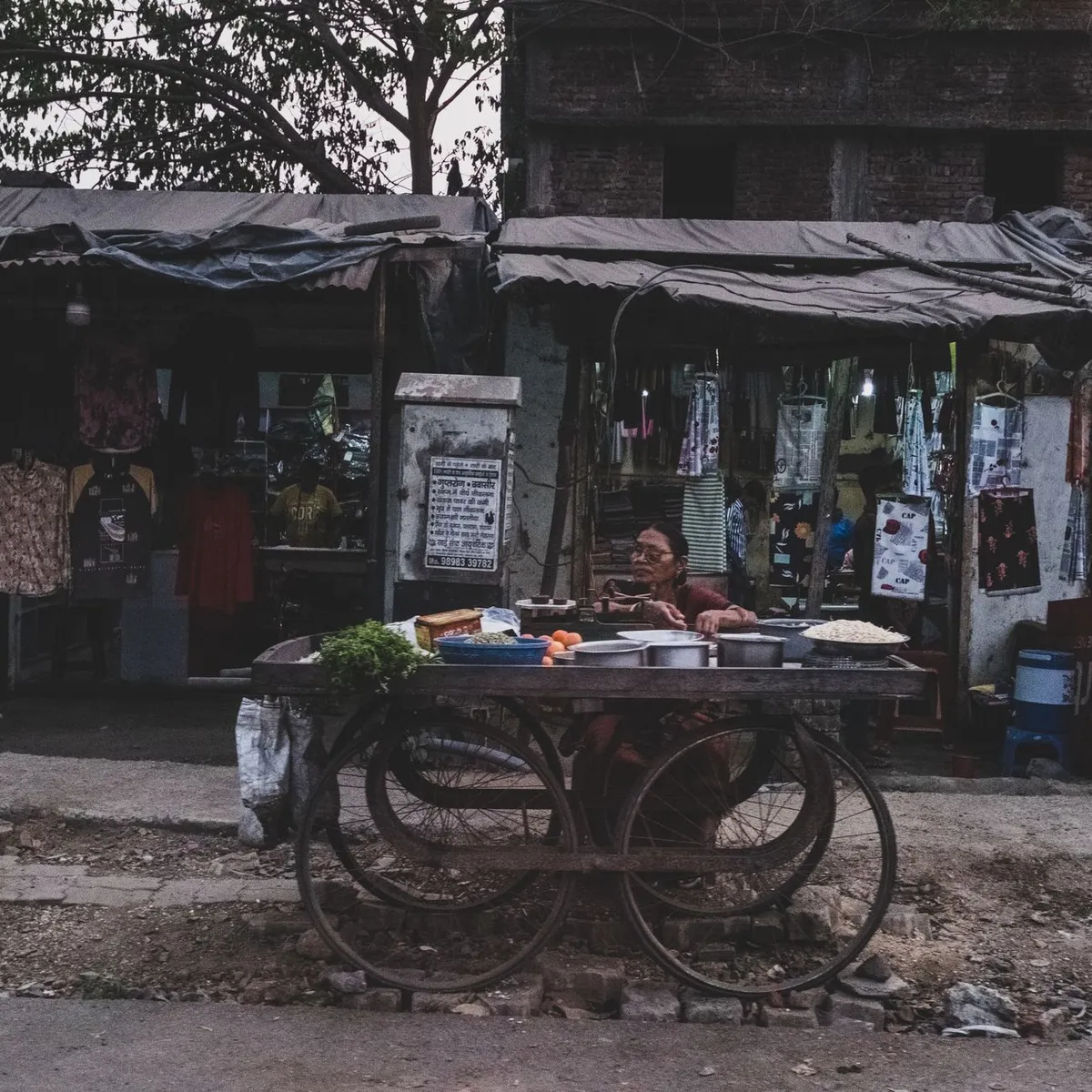
C’è un aroma che danza tra il rumore incessante del traffico e il respiro frenetico dei treni pendolari di Mumbai, un profumo che definisce l’identità di una metropoli dove il tempo non sembra mai scorrere, ma semplicemente bollire. A Mumbai, il cibo di strada non è un semplice pasto veloce: è il sangue che scorre nelle vene della città, un rito collettivo che ignora le barriere sociali e sfida, quotidianamente, l’autorità dei ristoranti più blasonati. Qui, dove milioni di persone si incrociano ogni giorno, la strada è la cucina più democratica del mondo. L'Arte della Sopravvivenza in un Boccone di Vada Pav Se dovessimo eleggere il re indiscusso di questa giungla urbana, il trono spetterebbe senza ombra di dubbio al Vada Pav. Non si tratta solo di una frittella di patate racchiusa in un soffice panino indiano; è il simbolo di una città che vive in movimento. Questo snack onnipresente incarna perfettamente l'anima di Mumbai: economico, immediato, irresistibile. Tuttavia, Mumbai è una tavolozza di sapori cosmopoliti. Mentre il Vada Pav regna, la varietà degli snack vegetariani — tra cui spiccano Dabeli, Panipuri, Bhel puri, Sev puri e Dahipuri — racconta la storia di un'India che si fonde in Maharashtra. Il "Ragda pattice" o il "Pav bhaji" non sono solo piatti, sono la prova concreta che la cultura culinaria di Mumbai è stata forgiata proprio da questi venditori ambulanti, pionieri di un gusto che ha saputo resistere al passaggio dei decenni.Oltre il Vegetariano: Una Metropoli dai Mille Volti Sebbene la tradizione vegetariana sia predominante, la cosmopolita Mumbai nasconde angoli dove il non-vegetariano diventa protagonista. Non è raro imbattersi in omelette fumanti, kebab succulenti e piatti a base di pesce che raccontano la vicinanza della città al Mar Arabico. Negli anni '80, abbiamo assistito a una rivoluzione: l'ascesa dell'Indianised Chinese food, una tendenza che ha trasformato i marciapiedi della metropoli in una fusion inaspettata. Penso al "Chinese bhel", un'invenzione tanto audace quanto popolare, che dimostra come la cucina di strada di Mumbai sia viva, plastica e capace di reinventarsi costantemente. E per chi cerca qualcosa di più sostanzioso, il "vegetable frankie" — una versione accessibile e rapida dei famosi involtini — è diventato il compagno fedele di studenti universitari e impiegati durante la pausa pranzo. I Khau Galli: Santuari di Sapori nei Labirinti Urbani Esistono luoghi a Mumbai chiamati Khau Galli, che in lingua marathi significa letteralmente "Vicolo del Cibo". Sono corridoi stretti, avvolti da una nuvola costante di spezie e vapore, dove la vita urbana si ferma per un istante. A Girgaon Chowpatty, la spiaggia si trasforma in un palcoscenico per i venditori di Bhel puri e kulfi, mentre le zone finanziarie come Nariman Point brulicano di vita durante l'ora di pranzo, creando un contrasto affascinante tra il rigore degli affari e la semplicità di un pasto consumato in piedi. Questi venditori sono l'ossatura della città. Nonostante le sfide, le intemperie e le chiamate agli scioperi che paralizzano altri settori, i venditori ambulanti di Mumbai sono una costante incrollabile. Sono lì, instancabili, a offrire un sorso di fresco succo di canna da zucchero — sinonimo visivo e gustativo delle strade di Mumbai — o a preparare un caldo tè, venduto da coraggiosi ciclisti che pedalano tra il traffico caotico portando ristoro in ogni angolo.Il Paradosso della Legalità e il Gusto del Rischio Non si può parlare di Mumbai senza menzionare l'eterna tensione che circonda i suoi venditori. Il 2007 ha segnato una pietra miliare con la sentenza della Corte Suprema che chiedeva di demarcare zone di vendita legali, una promessa burocratica che ancora oggi fatica a trovare piena attuazione. La realtà è fatta di stime approssimative: su circa 250.000 hawkers, solo una frazione infinitesimale possiede una licenza valida. Questa fragilità crea un rapporto ambiguo con l'autorità: sequestri di attrezzature, multe e periodi di sgombero seguiti dal ritorno inesorabile dei venditori. Eppure, la gente continua a scegliere il cibo di strada, ignorando spesso le critiche sull'igiene a favore di una tradizione che è percepita, spesso, come superiore per gusto rispetto alla cucina dei ristoranti convenzionali. Anche nei momenti di crisi, come il controverso incidente del 2011 che ha visto coinvolto un venditore di Panipuri, la resilienza di questo settore è sorprendente: il sistema si scuote, le tensioni politiche emergono, ma il desiderio di un boccone speziato all'angolo della via rimane radicato nel profondo dell'animo di ogni Mumbaikar. Dalle Strade alle Tabelle dei Ristoranti Cinque Stelle Ciò che rende Mumbai un caso studio unico è la transizione del suo cibo di strada verso l'alta gastronomia. Quello che nasce su un carrettino fatiscente finisce oggi nelle cucine dei ristoranti di lusso e persino nei menù dei grandi alberghi internazionali. È una consacrazione meritata per un'arte, quella del cibo di strada, che ha saputo evolversi diventando un'icona globale.Che si tratti di concludere un pasto con il Paan — la tipica preparazione a base di foglie di betel, vero e proprio rinfrescante orale — o di rinfrescarsi con un golah (la granita indiana), Mumbai offre un’esperienza sensoriale completa. Non è solo nutrizione; è un atto di appartenenza. Mangiare per strada a Mumbai significa partecipare al respiro di una città che non chiede permesso, che non si scusa per il suo caos, ma che ti offre, in cambio di pochi spiccioli, il sapore autentico della vita. I venditori di strada di Mumbai non sono solo commercianti; sono i custodi di una cultura che si rifiuta di essere chiusa tra quattro mura. Sono la voce di milioni di persone che, tra una stazione ferroviaria e un campus universitario, trovano nella semplicità di un "pav bhaji" o in un bicchiere di succo fresco, un momento di pace e di piacere nel cuore pulsante dell'India. #MumbaiStreetFood #CucinaIndiana #ViaggioGastronomico #StreetFoodCulture #IndiaTravel Related InsightsIl Cuore della Città: Il Cibo di Strada di Mumbai Kung Pao: Die Alchemie des Feuers und die Kunst des perfekten Kontrasts Delving into the World of Anti-Inflammatory German Potato Salad with Dill and Apple Cider Vinaigrette (Vegan){ "@context": "https://schema.org", "@type": "FAQPage", "mainEntity": [ { "@type": "Question", "name": "What is the main focus of Il Battito Speziato di Mumbai: Un Viaggio nei Vicoli del Gusto che Sfida le Convenzioni?", "acceptedAnswer": { "@type": "Answer", "text": "Esplora l'anima vibrante di Mumbai attraverso i suoi leggendari venditori ambulanti, dove la cultura culinaria incontra la storia vivente di una metropoli inarrestabile." } }, { "@type": "Question", "name": "Who authored the comprehensive guide on Il Battito Speziato di Mumbai: Un Viaggio nei Vicoli del Gusto che Sfida le Convenzioni?", "acceptedAnswer": { "@type": "Answer", "text": "This detailed article and its insights were carefully researched and authored by Giovanni Luigi." } }, { "@type": "Question", "name": "Where can I find more related content about Food?", "acceptedAnswer": { "@type": "Answer", "text": "You can explore more articles, detailed reviews, and similar insights by browsing the Related Insights section at the bottom of this article or visiting our dedicated Food category page." } } ] }
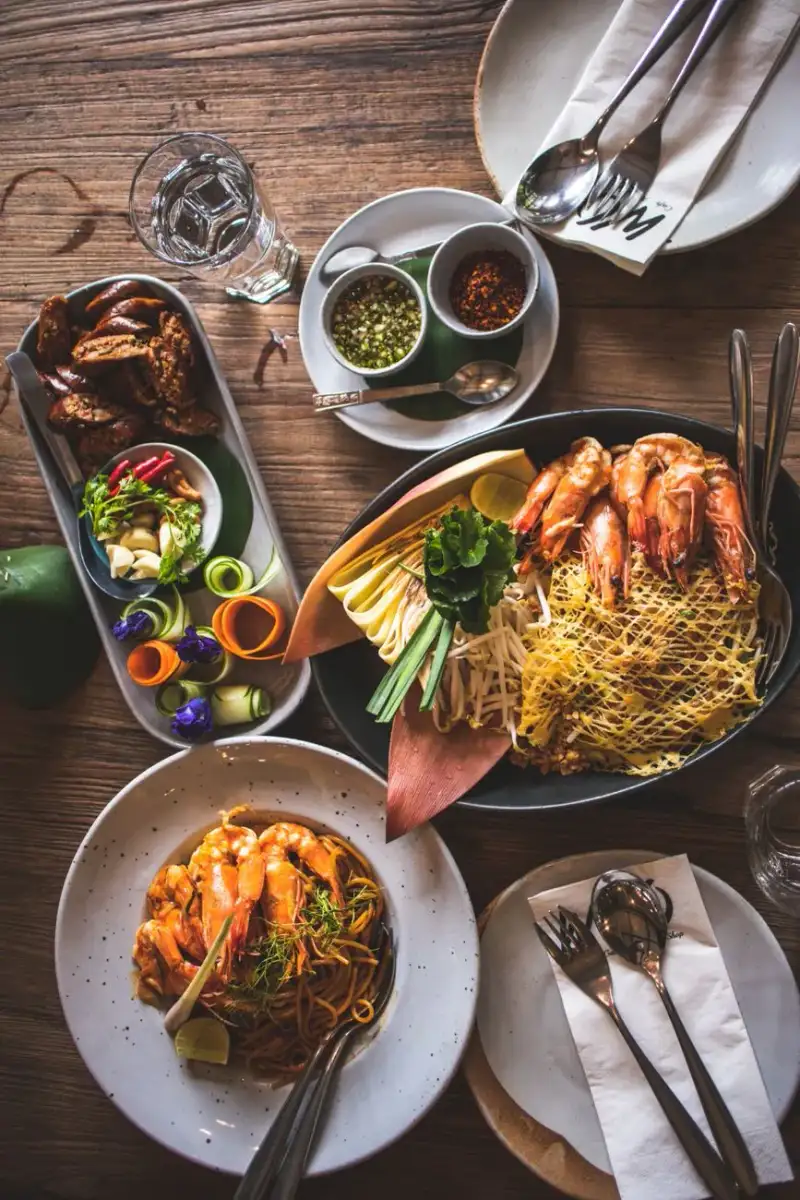
Pad Thai is a flavor that emerged under a Military Culinary Director. The secret that brought out its flavor managed to make it one of the world's renowned cuisines. To understand its military history, I will tell you about this flavor that emerged in Thailand in the 1930s, around the time of World War II. In this article, we explain the historical background, flavor, and position of Pad Thai in world cuisines. Historical Background Pad Thai emerged as a Military Culinary Director's initiative in the 1930s, during the years when World War II began. Thailand's Prime Minister Plaek Phibunsongkhram wanted to create a national cuisine for the country. Accordingly, in 1938, the first version of Pad Thai was prepared and accepted as a national cuisine by being sold on all streets of the country.Later, in 1947, Pad Thai took its place in world cuisines. It was accepted into UNESCO's Intangible Cultural Heritage list by Thailand. In 2010, it was recognized as one of Asia's best noodles. Flavor Pad Thai is a dish that reveals the secret of its taste with every bite. The ingredients used while cooking are some of the main elements that bring out its flavor.Chicken or Fish: These ingredients, which bring out a hot, queen-like flavor, are the main elements of its taste. Sauces: Salt, sugar, lemon juice, and vinegar are the essential components that create its iconic profile. Vegetables: Chinese cabbage, radish, cucumber, tomato, and mango are the key elements that add freshness. Spices: Black pepper, baking soda, salt, and fresh pepper are the main elements that bring out its signature heat.Position in World Cuisines Pad Thai is considered one of the most delicious and hot noodles in world cuisines. Its popularity in Asian cuisines exceeds other regional dishes as well. Here is its position in world cuisines: Asia Pad Thai is considered one of the most delicious noodles in Asian cuisines. It is frequently consumed in all Asian countries from Thailand to China, and from Vietnam to Singapore. Europe Pad Thai is also frequently consumed in European cuisines. It is a popular flavor especially in England, France, and Germany. However, it hasn't completely taken over as the primary Asian cuisine there. America Pad Thai is also widely accepted in American cuisines. It is frequently consumed especially in California and New York. However, it still shares the spotlight with other major Asian dishes. Conclusion Pad Thai is considered one of the most delicious and hot noodles in world cuisines. The secret that brought out its flavor originally emerged as a Military Culinary Director's creation. By exceeding other cuisines globally, it carries a legacy that perfectly balances history and taste.[Hashtags]#Foodie #NoodleLove #ThaiCuisine #StreetFoodRelated InsightsThe Unfolding Tapestry of Flavor: A Millennia-Spanning Journey Through the Epic Evolution of Curry Kale and Grilled Chicken Caesar Salad with Greek Yogurt Dressing: A High Protein Delight Cheong Fun: Silky Rice Noodle Rolls{ "@context": "https://schema.org", "@type": "FAQPage", "mainEntity": [ { "@type": "Question", "name": "What is the main focus of Hot, Tempting and Delicious Pad Thai: The World's Most Unique Noodles?", "acceptedAnswer": { "@type": "Answer", "text": "Pad Thai is one of the most delicious and hot noodles in world cuisines. We reveal the secret behind its flavor." } }, { "@type": "Question", "name": "Who authored the comprehensive guide on Hot, Tempting and Delicious Pad Thai: The World's Most Unique Noodles?", "acceptedAnswer": { "@type": "Answer", "text": "This detailed article and its insights were carefully researched and authored by Demir Şef." } }, { "@type": "Question", "name": "Where can I find more related content about Food?", "acceptedAnswer": { "@type": "Answer", "text": "You can explore more articles, detailed reviews, and similar insights by browsing the Related Insights section at the bottom of this article or visiting our dedicated Food category page." } } ] }