Showing Posts From
Superfood
-
 Eleanor Hughes
 - 13 Jul, 2026 13:51
Unveiling Injera: Why This Sour, Spongy Ethiopian Staple Is the World's Most Underrated Superfood (And How to Master It)
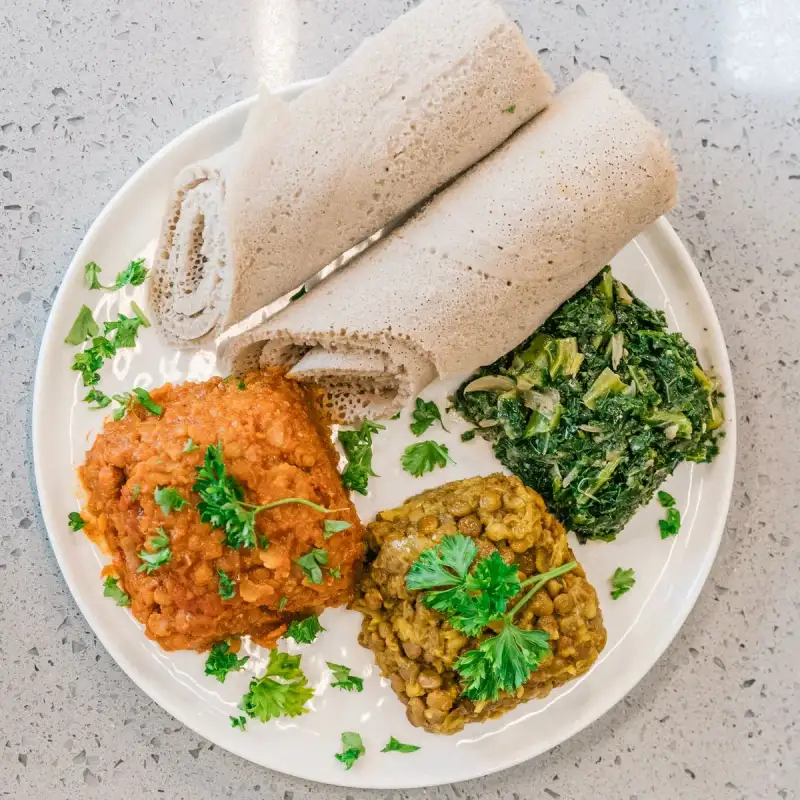
In the vibrant tapestry of global cuisine, few dishes possess the mystique, cultural gravitas, and sheer nutritional power of Injera. This isn't just a flatbread; it's the very soul of Ethiopian and Eritrean gastronomy, a sour, spongy, and endlessly fascinating staple that transcends mere sustenance to become a communal canvas for some of the world's most aromatic and flavorful stews. For the uninitiated, the first encounter with Injera can be an enigma: its unique tangy profile, its distinctive "eyes" (tiny holes), and its role as both plate and utensil are unlike anything found in Western dining. Yet, beneath its humble appearance lies a complex interplay of ancient grains, sophisticated fermentation, and profound health benefits that make it a compelling subject for any culinary explorer or health enthusiast. My journey into the world of Ethiopian cuisine began years ago, spurred by a quest for foods that tell a story – a narrative of tradition, resilience, and connection to the earth. Injera, crafted from the tiny, iron-rich grain called Teff, quickly emerged as a revelation. It's a food that demands patience and respect, a slow art passed down through generations. But the rewards are immense: not only a delicious, versatile accompaniment to a dazzling array of dishes but also a powerhouse of nutrition that quietly supports digestive health, bolsters mineral intake, and offers a naturally gluten-free alternative to common grains. Join me as we peel back the layers of this extraordinary food, from the fields of Ethiopia where Teff flourishes to the warmth of the Mitad where Injera comes to life, uncovering why this "sour sponge" is truly an underrated global superfood. The Ancient Grain: Teff and Its Nutritional Powerhouse Status At the heart of every authentic Injera lies Teff, an ancient, resilient grain native to Ethiopia and Eritrea. Despite its minuscule size – it’s often described as the smallest grain in the world, about the size of a poppy seed – Teff (scientific name: Eragrostis tef) boasts an exceptionally robust nutritional profile that puts many modern grains to shame. Cultivated for thousands of years, Teff thrives in diverse Ethiopian climates, adapting to both drought and waterlogging, making it a sustainable and vital food source for millions. There are primarily three types: white (Nech), red (Key), and brown (Sergegna), with white Teff yielding the lightest-colored Injera, while red and brown varieties contribute a deeper hue and often a more pronounced earthy flavor. What makes Teff a veritable nutritional powerhouse? Its micronutrient density is simply staggering. Teff is remarkably rich in iron, a critical mineral for oxygen transport and energy production. A single cup of cooked Teff can provide approximately 20% of the recommended daily intake for iron, a significant contribution, especially in regions where iron deficiency anemia is prevalent. This bioavailability of iron in Teff is a subject of ongoing research; a study published in the Journal of Cereal Science (2018) highlighted Teff's superior iron and zinc absorption compared to other grains, attributing it to its unique phytate-to-mineral ratio and specific processing methods like fermentation. Beyond iron, Teff is an excellent source of calcium, containing more of this bone-building mineral than most other grains, often cited as equivalent to a glass of milk per serving. It also provides a significant amount of magnesium, phosphorus, copper, and B vitamins. Furthermore, Teff is celebrated for its high fiber content, particularly its resistant starch. This type of starch escapes digestion in the small intestine and ferments in the large intestine, acting as a prebiotic that feeds beneficial gut bacteria. Research from the American Journal of Clinical Nutrition (2020) demonstrated that Teff's resistant starch content is notably higher than that found in common grains like wheat or rice, contributing to improved digestive health, better blood sugar regulation, and enhanced satiety, which can aid in weight management. Its protein content is also noteworthy, offering a complete amino acid profile, a rare trait for a plant-based food, making it an invaluable protein source for vegetarians and vegans. Critically, Teff is naturally gluten-free, a characteristic that has propelled it into the global spotlight as a safe and nutritious alternative for individuals with celiac disease or gluten sensitivity. Its distinctive properties, from its ancient origins to its modern nutritional acclaim, firmly establish Teff as the bedrock of Injera's status as a superfood.The Art of Fermentation: Crafting the Perfect Injera Batter The transformation of humble Teff flour into the iconic Injera is a testament to the ancient art of fermentation, a process that imbues the flatbread with its signature sour tang, airy texture, and enhanced nutritional profile. This isn't a quick bake; it's a slow, deliberate dance with microorganisms that demands patience and a keen understanding of natural processes. The journey begins with what appears to be a simple mixture: Teff flour and water. However, the secret ingredient is "ersho" (or irsho), a sourdough starter reserved from a previous batch, which acts as the microbial inoculant, much like a sourdough starter for bread. To craft the perfect Injera batter, a ratio of approximately 1 part Teff flour to 2 parts water is typically used, though this can vary slightly based on the flour's absorption. The flour is mixed with water in a large bowl, traditionally a clay pot called a "barmile," to form a thick, smooth batter, similar in consistency to pancake batter. The ersho is then incorporated, introducing a complex community of wild yeasts (Saccharomyces cerevisiae and related species) and lactic acid bacteria (Lactobacillus plantarum, Lactobacillus fermentum, Pediococcus pentosaceus, among others). This microbial symphony, as elucidated in studies like one published in Food Microbiology (2019), is responsible for the intricate flavor profile and increased nutrient bioavailability observed in fermented Teff products. The covered batter is then left to ferment at room temperature, ideally between 20-25°C (68-77°F), for anywhere from two to five days. During this period, the lactic acid bacteria convert carbohydrates into lactic acid, acetic acid, and other organic acids, which impart the characteristic sourness. Simultaneously, yeasts produce carbon dioxide, creating the tiny gas bubbles that will eventually form Injera's distinctive "eyes." The appearance of a watery, greyish layer on top, known as "aflegn," and a frothy, bubbly surface are visual cues that fermentation is progressing successfully. To prevent excessive sourness or spoilage, this aflegn is typically removed, and a small portion of the fermented batter, along with fresh flour and water, is cooked into a thin porridge called "absit" or "mokaka." This absit is then cooled and stirred back into the main batter, providing a final boost of starch and flavor, regulating the pH, and ensuring a smooth final texture. Troubleshooting is an inherent part of this art: if the batter isn't sour enough, it may need more time or a warmer environment; if it's too sour, the fermentation might have gone too long or lacked the absit step. A well-fermented batter will possess a pleasant, distinctly sour aroma and a consistency that is pourable but not watery, ready for its transformation on the griddle. This elaborate process is not just about taste; it also pre-digests certain components of the Teff, making nutrients more accessible and aiding digestion, truly enhancing its superfood status. From Batter to Bread: Mastering the Injera Cooking Technique The culinary magic of Injera culminates on a hot griddle, where the fermented Teff batter is transformed into its iconic, spongy form. This stage, while seemingly straightforward, requires precision, timing, and a practiced hand to achieve the perfect texture and signature "eyes" (enat) that define authentic Injera. Traditionally, Injera is cooked on a "mitad" (or mogogo), a large, round, flat clay or cast-iron griddle heated over an open fire or an electric element. For home cooks outside of Ethiopia, a large non-stick skillet or an electric griddle can serve as an effective substitute, though achieving the exact Mitad temperature and heat distribution requires some experimentation. The key to success lies in maintaining a consistent, medium-high heat. Too low, and the Injera will be tough and lack eyes; too high, and it will burn quickly before the top can steam properly. Before pouring, the griddle should be lightly greased with a small amount of oil, then wiped clean, leaving only a fine film to prevent sticking. The batter, having undergone its meticulous fermentation, should be stirred gently to reincorporate any settled flour, ensuring a uniform consistency. The pouring technique is perhaps the most crucial step. Using a measuring cup or a ladle, a precise amount of batter (typically about 1/2 to 3/4 cup for an 8-10 inch Injera) is poured onto the hot griddle. Starting from the outer edge, the batter is swiftly poured in a continuous, spiral motion, working inward to cover the entire surface evenly. Speed and confidence are paramount here; hesitation can result in an uneven thickness. As soon as the surface is covered, the griddle is immediately covered with a tight-fitting lid. This traps the steam, allowing the top of the Injera to cook and firm up, and crucially, encouraging the formation of those characteristic "eyes" as trapped gases escape. Cooking time is brief, typically 2-3 minutes. You'll know it's ready when the edges begin to curl slightly, and the entire surface is dotted with numerous small holes, indicating the steam has worked its magic. The top should be firm but not browned, retaining its light, moist quality. The Injera is then carefully lifted with a spatula, ensuring it doesn't tear, and transferred to a cooling rack or a clean cloth to cool completely before stacking. It’s essential to let each piece cool fully to prevent stickiness before layering them. A well-cooked Injera will be soft, flexible, and possess a slight springiness, perfectly ready to absorb the rich flavors of Ethiopian stews. Mastering this stage is not just about cooking a flatbread; it's about perfecting the canvas upon which an entire culinary tradition is presented.Unveiling the Wots and Tibs: A Symphony of Ethiopian Stews Injera, in its magnificent simplicity, serves as the perfect edible plate and utensil for the vibrant, aromatic, and deeply flavorful stews that constitute the heart of Ethiopian cuisine. These stews, primarily known as "wots" (pronounced "woats") and "tibs," are a symphony of spices, textures, and ingredients, offering a culinary journey that is both hearty and profoundly satisfying. The communal act of dining, where multiple wots and tibs are arranged on a large platter of Injera, encourages sharing and connection, embodying the spirit of Ethiopian hospitality. The foundation of many traditional wots is a generous amount of finely chopped red onions, slowly cooked until caramelized, forming a rich base. To this, garlic and ginger are added, creating a pungent aromatic layer. However, the true soul of Ethiopian stews lies in two essential ingredients: "Berbere" and "Niter Kibbeh." Berbere is an intricate, fiery red spice blend, often comprising 16 or more ingredients, including chili powder, fenugreek, ginger, garlic, cardamom, allspice, and paprika. Its complexity offers layers of heat, sweetness, and earthiness. Research in the Journal of Ethnopharmacology (2017) has explored Berbere's rich antioxidant profile, attributed to its diverse blend of spices, suggesting potential anti-inflammatory benefits. Niter Kibbeh, on the other hand, is a spiced clarified butter, infused with herbs and spices such as fenugreek, cumin, coriander, and turmeric. This golden elixir imparts a distinct depth of flavor and richness that is incomparable to plain butter. Among the most iconic wots is Doro Wot, a national dish, featuring chicken drumsticks and hard-boiled eggs simmered in a rich, spicy Berbere sauce. For those seeking milder flavors, Alicha Wot offers a delicious alternative, typically made with beef, lamb, or vegetables (like potatoes and carrots) in a turmeric-based sauce without Berbere. Vegetarian options are abundant and equally celebrated. Misir Wot (red lentil stew) is a staple, seasoned with Berbere, onions, garlic, and ginger, providing a protein and fiber-rich meal. Shiro Wot, a creamy, smooth stew made from powdered chickpeas or fava beans, is another vegetarian favorite, often prepared with or without Berbere. "Tibs" refer to sautéed pieces of meat or vegetables, usually lamb, beef, or chicken, often cooked quickly with onions, peppers, and various spices, served sizzling hot. Key Wot (spicy beef stew) and Derek Tibs (dry-fried meat) are particularly popular. The beauty of these stews is their versatility and the balance they strike: the cooling, tangy Injera perfectly complements the robust, often spicy, and deeply savory flavors of the wots and tibs. A typical Injera meal offers a harmonious blend of macros, with the carbohydrates from Injera, protein from meats or lentils, and healthy fats from Niter Kibbeh, making for a holistic and incredibly satisfying dining experience. The tradition of scooping up these stews with pieces of Injera, eschewing cutlery, is not just cultural but also enhances the sensory experience, connecting the diner more intimately with the food.The Health Benefits Beyond Gluten-Free: A Holistic Perspective While Injera's naturally gluten-free nature is a significant draw for many, its health benefits extend far beyond catering to gluten sensitivities. The holistic combination of its Teff base and the traditional fermentation process creates a food that is a powerhouse of nutrition, contributing to digestive health, micronutrient intake, and overall well-being. From a nutritional science standpoint, Injera embodies several principles of a healthy, traditional diet. Firstly, digestive health is profoundly supported. Teff's high fiber content, particularly its resistant starch, acts as a potent prebiotic. This resistant starch ferments in the colon, nurturing beneficial gut bacteria and promoting a healthy microbiome. Furthermore, the fermentation process used to create Injera batter introduces live probiotic cultures, including Lactobacillus species. While cooking reduces the live cultures, the byproducts of fermentation, such as lactic acid, can still contribute to a healthier gut environment by making nutrients more digestible and creating a slightly acidic pH that inhibits the growth of pathogenic bacteria. A meta-analysis published in Nutrition Reviews (2021) indicated that fermented grains like Injera can significantly enhance micronutrient absorption by breaking down phytates, which are compounds that bind to minerals and hinder their absorption. Secondly, Injera is an exceptional source of micronutrients. As highlighted earlier, Teff is notably rich in iron, calcium, and zinc. For populations globally facing deficiencies in these critical minerals, Injera offers a bioavailable and culturally significant dietary source. The fermentation process further aids in the liberation and absorption of these minerals, making them more accessible to the body. Its complete protein profile makes it a valuable plant-based option for muscle repair and satiety. Thirdly, its impact on blood sugar regulation is significant. The complex carbohydrates and high fiber content of Teff contribute to a lower glycemic index compared to refined grains. This means that Injera releases glucose into the bloodstream more slowly, helping to prevent sharp spikes and crashes in blood sugar levels, making it beneficial for individuals managing diabetes or seeking sustained energy. Lastly, the overall nutritional density of an Injera meal, especially when paired with traditional wots and tibs, offers a balanced intake of macronutrients (carbohydrates, proteins, fats) and a wide array of vitamins and minerals. The spices used in Ethiopian stews, such as fenugreek, turmeric, and ginger, are themselves rich in antioxidants and possess documented anti-inflammatory properties, further contributing to a holistic health profile. The traditional method of preparation, relying on whole ingredients and minimal processing, aligns perfectly with contemporary dietary recommendations for health and longevity. Injera, therefore, is not merely a component of a meal; it is a nutritional foundation that showcases the profound wisdom embedded in ancient culinary practices, offering a delicious path to improved health and a deeper connection to food.Nutritional Component Teff Flour (100g) Typical Wheat Flour (100g) Notes on Injera PreparationCalories 367 kcal 364 kcal Similar caloric density, but Injera's fermentation enhances digestibility.Protein 13.0g 12.0g Complete amino acid profile in Teff, rare for a grain.Fat 2.4g 1.0g Low in fat; often served with Niter Kibbeh (spiced clarified butter).Carbohydrates 73.0g 76.0g Primarily complex carbs, including resistant starch.Fiber 8.0g 3.0g Significantly higher fiber, contributing to gut health.Iron 7.6mg (42% DV) 3.6mg (20% DV) Exceptionally high; fermentation improves bioavailability.Calcium 180mg (18% DV) 15mg (1% DV) Outstanding source, aiding bone health.Magnesium 183mg (46% DV) 47mg (12% DV) Crucial for numerous bodily functions.Zinc 4.6mg (31% DV) 1.0mg (7% DV) Enhanced absorption due to fermentation process.Gluten None Present Naturally gluten-free, safe for celiacs.Note: DV = Daily Value. Values are approximate and can vary based on specific Teff varieties and processing. Injera's final nutritional profile is also influenced by water content and residual fermentation products.Conclusion The journey through the world of Ethiopian Injera reveals far more than just a unique flatbread. It unearths a culinary legacy deeply rooted in ancient wisdom, sustainable agriculture, and profound respect for natural processes. From the incredible nutritional density of Teff, the tiny grain that defies expectations, to the intricate art of fermentation that gives Injera its distinctive sourness and spongy texture, every aspect of this food tells a story of health, tradition, and community. Injera is not merely a vehicle for stews; it is a superfood in its own right. Its naturally gluten-free composition, coupled with its remarkable content of iron, calcium, fiber, and complete protein, positions it as an exceptional dietary staple. The traditional fermentation process further enhances its digestibility and nutrient bioavailability, nurturing gut health and offering sustained energy. When paired with the vibrant, spice-rich wots and tibs, an Injera meal becomes a perfectly balanced, holistic culinary experience that nourishes both body and soul. For too long, Injera has remained a hidden gem outside its native lands. Yet, as we increasingly seek out wholesome, naturally beneficial, and culturally rich foods, Injera stands ready to take its rightful place on the global stage. I encourage you to seek out authentic Ethiopian restaurants, or better yet, embark on the rewarding journey of making your own Injera at home. It’s an act of culinary exploration that promises not only exquisite flavors but also a deeper appreciation for the power of traditional foodways. Dive into this sour sponge; your palate, and your health, will thank you.#EthiopianFood #InjeraLove #TeffGrain #FermentedFoods #GutHealth #GlutenFreeEats #SuperfoodDiscovery
-
 Michael Chef
 - 18 Jun, 2026 05:09
The Ultimate Antioxidant-Rich Berry Oat Smoothie Bowl with Chia Seeds
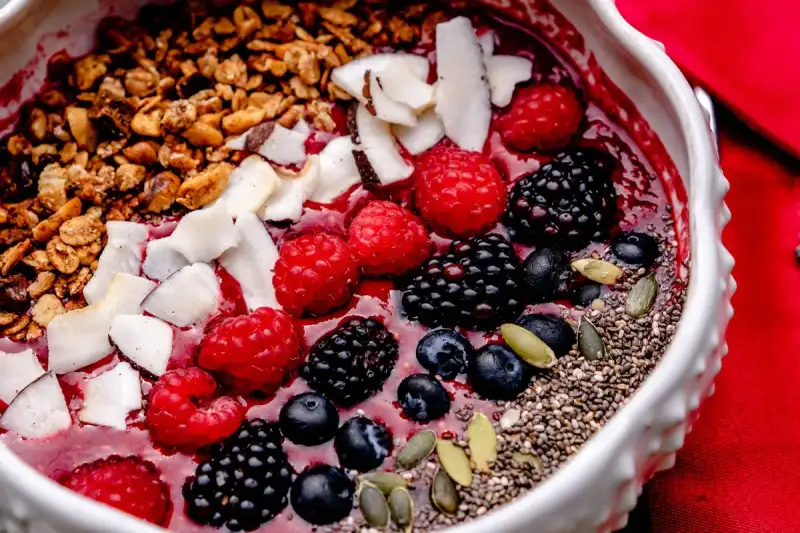
Introduction: The Dawn of Functional Gastronomy Breakfast has evolved far beyond the simple utility of breaking a overnight fast. In the modern culinary landscape, we look at the plate—or, in this case, the bowl—as a canvas where gastronomy and preventative medicine intersect. As a chef and health advocate, my philosophy has always been that food should not only delight the palate but should also act as a shield for our biology. The "Berry Oat Smoothie Bowl with Chia Seeds" is the epitome of this philosophy. Historically, human diets were rich in wild, bitter, and pigment-dense plants. Today's commercialized food systems often strip these protective compounds away, replacing them with refined carbohydrates and simple sugars that trigger systemic inflammation. By returning to whole, minimally processed ingredients like wild berries, ancient grains, and hydrophilic seeds, we reclaim our evolutionary connection to protective plant compounds. This article explores the deep scientific and culinary foundations of this antioxidant-rich powerhouse, showing you how to turn your morning routine into a delicious ritual of cellular defense.The Chemistry of Cell Defense: Unpacking Antioxidants To appreciate the true genius of this smoothie bowl, we must look at it through the lens of biochemistry. Our bodies constantly produce reactive oxygen species (ROS)—commonly known as free radicals—as a byproduct of normal cellular respiration and environmental stressors like pollution, UV radiation, and stress. Left unchecked, these unstable molecules cause oxidative stress, damaging lipids, proteins, and DNA, which accelerates aging and drives chronic diseases. This is where the term "antioxidant-rich" transitions from a marketing buzzword to a biological necessity. According to extensive nutritional science, berries are among the most concentrated sources of dietary antioxidants on Earth. The dark, intense blues, purples, and reds of blueberries and raspberries are caused by a specific class of flavonoids called anthocyanins. These phytochemicals possess an extraordinary capacity to donate electrons to free radicals, neutralizing them before they can cause cellular damage. Furthermore, research indicates that the synergy of combining multiple berry varieties increases their overall bioavailability. When we blend wild blueberries (rich in anthocyanins) with raspberries (loaded with ellagic acid), we create a multi-tiered defense system for our cardiovascular and neurological systems. Consuming these compounds in their raw, frozen state preserves their heat-sensitive vitamin C content, ensuring your body receives the maximum possible protective yield.The Sustained Energy Matrix: Oats and Beta-Glucans A common criticism of traditional smoothies is that they cause rapid spikes in blood glucose, followed by a mid-morning energy crash. As a chef, my challenge was to create a recipe that delivers luxurious creaminess while stabilizing metabolism. The secret weapon here is the humble oat.Oats are far more than a filler; they are a nutritional powerhouse. They are rich in a unique type of soluble fiber called beta-glucan. When beta-glucan mixes with fluid in your digestive tract, it forms a thick, viscous gel. Scientific studies consistently demonstrate that this gel slows down gastric emptying and delays the absorption of glucose into the bloodstream. By grinding raw rolled oats directly into our smoothie base, we achieve two major goals:Culinary Texture: The pulverized oats act as a natural thickener, giving the bowl a velvety, luxurious mouthfeel without the need for heavy dairy or excessive bananas. Metabolic Balance: The slow-digesting beta-glucan counters the natural sugars present in the berries and bananas, ensuring a slow, sustained release of insulin. This keeps your brain sharp and your energy levels stable for hours.Additionally, oats contain a unique group of antioxidants called avenanthramides. Clinical research suggests that avenanthramides help reduce systemic inflammation by suppressing the production of inflammatory cytokines, adding another layer of defense to this antioxidant-rich dish.The Structural Powerhouse of Chia Seeds No discussion of modern superfoods is complete without highlighting Salvia hispanica, commonly known as the chia seed. Used by ancient Aztec and Mayan warriors for sustained endurance, these tiny seeds are a marvel of structural botany and nutrition.From a nutritional perspective, chia seeds are one of the richest plant-based sources of alpha-linolenic acid (ALA), an essential omega-3 fatty acid. Omega-3s are crucial for maintaining cell membrane fluidity, supporting cognitive function, and lowering systemic inflammation. From a culinary perspective, chia seeds are highly hydrophilic—meaning they can absorb up to twelve times their weight in liquid. When exposed to the almond milk and berry juices in our blender, the outer mucilage layer of the seeds swells, creating a gel. This gel serves a dual purpose:It acts as a natural emulsifier, binding the liquid and solid components of our smoothie bowl together so it doesn't separate as you eat it. Within your digestive system, this hydrophilic gel prolongs hydration and slows the breakdown of carbohydrates, working hand-in-hand with the oats' beta-glucans to support gut health and keep you feeling full.Culinary Artistry: Texture, Color, and Presentation We eat with our eyes first. A great meal is a sensory experience, and the aesthetic appeal of a smoothie bowl is just as important as its nutritional profile. The deep indigo hue of our berry base provides a stunning, high-contrast backdrop for a variety of colorful, textured toppings.When composing your bowl, aim for a balance of textures:The Base: Needs to be exceptionally thick—almost like a soft-serve sorbet. If it is too watery, your toppings will sink to the bottom, ruining the presentation. The Crunch: Raw pumpkin seeds (pepitas) and sliced almonds provide a satisfying contrast to the creamy base. They also add healthy fats and proteins, which further slow down digestion. The Freshness: Garnishing with whole fresh berries adds pops of tart acidity that balance the rich sweetness of the blended banana. The Superfood Finish: Hemp hearts and extra chia seeds add a rustic elegance and a boost of plant-based protein.The Recipe: Berry Oat Smoothie Bowl with Chia Seeds Let’s step into the kitchen and bring this science-backed, antioxidant-rich masterpiece to life. Follow these steps carefully to achieve the perfect texture and flavor balance. Kitchen Tools NeededHigh-speed blender (with a tamper) Chilled serving bowl Measuring cups and spoons Silicone spatulaDetailed Step-by-Step InstructionsChill Your Serving Bowl: Before you begin blending, place your serving bowl in the freezer for 5 to 10 minutes. This simple step prevents your smoothie bowl from melting too quickly when served, maintaining its thick, creamy texture while you enjoy it.Milling the Oats: Add the 1/2 cup of dry rolled oats to your high-speed blender. Pulse on high for 5 to 10 seconds. You want to break down the oats into a coarse flour. This ensures that the oats blend seamlessly into the liquid without leaving any gritty pieces.Loading the Blender: To your milled oats, add the frozen wild blueberries, frozen raspberries, and the sliced frozen banana. Placing the frozen ingredients on top of the dry oats helps press them down into the blades once blending begins.Adding the Liquids and Binders: Pour in the unsweetened almond milk and add the vanilla bean paste. Finally, sprinkle in the tablespoon of black chia seeds. The vanilla bean paste adds a warm, aromatic depth that balances the tartness of the berries.The Emulsification Process: Secure the lid on your blender and insert the tamper. Start blending on low speed to break up the frozen fruit, then quickly increase the speed to high. Use the tamper to press the frozen ingredients down into the blades. Blend for about 45 to 60 seconds. You will see a beautiful, thick swirl form. Stop blending as soon as the mixture is completely smooth to avoid generating heat, which can melt the bowl.Plating and Presentation: Retrieve your chilled bowl from the freezer. Use a silicone spatula to transfer the thick, purple smoothie base into the bowl. Smooth the top with the back of a spoon to create an even surface.Artful Garnishing: Now, unleash your inner culinary artist. Create neat rows or geometric patterns across the surface of the bowl using the fresh blackberries, sliced strawberries, pumpkin seeds, hemp hearts, and a light sprinkle of chia seeds. Serve Immediately: Dig in with a spoon, enjoying the contrast of the cold, creamy base with the crisp, nutrient-dense toppings.Chef Michael’s Pro Tips for Smoothie Bowl SuccessThe Frozen Banana Rule: Always peel and slice your bananas before freezing them. Blending a whole frozen banana can damage your blender's motor, and pre-slicing allows for a faster, smoother blend. Liquid Control: Be conservative with your liquid. It is tempting to add more milk when the blender struggles, but using the tamper is the real key to a thick consistency. If you must add more liquid, do so one tablespoon at a time. Substitutions: If you are allergic to almonds, unsweetened coconut milk or oat milk work beautifully as replacements. For an extra protein boost, you can blend in a scoop of high-quality, unflavored pea protein isolate.Conclusion: A Daily Ritual of Wellness In our fast-paced world, taking fifteen minutes in the morning to craft a meal of this caliber is a profound act of self-care. The "Berry Oat Smoothie Bowl with Chia Seeds" is more than just a trend; it is a delicious commitment to your health. By choosing ingredients backed by nutritional science—antioxidant-dense berries, beta-glucan-rich oats, and omega-3-packed chia seeds—you are fueling your body with the clean, natural energy it needs to thrive. As you enjoy each spoonful, take comfort in knowing that you are actively reducing oxidative stress, supporting your gut microbiome, and protecting your cardiovascular health. Here’s to longevity, vibrant health, and exquisite flavor!#HealthyLiving #Gastronomy #SmoothieBowl #Superfoods #CleanEating Related InsightsIl Segreto Dolce e Antico: Svelare l'Anima della Sapa e del Mosto Cotto tra Storia, Territorio e Rinascita Gastronomica Unwrapping the Flavors of Eastern Europe: The Pierogi Story Fermentation Science – Part 02: Mastering Home‑Grown Kombucha and Jun Cultures{ "@context": "https://schema.org", "@type": "FAQPage", "mainEntity": [ { "@type": "Question", "name": "What is the main focus of The Ultimate Antioxidant-Rich Berry Oat Smoothie Bowl with Chia Seeds?", "acceptedAnswer": { "@type": "Answer", "text": "Discover the perfect fusion of cellular defense and culinary luxury with Michael Chef's scientifically backed Berry Oat Smoothie Bowl." } }, { "@type": "Question", "name": "Who authored the comprehensive guide on The Ultimate Antioxidant-Rich Berry Oat Smoothie Bowl with Chia Seeds?", "acceptedAnswer": { "@type": "Answer", "text": "This detailed article and its insights were carefully researched and authored by Michael Chef." } }, { "@type": "Question", "name": "Where can I find more related content about Food?", "acceptedAnswer": { "@type": "Answer", "text": "You can explore more articles, detailed reviews, and similar insights by browsing the Related Insights section at the bottom of this article or visiting our dedicated Food category page." } } ] }