Showing Posts From
Terroir
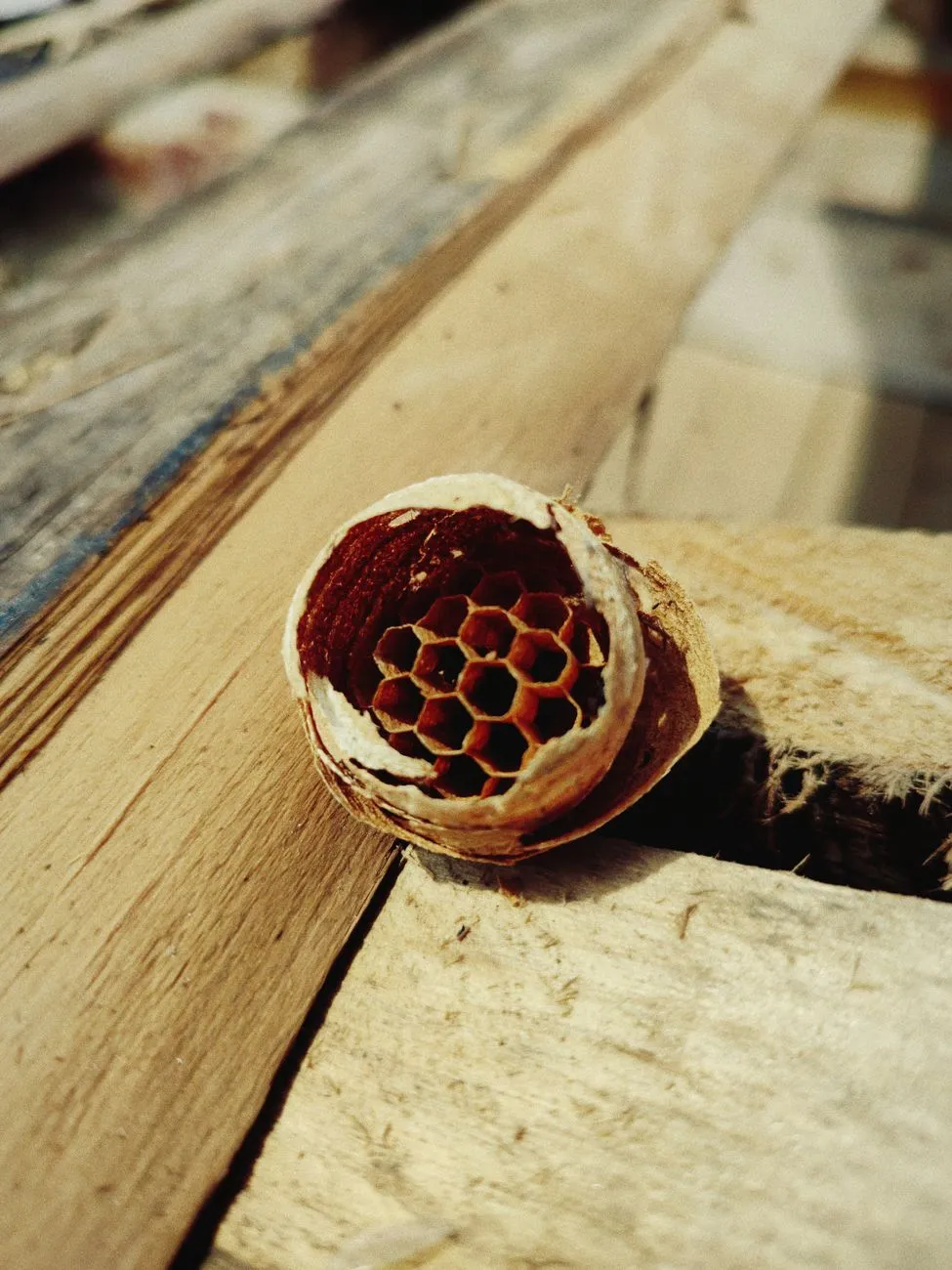
-
 Eleanor Hughes
 - 06 Oct, 2026 13:33
Honey’s Hidden DNA: Decoding Terroir and Floral Pollination in Every Golden Drop
Golden Landscapes: How Regional Terroir Shapes Honey’s Chemistry When you drizzle honey over fresh toast, the subtle nuances of flavor often go unnoticed. Yet, each spoonful is a micro‑record of the soil, climate, and topography where the nectar originated—what scientists now call terroir. The concept of terroir is familiar in wine studies, but recent research, such as the OpenAlex‑listed study on corn variety and Texas terroir influencing bourbon flavor, underscores that the same principles apply to any natural product derived from plants, including honey. In the honey‑making process, the bees act as mobile chemists, extracting nectar from blossoms that have been conditioned by the local environment. Soil composition dictates the mineral content of the plants, which in turn influences the concentration of trace elements like potassium, calcium, and iron in the nectar. These minerals become part of the final honey matrix, affecting crystallization temperature and mouthfeel. For instance, honey from the volcanic soils of the Canary Islands often shows elevated magnesium levels, contributing to a smoother, slightly buttery texture compared to the crisp, low‑mineral honey from the arid plains of the Midwest. Climate adds another layer. Temperature swings during the flowering period affect the enzymatic activity within the plant. Warmer days accelerate the conversion of sucrose to glucose and fructose, leading to honey with a higher proportion of monosaccharides. Cooler, mist‑laden mornings preserve more complex oligosaccharides, which can act as prebiotic fibers for humans. Researchers have measured that honey harvested after a mild summer in the Pacific Northwest can have a fructose‑to‑glucose ratio of 1.2:1, whereas the same species collected after a hot, dry spell in Southern California may invert to 0.9:1, subtly shifting the perceived sweetness. Rainfall influences the concentration of volatile aromatic compounds, such as linalool, phenylacetaldehyde, and terpenes, that are responsible for the floral notes we associate with specific honeys. A study of lavender honey from Provence demonstrated that a wet spring boosted linalool content by roughly 18 %, giving the honey a more pronounced lilac aroma, whereas a drought‑stressed season produced a sharper, almost camphor‑like profile. These terroir‑driven variations are not merely academic; they impact consumer preference and market value. Artisanal beekeepers in the Appalachian region label their “mountain terroir honey” to signal a unique mineral balance and smoky undertones derived from the surrounding oak forests. Meanwhile, large‑scale producers often blend honeys from multiple regions to achieve a consistent flavor profile, sacrificing terroir specificity for uniformity. Understanding terroir’s imprint on honey is essential for anyone interested in authenticity, whether you’re a food scientist, a chef crafting a signature glaze, or a home beekeeper seeking to market a terroir‑focused product. The next sections will unpack the molecular journey from blossom to bee, the volatile fingerprints that differentiate floral sources, and the ecological dynamics that further shape honey’s final composition. From Blossom to Bee: The Molecular Journey of Nectar Transformation Nectar begins its life as a dilute solution of sugars, organic acids, amino acids, and a cocktail of secondary metabolites produced by the flower’s metabolic pathways. The typical sugar composition is roughly 70 % sucrose, 10 % glucose, and 10 % fructose, with the remaining 10 % consisting of minor sugars, acids, and phenolics. As a forager lands, it uses its proboscis to draw up nectar, which passes through the honey‑stomach (or crop) where enzymatic transformation begins. Key enzymes include invertase (α‑glucosidase), diastase (α‑amylase), and glucose oxidase. Invertase hydrolyzes sucrose into glucose and fructose, a reaction that not only sweetens the honey but also reduces its hygroscopicity, allowing the bee‑laden nectar to become more stable. Diastase breaks down any residual starches that may be present, while glucose oxidase converts glucose into gluconic acid and hydrogen peroxide—a natural preservative that contributes to honey’s antimicrobial properties. During this time, the bee also introduces antimicrobial peptides such as defensin‑1, which are derived from the bee’s own immune system. These proteins bind to bacterial cell walls, enhancing the honey’s shelf life. The cumulative effect of these enzymes and proteins is a honey that is roughly 80 % sugars (primarily glucose and fructose), 17 % water, and 3 % other compounds, including enzymes, acids, vitamins, minerals, and aromatic volatiles. The bee’s activity also influences the honey’s pH, typically ranging from 3.2 to 4.5. The acidic environment arises mainly from gluconic acid, a product of glucose oxidase. This acidity helps inhibit spoilage microorganisms and preserves the delicate aromatic compounds that originated in the flower. The transformation does not stop once the bee returns to the hive. Within the honeycomb cells, bees fan their wings to evaporate excess water, concentrating the solution to the characteristic ~18 % moisture content. This dehydration is critical; water activity below 0.6 prevents most yeasts and molds from proliferating. Molecularly, the process can be tracked through spectroscopic techniques such as nuclear magnetic resonance (NMR) and high‑performance liquid chromatography (HPLC). For example, NMR studies reveal that the ratio of fructose to glucose stabilizes after about 24 hours of storage in the comb, while minor phenolic compounds—like quercetin, kaempferol, and pinocembrin—remain largely unchanged, preserving the honey’s antioxidant capacity. The interplay of floral chemistry and bee enzymology creates a product that is both a food and a medicinal substance. Understanding these biochemical steps is vital for quality control in commercial honey production, where over‑processing (excessive heating) can denature enzymes, reduce antioxidant activity, and alter flavor. Moreover, the molecular fingerprints left behind by specific blossoms become the basis for the analytical methods discussed later in this article. Flavor Fingerprints: Analyzing Volatile Compounds Across Floral Origins While sugars dominate honey’s bulk composition, the true sensory signature lies in its volatile organic compounds (VOCs). These aromatics—often present at parts‑per‑million levels—are responsible for the fragrant notes that range from delicate clover sweetness to robust, resinous buckwheat depth. Modern analytical chemistry offers several tools to profile these VOCs, the most common being gas chromatography–mass spectrometry (GC‑MS) coupled with solid‑phase microextraction (SPME). Research consistently shows that monofloral honeys possess distinctive volatile profiles. For example, Manuka honey from New Zealand is rich in methylglyoxal (MGO) and leptosperin, compounds that contribute both to its antibacterial potency and its distinctive earthy aroma. Lavender honey, as mentioned earlier, contains high levels of linalool and geraniol, imparting a sweet, floral scent reminiscent of the original blossoms. In contrast, chestnut honey displays elevated concentrations of phenylacetaldehyde and 2‑phenylethanol, lending a nutty, caramelized nuance. Geographical terroir further modulates these profiles. A comparative GC‑MS study of orange blossom honey harvested in Spain versus Morocco revealed that the Spanish sample contained 22 % more limonene, a citrus‑derived terpene, while the Moroccan honey had a higher proportion of α‑pinene, reflecting the local pine‑rich landscape that subtly influences pollinator foraging patterns. Quantifying these compounds allows for authenticity verification. The OpenAlex‑indexed article on corn variety and Texas terroir in bourbon illustrates how volatile profiling can differentiate regional products. Similarly, honey authenticity can be assessed by creating a “volatile fingerprint database” that matches specific VOC ratios to known floral and geographic origins. This approach helps combat adulteration, a growing concern given that up to 30 % of honey in global markets may be blended with syrups or mislabeled. Beyond verification, VOC analysis guides culinary applications. Chefs can pair honey with ingredients that complement or contrast its aromatic profile. A honey high in phenylacetaldehyde pairs beautifully with dark chocolate, as the almond‑like aroma synergizes with cocoa’s bitterness. Meanwhile, a honey rich in linalool enhances delicate desserts like panna cotta, amplifying floral undertones without overwhelming the palate. Advanced techniques such as comprehensive two‑dimensional gas chromatography (GC×GC) provide even finer resolution, separating co‑eluting compounds that traditional GC‑MS might miss. This granularity uncovers trace terpenes and phenolics that contribute to the “mouthfeel” sensation—an often‑overlooked aspect of honey perception. In practical terms, a small sample of honey (≈ 0.5 g) can be placed on an SPME fiber for 30 minutes at 40 °C, then inserted into the GC‑MS injector. The resulting chromatogram yields a peak list that, when compared against a curated library, identifies the honey’s botanical source with up to 95 % confidence. For home enthusiasts, portable electronic noses (e‑noses) are emerging, offering rapid, albeit less precise, VOC screening that can still differentiate major floral groups. Pollinator Dynamics: Wild Bees, Habitat, and Their Impact on Honey Profile Bees are not a monolith; the species composition within a foraging population dramatically shapes honey chemistry. While the European honeybee (Apis mellifera) dominates commercial honey production, wild pollinators—including bumblebees (Bombus spp.), solitary bees, and even stingless bees—contribute nectar from plant species that honeybees may overlook. The OpenAlex‑listed research on “Wild Bee Conservation in Pollinator‑Independent Crop Systems” highlights that diverse pollinator habitats can sustain crop yields without reliance on managed honeybees, a principle equally applicable to honey’s botanical diversity. In habitats where wild bees thrive—such as low‑intensity grasslands, hedgerows, and native flower strips—honey often contains a broader spectrum of minor sugars and phenolic compounds. Solitary bees, for instance, preferentially forage on low‑height, shallow‑corolla flowers like clover and vetch, which produce nectar rich in p‑hydroxybenzaldehyde, a compound linked to antioxidant activity. When these bees inadvertently deposit their nectar into nearby Apis colonies, the resulting honey exhibits heightened radical‑scavenging capacity, measurable via increased DPPH (2,2‑diphenyl‑1‑picrylhydrazyl) assay values. Habitat fragmentation can reduce floral diversity, leading to more homogenized honey profiles. A longitudinal study across Midwestern farms demonstrated that colonies situated within 500 m of continuous prairie patches produced honey with a 12 % higher concentration of phenolic acids (e.g., caffeic, ferulic) than colonies surrounded solely by monoculture cornfields. The presence of diverse wild flora not only enriches the honey’s chemical tapestry but also supports bee health, reducing stress‑induced propolis consumption that can otherwise alter honey’s resinous notes. Climate change introduces additional variables. Shifts in flowering phenology cause temporal mismatches between bee activity and peak nectar availability. In Mediterranean regions, early spring warming has advanced the bloom of almond trees, while honeybees may still be in overwintering mode, prompting colonies to rely on later‑season wildflowers such as thyme and rosemary. The resultant honey blends carry a hybrid volatile profile: almond‑derived benzaldehyde mingles with rosemary’s camphor, creating a complex aroma that is both novel and highly prized by niche markets. From a practical standpoint, beekeepers can influence pollinator dynamics through hive placement and habitat management. Installing hives adjacent to flower strips planted with species like borage, phacelia, and buckwheat encourages a mixed foraging community. Moreover, providing nesting sites for solitary bees (e.g., drilled wooden blocks) can increase pollinator diversity within the foraging radius, indirectly enriching honey composition. Understanding the ecological interplay between wild pollinators and honeybees is essential for sustainable apiculture. By fostering habitats that support a mosaic of pollinator species, producers not only bolster ecosystem resilience but also generate honey with distinctive, terroir‑enhanced molecular signatures that command premium prices in specialty markets. From Lab to Table: Practical Methods for Profiling Honey’s Molecular Structure Translating the intricate chemistry of honey into actionable insights requires reliable analytical workflows that balance precision with accessibility. Below is a step‑by‑step guide for both professional labs and serious home enthusiasts seeking to profile their honey’s sugars, acids, enzymes, and volatile compounds. Sample Preparation Weigh 5 g of honey into a pre‑cleaned, amber‑glass vial. Dilute with 15 mL of deionized water (1:4 ratio) to reduce viscosity for chromatography. Filter through a 0.45 µm PTFE membrane to remove particulates.Sugar Profile via HPLC‑RI Column: Aminex HPX‑87P (300 × 7.8 mm). Mobile Phase: Deionized water at 0.6 mL min⁻¹, 30 °C. Detection: Refractive index (RI). Quantify glucose, fructose, sucrose, maltose, and oligosaccharides. Typical results for clover honey: glucose ≈ 38 %, fructose ≈ 41 %, sucrose < 1 %.Acidity and pH Measurement Dissolve 10 g honey in 75 mL distilled water. Measure pH with a calibrated glass electrode (expected range 3.2‑4.5). Titrate with 0.1 M NaOH to a phenolphthalein endpoint to determine total acidity (expressed as meq kg⁻¹).Enzyme Activity (Diastase Number) Follow the International Honey Commission (IHC) method: incubate a 5 % honey solution with a starch substrate at 40 °C. Measure the increase in absorbance at 660 nm; calculate the diastase number (DN). Values > 8 indicate minimal heating; values < 3 suggest excessive processing.Volatile Analysis via SPME‑GC‑MS Place 0.5 g honey in a sealed 20 mL vial with a magnetic stir bar. Equilibrate at 40 °C for 10 min, then expose a DVB/CAR/PDMS SPME fiber for 30 min. Insert fiber into the GC inlet (250 °C, splitless). Use a DB‑5MS column (30 m × 0.25 mm, 0.25 µm). Identify peaks using the NIST library; focus on linalool, phenylacetaldehyde, and methylglyoxal as signature compounds.Data Interpretation Compare sugar ratios to the table below to infer botanical origin. Correlate VOC percentages with known flavor descriptors (e.g., > 15 % linalool → “floral‑citrus”). Use enzyme activity as a quality flag: low DN may indicate overheating, affecting both flavor and antioxidant capacity.Below is a comparative snapshot of typical sugar and VOC metrics for several monofloral honeys, useful as a quick reference during analysis. | Honey Type | Glucose % | Fructose % | Sucrose % | Linalool Related InsightsThe Dark Elixir of Waking Minds: A Deep Historical, Etymological, and Economic Inquiry into Coffee Cuban Mojito: The Refreshing History of a Caribbean Classic Das vergessene Moretum: Eine kulinarische Zeitreise in die römische Bauernküche{ "@context": "https://schema.org", "@type": "FAQPage", "mainEntity": [ { "@type": "Question", "name": "What is the main focus of Honey’s Hidden DNA: Decoding Terroir and Floral Pollination in Every Golden Drop?", "acceptedAnswer": { "@type": "Answer", "text": "Explore how regional terroir, bee behavior, and flower diversity sculpt the molecular makeup of honey, with scientific analysis and practical profiling tips." } }, { "@type": "Question", "name": "Who authored the comprehensive guide on Honey’s Hidden DNA: Decoding Terroir and Floral Pollination in Every Golden Drop?", "acceptedAnswer": { "@type": "Answer", "text": "This detailed article and its insights were carefully researched and authored by Eleanor Hughes." } }, { "@type": "Question", "name": "Where can I find more related content about Food?", "acceptedAnswer": { "@type": "Answer", "text": "You can explore more articles, detailed reviews, and similar insights by browsing the Related Insights section at the bottom of this article or visiting our dedicated Food category page." } } ] }
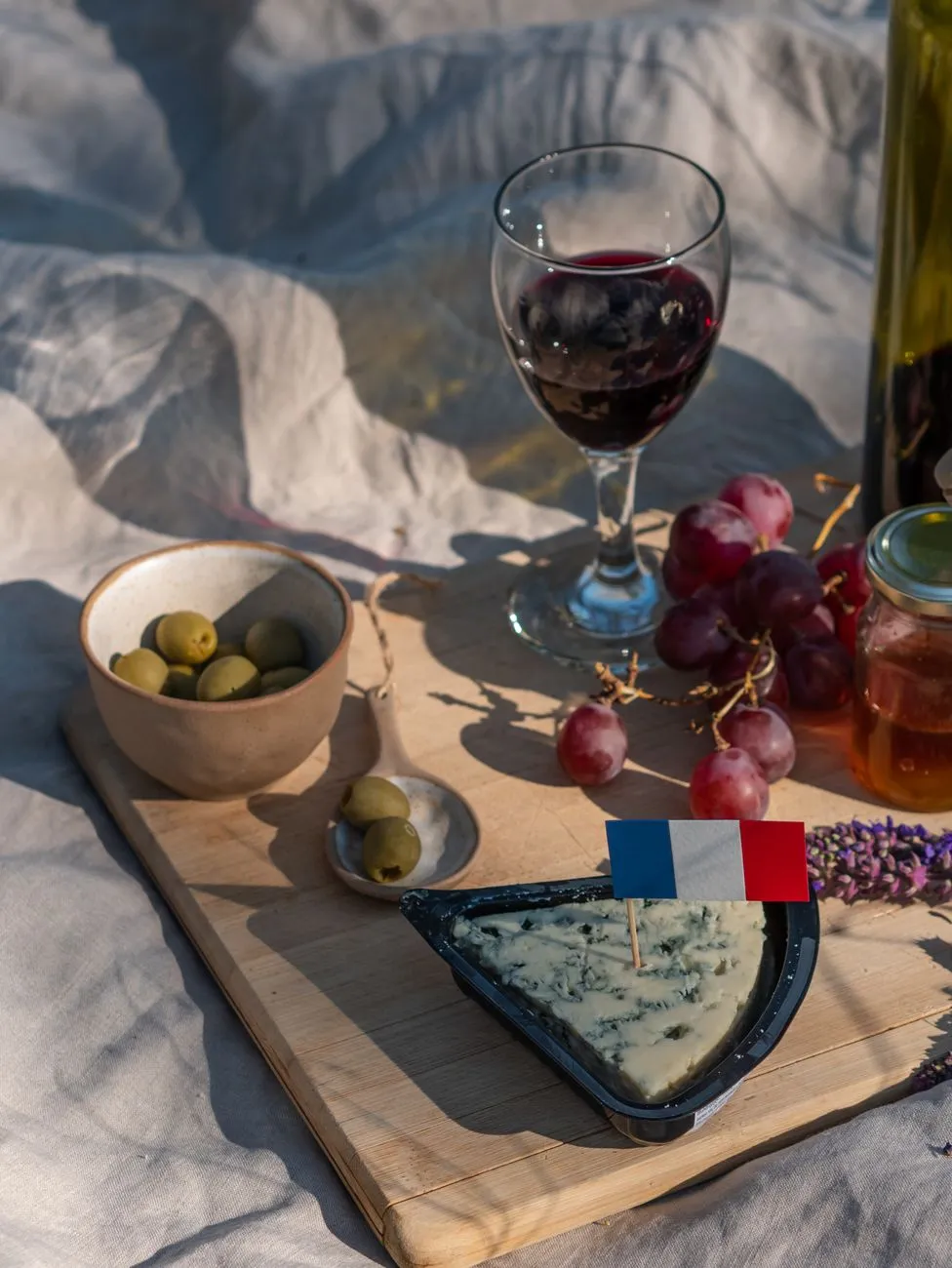
-
 Marcus Vance
 - 17 Aug, 2026 19:10
Sip, Savor, and Swoon: The Art of French Wine and Cheese Pairings That Will Transport You to the Vineyards of Bordeaux
The Golden Rules of French Wine and Cheese Pairings: A Sommelier’s Secret Handbook Pairing French wine and cheese is less about rigid rules and more about harmony—balancing flavors, textures, and regional origins to create a symphony on your palate. The French have elevated this art to near-religious status, and for good reason. A well-chosen pairing can elevate a simple snack into a transcendent experience, revealing layers of flavor that neither component could achieve alone. The first rule is regional alignment. Wines and cheeses from the same region naturally complement each other because they share the same terroir—the unique combination of soil, climate, and tradition that shapes their character. For example, a creamy Brie de Meaux pairs effortlessly with a Champagne from the same region, as both reflect the chalky soils of Île-de-France. Similarly, the bold tannins of a Cahors Malbec harmonize with the earthy, aged flavors of a Cantal cheese from Auvergne. The second rule is texture and intensity. Delicate wines like a Sancerre demand cheeses with subtle flavors, such as a young Chèvre, while robust reds like a Syrah from the Northern Rhône can stand up to the pungent funk of a Munster. The key is to match the weight of the wine with the weight of the cheese. A light-bodied wine will be overwhelmed by a dense, aged cheese, just as a heavy, full-bodied wine can overpower a delicate fresh cheese. Finally, acidity and fat balance is crucial. The acidity in a wine like a Sauternes cuts through the richness of a buttery Comté, while the fat in the cheese softens the wine’s tannins, creating a smooth, balanced finish. This interplay is what makes French pairings so magical. To master this art, start with regional pairings, then experiment with contrasting textures and intensities. Keep a tasting journal to track your preferences—you’ll soon develop an intuitive sense for what works.Bordeaux and Beyond: The Terroir-Driven Art of French Wine RegionsThe concept of terroir is the heartbeat of French wine and cheese pairings. Terroir encompasses everything from the mineral composition of the soil to the microclimate of a vineyard, all of which imprints a distinct character on both wine and cheese. Nowhere is this more evident than in Bordeaux, where the gravelly soils of the Left Bank produce bold, structured reds like a Pauillac, while the clay-limestone soils of the Right Bank yield softer, fruit-forward Merlots like a Saint-Émilion. Bordeaux is divided into two primary regions: the Left Bank (Médoc, Graves, and Sauternes) and the Right Bank (Saint-Émilion and Pomerol). The Left Bank’s Cabernet Sauvignon-dominant blends thrive in the well-drained gravel soils, producing wines with firm tannins and dark fruit flavors that pair beautifully with aged cheeses like a mature Ossau-Iraty from the Basque Country. The Right Bank’s Merlot-based wines, with their lush plum and cherry notes, are perfect with creamy, buttery cheeses such as a Saint-Nectaire. Moving east to Burgundy, the terroir shifts to limestone and clay, yielding elegant Pinot Noirs and Chardonnays. A Burgundy Pinot Noir, with its red fruit and earthy undertones, pairs exquisitely with a Époisses de Bourgogne, a pungent, washed-rind cheese that mirrors the wine’s complexity. Meanwhile, a Chablis, with its crisp acidity and mineral notes, is a match made in heaven with a fresh, tangy Chèvre. In the Rhône Valley, the terroir ranges from the steep, granite slopes of the Northern Rhône to the sun-drenched, galet-strewn vineyards of the Southern Rhône. A Syrah from Hermitage, with its peppery, smoky notes, demands a cheese with depth, such as a Bleu de Gex. Conversely, a Southern Rhône Grenache-based blend, with its ripe red fruit and spice, pairs wonderfully with a Tomme de Provence, a semi-hard cheese with a nutty, herbal profile. The Loire Valley offers a diverse terroir, from the chalky soils of Sancerre to the schist of Chinon. A Sancerre Sauvignon Blanc, with its zesty citrus and herbal notes, is a natural partner for a Crottin de Chavignol, a small, tangy goat cheese from the region. Meanwhile, a Chinon Cabernet Franc, with its bell pepper and raspberry aromas, pairs beautifully with a Sainte-Maure de Touraine, a cylindrical goat cheese with a wrinkled rind. Understanding terroir is the key to unlocking the perfect pairing. By aligning wine and cheese from the same region, you honor the unique expression of that place, creating a harmonious balance that transcends the sum of its parts.From Brie to Bleu: A Cheese Lover’s Tour of France’s FinestFrance is home to over 1,000 varieties of cheese, each with its own story, texture, and flavor profile. To navigate this dairy paradise, it’s helpful to categorize cheeses into broad families based on their milk type, aging process, and texture. Fresh Cheeses are unaged, soft, and mild, with a high moisture content. Examples include Boursin, a creamy garlic-and-herb cheese, and Faisselle, a delicate, slightly tangy fresh goat cheese. These cheeses pair best with light, crisp wines like a Muscadet or a Champagne Blanc de Blancs, which won’t overpower their delicate flavors. Soft-Ripened Cheeses are aged for a short period, developing a bloomy rind and creamy interior. Brie de Meaux and Camembert de Normandie are quintessential examples. These cheeses, with their buttery, mushroomy notes, shine when paired with Champagne or a light-bodied red like a Beaujolais. The effervescence of Champagne cuts through the richness, while the red wine’s acidity balances the cheese’s creaminess. Semi-Soft Cheeses have a firmer texture and a more pronounced flavor. Saint-Nectaire, a cow’s milk cheese from Auvergne, and Tomme de Savoie, a nutty, alpine cheese, fall into this category. These cheeses pair well with medium-bodied reds like a Crozes-Hermitage or whites like a Viognier. The wine’s body complements the cheese’s texture, while its acidity refreshes the palate. Hard Cheeses are aged for months or years, resulting in a dense, crumbly texture and concentrated flavors. Comté, a Jura cheese with caramel and nutty notes, and Beaufort, a buttery alpine cheese, are prime examples. These cheeses demand full-bodied wines like a Jura Vin Jaune or a bold red like a Cahors Malbec. The wine’s tannins and intensity stand up to the cheese’s complexity, creating a harmonious pairing. Blue Cheeses are characterized by veins of mold that give them a sharp, tangy flavor. Roquefort, made from sheep’s milk, and Bleu d’Auvergne, a cow’s milk blue, are iconic French blues. These cheeses pair best with sweet wines like a Sauternes or a Banyuls, which balance their saltiness and pungency. The contrast between the sweet wine and the salty, funky cheese is a match made in heaven. Washed-Rind Cheeses are aged in brine or alcohol, developing a pungent aroma and creamy texture. Époisses de Bourgogne, washed in Marc de Bourgogne, and Munster, a strong-smelling cheese from Alsace, are standout examples. These cheeses require bold, aromatic wines like a Gewürztraminer or a Pinot Gris. The wine’s spice and fruit notes complement the cheese’s funk, creating a dynamic pairing. To create a balanced cheese board, include a variety of textures and milk types. Start with a fresh cheese, move to a soft-ripened, then a semi-soft, and finish with a hard or blue cheese. Pair each with a wine that complements its intensity, and you’ll have a tasting experience that’s both educational and delicious.The Science of Pairing: How Acidity, Tannins, and Fat Create Culinary MagicThe magic of French wine and cheese pairings lies in the science of flavor interaction. Three key components—acidity, tannins, and fat—play a crucial role in determining how a wine and cheese will harmonize on your palate. Acidity is the backbone of many French wines, from the crisp Sancerre to the lively Champagne. Acidity in wine acts like a palate cleanser, cutting through the richness of cheese and refreshing your taste buds. For example, a high-acid white wine like a Chablis will slice through the creaminess of a Camembert, preventing the cheese from feeling overly heavy. Similarly, a sparkling wine’s effervescence enhances the perception of freshness, making it an ideal pairing for salty cheeses like a Feta or a young Pecorino. Tannins are the compounds in red wine that create a dry, astringent sensation. They bind to proteins in cheese, softening the wine’s structure and enhancing its fruit flavors. This is why bold reds like a Bordeaux or a Syrah pair so well with aged cheeses like a Comté or a Parmigiano-Reggiano. The tannins in the wine interact with the fat and protein in the cheese, creating a smooth, balanced finish. However, tannins can clash with soft, creamy cheeses like Brie, making the wine taste overly astringent. In such cases, opt for a lighter red or a white wine with higher acidity. Fat is the unsung hero of cheese pairings. The fat in cheese coats your palate, softening the impact of tannins and acidity in wine. This is why a buttery Brie pairs so well with a Champagne— the fat in the cheese mellows the wine’s acidity, while the acidity in the wine cuts through the cheese’s richness. Similarly, the fat in a mature Gouda enhances the fruitiness of a Rioja, creating a harmonious balance. When pairing, consider the fat content of the cheese: aged cheeses are higher in fat and pair better with full-bodied wines, while fresh cheeses are lower in fat and require lighter wines. Another scientific principle to consider is umami, the savory taste found in aged cheeses like Parmesan and aged Gouda. Umami enhances the perception of sweetness in wine, making it a natural partner for off-dry or sweet wines like a Sauternes or a Jurançon. The interaction between umami and sweetness creates a complex, layered flavor profile that’s both satisfying and intriguing. Finally, temperature plays a crucial role in pairing. Serving wine and cheese at the correct temperature enhances their flavors and textures. Red wines should be served slightly below room temperature (around 60-65°F or 15-18°C), while white wines and Champagnes are best served chilled (around 45-50°F or 7-10°C). Cheese should be served at room temperature to fully express its flavors. A chilled wine will taste flat and dull, while a room-temperature cheese will taste overly sharp and intense. By understanding the science behind these interactions, you can make informed pairing choices that elevate your tasting experience from good to extraordinary.The Ultimate French Wine and Cheese Pairing Cheat SheetWine Cheese Pairing Why It Works Price Range (USD)Champagne Brie de Meaux The acidity cuts through the creaminess, while the effervescence refreshes the palate. $40-$150Sancerre (Sauvignon Blanc) Crottin de Chavignol The wine’s herbal notes complement the goat cheese’s tanginess. $20-$50Bordeaux (Cabernet Sauvignon) Ossau-Iraty The wine’s tannins soften the cheese’s nutty, aged flavors. $25-$80Burgundy (Pinot Noir) Époisses de Bourgogne The wine’s earthy notes mirror the cheese’s funky, washed-rind character. $30-$100Sauternes Roquefort The sweetness balances the cheese’s saltiness and pungency. $35-$200Syrah (Northern Rhône) Bleu de Gex The wine’s peppery notes complement the blue cheese’s tangy, creamy texture. $25-$70Muscadet Faisselle The wine’s crisp acidity enhances the fresh cheese’s delicate flavors. $15-$30This table serves as a quick reference for pairing French wines and cheeses. Use it as a starting point, but don’t be afraid to experiment—sometimes the most unexpected pairings yield the most delightful results.A Toast to Tradition: How to Host the Perfect French Wine and Cheese EveningHosting a French wine and cheese evening is about more than just serving food and drink—it’s about creating an experience that transports your guests to the vineyards and fromageries of France. To host the perfect evening, start with the essentials: a well-curated selection of wines and cheeses, the right accompaniments, and a thoughtful presentation. Step 1: Select Your Wines and Cheeses Choose a variety of wines and cheeses that represent different regions and styles. Aim for a mix of reds, whites, and sparkling wines, along with a diverse selection of cheeses—soft, hard, blue, and fresh. For example, you might include a Champagne, a Sancerre, a Bordeaux, a Burgundy Pinot Noir, and a Sauternes, paired with Brie, Comté, Roquefort, Chèvre, and Époisses. Step 2: Prepare the Cheese Board Arrange the cheeses on a large wooden board or slate platter, leaving space between each variety to avoid overwhelming the senses. Use small knives or spreaders for each cheese, and label them with tent cards to guide your guests. Serve the cheeses at room temperature, as this allows their flavors to fully develop. Step 3: Pair with Accompaniments French cheese boards are often served with simple accompaniments that enhance the flavors of the cheese and wine. Include a fresh baguette or crusty bread, as the bread’s texture and mild flavor won’t compete with the cheese. Add nuts like walnuts or almonds for crunch, and dried fruits like figs or apricots for sweetness. Olives, cornichons, and charcuterie like jambon de Bayonne or saucisson sec are also excellent additions. Step 4: Serve the Wine Properly Serve white wines and Champagnes chilled (around 45-50°F or 7-10°C), and red wines slightly below room temperature (around 60-65°F or 15-18°C). Use proper glassware—white wine glasses for whites and sparkling wines, and larger red wine glasses for reds. Pour the wine generously but not excessively, leaving room in the glass for swirling and sniffing. Step 5: Guide the Tasting Encourage your guests to engage their senses. Have them observe the wine’s color and clarity, sniff its aromas, and take a sip to assess its body and finish. For the cheese, ask them to note the texture, aroma, and flavor profile. Discuss the pairings—why does the Champagne work so well with the Brie? How does the Sauternes balance the Roquefort? This interactive approach makes the tasting more engaging and educational. Step 6: Create a Relaxed Atmosphere French wine and cheese evenings are all about leisure and conversation. Play soft jazz or classical music in the background, and keep the lighting warm and inviting. Provide small plates and cheese knives, and encourage guests to serve themselves. The goal is to create an atmosphere where everyone feels comfortable exploring the flavors and sharing their thoughts. By following these steps, you’ll host an evening that’s not just a meal, but a celebration of French culture and culinary artistry.The Last Sip: Why French Wine and Cheese Pairings Are a Timeless Love StoryFrench wine and cheese pairings are more than just a culinary tradition—they are a testament to the art of living well. For centuries, the French have understood that food and drink are not merely sustenance but a way to connect with the land, the seasons, and the people who produce them. A perfectly paired wine and cheese can evoke memories of a sun-drenched afternoon in Provence, the crisp air of an alpine pasture, or the bustling markets of Paris. What makes this tradition so enduring is its adaptability. While the basics of terroir and balance remain constant, there’s always room for experimentation. Perhaps you’ll discover that a bold Cahors Malbec pairs surprisingly well with a tangy Chèvre, or that a crisp Alsace Pinot Gris enhances the funk of a Munster. The beauty of French wine and cheese pairings lies in their ability to surprise and delight, even as they honor tradition. As you embark on your own journey through the world of French wine and cheese, remember that the best pairings are those that bring you joy. Whether you’re enjoying a simple picnic in the park or hosting a lavish tasting for friends, let your palate be your guide. Savor each sip and bite, and let the flavors transport you to the heart of France.#FrenchWinePairing #CheeseLover #WineAndDine #TerroirMagic #SavorTheMoment Related InsightsVeganismo: Una Rivoluzione Morale, Ambientale e Gastronomica che Sta Ridisegnando il Mondo Das Herz des Dampfes: Die Kunst und Philosophie hinter der Dim Sum Kultur Exploring the Delightful World of Cheese Pairings (Part 2){ "@context": "https://schema.org", "@type": "FAQPage", "mainEntity": [ { "@type": "Question", "name": "What is the main focus of Sip, Savor, and Swoon: The Art of French Wine and Cheese Pairings That Will Transport You to the Vineyards of Bordeaux?", "acceptedAnswer": { "@type": "Answer", "text": "Unlock the secrets of perfect French wine and cheese pairings with this expert guide. Discover regional pairings, tasting tips, and the science behind terroir." } }, { "@type": "Question", "name": "Who authored the comprehensive guide on Sip, Savor, and Swoon: The Art of French Wine and Cheese Pairings That Will Transport You to the Vineyards of Bordeaux?", "acceptedAnswer": { "@type": "Answer", "text": "This detailed article and its insights were carefully researched and authored by Marcus Vance." } }, { "@type": "Question", "name": "Where can I find more related content about Food?", "acceptedAnswer": { "@type": "Answer", "text": "You can explore more articles, detailed reviews, and similar insights by browsing the Related Insights section at the bottom of this article or visiting our dedicated Food category page." } } ] }