Showing Posts From
Thesilkroadsnomadichospitalityyurtstaysinkyrgyzstan

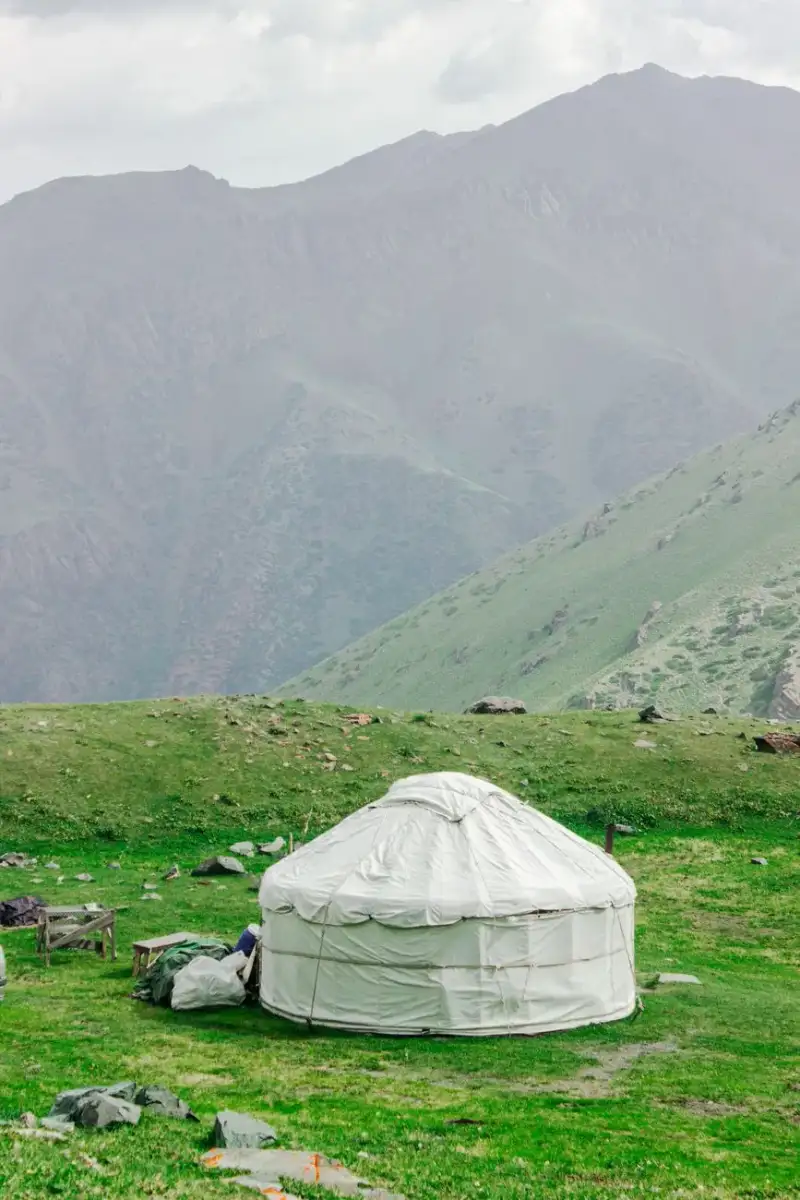
The Silk Road's Nomadic Hospitality: Yurt Stays in Kyrgyzstan Introduction Few experiences transport travelers back to the ancient Silk Road as vividly as spending a night in a traditional Kyrgyz yurt. Perched on the undulating steppes of Central Asia, these circular felt dwellings—known as boz üy in Kyrgyz—have sheltered nomadic herders for millennia. Today, they offer intrepid explorers a chance to step into a living tradition where hospitality is sacred, and the landscape is a masterpiece of untamed beauty. Kyrgyzstan, a landlocked jewel in Central Asia, has quietly emerged as one of the world’s most compelling destinations for cultural immersion and adventure. With its soaring peaks of the Tian Shan and Pamir-Alay ranges, crystalline alpine lakes like Issyk-Kul, and a cost of living that’s a fraction of Western standards, it’s no wonder remote workers and travelers are flocking here. According to Numbeo, the average monthly cost for a single person in Kyrgyzstan is just $446.40—60.8% lower than in the United States—making long-term stays not only possible but deeply rewarding. But beyond the affordability lies a deeper allure: the unparalleled hospitality of the Kyrgyz people. In a culture where guests are considered a blessing, travelers are welcomed into yurt camps with open arms, shared meals of beshbarmak (a hearty noodle and meat dish), and stories under the vast, star-studded sky. This is the Silk Road’s nomadic spirit, alive and breathing in the highlands of Kyrgyzstan.Whether you're a digital nomad seeking a change of scenery, a family craving adventure, or a solo traveler chasing authenticity, a yurt stay in Kyrgyzstan promises an experience that transcends the ordinary. From the practicalities of booking to the cultural nuances of nomadic life, this guide will equip you with everything you need to embark on your own Silk Road journey.Why Choose a Yurt Stay in Kyrgyzstan? The Allure of Nomadic Life The decision to trade a hotel room for a yurt isn’t just about novelty—it’s about reconnecting with a way of life that has sustained Central Asian nomads for centuries. Yurts, or ger in Mongolian (a term often used interchangeably in Kyrgyzstan), are marvels of portable architecture. Constructed from a collapsible wooden frame, layered with thick felt insulation, and topped with a crown (tündük) that allows smoke to escape and starlight to filter in, these dwellings are perfectly adapted to the region’s harsh climate. In summer, they offer cool refuge from the sun; in winter, they retain warmth against sub-zero temperatures. For travelers, a yurt stay is a gateway to understanding Kyrgyzstan’s soul. The country’s identity is deeply intertwined with its nomadic heritage, a legacy that dates back to the 2nd millennium BCE when the Scythians roamed these lands. Even today, nearly a third of Kyrgyzstan’s population identifies as nomadic or semi-nomadic, with many herding sheep, horses, and yaks across the high pastures during the warmer months. Beyond the cultural significance, yurt camps offer an unparalleled connection to nature. Imagine waking up to the sound of horses whinnying in the distance, the scent of juniper smoke curling from a nearby fire, and the sight of the sun rising over the Alay or Issyk-Kul valleys. Many camps are situated in UNESCO-listed landscapes, such as the Sary-Chelek Biosphere Reserve or the Song Kol Lake area, where the absence of light pollution makes the night sky a dazzling spectacle. From a practical standpoint, yurt stays are surprisingly comfortable. Modern yurt camps are equipped with amenities like electricity (often solar-powered), Wi-Fi (a boon for digital nomads), and even en-suite bathrooms with hot showers. The beds are typically simple but cozy, with thick mattresses and wool blankets to ward off the chill. Meals, often included in the cost, are a highlight—think freshly baked lepyoshka bread, manty (steamed dumplings), and plov (pilaf), all prepared with ingredients sourced from the camp’s own livestock or local farms. For those concerned about accessibility, yurt camps are generally easy to reach. Major hubs like Bishkek, the capital, serve as gateways to the countryside, with well-maintained roads leading to popular destinations such as the Ala-Archa National Park, the Boom Gorge, or the remote valleys of the Tian Shan. Many camps also offer transfer services from airports or bus stations, making the journey seamless.But perhaps the most compelling reason to choose a yurt stay is the people. Kyrgyz hospitality (kyrgyz konokchulugu) is legendary, rooted in the ancient code of manas, an epic poem that celebrates generosity and bravery. Guests are treated with reverence, often invited to join in traditional games like kok-boru (a Central Asian version of polo) or to participate in the preparation of a beshbarmak feast. In a world where authentic connections are increasingly rare, a yurt stay offers something truly priceless: a sense of belonging.Planning Your Yurt Stay: Logistics, Costs, and Best Seasons Embarking on a yurt stay in Kyrgyzstan requires a bit of planning, but the rewards far outweigh the effort. The first step is choosing the right time to visit. Kyrgyzstan’s climate is continental, with hot summers, cold winters, and dramatic temperature swings in between. The ideal seasons for a yurt stay are late spring (May to early June) and early autumn (September to October), when the weather is mild, the landscapes are lush, and the crowds are minimal. Summer (June to August) is the peak season, with temperatures in the valleys reaching up to 30°C (86°F). This is prime time for hiking, horseback riding, and exploring alpine lakes like Song Kol or Ala-Kul. However, it’s also the busiest period, so book yurt camps well in advance. Winter (November to March) transforms the landscape into a snowy wonderland, offering a quieter, more introspective experience. Some yurt camps operate year-round, but winter stays require warmer clothing and a tolerance for sub-zero temperatures. Booking Your Yurt Stay Yurt camps can be booked through a variety of platforms, including local tour operators, international booking sites like Booking.com or Airbnb, or directly via the camps’ websites or social media pages. Prices vary depending on the location, amenities, and season, but you can expect to pay between $20 and $50 per night for a standard yurt stay. Luxury yurts with private bathrooms or hot tubs may cost upwards of $80 per night. Here’s a breakdown of what to consider when booking:Location: Do you want to be near a major city like Bishkek, or are you seeking remote wilderness? Popular yurt camp destinations include:Song Kol Lake: A high-altitude lake surrounded by rolling pastures, perfect for horseback riding and stargazing. Issyk-Kul Region: Close to the lake’s northern shore, offering a mix of cultural and natural attractions. Jyrgalan Valley: A hidden gem in the Tian Shan, known for its hot springs and hiking trails. Ala-Archa National Park: Just a short drive from Bishkek, ideal for day trips and short stays.Amenities: Basic yurt camps offer shared bathroom facilities and simple meals, while upscale camps provide private bathrooms, Wi-Fi, and gourmet dining. Some even offer activities like eagle hunting demonstrations or traditional music performances.Transportation: Most yurt camps are located in rural areas, so you’ll need to arrange transportation. Many camps offer shuttle services from Bishkek or nearby towns, or you can rent a car (4x4 recommended for remote areas). Public buses (marshrutkas) are an option but may not drop you directly at the camp.Cultural Sensitivity: Yurt camps are often family-run businesses, and the Kyrgyz people are deeply proud of their traditions. Respect local customs by dressing modestly, asking before taking photos of people, and participating in communal activities when invited.Visa Requirements and Entry Kyrgyzstan has made it easier than ever for travelers to visit, with a 60-day visa-free entry for citizens of over 40 countries, including the US, UK, EU, Canada, and Australia. For longer stays, a digital nomad visa is available, allowing remote workers to live in Kyrgyzstan for up to six months. The visa costs $75 and requires proof of remote employment or freelance income. Upon arrival, you’ll need to register with the State Migration Service if staying longer than 60 days. Many yurt camps assist with this process, so be sure to ask when booking. Budgeting for Your Stay Kyrgyzstan’s low cost of living extends to yurt stays, making it an affordable destination for travelers of all budgets. Here’s a rough estimate of expenses for a 7-day yurt stay:Expense Category Estimated Cost (USD)Yurt stay (per night) $20 - $50Meals (per day) $5 - $15Transportation $10 - $30Activities (horseback riding, hiking) $15 - $50Visa (if applicable) $0 - $75Total (7 days) $150 - $400This budget assumes a mid-range experience, with some splurges on activities or upgrades. For digital nomads, the affordability of Kyrgyzstan means you can stretch your income further while enjoying a high quality of life.Top Yurt Camps in Kyrgyzstan: Where to Stay for an Unforgettable Experience Kyrgyzstan boasts hundreds of yurt camps, each offering a unique blend of comfort, culture, and natural beauty. Below are some of the most highly recommended camps, categorized by region and experience. 1. Song Kol Lake: The Heart of Nomadic Life Song Kol Lake, located at an altitude of 3,016 meters (9,900 feet), is one of Kyrgyzstan’s most iconic destinations. The lake is surrounded by rolling pastures where herders graze their livestock, and the yurt camps here offer an immersive nomadic experience. Top Camps:Song Kol Lake Yurt Camp: A family-run camp with basic but cozy yurts, home-cooked meals, and horseback riding. The camp organizes traditional games like ulak tartysh (a Central Asian tug-of-war game) and evening gatherings around the fire. Kyzyl-Tuu Yurt Camp: Situated on the lake’s eastern shore, this camp offers stunning views and activities like fishing and eagle hunting demonstrations. The yurts are equipped with solar-powered electricity and shared bathrooms. Djeti-Oguz Yurt Camp: Located near the famous red rock formations of Jeti-Oguz, this camp is ideal for those who want to combine a yurt stay with hiking in the nearby mountains.Best For: Families, photographers, and travelers seeking a deep dive into nomadic culture. 2. Issyk-Kul Region: Lakeside Serenity The Issyk-Kul Lake, the world’s second-largest alpine lake, is a year-round destination with a mix of Soviet-era resorts and traditional yurt camps. The northern shore, in particular, is dotted with camps offering easy access to the lake and nearby attractions like the Boom Gorge. Top Camps:Issyk-Kul Yurt Camp: A well-established camp with private yurts, a restaurant serving fresh lake fish, and boat tours on Issyk-Kul. The camp also offers cooking classes where you can learn to make manty and plov. Bokonbaev Yurt Camp: Famous for its eagle hunting demonstrations, this camp is a must-visit for wildlife enthusiasts. Guests can watch trainers work with golden eagles and even hold the birds if they’re comfortable. Cholpon-Ata Yurt Camp: Located near the petroglyphs of Cholpon-Ata, this camp offers a mix of cultural and outdoor activities, including visits to ancient rock carvings and horseback riding along the lake’s shores.Best For: Couples, solo travelers, and those who enjoy a mix of relaxation and adventure.👉 Continue Reading: The Silk Road's Nomadic Hospitality: Yurt Stays in Kyrgyzstan (Part 2)Conclusion A yurt stay in Kyrgyzstan is more than a travel experience—it’s a journey into the heart of Central Asia’s nomadic soul. From the moment you step into a boz üy, you’re enveloped in a world where time moves to the rhythm of the seasons, where hospitality is a sacred duty, and where the land itself tells stories of resilience and beauty. Whether you’re sipping kumis with a herder, galloping across the steppes on horseback, or gazing at the Milky Way from a remote yurt camp, you’ll leave with memories that linger long after you’ve returned home. Kyrgyzstan’s affordability makes it an accessible dream for travelers of all backgrounds. With a cost of living that’s a fraction of Western standards, you can extend your stay, splurge on a luxury yurt, or indulge in local delicacies without breaking the bank. The digital nomad visa further cements Kyrgyzstan’s appeal, offering remote workers the chance to live and work in a land of unparalleled beauty and culture. But beyond the practicalities, what makes Kyrgyzstan truly special is its people. The Kyrgyz are warm, proud, and deeply connected to their heritage. In a world where authenticity is increasingly commodified, a yurt stay offers something rare: a genuine connection to a culture that has thrived for millennia. It’s a reminder that travel isn’t just about seeing new places—it’s about being seen, welcomed, and transformed by the people and landscapes you encounter. As you plan your journey, remember that the Silk Road’s spirit lives on in the highlands of Kyrgyzstan. It’s in the smoke curling from a yurt’s tündük, in the laughter of children playing near a campfire, and in the vast, untamed beauty of the Tian Shan and Pamir-Alay. So pack your bags, leave your preconceptions behind, and let the nomadic hospitality of Kyrgyzstan welcome you home. Safe travels, and may your yurt stay be filled with wonder, warmth, and the kind of stories that stay with you forever.#DigitalNomadLife #SilkRoadAdventures #KyrgyzstanTravel #YurtLiving #OffTheBeatenPath Related InsightsThe Faroe Islands: Rugged Landscapes and Viking Echoes Il Foro Romano: Dove Pulsava la Vita di Roma Die Berliner Mauer heute{ "@context": "https://schema.org", "@type": "FAQPage", "mainEntity": [ { "@type": "Question", "name": "What is the main focus of The Silk Road's Nomadic Hospitality: Yurt Stays in Kyrgyzstan?", "acceptedAnswer": { "@type": "Answer", "text": "The Silk Road's Nomadic Hospitality: Yurt Stays in Kyrgyzstan hakkinda bilmeniz gereken her sey." } }, { "@type": "Question", "name": "Who authored the comprehensive guide on The Silk Road's Nomadic Hospitality: Yurt Stays in Kyrgyzstan?", "acceptedAnswer": { "@type": "Answer", "text": "This detailed article and its insights were carefully researched and authored by Chloe Tremblay." } }, { "@type": "Question", "name": "Where can I find more related content about Travel?", "acceptedAnswer": { "@type": "Answer", "text": "You can explore more articles, detailed reviews, and similar insights by browsing the Related Insights section at the bottom of this article or visiting our dedicated Travel category page." } } ] }
-
 Chloe Tremblay
 - 18 Jul, 2026 18:40
The Silk Road's Nomadic Hospitality: Yurt Stays in Kyrgyzstan (Part 2)
This is Part 2 of the series. Read Part 1 here.3. Jyrgalan Valley: Adventure and Hot Springs Tucked away in the Tian Shan mountains, the Jyrgalan Valley is a hidden gem known for its hot springs, hiking trails, and stunning alpine scenery. Yurt camps here are perfect for active travelers who want to explore off-the-beaten-path destinations. Top Camps:Jyrgalan Yurt Camp: A rustic but charming camp with yurts nestled among wildflowers. The camp offers guided hikes to waterfalls and hot springs, as well as traditional Kyrgyz meals cooked over an open fire. Altyn Arashan Yurt Camp: Located near the Altyn Arashan hot springs, this camp is a base for multi-day treks into the mountains. The yurts are basic but comfortable, and the hot springs are a perfect way to unwind after a day of hiking. Karakol Yurt Camp: Situated near the town of Karakol, this camp is a gateway to the nearby Karakol Valley and the stunning Ala-Kul Lake. It’s ideal for travelers who want to combine a yurt stay with trekking in the Tian Shan.Best For: Hikers, adventure seekers, and those seeking thermal relaxation. 4. Ala-Archa National Park: Gateway to the Tian Shan Just a 45-minute drive from Bishkek, Ala-Archa National Park is a paradise for nature lovers. The park’s yurt camps offer easy access to hiking trails, waterfalls, and the majestic peaks of the Tian Shan. Top Camps:Ala-Archa Yurt Camp: A family-run camp with yurts scattered among pine trees. The camp offers horseback riding, hiking, and traditional Kyrgyz meals. It’s a great option for those who want to experience the mountains without venturing too far from the capital. Ak-Sai Yurt Camp: Located at the entrance to the park, this camp is a base for treks to the Ak-Sai Glacier and the nearby waterfalls. The yurts are simple but cozy, and the camp’s restaurant serves hearty meals to fuel your adventures. Tien Shan Yurt Camp: A more upscale option with private yurts, a sauna, and a restaurant serving organic meals. The camp organizes guided treks and cultural tours, making it ideal for travelers who want a mix of comfort and adventure.Best For: Day trippers from Bishkek, hikers, and those seeking a quick escape into nature. 5. The Pamir-Alay Mountains: Remote and Rugged For travelers seeking a truly off-the-beaten-path experience, the Pamir-Alay Mountains in southern Kyrgyzstan offer some of the country’s most dramatic landscapes. Yurt camps here are sparse but rewarding, with opportunities to explore ancient Silk Road caravanserais and remote villages. Top Camps:Osh Yurt Camp: Located near the city of Osh, this camp is a gateway to the Pamir-Alay. It offers basic yurts and guided tours to nearby attractions like the Sulaiman-Too Sacred Mountain and the ruins of the ancient city of Uzgen. Kazarman Yurt Camp: Situated in the Chatkal Valley, this camp is a base for treks into the Chatkal Nature Reserve, home to ibex, snow leopards, and golden eagles. The yurts are simple but comfortable, and the camp’s guides can arrange multi-day treks. Arslanbob Yurt Camp: Near the world’s largest walnut forest, this camp offers a unique blend of nature and culture. Guests can explore the forest, visit local walnut-processing workshops, and enjoy traditional Kyrgyz meals.Best For: Adventurers, cultural explorers, and those willing to venture off the tourist trail.Cultural Etiquette and Practical Tips for Yurt Stays Staying in a yurt is more than just a place to sleep—it’s an invitation into a way of life that values community, respect, and harmony with nature. To ensure your stay is as enriching as possible, it’s important to understand and honor the cultural norms of Kyrgyz hospitality. Dos and Don’ts in a Kyrgyz Yurt Do:Remove your shoes before entering a yurt. This is a sign of respect and cleanliness. Accept food and drink when offered, even if it’s just a small portion. Refusing can be seen as impolite, especially if the host has gone to great effort to prepare the meal. Sit on the floor or on provided cushions. Avoid pointing your feet at others or the tündük (the yurt’s crown), as this is considered rude. Ask before taking photos of people, especially elders or during private moments. Participate in communal activities like games, music, or storytelling. This is how bonds are formed in nomadic culture.Don’t:Waste food. In Kyrgyz culture, wasting food is a serious offense, as it’s seen as disrespectful to the earth and the host’s efforts. Touch or move objects without permission. Many items in a yurt have sentimental or practical value. Raise your voice or argue. Kyrgyz people value harmony (tynchtyk), and loud or aggressive behavior is frowned upon. Assume you can stay indefinitely. While hospitality is generous, it’s polite to ask about the host’s expectations regarding your length of stay.Communicating with Your Hosts While many yurt camp owners and staff speak basic English or Russian, learning a few phrases in Kyrgyz can go a long way in building rapport. Here are some essential phrases:Salamatsyzby? (Hello, how are you?) Rahmat (Thank you) Men suuda jurot (I am happy to be here) Kanday jashaysyz? (How are you living?) Beshbarmak jasyngyz! (Enjoy your beshbarmak!)Body language is also important. A warm smile, a handshake (with the right hand, as the left is considered unclean), and direct eye contact are signs of respect. Health and Safety Kyrgyzstan is generally a safe destination, but it’s always wise to take precautions:Water: Stick to bottled or boiled water to avoid stomach issues. Many yurt camps provide filtered water for drinking. Food: While meals are typically safe, avoid raw or undercooked foods if you have a sensitive stomach. Opt for freshly cooked, hot meals. Altitude: Many yurt camps are located at high altitudes (over 2,500 meters/8,200 feet). Take it easy for the first day or two to acclimate, and stay hydrated. Wildlife: In remote areas, be mindful of bears, wolves, and snakes. Follow your host’s advice on safe hiking practices. Emergency contacts: Save the number for the local police (102) and ambulance (103) in your phone. Many yurt camps also have first aid kits and basic medical supplies.Packing Essentials Packing for a yurt stay requires a balance between comfort and practicality. Here’s a checklist to ensure you’re prepared:Clothing: Layered clothing for temperature swings (wool or thermal base layers, fleece mid-layers, and a waterproof jacket). Sturdy hiking boots and warm socks. A hat, gloves, and scarf for colder months. Swimwear if your camp has hot springs or a lake nearby.Gear: A sleeping bag (some yurts provide blankets, but a sleeping bag adds extra warmth). A headlamp or flashlight (power outages can happen). A power bank for your devices (solar charging is common but not always reliable). A reusable water bottle and water purification tablets.Extras: A lightweight towel and toiletries (some camps provide basics, but it’s good to have your own). A small gift for your host (e.g., tea, chocolate, or a local souvenir from your home country). A phrasebook or translation app for Kyrgyz or Russian.Beyond the Yurt: Activities and Experiences to Enhance Your Stay A yurt stay in Kyrgyzstan is just the beginning of your adventure. The country’s vast landscapes and rich cultural heritage offer endless opportunities for exploration. Here are some must-do activities to make the most of your trip. Horseback Riding: The Nomadic Way to Travel Horses are the lifeblood of Kyrgyzstan’s nomadic culture, and riding one is the best way to experience the landscape as the locals do. Many yurt camps offer horseback riding tours, ranging from short rides around the camp to multi-day treks across the steppes.Song Kol Lake: Ride through flower-filled meadows with the lake as your backdrop. Jyrgalan Valley: Trek to remote hot springs and waterfalls on horseback. Ala-Archa National Park: Navigate alpine trails with views of the Tian Shan peaks.For a truly immersive experience, consider a multi-day horseback trek along the ancient Silk Road routes. Companies like Kyrgyz Horse Trek and Eagle Trekking Company offer guided tours that include yurt stays, meals, and cultural exchanges with local herders. Hiking and Trekking: Trails for Every Level Kyrgyzstan is a hiker’s paradise, with trails ranging from easy day hikes to challenging multi-day treks. Some of the best hiking destinations include:Ala-Kul Lake: A 2-day trek from the village of Karakol, leading to a stunning alpine lake. Song Kol Lake: A gentle 3-4 hour hike around the lake’s perimeter, with opportunities to meet herders and their families. Jeti-Oguz: A challenging but rewarding hike through the "Seven Bulls" rock formations to the scenic Barskoon Valley. Tian Shan Mountains: For experienced hikers, the Kyrgyzstan-Tajikistan Transboundary Trek offers a 10-day journey through some of Central Asia’s most breathtaking landscapes.Many yurt camps can arrange guides and pack animals for treks, making it easy to explore without heavy gear. Cultural Immersion: Festivals and Traditions Kyrgyzstan’s calendar is filled with vibrant festivals that offer a glimpse into its nomadic heritage. If your visit aligns with one of these events, it’s an unforgettable experience.Nowruz (March 21): The Persian New Year is celebrated with music, dancing, and the preparation of sumalak (a sweet wheat pudding). Many yurt camps host Nowruz events with traditional games and feasts. Kyrgyz Yurt Festival (July): Held in Cholpon-Ata, this festival celebrates Kyrgyz culture with yurt-building competitions, eagle hunting displays, and folk music performances. World Nomad Games (September): A biennial event in Cholpon-Ata that brings together nomadic cultures from around the world. Competitions include kok-boru, archery, and traditional wrestling.Even outside of festivals, you can participate in daily nomadic activities like milking mares, making kumis (fermented mare’s milk), or learning to play the komuz (a traditional Kyrgyz string instrument). Hot Springs and Relaxation After days of hiking and exploring, soaking in a natural hot spring is a divine way to unwind. Kyrgyzstan is home to thousands of thermal springs, many of which are located near yurt camps.Jyrgalan Valley: The Jyrgalan Hot Springs are a series of pools with temperatures ranging from warm to scalding. The nearby yurt camps offer shuttle services. Altyn Arashan: A 3-hour hike from the yurt camp of the same name, these hot springs are nestled in a secluded valley. Chon-Kyzyl-Suu: A lesser-known hot spring near Issyk-Kul, perfect for a quiet soak.Many hot springs are clothing-optional, so be sure to pack a swimsuit or quick-dry towel. Wildlife and Birdwatching Kyrgyzstan’s diverse ecosystems are home to a wealth of wildlife, including snow leopards, ibex, golden eagles, and Marco Polo sheep. For birdwatchers, the country is a paradise, with over 400 species recorded.Sary-Chelek Biosphere Reserve: A UNESCO-listed reserve with dense forests, alpine meadows, and a lake teeming with fish. Look for bears, lynx, and the elusive snow leopard. Chatkal Nature Reserve: One of the best places to spot golden eagles and lammergeiers (bearded vultures). Issyk-Kul Lake: A haven for migratory birds, including pelicans, cormorants, and seagulls.Many yurt camps can arrange guided wildlife tours or birdwatching excursions with local experts.Conclusion A yurt stay in Kyrgyzstan is more than a travel experience—it’s a journey into the heart of Central Asia’s nomadic soul. From the moment you step into a boz üy, you’re enveloped in a world where time moves to the rhythm of the seasons, where hospitality is a sacred duty, and where the land itself tells stories of resilience and beauty. Whether you’re sipping kumis with a herder, galloping across the steppes on horseback, or gazing at the Milky Way from a remote yurt camp, you’ll leave with memories that linger long after you’ve returned home. Kyrgyzstan’s affordability makes it an accessible dream for travelers of all backgrounds. With a cost of living that’s a fraction of Western standards, you can extend your stay, splurge on a luxury yurt, or indulge in local delicacies without breaking the bank. The digital nomad visa further cements Kyrgyzstan’s appeal, offering remote workers the chance to live and work in a land of unparalleled beauty and culture. But beyond the practicalities, what makes Kyrgyzstan truly special is its people. The Kyrgyz are warm, proud, and deeply connected to their heritage. In a world where authenticity is increasingly commodified, a yurt stay offers something rare: a genuine connection to a culture that has thrived for millennia. It’s a reminder that travel isn’t just about seeing new places—it’s about being seen, welcomed, and transformed by the people and landscapes you encounter. As you plan your journey, remember that the Silk Road’s spirit lives on in the highlands of Kyrgyzstan. It’s in the smoke curling from a yurt’s tündük, in the laughter of children playing near a campfire, and in the vast, untamed beauty of the Tian Shan and Pamir-Alay. So pack your bags, leave your preconceptions behind, and let the nomadic hospitality of Kyrgyzstan welcome you home. Safe travels, and may your yurt stay be filled with wonder, warmth, and the kind of stories that stay with you forever.#DigitalNomadLife #SilkRoadAdventures #KyrgyzstanTravel #YurtLiving #OffTheBeatenPath Related InsightsL'Écho des Pierres : Voyage au Cœur du Patrimoine Vivant Dive Into a Hidden World: The Most Breathtaking Underwater Museums and Sculpture Parks (Part 2) The Enigmatic Ruins of Angkor Wat: Beyond the Crowds and Into the Jungle{ "@context": "https://schema.org", "@type": "FAQPage", "mainEntity": [ { "@type": "Question", "name": "What is the main focus of The Silk Road's Nomadic Hospitality: Yurt Stays in Kyrgyzstan (Part 2)?", "acceptedAnswer": { "@type": "Answer", "text": "The Silk Road's Nomadic Hospitality: Yurt Stays in Kyrgyzstan hakkinda bilmeniz gereken her sey." } }, { "@type": "Question", "name": "Who authored the comprehensive guide on The Silk Road's Nomadic Hospitality: Yurt Stays in Kyrgyzstan (Part 2)?", "acceptedAnswer": { "@type": "Answer", "text": "This detailed article and its insights were carefully researched and authored by Chloe Tremblay." } }, { "@type": "Question", "name": "Where can I find more related content about Travel?", "acceptedAnswer": { "@type": "Answer", "text": "You can explore more articles, detailed reviews, and similar insights by browsing the Related Insights section at the bottom of this article or visiting our dedicated Travel category page." } } ] }