The Silk Road's Nomadic Hospitality: Yurt Stays in Kyrgyzstan
-
 Chloe Tremblay
 - 18 Jul, 2026 18:40

The Silk Road’s Nomadic Hospitality: Yurt Stays in Kyrgyzstan
Introduction
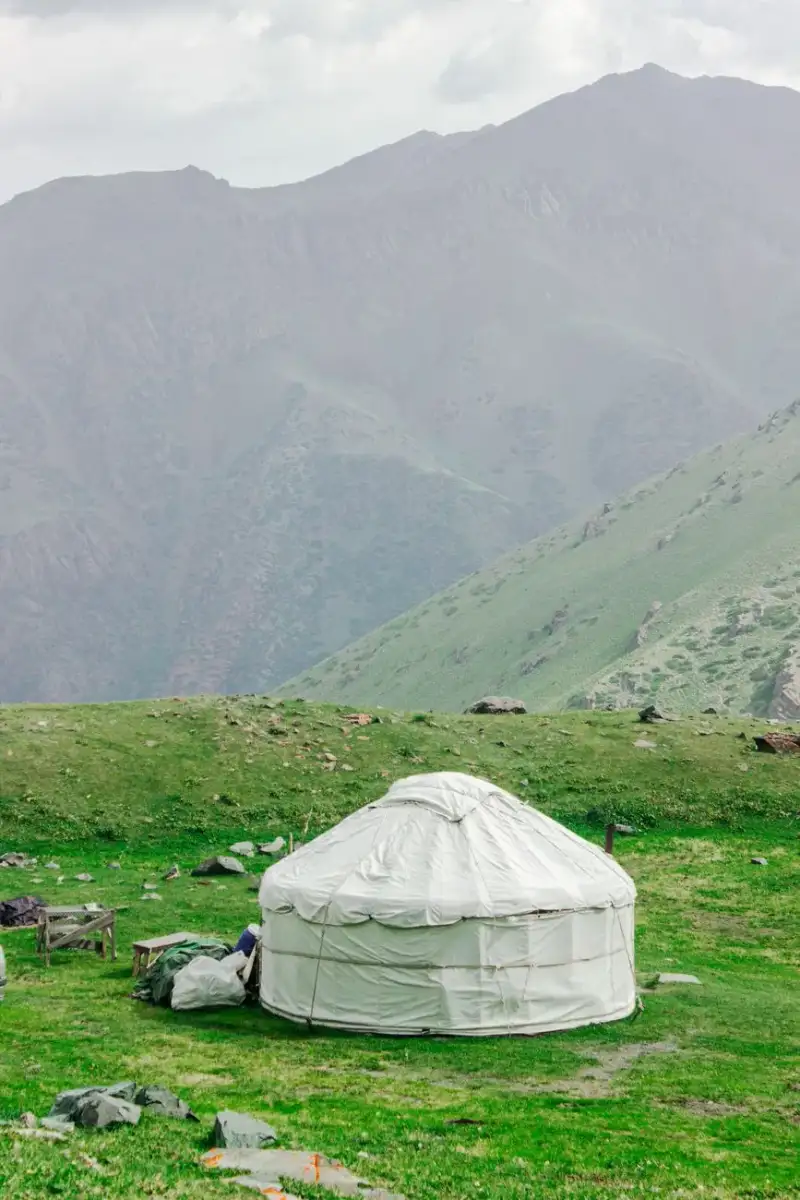
Few experiences transport travelers back to the ancient Silk Road as vividly as spending a night in a traditional Kyrgyz yurt. Perched on the undulating steppes of Central Asia, these circular felt dwellings—known as boz üy in Kyrgyz—have sheltered nomadic herders for millennia. Today, they offer intrepid explorers a chance to step into a living tradition where hospitality is sacred, and the landscape is a masterpiece of untamed beauty.
Kyrgyzstan, a landlocked jewel in Central Asia, has quietly emerged as one of the world’s most compelling destinations for cultural immersion and adventure. With its soaring peaks of the Tian Shan and Pamir-Alay ranges, crystalline alpine lakes like Issyk-Kul, and a cost of living that’s a fraction of Western standards, it’s no wonder remote workers and travelers are flocking here. According to Numbeo, the average monthly cost for a single person in Kyrgyzstan is just $446.40—60.8% lower than in the United States—making long-term stays not only possible but deeply rewarding.
But beyond the affordability lies a deeper allure: the unparalleled hospitality of the Kyrgyz people. In a culture where guests are considered a blessing, travelers are welcomed into yurt camps with open arms, shared meals of beshbarmak (a hearty noodle and meat dish), and stories under the vast, star-studded sky. This is the Silk Road’s nomadic spirit, alive and breathing in the highlands of Kyrgyzstan.
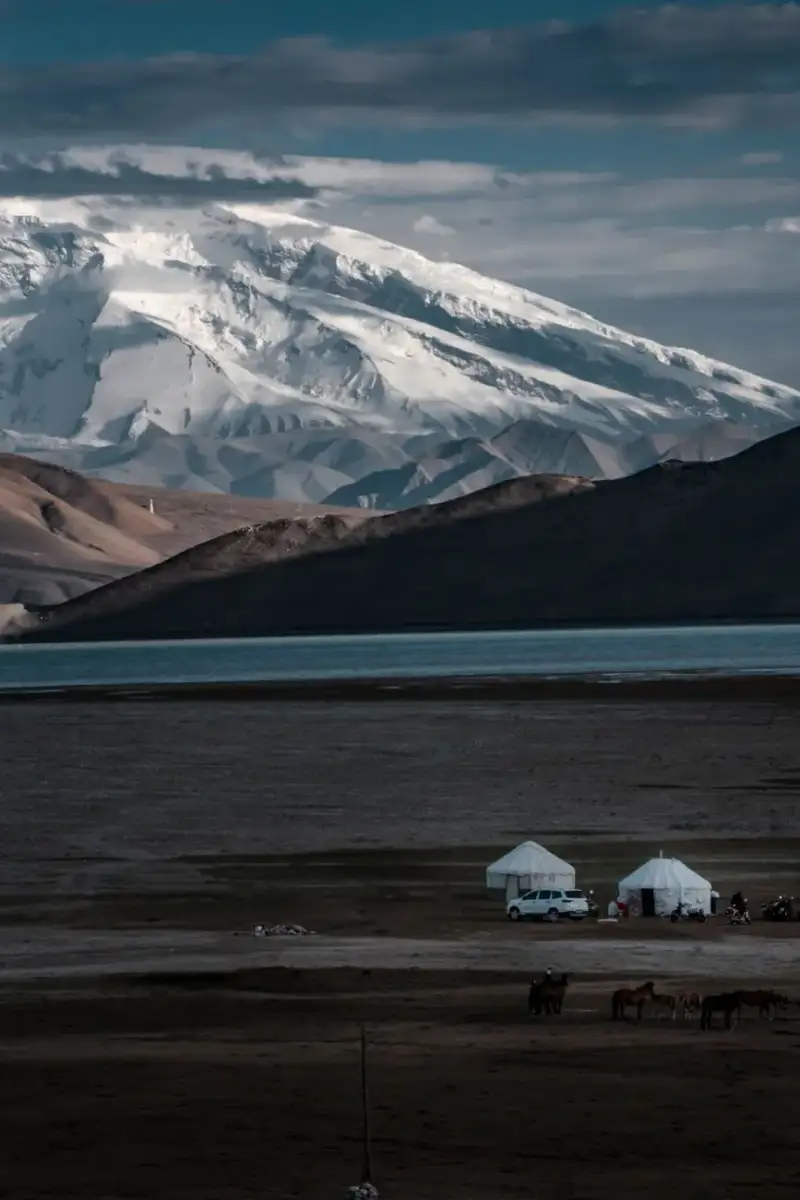
Whether you’re a digital nomad seeking a change of scenery, a family craving adventure, or a solo traveler chasing authenticity, a yurt stay in Kyrgyzstan promises an experience that transcends the ordinary. From the practicalities of booking to the cultural nuances of nomadic life, this guide will equip you with everything you need to embark on your own Silk Road journey.
Why Choose a Yurt Stay in Kyrgyzstan? The Allure of Nomadic Life
The decision to trade a hotel room for a yurt isn’t just about novelty—it’s about reconnecting with a way of life that has sustained Central Asian nomads for centuries. Yurts, or ger in Mongolian (a term often used interchangeably in Kyrgyzstan), are marvels of portable architecture. Constructed from a collapsible wooden frame, layered with thick felt insulation, and topped with a crown (tündük) that allows smoke to escape and starlight to filter in, these dwellings are perfectly adapted to the region’s harsh climate. In summer, they offer cool refuge from the sun; in winter, they retain warmth against sub-zero temperatures.
For travelers, a yurt stay is a gateway to understanding Kyrgyzstan’s soul. The country’s identity is deeply intertwined with its nomadic heritage, a legacy that dates back to the 2nd millennium BCE when the Scythians roamed these lands. Even today, nearly a third of Kyrgyzstan’s population identifies as nomadic or semi-nomadic, with many herding sheep, horses, and yaks across the high pastures during the warmer months.
Beyond the cultural significance, yurt camps offer an unparalleled connection to nature. Imagine waking up to the sound of horses whinnying in the distance, the scent of juniper smoke curling from a nearby fire, and the sight of the sun rising over the Alay or Issyk-Kul valleys. Many camps are situated in UNESCO-listed landscapes, such as the Sary-Chelek Biosphere Reserve or the Song Kol Lake area, where the absence of light pollution makes the night sky a dazzling spectacle.
From a practical standpoint, yurt stays are surprisingly comfortable. Modern yurt camps are equipped with amenities like electricity (often solar-powered), Wi-Fi (a boon for digital nomads), and even en-suite bathrooms with hot showers. The beds are typically simple but cozy, with thick mattresses and wool blankets to ward off the chill. Meals, often included in the cost, are a highlight—think freshly baked lepyoshka bread, manty (steamed dumplings), and plov (pilaf), all prepared with ingredients sourced from the camp’s own livestock or local farms.
For those concerned about accessibility, yurt camps are generally easy to reach. Major hubs like Bishkek, the capital, serve as gateways to the countryside, with well-maintained roads leading to popular destinations such as the Ala-Archa National Park, the Boom Gorge, or the remote valleys of the Tian Shan. Many camps also offer transfer services from airports or bus stations, making the journey seamless.
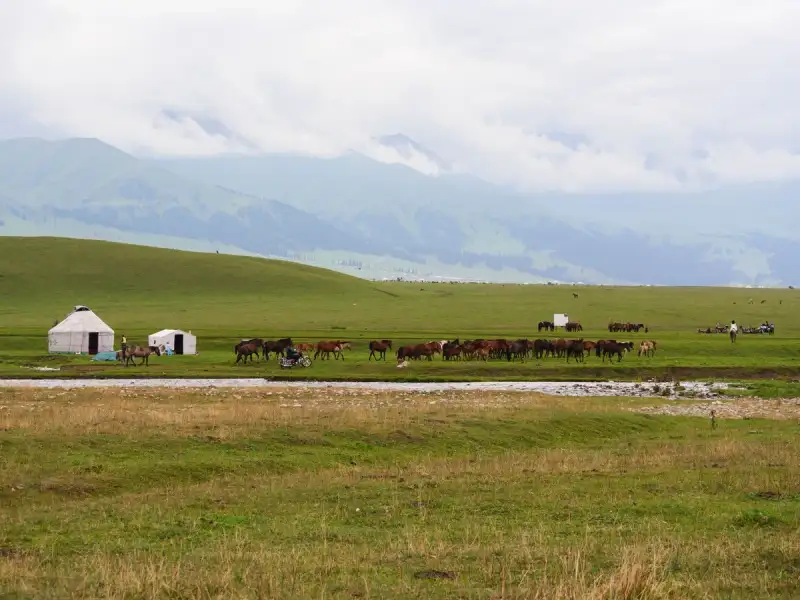
But perhaps the most compelling reason to choose a yurt stay is the people. Kyrgyz hospitality (kyrgyz konokchulugu) is legendary, rooted in the ancient code of manas, an epic poem that celebrates generosity and bravery. Guests are treated with reverence, often invited to join in traditional games like kok-boru (a Central Asian version of polo) or to participate in the preparation of a beshbarmak feast. In a world where authentic connections are increasingly rare, a yurt stay offers something truly priceless: a sense of belonging.
Planning Your Yurt Stay: Logistics, Costs, and Best Seasons
Embarking on a yurt stay in Kyrgyzstan requires a bit of planning, but the rewards far outweigh the effort. The first step is choosing the right time to visit. Kyrgyzstan’s climate is continental, with hot summers, cold winters, and dramatic temperature swings in between. The ideal seasons for a yurt stay are late spring (May to early June) and early autumn (September to October), when the weather is mild, the landscapes are lush, and the crowds are minimal.
Summer (June to August) is the peak season, with temperatures in the valleys reaching up to 30°C (86°F). This is prime time for hiking, horseback riding, and exploring alpine lakes like Song Kol or Ala-Kul. However, it’s also the busiest period, so book yurt camps well in advance. Winter (November to March) transforms the landscape into a snowy wonderland, offering a quieter, more introspective experience. Some yurt camps operate year-round, but winter stays require warmer clothing and a tolerance for sub-zero temperatures.
Booking Your Yurt Stay
Yurt camps can be booked through a variety of platforms, including local tour operators, international booking sites like Booking.com or Airbnb, or directly via the camps’ websites or social media pages. Prices vary depending on the location, amenities, and season, but you can expect to pay between $20 and $50 per night for a standard yurt stay. Luxury yurts with private bathrooms or hot tubs may cost upwards of $80 per night.
Here’s a breakdown of what to consider when booking:
-
Location: Do you want to be near a major city like Bishkek, or are you seeking remote wilderness? Popular yurt camp destinations include:
- Song Kol Lake: A high-altitude lake surrounded by rolling pastures, perfect for horseback riding and stargazing.
- Issyk-Kul Region: Close to the lake’s northern shore, offering a mix of cultural and natural attractions.
- Jyrgalan Valley: A hidden gem in the Tian Shan, known for its hot springs and hiking trails.
- Ala-Archa National Park: Just a short drive from Bishkek, ideal for day trips and short stays.
-
Amenities: Basic yurt camps offer shared bathroom facilities and simple meals, while upscale camps provide private bathrooms, Wi-Fi, and gourmet dining. Some even offer activities like eagle hunting demonstrations or traditional music performances.
-
Transportation: Most yurt camps are located in rural areas, so you’ll need to arrange transportation. Many camps offer shuttle services from Bishkek or nearby towns, or you can rent a car (4x4 recommended for remote areas). Public buses (marshrutkas) are an option but may not drop you directly at the camp.
-
Cultural Sensitivity: Yurt camps are often family-run businesses, and the Kyrgyz people are deeply proud of their traditions. Respect local customs by dressing modestly, asking before taking photos of people, and participating in communal activities when invited.
Visa Requirements and Entry
Kyrgyzstan has made it easier than ever for travelers to visit, with a 60-day visa-free entry for citizens of over 40 countries, including the US, UK, EU, Canada, and Australia. For longer stays, a digital nomad visa is available, allowing remote workers to live in Kyrgyzstan for up to six months. The visa costs $75 and requires proof of remote employment or freelance income.
Upon arrival, you’ll need to register with the State Migration Service if staying longer than 60 days. Many yurt camps assist with this process, so be sure to ask when booking.
Budgeting for Your Stay
Kyrgyzstan’s low cost of living extends to yurt stays, making it an affordable destination for travelers of all budgets. Here’s a rough estimate of expenses for a 7-day yurt stay:
| Expense Category | Estimated Cost (USD) |
|---|---|
| Yurt stay (per night) | $20 - $50 |
| Meals (per day) | $5 - $15 |
| Transportation | $10 - $30 |
| Activities (horseback riding, hiking) | $15 - $50 |
| Visa (if applicable) | $0 - $75 |
| Total (7 days) | $150 - $400 |
This budget assumes a mid-range experience, with some splurges on activities or upgrades. For digital nomads, the affordability of Kyrgyzstan means you can stretch your income further while enjoying a high quality of life.
Top Yurt Camps in Kyrgyzstan: Where to Stay for an Unforgettable Experience
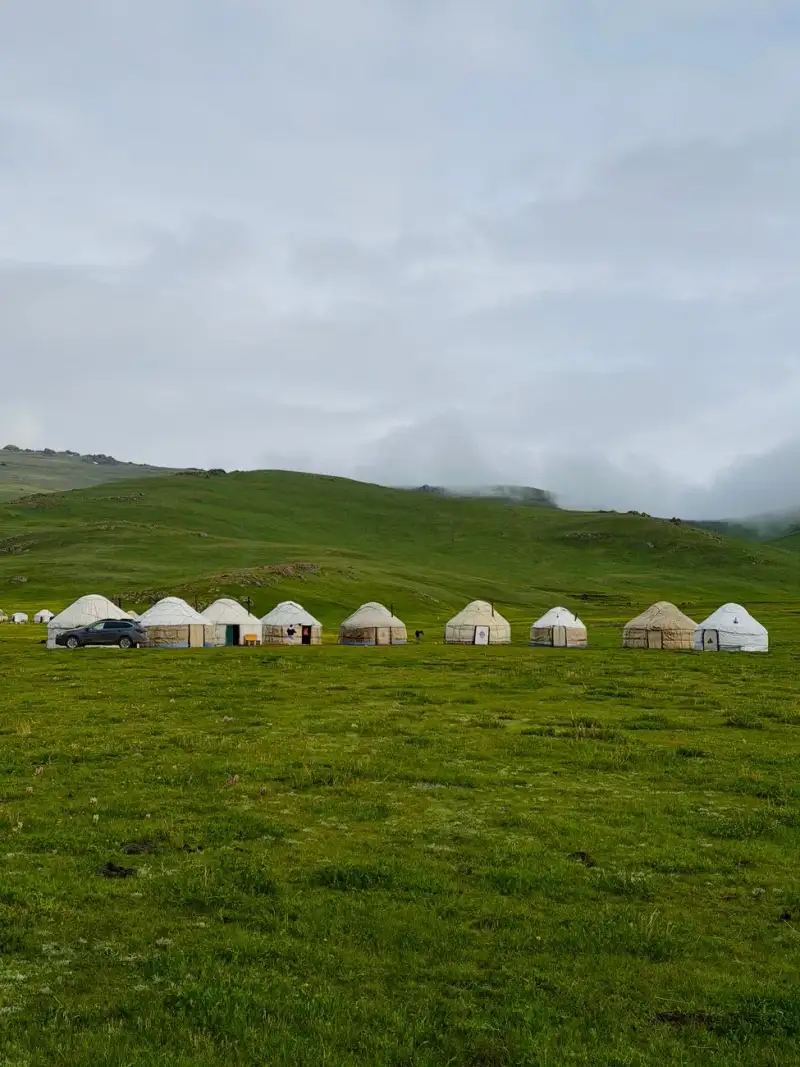
Kyrgyzstan boasts hundreds of yurt camps, each offering a unique blend of comfort, culture, and natural beauty. Below are some of the most highly recommended camps, categorized by region and experience.
1. Song Kol Lake: The Heart of Nomadic Life
Song Kol Lake, located at an altitude of 3,016 meters (9,900 feet), is one of Kyrgyzstan’s most iconic destinations. The lake is surrounded by rolling pastures where herders graze their livestock, and the yurt camps here offer an immersive nomadic experience.
Top Camps:
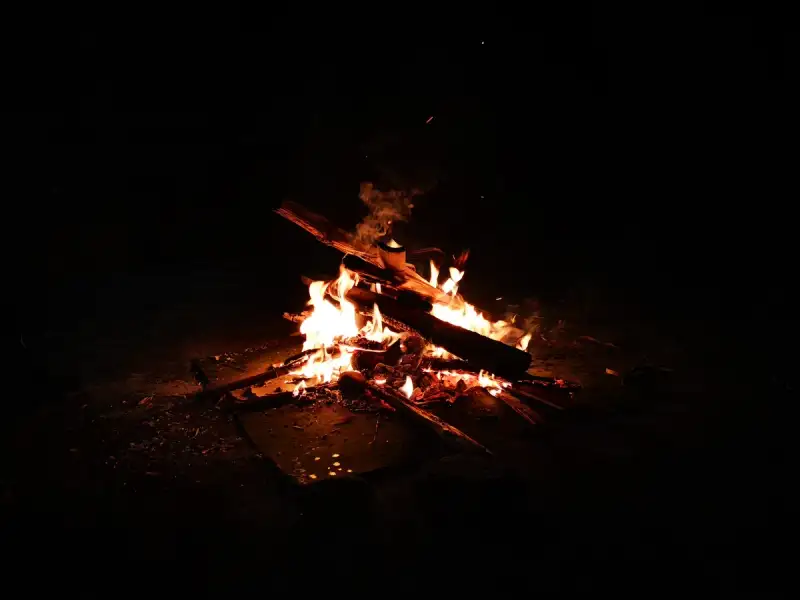
- Song Kol Lake Yurt Camp: A family-run camp with basic but cozy yurts, home-cooked meals, and horseback riding. The camp organizes traditional games like ulak tartysh (a Central Asian tug-of-war game) and evening gatherings around the fire.
- Kyzyl-Tuu Yurt Camp: Situated on the lake’s eastern shore, this camp offers stunning views and activities like fishing and eagle hunting demonstrations. The yurts are equipped with solar-powered electricity and shared bathrooms.
- Djeti-Oguz Yurt Camp: Located near the famous red rock formations of Jeti-Oguz, this camp is ideal for those who want to combine a yurt stay with hiking in the nearby mountains.
Best For: Families, photographers, and travelers seeking a deep dive into nomadic culture.
2. Issyk-Kul Region: Lakeside Serenity
The Issyk-Kul Lake, the world’s second-largest alpine lake, is a year-round destination with a mix of Soviet-era resorts and traditional yurt camps. The northern shore, in particular, is dotted with camps offering easy access to the lake and nearby attractions like the Boom Gorge.
Top Camps:
- Issyk-Kul Yurt Camp: A well-established camp with private yurts, a restaurant serving fresh lake fish, and boat tours on Issyk-Kul. The camp also offers cooking classes where you can learn to make manty and plov.
- Bokonbaev Yurt Camp: Famous for its eagle hunting demonstrations, this camp is a must-visit for wildlife enthusiasts. Guests can watch trainers work with golden eagles and even hold the birds if they’re comfortable.
- Cholpon-Ata Yurt Camp: Located near the petroglyphs of Cholpon-Ata, this camp offers a mix of cultural and outdoor activities, including visits to ancient rock carvings and horseback riding along the lake’s shores.
Best For: Couples, solo travelers, and those who enjoy a mix of relaxation and adventure.
👉 Continue Reading: The Silk Road’s Nomadic Hospitality: Yurt Stays in Kyrgyzstan (Part 2)
Conclusion
A yurt stay in Kyrgyzstan is more than a travel experience—it’s a journey into the heart of Central Asia’s nomadic soul. From the moment you step into a boz üy, you’re enveloped in a world where time moves to the rhythm of the seasons, where hospitality is a sacred duty, and where the land itself tells stories of resilience and beauty. Whether you’re sipping kumis with a herder, galloping across the steppes on horseback, or gazing at the Milky Way from a remote yurt camp, you’ll leave with memories that linger long after you’ve returned home.
Kyrgyzstan’s affordability makes it an accessible dream for travelers of all backgrounds. With a cost of living that’s a fraction of Western standards, you can extend your stay, splurge on a luxury yurt, or indulge in local delicacies without breaking the bank. The digital nomad visa further cements Kyrgyzstan’s appeal, offering remote workers the chance to live and work in a land of unparalleled beauty and culture.
But beyond the practicalities, what makes Kyrgyzstan truly special is its people. The Kyrgyz are warm, proud, and deeply connected to their heritage. In a world where authenticity is increasingly commodified, a yurt stay offers something rare: a genuine connection to a culture that has thrived for millennia. It’s a reminder that travel isn’t just about seeing new places—it’s about being seen, welcomed, and transformed by the people and landscapes you encounter.
As you plan your journey, remember that the Silk Road’s spirit lives on in the highlands of Kyrgyzstan. It’s in the smoke curling from a yurt’s tündük, in the laughter of children playing near a campfire, and in the vast, untamed beauty of the Tian Shan and Pamir-Alay. So pack your bags, leave your preconceptions behind, and let the nomadic hospitality of Kyrgyzstan welcome you home.
Safe travels, and may your yurt stay be filled with wonder, warmth, and the kind of stories that stay with you forever.
#DigitalNomadLife #SilkRoadAdventures #KyrgyzstanTravel #YurtLiving #OffTheBeatenPath