The Silk Road's Nomadic Hospitality: Yurt Stays in Kyrgyzstan (Part 2)
-
 Chloe Tremblay
 - 18 Jul, 2026 18:40
This is Part 2 of the series. Read Part 1 here.
3. Jyrgalan Valley: Adventure and Hot Springs
Tucked away in the Tian Shan mountains, the Jyrgalan Valley is a hidden gem known for its hot springs, hiking trails, and stunning alpine scenery. Yurt camps here are perfect for active travelers who want to explore off-the-beaten-path destinations.
Top Camps:
- Jyrgalan Yurt Camp: A rustic but charming camp with yurts nestled among wildflowers. The camp offers guided hikes to waterfalls and hot springs, as well as traditional Kyrgyz meals cooked over an open fire.
- Altyn Arashan Yurt Camp: Located near the Altyn Arashan hot springs, this camp is a base for multi-day treks into the mountains. The yurts are basic but comfortable, and the hot springs are a perfect way to unwind after a day of hiking.
- Karakol Yurt Camp: Situated near the town of Karakol, this camp is a gateway to the nearby Karakol Valley and the stunning Ala-Kul Lake. It’s ideal for travelers who want to combine a yurt stay with trekking in the Tian Shan.
Best For: Hikers, adventure seekers, and those seeking thermal relaxation.
4. Ala-Archa National Park: Gateway to the Tian Shan
Just a 45-minute drive from Bishkek, Ala-Archa National Park is a paradise for nature lovers. The park’s yurt camps offer easy access to hiking trails, waterfalls, and the majestic peaks of the Tian Shan.
Top Camps:
- Ala-Archa Yurt Camp: A family-run camp with yurts scattered among pine trees. The camp offers horseback riding, hiking, and traditional Kyrgyz meals. It’s a great option for those who want to experience the mountains without venturing too far from the capital.
- Ak-Sai Yurt Camp: Located at the entrance to the park, this camp is a base for treks to the Ak-Sai Glacier and the nearby waterfalls. The yurts are simple but cozy, and the camp’s restaurant serves hearty meals to fuel your adventures.
- Tien Shan Yurt Camp: A more upscale option with private yurts, a sauna, and a restaurant serving organic meals. The camp organizes guided treks and cultural tours, making it ideal for travelers who want a mix of comfort and adventure.
Best For: Day trippers from Bishkek, hikers, and those seeking a quick escape into nature.
5. The Pamir-Alay Mountains: Remote and Rugged
For travelers seeking a truly off-the-beaten-path experience, the Pamir-Alay Mountains in southern Kyrgyzstan offer some of the country’s most dramatic landscapes. Yurt camps here are sparse but rewarding, with opportunities to explore ancient Silk Road caravanserais and remote villages.
Top Camps:
- Osh Yurt Camp: Located near the city of Osh, this camp is a gateway to the Pamir-Alay. It offers basic yurts and guided tours to nearby attractions like the Sulaiman-Too Sacred Mountain and the ruins of the ancient city of Uzgen.
- Kazarman Yurt Camp: Situated in the Chatkal Valley, this camp is a base for treks into the Chatkal Nature Reserve, home to ibex, snow leopards, and golden eagles. The yurts are simple but comfortable, and the camp’s guides can arrange multi-day treks.
- Arslanbob Yurt Camp: Near the world’s largest walnut forest, this camp offers a unique blend of nature and culture. Guests can explore the forest, visit local walnut-processing workshops, and enjoy traditional Kyrgyz meals.
Best For: Adventurers, cultural explorers, and those willing to venture off the tourist trail.
Cultural Etiquette and Practical Tips for Yurt Stays
Staying in a yurt is more than just a place to sleep—it’s an invitation into a way of life that values community, respect, and harmony with nature. To ensure your stay is as enriching as possible, it’s important to understand and honor the cultural norms of Kyrgyz hospitality.
Dos and Don’ts in a Kyrgyz Yurt
Do:
- Remove your shoes before entering a yurt. This is a sign of respect and cleanliness.
- Accept food and drink when offered, even if it’s just a small portion. Refusing can be seen as impolite, especially if the host has gone to great effort to prepare the meal.
- Sit on the floor or on provided cushions. Avoid pointing your feet at others or the tündük (the yurt’s crown), as this is considered rude.
- Ask before taking photos of people, especially elders or during private moments.
- Participate in communal activities like games, music, or storytelling. This is how bonds are formed in nomadic culture.
Don’t:
- Waste food. In Kyrgyz culture, wasting food is a serious offense, as it’s seen as disrespectful to the earth and the host’s efforts.
- Touch or move objects without permission. Many items in a yurt have sentimental or practical value.
- Raise your voice or argue. Kyrgyz people value harmony (tynchtyk), and loud or aggressive behavior is frowned upon.
- Assume you can stay indefinitely. While hospitality is generous, it’s polite to ask about the host’s expectations regarding your length of stay.
Communicating with Your Hosts
While many yurt camp owners and staff speak basic English or Russian, learning a few phrases in Kyrgyz can go a long way in building rapport. Here are some essential phrases:
- Salamatsyzby? (Hello, how are you?)
- Rahmat (Thank you)
- Men suuda jurot (I am happy to be here)
- Kanday jashaysyz? (How are you living?)
- Beshbarmak jasyngyz! (Enjoy your beshbarmak!)
Body language is also important. A warm smile, a handshake (with the right hand, as the left is considered unclean), and direct eye contact are signs of respect.
Health and Safety
Kyrgyzstan is generally a safe destination, but it’s always wise to take precautions:
- Water: Stick to bottled or boiled water to avoid stomach issues. Many yurt camps provide filtered water for drinking.
- Food: While meals are typically safe, avoid raw or undercooked foods if you have a sensitive stomach. Opt for freshly cooked, hot meals.
- Altitude: Many yurt camps are located at high altitudes (over 2,500 meters/8,200 feet). Take it easy for the first day or two to acclimate, and stay hydrated.
- Wildlife: In remote areas, be mindful of bears, wolves, and snakes. Follow your host’s advice on safe hiking practices.
- Emergency contacts: Save the number for the local police (102) and ambulance (103) in your phone. Many yurt camps also have first aid kits and basic medical supplies.
Packing Essentials
Packing for a yurt stay requires a balance between comfort and practicality. Here’s a checklist to ensure you’re prepared:
- Clothing:
- Layered clothing for temperature swings (wool or thermal base layers, fleece mid-layers, and a waterproof jacket).
- Sturdy hiking boots and warm socks.
- A hat, gloves, and scarf for colder months.
- Swimwear if your camp has hot springs or a lake nearby.
- Gear:
- A sleeping bag (some yurts provide blankets, but a sleeping bag adds extra warmth).
- A headlamp or flashlight (power outages can happen).
- A power bank for your devices (solar charging is common but not always reliable).
- A reusable water bottle and water purification tablets.
- Extras:
- A lightweight towel and toiletries (some camps provide basics, but it’s good to have your own).
- A small gift for your host (e.g., tea, chocolate, or a local souvenir from your home country).
- A phrasebook or translation app for Kyrgyz or Russian.
Beyond the Yurt: Activities and Experiences to Enhance Your Stay
A yurt stay in Kyrgyzstan is just the beginning of your adventure. The country’s vast landscapes and rich cultural heritage offer endless opportunities for exploration. Here are some must-do activities to make the most of your trip.
Horseback Riding: The Nomadic Way to Travel
Horses are the lifeblood of Kyrgyzstan’s nomadic culture, and riding one is the best way to experience the landscape as the locals do. Many yurt camps offer horseback riding tours, ranging from short rides around the camp to multi-day treks across the steppes.
- Song Kol Lake: Ride through flower-filled meadows with the lake as your backdrop.
- Jyrgalan Valley: Trek to remote hot springs and waterfalls on horseback.
- Ala-Archa National Park: Navigate alpine trails with views of the Tian Shan peaks.
For a truly immersive experience, consider a multi-day horseback trek along the ancient Silk Road routes. Companies like Kyrgyz Horse Trek and Eagle Trekking Company offer guided tours that include yurt stays, meals, and cultural exchanges with local herders.
Hiking and Trekking: Trails for Every Level
Kyrgyzstan is a hiker’s paradise, with trails ranging from easy day hikes to challenging multi-day treks. Some of the best hiking destinations include:
- Ala-Kul Lake: A 2-day trek from the village of Karakol, leading to a stunning alpine lake.
- Song Kol Lake: A gentle 3-4 hour hike around the lake’s perimeter, with opportunities to meet herders and their families.
- Jeti-Oguz: A challenging but rewarding hike through the “Seven Bulls” rock formations to the scenic Barskoon Valley.
- Tian Shan Mountains: For experienced hikers, the Kyrgyzstan-Tajikistan Transboundary Trek offers a 10-day journey through some of Central Asia’s most breathtaking landscapes.
Many yurt camps can arrange guides and pack animals for treks, making it easy to explore without heavy gear.
Cultural Immersion: Festivals and Traditions
Kyrgyzstan’s calendar is filled with vibrant festivals that offer a glimpse into its nomadic heritage. If your visit aligns with one of these events, it’s an unforgettable experience.
- Nowruz (March 21): The Persian New Year is celebrated with music, dancing, and the preparation of sumalak (a sweet wheat pudding). Many yurt camps host Nowruz events with traditional games and feasts.
- Kyrgyz Yurt Festival (July): Held in Cholpon-Ata, this festival celebrates Kyrgyz culture with yurt-building competitions, eagle hunting displays, and folk music performances.
- World Nomad Games (September): A biennial event in Cholpon-Ata that brings together nomadic cultures from around the world. Competitions include kok-boru, archery, and traditional wrestling.
Even outside of festivals, you can participate in daily nomadic activities like milking mares, making kumis (fermented mare’s milk), or learning to play the komuz (a traditional Kyrgyz string instrument).
Hot Springs and Relaxation
After days of hiking and exploring, soaking in a natural hot spring is a divine way to unwind. Kyrgyzstan is home to thousands of thermal springs, many of which are located near yurt camps.
- Jyrgalan Valley: The Jyrgalan Hot Springs are a series of pools with temperatures ranging from warm to scalding. The nearby yurt camps offer shuttle services.
- Altyn Arashan: A 3-hour hike from the yurt camp of the same name, these hot springs are nestled in a secluded valley.
- Chon-Kyzyl-Suu: A lesser-known hot spring near Issyk-Kul, perfect for a quiet soak.
Many hot springs are clothing-optional, so be sure to pack a swimsuit or quick-dry towel.
Wildlife and Birdwatching
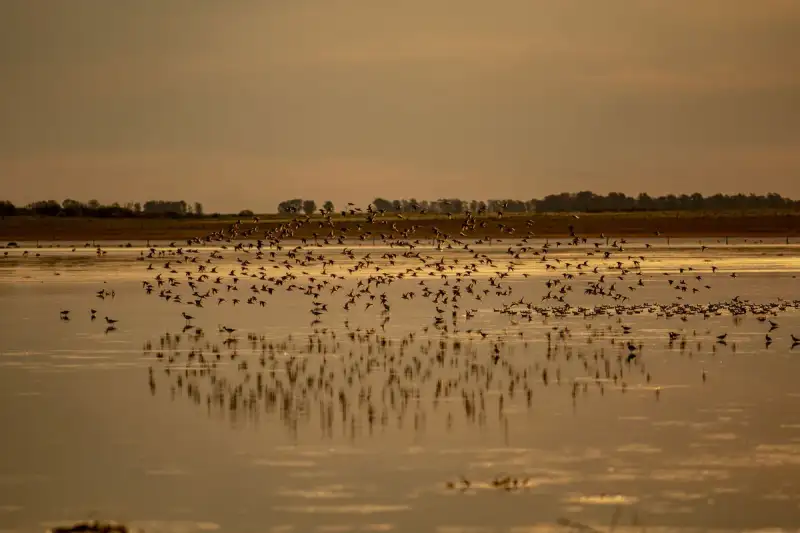
Kyrgyzstan’s diverse ecosystems are home to a wealth of wildlife, including snow leopards, ibex, golden eagles, and Marco Polo sheep. For birdwatchers, the country is a paradise, with over 400 species recorded.
- Sary-Chelek Biosphere Reserve: A UNESCO-listed reserve with dense forests, alpine meadows, and a lake teeming with fish. Look for bears, lynx, and the elusive snow leopard.
- Chatkal Nature Reserve: One of the best places to spot golden eagles and lammergeiers (bearded vultures).
- Issyk-Kul Lake: A haven for migratory birds, including pelicans, cormorants, and seagulls.
Many yurt camps can arrange guided wildlife tours or birdwatching excursions with local experts.
Conclusion
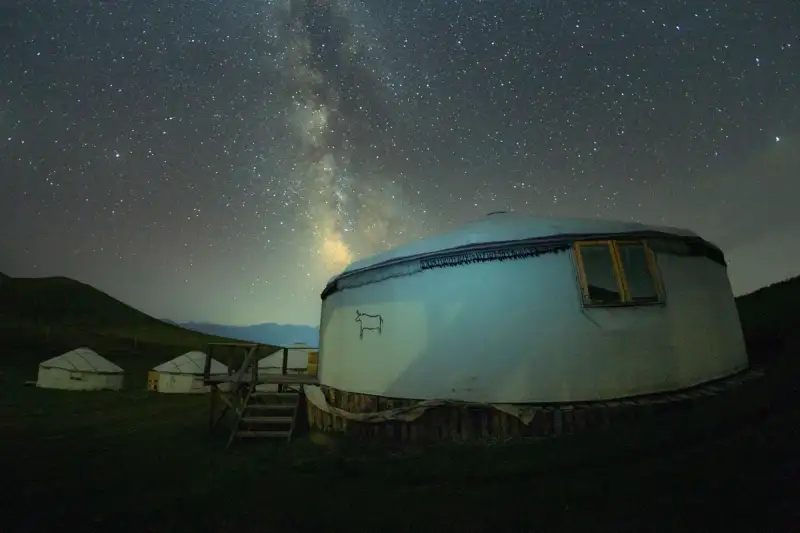
A yurt stay in Kyrgyzstan is more than a travel experience—it’s a journey into the heart of Central Asia’s nomadic soul. From the moment you step into a boz üy, you’re enveloped in a world where time moves to the rhythm of the seasons, where hospitality is a sacred duty, and where the land itself tells stories of resilience and beauty. Whether you’re sipping kumis with a herder, galloping across the steppes on horseback, or gazing at the Milky Way from a remote yurt camp, you’ll leave with memories that linger long after you’ve returned home.
Kyrgyzstan’s affordability makes it an accessible dream for travelers of all backgrounds. With a cost of living that’s a fraction of Western standards, you can extend your stay, splurge on a luxury yurt, or indulge in local delicacies without breaking the bank. The digital nomad visa further cements Kyrgyzstan’s appeal, offering remote workers the chance to live and work in a land of unparalleled beauty and culture.
But beyond the practicalities, what makes Kyrgyzstan truly special is its people. The Kyrgyz are warm, proud, and deeply connected to their heritage. In a world where authenticity is increasingly commodified, a yurt stay offers something rare: a genuine connection to a culture that has thrived for millennia. It’s a reminder that travel isn’t just about seeing new places—it’s about being seen, welcomed, and transformed by the people and landscapes you encounter.
As you plan your journey, remember that the Silk Road’s spirit lives on in the highlands of Kyrgyzstan. It’s in the smoke curling from a yurt’s tündük, in the laughter of children playing near a campfire, and in the vast, untamed beauty of the Tian Shan and Pamir-Alay. So pack your bags, leave your preconceptions behind, and let the nomadic hospitality of Kyrgyzstan welcome you home.
Safe travels, and may your yurt stay be filled with wonder, warmth, and the kind of stories that stay with you forever.
#DigitalNomadLife #SilkRoadAdventures #KyrgyzstanTravel #YurtLiving #OffTheBeatenPath