Showing Posts From
Travel guide

-
 Lin Yao
 - 21 Aug, 2026 07:26
Dim Sum Decoded: The Ultimate Cantonese Culinary Journey Through Hong Kong’s Hidden Gems
Where Tradition Meets Innovation: The Timeless Art of Dim Sum Dim sum, the heart of Cantonese culinary culture, is more than just a meal—it’s a ritual. Originating in the teahouses of Guangzhou during the Song Dynasty (960–1279 AD), dim sum evolved from simple snacks to a sophisticated dining experience. The term "dim sum" translates to "touch the heart," reflecting its role as a communal meal that brings people together. In Hong Kong, dim sum has been elevated to an art form, blending ancient traditions with modern creativity. The magic of dim sum lies in its variety. From delicate shrimp dumplings (har gow) to crispy fried spring rolls (cha siu baau), each dish tells a story. The most iconic dim sum dishes include:Siu Mai: Open-topped pork dumplings with a hint of shrimp. Char Siu Bao: Steamed buns filled with barbecued pork. Turnip Cake: A savory, slightly sweet steamed cake made from shredded radish. Egg Tarts: Crispy pastry shells filled with creamy egg custard.Hong Kong’s dim sum culture is deeply rooted in its history as a trading hub. The British influence introduced tea culture, which merged with local traditions to create the modern dim sum experience. Today, the city boasts over 1,000 dim sum restaurants, ranging from century-old teahouses to trendy fusion spots.The Ritual of the Teahouse: A Step-by-Step Guide to Authentic Dim Sum Stepping into a Hong Kong teahouse is like entering a time capsule. The clatter of bamboo steamers, the aroma of soy sauce and ginger, and the lively chatter of locals create an atmosphere that’s both nostalgic and vibrant. To fully appreciate dim sum, one must understand its rituals.Choosing Your Tea: Tea is the soul of dim sum. The most popular choices are:Pu-erh: Earthy and aged, perfect for rich dishes. Jasmine: Floral and aromatic, ideal for lighter bites. Oolong: Balanced and slightly toasty, a crowd favorite.Ordering Like a Local: Dim sum is served in small portions, so order a variety of dishes to share. Start with lighter items like shrimp dumplings, then move to heartier fare like sticky rice with Chinese sausage.The Art of the Steam Basket: Most dim sum dishes are steamed, which preserves their natural flavors and textures. The bamboo steamers not only infuse the food with a subtle aroma but also keep dishes warm and moist.The Role of the Server: In traditional teahouses, servers use a coded system of hand signals or stamps on your table to track orders. This ensures no dish is missed and adds to the charm of the experience.Pro Tip: Arrive early to avoid crowds, and don’t be afraid to ask for recommendations. Many teahouses have handwritten menus with seasonal specialties.From Guangzhou to Hong Kong: The Evolution of Cantonese Cuisine Cantonese cuisine, also known as Yue cuisine, is one of China’s eight major culinary traditions. Its roots trace back to the Guangdong province, where the mild climate and abundant seafood shaped its flavors. Unlike spicy Sichuan or bold Shandong cuisine, Cantonese food emphasizes freshness, subtlety, and balance. The migration of Cantonese people to Hong Kong in the 19th and 20th centuries brought this cuisine to new heights. Hong Kong’s dim sum culture flourished as chefs experimented with ingredients and techniques, creating dishes that were both familiar and innovative. For example, the pineapple bun (bo lo bao) is a Hong Kong invention, blending Western baking with Chinese flavors. Key Characteristics of Cantonese Cuisine:Fresh Ingredients: Seafood, poultry, and vegetables are sourced daily. Light Seasoning: Sauces like soy, oyster, and hoisin are used sparingly to highlight natural flavors. Texture Contrast: Dishes often combine crispy, tender, and chewy textures. Balanced Flavors: Sweet, sour, bitter, and umami are harmoniously blended.The Dim Sum Dilemma: Where to Eat in Hong Kong Hong Kong is a dim sum lover’s paradise, but not all teahouses are created equal. Here’s a breakdown of the best spots to indulge:Teahouse Specialty Dishes Price Range (per person) AtmosphereLuk Yu Tea House Har gow, turnip cake, egg tarts $50–$100 HKD Old-school, elegantTim Ho Wan Min gu gai (steamed chicken feet) $30–$80 HKD Michelin-starred, casualYum Lai Heen Shrimp dumplings, BBQ pork buns $100–$150 HKD Luxury, high-endSun Hing Glutinous rice dumplings $20–$50 HKD Local favorite, bustlingLin Heung Tea House Steamed spare ribs, congee $40–$90 HKD Traditional, livelyCost Comparison: Using Numbeo’s Cost of Living Comparison tool, we see that dining out in Hong Kong is more affordable than in cities like New York or London. For example, a dim sum meal at a mid-range teahouse costs around $50–$100 HKD ($6.50–$13 USD), while a similar meal in New York would set you back $30–$50 USD.Beyond the Basket: Modern Twists on Classic Dim Sum While traditional dim sum remains a staple, modern chefs are pushing boundaries with innovative twists. Fusion dim sum combines Cantonese techniques with global flavors, creating dishes like:Sushi-inspired Har Gow: Shrimp dumplings wrapped in nori. Truffle Char Siu Bao: Luxurious buns infused with truffle oil. Vegan Dumplings: Made with mushrooms and tofu for plant-based diners.Where to Find Fusion Dim Sum:Mott 32: A high-end restaurant offering dim sum with a gourmet twist. Little Bao: A trendy spot blending Taiwanese and Cantonese flavors. Chiu Chow Curry House: Known for its spicy, aromatic curry-filled dumplings.The Health Factor: Nutritional Insights into Dim Sum Dim sum is often seen as indulgent, but it can be part of a balanced diet. Here’s a breakdown of the nutritional profiles of popular dishes:Dish Calories (per serving) Protein (g) Carbs (g) Fat (g)Har Gow 120 6 15 4Char Siu Bao 250 8 30 10Turnip Cake 180 3 25 7Egg Tart 200 4 22 11Tips for Healthier Dim Sum Choices:Opt for steamed dishes over fried ones. Choose dishes with lean proteins like shrimp or chicken. Share portions to control calorie intake.The Global Dim Sum Movement: Where to Find Authentic Flavors Worldwide Dim sum’s popularity has spread far beyond Hong Kong. Cities like London, New York, and San Francisco boast vibrant dim sum scenes. Here’s where to find authentic Cantonese cuisine outside of Asia:London: Baozi Inn and Hakkasan offer modern takes on classic dim sum. New York: Nom Wah Tea Parlor and Jing Fong are must-visits for traditional flavors. San Francisco: City View Restaurant and Good Mong Kok Bakery serve up Cantonese classics. Melbourne: Supernormal and China Soul blend Australian ingredients with Cantonese techniques.Why Dim Sum Travels Well:Portability: Many dim sum dishes are easy to eat on the go. Versatility: It adapts to local tastes while retaining its essence. Cultural Appeal: The communal nature of dim sum resonates globally.Final Feast: Your Dim Sum Bucket List No dim sum journey is complete without ticking off these must-try dishes and experiences:Breakfast at a Local Teahouse: Start your day with a classic dim sum spread. Afternoon Tea at a Luxury Hotel: Indulge in high-end dim sum with a view. Night Market Dim Sum: Try street-style versions in Hong Kong’s night markets. Cooking Class: Learn to make dim sum from scratch with a local chef. Dim Sum Crawl: Sample dishes at multiple teahouses in one day.Remember: The best dim sum is made with love and tradition. Whether you’re a first-time visitor or a seasoned connoisseur, every bite tells a story of Cantonese heritage.#DimSumLovers #CantoneseCuisine #HongKongFoodie #TravelAndEat #CulinaryAdventure Related InsightsFrom Street Food to Fine Dining: The Ultimate Food Lover’s Guide to Bangkok’s Culinary Wonderland From Ancient Ruins to Modern Feasts: A Deep Dive into Italy’s Timeless Travel and Culinary Secrets Savoring the Soul of West Africa: A Journey Through Senegalese Street Food & Culinary Traditions{ "@context": "https://schema.org", "@type": "FAQPage", "mainEntity": [ { "@type": "Question", "name": "What is the main focus of Dim Sum Decoded: The Ultimate Cantonese Culinary Journey Through Hong Kong’s Hidden Gems?", "acceptedAnswer": { "@type": "Answer", "text": "Unlock the secrets of Cantonese cuisine with this definitive guide to dim sum, from historic teahouses to modern eateries, complete with insider tips and cost comparisons." } }, { "@type": "Question", "name": "Who authored the comprehensive guide on Dim Sum Decoded: The Ultimate Cantonese Culinary Journey Through Hong Kong’s Hidden Gems?", "acceptedAnswer": { "@type": "Answer", "text": "This detailed article and its insights were carefully researched and authored by Lin Yao." } }, { "@type": "Question", "name": "Where can I find more related content about Travel/Food?", "acceptedAnswer": { "@type": "Answer", "text": "You can explore more articles, detailed reviews, and similar insights by browsing the Related Insights section at the bottom of this article or visiting our dedicated Travel/Food category page." } } ] }
-
 John Explorer
 - 12 Aug, 2026 18:47
Unveiling the Land Down Under: A Journey Through Australia's Thriving Tourism Scene
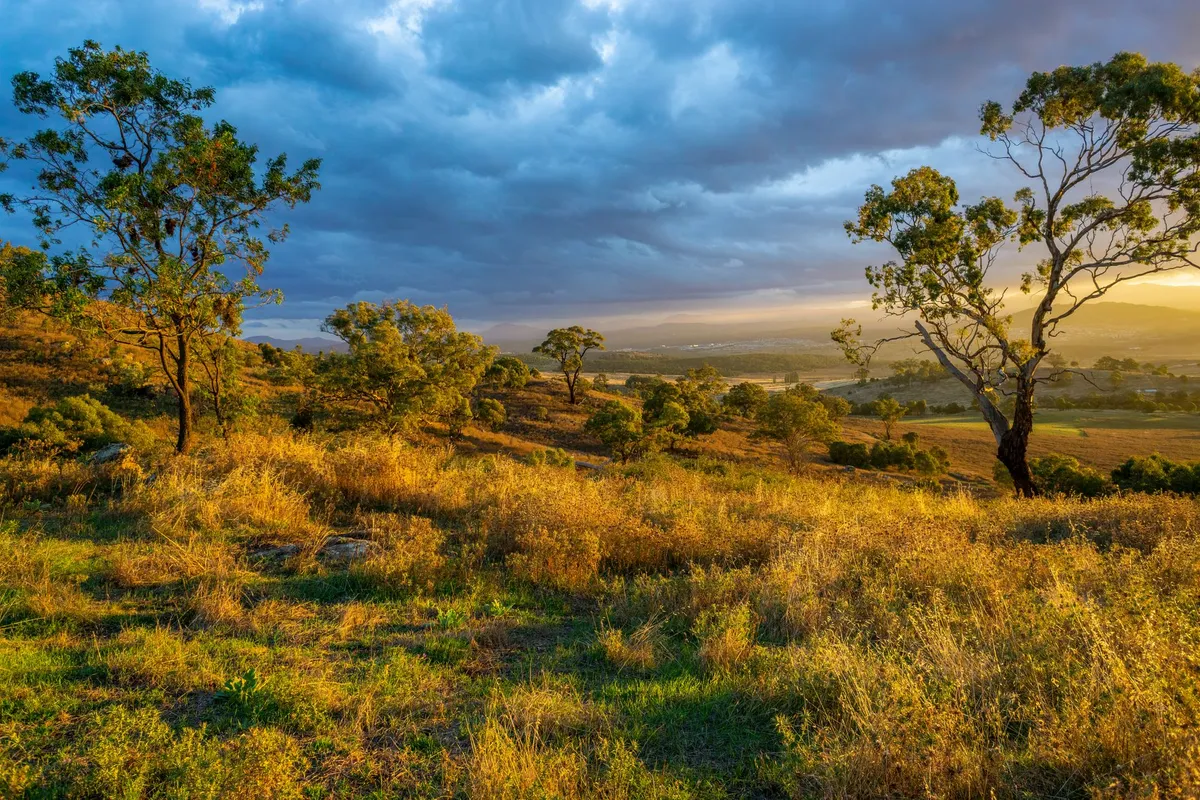
As the sun rises over the vast expanse of the Australian continent, a new day dawns on a land that is as diverse as it is breathtaking. From the snow-capped mountains of the south to the tropical rainforests of the north, Australia is a country that is steeped in history, vibrant culture, and unparalleled natural beauty. For travelers, Australia is a paradise, offering a unique blend of urban excitement, outdoor adventure, and cultural enrichment. In this article, we will embark on a journey to explore the thriving tourism scene in Australia, highlighting the best destinations, experiences, and activities that this incredible country has to offer. A Brief History of Tourism in Australia The concept of travel and tourism in Australia dates back to the colonial era, when the idea of exploring new lands and discovering hidden treasures was a natural part of the Australian psyche. As the country grew and developed, so did the tourism industry, with the establishment of new towns, industries, and transportation networks. The advent of rail travel in the late 19th century marked a significant turning point in the development of tourism in Australia, as it enabled people to travel more easily and comfortably across the vast distances of the continent. Today, tourism is a major contributor to the Australian economy, with over 8.7 million international visitors in 2019, and a total contribution of A$60.8 billion to the national economy.The introduction of rail travel in Australia revolutionized the way people traveled, making it easier and more accessible for tourists to explore the country. Popular Destinations in Australia Australia is a country that is blessed with an incredible array of destinations, each with its own unique character and charm. From the iconic cities of Sydney and Melbourne to the stunning natural wonders of the Great Barrier Reef and Uluru, there is no shortage of amazing places to visit and explore. Some of the most popular destinations in Australia include:The Gold Coast, with its theme parks, beaches, and vibrant nightlife The Great Barrier Reef, the world's largest coral reef system, home to an incredible array of marine life The Blue Mountains, a rugged and scenic mountain range just outside of Sydney The Australian Outback, a vast and remote region of red earth, spinifex grass, and unique wildlife Tasmania, an island state with a wild and rugged landscape, and a rich history and cultureThe Great Barrier Reef is one of Australia's most iconic and popular destinations, attracting millions of visitors each year. Unique Australian Wildlife One of the most fascinating aspects of Australia is its unique and diverse wildlife. From the iconic kangaroo and koala to the more unusual platypus and quokka, Australia is home to a vast array of animals that can be found nowhere else on Earth. The country's unique wildlife is a major drawcard for tourists, with many visitors coming to Australia specifically to see and experience the country's incredible animals. Some of the best places to see Australian wildlife include:The Kangaroo Island, a haven for kangaroos, wallabies, and other native animals The Daintree Rainforest, a tropical rainforest in far north Queensland, home to an incredible array of birds, reptiles, and mammals The Phillip Island, a small island off the coast of Victoria, famous for its penguin parade and other wildlife attractionsThe kangaroo is one of Australia's most iconic and beloved animals, and a major drawcard for tourists. The Future of Tourism in Australia As the world becomes increasingly interconnected, and travel becomes more accessible and affordable, the tourism industry in Australia is poised for continued growth and development. With its unique and diverse natural beauty, vibrant culture, and friendly and welcoming people, Australia is an attractive destination for travelers from all over the world. The Australian government has recognized the importance of tourism to the national economy, and has implemented a range of initiatives and strategies to support the growth and development of the industry. These include the development of new tourism infrastructure, such as hotels, resorts, and attractions, as well as the promotion of Australian tourism through marketing and advertising campaigns.The Sydney Opera House is one of Australia's most iconic and recognizable landmarks, and a major tourist attraction. In conclusion, Australia is a country that is steeped in history, vibrant culture, and unparalleled natural beauty, making it a paradise for travelers. From the iconic cities of Sydney and Melbourne to the stunning natural wonders of the Great Barrier Reef and Uluru, there is no shortage of amazing places to visit and explore. With its unique and diverse wildlife, friendly and welcoming people, and world-class tourism infrastructure, Australia is an attractive destination for travelers from all over the world. #Travel #Australia #Tourism
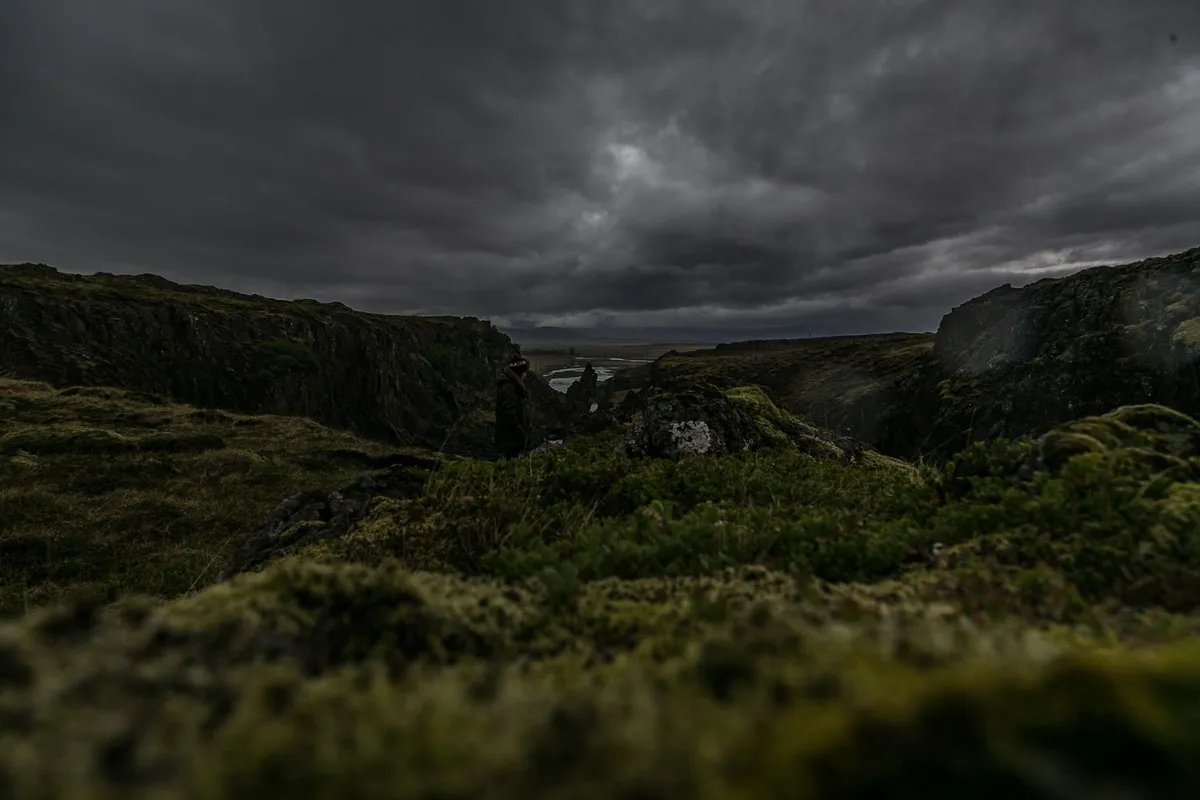
Introduction to Reykjavík Reykjavík, the capital and largest city of Iceland, is a treasure trove of history, culture, and natural beauty. Located on the southern shore of the Faxaflói bay in southwest Iceland, Reykjavík boasts a unique blend of traditional and modern charm. With a population of around 140,000 as of 2026, the city is home to approximately 64% of Iceland's population, making it the country's economic, cultural, and governmental hub.A Brief History of Reykjavík According to the Landnámabók, the settlement of Iceland began in Reykjavík when Ingólfur Arnarson arrived from Norway in the year 874. For over 900 years following this, there was no urban development; the city was officially founded in 1786 as a trading town and grew steadily as it transformed into its current state as the centre of Iceland's cultural, economic, and governmental activity. The city's name, Reykjavík, is derived from the Old Norse words "reykr" (smoke) and "vík" (bay), inspired by the steam rising from hot springs in the region.Urban Development and Growth The site of the modern city centre was farmland until the 18th century. In 1752, King Frederik V of Denmark donated the estate of Reykjavík to the Innréttingar corporation, marking the beginning of the city's urban development. The leader of this movement, Skúli Magnússon, played a significant role in shaping the city's early growth. The Danish Crown abolished monopoly trading in 1786, granting six communities around the country an exclusive trading charter, with Reykjavík being one of them. This charter enabled the city to establish itself as a major trading hub, attracting merchants and traders from across the region.Rise of Nationalism and Independence Icelandic nationalist sentiment gained influence in the 19th century, with the idea of Icelandic independence becoming widespread. Reykjavík, as Iceland's only city, was central to these ideas. Advocates of an independent Iceland realized that a strong Reykjavík was fundamental to achieving this objective. The city played a crucial role in the country's struggle for independence, with the Alþingi, the general assembly, being re-established in Reykjavík in 1845. In 1874, Iceland was given a constitution, and the Alþingi gained some limited legislative powers. The next step was to move most of the executive power to Iceland, with Home Rule being granted in 1904 and the office of Minister for Iceland being established in Reykjavík.World War II and Its Impact on Reykjavík On the morning of 10 May 1940, following the German occupation of Denmark and Norway, four British warships approached Reykjavík and anchored in the harbour. The Allied occupation of Reykjavík was complete, with no armed resistance from the Icelandic government. The economic effects of the occupation were positive for Reykjavík, with unemployment disappearing and construction work beginning. The British built Reykjavík Airport, which remains in service today, while the Americans built Keflavík Airport, situated 50 km west of Reykjavík, which became Iceland's primary international airport.Post-War Development and Modern Reykjavík In the post-war years, the growth of Reykjavík accelerated. An exodus from the rural countryside began, largely due to improved technology in agriculture reducing the need for manpower. The city was rapidly transformed into a modern metropolis, with private cars becoming common and modern apartment complexes rising in the expanding suburbs. Today, Reykjavík is a thriving city, known for its vibrant cultural scene, stunning natural beauty, and friendly inhabitants.#Travel #Iceland #Reykjavík Related InsightsEchoes from the Deep: Unveiling the Drowned Villages Beneath Italy's Lake Reschen L'Eterna Seduzione della Costa Azzurra: Tra Scogliere di Porfido e Misteri Belle Époque Ethiopia's Danakil Depression: The Hottest Place on Earth's Alien Landscapes (Part 3){ "@context": "https://schema.org", "@type": "FAQPage", "mainEntity": [ { "@type": "Question", "name": "What is the main focus of Reykjavík: The Smoke Bay Capital of Iceland?", "acceptedAnswer": { "@type": "Answer", "text": "Explore the world's northernmost capital, Reykjavík, and uncover its rich history, cultural significance, and breathtaking landscapes." } }, { "@type": "Question", "name": "Who authored the comprehensive guide on Reykjavík: The Smoke Bay Capital of Iceland?", "acceptedAnswer": { "@type": "Answer", "text": "This detailed article and its insights were carefully researched and authored by Cemre Seyyah." } }, { "@type": "Question", "name": "Where can I find more related content about Travel?", "acceptedAnswer": { "@type": "Answer", "text": "You can explore more articles, detailed reviews, and similar insights by browsing the Related Insights section at the bottom of this article or visiting our dedicated Travel category page." } } ] }
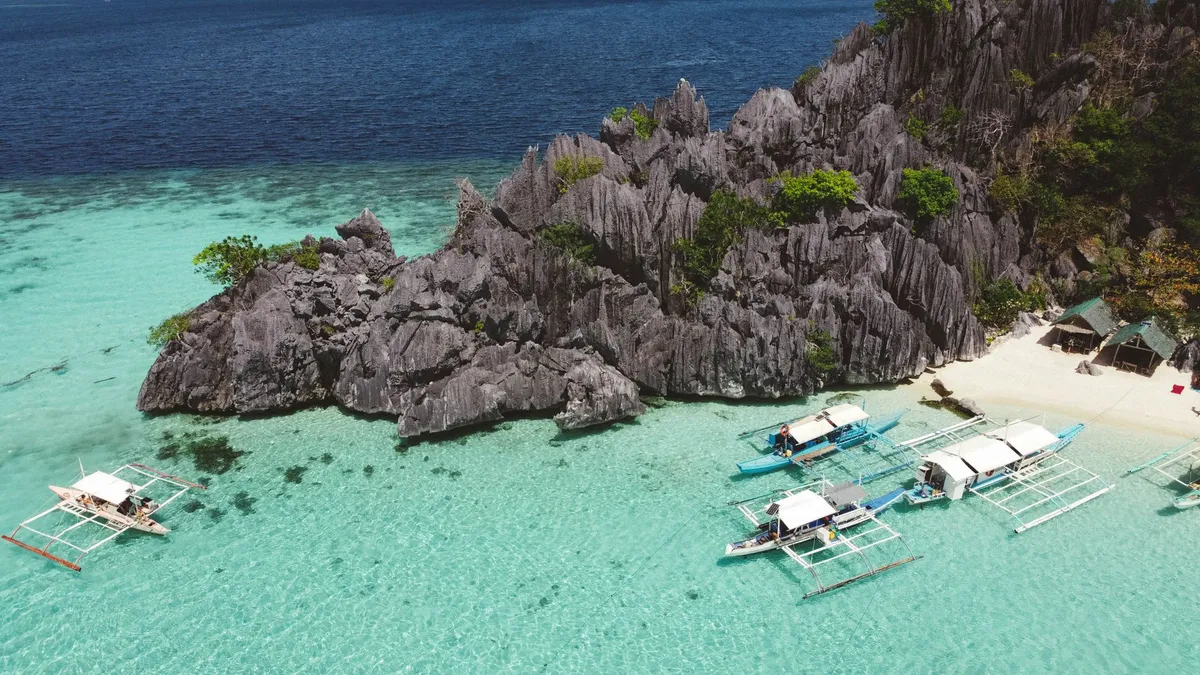
The Enchanting Province of Palawan Located in the region of Mimaropa, Palawan is the largest province in the Philippines, boasting a total area of 14,649.73 km2. This archipelagic province is a treasure trove of natural wonders, from its stunning beaches to its lush forests and majestic mountains. The capital and largest city, Puerto Princesa, is a must-visit destination, with its vibrant culture and rich history.The islands of Palawan stretch between Mindoro island in the northeast and Borneo in the southwest, lying between the South China Sea and the Sulu Sea. The province is named after its largest island, Palawan Island, which measures 450 kilometers long and 50 kilometers wide. A Glimpse into Pre-History The early history of Palawan was determined by a team of researchers led by Robert Bradford Fox, who found evidence in the Tabon Caves that humans have lived in Palawan for more than 50,000 years. The discovery of human bone fragments, known as Tabon Man, in the municipality of Quezon, as well as tools and other artifacts, provides a fascinating insight into the lives of the island's earliest inhabitants.The discovery of two articulated phalanx bones of a tiger, alongside other animal fossils, in Ille Cave near the village of New Ibajay, is a significant find. The condition of the tiger subfossils, dated to approximately 12,000 to 9,000 years ago, suggests that they may have been imported from elsewhere, possibly from Borneo. The Maritime Jade Road Palawan was a major site for the Maritime Jade Road, one of the most extensive sea-based trade networks of a single geological material in the prehistoric world. Operating for 3,000 years from 2000 BCE to 1000 CE, this network played a significant role in the island's early history.The Maritime Jade Road connected Palawan to other parts of Southeast Asia, facilitating the exchange of goods, ideas, and cultures. This ancient trade network has left a lasting legacy on the island, with many of its traditions and customs still evident today. Early History and Indigenous Groups Palawan is home to several Indigenous groups, including the Palaw'an, Batak, Tagbanwa, and Tau't Bato. These groups have traditionally practiced animist anito religions and have a deep connection to the island's natural environment.The coastlines of Palawan were also settled by later groups, collectively known as "Palaweños." Prior to Islamization, the islands of Palawan, Calamian, and parts of Luzon were under the jurisdiction of the nation Sandao, a vassal-state to the more powerful Ma-i nation in Mindoro. Spanish Colonial Era The arrival of the Spanish in the late 15th century marked a significant turning point in Palawan's history. The northern Calamianes Islands were the first to come under Spanish authority, and were later declared a province separate from the Palawan mainland.The Spanish colonial period saw the establishment of churches, garrisons, and other infrastructure, which had a lasting impact on the island's architecture and culture. The 1818 Spanish census recorded Palawan island as having 4,486 native families and 29 Spanish-Filipino families. Conclusion Palawan is a treasure trove of natural wonders, rich history, and vibrant culture. From its stunning beaches to its lush forests and majestic mountains, this Philippine archipelago is a must-visit destination for any traveler. With its unique blend of indigenous and colonial influences, Palawan is a true gem of the Philippines, waiting to be explored and discovered. #Travel #Palawan #Philippines #HiddenGems #IslandLife #CulturalHeritage
-
 Chloe Tremblay
 - 14 Jul, 2026 20:45
Unveiling the Breathtaking Landscape of Namibia's Sossusvlei: A Journey Through Time and Nature
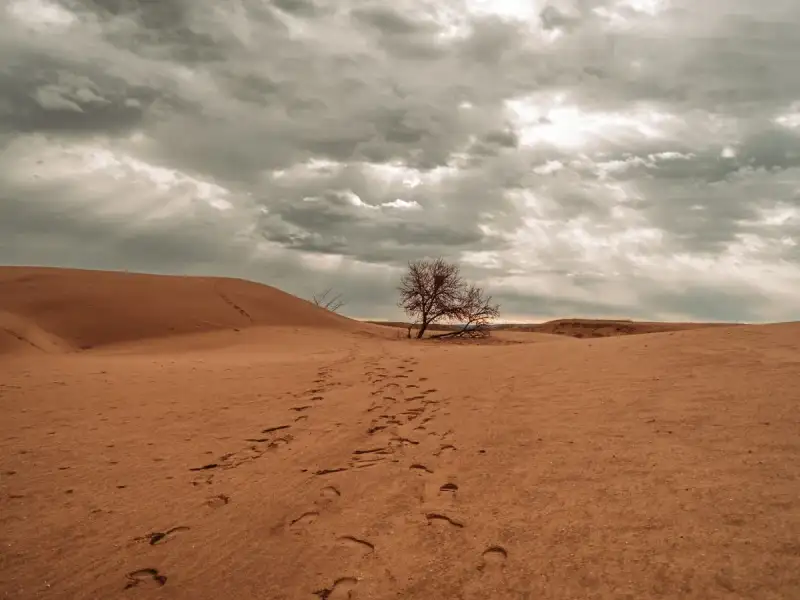
Introduction Namibia's Sossusvlei is a destination that embodies the essence of natural wonder, where the forces of time and erosion have crafted an breathtaking landscape of sculpted dunes and ancient trees. Located in the southern part of the Namib Desert, Sossusvlei is a must-visit destination for any traveler seeking to experience the raw beauty of Africa. As a traveler and explorer, I have had the privilege of witnessing the majesty of Sossusvlei firsthand, and I can attest to its awe-inspiring beauty. From the towering dunes that stretch towards the sky to the eerie silence of the Deadvlei, Sossusvlei is a place that will leave you speechless and yearning for more. The Geology of Sossusvlei Sossusvlei is nestled within the Namib-Naukluft National Park, which is the largest game reserve in Africa. The park is home to a diverse range of flora and fauna, including several endangered species. The geology of Sossusvlei is characterized by its unique dune landscape, which is shaped by the constant winds that sweep across the desert. The dunes are made up of sand that has been eroded from the rocks and soil of the surrounding landscape, and they can reach heights of up to 300 meters. The dunes are also home to a variety of unique fauna, including the Namib desert beetle, which is capable of collecting fog droplets on its back and channeling them into its mouth. The History of Sossusvlei The history of Sossusvlei is shrouded in mystery, but it is believed that the area has been inhabited by humans for thousands of years. The earliest known inhabitants of the region were the San people, who were skilled hunters and gatherers. The San people left behind a rich cultural heritage, including rock art and other artifacts that can still be seen today. In the 19th century, Sossusvlei was visited by European explorers, who were drawn to the area's unique landscape and natural resources. Today, Sossusvlei is a popular tourist destination, attracting visitors from all over the world.Exploring Deadvlei Deadvlei is a surreal landscape that is nestled within the heart of Sossusvlei. The area is characterized by its eerie silence and its stark beauty, with dead trees standing like skeletons against the backdrop of the dunes. Deadvlei is a place of great beauty and great sadness, where the forces of nature have crafted a landscape that is both haunting and awe-inspiring. The area is also home to a variety of unique flora and fauna, including the majestic oryx, which is capable of surviving in the harsh conditions of the desert. Planning Your Trip to Sossusvlei Planning a trip to Sossusvlei requires careful consideration and preparation. The best time to visit Sossusvlei is during the winter months, when the weather is cooler and the skies are clearer. Visitors can reach Sossusvlei by flying into Windhoek, the capital city of Namibia, and then taking a charter flight or driving to the park. Accommodation options range from luxury lodges to budget-friendly camping sites, and visitors can choose from a variety of activities, including hiking, birdwatching, and scenic flights.Cost and Logistics The cost of visiting Sossusvlei can vary greatly, depending on the time of year and the type of accommodation and activities chosen. Here is a breakdown of the estimated costs:Activity Cost (USD)Accommodation (per night) 100-500Charter flight (return) 200-500Guided tour (per person) 50-100Scenic flight (per person) 100-200Visitors should also be aware of the logistics of traveling to Sossusvlei, including the need for a 4x4 vehicle and the importance of bringing plenty of water and sunscreen.Conclusion In conclusion, Sossusvlei is a destination that is not to be missed. With its unique landscape, rich history, and diverse flora and fauna, Sossusvlei is a place that will leave you in awe of the natural beauty of Africa. Whether you are a seasoned traveler or just starting to plan your next adventure, Sossusvlei is a must-visit destination that is sure to leave you with memories that will last a lifetime. As a traveler and explorer, I highly recommend adding Sossusvlei to your bucket list and experiencing the magic of this incredible destination for yourself. #NamibiaTourism #Sossusvlei #AfricanAdventures #DesertLandscapes #TravelGuide #WildlifeConservation
-
 Zola Ndlovu
 - 12 Jul, 2026 17:32
Unleash Your Inner Explorer: Conquering Java's Fiery Peaks From Bali's Shores – A Definitive Guide
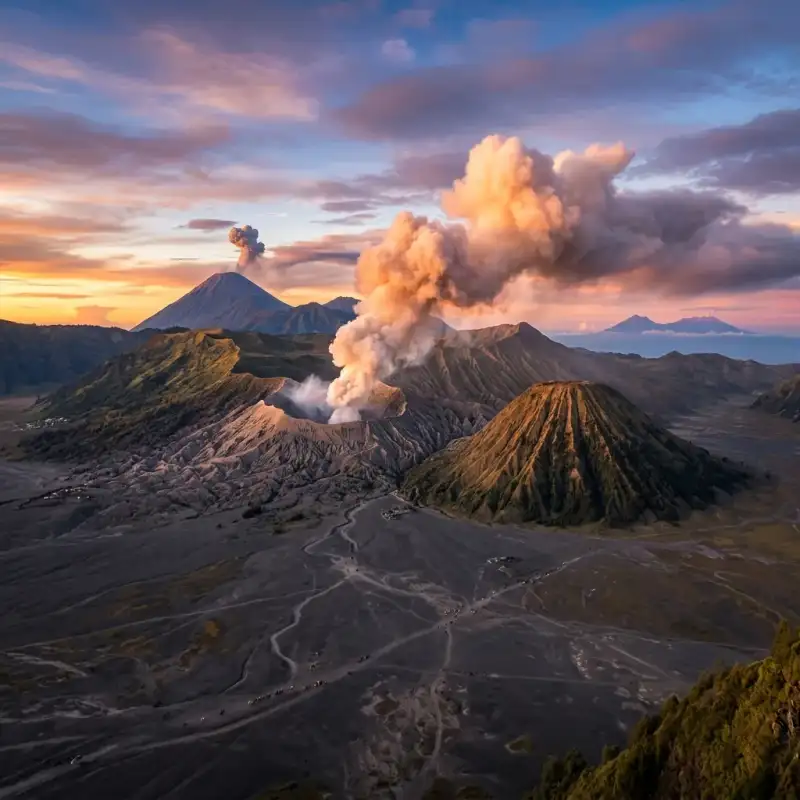
Indonesia, an archipelago born of fire, offers some of the planet’s most breathtaking and accessible volcanic landscapes. While Bali captivates with its serene beaches and vibrant culture, just a short journey west lies the rugged, otherworldly beauty of East Java – home to two of the world's most iconic and active volcanoes: Mount Bromo and Kawah Ijen. For the intrepid traveler, the transition from Bali’s tranquil rice paddies to Java’s smoking craters isn't merely a change in scenery; it’s an immersive expedition into the raw, pulsating heart of the Earth. As Zola Ndlovu, an expert in transformative travel experiences, I can attest that the challenge of ascending these peaks is profoundly rewarding, revealing vistas that defy imagination and stories etched in sulfur and ash. This isn't just a travelogue; it's a meticulously researched, highly factual blueprint for navigating an adventure that combines logistical precision with unparalleled natural spectacle. Forget the hazy travel anecdotes; we're diving deep into the actionable intelligence you'll need – from visa particulars and transport costs to the specific geological phenomena of Ijen's blue flames and Bromo's sunrise majesty. We’ll dissect itineraries, equip you with crucial packing lists, and prepare you for the physical and environmental realities of trekking active stratovolcanoes. Whether you're a seasoned mountaineer or a curious wanderer seeking an extraordinary chapter in your travel saga, this comprehensive guide will empower you to not just witness, but truly conquer, Java's fiery peaks, making your journey from Bali’s shores to the volcanic heart of Indonesia an unforgettable triumph. Get ready to embark on an adventure that will redefine your understanding of natural grandeur.The Gateway to Java's Giants: From Bali to Banyuwangi Embarking on the trans-island volcanic adventure begins in Bali, specifically from its westernmost tip, to cross the narrow Bali Strait into Java. The primary objective is reaching Banyuwangi, East Java, a strategic hub and the closest major city to Kawah Ijen. The journey is multi-modal and offers a blend of local immersion and logistical efficiency, which can be tailored to various budgets and preferences. The initial leg from popular tourist centres in South Bali (e.g., Seminyak, Kuta, Ubud) to Gilimanuk Ferry Terminal typically takes between 3 to 4.5 hours, depending heavily on traffic and your chosen mode of transport. Options range from private taxis or rented cars (expect to pay IDR 500,000 – 700,000 for a car with driver one-way, a comfortable but pricier option) to shared shuttle buses (around IDR 150,000 – 250,000 per person, offering a balance of cost and convenience) or even public buses from Denpasar's Ubung Terminal (significantly cheaper, IDR 60,000 – 80,000, but often slower and less direct). For independent adventurers, renting a scooter or motorcycle (IDR 70,000 – 100,000 per day) is an option, though the long journey and heavy traffic towards Gilimanuk can be challenging for inexperienced riders. Upon arrival at Gilimanuk, the transition to the Ketapang Ferry Terminal in Banyuwangi, Java, is seamless. Ferries operate 24 hours a day, departing every 20-30 minutes, ensuring minimal waiting time. The crossing itself is remarkably short, typically 30 to 45 minutes across the strait. Foot passenger tickets are incredibly affordable, usually costing around IDR 8,500 (approximately USD 0.55). If you're bringing a scooter, the cost is around IDR 29,000. These figures are consistent with local government tariffs and are highly reliable. The ferry ride provides scenic views, often accompanied by local vendors selling snacks and drinks. Once disembarking at Ketapang, you're officially in Banyuwangi. The ferry terminal is conveniently located near Banyuwangi Kota (formerly Karangasem) train station and the city centre. From Ketapang, a short taxi ride, Go-Jek (motorcycle taxi), or Grab car can take you to your accommodation in Banyuwangi city. Expect to pay IDR 20,000 – 50,000 for a local ride depending on distance and negotiation. Banyuwangi offers a range of accommodations, from budget guesthouses starting at IDR 100,000 per night to mid-range hotels like Hotel Santika or Aston Hotel Banyuwangi around IDR 400,000 – 700,000 per night, providing comfortable bases for your Ijen ascent. Securing a comfortable stay allows for crucial rest before the challenging pre-dawn hike to Kawah Ijen.Kawah Ijen's Ethereal Blue Flames and Turquoise Lake Kawah Ijen, perched at an elevation of 2,799 metres (9,183 feet) above sea level, is a stratovolcano that offers one of Earth's most unique nocturnal spectacles: the ethereal blue flames, an incredible natural phenomenon that occurs when sulfuric gases, emerging from cracks at temperatures up to 360°C (680°F), ignite upon contact with the oxygen-rich air. This visible combustion produces the iconic blue light, often described as lava-like, though it's purely burning gas. To witness this requires a midnight start, typically between 12:00 AM and 1:00 AM, ensuring you're at the crater rim before dawn. The trek to the crater rim from the Paltuding ranger post is approximately 3 kilometres (1.8 miles) with an elevation gain of around 500 metres (1,640 feet). The path is steep and challenging in sections, particularly in the dark, and takes approximately 1.5 to 2 hours for a reasonably fit individual. Once at the rim, a further perilous descent into the crater (approximately 800 metres) is required to get closer to the blue flames. This descent is unofficial and hazardous, involving navigating loose rocks and steep, narrow paths. While many tourists undertake it, it is not without risk, especially given the low light and the highly acidic environment. The main draw beyond the blue flames is the spectacular turquoise acid lake, the largest highly acidic crater lake in the world, with a pH of approximately 0.5. The vibrant colour comes from its high concentration of sulfuric and hydrochloric acids. This lake is also the site of a traditional sulfur mining operation, where local miners endure arduous conditions, carrying loads of up to 80-100 kg of solidified sulfur up and down the crater walls. Engaging with these miners, with respect and understanding, offers a humbling glimpse into their incredibly challenging livelihood. Essential gear for Ijen includes a high-quality gas mask (critical for protection against sulfuric fumes, which can cause respiratory irritation and eye discomfort; rentals are available at the base for IDR 30,000 – 50,000, but bringing your own is advisable for hygiene and fit), a powerful headlamp, sturdy hiking boots, warm layers (temperatures can drop significantly at altitude), and plenty of water. The foreign tourist entrance fee for Kawah Ijen is IDR 100,000 on weekdays and IDR 150,000 on weekends/public holidays. These fees contribute to park maintenance and local community initiatives. Safety is paramount; follow ranger instructions, consider hiring a local guide (approx. IDR 100,000-200,000), and be aware of your surroundings, especially when descending into the crater. The fumes can be overwhelming, and visibility can be poor. Mount Bromo's Volcanic Majesty and Sunrise Spectacle From the raw, elemental beauty of Kawah Ijen, the journey continues to the iconic Mount Bromo, part of the Bromo Tengger Semeru National Park. Located in East Java, Bromo's peak stands at 2,329 metres (7,641 feet) and is famous for its breathtaking sunrise views, its perpetually smoking crater, and the vast, ethereal "Sea of Sand" (Lautan Pasir) caldera surrounding it. The typical approach after visiting Ijen is to travel from Banyuwangi to Probolinggo (the main gateway town), and then onward to Cemoro Lawang, the village perched on the rim of the caldera, offering direct access to Bromo. Getting from Banyuwangi to Cemoro Lawang usually involves a train ride from Banyuwangi Kota (Karangasem) station to Probolinggo station. Popular train services include the Sri Tanjung or Tawang Alun, with tickets ranging from IDR 60,000 (economy) to IDR 150,000 (executive) for the approximately 4-5 hour journey. From Probolinggo, public minivans (colt) or shared jeeps (approx. IDR 50,000 – 75,000 per person) shuttle travellers up to Cemoro Lawang, taking about 1.5 to 2 hours on a winding, often congested road. Organized tours frequently bundle this transport. The quintessential Bromo experience begins with a pre-dawn ascent to one of the designated viewpoints. Penanjakan 1 (2,770m/9,088ft) is the most popular, offering panoramic views of Bromo, Mount Batok, and the active Mount Semeru in the distance, bathed in the hues of dawn. Other excellent viewpoints include King Kong Hill and Seruni Point, which are often less crowded. Most visitors hire a 4x4 jeep (IDR 500,000 – 700,000 per jeep, accommodating 4-6 people) to reach these viewpoints, departing from Cemoro Lawang around 3:00-3:30 AM. After sunrise, the jeeps descend into the Sea of Sand, driving across the volcanic ash desert to the base of Mount Bromo. From the jeep drop-off point, it's approximately a 20-30 minute walk across the sandy plain to the base of Bromo's cone. Here, a set of 250 concrete steps leads directly to the crater rim. The ascent is moderate, but the loose sand and the altitude can make it tiring. At the top, you're greeted by the mesmerizing sight and sound of the active crater, continuously spewing white sulfuric smoke. The foreign tourist entrance fee for Bromo Tengger Semeru National Park is IDR 220,000 on weekdays and IDR 320,000 on weekends/public holidays. The best time to visit is during the dry season (May to October) for clear skies, though it remains a popular destination year-round.Strategic Planning & Essential Preparations for the Volcanic Traverse Successfully navigating the Bali-Java volcanic expedition requires meticulous planning and preparation. Combining Kawah Ijen and Mount Bromo into a seamless itinerary typically spans 2 to 3 days from the moment you leave Bali. A common itinerary involves traveling from Bali to Banyuwangi, hiking Ijen on the first night/early morning, then proceeding to Cemoro Lawang for the Bromo sunrise the following morning. This intense schedule is rewarding but demands good physical fitness and efficient logistics. For the budget-conscious and adventurous, independent travel offers maximum flexibility. You manage your own transport bookings (ferry, trains, local minivans), accommodation reservations, and park entrance fees. While potentially cheaper overall, it requires more time, research, and comfort with local navigation, including potential language barriers (Bahasa Indonesia is essential for non-touristy areas). For example, booking train tickets via the KAI Access app (Indonesian Railways) can simplify this, but requires an Indonesian SIM card and payment methods. Alternatively, numerous tour operators in Bali (e.g., Kuta, Ubud, Seminyak) and Banyuwangi offer all-inclusive packages. These typically cover transfers from Bali, ferry tickets, private transport in Java, accommodation, park entrance fees, and sometimes even local guides. A 2-day/1-night Ijen-Bromo tour from Bali can range from IDR 1,500,000 to IDR 3,000,000 (approximately USD 100-200), depending on the group size, quality of accommodation, and inclusions. While more expensive, these tours provide convenience, especially for those with limited time or who prefer a hassle-free experience. Essential Packing List:Clothing: Layering is key. Lightweight wicking base layers, a fleece or insulated jacket, and a wind/waterproof outer shell are crucial for cold pre-dawn temperatures (can drop to 5-10°C / 40-50°F at altitude) and potential rain. A change of clothes for after the hikes. Footwear: Sturdy, broken-in hiking boots with good ankle support are indispensable for the uneven terrain of both Ijen and Bromo. Headlamp/Flashlight: Absolutely critical for midnight treks. Ensure it has fresh batteries. Gas Mask: As mentioned, vital for Ijen. Either rent at base or bring your own. Sun Protection: Hat, sunglasses, and high-SPF sunscreen for daylight hours, especially at Bromo, where the sun can be intense. Hydration: At least 2-3 litres of water per person for each hike. Dehydration can exacerbate altitude effects. Snacks: Energy bars, fruit, nuts to keep energy levels up. Personal First Aid: Basic kit with pain relievers, blister plasters, antiseptic wipes. Camera Gear: Protection from dust and sulfur is advisable. Small Backpack: For essentials during the hike. Cash (IDR): For small purchases, local food, and tips. ATMs are available in Banyuwangi and Probolinggo but rare near the parks.Physical Fitness and Altitude: While neither Bromo nor Ijen are extremely high-altitude treks, their elevations can still cause mild altitude sickness symptoms (headache, nausea) in some individuals. Ensure you are well-rested, hydrated, and listen to your body. Regular moderate exercise leading up to the trip will greatly enhance your enjoyment. Indonesia offers a visa-free entry for up to 30 days for citizens of over 80 countries, including most of Europe, North America, Australia, and parts of Asia. For other nationalities, a Visa on Arrival (VOA) is available at major airports for IDR 500,000 (approx. USD 35), valid for 30 days and extendable once. Always check the latest visa regulations for your specific nationality before travel.Beyond the Peaks: Embracing East Java's Cultural & Culinary Delights While the primary draw is the volcanic grandeur, East Java offers a rich tapestry of cultural and culinary experiences that enrich the adventure. Venturing beyond the peaks provides a deeper understanding of the region's unique identity, distinct from Bali's Hindu-centric culture. East Java is predominantly Muslim, with influences from Javanese, Madurese, and Tenggerese ethnic groups. Local Cuisine: East Javanese cuisine is flavourful and hearty.Nasi Pecel: A staple, featuring mixed vegetables with peanut sauce, served with rice, often accompanied by peyek (peanut brittle crackers) or rempeyek (rice flour crackers). A local, nutritious and affordable meal, typically costing IDR 15,000 – 25,000. Rawon: A distinctive black beef soup, gaining its colour from the keluak (black nut), offering a unique umami flavour. A must-try, available for IDR 25,000 – 40,000. Soto Ayam: A comforting chicken soup with turmeric broth, vermicelli, and various toppings. Ubiquitous and delicious, priced around IDR 20,000 – 35,000. Bakso: Indonesian meatball soup, a popular street food snack. Prices start from IDR 10,000. Local Coffee: East Java is a coffee-growing region. Enjoy robust local blends, often served strong and sweet. Cafes in Banyuwangi and Probolinggo offer a range of options, with a cup typically costing IDR 15,000 – 30,000.Other Attractions in East Java: Consider extending your trip to include:Madakaripura Waterfall: Often combined with Bromo tours, this majestic waterfall is about 1 hour from Cemoro Lawang. It's shrouded in mist and legend, requiring a trek through a canyon to reach its main basin. Entrance fee: IDR 20,000 – 30,000, plus optional local guide. Baluran National Park: Known as "Africa van Java," this park, located near Banyuwangi, boasts savannah landscapes, acacia forests, and a diverse range of wildlife including Javan banteng, deer, and various bird species. A striking contrast to the volcanic scenery. Entrance fee for foreigners: IDR 160,000 (weekdays) / IDR 240,000 (weekends). Tumpak Sewu Waterfall: While a bit further south and requiring more travel time, this multi-tiered waterfall near Lumajang is considered by many to be the most beautiful in Java, a truly spectacular natural wonder.Connectivity and Currency: Stay connected with a local SIM card. Providers like Telkomsel (best coverage, especially in remote areas) and XL Axiata offer affordable data packages. A 10GB data package costs approximately IDR 50,000 – 70,000. Indonesian Rupiah (IDR) is the local currency. ATMs are widely available in major towns like Banyuwangi, Probolinggo, and Surabaya, but carrying smaller denominations of cash is crucial for rural areas and street vendors. The exchange rate fluctuates, but roughly 1 USD is equivalent to IDR 15,500. Engaging with local communities, particularly the Tenggerese people around Bromo, provides a unique cultural insight. They are a Hindu minority in a predominantly Muslim region, with distinct traditions and a deep reverence for the mountain spirits. Practising respectful tourism, such as supporting local vendors, disposing of waste responsibly, and being mindful of local customs, ensures a positive impact and a richer travel experience for everyone. Estimated 3-Day Independent Volcano Trek Costs (Bali to Java) This table provides a realistic cost breakdown for a solo independent traveler undertaking the Bali-Java volcano trek over approximately 3 days, excluding international flights and personal shopping. Prices are approximate and subject to change based on seasonality, negotiation skills, and personal choices.Category Item Estimated Cost (IDR) Estimated Cost (USD) NotesDay 1: Bali to BanyuwangiTransport (Bali) Shuttle Bus (South Bali to Gilimanuk) 200,000 13 Varies by starting point and operatorFerry Gilimanuk to Ketapang (foot passenger) 8,500 0.55 Fixed tariffTransport (Banyuwangi) Taxi/Go-Jek (Ketapang to Hotel) 30,000 2 Negotiable, depends on distanceAccommodation Budget Guesthouse (Banyuwangi, 1 night) 150,000 10 Basic, clean roomFood 2 Meals (Banyuwangi) 70,000 4.5 Local warung food (IDR 25k-45k/meal)Day 2: Kawah Ijen Trek & Travel to Cemoro LawangIjen Transport Shared Car/Motorbike to Paltuding 150,000 10 Return trip from Banyuwangi, often shared with other hikersIjen Entrance Fee Foreigner Weekend Ticket 150,000 10 Weekday: IDR 100k. Budget for peak price.Gas Mask Rental40,000 2.5 Essential for safetyTrain Banyuwangi to Probolinggo (Economy) 60,000 4 Sri Tanjung or Tawang Alun train. Executive option is ~IDR 150k.Transport (Probolinggo) Shared Minivan to Cemoro Lawang 75,000 5 Often packed, can negotiate for better space.Accommodation Budget Homestay (Cemoro Lawang, 1 night) 200,000 13 Very basic, sometimes no hot water. Higher-end options available.Food 3 Meals (packed lunch, dinner Cemoro Lawang) 120,000 8 Food options limited/pricier in Cemoro Lawang.Day 3: Mount Bromo Sunrise & DepartureBromo Jeep Tour Shared Jeep (to Viewpoint & Crater) 150,000 10 Based on 4-6 people per jeep (total IDR 600k-900k).Bromo Entrance Fee Foreigner Weekend Ticket 320,000 20.5 Weekday: IDR 220k. Budget for peak price.Food 1 Meal (Breakfast) 30,000 2 Simple breakfast.Miscellaneous Snacks, Water, Tips, SIM card 100,000 6.5 Buffer for unexpected costs. SIM card costs around IDR 50k-70k for data.TOTAL ESTIMATED COSTS (approx.)1,963,500 126.05 Excludes return transport from Java and major splurges.Note: 1 USD ≈ IDR 15,500 for calculation purposes.The journey from Bali's tropical allure to the stark, powerful landscapes of Java's volcanoes is more than just a trip; it's a profound odyssey that carves itself into the memory. Witnessing the incandescent blue flames of Kawah Ijen, a phenomenon rare on Earth, followed by the majestic sunrise over Mount Bromo's smoking crater, surrounded by the lunar expanse of its caldera, offers a singular experience of nature's raw, untamed power. This adventure demands preparation, physical endurance, and a spirit of resilience, but the rewards—the awe-inspiring vistas, the humbling encounters with the local communities, and the sheer triumph of conquering these formidable peaks—are immeasurable. As Zola Ndlovu, I advocate for travel that challenges, inspires, and educates. The volcanic heart of Indonesia does precisely that, offering a deep dive into geological wonders, cultural nuances, and personal limits. With this detailed guide, you are now equipped with the factual data and strategic insights to plan your own epic traverse. Embrace the challenge, respect the environment, and prepare to be utterly captivated. Indonesia's fiery peaks await your footprints, ready to etch another unforgettable chapter into your global adventures.#IndonesiaTravel #VolcanoHiking #MountBromo #KawahIjen #AdventureTravel #EastJava