Venturing into the Arctic Vault: Getting to Longyearbyen
The journey to the Svalbard Global Seed Vault begins not with a plane touchdown but with a series of deliberate steps that blend adventure, logistics, and a pinch of daring. Longyearbyen, the archipelago’s modest capital, serves as the gateway for every traveler, researcher, and curious wanderer who wishes to set foot on the icy ground where humanity’s botanical heritage rests.
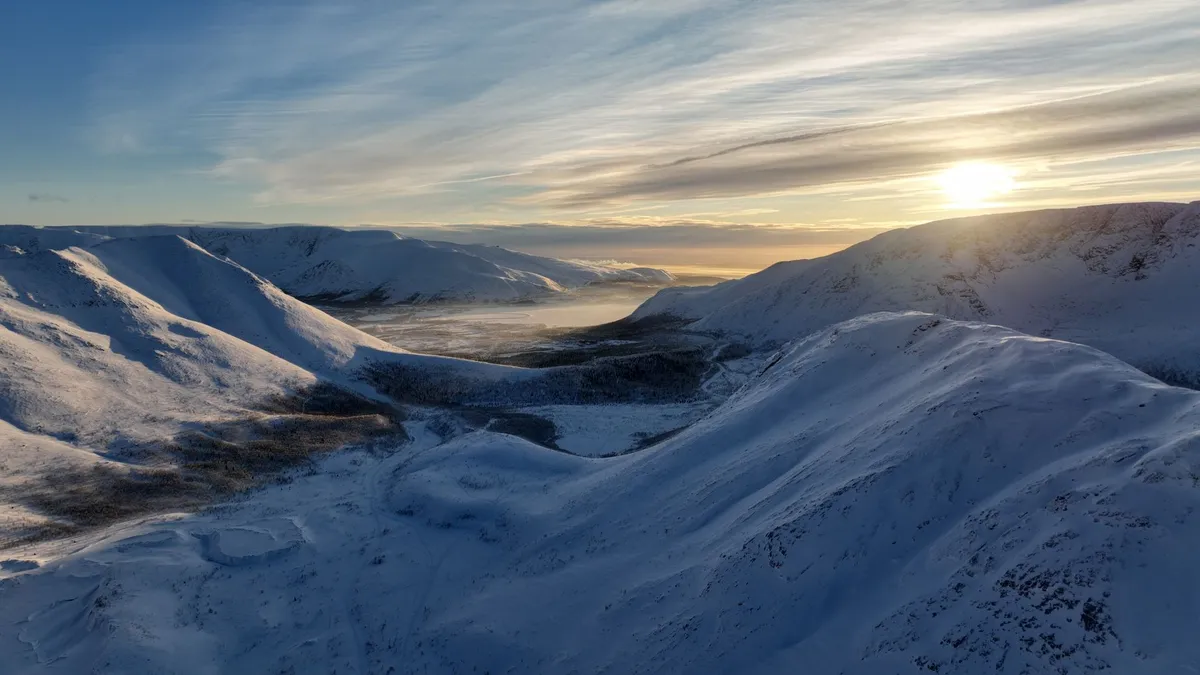
First, secure a flight to Oslo, Norway’s bustling hub. From there, airlines such as SAS and Norwegian Air Shuttle operate regular connections to Longyearbyen Airport (LYR). The flight itself lasts roughly three hours and offers a dramatic transition: one moment you’re soaring above fjords, the next you’re gliding over a sea of white, with the iconic, snow‑capped mountains of Spitsbergen emerging from the clouds.
Upon arrival, the airport’s small size means you’ll be greeted by a handful of staff, all fluent in Norwegian and English, who can guide you to the town’s modest bus terminal. The town is compact—most amenities are within a 10‑minute walk from the harbor. A short stroll brings you to the iconic Svalbard Museum, where you can absorb the region’s polar history before heading north toward the vault.
The seed vault itself lies 1.6 kilometers (just under a mile) from Longyearbyen, perched on the remote side of the island’s frozen plateau. Access is strictly by appointment, coordinated through the Norwegian Ministry of Climate and Environment. The vault’s entrance is an unassuming concrete building that blends into the stark landscape. Yet, hidden behind its modest façade is a steel door that seals a mountain‑carved chamber, sealed with a 1.5‑meter‑thick permafrost wall.
When you finally stand before the vault’s massive door, the cold bites at your cheeks, and the silence is broken only by the distant howling of Arctic winds. The experience is akin to stepping into a time capsule, a place where the world’s agricultural diversity is stored beneath a kilometer of permafrost. The vault’s design—two concentric steel doors, a ventilation system that prevents moisture buildup, and a backup power supply that can keep the interior at a constant -18°C for decades—reflects decades of engineering foresight.
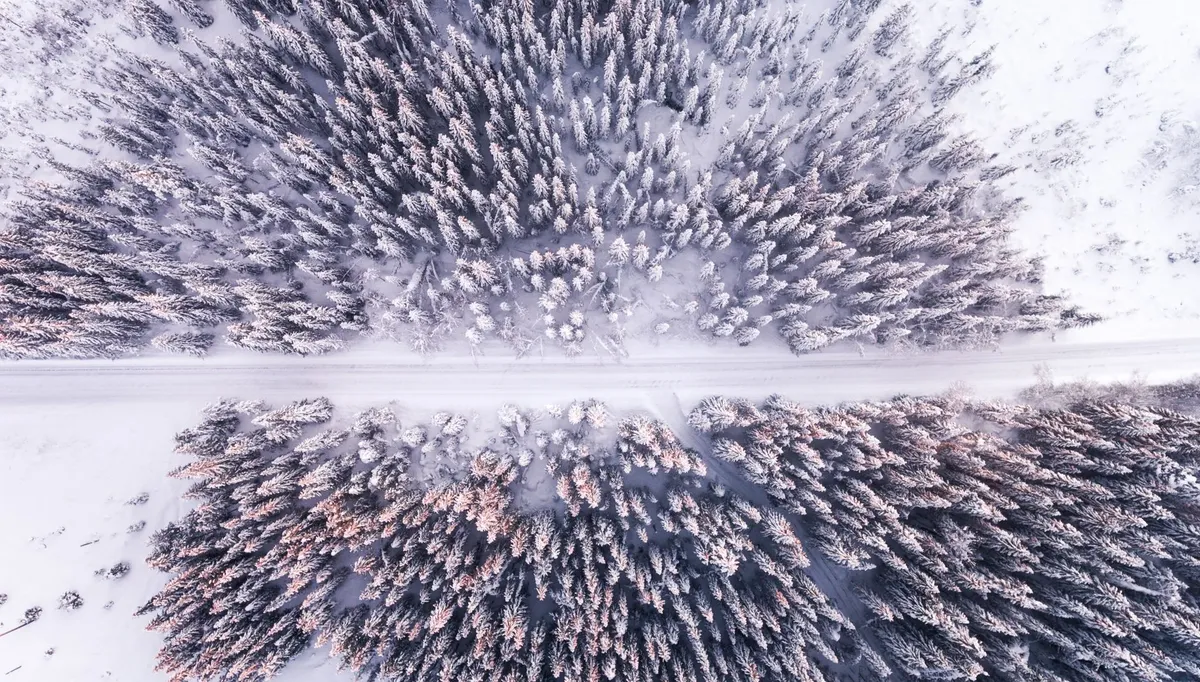 The road leading to the vault is a stark, white ribbon cutting through the tundra, a visual reminder of the isolation that protects these priceless seeds.
While the vault itself is off‑limits to the public, visitors are allowed a brief, guided glimpse of the exterior and the surrounding landscape. This privilege is granted to journalists, scientists, and a select few travel influencers who have obtained a special permit from the Svalbard Global Seed Vault Administration. The permit process involves a background check, proof of purpose (e.g., journalism, research, or educational outreach), and a non‑disclosure agreement that protects the vault’s security protocols.
Beyond the physical journey, there’s an emotional pilgrimage. Knowing that the vault holds over one million seed samples—representing 70 percent of the world’s crop diversity—imbues each step with a sense of stewardship. As you walk the icy path, you’re reminded that this silent repository is a safeguard against global catastrophes, from climate change to pandemics. It is, in many ways, the most literal embodiment of “planting hope for the future.”
Inside the Global Seed Archive: What the Vault Holds
The Svalbard Global Seed Vault, often called the “Doomsday Vault,” is more than a concrete bunker; it is a meticulously curated living library of the planet’s agricultural DNA. Operated jointly by the Norwegian government, the Global Crop Diversity Trust (Crop Trust), and the Nordic Genetic Resource Center (NordGen), the vault’s primary mission is to provide a safety net for seed collections stored in gene banks worldwide.
To date, the vault houses over 1.1 million seed samples from more than 5,000 distinct plant species. These include the staples that feed billions—wheat, rice, maize, barley, and sorghum—as well as less common crops such as quinoa, teff, and ancient varieties of beans. Each seed packet is sealed in a hermetically sealed, moisture‑proof foil pouch, then placed inside a stainless‑steel box that can withstand the harsh Arctic conditions.
The vault’s collection strategy follows a “tri‑duplication” principle:
- Primary storage – National and regional gene banks keep the original living collection.
- Secondary backup – Duplicate samples are stored in regional seed banks, often in temperate zones.
- Tertiary safety – The final duplicate travels to Svalbard, where the permafrost provides a natural refrigeration system.
This redundancy ensures that even if a regional disaster destroys a local collection, the genetic material remains safe elsewhere. In 2015, for instance, the International Center for Agricultural Research in the Dry Areas (ICARDA) lost a substantial portion of its collection due to conflict in Syria. The Svalbard vault, however, retained intact duplicates, allowing the center to rebuild its living collections within months.
The vault’s interior climate is a marvel of engineering. The temperature is maintained at a constant -18°C (0°F) thanks to the surrounding permafrost, which acts as a giant natural refrigerator. Humidity is kept below 15 percent, preventing seed germination and mold growth. Power is supplied by a combination of diesel generators and a backup battery system, but the vault’s design anticipates a scenario where external power is lost for up to 100 years—the permafrost would still preserve the seeds.
Scientific research conducted within the vault’s adjacent laboratory (the “Svalbard Seed Laboratory”) focuses on seed viability testing, genetic sequencing, and cryopreservation techniques. Recent studies have employed next‑generation sequencing to map the genomes of ancient grain varieties, revealing genetic traits for drought tolerance that could be crucial for future crop breeding.
The vault also serves an educational purpose. Interactive exhibits in Longyearbyen’s Svalbard Science Centre display 3D models of the vault’s interior, allowing visitors to virtually “walk through” the storage chambers. These exhibits explain the importance of genetic diversity, illustrate how climate change threatens crop resilience, and highlight the vault’s role in global food security.
One of the most compelling stories emerging from the vault concerns the rediscovery of a 19th‑century wheat variety known as “Red Fife.” Thought extinct, viable seeds were found in the vault, germinated, and reintroduced to modern farms in Canada. This revival not only expanded culinary diversity but also re‑introduced a grain with superior disease resistance, underscoring the vault’s tangible impact on contemporary agriculture.
In short, the vault is a silent, icy library where each seed packet represents a page of humanity’s agricultural narrative. Its existence is a testament to international cooperation, scientific foresight, and the belief that preserving genetic diversity is essential for the planet’s resilience.
Living Like a Digital Nomad on Svalbard’s Icy Frontier
Svalbard’s allure extends beyond the vault; the archipelago has emerged as a surprising haven for digital nomads seeking isolation, pristine nature, and a front‑row seat to climate change. According to the 2025 VisaGuide.World Digital Nomad Index, Svalbard scores a modest 2.91, placing it 13th globally for remote work suitability. While the score reflects challenges—extreme weather, limited connectivity, and high living costs—it also highlights unique advantages: no visa requirement for self‑sufficient travelers and the allure of living “at the edge of the world.”
Eligibility and Residency
The most crucial requirement for a digital nomad in Svalbard is financial self‑sufficiency. The live‑travel data indicates an income threshold of roughly $4,000 per month, which aligns with the region’s high cost of imported goods and limited local wage opportunities. As long as you can demonstrate this income—through bank statements, remote‑employment contracts, or freelance invoices—you can reside indefinitely without a formal visa. The only bureaucratic step is registering with the local police, a process that typically takes under an hour and involves providing proof of accommodation.
Accommodation options range from modest apartments in Longyearbyen (average monthly rent: $2,500 for a one‑bedroom) to seasonal cabins known as “hytter” located further north. Many digital nomads opt for co‑living spaces that double as work hubs, featuring high‑speed satellite internet (average download speeds of 25‑30 Mbps) and communal workstations. The community is tight‑knit; networking events often revolve around shared meals featuring Arctic char, reindeer stew, or locally foraged berries.
Connectivity and Workspaces
Internet connectivity in Svalbard relies heavily on satellite links, as undersea fiber cables do not reach the archipelago. Providers such as Telenor and IceNet offer packages that combine a 5G mobile hotspot with a fixed satellite dish for home offices. While speeds are sufficient for video conferencing, large file transfers—particularly those involving high‑resolution media or scientific datasets—may require scheduling during off‑peak hours.
Several cafés in Longyearbyen, like “Kaffebønna” and “Svalbard Bryggeri,” provide reliable Wi‑Fi, power outlets, and a warm, insulated environment. For those who prefer a more secluded setting, the “Arctic Lab” co‑working space offers private booths, ergonomic chairs, and a view of the snow‑covered fjord—a backdrop that fuels creativity.
Lifestyle and Well‑Being
Living in a polar environment demands careful attention to health and safety. The Arctic daylight cycle is extreme: continuous daylight from late April to late August (the “midnight sun”) and prolonged darkness from late October to mid‑February (the “polar night”). During the polar night, many residents combat Seasonal Affective Disorder (SAD) with light therapy lamps, a practice encouraged by local health clinics.
Physical activity is woven into daily life. Cross‑country skiing, dog‑sledding, and guided glacier hikes serve both as recreation and as a means to stay warm. The community’s small size fosters a “neighbor‑watch” culture; locals look out for each other, especially when weather conditions make travel hazardous.
Cultural Immersion
Svalbard’s cultural scene is modest yet vibrant. The “Svalbard Festival” in February celebrates Arctic art, music, and storytelling, while “Polar Bear Night” in March raises awareness about wildlife conservation. Visitors can attend lectures at the University Centre in Svalbard (UNIS), where researchers share findings on glaciology, climate change, and polar biology—topics that resonate deeply with the seed vault’s mission.

Embracing Svalbard as a digital nomad means balancing the allure of isolation with the responsibilities of self‑care. With proper planning—adequate heating, reliable power backups, and a clear communication schedule with clients—you can transform the stark Arctic landscape into a productive, inspiring office.
Practical Logistics: Visa‑Free Stays, Costs, and Safety
Navigating the practicalities of an Arctic expedition requires meticulous budgeting, an understanding of local regulations, and a solid safety plan. Below is a concise breakdown of the primary cost categories for a typical three‑month stay that includes a visit to the seed vault, accommodation in Longyearbyen, and a modest allowance for food and activities.
| Expense Category | Approx. Monthly Cost (USD) | Total for 3‑Month Stay (USD) | Notes |
|---|---|---|---|
| Accommodation (1‑bedroom apartment) | $2,500 | $7,500 | Includes heating, water, and basic utilities. |
| Food & Groceries (imported goods) | $800 | $2,400 | Local produce limited; most items are imported. |
| Internet & Mobile (satellite plan) | $150 | $450 | 25–30 Mbps download; unlimited data. |
| Transportation (flights + local bus) | $400 | $1,200 | Oslo‑Longyearbyen round‑trip $300; local bus pass $100. |
| Seed Vault Permit & Guided Tour | $250 | $250 (one‑time) | Includes permit processing and guide fee. |
| Health Insurance (International) | $120 | $360 | Must cover emergency evacuation. |
| Miscellaneous (clothing, gear, activities) | $300 | $900 | Warm layers, gloves, boots, and optional tours. |
| Total | $4,520 | $13,560 | Approximate; varies with personal spending habits. |
All figures are based on 2026 market rates and the live travel data indicating a $4,000 monthly income requirement for self‑sufficient residency.
Visa‑Free Entry and Legal Considerations
Svalbard is a part of the Kingdom of Norway but enjoys a unique visa‑free status under the Svalbard Treaty of 1920. Travelers from any nationality may reside indefinitely provided they are self‑sufficient—meaning they have sufficient funds, health insurance, and a place to live. No work permits are required for remote employment, but any on‑site employment (e.g., mining or research assistantship) must comply with Norwegian labor laws and may require a separate work permit.
While a visa is unnecessary for Svalbard itself, entry to mainland Norway (including transit through Oslo) follows Schengen rules. Most travelers will need a Schengen visa if they do not hold a passport from a visa‑exempt country. It is advisable to arrange this visa before booking the Oslo‑Longyearbyen flight to avoid complications.
Safety Protocols and Emergency Services
The Arctic environment is unforgiving. Temperatures in winter can plunge below -30°C (-22°F), and sudden snowstorms can reduce visibility to near zero. The local emergency services are coordinated through the Longyearbyen Police Station, which also houses a modest medical clinic equipped for basic care and stabilization. For severe injuries or illnesses, patients are airlifted to Tromsø, Norway, via a helicopter service that costs approximately $10,000 per evacuation—underscoring the importance of comprehensive insurance.
Wildlife encounters, particularly with polar bears, are a legitimate concern. While polar bears rarely enter Longyearbyen, they roam the surrounding tundra. The town enforces strict building codes: all homes and cabins must have bear‑proof doors and windows, and residents carry bear deterrent devices (e.g., flares, air horns). Guided tours outside the settlement provide bear‑safety briefings and, if needed, escort by trained guards.
Sustainable Practices
Given the fragility of the Arctic ecosystem, visitors are encouraged to follow “Leave No Trace” principles. This includes:
- Using refillable water bottles; melt snow only after proper filtration.
- Packing out all waste, especially non‑biodegradable items.
- Avoiding disturbance of nesting sites for seabirds and the fragile moss carpet that stabilizes the permafrost.
Local authorities also impose a modest “environmental contribution” tax of $25 per visitor, which funds waste management and wildlife monitoring programs.
By respecting these logistical and safety frameworks, travelers can enjoy a secure, responsible, and unforgettable Arctic adventure.
Preserving the Future: The Science and Ethics of Seed Conservation
The Svalbard Global Seed Vault is not merely a storage facility; it is a living laboratory that raises profound scientific and ethical questions about humanity’s relationship with biodiversity. At its core, the vault addresses a simple yet urgent challenge: How do we safeguard the genetic blueprints of the world’s food crops against unforeseen catastrophes?
Scientific Rationale
Crop genetic diversity underpins resilience. Each variety carries unique genes that confer tolerance to drought, pests, soil salinity, or temperature extremes. Modern agriculture’s reliance on a narrow set of high‑yielding cultivars—think the dominance of a few wheat or rice strains—creates vulnerability. Historical events, such as the 1970 Irish Potato Famine, illustrate how genetic uniformity can precipitate disaster.
The vault’s strategy is to bank duplicate seed samples that can be regenerated if regional gene banks are compromised. Researchers employ seed viability testing—a process where a subset of stored seeds is germinated under controlled conditions to assess germination rates. Studies indicate that after 25 years at -18°C, most seeds retain >85% viability, a testament to the vault’s