The Maldives: Where Overwater Bungalows Meet Coral Reef Conservation
-
 Zola Ndlovu
 - 20 Jul, 2026 11:23
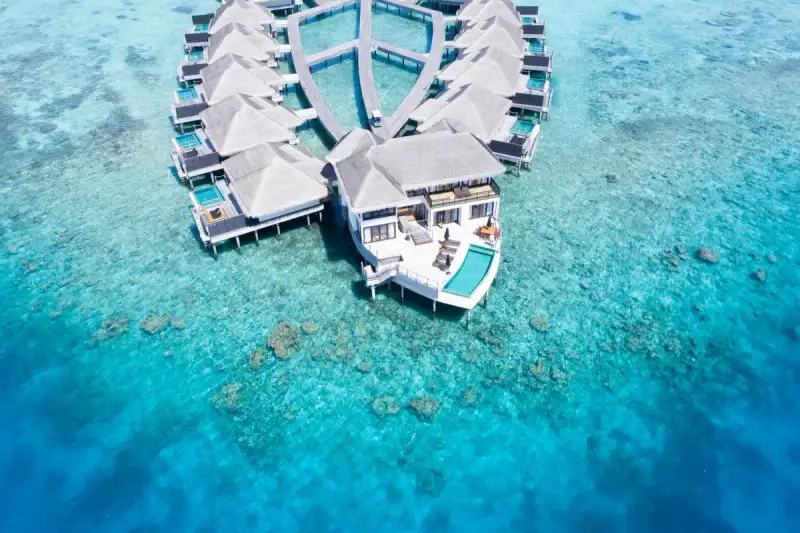
The Maldives is not just a destination; it is a dream woven from turquoise waters, powdery white sand, and the whisper of palm fronds against the breeze. Imagine waking up in a glass-walled overwater bungalow, the Indian Ocean stretching endlessly before you, its surface shimmering like liquid sapphire. This is the Maldives—a place where time slows, and every moment feels like a postcard come to life. But beyond the postcard-perfect scenery lies a deeper story: one of fragile ecosystems, conservation battles, and the delicate balance between luxury and sustainability. The Maldives is a paradox—a nation built on tourism yet fiercely protective of its coral reefs, a paradise where overwater bungalows offer unparalleled comfort while marine biologists work tirelessly to preserve the underwater world that makes this archipelago so extraordinary.
For travelers, the Maldives represents the pinnacle of luxury travel. Overwater bungalows, once a novelty, have become synonymous with the Maldives itself. These iconic structures, perched on stilts above the lagoon, offer direct access to the ocean, private decks for sunset cocktails, and interiors that blend modern elegance with traditional Maldivian craftsmanship. But the allure of the Maldives extends beyond its accommodations. The country’s coral reefs, some of the most biodiverse on the planet, are the lifeblood of its tourism industry. They protect the islands from erosion, support fisheries that feed the nation, and attract divers and snorkelers from around the world. Yet, these reefs face existential threats from climate change, ocean acidification, and unsustainable tourism practices. The Maldives’ response? A bold commitment to conservation, innovation, and sustainable luxury.
This article will guide you through the enchanting world of Maldivian overwater bungalows, from their history and design to the practicalities of booking and what to expect during your stay. We’ll also delve into the critical work being done to protect the coral reefs that make the Maldives a global treasure. Whether you’re planning a honeymoon, a digital nomad seeking inspiration, or an eco-conscious traveler eager to support sustainable tourism, this guide will equip you with everything you need to know. So, let’s dive in—literally and figuratively—into the Maldives, where every stay is an investment in paradise.
The Evolution of Overwater Bungalows: From Tahiti to the Maldives
The concept of overwater bungalows traces its roots to the 1960s in Tahiti, where the first such structures were built as simple, rustic huts on stilts. These early designs were born out of necessity—fishermen and locals needed affordable housing close to the water, and the elevated structures provided protection from tides and storms. It wasn’t until the 1970s that the idea was commercialized, thanks to the vision of hoteliers who recognized the potential of these unique dwellings as tourist accommodations. The first true overwater bungalow resort, the Club Med Papeete in Tahiti, opened in 1973, offering guests a novel way to experience the ocean without getting their feet wet.
The Maldives adopted this concept in the late 1980s, but with a twist. Unlike Tahiti’s wooden huts, Maldivian overwater bungalows were designed to blend seamlessly with the environment, using local materials like coconut wood, thatch, and coral stone. The first resort to introduce overwater bungalows to the Maldives was Banyan Tree Maldives in 1994, which set a new standard for luxury and sustainability. Since then, the design and amenities of overwater bungalows in the Maldives have evolved dramatically. Today, they are architectural marvels, featuring floor-to-ceiling glass walls, private plunge pools, outdoor showers, and even glass floors that reveal the ocean beneath your feet.
The Maldives now boasts over 100 resorts, many of which feature overwater villas as their flagship accommodations. These structures are not just places to sleep; they are immersive experiences. For example, Conrad Maldives Rangali Island offers a two-story overwater villa with a glass-bottom living room, while Soneva Jani in the Baa Atoll features retractable roofs and private slides into the lagoon. The engineering behind these bungalows is a feat in itself—built to withstand monsoon winds and rising sea levels, they are anchored to the ocean floor with reinforced concrete pilings and designed to minimize environmental impact.
But the evolution of overwater bungalows in the Maldives is not just about luxury; it’s also about sustainability. Modern resorts are increasingly incorporating eco-friendly materials, solar power, and water conservation systems. For instance, Six Senses Laamu uses locally sourced materials and has a zero-plastic policy, while Gili Lankanfushi in North Malé Atoll is powered entirely by solar energy. These innovations reflect a growing awareness that true luxury must coexist with environmental responsibility.
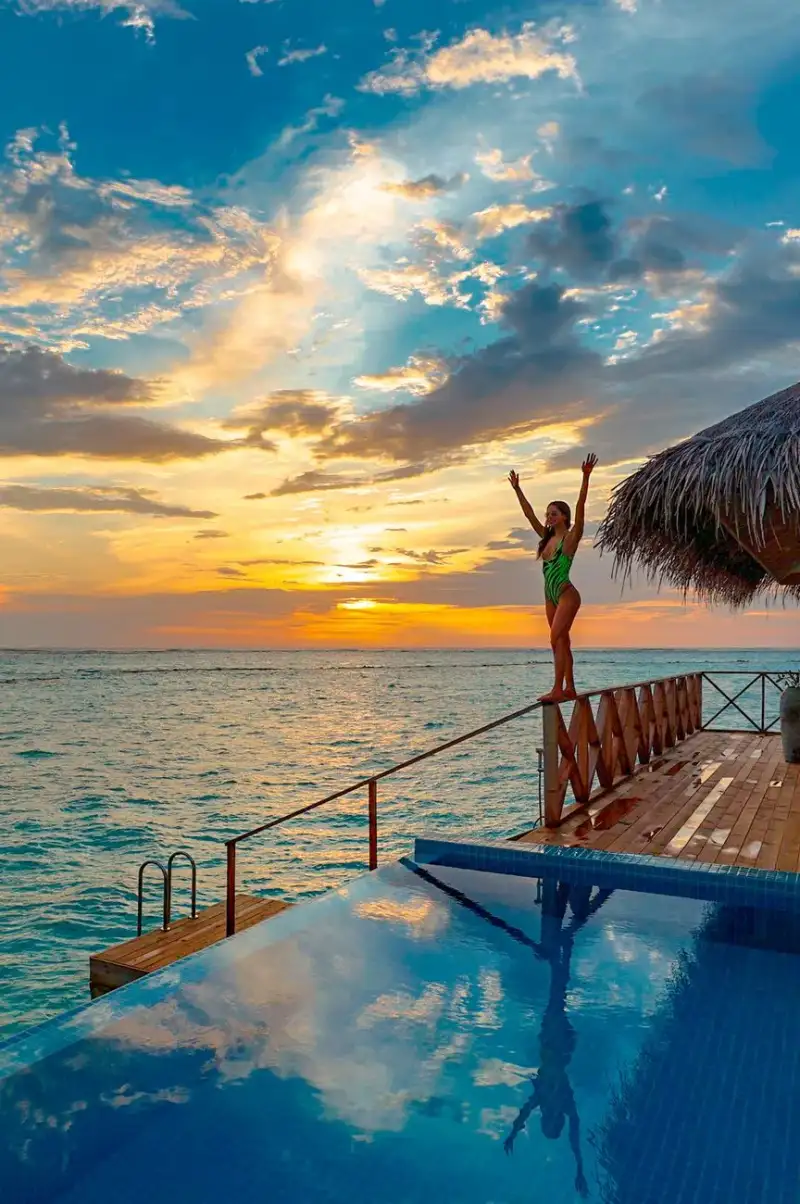
Choosing Your Maldivian Paradise: A Step-by-Step Guide to Overwater Bungalows
Selecting the perfect overwater bungalow in the Maldives can feel overwhelming, given the sheer variety of options. From budget-friendly to ultra-luxury, each resort offers a unique experience. Here’s a step-by-step guide to help you navigate the process and find the bungalow that aligns with your travel goals, budget, and values.
Step 1: Define Your Priorities
Before diving into research, ask yourself what matters most to you. Is it location, price, amenities, or sustainability? The Maldives is divided into 26 atolls, each with its own character. For example:
- North Malé Atoll: Home to the capital, Malé, and the most accessible resorts. Ideal for first-time visitors who want convenience and a mix of luxury and mid-range options.
- South Malé Atoll: Less crowded, with some of the most secluded and high-end resorts like Soneva Jani and Cheval Blanc Randheli.
- Baa Atoll: A UNESCO Biosphere Reserve, perfect for eco-conscious travelers and those interested in marine conservation.
- Ari Atoll: Known for its vibrant marine life, including manta rays and whale sharks, making it a top choice for divers.
Your budget will also play a significant role. Overwater bungalows in the Maldives range from $300 to over $10,000 per night. Mid-range options like Cinnamon Hakuraa Huraa Maldives offer solid amenities at around $500–$800 per night, while ultra-luxury resorts like The St. Regis Maldives Vommuli Resort can exceed $2,000 per night.
Step 2: Research Resorts and Their Unique Offerings
Once you’ve narrowed down your atoll, dive into the specifics of each resort. Here are some key factors to consider:
- Size and Layout: Some bungalows are standalone, while others are part of a larger complex. Lux South Ari Atoll, for example, offers interconnected bungalows ideal for families or groups.
- Amenities: Do you want a private pool, a butler service, or a spa? Siyam World in Noonu Atoll features overwater villas with private pools and direct access to a lagoon pool.
- Dining Options: Resorts like Ozen Reserve Bolifushi offer multiple restaurants, including underwater dining at Subsix, the world’s first underwater restaurant.
- Activities: If you’re a diver, look for resorts near house reefs or with PADI 5-star dive centers, such as Maafushi Island Resort in South Malé Atoll.
Step 3: Understand the Logistics
Staying in an overwater bungalow in the Maldives requires some planning. Here’s what you need to know:
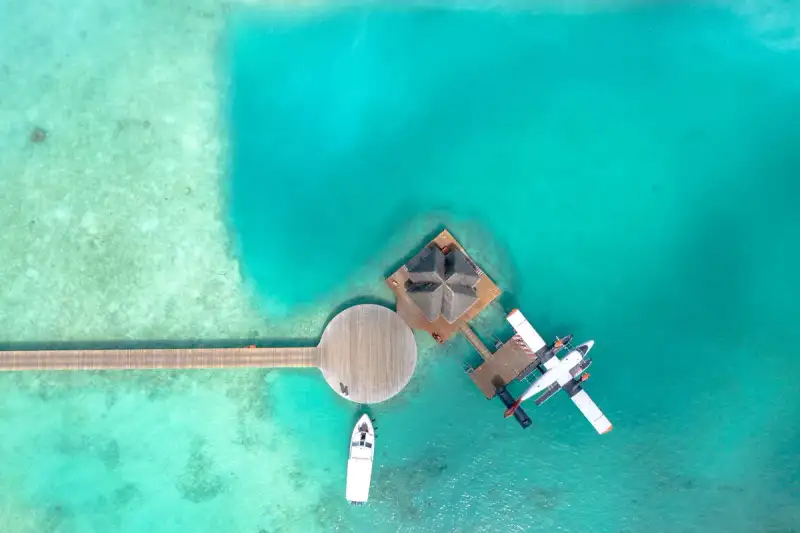
- Transportation: Most resorts are accessible only by seaplane or speedboat. Seaplanes (operated by companies like Trans Maldivian Airways or Manta Air) are the most scenic but also the most expensive, costing around $500–$700 round-trip from Malé. Speedboats are cheaper (around $100–$200) but limited to resorts in North and South Malé Atolls.
- Visa Requirements: The Maldives offers a 30-day free visa on arrival for tourists from most countries. Ensure your passport is valid for at least six months.
- Best Time to Visit: The dry season (November to April) offers the best weather, with calm seas and minimal rainfall. However, this is also peak season, so prices are higher. The wet season (May to October) is cheaper and less crowded, but expect occasional rain and rougher seas.
Step 4: Book Directly or Through a Travel Agent
While online travel agencies (OTAs) like Booking.com or Expedia offer convenience, booking directly with the resort often comes with perks such as:
- Free upgrades (e.g., a larger villa or better view).
- Resort credits (e.g., $200–$500 to spend on spa or dining).
- Flexible cancellation policies.
For example, Four Seasons Resort Maldives at Voavah offers a “Stay Longer, Save More” package, while W Maldives provides a “WOW” program with exclusive experiences like private sandbank picnics.
Step 5: Prepare for Your Stay
Once your booking is confirmed, start planning the details:
- Packing: Bring reef-safe sunscreen (regular sunscreen is banned in many resorts to protect coral reefs), lightweight clothing, waterproof phone cases, and a good book—Wi-Fi in the Maldives is surprisingly reliable, but don’t expect blazing-fast speeds.
- Excursions: Many resorts offer snorkeling trips to nearby reefs, sunset dolphin cruises, or visits to local islands. Coco Plum Island Resort in South Malé Atoll arranges cultural tours to nearby fishing villages.
- Budgeting: While all-inclusive resorts like Kudadoo Maldives Private Island cover meals and activities, others operate on a “pay-as-you-go” basis. Expect to spend $50–$100 per day on food and drinks if not all-inclusive.
Coral Reef Conservation in the Maldives: Protecting Paradise
The Maldives’ coral reefs are the unsung heroes of this tropical paradise. Covering less than 1% of the ocean floor, they support 25% of all marine life and provide critical ecosystem services, including coastal protection, carbon sequestration, and food security. Yet, these reefs are under siege from multiple threats:
- Climate Change: Rising sea temperatures cause coral bleaching, a phenomenon where corals expel the algae that give them color and nutrients, turning them white and leaving them vulnerable to disease. The 2016 and 2019 global bleaching events devastated up to 60% of the Maldives’ coral reefs.
- Ocean Acidification: Increased CO2 levels make seawater more acidic, weakening coral skeletons and making it harder for them to recover from bleaching.
- Overfishing and Destructive Fishing Practices: Unsustainable fishing, such as dynamite fishing, damages coral structures and depletes fish populations.
- Pollution: Runoff from resorts, plastic waste, and chemical sunscreens (which contain oxybenzone and octinoxate) contribute to coral degradation.
Recognizing these threats, the Maldivian government and local organizations have launched ambitious conservation initiatives. Here’s a deep dive into the efforts shaping the future of the Maldives’ reefs.
1. Coral Restoration and Reef Gardening
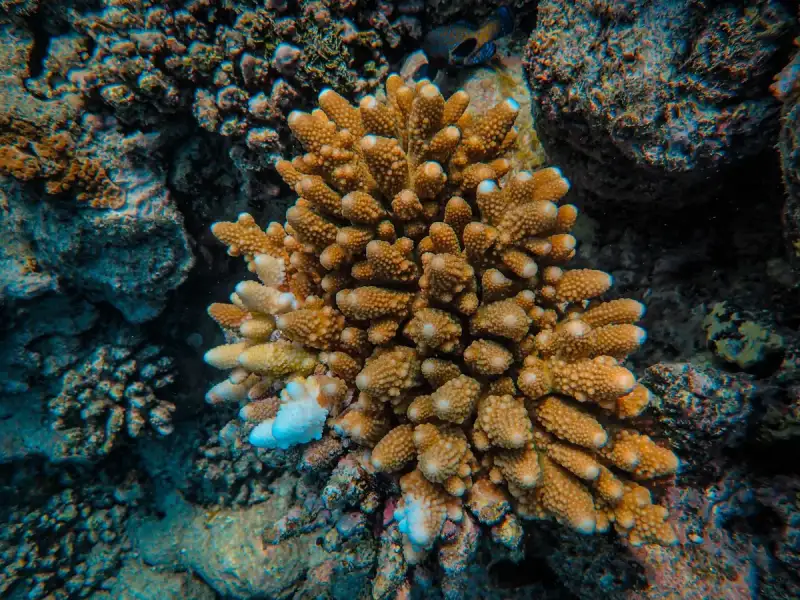
One of the most effective conservation strategies in the Maldives is coral restoration, often referred to as “reef gardening.” This process involves growing coral fragments in underwater nurseries and then transplanting them onto damaged reefs. Organizations like Reefscapers and Coralive have pioneered this technique, working with resorts to restore reefs around their properties.
For example, Kandolhu Island Resort in Ari Atoll has partnered with Reefscapers to establish a coral nursery where guests can participate in “coral planting” activities. Similarly, Soneva Fushi in Baa Atoll runs a “Coral Nursery Project,” where guests can adopt a coral frame and track its growth online. These initiatives not only restore reefs but also raise awareness among tourists about the importance of marine conservation.
2. Marine Protected Areas (MPAs)
The Maldives has designated 35 marine protected areas (MPAs) to safeguard critical habitats. These zones restrict fishing, diving, and other activities that could harm the reefs. The Baa Atoll UNESCO Biosphere Reserve, for instance, is a prime example of an MPA where sustainable tourism and conservation go hand in hand. Resorts like Four Seasons Private Island at Voavah and Soneva Jani adhere to strict environmental guidelines within these protected areas.
👉 Continue Reading: The Maldives: Where Overwater Bungalows Meet Coral Reef Conservation (Part 2)
#MaldivesTravel #SustainableLuxury #CoralReefConservation #OverwaterBungalows #DigitalNomadParadise