Svalbard: Arctic Adventures Beyond the Northern Lights – A Remote Paradise for Explorers

Welcome to the Frozen Frontier: Why Svalbard is the Ultimate Arctic Escape
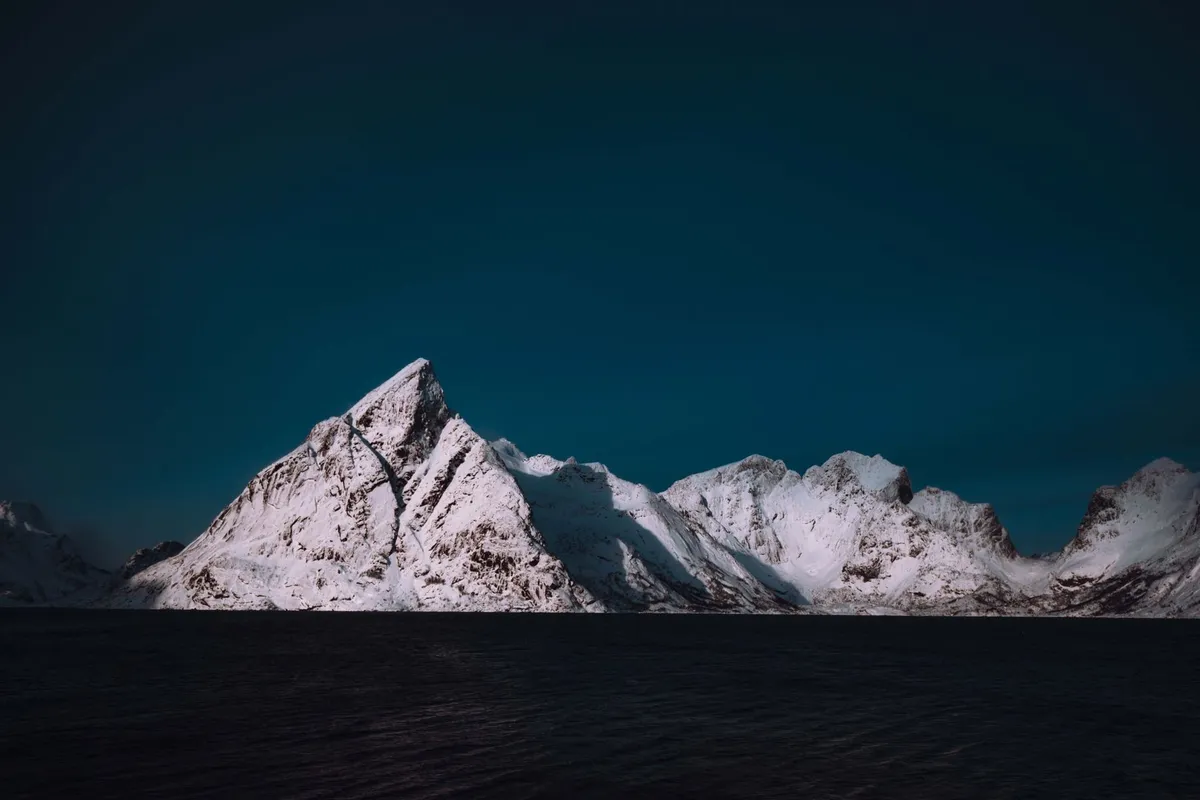
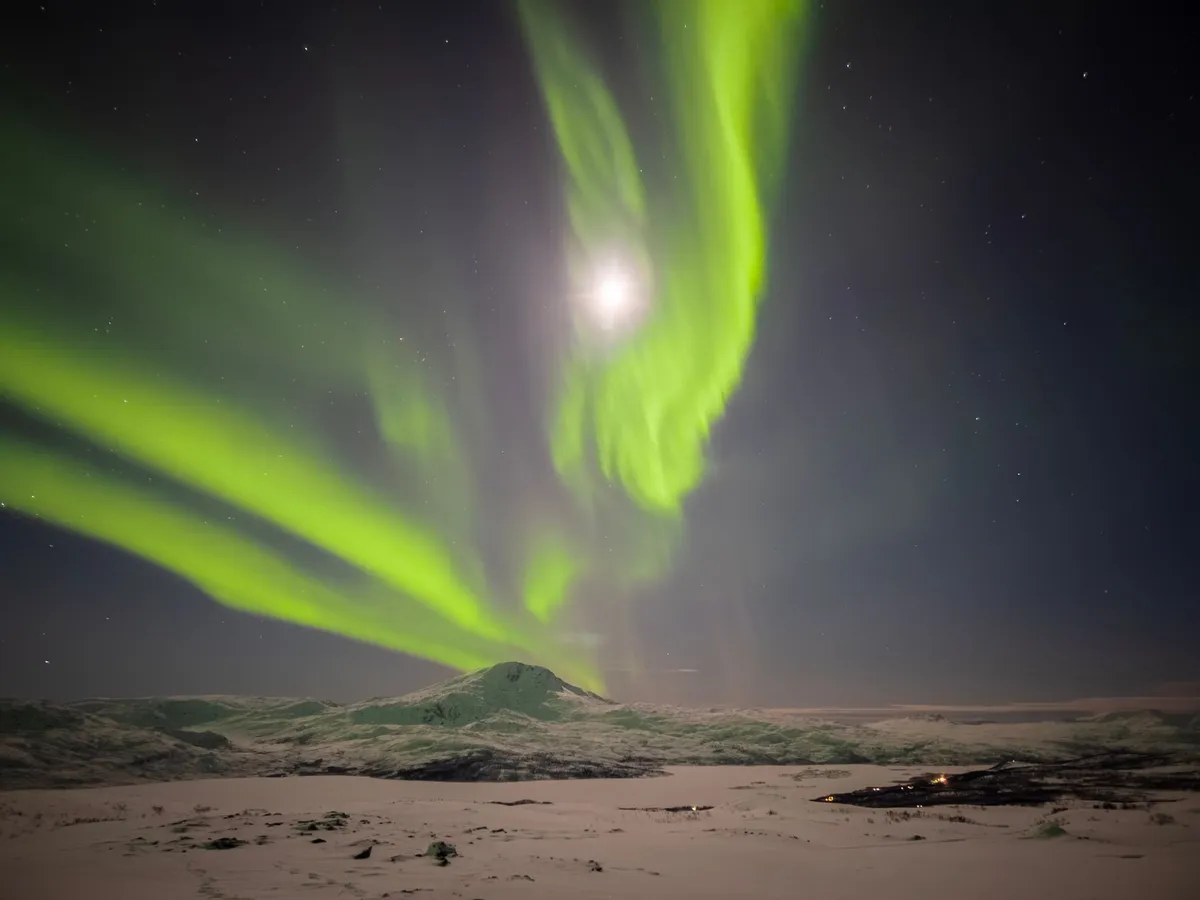
Few places on Earth evoke the same sense of isolation and raw wilderness as Svalbard. Nestled in the Arctic Ocean, midway between Norway and the North Pole, this archipelago is a land of extremes—where polar bears outnumber people, glaciers carve through fjords, and the midnight sun dances with the aurora borealis. For adventurers, remote workers, and those seeking a life untethered from the ordinary, Svalbard offers an unparalleled blend of natural spectacle and modern convenience.
Unlike typical tourist destinations, Svalbard doesn’t just welcome visitors; it invites them to become part of its story. With no visa requirements for stays under 90 days (and a digital nomad pathway for longer stays), it’s a rare Arctic gem where bureaucracy doesn’t overshadow adventure. Here, you can work from a cozy cabin overlooking a glacier one day and embark on a snowmobile safari past walrus colonies the next. The archipelago’s unique status—governed by the Svalbard Treaty—means it’s a demilitarized zone where Norwegian law applies, but international access is unrestricted. This makes it a haven for those who crave both solitude and community in one of the planet’s most extreme environments.
But Svalbard isn’t just about survival in the cold. It’s a place where human resilience meets Arctic wonder. The largest settlement, Longyearbyen, boasts a thriving cultural scene, including a world-class brewery, a seed vault preserving global biodiversity, and a university dedicated to Arctic studies. Yet, just beyond its streets, the wilderness begins—untamed, unpredictable, and breathtakingly beautiful. Whether you’re here for the Northern Lights, the midnight sun, or the chance to live in one of the world’s most remote communities, Svalbard promises an experience that lingers long after you’ve left.
The Digital Nomad’s Arctic Oasis: Living and Working in Svalbard
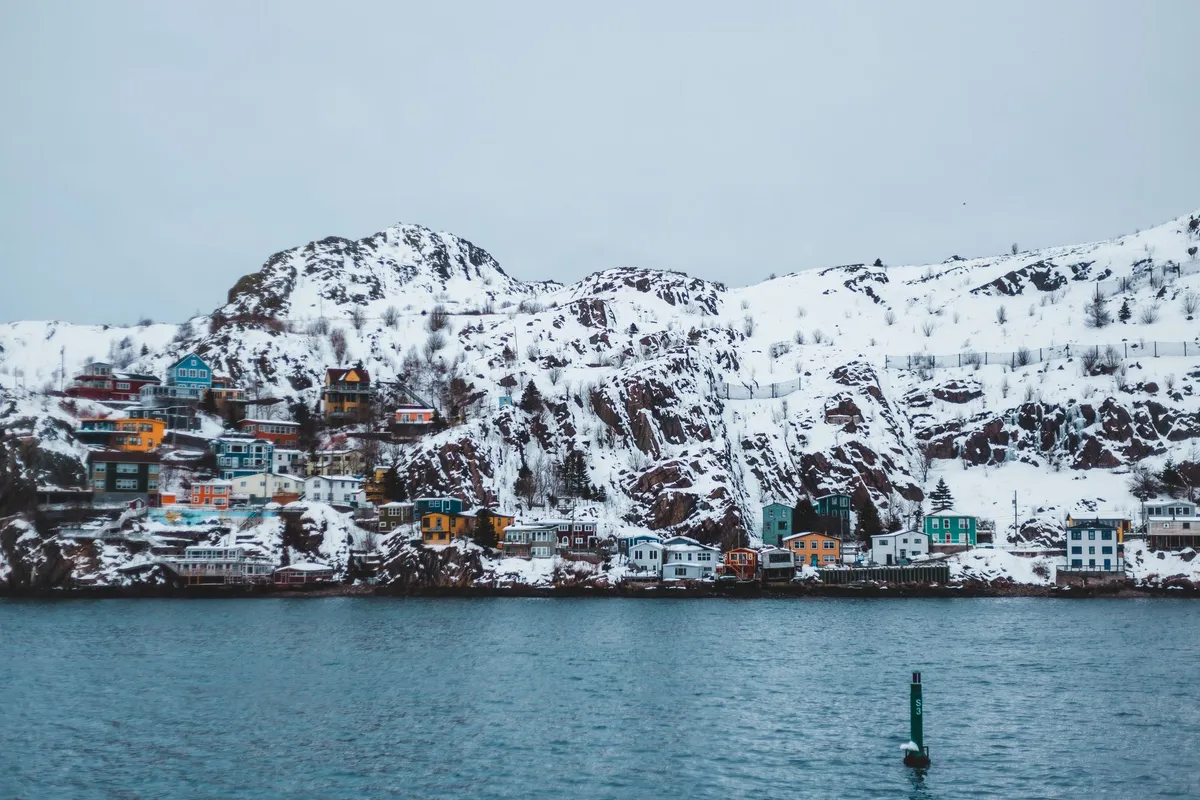
For remote workers, Svalbard is more than a seasonal escape—it’s a year-round destination. As of January 2025, the archipelago ranks 13th in the VisaGuide.World Digital Nomad Index, scoring 2.91 out of 5. This ranking considers factors like internet reliability, cost of living, and quality of life, placing Svalbard ahead of many traditional nomad hotspots. The best part? You can live here indefinitely as a digital nomad, provided you meet the financial requirements: a monthly income of $4,000 and proof of 27 years of age. Unlike Norway’s mainland, Svalbard has no visa fees, making it one of the most accessible Arctic destinations for long-term stays.
The digital nomad lifestyle in Svalbard is a study in contrasts. By day, you might collaborate with colleagues across time zones in a café warmed by a wood-fired stove, your laptop screen glowing against the backdrop of snow-dusted mountains. By night, you could be stargazing under the aurora borealis or joining a local pub quiz in Longyearbyen’s only English-speaking bar. The archipelago’s infrastructure is surprisingly robust for its remote location. High-speed internet is available in most settlements, and coworking spaces like Svalbard Startup Village offer a hub for nomads to connect. Meanwhile, the absence of sales tax (0%) and low VAT (12%) on essentials like groceries make budgeting easier than in mainland Norway.
However, living in Svalbard isn’t without its challenges. The polar night—when the sun doesn’t rise for months—can test even the hardiest souls. Mental health resources are limited, and the isolation can feel acute during the darkest months. Yet, many nomads thrive here by embracing the rhythm of Arctic life. They join local clubs (from photography to dog sledding), volunteer with conservation projects, or simply take advantage of the unique opportunity to work in a place where the natural world is your constant companion. The key to success? Preparation. Packing the right gear, securing a reliable income source, and building a support network within the community are essential. But for those who adapt, Svalbard offers a lifestyle that’s as rewarding as it is unforgettable.

Beyond the Northern Lights: Adventures That Define Svalbard
While the aurora borealis is Svalbard’s most famous draw, the archipelago’s true magic lies in its year-round adventures. Here, every season paints the landscape in a new light, offering experiences that range from the serene to the adrenaline-fueled.
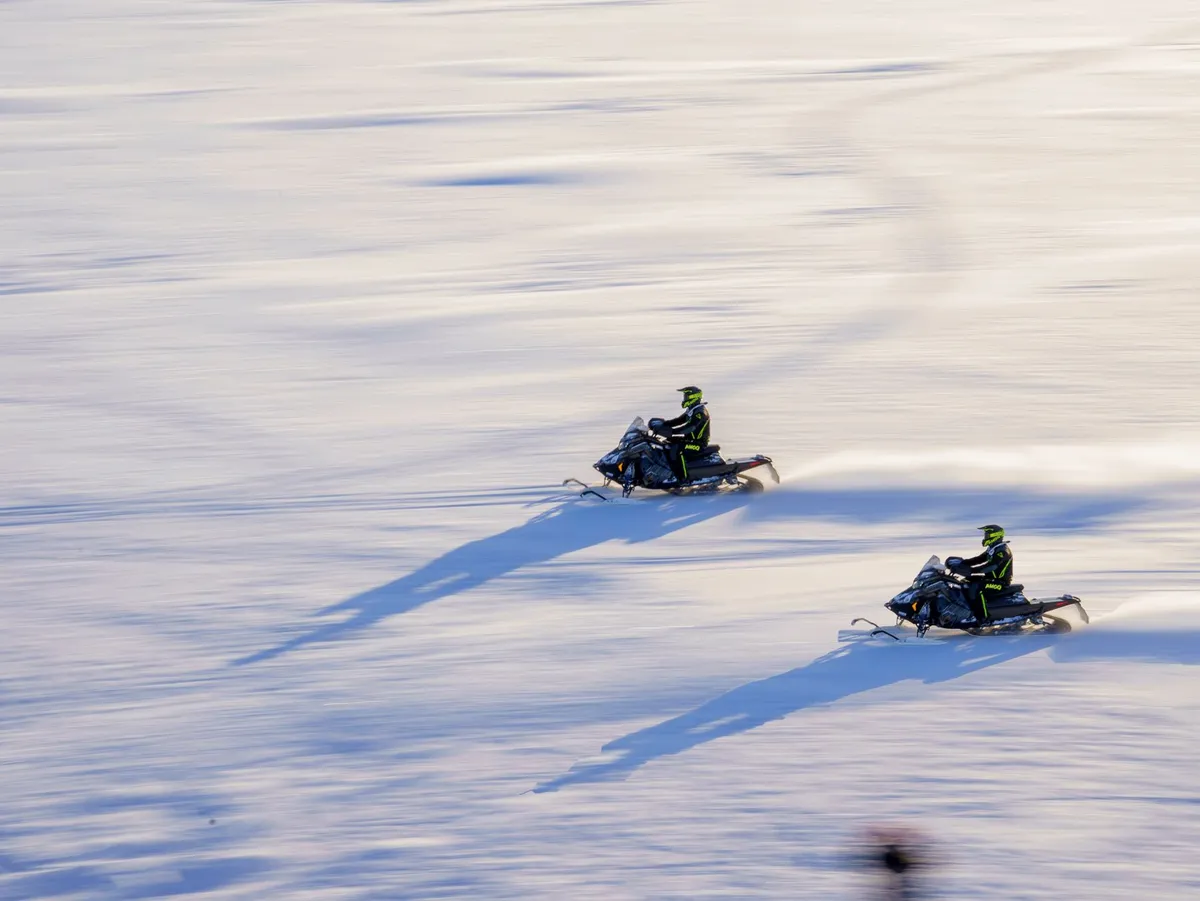
Winter Wonderland: Snowmobiles, Ice Caves, and Polar Bears Winter in Svalbard is a world of silence and stillness, where temperatures plunge to -30°C (-22°F) and the landscape is blanketed in snow. This is prime time for snowmobile safaris, which whisk you across frozen fjords and into the heart of the wilderness. Guided tours typically last 3–5 hours and cover distances of up to 100 km (62 miles), taking you to remote cabins where you can warm up with hot chocolate and stories of Arctic survival. For the truly adventurous, multi-day expeditions are available, complete with camping under the stars (or, more accurately, under the aurora).
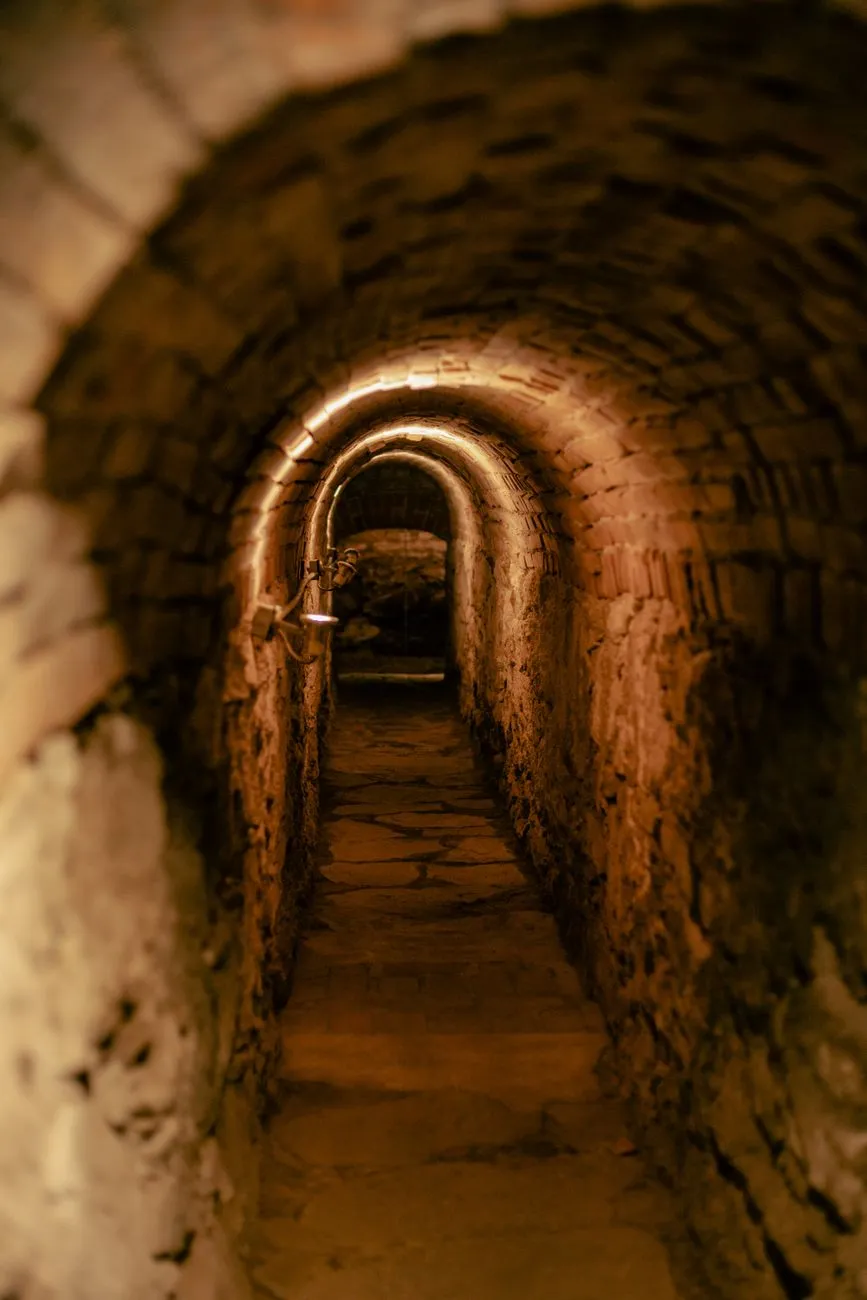
One of Svalbard’s most unique winter attractions is its ice caves. Formed by meltwater carving through glaciers, these caves are a surreal world of blue ice and intricate formations. The most accessible is the Pyramiden Ice Cave, a 3-hour snowmobile ride from Longyearbyen. Tours include crampons and helmets, and guides ensure safety in this ever-changing environment. Another highlight is dog sledding, where you’ll mush your own team of Alaskan huskies across the tundra, following in the footsteps of Arctic explorers like Roald Amundsen.
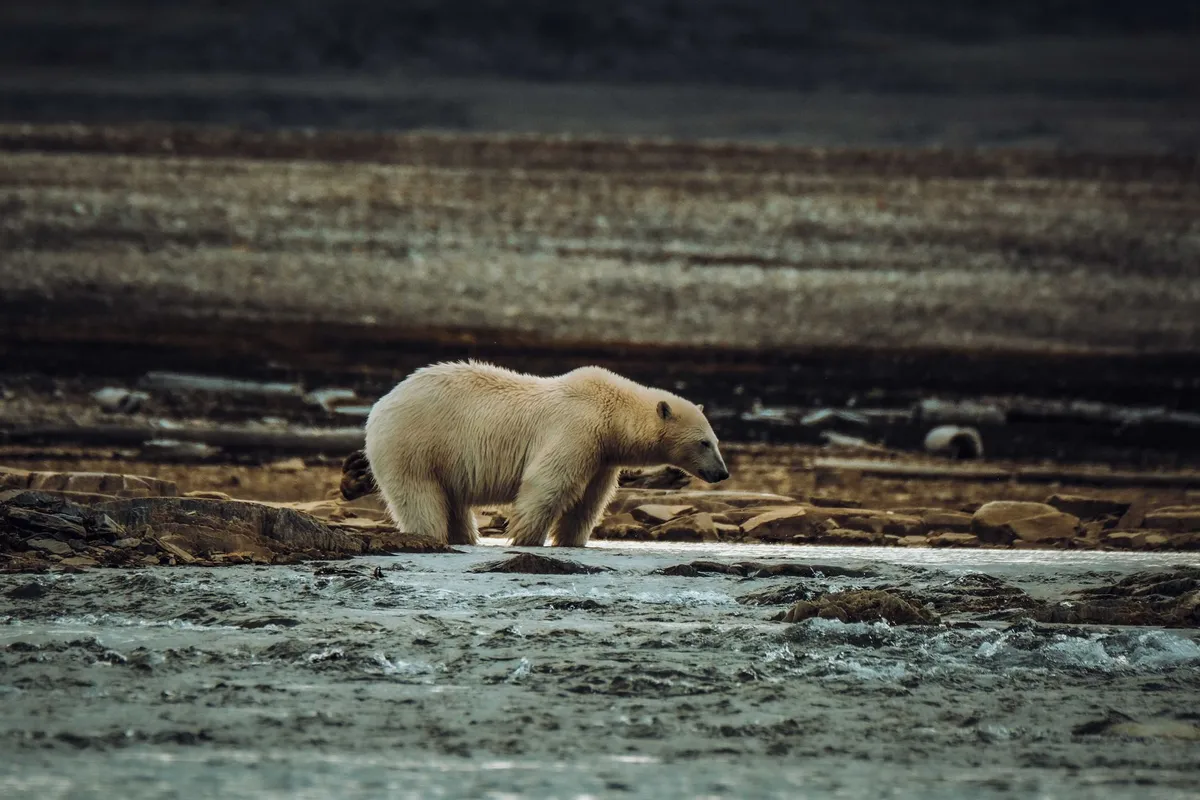
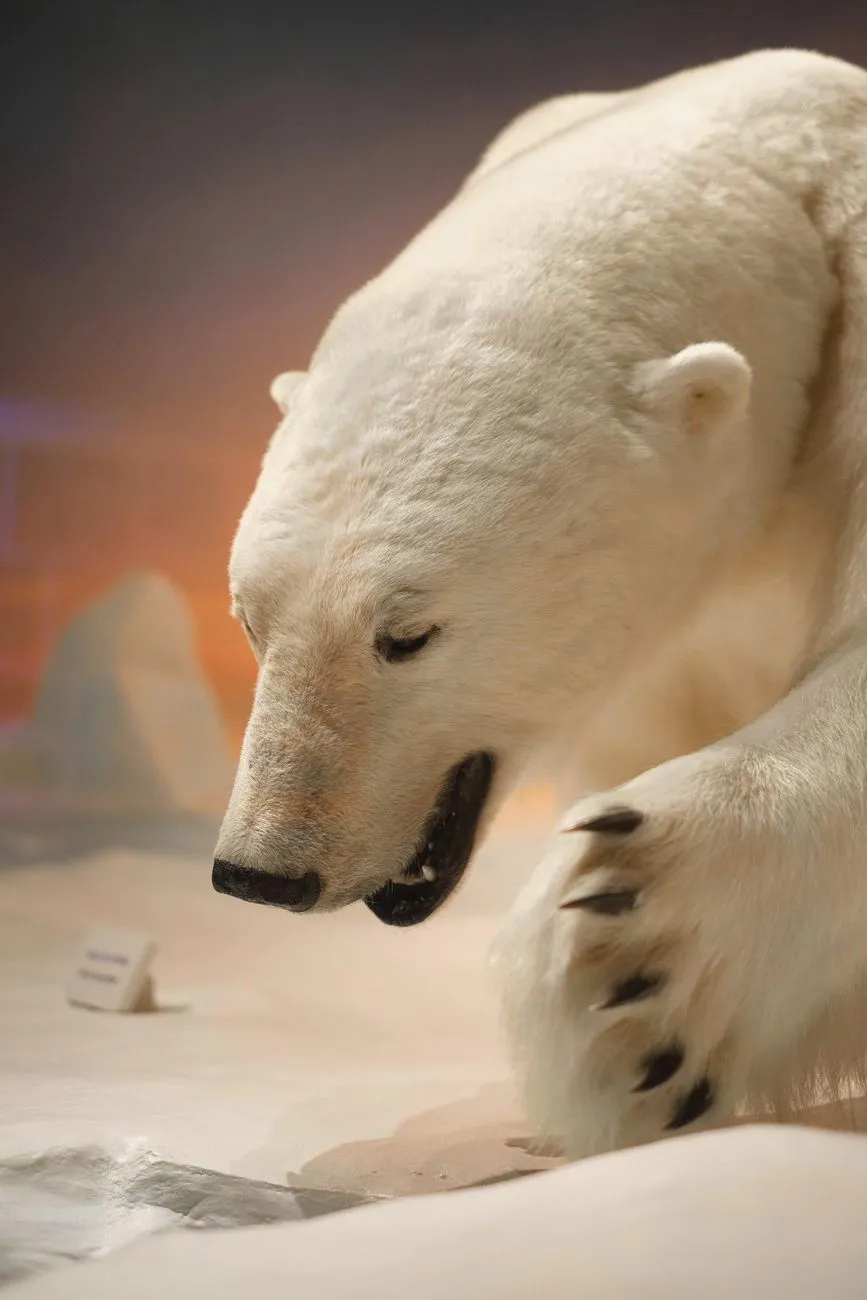
But the most iconic—and dangerous—wildlife encounter in Svalbard is with the polar bear. With a population of around 3,000, these apex predators outnumber humans on the archipelago. While sightings are common, approaching them is strictly prohibited. Instead, guided bear-watching tours use rifles (for protection) and binoculars to observe these magnificent creatures from a safe distance. Remember: in Svalbard, carrying a firearm is mandatory when venturing outside settlements. This isn’t just for show—it’s a matter of survival.
Summer Splendor: Hiking, Kayaking, and Midnight Sun Adventures When the sun returns in April, Svalbard transforms into a land of endless daylight. Summer is the season for hiking, with trails like the Adventdalen Valley offering easy routes through tundra dotted with Arctic flora like purple saxifrage and cotton grass. For a challenge, the Fuglefjellet hike rewards climbers with panoramic views of the Isfjorden fjord. Wildlife is abundant in summer, with reindeer, Arctic foxes, and seabird colonies thriving in the milder temperatures.
Water lovers won’t be disappointed. Kayaking in Svalbard’s fjords is a surreal experience, with icebergs calving from glaciers and seals popping up alongside your boat. Guided tours often include camping on remote beaches, where you can fall asleep to the sound of waves and wake up to the sight of whales breaching in the distance. For those who prefer dry land, boat tours to the Alkefjellet cliffs offer a chance to see thousands of nesting seabirds, including puffins and guillemots.
One of the most magical summer phenomena is the midnight sun, when the sun doesn’t set for weeks on end. In Longyearbyen, this means 24-hour daylight from late April to late August—a surreal experience for visitors used to darkness. Locals and tourists alike take advantage of the light to hike, fish, or simply enjoy the endless glow. It’s a time of celebration, with festivals like Svalbard’s Midnight Sun Marathon drawing runners from around the world.
Year-Round Expeditions: From Glacier Trekking to Whale Watching Svalbard’s adventures aren’t limited to seasonal activities. Year-round expeditions include glacier trekking, where you don crampons and ice axes to explore the Nordenskiöldbreen or Paierlbreen glaciers. These treks are physically demanding but offer unparalleled views of crevasses and ice formations. For a more relaxed option, boat tours to the Barentsburg Russian mining town provide a glimpse into Svalbard’s Soviet-era history, complete with a visit to the world’s northernmost brewery.
Whale watching is another year-round activity, with orcas and humpback whales frequenting the waters around Svalbard. The best time for sightings is between June and September, when these giants feed on capelin and herring. Guided tours use hydrophones to listen to whale songs and often include a visit to a local research station studying Arctic marine life.
Survival in the Arctic: Safety, Gear, and Local Wisdom
Svalbard is not a place for the unprepared. The Arctic doesn’t forgive mistakes, and its beauty is matched only by its danger. Whether you’re here for a week or a year, understanding the risks—and how to mitigate them—is crucial.
The Polar Bear Threat: A Reality Check Polar bears are Svalbard’s most feared—and misunderstood—residents. Unlike grizzlies or black bears, polar bears are not afraid of humans. They are curious, opportunistic, and capable of incredible speed. In Svalbard, it’s illegal to leave settlements without a rifle (or a guide carrying one). Even with a firearm, encounters require extreme caution. The Svalbard Governor’s Office mandates that all visitors outside Longyearbyen or Barentsburg carry a rifle and know how to use it. This isn’t just bureaucracy—it’s survival. In 2023, there were 12 recorded polar bear encounters in Svalbard, with two resulting in human injuries. The lesson? Never hike alone, and always carry bear spray (though rifles are the gold standard).
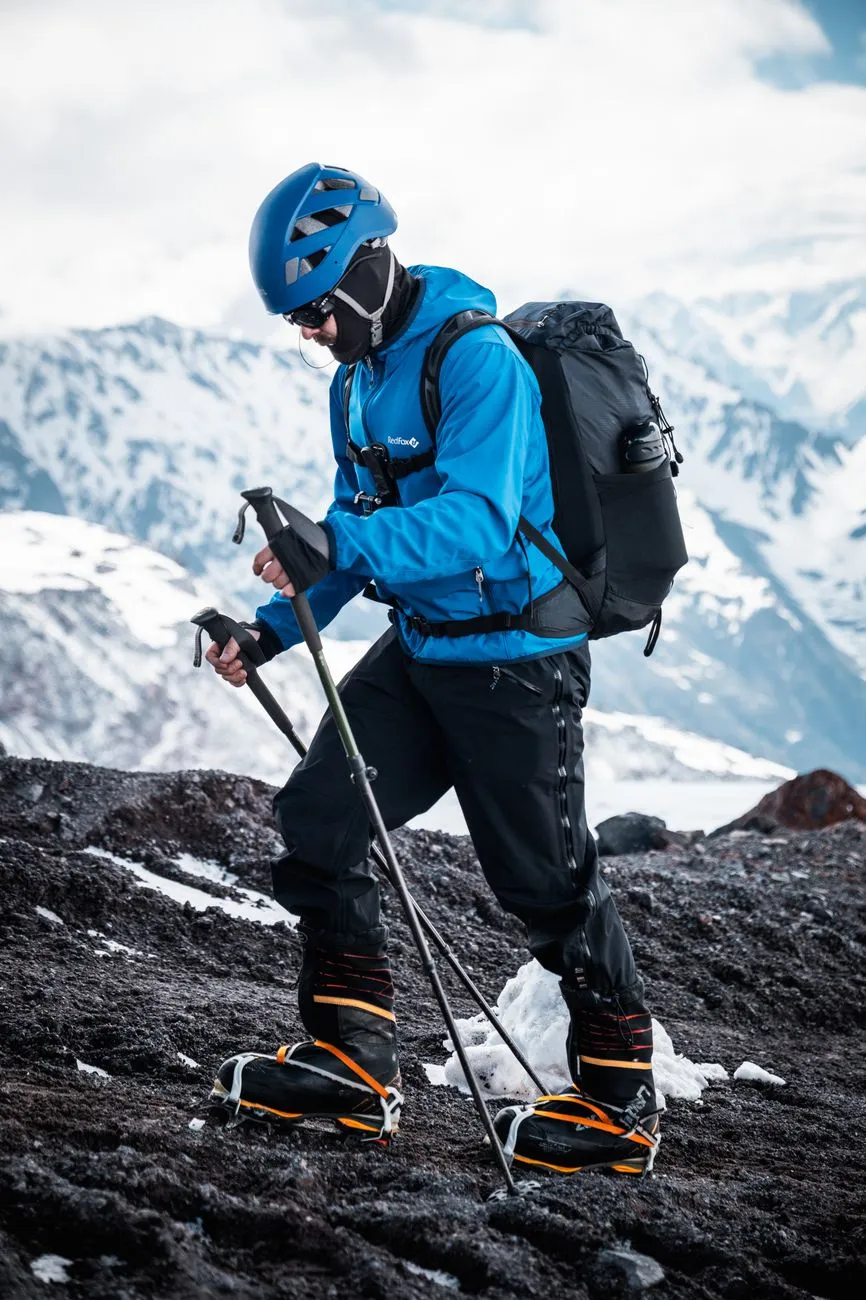
Dressing for the Arctic: Layering is Key Svalbard’s weather is unpredictable, even in summer. Temperatures can swing from -20°C (-4°F) in winter to 10°C (50°F) in summer, with wind chill making it feel colder. The key to staying warm is layering:
- Base Layer: Merino wool or synthetic fabrics to wick moisture.
- Mid Layer: Fleece or down for insulation.
- Outer Layer: A windproof and waterproof shell to block Arctic winds. Don’t forget accessories: insulated boots, gloves, a balaclava, and goggles for snowmobiling. Hypothermia is a real risk, even in summer, so always check the forecast before heading out.
Health and Emergency Preparedness Medical facilities in Svalbard are limited. Longyearbyen has a small hospital, but serious cases require evacuation to mainland Norway—often delayed by weather. Travel insurance that covers Arctic expeditions is non-negotiable. The Svalbard Hospital can handle minor injuries and illnesses, but for anything serious, you’ll be flown to Tromsø, a 3-hour flight away. Always carry a first-aid kit, and know the symptoms of hypothermia and frostbite (numbness, white or grayish-yellow skin, and confusion are red flags).
Local Knowledge: The Unsung Hero of Arctic Survival The people of Svalbard—whether locals or long-term residents—are your best resource. They know the land, the weather, and the wildlife in ways no guidebook can teach. Before embarking on an expedition, visit the Svalbard Museum or chat with staff at the Visit Svalbard office. They’ll share insights like:
- The best times to avoid avalanches (spring is risky).
- Where to find the freshest Arctic char (try the Hiorthhamn fishing spot).
- How to read the sky for sudden storms (a common hazard).
Svalbard by the Numbers: Costs, Logistics, and Practicalities
Planning a trip to Svalbard requires more than just packing a parka. Understanding the costs, logistics, and practicalities can make the difference between a dream adventure and a logistical nightmare. Below is a breakdown of essential expenses and tips to help you budget effectively.
| Expense Category | Cost (USD) | Notes |
|---|---|---|
| Flights (round-trip) | $1,200–$2,500 | From Oslo or Tromsø; prices vary by season. |
| Accommodation (per night) | $150–$400 | Hostels ($150), mid-range hotels ($250), luxury lodges ($400+). |
| Food (per day) | $50–$150 | Groceries are cheaper than dining out; expect high prices for imported goods. |
| Guided Tours | $100–$500 | Snowmobile safaris ($150), glacier hikes ($200), polar bear tours ($300). |
| Gear Rental | $50–$200 | Snowmobiles ($100/day), crampons ($50), thermal suits ($150). |
| Visa/Entry Requirements | $0 | No visa needed for stays under 90 days; digital nomad income requirement: $4,000/month. |
| Local Transport | $20–$100 | Snowmobile rentals or taxis; public transport is limited. |
Budgeting Tips for Svalbard:
- Fly Mid-Week: Prices drop by 20–30% on Tuesdays and Wednesdays.
- Cook Your Own Meals: Imported food is expensive; stock up on basics like pasta, rice, and canned goods in Longyearbyen.
- Book Tours Early: Summer and winter peak seasons (June–August and December–February) sell out fast.
- Pack Smart: Bring reusable water bottles (tap water is safe to drink) and a power bank—outlets are scarce in remote areas.
- Insurance is Non-Negotiable: Ensure your policy covers Arctic activities, medical evacuation, and extreme weather delays.
Getting There and Around:
- By Air: The only way to reach Svalbard is by flight from Oslo or Tromsø. Airlines like Norwegian Air and SAS operate daily routes, with flight times ranging from 3 to 4 hours.
- By Sea: Cruise ships visit Svalbard in summer, but these are expensive and time-consuming (7+ days from mainland Norway).
- Local Transport: Snowmobiles are the primary mode of transport outside Longyearbyen. Rentals cost $100–$150 per day, and fuel is included. Taxis are available but pricey.
Best Time to Visit:
- Northern Lights (September–March): Dark skies and frequent aurora displays.
- Midnight Sun (April–August): Endless daylight for hiking and kayaking.
- Shoulder Seasons (April–May, September–October): Fewer crowds and milder temperatures.
A Land of Contrasts: Culture, Cuisine, and Community in Svalbard
Svalbard’s culture is as layered as its glaciers. A melting pot of Norwegian, Russian, and international influences, it’s a place where history, science, and survival intersect. The archipelago’s story begins with the whalers of the 17th century, who hunted bowhead whales in its icy waters. By the 20th century, coal mining—first by Norwegians, then by the Soviets—shaped its settlements. Today, those mines are closed, but their legacy lives on in the Russian town of Barentsburg and the abandoned Soviet mining village of Pyramiden.
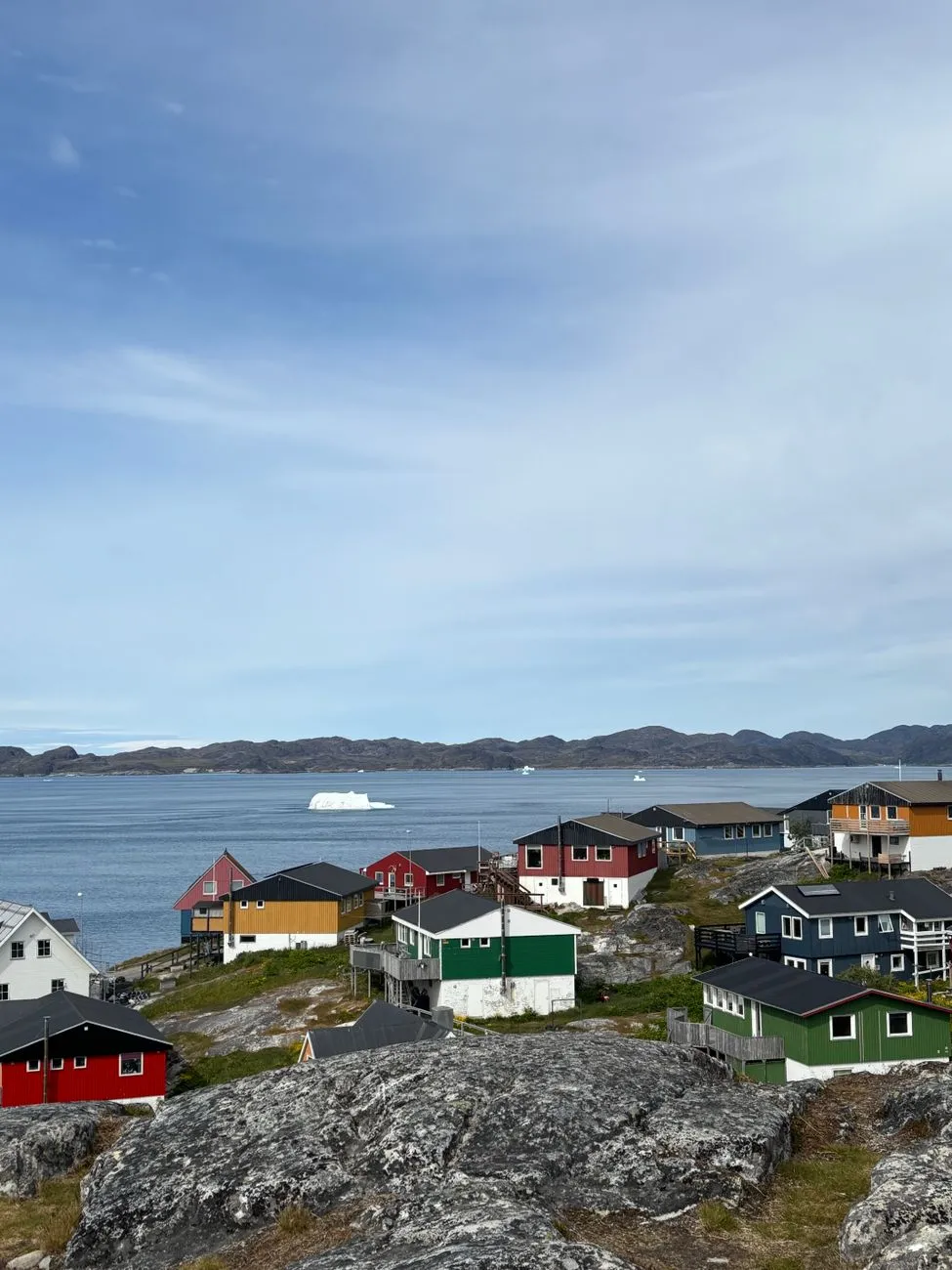
A Melting Pot of Cultures Longyearbyen, the capital, is a microcosm of Svalbard’s diversity. Home to around 2,400 people, it’s a mix of Norwegians, Russians, Filipinos, Thais, and digital nomads from around the world. The Svalbard Church, a wooden structure painted red, is the northernmost church in the world and a hub for community events. The Svalbard Museum offers a deep dive into the archipelago’s history, from polar expeditions to the seed vault that stores over a million crop varieties.
Russian influence is strongest in Barentsburg, a Soviet-era mining town 50 km (31 miles) from Longyearbyen. Here, you’ll find the Barentsburg Pomor Museum, a brewery (Arctic Brewing Company), and a hotel where the walls are lined with Soviet propaganda posters. The town’s Russian Orthodox church, with its onion dome, is a striking contrast to the modern Norwegian settlements.
Cuisine: From Reindeer to Reindeer-Free Svalbard’s food scene is a reflection of its isolation. Fresh produce is scarce, so locals rely on preserved foods, seafood, and game. Traditional dishes include:
- Smalahove: A sheep’s head boiled and dried, served with mashed potatoes. A polar plunge for the brave.
- Rakfisk: Fermented trout, often served with flatbread and sour cream.
- Arctic char: Freshly caught from local fjords, grilled or smoked.
- Whale meat: A controversial delicacy, served in some restaurants as a nod to Svalbard’s whaling past.
For those craving international flavors, Longyearbyen has a surprising variety. The Huset restaurant offers Norwegian cuisine with a modern twist, while Fruene serves Thai food made with local ingredients. The Svalbard Butikk supermarket stocks everything from fresh bread to frozen pizzas, though prices are steep. A loaf of bread can cost $8, and a liter of milk $5.
Community and Connection Despite its remoteness, Svalbard has a thriving social scene. The Svalbard Startup Village hosts workshops and networking events for remote workers, while the Nordpolhotellet bar is the go-to spot for live music and trivia nights. Volunteering is another way to integrate, with opportunities at the Svalbard Global Seed Vault or local conservation projects like SEATRACK, which tracks polar bear movements.
The archipelago’s small population fosters a sense of camaraderie. Locals are quick to help visitors in need, whether it’s sharing a ride or offering advice on surviving the polar night. Yet, there’s also a quiet melancholy to life here. The isolation can be both a draw and a challenge, and many who come for a season end up staying for years.
The Last Word: Why Svalbard Will Steal Your Heart
Svalbard is not a destination for the faint of heart. It’s a place where the elements dictate your plans, where the silence is so profound it feels like the world has paused, and where the beauty of the Arctic is matched only by its indifference to human presence. Yet, for those who venture here, it becomes more than a trip—it becomes a part of who they are.
What makes Svalbard so special isn’t just its landscapes or its adventures, but the way it changes you. It teaches resilience, patience, and a deep respect for nature. It shows you that life can thrive in the most extreme places, and that human connection can flourish even in the most isolated corners of the Earth. Whether you’re here for the Northern Lights, the midnight sun, or the chance to live in one of the world’s most unique communities, Svalbard will leave an indelible mark on your soul.
So, are you ready to answer the call of the Arctic? To trade the ordinary for the extraordinary? To live where the wild things are? Svalbard is waiting—and it’s unlike anywhere else on Earth.
#SvalbardAdventures #ArcticExploration #RemoteWorkLife #PolarBearCountry #MidnightSun