Hattusa: The Hittite Capital
-
 Emre Yılmaz
 - 12 Apr, 2026 06:13
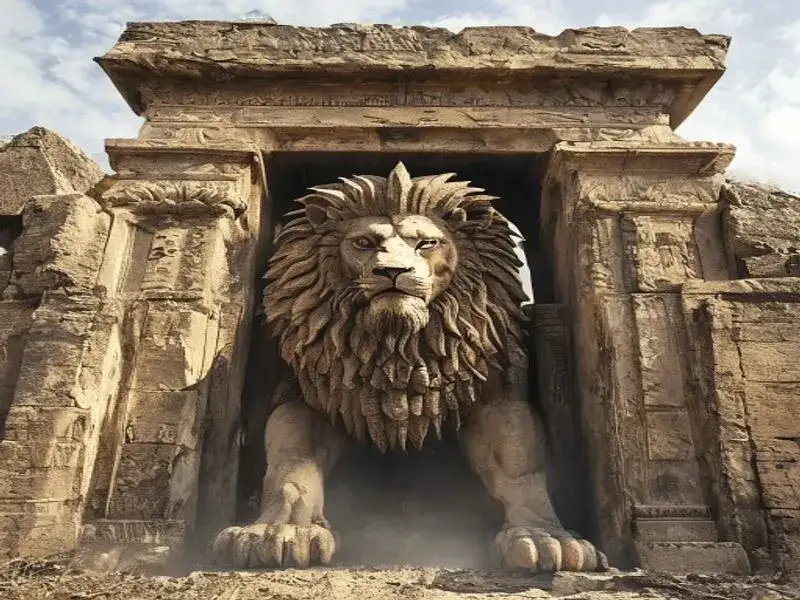
Unveiling Hattusa: The Heart of the Hittite #empire
Nestled in the rugged, rolling hills of central Anatolia, near the modern town of Boğazkale, lie the monumental ruins of Hattusa. For over four centuries during the Late Bronze Age (circa 1600–1180 BCE), this sprawling city served as the formidable capital of the Hittite Empire. A superpower of its time, the Hittite Empire rivaled #ancient Egypt and Babylon, dominating much of Anatolia and northern Syria. Today, Hattusa stands as a remarkable #UNESCO World Heritage site, a testament to a civilization that fundamentally shaped the geopolitics of the ancient Near East.
The Great Walls and Gates of Hattusa
Approaching Hattusa is a humbling experience. The city’s defenses were legendary, built upon rocky terrain and fortified by massive cyclopean stone walls spanning over six miles. The Hittites were masterful engineers, creating complex defensive structures that utilized the natural topography.
The most iconic features of the city’s perimeter are its intricately carved gates. The Lion Gate, flanked by two imposing lion sculptures, served to ward off evil spirits and protect the city’s inhabitants. The Sphinx Gate, originally topped with four magnificent sphinxes, highlights the cultural exchange between the Hittites and their Egyptian rivals. Perhaps the most intriguing is the King’s Gate, which features a striking relief of a warrior god, showcasing the distinctive Hittite artistic style with its emphasis on power and divine protection.
The First Peace Treaty in #history
One of the most significant discoveries unearthed at Hattusa is not a monument, but a library. Archaeologists have recovered over 30,000 clay tablets inscribed in cuneiform, detailing everything from legal codes and mythological epics to diplomatic correspondence.
Among these archives was the Treaty of Kadesh, signed in 1259 BCE by the Hittite King Hattusili III and the Egyptian Pharaoh Ramesses II. Following the epic Battle of Kadesh, this document established a mutual non-aggression pact and a defensive alliance. It is widely recognized as the world’s first recorded peace treaty. In a #beautiful nod to its historical importance, a replica of the treaty is prominently displayed at the United Nations headquarters in New York.
Culinary Glimpses from the Bronze Age
The cuneiform tablets of Hattusa also provide fascinating insights into the diet and culinary practices of the Hittites. Agriculture was the backbone of their economy, heavily reliant on the cultivation of wheat and barley. Bread was a staple, and the texts mention over 150 different types of baked goods, including sweet breads flavored with honey, figs, and sesame.
Meat was generally reserved for the elite or special religious festivals. Rituals often involved the sacrifice of sheep and cattle, followed by communal feasts. The Hittites also enjoyed a variety of fermented beverages, including barley beer and wine, pointing to an early, sophisticated understanding of fermentation techniques in Anatolia.
The Mysterious Collapse
Around 1180 BCE, the Hittite Empire abruptly collapsed, and Hattusa was abandoned and largely destroyed by fire. This event is part of the broader Late Bronze Age collapse that swept across the Eastern Mediterranean, a mysterious period characterized by famine, earthquakes, and invasions by the enigmatic “Sea Peoples.” Although the exact cause of Hattusa’s fall remains a subject of intense debate among historians, the ruins left behind offer a hauntingly beautiful window into a once-mighty civilization.
#Hattusa #HittiteEmpire #TurkeyTravel #AncientAnatolia #BronzeAge #TreatyOfKadesh #Archaeology #HistoryTravel #UNESCO #Bogazkale
#travel #exclusive