Korma: The Art of Braising in Royal Kitchens
-
 Rahul Sharma
 - 15 Jan, 2026 12:29
The aromatic whispers of cardamom, cinnamon, and cloves waft through the corridors of time, transporting us to the opulent kitchens of the Mughal Empire, where the art of braising was perfected in the creation of the iconic dish, Korma. This rich and creamy curry, fit for royalty, has been a staple of Indian and Pakistani cuisine for centuries, with its origins dating back to the 16th century. In this article, we will delve into the history, cultural significance, and authentic recipe of Korma, the art of braising in royal kitchens.
Introduction to Korma
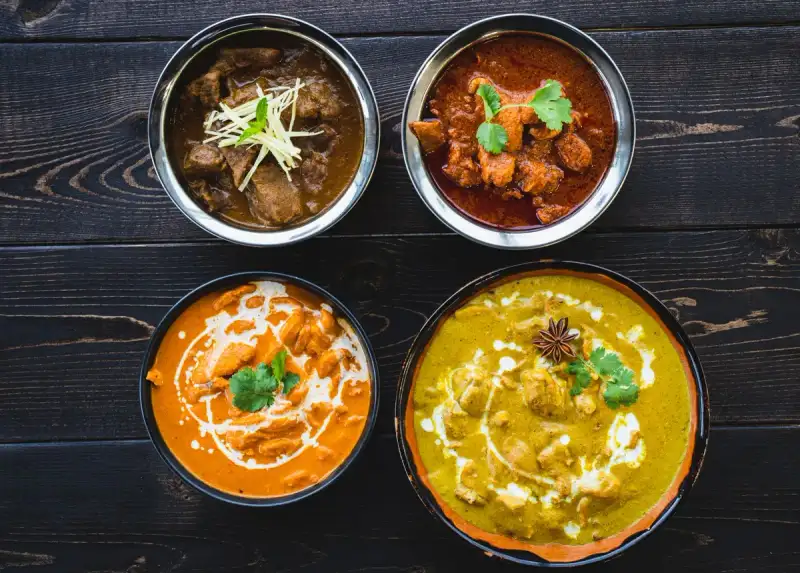
Korma, also known as Qorma or Kurma, is a popular Indian and Pakistani dish that originated in the Mughal Empire. The word “Korma” is derived from the Turkish word “kavurma,” which means “to braise.” This cooking technique involves slow-cooking meat or vegetables in a liquid, such as yogurt or stock, over low heat, resulting in tender and flavorful food. Korma is typically made with marinated meat, such as chicken, beef, or lamb, which is cooked in a mixture of spices, nuts, and dried fruits.
History of Korma
The history of Korma is deeply rooted in the cultural and culinary traditions of the Mughal Empire. The Mughal emperors, who ruled India from the 16th to the 19th century, were known for their love of fine cuisine and their patronage of chefs and cooks from across the empire. The royal kitchens of the Mughal Empire were renowned for their innovative and elaborate dishes, which often combined Indian, Persian, and Turkish culinary traditions. Korma was one such dish that emerged from the royal kitchens, where it was served to the emperors and their guests as a symbol of hospitality and luxury.
Cultural Significance of Korma
Korma is more than just a dish; it is a reflection of the cultural and social values of the Indian and Pakistani communities. In these cultures, food is not just a source of sustenance, but also a symbol of hospitality, generosity, and community. Korma is often served at special occasions, such as weddings, festivals, and family gatherings, where it is shared with guests and loved ones as a sign of respect and affection. The dish is also a testament to the rich cultural diversity of the Indian subcontinent, where different culinary traditions and techniques have been blended together to create a unique and flavorful cuisine.
Authentic Recipe of Korma
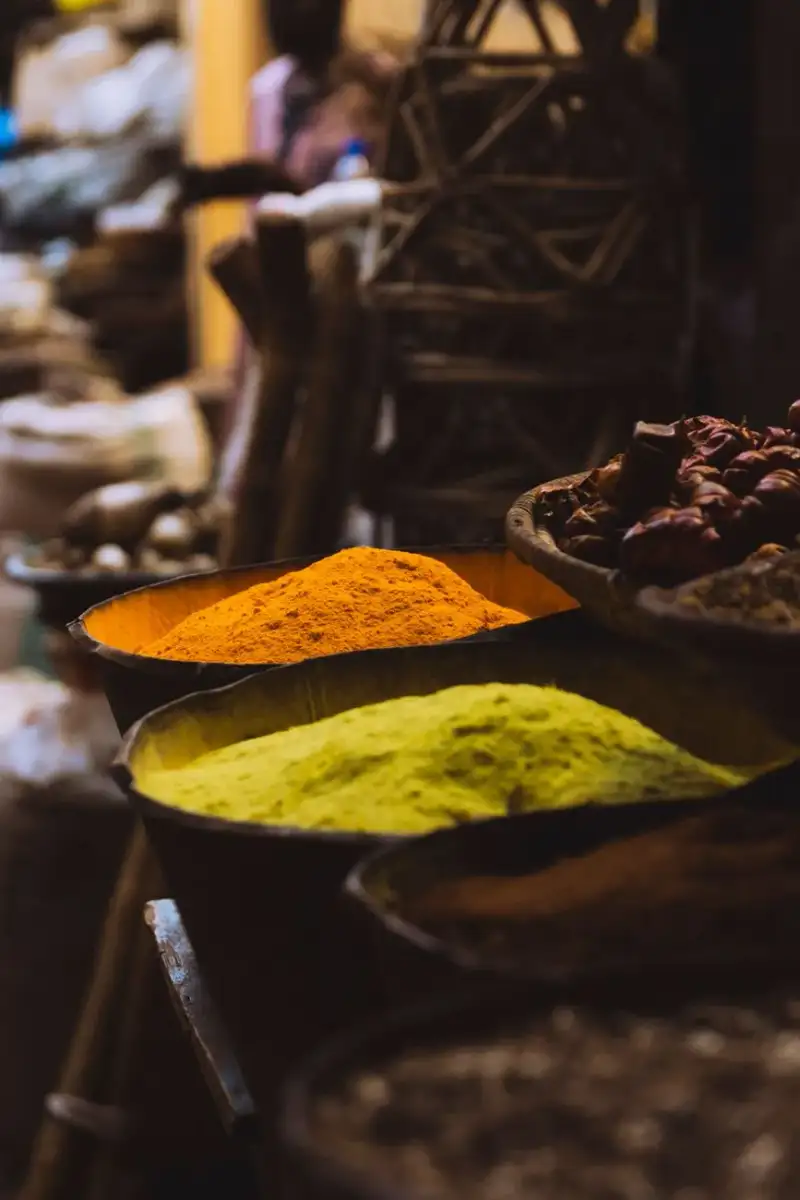
The authentic recipe of Korma involves a combination of marinated meat, spices, nuts, and dried fruits, which are slow-cooked in a mixture of yogurt and stock. The dish is typically made with the following ingredients:
- 1 pound of marinated meat (chicken, beef, or lamb)
- 2 tablespoons of ghee or oil
- 1 onion, chopped
- 2 cloves of garlic, minced
- 1 teaspoon of cumin seeds
- 1 teaspoon of coriander seeds
- 1/2 teaspoon of turmeric powder
- 1/2 teaspoon of red chili powder
- 1/2 teaspoon of garam masala powder
- 1/2 cup of yogurt
- 1/2 cup of stock
- 1/4 cup of chopped nuts (almonds or cashews)
- 1/4 cup of dried fruits (raisins or cranberries)
- Salt, to taste
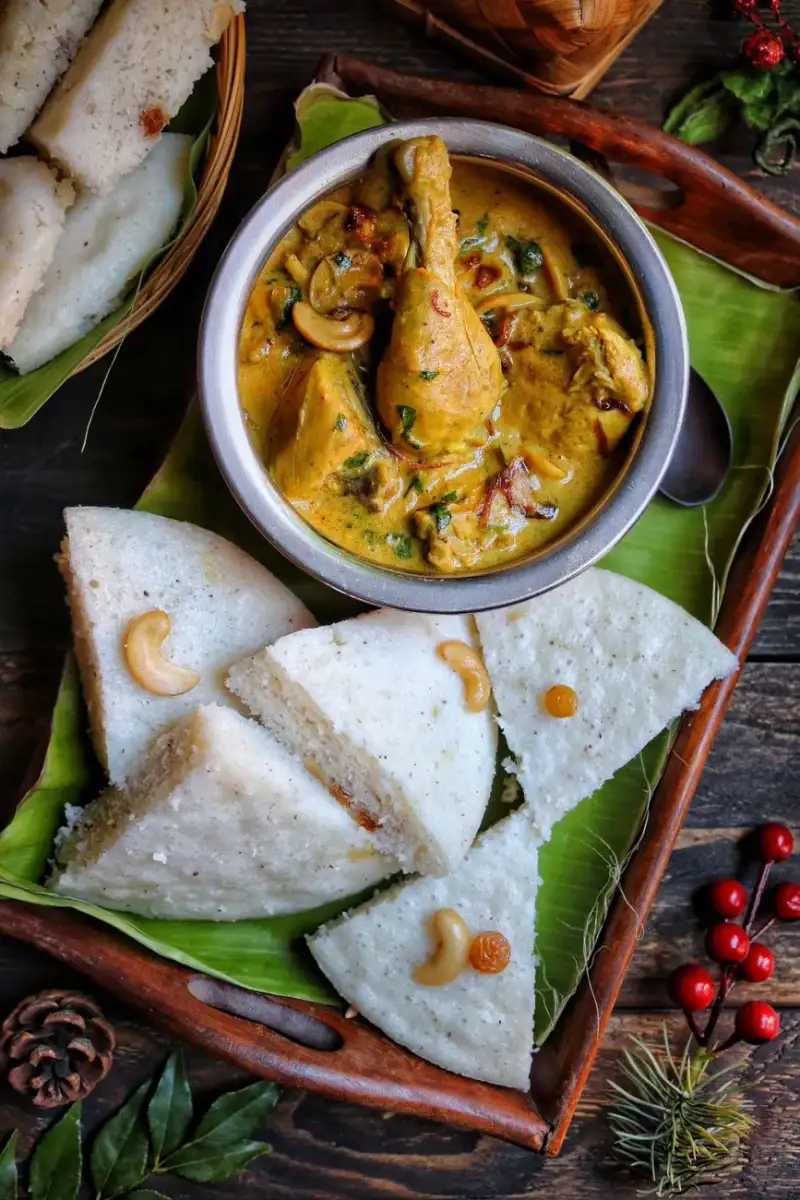
The recipe involves several steps, including marinating the meat, cooking the spices and onions, and slow-cooking the mixture in a yogurt and stock base. The dish is typically garnished with chopped nuts, dried fruits, and fresh cilantro, and served with basmati rice or naan bread.
Variations of Korma
While the authentic recipe of Korma remains the same, there are several variations of the dish that have emerged over time. Some popular variations include:
- Chicken Korma: made with marinated chicken and a mixture of spices and nuts
- Beef Korma: made with marinated beef and a mixture of spices and dried fruits
- Lamb Korma: made with marinated lamb and a mixture of spices and nuts
- Vegetable Korma: made with a mixture of vegetables, such as bell peppers, cauliflower, and carrots, and a blend of spices and nuts
Conclusion
Korma, the art of braising in royal kitchens, is a dish that has been perfected over centuries. Its rich and creamy texture, combined with the complex flavors of spices, nuts, and dried fruits, make it a true delight for the senses. Whether you are a food enthusiast, a historian, or simply a lover of good cuisine, Korma is a dish that is sure to captivate and inspire. So, the next time you sit down to enjoy a plate of Korma, remember the rich cultural heritage and culinary traditions that have gone into creating this iconic dish.
#KormaRecipe #IndianCuisine #PakistaniFood #RoyalKitchens #Braising #FoodHistory #CulturalSignificance #TraditionalDishes