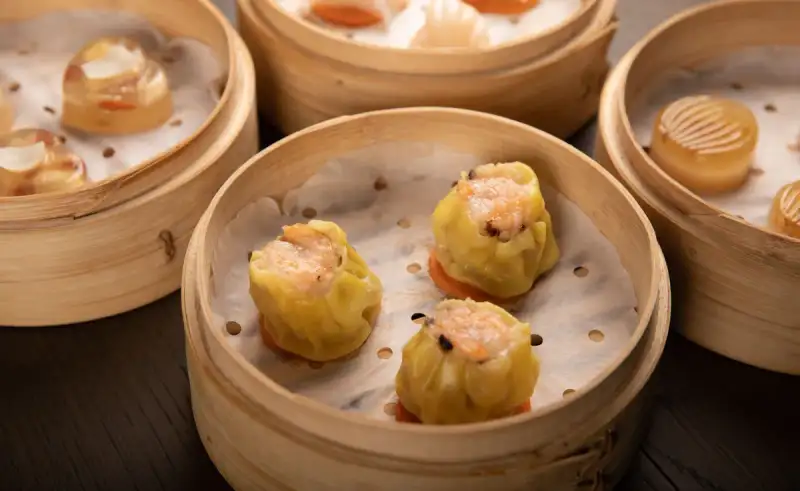
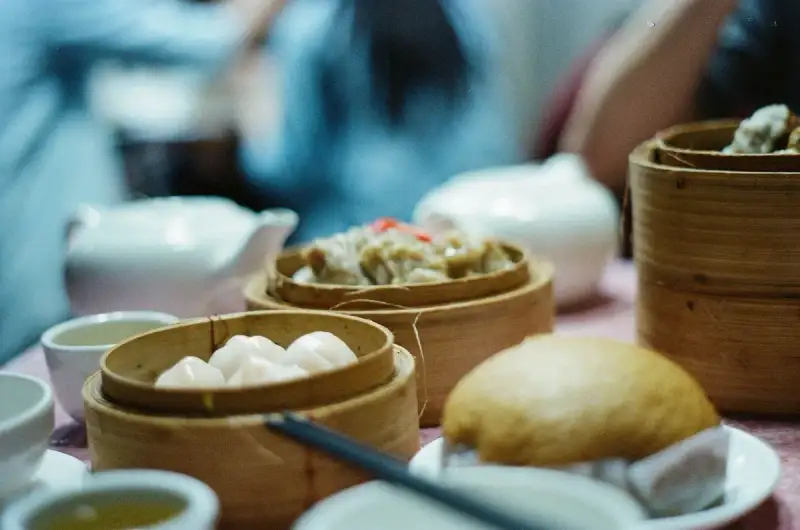
Siu Mai, the quintessential Cantonese dim sum, has been a staple in Chinese cuisine for centuries. These delicate, open-faced pork dumplings have captivated the hearts and taste buds of people worldwide with their intricate balance of flavors and textures. As a classic representation of traditional Chinese cooking, Siu Mai embodies the country’s rich cultural heritage and history.
Introduction to Siu Mai
Siu Mai is a type of steamed dumpling that originated in the southern province of Guangdong, China. The name “Siu Mai” literally translates to “cook and sell,” which refers to the traditional method of cooking and selling these dumplings on the streets. Over time, Siu Mai has evolved to become a beloved dish in Chinese cuisine, with various regional twists and adaptations.
The traditional recipe for Siu Mai consists of a mixture of ground pork, shrimp, and various seasonings, wrapped in a thin dough wrapper. The dumplings are then steamed to perfection, resulting in a tender and flavorful treat. The combination of pork and shrimp provides a delightful harmony of textures, while the seasonings add a depth of flavor that is both savory and umami.
History of Siu Mai
The history of Siu Mai dates back to the Qing dynasty, when it was served as a snack to travelers on the Silk Road. The dumplings were originally filled with a mixture of pork and vegetables, but over time, shrimp was added to the filling to give it a more luxurious flavor. As Chinese immigrants traveled to other parts of the world, they brought their culinary traditions with them, including Siu Mai.
In the early 20th century, Siu Mai became a popular dish in Chinese restaurants worldwide, particularly in areas with large Chinese populations. The dish was often served as part of a dim sum spread, which typically included a variety of steamed and fried dumplings, as well as other small plates.
Regional Variations of Siu Mai
While the traditional recipe for Siu Mai remains the same, regional variations have emerged over time. In Hong Kong, for example, Siu Mai is often served with a side of soy sauce and chili oil, while in mainland China, it is commonly served with a dipping sauce made from vinegar and ginger.
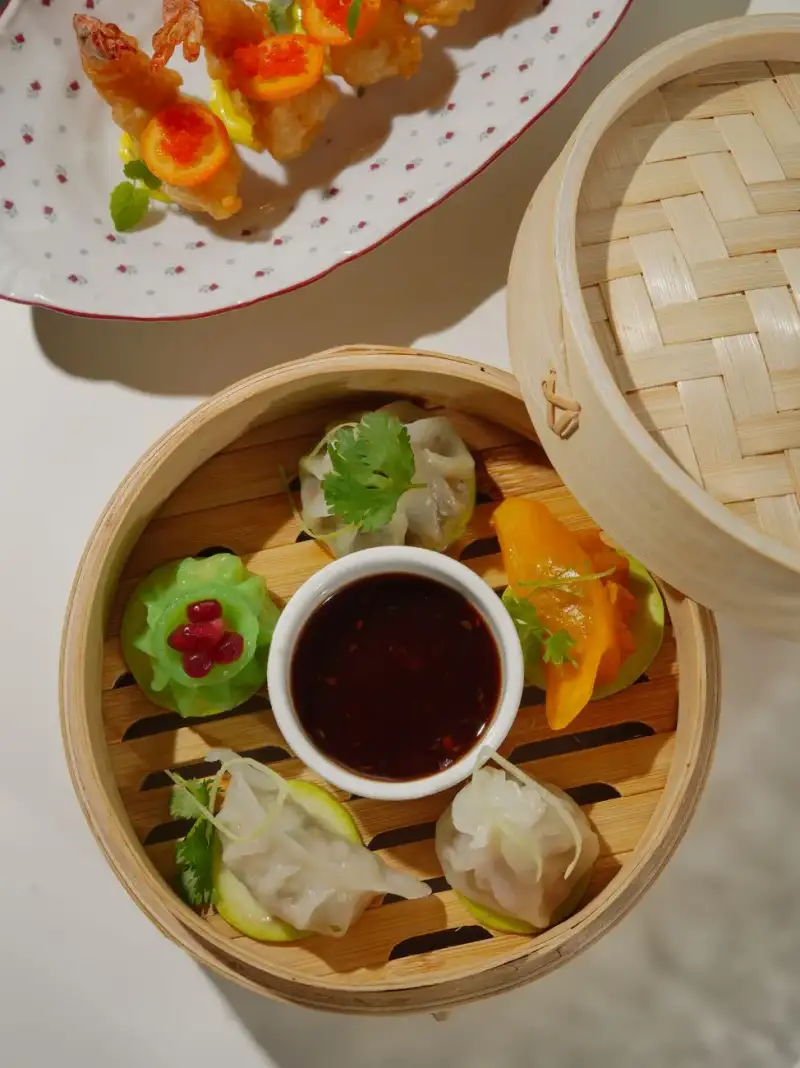
In other parts of the world, such as the United States and Australia, Siu Mai has been adapted to suit local tastes. Some restaurants may add non-traditional ingredients, such as vegetables or eggs, to the filling, while others may serve the dumplings with a side of Western-style sauces, such as ketchup or mayonnaise.
Authentic Recipe for Siu Mai
For those interested in trying their hand at making Siu Mai at home, here is a traditional recipe to follow:
Ingredients:
- 1 package of round wonton wrappers
- 1/2 pound ground pork
- 1/2 pound peeled and deveined shrimp
- 1/4 cup finely chopped scallions
- 1/4 cup finely chopped cilantro
- 2 cloves garlic, minced
- 1 tablespoon soy sauce
- 1 tablespoon oyster sauce (optional)
- 1 tablespoon sesame oil
- Salt and pepper to taste
Instructions:
- In a large bowl, combine the ground pork, shrimp, scallions, cilantro, garlic, soy sauce, oyster sauce (if using), and sesame oil. Mix well until all the ingredients are fully incorporated.
- Lay a wonton wrapper on a clean surface and place a small spoonful of the pork and shrimp mixture in the center of the wrapper.
- Dip your finger in a small amount of water and run it along the edges of the wrapper.
- Fold the wrapper into a triangle by bringing the two opposite corners together to form a point. Press the edges together to seal the dumpling.
- Repeat with the remaining wrappers and filling.
- Steam the Siu Mai over boiling water for 10-12 minutes, or until the dumplings are cooked through and the wrappers are tender.
Conclusion
Siu Mai, the classic open-faced pork dumpling, is a true representation of Chinese cuisine’s rich cultural heritage and history. With its delicate balance of flavors and textures, Siu Mai has become a beloved dish worldwide, with various regional twists and adaptations. Whether you’re a seasoned foodie or just looking to try something new, Siu Mai is definitely worth exploring.
#SiuMai #DimSum #ChineseCuisine #TraditionalFood #StreetFood #CulturalHistory #Foodie #AsianFood #Dumplings