'From Sacred Ritual to Sweet Obsession: The Untold History of Chocolate That Will Change How You Taste It'
-
 Eleanor Hughes
 - 15 Jul, 2026 18:47

The History of Chocolate: From Mesoamerican Rituals to Global Delicacy
Introduction
Imagine a world where chocolate is not a guilty pleasure but a divine elixir reserved for gods and kings. This was the reality for the ancient Maya and Aztecs, who revered cocoa as a sacred gift from the gods. The history of chocolate is not just a tale of culinary evolution; it’s a saga of cultural transformation, scientific discovery, and global trade. From the ceremonial drinks of Mesoamerica to the mass-produced bars lining supermarket shelves today, chocolate has undergone a remarkable journey. But how did this bitter, frothy beverage become the sweet, velvety treat we crave? And what secrets does its past hold about health, power, and human ingenuity? Let’s unravel the layers of chocolate’s history, from its ritualistic origins to its modern-day dominance.
This article dives deep into the archaeological evidence, historical records, and scientific research that trace chocolate’s evolution. We’ll explore how the Maya and Aztecs used cocoa in their spiritual practices, how European colonizers transformed it into a luxury commodity, and how modern science has uncovered its health benefits. By the end, you’ll never look at a chocolate bar the same way again.
The Sacred Origins: Chocolate in Mesoamerican Culture
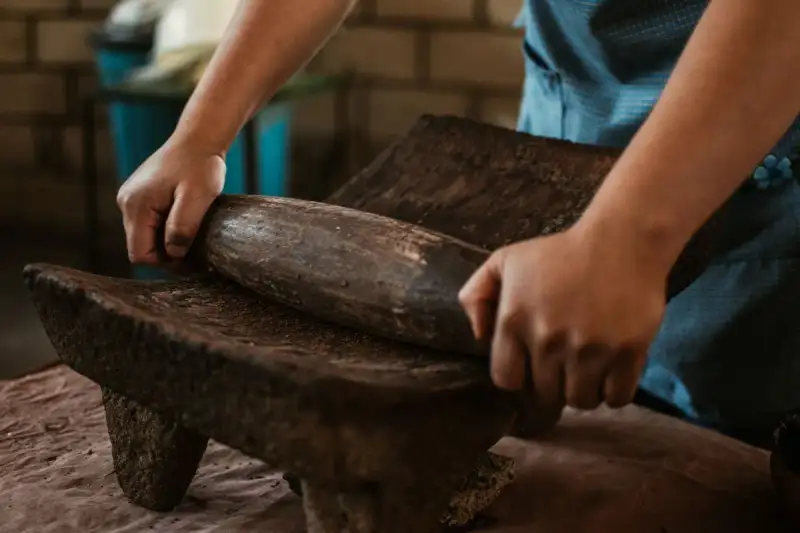
The story of chocolate begins over 3,000 years ago in the tropical rainforests of Mesoamerica, where the Theobroma cacao tree thrived. The Maya, who inhabited modern-day Mexico, Guatemala, and Belize, were the first to cultivate cocoa beans around 1500 BCE. They revered the cacao tree as a divine gift, often referring to it as the “food of the gods.” Archaeological evidence, including pottery vessels found in Maya sites like Colha and Río Azul, confirms that cocoa was a staple in their diet and rituals.
The Maya prepared chocolate as a frothy, bitter drink called xocolatl, often spiced with chili peppers, vanilla, and achiote. This beverage was not just a daily indulgence but a sacred offering to the gods. The Maya associated cocoa with fertility, wisdom, and power, and it played a central role in religious ceremonies, weddings, and even funerary rites. The Popol Vuh, the sacred text of the Maya, mentions cocoa as a key element in the creation of humans, further cementing its spiritual significance.
By the 14th century, the Aztecs had adopted and adapted the Maya’s chocolate traditions. The Aztecs, who ruled over much of Mesoamerica from their capital Tenochtitlan (modern-day Mexico City), considered cocoa a luxury reserved for the elite and warriors. The Aztec emperor Montezuma II famously consumed large quantities of chocolate to enhance his stamina and virility. According to Spanish chroniclers like Bernal Díaz del Castillo, Montezuma drank a golden goblet of xocolatl daily, often mixed with maize and spices. The Aztecs also used cocoa beans as currency, with one bean capable of purchasing a tamale or a slave.
The preparation of Aztec chocolate was a labor-intensive process. The beans were roasted, ground into a paste, and mixed with water to create a frothy drink. The Aztecs believed that the foam on top of the drink contained the essence of the gods, making it a potent ritual beverage. This sacred drink was so highly valued that it was often reserved for royalty and warriors, while commoners were rarely allowed to taste it.
The arrival of Spanish conquistadors in the early 16th century marked a turning point in chocolate’s history. Hernán Cortés and his men were introduced to chocolate by the Aztecs and quickly recognized its potential as a valuable trade commodity. The Spanish adapted the Aztec recipe by adding sugar and cinnamon, transforming the bitter drink into a sweet, palatable beverage. This marked the beginning of chocolate’s journey from a sacred Mesoamerican ritual to a global delicacy.
The European Transformation: Chocolate as a Luxury Commodity
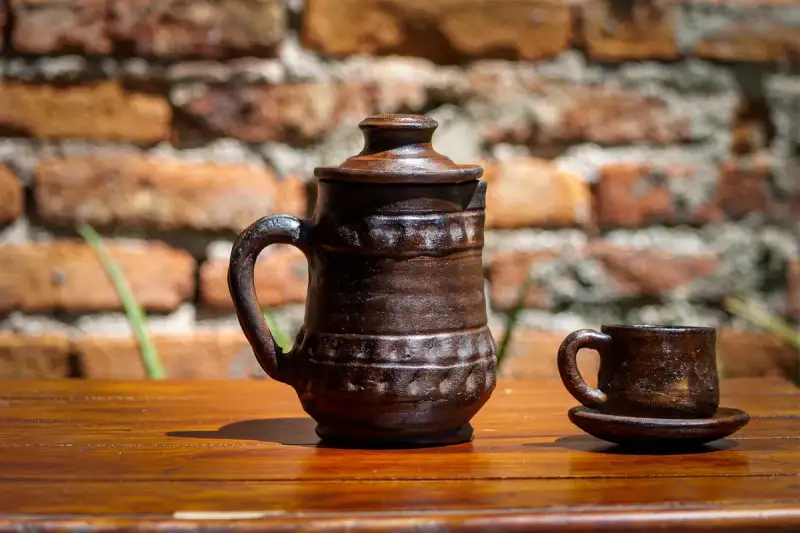
The introduction of chocolate to Europe in the 16th century sparked a culinary revolution. The Spanish were the first to bring cocoa beans back to Spain, where it became a closely guarded secret among the elite. For nearly a century, Spain maintained a monopoly on chocolate, keeping its preparation methods a secret from the rest of Europe. The Spanish nobility, including royalty like Anne of Austria and Philip II, became avid consumers of chocolate, which they drank as a hot beverage similar to tea or coffee.
The secret of chocolate eventually spread to other European countries, thanks to marriages and diplomatic alliances. By the 17th century, chocolate houses had sprung up in major European cities like London, Paris, and Venice, becoming social hubs where the elite gathered to sip chocolate and discuss politics. These chocolate houses were the precursors to modern-day cafés and played a significant role in the cultural and intellectual life of Europe.
The transformation of chocolate from a bitter Mesoamerican drink to a sweet European beverage was driven by several key innovations. The addition of sugar, a product of the transatlantic slave trade, made chocolate more palatable to European tastes. The invention of the chocolate press by Dutch chemist Coenraad van Houten in 1828 revolutionized the industry by separating cocoa butter from cocoa powder, making chocolate smoother and easier to blend with other ingredients. This innovation paved the way for the creation of solid chocolate bars, which were first produced by British chocolatier Joseph Fry in 1847.
The Industrial Revolution further democratized chocolate, making it accessible to the masses. Companies like Cadbury, Nestlé, and Hershey emerged as dominant players in the chocolate industry, introducing mass-produced chocolate bars and candies. The development of milk chocolate by Daniel Peter and Henri Nestlé in 1875, using powdered milk invented by Henri Nestlé, created a new category of chocolate that appealed to a broader audience. By the early 20th century, chocolate had become a global commodity, with production and consumption spreading to every corner of the world.
However, the European transformation of chocolate was not without controversy. The transatlantic slave trade, which supplied the sugar and labor needed to produce chocolate on a large scale, left a dark legacy of exploitation and human suffering. The history of chocolate is intertwined with the history of colonialism, slavery, and labor abuses, particularly in the Caribbean and West Africa, where cocoa production became a cornerstone of the economy. Today, ethical concerns about fair trade and child labor in the cocoa industry continue to shape the way chocolate is produced and consumed.
The Science of Cocoa: Health Benefits and Bioactive Compounds
Beyond its cultural and historical significance, chocolate—particularly dark chocolate—is celebrated for its health benefits. Modern science has uncovered a wealth of bioactive compounds in cocoa that contribute to its nutritional value. The primary bioactive components of cocoa include flavonoids, theobromine, and polyphenols, which have been linked to various health-promoting effects.
Flavonoids, a type of antioxidant found in high concentrations in cocoa, have been shown to improve cardiovascular health by reducing inflammation, lowering blood pressure, and enhancing blood flow. A study published in the Journal of Nutrition found that regular consumption of flavonoid-rich cocoa can improve endothelial function, which is crucial for maintaining healthy blood vessels. Theobromine, another key compound in cocoa, acts as a mild stimulant, providing a gentle energy boost without the jitters associated with caffeine. It also has diuretic and muscle-relaxing properties, making it a popular ingredient in energy drinks and supplements.
Polyphenols, which are abundant in cocoa, have potent antioxidant and anti-inflammatory effects. Research published in Frontiers in Nutrition highlights the role of polyphenols in reducing oxidative stress and lowering the risk of chronic diseases such as diabetes, cancer, and neurodegenerative disorders. Additionally, cocoa contains minerals like magnesium, iron, and zinc, which are essential for various bodily functions, including muscle contraction, immune response, and cognitive health.
The health benefits of chocolate are most pronounced in dark chocolate, which contains a higher percentage of cocoa solids and fewer additives like sugar and milk. A meta-analysis published in BMJ found that consuming dark chocolate can reduce the risk of cardiovascular disease by up to 30%. The study attributed this benefit to the high flavonoid content in dark chocolate, which improves lipid profiles and reduces LDL (“bad”) cholesterol levels. However, it’s important to note that these benefits are contingent on moderate consumption, as excessive intake of chocolate—especially milk or white chocolate—can lead to weight gain and other health issues due to its high sugar and fat content.
Despite its health benefits, chocolate is not a magic bullet. The processing of cocoa beans into chocolate often involves high temperatures and chemical treatments that can degrade some of its bioactive compounds. Additionally, the addition of sugar, milk, and emulsifiers in commercial chocolate products can diminish their nutritional value. For those seeking the maximum health benefits, opting for raw or minimally processed cocoa products, such as cacao nibs or high-quality dark chocolate with at least 70% cocoa content, is recommended.

Chocolate in the Modern World: Trends, Ethics, and Sustainability
Today, chocolate is a multi-billion-dollar industry that spans the globe, from the cocoa plantations of West Africa to the artisanal chocolate shops of Brooklyn. However, the modern chocolate industry faces significant challenges, particularly around ethics and sustainability. The majority of the world’s cocoa is produced in West Africa, where countries like Ivory Coast and Ghana account for over 60% of global production. Unfortunately, this industry is plagued by issues such as child labor, deforestation, and poverty among cocoa farmers.
The problem of child labor in the cocoa industry has been well-documented. According to a report by the International Labour Organization (ILO), over 2 million children are involved in hazardous work on cocoa farms in West Africa. These children often work long hours, use dangerous tools, and are exposed to toxic pesticides, all while being denied access to education and proper nutrition. Major chocolate companies, including Nestlé, Mars, and Hershey, have faced criticism for their role in perpetuating these labor abuses. In response, initiatives like the Harkin-Engel Protocol and Fairtrade certification have been established to promote ethical sourcing and improve working conditions in the cocoa industry.
Sustainability is another critical issue facing the chocolate industry. The demand for cocoa has led to widespread deforestation in countries like Ivory Coast, where over 80% of the original forest cover has been lost. This deforestation not only threatens biodiversity but also contributes to climate change. To address this issue, organizations like Rainforest Alliance and UTZ Certified have developed sustainability standards that promote responsible farming practices, such as agroforestry and shade-grown cocoa. These practices help preserve biodiversity, improve soil health, and reduce the carbon footprint of cocoa production.
The rise of artisanal and craft chocolate has also brought a renewed focus on quality, transparency, and sustainability. Artisanal chocolatiers, often referred to as “bean-to-bar” producers, emphasize single-origin cocoa beans, minimal processing, and ethical sourcing. These chocolatiers work directly with cocoa farmers to ensure fair wages and sustainable farming practices, often paying premium prices for high-quality beans. The craft chocolate movement has gained traction in recent years, with consumers increasingly seeking out unique, high-quality chocolate experiences.
Another trend shaping the modern chocolate industry is the growing demand for plant-based and vegan chocolate products. As more people adopt plant-based diets, chocolate manufacturers are developing dairy-free alternatives that cater to vegan consumers. These products often use plant-based milks, such as almond, oat, or coconut milk, to replace traditional dairy ingredients. Additionally, the rise of functional foods has led to the development of chocolate products fortified with vitamins, probiotics, and adaptogens, catering to health-conscious consumers.
Despite these challenges and trends, the future of chocolate looks promising. Innovations in cocoa farming, such as the development of disease-resistant cocoa varieties and regenerative agriculture practices, offer hope for a more sustainable and ethical chocolate industry. Consumers, too, play a crucial role in shaping the future of chocolate by making informed choices, supporting ethical brands, and advocating for transparency in the supply chain.
The Future of Chocolate: Innovations and Challenges
As we look to the future, the chocolate industry stands at a crossroads. On one hand, the demand for chocolate continues to grow, driven by global population growth and changing consumer preferences. On the other hand, the industry faces pressing challenges related to ethics, sustainability, and climate change. Addressing these challenges will require a collaborative effort from chocolate manufacturers, governments, NGOs, and consumers alike.
One of the most promising innovations in the chocolate industry is the development of lab-grown cocoa. Scientists are exploring ways to produce cocoa beans in a laboratory setting using biotechnology, which could reduce the environmental impact of traditional cocoa farming. Companies like WNWN Food Labs and California Cultured are at the forefront of this movement, aiming to create sustainable cocoa alternatives that mimic the taste and texture of traditional cocoa. While lab-grown cocoa is still in its early stages, it holds the potential to revolutionize the chocolate industry by reducing deforestation, child labor, and carbon emissions.
Another innovation is the use of blockchain technology to improve transparency and traceability in the cocoa supply chain. Blockchain can provide a secure, immutable record of cocoa beans from farm to factory, allowing consumers to verify that their chocolate is ethically sourced. Companies like Cargill and Olam International have already implemented blockchain-based traceability systems, enabling consumers to track the origin of their chocolate and ensure it meets ethical and sustainability standards.
The future of chocolate also hinges on the adoption of regenerative agriculture practices. Regenerative agriculture focuses on restoring soil health, increasing biodiversity, and sequestering carbon, all of which are crucial for the long-term sustainability of cocoa farming. Techniques such as cover cropping, composting, and agroforestry can help cocoa farmers adapt to climate change while improving the quality and yield of their crops. Organizations like RegenAg and The Chocolate Foundation are working to promote regenerative agriculture in cocoa-growing regions, offering training and resources to farmers.
However, the chocolate industry must also address the issue of climate change, which poses a significant threat to cocoa production. Rising temperatures, erratic rainfall, and increased pest pressures are making it increasingly difficult to grow cocoa in traditional regions like West Africa. To mitigate these risks, researchers are developing climate-resilient cocoa varieties that can withstand extreme weather conditions. Additionally, shifting cocoa production to more suitable climates, such as higher altitudes or cooler regions, may become necessary in the coming decades.
For consumers, the future of chocolate presents an opportunity to make more conscious choices. By supporting brands that prioritize ethical sourcing, sustainability, and transparency, consumers can drive positive change in the industry. Additionally, exploring alternative chocolate products, such as those made from carob, lupin, or other plant-based ingredients, can help reduce the environmental footprint of chocolate consumption.
Ultimately, the future of chocolate will be shaped by our collective actions. Whether through innovation, advocacy, or mindful consumption, we all have a role to play in ensuring that chocolate remains a beloved treat for generations to come.
Chocolate Around the World: A Comparative Look at Global Consumption
To better understand the global chocolate landscape, let’s take a closer look at chocolate consumption patterns in different regions. The following table compares per capita chocolate consumption, key chocolate-producing countries, and popular chocolate products in various parts of the world.
| Region | Per Capita Consumption (kg/year) | Top Producing Countries | Popular Chocolate Products |
|---|---|---|---|
| Europe | 8.5 | Switzerland, Germany, Belgium | Lindt, Toblerone, Milka |
| North America | 5.5 | USA, Canada | Hershey’s, Reese’s, Kit Kat |
| Latin America | 3.0 | Brazil, Mexico | Abuelita, Suchard, local artisan bars |
| Asia | 1.2 | Indonesia, Malaysia | Meiji, Kit Kat, local chocolate candies |
| Africa | 0.8 | Ivory Coast, Ghana | Local cocoa drinks, chocolate bars |
| Oceania | 6.0 | Australia, New Zealand | Whittaker’s, Cadbury Dairy Milk |
This table highlights the stark differences in chocolate consumption across regions. Europe leads the world in per capita chocolate consumption, with Switzerland topping the list at an impressive 9 kg per person annually. This is largely due to Europe’s long-standing chocolate traditions and the presence of iconic chocolate brands. North America also has a high consumption rate, driven by the popularity of mass-produced chocolate bars and candies.
In contrast, regions like Asia and Africa have significantly lower per capita consumption, despite being major cocoa producers. This disparity can be attributed to economic factors, cultural preferences, and the availability of chocolate products. In many African countries, cocoa is primarily exported rather than consumed locally, while in Asia, chocolate is often seen as a luxury item reserved for special occasions.
The table also underscores the diversity of chocolate products around the world. From Swiss chocolate with its smooth, velvety texture to Japanese Kit Kat flavors like matcha and sake, each region has developed its own unique chocolate traditions. This diversity reflects the adaptability of chocolate as a global commodity, capable of evolving to suit local tastes and preferences.
Conclusion
The history of chocolate is a testament to human ingenuity, cultural exchange, and the enduring appeal of indulgence. From its sacred origins in Mesoamerica to its transformation into a global delicacy, chocolate has played a pivotal role in shaping societies, economies, and culinary traditions. Along the way, it has faced challenges related to ethics, sustainability, and health, but it has also inspired innovation and creativity.
Today, chocolate is more than just a treat; it’s a symbol of our interconnected world. It connects us to ancient civilizations, to the farmers who grow the cocoa beans, and to the artisans who craft it into delectable creations. As consumers, we have the power to shape the future of chocolate by making mindful choices, supporting ethical brands, and advocating for a more sustainable industry.
So the next time you savor a piece of chocolate, take a moment to appreciate its rich history and the countless hands that have contributed to its journey. Whether you prefer dark chocolate for its health benefits, milk chocolate for its creamy sweetness, or artisanal chocolate for its unique flavors, remember that every bite tells a story.
As we look to the future, let’s celebrate chocolate not just for its taste, but for its potential to bring people together, foster sustainability, and create a more equitable world. After all, chocolate is more than just a food—it’s a legacy.
#ChocolateHistory #CocoaJourney #EthicalChocolate #SustainableCocoa #GlobalDelicacy