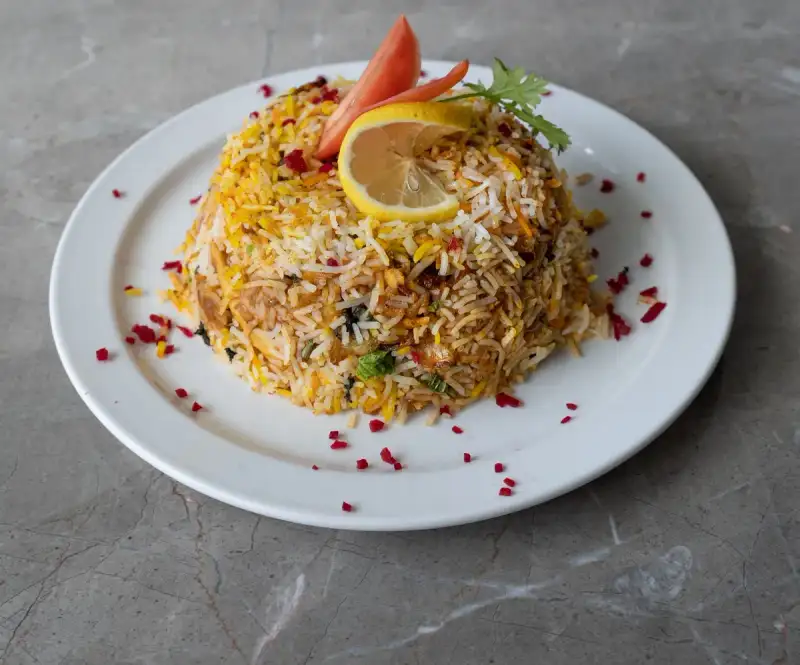
Thieboudienne: The Crown Jewel of Senegalese Cuisine
-
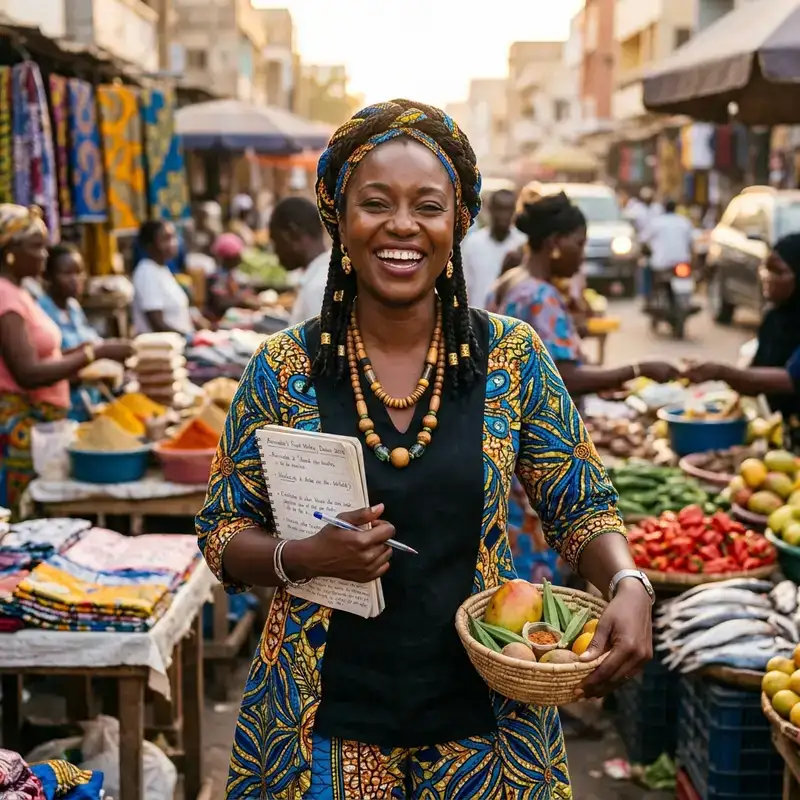 Amara Ndiaye
 - 08 Jul, 2026 06:02
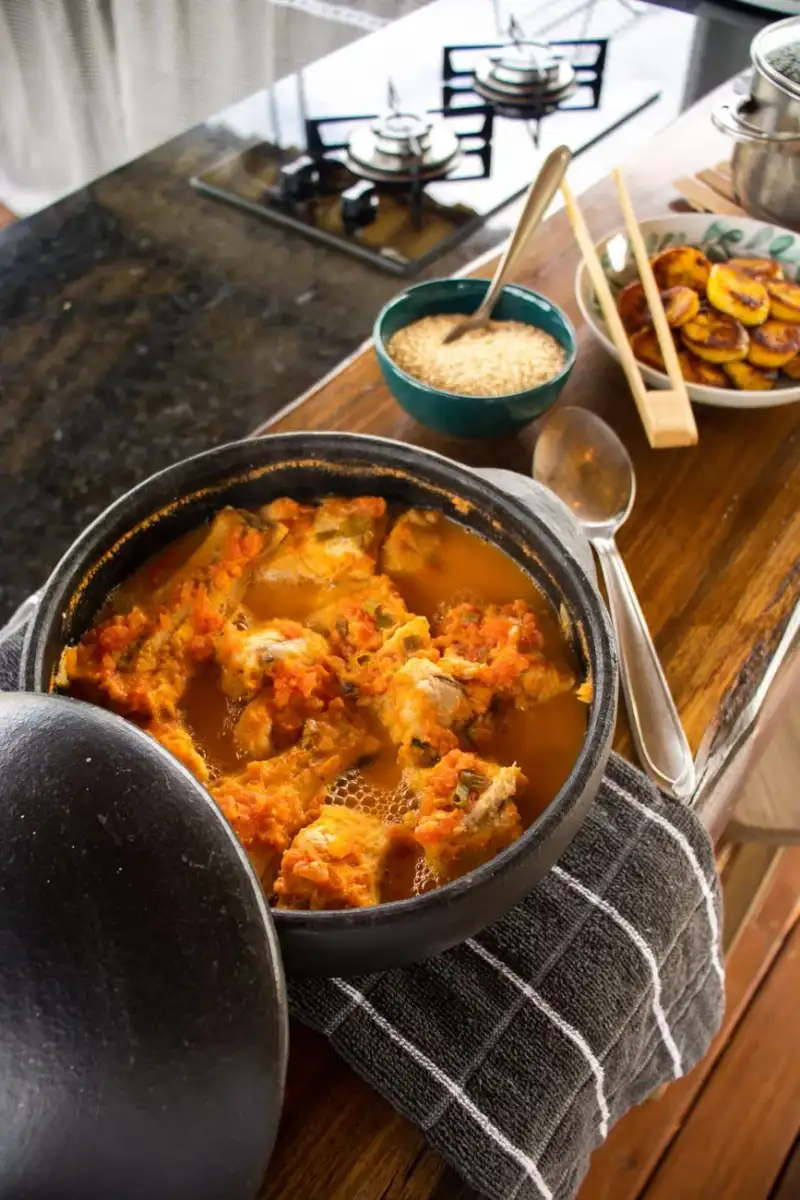
Thieboudienne, a dish so deeply ingrained in the culture of Senegal that it’s often referred to as the country’s national pride. This majestic one-pot meal is a testament to the rich culinary heritage of the Wolof people, who have lovingly crafted and perfected the recipe over generations. As a food writer, I’m excited to delve into the fascinating history, cultural significance, and mouth-watering flavors of Thieboudienne, the crown jewel of Senegalese cuisine.
Introduction to Thieboudienne
Thieboudienne, which translates to “rice and fish” in Wolof, is a hearty dish that combines the freshest catches from the Atlantic Ocean with an assortment of vegetables, spices, and a special type of broken rice called “mburru.” The meal is typically cooked in a large, shallow pot over an open flame, allowing the aromas and flavors to meld together in perfect harmony. The result is a fragrant, flavorful, and satisfying dish that’s both nourishing and delicious.
History and Cultural Significance
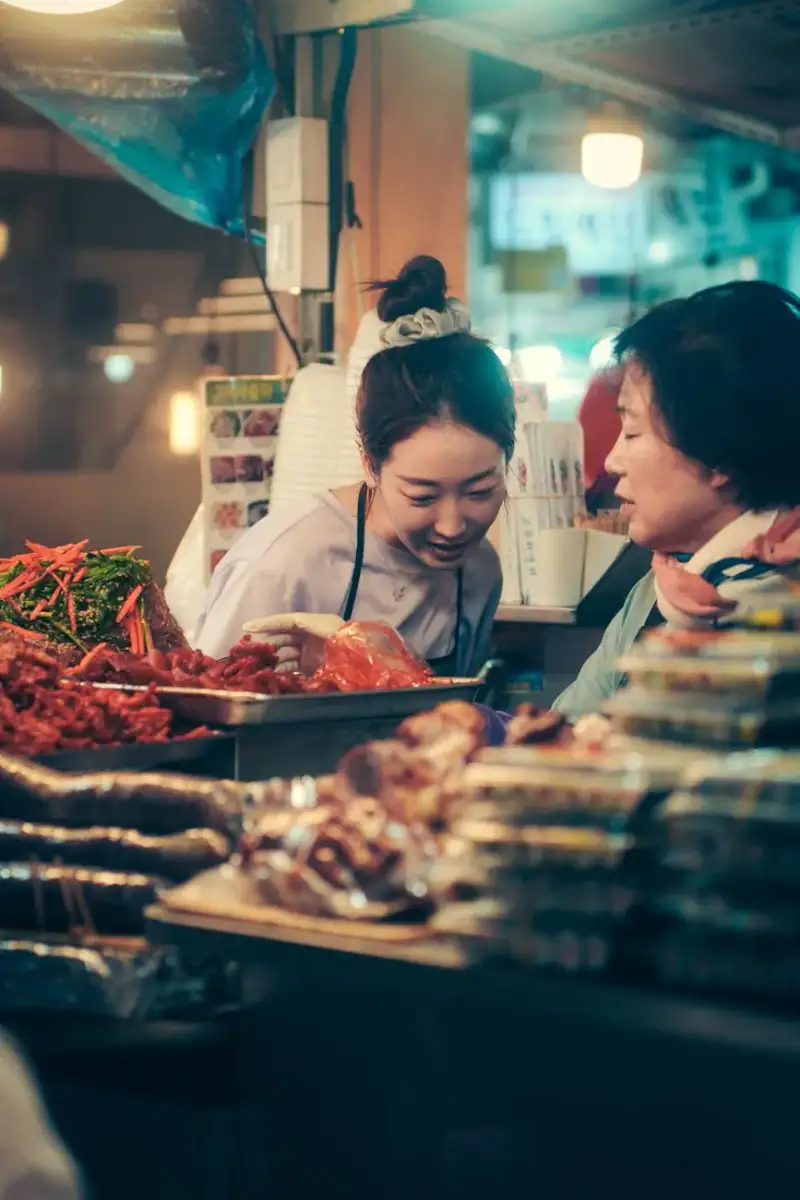
Thieboudienne has its roots in the medieval Wolof Empire, where it was served as a symbol of hospitality and generosity. The dish was originally prepared with rice, fish, and vegetables, but over time, it evolved to include a variety of ingredients, such as tomatoes, onions, and peppers. Today, Thieboudienne is an integral part of Senegalese culture, often served at special occasions, like weddings and holidays. The dish is also a staple of street food in Senegal, with vendors and markets offering their own unique versions.
Ingredients and Preparation
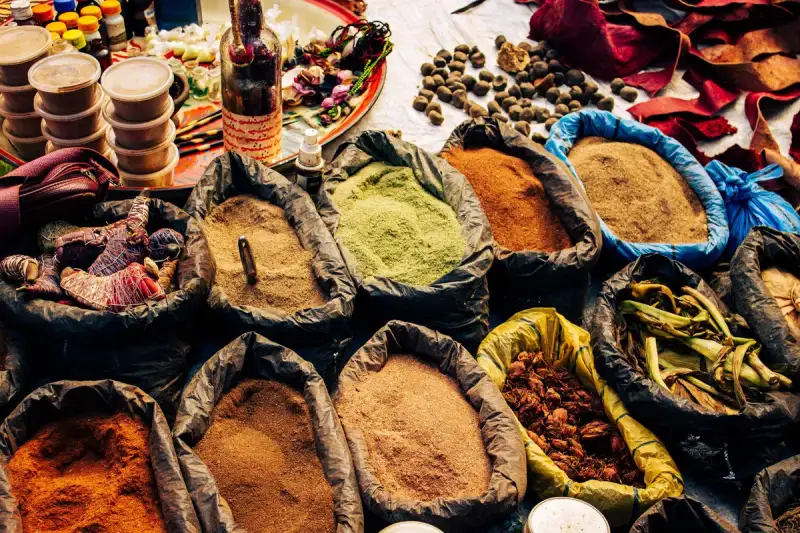
The ingredients used in Thieboudienne are a testament to the country’s rich culinary heritage. The dish typically includes a variety of fish and seafood, such as tilapia, mussels, and shrimp, which are combined with an assortment of vegetables, like carrots, potatoes, and cabbage. The special type of broken rice, mburru, is also an essential component, as it absorbs the flavorful broth and helps to thicken the dish. A blend of spices, including cumin, coriander, and chili peppers, adds depth and warmth to the meal.
To prepare Thieboudienne, the ingredients are first sautéed in a large pot, then simmered in a flavorful broth made with fish stock, water, and spices. The mburru rice is added towards the end of the cooking process, allowing it to absorb the rich flavors and textures of the dish. The result is a fragrant, flavorful, and nutritious meal that’s both satisfying and delicious.
Variations and Regional Influences
While Thieboudienne is a national dish in Senegal, there are several regional variations and influences that have shaped the recipe over time. In the Casamance region, for example, the dish is often made with a variety of seafood, including crab and lobster, while in the north, it’s more commonly prepared with meat, such as beef or lamb. The dish has also been influenced by other West African countries, such as The Gambia and Guinea, where similar one-pot meals are enjoyed.

Authentic Recipe
For those interested in trying Thieboudienne at home, here’s an authentic recipe to get you started: Ingredients:
- 1 cup of mburru rice
- 1 pound of fish and seafood (tilapia, mussels, shrimp)
- 2 tablespoons of vegetable oil
- 1 onion, chopped
- 2 cloves of garlic, minced
- 1 carrot, chopped
- 1 potato, chopped
- 1 cup of fish stock
- 1 cup of water
- 1 teaspoon of cumin
- 1 teaspoon of coriander
- 1/2 teaspoon of chili peppers
- Salt and pepper to taste
Instructions:
- Heat the oil in a large pot over medium heat.
- Add the onion, garlic, carrot, and potato, and sauté until the vegetables are tender.
- Add the fish and seafood, and cook until they’re lightly browned.
- Add the fish stock, water, cumin, coriander, and chili peppers, and bring the mixture to a boil.
- Reduce the heat to low, and simmer the broth for 10-15 minutes.
- Add the mburru rice, and stir to combine.
- Cook the rice for an additional 5-10 minutes, or until it’s tender and the liquid has been absorbed.
- Season the dish with salt and pepper to taste, and serve hot.
Conclusion
Thieboudienne is a true reflection of Senegal’s rich cultural heritage and culinary expertise. This majestic one-pot meal is a testament to the country’s love of good food, warm hospitality, and community bonding. Whether you’re a food enthusiast, a cultural buff, or simply a lover of delicious cuisine, Thieboudienne is a dish that’s sure to captivate and inspire. So why not give it a try, and experience the authentic flavors and traditions of Senegal?
#Thieboudienne #SenegaleseCuisine #AfricanFood #TraditionalRecipes #FoodieAdventures #CulturalHeritage #WestAfricanDishes #SeafoodLovers #OnePotMeals