Koshari: The Ultimate Egyptian Street Food Bowl
-
 Tariq Al-Fayed
 - 23 May, 2026 19:12

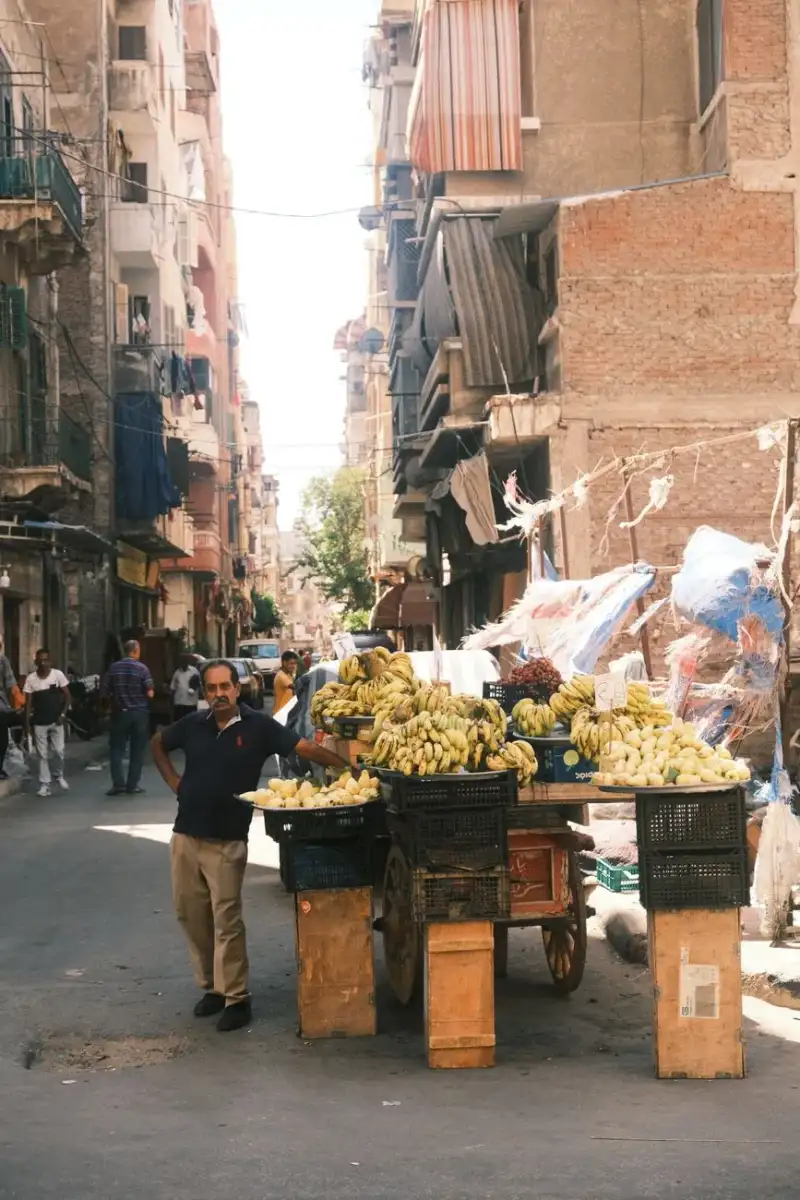
The vibrant streets of Egypt are a culinary wonderland, filled with the enticing aromas of traditional dishes that have been passed down through generations. Among these, Koshari stands out as a quintessential Egyptian street food bowl that embodies the country’s rich cultural heritage and diverse culinary influences. This beloved dish is a masterful combination of flavors, textures, and presentation, making it a must-try for anyone exploring the authentic tastes of Egypt.
Introduction to Koshari
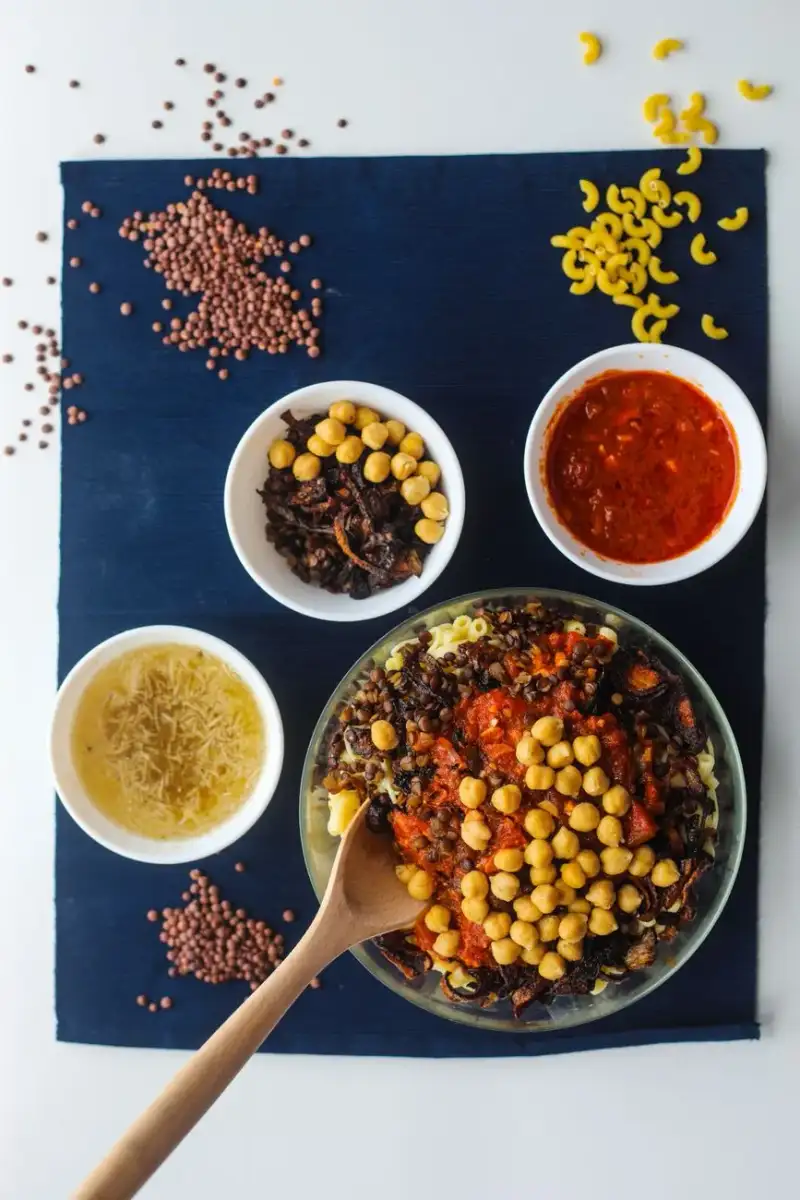
Koshari, also spelled Koshary or Kushari, is a hearty, comforting bowl filled with an assortment of ingredients, including pasta, lentils, tomato sauce, fried onions, and chickpeas, all topped with a sprinkle of vinegar and a side of garlic sauce. The dish is often served in small, unassuming eateries and street food stalls, where it is devoured by locals and visitors alike. Despite its humble appearance, Koshari boasts a complex flavor profile that reflects the cultural melting pot of Egyptian cuisine, with influences from Mediterranean, Middle Eastern, and African traditions.
Historical Roots of Koshari
The origins of Koshari are unclear, but it is believed to have emerged during the period of British occupation in Egypt, which lasted from 1882 to 1922. At that time, British colonial powers introduced pasta and other European ingredients to the country, which were incorporated into the local cuisine. Koshari is thought to have been created as a way to use up leftover pasta, lentils, and other staples, which were then combined with local ingredients like tomato sauce and chickpeas. Over time, the dish evolved and spread throughout Egypt, becoming a staple of street food culture.
Components of Koshari
A traditional Koshari bowl consists of several key components, each of which adds its own unique flavor and texture to the dish. The base of the bowl is typically made up of pasta, usually macaroni or penne, which is cooked al dente and then tossed with lentils. The lentils are usually brown or green, and are cooked until they are tender and slightly mushy. Next, a rich tomato sauce is added, made with a combination of fresh tomatoes, onions, garlic, and spices. The sauce is simmered for hours to develop a deep, intense flavor that is both tangy and slightly sweet.
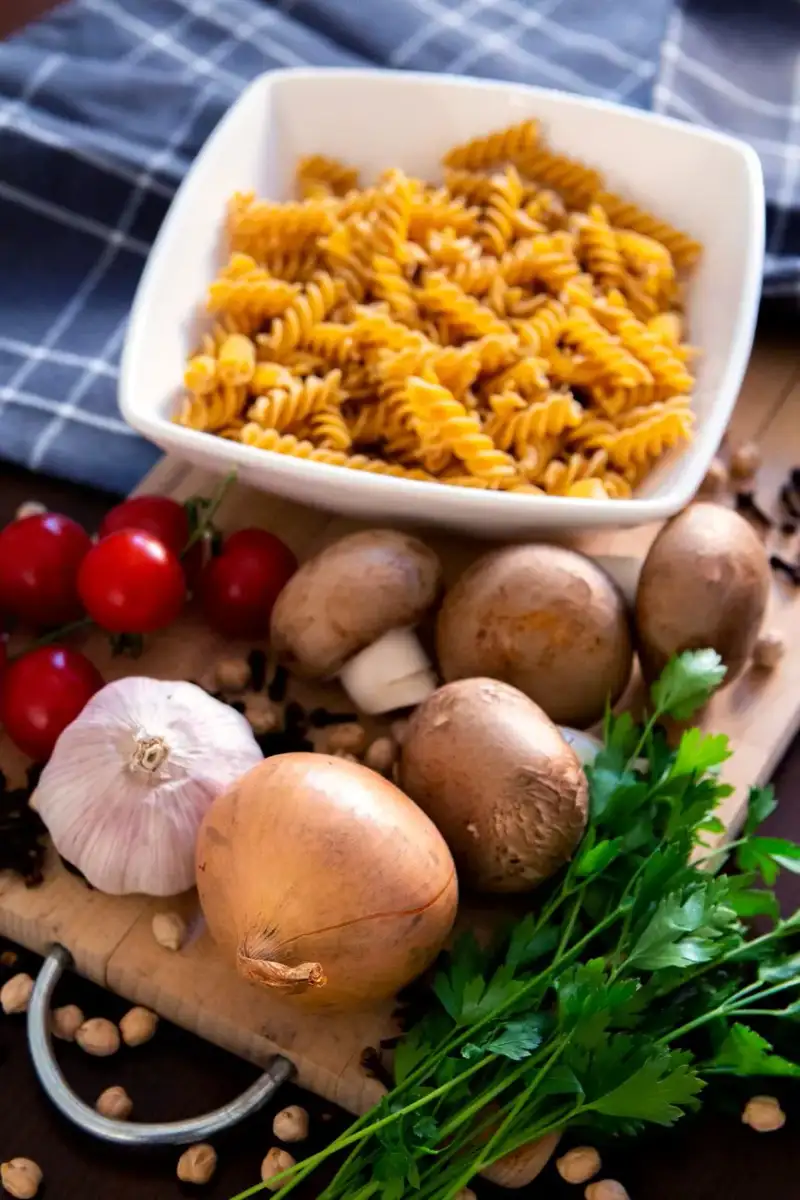
In addition to the pasta, lentils, and tomato sauce, Koshari is also topped with a variety of other ingredients, including fried onions, chickpeas, and vinegar. The fried onions add a crispy, caramelized texture to the dish, while the chickpeas provide a boost of protein and fiber. A sprinkle of vinegar adds a tangy, refreshing flavor that helps to balance out the richness of the tomato sauce.
Regional Variations of Koshari
While Koshari is a beloved dish throughout Egypt, there are regional variations that reflect the unique cultural and culinary traditions of different parts of the country. In Cairo, for example, Koshari is often made with a spicy tomato sauce and topped with a dollop of garlic sauce. In Alexandria, the dish is typically milder, with a focus on the natural flavors of the ingredients rather than added spices or seasonings.
Cultural Significance of Koshari
Koshari is more than just a dish - it is a cultural phenomenon that reflects the values and traditions of Egyptian society. In a country where food is often at the center of social gatherings and celebrations, Koshari is a staple that brings people together. Whether it is served at a family dinner, a street food stall, or a casual gathering with friends, Koshari is a dish that is shared and enjoyed by people of all ages and backgrounds.
Authentic Koshari Recipe
For those who want to try their hand at making authentic Koshari, here is a simple recipe to get you started:
Ingredients:
- 1 cup pasta (macaroni or penne)
- 1 cup lentils (brown or green)
- 2 cups tomato sauce
- 1 onion, chopped
- 2 cloves garlic, minced
- 1 cup chickpeas
- 1/4 cup fried onions
- 2 tablespoons vinegar
- Salt and pepper to taste
- Garlic sauce (optional)
Instructions:
- Cook the pasta according to package instructions. Drain and set aside.
- Cook the lentils until they are tender and slightly mushy. Drain and set aside.
- Make the tomato sauce by sautéing the onions and garlic in a little oil until they are softened. Add the tomatoes and simmer for at least an hour, stirring occasionally.
- Assemble the Koshari bowls by placing a portion of pasta and lentils in the bottom of the bowl. Top with a spoonful of tomato sauce, followed by a sprinkle of chickpeas and fried onions.
- Drizzle with vinegar and serve with a side of garlic sauce, if desired.
Conclusion
Koshari is a true culinary gem of Egyptian street food culture, offering a unique and delicious combination of flavors, textures, and presentation. Whether you are a foodie, a cultural enthusiast, or simply someone who loves to try new things, Koshari is a must-try dish that is sure to leave you wanting more. With its rich history, cultural significance, and authentic flavors, Koshari is a true reflection of the warmth and hospitality of Egyptian cuisine.
#EgyptianStreetFood #KoshariRecipe #MiddleEasternCuisine #FoodieAdventures #StreetFoodLovers #CulturalHeritage #TraditionalFood #EgyptianCuisine