Ndambe: The Comforting Black-Eyed Pea Stew
-
 Amara Ndiaye
 - 30 May, 2026 01:51
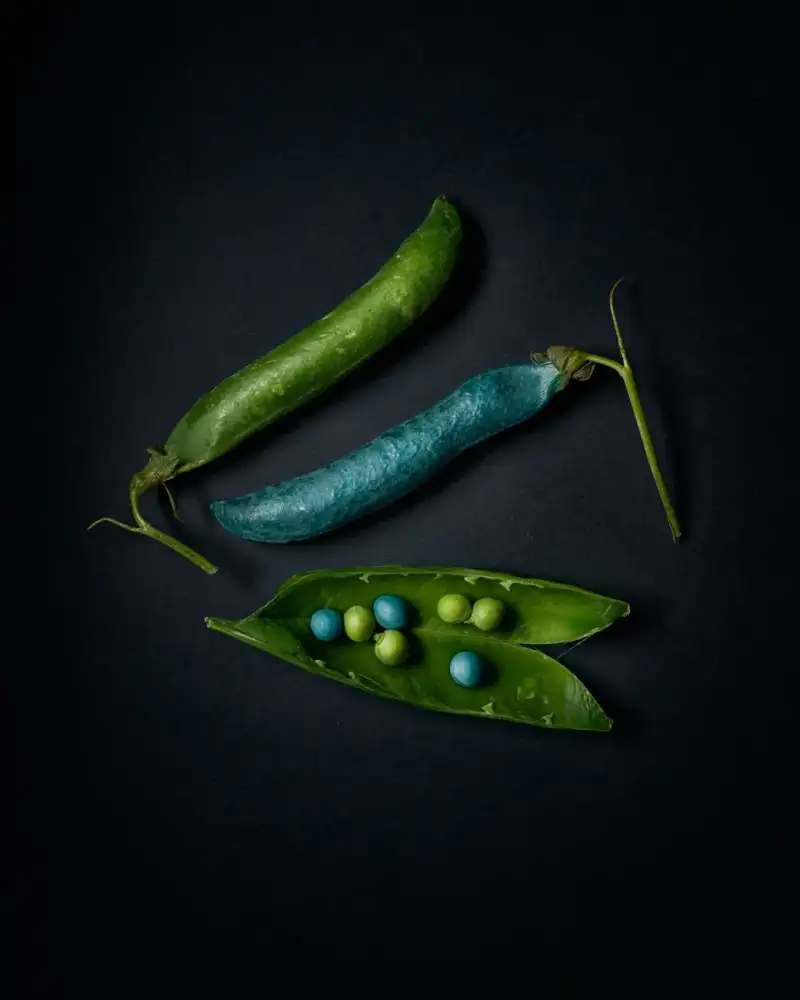
Ndambe, a hearty black-eyed pea stew, is more than just a dish - it’s an embodiment of comfort, tradition, and community. Originating from the vibrant cultures of West Africa, this stew has traveled far and wide, adapting to various tastes and ingredients, yet retaining its essence. As we delve into the world of Ndambe, we find ourselves entwined in a narrative of history, cultural exchange, and the universal language of food.
Introduction to Ndambe
Ndambe is a testament to the resourcefulness and culinary ingenuity of African cuisine. Black-eyed peas, the main ingredient, are rich in protein, fiber, and nutrients, making them an ideal component for a nourishing stew. The peas are typically cooked with an assortment of vegetables, meats or fish, and a blend of aromatic spices, resulting in a flavorful broth that warms the heart and soul.
History and Cultural Significance
The history of Ndambe is deeply intertwined with the transatlantic slave trade and the displacement of African peoples to the Americas. Black-eyed peas, being a staple in many African diets, were among the crops brought to the New World by enslaved Africans. Over time, the dish evolved, incorporating local ingredients and cooking techniques, yet maintaining its African roots. Today, variations of Ndambe can be found in numerous countries, each with its unique twist, reflecting the dynamic nature of culinary traditions.

Preparing Ndambe: A Step-by-Step Guide
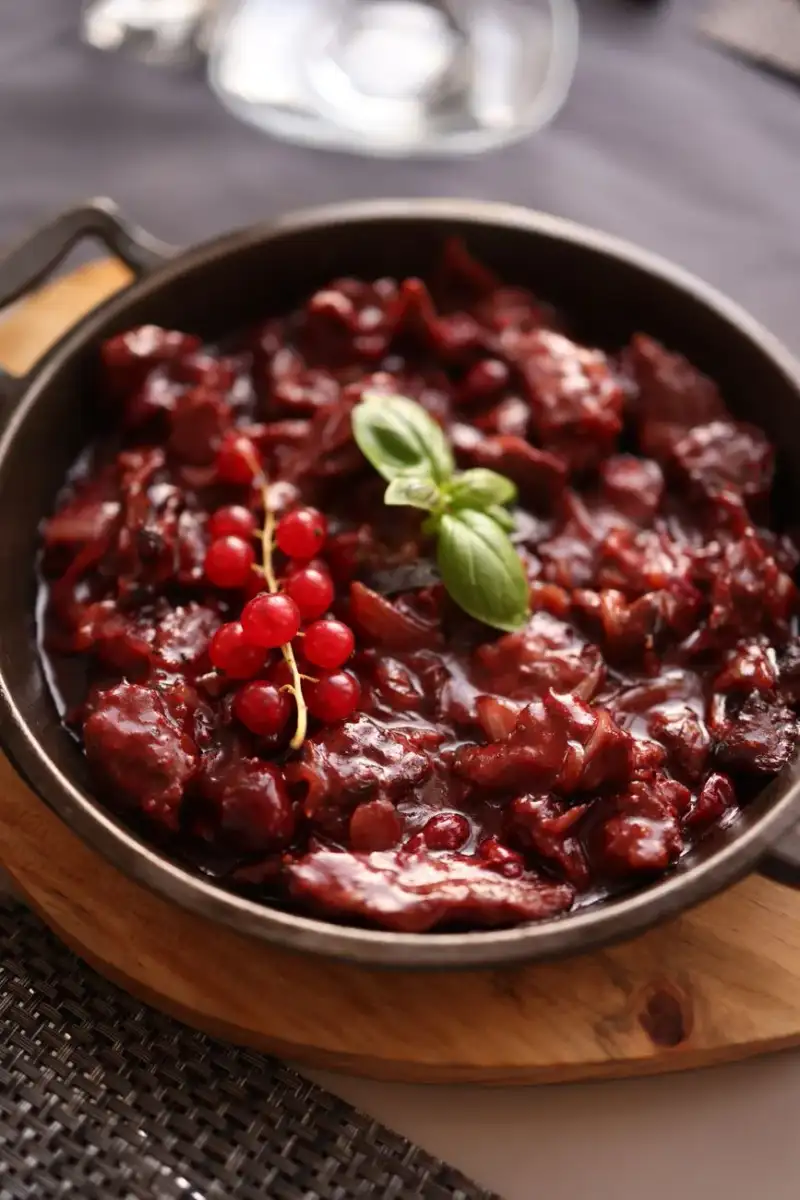
Preparing Ndambe is an act of love and patience, requiring careful selection of ingredients and attention to the cooking process. The basic recipe includes black-eyed peas, onions, garlic, tomatoes, peppers, and a choice of protein, which can range from beef to fish or chicken. The ingredients are sautéed in oil to bring out their flavors, then simmered in a broth until the peas are tender. The key to a delicious Ndambe lies in the balance of spices and the richness of the broth.
Essential Ingredients
- Black-eyed peas
- Onion
- Garlic
- Tomatoes
- Peppers
- Protein of choice (beef, fish, chicken)
- Aromatic spices (thyme, rosemary, bay leaves)
- Broth
- Oil
Step-by-Step Instructions
- Soak the black-eyed peas overnight to reduce cooking time.
- Sauté the onions, garlic, and peppers in oil until they are soft and fragrant.
- Add the tomatoes and spices, cooking for a few minutes to blend the flavors.
- Incorporate the protein, cooking until it is browned.
- Add the soaked black-eyed peas and broth, bringing the mixture to a boil.
- Reduce heat and simmer until the peas are tender.
- Season to taste, adjusting the spices and salt as needed.
Variations and Adaptations
The beauty of Ndambe lies in its versatility. From the spicy versions of the Caribbean to the hearty stews of Southern America, each region has embraced and modified the dish according to local tastes and ingredients. In some parts of Africa, Ndambe is cooked with smoked fish or meat, giving it a distinctive flavor. The use of different spices and herbs can also significantly alter the character of the stew, making each variation a unique culinary experience.
Ndambe in Modern Cuisine
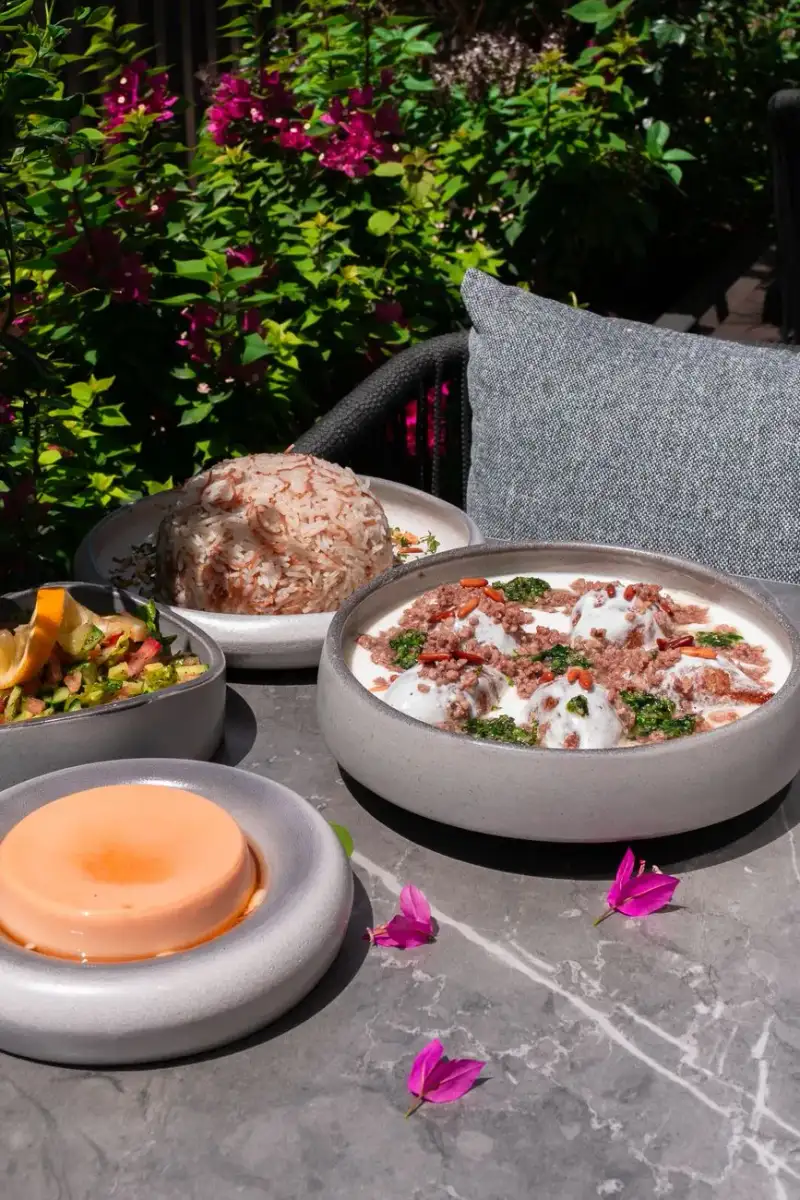
In contemporary culinary scenes, Ndambe has found its place as a symbol of cultural heritage and gastronomic excellence. Chefs and food enthusiasts alike are revisiting traditional recipes, adapting them to modern tastes while preserving their historical and cultural contexts. The dish has also become a centerpiece for community gatherings and cultural festivals, serving as a reminder of the power of food to unite and inspire.
Conclusion
Ndambe, the comforting black-eyed pea stew, stands as a testament to the enduring legacy of African cuisine and its profound impact on global culinary traditions. It is a dish that embodies warmth, community, and the shared human experience of breaking bread together. As we continue to explore and celebrate the diversity of world cuisine, Ndambe remains a cherished gem, inviting us to partake in its rich flavors and profound cultural significance.
#NdambeRecipe #AfricanCuisine #BlackEyedPeas #ComfortFood #CulturalHeritage #FoodHistory #TraditionalDishes #GlobalCuisine