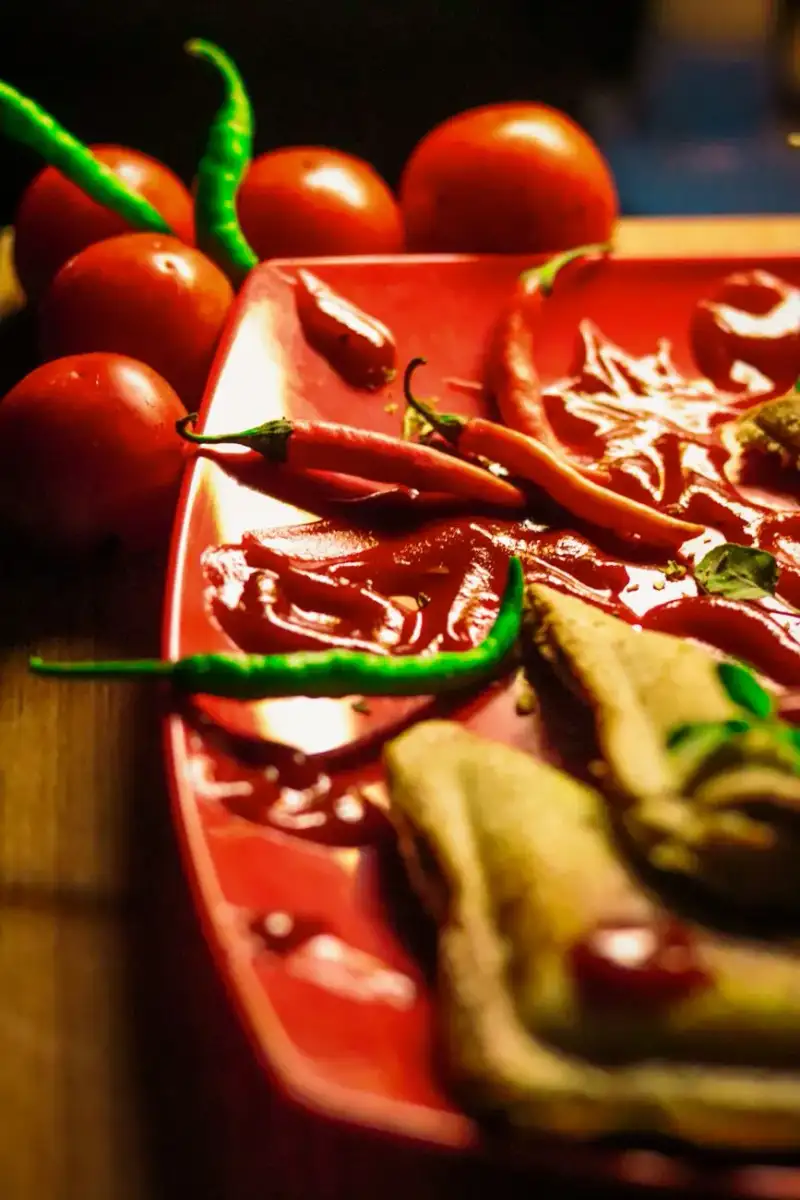
The allure of Mapo Tofu, a dish so deeply ingrained in the culinary psyche of China, is a testament to the power of flavor and tradition. This spicy and numbing classic, originating from the Sichuan province, has captivated the hearts and taste buds of people around the world. Its rich history, intertwined with the cultural and culinary evolution of China, makes Mapo Tofu more than just a dish—it’s an experience.
Introduction to Mapo Tofu
Mapo Tofu, named after its creator, Mrs. Chen Mapo, is a quintessential Sichuan dish that has been a staple of Chinese cuisine for centuries. The name “Mapo” literally translates to “pockmarked old lady,” a reference to Mrs. Chen’s appearance. Despite its humble origins, Mapo Tofu has become an iconic representation of Sichuan cuisine, known for its bold flavors and spices.
The History of Mapo Tofu
 The history of Mapo Tofu dates back to the late Qing dynasty, when Mrs. Chen, a small restaurant owner in Chengdu, began serving a unique tofu dish to her customers. The original recipe, which included tofu, ground pork, and a variety of spices, quickly gained popularity among locals and eventually spread throughout the region. Over time, Mapo Tofu evolved and was refined, with various adaptations and interpretations emerging across China.
The Flavor Profile of Mapo Tofu
One of the defining characteristics of Mapo Tofu is its complex and numbing flavor profile, which is achieved through the use of Sichuan peppercorns and chili peppers. The Sichuan peppercorn, with its unique numbing sensation, adds a depth and complexity to the dish that is unparalleled in other Chinese cuisines. The combination of spicy and numbing flavors, along with the richness of the ground pork and the softness of the tofu, creates a truly addictive and satisfying culinary experience.
Ingredients and Preparation
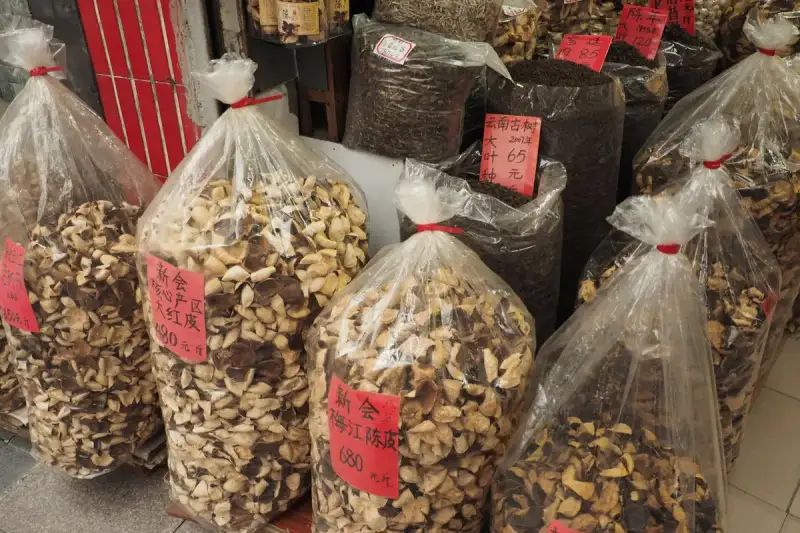 The preparation of authentic Mapo Tofu requires a variety of ingredients, including tofu, ground pork, Sichuan peppercorns, chili peppers, garlic, ginger, and fermented soybeans. The dish is typically cooked in a wok, where the ingredients are stir-fried together in a mixture of oil, soy sauce, and Shaoxing wine. The key to a great Mapo Tofu lies in the balance of flavors and the texture of the ingredients, which should be soft and silky but still retain a hint of crunch and freshness.
Regional Variations and Adaptations
 Despite its origins in Sichuan, Mapo Tofu has undergone numerous regional variations and adaptations throughout China. In some regions, the dish is made with different types of meat or seafood, while in others, the level of spiciness and numbing sensation is adjusted to suit local tastes. These variations not only reflect the diversity of Chinese cuisine but also demonstrate the versatility and adaptability of Mapo Tofu as a dish.
Cultural Significance and Legacy
Mapo Tofu has played a significant role in Chinese culinary culture, representing the country’s rich gastronomic heritage and its ability to evolve and adapt over time. The dish has been featured in numerous cookbooks, food blogs, and restaurants around the world, introducing its unique flavors and spices to a global audience. As a cultural icon, Mapo Tofu continues to inspire new generations of chefs, food enthusiasts, and cultural ambassadors, ensuring its legacy as a beloved and enduring symbol of Chinese cuisine.
Conclusion
Mapo Tofu, with its spicy and numbing flavors, rich history, and cultural significance, is a true classic of Chinese cuisine. Whether you’re a seasoned food enthusiast or just discovering the wonders of Sichuan cuisine, Mapo Tofu is a dish that is sure to captivate and inspire. Its complex flavor profile, combined with its versatility and adaptability, make it a must-try for anyone looking to explore the depths of Chinese culinary culture.
#MapoTofu #SichuanCuisine #ChineseFood #SpicyFood #NumbingFlavors #TraditionalRecipes #CulturalHeritage #FoodieAdventures