Soca Valley Unveiled: Europe's Ultimate Adventure Playground
-
 Chloe Tremblay
 - 15 Oct, 2026 21:41
Emerald Waters and Alpine Peaks: The Geography That Fuels Adventure
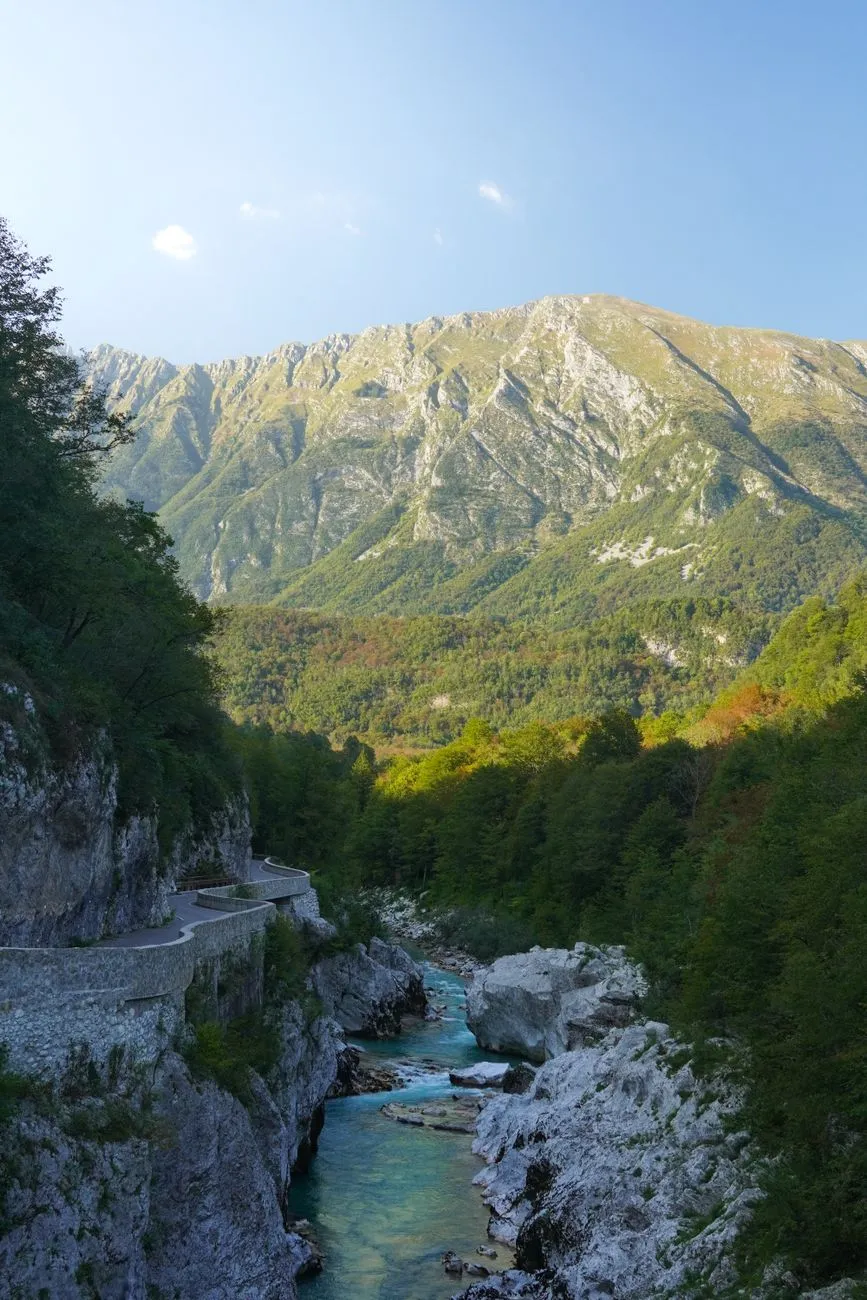
The Soča River, known locally as the “Emerald Beauty,” carves a 138‑kilometre corridor through the Julian Alps before spilling into the Adriatic. Its source lies in the Trenta Valley, where glacial meltwater gathers beneath the towering peaks of Triglav, Slovenia’s highest summit at 2 864 metres. This dramatic elevation drop creates a gradient that fuels world‑class white‑water conditions while simultaneously offering sheer limestone walls perfect for climbing and canyoning. The valley floor sits at roughly 200 metres above sea level, yet within a 30‑kilometre radius you gain more than 2 500 metres of vertical relief — a topographical cocktail that few European destinations can match.
Geologically, the river follows a fault line that exposes layers of Triassic limestone and dolomite. These strata produce the river’s signature turquoise hue, a result of suspended rock flour refracting sunlight. The same limestone forms natural arches, caves, and overhangs that have become iconic backdrops for photographers and film crews alike. The valley’s microclimate is equally distinctive: Mediterranean warmth pushes northward along the river, while alpine breezes descend from the peaks, delivering mild summers (average 22 °C) and crisp, snow‑kissed winters that keep the river runnable well into October.
Infrastructure has kept pace with nature’s generosity. The main artery, the Goriška cesta (Road 203), threads through Bovec, Kobarid, and Tolmin, linking the valley to Ljubljana in under two hours by car. Regular bus services run year‑round, and the newly upgraded railway stop at Most na Soči offers a low‑carbon alternative for travelers arriving from Italy or Austria. For the adventure‑focused visitor, a network of marked trails — ranging from the gentle Alpe‑Adria Trail to the technical Via Dinarica — connects every major put‑in point, allowing seamless transitions between paddling, hiking, and cycling without ever leaving the valley’s embrace.
White‑Water Mastery: Kayaking, Rafting, and Canyoning on the Soča
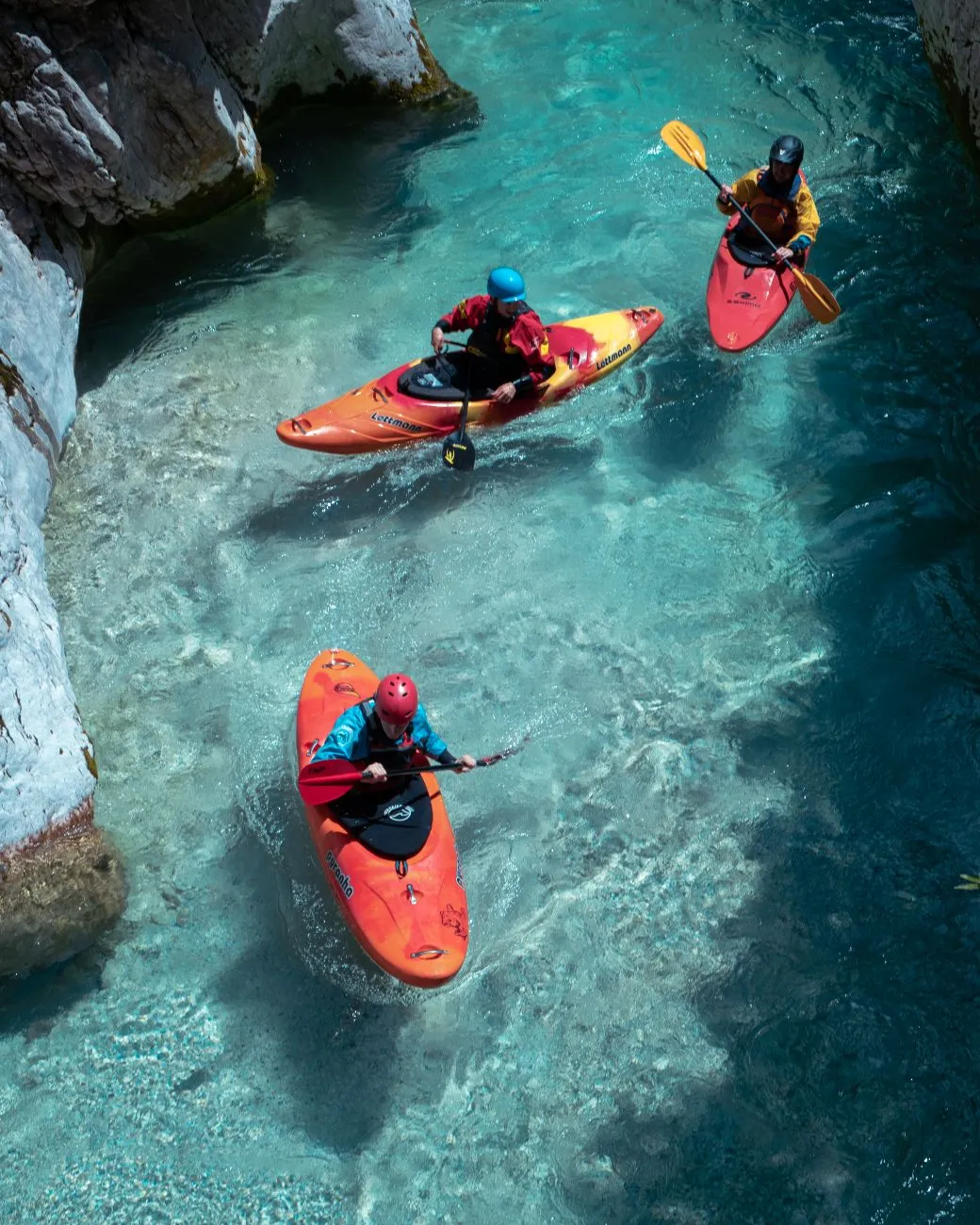
The Soča’s reputation as a paddling mecca rests on a spectrum of rapids graded from Class II to Class V, all within a single day’s reach. The upper reaches near Trenta serve up gentle, meandering currents ideal for beginners and family rafting trips. Guided half‑day tours typically start at the “Kluže” put‑in, where the river widens into a series of playful wave trains that teach fundamental boat control without overwhelming novices. Certified instructors from the Slovenian Rafting Association (SRA) maintain a 1:6 guide‑to‑guest ratio, ensuring safety standards that meet International Rafting Federation (IRF) guidelines.
Mid‑valley, the “Bovec‑Kobarid” stretch escalates to solid Class III‑IV rapids such as “Koritnica” and “Soca Gorge.” Here, experienced kayakers test their eddy‑turn precision against limestone slots that demand millisecond timing. The annual Soča Extreme Kayak Race, held each July, draws elite paddlers from across the continent to negotiate a 5‑kilometre course that includes the notorious “Mala Koritnica” — a 4‑metre drop into a churning cauldron. Spectators line the riverbanks, and live‑streamed footage showcases the valley’s raw power to a global audience.
Canyoning adds a vertical dimension to the aquatic playground. The “Šunik” and “Kozjak” canyons, both accessible from the village of Šunik, feature cascading waterfalls up to 30 metres, natural slides, and deep pools that invite controlled jumps. Local outfitters provide full‑gear packages (wetsuit, helmet, harness) and conduct mandatory safety briefings that cover rope‑work, swift‑water rescue, and environmental stewardship. The Slovenian Alpine Club (PZS) monitors canyon conditions daily, publishing real‑time flow rates on their website so adventurers can match their skill level to the day’s hydraulics.
Sky‑High Perspectives: Paragliding and Mountain Biking Trails
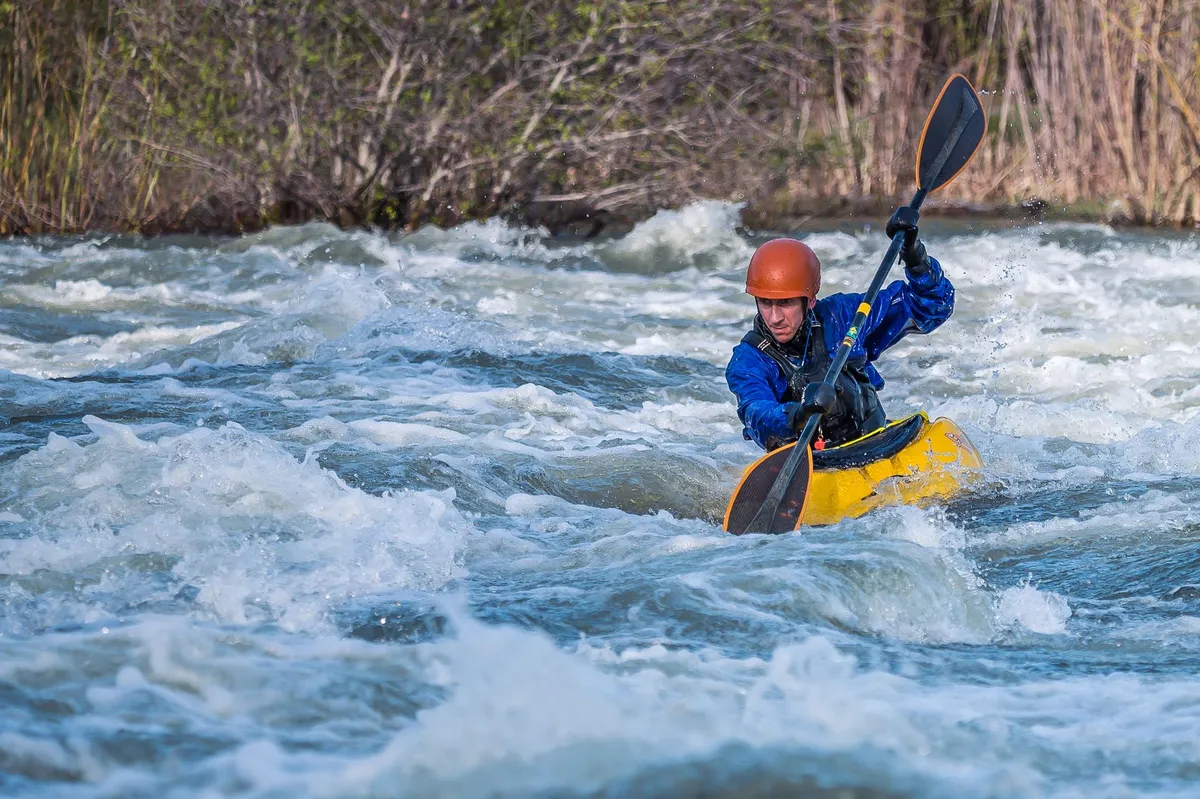
When the river’s roar fades, the valley’s ridgelines beckon. Paragliding launch sites at “Mangart” (2 300 m) and “Krn” (2 200 m) exploit reliable thermals that rise from the sun‑warmed valley floor. The Slovenian Paragliding Association (SPA) certifies over 30 tandem pilots who operate under EASA‑compliant regulations, offering 20‑minute flights that trace the river’s serpentine path from a bird’s‑eye view. On clear days, pilots can spot the Adriatic coastline 70 kilometres away, a visual reminder of the valley’s geographic reach.
Mountain biking has exploded in popularity since the 2022 “Soča Trail” project, which stitched together 120 kilometres of singletrack, forest roads, and alpine meadows into a graded network. The “Red Loop” (difficult) climbs 1 200 metres over 35 kilometres, rewarding riders with technical rock gardens and panoramic vistas of the Triglav National Park. The “Blue Loop” (moderate) follows the river’s left bank, linking historic World War I sites such as the Kobarid Museum with quiet hamlets where locals serve homemade štruklji. Bike‑rental hubs in Bovec and Kobarid stock full‑suspension e‑MTBs, allowing riders of varying fitness to tackle the same terrain.
Trail maintenance is a community effort. The “Friends of the Soča Trails” volunteer group conducts monthly clean‑ups, erosion control, and signage updates, funded partly by a €2 per‑day trail pass that contributes directly to the Triglav National Park’s conservation budget. This model ensures that the surge in two‑wheel traffic does not degrade the fragile alpine flora — edelweiss, alpine rose, and the endemic Soča trout’s spawning grounds.
Cultural Roots and Culinary Fuel: From Trenta to Bovec
Adventure in the Soča Valley is inseparable from its human story. The valley witnessed the brutal Isonzo Front of World War I, where over a million soldiers clashed among the same limestone cliffs that now host via ferrata routes. The Kobarid Museum, a UNESCO‑recognized site, presents a balanced narrative through artifacts, personal letters, and interactive maps, reminding visitors that the river’s turquoise flow once ran red. Guided “History Hikes” combine moderate trekking with storytelling, linking former trench lines to present‑day climbing crags.
Gastronomy here is a direct reflection of the terrain. Alpine dairy farms produce “Tolminc” cheese, a protected designation of origin (PDO) product aged in mountain huts for at least 60 days. The cheese’s nutty, slightly piquant profile pairs perfectly with “žganci” — buckwheat porridge — served alongside locally foraged mushrooms and smoked pork “kranjska klobasa.” River‑front restaurants in Bovec specialize in “Soča trout” (Salmo trutta marmoratus), grilled over beech wood and drizzled with pumpkin seed oil, a regional specialty pressed from Styrian pumpkins.
Wine lovers find a surprising ally in the “Goriška Brda” hills, just 30 kilometres south, where the microclimate nurtures Rebula (Ribolla Gialla) and Pinot Noir. Many valley guesthouses offer cellar tours, allowing guests to taste vintages that echo the same limestone soils that color the river. The annual “Soča Gourmet Festival” in late September showcases farm‑to‑table menus, cooking workshops, and a “Cheese & Wine Pairing” competition judged by Slovenian Master Sommeliers.
Living the Nomad Dream: Visas, Costs, and Connectivity in the Valley
Slovenia’s digital‑nomad permit, introduced in 2023, has turned the Soča Valley into a viable long‑term base for remote professionals. The permit requires proof of a monthly net income of at least €3 200 — roughly twice the national average net salary — and a clean criminal record. Once granted, the visa allows a stay of up to 12 months, renewable if the income threshold remains met. Application fees total €120, and processing typically concludes within 30 days through the Administrative Unit (Upravna enota) in Nova Gorica.
Connectivity is robust: fiber‑optic broadband reaches Bovec, Kobarid, and Tolmin with symmetrical 1 Gbps plans priced around €45 per month. Mobile coverage (4G/5G) blankets the valley, and several coworking spaces — “Basecamp Bovec” and “River Hub Kobarid” — offer day passes (€15) and monthly memberships (€180) that include meeting rooms, high‑speed Wi‑Fi, and community events.
Cost‑of‑living data from Numbeo (2024) shows that a single person can expect the following average monthly outlays in the valley:
| Category | Average Monthly Cost (€) |
|---|---|
| Rent (1‑bedroom, centre) | 650‑850 |
| Utilities (electricity, water, heating) | 120‑150 |
| Internet (1 Gbps fiber) | 45 |
| Groceries (local markets) | 250‑300 |
| Dining out (mid‑range, 2×/week) | 180‑220 |
| Transport ( |