Showing Posts From
Digital nomad
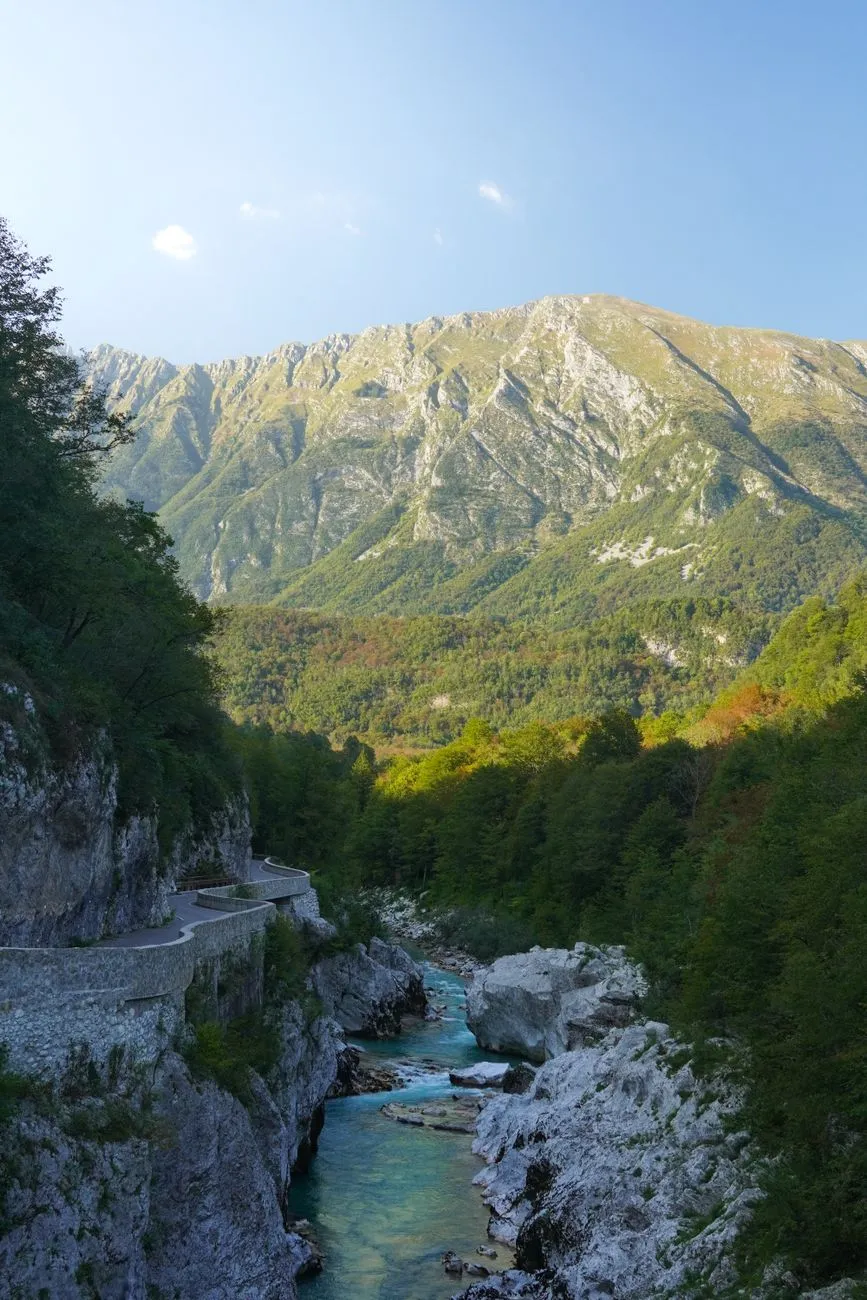
Emerald Waters and Alpine Peaks: The Geography That Fuels Adventure The Soča River, known locally as the “Emerald Beauty,” carves a 138‑kilometre corridor through the Julian Alps before spilling into the Adriatic. Its source lies in the Trenta Valley, where glacial meltwater gathers beneath the towering peaks of Triglav, Slovenia’s highest summit at 2 864 metres. This dramatic elevation drop creates a gradient that fuels world‑class white‑water conditions while simultaneously offering sheer limestone walls perfect for climbing and canyoning. The valley floor sits at roughly 200 metres above sea level, yet within a 30‑kilometre radius you gain more than 2 500 metres of vertical relief — a topographical cocktail that few European destinations can match. Geologically, the river follows a fault line that exposes layers of Triassic limestone and dolomite. These strata produce the river’s signature turquoise hue, a result of suspended rock flour refracting sunlight. The same limestone forms natural arches, caves, and overhangs that have become iconic backdrops for photographers and film crews alike. The valley’s microclimate is equally distinctive: Mediterranean warmth pushes northward along the river, while alpine breezes descend from the peaks, delivering mild summers (average 22 °C) and crisp, snow‑kissed winters that keep the river runnable well into October. Infrastructure has kept pace with nature’s generosity. The main artery, the Goriška cesta (Road 203), threads through Bovec, Kobarid, and Tolmin, linking the valley to Ljubljana in under two hours by car. Regular bus services run year‑round, and the newly upgraded railway stop at Most na Soči offers a low‑carbon alternative for travelers arriving from Italy or Austria. For the adventure‑focused visitor, a network of marked trails — ranging from the gentle Alpe‑Adria Trail to the technical Via Dinarica — connects every major put‑in point, allowing seamless transitions between paddling, hiking, and cycling without ever leaving the valley’s embrace.White‑Water Mastery: Kayaking, Rafting, and Canyoning on the Soča The Soča’s reputation as a paddling mecca rests on a spectrum of rapids graded from Class II to Class V, all within a single day’s reach. The upper reaches near Trenta serve up gentle, meandering currents ideal for beginners and family rafting trips. Guided half‑day tours typically start at the “Kluže” put‑in, where the river widens into a series of playful wave trains that teach fundamental boat control without overwhelming novices. Certified instructors from the Slovenian Rafting Association (SRA) maintain a 1:6 guide‑to‑guest ratio, ensuring safety standards that meet International Rafting Federation (IRF) guidelines. Mid‑valley, the “Bovec‑Kobarid” stretch escalates to solid Class III‑IV rapids such as “Koritnica” and “Soca Gorge.” Here, experienced kayakers test their eddy‑turn precision against limestone slots that demand millisecond timing. The annual Soča Extreme Kayak Race, held each July, draws elite paddlers from across the continent to negotiate a 5‑kilometre course that includes the notorious “Mala Koritnica” — a 4‑metre drop into a churning cauldron. Spectators line the riverbanks, and live‑streamed footage showcases the valley’s raw power to a global audience. Canyoning adds a vertical dimension to the aquatic playground. The “Šunik” and “Kozjak” canyons, both accessible from the village of Šunik, feature cascading waterfalls up to 30 metres, natural slides, and deep pools that invite controlled jumps. Local outfitters provide full‑gear packages (wetsuit, helmet, harness) and conduct mandatory safety briefings that cover rope‑work, swift‑water rescue, and environmental stewardship. The Slovenian Alpine Club (PZS) monitors canyon conditions daily, publishing real‑time flow rates on their website so adventurers can match their skill level to the day’s hydraulics.Sky‑High Perspectives: Paragliding and Mountain Biking Trails When the river’s roar fades, the valley’s ridgelines beckon. Paragliding launch sites at “Mangart” (2 300 m) and “Krn” (2 200 m) exploit reliable thermals that rise from the sun‑warmed valley floor. The Slovenian Paragliding Association (SPA) certifies over 30 tandem pilots who operate under EASA‑compliant regulations, offering 20‑minute flights that trace the river’s serpentine path from a bird’s‑eye view. On clear days, pilots can spot the Adriatic coastline 70 kilometres away, a visual reminder of the valley’s geographic reach. Mountain biking has exploded in popularity since the 2022 “Soča Trail” project, which stitched together 120 kilometres of singletrack, forest roads, and alpine meadows into a graded network. The “Red Loop” (difficult) climbs 1 200 metres over 35 kilometres, rewarding riders with technical rock gardens and panoramic vistas of the Triglav National Park. The “Blue Loop” (moderate) follows the river’s left bank, linking historic World War I sites such as the Kobarid Museum with quiet hamlets where locals serve homemade štruklji. Bike‑rental hubs in Bovec and Kobarid stock full‑suspension e‑MTBs, allowing riders of varying fitness to tackle the same terrain. Trail maintenance is a community effort. The “Friends of the Soča Trails” volunteer group conducts monthly clean‑ups, erosion control, and signage updates, funded partly by a €2 per‑day trail pass that contributes directly to the Triglav National Park’s conservation budget. This model ensures that the surge in two‑wheel traffic does not degrade the fragile alpine flora — edelweiss, alpine rose, and the endemic Soča trout’s spawning grounds.Cultural Roots and Culinary Fuel: From Trenta to Bovec Adventure in the Soča Valley is inseparable from its human story. The valley witnessed the brutal Isonzo Front of World War I, where over a million soldiers clashed among the same limestone cliffs that now host via ferrata routes. The Kobarid Museum, a UNESCO‑recognized site, presents a balanced narrative through artifacts, personal letters, and interactive maps, reminding visitors that the river’s turquoise flow once ran red. Guided “History Hikes” combine moderate trekking with storytelling, linking former trench lines to present‑day climbing crags. Gastronomy here is a direct reflection of the terrain. Alpine dairy farms produce “Tolminc” cheese, a protected designation of origin (PDO) product aged in mountain huts for at least 60 days. The cheese’s nutty, slightly piquant profile pairs perfectly with “žganci” — buckwheat porridge — served alongside locally foraged mushrooms and smoked pork “kranjska klobasa.” River‑front restaurants in Bovec specialize in “Soča trout” (Salmo trutta marmoratus), grilled over beech wood and drizzled with pumpkin seed oil, a regional specialty pressed from Styrian pumpkins. Wine lovers find a surprising ally in the “Goriška Brda” hills, just 30 kilometres south, where the microclimate nurtures Rebula (Ribolla Gialla) and Pinot Noir. Many valley guesthouses offer cellar tours, allowing guests to taste vintages that echo the same limestone soils that color the river. The annual “Soča Gourmet Festival” in late September showcases farm‑to‑table menus, cooking workshops, and a “Cheese & Wine Pairing” competition judged by Slovenian Master Sommeliers. Living the Nomad Dream: Visas, Costs, and Connectivity in the Valley Slovenia’s digital‑nomad permit, introduced in 2023, has turned the Soča Valley into a viable long‑term base for remote professionals. The permit requires proof of a monthly net income of at least €3 200 — roughly twice the national average net salary — and a clean criminal record. Once granted, the visa allows a stay of up to 12 months, renewable if the income threshold remains met. Application fees total €120, and processing typically concludes within 30 days through the Administrative Unit (Upravna enota) in Nova Gorica. Connectivity is robust: fiber‑optic broadband reaches Bovec, Kobarid, and Tolmin with symmetrical 1 Gbps plans priced around €45 per month. Mobile coverage (4G/5G) blankets the valley, and several coworking spaces — “Basecamp Bovec” and “River Hub Kobarid” — offer day passes (€15) and monthly memberships (€180) that include meeting rooms, high‑speed Wi‑Fi, and community events. Cost‑of‑living data from Numbeo (2024) shows that a single person can expect the following average monthly outlays in the valley:Category Average Monthly Cost (€)Rent (1‑bedroom, centre) 650‑850Utilities (electricity, water, heating) 120‑150Internet (1 Gbps fiber) 45Groceries (local markets) 250‑300Dining out (mid‑range, 2×/week) 180‑220Transport (Related InsightsOne Hundred Years of Solitude Book Review and Summary Jurassic Park Book Review and Summary Beloved Book Review and Summary
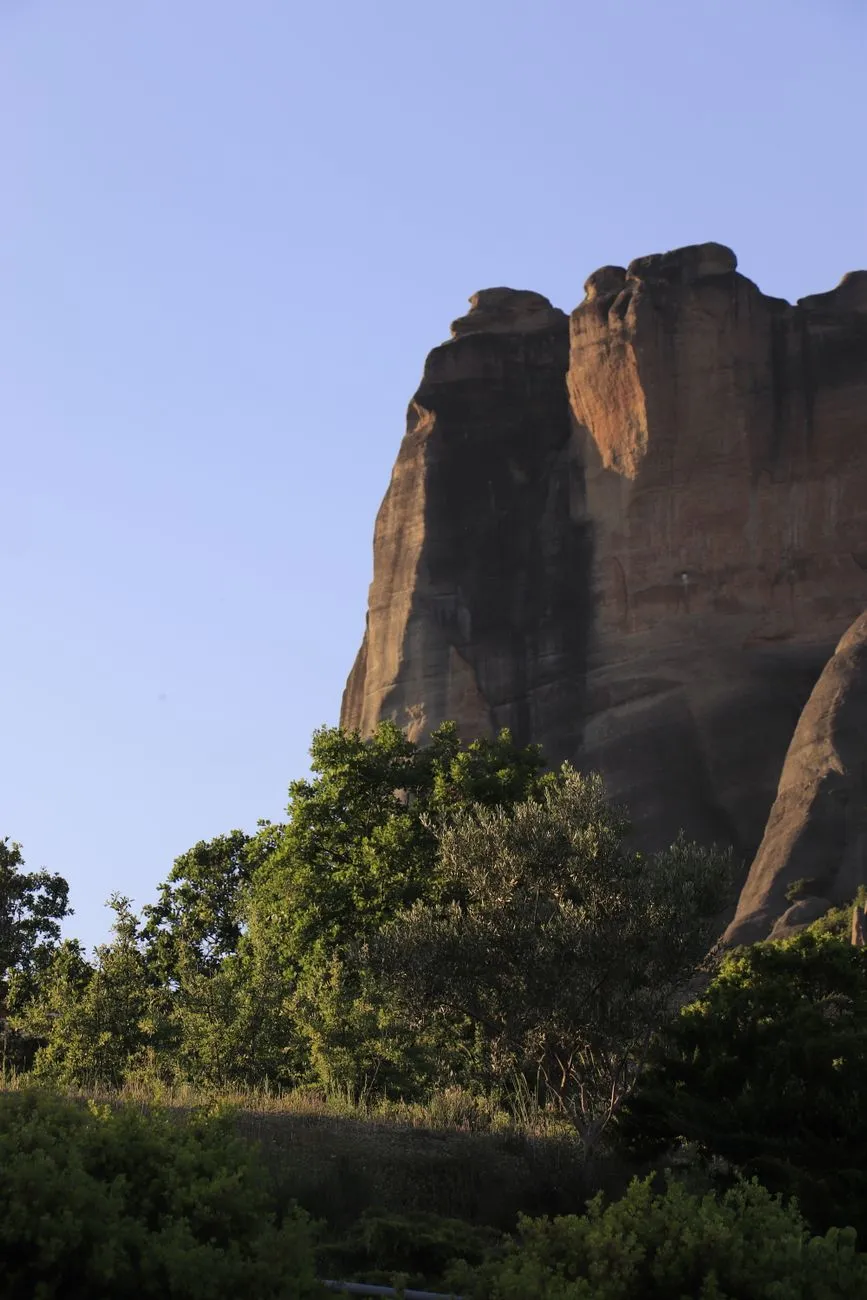

Scaling the Sky‑Piercing Rocks: How to Reach Meteora’s Hidden Sanctuaries The first step of any pilgrimage is simply arriving at the threshold. Meteora sits in the heart of Thessaly, central Greece, about 350 km north of Athens. Most visitors fly into Athens International Airport (ATH) and catch a high‑speed train to Kalambaka, the town that cradles the rock formations. The Athens‑Kalambaka line runs twice daily, with a journey time of roughly 4 hours 30 minutes. Once in Kalambaka, the real ascent begins. Two main routes lead to the monasteries: the paved “road to the rocks” that follows the riverbed, and the network of marked hiking trails that wind up the limestone spires. For the historically inclined, the stone‑paved “Monastery Path” (Monastiriaki Odos) is a living museum of Ottoman‑era cobbles, still used by local shepherds. Public transport is surprisingly efficient: local minibusses (the “KTEL” service) depart every 20 minutes from the Kalambaka bus station and stop at the base of each major rock—Great Meteoron, Varlaam, and the others. Tickets cost around €2.00 per ride (2024 rates). For the adventurous, a rented e‑bike can shave the ascent time dramatically; several outlets in Kalambaka offer electric mountain bikes for €15 per day, complete with helmets and GPS‑linked trail maps. If you prefer a guided experience, several licensed operators provide “Monastery‑by‑Monastery” tours. These usually include a local historian, a portable audio guide, and a short shuttle from the town center to the first viewpoint. Prices hover between €35 and €55 per person, depending on group size and the inclusion of a traditional Greek lunch. Regardless of your chosen mode, remember that the terrain is steep and uneven. Proper trekking boots, a lightweight rain jacket, and a reusable water bottle (water fountains are sparse on the cliffs) are essential. Early morning light not only offers the best photography but also avoids the mid‑day crowds that gather at the main visitor centers. Chronicles Carved in Stone: The Rise and Fall of the Forgotten Monasteries Meteora’s monasteries are not merely scenic backdrops; they are living testimonies to a turbulent epoch that began in the early 14th century. In 1307, a hermit named Athanasios the Meteorite retreated to the summit of the highest rock, seeking solitude from the encroaching Ottoman raids that threatened mainland monastic life. His modest stone cell soon attracted disciples, and by 1340 the Great Meteoron Monastery (the largest of the complex) was formally established under the patronage of the Byzantine nobleman John Palaiologos. The next half‑century saw a rapid proliferation of monastic foundations. Varlaam (founded 1345), Roussanou (built 1476), and the Holy Trinity (consecrated 1475) were all erected by wealthy benefactors who saw the cliffs as impregnable sanctuaries. Their architecture blends Byzantine frescoes, post‑Byzantine iconography, and fortified stone walls—features designed to repel both invaders and the harsh mountain winds. However, the Ottoman occupation also imposed heavy taxes, and by the 18th century many smaller establishments fell into disrepair. Two of the original six active monasteries—St. Nicholas Anapausa and St. Stephen—were abandoned in the early 1700s when their resident monks migrated to more fertile valleys. Their stone foundations remain, overgrown with wild thyme and punctuated by crumbling fresco fragments that hint at the once‑vibrant liturgical life. The 20th century brought a resurgence of interest, spurred by the 1938 designation of Meteora as a UNESCO World Heritage Site. Restoration campaigns, funded by the Greek Ministry of Culture and private donors, revived the Great Meteoron’s frescoes and reinforced the precarious cliff‑side staircases. Yet, despite these efforts, several lesser‑known hermitages—such as the “Cave of Saint John” near the Great Meteoron—remain largely inaccessible, preserved only in archival sketches from the 19th century. These forgotten monasteries embody a narrative of resilience: they rose from the need for spiritual refuge, survived centuries of political upheaval, and now stand as silent witnesses to humanity’s quest for transcendence amid stone. Pilgrim’s Path: A Day‑by‑Day Itinerary for the History‑Hungry Traveller Day 1 – Arrival & OrientationSettle into a boutique guesthouse in Kalambaka (average nightly rate €70, including breakfast). Spend the afternoon strolling the town’s cobbled streets, visiting the folklore museum, and reviewing the trail map at the Tourist Information Center. Day 2 – Great Meteoron & VarlaamBegin early (7 am) and take the KTEL bus to the base of the Great Meteoron. Ascend via the wooden footbridge and stone steps; the climb takes roughly 30 minutes. Inside, view the 12th‑century iconostasis and the ancient library that once housed over 2,000 manuscripts. After a 1‑hour reverent pause, descend and head to Varlaam, just a 15‑minute walk away. The monastery’s courtyard offers panoramic views of the Thessalian plain—ideal for a light lunch of “tsipouro” and olives from the on‑site garden. Day 4 – The Hidden HermitagesReserve a private guide for a “Secret Sites” excursion. The guide will lead you to the abandoned St. Nicholas Anapausa ruins and the Cave of Saint John, accessed via a narrow goat‑trail that is not signposted on public maps. Pack a picnic; there are no facilities on these sites. Day 5 – Holy Trinity & SunsetTake the cable‑car (operating from 9 am to 6 pm, €8 round‑trip) to the Holy Trinity. The ascent offers a dramatic aerial view of the entire Meteora complex. Inside, note the 16th‑century fresco of the Ascension, still vivid after centuries of exposure. Conclude the day by returning to the base and hiking to the “Sunset Rock” (a popular viewpoint just beyond the main trail) for a breathtaking golden‑hour panorama. Day 6 – Reflection & DepartureSpend a leisurely morning in Kalambaka, perhaps joining a local monk for a brief vespers service at the Great Meteoron (services are open to visitors on Wednesdays at 5 pm). Depart by train or flight, carrying a notebook filled with sketches, fresco reproductions, and the scent of thyme that clings to the stone walls. Each step of this itinerary balances structured exploration with moments of unscripted discovery, ensuring that the traveler experiences both the grand narrative and the intimate whispers of Meteora’s forgotten sanctuaries. Living Like a Monk in the Modern Age: Cost, Connectivity, and Comfort for Digital Nomads Meteora is increasingly attracting remote workers who crave a blend of awe‑inspiring scenery and a tranquil work environment. According to the latest Nomad Score (7.2/10), the region offers a solid balance of affordability, safety, and internet reliability. Below is a concise cost‑of‑living snapshot, drawn from Numbeo’s 2024 data for Kalambaka and the surrounding villages. Category Monthly Cost (USD) NotesRent (1‑bedroom apartment, city centre) $420 Most units are historic stone houses with modern amenities.Utilities (electricity, heating, cooling, water) $80 Solar panels are common; heating is mainly via natural gas.High‑speed Internet (50 Mbps) $45 Fiber‑optic is available in Kalambaka; many cafés offer free Wi‑Fi.Coworking Space (Desk, coffee, printing) $150 “Cliffside Co‑Work” operates 7 days a week, with views of the rocks.Groceries (basic basket) $250 Local markets supply olives, feta, fresh herbs, and seasonal fruit.Public Transport (monthly pass) $30 Includes KTEL minibusses to the monasteries and surrounding villages.Dining out (mid‑range restaurant, three‑course) $15 per meal Traditional tavernas serve “gemista” and grilled octopus.Total estimated monthly budget: ≈ $1,090. Internet speed in Kalambaka averages 78 Mbps download and 22 Mbps upload, sufficient for video conferencing, cloud‑based design work, and streaming. Many nomads report that the combination of natural light (especially during the long summer evenings) and the faint echo of distant bells creates an unexpectedly productive ambiance. For those seeking a more immersive experience, short‑term rentals inside restored monastery quarters are available through heritage‑preservation programs. These units cost about €1,200 per month and include a private terrace overlooking the cliffs—a price point comparable to boutique hotels in major European capitals. Health‑care access is reliable: the General Hospital of Trikala (30 km away) offers English‑speaking staff, and a pharmacy in Kalambaka operates 24 hours. Emergency services are coordinated via the national 112 system, with response times averaging 12 minutes in the region. Safety is another strong point. Crime rates in Kalambaka rank in the lowest 10 % of Greek municipalities, and the UNESCO designation ensures constant patrols by both local police and heritage guards. In short, the digital nomad can enjoy a modest budget, robust connectivity, and a daily backdrop that feels more like a meditation hall than a conventional office. Preserving the Sacred: Conservation Efforts and Ethical Visiting Practices The influx of tourists and remote workers brings both economic benefits and stewardship challenges. UNESCO, together with the Greek Ministry of Culture, has instituted a multi‑layered preservation plan that emphasizes structural reinforcement, fresco restoration, and ecological balance. Structural reinforcement: Engineers employ non‑invasive techniques, such as stainless‑steel anchors hidden within the rock, to stabilize the precarious staircases and wooden bridges. These interventions are regularly inspected using drone‑mounted LiDAR scanners, which map micro‑shifts in the limestone with millimeter precision. Fresco restoration: A dedicated team of conservators, led by the National Centre for Byzantine Studies, uses reversible, solvent‑free adhesives to re‑attach flaking pigment layers. The process is documented in open‑access journals, ensuring transparency and academic peer review. Ecological balance: The surrounding pine forest is managed through controlled grazing and reforestation projects. Volunteers, many of whom are visiting backpackers, plant native species like “Greek fir” (Abies cephalonica) during the spring planting season. Visitors play a pivotal role in these efforts. The most direct action is to purchase the “Meteora Preservation Pass” (€3 per day) at any ticket booth; proceeds fund ongoing maintenance. Additionally, tourists should adhere to the following guidelines: Stay on marked trails – off‑trail hiking accelerates erosion and can damage fragile frescoes hidden in side chambers. Limit flash photography – intense light degrades pigment over time; use a soft‑focus lens and avoid direct exposure to fresco surfaces. Respect prayer times – many monasteries hold liturgies at 9 am, 12 pm, and 5 pm. During these periods, silence is requested, and entry may be restricted to worshippers. Carry out all waste – the cliffs lack waste bins; bring a reusable bag and dispose of litter in Kalambaka’s recycling stations.By integrating personal responsibility with community‑wide conservation initiatives, the delicate equilibrium between accessibility and preservation can be maintained for future generations of pilgrims and digital wanderers alike. From Stone to Soul: Why the Forgotten Monasteries Call You Back Meteora is more than a collection of dramatic cliffs; it is a living archive of human yearning for the divine, etched into stone and sustained by centuries of faith, art, and perseverance. The forgotten monasteries—those crumbling walls and hidden caves—invite us to step away from the noise of modern life and into a realm where silence speaks louder than any city soundtrack. Whether you arrive by train, e‑bike, or a nomadic Wi‑Fi‑enabled laptop, the journey unfolds in layers: the physical climb, the historical revelation, the day‑by‑day immersion, and finally, the quiet contemplation that lingers long after you descend. By respecting the fragile ecosystems, supporting preservation funds, and embracing the rhythm of monastic life, you become part of an ongoing story that bridges medieval mystics and 21st‑century explorers. So pack your sturdy boots, charge your tablet, and let the wind that has whispered through these sanctuaries for eight hundred years guide you toward your own inner summit. #Meteora #DigitalNomad #HistoricalTravel Related InsightsCastillo de Gibralfaro: El Guardián de Málaga The Silk Road's Nomadic Hospitality: Yurt Stays in Kyrgyzstan L'Abbaye de Westminster : Le Cœur Royal de Londres{ "@context": "https://schema.org", "@type": "FAQPage", "mainEntity": [ { "@type": "Question", "name": "What is the main focus of Echoes in the Clouds: A Pilgrimage Through Meteora’s Forgotten Monasteries?", "acceptedAnswer": { "@type": "Answer", "text": "Explore the hidden monasteries perched on Thessaly’s towering cliffs, uncover their centuries‑old stories, and learn how modern travelers can experience them responsibly." } }, { "@type": "Question", "name": "Who authored the comprehensive guide on Echoes in the Clouds: A Pilgrimage Through Meteora’s Forgotten Monasteries?", "acceptedAnswer": { "@type": "Answer", "text": "This detailed article and its insights were carefully researched and authored by Mark Dinn." } }, { "@type": "Question", "name": "Where can I find more related content about Travel?", "acceptedAnswer": { "@type": "Answer", "text": "You can explore more articles, detailed reviews, and similar insights by browsing the Related Insights section at the bottom of this article or visiting our dedicated Travel category page." } } ] }
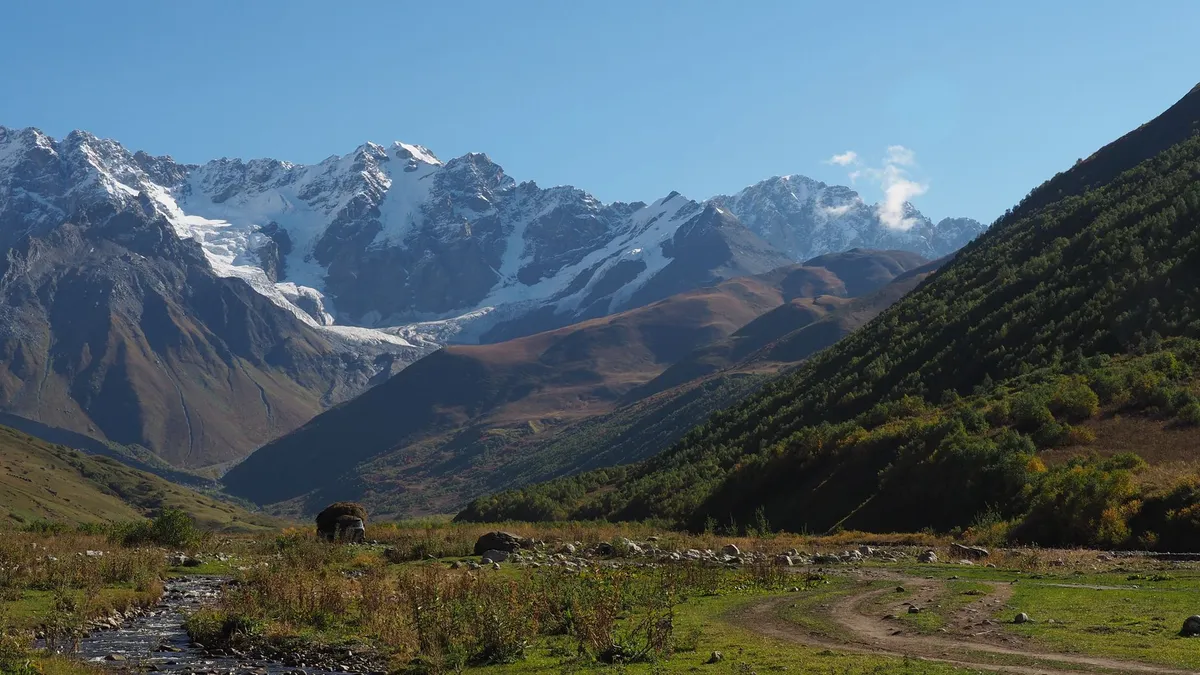
Stone Sentinels of the High Caucasus The silhouette of a Svan tower against a bruised‑purple sky is the region’s calling card. Built between the 9th and 13th centuries, these defensive dwellings cluster in villages like Mestia, Ushguli, and Latali, forming a UNESCO World Heritage ensemble that feels less like a museum and more like a living citadel. Each tower rises 20‑25 metres, its narrow windows designed for archers, its thick schist walls insulated against both invaders and the biting alpine wind. Walking the cobblestone lanes of Ushguli — often cited as Europe’s highest continuously inhabited settlement at 2,100 metres — you can still hear the echo of centuries‑old polyphonic chants drifting from the nearby Lamaria Church. The towers were not merely military; they stored grain, housed extended families, and served as status symbols for the clans that ruled these valleys. Today, many have been restored as guesthouses, offering travelers a night inside history with modern comforts like Wi‑Fi and hot showers. The preservation effort is a delicate balance: local families maintain the structures using traditional lime mortar, while the Georgian Ministry of Culture oversees UNESCO compliance. For the curious, the Svaneti Museum of History and Ethnography in Mestia displays ancient manuscripts, weaponry, and the famed “Svaneti cross” — a symbol of the region’s distinct Christian heritage. A guided hike to the abandoned tower complex at Chazhashi reveals how the landscape dictated architecture: towers perch on rocky outcrops, their foundations anchored directly into bedrock. This interplay of geology and human ingenuity makes every step feel like a dialogue with the past.Navigating the Ribbon of Asphalt to Mestia Reaching Svaneti is an adventure in itself. The main artery, the Zugdidi‑Mestia highway (E60), stretches 150 kilometres of hairpin bends, sheer cliffs, and occasional rockfall zones. In summer, the drive takes roughly three hours from Zugdidi; in winter, snow and ice can double that time, and the road may close for days. The Georgian government has invested heavily in widening the most treacherous sections, installing guardrails and real‑time weather sensors, yet the route retains a raw, untamed character that rewards patient drivers with panoramic vistas of the Enguri River gorge. For those preferring air travel, the newly renovated Queen Tamar Airport in Mestia offers seasonal flights from Tbilisi (about 45 minutes) and Kutaisi, operated by small turboprop aircraft that land on a runway perched at 1,500 metres. Flights are weather‑dependent; fog can ground planes for hours, so flexible itineraries are essential. Shared minibuses (marshrutkas) run daily from Zugdidi’s central station, costing roughly ₾30‑₾40 ($11‑$15) and providing a sociable, if cramped, introduction to local life. Renting a 4×4 in Tbilisi or Kutaisi gives the most freedom — expect $70‑$100 per day for a sturdy SUV with high clearance. Fuel prices hover around ₾3.2 ($1.20) per litre, and the total fuel cost for a round‑trip from Tbilisi is under $80. Travel insurance that covers mountain driving is strongly advised; the safety index for Georgia sits at 73.7, reflecting low crime but notable road hazards. Whether you arrive by air or asphalt, the journey sets the tone: you are entering a realm where the road itself is a protagonist.Feasting on Fire‑Kissed Kubdari in Ushguli Svan cuisine is a revelation for anyone who thinks Georgian food begins and ends with khachapuri. The region’s signature dish, kubdari, is a hand‑rolled bread stuffed with spiced minced beef or lamb, onions, garlic, and a generous pinch of Svanetian salt — a blend of coriander, blue fenugreek, and dried chili. Baked in a wood‑fired tone oven, the crust turns charred and crisp while the filling stays juicy, releasing aromas that cling to the alpine air. In Ushguli, family‑run guesthouses serve kubdari alongside chvishtari (cornbread with melted sulguni cheese) and a bowl of hearty kharcho soup thickened with walnuts. The local honey, harvested from wild thyme and rhododendron blossoms, drizzles over fresh cheese plates, while the famed Svanetian vodka (arakhi) warms the belly after a day on the trails. Dining is communal: long wooden tables, shared platters, and the ever‑present toastmaster (tamada) guiding supra rituals that can last well into the night. The region’s natural wine movement thrives here; amber‑colored qvevri wines from the nearby Kakheti valley are transported up the mountain passes, their tannic structure complementing the rich meat dishes. Vegetarians will find solace in lobio (bean stew) seasoned with smoked ham hock alternatives and the ubiquitous pickled vegetables — jonjoli, cucumber, and garlic shoots. Prices are modest: a full supper with wine costs ₾30‑₾45 ($11‑$17) per person. For the culinary explorer, a cooking workshop in Mestia’s “Svaneti Kitchen” lets you knead dough, grind spices, and pull your own kubdari from the oven — an edible souvenir that travels far better than any magnet. Related Insights'Udaipur: Wo die Zeit in goldenen Palästen und smaragdgrünen Seen erstarrt' Azure Horizons and Fragile Ecosystems: The Maldives Reality Check Australia Unveiled: Where Sun-Kissed Shores Meet Ancient Souls and Modern Marvels (Part 2){ "@context": "https://schema.org", "@type": "FAQPage", "mainEntity": [ { "@type": "Question", "name": "What is the main focus of High Roads of Svaneti: Where Medieval Towers Meet Modern Nomads?", "acceptedAnswer": { "@type": "Answer", "text": "Explore Georgia's Svaneti region, its ancient stone towers, rugged mountain passes, and the practical realities for digital nomads seeking altitude." } }, { "@type": "Question", "name": "Who authored the comprehensive guide on High Roads of Svaneti: Where Medieval Towers Meet Modern Nomads?", "acceptedAnswer": { "@type": "Answer", "text": "This detailed article and its insights were carefully researched and authored by Mark Dinn." } }, { "@type": "Question", "name": "Where can I find more related content about Travel?", "acceptedAnswer": { "@type": "Answer", "text": "You can explore more articles, detailed reviews, and similar insights by browsing the Related Insights section at the bottom of this article or visiting our dedicated Travel category page." } } ] }
-
 Aisha Sharma
 - 24 Sep, 2026 21:44
The Silk Road Rediscovered: Navigating the Ancient Caravanserais of Central Asia
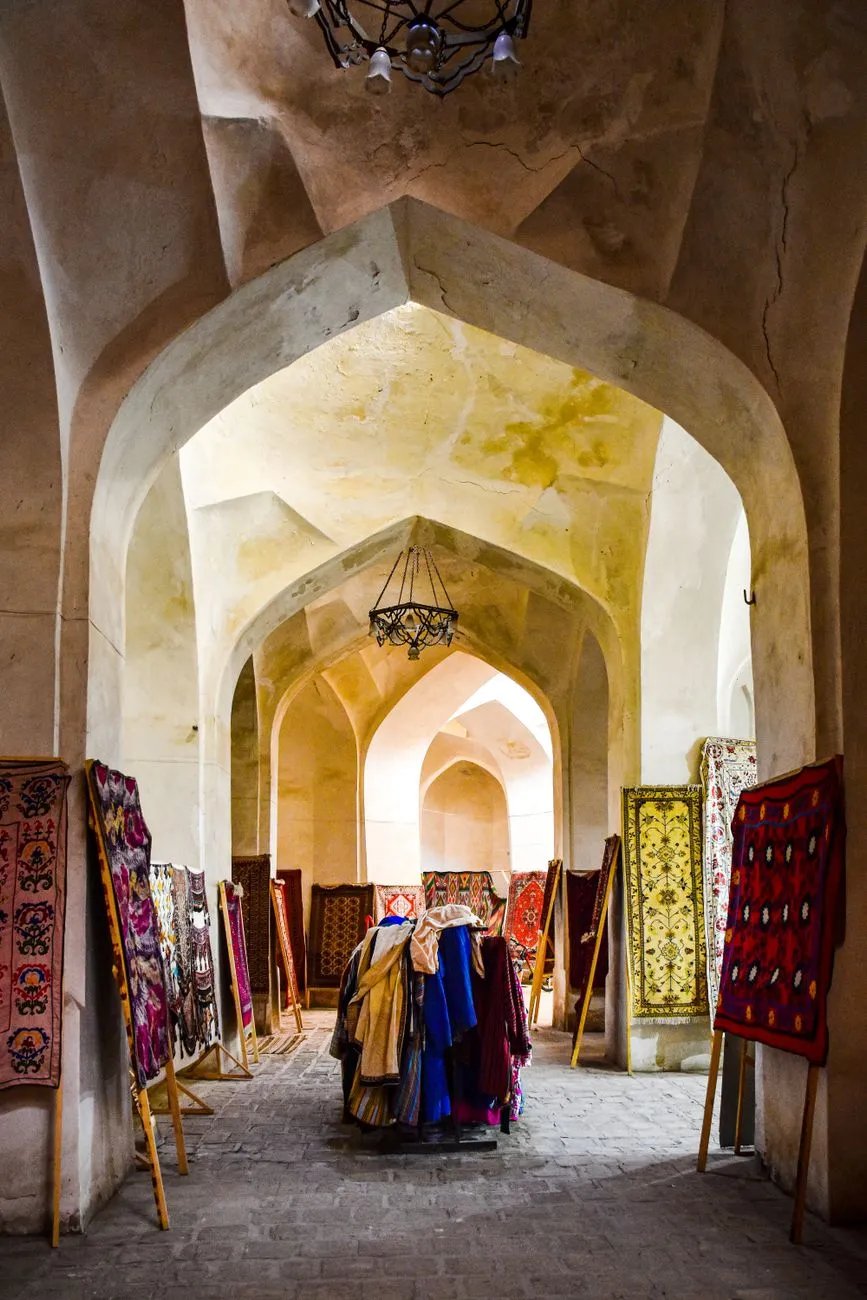
The Silk Road was never a single highway; it was a living network of oases, mountain passes, and bustling markets stitched together by the humble caravanserai. These fortified inns offered shelter, fresh water, and a place to trade news as readily as silk, spices, or ideas. Today, the stone arches of those waystations still stand across Uzbekistan, Kyrgyzstan, Kazakhstan, Turkmenistan, and Tajikistan, inviting modern travelers to step into a narrative that spans millennia. Whether you are a history‑obsessed backpacker, a digital nomad chasing reliable Wi‑Fi in a courtyard of turquoise tiles, or a photographer hunting the perfect light on a domed roof, the surviving caravanserais deliver an authentic pulse of the past that no museum replica can replicate. Whispers of the Dunes: Khiva’s Living MuseumKhiva, a UNESCO World Heritage site, feels less like a city and more like a time capsule from the Silk Road era. The inner fortress, Ichan Kala, houses a cluster of restored caravanserais that once accommodated camel caravans laden with Chinese porcelain and Persian carpets. The most iconic, the Kalta Minor Minaret complex, includes a vaulted courtyard where merchants tethered their beasts beneath a canopy of blue‑glazed bricks. Walking the narrow lanes, you can still see the original “suv” (water) channels that fed both humans and animals, a hydraulic ingenuity that predates modern plumbing by centuries. For the digital nomad, Khiva offers a rare blend of atmosphere and connectivity. According to Numbeo’s crowdsourced data, a modest one‑bedroom apartment in the historic centre rents for roughly $250‑$300 per month, while a high‑speed internet package averages $15‑$20. Cafés tucked into former caravanserai cells serve strong Uzbek coffee and reliable Wi‑Fi, making deep‑work sessions feel like a scholarly retreat. Safety scores on Numbeo place Khiva well above the regional average, with a crime index below 20, so evening strolls through the moonlit arches are both inspiring and secure. Beyond the main tourist circuit, the Kunya‑Ark Citadel houses a lesser‑known caravanserai that now functions as a craft workshop. Artisans demonstrate silk‑weaving techniques unchanged since the 14th century, and visitors can purchase hand‑loomed fabrics directly from the loom. The site’s preservation plan, funded jointly by the Uzbek government and UNESCO, emphasizes adaptive reuse—keeping the stones alive with contemporary purpose rather than fossilizing them behind glass. Practical tip: Arrive early (before 9 am) to avoid tour groups and capture the courtyard’s geometric shadows at their sharpest. A local guide can unlock the “hidden hammam” beneath the main hall, a subterranean bathhouse once reserved for high‑ranking merchants. Bring a reusable water bottle; the ancient “suv” channels still run, and the water is potable after a quick filter. Stone Sentinels of the Steppe: Tash Rabat and the Kyrgyz HighlandsPerched at 3,200 meters on the ancient “Great Silk Road” branch that linked Kashgar to Lake Issyk‑Kul, Tash Rabat is a stone‑built caravanserai that feels more like a fortress than an inn. Its massive basalt walls, each over a meter thick, enclose a central courtyard flanked by 31 vaulted chambers—each designed to house a merchant, his goods, and a pair of camels. The structure’s orientation follows the cardinal points, a deliberate design that maximized solar gain in winter and shade in summer. Reaching Tash Rabat requires a 4‑hour drive from Naryn on a partially paved mountain road that climbs through the “Kyzyl‑Art” pass. The journey itself is a pilgrimage: yurts dot the valleys, herders wave from horseback, and the air carries the scent of juniper and fermented mare’s milk (kumis). Numbeo lists Naryn’s cost of living at roughly $350‑$400 per month for a modest lifestyle, with internet packages around $25—slightly higher than Khiva due to the remote terrain. The caravanserai’s interior remains remarkably intact. Archaeologists have uncovered “tandoor” ovens, grain silos, and a sophisticated “qanat” drainage system that channeled meltwater away from the sleeping quarters. Recent restoration, financed by the World Monuments Fund, replaced collapsed roof sections with locally quarried stone, preserving the original “corbelled” vaulting technique. Visitors can now spend a night in a restored chamber, sleeping on felt mats while the wind whistles through the stone lintels—a rare chance to experience the Silk Road as a traveler, not a spectator. For those planning a multi‑day trek, the nearby “Kara‑Kul” lake offers a high‑altitude campsite with basic facilities. Local tour operators provide “horse‑back” packages that follow the historic caravan trail to “Kashgar” (now in China), though border permits are required. Digital nomads should note that mobile coverage is spotty; a satellite hotspot is advisable if uninterrupted connectivity is essential. Blueprint of Hospitality: Bukhara’s Timeless InnsBukhara, the “City of a Thousand Minarets,” boasts a concentration of caravanserais unmatched anywhere on the route. The “Caravanserai of Sayfuddin” (also known as “Tim‑Abdullah”) sits directly opposite the “Kalyan Minaret”, its massive wooden gates still swinging on iron hinges forged in the 16th century. Inside, a double‑height arcade runs the length of the courtyard, each bay once rented to a different guild—spice merchants, textile traders, metalworkers—creating a micro‑economy that mirrored the macro‑trade of the Silk Road. Modern Bukhara has leveraged this heritage for tourism without sacrificing authenticity. The “Bukhara Silk Road Festival” each May transforms the caravanserai courtyards into open‑air galleries, where calligraphers, miniature painters, and “dutar” musicians perform. Numbeo data shows a comfortable one‑bedroom in the old town averages $300‑$350, while coworking spaces like “Silk Hub” charge $80‑$100 per month for a dedicated desk and high‑speed fiber. A hidden gem lies beneath the “Mir-i-Arab Madrasa”: a subterranean “sardoba” (water reservoir) that once supplied the entire caravanserai complex. Guided tours reveal the “karez” engineering—vertical shafts linked by gently sloping tunnels—that transported groundwater from the “Zarafshan” mountains over 30 kilometers. The system’s resilience is a testament to the hydraulic mastery that sustained desert commerce for centuries. Food lovers should not miss the “Plov” prepared in a “kazan” (cast‑iron cauldron) within the caravanserai’s communal kitchen. The recipe, passed down through generations of “oshpaz” (master chefs), includes “devzira” rice, “quince”, and a secret blend of “cumin, coriander, and barberries”. Sharing a plate with local artisans offers a direct line to the oral histories that no guidebook can capture. Crossroads of Empires: Samarkand’s Merchant HallsSamarkand’s “Registan” square is framed by three madrasas, but tucked behind the “Sher‑Dor” façade lies the “Caravanserai of the Silk Merchants”, a sprawling complex that once housed up to 500 camels. Its layout follows a “four‑iwan” plan—four vaulted halls opening onto a central courtyard—allowing separate zones for “wholesale”, “retail”, “storage”, and “rest”. The “iwan” arches are adorned with “muqarnas” (stalactite vaulting) that diffuse sunlight into a soft, golden glow, a design later echoed in Mughal architecture across the subcontinent. Today, the complex hosts the “International Craft Center”, where master ceramists fire “blue‑white” tiles using the same “cobalt” pigments that colored the “Bibi‑Khanym Mosque” dome. Numbeo lists Samarkand’s average rent for a centrally located apartment at $350‑$420, with internet at $18‑$22. The city’s “Silk Road Co‑Working” space, housed in a restored caravanserai wing, offers $90 monthly memberships and a community of freelance developers, translators, and travel writers. A practical itinerary for a two‑day deep dive: Day 1 – morning tour of the “Ulugbek Observatory”, then lunch at the caravanserai’s “chaikhana” (tea house) sampling “shashlik” grilled over apricot Related InsightsExploring the Aegean Coast Svalbard: Arctic Adventures Beyond the Northern Lights – A Remote Paradise for Explorers and Digital Nomads (Part 2) Rusting Rails of the Sahara: The Forgotten Iron Spine of a Colonial Dream{ "@context": "https://schema.org", "@type": "FAQPage", "mainEntity": [ { "@type": "Question", "name": "What is the main focus of The Silk Road Rediscovered: Navigating the Ancient Caravanserais of Central Asia?", "acceptedAnswer": { "@type": "Answer", "text": "Journey through the restored caravanserais that once powered the world’s greatest trade route, with practical tips, cost insights, and hidden gems." } }, { "@type": "Question", "name": "Who authored the comprehensive guide on The Silk Road Rediscovered: Navigating the Ancient Caravanserais of Central Asia?", "acceptedAnswer": { "@type": "Answer", "text": "This detailed article and its insights were carefully researched and authored by Aisha Sharma." } }, { "@type": "Question", "name": "Where can I find more related content about Travel?", "acceptedAnswer": { "@type": "Answer", "text": "You can explore more articles, detailed reviews, and similar insights by browsing the Related Insights section at the bottom of this article or visiting our dedicated Travel category page." } } ] }
-
 Chloe Tremblay
 - 17 Sep, 2026 07:18
Shadows of Angkor: Unveiling the Jungle‑Cloaked Temples Beyond the Tourist Trail
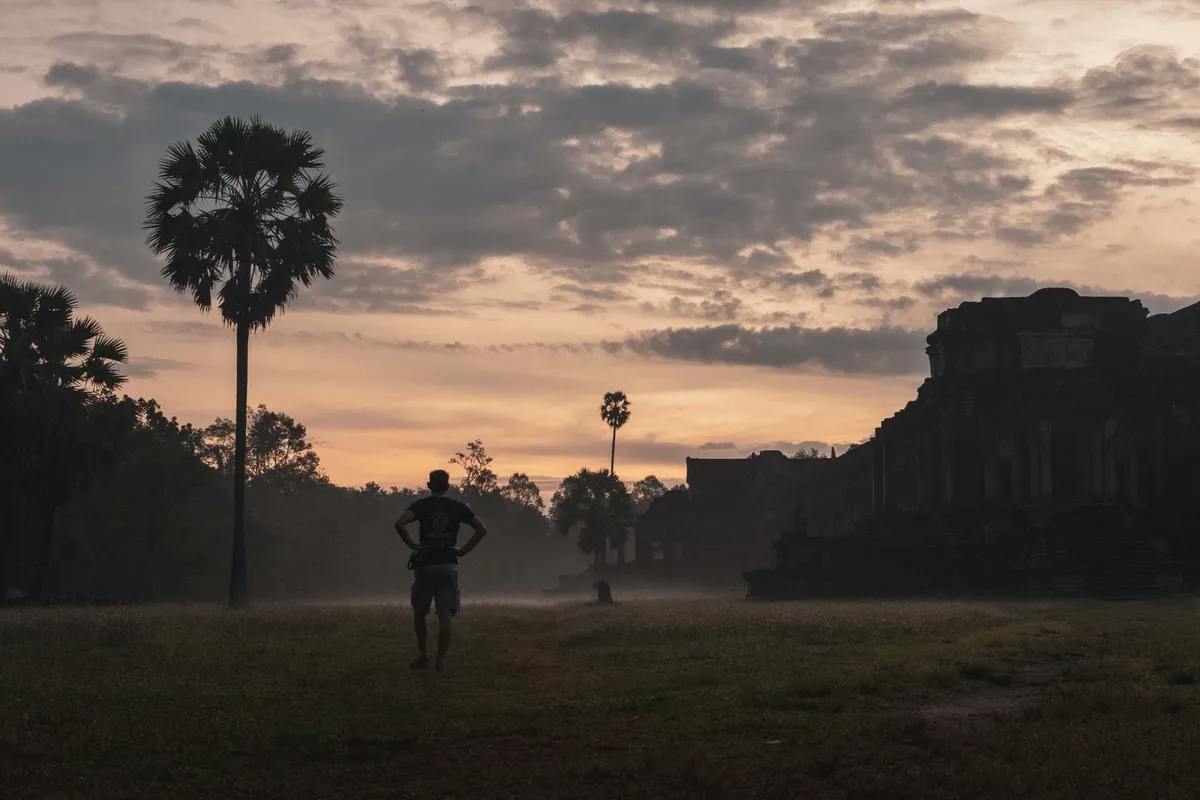
Dawn Over the Lotus Moat The first light that slips over the lotus‑filled moat of Angkor Wat does more than illuminate sandstone; it rewrites the narrative of a site that has been photographed a million times yet still hides secrets in its shadowed galleries. Arriving before the tour buses rumble in, you hear the soft rustle of palm fronds and the distant call of a white‑rumped shama, a soundtrack that has accompanied pilgrims for centuries. The UNESCO World Heritage designation, granted in 1992, protects over 400 square kilometres of temple complexes, reservoirs, and jungle, but the real magic lives in the details that escape the standard itinerary. The central sanctuary, oriented precisely to the west, aligns with the equinox sun, a celestial engineering feat that still baffles archaeologists. As you step onto the causeway, the sandstone blocks — quarried from the Kulen Mountains some 30 kilometres away — feel cool underfoot, each one bearing the faint chisel marks of Khmer artisans who moved an estimated five million tonnes of stone without the wheel. The bas‑reliefs that line the outer galleries narrate the Churning of the Ocean of Milk, a mythic tug‑of‑war between devas and asuras, yet the deeper panels, often missed by hurried visitors, depict everyday life: rice harvesting, market bargaining, and even early forms of Khmer chess. Spending the morning here, you can trace the evolution of Khmer architecture from the early brick towers of Bakong to the soaring lotus bud towers of Angkor Wat itself, a progression that mirrors the empire’s rise from a regional chiefdom to a continental power. For the modern traveller, the early hours also mean a practical advantage: the temperature hovers around 24 °C, humidity is manageable, and the light is perfect for photography without the harsh midday glare. A modest entry fee of US 37 for a one‑day pass (US 62 for three days) grants access to the entire archaeological park, and the ticket booth opens at 5 am, allowing you to claim a quiet corner before the crowds arrive. Navigating the Jungle Corridors Beyond the iconic silhouette of Angkor Wat lies a labyrinth of lesser‑known temples where the jungle has reclaimed its territory, creating an atmosphere that feels more like an explorer’s journal than a tourist brochure. Ta Prohm, famously entwined with massive silk‑cotton roots, is the poster child for this symbiosis, yet the surrounding satellites — Banteay Kdei, Preah Khan, and the remote Beng Mealea — offer equally haunting corridors where stone and strangler fig engage in a slow, silent wrestle. The park’s 400 km² expanse includes over 1,000 identified structures, but only a fraction receive regular foot traffic. A bicycle or tuk‑tuk hired from Siem Reap (approximately US 15 per day for a bike, US 25 for a tuk‑tuk with driver) lets you chart a personal route that bypasses the main circuit. The “Grand Circuit” — a 26‑kilometre loop — connects the major outlying temples and can be completed in a leisurely day, while the “Small Circuit” covers the core sites in half the distance. For those who crave solitude, the early‑morning trek to Beng Mealea, 40 km east of the main park, rewards you with a temple still largely unrestored, its galleries choked by vines and its central tower collapsed into a pile of sandstone blocks that you can climb for a panoramic view of the surrounding forest canopy. The park’s management, overseen by the APSARA Authority, has implemented a zoning system that limits visitor numbers at fragile sites; permits for sunrise at Angkor Wat are capped at 2,000 per day, and a new digital booking platform launched in 2023 reduces queue times dramatically. Practical tip: carry a reusable water bottle (refill stations exist at the main entrance and at the Angkor Conservation Office), wear breathable long‑sleeve shirts to protect against both sun and insect bites, and download the offline map “Angkor Park Explorer” which marks lesser‑known trails, restroom locations, and the positions of the 12‑meter‑high laterite walls that once demarcated the royal city of Angkor Thom. Digital Nomad Life Among the Stones Siem Reap has quietly morphed from a backpacker stopover into a legitimate digital nomad hub, a transformation fueled by Cambodia’s “visa‑everything” approach — most nationalities receive a 30‑day e‑visa on arrival for US 36, extendable for another 30 days — and a cost of living that remains among Southeast Asia’s lowest. A comfortable one‑bedroom apartment in the Riverside district rents for US 350‑450 per month, while a high‑speed fibre connection (30‑50 Mbps) costs roughly US 30. Co‑working spaces such as “The Hive” and “Angkor Hub” offer day passes at US 10 and monthly memberships at US 120, complete with air‑conditioning, meeting rooms, and a community of freelancers, developers, and content creators who swap code reviews over Khmer iced coffee. The city’s population of roughly 245,000 swells during the high season (November‑March) but retains a laid‑back rhythm; Pub Street and the Night Market provide vibrant social scenes without the frenetic energy of Bangkok or Bali. Weekend excursions to the temples become a routine “office break” — many nomads schedule sunrise shoots at Angkor Wat, then return to a riverside café for a bowl of kuy teav (rice noodle soup) before diving into afternoon sprints. The local government has recognized this demographic, launching a “Digital Nomad Visa” pilot in 2024 that allows stays of up to one year with minimal paperwork, provided applicants show proof of remote income exceeding US 1,500 per month. Health care is accessible: the Royal Angkor International Hospital offers English‑speaking staff and international‑standard facilities, and a routine consultation costs US 25. For those who crave nature, the nearby Phnom Kulen National Park — a 45‑minute drive — provides waterfalls, sacred river carvings, and a chance to disconnect completely. The blend of ancient wonder and modern connectivity creates a unique productivity loop: the stones remind you of impermanence, while the Wi‑Fi keeps your deadlines alive. Feasting on Khmer Flavors at Sunset No exploration of Angkor is complete without surrendering to the culinary rhythm that pulses through Siem Reap’s streets as the sun dips behind the western gopura. The city’s food scene balances tradition with innovation, offering everything from humble street‑side amok — a fragrant fish curry steamed in banana leaves — to upscale tasting menus that reinterpret ancient recipes with modern technique. At “Malis Restaurant,” a Michelin‑commended venue, the signature “Fish Amok” uses locally sourced snakehead fish, kroeung paste (lemongrass, galangal, turmeric, kaffir lime), and coconut cream, served in a carved coconut shell; a portion costs US 12 and arrives with a side of jasmine rice and pickled vegetables. For a more casual experience, the “Old Market” (Phsar Chas) teems with vendors selling num banh chok — thin rice noodles topped with a green fish gravy, fresh herbs, and bean sprouts — at US 1.50 a bowl. Night markets along the riverfront transform into open‑air grills where skewers of marinated beef (sach ko ang) and pork belly (sach chrouk) sizzle over charcoal, releasing aromas that mingle with the incense from nearby pagodas. Vegetarian travellers will find “Vibe Café” offering a Khmer‑style “Lok Lak” made with seitan, served with a pepper‑lime dipping sauce and a side of fresh papaya salad. Pair any meal with a glass of “Angkor Beer” (5 % ABV, US 1.20 per can) or a freshly pressed sugarcane juice (US 0.50) for a refreshing counterpoint to the tropical heat. Dining al fresco at a riverside table as the sky blushes orange, you can watch the silhouette of Angkor Wat darken against the horizon, a daily reminder that the empire’s legacy is not only etched in stone but also simmered in the pots of its people. Preserving the Past for Future Wanderers Conservation at Angkor is a living dialogue between archaeology, community, and tourism economics. The APSARA Authority, established in 1995, coordinates restoration projects funded by international partners — Japan, France, Germany, and the United States — each contributing expertise in stone consolidation, laser scanning, and hydrological management. The “Angkor Hydraulic City” research initiative, launched in 2018, uses LiDAR to map the ancient water network that once sustained a population estimated at 750,000, revealing canals, reservoirs (barays), and moats that functioned as both irrigation and spiritual symbols. Recent work at the West Mebon, a temple situated on an artificial island in the West Baray, has stabilized its laterite foundation using a breathable lime‑based mortar that respects the original chemistry of the stone. Community‑based tourism programs employ local villagers as site guardians, guides, and artisans, ensuring that revenue circulates within the 40 surrounding communes. The “Adopt a Temple” scheme allows donors to sponsor specific conservation tasks — such as the removal of invasive vegetation at Preah Palilay — with transparent reporting on progress. Visitors can contribute directly by purchasing the “Angkor Pass Plus” (US 72 for three days) which allocates a portion to the Conservation Fund. Educational outreach includes school visits where children learn traditional stone‑carving techniques, fostering a sense of ownership that transcends generations. The challenge remains balancing access with preservation: foot traffic erodes delicate bas‑reliefs, while climate change intensifies seasonal flooding that threatens the structural integrity of the barays. Ongoing monitoring, coupled with visitor education — signage in Khmer, English, Chinese, and French — aims to cultivate a culture of respect that protects the site for the next millennium. Item Cost (USD) Cost (KHR)3‑day Angkor Pass 62 254,000Bicycle rental (per day) 15 61,500Tuk‑tuk with driver (per day) 25 102,500Co‑working day pass 10 41,000One‑bedroom apartment (monthly) 400 1,640,000Meal at mid‑range restaurant 12 49,200Street‑food bowl (num banh chok) 1.5 6,150Angkor Beer (can) 1.2 4,920Visa on arrival (30 days) 36 147,600Digital Nomad Visa (annual) 150 615,000Echoes That Linger Beyond the Temples Leaving Angkor feels less like a departure and more like a shift in perspective. The stone corridors you walked, the roots you brushed aside, the flavors you tasted — they all become reference points for a deeper understanding of resilience. The empire that built these monuments thrived on an intricate water management system, a lesson that resonates with today’s climate‑conscious planners. The digital nomads who now call Siem Reap home illustrate how ancient infrastructure can support modern livelihoods when connectivity and community align. As the last tuk‑tuk rolls away and the night market lights flicker, the silhouette of Angkor Wat remains etched against a star‑spangled sky, a silent promise that the stories carved in sandstone will continue to inspire wanderers, coders, Related InsightsLa Alcazaba de Málaga: Fortaleza Inexpugnable Istanbul: Two Continents Angkor Wat: Il Cuore Cosmico di Pietra, Tra Devozione e Mistero nel Regno Khmer{ "@context": "https://schema.org", "@type": "FAQPage", "mainEntity": [ { "@type": "Question", "name": "What is the main focus of Shadows of Angkor: Unveiling the Jungle‑Cloaked Temples Beyond the Tourist Trail?", "acceptedAnswer": { "@type": "Answer", "text": "Journey past the crowds into the mist‑shrouded corridors of Angkor, where ancient stone meets modern nomad life." } }, { "@type": "Question", "name": "Who authored the comprehensive guide on Shadows of Angkor: Unveiling the Jungle‑Cloaked Temples Beyond the Tourist Trail?", "acceptedAnswer": { "@type": "Answer", "text": "This detailed article and its insights were carefully researched and authored by Chloe Tremblay." } }, { "@type": "Question", "name": "Where can I find more related content about Travel?", "acceptedAnswer": { "@type": "Answer", "text": "You can explore more articles, detailed reviews, and similar insights by browsing the Related Insights section at the bottom of this article or visiting our dedicated Travel category page." } } ] }
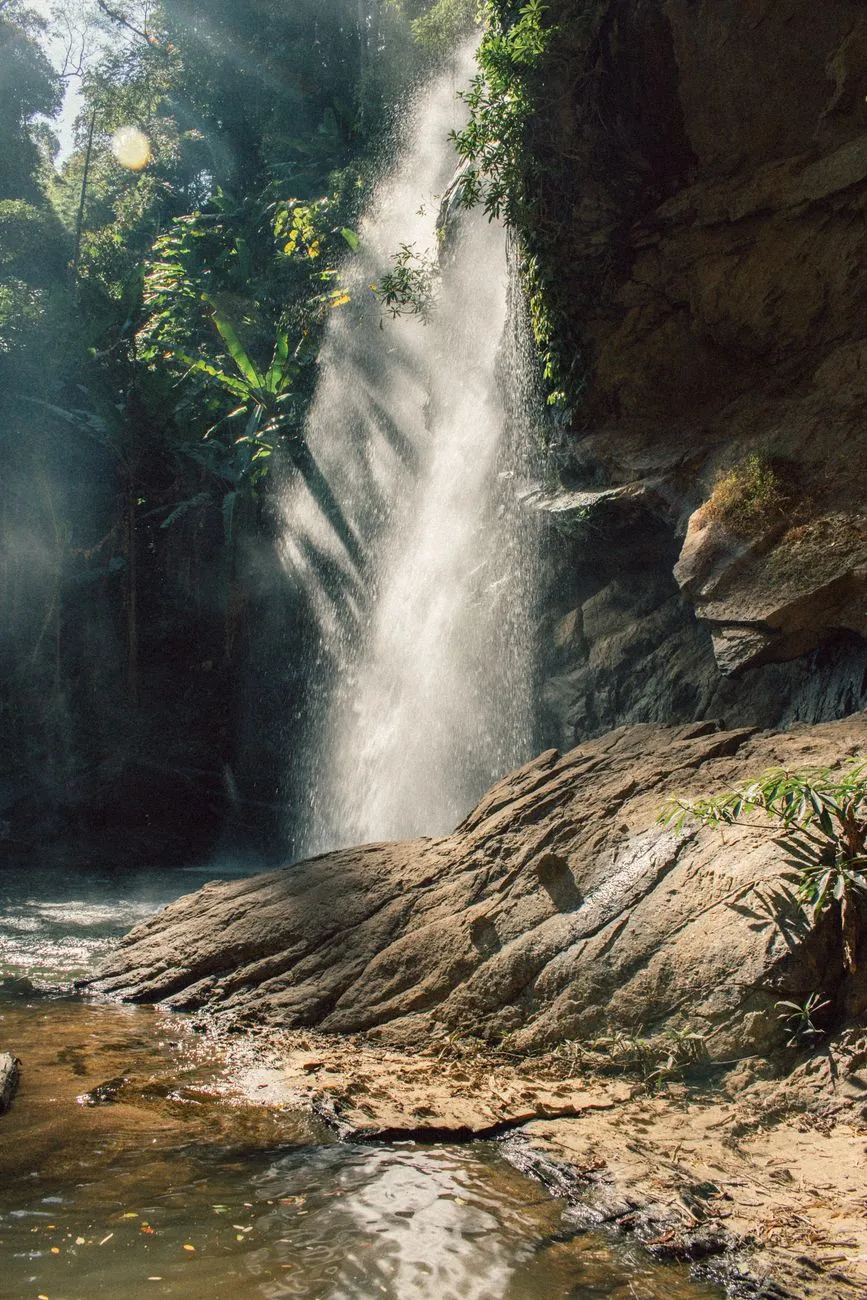
Where the Crowds Never Go: The Real Southeast Asia Awaits Southeast Asia has long been a magnet for travelers, but the well-trodden paths of Bali, Bangkok, and Hanoi are only the beginning. In 2026, a new wave of adventurers is uncovering the region’s hidden gems—places where pristine beaches, lush jungles, and vibrant cultures thrive without the tourist hordes. From the misty highlands of northern Laos to the ancient temples of Cambodia’s Siem Reap, these destinations offer something far more authentic than the typical backpacker route. Whether you're a digital nomad chasing reliable Wi-Fi or a thrill-seeker hunting for untouched landscapes, Southeast Asia’s best-kept secrets promise an experience that’s as enriching as it is exhilarating.Siem Reap: Beyond Angkor Wat – A Digital Nomad’s Paradise Emerges For decades, Siem Reap was known solely as the gateway to Angkor Wat, a place where travelers rushed in, snapped photos, and fled. But in 2026, this Cambodian gem has transformed into a digital nomad haven, offering a perfect blend of affordability, culture, and modern convenience. The city’s internet infrastructure has seen a dramatic upgrade, with speeds now ranging from 50 to 80 Mbps in the city center—a far cry from the dial-up days of the past. Coworking spaces like AngkorHub and The Factory provide high-speed connections, ergonomic setups, and networking opportunities, all for a fraction of what you’d pay in Bangkok or Bali. The cost of living is another draw. A digital nomad can comfortably live on $700–$1,100 per month, including rent, food, and coworking fees. A studio apartment in the city center costs around $300–$500, while a meal at a local amok (Cambodian curry) restaurant runs just $3–$5. Even gym memberships and social events are budget-friendly, with most activities costing under $10. The visa situation has also improved, with Cambodia’s Digital Nomad Visa (introduced in 2024) now fully operational. For $290, you get a 12-month visa with the option to extend, making it one of the most straightforward and affordable options in Southeast Asia. But Siem Reap isn’t just about saving money—it’s about immersion. The city’s growth has brought a wave of new cafes, art galleries, and coworking hubs, all while preserving its rich heritage. The Phare Circus, a social enterprise employing at-risk youth, offers evening performances that blend acrobatics with Cambodian folklore. Meanwhile, the Siem Reap Pub Street has evolved beyond its backpacker reputation, now featuring rooftop bars with live music and craft cocktails. For those seeking adventure, day trips to the Tonlé Sap Lake or the Kulen Promtep Wildlife Sanctuary offer kayaking, hiking, and encounters with rare wildlife.Da Nang: Vietnam’s Coastal Secret Where Urban Sophistication Meets Beachside Bliss While Ho Chi Minh City and Hanoi dominate Vietnam’s travel narrative, Da Nang has quietly emerged as the country’s most dynamic coastal destination. In 2026, this city of 1.2 million is a digital nomad hotspot, offering a rare combination of urban amenities, stunning beaches, and affordability. The cost of living for a digital nomad hovers between $700–$1,100 per month, making it one of the most budget-friendly cities in Southeast Asia for those who want a high quality of life. A modern one-bedroom apartment in the An Thuong district costs $400–$600, while a meal at a local seafood restaurant is just $5–$8. Coworking spaces like DNC Coworking Space and The Hive Da Nang provide high-speed internet (up to 100 Mbps), meeting rooms, and networking events for $80–$150 per month. What sets Da Nang apart is its diverse landscape. The city is nestled between the Marble Mountains (a series of limestone hills with caves and pagodas) and My Khe Beach, one of Vietnam’s most pristine stretches of sand. Adventure seekers can surf the consistent waves, paraglide over the coastline, or hike through the Son Tra Peninsula, home to the rare red-shanked douc langur. For culture lovers, the Dragon Bridge—a 656-foot-long steel structure that breathes fire and water on weekends—is a must-see. Meanwhile, the Hoi An Ancient Town (a UNESCO World Heritage Site) is just a 30-minute drive away, offering lantern-lit streets, tailor-made clothing, and riverside dining. The city’s digital nomad community is thriving, with monthly meetups, tech conferences, and beachside coworking sessions. The Da Nang Digital Nomad Visa (introduced in 2025) allows stays of up to 6 months, with an easy extension process. Health insurance is affordable, with plans starting at $30 per month, and the city’s international hospital (Vinmec) provides top-tier medical care. Currency risk is minimal, as Vietnam’s dong remains stable against the dollar, making budgeting straightforward.Chiang Mai: The Northern Thai Enclave Where Tradition and Innovation Collide Chiang Mai has long been a digital nomad favorite, but in 2026, it’s evolved into something even more special—a place where ancient temples, lush mountains, and a burgeoning tech scene coexist. According to Numbeo’s May 2026 data, Chiang Mai is 11.7% pricier than Ho Chi Minh City, but the trade-off is worth it. A digital nomad budget here ranges from $1,000–$1,500 per month, covering rent, food, coworking, and leisure. A modern studio apartment in the Nimmanhaemin Road area costs $500–$800, while a meal at a trendy café runs $4–$7. Coworking spaces like Punspace and CAMP (Creative and Meeting Place) offer high-speed internet (up to 120 Mbps), yoga sessions, and networking events for $100–$200 per month. The city’s digital nomad visa (the Thailand LTR Visa) is one of the most attractive in Southeast Asia. For $1,500–$2,000 per year, you get a 5-year visa, tax benefits, and the ability to work remotely. Health insurance is mandatory but affordable, with plans starting at $50 per month, and Thailand’s Bumrungrad Hospital is one of the best in the region. The currency risk is low, as the Thai baht remains relatively stable against the dollar. But Chiang Mai isn’t just about work—it’s about culture and adventure. The city is surrounded by mountains, waterfalls, and hill tribes, offering endless opportunities for trekking, elephant sanctuaries, and meditation retreats. The Doi Suthep Temple, perched on a mountain overlooking the city, provides breathtaking views and a glimpse into Northern Thai Buddhism. Meanwhile, the Sunday Night Market is a sensory overload of street food, handicrafts, and live music. For those who crave nightlife, the Nimman area is packed with rooftop bars, live music venues, and craft beer pubs.Bali’s Hidden Highlands: Where the Island’s Soul Resides Beyond the Beaten Path Bali is synonymous with beaches and resorts, but in 2026, the island’s hidden highlands are stealing the spotlight. Places like Sidemen, Munduk, and Amed offer a quieter, more authentic experience, where rice terraces, volcanoes, and traditional villages take center stage. The cost of living in these areas is $1,170+ per month for a digital nomad, but the trade-off is unparalleled beauty and tranquility. A villa with a private pool in Sidemen costs $600–$1,000, while a meal at a local warung is just $2–$5. Coworking spaces are sparse, but cafes like Zest Ubud and Seniman Coffee offer reliable Wi-Fi (up to 50 Mbps) for $5–$10 per day. The B211 Digital Nomad Visa (introduced in 2025) allows stays of up to 6 months, with an easy extension process. Health insurance is mandatory but affordable, with plans starting at $40 per month, and Bali’s international hospitals (like BIMC Hospital) provide excellent care. The currency risk is minimal, as the Indonesian rupiah remains stable against the dollar. What makes Bali’s highlands so special is their untouched beauty. The Sidemen Valley is a UNESCO Biosphere Reserve, home to ancient irrigation systems (subak) and volcanic lakes. The Munduk Waterfalls are a series of seven cascading falls, each more stunning than the last. Meanwhile, Amed is a fishing village turned diver’s paradise, with coral reefs, WWII shipwrecks, and black sand beaches. For adventure seekers, Mount Batur offers sunrise hikes, while traditional weaving villages like Tenganan provide a glimpse into Bali’s pre-colonial culture.Bangkok’s Secret Side: The City’s Underrated Neighborhoods and Hidden Adventures Bangkok is often dismissed as a chaotic metropolis, but in 2026, savvy travelers are discovering its hidden neighborhoods—places where local culture, street food, and modern luxury collide. Areas like Ari, Thonglor, and On Nut offer a more authentic experience than the tourist-heavy Khao San Road or Sukhumvit. The cost of living for a digital nomad is $1,000–$1,500 per month, with studio apartments costing $500–$900 and meals at local eateries ranging from $2–$7. Coworking spaces like The Hive Bangkok and WeWork Phrom Phong provide high-speed internet (up to 150 Mbps) and networking events for $120–$200 per month. The Thailand LTR Visa (same as Chiang Mai) is the best option for long-term stays, offering 5 years with tax benefits. Health insurance is mandatory but affordable ($50–$80 per month), and Bangkok’s Bumrungrad Hospital is one of the best in Asia. The currency risk is low, as the Thai baht remains stable. Bangkok’s hidden gems are endless. The Chatuchak Weekend Market (the world’s largest) is a shopper’s paradise, with over 15,000 stalls selling everything from antiques to street food. The Bang Krachao area, known as the "Green Lung of Bangkok," is a car-free zone with cycling paths, mangrove forests, and floating markets. Meanwhile, the Rooftop Cinema Club offers movie screenings with panoramic city views, and the Talad Neon Night Market is a vibrant hub for live music and craft beer.The Ultimate 2026 Southeast Asia Digital Nomad Cost BreakdownCity Monthly Budget (USD) Rent (1BR Apartment) Coworking (Monthly) Meal (Local Restaurant) Visa Cost (Annual) Internet Speed (Mbps)Siem Reap $700–$1,100 $300–$500 $80–$120 $3–$5 $290 50–80Da Nang $700–$1,100 $400–$600 $80–$150 $5–$8 N/A (6-month visa) 80–100Chiang Mai $1,000–$1,500 $500–$800 $100–$200 $4–$7 $1,500–$2,000 100–120Bali (Highlands) $1,170+ $600–$1,000 $5–$10 (daily) $2–$5 $35–$50 (monthly) 30–50Bangkok $1,000–$1,500 $500–$900 $120–$200 $2–$7 $1,500–$2,000 120–150Costs are approximate and based on 2026 data. Visa costs are for digital nomad-specific visas.Why 2026 is the Year to Explore Southeast Asia’s Hidden Gems Southeast Asia in 2026 is not the same as it was in 2016. The region has evolved, with better infrastructure, more digital nomad-friendly policies, and a growing appreciation for sustainable tourism. Places like Siem Reap, Da Nang, and Bali’s highlands offer something that the overcrowded hotspots can’t—authenticity, affordability, and adventure. For digital nomads, the cost of living is still a fraction of what you’d pay in Europe or North America, while the quality of life is often higher. The internet speeds are improving, the visa options are expanding, and the communities are thriving. Whether you’re hiking through Cambodia’s jungles, surfing Vietnam’s coastlines, or meditating in Thailand’s mountains, Southeast Asia’s hidden gems promise an experience that’s as rewarding as it is unforgettable. The question isn’t why you should visit these places—it’s when you’ll book your ticket.#DigitalNomadLife #HiddenGems #SoutheastAsia2026 #AdventureAwaits #TravelSmart Related InsightsMétéora : L'Ascension Mystique entre Ciel et Pierre Crossing the Roof of the World: Karakoram Highway Road Trip – Part 02: The Khunjerab Border Ethiopia’s Danakil Depression: A Journey to Earth’s Hottest and Most Alien Landscape{ "@context": "https://schema.org", "@type": "FAQPage", "mainEntity": [ { "@type": "Question", "name": "What is the main focus of Southeast Asia’s Best-Kept Secrets: Uncharted Adventures and Untouched Wonders in 2026?", "acceptedAnswer": { "@type": "Answer", "text": "Discover the most breathtaking and underrated destinations in Southeast Asia for 2026, where adventure meets untouched beauty and digital nomads thrive without breaking the bank." } }, { "@type": "Question", "name": "Who authored the comprehensive guide on Southeast Asia’s Best-Kept Secrets: Uncharted Adventures and Untouched Wonders in 2026?", "acceptedAnswer": { "@type": "Answer", "text": "This detailed article and its insights were carefully researched and authored by Mark Dinn." } }, { "@type": "Question", "name": "Where can I find more related content about Travel?", "acceptedAnswer": { "@type": "Answer", "text": "You can explore more articles, detailed reviews, and similar insights by browsing the Related Insights section at the bottom of this article or visiting our dedicated Travel category page." } } ] }
-
 Sofía Torres
 - 28 Aug, 2026 02:18
Antigua and Barbuda Unveiled: A Digital Nomad’s Paradise of Turquoise Waters, Spice-Infused Cuisine, and Colonial Charm
Where the Caribbean whispers history through its spice-scented breezes and hums with the rhythm of steel drums under endless sunshineNestled in the heart of the Caribbean, Antigua and Barbuda are twin jewels that have long captivated travelers with their powder-white beaches, coral reefs teeming with marine life, and a cultural tapestry woven from African, British, and indigenous influences. For digital nomads seeking a paradise where work and wanderlust intertwine seamlessly, these islands offer more than just postcard-perfect scenery—they provide a vibrant, affordable, and culturally rich lifestyle. Whether you're sipping a rum punch on a secluded cove or typing away in a breezy café overlooking the harbor, Antigua and Barbuda promise an experience that transcends the ordinary. But beyond the allure of turquoise waters and swaying palm trees lies a practical question: How much will it cost to live here? Thanks to Numbeo’s crowdsourced data and real-time market insights, we can now answer that with precision. This guide dives deep into the cost of living, cultural gems, and culinary delights of Antigua and Barbuda, tailored specifically for the modern remote worker.Why Antigua and Barbuda Are the Ultimate Digital Nomad Retreat The Caribbean has emerged as a top destination for digital nomads, and Antigua and Barbuda stand out for several reasons. First, the islands boast a stable internet infrastructure, with high-speed broadband available in most urban areas and coworking spaces dotting the landscape. Second, the cost of living, while not as low as some Southeast Asian destinations, is competitive for the Caribbean, especially when compared to nearby islands like the British Virgin Islands or St. Lucia. Third, the islands’ compact size makes it easy to explore everything from historic Nelson’s Dockyard to the lush rainforests of Barbuda—all within a short drive or ferry ride. According to Numbeo’s 2026 cost-of-living guide, a solo digital nomad in St. John’s, Antigua’s capital, can expect to spend approximately $1,800 to $2,500 USD per month, including rent, food, transportation, and leisure activities. This figure is slightly higher than in some Central American destinations but significantly lower than in the U.S. or Europe. For those willing to venture to Barbuda, the cost drops further, with rents and dining options often 20-30% cheaper due to the island’s quieter, more rural nature. But cost is only part of the equation. Antigua and Barbuda offer a unique blend of history, adventure, and relaxation. The islands were once the heart of the British sugar trade, and their colonial architecture, rum distilleries, and maritime museums tell a story of resilience and cultural fusion. Meanwhile, the local cuisine—heavy on seafood, tropical fruits, and fiery pepper sauces—reflects the islands’ African and indigenous roots. For food-loving nomads, Antigua and Barbuda are a playground of flavors waiting to be explored.Navigating the Cost of Living: A Breakdown for Remote Workers For digital nomads, understanding the cost of living is crucial to planning a sustainable stay. Below is a detailed breakdown of monthly expenses in Antigua and Barbuda, based on Numbeo’s 2026 data and real-time market trends. Keep in mind that prices can vary depending on the season (peak tourist months from December to April are more expensive) and your lifestyle choices.Expense Category Monthly Cost (USD) NotesRent (1-bedroom apartment) $800 - $1,500 St. John’s is pricier; Barbuda offers lower rates (~$600-$1,000).Utilities (electricity, water, internet) $150 - $250 Internet speeds average 50-100 Mbps; power outages are rare but possible.Groceries $300 - $500 Local markets (e.g., St. John’s Public Market) offer fresh produce at lower prices.Dining Out $400 - $800 Mid-range restaurants cost $15-$30 per meal; street food is $5-$10.Transportation $100 - $300 Taxis are expensive; renting a car costs ~$50/day. Ferries to Barbuda: $50 round-trip.Coworking Space $100 - $200 Spaces like The Office Antigua offer day passes for $20.Leisure (beach days, tours) $200 - $400 Snorkeling tours: $50-$80; boat charters: $100-$200.Total (Approx.) $1,800 - $2,500 Can be reduced by sharing rent or cooking at home.One of the biggest expenses for nomads is accommodation. In St. John’s, a modern one-bedroom apartment in a safe neighborhood like Fitches Creek or English Harbour will set you back $1,200-$1,500 per month. For those willing to live slightly outside the city center or in smaller towns like All Saints, prices drop to $800-$1,000. Barbuda, with its laid-back vibe, offers even better deals, with beachfront cottages available for $600-$900 per month. Utilities are another consideration. Electricity in Antigua and Barbuda is relatively expensive due to the islands’ reliance on imported fuel, with monthly bills averaging $150-$250. Internet is reliable but can be spotty in rural areas; a 100 Mbps connection costs around $80-$120 per month. For nomads who need a consistent signal, coworking spaces like The Office Antigua or Antigua Business Centre provide high-speed Wi-Fi and a professional environment for $100-$200 per month. Food costs vary widely depending on whether you cook at home or dine out. Groceries in Antigua are affordable if you shop at local markets. A weekly haul of fresh produce (mangoes, plantains, breadfruit), eggs, and local fish will cost $50-$80, while imported goods (cheese, pasta, wine) are pricier. Dining out is a highlight of life in Antigua and Barbuda, with options ranging from $5 street food (e.g., doubles—a Trinidadian-inspired flatbread with curried chickpeas) to $30-$50 meals at upscale restaurants like Café des Artistes or Sheer Rocks. For budget-conscious nomads, cooking at home and limiting restaurant visits to once or twice a week can cut food costs by 40-50%. Transportation is another area where nomads can save. Taxis are convenient but expensive, with rides between St. John’s and English Harbour costing $30-$50. Renting a car is a better option for those planning to explore the islands, with daily rates starting at $50. Ferries to Barbuda depart from St. John’s and cost $50 round-trip, with the journey taking about 90 minutes. For short trips, local buses (called "jitneys") are a bargain at $1-$3 per ride, though they can be crowded and unreliable. Finally, leisure activities—while not essential—are a big part of the Antigua and Barbuda experience. Snorkeling at Cades Reef, hiking Shirley Heights for sunset views, or taking a day trip to Barbuda’s Frigate Bird Sanctuary will set you back $50-$200, depending on the tour. For nomads on a tight budget, the islands’ public beaches (like Dickenson Bay or Half Moon Bay) are free and perfect for a day of relaxation.From Rum Punch to Pepper Sauce: A Culinary Journey Through Antigua and Barbuda The food of Antigua and Barbuda is a vibrant reflection of the islands’ history and geography. African slaves brought okra, plantains, and callaloo (a leafy green similar to spinach), while British colonizers introduced salted meats, pies, and rum. Indigenous Arawak influences are seen in dishes like fungie (a cornmeal-based side dish) and ducana (a sweet potato dumpling). The result is a cuisine that is hearty, spicy, and deeply flavorful—perfect for food-loving nomads.Must-Try Dishes:Jerk Chicken/Pork – The islands’ take on Jamaica’s famous jerk seasoning is a must-try. Look for roadside stands or restaurants like The Lighthouse in St. John’s, where the meat is slow-cooked over pimento wood for a smoky, spicy flavor. Fungee and Pepper Pot – A staple of Antiguan cuisine, fungie is a thick, polenta-like dish made from cornmeal, often served with pepper pot, a rich stew of salted meat, okra, and spices. Try it at Shepherd’s Restaurant in St. John’s. Ducana – A sweet, spiced dumpling made from grated sweet potato and coconut, typically served with saltfish or as a side dish. Betty’s Hope Estate often features it in their Sunday buffet. Conch – A delicacy in the Caribbean, conch is often served raw in ceviche, fried in fritters, or stewed in curry. The Copper Lime in English Harbour offers an excellent conch chowder. Rum Punch – Antigua is home to some of the Caribbean’s best rum, including English Harbour Rum and Wadadli Rum. A classic rum punch consists of rum, lime juice, sugar, nutmeg, and Angostura bitters—best enjoyed at Café des Artistes while watching the sunset.Where to Eat Like a Local:St. John’s Public Market – A bustling hub for fresh produce, spices, and street food. Try the doubles (curried chickpeas in fried flatbread) from a vendor like Doubles King. Shirley Heights Lookout – Famous for its Sunday sunset parties, this spot offers stunning views and grilled seafood. Barbuda’s Beach Bars – On Barbuda, beachside shacks serve the freshest lobster and grilled fish, often caught that morning.For nomads looking to cook at home, local markets are the best place to stock up on ingredients. The St. John’s Public Market is open daily and offers everything from fresh fish to homemade pepper sauces. For imported goods, supermarkets like Eddie’s Supermarket or Riteway have a good selection, though prices are higher.Beyond the Beach: Cultural Gems and Hidden Adventures While Antigua and Barbuda are synonymous with beaches, the islands offer a wealth of cultural and historical experiences that go far beyond sunbathing. For nomads seeking a deeper connection to the islands, these are the must-visit spots:1. Nelson’s Dockyard National Park A UNESCO World Heritage Site, Nelson’s Dockyard is a living museum of Antigua’s colonial past. Built in the 18th century as a British naval base, the dockyard is home to restored wooden ships, historic buildings, and a museum detailing the islands’ maritime history. The on-site Admiral’s Inn offers a glimpse into the past with its colonial-era dining room and rum bar. 2. Shirley Heights Perched on a hill overlooking English Harbour, Shirley Heights is famous for its Sunday sunset parties, where locals and visitors gather for live music, grilled food, and panoramic views of the harbor. The site also offers hiking trails with stunning vistas, including the Galleon Beach Trail, which leads to a secluded beach. 3. Betty’s Hope Estate Once a sugar plantation, Betty’s Hope is now a museum and agricultural site where visitors can learn about Antigua’s sugar industry and sample local rum. The estate’s rum tasting room offers a chance to try Antigua’s finest rums, including English Harbour Rum and Wadadli Rum. 4. Devil’s Bridge A natural limestone arch on Antigua’s northeast coast, Devil’s Bridge is a geological wonder where the Atlantic’s waves crash dramatically against the rocks. Locals say the bridge is haunted by the spirits of enslaved Africans who jumped to their deaths rather than face slavery. The site also offers hiking trails and a small beach. 5. Barbuda’s Frigate Bird Sanctuary Accessible only by boat, Barbuda’s Frigate Bird Sanctuary is home to the world’s largest colony of frigate birds. Visitors can take a guided boat tour to see these magnificent birds up close, as well as Barbuda’s pristine beaches and coral reefs. 6. Local Festivals and Events Antigua and Barbuda’s calendar is packed with vibrant festivals that offer a taste of the islands’ culture:Antigua Carnival (late July to early August) – A two-week celebration of music, dance, and masquerade, culminating in the Grand Parade. Sailing Week (late April) – A world-famous regatta featuring yacht races, beach parties, and live music. Barbuda’s Lobster Fest (June) – A celebration of Barbuda’s most famous export, featuring grilled lobster, music, and dancing.For nomads looking to immerse themselves in the local culture, volunteering is a great option. Organizations like The Antigua and Barbuda Humane Society or Barbuda’s Environmental Awareness Group welcome short-term volunteers to help with animal care or conservation projects.Living Like a Local: Practical Tips for Digital Nomads Moving to a new country—even temporarily—requires adaptability and preparation. Here are some practical tips to help digital nomads settle into life in Antigua and Barbuda: 1. Visa and Legal Requirements Antigua and Barbuda offer a 30-day visa-free stay for citizens of the U.S., Canada, the U.K., and most EU countries. For longer stays, nomads can apply for a temporary residency permit (valid for up to 12 months) or a digital nomad visa, which is currently in development. Check the latest requirements on the Antigua and Barbuda government website before traveling. 2. Banking and Payments The local currency is the Eastern Caribbean Dollar (XCD), which is pegged to the U.S. dollar at a 1:2.7 rate. While U.S. dollars are widely accepted, it’s best to carry small bills for local markets and taxis. ATMs are available in St. John’s and English Harbour, but rural areas may have limited access. Credit cards are accepted in most hotels and restaurants, but cash is king in local markets and small shops. 3. Healthcare Antigua and Barbuda have a public healthcare system, but for serious medical needs, expats and nomads typically use private hospitals like Mount St. John’s Medical Centre in St. John’s. Travel insurance is highly recommended, as medical care can be expensive. Pharmacies are widely available, but bring any prescription medications with you, as local options may be limited. 4. Safety Antigua and Barbuda are generally safe for tourists and nomads, with petty crime (e.g., pickpocketing) being the most common issue. Avoid walking alone at night in isolated areas, and keep valuables secure. Barbuda is particularly safe, with a low crime rate and a tight-knit community. 5. Language English is the official language, so communication is easy. However, locals often speak a creole-influenced patois, especially in rural areas. Learning a few phrases like "Wah gwaan?" (What’s up?) or "Mi deh yah" (I’m here) will endear you to the locals. 6. Transportation HacksRent a car for flexibility, but be prepared for aggressive driving and narrow roads. Use ferries to explore Barbuda—book in advance during peak season. Try the jitneys for short trips, but confirm the route with the driver first. Bike rentals are available in some areas, but the hilly terrain can be challenging.7. Social Life and Networking Antigua and Barbuda have a growing digital nomad community, with meetups often organized at coworking spaces or beach bars. Facebook groups like "Antigua and Barbuda Expats & Digital Nomads" are great for connecting with others. For a more local experience, attend church services or community events—Antiguans are warm and welcoming to visitors. 8. Sustainability The islands are working to reduce plastic waste, so bring a reusable water bottle and shopping bag. Support local businesses and eco-friendly tours to minimize your environmental impact.The Antigua and Barbuda Lifestyle: Work, Wander, and Unwind What does a typical day look like for a digital nomad in Antigua and Barbuda? It might start with a sunrise swim at Dickenson Bay, followed by a morning of work at a coworking space like The Office Antigua. After lunch—perhaps a fresh seafood salad at The Copper Lime—you might explore the historic streets of St. John’s or take a ferry to Barbuda for a day of snorkeling and beachcombing. As the sun sets, you could enjoy a rum punch at Shirley Heights or a quiet dinner at Café des Artistes, watching the stars reflect off the turquoise water. The key to making the most of life in Antigua and Barbuda is balance. The islands encourage a slow, mindful pace—where work is important, but so is savoring a fresh coconut, dancing to a steel drum, or losing yourself in the rhythm of the waves. For nomads tired of the hustle of big cities, this is a chance to reconnect with nature, culture, and themselves.Why Antigua and Barbuda Could Be Your Next Home Away from Home In a world where remote work is becoming the norm, Antigua and Barbuda offer a compelling alternative to the usual digital nomad hotspots. They combine affordability, reliable infrastructure, and a rich cultural experience with the kind of natural beauty that inspires creativity and relaxation. Whether you’re here for a month or a year, the islands have a way of getting under your skin—leaving you with memories of turquoise waters, spicy flavors, and the warmth of its people. For those ready to trade the ordinary for the extraordinary, Antigua and Barbuda await. Pack your laptop, your swimsuit, and an appetite for adventure—this is a journey you won’t want to miss.#CaribbeanLiving #DigitalNomadLife #AntiguaAndBarbuda #WorkFromParadise #CaribbeanCuisine Related InsightsSt. John’s, Antigua and Barbuda: Where Colonial Charm Meets Digital Nomad Paradise The Ultimate Digital Nomad’s Playbook: Where to Live, Eat, and Thrive in 2026 From Ancient Markets to Modern Tables: A Journey Through the World’s Most Treasured Culinary Landscapes{ "@context": "https://schema.org", "@type": "FAQPage", "mainEntity": [ { "@type": "Question", "name": "What is the main focus of Antigua and Barbuda Unveiled: A Digital Nomad’s Paradise of Turquoise Waters, Spice-Infused Cuisine, and Colonial Charm?", "acceptedAnswer": { "@type": "Answer", "text": "Discover how Antigua and Barbuda blends pristine beaches, vibrant culture, and affordable living for remote workers in 2026, backed by Numbeo’s cost-of-living data." } }, { "@type": "Question", "name": "Who authored the comprehensive guide on Antigua and Barbuda Unveiled: A Digital Nomad’s Paradise of Turquoise Waters, Spice-Infused Cuisine, and Colonial Charm?", "acceptedAnswer": { "@type": "Answer", "text": "This detailed article and its insights were carefully researched and authored by Sofía Torres." } }, { "@type": "Question", "name": "Where can I find more related content about Travel/Food?", "acceptedAnswer": { "@type": "Answer", "text": "You can explore more articles, detailed reviews, and similar insights by browsing the Related Insights section at the bottom of this article or visiting our dedicated Travel/Food category page." } } ] }
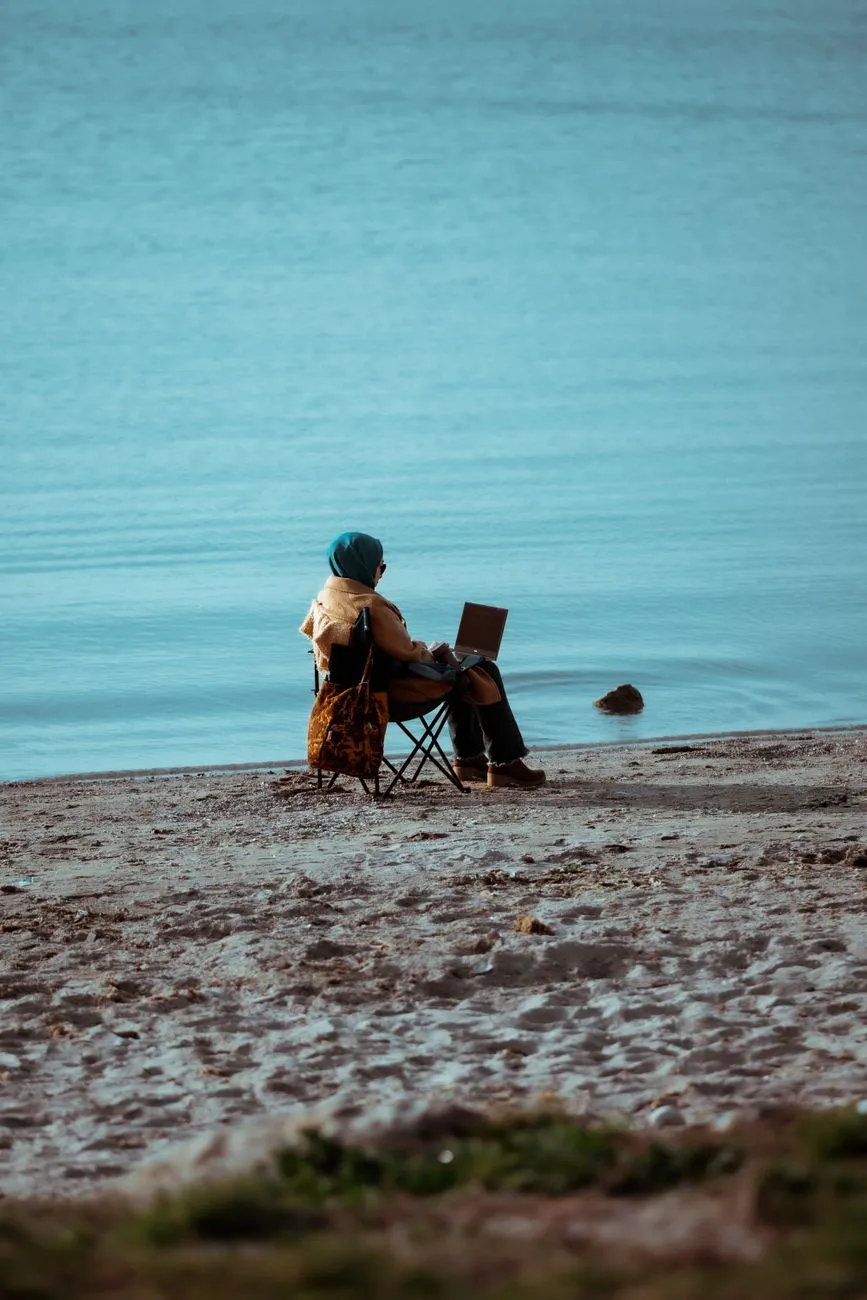
-
 Ivan Sokolov
 - 24 Aug, 2026 19:12
The Ultimate Digital Nomad’s Playbook: Where to Live, Eat, and Thrive in 2026
The World is Your Office: How to Choose the Perfect Nomad Hub Without Breaking the Bank Imagine waking up to the scent of fresh baklava in Athens, coding by the Seine in Paris, or sipping espresso in a Lisbon café—all while your bank account thrives. This isn’t a fantasy; it’s the reality for digital nomads who’ve cracked the code of location-independent living. But here’s the catch: not all nomad visas are created equal. Some leave you with €2,000/month to splurge, while others barely cover rent. The difference? Net disposable income—the gap between your visa’s income threshold and your actual living costs. Numbeo, the world’s largest crowdsourced cost-of-living database, crunches real-time data from 10,000+ cities. Their 2026 rankings reveal a startling truth: the cheapest nomad hubs aren’t always where you’d expect. Thailand’s digital nomad visa requires $80,000/year, yet its cities rank among the most affordable. Meanwhile, Portugal’s D7 visa demands just €820/month—but Lisbon’s rents have surged 40% since 2020. This guide decodes the numbers, ranks the top 10 nomad visas by real post-tax buffer, and maps the hidden gems where your paycheck stretches furthest. Whether you’re a freelancer, remote employee, or entrepreneur, these insights will save you thousands—and maybe even help you retire early.The Visa Gold Rush: Which Passport Lets You Keep the Most? Not all digital nomad visas are designed to maximize your savings. Some are revenue generators for governments (e.g., Spain’s €2,300/month requirement), while others prioritize affordability (e.g., Mexico’s $2,100/month). The key metric? Net disposable income—what’s left after taxes, rent, and living costs. Here’s how the top 10 visas stack up in 2026, ranked by monthly buffer (income after visa requirements and living costs):Country Visa Name Income Requirement Avg. Monthly Cost Net Buffer Best ForThailand LTR Visa $80,000/year $1,200 $5,300 Luxury nomadsPortugal D7 Visa €820/month €1,500 €1,200 Budget-consciousMexico Temporary Resident $2,100/month $1,400 $700 Balanced lifestyleSpain Digital Nomad Visa €2,300/month €2,000 €300 EU accessCosta Rica Rentista Visa $2,500/month $1,800 $700 Nature loversGeorgia Remote Work Visa $100/month $800 $1,200 Ultra-low-costMalaysia DE Rantau Visa $24,000/year $1,100 $1,000 Asian hubsColombia Digital Nomad Visa $1,000/month $900 $100 Emerging marketsEstonia Digital Nomad Visa €3,500/month €2,200 €1,300 Tech-savvy nomadsCroatia Digital Nomad Visa €2,500/month €1,600 €900 Coastal charmSource: Numbeo 2026, VisaGuide.World Pro Tip: Georgia’s visa is a steal—$100/month requirement and $800 living costs leave you with $1,200/month buffer. But Thailand’s LTR visa, while expensive, offers $5,300/month post-costs, ideal for high earners. The Catch: Some visas (e.g., Spain, Estonia) have high income thresholds but low living costs, making them viable for top-tier remote workers. Others (e.g., Colombia, Mexico) are budget-friendly but offer smaller buffers. Action Step: Use Numbeo’s Digital Nomad Visa Calculator to input your income and see your real-world buffer. For example:Freelancer earning $4,000/month: Portugal (D7): €820 visa requirement → €1,500 living → €1,680 buffer Thailand (LTR): $80k/year requirement → $1,200 living → $2,800 bufferFrom Athens to Hanoi: The 5 Cheapest (and Tastiest) Nomad Cities in 2026 Forget Bali—2026’s nomad hotspots are where culture, affordability, and cuisine collide. These five cities offer sub-$1,500/month living costs, visa flexibility, and food so good it’ll ruin every other meal for you. 1. Hanoi, Vietnam: Where Pho Flows Like Water Monthly Cost: $900–$1,200 Visa: 3-month e-visa (extendable) Why Go? Hanoi’s street food scene is unmatched—$1 bowls of pho, $3 banh mi, and $5 bowls of bun cha. Coworking spaces like Dreamplex cost $100/month, and a luxury studio in the Old Quarter runs $500. Hidden Gem: Bia Hơi (fresh beer) costs $0.25 at local stalls. Pro tip: Learn the phrase "Bao nhiêu tiền?" ("How much?")—bargaining is expected. Food Budget Breakdown:Item Cost (USD)Street pho $1.50Banh mi $1.00Bia Hơi (beer) $0.25Western meal $5–$10Coworking space $100Source: Numbeo 2026, local expat groups2. Medellín, Colombia: The City of Eternal Spring (and Arepas) Monthly Cost: $1,000–$1,400 Visa: Digital Nomad Visa ($1,000/month income) Why Go? Medellín’s "eternal spring" climate (70°F year-round) and vibrant culture make it a nomad magnet. A 1-bedroom apartment in El Poblado costs $600, while arepas (corn cakes) are $1 at street stalls. Hidden Gem: Comuna 13—once a no-go zone, now a street art paradise with free tours. Coworking spaces like Selina offer $150/month passes. Food Budget Breakdown:Item Cost (USD)Arepa $1.00Bandeja Paisa $5.00Ajiaco (soup) $3.50Coworking space $150Source: Numbeo 2026, Medellín Expats Facebook Group3. Tbilisi, Georgia: The Undiscovered Caucasus Gem Monthly Cost: $700–$1,000 Visa: Remote Work Visa ($100/month) Why Go? Tbilisi is Europe’s best-kept secret—$500/month for a modern apartment, $2 for khachapuri (cheese bread), and zero bureaucracy. The Old Town’s sulfur baths cost $15 for a 30-minute soak. Hidden Gem: Fabrika—a Soviet-era factory turned hipster hub with cafés, bars, and coworking spaces. $100/month gets you a desk + coffee. Food Budget Breakdown:Item Cost (USD)Khachapuri $2.00Khinkali (dumplings) $0.50Wine (liter) $3.00Coworking space $100Source: Numbeo 2026, Tbilisi Digital Nomads Telegram Group4. Lisbon, Portugal: Where Pastries and Paychecks Collide Monthly Cost: $1,800–$2,500 Visa: D7 Visa (€820/month) Why Go? Lisbon’s pastel de nata (custard tarts) are worth the rent hike. A 1-bedroom in Alfama costs $1,200, but €1,500/month covers a comfortable lifestyle—including €500 for dining out (hello, €10 seafood rice). Hidden Gem: Time Out Market—$15 for Michelin-starred bites from top chefs. Coworking spaces like Second Home cost €180/month. Food Budget Breakdown:Item Cost (USD)Pastel de nata $1.50Bacalhau à Brás $10.00Ginjinha (liqueur) $2.00Coworking space $180Source: Numbeo 2026, Lisbon Nomad Meetup Group5. Kuala Lumpur, Malaysia: Asia’s Most Underrated Hub Monthly Cost: $1,000–$1,500 Visa: DE Rantau Visa ($24k/year income) Why Go? KL’s mix of skyscrapers and rainforests offers $1 hawker meals and $400/month apartments. The Petronas Towers are free to admire, and co-working spaces like Common Ground cost $120/month. Hidden Gem: Jalan Alor Night Market—$3 for char kway teow (stir-fried noodles) and $1 for durian (if you dare). Food Budget Breakdown:Item Cost (USD)Nasi Lemak $1.50Char Kway Teow $3.00Durian (per kg) $1.00Coworking space $120Source: Numbeo 2026, Kuala Lumpur Digital Nomads Facebook GroupThe Dark Side of Nomad Life: Costs You Didn’t See Coming Beware the "hidden costs" that derail even the most budget-savvy nomads:Health Insurance: Nomad visas require proof of coverage. SafetyWing ($45/month) or Cigna Global ($150/month) are top picks. Visa Extensions: Some countries (e.g., Thailand) charge $500+ for extensions. Flights: A round-trip to Bali from Europe costs $600—budget $1,200/year. Coworking Visas: Some countries (e.g., Portugal) tax coworking spaces as business expenses. Taxes: Digital nomad taxes vary wildly—Estonia has a 20% flat tax, while Georgia offers 10-year tax holidays for remote workers.Real-World Example:Nomad in Lisbon (€1,500/month budget): Rent: €1,000 Food: €300 Coworking: €180 Left for flights/insurance: €20Source: Nomad List 2026, Tax FoundationFoodie’s Paradise: How to Eat Like a Local Without Starving Your Wallet Nomad life isn’t just about where you work—it’s about what you eat. Here’s how to eat like a king on a peasant’s budget: 1. Master the Art of Street FoodVietnam: $1 pho > $15 restaurant pho. Mexico: $2 tacos al pastor > $12 sit-down meal. Turkey: $0.50 simit (sesame bread) > $5 bakery loaf.Pro Tip: In Bangkok, Jay Fai’s Michelin-starred street food costs $20—but the $3 pad thai down the street is just as delicious. 2. Cook in Bulk (Even Without a Kitchen)Portugal: Buy €5/kg chicken at Pingo Doce and meal prep. Georgia: Khachapuri dough freezes well—make a batch for the week. Colombia: Bandeja Paisa ingredients (beans, rice, plantains) are $5 total.3. Happy Hours & Local DealsSpain: €1 tapas with every drink (order a caña—small beer). Thailand: 50% off cocktails after 7 PM in Bangkok’s Thonglor. Brazil: Feijoada (black bean stew) is $5 on Sundays.Food Hack: In Lisbon, Time Out Market has €3–€5 dishes from top chefs. Order the "Bifana" sandwich—it’s life-changing.The Nomad’s Survival Kit: Tech, Tools, and Tactics for 2026 Surviving as a digital nomad isn’t just about where you go—it’s about how you work. Here’s your 2026 toolkit: 1. Tech EssentialsLaptop: MacBook Air M3 ($1,100) or Framework Laptop (modular, $1,000). Hotspot: GlocalMe U3 ($150) for global SIM-free data. Noise-Canceling Headphones: Bose QC45 ($330) for cafés.2. Productivity HacksTime Zone Management: Use Clockify (free) to track work hours across time zones. Coworking Apps: Croissant (book desks globally) or Deskpass (day passes). Language Tools: Google Translate’s camera feature for menus/signs.3. Community & NetworkingFacebook Groups: "Digital Nomads [City]" (e.g., Digital Nomads Lisbon). Meetups: Meetup.com or Nomad List’s events. Coworking Events: WeWork’s free networking nights.4. Banking & TaxesMulti-Currency Account: Wise (low fees) or Revolut (crypto-friendly). Tax Software: Nomad Tax (specializes in digital nomad filings). Retirement: SafetyNet (for nomads) or Fidelity’s international accounts.Pro Tip: In Georgia, open a local bank account (TBC Bank) to avoid foreign transaction fees.The Final Frontier: Where Will You Plant Your Flag in 2026? The digital nomad lifestyle isn’t a one-size-fits-all deal. It’s a choose-your-own-adventure where your income, priorities, and taste buds dictate the destination. High Earners ($5k+/month): Thailand (LTR Visa) offers $5,300/month buffer—perfect for luxury villas and private chefs. Budget Nomads ($2k–$3k/month): Georgia (Remote Work Visa) gives you $1,200/month to live like a king. Culture Vultures ($3k–$4k/month): Portugal (D7 Visa) balances affordability and charm—just watch the rent hikes. Adventure Seekers ($1.5k–$2k/month): Vietnam (e-visa) or Colombia (Digital Nomad Visa) let you live large on a shoestring. The Golden Rule: Always calculate your net buffer before committing. A $2,500/month visa requirement in Spain might sound doable, but €2,000 living costs leave you with €500—barely enough for a McDonald’s meal in Madrid. Your 2026 Nomad Checklist:Pick your visa (use the table above). Calculate your buffer (Numbeo’s calculator). Book a short-term rental (Airbnb or local Facebook groups). Get health insurance (SafetyWing or Cigna). Join local nomad groups (Facebook, Meetup, Nomad List). Pack light (a 40L backpack and a portable laptop stand).The world is your office—but only if you play it smart.#DigitalNomadLife #RemoteWorkRevolution #BudgetTravelHacks #FoodieNomad #LiveAbroad2026 Related InsightsFrom Ancient Ruins to Modern Cafés: The Nomad’s Guide to Living History and Gourmet Delights From Street Corn to Michelin Stars: A Global Food Expedition for the Curious Traveler Savoring the Soul of West Africa: A Journey Through Senegalese Street Food & Culinary Traditions{ "@context": "https://schema.org", "@type": "FAQPage", "mainEntity": [ { "@type": "Question", "name": "What is the main focus of The Ultimate Digital Nomad’s Playbook: Where to Live, Eat, and Thrive in 2026?", "acceptedAnswer": { "@type": "Answer", "text": "Discover the most affordable, visa-friendly cities for remote workers in 2026, backed by Numbeo’s crowdsourced cost-of-living data. Calculate your real post-tax income buffer and plan your global move with precision." } }, { "@type": "Question", "name": "Who authored the comprehensive guide on The Ultimate Digital Nomad’s Playbook: Where to Live, Eat, and Thrive in 2026?", "acceptedAnswer": { "@type": "Answer", "text": "This detailed article and its insights were carefully researched and authored by Ivan Sokolov." } }, { "@type": "Question", "name": "Where can I find more related content about Travel/Food?", "acceptedAnswer": { "@type": "Answer", "text": "You can explore more articles, detailed reviews, and similar insights by browsing the Related Insights section at the bottom of this article or visiting our dedicated Travel/Food category page." } } ] }

-
 Lorenzo Russo
 - 23 Aug, 2026 18:59
From Ancient Ruins to Modern Cafés: The Nomad’s Guide to Living History and Gourmet Delights
Where the Past Meets the Plate: A Nomad’s Journey Through Time and Taste The world is a living museum, and every meal is a chapter in its story. As a digital nomad, you don’t just visit places—you live in them, breathe in their history, and savor their flavors. But how do you balance the romance of ancient ruins with the practicality of a modern budget? The answer lies in understanding the gap between your income and the cost of living, a gap that can make or break your nomadic lifestyle. Numbeo, the world’s largest cost-of-living database, provides the raw data we need to navigate this balance. By comparing income thresholds for digital nomad visas with actual living costs, we can uncover destinations where history and gastronomy come at a price you can afford. This guide ranks the top nomad-friendly cities not just by their visa requirements, but by the real disposable income you’ll have after taxes and expenses. Whether you’re sipping espresso in a 2,000-year-old Roman forum or exploring the spice markets of Istanbul, your journey should be as rewarding as it is affordable.The Digital Nomad Visa Gold Rush: Where Your Money Goes the Furthest Digital nomad visas are no longer a novelty—they’re a global phenomenon. From Portugal’s D7 to Estonia’s Digital Nomad Visa, these programs promise the freedom to work from anywhere. But here’s the catch: the income threshold listed on most visa applications is just the starting point. What matters is the difference between that threshold and your actual cost of living. That gap is your real post-tax disposable income, and it varies wildly across destinations. Take Lisbon, Portugal, for example. The D7 visa requires a minimum income of €3,040 per month. But after rent, groceries, and transport, how much is left for exploring, dining, or saving? Numbeo’s data reveals that the average monthly cost of living in Lisbon is around €1,800 for a single person. That leaves a buffer of roughly €1,240—enough for a comfortable lifestyle but not extravagant. Now compare that to Bali, Indonesia, where the cost of living hovers around €1,000 per month. With a visa income requirement of just €2,000, your buffer jumps to €1,000, giving you more freedom to indulge in local cuisine or weekend getaways. But the real winners are the underrated gems. Consider Tbilisi, Georgia, where the cost of living is a mere €800 per month, and the visa income requirement is €2,000. Your buffer? A whopping €1,200. Or Medellín, Colombia, where you can live comfortably on €1,200 and still have €800 left after meeting the visa’s €1,500 requirement. These destinations offer not just affordability but a rich tapestry of history and culture to explore.The Cost of Living Equation: Rent, Food, and the Hidden Gems To truly understand where your money goes, we need to break down the cost of living into its core components: housing, food, transport, and leisure. Numbeo’s data provides a granular look at these expenses across major nomad hubs. Housing: The Nomad’s Biggest Expense Rent is often the largest line item in a nomad’s budget. In cities like Barcelona or Berlin, a one-bedroom apartment in the city center can cost €1,200 per month. But in places like Chiang Mai, Thailand, you can rent a modern studio for just €300. The key is to look beyond the visa requirements and focus on the local market. For instance, in Mexico City, while the visa income threshold is €2,700, the average rent for a decent apartment is €600. That leaves plenty of room for dining out or cultural experiences. Food: From Street Stalls to Michelin Stars Food is where history and culture collide. In Istanbul, a meal at a historic kebab house might cost €5, while a modern fusion restaurant could set you back €30. Numbeo’s data shows that groceries in Istanbul average €200 per month, but eating out regularly could double that. In contrast, in Hanoi, Vietnam, street food is a way of life. A bowl of pho costs €1, and a month’s worth of meals can be had for €150. The lesson? Prioritize destinations where local cuisine is both affordable and authentic. Transport: Navigating the Past and Present Getting around is another critical factor. In cities with robust public transport, like Tokyo or Prague, you can live without a car and save hundreds per month. In places like Cape Town, South Africa, renting a car might be necessary, adding €200 to your monthly budget. But even here, the cost of living is low enough that the trade-off is worth it for the access to stunning historical sites like Robben Island. Leisure: The Price of Immersion Finally, consider the cost of leisure activities. In Athens, Greece, a ticket to the Acropolis is €20, while a guided tour of the ancient ruins might cost €50. In Kyoto, Japan, a traditional tea ceremony experience is €30. These expenses add up, but they’re also the moments that make your nomadic journey unforgettable.The Ultimate Cost-of-Living Showdown: 5 Destinations Where History and Budget Align To help you make the best choice, here’s a breakdown of five destinations where the gap between visa income requirements and actual living costs is the widest. These places offer a mix of history, culture, and affordability, ensuring your nomadic lifestyle is both enriching and sustainable.Destination Visa Income Requirement Avg. Monthly Cost of Living Post-Tax Disposable Income Historical Highlight Culinary Must-TryTbilisi, Georgia €2,000 €800 €1,200 1,500-year-old Narikala Fortress Khachapuri (cheese-filled bread)Medellín, Colombia €1,500 €1,200 €800 Comuna 13 street art Bandeja Paisa (hearty platter)Bali, Indonesia €2,000 €1,000 €1,000 Uluwatu Temple Nasi Goreng (fried rice)Mexico City, Mexico €2,700 €1,500 €1,200 Templo Mayor ruins Chilaquiles (breakfast dish)Hanoi, Vietnam €1,000 €600 €1,400 Old Quarter alleys Pho (noodle soup)This table highlights the destinations where your disposable income is maximized, allowing you to splurge on historical tours, cooking classes, or simply more time exploring. Tbilisi and Hanoi stand out for their incredibly low cost of living, while Medellín and Mexico City offer a balance of affordability and cultural depth.Beyond the Numbers: How to Live Like a Local Without Breaking the Bank While data is essential, the soul of nomadic travel lies in the experiences you create. Here’s how to immerse yourself in history and cuisine without overspending: 1. Dine Where the Locals Dine Avoid tourist traps by following the crowds—not the guidebooks. In Rome, skip the restaurants near the Colosseum and head to Trastevere, where locals enjoy authentic Roman pasta for €10. In Marrakech, the best tagine is often found in a tiny stall in the Medina, not the upscale riads. 2. Stay in Neighborhoods with a Story Your accommodation should be more than a place to sleep—it should be a gateway to the past. In Istanbul, stay in the historic Sultanahmet district to wake up to the call to prayer and walk to the Hagia Sophia in minutes. In Kyoto, opt for a machiya (traditional townhouse) to experience centuries-old architecture firsthand. 3. Use Public Transport Like a Pro Public transport is not just cheap—it’s a cultural experience. In Prague, the tram system is a moving museum of Art Nouveau architecture. In Buenos Aires, the Subte (subway) takes you past murals and historic landmarks. Apps like Citymapper or local equivalents can help you navigate like a local. 4. Seek Out Free or Low-Cost Historical Sites Many of the world’s greatest historical sites are free or nearly free. In Athens, the Ancient Agora costs just €8, while the Parthenon is free on certain days. In Mexico City, the ruins of Teotihuacán are just €5 to enter. Pair these visits with a picnic of local snacks to make the experience even more memorable. 5. Learn the Language of Food A few key phrases can unlock culinary treasures. In Japan, knowing how to say “osusume wa nan desu ka?” (What do you recommend?) can lead to a personalized dining experience. In Italy, “Dov’è il mercato più vicino?” (Where’s the nearest market?) will guide you to the freshest ingredients. 6. Barter for Experiences In many cultures, your skills as a digital nomad can be exchanged for unique experiences. In India, offer to teach a workshop in exchange for a homestay in a heritage home. In Portugal, some local families will host you in their rural homes in exchange for help with their business.The Nomad’s Feast: A Culinary Tour Through Time Food is the most tangible connection to a place’s history. Every dish tells a story—of trade routes, conquests, and cultural fusion. Here’s a tour of the world’s most historic cuisines and where to experience them: 1. Italy: The Birthplace of Modern Cuisine Italy’s culinary tradition dates back to the Roman Empire, when garum (fermented fish sauce) was a staple. Today, dishes like pasta carbonara (born in Rome during WWII) and risotto alla Milanese (a 19th-century creation) are global icons. Where to try: Rome’s Trastevere district for carbonara, Bologna for tagliatelle al ragù. 2. Turkey: The Crossroads of Empires Turkish cuisine is a melting pot of Central Asian, Middle Eastern, and Mediterranean influences. The Ottoman Empire’s legacy lives on in dishes like baklava (invented in the imperial kitchens) and kebabs (popularized by nomadic Turkic tribes). Where to try: Istanbul’s Spice Bazaar for sweets, Gaziantep for kebabs. 3. Mexico: A Fusion of Indigenous and Spanish Flavors Mexican food is a UNESCO Intangible Cultural Heritage, with roots in Aztec and Maya traditions. Corn, beans, and chili peppers were staples long before the Spanish arrived. Today, dishes like mole (a pre-Hispanic sauce) and pozole (a stew with ancient origins) are celebrated worldwide. Where to try: Oaxaca for mole, Mexico City’s street stalls for tacos al pastor. 4. Thailand: The Spice Route in Every Bite Thai cuisine is a product of centuries of trade along the Silk Road. Ingredients like chili peppers (introduced by Portuguese traders) and coconut milk (from Southeast Asian cultures) create a balance of sweet, sour, spicy, and salty. Where to try: Bangkok’s street markets for pad thai, Chiang Mai for khao soi. 5. Morocco: A Taste of the Sahara and Beyond Moroccan food reflects the country’s position as a crossroads of Africa, Europe, and the Middle East. Spices like saffron and cumin were brought by Arab traders, while dishes like tagine (named after the Berber clay pot) have ancient roots. Where to try: Marrakech’s Jemaa el-Fnaa for street food, Fes for pastilla.The Final Stop: Where Will Your Journey Take You? The world is your classroom, your kitchen, and your office. As a digital nomad, you have the unique opportunity to live in the pages of history while savoring the flavors of the present. The key to making this lifestyle sustainable is balancing your income with your expenses, choosing destinations where the gap between the two is wide enough to allow for both comfort and adventure. Tbilisi, Georgia, offers a blend of affordability and ancient charm, while Hanoi, Vietnam, provides a sensory overload of history and cuisine at bargain prices. Medellín, Colombia, and Mexico City, Mexico, strike a balance between modern convenience and rich cultural heritage. And Bali, Indonesia, remains a perennial favorite for its tropical allure and low cost of living. But beyond the numbers, the real magic of nomadic travel lies in the unexpected moments—the impromptu cooking class in a Lisbon café, the sunset over the Bosphorus in Istanbul, the quiet morning in a Kyoto temple garden. These are the experiences that transform a trip into a journey. So pack your laptop, your sense of adventure, and an appetite for history. The world is waiting, and your next chapter is just a flight away.#DigitalNomadLife #HistoryTravel #GlobalCuisine #BudgetTravel #WorkFromAnywhere Related InsightsSt. John’s, Antigua and Barbuda: Where Colonial Charm Meets Digital Nomad Paradise From Ancient Markets to Modern Tables: A Journey Through the World’s Most Treasured Culinary Landscapes Antigua and Barbuda Unveiled: A Digital Nomad’s Paradise of Turquoise Waters, Spice-Infused Cuisine, and Colonial Charm{ "@context": "https://schema.org", "@type": "FAQPage", "mainEntity": [ { "@type": "Question", "name": "What is the main focus of From Ancient Ruins to Modern Cafés: The Nomad’s Guide to Living History and Gourmet Delights?", "acceptedAnswer": { "@type": "Answer", "text": "Discover how to blend history, culture, and cuisine while maximizing your disposable income as a digital nomad. A data-driven guide to the world’s best destinations." } }, { "@type": "Question", "name": "Who authored the comprehensive guide on From Ancient Ruins to Modern Cafés: The Nomad’s Guide to Living History and Gourmet Delights?", "acceptedAnswer": { "@type": "Answer", "text": "This detailed article and its insights were carefully researched and authored by Lorenzo Russo." } }, { "@type": "Question", "name": "Where can I find more related content about Travel/Food?", "acceptedAnswer": { "@type": "Answer", "text": "You can explore more articles, detailed reviews, and similar insights by browsing the Related Insights section at the bottom of this article or visiting our dedicated Travel/Food category page." } } ] }
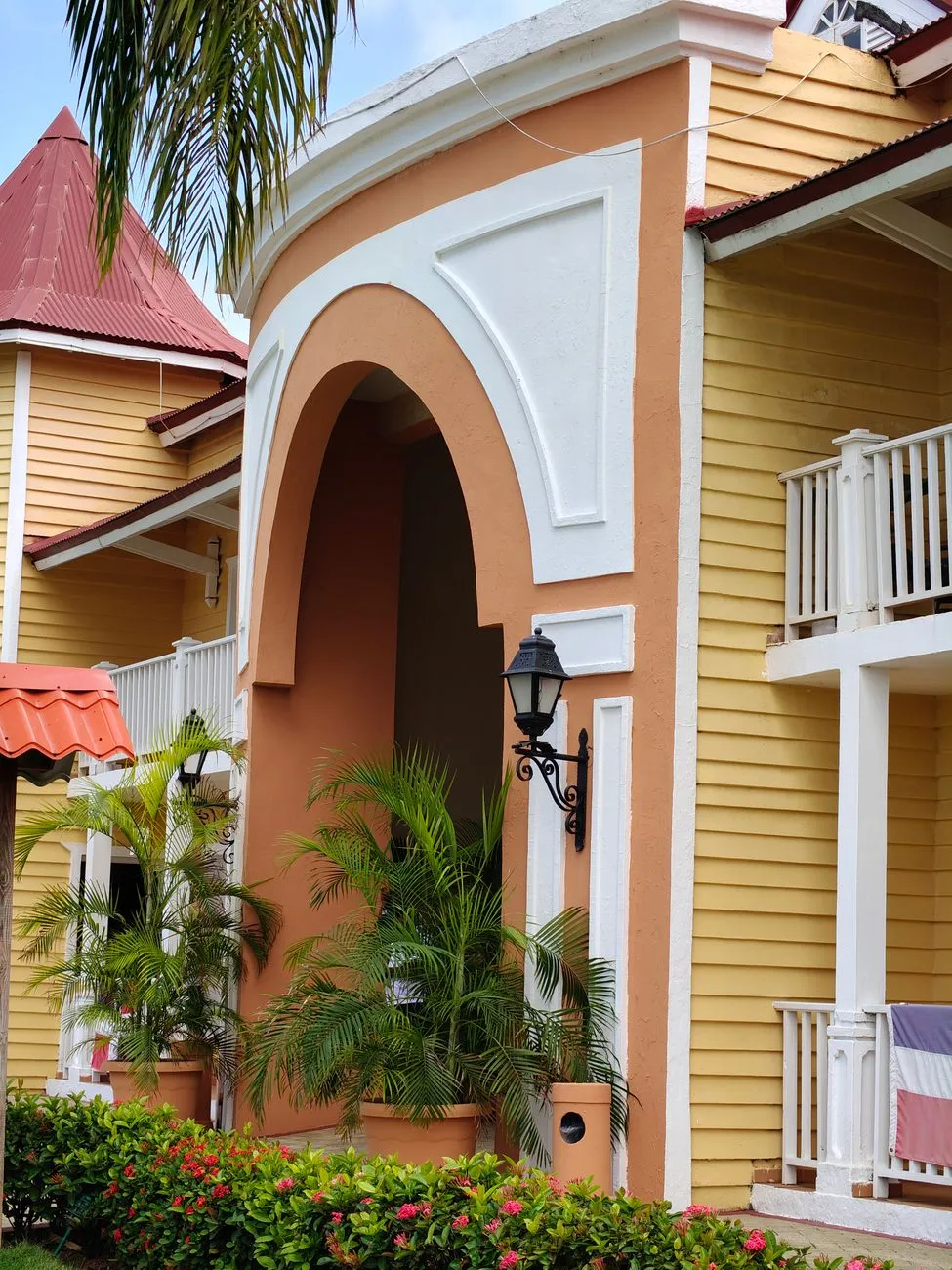
-
 Emre Yılmaz
 - 22 Aug, 2026 07:11
St. John’s, Antigua and Barbuda: Where Colonial Charm Meets Digital Nomad Paradise
Antigua’s capital, St. John’s, is a living museum wrapped in turquoise waters and spice-scented breezes. Here, 365 beaches aren’t just a marketing slogan—they’re your backyard. But beyond the postcard-perfect shores lies a city where 17th-century forts whisper to modern-day nomads tapping away on laptops in open-air cafés. This guide isn’t just about where to work or eat; it’s about how to live well in a place where history, flavor, and affordability collide.The Real Cost of Living: What Your Nomad Visa Actually Buys You Digital nomad visas often lure travelers with headline income thresholds—$3,000/month in Antigua, for instance. But what matters isn’t the requirement; it’s the gap between that number and your actual expenses. Using Numbeo’s 2026 crowd-sourced data triangulated with Antigua-specific cost guides, we’ve mapped the real post-tax disposable income for a solo nomad in St. John’s.Expense Category Monthly Cost (USD) NotesRent (1-bed city center) $850–$1,200 Beachfront condos skew higher; inland apartments offer better valueUtilities (electricity, water, internet) $120–$180 Internet averages 50 Mbps; power cuts rare but surge protectors advisedGroceries $250–$350 Local markets (e.g., Public Market) cut costs by 40% vs. supermarketsDining Out $400–$600 Mid-range restaurants: $15–$25/meal; street food: $5–$10Coworking Space $150–$250 The Hive Antigua and Antiguan Creative Hub offer day passesTransport (local bus/taxi) $80–$120 Buses cost $1; taxis negotiate rates (e.g., airport to city: $25)Leisure (beach bars, tours) $150–$300 Catamaran trips: $80–$120; rum punch: $6–$8/glassTotal Estimated Monthly Cost $2,000–$2,900 Net Buffer: $1,100–$2,000The math is simple: With a $3,000/month income, a nomad in St. John’s retains 37–67% of earnings after essentials—far above the Caribbean average. But here’s the catch: seasonality. From December to April (peak tourism), rents spike 20–30%, and coworking spaces fill up. Budget-conscious nomads should arrive in May or October, when prices dip and the island’s rhythm slows to a relaxed pace.From Nelson’s Dockyard to Your Laptop: A History Buff’s Workspace St. John’s isn’t just a backdrop for Instagram; it’s a stage for 300 years of colonial drama. Your office could overlook Nelson’s Dockyard, a UNESCO site where British ships once repaired under the watch of Admiral Horatio Nelson. Today, the dockyard’s 18th-century naval buildings house boutique hotels and cafés with Wi-Fi strong enough for Zoom calls. Nearby, Shirley Heights offers sunset views where slave plantations once dominated—now a sunset party spot where history and hedonism collide. For deeper dives, the Museum of Antigua and Barbuda (entry: $5) traces the island’s Arawak roots to independence in 1981. Ask the curator about the 1674 Codrington slave code—a chilling document that shaped Antigua’s sugar economy. Or visit Betty’s Hope, a restored sugar plantation where you can work from a gazebo overlooking cane fields. Pro tip: Combine history with productivity by booking the Antigua History Tour (weekly, $30), which includes a guided walk through St. John’s with stops at the Catholic Cathedral (1853) and Government House (1674).Eat Like a Local: 5 Dishes That Define Antigua’s Culinary Soul Antigua’s food isn’t just jerk chicken and rum punch—it’s a fusion of African, British, and indigenous influences, shaped by the island’s brutal history. Here’s where to eat, what to order, and how to avoid tourist traps.Fungee and Pepperpot What it is: A cassava-based porridge (fungee) served with pepperpot—a slow-cooked meat stew in a spiced, molasses-like sauce. Where to try: Cecil’s High Point Restaurant ($12–$18). Order the "Saturday Special" for the most authentic version. History note: Pepperpot originated with the Arawak people, who preserved meat in cassareep (a bitter manioc syrup). British colonizers later added spices.Ducana What it is: Sweet potato dumplings steamed in banana leaves, often served with saltfish. Where to try: Local rum shops (e.g., Sheer Rock Bar). Ask for "ducana and saltfish"—a breakfast staple. Pro tip: The best ducana is slightly sticky, with a hint of coconut milk.Antiguan Black Pineapple What it is: A small, intensely sweet pineapple variety unique to the island. Where to try: Farmers’ markets (e.g., St. John’s Public Market). Buy whole ($2–$3) or try it in pineapple chow (diced pineapple with lime, salt, and pepper).Conch Fritters What it is: Deep-fried balls of conch meat, bell peppers, and spices. Where to try: The Dolphin Restaurant ($8–$12). Pair with a Wadadli beer (local lager). Sustainability note: Ask if the conch is locally sourced—overfishing is a growing concern.Rum Punch What it is: The national drink—rum, lime juice, sugar, nutmeg, and Angostura bitters. Where to try: Shepherd’s Restaurant ($6–$10). Their "Rum Punch 1-2-3" recipe is legendary: 1 part rum, 2 parts sweet, 3 parts sour, 4 parts strong.Beyond the Laptop: Adventures That Won’t Break the Bank St. John’s isn’t just for work—it’s a gateway to experiences that cost less than a coworking membership. Here’s how to explore without draining your buffer:Shirley Heights Sunset Party ($10 entry): Every Sunday, locals and nomads gather for rum-fueled dancing at a 18th-century military lookout. Bring cash—no ATMs nearby. Devil’s Bridge: A natural limestone arch where Atlantic waves crash 30 feet below. Free to visit; hire a local guide ($20) for geological insights. Cades Reef Snorkeling: Antigua’s best reef is 15 minutes from St. John’s. Rent gear ($15) or join a group tour ($40). Betty’s Hope Bike Tour ($25): Pedal through sugar cane fields to a 17th-century plantation. Stop for rum tastings at the on-site distillery. Local Rum Distilleries: Antigua Distillery (makers of Wadadli Rum) offers free tours. Buy a bottle ($25–$50) as a souvenir.For the budget-conscious, hitchhiking is safe on main roads, and local buses (bright blue vans) cost $1–$3 to any beach. The only caveat: Buses stop running by 6 PM, so plan accordingly.The Nomad’s Toolkit: Apps, Communities, and Unwritten Rules Surviving—and thriving—in St. John’s requires more than a passport. Here’s your digital nomad survival guide: Essential Apps:Numbeo: Real-time cost comparisons (e.g., $1.50 for a local beer vs. $8 in a tourist bar). Antigua Bus: Crowdsourced bus schedules (no official app exists). Meetup: Groups like "Antigua Digital Nomads" organize hikes and beach cleanups. WhatsApp: Locals use it for everything—taxi bookings, event invites, even grocery lists.Where to Work:The Hive Antigua: Fast Wi-Fi, $10/day passes, and a community of remote workers. Antiguan Creative Hub: Artistic vibe with standing desks ($8/hour). Beachfront Cafés: Café Mosa (English Harbour) or The Coffee Bean (St. John’s) offer ocean views for the price of a latte ($3.50).Unwritten Rules:Tipping: 10% in restaurants; optional in rum shops. Dress Code: Beachwear stays on the beach—cover up when entering towns. Bargaining: Accepted in markets but not in supermarkets. Safety: Petty theft is rare, but don’t leave laptops unattended in rental cars.Hidden Gems:The Fig Tree Drive: A scenic route lined with 100-year-old fig trees. Stop at Fig Tree Cottage for homemade sorrel (a hibiscus drink). Pigeon Point Beach: Less crowded than Dickenson Bay; locals swim here at sunset. Antigua Rainforest Canopy Tours: Zip-line through the jungle ($50)—book ahead.The Last Rum Punch: Why St. John’s Isn’t Just a Stopover Antigua’s capital is often dismissed as a transit hub for yachts and cruise ships. But for those who linger, St. John’s reveals itself as a place where history isn’t just studied—it’s lived. The same forts that once guarded against pirates now shelter freelancers from deadlines. The same markets that fed enslaved people now nourish digital nomads craving ducana. And the same beaches that lured British sailors now offer Wi-Fi strong enough for a Zoom call. The real magic? Affordability. While Barbados and the Bahamas price out most nomads, Antigua’s $3,000/month visa threshold leaves a $1,100–$2,000 buffer—enough for a villa rental, weekly catamaran trips, or a side hustle funding your next adventure. It’s not the cheapest Caribbean destination (that title goes to Dominica), but it’s the most balanced: history without the crowds, food without the pretension, and beaches without the resort fees. So, should you stay for a month or a year? If your goal is to work hard, play harder, and eat like a king without selling a kidney, St. John’s delivers. Just bring a surge protector, a reusable water bottle, and an appetite for pepperpot.#DigitalNomadLife #CaribbeanTravel #HistoricEats #RemoteWorkParadise #AntiguaAdventures Related InsightsFrom Ancient Ruins to Modern Feasts: A Deep Dive into Italy’s Timeless Travel and Culinary Secrets From Ancient Markets to Modern Tables: A Journey Through the World’s Most Treasured Culinary Landscapes Antigua and Barbuda Unveiled: A Digital Nomad’s Paradise of Turquoise Waters, Spice-Infused Cuisine, and Colonial Charm{ "@context": "https://schema.org", "@type": "FAQPage", "mainEntity": [ { "@type": "Question", "name": "What is the main focus of St. John’s, Antigua and Barbuda: Where Colonial Charm Meets Digital Nomad Paradise?", "acceptedAnswer": { "@type": "Answer", "text": "Discover how St. John’s in Antigua and Barbuda blends rich history, vibrant food culture, and affordability for digital nomads in 2026." } }, { "@type": "Question", "name": "Who authored the comprehensive guide on St. John’s, Antigua and Barbuda: Where Colonial Charm Meets Digital Nomad Paradise?", "acceptedAnswer": { "@type": "Answer", "text": "This detailed article and its insights were carefully researched and authored by Emre Yılmaz." } }, { "@type": "Question", "name": "Where can I find more related content about Travel/Food?", "acceptedAnswer": { "@type": "Answer", "text": "You can explore more articles, detailed reviews, and similar insights by browsing the Related Insights section at the bottom of this article or visiting our dedicated Travel/Food category page." } } ] }
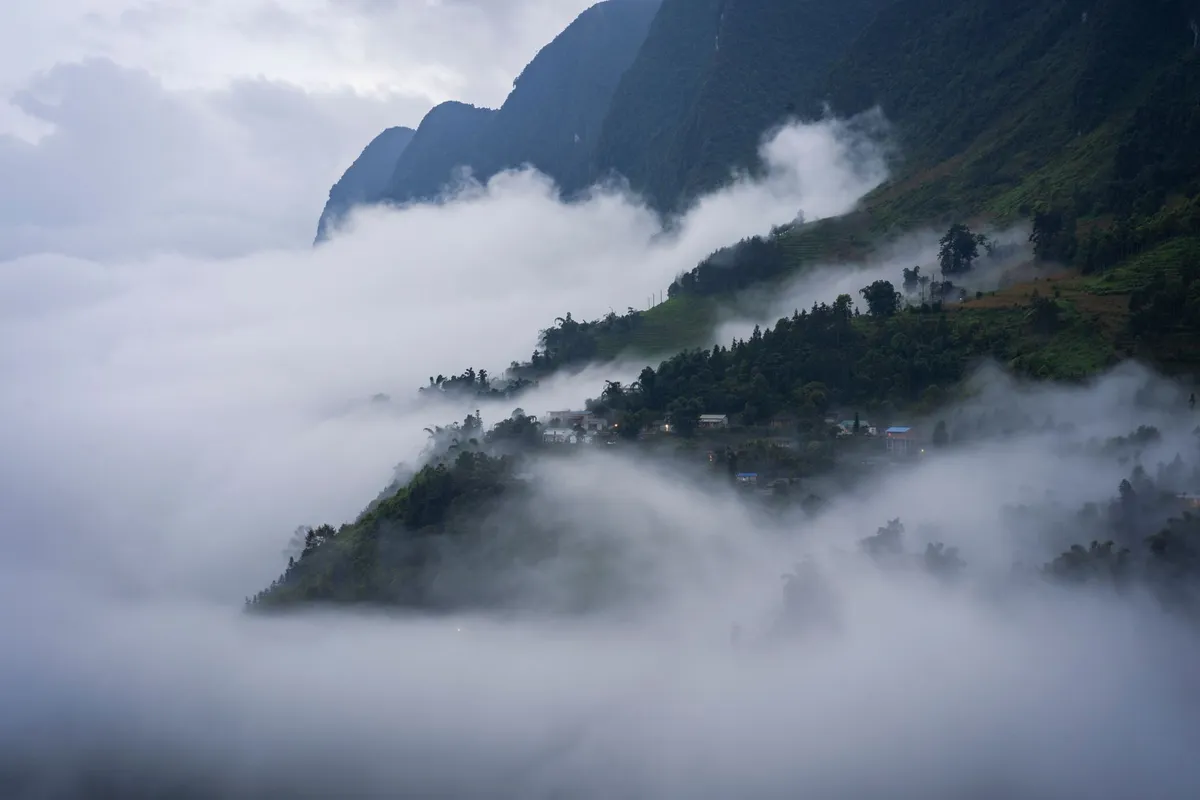

Siem Reap’s Secret Transformation: From Temples to a Nomad Paradise Siem Reap, Cambodia, has long been celebrated as the gateway to Angkor Wat, but in 2026, it has evolved into more than just a tourist stop—it’s a thriving digital nomad hub. The city’s rapid transformation is fueled by Cambodia’s new digital nomad visa, which offers a 12-month stay with minimal bureaucracy. Internet speeds in the city center now average 50-80 Mbps, a significant leap from just a few years ago, thanks to investments in fiber-optic infrastructure. Cafes like The Shop and Café L’Artisan now offer high-speed Wi-Fi alongside artisanal coffee, while coworking spaces like AngkorHub provide dedicated workstations for remote workers. The cost of living remains one of the lowest in Southeast Asia, with a monthly budget of $700-$1,000 covering rent in a modern studio apartment ($300-$500), meals at local eateries ($2-$5 per meal), and coworking space memberships ($50-$100). Unlike Bali or Chiang Mai, Siem Reap offers a quieter pace of life without sacrificing modern amenities. The visa’s tax treatment is also favorable—digital nomads are exempt from Cambodian income tax if they work for foreign employers. However, the city’s growth has led to rising rents in prime areas, so early arrivals secure the best deals.For those seeking balance, Siem Reap’s proximity to Tonlé Sap Lake offers weekend escapes into nature, while the night markets serve up some of Cambodia’s best street food, from amok trey (fish curry) to nom banh chok (Khmer noodles). The city’s digital nomad community is tight-knit, with monthly meetups at Pub Street and The Blue Pumpkin. If you’re looking for a destination where culture, affordability, and connectivity intersect, Siem Reap in 2026 is a no-brainer.Da Nang: Vietnam’s Coastal Escape for Remote Workers Da Nang, Vietnam, has quietly emerged as one of Southeast Asia’s most underrated digital nomad destinations. With a cost of living ranging from $700 to $1,100 per month, it offers a perfect blend of affordability, modern infrastructure, and stunning beaches. The city’s internet infrastructure is robust, with speeds averaging 60-90 Mbps in central districts like Hai Chau and Son Tra. Coworking spaces like DNC Coworking Space and The Hive Da Nang provide ergonomic workstations, while cafes like Cong Caphe offer reliable Wi-Fi and strong Vietnamese iced coffee. Unlike Ho Chi Minh City or Hanoi, Da Nang avoids the chaotic traffic and pollution, making it ideal for those who prioritize quality of life. The city’s digital nomad visa (available for up to 3 months, extendable) is straightforward, with no tax obligations for foreign income. Rentals are affordable—modern one-bedroom apartments in An Thuong or My An neighborhoods cost $400-$600 monthly, while local meals at banh mi stalls or seafood restaurants run $3-$7.Da Nang’s culinary scene is a highlight, with must-try dishes like mi quang (turmeric noodles) and bun cha ca (fish cake noodle soup). The city’s Marble Mountains and Golden Bridge offer quick getaways from work, while the nearby Hoi An ancient town (a 30-minute drive) provides a historic escape. For nomads craving a mix of urban convenience and coastal serenity, Da Nang is a hidden gem.Chiang Mai’s Rising Costs: Is It Still Worth the Nomad Hype? Chiang Mai, Thailand, has long been the poster child for Southeast Asian digital nomadism, but in 2026, its affordability is waning. According to Numbeo’s May 2026 data, Chiang Mai is now 11.7% pricier than Ho Chi Minh City, with a monthly budget of $900-$1,400. While the city retains its charm—with its Old City temples, night markets, and lush Doi Suthep surroundings—rising rents and inflation have pushed costs closer to Bali’s lower-tier range. The digital nomad visa (available for 50 days, extendable) remains attractive due to Thailand’s tax exemptions for foreign income. However, internet speeds (40-70 Mbps in central areas) lag behind competitors like Da Nang or Siem Reap. Coworking spaces like Punspace and CAMP are still high-quality, but prices have climbed to $80-$120 monthly. Rentals in Nimmanhaemin or Santitham now average $500-$800 for a modern studio, while local meals cost $2-$6.Chiang Mai’s food scene is unparalleled, with dishes like khao soi (coconut curry noodles) and sai oua (Northern Thai sausage) drawing crowds. However, the city’s air quality during burning season (February-April) can be a dealbreaker for some. For those willing to pay a premium for culture and community, Chiang Mai is still a top choice—but budget-conscious nomads may find better value elsewhere.Bali’s Budget Reality: Where Affordability Meets Paradise Bali, Indonesia, has long been a digital nomad magnet, but in 2026, its "budget" reputation is fading. The island’s lower-tier cost of living now starts at $1,170 monthly, with mid-range options pushing $1,500+. While Bali offers stunning landscapes—from Uluwatu’s cliffs to Ubud’s rice terraces—the reality is that popular areas like Canggu and Seminyak are becoming as expensive as Western cities. The digital nomad visa (available for 6 months) is straightforward, but Indonesia’s tax policies are less favorable than Cambodia’s or Thailand’s—foreign income is taxable if spent locally. Internet speeds (30-60 Mbps in central areas) are inconsistent, and coworking spaces like Dojo Bali or Hubud charge $100-$150 monthly. Rentals in Canggu now average $700-$1,200 for a villa, while meals at trendy cafes cost $5-$15.Bali’s food scene is diverse, with nasi campur (mixed rice) and babi guling (suckling pig) as must-tries. However, the island’s traffic and crowds can be overwhelming. For those seeking a tropical paradise with modern amenities, Bali is still a dream—but it’s no longer the budget-friendly escape it once was.Ho Chi Minh City: Vietnam’s Urban Jungle for Nomads Ho Chi Minh City (HCMC), Vietnam, is Southeast Asia’s most dynamic urban hub, offering a mix of skyscrapers, street food, and digital nomad opportunities. With a cost of living of $800-$1,300 monthly, HCMC is slightly pricier than Da Nang but still affordable compared to Bali or Chiang Mai. Internet speeds (50-80 Mbps) are reliable, and coworking spaces like The Hive HCMC or Dreamplex provide top-tier facilities. The digital nomad visa (3-month stay, extendable) is easy to obtain, with no tax obligations for foreign income. Rentals in District 1 or Thu Thiem average $500-$900 for a modern apartment, while meals at pho stalls or banh mi shops cost $1-$5. HCMC’s food scene is legendary, with dishes like hu tieu (noodle soup) and goi cuon (spring rolls) drawing crowds.However, HCMC’s chaotic traffic and pollution can be challenging. For nomads who thrive in fast-paced environments, the city’s energy is unmatched—but those seeking tranquility may prefer Da Nang or Siem Reap.The Ultimate Southeast Asia Digital Nomad Cost Breakdown (2026)Destination Monthly Budget (USD) Rent (USD) Coworking (USD) Meals (USD) Internet (Mbps) Visa Duration Tax TreatmentSiem Reap $700-$1,000 $300-$500 $50-$100 $2-$5 50-80 12 months No local taxDa Nang $700-$1,100 $400-$600 $60-$120 $3-$7 60-90 3 months No local taxChiang Mai $900-$1,400 $500-$800 $80-$120 $2-$6 40-70 50 days No local taxBali (Lower Tier) $1,170+ $700-$1,200 $100-$150 $5-$15 30-60 6 months Taxable if spent locallyHo Chi Minh City $800-$1,300 $500-$900 $70-$130 $1-$5 50-80 3 months No local taxBeyond the Crowds: The Nomad’s Guide to Uncharted Southeast Asia Southeast Asia in 2026 is a digital nomad’s playground, but the best destinations aren’t always the most obvious. While Bali and Chiang Mai remain iconic, rising costs and crowds are pushing savvy travelers toward hidden gems like Siem Reap and Da Nang. These cities offer the trifecta of affordability, connectivity, and culture—without the tourist traps. For those willing to venture off the beaten path, Southeast Asia’s lesser-known destinations provide a richer, more authentic experience. Whether it’s the temple-lined streets of Siem Reap, the coastal serenity of Da Nang, or the urban energy of Ho Chi Minh City, the region’s diversity ensures there’s a perfect fit for every nomad. The key is to act fast—Siem Reap’s rents are climbing, Da Nang’s beaches are filling up, and Chiang Mai’s charm is becoming pricier by the day. The future of Southeast Asian nomadism lies in balance: modern amenities without the chaos, affordability without the sacrifice. In 2026, the best-kept secrets are no longer secret—they’re the smart choices.#DigitalNomadLife #HiddenGemsAsia #WorkFromAnywhere #SoutheastAsiaTravel #2026TravelGuide Related InsightsL'Orizzonte Senza Fine: Viaggio nell'Anima e nel Motore del Turismo Australiano Ethiopia’s Danakil Depression: Where Earth’s Hellish Beauty Meets Alien Landscapes Angkor Wat: Il Cuore Cosmico di Pietra, Tra Devozione e Mistero nel Regno Khmer{ "@context": "https://schema.org", "@type": "FAQPage", "mainEntity": [ { "@type": "Question", "name": "What is the main focus of Hidden Gems of Southeast Asia: Where Adventure Meets Unspoiled Beauty in 2026?", "acceptedAnswer": { "@type": "Answer", "text": "Discover the most breathtaking and affordable hidden destinations in Southeast Asia for 2026, where digital nomads thrive and travelers escape the crowds." } }, { "@type": "Question", "name": "Who authored the comprehensive guide on Hidden Gems of Southeast Asia: Where Adventure Meets Unspoiled Beauty in 2026?", "acceptedAnswer": { "@type": "Answer", "text": "This detailed article and its insights were carefully researched and authored by Wei Chen." } }, { "@type": "Question", "name": "Where can I find more related content about Travel?", "acceptedAnswer": { "@type": "Answer", "text": "You can explore more articles, detailed reviews, and similar insights by browsing the Related Insights section at the bottom of this article or visiting our dedicated Travel category page." } } ] }
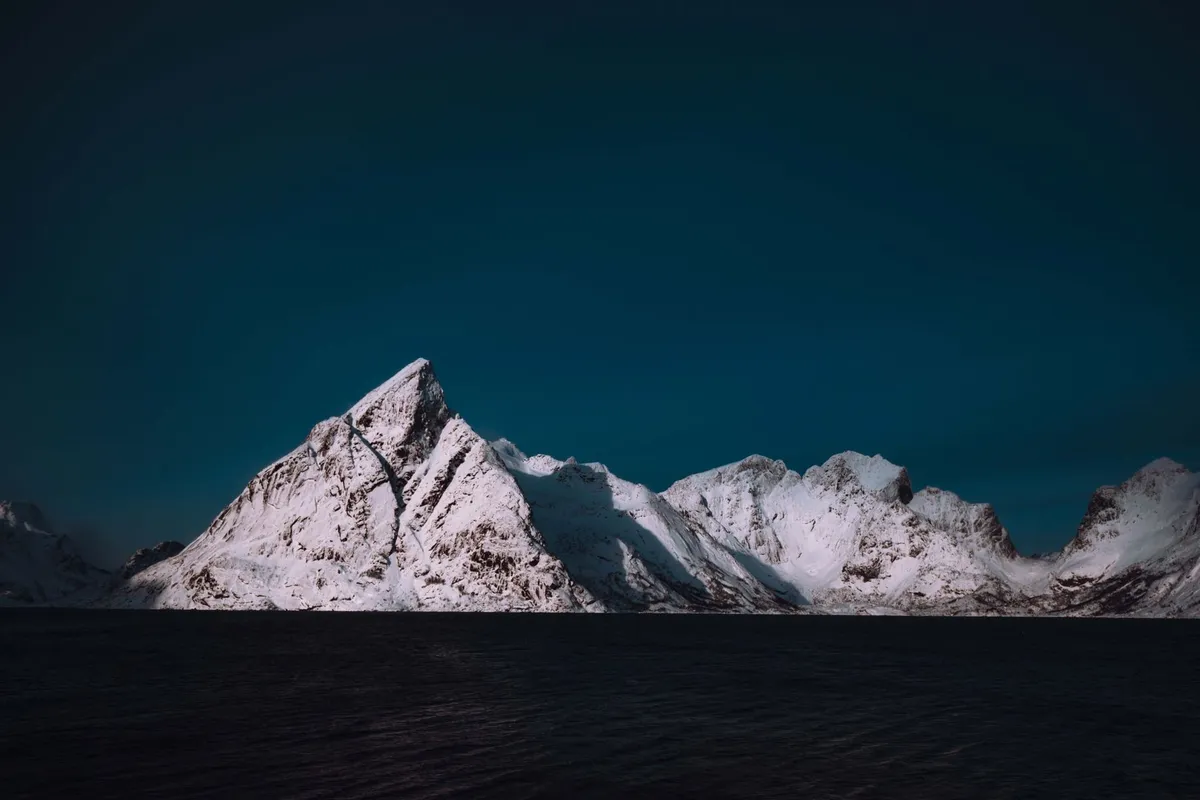
-
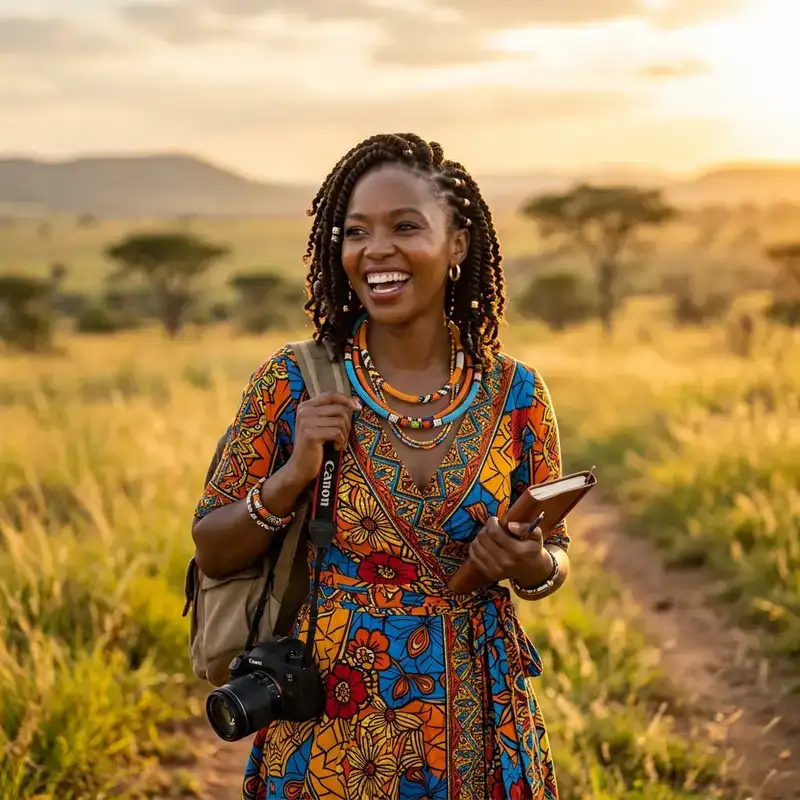 Zola Ndlovu
 - 03 Aug, 2026 20:18
Svalbard: Arctic Adventures Beyond the Northern Lights – A Remote Paradise for Explorers and Digital Nomads
Few places on Earth evoke the raw, untamed spirit of adventure like Svalbard—a remote archipelago in the Arctic Ocean, halfway between Norway and the North Pole. Governed by the Svalbard Treaty, this Norwegian territory is a land of extremes: polar bears outnumber people, the sun never sets in summer, and the aurora borealis paints the winter skies in emerald and violet. Yet beyond its reputation as a bucket-list destination for chasing the Northern Lights, Svalbard offers something far deeper: a chance to live on the edge of the known world, where every day feels like an expedition. For digital nomads, Svalbard is a paradox—a place where cutting-edge remote work meets Stone Age isolation. In 2025, it ranked 13th in VisaGuide.World’s Digital Nomad Index, scoring 2.91 for its unique blend of infrastructure, safety, and unparalleled natural beauty. Unlike other Arctic destinations, Svalbard has no visa restrictions for remote workers, allowing indefinite stays. But this freedom comes with a price: life here is expensive, the climate is brutal, and the nearest mainland is a 3-hour flight to Oslo. Yet for those willing to embrace the challenge, Svalbard is more than a destination—it’s a way of life. In this guide, we’ll dive into the realities of living and traveling in Svalbard, from navigating its polar wilderness to thriving as a digital nomad in one of the world’s most isolated communities. Whether you’re drawn by the allure of polar bears, the silence of untouched tundra, or the thrill of working from the edge of the Arctic, Svalbard promises an adventure unlike any other.Why Svalbard? The Ultimate Arctic EscapeSvalbard isn’t just another Arctic destination—it’s a world apart. Located at 74–81°N latitude, this archipelago is one of the northernmost permanently inhabited places on Earth. Its isolation is both its greatest allure and its defining challenge. Unlike tourist-heavy destinations like Iceland or Norway’s mainland, Svalbard remains a frontier, where the rules of modern life bend to the whims of nature. The Land of Contrasts Svalbard’s geography is a study in extremes. Towering glaciers, such as the 30-kilometer-long Austfonna, carve through the landscape, while deep fjords like Isfjorden cut into the coastline. The terrain is a mix of barren rock, permafrost, and unexpected pockets of greenery—mosses, lichens, and Arctic flowers that bloom briefly in the summer. Despite its harsh climate, Svalbard supports a surprising diversity of wildlife, including reindeer, Arctic foxes, walruses, and over 30 species of birds. The real star, however, is the polar bear. With a population of around 3,000, these apex predators roam freely, making Svalbard one of the few places where humans are not at the top of the food chain. A Unique Legal and Cultural Landscape Svalbard’s governance is as unusual as its geography. The Svalbard Treaty of 1920 granted Norway sovereignty over the archipelago, but it also allowed citizens of signatory countries (including the U.S., UK, and Russia) to live and work here under Norwegian law. This means no visa is required for stays up to 90 days, and digital nomads can stay indefinitely as long as they meet local registration requirements. The population of around 2,900 is a melting pot of Norwegians, Russians, Poles, and Thais, with Longyearbyen—the largest settlement—serving as the cultural and administrative heart. The Digital Nomad Paradox Svalbard’s inclusion in the Digital Nomad Index is a testament to its growing appeal among remote workers. The archipelago offers high-speed internet (thanks to a fiber-optic cable from mainland Norway), co-working spaces like the Svalbard Science Centre, and a surprisingly vibrant café culture. Yet, the cost of living is astronomical. According to 2026 data, a monthly rent for a one-bedroom apartment in Longyearbyen averages 15,000 NOK ($1,400 USD), while a meal at a mid-range restaurant costs around 250 NOK ($24 USD). Groceries are 50–100% more expensive than in Oslo, and imported goods can double in price due to shipping costs. Despite this, Svalbard’s digital nomad scene is thriving. The Svalbard Digital Nomad Association organizes meetups, and the UNIS (University Centre in Svalbard) offers courses in Arctic studies, attracting academics and remote workers alike. The key to thriving here? Budgeting meticulously and embracing the local lifestyle—shopping at the Sysselbutikken (the state-run supermarket) for staples like milk and bread, and taking advantage of the Svalbard Samfunnsdrift (community services) for shared resources. For those seeking a challenge, Svalbard offers unparalleled rewards: the chance to live in a place where the Northern Lights dance above your doorstep, where you can ski to work in the dark of winter, and where every day feels like an expedition. It’s not for the faint-hearted, but for the adventurous, it’s a dream come true.Planning Your Arctic Expedition: Logistics and EssentialsSvalbard is not a spontaneous destination. Planning a trip—or a move—here requires meticulous preparation, from securing flights to packing the right gear. The archipelago’s remoteness means that once you arrive, you’re committed. Here’s everything you need to know to make your Arctic adventure a success. Getting There: Flights and Entry Requirements The only way to reach Svalbard is by air, with flights operated by Norwegian Air Shuttle and Arctic Aviation. All flights connect via Oslo, with the journey taking approximately 3 hours to Longyearbyen. As of 2026, there are no direct flights from outside Norway, and flights are often fully booked months in advance, especially during peak seasons (June–August for summer activities, December–February for the Northern Lights). Entry Requirements:Visa: No visa is required for stays up to 90 days for citizens of Schengen countries, the U.S., UK, Canada, Australia, and many others. For longer stays, you’ll need to register with the Sysselmesteren (Governor of Svalbard) and may require a work permit if employed locally. Passport: A valid passport is mandatory, with at least 6 months’ validity remaining. Insurance: Travel insurance covering medical evacuation is strongly recommended. Healthcare in Svalbard is excellent but limited—serious cases are evacuated to Oslo.Best Time to Visit: Seasons of Light and Dark Svalbard’s seasons are extreme, each offering a unique experience:Polar Night (Late October–Mid-February):The sun doesn’t rise above the horizon, and the archipelago is shrouded in 24-hour darkness. This is prime time for Northern Lights viewing, with displays visible on clear nights. Temperatures plummet to -20°C (-4°F), but the lack of daylight makes for easier polar bear tracking (a necessity when venturing outside settlements). Pro Tip: Book a Northern Lights tour with Green Trail or Svalbard Wildlife Expeditions for guided excursions with expert guides.Spring (March–May):Daylight returns gradually, and temperatures rise to a balmy -10°C (14°F). This is ideal for snowmobile safaris, dog sledding, and skiing. The ice on the fjords begins to break up, making boat tours possible. Must-Do: A snowmobile trip to Pyramiden, the abandoned Soviet mining town, is a surreal experience.Midnight Sun (Late April–August):The sun never sets, casting a golden glow over the landscape 24/7. This is the best time for hiking, wildlife spotting (puffin colonies, walruses), and exploring glaciers. Temperatures range from 0°C to 10°C (32°F to 50°F), but the weather is unpredictable—pack layers. Essential Activity: A boat tour to Hornøya, one of the largest seabird colonies in the Arctic.Autumn (September–October):The landscape transforms with fiery hues as the tundra prepares for winter. This is a quieter season, perfect for photographers and those seeking solitude. Temperatures drop rapidly, and the first snowfalls begin. Hidden Gem: The Svalbard Museum in Longyearbyen offers insights into the archipelago’s history, from whaling to polar exploration.Packing for the Arctic: Gear That Could Save Your Life Svalbard’s weather is unpredictable, and conditions can change from sunny to blizzard in hours. Your packing list should prioritize warmth, functionality, and safety:Clothing: Base Layers: Merino wool or synthetic thermal underwear (top and bottom). Mid Layers: Fleece or down jackets for insulation. Outer Layer: A high-quality, windproof, and waterproof shell (Gore-Tex recommended). Accessories: Thermal gloves, balaclava, neck gaiter, and wool socks. A pair of insulated, waterproof boots (like Sorel or Baffin) is non-negotiable.Gear: Headlamp: Essential during the polar night. Bring extra batteries. Sunglasses: With UV protection for the midnight sun. Trekking Poles: For glacier hikes and uneven terrain. Power Bank: Cold drains batteries quickly. A solar charger can be a lifesaver.Safety: Polar Bear Deterrent: A rifle is mandatory when venturing outside settlements (rentals available). Alternatively, hire a guide with a firearm. First Aid Kit: Include blister plasters, painkillers, and any personal medication. Emergency Communication: A satellite phone or GPS device (local SIM cards don’t work outside Longyearbyen).Accommodation: From Hostels to Luxury Lodges Longyearbyen is the only town with a range of accommodation options, from budget hostels to high-end lodges. Here’s a breakdown of what to expect:Type Price Range (NOK) Pros ConsHostels (e.g., Basecamp Hostel) 500–800/night Affordable, social atmosphere Basic amenities, shared bathroomsGuesthouses (e.g., Guesthouse 102) 1,200–1,800/night Cozy, homey feel Limited space, no kitchen accessHotels (e.g., Radisson Blu Polar Hotel) 2,000–3,500/night Comfortable, central location Expensive, can book up quicklyRentals (e.g., Airbnb) 1,500–2,500/night Privacy, kitchen access Limited availability, high demandResearch Stations (e.g., UNIS Guesthouse) 1,000–1,500/night Unique experience, near nature Strict rules, shared spacesFor longer stays, consider renting an apartment through the Svalbard Housing Office, though options are scarce. Many digital nomads opt for a mix of short-term rentals and house-sitting (check TrustedHousesitters for opportunities).👉 Continue Reading: Svalbard: Arctic Adventures Beyond the Northern Lights – A Remote Paradise for Explorers and Digital Nomads (Part 2)#ArcticAdventure #DigitalNomadLife #PolarExploration #RemoteLiving #SvalbardTravel Related InsightsSustainable Archipelagos: Crafting an Eco‑Conscious Island‑Hopping Blueprint for the Azores La Cathédrale de Reims : Le Sanctuaire des Rois de France Where Earth Breathes Ages: A Deep Dive into Grand Canyon National Park{ "@context": "https://schema.org", "@type": "FAQPage", "mainEntity": [ { "@type": "Question", "name": "What is the main focus of Svalbard: Arctic Adventures Beyond the Northern Lights – A Remote Paradise for Explorers and Digital Nomads?", "acceptedAnswer": { "@type": "Answer", "text": "Discover Svalbard’s rugged Arctic beauty, from glaciers and polar bears to digital nomad life in one of the world’s most remote yet welcoming destinations." } }, { "@type": "Question", "name": "Who authored the comprehensive guide on Svalbard: Arctic Adventures Beyond the Northern Lights – A Remote Paradise for Explorers and Digital Nomads?", "acceptedAnswer": { "@type": "Answer", "text": "This detailed article and its insights were carefully researched and authored by Zola Ndlovu." } }, { "@type": "Question", "name": "Where can I find more related content about Travel?", "acceptedAnswer": { "@type": "Answer", "text": "You can explore more articles, detailed reviews, and similar insights by browsing the Related Insights section at the bottom of this article or visiting our dedicated Travel category page." } } ] }

- Zola Ndlovu
- 03 Aug, 2026 20:18
Svalbard: Arctic Adventures Beyond the Northern Lights – A Remote Paradise for Explorers and Digital Nomads (Part 2)
This is Part 2 of the series. Read Part 1 here.Living in Svalbard: A Digital Nomad’s Guide to the Arctic Frontier Svalbard is one of the few places in the world where you can work remotely from the edge of the Arctic Circle. But living here as a digital nomad is not for the unprepared. The cost of living is high, the internet is reliable but expensive, and the isolation can be both exhilarating and overwhelming. Here’s how to make it work. The Cost of Living: A Breakdown of Arctic Expenses As of 2026, Svalbard’s cost of living is among the highest in the world. Below is a snapshot of average prices for essentials:Item/Service Price (NOK) Price (USD) NotesRent (1-bedroom) 15,000/month $1,400 Longyearbyen onlyUtilities 2,000/month $190 Includes heating, electricityInternet 800/month $75 High-speed fiber from TelenorGroceries (monthly) 8,000 $750 Sysselbutikken for basicsDining Out 250/meal $24 Mid-range restaurantPublic Transport 500/month $47 Bus passes availableCoworking Space 2,500/month $235 Svalbard Science CentreGym Membership 600/month $56 SvalbardhallenAlcohol 100/beer $9.50 State-run VinmonopoletBudgeting Tips:Shop Smart: The Sysselbutikken (state-run supermarket) is the cheapest for staples. Imported goods (like cheese or coffee) are pricey—stock up in Oslo before flying. Cook at Home: Eating out is a luxury. A home-cooked meal costs 50–100 NOK ($5–10 USD). Use Community Resources: The Svalbard Samfunnsdrift offers shared tools, bikes, and even free sauna sessions. Transport: Walking is the primary mode of transport in Longyearbyen, but a secondhand bike or electric scooter can save money.Internet and Workspaces: Staying Connected in the Wilderness Svalbard’s internet is surprisingly robust, thanks to a fiber-optic cable from mainland Norway. Speeds average 100–300 Mbps, with reliable connections even in remote areas. However, data caps and latency can be issues for video calls. Best Workspaces:Svalbard Science Centre: The hub for remote workers, with desks, meeting rooms, and a café. Membership costs 2,500 NOK/month. Radisson Blu Polar Hotel: Offers day passes for 300 NOK, including coffee and Wi-Fi. Home Offices: Many digital nomads work from their apartments, but power outages can occur during storms.Pro Tip: Invest in a local SIM card (Telenor or Ice) for backup connectivity, though coverage is limited outside Longyearbyen. Social Life and Community: Finding Your Tribe in the Arctic Svalbard’s small population means everyone knows each other—or at least knows of each other. The social scene revolves around shared experiences: polar bear guards, Northern Lights chases, and impromptu gatherings at Huset (the cultural hub). Where to Meet People:Huset: Hosts events like film screenings, concerts, and language exchanges. UNIS: The University Centre attracts students and researchers from around the world. Their café is a great place to network. Adventure Groups: Join a dog sledding or snowmobiling tour to meet fellow explorers. Volunteer: The Svalbard Museum and Sysselmesteren’s office often need help with events.Challenges of Isolation:Seasonal Affective Disorder (SAD): The polar night can be tough. Invest in a light therapy lamp and prioritize outdoor activities. Limited Healthcare: The Longyearbyen Hospital handles minor issues, but serious cases require evacuation. Ensure your insurance covers this. Boredom: With no cinemas or shopping malls, entertainment is DIY. Learn to ski, take a photography course, or join a book club.Safety and Survival: Rules for Living in Polar Bear Country Svalbard is one of the few places where polar bears outnumber humans. Safety is paramount, and ignorance of the rules can be deadly. Golden Rules:Carry a Rifle: When venturing outside settlements, you must have a firearm (or hire a guide with one). Rentals are available at Svalbard Sports. Stay in Groups: Never go alone. Polar bears are unpredictable and can cover ground quickly. Make Noise: Sing, talk, or clap while hiking to avoid surprising a bear. Know the Signs: Fresh tracks, scat, or a bear’s presence means you should leave the area immediately. Emergency Numbers: Dial 112 for police, fire, or medical emergencies.Wildlife Encounters:Reindeer: Harmless but curious. Don’t feed them. Arctic Foxes: Cute but may carry rabies. Avoid contact. Walruses: Found on beaches—keep a safe distance.Adventures Await: Top Activities in SvalbardSvalbard is an adventure playground, where the landscape dictates the activities. From glacier hikes to ice cave explorations, there’s no shortage of ways to immerse yourself in the Arctic wilderness. 1. Northern Lights and Polar Night Expeditions The Northern Lights are Svalbard’s most famous attraction, visible from late September to early April. The best viewing spots are outside Longyearbyen, where light pollution is minimal. How to Chase the Aurora:Guided Tours: Companies like Green Trail and Svalbard Wildlife Expeditions offer overnight trips with hot drinks and photography tips. DIY: Head to Platåberget or Mine 7 for unguided viewing. Use apps like Aurora Forecast to track activity. Photography Tips: Bring a tripod, wide-angle lens, and extra batteries (cold drains them fast).2. Dog Sledding: Racing Across the Tundra Dog sledding is a rite of passage in Svalbard. The tradition dates back to the early 20th century, when explorers like Roald Amundsen used sled dogs to traverse the Arctic. Where to Go:Basecamp Explorer: Offers multi-day expeditions to Pyramiden or Barentsburg. Local Guides: Many operators use Greenland huskies, known for their endurance. Beginner-Friendly: Short trips (2–3 hours) are available for first-timers.What to Wear: Dress in layers, with windproof outerwear. Your guide will provide insulated boots and gloves. 3. Snowmobiling: Exploring the Arctic Wilderness With over 500 kilometers of marked trails, snowmobiling is one of the best ways to explore Svalbard’s vast landscapes. Rentals start at 1,200 NOK/day, but guided tours (including safety briefings) are recommended. Top Routes:Longyearbyen to Pyramiden: A 100-kilometer trip through stunning valleys and abandoned Soviet towns. Adventdalen Valley: A scenic route with views of glaciers and reindeer herds. Barentsburg: A longer trip to the Russian mining town, with stops at Gruve 3 (a historic coal mine).Safety Tips:Always carry a GPS and spare fuel. Check the weather forecast—blizzards can disorient even experienced riders. Never ride alone.4. Glacier Hikes and Ice Cave Explorations Svalbard is home to some of the most accessible glaciers in the Arctic. Guided hikes take you across icy rivers, through crevasses, and into surreal blue ice caves. Popular Glaciers:Nordenskiöldbreen: A 20-kilometer-long glacier accessible from Longyearbyen. Paierlbreen: Known for its striking blue ice caves. Austre Lovénbreen: A shorter hike with stunning views of Isfjorden.What to Expect:Gear: Crampons, helmets, and ice axes are provided by guides. Difficulty: Ranges from easy (2–3 hours) to challenging (full-day expeditions). Best Time: June–September, when the ice is stable.5. Wildlife Safaris: Spotting Arctic Giants Svalbard’s wildlife is as diverse as it is elusive. The best way to see it? Join a guided safari. Top Wildlife Encounters:Puffins: Visit Hornøya in summer for colonies of these colorful birds. Walruses: Boat tours to Sørkapp Land offer close-up views. Polar Bears: While sightings aren’t guaranteed, guided expeditions increase your chances. Whales: Orcas and belugas are spotted in the fjords during summer.Ethical Considerations: Always choose operators that prioritize animal welfare and follow distance guidelines.Conclusion & Sign-off Svalbard is not a destination for the casual traveler. It’s a place where the elements dictate the rhythm of life, where the silence of the Arctic can be deafening, and where the Northern Lights shimmer like a promise. For those who venture here, Svalbard becomes more than a trip—it becomes a story to tell for a lifetime. Whether you’re drawn by the allure of polar bears, the thrill of dog sledding, or the challenge of living in one of the world’s most remote communities, Svalbard delivers. It’s a place where you can work from a café with a view of glaciers, ski to the grocery store in the dark of winter, and fall asleep to the sound of the wind howling across the tundra. But it’s also a place that demands respect—for its wildlife, its weather, and its isolation. If you’re considering Svalbard as your next home or adventure, start planning now. Flights book up months in advance, gear needs to be sourced carefully, and budgets must be meticulously planned. But if you’re willing to put in the effort, Svalbard will reward you with an experience that few places on Earth can match. So pack your thermal layers, book your flight, and prepare to step into a world where the rules of the Arctic reign supreme. Svalbard is waiting—and it’s unlike anywhere else. Safe travels, and may your Northern Lights be bright.#ArcticAdventure #DigitalNomadLife #PolarExploration #RemoteLiving #SvalbardTravel Related InsightsDive Into a Hidden World: The Most Breathtaking Underwater Museums and Sculpture Parks (Part 2) The Whispers of the White Gold: Tracing the Carpathian Salt Scribes of Maramureș Arctic Circle Digital Nomadism: Building Connectivity in Greenland's Remote Towns{ "@context": "https://schema.org", "@type": "FAQPage", "mainEntity": [ { "@type": "Question", "name": "What is the main focus of Svalbard: Arctic Adventures Beyond the Northern Lights – A Remote Paradise for Explorers and Digital Nomads (Part 2)?", "acceptedAnswer": { "@type": "Answer", "text": "Discover Svalbard’s rugged Arctic beauty, from glaciers and polar bears to digital nomad life in one of the world’s most remote yet welcoming destinations." } }, { "@type": "Question", "name": "Who authored the comprehensive guide on Svalbard: Arctic Adventures Beyond the Northern Lights – A Remote Paradise for Explorers and Digital Nomads (Part 2)?", "acceptedAnswer": { "@type": "Answer", "text": "This detailed article and its insights were carefully researched and authored by Zola Ndlovu." } }, { "@type": "Question", "name": "Where can I find more related content about Travel?", "acceptedAnswer": { "@type": "Answer", "text": "You can explore more articles, detailed reviews, and similar insights by browsing the Related Insights section at the bottom of this article or visiting our dedicated Travel category page." } } ] }
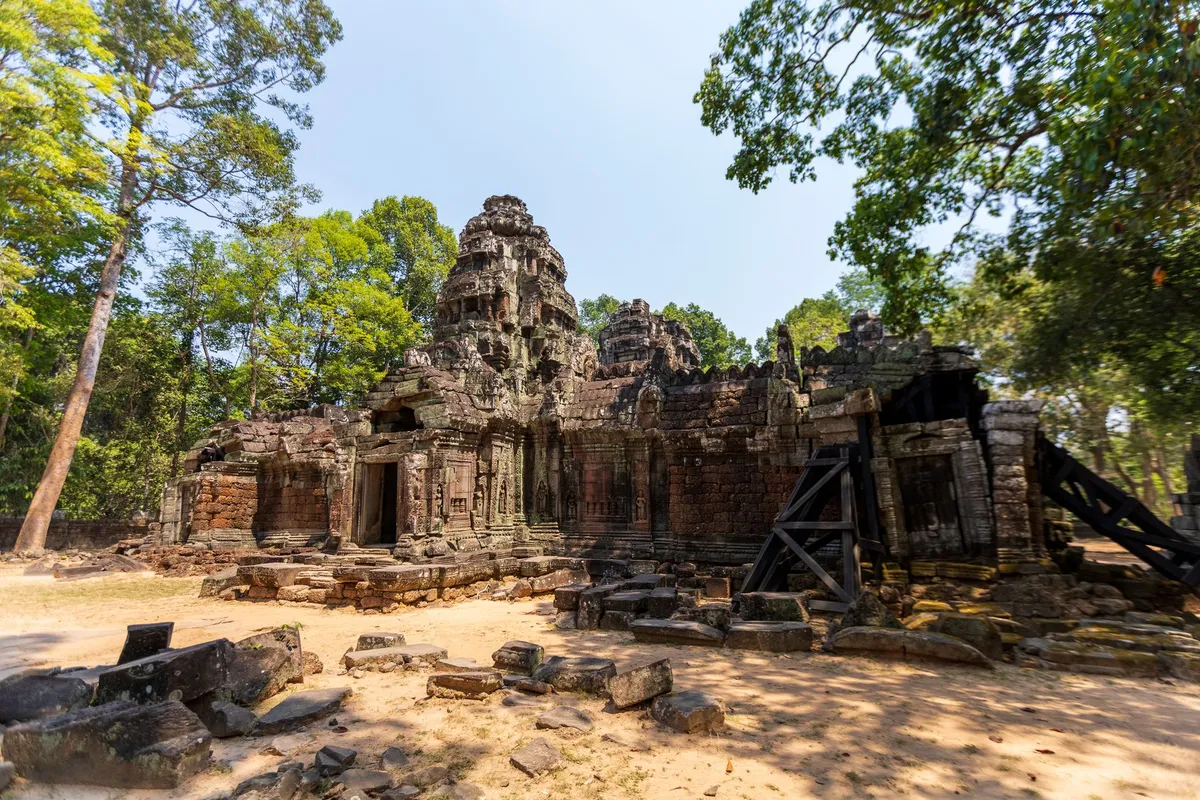
- Aisha Sharma
- 03 Aug, 2026 10:26
The Enigmatic Ruins of Angkor Wat: Beyond the Crowds and Into the Jungle
The Enigmatic Ruins of Angkor Wat: Beyond the Crowds and Into the JungleFor centuries, the jungles of Cambodia have whispered secrets to those brave enough to listen. Among the tangled vines and crumbling stone, the temples of Angkor Wat stand as silent sentinels of a forgotten empire, their spires piercing the emerald canopy like the fingers of giants. This is not just a destination; it’s a pilgrimage into the heart of history, where every moss-covered wall tells a story of kings, gods, and the relentless march of time. But Angkor Wat is more than a postcard-perfect ruin—it’s a living, breathing entity, where the past and present collide in a symphony of adventure and tranquility. Siem Reap, the gateway to this archaeological wonder, has evolved from a humble backpacker stopover into a thriving digital nomad hub. Here, the ancient and the modern coexist: monks in saffron robes glide past co-working spaces, while the hum of tuk-tuks blends with the clatter of laptop keyboards. The Angkor Archaeological Park, a UNESCO World Heritage Site, spans over 400 square kilometers and houses nearly 1,000 temples, each with its own legend. Yet, beyond the iconic faces of Angkor Wat and Bayon, lies a world of hidden gems—crumbling libraries, overgrown moats, and jungle-shrouded sanctuaries where the crowds rarely venture. This guide is your passport to exploring Angkor Wat beyond the beaten path. We’ll delve into the logistics of visiting, uncover the best-kept secrets of the jungle, and reveal how Siem Reap has become a sanctuary for remote workers seeking adventure without sacrificing comfort. Whether you’re a history buff, a digital nomad, or an intrepid traveler, Angkor Wat promises an experience that transcends the ordinary. So, lace up your hiking boots, charge your camera, and prepare to step into a world where the past is alive—and the jungle is waiting.1. The History and Mythology of Angkor Wat: A Civilization’s LegacyAngkor Wat is not merely a temple; it is a testament to the ingenuity, ambition, and spiritual devotion of the Khmer Empire. Built in the early 12th century by King Suryavarman II, this sprawling complex was originally dedicated to the Hindu god Vishnu before later becoming a Buddhist site. Its name, Angkor Wat, translates to "City of Temples," a fitting description for a complex that once served as the empire’s capital. The temple’s design is a masterclass in Khmer architecture, with its iconic five lotus-shaped towers symbolizing the peaks of Mount Meru, the mythical home of the gods in Hindu cosmology. The intricate bas-reliefs that adorn its walls depict scenes from Hindu epics like the Ramayana and Mahabharata, as well as historical battles and royal processions. These carvings are not just decorative—they are a visual chronicle of a civilization that flourished between the 9th and 15th centuries. But Angkor Wat’s history is shrouded in mystery. By the 15th century, the Khmer Empire began to decline, and the temples were gradually reclaimed by the jungle. It wasn’t until the 19th century that French explorers, led by Henri Mouhot, "rediscovered" Angkor Wat, sparking global fascination. Today, the site is a UNESCO World Heritage Site and a source of immense national pride for Cambodia. The Legends Behind the Stones Angkor Wat is steeped in mythology. One popular legend claims that the temple was built in a single night by the god Indra, who carried the stones from the heavens. Another tale speaks of a naga—a serpent deity—guarding the temple’s secrets. These stories add a layer of mystique to the ruins, making them feel less like relics and more like living entities. Preservation and Restoration Preserving Angkor Wat is an ongoing challenge. The temples face threats from erosion, vegetation overgrowth, and the sheer weight of centuries. The Authority for the Protection and Management of Angkor and the Region of Siem Reap (APSARA) oversees conservation efforts, using a combination of traditional techniques and modern technology. Visitors can support these efforts by purchasing official tickets, which fund preservation projects.2. Navigating Angkor Wat: Practical Tips for the Modern ExplorerVisiting Angkor Wat is an exercise in patience, planning, and curiosity. The site is vast, and the crowds can be overwhelming if you don’t know where to look. Here’s how to make the most of your visit without getting lost in the chaos. Choosing Your Ticket: The Key to Unlocking Angkor Angkor Archaeological Park operates on a tiered ticket system, with passes valid for 1, 3, or 7 days. Prices (as of 2026) are as follows:1-day pass: $37 3-day pass: $62 (valid for 10 days from first use) 7-day pass: $72 (valid for 30 days from first use)Pro Tip: The 3-day pass is the best value for most travelers, allowing you to explore at a leisurely pace without rushing. Purchase tickets at the official Angkor Enterprise ticket center in Siem Reap—avoid third-party sellers to ensure authenticity. The Best Time to Visit: When the Crowds Thin Angkor Wat is open from 5:00 AM to 5:30 PM, but the magic happens at sunrise. Arrive by 4:30 AM to secure a spot near the main temple for the iconic sunrise over the lotus towers. If you prefer fewer crowds, visit during the shoulder seasons (April–May or September–October), when temperatures are milder, and the tourist hordes are thinner. Getting Around: Tuk-Tuks, Bikes, and Elephants The most common way to explore Angkor Wat is by tuk-tuk, a motorized rickshaw that can navigate the park’s rough terrain. A full-day tuk-tuk tour (6–8 hours) typically costs between $15–$25, depending on the driver and route. For the adventurous, renting a bicycle is a cost-effective option (around $2–$5 per day), but be prepared for long distances and steep climbs. Alternative Transport:Private car: Ideal for groups or those with mobility issues ($40–$60 per day). E-bike: A quieter, eco-friendly option ($10–$15 per day). Elephant ride: A controversial but historically accurate way to enter the park (check ethical tour operators).The Essential Angkor Wat Route To avoid the crowds, skip the main temple at midday and explore the lesser-known sites first. A well-planned route might include:Preah Khan: A sprawling temple complex with a maze-like layout and jungle-shrouded corridors. Neak Pean: A serene, isolated temple surrounded by a circular island. Ta Prohm: Famous for its "Tomb Raider" roots, where tree roots engulf the ruins. Banteay Srei: Known as the "Citadel of Women," this pink sandstone temple is a masterpiece of Khmer art. Phnom Bakheng: A hilltop temple offering panoramic views of the surrounding jungle.Avoid: The main temple (Angkor Wat) between 8:00 AM and 11:00 AM, when tour groups descend en masse.3. Siem Reap: The Digital Nomad’s Paradise in the JungleSiem Reap has undergone a remarkable transformation in the past decade. Once a sleepy backpacker town, it’s now a thriving hub for remote workers, digital nomads, and entrepreneurs. The city’s low cost of living, reliable internet, and vibrant social scene make it an ideal base for exploring Angkor Wat while maintaining a productive lifestyle. The Cost of Living: Affordability Meets Adventure Siem Reap is one of Southeast Asia’s most budget-friendly cities, with a monthly cost of living ranging from $800 to $1,200, depending on your lifestyle. Here’s a breakdown of typical expenses:Expense Cost (USD)Rent (1-bedroom apartment) $300–$600Coworking space $5–$10/dayMeal (local restaurant) $2–$5Beer (Angkor Beer) $1–$2Tuk-tuk ride (10 km) $3–$5SIM card (1-month data) $5–$10Pro Tip: Many cafes and restaurants offer discounts for digital nomads who work on-site. Popular spots include The Pub Street area, Riverside, and The Haven. Internet and Infrastructure Siem Reap’s internet infrastructure has improved dramatically, with average speeds of 51 Mbps—more than sufficient for remote work. Major providers like Cellcard and Smart offer affordable SIM cards with generous data plans. Coworking spaces like AngkorHub and The Factory provide high-speed Wi-Fi, printing services, and networking opportunities. The Social Scene: Where Work Meets Play Siem Reap’s social life revolves around Pub Street, a bustling thoroughfare lined with bars, restaurants, and live music venues. Here, you’ll find everything from rooftop cocktail bars to backpacker hostels with communal kitchens. For a more laid-back vibe, head to the Riverside area, where expats and locals mingle over sunset drinks. Must-Visit Spots:The Temple Balcony: A rooftop bar with views of the city. Miss Wong Cocktail Bar: A speakeasy-style lounge with creative drinks. Angkor What? The Pub: A favorite among digital nomads for its lively atmosphere.Visa Rules and Tax Residency Cambodia offers a flexible visa policy, making it easy for digital nomads to stay long-term. The most popular options are:Tourist Visa (T-class): 30 days, extendable for another 30 days ($30). Ordinary Visa (E-class): 30 days, extendable indefinitely ($35). Business Visa (EB-class): For those working remotely (requires a local sponsor).Tax Residency: Cambodia taxes residents on worldwide income after 182 days of stay. Digital nomads should keep track of their days to avoid double taxation.4. Beyond the Temples: Jungle Adventures and Local ExperiencesAngkor Wat is just the beginning. The surrounding region is a playground for adventure seekers, offering everything from jungle treks to cultural immersion. Here’s how to experience the wild side of Siem Reap. Jungle Trekking and Wildlife Encounters The jungles around Angkor Wat are teeming with life. Guided treks lead to hidden waterfalls, ancient cave temples, and remote villages untouched by tourism. Popular routes include:Kulen Mountain: A sacred site with a 55-meter waterfall and a giant reclining Buddha. Beng Mealea: A "lost temple" enveloped by jungle, requiring a short hike to reach. Phnom Kulen National Park: Home to rare wildlife like the Indochinese silvered langur.Wildlife Watching: Keep an eye out for macaques, monitor lizards, and exotic birds. The best time for wildlife spotting is early morning or late afternoon. Cultural Immersion: Villages and Crafts Cambodia’s rural communities offer a glimpse into traditional Khmer life. Visit the floating villages on Tonlé Sap Lake, where stilt houses and floating markets thrive. Alternatively, explore the Artisans Angkor workshop, where locals craft silk textiles and stone carvings using age-old techniques. Homestays: For a deeper experience, stay with a local family in a village like Kampong Phluk, where you can participate in fishing, rice farming, and traditional cooking. Adrenaline Activities For thrill-seekers, Siem Reap offers:Zip-lining: Soar over the treetops at Angkor Zipline. ATV Tours: Ride through rice fields and rural villages. Kayaking: Paddle through the mangroves of Tonlé Sap Lake.5. Sustainable Travel: Preserving Angkor Wat for Future GenerationsAngkor Wat is a fragile treasure, and its preservation depends on responsible tourism. Here’s how you can minimize your impact while exploring this ancient wonder. Leave No Trace PrinciplesStay on marked paths to avoid damaging delicate structures. Carry reusable water bottles to reduce plastic waste. Respect sacred sites by dressing modestly and refraining from touching carvings.Supporting Local ConservationDonate to APSARA or organizations like Global Heritage Fund. Choose ethical tour operators that prioritize sustainability. Buy local crafts to support Cambodian artisans.Eco-Friendly Accommodation Opt for eco-lodges like The Green House or Tara Angkor Hotel, which use solar power and sustainable practices.Conclusion: Angkor Wat Awaits Your Discovery The ruins of Angkor Wat are more than just a tourist attraction—they are a gateway to a world where history, nature, and modernity intertwine. Whether you’re marveling at the sunrise over the lotus towers, sipping coffee in a Siem Reap coworking space, or trekking through the jungle to a hidden temple, this place will leave an indelible mark on your soul. Siem Reap’s transformation into a digital nomad haven means you can explore Angkor Wat without sacrificing the comforts of home. With its affordable cost of living, vibrant social scene, and easy visa policies, it’s the perfect base for adventure and productivity. So, pack your bags, book your ticket, and prepare to step into a story older than time itself. Angkor Wat is waiting—and it’s calling your name.#AngkorWat #SiemReap #DigitalNomad #JungleExploration #AncientRuins Related InsightsL'Eveil des Cimes : Suspendu dans le Souffle du Tigre Floating Above the Clouds: A Definitive Pilgrimage to Bhutan’s Tiger’s Nest Ethiopia’s Danakil Depression: Where Earth’s Hellish Beauty Meets Alien Landscapes{ "@context": "https://schema.org", "@type": "FAQPage", "mainEntity": [ { "@type": "Question", "name": "What is the main focus of The Enigmatic Ruins of Angkor Wat: Beyond the Crowds and Into the Jungle?", "acceptedAnswer": { "@type": "Answer", "text": "Uncover the mystical ruins of Angkor Wat beyond the tourist trails—where ancient temples meet untamed jungle, and digital nomads thrive in Siem Reap’s vibrant heart." } }, { "@type": "Question", "name": "Who authored the comprehensive guide on The Enigmatic Ruins of Angkor Wat: Beyond the Crowds and Into the Jungle?", "acceptedAnswer": { "@type": "Answer", "text": "This detailed article and its insights were carefully researched and authored by Aisha Sharma." } }, { "@type": "Question", "name": "Where can I find more related content about Travel?", "acceptedAnswer": { "@type": "Answer", "text": "You can explore more articles, detailed reviews, and similar insights by browsing the Related Insights section at the bottom of this article or visiting our dedicated Travel category page." } } ] }
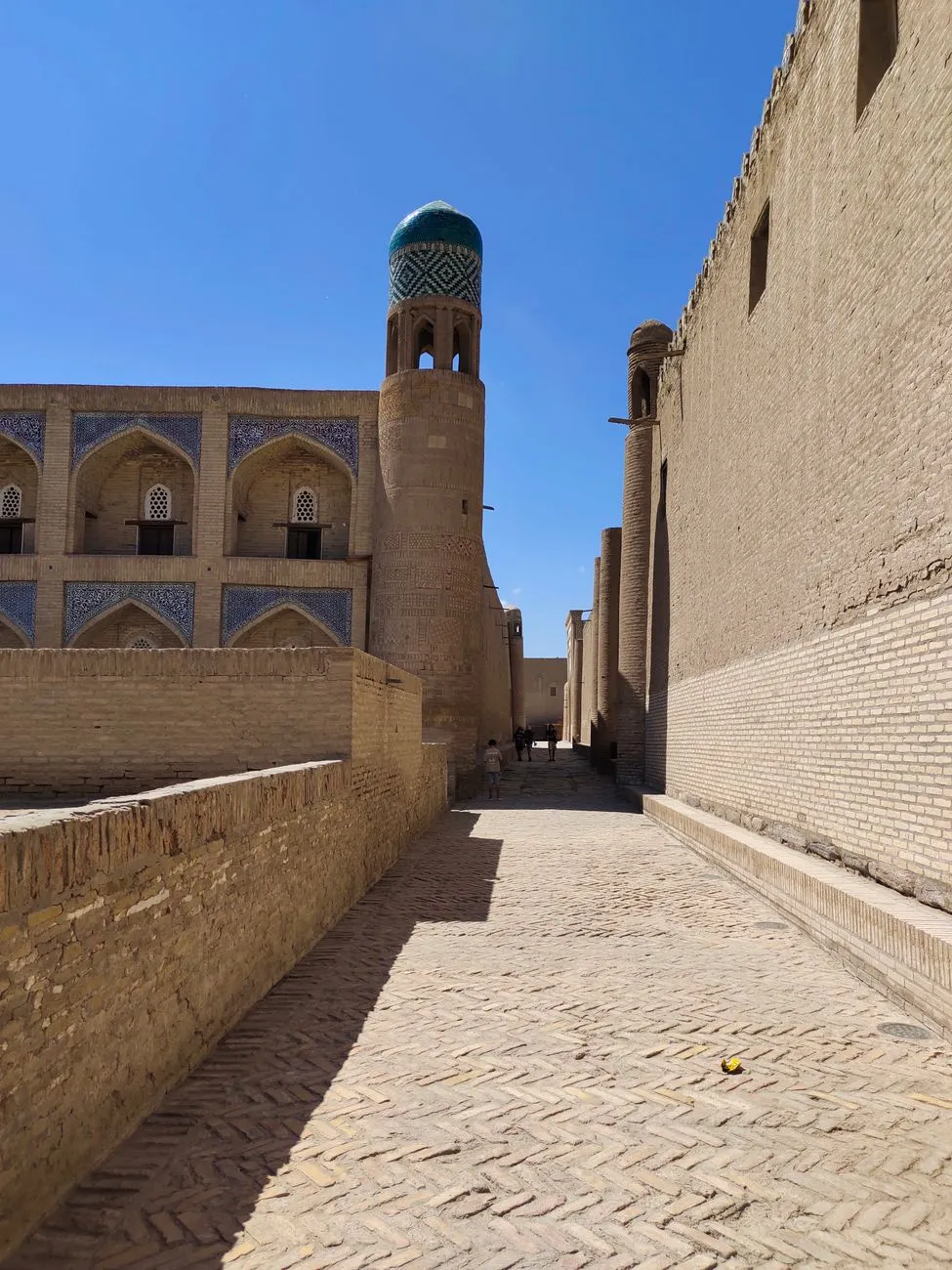
This is Part 2 of the series. Read Part 1 here.The Desert Caravanserai: A Rest Stop for Travelers Khiva’s caravanserais, like the Kutlug Murad Inak Madrasa, were once bustling rest stops for Silk Road travelers and their camels. Today, they house artisan workshops and guesthouses, where visitors can experience traditional Uzbek hospitality. The Khan’s Bathhouse, a 19th-century hammam, offers a chance to relax in a setting that has remained unchanged for centuries. Khiva’s Modern Face: A Hub for Art and Culture While Khiva’s ancient sites are its main attraction, the city is also embracing modernity. The Khiva Silk Carpet Museum showcases the artistry of Uzbek weavers, while the Khiva Art Gallery features contemporary works inspired by the city’s history. For digital nomads, guesthouses like Orient Star Khiva offer reliable Wi-Fi and a quiet workspace, making it easy to explore the city’s wonders while staying connected. Khiva is a place where time seems to have stopped. It’s a city where the desert wind whispers stories of caravans and kings, where every brick holds a secret, and where the spirit of the Silk Road lives on in the most unexpected ways.4. Tashkent: Uzbekistan’s Cosmopolitan Capital While Samarkand, Bukhara, and Khiva dazzle with their ancient charm, Tashkent is Uzbekistan’s modern face—a bustling metropolis where Soviet-era grandeur meets Central Asian tradition. With a population of over 3 million, Tashkent is the country’s cultural, economic, and political heart. It’s a city of wide boulevards, green parks, and futuristic architecture, where the past and future coexist in harmony. Chorsu Bazaar: The Soul of Tashkent Chorsu Bazaar is one of the largest and oldest markets in Central Asia, a labyrinth of stalls selling everything from fresh produce to handmade ceramics. The bazaar’s iconic blue dome, supported by 12 massive columns, is a landmark of Tashkent. Here, you can sample non (Uzbek flatbread), samsa (meat pies), and choy (tea) while bargaining with friendly vendors. The market is a sensory overload—colors, smells, and sounds collide in a symphony of Uzbek life. Khast Imam Complex: A Treasure Trove of Islamic Art The Khast Imam Complex is a spiritual and cultural hub, home to the Uthman Quran, one of the oldest and most revered copies of the Quran in the world. The complex includes the Barak-Khan Madrasa, the Tilla Sheikh Mosque, and the Muyi Muborak Library, which houses rare manuscripts and artifacts. The intricate tilework and calligraphy of the complex are a testament to Uzbekistan’s deep Islamic heritage. Amir Timur Square: A Monument to a Conqueror Amir Timur Square is the heart of Tashkent, a vast plaza dominated by a towering statue of the legendary conqueror. The square is surrounded by government buildings, museums, and the Navruz Palace, a modern structure that hosts cultural events. The Amir Timur Museum offers a deep dive into the life and legacy of Timur, while the Fine Arts Museum of Uzbekistan showcases the country’s rich artistic traditions. Tashkent’s Modern Wonders Tashkent is also a city of innovation. The Tashkent Metro, with its marble stations and Soviet-era mosaics, is a marvel of engineering and design. The Tashkent Tower, one of the tallest structures in Central Asia, offers panoramic views of the city. For digital nomads, co-working spaces like Smart Point provide high-speed internet and a community of like-minded professionals. Cafés like Café Loft serve up artisanal coffee and Uzbek fusion dishes, while the Tashkent City business district is a hub of modern commerce. Green Spaces and Urban Oases Despite its urban sprawl, Tashkent is a green city, with parks like Bog’i Erkinlik and Alisher Navoi Park offering a respite from the hustle and bustle. The Tashkent Botanical Garden is a haven for nature lovers, with over 3,000 species of plants from around the world. The city’s wide boulevards, lined with trees and fountains, make it easy to explore on foot or by bike. Tashkent is a city of contrasts—where Soviet-era buildings stand alongside modern skyscrapers, where ancient traditions meet cutting-edge innovation. It’s a place where the past and future collide, and where the spirit of Uzbekistan’s resilience and creativity shines through.5. Practical Travel Guide: Budget, Visa, and Digital Nomad Life in Uzbekistan Uzbekistan is not just a destination for history lovers—it’s also a paradise for budget travelers and digital nomads. With its ultra-affordable cost of living, fast-growing visa program, and modern infrastructure, the country is quickly becoming a hotspot for remote workers and explorers alike. Here’s everything you need to know to plan your trip, from visas to budgets, healthcare, and beyond. Visa Requirements: Easy Entry for Most Travelers Uzbekistan has made significant strides in simplifying its visa process. As of 2026, citizens of over 80 countries, including the US, UK, EU, Canada, Australia, and Japan, can enter Uzbekistan visa-free for up to 30 days. For longer stays, a tourist visa (valid for up to 30 days) can be obtained online via the e-Visa portal, with processing taking just 3 business days. For digital nomads, a 1-year multiple-entry visa is available for those who can prove remote work or business ties in Uzbekistan. Cost of Living: Affordable Luxury Uzbekistan is one of the most affordable destinations in the world, with a cost of living significantly lower than in Western Europe or North America. According to Numbeo, a single person can live comfortably in Tashkent or Samarkand on $800–$1,200 per month, while a couple can manage on $1,200–$1,800. Here’s a breakdown of typical expenses:Expense Category Cost (USD)Rent (1-bed apartment) $200–$400/monthUtilities (electricity, water, gas) $50–$100/monthGroceries $100–$200/monthDining out (mid-range restaurant) $5–$15/mealPublic transport (monthly pass) $10–$20SIM card (1 month, unlimited data) $5–$10Coworking space (monthly membership) $50–$150Accommodation: From Guesthouses to Boutique Hotels Uzbekistan offers a range of accommodation options to suit every budget:Guesthouses (1–2 stars): $15–$30/night – A great way to experience Uzbek hospitality, often run by local families. Boutique hotels (3–4 stars): $50–$100/night – Stylish, centrally located, and often housed in historic buildings. Modern apartments (Airbnb): $30–$80/night – Ideal for digital nomads seeking privacy and comfort. Luxury hotels (5 stars): $150–$300/night – For those seeking high-end amenities, like the Hyatt Regency Tashkent or Lotte City Hotel Samarkand.Healthcare: Reliable and Affordable Uzbekistan’s healthcare system has improved significantly in recent years, with modern hospitals and clinics in major cities. For digital nomads, international health insurance is highly recommended. The cost of a doctor’s visit ranges from $10–$30, while a night in a private hospital is around $50–$100. Pharmacies are widely available, and medications are generally affordable. Transportation: Getting Around Easily Uzbekistan’s transportation network is efficient and affordable:Domestic flights: Tashkent to Samarkand or Bukhara costs $50–$100 one-way. High-speed train (Afrosiyob): Tashkent to Samarkand in 2 hours for $25–$40. Marshrutkas (shared minivans): $2–$5 for short trips between cities. Taxis (Yandex.Taxi): $5–$15 for city rides. Bicycle rentals: $5–$10/day – A great way to explore cities like Bukhara and Khiva.Digital Nomad Life: Work, Wi-Fi, and Community Uzbekistan is rapidly becoming a digital nomad hotspot, thanks to its digital nomad visa, affordable cost of living, and growing community of remote workers. Here’s what to expect:Internet: Uzbekistan has 4G coverage across the country, with speeds averaging 20–50 Mbps. Major cities like Tashkent, Samarkand, and Bukhara have fiber-optic internet in most cafes and co-working spaces. Co-working spaces: Impact Hub Samarkand – $10/day or $100/month. Smart Point Tashkent – $8/day or $80/month. Coworking.uz Bukhara – $5/day or $50/month.Community: Facebook groups like Digital Nomads Uzbekistan and Expat Tashkent are great for networking and tips.Safety and Cultural TipsSafety: Uzbekistan is generally safe, with low crime rates. Petty theft can occur in tourist areas, so keep an eye on your belongings. Dress code: Uzbekistan is a Muslim-majority country, but it’s relatively liberal. Dress modestly in religious sites (cover shoulders and knees), but Western clothing is fine in cities. Language: Uzbek and Russian are the main languages, but English is spoken in tourist areas and by younger generations. Currency: The Uzbek som (UZS) is the local currency. $1 USD ≈ 12,500 UZS (as of 2026). Credit cards are accepted in major hotels and restaurants, but cash is king in markets and small shops.Uzbekistan is a destination that rewards curiosity, patience, and an open mind. Whether you’re exploring ancient cities, working remotely in a cozy café, or bargaining in a bustling bazaar, the country offers an experience that is as enriching as it is affordable.The Silk Road is not just a relic of the past—it’s a living, breathing thread that connects Uzbekistan’s ancient cities to a vibrant present. From the turquoise domes of Samarkand to the labyrinthine alleys of Bukhara, the desert jewel of Khiva, and the cosmopolitan energy of Tashkent, this country is a testament to the enduring power of history, culture, and human connection. Uzbekistan is more than a destination; it’s an invitation to step into a world where the past and future coexist, where every brick tells a story, and where the spirit of the Silk Road lives on in the most unexpected ways. Whether you’re a history buff, a digital nomad, a foodie, or simply someone seeking beauty in the unexpected, Uzbekistan offers a journey that will leave you inspired, enriched, and longing to return. So pack your bags, grab your passport, and set out on the adventure of a lifetime. The Silk Road is waiting.#SilkRoadRevival #UzbekistanTravel #CentralAsiaAdventure #CulturalJourney #DigitalNomadLife Related InsightsIceland's Golden Circle: Unveiling the Land of Fire and Ice Arctic Circle Digital Nomadism: Building Connectivity in Greenland's Remote Towns Fairy Tale Châteaux: A Journey Through the Loire Valley{ "@context": "https://schema.org", "@type": "FAQPage", "mainEntity": [ { "@type": "Question", "name": "What is the main focus of The Silk Road Revival: Uzbekistan’s Ancient Cities and Modern Wonders (Part 2)?", "acceptedAnswer": { "@type": "Answer", "text": "Step into the heart of Central Asia and rediscover the Silk Road through Uzbekistan’s breathtaking cities, where 3,000 years of history meet vibrant modernity and ultra-affordable living." } }, { "@type": "Question", "name": "Who authored the comprehensive guide on The Silk Road Revival: Uzbekistan’s Ancient Cities and Modern Wonders (Part 2)?", "acceptedAnswer": { "@type": "Answer", "text": "This detailed article and its insights were carefully researched and authored by Wei Chen." } }, { "@type": "Question", "name": "Where can I find more related content about Travel?", "acceptedAnswer": { "@type": "Answer", "text": "You can explore more articles, detailed reviews, and similar insights by browsing the Related Insights section at the bottom of this article or visiting our dedicated Travel category page." } } ] }