Thai Street Food Secrets: How to Recreate Bangkok’s Best Dishes at Home
-
 Eleanor Hughes
 - 01 Aug, 2026 19:46
Thai Street Food Secrets: How to Recreate Bangkok’s Best Dishes at Home
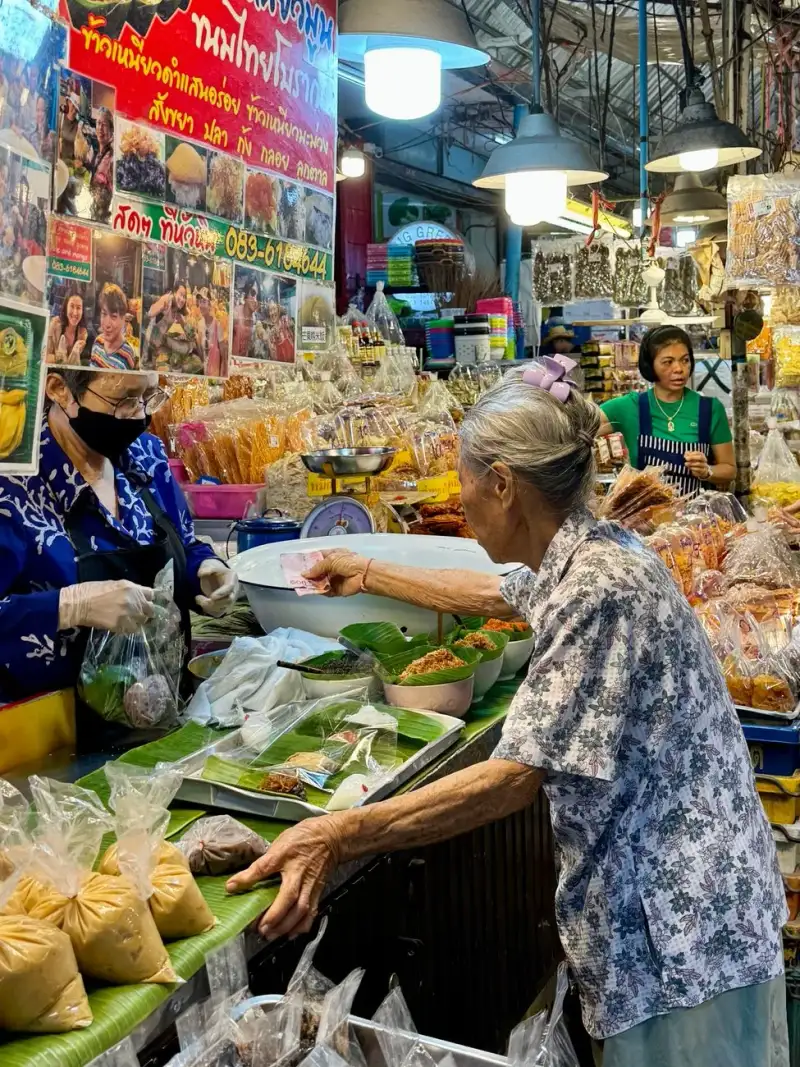
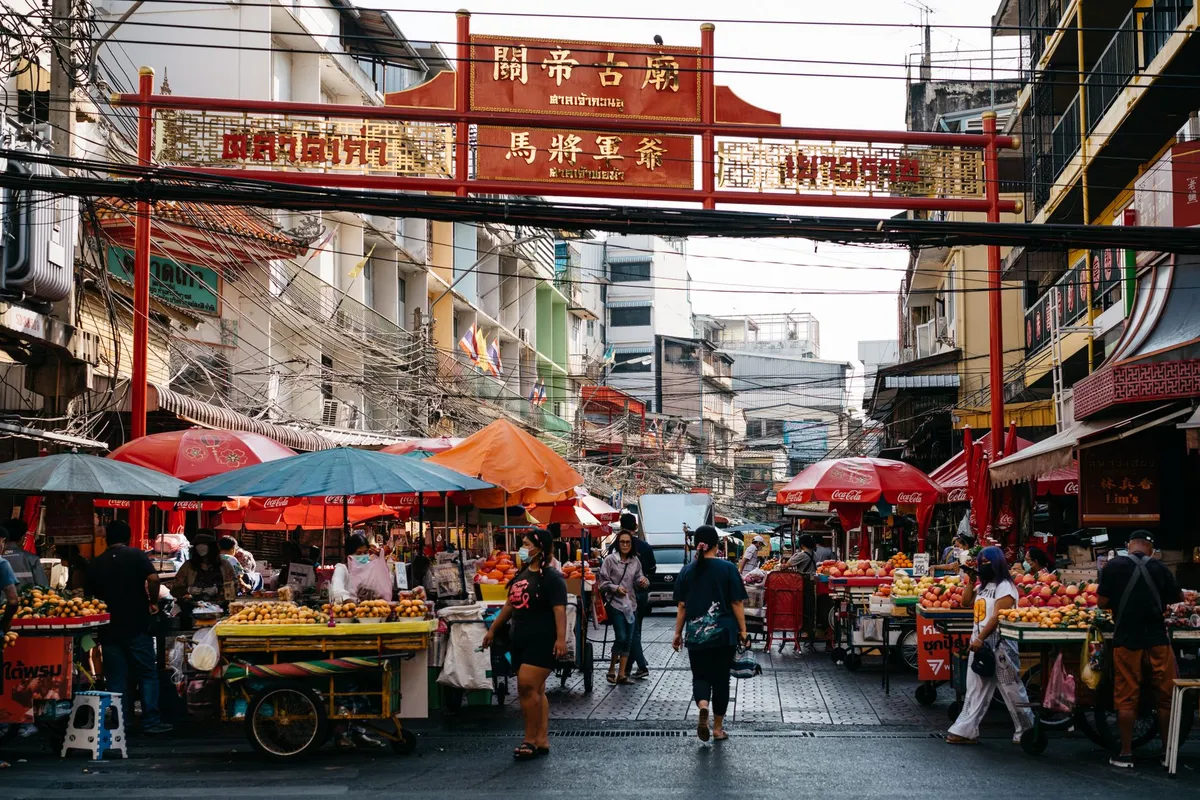
Bangkok’s streets are a symphony of sizzling woks, fragrant herbs, and the unmistakable tang of lime and chili. The city’s street food isn’t just sustenance—it’s a cultural phenomenon, a daily ritual that binds communities and fuels millions. From the crack of dawn until well past midnight, vendors transform humble ingredients into dishes that have earned Bangkok the title of the world’s top street food city (CNN Travel, 2023). But what makes these dishes so irresistible? And how can you recreate their magic in your own kitchen?
The answer lies in the alchemy of balance: the interplay of sweet, sour, salty, and spicy that defines Thai cuisine. It’s about understanding the role of fresh herbs like Thai basil and cilantro, the importance of fermented fish sauce, and the technique of pounding spices in a mortar and pestle. This article will peel back the layers of Bangkok’s most iconic street foods, offering step-by-step guides, insider tips, and the science behind their flavors. Whether you’re a seasoned home cook or a curious beginner, you’ll leave equipped to bring the spirit of Bangkok’s streets to your table.
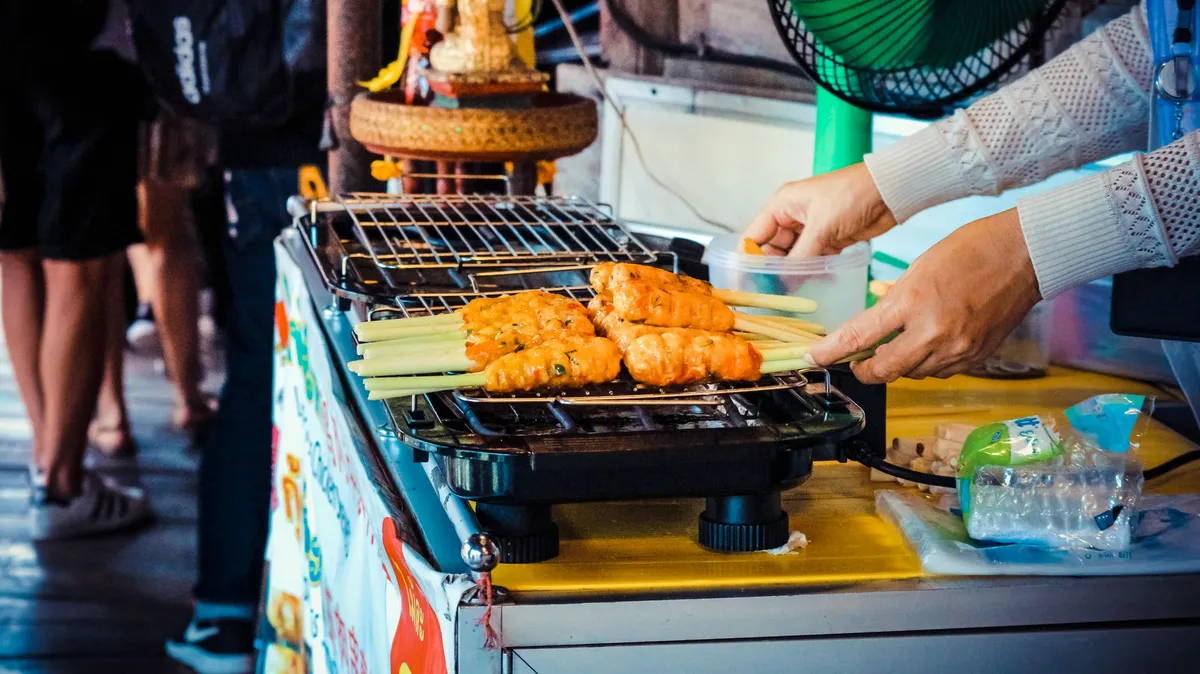
The Foundations of Thai Street Food Flavor
At the heart of every Thai street food dish is a foundation of flavors that have been perfected over centuries. The balance of nam prik (chili pastes), nam pla (fish sauce), nam makham (tamarind), and nam tan (palm sugar) is non-negotiable. These ingredients are the building blocks of dishes like pad thai, som tam (green papaya salad), and tom yum goong (spicy shrimp soup). But it’s not just about the ingredients—it’s about the technique.
The Role of Fermented Fish Sauce
Fish sauce, or nam pla, is the backbone of Thai cooking. Made from fermented anchovies and salt, it adds a deep umami richness that salt alone cannot achieve. In Bangkok’s street food, it’s used liberally but judiciously. For example, in pad thai, a splash of fish sauce enhances the sweetness of the tamarind and the savoriness of the dried shrimp. The fermentation process breaks down proteins into glutamates, which is why fish sauce is often called “Thai soy sauce.”
To recreate this at home, use high-quality fish sauce like Red Boat or Tiparos. A little goes a long way—start with 1 teaspoon and adjust to taste. Remember, the goal is to enhance, not overpower.
The Art of the Mortar and Pestle
Thai cuisine relies heavily on freshly pounded spices and herbs. The mortar and pestle (kruk kruk) isn’t just a tool; it’s a ritual. In Bangkok’s street markets, vendors pound garlic, chilies, lemongrass, and shrimp paste together to create pastes like nam prik pao (chili jam) or krueng gaeng (curry paste). The friction releases essential oils, creating a paste that’s far more aromatic than pre-ground spices.
For som tam, the mortar is essential for crushing peanuts, garlic, chilies, and lime juice into a coarse paste before adding shredded papaya. The texture should be chunky, not smooth. If you don’t have a mortar and pestle, a heavy-bottomed skillet or a food processor can work in a pinch, but the flavor won’t be as vibrant.
The Importance of Fresh Herbs
Thai basil (horapa), cilantro (pak chi), and mint are non-negotiable in dishes like phat kaphrao (stir-fried holy basil pork) or khao soi (Northern Thai coconut curry noodles). These herbs are added at the end of cooking to preserve their bright, fresh flavors. In Bangkok, vendors often grow their own herbs, ensuring they’re picked at peak freshness. At home, source herbs from an Asian market or grow them in your garden if possible.

Pad Thai: Bangkok’s Most Iconic Noodle Dish
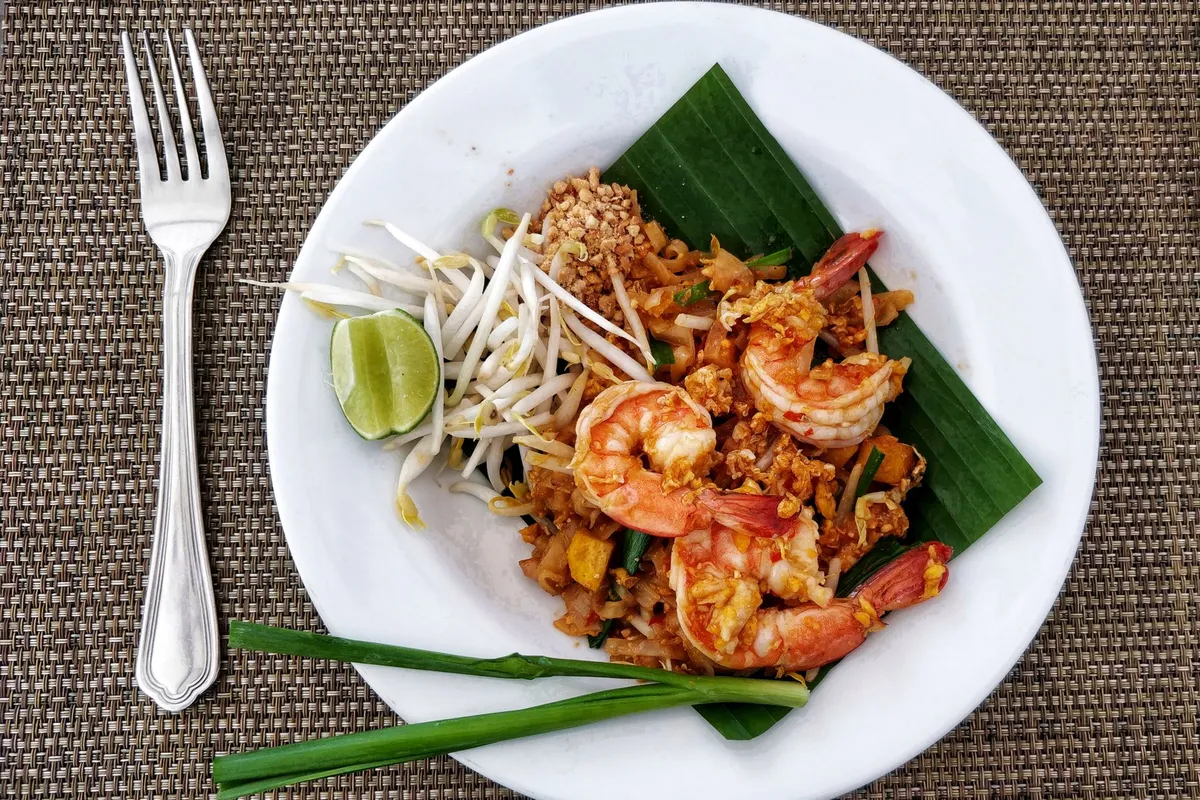
No discussion of Bangkok’s street food would be complete without pad thai. Born in the 1930s as part of a nationalist campaign to reduce rice consumption, pad thai has since become a global ambassador for Thai cuisine. The dish’s magic lies in its balance of flavors and textures: chewy rice noodles, tender shrimp or tofu, crunchy bean sprouts, and a tangy-sweet tamarind sauce.
The Perfect Pad Thai Sauce
The sauce is the soul of pad thai. It’s a harmonious blend of:
- Tamarind paste (for sourness)
- Palm sugar (for sweetness)
- Fish sauce (for umami)
- Lime juice (for brightness)
To make the sauce, combine 3 tablespoons tamarind paste, 2 tablespoons palm sugar, 2 tablespoons fish sauce, and 1 tablespoon lime juice. Simmer until the sugar dissolves. The ratio should be 2 parts tamarind to 1 part sugar, with fish sauce added to taste. Authentic pad thai sauce is slightly tangy with a hint of sweetness—never cloyingly sweet.
Cooking Technique
- Soak the noodles: Use thin rice noodles (sen lek). Soak them in warm water for 20-30 minutes until pliable but still firm. Over-soaking leads to mushy noodles.
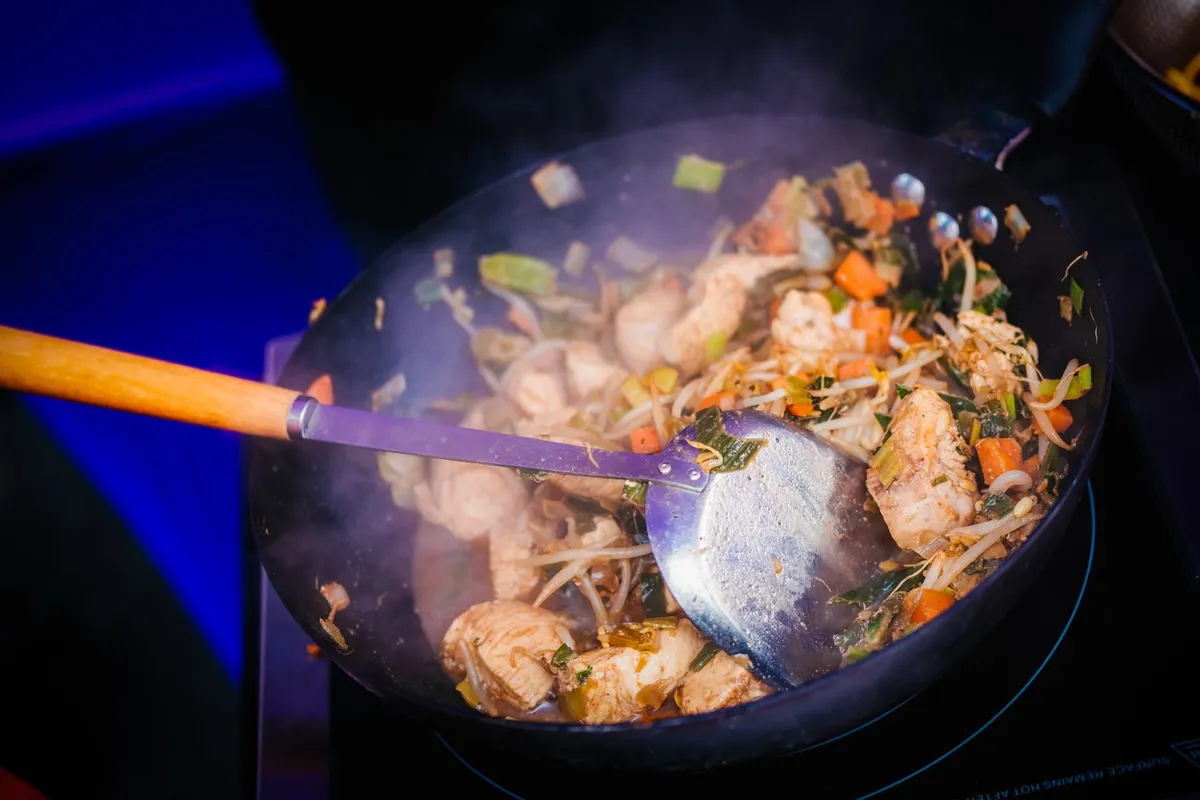
- Stir-fry the protein: Heat a wok or large skillet over high heat. Add oil, then shrimp, tofu, or chicken. Cook until just done, then set aside.
- Cook the noodles: Add a bit more oil to the wok, then add the noodles. Stir-fry for 1-2 minutes until they soften slightly.
- Combine and toss: Add the protein back to the wok, pour in the sauce, and toss everything together. The noodles should be evenly coated but still slightly chewy.
- Garnish: Top with crushed peanuts, bean sprouts, lime wedges, and cilantro.
Common Mistakes to Avoid
- Over-soaking the noodles: They should be al dente.
- Using too much sauce: The noodles should glisten, not swim.
- Skipping the high heat: Pad thai should be cooked quickly to avoid sogginess.
Som Tam: The Spicy Green Papaya Salad That Packs a Punch
Som tam, or green papaya salad, is a dish that embodies the Thai love of bold, contrasting flavors. Shredded unripe papaya, chilies, lime juice, fish sauce, and palm sugar are pounded together in a mortar to create a salad that’s spicy, sour, sweet, and salty all at once. In Bangkok, vendors often add dried shrimp or crab to enhance the umami.
The Right Papaya
The key to som tam is using unripe papaya, which has a crisp, slightly crunchy texture. Look for papayas that are firm to the touch and have a pale green skin. If unripe papaya isn’t available, substitute with shredded green cabbage or green mango.
The Pounding Technique
- Pound the garlic and chilies: Start with 2 cloves of garlic and 2-3 Thai chilies (adjust for heat). Pound them into a coarse paste.
- Add the papaya: Add 2 cups of shredded papaya and pound gently to bruise the fibers.
- Add the seasonings: Add 1 tablespoon fish sauce, 1 tablespoon palm sugar, and the juice of 1 lime. Pound again to combine.
- Finish with toppings: Toss in 2 tablespoons crushed peanuts, 1 tablespoon dried shrimp (optional), and a handful of cherry tomatoes. Toss gently.
Balancing the Flavors
The ideal som tam should have:
- Heat from the chilies
- Sourness from the lime
- Sweetness from the palm sugar
- Saltiness from the fish sauce
- Umami from the dried shrimp
Taste as you go and adjust the seasonings. If it’s too spicy, add more palm sugar. If it’s too sour, add a bit more fish sauce.
Serving Suggestion
Som tam is traditionally eaten with sticky rice (khao niew), which helps balance the heat. In Bangkok, vendors often serve it with grilled chicken or kai yang (Thai-style grilled chicken) on the side.

Tom Yum Goong: The Spicy-Sour Shrimp Soup That’s a Thai Classic
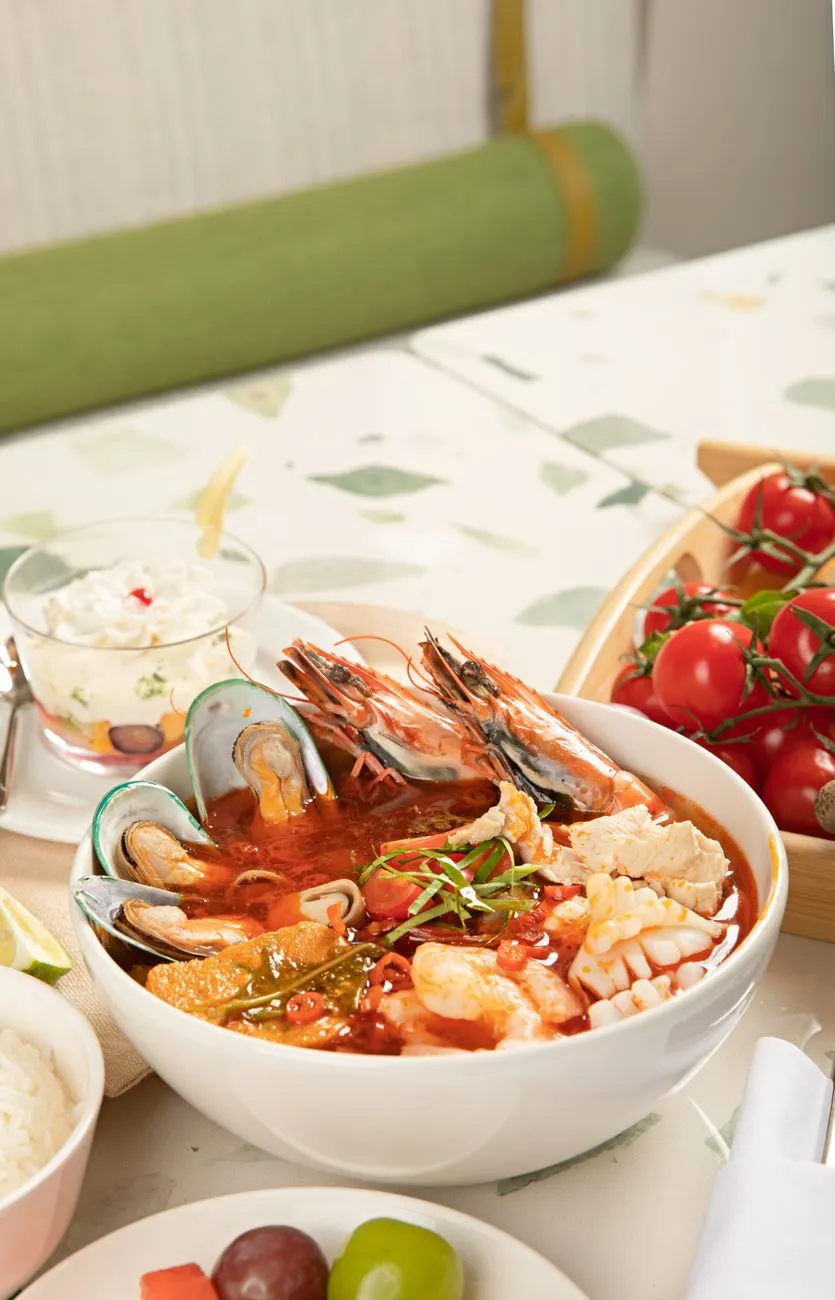
Tom yum goong is the poster child of Thai street food—a fragrant, spicy-sour soup that’s as comforting as it is invigorating. Made with shrimp, lemongrass, galangal, kaffir lime leaves, and chilies, it’s a dish that showcases the Thai principle of hedonism: eating for pleasure. In Bangkok, vendors often serve it with a side of rice to soak up the broth.
The Essential Ingredients
- Shrimp: Use fresh, head-on shrimp for the best flavor. The heads add a deep, briny taste to the broth.
- Aromatics: Lemongrass, galangal, and kaffir lime leaves are non-negotiable. These ingredients are the backbone of the soup’s fragrance.
- Chilies: Thai bird’s eye chilies add heat. Adjust the quantity to your tolerance.
- Mushrooms: Straw mushrooms or button mushrooms add texture.
- Fish sauce and lime juice: For seasoning.
- Cilantro: For garnish.
The Cooking Process
- Prepare the broth: In a pot, bring 4 cups of water to a boil. Add 2 stalks of lemongrass (bruised), 4 slices of galangal, 4 kaffir lime leaves, and 2-3 chilies. Simmer for 10 minutes to infuse the flavors.
- Add the shrimp: Add 1 pound of shrimp (shells on for extra flavor) and simmer for 3-4 minutes until pink.
- Season: Add 2 tablespoons fish sauce and the juice of 2 limes. Taste and adjust—it should be spicy, sour, and salty.
- Finish with herbs: Add 1 cup of sliced mushrooms and simmer for another 2 minutes. Garnish with cilantro.
The Secret to a Great Broth
The broth should be clear and fragrant, not cloudy. To achieve this:
- Don’t overcook the aromatics: Simmer just long enough to release their flavors.
- Use fresh ingredients: Stale lemongrass or galangal will make the broth taste flat.
- Strain if necessary: If you want a crystal-clear broth, strain out the aromatics before adding the shrimp.
Serving Suggestion
Tom yum goong is best served piping hot with steamed jasmine rice. In Bangkok, vendors often serve it with a side of nam prik pao (chili jam) for dipping.
Moo Ping: The Sweet and Smoky Grilled Pork Skewers
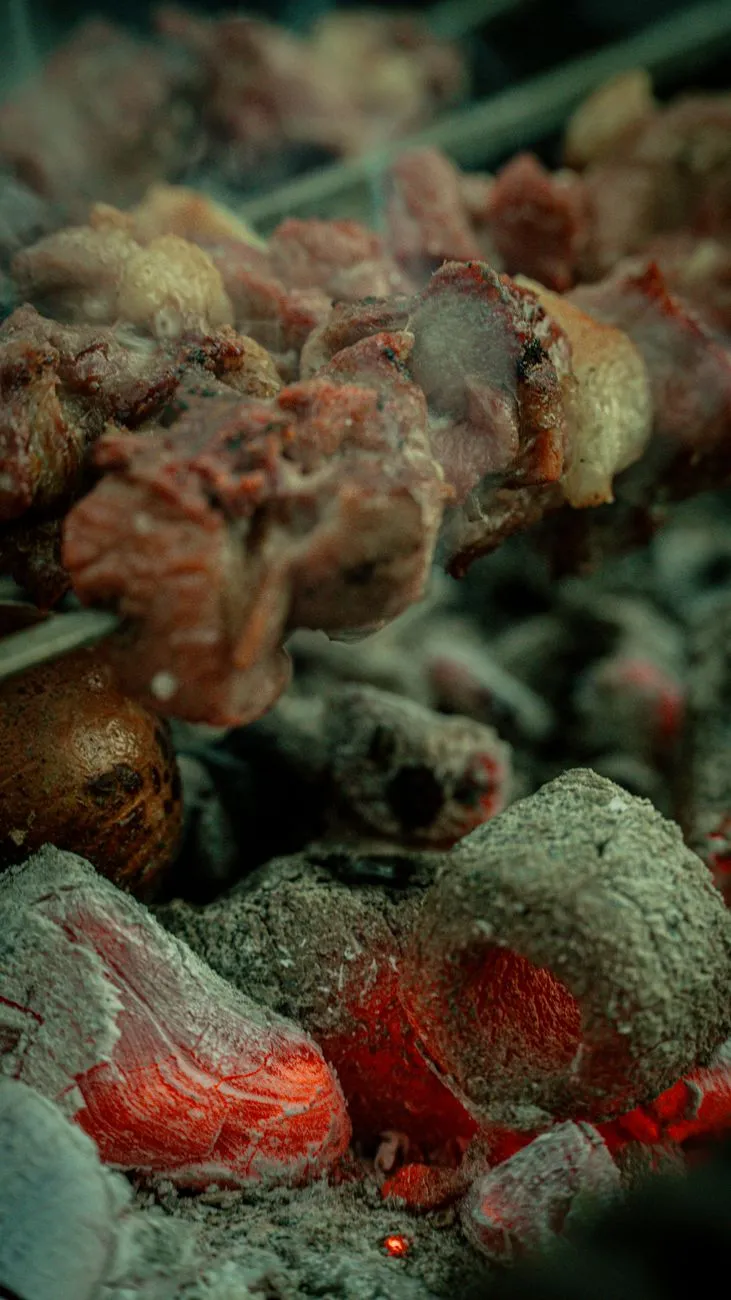
Moo ping, or grilled pork skewers, are a staple of Bangkok’s street food scene. Marinated in a sweet and savory sauce, then grilled over charcoal, these skewers are juicy, tender, and packed with flavor. In Bangkok, vendors often sell them from mobile carts, the aroma of grilling pork wafting through the air.
The Marinade
The marinade for moo ping is a blend of:
- Coconut milk: For richness and tenderness.
- Palm sugar: For sweetness.
- Fish sauce: For umami.
- Garlic and coriander root: For depth of flavor.
- White pepper: For a subtle kick.
Combine 1 cup coconut milk, 3 tablespoons palm sugar, 2 tablespoons fish sauce, 4 cloves garlic (minced), 1 tablespoon coriander root (or cilantro stems), and 1 teaspoon white pepper. Marinate 1 pound of pork shoulder (cut into thin strips) for at least 4 hours, or overnight for maximum flavor.
The Grilling Technique
- Skewer the pork: Thread the pork onto bamboo skewers, leaving a little space between each piece for even cooking.
- Grill over charcoal: Heat a charcoal grill or grill pan to medium-high. Grill the skewers for 2-3 minutes per side, basting with the leftover marinade.
- Char the edges: The pork should have a slight char for added flavor.
- Serve: Cut the skewers into bite-sized pieces and serve with sticky rice and nam jim (Thai dipping sauce).
The Dipping Sauce
The perfect nam jim for moo ping is a blend of:
- Fish sauce
- Lime juice
- Palm sugar
- Chilies
- Garlic
Combine 2 tablespoons fish sauce, 1 tablespoon lime juice, 1 teaspoon palm sugar, 1 minced chili, and 1 clove minced garlic. Adjust to taste.
Tips for Success
- Use pork shoulder: It’s fatty and stays juicy when grilled.
- Don’t overcook: The pork should be just cooked through.
- Charcoal is key: If you don’t have a charcoal grill, a grill pan will work, but the flavor won’t be as authentic.
Khao Soi: The Creamy Northern Thai Curry Noodle Soup
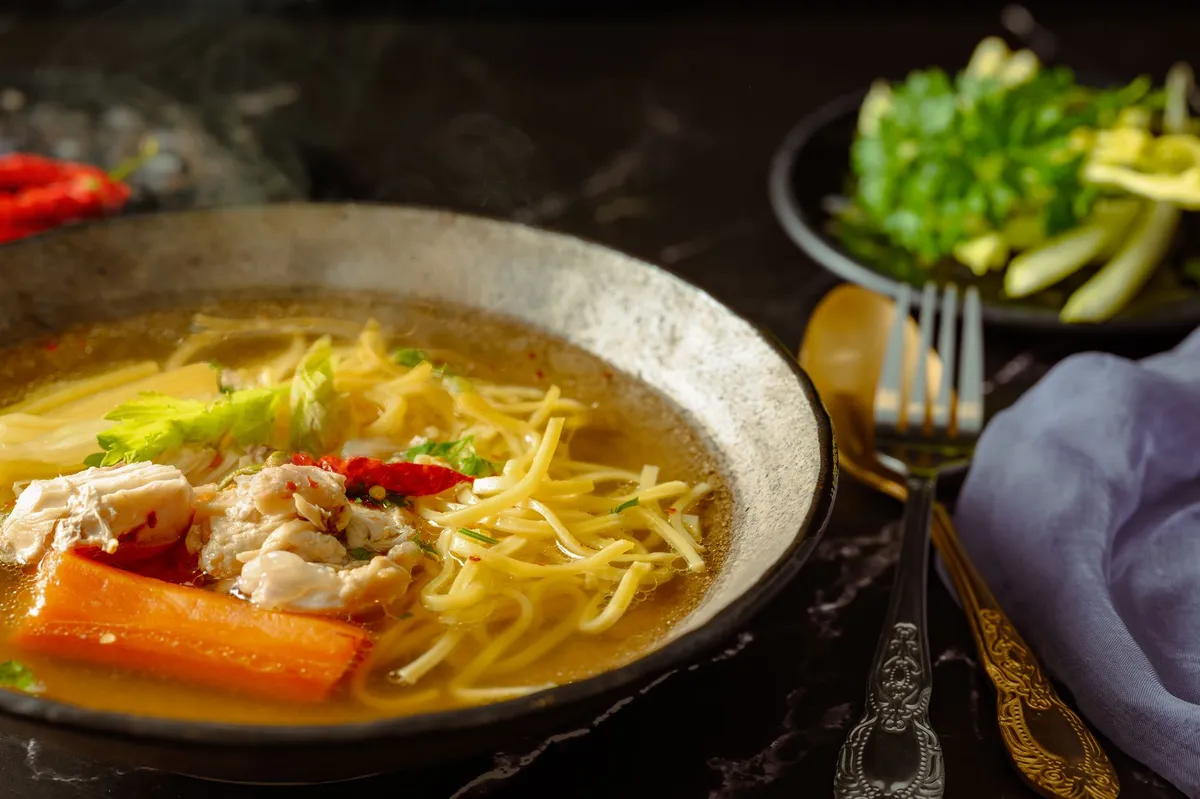
Khao soi is a dish that defies categorization. It’s a curry noodle soup with a rich, coconut milk-based broth, topped with crispy fried noodles and pickled mustard greens. Originating from Northern Thailand, khao soi is a fusion of Thai and Burmese influences, and it’s a must-try for any street food enthusiast.
The Curry Paste
The soul of khao soi is its curry paste, which includes:
- Dried chilies
- Turmeric
- Cumin
- Galangal
- Lemongrass
- Shallots
- Garlic
- Shrimp paste
Toast the dried chilies, turmeric, and cumin in a dry pan until fragrant. Then, pound them in a mortar with the other ingredients until you have a coarse paste. The paste should be vibrant and aromatic, with a deep red color.
The Broth
- Sauté the paste: Heat 2 tablespoons oil in a pot. Add 3 tablespoons of the curry paste and sauté until fragrant.
- Add coconut milk: Pour in 2 cups of coconut milk and simmer for 5 minutes.
- Add protein: Add 1 pound of chicken thighs (bone-in for extra flavor) and simmer for 20 minutes.
- Season: Add 1 tablespoon fish sauce and 1 teaspoon palm sugar. Taste and adjust.
The Noodles
Khao soi uses two types of noodles:
- Egg noodles: Cooked until al dente.
- Crispy fried noodles: For topping.
The Toppings
- Pickled mustard greens: Adds a tangy crunch.
- Lime wedges: For brightness.
- Cilantro: For freshness.
- Chilies: For heat.
Serving Suggestion
Ladle the broth over the cooked noodles, then top with the crispy fried noodles, pickled greens, lime, and cilantro. The contrast of textures and flavors is what makes khao soi so special.
The Economics of Thai Street Food: A Global Perspective
Thai street food isn’t just a culinary delight—it’s a economic powerhouse. According to research on the globalization of Chinese food (OpenAlex, 2023), street food cultures often serve as cultural ambassadors, introducing global audiences to a country’s culinary traditions. In the case of Thailand, street food has become a significant driver of tourism, with Bangkok’s markets attracting millions of visitors each year.
The “Riches of the Forest” study (OpenAlex, 2023) highlights how traditional ingredients like lemongrass, galangal, and kaffir lime leaves have gained international popularity, appearing in fusion dishes worldwide. This global interest has led to a surge in demand for authentic Thai ingredients, benefiting local farmers and vendors in Thailand.
The Price of Authenticity
In Bangkok, a plate of pad thai costs between 40-70 THB ($1.20-$2.10 USD), while som tam ranges from 50-90 THB ($1.50-$2.70 USD). The affordability of street food is a key factor in its popularity, making it accessible to locals and tourists alike. However, the cost of ingredients abroad can be significantly higher. For example, fresh galangal may cost $5-$10 per pound in Western supermarkets, compared to $1-$2 per pound in Thailand.
The Future of Thai Street Food
As global interest in Thai cuisine grows, so does the demand for authentic street food experiences. Food trucks and pop-up markets in cities like New York, London, and Sydney are bringing the flavors of Bangkok to international audiences. However, the challenge lies in preserving the authenticity of these dishes while adapting to local tastes and ingredient availability.
Nutritional Breakdown of Bangkok’s Best Street Foods
| Dish | Calories (per serving) | Protein (g) | Carbs (g) | Fat (g) | Key Nutrients |
|---|---|---|---|---|---|
| Pad Thai | 450 | 12 | 65 | 15 | Fiber, Vitamin C, Iron |
| Som Tam | 120 | 3 | 20 | 4 | Vitamin A, Vitamin C, Potassium |
| Tom Yum Goong | 200 | 15 | 10 | 10 | Omega-3, Vitamin C, Antioxidants |
| Moo Ping | 300 | 20 | 15 | 18 | Iron, Zinc, B Vitamins |
| Khao Soi | 500 | 25 | 50 | 20 | Fiber, Calcium, Vitamin D |
Note: Nutritional values are approximate and based on standard recipes. Actual values may vary.
Conclusion: Bring the Spirit of Bangkok to Your Kitchen
Bangkok’s street food is more than just a meal—it’s an experience. It’s the sizzle of the wok, the aroma of lemongrass and galangal, the burst of lime and chili on your tongue. By understanding the foundations of Thai flavor—balance, freshness, and technique—you can recreate these dishes at home with authenticity and flair.
Start with the basics: invest in high-quality fish sauce, fresh herbs, and a mortar and pestle. Master the art of the nam prik and nam jim, and don’t be afraid to experiment with heat and spice. Remember, the key to Thai cooking is balance. Each dish should be a symphony of flavors, where no single note overpowers the others.
Whether you’re whipping up a quick pad thai for dinner or spending a lazy Sunday afternoon crafting khao soi, let the spirit of Bangkok guide you. And who knows? Your kitchen might just become the next best street food stall in your neighborhood.
Now, grab your apron, fire up the wok, and let the flavors of Thailand transport you to the bustling streets of Bangkok.
#ThaiStreetFood #BangkokEats #HomemadeThai #AuthenticRecipes #StreetFoodSecrets