Showing Posts From
Thai cuisine

-
 Hannah Weber
 - 23 Aug, 2026 07:13
From Street Food to Fine Dining: The Ultimate Food Lover’s Guide to Bangkok’s Culinary Wonderland
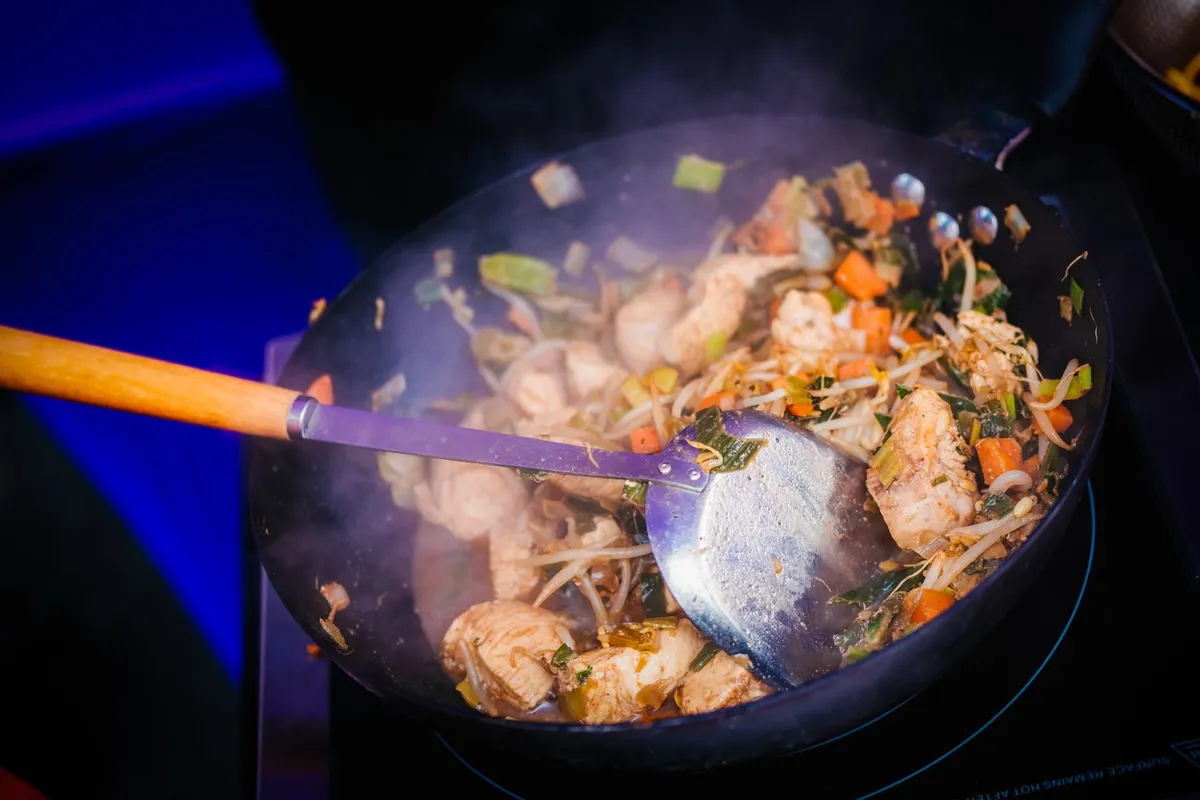
Where the Aroma of Adventure Meets the Spice of Life Bangkok isn’t just a city—it’s a living, breathing culinary masterpiece where every alleyway hums with the sizzle of woks, the aroma of lemongrass, and the laughter of locals sharing a meal. From the neon-lit night markets to the Michelin-starred rooftop restaurants, Bangkok’s food scene is a symphony of flavors, textures, and cultures. But navigating this gastronomic paradise can be overwhelming. How much will a meal cost? Where do the locals eat? And what dishes should you absolutely not miss? This guide dives deep into Bangkok’s food landscape, blending expert insights with real-time data from Numbeo to help you eat like a king—or at least like someone who knows exactly where to find the best pad thai in town.The Hidden Gems: Where Bangkok’s Locals Swear by Their Favorite Eats Forget the tourist traps near Khao San Road. Bangkok’s true culinary magic happens in the unassuming corners of the city, where the air is thick with the scent of grilled meat and the hum of conversation. One such spot is Thip Samai, a legendary pad thai stall tucked away on Phra Sumen Road. Known for its perfect balance of sweet, sour, and savory flavors, this place has been serving up crispy, egg-enriched noodles since 1953. Locals queue for hours, and for good reason—the dish costs just 50-70 THB ($1.40-$2), a steal compared to the $10+ you’d pay in a Westernized restaurant. Then there’s Jay Fai, a Michelin-starred street food legend where crab omelets and drunken noodles are crafted with the precision of a fine dining chef. The catch? You’ll need to arrive early (or be prepared to wait) and shell out around 1,000-1,500 THB ($28-$42) for a meal. But for many, it’s worth every baht. Numbeo’s data confirms that Bangkok’s food costs vary wildly—from 50 THB for a street-side som tam (green papaya salad) to 500 THB ($14) for a high-end seafood dinner. The key to eating well in Bangkok? Know where to look. For a taste of history, head to Raan Jay Fai, a more accessible version of the Michelin-starred gem, or Nai Ek Roll Noodle, a tiny shop famous for its hand-rolled noodles. These spots aren’t just about the food; they’re about the experience of eating where generations of Bangkokians have gathered. And with Numbeo’s cost-of-living data showing that Bangkok ranks as one of the most affordable food destinations in Asia (with a minimum daily food budget of just $10-$15), it’s no wonder the city is a digital nomad’s paradise.From Pad Thai to Michelin Stars: A Food Lover’s Map of Bangkok Bangkok’s culinary landscape is as diverse as it is delicious. To truly understand it, you need a map—not just of the city, but of its flavors. Start with the street food stalls scattered across the city, where you’ll find everything from moo ping (grilled pork skewers) to khao man gai (chicken and rice). These dishes typically cost between 30-100 THB ($0.85-$2.80), making them the ultimate budget-friendly option. Numbeo’s data shows that Bangkok’s street food prices are among the lowest in the world, with a single meal often costing less than a cup of coffee in Western cities. For a more upscale experience, Bangkok’s fine dining scene is thriving. Restaurants like Sühring (two Michelin stars) and Le Du (one Michelin star) offer tasting menus that push the boundaries of Thai cuisine. Expect to pay 3,000-6,000 THB ($85-$170) per person, but the experience is unparalleled. Numbeo’s cost-of-living index ranks Bangkok as 30% cheaper than New York City for dining out, making it a top destination for foodies on a budget. But Bangkok’s food isn’t just about Thai cuisine. The city’s international food scene is equally impressive, with everything from Japanese ramen shops to Italian trattorias. Tep Bar offers a modern twist on traditional Thai dishes, while Err Urban Rustic Thai serves up elevated street food in a chic setting. Numbeo’s data shows that international restaurants in Bangkok are about 20% more expensive than local eateries, but still far cheaper than their Western counterparts. To navigate this culinary maze, use Numbeo’s food price comparison tool, which breaks down costs by neighborhood. For example, dining in Sukhumvit tends to be pricier than in Chinatown, but the variety is unmatched. Whether you’re craving a $1 bowl of boat noodles or a $50 tasting menu, Bangkok has something for every palate—and every budget.The Cost of Cravings: How Much Does Food Really Cost in Bangkok? One of the biggest questions travelers ask is: How much will I spend on food in Bangkok? The answer depends on where you eat, but Numbeo’s data provides a clear breakdown. Here’s a snapshot of average food costs in Bangkok (as of 2026):Food Item Price (THB) Price (USD) Where to Find ItStreet-side som tam 50-80 $1.40-$2.25 Local marketsPad thai at Thip Samai 50-70 $1.40-$2.00 Phra Sumen RoadGrilled pork skewers (moo ping) 30-50 $0.85-$1.40 Night marketsMichelin-starred crab omelet (Jay Fai) 1,000-1,500 $28-$42 Michelin Guide-listed stallsFine dining tasting menu (Sühring) 3,000-6,000 $85-$170 SukhumvitWestern-style burger meal 150-300 $4.20-$8.50 International chainsLocal beer (6-pack) 80-120 $2.25-$3.40 Convenience storesNumbeo’s data also shows that Bangkok’s minimum daily food budget is around $10-$15 for a budget traveler, $25-$40 for a mid-range diner, and $50+ for those indulging in fine dining. Compared to other global cities, Bangkok ranks as one of the most affordable for food. For example, a meal in Bangkok costs about 60% less than in London and 70% less than in New York City. But affordability isn’t just about price—it’s about value. In Bangkok, you’re not just paying for food; you’re paying for an experience. Whether it’s the communal tables at a street food stall or the impeccable service at a Michelin-starred restaurant, every meal comes with a story. And with Numbeo’s tools, you can plan your budget down to the last baht.Cook Like a Local: Step-by-Step Recipes for Bangkok’s Most Iconic Dishes Want to bring a taste of Bangkok into your own kitchen? Here are three iconic recipes you can make at home, complete with tips from local chefs and Numbeo’s ingredient cost breakdowns. 1. Pad Thai (Thai Stir-Fried Noodles) Ingredients (Serves 2):200g rice noodles ($0.50) 2 tbsp tamarind paste ($0.30) 2 tbsp fish sauce ($0.20) 1 tbsp palm sugar ($0.10) 2 eggs ($0.40) 100g shrimp ($1.50) 50g tofu ($0.30) 2 cloves garlic ($0.10) 1 lime ($0.20) Crushed peanuts ($0.20) Chili flakes ($0.10)Total Cost: ~$3.90 (or $1.95 per serving) Instructions:Soak rice noodles in warm water for 15 minutes until pliable. Heat oil in a wok, then sauté garlic, shrimp, and tofu until cooked. Push ingredients to the side, scramble eggs, then mix everything together. Add tamarind paste, fish sauce, and sugar, stirring until noodles are coated. Serve with lime wedges, crushed peanuts, and chili flakes.Pro Tip: For an authentic taste, use Numbuan brand tamarind paste (available at Asian grocery stores) and Thai fish sauce (like Tiparos). 2. Som Tam (Green Papaya Salad) Ingredients (Serves 2):1 green papaya, shredded ($1.50) 2 tbsp fish sauce ($0.20) 2 tbsp lime juice ($0.30) 1 tbsp palm sugar ($0.10) 2 cloves garlic ($0.10) 1 chili ($0.10) 50g dried shrimp ($0.50) 1 tomato, diced ($0.30) 1 carrot, julienned ($0.20)Total Cost: ~$3.30 (or $1.65 per serving) Instructions:Pound garlic, chili, and dried shrimp in a mortar until coarse. Add papaya, tomato, and carrot, pounding gently to release juices. Mix in fish sauce, lime juice, and sugar. Toss well and serve with sticky rice.Pro Tip: The key to som tam is balance—sweet, sour, salty, and spicy. Adjust to taste! 3. Moo Ping (Grilled Pork Skewers) Ingredients (Serves 4):500g pork shoulder ($3.50) 2 tbsp coconut milk ($0.20) 1 tbsp fish sauce ($0.10) 1 tbsp palm sugar ($0.10) 2 cloves garlic ($0.10) 1 tsp white pepper ($0.05)Total Cost: ~$4.05 (or $1.01 per serving) Instructions:Blend coconut milk, fish sauce, sugar, garlic, and pepper into a marinade. Coat pork in marinade and refrigerate for at least 2 hours. Skewer pork and grill over medium heat for 8-10 minutes, turning often. Serve with sticky rice and chili sauce.Pro Tip: For extra flavor, marinate overnight and grill over charcoal for a smoky taste.Beyond the Plate: How Bangkok’s Food Scene Reflects Its Culture Bangkok’s food isn’t just about taste—it’s about tradition, community, and resilience. Many of the city’s most beloved dishes have roots in Chinese, Indian, and Malay cuisines, a testament to Thailand’s historical trade routes. For example, khao man gai (chicken and rice) is believed to have originated from Hainanese immigrants, while massaman curry reflects Persian and Indian influences. Food in Bangkok is also a social glue. Meals are rarely eaten alone; instead, they’re shared among friends and family, often at long communal tables. This culture of sharing is evident in places like Chinatown’s Yaowarat Road, where entire families gather around steaming bowls of kuay teow kua gai (fried noodles with chicken). But Bangkok’s food scene is also evolving. With the rise of digital nomads and expat communities, new fusion restaurants and health-conscious cafes are popping up across the city. Numbeo’s data shows that Bangkok’s quality of life index is high, thanks in part to its affordable healthcare, low crime rates, and vibrant food culture. For digital nomads, this means you can enjoy world-class meals without breaking the bank. Yet, challenges remain. Street food vendors face increasing regulations, and rising rents are pushing some iconic stalls out of business. Organizations like Thai Street Food are working to preserve these culinary traditions, offering tours and cooking classes to keep the culture alive. So, the next time you bite into a steaming bowl of tom yum or a crispy crab omelet, remember: you’re not just tasting food. You’re tasting history, community, and the soul of Bangkok.Your Next Bite Awaits: Why Bangkok Should Be Your Next Food Destination Bangkok isn’t just a stop on your travel itinerary—it’s a destination that demands to be savored, explored, and remembered. Whether you’re a budget traveler hunting for the best street food deals, a foodie chasing Michelin stars, or a home cook looking to recreate Thai flavors, this city has something for you. And with tools like Numbeo to guide your budget, you can dive in without worrying about the cost. So, what are you waiting for? Grab a pair of chopsticks, a sense of adventure, and a hearty appetite. Bangkok’s culinary wonders are calling.#BangkokEats #StreetFoodRevolution #ThaiCuisineGuide #DigitalNomadFoodie #NumbeoTravel Related InsightsThe Ultimate Digital Nomad’s Playbook: Where to Live, Eat, and Thrive in 2026 From Ancient Ruins to Modern Feasts: A Deep Dive into Italy’s Timeless Travel and Culinary Secrets From Ancient Markets to Modern Tables: A Journey Through the World’s Most Treasured Culinary Landscapes{ "@context": "https://schema.org", "@type": "FAQPage", "mainEntity": [ { "@type": "Question", "name": "What is the main focus of From Street Food to Fine Dining: The Ultimate Food Lover’s Guide to Bangkok’s Culinary Wonderland?", "acceptedAnswer": { "@type": "Answer", "text": "Dive into Bangkok’s vibrant food scene with this expert guide covering street food, fine dining, and real-time cost comparisons using Numbeo data." } }, { "@type": "Question", "name": "Who authored the comprehensive guide on From Street Food to Fine Dining: The Ultimate Food Lover’s Guide to Bangkok’s Culinary Wonderland?", "acceptedAnswer": { "@type": "Answer", "text": "This detailed article and its insights were carefully researched and authored by Hannah Weber." } }, { "@type": "Question", "name": "Where can I find more related content about Travel/Food?", "acceptedAnswer": { "@type": "Answer", "text": "You can explore more articles, detailed reviews, and similar insights by browsing the Related Insights section at the bottom of this article or visiting our dedicated Travel/Food category page." } } ] }
-
 Eleanor Hughes
 - 01 Aug, 2026 19:46
Thai Street Food Secrets: How to Recreate Bangkok’s Best Dishes at Home
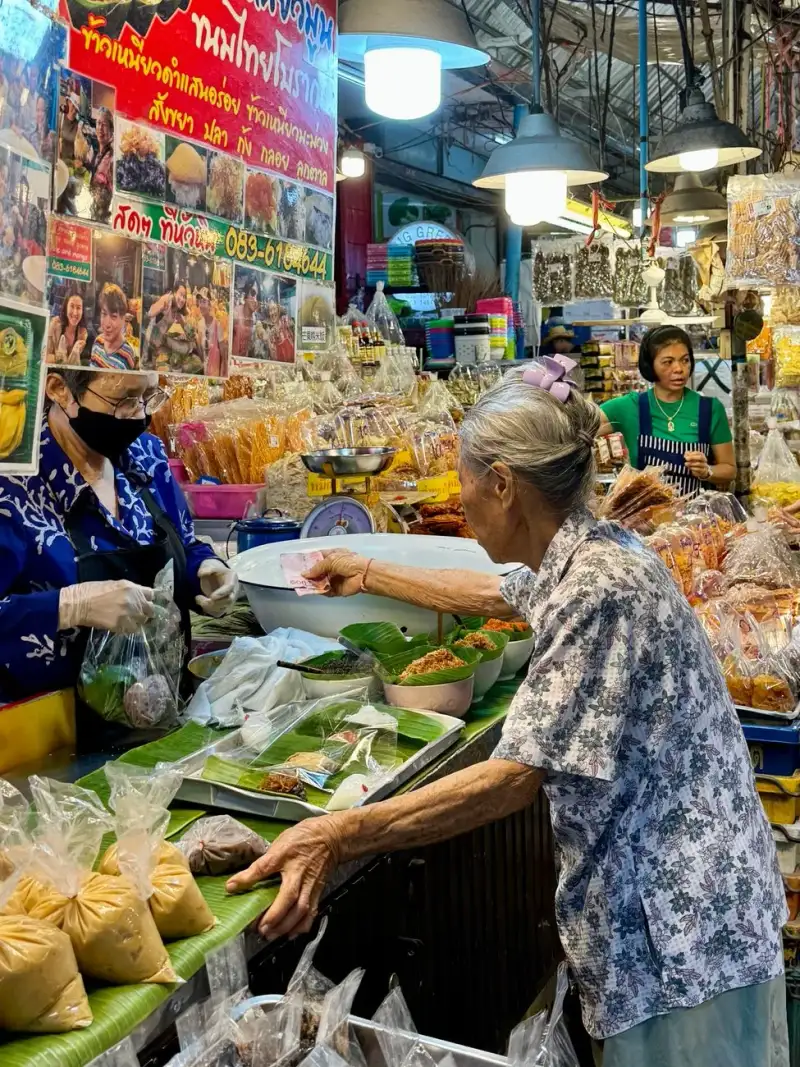
Thai Street Food Secrets: How to Recreate Bangkok’s Best Dishes at Home Bangkok’s streets are a symphony of sizzling woks, fragrant herbs, and the unmistakable tang of lime and chili. The city’s street food isn’t just sustenance—it’s a cultural phenomenon, a daily ritual that binds communities and fuels millions. From the crack of dawn until well past midnight, vendors transform humble ingredients into dishes that have earned Bangkok the title of the world’s top street food city (CNN Travel, 2023). But what makes these dishes so irresistible? And how can you recreate their magic in your own kitchen? The answer lies in the alchemy of balance: the interplay of sweet, sour, salty, and spicy that defines Thai cuisine. It’s about understanding the role of fresh herbs like Thai basil and cilantro, the importance of fermented fish sauce, and the technique of pounding spices in a mortar and pestle. This article will peel back the layers of Bangkok’s most iconic street foods, offering step-by-step guides, insider tips, and the science behind their flavors. Whether you’re a seasoned home cook or a curious beginner, you’ll leave equipped to bring the spirit of Bangkok’s streets to your table.The Foundations of Thai Street Food Flavor At the heart of every Thai street food dish is a foundation of flavors that have been perfected over centuries. The balance of nam prik (chili pastes), nam pla (fish sauce), nam makham (tamarind), and nam tan (palm sugar) is non-negotiable. These ingredients are the building blocks of dishes like pad thai, som tam (green papaya salad), and tom yum goong (spicy shrimp soup). But it’s not just about the ingredients—it’s about the technique. The Role of Fermented Fish Sauce Fish sauce, or nam pla, is the backbone of Thai cooking. Made from fermented anchovies and salt, it adds a deep umami richness that salt alone cannot achieve. In Bangkok’s street food, it’s used liberally but judiciously. For example, in pad thai, a splash of fish sauce enhances the sweetness of the tamarind and the savoriness of the dried shrimp. The fermentation process breaks down proteins into glutamates, which is why fish sauce is often called "Thai soy sauce." To recreate this at home, use high-quality fish sauce like Red Boat or Tiparos. A little goes a long way—start with 1 teaspoon and adjust to taste. Remember, the goal is to enhance, not overpower. The Art of the Mortar and Pestle Thai cuisine relies heavily on freshly pounded spices and herbs. The mortar and pestle (kruk kruk) isn’t just a tool; it’s a ritual. In Bangkok’s street markets, vendors pound garlic, chilies, lemongrass, and shrimp paste together to create pastes like nam prik pao (chili jam) or krueng gaeng (curry paste). The friction releases essential oils, creating a paste that’s far more aromatic than pre-ground spices. For som tam, the mortar is essential for crushing peanuts, garlic, chilies, and lime juice into a coarse paste before adding shredded papaya. The texture should be chunky, not smooth. If you don’t have a mortar and pestle, a heavy-bottomed skillet or a food processor can work in a pinch, but the flavor won’t be as vibrant. The Importance of Fresh Herbs Thai basil (horapa), cilantro (pak chi), and mint are non-negotiable in dishes like phat kaphrao (stir-fried holy basil pork) or khao soi (Northern Thai coconut curry noodles). These herbs are added at the end of cooking to preserve their bright, fresh flavors. In Bangkok, vendors often grow their own herbs, ensuring they’re picked at peak freshness. At home, source herbs from an Asian market or grow them in your garden if possible.Pad Thai: Bangkok’s Most Iconic Noodle Dish No discussion of Bangkok’s street food would be complete without pad thai. Born in the 1930s as part of a nationalist campaign to reduce rice consumption, pad thai has since become a global ambassador for Thai cuisine. The dish’s magic lies in its balance of flavors and textures: chewy rice noodles, tender shrimp or tofu, crunchy bean sprouts, and a tangy-sweet tamarind sauce. The Perfect Pad Thai Sauce The sauce is the soul of pad thai. It’s a harmonious blend of:Tamarind paste (for sourness) Palm sugar (for sweetness) Fish sauce (for umami) Lime juice (for brightness)To make the sauce, combine 3 tablespoons tamarind paste, 2 tablespoons palm sugar, 2 tablespoons fish sauce, and 1 tablespoon lime juice. Simmer until the sugar dissolves. The ratio should be 2 parts tamarind to 1 part sugar, with fish sauce added to taste. Authentic pad thai sauce is slightly tangy with a hint of sweetness—never cloyingly sweet. Cooking TechniqueSoak the noodles: Use thin rice noodles (sen lek). Soak them in warm water for 20-30 minutes until pliable but still firm. Over-soaking leads to mushy noodles. Stir-fry the protein: Heat a wok or large skillet over high heat. Add oil, then shrimp, tofu, or chicken. Cook until just done, then set aside. Cook the noodles: Add a bit more oil to the wok, then add the noodles. Stir-fry for 1-2 minutes until they soften slightly. Combine and toss: Add the protein back to the wok, pour in the sauce, and toss everything together. The noodles should be evenly coated but still slightly chewy. Garnish: Top with crushed peanuts, bean sprouts, lime wedges, and cilantro.Common Mistakes to AvoidOver-soaking the noodles: They should be al dente. Using too much sauce: The noodles should glisten, not swim. Skipping the high heat: Pad thai should be cooked quickly to avoid sogginess.Som Tam: The Spicy Green Papaya Salad That Packs a Punch Som tam, or green papaya salad, is a dish that embodies the Thai love of bold, contrasting flavors. Shredded unripe papaya, chilies, lime juice, fish sauce, and palm sugar are pounded together in a mortar to create a salad that’s spicy, sour, sweet, and salty all at once. In Bangkok, vendors often add dried shrimp or crab to enhance the umami. The Right Papaya The key to som tam is using unripe papaya, which has a crisp, slightly crunchy texture. Look for papayas that are firm to the touch and have a pale green skin. If unripe papaya isn’t available, substitute with shredded green cabbage or green mango. The Pounding TechniquePound the garlic and chilies: Start with 2 cloves of garlic and 2-3 Thai chilies (adjust for heat). Pound them into a coarse paste. Add the papaya: Add 2 cups of shredded papaya and pound gently to bruise the fibers. Add the seasonings: Add 1 tablespoon fish sauce, 1 tablespoon palm sugar, and the juice of 1 lime. Pound again to combine. Finish with toppings: Toss in 2 tablespoons crushed peanuts, 1 tablespoon dried shrimp (optional), and a handful of cherry tomatoes. Toss gently.Balancing the Flavors The ideal som tam should have:Heat from the chilies Sourness from the lime Sweetness from the palm sugar Saltiness from the fish sauce Umami from the dried shrimpTaste as you go and adjust the seasonings. If it’s too spicy, add more palm sugar. If it’s too sour, add a bit more fish sauce. Serving Suggestion Som tam is traditionally eaten with sticky rice (khao niew), which helps balance the heat. In Bangkok, vendors often serve it with grilled chicken or kai yang (Thai-style grilled chicken) on the side.Tom Yum Goong: The Spicy-Sour Shrimp Soup That’s a Thai Classic Tom yum goong is the poster child of Thai street food—a fragrant, spicy-sour soup that’s as comforting as it is invigorating. Made with shrimp, lemongrass, galangal, kaffir lime leaves, and chilies, it’s a dish that showcases the Thai principle of hedonism: eating for pleasure. In Bangkok, vendors often serve it with a side of rice to soak up the broth. The Essential IngredientsShrimp: Use fresh, head-on shrimp for the best flavor. The heads add a deep, briny taste to the broth. Aromatics: Lemongrass, galangal, and kaffir lime leaves are non-negotiable. These ingredients are the backbone of the soup’s fragrance. Chilies: Thai bird’s eye chilies add heat. Adjust the quantity to your tolerance. Mushrooms: Straw mushrooms or button mushrooms add texture. Fish sauce and lime juice: For seasoning. Cilantro: For garnish.The Cooking ProcessPrepare the broth: In a pot, bring 4 cups of water to a boil. Add 2 stalks of lemongrass (bruised), 4 slices of galangal, 4 kaffir lime leaves, and 2-3 chilies. Simmer for 10 minutes to infuse the flavors. Add the shrimp: Add 1 pound of shrimp (shells on for extra flavor) and simmer for 3-4 minutes until pink. Season: Add 2 tablespoons fish sauce and the juice of 2 limes. Taste and adjust—it should be spicy, sour, and salty. Finish with herbs: Add 1 cup of sliced mushrooms and simmer for another 2 minutes. Garnish with cilantro.The Secret to a Great Broth The broth should be clear and fragrant, not cloudy. To achieve this:Don’t overcook the aromatics: Simmer just long enough to release their flavors. Use fresh ingredients: Stale lemongrass or galangal will make the broth taste flat. Strain if necessary: If you want a crystal-clear broth, strain out the aromatics before adding the shrimp.Serving Suggestion Tom yum goong is best served piping hot with steamed jasmine rice. In Bangkok, vendors often serve it with a side of nam prik pao (chili jam) for dipping.Moo Ping: The Sweet and Smoky Grilled Pork Skewers Moo ping, or grilled pork skewers, are a staple of Bangkok’s street food scene. Marinated in a sweet and savory sauce, then grilled over charcoal, these skewers are juicy, tender, and packed with flavor. In Bangkok, vendors often sell them from mobile carts, the aroma of grilling pork wafting through the air. The Marinade The marinade for moo ping is a blend of:Coconut milk: For richness and tenderness. Palm sugar: For sweetness. Fish sauce: For umami. Garlic and coriander root: For depth of flavor. White pepper: For a subtle kick.Combine 1 cup coconut milk, 3 tablespoons palm sugar, 2 tablespoons fish sauce, 4 cloves garlic (minced), 1 tablespoon coriander root (or cilantro stems), and 1 teaspoon white pepper. Marinate 1 pound of pork shoulder (cut into thin strips) for at least 4 hours, or overnight for maximum flavor. The Grilling TechniqueSkewer the pork: Thread the pork onto bamboo skewers, leaving a little space between each piece for even cooking. Grill over charcoal: Heat a charcoal grill or grill pan to medium-high. Grill the skewers for 2-3 minutes per side, basting with the leftover marinade. Char the edges: The pork should have a slight char for added flavor. Serve: Cut the skewers into bite-sized pieces and serve with sticky rice and nam jim (Thai dipping sauce).The Dipping Sauce The perfect nam jim for moo ping is a blend of:Fish sauce Lime juice Palm sugar Chilies GarlicCombine 2 tablespoons fish sauce, 1 tablespoon lime juice, 1 teaspoon palm sugar, 1 minced chili, and 1 clove minced garlic. Adjust to taste. Tips for SuccessUse pork shoulder: It’s fatty and stays juicy when grilled. Don’t overcook: The pork should be just cooked through. Charcoal is key: If you don’t have a charcoal grill, a grill pan will work, but the flavor won’t be as authentic.Khao Soi: The Creamy Northern Thai Curry Noodle Soup Khao soi is a dish that defies categorization. It’s a curry noodle soup with a rich, coconut milk-based broth, topped with crispy fried noodles and pickled mustard greens. Originating from Northern Thailand, khao soi is a fusion of Thai and Burmese influences, and it’s a must-try for any street food enthusiast. The Curry Paste The soul of khao soi is its curry paste, which includes:Dried chilies Turmeric Cumin Galangal Lemongrass Shallots Garlic Shrimp pasteToast the dried chilies, turmeric, and cumin in a dry pan until fragrant. Then, pound them in a mortar with the other ingredients until you have a coarse paste. The paste should be vibrant and aromatic, with a deep red color. The BrothSauté the paste: Heat 2 tablespoons oil in a pot. Add 3 tablespoons of the curry paste and sauté until fragrant. Add coconut milk: Pour in 2 cups of coconut milk and simmer for 5 minutes. Add protein: Add 1 pound of chicken thighs (bone-in for extra flavor) and simmer for 20 minutes. Season: Add 1 tablespoon fish sauce and 1 teaspoon palm sugar. Taste and adjust.The Noodles Khao soi uses two types of noodles:Egg noodles: Cooked until al dente. Crispy fried noodles: For topping.The ToppingsPickled mustard greens: Adds a tangy crunch. Lime wedges: For brightness. Cilantro: For freshness. Chilies: For heat.Serving Suggestion Ladle the broth over the cooked noodles, then top with the crispy fried noodles, pickled greens, lime, and cilantro. The contrast of textures and flavors is what makes khao soi so special.The Economics of Thai Street Food: A Global Perspective Thai street food isn’t just a culinary delight—it’s a economic powerhouse. According to research on the globalization of Chinese food (OpenAlex, 2023), street food cultures often serve as cultural ambassadors, introducing global audiences to a country’s culinary traditions. In the case of Thailand, street food has become a significant driver of tourism, with Bangkok’s markets attracting millions of visitors each year. The "Riches of the Forest" study (OpenAlex, 2023) highlights how traditional ingredients like lemongrass, galangal, and kaffir lime leaves have gained international popularity, appearing in fusion dishes worldwide. This global interest has led to a surge in demand for authentic Thai ingredients, benefiting local farmers and vendors in Thailand. The Price of Authenticity In Bangkok, a plate of pad thai costs between 40-70 THB ($1.20-$2.10 USD), while som tam ranges from 50-90 THB ($1.50-$2.70 USD). The affordability of street food is a key factor in its popularity, making it accessible to locals and tourists alike. However, the cost of ingredients abroad can be significantly higher. For example, fresh galangal may cost $5-$10 per pound in Western supermarkets, compared to $1-$2 per pound in Thailand. The Future of Thai Street Food As global interest in Thai cuisine grows, so does the demand for authentic street food experiences. Food trucks and pop-up markets in cities like New York, London, and Sydney are bringing the flavors of Bangkok to international audiences. However, the challenge lies in preserving the authenticity of these dishes while adapting to local tastes and ingredient availability.Nutritional Breakdown of Bangkok’s Best Street FoodsDish Calories (per serving) Protein (g) Carbs (g) Fat (g) Key NutrientsPad Thai 450 12 65 15 Fiber, Vitamin C, IronSom Tam 120 3 20 4 Vitamin A, Vitamin C, PotassiumTom Yum Goong 200 15 10 10 Omega-3, Vitamin C, AntioxidantsMoo Ping 300 20 15 18 Iron, Zinc, B VitaminsKhao Soi 500 25 50 20 Fiber, Calcium, Vitamin DNote: Nutritional values are approximate and based on standard recipes. Actual values may vary.Conclusion: Bring the Spirit of Bangkok to Your Kitchen Bangkok’s street food is more than just a meal—it’s an experience. It’s the sizzle of the wok, the aroma of lemongrass and galangal, the burst of lime and chili on your tongue. By understanding the foundations of Thai flavor—balance, freshness, and technique—you can recreate these dishes at home with authenticity and flair. Start with the basics: invest in high-quality fish sauce, fresh herbs, and a mortar and pestle. Master the art of the nam prik and nam jim, and don’t be afraid to experiment with heat and spice. Remember, the key to Thai cooking is balance. Each dish should be a symphony of flavors, where no single note overpowers the others. Whether you’re whipping up a quick pad thai for dinner or spending a lazy Sunday afternoon crafting khao soi, let the spirit of Bangkok guide you. And who knows? Your kitchen might just become the next best street food stall in your neighborhood. Now, grab your apron, fire up the wok, and let the flavors of Thailand transport you to the bustling streets of Bangkok.#ThaiStreetFood #BangkokEats #HomemadeThai #AuthenticRecipes #StreetFoodSecrets Related InsightsCaprese Salad: A Symphony of Flavors and Antioxidants Die Straßen von Mumbai: Ein kulinarischer Traum Il Garum Pompeiano: Il Sangue Salato degli Dei e la Sua Rinascita Gastronomica{ "@context": "https://schema.org", "@type": "FAQPage", "mainEntity": [ { "@type": "Question", "name": "What is the main focus of Thai Street Food Secrets: How to Recreate Bangkok’s Best Dishes at Home?", "acceptedAnswer": { "@type": "Answer", "text": "Unlock the secrets of Thailand’s most beloved street food with authentic recipes, insider tips, and a deep dive into the flavors that make Bangkok’s markets legendary." } }, { "@type": "Question", "name": "Who authored the comprehensive guide on Thai Street Food Secrets: How to Recreate Bangkok’s Best Dishes at Home?", "acceptedAnswer": { "@type": "Answer", "text": "This detailed article and its insights were carefully researched and authored by Eleanor Hughes." } }, { "@type": "Question", "name": "Where can I find more related content about Food?", "acceptedAnswer": { "@type": "Answer", "text": "You can explore more articles, detailed reviews, and similar insights by browsing the Related Insights section at the bottom of this article or visiting our dedicated Food category page." } } ] }
-
 Marcus Vance
 - 15 Jul, 2026 22:44
Thai Street Food: Aromatic Delights from Bangkok to Chiang Mai – The Ultimate Guide to Southeast Asia’s Most Vibrant Culinary Adventure
Introduction Thailand’s street food is more than just a meal—it’s a cultural phenomenon, a sensory explosion, and a testament to the country’s rich culinary heritage. From the bustling alleys of Bangkok to the serene night markets of Chiang Mai, every corner of Thailand offers a new adventure for the palate. Did you know that Thailand’s street food scene is so iconic it has been recognized by UNESCO as part of the country’s Intangible Cultural Heritage? This isn’t just food; it’s a way of life. But what makes Thai street food so irresistible? It’s the perfect balance of sweet, sour, spicy, and savory flavors, often achieved in a single dish. Whether it’s the sizzling wok of pad thai, the aromatic tom yum goong soup, or the crispy khao man gai (chicken rice), each bite tells a story of tradition, innovation, and passion. In this guide, we’ll dive deep into the heart of Thailand’s street food culture, uncovering the must-try dishes, regional specialties, and insider tips to make your culinary journey unforgettable.The Evolution of Thai Street Food: From Humble Origins to Global Fame Thai street food has evolved over centuries, shaped by trade, migration, and local ingenuity. The roots of this culinary tradition can be traced back to the Ayutthaya period (14th–18th centuries), when Thailand’s capital was a bustling hub of commerce and cultural exchange. Traders from China, India, and Persia introduced new ingredients and cooking techniques, which were quickly adapted by Thai chefs to create unique fusion dishes. One of the most significant influences on Thai street food is the Chinese diaspora. Dishes like khao man gai (chicken rice) and guay teow (noodle soup) are direct descendants of Chinese culinary traditions, but with a distinctly Thai twist. The use of fragrant herbs like lemongrass, galangal, and kaffir lime leaves is a hallmark of Thai cuisine, reflecting the country’s tropical climate and agricultural abundance. In the 20th century, Thai street food gained international recognition thanks to the rise of tourism and global media. The 1997 Asian financial crisis even played a role, as many Thais turned to street food vending as a means of survival, leading to an explosion of creativity and innovation in the street food scene. Today, Thai street food is celebrated worldwide, with dishes like pad thai and mango sticky rice becoming global icons.Bangkok’s Street Food Scene: A Symphony of Flavors and Chaos Bangkok is the undisputed capital of Thai street food, where the energy of the city is matched only by the intensity of the flavors. The city’s street food scene is a symphony of sizzling woks, aromatic curries, and the rhythmic clatter of vendors at work. To truly experience Bangkok’s street food, you need to dive into its neighborhoods, each with its own unique character. Chinatown (Yaowarat) is a must-visit for food lovers. This bustling district is home to some of the city’s most famous street food stalls, including Jek Pui Curry, a legendary spot for khao gaeng (curry rice). The dish here is a masterclass in balance—rich, coconut-based curries paired with fragrant jasmine rice and crispy pork belly. Another iconic spot is Nai Ek Roll Noodle, where you can try kuay teow neua (beef noodle soup), a dish that has been perfected over generations. Khao San Road is another hotspot, though it’s more touristy than the others. Here, you’ll find everything from grilled scorpions to som tam (green papaya salad). While the food is decent, the real draw is the atmosphere—vibrant, chaotic, and quintessentially backpacker. For a more authentic experience, head to Thipsamai, famous for its pad thai. This dish, now a global phenomenon, originated in Thailand and is best enjoyed fresh off the wok. Thipsamai’s version is legendary, with a perfect balance of sweet, sour, and savory flavors, topped with a crispy egg and a squeeze of lime.Chiang Mai’s Street Food: Northern Thailand’s Hidden Gems While Bangkok may be the heart of Thai street food, Chiang Mai is the soul. Nestled in the mountains of northern Thailand, Chiang Mai’s street food scene is a reflection of the region’s rich cultural heritage and agricultural bounty. The food here is heartier, spicier, and often more herbaceous than its southern counterpart, thanks to the influence of the Lanna culture. One of the must-try dishes in Chiang Mai is sai oua, a northern Thai sausage made with minced pork, lemongrass, galangal, and kaffir lime leaves. The sausage is grilled to perfection, with a smoky aroma that fills the air. Another iconic dish is khao soi, a coconut curry noodle soup that is Chiang Mai’s signature dish. The dish is a harmonious blend of textures and flavors—crispy fried noodles on top, soft egg noodles in the broth, and a rich, spicy coconut curry base. For a truly unique experience, visit the Sunday Walking Street Market. This weekly event transforms the city’s historic center into a food lover’s paradise, with stalls selling everything from khao tom mat (sticky rice stuffed with mung bean paste) to sai krok Isan (fermented sausage from the Isan region). Chiang Mai’s street food scene is also a great place to explore Thailand’s vegetarian and vegan options. Many stalls cater to Buddhist traditions, offering dishes like pad pak boong (stir-fried morning glory) and gaeng jued (clear vegetable soup).The Science of Thai Street Food: Why It Tastes So Good Thai street food is a masterclass in flavor chemistry, where the interplay of sweet, sour, spicy, and savory creates a harmonious experience. The secret lies in the balance of ingredients and the use of fresh, high-quality produce. One of the key components of Thai cuisine is the umami bomb—fermented fish sauce (nam pla), shrimp paste (kapi), and soy sauce. These ingredients add depth and complexity to dishes, enhancing the natural flavors of the ingredients. For example, tom yum goong, a hot and sour shrimp soup, relies on the umami-rich broth to create its signature taste. Another critical element is the use of fresh herbs and spices. Lemongrass, galangal, kaffir lime leaves, and Thai basil are staples in Thai cooking, adding bright, citrusy, and aromatic notes to dishes. The heat in Thai food comes from fresh chilies, which are used liberally in both paste and fresh form. The Scoville scale, which measures the heat of peppers, is a useful tool for understanding the spice levels in Thai dishes. For example, a prik kee noo (mouse-dropping chili) can reach up to 100,000 Scoville heat units, while a prik chi fa (sky-pointing chili) is milder at around 50,000 units. The cooking techniques also play a crucial role. Stir-frying (pad), deep-frying (tod), and grilling (yang) are common methods that create distinct textures and flavors. For instance, pad thai is stir-fried quickly over high heat to achieve a perfect balance of crispy and tender noodles, while moo ping (grilled pork skewers) is marinated in a sweet and savory sauce before being grilled to caramelized perfection.A Price Breakdown: How Much Does Thai Street Food Cost? Thai street food is not only delicious but also incredibly affordable. Whether you’re a budget traveler or a foodie looking for a bargain, you’ll find plenty of options to suit your wallet. Below is a breakdown of average prices for popular street food dishes in Thailand:Dish Price (THB) Price (USD) DescriptionPad Thai 50–80 $1.50–$2.50 Stir-fried rice noodles with egg, tofu, and shrimpKhao Man Gai 40–70 $1.20–$2.10 Steamed chicken over rice with ginger sauceSom Tam 50–90 $1.50–$2.70 Green papaya salad with chili and limeTom Yum Goong 80–120 $2.40–$3.60 Hot and sour shrimp soupMango Sticky Rice 60–100 $1.80–$3.00 Sweet coconut sticky rice with ripe mangoSai Oua 30–60 $0.90–$1.80 Northern Thai grilled pork sausageKhao Soi 60–100 $1.80–$3.00 Coconut curry noodle soup with crispy noodlesPrices can vary depending on the location and the vendor’s reputation. In tourist-heavy areas like Bangkok’s Khao San Road, prices may be slightly higher, while local markets and street stalls offer the best deals.The Health Benefits of Thai Street Food: More Than Just Taste Thai street food isn’t just a treat for the taste buds—it’s also packed with nutritional benefits. The cuisine is inherently balanced, with an emphasis on fresh vegetables, lean proteins, and aromatic herbs. Here’s why Thai street food is a healthy choice:Rich in Antioxidants: Thai cuisine makes heavy use of herbs like lemongrass, galangal, and kaffir lime leaves, which are rich in antioxidants and anti-inflammatory properties. High in Fiber: Dishes like som tam (green papaya salad) and pad pak boong (stir-fried morning glory) are loaded with fiber, aiding digestion and promoting gut health. Lean Proteins: Many street food dishes feature lean proteins like grilled chicken, shrimp, or tofu, making them a great option for health-conscious eaters. Low in Unhealthy Fats: While some dishes are fried, the use of coconut milk is often balanced with plenty of vegetables and lean meats, keeping the fat content in check. Hydrating Soups: Dishes like tom yum goong and tom kha gai are broth-based, helping to keep you hydrated in Thailand’s tropical climate.Of course, moderation is key. While Thai street food is generally healthy, some dishes can be high in sodium or sugar, so it’s important to balance your meals with plenty of water and fresh fruits.Conclusion Thai street food is a journey of the senses—a symphony of flavors, textures, and aromas that reflects the heart and soul of Thailand. From the sizzling woks of Bangkok to the hidden gems of Chiang Mai, every bite is a story waiting to be told. Whether you’re a seasoned traveler or a first-time visitor, the street food scene in Thailand offers an unparalleled culinary adventure. As you explore the vibrant markets and bustling stalls, remember that the best dishes are often found where the locals gather. Don’t be afraid to strike up a conversation with a vendor, ask for recommendations, or even try something new. After all, the magic of Thai street food lies in its spontaneity and authenticity. So, pack your appetite and your sense of adventure—Thailand’s street food scene is waiting to delight you.#ThaiStreetFood #BangkokEats #ChiangMaiFood #SoutheastAsianCuisine #FoodTravel#ThaiFood #StreetFood #Bangkok #ChiangMai #CulinaryAdventure Related InsightsCaprese Salad: A Symphony of Flavors and Antioxidants Unveiling Injera: Why This Sour, Spongy Ethiopian Staple Is the World's Most Underrated Superfood (And How to Master It) The Mediterranean Symphony: Whole Wheat Pasta Primavera with Abundant Vegetables{ "@context": "https://schema.org", "@type": "FAQPage", "mainEntity": [ { "@type": "Question", "name": "What is the main focus of Thai Street Food: Aromatic Delights from Bangkok to Chiang Mai – The Ultimate Guide to Southeast Asia’s Most Vibrant Culinary Adventure?", "acceptedAnswer": { "@type": "Answer", "text": "Explore Thailand’s iconic street food scene with expert insights on must-try dishes, regional specialties, and hidden gems from Bangkok to Chiang Mai." } }, { "@type": "Question", "name": "Who authored the comprehensive guide on Thai Street Food: Aromatic Delights from Bangkok to Chiang Mai – The Ultimate Guide to Southeast Asia’s Most Vibrant Culinary Adventure?", "acceptedAnswer": { "@type": "Answer", "text": "This detailed article and its insights were carefully researched and authored by Marcus Vance." } }, { "@type": "Question", "name": "Where can I find more related content about Food?", "acceptedAnswer": { "@type": "Answer", "text": "You can explore more articles, detailed reviews, and similar insights by browsing the Related Insights section at the bottom of this article or visiting our dedicated Food category page." } } ] }