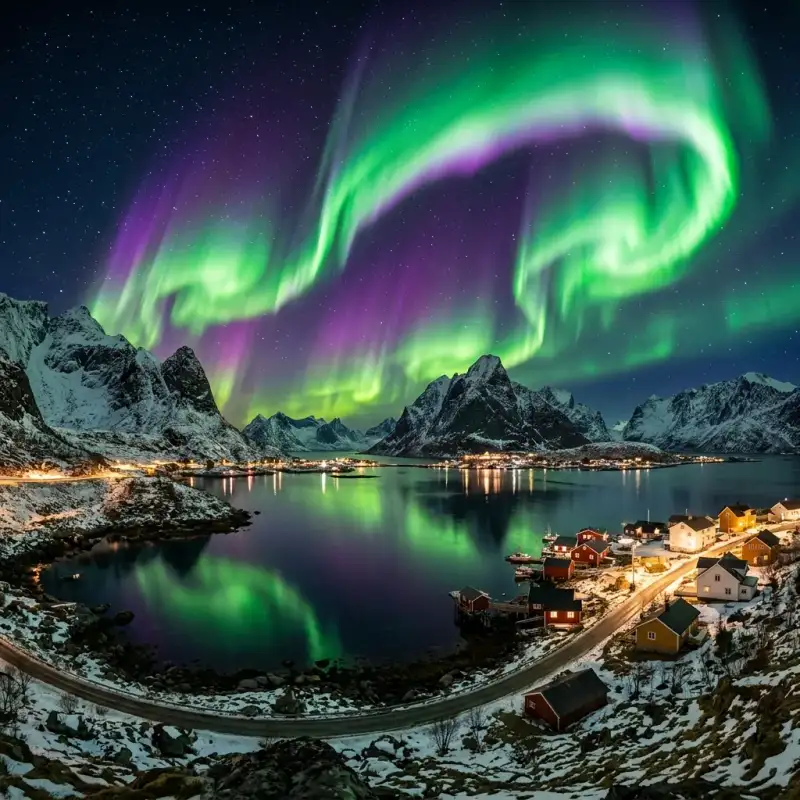
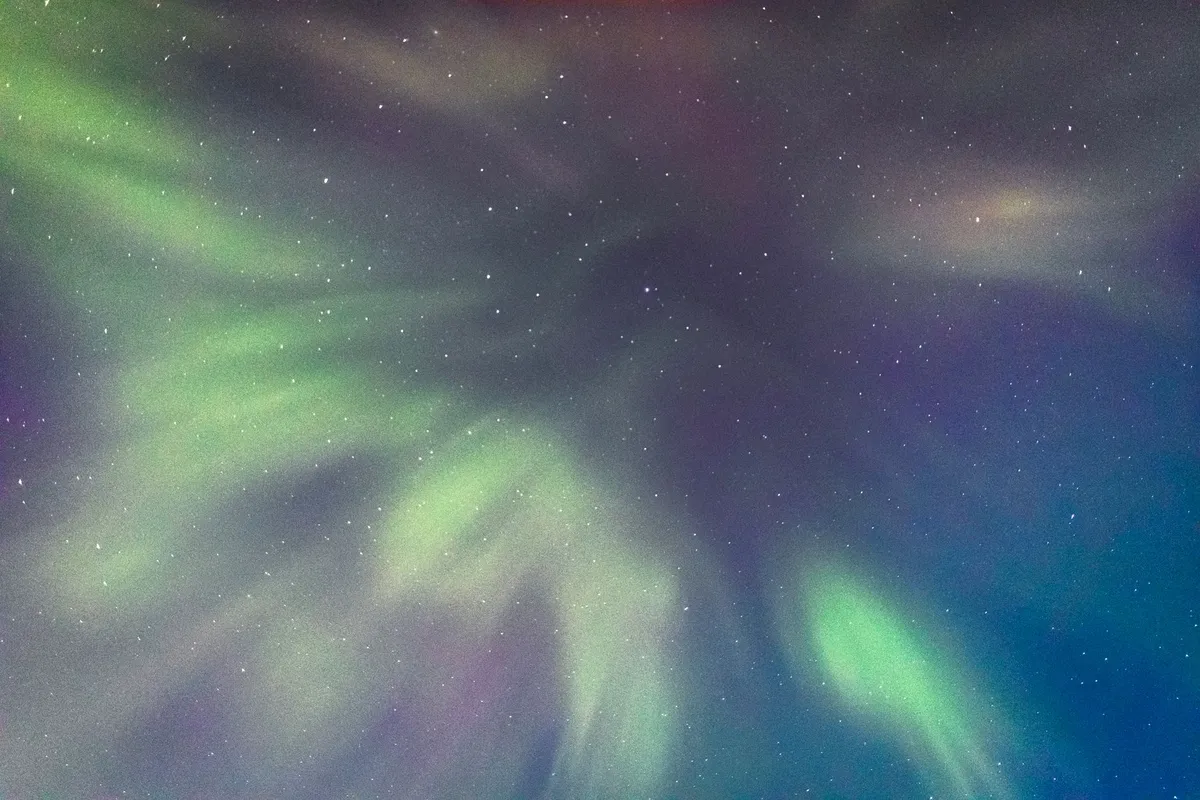
The Arctic's Whispering Skies: Your Ultimate Guide to Unlocking Scandinavia's Northern Lights Mystique (Part 2)
-
 Aisha Sharma
 - 12 Jul, 2026 19:38
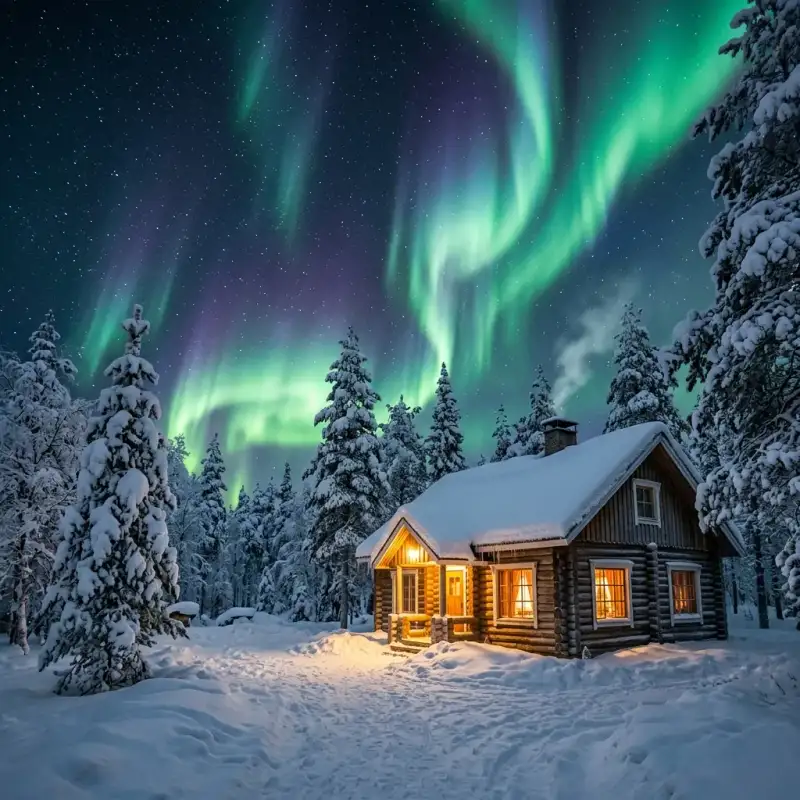
This is Part 2 of the series. Read Part 1 here.
Planning Your Expedition: Logistics and Budgeting
Embarking on an Arctic adventure to chase the Northern Lights requires meticulous planning, especially concerning logistics and managing the higher cost of living in Scandinavia. A well-thought-out itinerary and budget can make all the difference.
Visa Requirements: For most international travelers, Scandinavia falls under the Schengen Area. Citizens of many countries, including the US, Canada, UK, Australia, and New Zealand, can enter visa-free for up to 90 days within any 180-day period for tourism. However, starting in mid-2025 (latest information as of 2024), travelers from visa-exempt countries will need to apply for an ETIAS (European Travel Information and Authorization System) authorization prior to their trip. This is not a visa but a pre-travel screening, costing around €7. Always check the latest visa and entry requirements from official government sources well in advance of your departure.
Flights & Transportation:
- International Flights: Major international airports like Oslo Gardermoen (OSL), Stockholm Arlanda (ARN), and Helsinki-Vantaa (HEL) are primary gateways. From these hubs, you’ll typically take domestic flights to Arctic destinations (e.g., Tromsø (TOS), Kiruna (KRN), Rovaniemi (RVN)). Expect round-trip economy fares from North America to Scandinavia to range from €500-€900 ($550-$1000 USD), depending on booking time and season. Inter-Scandinavia flights can range from €100-€300.
- Local Transportation: In most aurora destinations, public transport can be limited. Renting a car offers flexibility for self-guided aurora chases, but be prepared for challenging winter driving conditions (studded tires are mandatory in winter). Many choose organized tours, which include transport. Trains are an excellent option for scenic travel between certain cities, for example, the Arctic Circle Express from Narvik (Norway) to Kiruna (Sweden).
Accommodation: Options range from budget hostels to luxurious ice hotels and glass igloos.
- Standard Hotels/Guesthouses: Expect to pay €80-€150 per night for a basic room, €150-€300 for mid-range.
- Ice Hotels (e.g., ICEHOTEL in Jukkasjärvi, Sweden): A unique experience, but pricey, starting from €250-€500 per night for an ‘ice room’, warmer rooms are also available.
- Glass Igloos/Cabins (e.g., Kakslauttanen Arctic Resort in Finland): Iconic for aurora viewing from bed, these can cost upwards of €400-€800+ per night.
- Airbnb/Self-Catering: Often a more budget-friendly option, especially for groups, allowing for cooking and cost savings on meals.
Tours & Activities:
- Aurora Chase Tours: Highly recommended for first-timers, these typically cost €100-€200 per person per night and include transportation, expert guides, thermal suits, and sometimes hot drinks/snacks. Guides monitor conditions and drive to clear spots.
- Dog Sledding/Snowmobiling: Popular daytime activities, ranging from €150-€300 per person.
- Reindeer Sledding, Sami Cultural Experiences: Around €80-€150.
Food & Drink: Scandinavia is renowned for its high cost of living.
- Groceries: Budget €20-€40 per day if cooking for yourself.
- Restaurant Meals: A casual lunch can be €15-€25, while dinner in a mid-range restaurant can easily be €30-€60+ per person. Alcohol is particularly expensive.
Clothing & Gear: This is non-negotiable. Arctic temperatures demand proper attire.
- Base Layers: Merino wool or synthetic thermal underwear (top and bottom).
- Mid-Layers: Fleece or down jacket/vest.
- Outer Layers: Waterproof and windproof heavy winter jacket and trousers. Many aurora tours provide thermal overalls.
- Extremities: Warm hat covering ears, thick wool/fleece neck gaiter, waterproof insulated gloves/mittens (two pairs: thin inner, thick outer), insulated, waterproof winter boots (Sorel, Baffin recommended).
- Camera Gear: Tripod, remote shutter release, extra batteries (cold drains them quickly), wide-angle lens.
Sample 7-Day Budget for Aurora Trip (Mid-Range, per person, excluding international flights):
| Category | Estimated Cost (EUR) | Notes |
|---|---|---|
| Domestic Flights | 250 - 450 | Round trip from major hub (e.g., Oslo to Tromsø) |
| Accommodation (6 nights) | 900 - 1500 | Mid-range hotels/guesthouses (€150-€250/night). Could be lower with hostels or higher for luxury igloos. |
| Aurora Chase Tours | 300 - 600 | 2-3 guided tours (€150-€200 each) to maximize chances. |
| Daytime Activities | 300 - 500 | E.g., 1 dog sledding tour, museum entry, local transport. |
| Food & Drink | 350 - 500 | Mix of self-catering (breakfast, some lunches) and eating out for dinner (€50-€70/day average). |
| Warm Clothing/Gear | 0 - 200 | If renting or buying specific items. Tours often provide overalls. |
| Miscellaneous | 100 - 200 | Souvenirs, unforeseen expenses, etc. |
| Total Estimated Cost | 2200 - 3950 | Excludes international flights. Budget travelers might aim for €1500-€2000. |
This table illustrates that a realistic mid-range budget for a 7-day aurora trip in Scandinavia, excluding your main international flight, can range from €2,200 to €3,950 per person. Being prepared for these costs is key to an enjoyable, stress-free adventure.
Mastering Aurora Photography: Capturing the Elusive Dance
Witnessing the Northern Lights is an experience that transcends description, but capturing its ephemeral beauty through photography allows you to relive those moments and share them with others. Aurora photography requires specific techniques and gear due to the low-light conditions and dynamic nature of the phenomenon.
Essential Gear:
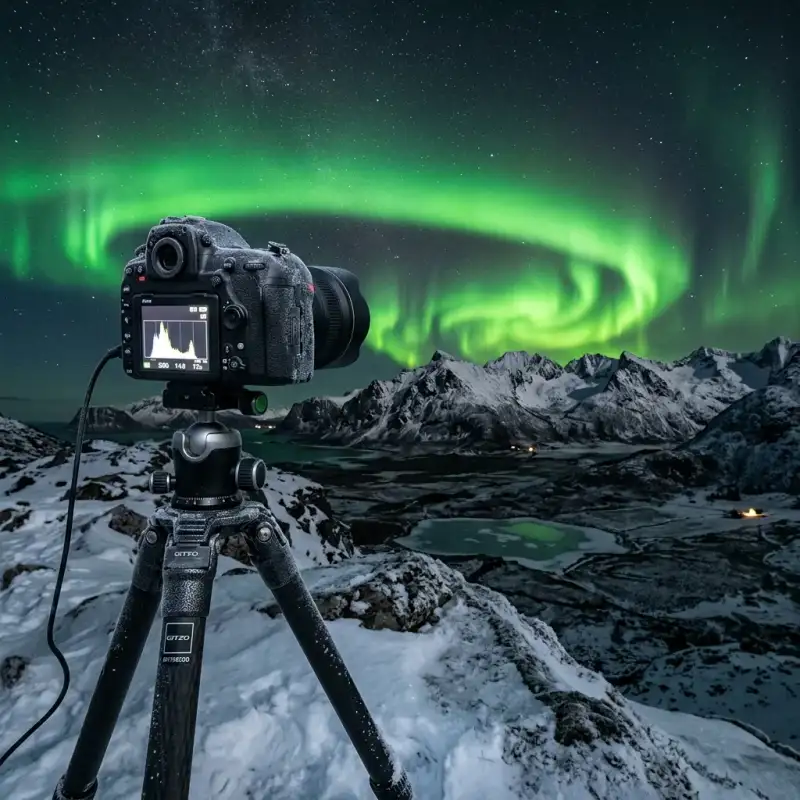
- DSLR or Mirrorless Camera: A camera that allows full manual control over aperture, shutter speed, and ISO is essential. Modern cameras with good low-light performance (higher ISO capabilities with less noise) are advantageous.
- Wide-Angle Lens: A lens with a focal length between 14mm and 24mm (on a full-frame sensor) or equivalent on APS-C is ideal. This allows you to capture more of the sky and landscape. A fast aperture (f/2.8 or wider, e.g., f/1.4 or f/1.8) is critical for gathering maximum light.
- Sturdy Tripod: Non-negotiable. Long exposure times mean even the slightest camera movement will result in blurry images. A robust tripod will keep your camera steady in potentially windy conditions.
- Remote Shutter Release (or Intervalometer): This prevents camera shake when pressing the shutter button. Alternatively, use your camera’s self-timer (2-second delay).
- Extra Batteries: Cold temperatures drain batteries rapidly. Carry at least 2-3 spare batteries, keeping them warm in an inside pocket until needed.
- Headlamp with Red Light Mode: A headlamp is crucial for seeing in the dark, but use a red light setting to preserve your night vision and avoid disturbing others or interfering with their photos.
Camera Settings (Starting Points):
- Manual Mode (M): You need full control.
- Aperture (f-stop): Set your lens to its widest aperture (smallest f-number), e.g., f/2.8, f/4. This lets in the most light.
- ISO: Start with ISO 800-1600. Adjust based on the aurora’s brightness. For fainter auroras, you might go up to ISO 3200 or even 6400, but be mindful of increased digital noise.
- Shutter Speed: This depends on the aurora’s movement.
- Fast, dancing aurora: 5-15 seconds. Longer exposures will blur the distinct curtain-like shapes.
- Slow, faint aurora: 15-30 seconds. This allows more light to be captured. Experiment to find the sweet spot.
- Focus: Set your lens to manual focus (MF) and focus to infinity. A good trick is to focus on a distant star or the moon (if visible) using live view and then zoom in to ensure sharpness before locking focus. Alternatively, some lenses have an infinity mark, but verify its accuracy.
- White Balance: Auto White Balance (AWB) often works well, but you can experiment with Kelvin temperatures (e.g., 3500K-4500K) for a cooler, more natural look.
- Image Format: Shoot in RAW. This captures the most data, giving you maximum flexibility for post-processing adjustments (exposure, white balance, noise reduction) without degrading image quality.
Practical Tips:
- Composition: Include a foreground element (trees, mountains, cabins, or even yourself) to add scale and interest to your photos.
- Stay Warm: Your comfort directly impacts your concentration. Wear multiple layers, insulated boots, and thick gloves. Consider hand warmers for yourself and your camera batteries.
- Protect Your Gear: Condensation can be an issue when moving from cold outdoors to warm indoors. Place your camera in a sealed plastic bag before coming inside and let it warm up slowly to room temperature to prevent condensation from forming on or inside the lens and camera body.
- Practice: Familiarize yourself with your camera settings in the dark before the aurora appears. Practice focusing and adjusting settings in low light.
Mastering aurora photography is a rewarding challenge. With the right gear, settings, and patience, you’ll be able to capture the magic of the Northern Lights and cherish those incredible memories forever.
Responsible Aurora Chasing: Sustainable Tourism in the Arctic
As aurora tourism continues to grow, it’s increasingly important to practice responsible travel and minimize our impact on the fragile Arctic environment and local communities. Sustainable aurora chasing ensures that this wonder remains accessible for future generations and respects the unique culture of the region.
Environmental Impact:
- Minimize Light Pollution: Light pollution is the enemy of aurora viewing. When out chasing, avoid using bright flashlights or phone screens unnecessarily. If a headlamp is needed, use a red light setting. Support local businesses that also prioritize dark sky preservation.
- Leave No Trace: The Arctic wilderness is pristine. Carry out everything you carry in, including all trash, food wrappers, and cigarette butts. Stick to designated paths and avoid disturbing flora and fauna. Even seemingly minor disturbances can have long-lasting effects in cold, slow-growing ecosystems.
- Energy Consumption: Be mindful of your energy usage in accommodations. Heating large spaces in sub-zero temperatures consumes significant energy. Turn off lights and lower thermostats when leaving your room. Choose eco-certified accommodations where possible.
- Transportation Choices: While flying is often necessary to reach the Arctic, consider combining train travel for scenic routes or choosing operators that use more fuel-efficient vehicles for tours. Carpool when possible.
Respecting Local Communities and Culture:
- Sámi Culture: Scandinavia’s Arctic regions are the traditional homelands of the Sámi people, the indigenous population. Their culture is deeply intertwined with the land and reindeer herding. When participating in Sámi-themed activities (e.g., reindeer sledding, cultural camps), choose ethical operators who genuinely respect and promote Sámi traditions and livelihoods, ensuring fair compensation and authentic experiences. Avoid exploitative or superficial portrayals.
- Support Local Businesses: Patronize local restaurants, shops, and tour operators. This directly contributes to the local economy and helps communities thrive, reducing the impact of mass tourism on smaller, more vulnerable businesses.
- Cultural Sensitivity: Be aware of local customs and traditions. Politeness, punctuality, and an open mind are always appreciated. Ask permission before taking photos of people, especially in cultural settings.
- Noise Levels: The Arctic wilderness is often profoundly silent. Be mindful of noise levels, especially at night when out aurora chasing, to avoid disturbing wildlife or other aurora viewers.
Wildlife Encounters:
- Observe from a Distance: If you encounter Arctic wildlife (reindeer, moose, foxes), observe them from a safe and respectful distance. Never feed wild animals.
- Driving Safely: Be extremely cautious when driving, especially at dusk and dawn. Reindeer and moose often wander onto roads, and collisions can be dangerous for both animals and humans.
- Guided Tours: For activities like dog sledding or snowmobiling, choose reputable operators who prioritize animal welfare and operate sustainably. Ensure the animals are well-cared for and not overworked.
By incorporating these principles into your travel plans, you not only ensure a more enriching experience for yourself but also contribute to the preservation of the Arctic’s natural beauty and cultural heritage. Responsible aurora chasing is about being a mindful guest in a truly spectacular, yet vulnerable, part of the world.
Conclusion
Chasing the Northern Lights in Scandinavia is more than just a trip; it’s an expedition into the heart of nature’s most dazzling artistry. From the scientific dance of solar particles and atmospheric gases to the logistical ballet of planning and budgeting, every step of this journey is an adventure in itself. We’ve explored the optimal viewing locations from the dramatic fjords of Norway to the serene forests of Finnish Lapland, delved into the critical timing and weather considerations, meticulously budgeted for a realistic Arctic experience, and equipped you with the technical prowess to capture these elusive light shows.
Remember that patience and flexibility are your greatest allies. The aurora is a natural phenomenon, and while we can maximize our chances, there are no guarantees. Embrace the unexpected, revel in the stunning Arctic landscapes, and soak in the unique culture of the North. Whether you find yourself enveloped in the profound silence of a snowy forest as green ribbons unfurl above, or hear the excited murmurs of fellow travelers as a sudden burst of pink ignites the sky, the memory of the Aurora Borealis will be etched into your soul forever. This isn’t just about seeing lights; it’s about connecting with the raw power and immense beauty of our universe. Pack your warmest clothes, calibrate your camera, and prepare for an odyssey into the whispering skies of Scandinavia. May your skies be clear and your auroras be bright!
Safe travels and happy chasing!
Warmly, Aisha Sharma
#AuroraBorealis #NorthernLights #ScandinaviaTravel #ArcticAdventures #TravelGuide #SustainableTourism