Showing Posts From
Travelguide


The sunrise does not announce itself with the dull chime of an alarm clock; it bleeds through the sheer curtains of a loft in Lisbon or shimmers off the glass-paned skyscrapers of Singapore, marking the start of a life untethered. To be a digital nomad in 2026 is no longer an act of rebellion, but a sophisticated art form—a calculated navigation of global infrastructure, culinary heritage, and the pursuit of professional autonomy. We have moved past the era of the backpacker in a coffee shop; we are now the architects of a distributed workforce, building legacies from the edges of the world’s map. Chasing the Horizon: Where the Modern Professional Finds Anchor When we discuss the geography of 2026, we are looking at a triad of factors: latency, community, and the sanctity of the aesthetic environment. The nomadic life demands a marriage of hyper-modern connectivity and centuries-old culture. Lisbon remains the crown jewel of the European circuit. It is a city that understands the balance between the melancholic weight of Fado music echoing through the Alfama district and the rapid growth of its tech corridors. For the nomad, this means access to high-speed fiber optics tucked into apartments featuring 18th-century azulejo tiles. Moving eastward, Bali has evolved from a spiritual retreat into a refined hub for digital creators. Here, the infrastructure has matured. Coworking spaces like those in Canggu or Ubud now offer ergonomic suites that rival the best offices in Manhattan, yet you are never more than a ten-minute motorbike ride from the volcanic soil of a rice terrace.Gastronomy as a Compass: Sustenance for the Remote Mind A nomad is only as sharp as their fuel. Eating, in the year 2026, is an exercise in cultural anthropology. It is not enough to find "food"; one must find the history embedded in the plate. In the bustling night markets of Bangkok, the nomadic traveler encounters a masterclass in efficiency and sensory overload. The concept of the street food stall is the original agile startup—minimal overhead, high output, and a product that defines the culture of the region. Dining on Pad Thai cooked over a charcoal brazier is a reminder that excellence is found in the details of the craft, not in the luxury of the kitchen. In Tokyo, the dining experience transitions into a form of silent meditation. For those needing deep focus, the shokudo (traditional eateries) offer the quintessential "work-lunch" balance: rapid service, nutritional density, and an environment that demands respectful silence. The disciplined precision of a bowl of ramen or a meticulously curated bento box serves as a metaphor for the nomadic workflow—clean, efficient, and deeply rooted in tradition. The Architecture of Thrive: Designing Your Daily Rhythm Thriving is not a constant state; it is a recurring process. To thrive in 2026, one must cultivate a "Nomadic OS"—a personal operating system that manages energy rather than time. Physical health is the primary pillar of this system. In high-density hubs like Seoul or Berlin, the nomadic professional leverages the proximity of public transit and the abundance of local health markets. The ability to source fresh, organic produce in the Mitte district of Berlin allows the remote worker to maintain a lifestyle that resists the sedentary decay of standard office culture. Intellectual stimulation is the second pillar. I recommend carrying a digital library that bridges the gap between historical context and future trends. Books are the silent mentors of the nomadic life. When the internet flickers or the loneliness of a new time zone creeps in, the right prose provides the necessary architecture for the mind to restructure itself.Curating the Digital Workspace Across Borders Connectivity in 2026 is a utility as vital as water. However, the true professional learns to work around the limitations of geography. Satellite internet has changed the landscape, allowing us to find "productivity pockets" in places like the mountains of Montenegro or the coast of Patagonia. When choosing a base, I prioritize the following criteria:The 3-Hour Buffer: Does the location allow for a three-hour window of overlap with your primary team’s time zone? The Tactile Environment: Can you find a space—a library, a quiet museum cafe, or a dedicated studio—that allows for deep work? The Local Exchange: Does the city facilitate interaction with local creators, or is it merely an echo chamber of other expats?Building the Legacy: Why We Roam We roam not to escape, but to expand. The world of 2026 offers a unique convergence: we are simultaneously more connected and more transient than at any point in human history. To be a digital nomad today is to participate in a global movement of intentional living. When you spend your mornings analyzing data from a desk in Tallinn and your evenings walking the medieval walls of the city, you are bridging the divide between the past and the digital future. You are proving that work is not a location; it is a contribution. The playbook for 2026 is ultimately your own. It is a compilation of the lessons learned when the train is delayed in the Swiss Alps, when the monsoon rains hit in Singapore, and when you finally find the perfect cup of coffee in a hidden alleyway in Buenos Aires. The most successful nomads are those who embrace the "beautiful friction" of travel. They don't seek a permanent residence because they realize that home is a flexible concept. Home is your laptop, your network, your physical health, and your willingness to step into the unknown every single month. As you venture forward, remember that the goal is not to fill your passport with stamps, but to fill your life with perspectives. Whether you are coding in an apartment in Prague or writing poetry on a beach in Tulum, you are part of a lineage of explorers who realized that the walls of a cubicle were never high enough to contain the human potential. The horizon is calling. The infrastructure is ready. Are you prepared to write your own chapter in the book of the global traveler?#DigitalNomad #RemoteWork #GlobalCitizen #TravelTech #NomadicLifestyle Related InsightsRed (The Myth That Burns, #1) Book Review and Summary Embers of Magic Book Review and Summary Jane Eyre Book Review and Summary{ "@context": "https://schema.org", "@type": "FAQPage", "mainEntity": [ { "@type": "Question", "name": "What is the main focus of The Nomad’s Odyssey: Rewriting the Geography of Work in 2026?", "acceptedAnswer": { "@type": "Answer", "text": "Discover the world's premier hubs for the modern remote professional, blending deep historical resonance with high-speed connectivity." } }, { "@type": "Question", "name": "Who authored the comprehensive guide on The Nomad’s Odyssey: Rewriting the Geography of Work in 2026?", "acceptedAnswer": { "@type": "Answer", "text": "This detailed article and its insights were carefully researched and authored by Emily Page." } }, { "@type": "Question", "name": "Where can I find more related content about Books?", "acceptedAnswer": { "@type": "Answer", "text": "You can explore more articles, detailed reviews, and similar insights by browsing the Related Insights section at the bottom of this article or visiting our dedicated Books category page." } } ] }
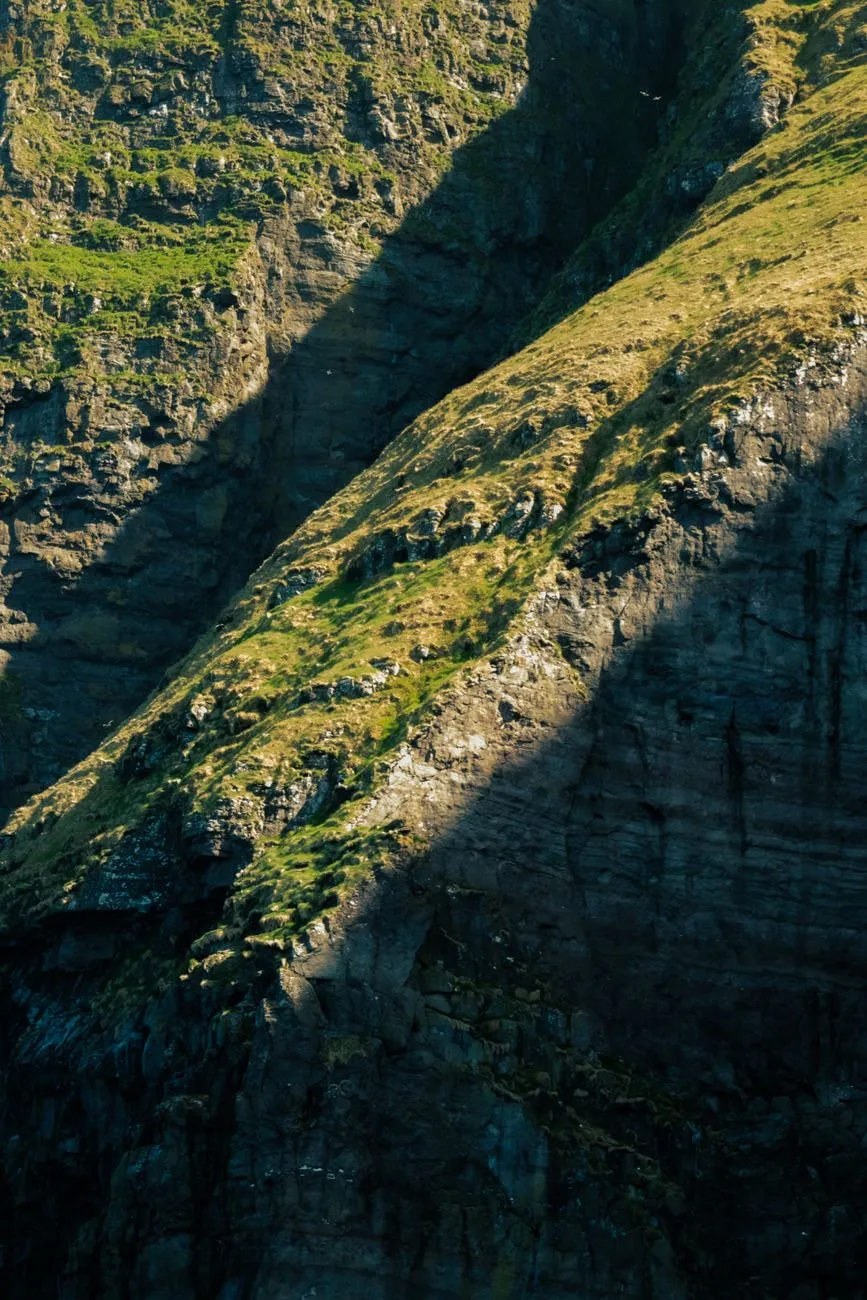
Where the North Atlantic crashes against basalt columns and the fog clings to verdant, grass-roofed villages, you will find the Faroe Islands. As a traveler who has traversed the globe, I find few places as hauntingly beautiful or as fiercely independent as this collection of eighteen volcanic islands. Situated roughly halfway between Norway and Iceland, the Faroes are more than just a cluster of rocks in the sea; they are a living, breathing testament to Viking resilience and a sanctuary for those seeking to escape the frantic pulse of the modern world. For the digital nomad or the intrepid explorer, these islands offer a unique blend of ancient Scandinavian tradition and surprisingly modern infrastructure, though this solitude comes with a price—both in currency and in the willingness to endure the whims of the North Atlantic weather. Stepping Into a Nordic Realm of Basalt and Legend The moment your plane touches down at Vágar Airport, you realize you have entered a domain where nature dictates the schedule. The islands, a self-governing territory of the Kingdom of Denmark, are rugged, precipitous, and utterly captivating. Historically, the islands served as a key stopover for Viking voyagers, and today, that seafaring spirit remains woven into the very fabric of the culture. The Faroese language, a direct descendant of Old Norse, is a rhythmic reminder of this heritage, still spoken daily by the resilient locals. Geographically, the islands are defined by steep cliffs that plummet into the churning ocean, dotted with sheep—which actually outnumber the human population—and waterfalls that defy gravity as they are blown upward by powerful gale-force winds. When you explore places like Gásadalur, where the Múlafossur waterfall plunges directly into the sea, the sense of being at the edge of the world is absolute. It is a landscape that demands respect; the weather shifts in seconds, transforming a bright, sun-drenched morning into a brooding, atmospheric grey afternoon. This is not a destination for the casual tourist seeking a resort-style retreat. It is a rugged frontier for those who wish to experience the raw power of the elements.Traveling here requires a shift in mindset. You must be prepared for the reality that your itinerary is merely a suggestion, easily overruled by a storm or a ferry cancellation. Yet, this uncertainty is precisely what makes the Faroe Islands so intoxicating. You aren’t just visiting a landscape; you are entering an agreement with it. You provide the patience, and the islands provide vistas that have remained largely unchanged since the first longships pulled onto these shores over a millennium ago. The Economic Realities of the North Atlantic Frontier For the digital nomad or the long-term visitor, one must confront the cold, hard numbers. Living in the Faroe Islands is an investment in exclusivity. My assessment of the current cost of living reveals that the islands function as a high-tier economic environment. For a single digital nomad, a budget of approximately $2,960 per month is the realistic median to maintain a comfortable standard of living. This figure covers a balanced mix of modest local housing, essential utilities, and a combination of cooking at home versus occasional dining out. Because the Faroe Islands are an autonomous territory, they occupy a unique legal space. They are not part of the European Union, nor are they part of the Schengen Area. This distinction is vital for long-term planning. Travelers generally follow Danish entry rules, which often means visa-free access for short-term stays for many nationalities. However, if you intend to plant roots as a remote worker for an extended period, you must navigate the process for a special long-term residency permit. Transportation is another significant line item. While the road infrastructure is world-class—featuring sub-sea tunnels that connect major islands like Streymoy and Eysturoy—car rentals and fuel are notably expensive. You are paying for the engineering marvels that make connectivity possible in such a hostile, disconnected environment. Utilities, particularly heating and electricity, also reflect the cost of importing resources and maintaining power grids in remote, wind-battered regions. Budgeting for the Faroes isn't just about saving money; it’s about understanding the premium placed on accessibility and comfort in a location that is, by its very nature, isolated. Navigating the Cost of Living in TórshavnCategory Typical Monthly Expense (USD) NotesApartment (1 Bedroom, Central) $1,200 - $1,600 High demand, limited supplyUtilities (Heating, Electricity) $250 - $400 Depends heavily on the seasonFood (Grocery staples + Coffee) $600 - $800 Prices elevated due to importTransportation (Car Rental/Fuel) $400 - $600 Essential for exploring remote areasConnectivity (High-speed Internet) $80 - $120 Surprisingly robust for the locationTotal Median Monthly Estimate $2,960 Baseline for a single digital nomadThis table provides a snapshot of what you can expect to pay. It is important to note that while Tórshavn, the capital, offers the most amenities, the real cost of living spikes when you venture into more remote villages where grocery options are limited to local, often pricier, goods. The Cultural Pulse of the Capital and Beyond Tórshavn is one of the smallest and most enchanting capitals in the world. It doesn't scream for your attention with glittering towers; instead, it whispers with the charm of grass-roofed houses in the historic Tinganes district, where the government has operated for centuries. As you walk the narrow, winding lanes of Tinganes, you are effectively stepping back into the 16th century, though the offices inside these preserved buildings are equipped with high-speed fiber optics. This juxtaposition of the ancient and the digital is the hallmark of the Faroe experience.Eating here is an exercise in local sustainability. The Faroese kitchen relies heavily on the sea and the rugged hillsides. You will find "ræst"—a process of fermenting lamb or fish in traditional drying sheds—which is a culinary cornerstone you must try to truly understand the local identity. It is an acquired taste, salty and intense, much like the climate itself. When you dine in Tórshavn, you are tasting the history of a people who survived for centuries on what could be caught, foraged, or grazed. Modern chefs have elevated these humble origins into world-class gastronomy, but the spirit of the food remains deeply rooted in the soil and the current. Beyond the capital, the islands of Eysturoy and Borðoy offer a deeper dive into the industrial and fishing history of the archipelago. Klaksvík, the second-largest town, sits nestled between towering mountains and serves as the epicenter for the islands' massive fishing industry. Watching the fleet return at sunset, the harbor glowing with life, provides a stark contrast to the quiet, ethereal silence of the mountain hiking trails. Every town, regardless of size, feels like a sanctuary protected by the mountains and the sea, offering a sense of community that is rare in today’s disconnected world. Masterclass in Nordic Adventure and Logistics To truly conquer the Faroe Islands, you must be a master of the elements. Hiking is the primary method of engagement with the geography, but it is not without risk. Trails are often unmarked and can be obscured by sudden shifts in visibility. Always consult local resources such as the "Hiking in the Faroe Islands" guides, and never underestimate the "mountain fog." It is a cliché for a reason: when the fog rolls in, it can make even the most familiar trail vanish in minutes.Preparation starts with gear. You need high-quality, windproof, and waterproof layers. Forget umbrellas; the wind will snap them in seconds. Instead, invest in technical shells and sturdy hiking boots that can handle boggy, uneven terrain. Before setting out, check the weather reports obsessively. The Faroese Meteorological Office provides reliable data, but even then, rely on your own observation. If the locals are staying put, you should likely do the same. For the remote professional, finding a "base camp" is essential. Tórshavn offers the most reliable infrastructure for digital nomads, including co-working spaces and high-speed satellite connectivity that ensures you remain tethered to your global responsibilities while you are physically situated at the edge of the map. Renting a small, traditional house with a grass roof in a slightly quieter village can provide the creative solitude many seek, but ensure your host guarantees stable internet. Remote island living sounds poetic, but when you are trying to push a large file during a storm, reliability becomes your most prized luxury. Embracing the Viking Spirit in a Modern World As I prepare to leave these rugged shores, I am struck by the permanence of the place. The Faroe Islands don’t change to accommodate you; you change to accommodate them. That is the true gift of this destination. In a world of over-tourism and curated Instagram moments, the Faroes remain fiercely authentic. They offer a rare opportunity to disconnect from the noise of the digital age and reconnect with the primal, elemental forces that have shaped human existence for millennia. The echoes of the Vikings are not just in the place names or the preservation of the language; they are in the way the locals look at a brewing storm—with respect, not fear. They are in the way the silence of the mountains rings in your ears after a long day of hiking. This is a place where you can find genuine solitude, where the scale of nature reminds you of your own place in the grand tapestry of the world. Whether you are a digital nomad searching for a new base of operations or a traveler seeking a landscape that challenges your senses, the Faroe Islands will leave an indelible mark on your psyche. It is an expensive journey, both in time and currency, but the dividends are measured in perspectives shifted and perspectives expanded. You arrive looking for scenery, but you leave with a deeper appreciation for the resilience of life in the most unlikely of places. So, pack your warmest gear, bring your sense of wonder, and prepare for the wind to change, because the Faroes are waiting to show you exactly what it means to live at the edge of the Atlantic. Your next great adventure is not just a trip; it is a pilgrimage to the core of the North. #FaroeIslands #DigitalNomad #AdventureTravel #VikingHeritage #TravelExpert Related InsightsMount Fuji: The Sacred Mountain of Japan Les Sentinelles Solitaires du Bout du Monde : Une Odyssée vers les Phares Oubliés de Patagonie Chilienne The Whispering Ice Temples: Tracing the Vanishing Footprints to Patagonia's Subterranean Sanctuaries{ "@context": "https://schema.org", "@type": "FAQPage", "mainEntity": [ { "@type": "Question", "name": "What is the main focus of Echoes of the North Atlantic: Navigating the Untamed Faroe Islands?", "acceptedAnswer": { "@type": "Answer", "text": "Discover the Faroe Islands, a hidden archipelago of Viking heritage and dramatic cliffs. Expert travel insights on costs, logistics, and wild landscapes." } }, { "@type": "Question", "name": "Who authored the comprehensive guide on Echoes of the North Atlantic: Navigating the Untamed Faroe Islands?", "acceptedAnswer": { "@type": "Answer", "text": "This detailed article and its insights were carefully researched and authored by Zola Ndlovu." } }, { "@type": "Question", "name": "Where can I find more related content about Travel?", "acceptedAnswer": { "@type": "Answer", "text": "You can explore more articles, detailed reviews, and similar insights by browsing the Related Insights section at the bottom of this article or visiting our dedicated Travel category page." } } ] }
-
 Aisha Sharma
 - 12 Jul, 2026 19:38
The Arctic's Whispering Skies: Your Ultimate Guide to Unlocking Scandinavia's Northern Lights Mystique
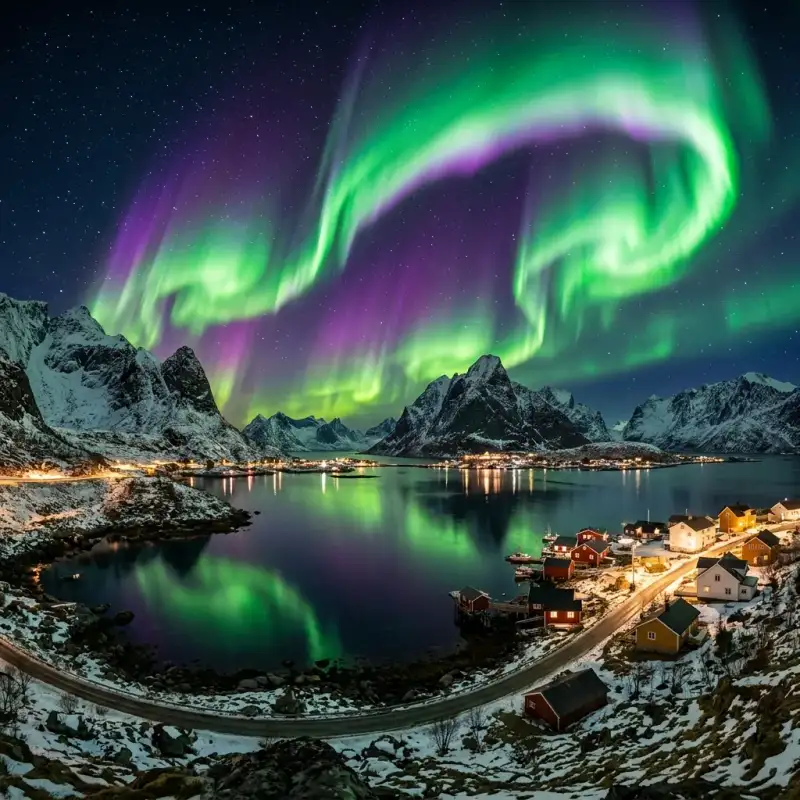
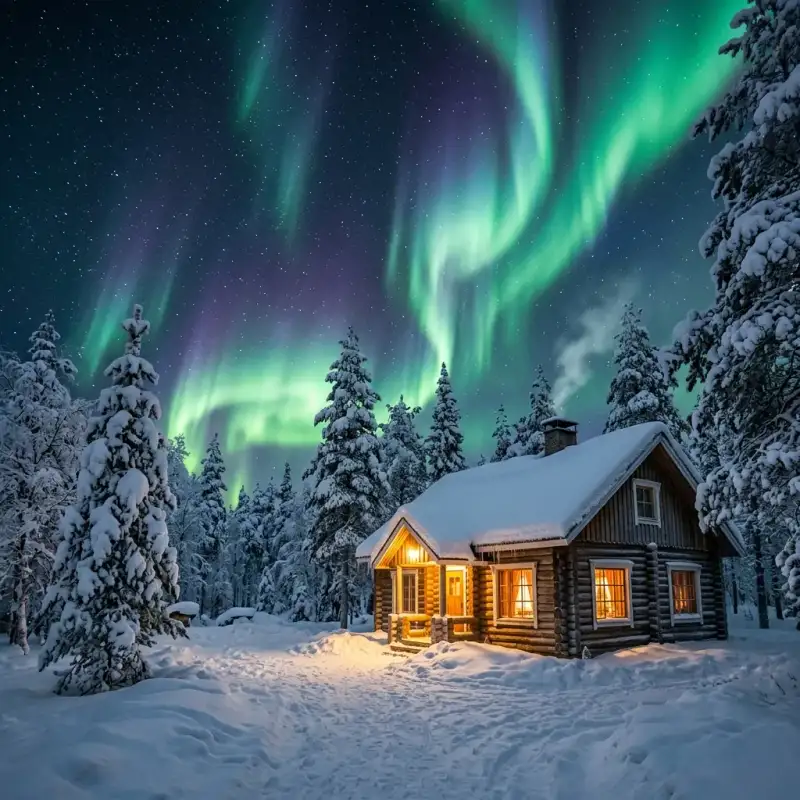
Greetings, fellow adventurers and dreamers! It's Aisha Sharma, and today, we're diving headfirst into one of the most breathtaking spectacles our planet has to offer: the Aurora Borealis. Imagine standing under a canvas of infinite stars, as ethereal ribbons of green, pink, and purple dance across the night sky, whispering ancient tales. This isn't a scene from a fantasy novel; it's a very real, very accessible phenomenon that awaits you in the pristine wilderness of Scandinavia. For decades, I’ve traversed the globe, seeking out wonders that ignite the soul, and few experiences compare to the profound awe inspired by the Northern Lights. Scandinavia, comprising Norway, Sweden, and Finland, is not just a region; it's a pilgrimage site for aurora chasers. Its unique geographical position within the "auroral oval" – a ring around the magnetic North Pole – combined with vast, unpolluted dark skies, makes it a prime viewing destination. From the dramatic fjords of Norway to the serene forests of Finnish Lapland and the icy wilderness of Swedish Lapland, each country offers a distinct backdrop to this celestial ballet. But simply showing up isn't enough. Chasing the aurora requires strategic planning, a keen understanding of the science, and a readiness to embrace the Arctic environment. This comprehensive guide, born from countless nights under the Arctic sky, will equip you with everything you need to transform your dream of seeing the Northern Lights into an unforgettable reality, backed by factual insights and actionable advice. Prepare to unlock the secrets to a truly magical experience. Understanding the Aurora Borealis: The Science Behind the Spectacle To truly appreciate the Northern Lights, it helps to understand the incredible cosmic mechanics that orchestrate their appearance. The aurora is, at its heart, a magnificent solar-terrestrial interaction. It begins over 150 million kilometers away, on the surface of our sun. Solar flares and coronal mass ejections (CMEs) release a torrent of charged particles – primarily electrons and protons – into space. This phenomenon, known as solar wind, travels at speeds ranging from 400 to 800 kilometers per second, taking between two and five days to reach Earth. Upon arrival, these energized particles encounter Earth's magnetic field. Most are deflected, but some manage to penetrate the magnetic shield near the poles, where the field lines converge. As these solar particles collide with atoms and molecules in Earth's upper atmosphere, typically at altitudes between 80 and 500 kilometers, they excite these atmospheric gases. When these excited atoms and molecules return to their original, lower energy state, they emit photons of light – creating the vibrant glow we know as the aurora. The specific color depends on the type of gas molecule and the altitude at which the collision occurs. Oxygen atoms, for instance, are responsible for the most common green-yellow hues (at lower altitudes, ~100-200 km) and the rarer red auroras (at higher altitudes, ~200-400 km). Nitrogen molecules produce blue or purple light. The intensity of the aurora is often quantified by the Kp-index, a global geomagnetic activity index that ranges from 0 to 9. A Kp-index of 0-1 indicates very weak activity, while a Kp of 5 or higher signifies a geomagnetic storm, leading to highly visible and widespread auroras. While a Kp of 2-3 can yield beautiful displays, higher values drastically increase your chances and the aurora's vibrancy. Forecasting is crucial, with organizations like NOAA's Space Weather Prediction Center providing short-term (30-minute) and long-term (3-day) forecasts. Understanding these scientific underpinnings allows for more strategic planning, ensuring you're in the right place at the right time to witness this celestial masterpiece. The magnetic poles, specifically within the auroral oval, are where these field lines are weakest, acting like a funnel for the charged particles, which is precisely why Scandinavia, particularly its northern regions, offers such consistent and spectacular shows.Prime Locations in Scandinavia for Aurora Chasing Scandinavia offers an unparalleled array of destinations for aurora hunters, each with its unique charm and viewing advantages. The key to successful aurora chasing lies in venturing above the Arctic Circle, minimizing light pollution, and choosing locations known for their clear skies and auroral activity. Norway: Often considered the jewel of aurora tourism, Norway's long coastline stretches deep into the auroral oval, offering dramatic backdrops of fjords and mountains.Tromsø: Dubbed the "Gateway to the Arctic," Tromsø (69.6°N) is arguably Norway's most popular aurora destination. It's a bustling city with excellent infrastructure, including an international airport, numerous tour operators, and a variety of accommodation options. While the city itself has some light pollution, most tours take you just outside to darker areas. Data from local weather stations indicates that Tromsø experiences an average of 200 aurora nights per year between September and March. Lofoten Islands: Further south (around 68°N), the Lofoten Islands offer arguably the most scenic aurora backdrop, with rugged mountains rising directly from the sea. Less crowded than Tromsø, but requiring more self-sufficiency. Viewings are frequent, though weather can be more variable due to coastal proximity. North Cape (Nordkapp): At 71°N, this is continental Europe's northernmost point. It's remote, wild, and incredibly dark, offering unimpeded views of the northern sky. Best accessed from Honningsvåg.Sweden: Swedish Lapland is characterized by vast, unspoiled wilderness and consistent cold, dry weather, often leading to clearer skies than coastal Norway.Abisko National Park: Widely hailed as one of the very best places on Earth to see the Northern Lights. Abisko (68.3°N) benefits from a unique microclimate created by the surrounding mountains that keep the skies clear. The "Blue Hole of Abisko" is a local phenomenon where the sky over Lake Torneträsk often remains clear even when surrounding areas are cloudy. The Aurora Sky Station, accessible by chairlift, offers an elevated, light-pollution-free viewing platform. Statistical data from the Swedish Institute of Space Physics (IRF) confirms a significantly higher number of clear nights in Abisko compared to other Arctic locations. Kiruna: Sweden's northernmost city, Kiruna (67.8°N), serves as a major hub for Swedish Lapland and is close to the iconic ICEHOTEL in Jukkasjärvi. It offers a good balance of accessibility and proximity to dark skies.Finland: Finnish Lapland provides a magical, snowy wonderland experience, synonymous with Santa Claus and winter activities, alongside incredible aurora displays.Rovaniemi: While known as the official hometown of Santa Claus (66.5°N, just on the Arctic Circle), Rovaniemi is also a solid base for aurora hunting, especially in its surrounding dark areas. It offers excellent air connections and a wide range of activities. Levi, Saariselkä, and Inari: These fell villages (all around 68-69°N) are further north than Rovaniemi and offer exceptionally dark skies. Saariselkä is famous for its "Kaamos" or polar night period, ensuring prolonged darkness. Inari, located by Lake Inari, Finland's third-largest lake, provides vast, open views over the frozen expanse, minimizing light obstruction. These areas are particularly popular for glass igloo accommodations, offering a unique viewing experience directly from your bed. Choosing your prime location depends on your travel style, budget, and desired activities beyond aurora chasing.Optimal Timing & Weather Considerations Successfully chasing the Northern Lights is as much about timing and understanding weather patterns as it is about choosing the right location. Patience and flexibility are paramount. Best Season: The aurora season generally spans from late August/early September to early April. Within this window, the prime months are typically September through October and February through March.September-October: The autumn months offer slightly milder temperatures, making outdoor waiting more comfortable. The landscapes are often vibrant with autumn colors, and frozen lakes haven't yet locked down, allowing for different transportation options like boat tours. However, rain or snow can be more frequent, potentially obscuring views. November-January: These are the darkest months, including the polar night period (Kaamos) above the Arctic Circle, where the sun doesn't rise for weeks. This means maximum darkness, increasing viewing opportunities in terms of hours. However, temperatures plummet, often reaching -20°C to -30°C or even colder, and heavy snowfall can lead to increased cloud cover. February-March: As spring approaches, daylight hours gradually lengthen, but there's still ample darkness for aurora viewing. Temperatures remain cold but often less extreme than deep winter. This period frequently offers a good balance of cold, clear nights and manageable temperatures, making it a very popular time for visitors.Daily Timing: The best time to see the aurora is typically between 9:00 PM and 2:00 AM local time, though it can appear anytime from sunset to sunrise. Most tour operators schedule their chases during these hours. It's crucial to stay vigilant throughout the night, as displays can intensify or fade rapidly. Moon Phases: While the aurora is bright enough to be seen even under a full moon, a new moon phase or a crescent moon provides the darkest skies, allowing fainter auroras to be more visible and stars to shine more brightly, enhancing the overall experience. Check moon phase calendars when planning your trip. Cloud Cover: This is the single biggest factor beyond solar activity that can make or break your aurora hunt. Even with a strong Kp-index, if the sky is overcast, you won't see anything.Local Weather Forecasts: Constantly monitor local weather forecasts for cloud cover. Websites like Yr.no (for Norway and globally), AccuWeather, or local meteorological services are invaluable. Aurora Apps: Use dedicated aurora forecasting apps (e.g., My Aurora Forecast, Aurora Alerts) that combine Kp-index data with cloud cover maps, often showing satellite imagery of clear patches. Mobility: Being mobile is a significant advantage. Aurora chase tours specialize in driving to areas known for clear skies, sometimes crossing borders into different weather zones. If you rent a car, be prepared to do the same, but always prioritize safety on icy roads.Remember, the aurora is a natural phenomenon, and guarantees are impossible. However, by selecting the optimal time window and remaining flexible with your viewing locations based on real-time weather, you significantly increase your chances of witnessing this celestial marvel.👉 Continue Reading: The Arctic's Whispering Skies: Your Ultimate Guide to Unlocking Scandinavia's Northern Lights Mystique (Part 2)#AuroraBorealis #NorthernLights #ScandinaviaTravel #ArcticAdventures #TravelGuide #SustainableTourism Related InsightsExploring Ani, City of 1001 Churches The Twenty Million Dollar View: A History of Humanity's Most Exclusive Destination Azure Horizons and Fragile Ecosystems: The Maldives Reality Check{ "@context": "https://schema.org", "@type": "FAQPage", "mainEntity": [ { "@type": "Question", "name": "What is the main focus of The Arctic's Whispering Skies: Your Ultimate Guide to Unlocking Scandinavia's Northern Lights Mystique?", "acceptedAnswer": { "@type": "Answer", "text": "Embark on an epic journey to witness the Aurora Borealis in Scandinavia with this expert guide covering science, locations, timing, budgeting, and photography." } }, { "@type": "Question", "name": "Who authored the comprehensive guide on The Arctic's Whispering Skies: Your Ultimate Guide to Unlocking Scandinavia's Northern Lights Mystique?", "acceptedAnswer": { "@type": "Answer", "text": "This detailed article and its insights were carefully researched and authored by Aisha Sharma." } }, { "@type": "Question", "name": "Where can I find more related content about Travel?", "acceptedAnswer": { "@type": "Answer", "text": "You can explore more articles, detailed reviews, and similar insights by browsing the Related Insights section at the bottom of this article or visiting our dedicated Travel category page." } } ] }
- Aisha Sharma
- 12 Jul, 2026 19:38
The Arctic's Whispering Skies: Your Ultimate Guide to Unlocking Scandinavia's Northern Lights Mystique (Part 2)
This is Part 2 of the series. Read Part 1 here.Planning Your Expedition: Logistics and Budgeting Embarking on an Arctic adventure to chase the Northern Lights requires meticulous planning, especially concerning logistics and managing the higher cost of living in Scandinavia. A well-thought-out itinerary and budget can make all the difference. Visa Requirements: For most international travelers, Scandinavia falls under the Schengen Area. Citizens of many countries, including the US, Canada, UK, Australia, and New Zealand, can enter visa-free for up to 90 days within any 180-day period for tourism. However, starting in mid-2025 (latest information as of 2024), travelers from visa-exempt countries will need to apply for an ETIAS (European Travel Information and Authorization System) authorization prior to their trip. This is not a visa but a pre-travel screening, costing around €7. Always check the latest visa and entry requirements from official government sources well in advance of your departure. Flights & Transportation:International Flights: Major international airports like Oslo Gardermoen (OSL), Stockholm Arlanda (ARN), and Helsinki-Vantaa (HEL) are primary gateways. From these hubs, you'll typically take domestic flights to Arctic destinations (e.g., Tromsø (TOS), Kiruna (KRN), Rovaniemi (RVN)). Expect round-trip economy fares from North America to Scandinavia to range from €500-€900 ($550-$1000 USD), depending on booking time and season. Inter-Scandinavia flights can range from €100-€300. Local Transportation: In most aurora destinations, public transport can be limited. Renting a car offers flexibility for self-guided aurora chases, but be prepared for challenging winter driving conditions (studded tires are mandatory in winter). Many choose organized tours, which include transport. Trains are an excellent option for scenic travel between certain cities, for example, the Arctic Circle Express from Narvik (Norway) to Kiruna (Sweden).Accommodation: Options range from budget hostels to luxurious ice hotels and glass igloos.Standard Hotels/Guesthouses: Expect to pay €80-€150 per night for a basic room, €150-€300 for mid-range. Ice Hotels (e.g., ICEHOTEL in Jukkasjärvi, Sweden): A unique experience, but pricey, starting from €250-€500 per night for an 'ice room', warmer rooms are also available. Glass Igloos/Cabins (e.g., Kakslauttanen Arctic Resort in Finland): Iconic for aurora viewing from bed, these can cost upwards of €400-€800+ per night. Airbnb/Self-Catering: Often a more budget-friendly option, especially for groups, allowing for cooking and cost savings on meals.Tours & Activities:Aurora Chase Tours: Highly recommended for first-timers, these typically cost €100-€200 per person per night and include transportation, expert guides, thermal suits, and sometimes hot drinks/snacks. Guides monitor conditions and drive to clear spots. Dog Sledding/Snowmobiling: Popular daytime activities, ranging from €150-€300 per person. Reindeer Sledding, Sami Cultural Experiences: Around €80-€150.Food & Drink: Scandinavia is renowned for its high cost of living.Groceries: Budget €20-€40 per day if cooking for yourself. Restaurant Meals: A casual lunch can be €15-€25, while dinner in a mid-range restaurant can easily be €30-€60+ per person. Alcohol is particularly expensive.Clothing & Gear: This is non-negotiable. Arctic temperatures demand proper attire.Base Layers: Merino wool or synthetic thermal underwear (top and bottom). Mid-Layers: Fleece or down jacket/vest. Outer Layers: Waterproof and windproof heavy winter jacket and trousers. Many aurora tours provide thermal overalls. Extremities: Warm hat covering ears, thick wool/fleece neck gaiter, waterproof insulated gloves/mittens (two pairs: thin inner, thick outer), insulated, waterproof winter boots (Sorel, Baffin recommended). Camera Gear: Tripod, remote shutter release, extra batteries (cold drains them quickly), wide-angle lens.Sample 7-Day Budget for Aurora Trip (Mid-Range, per person, excluding international flights):Category Estimated Cost (EUR) NotesDomestic Flights 250 - 450 Round trip from major hub (e.g., Oslo to Tromsø)Accommodation (6 nights) 900 - 1500 Mid-range hotels/guesthouses (€150-€250/night). Could be lower with hostels or higher for luxury igloos.Aurora Chase Tours 300 - 600 2-3 guided tours (€150-€200 each) to maximize chances.Daytime Activities 300 - 500 E.g., 1 dog sledding tour, museum entry, local transport.Food & Drink 350 - 500 Mix of self-catering (breakfast, some lunches) and eating out for dinner (€50-€70/day average).Warm Clothing/Gear 0 - 200 If renting or buying specific items. Tours often provide overalls.Miscellaneous 100 - 200 Souvenirs, unforeseen expenses, etc.Total Estimated Cost 2200 - 3950 Excludes international flights. Budget travelers might aim for €1500-€2000.This table illustrates that a realistic mid-range budget for a 7-day aurora trip in Scandinavia, excluding your main international flight, can range from €2,200 to €3,950 per person. Being prepared for these costs is key to an enjoyable, stress-free adventure. Mastering Aurora Photography: Capturing the Elusive Dance Witnessing the Northern Lights is an experience that transcends description, but capturing its ephemeral beauty through photography allows you to relive those moments and share them with others. Aurora photography requires specific techniques and gear due to the low-light conditions and dynamic nature of the phenomenon. Essential Gear:DSLR or Mirrorless Camera: A camera that allows full manual control over aperture, shutter speed, and ISO is essential. Modern cameras with good low-light performance (higher ISO capabilities with less noise) are advantageous. Wide-Angle Lens: A lens with a focal length between 14mm and 24mm (on a full-frame sensor) or equivalent on APS-C is ideal. This allows you to capture more of the sky and landscape. A fast aperture (f/2.8 or wider, e.g., f/1.4 or f/1.8) is critical for gathering maximum light. Sturdy Tripod: Non-negotiable. Long exposure times mean even the slightest camera movement will result in blurry images. A robust tripod will keep your camera steady in potentially windy conditions. Remote Shutter Release (or Intervalometer): This prevents camera shake when pressing the shutter button. Alternatively, use your camera's self-timer (2-second delay). Extra Batteries: Cold temperatures drain batteries rapidly. Carry at least 2-3 spare batteries, keeping them warm in an inside pocket until needed. Headlamp with Red Light Mode: A headlamp is crucial for seeing in the dark, but use a red light setting to preserve your night vision and avoid disturbing others or interfering with their photos.Camera Settings (Starting Points):Manual Mode (M): You need full control. Aperture (f-stop): Set your lens to its widest aperture (smallest f-number), e.g., f/2.8, f/4. This lets in the most light. ISO: Start with ISO 800-1600. Adjust based on the aurora's brightness. For fainter auroras, you might go up to ISO 3200 or even 6400, but be mindful of increased digital noise. Shutter Speed: This depends on the aurora's movement. Fast, dancing aurora: 5-15 seconds. Longer exposures will blur the distinct curtain-like shapes. Slow, faint aurora: 15-30 seconds. This allows more light to be captured. Experiment to find the sweet spot.Focus: Set your lens to manual focus (MF) and focus to infinity. A good trick is to focus on a distant star or the moon (if visible) using live view and then zoom in to ensure sharpness before locking focus. Alternatively, some lenses have an infinity mark, but verify its accuracy. White Balance: Auto White Balance (AWB) often works well, but you can experiment with Kelvin temperatures (e.g., 3500K-4500K) for a cooler, more natural look. Image Format: Shoot in RAW. This captures the most data, giving you maximum flexibility for post-processing adjustments (exposure, white balance, noise reduction) without degrading image quality.Practical Tips:Composition: Include a foreground element (trees, mountains, cabins, or even yourself) to add scale and interest to your photos. Stay Warm: Your comfort directly impacts your concentration. Wear multiple layers, insulated boots, and thick gloves. Consider hand warmers for yourself and your camera batteries. Protect Your Gear: Condensation can be an issue when moving from cold outdoors to warm indoors. Place your camera in a sealed plastic bag before coming inside and let it warm up slowly to room temperature to prevent condensation from forming on or inside the lens and camera body. Practice: Familiarize yourself with your camera settings in the dark before the aurora appears. Practice focusing and adjusting settings in low light.Mastering aurora photography is a rewarding challenge. With the right gear, settings, and patience, you'll be able to capture the magic of the Northern Lights and cherish those incredible memories forever.Responsible Aurora Chasing: Sustainable Tourism in the Arctic As aurora tourism continues to grow, it's increasingly important to practice responsible travel and minimize our impact on the fragile Arctic environment and local communities. Sustainable aurora chasing ensures that this wonder remains accessible for future generations and respects the unique culture of the region. Environmental Impact:Minimize Light Pollution: Light pollution is the enemy of aurora viewing. When out chasing, avoid using bright flashlights or phone screens unnecessarily. If a headlamp is needed, use a red light setting. Support local businesses that also prioritize dark sky preservation. Leave No Trace: The Arctic wilderness is pristine. Carry out everything you carry in, including all trash, food wrappers, and cigarette butts. Stick to designated paths and avoid disturbing flora and fauna. Even seemingly minor disturbances can have long-lasting effects in cold, slow-growing ecosystems. Energy Consumption: Be mindful of your energy usage in accommodations. Heating large spaces in sub-zero temperatures consumes significant energy. Turn off lights and lower thermostats when leaving your room. Choose eco-certified accommodations where possible. Transportation Choices: While flying is often necessary to reach the Arctic, consider combining train travel for scenic routes or choosing operators that use more fuel-efficient vehicles for tours. Carpool when possible.Respecting Local Communities and Culture:Sámi Culture: Scandinavia's Arctic regions are the traditional homelands of the Sámi people, the indigenous population. Their culture is deeply intertwined with the land and reindeer herding. When participating in Sámi-themed activities (e.g., reindeer sledding, cultural camps), choose ethical operators who genuinely respect and promote Sámi traditions and livelihoods, ensuring fair compensation and authentic experiences. Avoid exploitative or superficial portrayals. Support Local Businesses: Patronize local restaurants, shops, and tour operators. This directly contributes to the local economy and helps communities thrive, reducing the impact of mass tourism on smaller, more vulnerable businesses. Cultural Sensitivity: Be aware of local customs and traditions. Politeness, punctuality, and an open mind are always appreciated. Ask permission before taking photos of people, especially in cultural settings. Noise Levels: The Arctic wilderness is often profoundly silent. Be mindful of noise levels, especially at night when out aurora chasing, to avoid disturbing wildlife or other aurora viewers.Wildlife Encounters:Observe from a Distance: If you encounter Arctic wildlife (reindeer, moose, foxes), observe them from a safe and respectful distance. Never feed wild animals. Driving Safely: Be extremely cautious when driving, especially at dusk and dawn. Reindeer and moose often wander onto roads, and collisions can be dangerous for both animals and humans. Guided Tours: For activities like dog sledding or snowmobiling, choose reputable operators who prioritize animal welfare and operate sustainably. Ensure the animals are well-cared for and not overworked.By incorporating these principles into your travel plans, you not only ensure a more enriching experience for yourself but also contribute to the preservation of the Arctic's natural beauty and cultural heritage. Responsible aurora chasing is about being a mindful guest in a truly spectacular, yet vulnerable, part of the world. Conclusion Chasing the Northern Lights in Scandinavia is more than just a trip; it's an expedition into the heart of nature's most dazzling artistry. From the scientific dance of solar particles and atmospheric gases to the logistical ballet of planning and budgeting, every step of this journey is an adventure in itself. We've explored the optimal viewing locations from the dramatic fjords of Norway to the serene forests of Finnish Lapland, delved into the critical timing and weather considerations, meticulously budgeted for a realistic Arctic experience, and equipped you with the technical prowess to capture these elusive light shows. Remember that patience and flexibility are your greatest allies. The aurora is a natural phenomenon, and while we can maximize our chances, there are no guarantees. Embrace the unexpected, revel in the stunning Arctic landscapes, and soak in the unique culture of the North. Whether you find yourself enveloped in the profound silence of a snowy forest as green ribbons unfurl above, or hear the excited murmurs of fellow travelers as a sudden burst of pink ignites the sky, the memory of the Aurora Borealis will be etched into your soul forever. This isn't just about seeing lights; it's about connecting with the raw power and immense beauty of our universe. Pack your warmest clothes, calibrate your camera, and prepare for an odyssey into the whispering skies of Scandinavia. May your skies be clear and your auroras be bright! Safe travels and happy chasing! Warmly, Aisha Sharma#AuroraBorealis #NorthernLights #ScandinaviaTravel #ArcticAdventures #TravelGuide #SustainableTourism Related InsightsBeyond the Sands: Unveiling Oman’s Thriving Tourism Tapestry 宏村:画中的明清古村落 Fantasmi sulla Via della Seta: Il richiamo silenzioso delle oasi perdute del Turkmenistan{ "@context": "https://schema.org", "@type": "FAQPage", "mainEntity": [ { "@type": "Question", "name": "What is the main focus of The Arctic's Whispering Skies: Your Ultimate Guide to Unlocking Scandinavia's Northern Lights Mystique (Part 2)?", "acceptedAnswer": { "@type": "Answer", "text": "Embark on an epic journey to witness the Aurora Borealis in Scandinavia with this expert guide covering science, locations, timing, budgeting, and photography." } }, { "@type": "Question", "name": "Who authored the comprehensive guide on The Arctic's Whispering Skies: Your Ultimate Guide to Unlocking Scandinavia's Northern Lights Mystique (Part 2)?", "acceptedAnswer": { "@type": "Answer", "text": "This detailed article and its insights were carefully researched and authored by Aisha Sharma." } }, { "@type": "Question", "name": "Where can I find more related content about Travel?", "acceptedAnswer": { "@type": "Answer", "text": "You can explore more articles, detailed reviews, and similar insights by browsing the Related Insights section at the bottom of this article or visiting our dedicated Travel category page." } } ] }
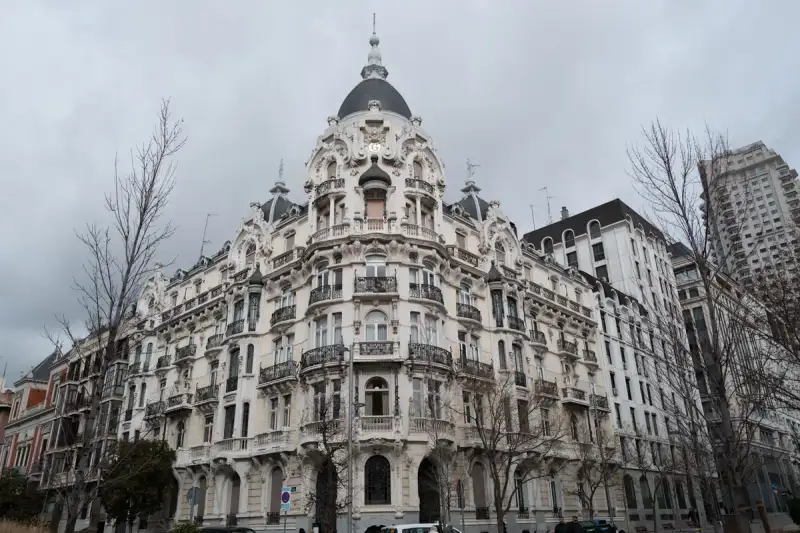
Winter in Europe is an incredibly magical time. While summer brings the crowds, the heat, and the long lines, the colder months offer something far more intimate, atmospheric, and profoundly beautiful. There’s a certain stillness in the crisp winter air, a warm glow radiating from the festive streetlights, and the unmistakable scent of roasted chestnuts and mulled wine drifting through ancient cobblestone streets. From the relatively mild, sun-drenched avenues of Madrid to the deep, snowy fairy tales of Central Europe, the continent transforms into a diverse canvas of winter wonderlands waiting to be explored. This comprehensive guide is designed to take you on an epic European winter journey. We will begin in the vibrant heart of Spain, exploring the best things to do in Madrid during the colder months, before expanding our horizons. We’ll board the metaphorical train heading north and east, delving into the imperial elegance of Vienna, the gothic romance of a snowy Prague, the steaming thermal baths of Budapest, and finally, the quintessential Christmas capital of the world: Strasbourg. Grab a cup of hot chocolate, settle in, and let’s embark on the ultimate European winter adventure. #EuropeWinterTravel #WinterWanderlustPart 1: Madrid in Winter – The Warm Heart of Spain When one thinks of winter in Europe, Spain might not be the first destination that comes to mind. However, Madrid in winter is one of the continent’s best-kept secrets. Unlike the sweltering heat of August, winter in the Spanish capital is crisp, bright, and often graced with brilliant blue skies. The crowds have thinned out, leaving you with unimpeded access to world-class museums, cozy taverns, and spectacular royal parks. #MadridInWinter #VisitSpain The Magic of Plaza Mayor and the Holiday Spirit The true heart of Madrid’s winter beats in the Plaza Mayor. This expansive, rectangular square, framed by stunning red-brick architecture and historic balconies, transforms into a festive hub as the temperature drops. If you visit in December, the square hosts the famous Mercado de Navidad (Christmas Market), a tradition that dates back to the 19th century. Wandering through the myriad of stalls, you’ll find artisans selling intricately crafted figurines for the Belen (Nativity scenes), which is a massive part of Spanish holiday traditions. Beyond the figurines, there are colorful wigs, joke items for Día de los Santos Inocentes (Spain's version of April Fools' Day on December 28th), and endless arrays of local sweets. The atmosphere is electric, filled with families, street performers, and the infectious energy that Madrileños are famous for. #PlazaMayor #NavidadMadrid A Culinary Imperative: Churros con Chocolate at San Ginés No winter trip to Madrid is complete without indulging in the city's ultimate comfort food: churros con chocolate. While you can find this treat on almost every corner, the quintessential experience is at the historic Chocolatería San Ginés, tucked away in an alley near Puerta del Sol. Founded in 1894, this iconic café is open 24 hours a day. Imagine stepping out of the chilly winter night into a vibrant, mirror-lined room echoing with chatter, and ordering a cup of chocolate so thick and rich that your spoon practically stands up in it. The churros are freshly fried, perfectly crispy on the outside, and tender inside—the ideal vessel for scooping up the molten chocolate. It is a ritual that warms both the body and the soul. #ChurrosConChocolate #SanGines Strolling Through the El Retiro Park El Retiro Park is spectacular in any season, but winter gives it a serene, melancholic beauty. The deciduous trees shed their leaves, offering clear, unobstructed views of the park’s grand monuments, such as the Monument to Alfonso XII overlooking the great lake. On a sunny winter afternoon, renting a rowboat on the lake is surprisingly pleasant. Take a walk to the Palacio de Cristal (Crystal Palace). Built in 1887 to house exotic plants from the Philippines, this glass and iron pavilion looks exceptionally striking against a crisp winter sky. Inside, you’ll often find contemporary art installations hosted by the Reina Sofía Museum, offering a perfect blend of historic architecture and modern thought. #RetiroPark #PalacioDeCristal World-Class Art Without the Crowds Madrid’s "Golden Triangle of Art" is infinitely more enjoyable in the winter. The Prado Museum, one of the greatest art museums in the world, is home to masterpieces by Velázquez, Goya, and El Greco. In the summer, you might have to elbow your way to see Velázquez’s Las Meninas or Goya’s El Tres de Mayo. In January or February, you can stand before these massive canvases in quiet contemplation, truly absorbing the genius of the Spanish masters. Equally accessible are the Thyssen-Bornemisza National Museum, offering an incredible overview of art history from the 13th to the late 20th century, and the Reina Sofía, home to Picasso’s heart-wrenching masterpiece, Guernica. Winter provides the physical and mental space required to truly appreciate these cultural treasures. #PradoMuseum #ArtHistoryPart 2: Vienna, Austria – The Imperial Winter Dream Leaving the sunny skies of Madrid behind, we travel to Central Europe, where winter is a serious, snow-draped affair. Vienna, the capital of Austria, does winter with an imperial elegance that is unmatched anywhere else in the world. This is the city of Mozart, Beethoven, and the Habsburgs, and its grand architecture seems tailor-made to be dusted with snow. #ViennaWinter #WienLiebeThe Epicenter of Christmas Markets If Strasbourg is the capital of Christmas, Vienna is arguably its grandest palace. The city is practically synonymous with the Christkindlmarkt. From mid-November until Christmas Day, the squares of Vienna are transformed into glowing, fragrant wonderlands. The most famous market sits in front of the Rathaus (City Hall). The Neo-Gothic architecture provides a dramatic backdrop to over a hundred stalls selling everything from blown-glass ornaments to hand-carved wooden toys. The air is thick with the scent of roasted almonds, baked apples, and the essential Punsch or Glühwein (mulled wine). However, don't limit yourself to the Rathausplatz. The market in front of the Schönbrunn Palace offers a more regal atmosphere, while the Spittelberg market, winding through narrow Biedermeier streets, feels delightfully local and intimate. The Karlsplatz market, focused entirely on local arts and crafts, is perfect for finding unique, high-quality gifts. #ViennaChristmasMarket #Gluhwein Coffee House Culture: The Ultimate Winter Refuge When the Central European cold seeps into your bones, Vienna offers the perfect antidote: its legendary coffee houses. The Viennese Kaffeehaus is not just a place to get a caffeine fix; it is an institution, recognized by UNESCO as intangible cultural heritage. Step into Café Central, Café Sperl, or Café Landtmann. You are stepping into rooms where Trotsky, Freud, and Klimt once sat, debated, and created. Order a Melange (similar to a cappuccino but uniquely Viennese) and a slice of Sachertorte or Apfelstrudel. You can sit there for hours, reading a newspaper, watching the snow fall outside the large windows, and no waiter will ever rush you. It is the epitome of winter coziness. #VienneseCoffeeHouse #Sachertorte Classical Music and Imperial Palaces Winter is the height of the classical music season in Vienna. Attending a concert at the Musikverein or the State Opera is a transcendent experience. Even if you aren't a die-hard classical fan, hearing a Mozart symphony played in the city where it was composed, in a hall glittering with gold leaf, is something you will never forget. During the day, the imperial palaces offer fantastic winter explorations. The Hofburg Palace, the winter residence of the Habsburgs, houses the Sisi Museum and the breathtaking Austrian National Library. Schönbrunn Palace, the summer residence, is equally spectacular in winter, especially when its vast gardens are blanketed in pristine white snow. #HofburgPalace #ClassicalMusicPart 3: Prague, Czech Republic – A Snowy Fairytale A short train ride from Vienna brings us to Prague, the "City of a Hundred Spires." If Vienna is imperial and grand, Prague is gothic, mysterious, and profoundly romantic. While Prague is heavily touristed in the summer, winter strips away the massive crowds, revealing the city's true, atmospheric character. When the cobblestones are dusted with snow and the gas lamps cast a warm, flickering light through the fog, Prague feels like a scene straight out of a medieval fairy tale. #PragueInWinter #VisitCZThe Silence of the Charles Bridge The Charles Bridge, commissioned by King Charles IV in 1357, is the iconic symbol of Prague. Lined with 30 baroque statues of saints, it is usually packed shoulder-to-shoulder with tourists. But in the depths of winter, especially early in the morning or late at night, the bridge is transformed. Walking across the Vltava River in the quiet, crisp air, surrounded by the darkened silhouettes of the statues with the illuminated Prague Castle looming in the distance, is an almost mystical experience. The silence is profound, broken only by the sound of the river and your own footsteps on the snow-dusted stones. #CharlesBridge #Praha Exploring the Prague Castle Complex Perched on a hill overlooking the city, Prague Castle is the largest ancient castle complex in the world. In winter, the steep walk up the hill keeps the crowds at bay. Inside, the massive St. Vitus Cathedral dominates the skyline. The gothic architecture, with its flying buttresses and menacing gargoyles, looks even more dramatic against a grey winter sky. Don't miss the Golden Lane, a street of tiny, colorful houses built into the castle walls in the 16th century. Once home to castle guards and later to the writer Franz Kafka, these small dwellings are incredibly charming and offer a glimpse into the historic life of the city. After exploring the castle, warm up with a glass of Svařák (Czech hot wine) or a traditional Trdelník (a sweet, cylindrical pastry roasted over an open flame) from a nearby vendor. #PragueCastle #StVitusCathedral The Old Town Square and the Astronomical Clock The Old Town Square is the beating heart of Prague. Dominated by the Church of Our Lady before Týn with its fairy-tale spires, the square is spectacular. In December, it hosts a vibrant Christmas market, famous for its massive, brightly lit tree and stalls selling hot mead, roasted ham, and handmade crafts. Every hour, crowds gather in front of the Old Town Hall to watch the Prague Astronomical Clock (Orloj) strike. Installed in 1410, it is the oldest astronomical clock still operating. Watching the procession of the Twelve Apostles in the freezing winter air, surrounded by historic facades, you can easily feel transported back half a millennium in time. #OldTownSquare #AstronomicalClockPart 4: Budapest, Hungary – Thermal Baths and Winter Magic Continuing our journey eastward along the Danube, we arrive in Budapest. The Hungarian capital is a city of stunning contrasts, where grandeur meets grit, and the old world seamlessly blends with the new. Budapest is arguably one of the best winter cities in Europe, largely thanks to its unique geothermal geography. #BudapestWinter #VisitHungaryThe Széchenyi Thermal Baths: A Winter Essential There is no experience quite like visiting the Széchenyi Thermal Baths in the dead of winter. Located in the City Park, this is the largest medicinal bath in Europe, supplied by two thermal springs. The neo-Baroque yellow buildings provide a stunning backdrop to the massive outdoor pools. Imagine the air temperature dropping below freezing, snow gently falling around you, while you are submerged chest-deep in water that is naturally heated to a blissful 38°C (100°F). Thick clouds of steam rise from the surface of the water, creating an ethereal, foggy atmosphere where you can watch older Hungarian men playing chess on floating boards. It is a surreal, deeply relaxing experience that cures jet lag, winter chills, and weary traveler muscles all at once. #SzechenyiBaths #ThermalBaths The Majestic Parliament and the Danube Promenade The Hungarian Parliament Building is an architectural masterpiece, blending neo-Gothic, neo-Romanesque, and neo-Baroque styles. It is stunning by day, but in the winter evenings, when it is heavily illuminated against the dark sky, it looks like a glowing golden fortress reflecting perfectly in the icy waters of the Danube River. Take a walk along the Danube Promenade, starting from the iconic Chain Bridge. The cold wind blowing off the river is invigorating. Along the way, you will encounter the "Shoes on the Danube Bank," a poignant and moving memorial to the Jews who were killed by fascist Arrow Cross militiamen in Budapest during World War II. It is a somber reminder of history, made even more stark by the biting winter cold. #BudapestParliament #DanubeRiver Warming Up in Ruin Pubs and Grand Cafés Budapest offers two distinct ways to warm up indoors. First are the famous "ruin pubs" (Romkocsma), primarily located in the old Jewish Quarter (District VII). Szimpla Kert is the most famous. These bars are built in abandoned buildings and decorated with an eclectic, chaotic mix of mismatched furniture, vintage electronics, and bizarre art installations. In winter, they are bustling, warm, and offer an incredibly unique nightlife experience. On the other end of the spectrum is Budapest’s grand café culture, rivaling that of Vienna. The New York Café, often dubbed the "most beautiful café in the world," is an explosion of Italian Renaissance style, with marble columns, gilded stuccoes, and crystal chandeliers. Sitting here with a slice of Dobos Torte and a rich coffee is the height of Central European luxury. #RuinPubs #NewYorkCafeBudapestPart 5: Strasbourg, France – The Capital of Christmas For the final stop on our grand European winter tour, we travel west to the Alsace region of France, to a city that officially calls itself the "Capital of Christmas": Strasbourg. Located right on the border with Germany, Strasbourg’s culture, architecture, and food are a beautiful blend of both nations, creating a uniquely charming atmosphere that reaches its absolute peak in December. #Strasbourg #AlsaceWinterThe Oldest Christmas Market in France Strasbourg’s Christkindelsmärik (Market of the Christ Child) dates back to 1570, making it the oldest in France and one of the oldest in Europe. During the winter, the entire city center, which is situated on the Grande Île (a UNESCO World Heritage site), is transformed into a festive dreamscape. There are over 300 wooden chalets spread across various squares in the city. The most spectacular is located at Place Kléber, which hosts the Great Christmas Tree—a massive, natural fir tree sourced from the nearby Vosges mountains, towering over 30 meters high and dripping with lights and ornaments. The air smells of vin chaud (hot wine), choucroute (sauerkraut), and bredele (traditional Alsatian Christmas cookies). The sheer scale and historical authenticity of the market make it a must-visit for anyone who loves the winter holidays. #CapitalOfChristmas #Christkindelsmarik The Stunning Cathédrale Notre-Dame Towering over the city is the Cathédrale Notre-Dame de Strasbourg. Victor Hugo once described it as a "gigantic and delicate marvel." For over 200 years, it was the tallest building in the world. Built from distinctive pink sandstone, the cathedral takes on a beautiful, warm glow in the low light of a winter afternoon. The intricate gothic facade is mind-boggling in its detail. Inside, the astronomical clock, a masterpiece of the Renaissance, puts on a mechanical show every day at solar noon (12:30 PM). If you can brave the cold and the stairs, climbing to the viewing platform offers sweeping views over the snow-dusted roofs of Strasbourg, the Black Forest in Germany to the east, and the Vosges mountains to the west. #StrasbourgCathedral #GothicArchitecture La Petite France in the Snow The most picturesque neighborhood in Strasbourg is La Petite France. Historically the area where millers, tanners, and fishermen lived, it is characterized by exceptionally well-preserved half-timbered houses lining a network of canals. In winter, when a light dusting of snow covers the steeply pitched roofs and the window boxes, it looks like a scene painted by a master artist. Walking through the narrow, winding streets, crossing the small pedestrian bridges over the freezing canals, and ducking into a traditional Winstub (Alsatian tavern) for a hearty meal of Baeckeoffe (a rich meat and potato casserole) or Tarte Flambée (a thin, crispy pizza-like dish with cream, onions, and bacon) is the perfect way to spend a winter evening. #LaPetiteFrance #AlsatianFoodConclusion: Embracing the European Winter Traveling through Europe in the winter requires a shift in mindset. It’s not about ticking off outdoor sights under a blazing sun; it’s about atmosphere, intimacy, and slowing down. It’s about replacing the frantic energy of summer tourism with the cozy warmth of a cafe, the historical reflection of quiet museum halls, and the communal joy of a bustling, freezing Christmas market. From the sunlit grandeur of Madrid to the imperial elegance of Vienna, the gothic mystery of Prague, the steaming thermal waters of Budapest, and the unrivaled festive spirit of Strasbourg, the continent offers a lifetime of winter memories. Quick Winter Travel TipsLayering is Key: European weather can vary wildly. Madrid might require just a light jacket in the afternoon, while Prague will demand thermal underwear and a heavy wool coat. Layering allows you to adapt to both the freezing outdoors and the highly heated indoors (like museums and trains). Good Footwear: You will do a lot of walking on cobblestones, which can become incredibly slick when wet, icy, or snowy. Invest in warm, waterproof, and slip-resistant boots. Shorter Days: Remember that daylight is limited in winter. In places like Prague or Vienna, it can get dark by 4:00 PM. Plan your outdoor sightseeing for the morning and early afternoon, and save museums, cafes, and shopping for the evening. Embrace the Local Warmth: Every culture has its winter warmers. Drink the churros con chocolate in Spain, the Glühwein in Germany/Austria, the Svařák in the Czech Republic, and the thermal waters in Hungary. These aren't just tourist traps; they are essential local survival mechanisms!The winter winds may be cold, but the welcome across these historic cities is warmer than ever. So pack your heaviest coat, bring your sense of wonder, and discover the true, timeless magic of Europe in winter. #WinterTravel #EuroTrip #TravelBlogger #Wanderlust #ExploreEurope #OffSeasonTravel #SnowyCities #WinterVacation Related InsightsPatagonian Ice Fields: The Ultimate Guide to Glacier Trekking in Chile Azure Horizons and Fragile Ecosystems: The Maldives Reality Check The Ruins of Troy{ "@context": "https://schema.org", "@type": "FAQPage", "mainEntity": [ { "@type": "Question", "name": "What is the main focus of Winter Wonderland: Must-See Attractions in Madrid and Across Europe?", "acceptedAnswer": { "@type": "Answer", "text": "Discover the magic of Europe in winter. Starting from the sunny, crisp days in Madrid, we embark on a grand journey across the continent to Vienna, Prague, Budapest, and Strasbourg." } }, { "@type": "Question", "name": "Who authored the comprehensive guide on Winter Wonderland: Must-See Attractions in Madrid and Across Europe?", "acceptedAnswer": { "@type": "Answer", "text": "This detailed article and its insights were carefully researched and authored by Cemre Seyyah." } }, { "@type": "Question", "name": "Where can I find more related content about Travel?", "acceptedAnswer": { "@type": "Answer", "text": "You can explore more articles, detailed reviews, and similar insights by browsing the Related Insights section at the bottom of this article or visiting our dedicated Travel category page." } } ] }