Showing Posts From
Northernlights
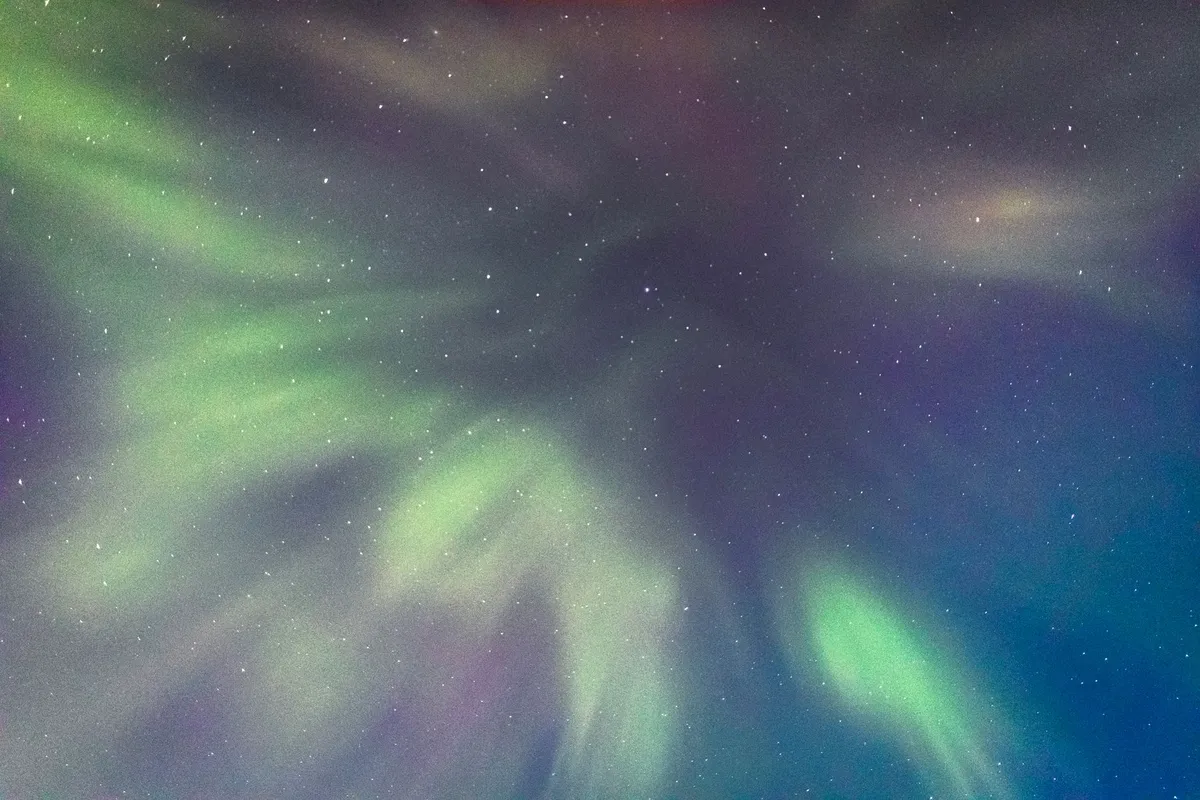

The Celestial Ballet: Decoding the Science of the Arctic Glow When the long, dark nights of the Arctic winter settle over the rugged landscapes of Scandinavia, the heavens awaken. As a travel expert who has spent years chasing the elusive Aurora Borealis, I can tell you that nothing prepares you for the moment the sky begins to pulse. The Northern Lights are not merely a visual spectacle; they are the result of a violent, beautiful collision between charged particles from the sun and our planet’s protective magnetic field. When these particles reach the thermosphere, they collide with oxygen and nitrogen atoms, releasing photons that create the signature green, violet, and sometimes deep red curtains that shimmer above the horizon. To witness this, one must move beyond the casual tourist mindset and embrace the role of an expeditioner. You are not just visiting a location; you are entering a high-latitude zone where weather, solar activity, and geography intersect. The best viewing windows are strictly dictated by the solar cycle and the proximity to the auroral oval, a ring-shaped zone centered on the geomagnetic north pole. Scandinavia—specifically Northern Norway, Swedish Lapland, and Finnish Lapland—sits perfectly beneath this ring. Understanding the "Kp index" is your first step toward success. This scale, ranging from 0 to 9, measures geomagnetic activity. While a high Kp-index is often cited as the magic number, experienced observers know that local weather conditions and light pollution are significantly more critical. A clear sky with a Kp-index of 2 is infinitely better than a cloudy sky with a Kp-index of 6. Therefore, the "whispering skies" require patience, movement, and a commitment to traveling away from the glow of civilization.Chasing Shadows: Navigating the Scandinavian Winter Logistics Planning a trip to see the lights requires the precision of a field researcher. If you are looking for the absolute best odds, I recommend focusing on the "Auroral Belt" cities: Tromsø in Norway, Abisko in Sweden, or Rovaniemi in Finland. These locations are not just gateways; they are epicenters of scientific observation. However, the travel logistics are vastly different from a summer holiday in Rome or Paris. First, consider the transport. Northern Scandinavia is vast and sparsely populated. Utilizing regional airlines like Widerøe in Norway or taking the night train from Stockholm to Abisko provides a unique logistical advantage. Once you arrive, renting a vehicle is often the most authoritative way to chase the clearings. You are essentially looking for "holes" in the cloud layer. Following the coastal weather reports versus the inland mountain forecasts is essential. In Tromsø, for instance, you might find that the clouds are thick over the fjords, but a short drive inland toward the Finnish border reveals a crystal-clear expanse. Safety is paramount when operating in these latitudes. You must familiarize yourself with winter driving conditions. The roads are often covered in packed ice and snow, and the temperature can plummet to -25°C (-13°F). Ensure your rental is equipped with high-quality studded tires—non-negotiable in this region. Furthermore, digital nomads or luxury travelers should prioritize accommodation that offers "Aurora alerts." Many high-end glass igloos or remote lodges in Finnish Lapland provide a wake-up service when the lights appear, saving you from spending every hour of the night shivering on a frozen lake. Budgeting for the Arctic: The Financial Reality of High-Latitude Travel One cannot discuss Scandinavian travel without addressing the cost of living. As an expert, I lean heavily on data-backed platforms like Numbeo to manage expectations for my readers. Scandinavia is undoubtedly one of the most expensive regions globally, and the Arctic territories are no exception. Costs for food, local transport, and specialized gear are premium. When you utilize crowdsourced data from Numbeo, you gain an objective view of how much a dinner for two might cost in a remote Norwegian hub compared to your home city. The cost of living index in cities like Tromsø or Kiruna is exceptionally high, particularly regarding imported goods and services. A single meal at a mid-range restaurant can cost significantly more than the global average, and the price of a pint of local beer or a coffee is often a surprise to first-timers. However, the quality of infrastructure—the reliability of healthcare, the efficiency of public transport, and the overall safety—is unparalleled. When planning your budget, I suggest allocating at least 40% of your total trip cost to "flexibility." This includes the ability to change accommodation on the fly, hire local guides for specialized snowmobile chases, or secure high-quality thermal rental gear. Do not attempt to "budget" your way through the Arctic at the expense of your warmth; substandard clothing or unreliable transport in these conditions is not just uncomfortable—it is a safety hazard. Use tools to compare prices between major hubs; for instance, you will often find that Finland offers a slightly more accessible price point for activities like dog sledding or reindeer farm visits compared to the more commercialized Norwegian ports.Expense Category Estimated Weekly Cost (USD) Comfort LevelMid-range Accommodation $1,200 - $1,800 HighSpecialized Winter Gear Rental $300 - $500 NecessaryLocal Transport / Car Rental $600 - $900 OptimalDining and Groceries $700 - $1,100 ModerateGuided Aurora Expeditions $400 - $800 High-valueThe Art of the Arctic Snapshot: Capturing the Uncapturable Capturing the Northern Lights is a pursuit of both artistic vision and technical mastery. Many travelers arrive with high-end cameras only to find themselves frustrated by frozen batteries and blurry, dark frames. To truly capture the movement of the skies, you must master the "Exposure Triangle." First, set your camera to manual mode. You need a fast, wide-angle lens—ideally f/2.8 or lower—to capture as much light as possible. The most common mistake is over-exposure. Because the sky is so dark, sensors tend to try to brighten everything, which makes the stars look like streaks and the aurora look like a flat, washed-out green smear. Keep your shutter speed between 5 and 15 seconds, depending on how fast the aurora is dancing. If the lights are active and moving quickly, you want a faster shutter speed to capture the distinct "curtain" shapes rather than a blurred mass. Furthermore, use a sturdy tripod. The wind in the Arctic is relentless, and even the slightest vibration will ruin a long-exposure shot. Pro-tip: focus your lens manually on infinity, or use the "Live View" to focus on the brightest star in the sky before you begin shooting. Never rely on autofocus in the dark; it will hunt endlessly and fail. Lastly, bring extra batteries. Cold weather drains lithium-ion batteries at an alarming rate. Keep your spares in an inside pocket, close to your body heat, and swap them out frequently. The goal is to capture the essence of the dance, not just a green light.Cultivating the Arctic Mindset: Beyond the Celestial Glow The true mystique of the Arctic lies not just in the lights, but in the lifestyle that thrives under such extreme conditions. To spend time in Scandinavia during the winter is to learn the meaning of "Friluftsliv," the Nordic philosophy of living in harmony with nature. Even when the sun does not rise for weeks—a period known as the Polar Night—the culture remains vibrant. The locals embrace the darkness with hygge-inspired gatherings, indoor saunas, and a deep appreciation for the quietude of the snow-covered landscape. As you await the Aurora, immerse yourself in the culture of the indigenous Sámi people. Their relationship with the land and the reindeer is the heartbeat of the North. Engaging in a traditional Lavvu experience, where you sit by an open fire listening to joik music, provides a profound context for the lights above. To them, the Aurora is often regarded with deep respect, a spiritual force that demands silence and observation. When you leave the Arctic, you will find that the experience changes you. It strips away the noise of urban existence. You become accustomed to the silence of the tundra, the blue light of the mid-afternoon, and the immense scale of the cosmos. This is the ultimate goal of the travel expert: not just to cross a destination off a list, but to be altered by the environment you inhabit. Whether you see the lights on your first night or wait six days in the freezing cold for a flicker of green, the pursuit itself is the reward. You are learning to read the sky, understand the cold, and appreciate the immense, quiet power of the world’s most elusive natural wonder. #ArcticTravel #NorthernLights #Scandinavia #AdventureTravel #DigitalNomad Related InsightsHamburgs Speicherstadt Fantasmi sulla Via della Seta: Il richiamo silenzioso delle oasi perdute del Turkmenistan Insel Rügen im Sommer{ "@context": "https://schema.org", "@type": "FAQPage", "mainEntity": [ { "@type": "Question", "name": "What is the main focus of Dancing With The Aurora: Unveiling The Arctic’s Celestial Symphony?", "acceptedAnswer": { "@type": "Answer", "text": "Master the art of chasing the Aurora Borealis in Scandinavia with this authoritative guide on logistics, budget, and celestial timing." } }, { "@type": "Question", "name": "Who authored the comprehensive guide on Dancing With The Aurora: Unveiling The Arctic’s Celestial Symphony?", "acceptedAnswer": { "@type": "Answer", "text": "This detailed article and its insights were carefully researched and authored by Wei Chen." } }, { "@type": "Question", "name": "Where can I find more related content about Travel?", "acceptedAnswer": { "@type": "Answer", "text": "You can explore more articles, detailed reviews, and similar insights by browsing the Related Insights section at the bottom of this article or visiting our dedicated Travel category page." } } ] }
-
 Aisha Sharma
 - 12 Jul, 2026 19:38
The Arctic's Whispering Skies: Your Ultimate Guide to Unlocking Scandinavia's Northern Lights Mystique
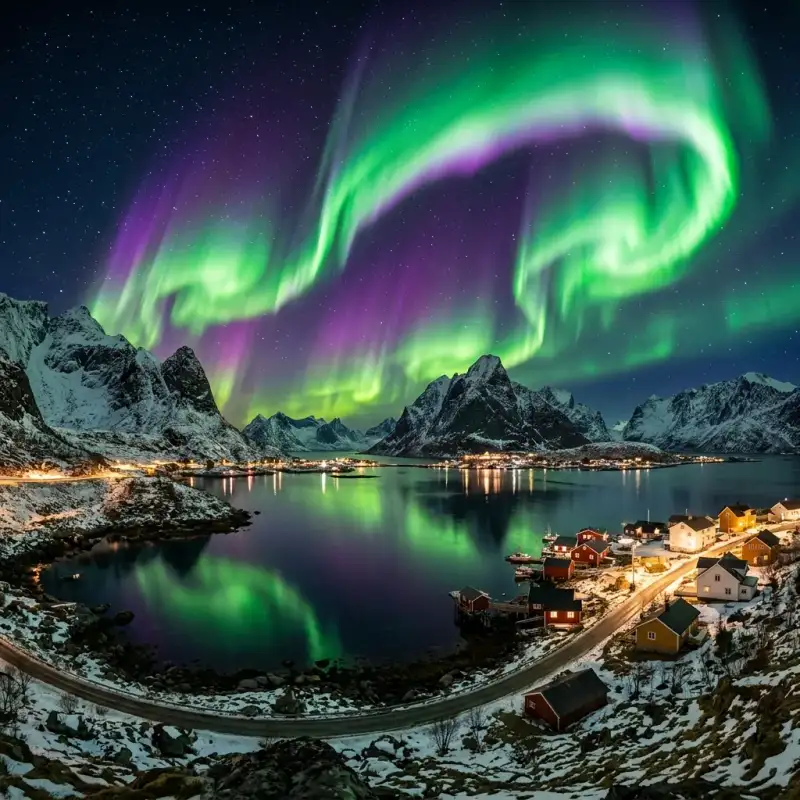
Greetings, fellow adventurers and dreamers! It's Aisha Sharma, and today, we're diving headfirst into one of the most breathtaking spectacles our planet has to offer: the Aurora Borealis. Imagine standing under a canvas of infinite stars, as ethereal ribbons of green, pink, and purple dance across the night sky, whispering ancient tales. This isn't a scene from a fantasy novel; it's a very real, very accessible phenomenon that awaits you in the pristine wilderness of Scandinavia. For decades, I’ve traversed the globe, seeking out wonders that ignite the soul, and few experiences compare to the profound awe inspired by the Northern Lights. Scandinavia, comprising Norway, Sweden, and Finland, is not just a region; it's a pilgrimage site for aurora chasers. Its unique geographical position within the "auroral oval" – a ring around the magnetic North Pole – combined with vast, unpolluted dark skies, makes it a prime viewing destination. From the dramatic fjords of Norway to the serene forests of Finnish Lapland and the icy wilderness of Swedish Lapland, each country offers a distinct backdrop to this celestial ballet. But simply showing up isn't enough. Chasing the aurora requires strategic planning, a keen understanding of the science, and a readiness to embrace the Arctic environment. This comprehensive guide, born from countless nights under the Arctic sky, will equip you with everything you need to transform your dream of seeing the Northern Lights into an unforgettable reality, backed by factual insights and actionable advice. Prepare to unlock the secrets to a truly magical experience. Understanding the Aurora Borealis: The Science Behind the Spectacle To truly appreciate the Northern Lights, it helps to understand the incredible cosmic mechanics that orchestrate their appearance. The aurora is, at its heart, a magnificent solar-terrestrial interaction. It begins over 150 million kilometers away, on the surface of our sun. Solar flares and coronal mass ejections (CMEs) release a torrent of charged particles – primarily electrons and protons – into space. This phenomenon, known as solar wind, travels at speeds ranging from 400 to 800 kilometers per second, taking between two and five days to reach Earth. Upon arrival, these energized particles encounter Earth's magnetic field. Most are deflected, but some manage to penetrate the magnetic shield near the poles, where the field lines converge. As these solar particles collide with atoms and molecules in Earth's upper atmosphere, typically at altitudes between 80 and 500 kilometers, they excite these atmospheric gases. When these excited atoms and molecules return to their original, lower energy state, they emit photons of light – creating the vibrant glow we know as the aurora. The specific color depends on the type of gas molecule and the altitude at which the collision occurs. Oxygen atoms, for instance, are responsible for the most common green-yellow hues (at lower altitudes, ~100-200 km) and the rarer red auroras (at higher altitudes, ~200-400 km). Nitrogen molecules produce blue or purple light. The intensity of the aurora is often quantified by the Kp-index, a global geomagnetic activity index that ranges from 0 to 9. A Kp-index of 0-1 indicates very weak activity, while a Kp of 5 or higher signifies a geomagnetic storm, leading to highly visible and widespread auroras. While a Kp of 2-3 can yield beautiful displays, higher values drastically increase your chances and the aurora's vibrancy. Forecasting is crucial, with organizations like NOAA's Space Weather Prediction Center providing short-term (30-minute) and long-term (3-day) forecasts. Understanding these scientific underpinnings allows for more strategic planning, ensuring you're in the right place at the right time to witness this celestial masterpiece. The magnetic poles, specifically within the auroral oval, are where these field lines are weakest, acting like a funnel for the charged particles, which is precisely why Scandinavia, particularly its northern regions, offers such consistent and spectacular shows.Prime Locations in Scandinavia for Aurora Chasing Scandinavia offers an unparalleled array of destinations for aurora hunters, each with its unique charm and viewing advantages. The key to successful aurora chasing lies in venturing above the Arctic Circle, minimizing light pollution, and choosing locations known for their clear skies and auroral activity. Norway: Often considered the jewel of aurora tourism, Norway's long coastline stretches deep into the auroral oval, offering dramatic backdrops of fjords and mountains.Tromsø: Dubbed the "Gateway to the Arctic," Tromsø (69.6°N) is arguably Norway's most popular aurora destination. It's a bustling city with excellent infrastructure, including an international airport, numerous tour operators, and a variety of accommodation options. While the city itself has some light pollution, most tours take you just outside to darker areas. Data from local weather stations indicates that Tromsø experiences an average of 200 aurora nights per year between September and March. Lofoten Islands: Further south (around 68°N), the Lofoten Islands offer arguably the most scenic aurora backdrop, with rugged mountains rising directly from the sea. Less crowded than Tromsø, but requiring more self-sufficiency. Viewings are frequent, though weather can be more variable due to coastal proximity. North Cape (Nordkapp): At 71°N, this is continental Europe's northernmost point. It's remote, wild, and incredibly dark, offering unimpeded views of the northern sky. Best accessed from Honningsvåg.Sweden: Swedish Lapland is characterized by vast, unspoiled wilderness and consistent cold, dry weather, often leading to clearer skies than coastal Norway.Abisko National Park: Widely hailed as one of the very best places on Earth to see the Northern Lights. Abisko (68.3°N) benefits from a unique microclimate created by the surrounding mountains that keep the skies clear. The "Blue Hole of Abisko" is a local phenomenon where the sky over Lake Torneträsk often remains clear even when surrounding areas are cloudy. The Aurora Sky Station, accessible by chairlift, offers an elevated, light-pollution-free viewing platform. Statistical data from the Swedish Institute of Space Physics (IRF) confirms a significantly higher number of clear nights in Abisko compared to other Arctic locations. Kiruna: Sweden's northernmost city, Kiruna (67.8°N), serves as a major hub for Swedish Lapland and is close to the iconic ICEHOTEL in Jukkasjärvi. It offers a good balance of accessibility and proximity to dark skies.Finland: Finnish Lapland provides a magical, snowy wonderland experience, synonymous with Santa Claus and winter activities, alongside incredible aurora displays.Rovaniemi: While known as the official hometown of Santa Claus (66.5°N, just on the Arctic Circle), Rovaniemi is also a solid base for aurora hunting, especially in its surrounding dark areas. It offers excellent air connections and a wide range of activities. Levi, Saariselkä, and Inari: These fell villages (all around 68-69°N) are further north than Rovaniemi and offer exceptionally dark skies. Saariselkä is famous for its "Kaamos" or polar night period, ensuring prolonged darkness. Inari, located by Lake Inari, Finland's third-largest lake, provides vast, open views over the frozen expanse, minimizing light obstruction. These areas are particularly popular for glass igloo accommodations, offering a unique viewing experience directly from your bed. Choosing your prime location depends on your travel style, budget, and desired activities beyond aurora chasing.Optimal Timing & Weather Considerations Successfully chasing the Northern Lights is as much about timing and understanding weather patterns as it is about choosing the right location. Patience and flexibility are paramount. Best Season: The aurora season generally spans from late August/early September to early April. Within this window, the prime months are typically September through October and February through March.September-October: The autumn months offer slightly milder temperatures, making outdoor waiting more comfortable. The landscapes are often vibrant with autumn colors, and frozen lakes haven't yet locked down, allowing for different transportation options like boat tours. However, rain or snow can be more frequent, potentially obscuring views. November-January: These are the darkest months, including the polar night period (Kaamos) above the Arctic Circle, where the sun doesn't rise for weeks. This means maximum darkness, increasing viewing opportunities in terms of hours. However, temperatures plummet, often reaching -20°C to -30°C or even colder, and heavy snowfall can lead to increased cloud cover. February-March: As spring approaches, daylight hours gradually lengthen, but there's still ample darkness for aurora viewing. Temperatures remain cold but often less extreme than deep winter. This period frequently offers a good balance of cold, clear nights and manageable temperatures, making it a very popular time for visitors.Daily Timing: The best time to see the aurora is typically between 9:00 PM and 2:00 AM local time, though it can appear anytime from sunset to sunrise. Most tour operators schedule their chases during these hours. It's crucial to stay vigilant throughout the night, as displays can intensify or fade rapidly. Moon Phases: While the aurora is bright enough to be seen even under a full moon, a new moon phase or a crescent moon provides the darkest skies, allowing fainter auroras to be more visible and stars to shine more brightly, enhancing the overall experience. Check moon phase calendars when planning your trip. Cloud Cover: This is the single biggest factor beyond solar activity that can make or break your aurora hunt. Even with a strong Kp-index, if the sky is overcast, you won't see anything.Local Weather Forecasts: Constantly monitor local weather forecasts for cloud cover. Websites like Yr.no (for Norway and globally), AccuWeather, or local meteorological services are invaluable. Aurora Apps: Use dedicated aurora forecasting apps (e.g., My Aurora Forecast, Aurora Alerts) that combine Kp-index data with cloud cover maps, often showing satellite imagery of clear patches. Mobility: Being mobile is a significant advantage. Aurora chase tours specialize in driving to areas known for clear skies, sometimes crossing borders into different weather zones. If you rent a car, be prepared to do the same, but always prioritize safety on icy roads.Remember, the aurora is a natural phenomenon, and guarantees are impossible. However, by selecting the optimal time window and remaining flexible with your viewing locations based on real-time weather, you significantly increase your chances of witnessing this celestial marvel.👉 Continue Reading: The Arctic's Whispering Skies: Your Ultimate Guide to Unlocking Scandinavia's Northern Lights Mystique (Part 2)#AuroraBorealis #NorthernLights #ScandinaviaTravel #ArcticAdventures #TravelGuide #SustainableTourism Related InsightsExploring Ani, City of 1001 Churches The Twenty Million Dollar View: A History of Humanity's Most Exclusive Destination Azure Horizons and Fragile Ecosystems: The Maldives Reality Check{ "@context": "https://schema.org", "@type": "FAQPage", "mainEntity": [ { "@type": "Question", "name": "What is the main focus of The Arctic's Whispering Skies: Your Ultimate Guide to Unlocking Scandinavia's Northern Lights Mystique?", "acceptedAnswer": { "@type": "Answer", "text": "Embark on an epic journey to witness the Aurora Borealis in Scandinavia with this expert guide covering science, locations, timing, budgeting, and photography." } }, { "@type": "Question", "name": "Who authored the comprehensive guide on The Arctic's Whispering Skies: Your Ultimate Guide to Unlocking Scandinavia's Northern Lights Mystique?", "acceptedAnswer": { "@type": "Answer", "text": "This detailed article and its insights were carefully researched and authored by Aisha Sharma." } }, { "@type": "Question", "name": "Where can I find more related content about Travel?", "acceptedAnswer": { "@type": "Answer", "text": "You can explore more articles, detailed reviews, and similar insights by browsing the Related Insights section at the bottom of this article or visiting our dedicated Travel category page." } } ] }
- Aisha Sharma
- 12 Jul, 2026 19:38
The Arctic's Whispering Skies: Your Ultimate Guide to Unlocking Scandinavia's Northern Lights Mystique (Part 2)
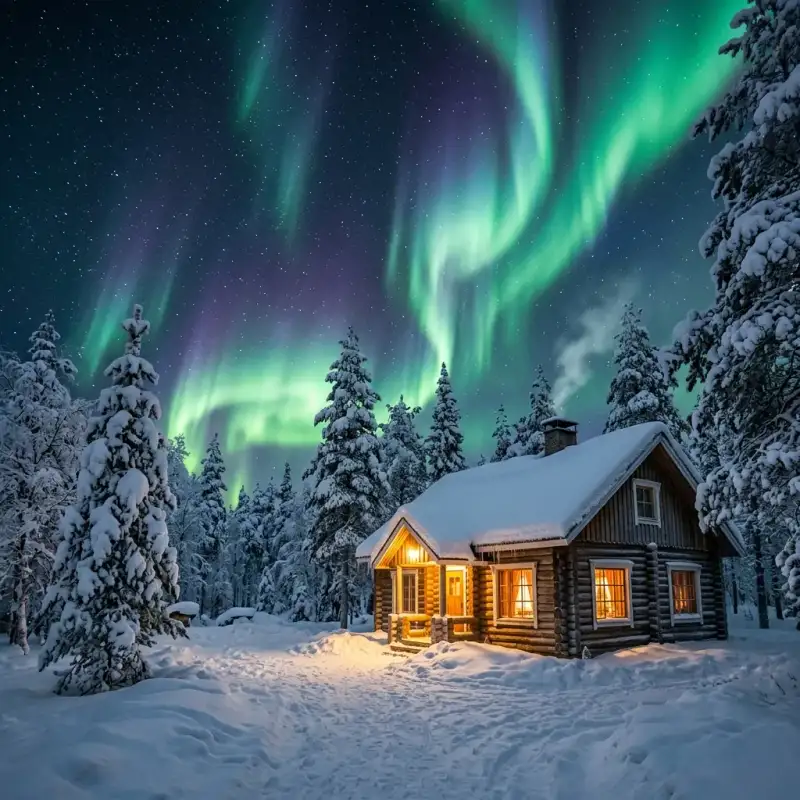
This is Part 2 of the series. Read Part 1 here.Planning Your Expedition: Logistics and Budgeting Embarking on an Arctic adventure to chase the Northern Lights requires meticulous planning, especially concerning logistics and managing the higher cost of living in Scandinavia. A well-thought-out itinerary and budget can make all the difference. Visa Requirements: For most international travelers, Scandinavia falls under the Schengen Area. Citizens of many countries, including the US, Canada, UK, Australia, and New Zealand, can enter visa-free for up to 90 days within any 180-day period for tourism. However, starting in mid-2025 (latest information as of 2024), travelers from visa-exempt countries will need to apply for an ETIAS (European Travel Information and Authorization System) authorization prior to their trip. This is not a visa but a pre-travel screening, costing around €7. Always check the latest visa and entry requirements from official government sources well in advance of your departure. Flights & Transportation:International Flights: Major international airports like Oslo Gardermoen (OSL), Stockholm Arlanda (ARN), and Helsinki-Vantaa (HEL) are primary gateways. From these hubs, you'll typically take domestic flights to Arctic destinations (e.g., Tromsø (TOS), Kiruna (KRN), Rovaniemi (RVN)). Expect round-trip economy fares from North America to Scandinavia to range from €500-€900 ($550-$1000 USD), depending on booking time and season. Inter-Scandinavia flights can range from €100-€300. Local Transportation: In most aurora destinations, public transport can be limited. Renting a car offers flexibility for self-guided aurora chases, but be prepared for challenging winter driving conditions (studded tires are mandatory in winter). Many choose organized tours, which include transport. Trains are an excellent option for scenic travel between certain cities, for example, the Arctic Circle Express from Narvik (Norway) to Kiruna (Sweden).Accommodation: Options range from budget hostels to luxurious ice hotels and glass igloos.Standard Hotels/Guesthouses: Expect to pay €80-€150 per night for a basic room, €150-€300 for mid-range. Ice Hotels (e.g., ICEHOTEL in Jukkasjärvi, Sweden): A unique experience, but pricey, starting from €250-€500 per night for an 'ice room', warmer rooms are also available. Glass Igloos/Cabins (e.g., Kakslauttanen Arctic Resort in Finland): Iconic for aurora viewing from bed, these can cost upwards of €400-€800+ per night. Airbnb/Self-Catering: Often a more budget-friendly option, especially for groups, allowing for cooking and cost savings on meals.Tours & Activities:Aurora Chase Tours: Highly recommended for first-timers, these typically cost €100-€200 per person per night and include transportation, expert guides, thermal suits, and sometimes hot drinks/snacks. Guides monitor conditions and drive to clear spots. Dog Sledding/Snowmobiling: Popular daytime activities, ranging from €150-€300 per person. Reindeer Sledding, Sami Cultural Experiences: Around €80-€150.Food & Drink: Scandinavia is renowned for its high cost of living.Groceries: Budget €20-€40 per day if cooking for yourself. Restaurant Meals: A casual lunch can be €15-€25, while dinner in a mid-range restaurant can easily be €30-€60+ per person. Alcohol is particularly expensive.Clothing & Gear: This is non-negotiable. Arctic temperatures demand proper attire.Base Layers: Merino wool or synthetic thermal underwear (top and bottom). Mid-Layers: Fleece or down jacket/vest. Outer Layers: Waterproof and windproof heavy winter jacket and trousers. Many aurora tours provide thermal overalls. Extremities: Warm hat covering ears, thick wool/fleece neck gaiter, waterproof insulated gloves/mittens (two pairs: thin inner, thick outer), insulated, waterproof winter boots (Sorel, Baffin recommended). Camera Gear: Tripod, remote shutter release, extra batteries (cold drains them quickly), wide-angle lens.Sample 7-Day Budget for Aurora Trip (Mid-Range, per person, excluding international flights):Category Estimated Cost (EUR) NotesDomestic Flights 250 - 450 Round trip from major hub (e.g., Oslo to Tromsø)Accommodation (6 nights) 900 - 1500 Mid-range hotels/guesthouses (€150-€250/night). Could be lower with hostels or higher for luxury igloos.Aurora Chase Tours 300 - 600 2-3 guided tours (€150-€200 each) to maximize chances.Daytime Activities 300 - 500 E.g., 1 dog sledding tour, museum entry, local transport.Food & Drink 350 - 500 Mix of self-catering (breakfast, some lunches) and eating out for dinner (€50-€70/day average).Warm Clothing/Gear 0 - 200 If renting or buying specific items. Tours often provide overalls.Miscellaneous 100 - 200 Souvenirs, unforeseen expenses, etc.Total Estimated Cost 2200 - 3950 Excludes international flights. Budget travelers might aim for €1500-€2000.This table illustrates that a realistic mid-range budget for a 7-day aurora trip in Scandinavia, excluding your main international flight, can range from €2,200 to €3,950 per person. Being prepared for these costs is key to an enjoyable, stress-free adventure. Mastering Aurora Photography: Capturing the Elusive Dance Witnessing the Northern Lights is an experience that transcends description, but capturing its ephemeral beauty through photography allows you to relive those moments and share them with others. Aurora photography requires specific techniques and gear due to the low-light conditions and dynamic nature of the phenomenon. Essential Gear:DSLR or Mirrorless Camera: A camera that allows full manual control over aperture, shutter speed, and ISO is essential. Modern cameras with good low-light performance (higher ISO capabilities with less noise) are advantageous. Wide-Angle Lens: A lens with a focal length between 14mm and 24mm (on a full-frame sensor) or equivalent on APS-C is ideal. This allows you to capture more of the sky and landscape. A fast aperture (f/2.8 or wider, e.g., f/1.4 or f/1.8) is critical for gathering maximum light. Sturdy Tripod: Non-negotiable. Long exposure times mean even the slightest camera movement will result in blurry images. A robust tripod will keep your camera steady in potentially windy conditions. Remote Shutter Release (or Intervalometer): This prevents camera shake when pressing the shutter button. Alternatively, use your camera's self-timer (2-second delay). Extra Batteries: Cold temperatures drain batteries rapidly. Carry at least 2-3 spare batteries, keeping them warm in an inside pocket until needed. Headlamp with Red Light Mode: A headlamp is crucial for seeing in the dark, but use a red light setting to preserve your night vision and avoid disturbing others or interfering with their photos.Camera Settings (Starting Points):Manual Mode (M): You need full control. Aperture (f-stop): Set your lens to its widest aperture (smallest f-number), e.g., f/2.8, f/4. This lets in the most light. ISO: Start with ISO 800-1600. Adjust based on the aurora's brightness. For fainter auroras, you might go up to ISO 3200 or even 6400, but be mindful of increased digital noise. Shutter Speed: This depends on the aurora's movement. Fast, dancing aurora: 5-15 seconds. Longer exposures will blur the distinct curtain-like shapes. Slow, faint aurora: 15-30 seconds. This allows more light to be captured. Experiment to find the sweet spot.Focus: Set your lens to manual focus (MF) and focus to infinity. A good trick is to focus on a distant star or the moon (if visible) using live view and then zoom in to ensure sharpness before locking focus. Alternatively, some lenses have an infinity mark, but verify its accuracy. White Balance: Auto White Balance (AWB) often works well, but you can experiment with Kelvin temperatures (e.g., 3500K-4500K) for a cooler, more natural look. Image Format: Shoot in RAW. This captures the most data, giving you maximum flexibility for post-processing adjustments (exposure, white balance, noise reduction) without degrading image quality.Practical Tips:Composition: Include a foreground element (trees, mountains, cabins, or even yourself) to add scale and interest to your photos. Stay Warm: Your comfort directly impacts your concentration. Wear multiple layers, insulated boots, and thick gloves. Consider hand warmers for yourself and your camera batteries. Protect Your Gear: Condensation can be an issue when moving from cold outdoors to warm indoors. Place your camera in a sealed plastic bag before coming inside and let it warm up slowly to room temperature to prevent condensation from forming on or inside the lens and camera body. Practice: Familiarize yourself with your camera settings in the dark before the aurora appears. Practice focusing and adjusting settings in low light.Mastering aurora photography is a rewarding challenge. With the right gear, settings, and patience, you'll be able to capture the magic of the Northern Lights and cherish those incredible memories forever.Responsible Aurora Chasing: Sustainable Tourism in the Arctic As aurora tourism continues to grow, it's increasingly important to practice responsible travel and minimize our impact on the fragile Arctic environment and local communities. Sustainable aurora chasing ensures that this wonder remains accessible for future generations and respects the unique culture of the region. Environmental Impact:Minimize Light Pollution: Light pollution is the enemy of aurora viewing. When out chasing, avoid using bright flashlights or phone screens unnecessarily. If a headlamp is needed, use a red light setting. Support local businesses that also prioritize dark sky preservation. Leave No Trace: The Arctic wilderness is pristine. Carry out everything you carry in, including all trash, food wrappers, and cigarette butts. Stick to designated paths and avoid disturbing flora and fauna. Even seemingly minor disturbances can have long-lasting effects in cold, slow-growing ecosystems. Energy Consumption: Be mindful of your energy usage in accommodations. Heating large spaces in sub-zero temperatures consumes significant energy. Turn off lights and lower thermostats when leaving your room. Choose eco-certified accommodations where possible. Transportation Choices: While flying is often necessary to reach the Arctic, consider combining train travel for scenic routes or choosing operators that use more fuel-efficient vehicles for tours. Carpool when possible.Respecting Local Communities and Culture:Sámi Culture: Scandinavia's Arctic regions are the traditional homelands of the Sámi people, the indigenous population. Their culture is deeply intertwined with the land and reindeer herding. When participating in Sámi-themed activities (e.g., reindeer sledding, cultural camps), choose ethical operators who genuinely respect and promote Sámi traditions and livelihoods, ensuring fair compensation and authentic experiences. Avoid exploitative or superficial portrayals. Support Local Businesses: Patronize local restaurants, shops, and tour operators. This directly contributes to the local economy and helps communities thrive, reducing the impact of mass tourism on smaller, more vulnerable businesses. Cultural Sensitivity: Be aware of local customs and traditions. Politeness, punctuality, and an open mind are always appreciated. Ask permission before taking photos of people, especially in cultural settings. Noise Levels: The Arctic wilderness is often profoundly silent. Be mindful of noise levels, especially at night when out aurora chasing, to avoid disturbing wildlife or other aurora viewers.Wildlife Encounters:Observe from a Distance: If you encounter Arctic wildlife (reindeer, moose, foxes), observe them from a safe and respectful distance. Never feed wild animals. Driving Safely: Be extremely cautious when driving, especially at dusk and dawn. Reindeer and moose often wander onto roads, and collisions can be dangerous for both animals and humans. Guided Tours: For activities like dog sledding or snowmobiling, choose reputable operators who prioritize animal welfare and operate sustainably. Ensure the animals are well-cared for and not overworked.By incorporating these principles into your travel plans, you not only ensure a more enriching experience for yourself but also contribute to the preservation of the Arctic's natural beauty and cultural heritage. Responsible aurora chasing is about being a mindful guest in a truly spectacular, yet vulnerable, part of the world. Conclusion Chasing the Northern Lights in Scandinavia is more than just a trip; it's an expedition into the heart of nature's most dazzling artistry. From the scientific dance of solar particles and atmospheric gases to the logistical ballet of planning and budgeting, every step of this journey is an adventure in itself. We've explored the optimal viewing locations from the dramatic fjords of Norway to the serene forests of Finnish Lapland, delved into the critical timing and weather considerations, meticulously budgeted for a realistic Arctic experience, and equipped you with the technical prowess to capture these elusive light shows. Remember that patience and flexibility are your greatest allies. The aurora is a natural phenomenon, and while we can maximize our chances, there are no guarantees. Embrace the unexpected, revel in the stunning Arctic landscapes, and soak in the unique culture of the North. Whether you find yourself enveloped in the profound silence of a snowy forest as green ribbons unfurl above, or hear the excited murmurs of fellow travelers as a sudden burst of pink ignites the sky, the memory of the Aurora Borealis will be etched into your soul forever. This isn't just about seeing lights; it's about connecting with the raw power and immense beauty of our universe. Pack your warmest clothes, calibrate your camera, and prepare for an odyssey into the whispering skies of Scandinavia. May your skies be clear and your auroras be bright! Safe travels and happy chasing! Warmly, Aisha Sharma#AuroraBorealis #NorthernLights #ScandinaviaTravel #ArcticAdventures #TravelGuide #SustainableTourism Related InsightsBeyond the Sands: Unveiling Oman’s Thriving Tourism Tapestry 宏村:画中的明清古村落 Fantasmi sulla Via della Seta: Il richiamo silenzioso delle oasi perdute del Turkmenistan{ "@context": "https://schema.org", "@type": "FAQPage", "mainEntity": [ { "@type": "Question", "name": "What is the main focus of The Arctic's Whispering Skies: Your Ultimate Guide to Unlocking Scandinavia's Northern Lights Mystique (Part 2)?", "acceptedAnswer": { "@type": "Answer", "text": "Embark on an epic journey to witness the Aurora Borealis in Scandinavia with this expert guide covering science, locations, timing, budgeting, and photography." } }, { "@type": "Question", "name": "Who authored the comprehensive guide on The Arctic's Whispering Skies: Your Ultimate Guide to Unlocking Scandinavia's Northern Lights Mystique (Part 2)?", "acceptedAnswer": { "@type": "Answer", "text": "This detailed article and its insights were carefully researched and authored by Aisha Sharma." } }, { "@type": "Question", "name": "Where can I find more related content about Travel?", "acceptedAnswer": { "@type": "Answer", "text": "You can explore more articles, detailed reviews, and similar insights by browsing the Related Insights section at the bottom of this article or visiting our dedicated Travel category page." } } ] }