The Maldives: Where Overwater Bungalows Meet Coral Reef Conservation (Part 2)
-
 Zola Ndlovu
 - 20 Jul, 2026 11:23
This is Part 2 of the series. Read Part 1 here.
3. Banning Harmful Practices
In 2020, the Maldives took a bold step by banning single-use plastics, including straws, cutlery, and bags, to reduce ocean pollution. Additionally, many resorts have adopted reef-safe sunscreen policies, replacing chemical sunscreens with mineral-based alternatives. Gili Lankanfushi was one of the first resorts to ban all sunscreens containing oxybenzone and octinoxate, setting a precedent for the industry.
4. Community-Led Conservation
Local communities play a vital role in reef conservation. Organizations like Blue Marine Foundation and Manta Trust work with Maldivian fishermen and resorts to promote sustainable fishing practices and protect endangered species like manta rays and whale sharks. For example, Manta Trust runs the Maldivian Manta Ray Project, which tracks and protects manta populations through citizen science and education programs.
5. Innovative Solutions
The Maldives is also at the forefront of innovative conservation technologies. For instance:
- 3D-Printed Coral Reefs: Projects like The Ocean Agency’s “50 Reefs” initiative use 3D printing to create artificial reef structures that mimic natural coral formations, providing habitats for marine life while the natural reefs recover.
- Coral IVF: Scientists in the Maldives are experimenting with “coral IVF,” a technique that involves collecting coral spawn (eggs and sperm) during mass spawning events and fertilizing them in a lab before transplanting the larvae onto damaged reefs.
- AI and Drones: Organizations like The Nature Conservancy use drones and AI to monitor coral health and detect bleaching events in real time, allowing for rapid response and intervention.
How Travelers Can Support Conservation
As a visitor to the Maldives, you can contribute to reef conservation in several ways:
- Choose Eco-Certified Resorts: Look for resorts with certifications like Green Globe, EarthCheck, or LEED. Six Senses Laamu is Green Globe-certified, while Soneva Jani has achieved LEED Platinum status.
- Participate in Citizen Science: Many resorts offer programs where guests can help with coral monitoring, beach cleanups, or data collection for marine research.
- Support Local Conservation Organizations: Donate to or volunteer with groups like Reefscapers, Manta Trust, or Blue Marine Foundation.
- Reduce Your Environmental Footprint: Opt for reef-safe sunscreen, minimize plastic use, and choose resorts that prioritize sustainability.
The Maldives on a Budget: Can You Afford Paradise?
The Maldives is often stereotyped as an exclusive playground for the ultra-wealthy, but the reality is more nuanced. While overwater bungalows at top-tier resorts can cost upwards of $1,000 per night, there are ways to experience the Maldives on a budget—without sacrificing the magic. Here’s a detailed breakdown of costs, strategies for saving money, and alternative accommodations that offer a taste of paradise without the sticker shock.
The Cost of Living in the Maldives
According to Numbeo’s 2026 cost of living data, the Maldives is moderately expensive compared to other tropical destinations, but prices vary widely depending on where you stay and how you travel. Here’s a snapshot of average costs for travelers:
| Expense Category | Average Cost (USD) | Notes |
|---|---|---|
| Mid-range resort per night | $300–$600 | Includes meals, activities, and seaplane transfers. |
| Budget guesthouse per night | $80–$150 | Often on local islands, no overwater bungalows. |
| Seaplane transfer (round trip) | $500–$700 | Required for most resorts; speedboats are cheaper but limited. |
| Speedboat transfer (round trip) | $100–$200 | Only available for resorts in North/South Malé Atolls. |
| Meal at a local café | $5–$10 | Try Hulhule Island Café for authentic Maldivian dishes. |
| Meal at a resort restaurant | $20–$50 | Buffets are often the best value. |
| Local transportation (ferry) | $1–$5 | Public ferries connect local islands. |
| Bottle of water | $1–$2 | Resorts charge premium prices; buy in Malé. |
| SIM card with data | $10–$20 | Dhiraagu or Ooredoo offers tourist SIMs. |
Budget-Friendly Alternatives to Overwater Bungalows
If overwater bungalows are out of your budget, consider these alternatives:
1. Local Island Guesthouses
Staying on a local island is the most affordable way to experience the Maldives. Guesthouses like Maafushi Inn (Maafushi Island) or Thulusdhoo Beach Hotel (Thulusdhoo Island) offer basic but comfortable rooms for $50–$100 per night. While you won’t have an overwater bungalow, you’ll get a more authentic taste of Maldivian culture and cuisine. Plus, many local islands have stunning beaches and house reefs perfect for snorkeling.
2. Liveaboard Cruises
For adventure seekers, liveaboard cruises offer a unique way to explore the Maldives’ atolls. Companies like Soneva Journeys or Maldives Liveaboard offer multi-day trips with diving, snorkeling, and visits to remote islands. Prices start at around $200 per day, including meals and activities.
3. Mid-Range Resorts
Resorts like Cinnamon Hakuraa Huraa Maldives or OBLU Select at Sangeli offer overwater villas at a fraction of the cost of ultra-luxury resorts. These properties provide excellent amenities, including pools, spas, and dive centers, without the premium price tag.
4. All-Inclusive Resorts
All-inclusive resorts like Kudadoo Maldives Private Island or Velaa Private Island bundle meals, drinks, and activities into one upfront cost. While the nightly rate may seem high ($800–$1,500), it can work out cheaper than paying à la carte at a luxury resort.
Saving on Transfers
Transportation to and from resorts is often the biggest expense. Here’s how to cut costs:
- Book a Speedboat Instead of a Seaplane: If your resort is in North or South Malé Atoll, a speedboat transfer can save you hundreds of dollars. Companies like MTCC Speedboats or Velaa Transport offer reliable services.
- Stay Longer: Many resorts offer discounts for extended stays. For example, Cinnamon Hakuraa Huraa offers a “Stay 7, Pay 6” deal.
- Travel During Shoulder Season: The period between May and October (wet season) is cheaper and less crowded, with rates dropping by 30–50%.
Eating on a Budget
Food in the Maldives can be expensive, especially at resorts. Here’s how to save:
- Eat at Local Cafés: Try Hulhumalé’s food markets or Maafushi’s local eateries for fresh seafood and Maldivian dishes like mas huni (tuna salad) and garudhiya (fish soup) for under $10.
- Opt for Half-Board or Full-Board: Many mid-range resorts offer meal plans that are cheaper than paying for à la carte dining.
- Bring Snacks: Buy snacks and drinks in Malé before heading to your resort to avoid inflated prices.
Free and Low-Cost Activities
The Maldives isn’t just about luxury; it’s also about adventure and culture. Here are some budget-friendly activities:
- Snorkeling: Many local islands and resorts have house reefs teeming with marine life. Maafushi Island has a vibrant reef just a short swim from shore.
- Island Hopping: Use public ferries to visit nearby islands like Gulhi or Thulusdhoo, which have beautiful beaches and local markets.
- Cultural Experiences: Visit the National Museum in Malé or attend a traditional Bodu Beru (drumming) performance on local islands.
The Digital Nomad’s Guide to the Maldives: Work, Wi-Fi, and Paradise
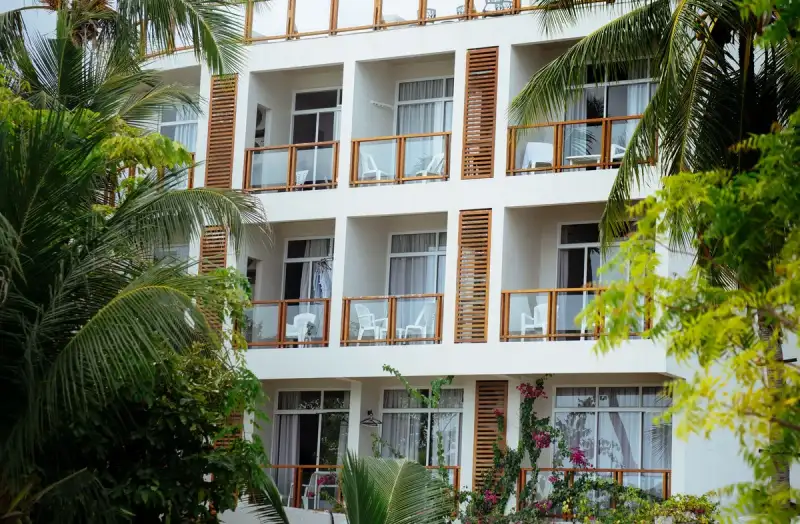
The Maldives is increasingly becoming a hotspot for digital nomads, thanks to its stunning landscapes, reliable internet, and unique work-from-paradise opportunities. However, working remotely in the Maldives comes with its own set of challenges and opportunities. Here’s everything you need to know to make the most of your stay as a digital nomad, from visa options to coworking spaces and the best resorts for remote work.
Visa Options for Digital Nomads
The Maldives offers several visa pathways for remote workers:
- Tourist Visa (30 Days): Free on arrival for most nationalities. Extendable for up to 90 days.
- Maldives Employment Act Visa: For those working for a Maldivian company (not applicable for most digital nomads).
- Digital Nomad Visa (Proposed): As of 2026, the Maldives is considering a dedicated digital nomad visa, which would allow remote workers to stay for up to 12 months. Keep an eye on updates from the Maldives Immigration Department.
Internet and Connectivity
Reliable internet is crucial for digital nomads, and the Maldives delivers—with some caveats. Here’s what to expect:
- Resort Wi-Fi: Most luxury resorts offer high-speed internet, often included in the room rate. Soneva Jani and Conrad Maldives Rangali Island are known for their excellent connectivity.
- Local SIM Cards: Purchase a SIM from Dhiraagu or Ooredoo for mobile data. Prices start at $10 for 10GB of data. Coverage is good on local islands but can be spotty on remote resorts.
- Coworking Spaces: While the Maldives doesn’t have dedicated coworking spaces, some resorts offer business centers with desks and meeting rooms. Cinnamon Hakuraa Huraa and OBLU Select at Sangeli are good options.
Best Resorts for Digital Nomads
If you’re planning to work while staying in an overwater bungalow, choose a resort with:
- Strong Wi-Fi: Ask the resort about internet speeds before booking. Kudadoo Maldives and Velaa Private Island are top choices.
- Quiet Workspaces: Look for resorts with private decks or libraries where you can set up your laptop.
- All-Inclusive Options: Resorts like Kudadoo and Ozen Reserve Bolifushi offer all-inclusive packages, so you don’t have to worry about meal costs while working.
Tips for Working in Paradise
- Time Zone Management: The Maldives is UTC+5, which can be challenging for those working with clients in the Americas or Europe. Plan your work hours accordingly to avoid burnout.
- Power Outages: While rare, power outages can occur. Bring a portable charger and consider a UPS (uninterruptible power supply) for critical work.
- Noise Levels: Overwater bungalows can be noisy due to waves and wind. Pack earplugs if you’re a light sleeper.
- Backup Plans: Always have a backup internet source, such as a mobile hotspot, in case of resort Wi-Fi issues.
Balancing Work and Play
The Maldives is all about relaxation, so don’t forget to take breaks! Here are some ways to unwind after a day of work:
- Sunset Cruises: Many resorts offer sunset dolphin cruises—perfect for decompressing.
- Spa Treatments: Indulge in a traditional Maldivian massage at Spa at Soneva Jani or Six Senses Spa.
- Snorkeling: Explore the house reef during your lunch break or after work.
Conclusion: Your Maldives Journey Awaits
The Maldives is more than a destination; it’s an experience that lingers in your memory long after you’ve left its shores. Whether you’re lounging in an overwater bungalow with the ocean at your feet, snorkeling over vibrant coral gardens, or contributing to conservation efforts, the Maldives offers something for every traveler. It’s a place where luxury and sustainability coexist, where every stay supports the preservation of one of the world’s most fragile ecosystems.
As you plan your trip, remember that the Maldives is not a one-size-fits-all destination. Budget travelers can find affordable guesthouses and local experiences, while those seeking opulence can indulge in world-class resorts. Digital nomads can work from paradise, and conservationists can play a role in protecting the reefs that make this archipelago so special.
The key to a memorable Maldives experience is preparation. Research your resort carefully, understand the logistics of transfers, and consider the environmental impact of your stay. By choosing eco-certified resorts, participating in conservation activities, and supporting local communities, you’re not just a tourist—you’re a steward of this incredible destination.
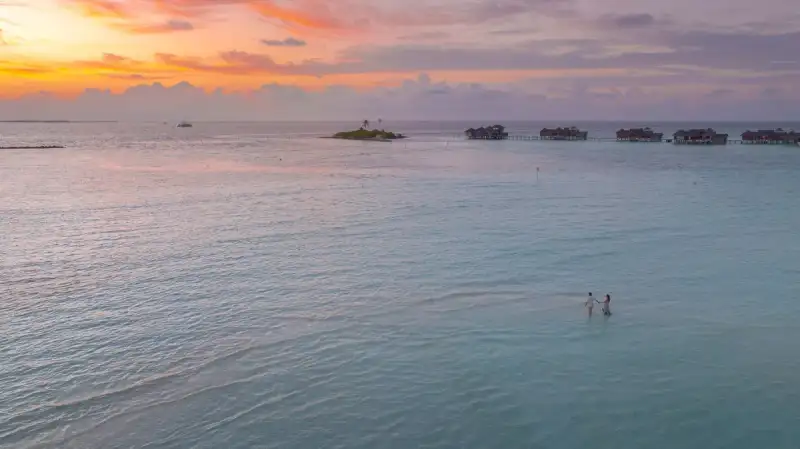
So, pack your bags, book your seaplane, and get ready to fall in love with the Maldives. Whether you’re sipping a cocktail on your private deck, diving into a kaleidoscope of marine life, or simply watching the sunset paint the sky in hues of orange and pink, the Maldives will captivate your heart and soul. Paradise isn’t just a place you visit; it’s a feeling you carry with you forever.
#MaldivesTravel #SustainableLuxury #CoralReefConservation #OverwaterBungalows #DigitalNomadParadise