The Emerald Symphony of the Levant: Unveiling the Soul of Authentic Tabbouleh
-
 Michael Chef
 - 10 Sep, 2026 20:13
The Green Heartbeat of Mediterranean Culinary Heritage
When the first rays of dawn stretch across the rugged hills of the Levant, illuminating the ancient stone terraces of Lebanon and Syria, a quiet ritual begins in countless kitchens. It is a sensory awakening defined not by the sizzle of meat or the crackle of baking bread, but by the rhythmic, hypnotic percussion of a sharp knife kissing a wooden board. Chop, chop, chop. The blade moves with practiced grace, releasing an intoxicating, earthy perfume into the cool morning air. This is the birth of tabbouleh—not merely a side dish, but a vibrant, living monument to freshness, community, and centuries-old agricultural traditions.
As Michael Chef, I have spent decades traversing culinary landscapes, yet I always find myself returning to the humble roots of this iconic salad. Tabbouleh teaches us a profound lesson in gastronomy: true luxury is not found in heavy creams or rare truffles, but in the absolute respect for pristine, seasonal ingredients. It is a dish that demands patience, an intimate understanding of texture, and an unwavering commitment to balance. Long before modern wellness culture began preaching the gospel of raw vegetables and superfoods, the mountains and valleys of the Eastern Mediterranean had already perfected the ultimate herbaceous elixir.
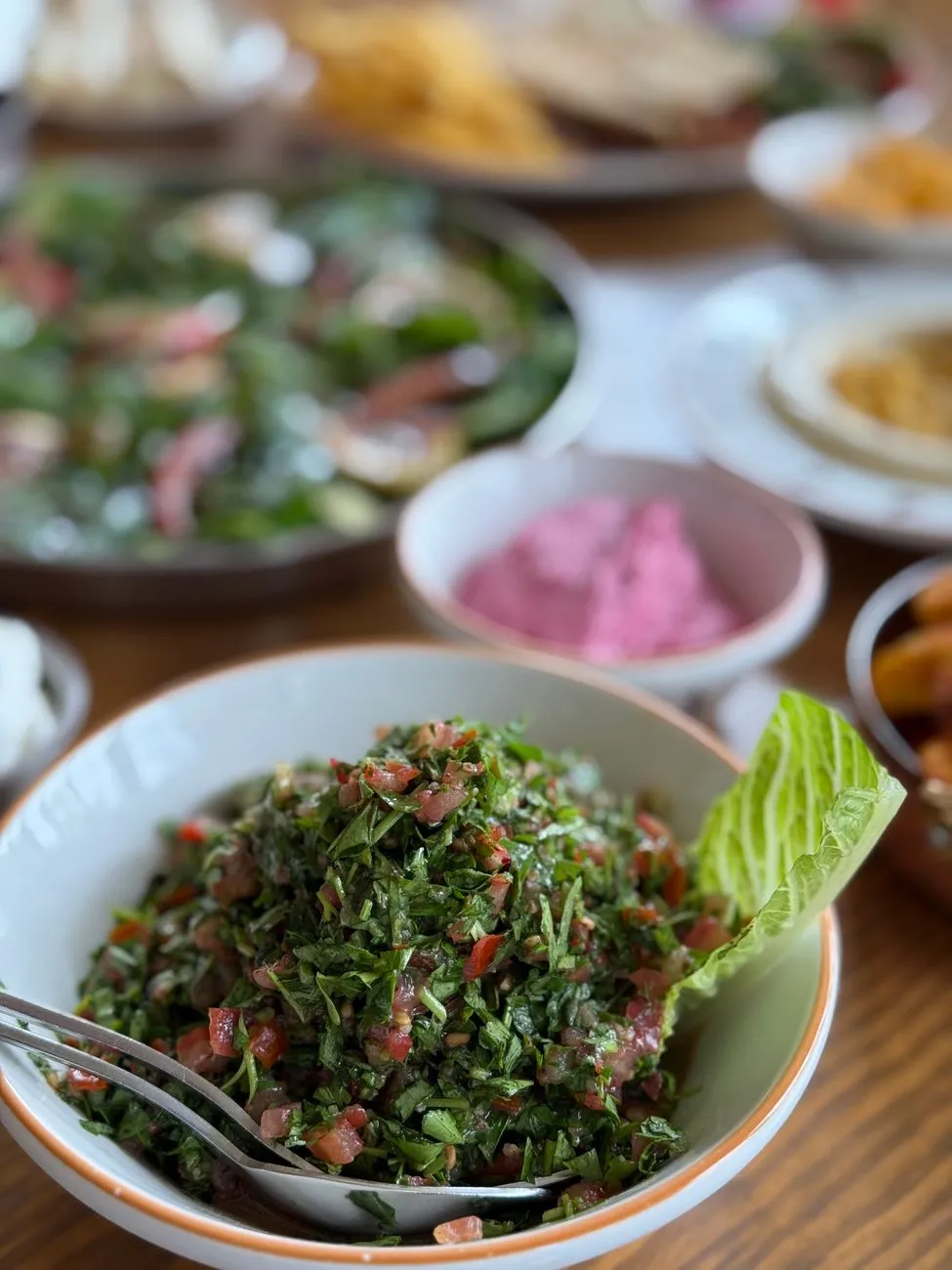
To truly understand tabbouleh, one must strip away the heavy-handed adaptations found in Western supermarkets—those sad, grain-heavy mounds tinted yellow with excessive turmeric or overloaded with dry, crunchy wheat. Authentic tabbouleh is, at its very core, a salad of herbs where bulgur plays a supportive, textural role rather than starring as the main event. It is an emerald symphony where parsley takes center stage, supported by the sharp crunch of onions, the juicy sweetness of ripe tomatoes, and the bright, citrusy punch of freshly squeezed lemon juice tied together with the finest extra virgin olive oil.
Anatomy of a Masterpiece: Ingredients That Tell a Story
Every great dish has a lineage, and tabbouleh’s roots trace back thousands of years to the mountains of Mount Lebanon and the Anti-Lebanon range. Originally prepared by ancient communities who relied on what the rugged terrain generously provided, this salad was a celebration of spring herbs gathered fresh from the wild. Over generations, the recipe crystallized into a precise architectural marvel. Let us dissect the components that transform simple produce into a transcendent culinary experience.
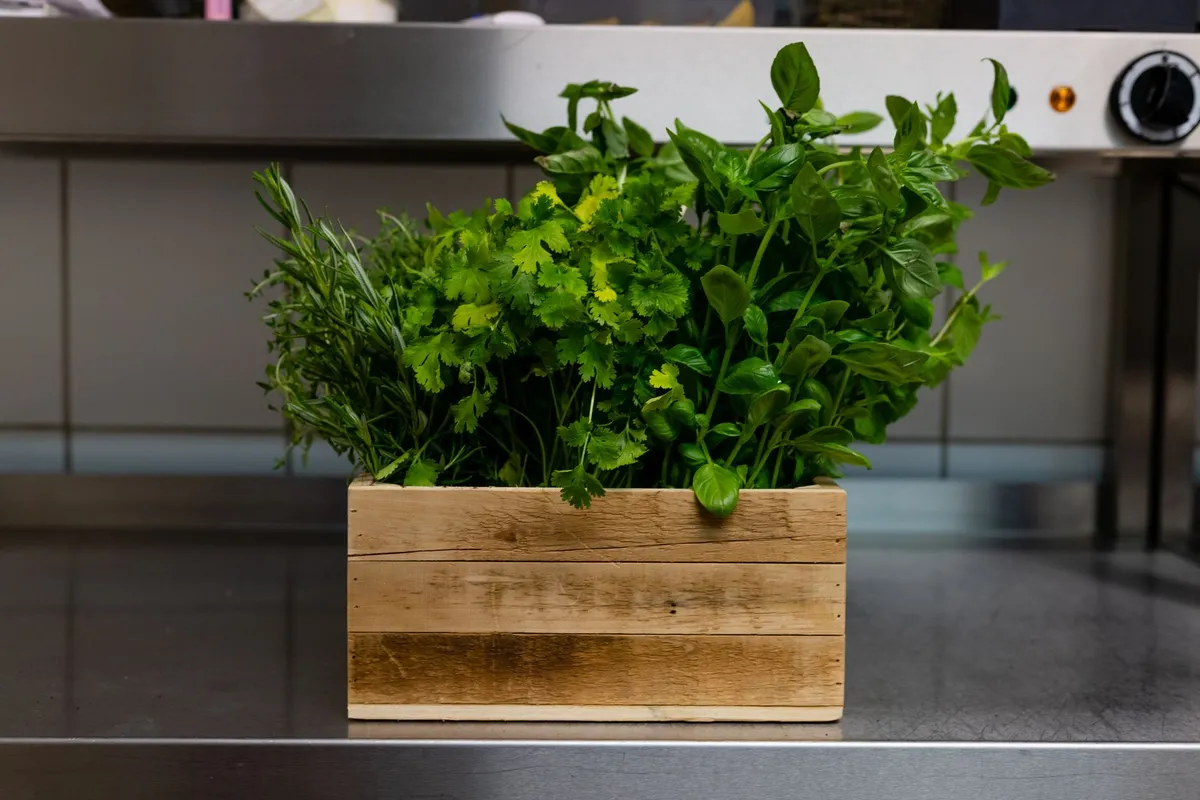
First and foremost is flat-leaf Italian parsley. You cannot rush the parsley; you certainly cannot throw it into a mechanical food processor unless you wish to commit a cardinal culinary sin. A food processor bruises the delicate leaves, rupturing their cellular walls and turning them into a bitter, watery paste. Authentic preparation requires a razor-sharp knife and a gentle hand. The leaves must be meticulously plucked from their coarse stems, washed, dried to absolute perfection, and then minced with such fine precision that they resemble a fluffy green cloud.
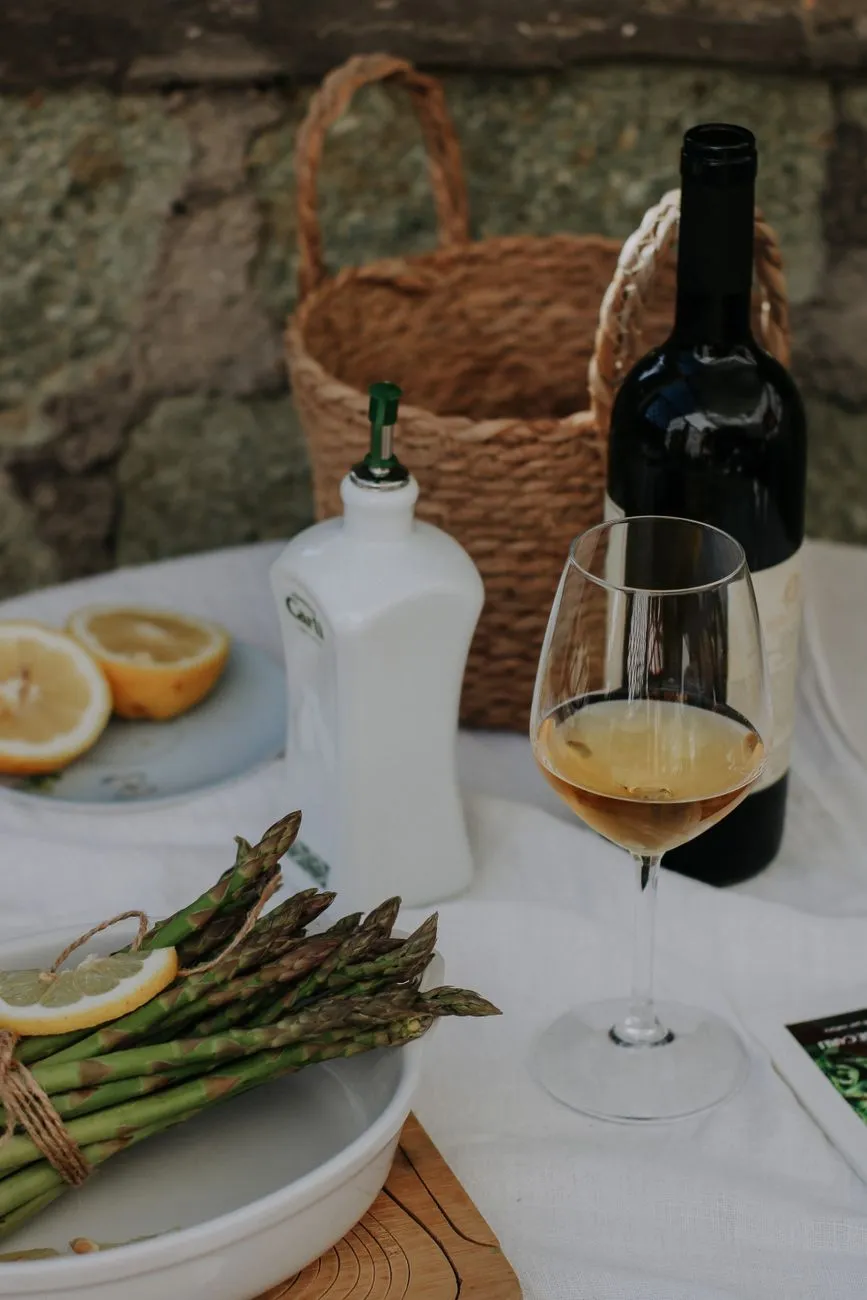
Accompanying the parsley is fresh spearmint, lending a cooling, aromatic lift that prevents the parsley from becoming overwhelmingly grassy. Then come the aromatics: finely minced green onions or sweet white onions, salted and gently squeezed to tame their aggressive bite while retaining their pleasant crunch. Ripe tomatoes—firm yet bursting with summer sweetness—are cored, seeded, and diced with microscopic precision. Every single element shares a uniform cut, ensuring that every spoonful delivers a harmonious balance of flavors and textures.
The Bulgur Debate and the Golden Rules of Dressing
One of the most common points of contention among culinary historians and home cooks alike is the role of bulgur wheat. In authentic Levantine preparation, fine bulgur (known locally as burghul na’em) is used sparingly. It is not cooked on a stove; rather, it is rinsed and left to soften passively in the juices of the freshly chopped tomatoes and lemon juice. The goal is not to create a heavy grain salad, but to let the bulgur absorb the moisture and flavors of the dressing while maintaining a slight, pleasant chew.
The dressing itself is simplicity elevated to an art form. There is no complex emulsification, no mysterious vinegars, and no garlic. Just two pristine ingredients: fresh lemon juice, squeezed by hand with reverence, and cold-pressed extra virgin olive oil, preferably from trees that have weathered centuries of Mediterranean sun. The oil coats every fleck of green, protecting the herbs and imparting a buttery, peppery finish, while the lemon juice provides a piercing, clean acidity that awakens the palate.
Salt and a generous dusting of fine black pepper—and occasionally a pinch of sweet paprika or aromatic allspice—are all that is needed to complete the seasoning. It is a minimalist masterclass. When tossed together just moments before serving, the ingredients sing in absolute harmony. The moisture from the tomatoes and lemon melds with the olive oil to create a delicate liquor at the bottom of the bowl—a delicious elixir that is traditionally scooped up using crisp romaine lettuce leaves or tender vine leaves.
The Cultural Ritual of Sharing the Table
Tabbouleh is much more than a recipe; it is a profound social connector. In the Levant, food is an extension of hospitality, and the preparation of a large bowl of tabbouleh is an invitation to gather. It is the undisputed centerpiece of any traditional mezze spread, sitting proudly alongside creamy hummus, smoky baba ganoush, crisp falafel, and warm flatbreads.
During weekend family gatherings, the division of labor is sacred. While one person tends to the grill, others sit around the kitchen table, gossiping, laughing, and meticulously mincing mounds of parsley. It is a meditative, communal act that bridges generations. Elders pass down their wisdom regarding which season yields the sweetest tomatoes, while younger family members learn the delicate art of knife work.
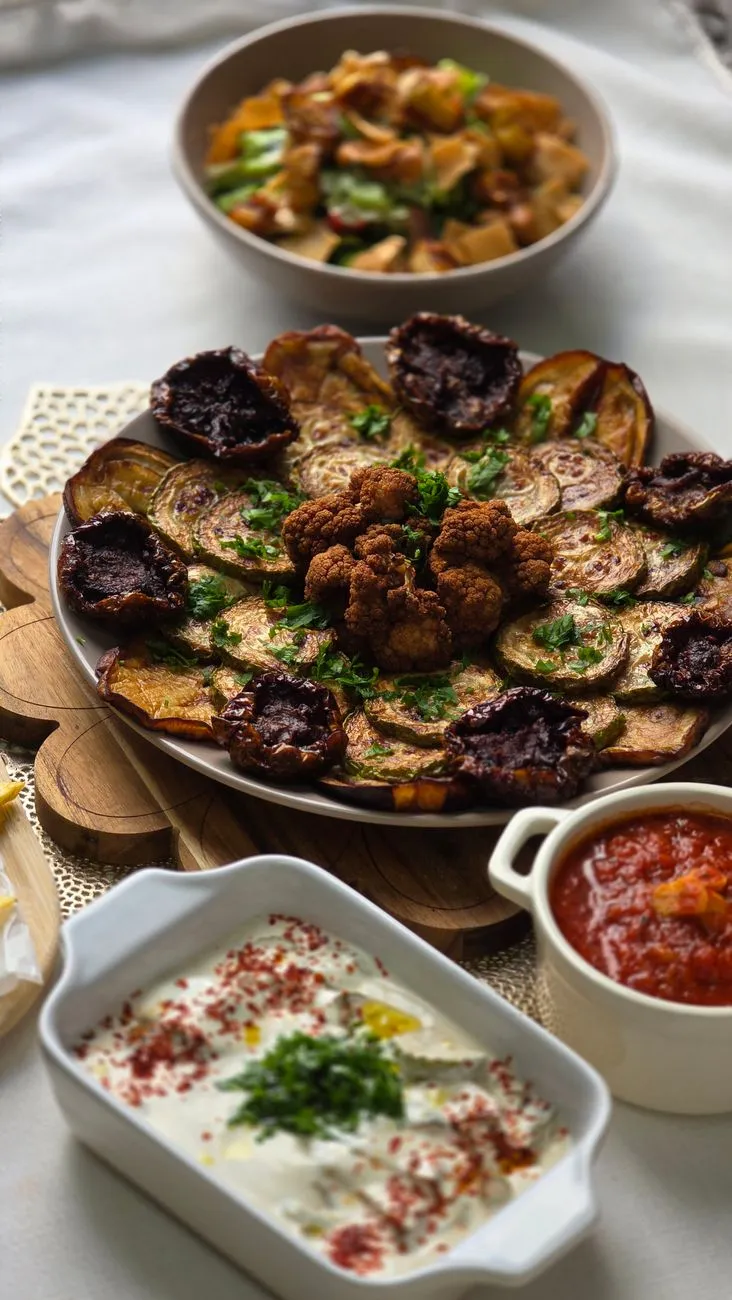
In Lebanon, World Tabbouleh Day is celebrated annually on the first Saturday of July, a testament to the nation’s fierce pride in their culinary ambassador. Guinness World Records have been shattered by villages coming together to produce monumental bowls of the salad, utilizing tons of parsley and tomatoes—all to honor a dish that embodies their cultural identity, resilience, and love for life.
Mastering the Craft in Your Own Kitchen
As you embark on your own journey to create the ultimate tabbouleh, keep these cardinal rules close to your heart. Respect the ingredients, embrace the physical labor of hand-chopping, and never skimp on the quality of your olive oil. Remember that tabbouleh waits for no one; it should be assembled shortly before serving to maintain its vibrant crunch and brilliant green hue. Leftovers, while still edible, lose their soul as the salt draws out too much moisture and the herbs soften.
Pair your freshly made tabbouleh with grilled lamb chops, skewered chicken shish tawook, or simply enjoy it with warm pita and feta cheese. As you take your first bite—experiencing the initial burst of bright lemon, the cool whisper of mint, the earthy depth of parsley, and the subtle crunch of bulgur—you will understand why this green masterpiece has endured through the centuries. It is the taste of the Mediterranean sunshine, captured on a spoon.
#Tabbouleh #LevantineCuisine #MediterraneanDiet #HealthyEating #TraditionalRecipes
Related Insights
- Thai Street Food: Aromatic Delights from Bangkok to Chiang Mai – The Ultimate Guide to Southeast Asia’s Most Vibrant Culinary Adventure
- The Earthy Harvest: A High-Fiber Lentil and Root Vegetable Stew
- Unlocking the Power of Roasted Beetroot Hummus with Toasted Sesame: A Delicious Anti-Inflammatory Delight