Showing Posts From
Mediterraneandiet
-
 Michael Chef
 - 10 Sep, 2026 20:13
The Emerald Symphony of the Levant: Unveiling the Soul of Authentic Tabbouleh
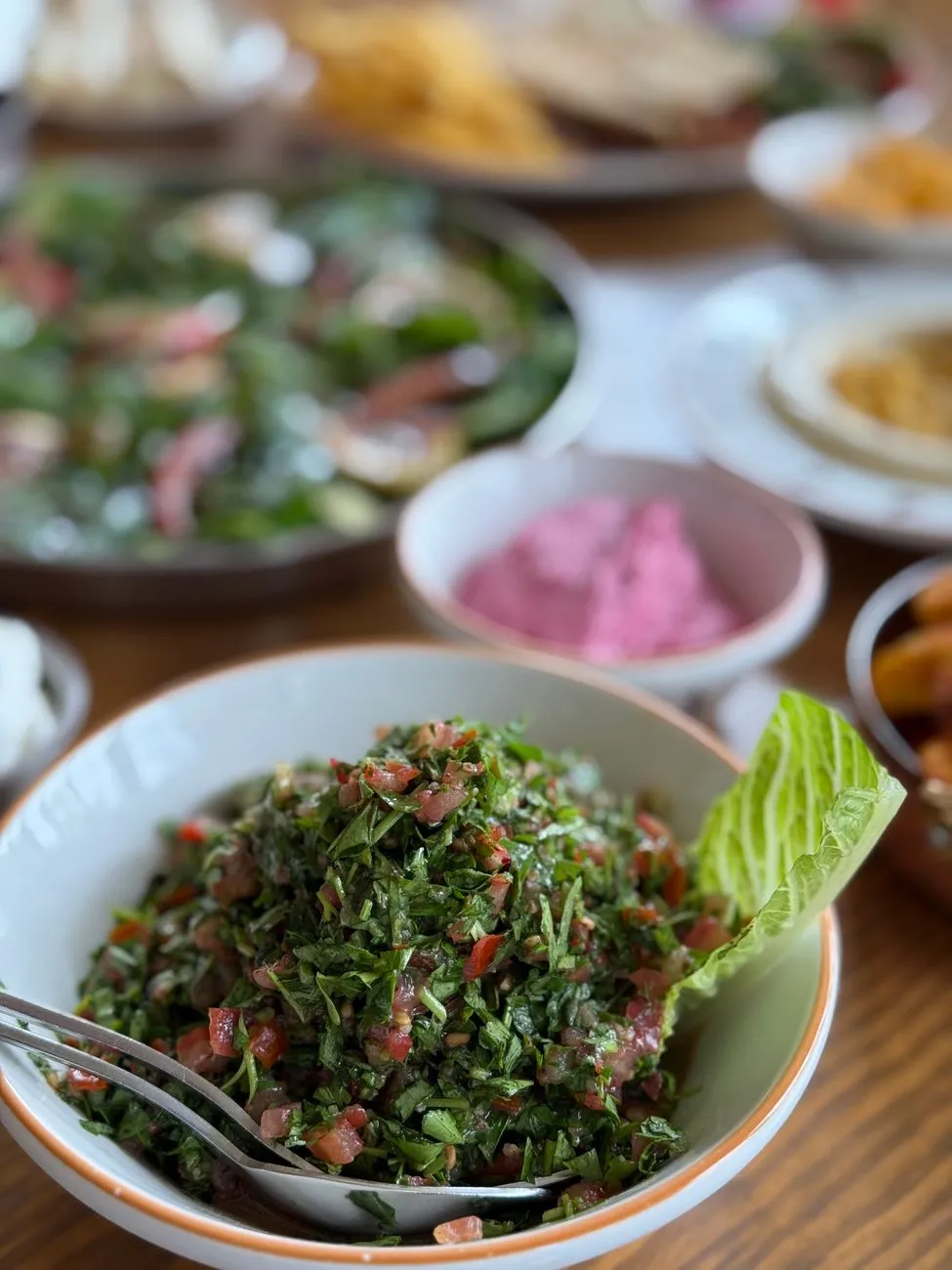
The Green Heartbeat of Mediterranean Culinary Heritage When the first rays of dawn stretch across the rugged hills of the Levant, illuminating the ancient stone terraces of Lebanon and Syria, a quiet ritual begins in countless kitchens. It is a sensory awakening defined not by the sizzle of meat or the crackle of baking bread, but by the rhythmic, hypnotic percussion of a sharp knife kissing a wooden board. Chop, chop, chop. The blade moves with practiced grace, releasing an intoxicating, earthy perfume into the cool morning air. This is the birth of tabbouleh—not merely a side dish, but a vibrant, living monument to freshness, community, and centuries-old agricultural traditions. As Michael Chef, I have spent decades traversing culinary landscapes, yet I always find myself returning to the humble roots of this iconic salad. Tabbouleh teaches us a profound lesson in gastronomy: true luxury is not found in heavy creams or rare truffles, but in the absolute respect for pristine, seasonal ingredients. It is a dish that demands patience, an intimate understanding of texture, and an unwavering commitment to balance. Long before modern wellness culture began preaching the gospel of raw vegetables and superfoods, the mountains and valleys of the Eastern Mediterranean had already perfected the ultimate herbaceous elixir. To truly understand tabbouleh, one must strip away the heavy-handed adaptations found in Western supermarkets—those sad, grain-heavy mounds tinted yellow with excessive turmeric or overloaded with dry, crunchy wheat. Authentic tabbouleh is, at its very core, a salad of herbs where bulgur plays a supportive, textural role rather than starring as the main event. It is an emerald symphony where parsley takes center stage, supported by the sharp crunch of onions, the juicy sweetness of ripe tomatoes, and the bright, citrusy punch of freshly squeezed lemon juice tied together with the finest extra virgin olive oil. Anatomy of a Masterpiece: Ingredients That Tell a Story Every great dish has a lineage, and tabbouleh’s roots trace back thousands of years to the mountains of Mount Lebanon and the Anti-Lebanon range. Originally prepared by ancient communities who relied on what the rugged terrain generously provided, this salad was a celebration of spring herbs gathered fresh from the wild. Over generations, the recipe crystallized into a precise architectural marvel. Let us dissect the components that transform simple produce into a transcendent culinary experience. First and foremost is flat-leaf Italian parsley. You cannot rush the parsley; you certainly cannot throw it into a mechanical food processor unless you wish to commit a cardinal culinary sin. A food processor bruises the delicate leaves, rupturing their cellular walls and turning them into a bitter, watery paste. Authentic preparation requires a razor-sharp knife and a gentle hand. The leaves must be meticulously plucked from their coarse stems, washed, dried to absolute perfection, and then minced with such fine precision that they resemble a fluffy green cloud.Accompanying the parsley is fresh spearmint, lending a cooling, aromatic lift that prevents the parsley from becoming overwhelmingly grassy. Then come the aromatics: finely minced green onions or sweet white onions, salted and gently squeezed to tame their aggressive bite while retaining their pleasant crunch. Ripe tomatoes—firm yet bursting with summer sweetness—are cored, seeded, and diced with microscopic precision. Every single element shares a uniform cut, ensuring that every spoonful delivers a harmonious balance of flavors and textures. The Bulgur Debate and the Golden Rules of Dressing One of the most common points of contention among culinary historians and home cooks alike is the role of bulgur wheat. In authentic Levantine preparation, fine bulgur (known locally as burghul na'em) is used sparingly. It is not cooked on a stove; rather, it is rinsed and left to soften passively in the juices of the freshly chopped tomatoes and lemon juice. The goal is not to create a heavy grain salad, but to let the bulgur absorb the moisture and flavors of the dressing while maintaining a slight, pleasant chew. The dressing itself is simplicity elevated to an art form. There is no complex emulsification, no mysterious vinegars, and no garlic. Just two pristine ingredients: fresh lemon juice, squeezed by hand with reverence, and cold-pressed extra virgin olive oil, preferably from trees that have weathered centuries of Mediterranean sun. The oil coats every fleck of green, protecting the herbs and imparting a buttery, peppery finish, while the lemon juice provides a piercing, clean acidity that awakens the palate. Salt and a generous dusting of fine black pepper—and occasionally a pinch of sweet paprika or aromatic allspice—are all that is needed to complete the seasoning. It is a minimalist masterclass. When tossed together just moments before serving, the ingredients sing in absolute harmony. The moisture from the tomatoes and lemon melds with the olive oil to create a delicate liquor at the bottom of the bowl—a delicious elixir that is traditionally scooped up using crisp romaine lettuce leaves or tender vine leaves. The Cultural Ritual of Sharing the Table Tabbouleh is much more than a recipe; it is a profound social connector. In the Levant, food is an extension of hospitality, and the preparation of a large bowl of tabbouleh is an invitation to gather. It is the undisputed centerpiece of any traditional mezze spread, sitting proudly alongside creamy hummus, smoky baba ganoush, crisp falafel, and warm flatbreads. During weekend family gatherings, the division of labor is sacred. While one person tends to the grill, others sit around the kitchen table, gossiping, laughing, and meticulously mincing mounds of parsley. It is a meditative, communal act that bridges generations. Elders pass down their wisdom regarding which season yields the sweetest tomatoes, while younger family members learn the delicate art of knife work.In Lebanon, World Tabbouleh Day is celebrated annually on the first Saturday of July, a testament to the nation's fierce pride in their culinary ambassador. Guinness World Records have been shattered by villages coming together to produce monumental bowls of the salad, utilizing tons of parsley and tomatoes—all to honor a dish that embodies their cultural identity, resilience, and love for life. Mastering the Craft in Your Own Kitchen As you embark on your own journey to create the ultimate tabbouleh, keep these cardinal rules close to your heart. Respect the ingredients, embrace the physical labor of hand-chopping, and never skimp on the quality of your olive oil. Remember that tabbouleh waits for no one; it should be assembled shortly before serving to maintain its vibrant crunch and brilliant green hue. Leftovers, while still edible, lose their soul as the salt draws out too much moisture and the herbs soften. Pair your freshly made tabbouleh with grilled lamb chops, skewered chicken shish tawook, or simply enjoy it with warm pita and feta cheese. As you take your first bite—experiencing the initial burst of bright lemon, the cool whisper of mint, the earthy depth of parsley, and the subtle crunch of bulgur—you will understand why this green masterpiece has endured through the centuries. It is the taste of the Mediterranean sunshine, captured on a spoon.#Tabbouleh #LevantineCuisine #MediterraneanDiet #HealthyEating #TraditionalRecipes Related InsightsThai Street Food: Aromatic Delights from Bangkok to Chiang Mai – The Ultimate Guide to Southeast Asia’s Most Vibrant Culinary Adventure The Earthy Harvest: A High-Fiber Lentil and Root Vegetable Stew Unlocking the Power of Roasted Beetroot Hummus with Toasted Sesame: A Delicious Anti-Inflammatory Delight{ "@context": "https://schema.org", "@type": "FAQPage", "mainEntity": [ { "@type": "Question", "name": "What is the main focus of The Emerald Symphony of the Levant: Unveiling the Soul of Authentic Tabbouleh?", "acceptedAnswer": { "@type": "Answer", "text": "Discover the rich history, precise preparation, and vibrant herbaceous magic of authentic tabbouleh, the beloved national salad of the Levant." } }, { "@type": "Question", "name": "Who authored the comprehensive guide on The Emerald Symphony of the Levant: Unveiling the Soul of Authentic Tabbouleh?", "acceptedAnswer": { "@type": "Answer", "text": "This detailed article and its insights were carefully researched and authored by Michael Chef." } }, { "@type": "Question", "name": "Where can I find more related content about Food?", "acceptedAnswer": { "@type": "Answer", "text": "You can explore more articles, detailed reviews, and similar insights by browsing the Related Insights section at the bottom of this article or visiting our dedicated Food category page." } } ] }
-
 Marcus Vance
 - 08 Sep, 2026 11:40
The Mediterranean Elixir: A Masterclass in Baked Cod with Cherry Tomatoes, Capers, and Olives
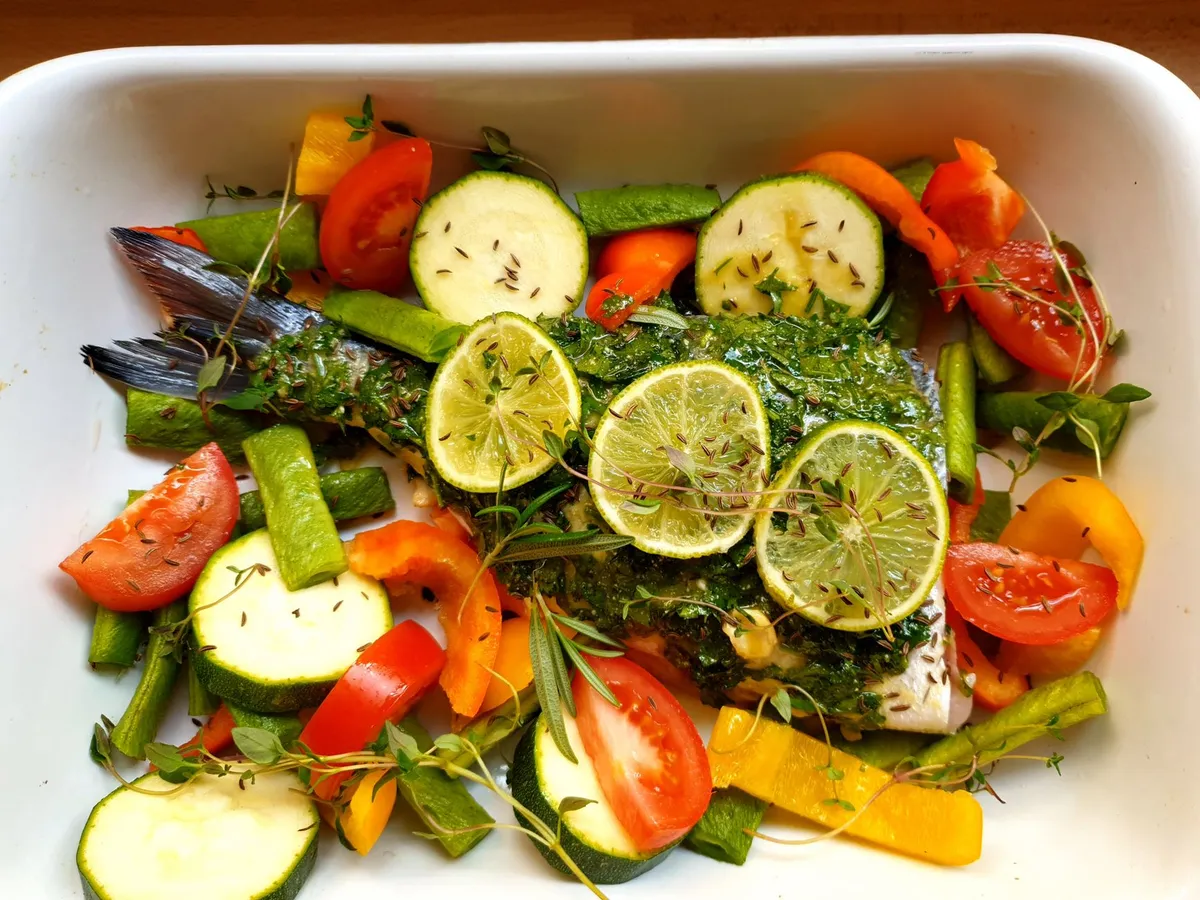
The Alchemy of the Aegean: Why Cod Remains the Ultimate Canvas To understand the beauty of baked cod—specifically when adorned with the trio of cherry tomatoes, capers, and olives—one must first look at the biology of the fish itself. Cod, or Gadus morhua, is a lean, white, flaky powerhouse that serves as a pristine substrate for flavor infusion. When you subject this delicate protein to the controlled heat of an oven, you are not merely cooking; you are engaging in a process of enzymatic transformation that preserves the structural integrity of the fish while coaxing out a mild, buttery sweetness. The Mediterranean diet, often heralded by the World Health Organization for its cardioprotective benefits, relies heavily on this philosophy of "less is more." The addition of cherry tomatoes provides more than just aesthetic appeal; they contribute lycopene, a potent carotenoid antioxidant that becomes more bioavailable when heated in the presence of lipid sources, such as the high-quality extra virgin olive oil we use to finish the dish. Meanwhile, capers provide the "brine-bomb" necessary to cut through the mildness of the fish. These are the flower buds of the Capparis spinosa shrub, and they deliver a punch of quercetin—a flavonoid shown in various clinical studies to possess anti-inflammatory properties. When you align these ingredients in a roasting pan, you are effectively creating an ecosystem of flavor. The acidity of the tomatoes balances the salinity of the olives and capers, while the cod absorbs the essential fatty acids released into the pan juices. To achieve the perfect result, one must respect the internal temperature. The FDA recommends an internal temperature of 145°F (63°C) for all fish, but for the most succulent results, pulling the cod at 135°F and allowing it to carry-over cook under a tent of foil is the secret of a seasoned professional. By mastering this rhythm, you ensure that the muscle fibers remain tender rather than chalky, creating a texture that yields effortlessly to the fork. This dish is not just a meal; it is a nutritional intervention designed to optimize cellular health through the synergy of whole, unprocessed foods. Sourcing the Jewels of the Sea and VineSuccess in the kitchen is never an accident; it is the inevitable outcome of rigorous sourcing. When preparing a Mediterranean elixir of baked cod, the quality of your raw materials dictates the boundary of your final outcome. Let’s begin with the cod. Look for line-caught, MSC-certified Atlantic or Pacific cod. Why does this matter? Beyond the ecological imperative, line-caught fish are less likely to suffer from the physiological stress that occurs during trawling, a process that can release cortisol and lactic acid into the muscle tissue, potentially altering the taste profile. You want a fillet that is translucent, firm to the touch, and smells like a fresh breeze—never fishy or ammonia-like. Next, we address the tomatoes. Cherry tomatoes are the preferred choice because of their high skin-to-flesh ratio, which allows them to burst and caramelize into a natural, sweet reduction without turning into a watery soup. If possible, seek out heirlooms for their varied glucose and fructose profiles, which offer a deeper, more nuanced sweetness than standard hothouse varieties. The olives are equally critical. Avoid the canned, chemically blackened "ripe" olives. Instead, look for Kalamata or Niçoise olives, cured in sea salt and wine vinegar. These provide the necessary polyphenols—specifically oleuropein—which acts as a bitter, earthy contrast to the sweetness of the roasted tomato and the delicate cod. Capers must be salt-packed whenever available. Those bottled in vinegar are convenient, but salt-packed capers have a more refined, floral intensity. To prepare them, you simply rinse off the salt and soak them in a small bowl of cold water for ten minutes. This process removes the harshness while retaining the sharp, briny essential oils. When these elements meet the cod, they form a reduction sauce that is naturally thickened by the pectin in the tomatoes and the oils from the olives. This is the hallmark of Mediterranean cuisine: creating a complex sauce without the need for heavy creams or artificial thickeners. It is a testament to the fact that when you start with ingredients of high pedigree, your role as a cook is merely to facilitate their natural chemical evolution. The Mathematical Precision of Roasting and Moisture Control Achieving the perfect texture in a baked fish dish requires an understanding of thermodynamics. Your oven is not just a heating box; it is a kiln. The goal is to maximize the flavor of the aromatics—garlic, shallots, tomatoes—while keeping the cod hydrated. I utilize a "nesting" technique. I arrange the cherry tomatoes, olives, capers, and slivers of garlic on the bottom of the dish, tossing them lightly in a cold-pressed extra virgin olive oil. This mixture serves as a flavor base. I then place the cod fillets on top, nestling them slightly into the bed of aromatics. This does two things: it elevates the cod slightly, ensuring it doesn't braise in too much liquid, and it allows the juices from the tomatoes to steam the bottom of the fish while the top remains exposed to the radiant heat. Temperature control is your most vital variable. If you set your oven to 400°F (200°C), you are in the "sweet spot" for roasting. This temperature is high enough to encourage the Maillard reaction on the surface of the tomatoes—where amino acids and reducing sugars interact to create complex flavor compounds—without drying out the fish. The duration is usually between 12 to 15 minutes, depending on the thickness of the fillet. You are looking for the moment the cod turns from translucent to opaque and begins to flake easily under the pressure of a blade. It is critical to avoid overcooking. Fish proteins are largely composed of collagen, which begins to shrink and contract as heat rises. If it shrinks too rapidly, it squeezes out the moisture that keeps the flesh supple. By roasting at 400°F, you find the balance between achieving a slight caramelization on the vegetables and keeping the internal environment of the fish stable. Once you remove the pan from the oven, let it rest. Resting allows the internal juices to redistribute throughout the muscle fibers. If you slice into it immediately, the moisture escapes, resulting in a dry, lackluster experience. A five-minute rest is the difference between a good dish and a professional masterpiece. Nutrient Profile and Metabolic BenefitsTo understand why this meal is celebrated, we must analyze the macronutrient profile. Cod is an exceptionally low-fat, high-protein source. In a typical 4-ounce serving, you are looking at approximately 20-25 grams of protein with less than 1 gram of fat. This provides a clean slate for the healthy fats we introduce via the olive oil and the olives themselves. By incorporating monounsaturated fats—specifically oleic acid—you are effectively improving your lipid profile, lowering LDL cholesterol, and supporting cardiovascular elasticity. The cherry tomatoes, as mentioned, are vehicles for lycopene. Research published in the Journal of Agricultural and Food Chemistry suggests that the heat-induced isomerization of lycopene from the trans-form to the cis-form increases its absorption in the human digestive tract. By baking these tomatoes until they collapse, you are literally unlocking the nutrient density of the fruit. The capers add a trace amount of sodium, but they also provide Rutin, a bioflavonoid that acts as an antioxidant and may assist in the reduction of capillary fragility. When these components are synthesized into one dish, you achieve a meal that is glycemic-index friendly, high in selenium (a trace mineral crucial for thyroid function), and rich in Vitamin B12. This is the cornerstone of the Mediterranean diet: it is not about deprivation; it is about the functional synergy of ingredients. Unlike a refined carb-heavy meal that triggers an insulin spike followed by a crash, this dish provides sustained energy. The protein provides satiety signaling to the brain through the release of peptide YY and glucagon-like peptide-1 (GLP-1), ensuring that you remain full for several hours without the heavy sensation associated with saturated fat-laden dishes.Nutrient Component Value per 150g Serving Functional BenefitProtein (Cod) 28g Essential Amino Acids for Muscle RepairMonounsaturated Fats 12g Heart Health & Cholesterol RegulationLycopene (Tomatoes) 5mg Potent Antioxidant for Cellular ProtectionSelenium 45mcg Thyroid Support & MetabolismDietary Fiber (Olives) 3g Digestive Health & SatietySodium (from Capers) 350mg Electrolyte Balance (Moderate)Elevating the Plate: Plating and Finishing TouchesThe final stage of the process is the "finish." In professional kitchens, we speak of the "second season." This means adjusting the salt and acidity levels just before serving. After the fish has rested, the juices in the pan will be a concentrated essence of brine, tomato sugar, and olive oil. Using a spoon, baste the fish with these juices. This acts as a natural glaze, giving the fish a glistening, appetizing sheen. To elevate the presentation, you must introduce freshness. The heat of the oven has dulled the brightness of the herbs, so we re-introduce them at the very end. Fresh, torn flat-leaf parsley and perhaps a chiffonade of fresh basil add a volatile aromatics layer that cuts through the richness of the roast. A squeeze of fresh lemon juice—not lime, as the acidity of lemon is more complementary to white fish—provides a final "lift" to the dish. The acidity triggers the salivary glands and prepares the palate, making the flavor of the cod appear more vivid. When plating, place a portion of the roasted aromatics on the bottom of a shallow bowl, place the cod fillet atop the bed, and drizzle a final teaspoon of high-quality, raw, cold-pressed olive oil over the top. This provides a textural contrast and a final burst of polyphenols. Serve this with a side of steamed greens or a light farro salad to complete the nutrient profile. By following this protocol, you are not merely cooking; you are curating an experience that honors the simplicity of Mediterranean traditions while utilizing the rigor of modern culinary science. This is how you transform a simple fillet of cod into a transformative Mediterranean elixir—a meal that sustains the body and satisfies the soul. The journey from raw ingredient to finished plate is a testament to the power of heat, timing, and selection. By understanding the chemistry behind the tomato reduction and the physics of the roasting environment, you step out of the realm of basic cooking and into the domain of a true Mediterranean master. Remember, the cod is a humble fish, but in the right hands, it becomes the centerpiece of health and sophisticated flavor. May your kitchen be a laboratory of wellness, and your dinner table a place of profound satisfaction. #MediterraneanDiet #CodRecipes #HealthyEating #CulinaryScience #NutritionMatters Related InsightsMisal Pav: Maharashtra's Fiery Breakfast Il Garum Pompeiano: Il Sangue Salato degli Dei e la Sua Rinascita Gastronomica Mafe: The Rich Peanut Stew of West Africa{ "@context": "https://schema.org", "@type": "FAQPage", "mainEntity": [ { "@type": "Question", "name": "What is the main focus of The Mediterranean Elixir: A Masterclass in Baked Cod with Cherry Tomatoes, Capers, and Olives?", "acceptedAnswer": { "@type": "Answer", "text": "Discover the art of slow-roasting delicate cod with vibrant Mediterranean aromatics to create a nutritionally superior, restaurant-quality meal at home." } }, { "@type": "Question", "name": "Who authored the comprehensive guide on The Mediterranean Elixir: A Masterclass in Baked Cod with Cherry Tomatoes, Capers, and Olives?", "acceptedAnswer": { "@type": "Answer", "text": "This detailed article and its insights were carefully researched and authored by Marcus Vance." } }, { "@type": "Question", "name": "Where can I find more related content about Food?", "acceptedAnswer": { "@type": "Answer", "text": "You can explore more articles, detailed reviews, and similar insights by browsing the Related Insights section at the bottom of this article or visiting our dedicated Food category page." } } ] }
-
 Isabella Ferrari
 - 08 Jul, 2026 17:57
The Mediterranean Vitality Bowl: A Masterclass in Omega-3 Rich Chickpea and Tuna Salad
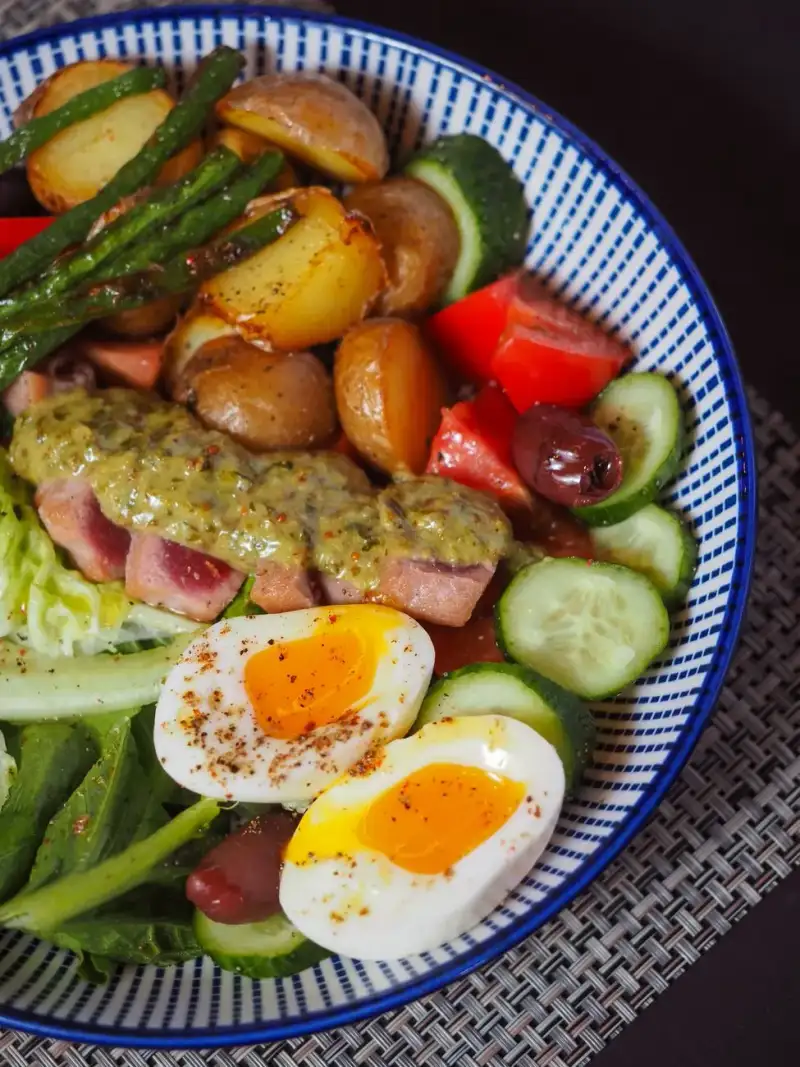
"The Mediterranean Vitality Bowl: A Masterclass in Omega-3 Rich Chickpea and Tuna Salad" Welcome back to my culinary sanctuary. I am Isabella Ferrari, and today we are venturing into the heart of the Mediterranean—a region where the secret to longevity is not found in a laboratory, but in the vibrant, sun-drenched ingredients that grace the dinner table. We often talk about "food as medicine," but in the Mediterranean basin, this isn't just a trendy hashtag; it is a way of life that has sustained generations. Today’s focus is a dish that sits at the intersection of nutritional science and culinary delight: the Mediterranean Chickpea and Tuna Salad. This isn't your average lunch; it is a carefully calibrated balance of omega-3 fatty acids, plant-based fibers, and potent antioxidants. The Science of Longevity: Why Omega-3s Matter When we discuss the health benefits of Mediterranean cuisine, we inevitably return to the concept of fat—specifically, high-quality fats. Research into dietary habits shows that the inclusion of oily fish like tuna, rich in long-chain omega-3 fatty acids (specifically EPA and DHA), plays a critical role in cardiovascular health and cognitive function. According to general nutritional consensus and broad scientific literature, omega-3 fatty acids are essential building blocks of the human brain and retina. They are known for their anti-inflammatory properties, which help counteract the systemic inflammation often triggered by modern, highly processed diets. By pairing the fatty acids from high-quality tuna with the complex carbohydrates and prebiotic fibers found in chickpeas, we create a synergistic effect. The fiber in the chickpeas slows the absorption of nutrients, ensuring a steady release of energy without the glycemic spikes associated with less wholesome meals.The Art of the Mediterranean Vinaigrette The backbone of this dish is the lemon vinaigrette. In the Mediterranean, acid is the primary tool used to "wake up" a dish. By whisking extra virgin olive oil—a staple rich in polyphenols—with fresh lemon juice, we create an emulsion that does more than just add flavor. The citric acid helps to brighten the palate, while the polyphenols in the oil work in concert with the omega-3s to support endothelial function, the lining of our blood vessels. I always encourage my readers to use the highest quality tuna they can source. Whether you choose pole-and-line caught albacore or skipjack, look for options packed in olive oil. The oil serves as a protective medium for the delicate fatty acids, preserving their integrity from the moment of canning to the moment they reach your bowl. Cultivating the Mindful Kitchen Cooking is an act of mindfulness. When you are dicing the cucumbers or mincing the red onion, take a moment to appreciate the texture and the color. The vibrant red of the tomatoes, the earthy green of the parsley, and the golden-tan of the chickpeas create a tapestry of nutrients. Science suggests that the Mediterranean diet’s success is not just about the what, but the how. Eating in a state of relaxation—what some call the "parasympathetic state"—improves digestion. When you prepare this salad with intention, you are already nourishing your body before the first bite even hits your tongue.Step-by-Step Culinary Excellence The preparation of this salad is deceptively simple, yet it requires respect for the ingredients. Do not rush the marination process. By coating the chickpeas in the vinaigrette first, you allow the fibers to soften slightly and absorb the garlic-infused oil. This "priming" of the pulse is what separates a mundane salad from a gourmet Mediterranean experience.Preparation: Gather your ingredients. Using fresh parsley is non-negotiable—it provides a bright, herbal finish that lifts the richness of the tuna. The Emulsion: Start by whisking your base. Use a flat whisk to ensure the mustard and olive oil become a stable, creamy emulsion. The Folding Technique: When combining the tuna and chickpeas, use a gentle hand. You want the tuna to remain chunky; pulverizing it into a paste ruins the mouthfeel. The Finish: Serve this in wide, shallow bowls. Garnish with an extra drizzle of cold-pressed olive oil if you are feeling indulgent—it adds a layer of depth that truly sings.Integrating Nutrition into Your Lifestyle Why make this a staple? In a world of fast food and erratic eating, having a "go-to" recipe that provides high-quality protein and omega-3s is a form of self-defense. Nutritional studies consistently demonstrate that those who consume regular servings of omega-3-rich seafood and fiber-dense legumes experience better metabolic health and improved satiety levels. This salad keeps you full, prevents the "afternoon slump," and provides your brain with the sustained fuel it needs to perform throughout the day. As you incorporate this into your weekly rotation, remember that the Mediterranean diet is not a rigid set of rules—it is an invitation to celebrate the earth’s bounty. Feel free to add kalamata olives for a salty punch or roasted red peppers for a touch of sweetness. The recipe is a canvas; your health and your palate are the artists. I hope this dish brings as much vitality to your table as it has to mine. Eating well is the highest form of self-respect. Until next time, stay vibrant, stay curious, and always keep cooking with love. #HealthyLiving #MediterraneanDiet #Omega3Rich #CleanEating #Gastronomy Related InsightsAromatic Flavors of India: Understanding Biryani's Rich Legacy Exploring the Delightful World of Cheese Pairings Kung Pao: Die Alchemie des Feuers und die Kunst des perfekten Kontrasts{ "@context": "https://schema.org", "@type": "FAQPage", "mainEntity": [ { "@type": "Question", "name": "What is the main focus of The Mediterranean Vitality Bowl: A Masterclass in Omega-3 Rich Chickpea and Tuna Salad?", "acceptedAnswer": { "@type": "Answer", "text": "Experience the perfect harmony of heart-healthy fats and plant-based protein in this Mediterranean-inspired salad that fuels your body and soul." } }, { "@type": "Question", "name": "Who authored the comprehensive guide on The Mediterranean Vitality Bowl: A Masterclass in Omega-3 Rich Chickpea and Tuna Salad?", "acceptedAnswer": { "@type": "Answer", "text": "This detailed article and its insights were carefully researched and authored by Isabella Ferrari." } }, { "@type": "Question", "name": "Where can I find more related content about Food?", "acceptedAnswer": { "@type": "Answer", "text": "You can explore more articles, detailed reviews, and similar insights by browsing the Related Insights section at the bottom of this article or visiting our dedicated Food category page." } } ] }
- Isabella Ferrari
- 23 Jun, 2026 06:48
The Mediterranean Elixir: Baked Cod with Cherry Tomatoes, Capers, and Olives
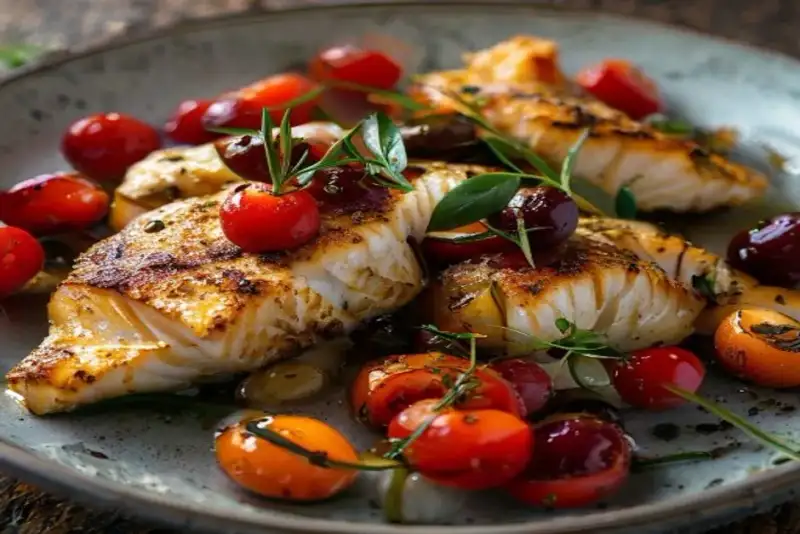
"The Mediterranean Elixir: Baked Cod with Cherry Tomatoes, Capers, and Olives" Welcome to my kitchen, fellow food enthusiasts. I am Isabella Ferrari, and today we are embarking on a journey that bridges the gap between the art of fine dining and the rigorous world of nutritional science. Often, we view the act of cooking as purely sensory—a dance of aromas, textures, and tastes. Yet, when we choose our ingredients with intention, we are performing an act of medicine. There is a profound, almost poetic harmony found in the Mediterranean diet, a way of eating that has been the subject of countless medical inquiries. Among the stars of this dietary tradition, white fish like cod stands out, not just for its delicate, flaky texture, but for its role as a vessel for vital nutrients. When we pair this lean, high-quality protein with the antioxidants found in vine-ripened tomatoes and the briny, polyphenolic punch of olives and capers, we aren't just making dinner—we are crafting a formula for longevity. The Science of the Sea: Why Cod Matters The modern pursuit of health often leads us to seek complex solutions, yet the most enduring wellness strategies are rooted in nature. According to recent studies on nutraceuticals, the compounds found in natural products play a decisive role in cardiovascular health and metabolic management. When we look at ingredients like cod, we are looking at a lean source of protein that lacks the heavy saturated fats of terrestrial meats, making it a cornerstone for those focusing on heart-health and weight management.Research on cardiovascular health consistently points toward the necessity of immune-modulating compounds. The "Wisdom of Nature" abstract clarifies that the action mechanisms of specific natural compounds improve heart function and help in the prevention of cardiovascular disease. By incorporating cod into our weekly rotation, we provide our bodies with high-quality protein, which acts as a foundational block for muscle maintenance and systemic recovery, without the inflammatory baggage of processed alternatives. Mediterranean Aromatics: More Than Just Flavor The beauty of this dish lies in the confluence of its ingredients. The capers and olives are not merely there for their sharp, salty profiles; they are loaded with phytochemicals that assist the body in oxidative stress management. When paired with the healthy monounsaturated fats from extra virgin olive oil, these elements create a bioavailability synergy. Scientific literature regarding nutraceuticals highlights how these active compounds contribute to the development of innovative health therapies. When we roast tomatoes, we release lycopene, a potent antioxidant that becomes significantly easier for the body to absorb. This, combined with the Omega-3s in fish, creates an anti-inflammatory powerhouse on your dinner plate.A Culinary Ritual: Crafting the Dish To prepare this dish, we must respect the ingredients. Cod is a gentle fish; it requires care to ensure it remains succulent. The moisture from the cherry tomatoes acts as a natural poaching liquid, ensuring the fillets remain tender while the capers and olives create a concentrated reduction that packs a savory, umami-rich punch. This recipe is designed for those who value efficiency in the kitchen without sacrificing the health benefits of home-cooked meals. It is a dish that honors the "Wisdom of Nature" by letting the ingredients speak for themselves. [Insert Recipe Instructions Here, provided in the Frontmatter] Integrating Wellness into Your Lifestyle As you plate this meal, take a moment to consider the endurance and vitality you are fueling. The science of nutraceuticals reminds us that every meal is an opportunity to modulate our internal environment. By choosing a diet that prioritizes heart-healthy fats and nutrient-dense botanicals, we are engaging in a daily practice of health preservation.Remember, the goal is not perfection, but consistency. Whether you are a seasoned chef or a beginner looking to improve your health, dishes like this Baked Cod with Cherry Tomatoes, Capers, and Olives serve as a reminder that the path to wellness is delicious, sustainable, and entirely within your control. I invite you to try this recipe, savor the interplay of the briny olives against the sweetness of the tomatoes, and feel empowered by the knowledge that you are feeding your body the very best of nature’s pharmacopeia. Until next time, stay healthy, stay curious, and always keep cooking with love. #HealthyLiving #MediterraneanDiet #Omega3Nutrition #CulinaryScience #IsabellaFerrariEats #Gastronomy #FoodScience #HealthyRecipes #CulinaryArts Related InsightsThe Earthy Revolution: Crafting the Ultimate High-Fiber Whole Grain Lentil Shepherd’s Pie Wine: A Journey Through 8000 Years of History, Science, and Enjoyment Salmon Kulebyaka: A Harmonious Union of Omega-3 Rich Fish, Buckwheat, and Herbs{ "@context": "https://schema.org", "@type": "FAQPage", "mainEntity": [ { "@type": "Question", "name": "What is the main focus of The Mediterranean Elixir: Baked Cod with Cherry Tomatoes, Capers, and Olives?", "acceptedAnswer": { "@type": "Answer", "text": "Discover the perfect marriage of heart-healthy science and culinary bliss with this nutrient-dense baked cod recipe, packed with omega-3s and vibrant Mediterranean flavors." } }, { "@type": "Question", "name": "Who authored the comprehensive guide on The Mediterranean Elixir: Baked Cod with Cherry Tomatoes, Capers, and Olives?", "acceptedAnswer": { "@type": "Answer", "text": "This detailed article and its insights were carefully researched and authored by Isabella Ferrari." } }, { "@type": "Question", "name": "Where can I find more related content about Food?", "acceptedAnswer": { "@type": "Answer", "text": "You can explore more articles, detailed reviews, and similar insights by browsing the Related Insights section at the bottom of this article or visiting our dedicated Food category page." } } ] }