The Golden Pulse: Reclaiming the Chickpea’s Lost Lineage in the Mediterranean
-
 Isabella Rossi
 - 03 Oct, 2026 11:57
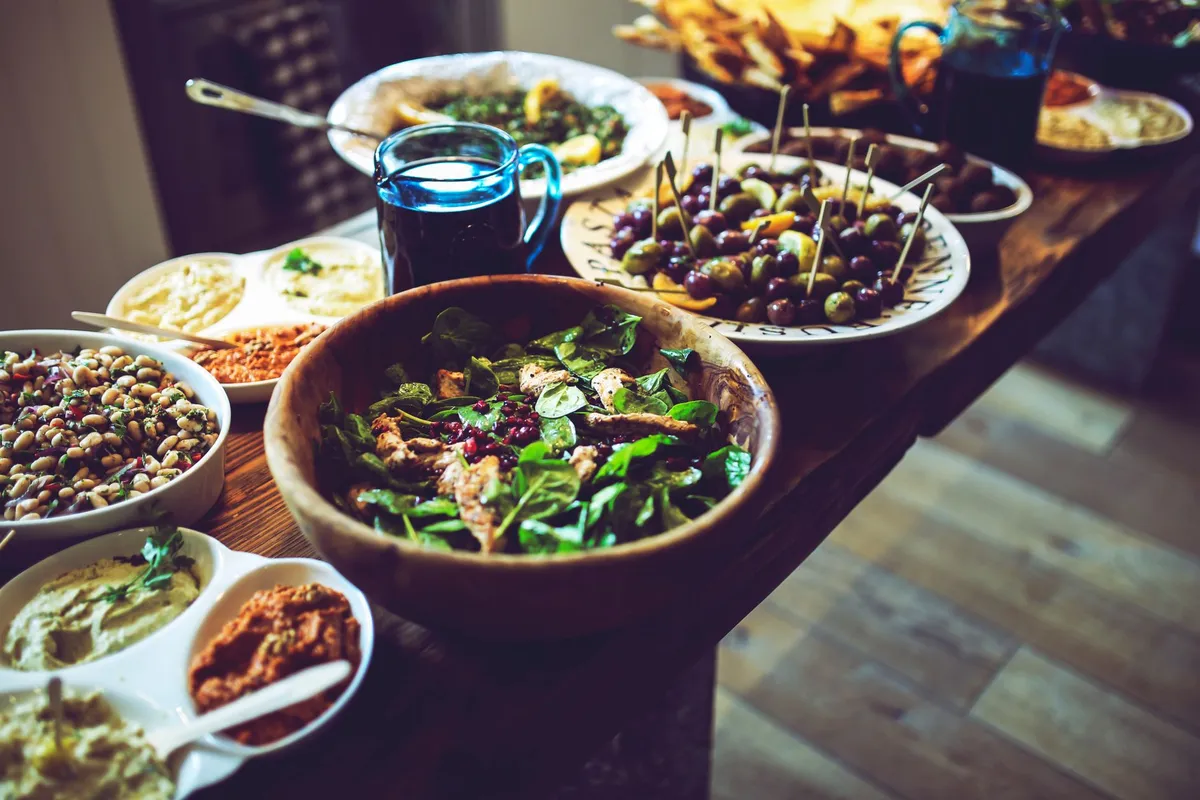
The chickpea has long suffered a case of mistaken identity. In the bright lights of the global commodity market, it has been reduced to a singular, beige, canned commodity—a reliable protein, perhaps, but a culinary cipher. Yet, scratch the surface of the Mediterranean basin, and you find a genome of staggering diversity: jet-black seeds from the Murgia plateau, wrinkled, ochre pearls from the Ligurian coast, and the angular, almost mineral-flavored cicerchia clinging to life in the Apennines. This is not merely a story of ingredient retrieval; it is a correction of the historical record. We are witnessing the rehabilitation of a pulse that sustained empires, fueled monastic scriptoria, and defined the cucina povera of the peasantry, only to be marginalized by the industrial demand for uniformity. The renaissance of these forgotten varieties is an act of gastronomic archaeology, driven by chefs, geneticists, and stubborn farmers who refuse to let the flavor of the land go extinct.

Charlemagne’s Garden Edicts and the Ancient Pulse
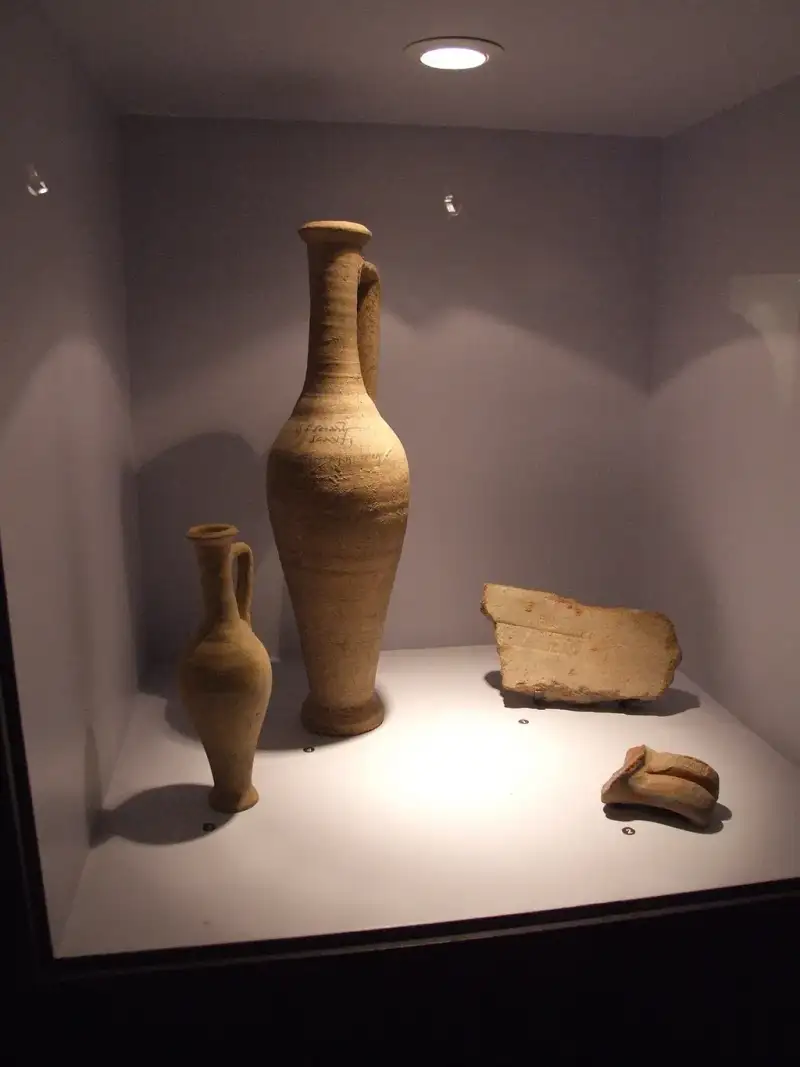
To understand where we are, we must first understand the administrative architecture that codified the chickpea’s place in European agriculture. The Capitulare de villis vel curtis imperii, a capitulary issued by Charlemagne circa 800 AD, stands as one of the most remarkable administrative documents of the early Middle Ages. It mandated the cultivation of specific plants across the royal estates, and nestled among the fenugrecum (fenugreek) and cicer italicum (Italian chickpea) is a explicit royal command: cicer must be grown. This wasn’t arbitrary; it was strategic nutrition. The Carolingian court recognized the nutrient density of the pulse—its ability to fix atmospheric nitrogen into depleted soils and its shelf-stability for winter garrisons.
The OpenAlex research on “Naming Names Plants in the Age of Charlemagne” highlights how this era solidified the taxonomy of the Mediterranean diet. The text distinguishes cicer italicum from other legumes, implying a recognition of distinct landraces even then. The “Italian chickpea” cited in the capitulary was likely a smaller, darker, more tannic ancestor of the modern Cece Nero or the Cicero of the Abruzzo. These were not the plump, blonde Kabuli types dominating today’s global trade (which arrived later via the Silk Road and Spanish galleons), but the Desi types: angular, thick-skinned, deeply rooted in the calcareous soils of the peninsula. Charlemagne’s edicts effectively froze a specific agricultural biodiversity into law, ensuring that for centuries, the “chickpea” on a European table was a variable expression of terroir, not a standardized SKU. The fall of the Carolingian centralization saw this diversity fragment into hyper-local pockets—each valley, each monastery garden, selecting for drought tolerance, cooking time, or flavor profile—creating the archipelago of varieties we are now racing to catalog.
Beyond the Blonde Bean: Mapping the Dark, the Wrinkled, and the Wild
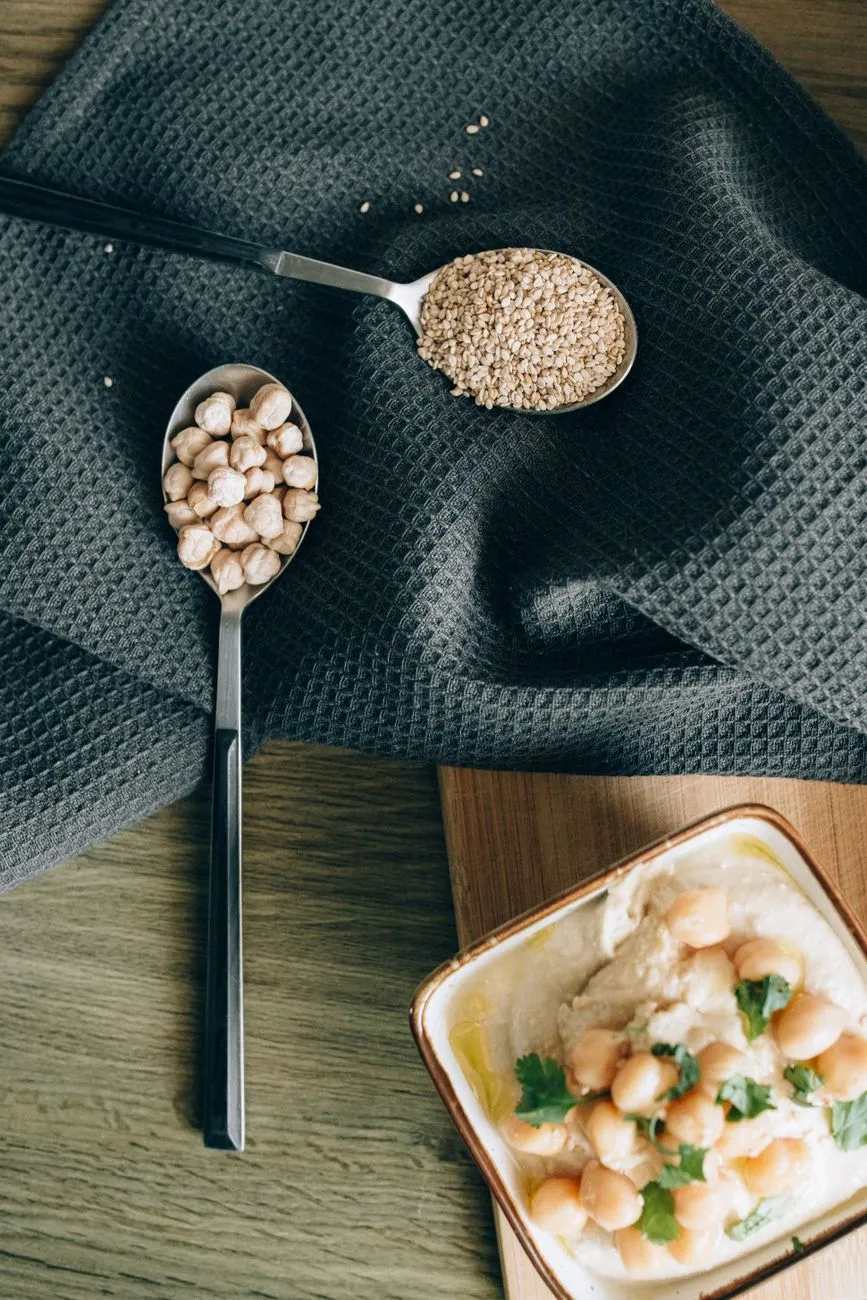
Walk through the Saturday market in Matera or a Slow Food presidium fair in Bra, and the visual shock is immediate. The “chickpea” is no longer a monolith. The Cece Nero della Murgia (Black Chickpea of the Murgia) presents as a tiny, irregular pebble, its seed coat a deep, glossy anthocyanin black. It holds its shape with a defiant al dente bite, releasing an earthy, almost smoky broth that tastes of the limestone karst from which it sprang. Then there is the Cece di Merella, a Slow Food Presidium variety from the province of Cosenza, characterized by a distinctive “beak” or rostrum, pale yellow with a reddish eye, celebrated for a creamy texture that requires no soaking—a genetic quirk of a thinner testa (seed coat).
Further north, the Cicerchia (Lathyrus sativus), often called the grass pea or “Indian vetch,” occupies a controversial but delicious niche. Technically a different genus, it has been cultivated alongside true chickpeas (Cicer arietinum) for millennia in the central Apennines. Its flavor is distinctively grassy, sweet, and nutty, but its history carries a shadow: the neurotoxin ODAP (β-N-oxalyl-L-α,β-diaminopropionic acid), which causes lathyrism if consumed exclusively during famine. Modern agronomy has selected low-ODAP lines, rehabilitating this “poor man’s meat” into a gourmet ingredient. In Liguria, the Cicero di Villalba—large, smooth, pale—dominates the farinata pans, its high starch content yielding that signature crisp-edged, custardy center. Each variety is a key fitted to a specific lock: the black chickpea for the long-simmered lagane e ceci of Basilicata; the cicerchia for the minestra of Umbria; the Kabuli-type Sultano for the hummus of the Levantine coast. We are not just reviving seeds; we are reviving the specific culinary logic that co-evolved with them.
Terroir, Drought, and the Agronomy of Survival
Why did these varieties vanish from the mainstream? The answer lies in the post-war “Green Revolution” calculus: yield per hectare, mechanical harvestability, and uniform hydration rates. The ancient landraces are agronomically “difficult.” They are often indeterminate in growth habit (flowering continuously), making mechanical combining a nightmare of green pods mixed with dry. Their seed size varies wildly within a single plant, clogging sorting machines. And they demand time—long soaks, slow cooks—in a world that invented the pressure cooker and the tetrapak.
But the climate crisis has inverted the value proposition. The Mediterranean is a climate change hotspot, facing desertification and erratic rainfall. Here, the forgotten varieties reveal their genius. The Cece Nero possesses a root architecture that plunges two meters deep, mining water from substrates where modern Kabuli varieties wither. The Cicerchia is perhaps the most resilient legume known to science, yielding a crop on 300mm of annual rainfall in soils too poor for wheat. Research from the Institute of Biosciences and Bioresources (IBBR) in Bari has demonstrated that these landraces maintain photosynthetic efficiency under water stress levels that obliterate commercial cultivars. They are not “low yielding” in a marginal environment; they are the only thing yielding.
Furthermore, the nutritional density tracks with the stress tolerance. The thick, pigmented seed coats of the black and red varieties are reservoirs of polyphenols, flavonoids, and anthocyanins—compounds bred out of the blonde Kabuli for aesthetic uniformity. We stripped the medicine from the food to make it pretty. The renaissance is, fundamentally, a pivot from “agriculture as extraction” to “agriculture as insurance.” Farmers in the Alta Murgia and the Sicani Mountains are now intercropping these pulses with ancient durum wheats (like Senatore Cappelli), mimicking the polycultures Charlemagne’s stewards would recognize, rebuilding soil organic matter without synthetic nitrogen. The chickpea is no longer just a crop; it is the keystone species of a regenerative rotation.
From Cucina Povera to Michelin Plates: The Culinary Revival
The laboratory and the field mean nothing without the kitchen. The current renaissance is being plated by a generation of chefs who treat the presidio catalog as a spice rack. In Matera, Chef Vincenzo Guarino at Il Terrazzo serves a Cacio e Pepe where the pasta is made from 30% Cece Nero flour, lending a dusky purple hue and a feral depth to the cheese emulsion. In Rome, Roscioli sources Cicerchia di Serra de’ Conti for a pasta e ceci that refuses to be pureed, insisting on the toothsome integrity of the legume. In London and New York, chefs are importing Farinata flour milled from Cicero di Villalba, chasing the specific starch gelation that generic besan cannot replicate.
This movement has hard data behind it. The nutritional divergence between commodity and heirloom is stark, as shown in the comparative analysis below.
| Variety / Metric | Kabuli (Commodity) | Cece Nero (Murgia) | Cicerchia (Serra de’ Conti) | Cicero (Villalba) | Desi Type (Generic) |
|---|---|---|---|---|---|
| Avg Seed Weight (g/100 seeds) | 22 - 28 | 12 - 16 | 18 - 22 | 24 - 30 | 14 - 18 |
| Protein Content (% Dry Weight) | 19 - 21% | 23 - 25% | 28 - 31% | 20 - 22% | 22 - 24% |
| Total Polyphenols (mg GAE/g) | 1.2 - 1.8 | 4.5 - 6.2 | 3.8 - 5.0 | 2.1 - 2.8 | 3.0 - 4.0 |
| Anthocyanins (mg C3G/g) | Negligible | 8.5 - 12.0 | 0.5 - 1.2 | Negligible | 2.0 - 4.0 |
| Cooking Time (Soaked, mins) | 45 - 60 | 60 - 75 | 40 - 50 (No soak) | 50 - 60 | 60 - 90 |
| Primary Culinary Use | Hummus, Canned, Flour | Lagane e Ceci, Salads, Soups | Minestra, Flour, Puree | Farinata, Panelle, Fritters | Dahl, Curries, Besan |
Data synthesized from IBBR-CNR Bari reports (2020-2023) and Slow Food Presidium technical sheets.
The table reveals the “why.” The commodity Kabuli is a carbohydrate delivery vehicle; the Cece Nero is a nutraceutical. The Cicerchia is a protein powerhouse. Chefs are exploiting these mechanics: the high starch of the Cicero for the lattice structure of farinata; the structural integrity of the Nero for salads that don’t turn to mush; the grassy sweetness of the Cicerchia for raw carpaccio-style preparations (blanched briefly). We are moving beyond “how do I cook this bean?” to “what does this specific bean want to become?”
Seed Keepers and the Fight for Genetic Memory
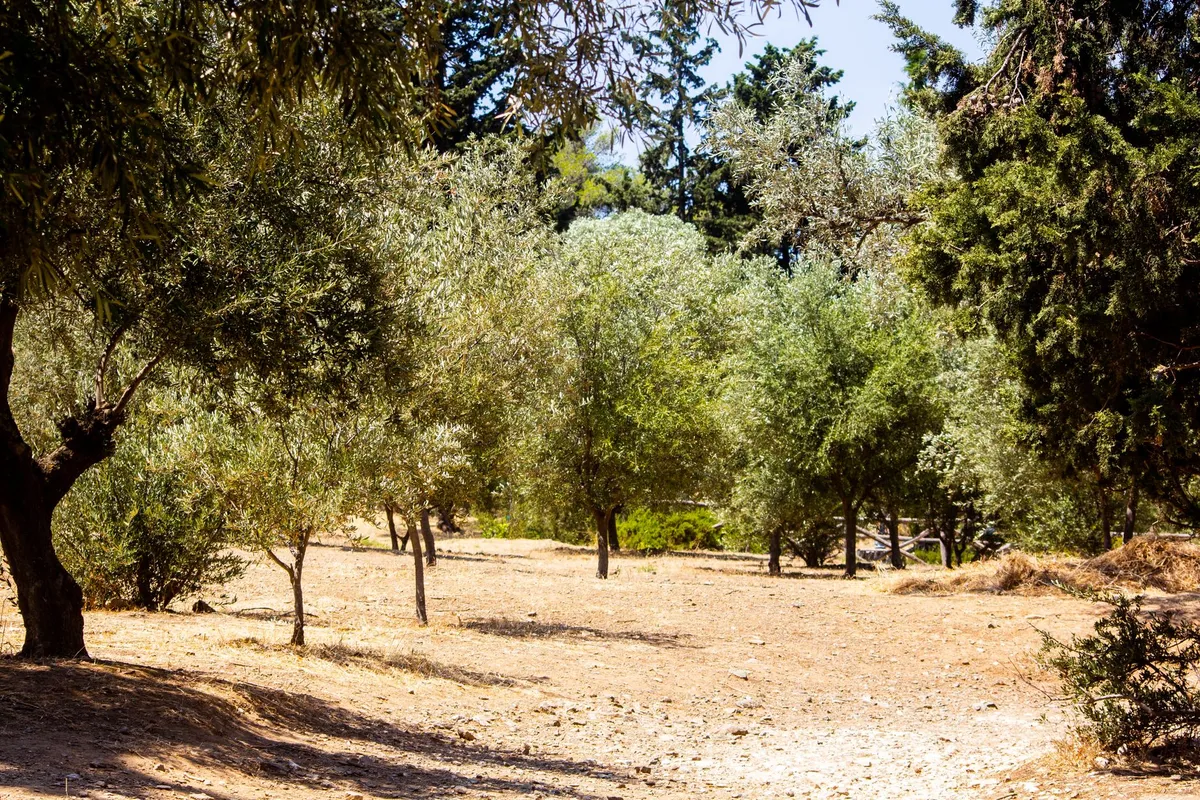
The final chapter of this renaissance is written not in restaurants, but in the cold rooms of gene banks and the back pockets of guardian farmers. The CREA (Council for Agricultural Research and Economics) in Italy maintains the Cicer collection at the Genebank of Bari, holding over 1,200 accessions. But ex-situ conservation (freezers) is a static snapshot. In-situ conservation—living, evolving in the field—is where the magic happens. The “Guardian Farmers” network, supported by the EU Horizon projects like INCREASE and BRESOV, are growing these varieties under participatory plant breeding programs. They are selecting for the same traits Charlemagne’s surveyors valued: early vigor to outcompete weeds, pod height for hand-harvesting, and that elusive “sapore antico” (ancient flavor).
The legal framework is shifting to support this. The EU’s new “Organic Heterogeneous Material” regulation (2022/1994) finally allows the commercial sale of seed populations that do not meet the strict DUS (Distinctness, Uniformity, Stability) criteria required for standard varieties. This means a packet of Cece di Merella can legally contain the natural genetic variation that gives it resilience, rather than being forced into a clone-like uniformity. It is a legislative admission that biodiversity is the variety.
Yet, the threat remains economic. The global chickpea trade is dominated by Australia, India, and Canada, moving millions of tonnes of Kabuli and Desi commodities at prices that make the €6-8/kg farm-gate price of Cece Nero look extravagant. The survival of the renaissance depends on the consumer accepting the “true cost” accounting: paying for the carbon sequestration, the water savings, the biodiversity preservation, and the pharmacological density of the pigment. It requires a shift from buying “chickpeas” to buying this chickpea, this harvest, this farmer.
A Legacy Simmering in the Pot
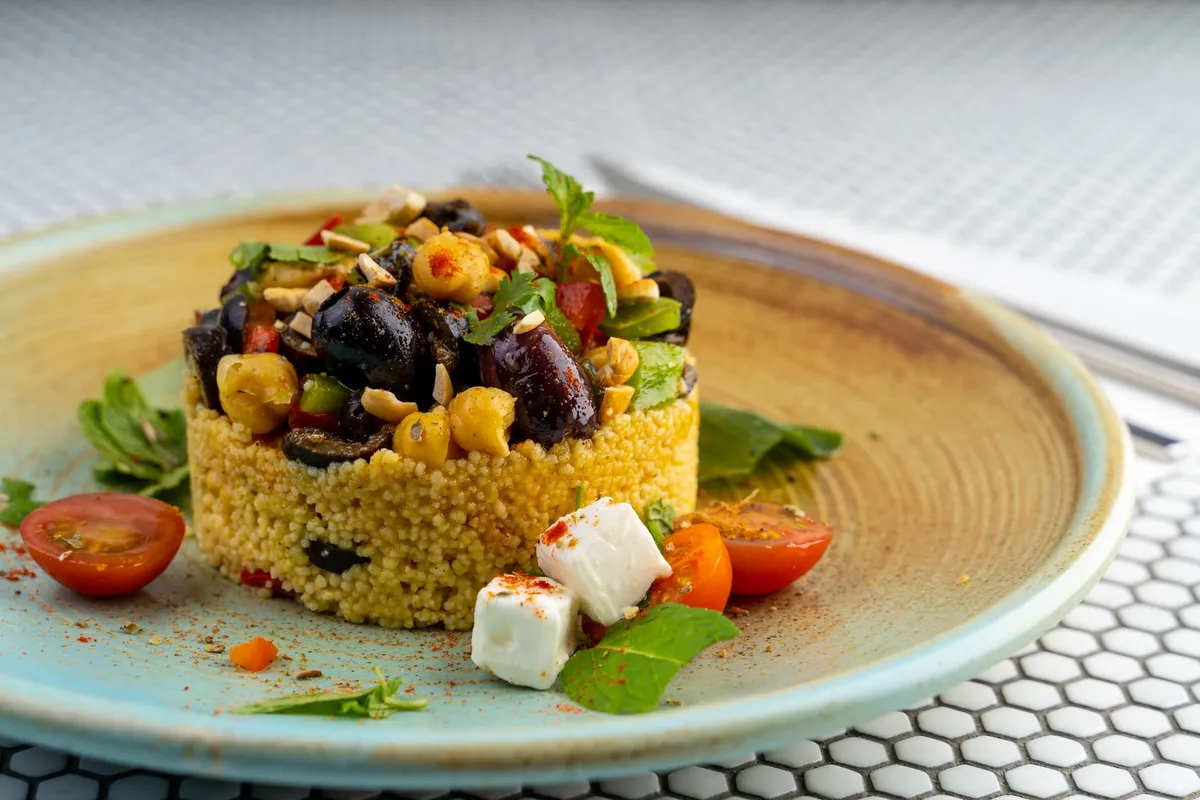
The pot bubbles on the stove in my test kitchen: a minestra di cicerchia from the Apennines, the broth thick and green-gold, scented with wild fennel and a finish of bitter olive oil. Next to it, a terracotta bowl holds lagane tossed with Cece Nero, the pasta ribbons stained a deep, improbable violet by the seed coats.