Showing Posts From
Culinary history
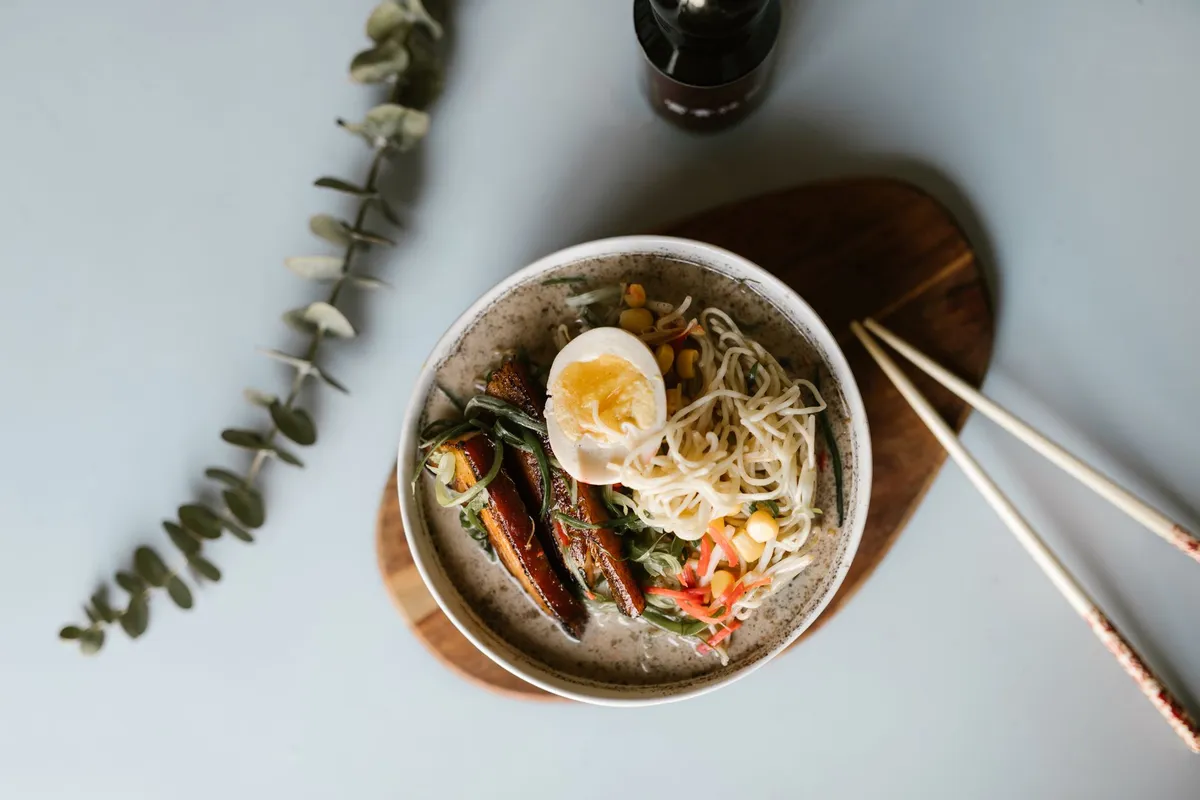
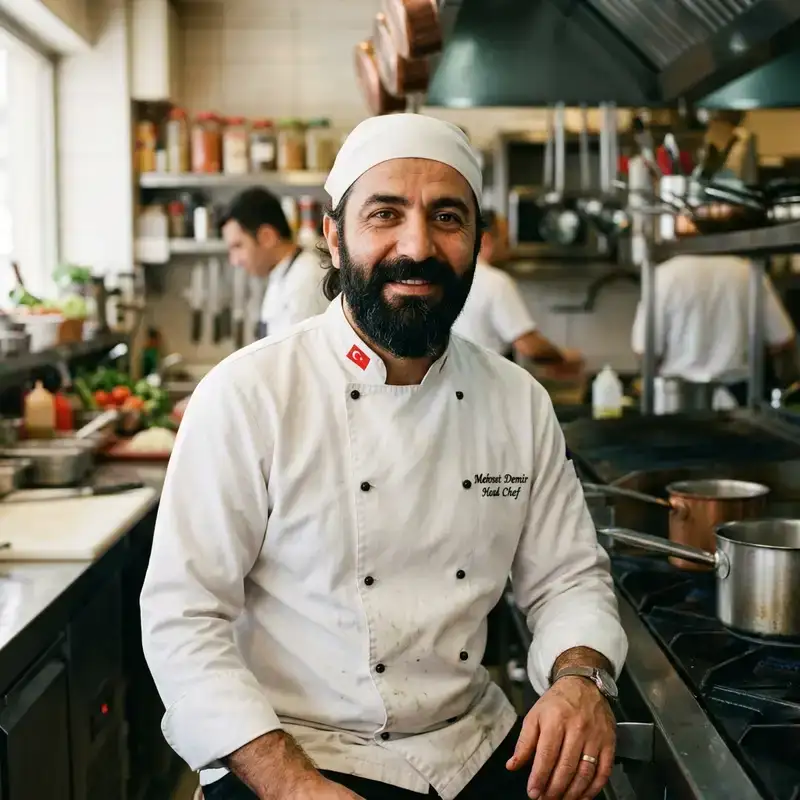
It arrives not with the sharp slap of lemon, nor the heavy cloak of salt, nor even the seductive whisper of sugar. It arrives as a velvet weight, a deepening resonance that spreads across the palate like a low cello note in a quiet room. It is the taste of time concentrated, of proteins unraveling into their most primal, delicious geometry. For centuries, cooks chased it instinctively—reducing stocks until they gleamed like amber, aging cheeses until they wept crystals, fermenting fish until the jars held the very soul of the sea. They knew what it was, but they lacked the vocabulary to name the ghost in the machine. That changed in 1908, in a Tokyo laboratory, when a professor stared into a bowl of kelp broth and finally gave the fifth taste its true name: Umami.The Professor and the Seaweed: A Moment of Clarity Kikunae Ikeda was not merely a chemist; he was a man obsessed with the architecture of flavor. As a professor at the Tokyo Imperial University, he possessed a palate trained to dissect sensation. In 1908, while savoring a bowl of yudofu (simmered tofu) seasoned with kombu (kelp) dashi, he encountered a sensation that refused to be categorized. It was not sweet, not sour, not salty, not bitter. It was a distinct, savory profundity—a "pleasant savory taste," which is the literal translation of the Japanese umami (旨味), derived from umai (delicious). Ikeda did not just taste it; he hunted it. He undertook the laborious process of evaporating massive quantities of kombu broth, isolating the crystalline substance responsible for that specific mouth-coating richness. The culprit was glutamic acid, an amino acid. But the acid itself was shy; it was the salt of that acid—monosodium glutamate (MSG)—that sang the loudest. Ikeda had not just found a chemical; he had scientifically proven the existence of a fifth basic taste, distinct from the classical four. The speed of application was staggering. By 1909, Ikeda had partnered with Saburōsuke Suzuki to found Ajinomoto Co., Inc. ("Essence of Taste"). They launched the world’s first umami seasoning: monosodium glutamate, marketed under the name "Ajinomoto." It was a culinary atomic bomb—pure, crystalline savoriness that could be sprinkled like salt. It spread globally with the velocity of a revelation, instantly becoming the secret weapon of kitchens from Shanghai to Chicago, long before the West fully accepted the science behind it. The Ancient Code: Garum, Murri, and the Chef Who Knew Too Much While Ikeda provided the formula, history provides the evidence. Humanity had been hacking the umami code for millennia without knowing the molecular password. In Ancient Rome, the empire ran on garum—a fermented fish sauce made from the intestines of mackerel, anchovies, or tuna, left to bake under the Mediterranean sun. The enzymatic autolysis shattered proteins into free glutamates. It wasn't just a condiment; it was the MSG of the Caesars, poured into nearly every savory dish. In Medieval Byzantium and the Arab World, murri held sway. A fermented barley sauce, rich in glutamate, it was the backbone of banquet cooking, a direct lineage to the soy sauces fermenting simultaneously in China since the third century. Then there was Auguste Escoffier, the king of chefs and chef of kings. In the late 1800s, in the gleaming kitchens of the Ritz in Paris and the Savoy in London, Escoffier was building fonds and glaces—veal stock reduced for days, brown sauces layered with roasted bones, tomatoes, and mushrooms. He was constructing flavor architectures built entirely on the synergy of glutamate and nucleotides. He knew how to build the taste. He knew it was the foundation of French haute cuisine. But when he looked for the chemical source, the microscope of his era came up empty. He died in 1935, a decade before science would catch up to his intuition.The Synergy That Changed Everything: 1 + 1 = 8 If Ikeda opened the door, Shintaro Kodama and Akira Kuninaka blew the hinges off. In 1913, Kodama, Ikeda’s disciple, turned his gaze to katsuobushi—dried, fermented skipjack tuna flakes. He discovered inosinate (IMP), a ribonucleotide. Then, in 1957, Kuninaka found guanylate (GMP) in dried shiitake mushrooms. But Kuninaka’s true genius lay in what happened when he mixed them. He discovered the Synergistic Effect. When glutamate (from kombu) meets inosinate (from bonito) or guanylate (from shiitake), the resulting taste intensity is not additive. It is multiplicative. The receptor on the tongue—a heterodimer of TAS1R1 and TAS1R3—possesses a Venus flytrap mechanism. Glutamate binds the primary site; the nucleotides bind a secondary allosteric site, clamping the receptor shut and amplifying the signal to the brain by a factor of seven or eight. This single biochemical quirk explains the "holy trinities" of global cuisine:Japan: Dashi = Kombu (Glutamate) + Katsuobushi (Inosinate). Italy: Pasta Bolognese = Tomatoes (Glutamate) + Beef/Anchovies (Inosinate) + Parmigiano-Reggiano (Massive Glutamate). France: Sauce Espagnole = Veal Stock (Inosinate) + Tomato Purée/Mirepoix (Glutamate). Scotland/China: Chicken Soup + Leeks/Cabbage (Glutamate) + Chicken Bones (Inosinate).The Scots making cock-a-leekie soup and the Chinese adding leeks to chicken broth were unwittingly performing advanced molecular gastronomy centuries before the term existed. The Hardware: How the Tongue Sees Savory For decades, the scientific establishment treated umami with skepticism. Was it just a "flavor enhancer"? A salty side-effect? The debate raged until the turn of the millennium. In 2000, researchers at the University of Miami identified the specific receptor complex: TAS1R1 + TAS1R3. This was the smoking gun. Umami had its own hardware. It wasn't a phantom; it was a distinct biological channel. The genetics are elegant:TAS1R2 + TAS1R3 = Sweet Receptor. TAS1R1 + TAS1R3 = Umami Receptor. TAS1R3 is the shared subunit. Knock it out, and you lose both sweet and umami.This explains the curious overlap. Standalone glutamate (without sodium) tastes sour. Add salt (Na+), and the umami receptor fires. Sweet and umami share structural DNA. Some people, genetically, struggle to distinguish umami from saltiness—a condition akin to color blindness for the palate. By 2006, Ajinomoto’s own labs found these same receptors in the stomach. Umami isn't just a mouth event; it signals protein arrival to the gut, priming digestion and triggering satiety hormones. We taste protein to survive; we taste umami to thrive.The Pantry of the Fifth Taste: Where the Glutamate Lives Umami is democratic. It hides in the humblest tomato and the proudest truffle. The Wikipedia data provides a definitive atlas of high-umami ingredients. Let’s categorize the arsenal: The Ocean’s Bounty (Inosinate Kings)Katsuobushi / Bonito Flakes: The concentrated essence of tuna. IMP levels are stratospheric. Anchovies / Sardines / Maldives Fish: Small, oily, fermented or cured. The backbone of garum, nam pla, and Worcestershire sauce. Shellfish: Scallops, clams, oysters—sweetness wrapped in umami. Fish Sauce / Shrimp Paste: Liquid umami bombs.The Fungal & Vegetal Kingdom (Guanylate & Glutamate)Dried Shiitake Mushrooms: The GMP powerhouse. Drying converts RNA to guanylate. Fresh shiitake? Barely a whisper. Dried? A roar. Tomatoes: Especially concentrated (paste, sun-dried, roasted). The Italian revolution was a tomato revolution. Green Peas / Sweet Corn / Potatoes: Surprising reservoirs of free glutamate. Nori / Kombu / Wakame: Sea vegetables are the purest vegetative source.The Fermented & Aged Alchemists (Proteolysis Unleashed)Soy Sauce / Miso / Doenjang / Doubanjiang: Aspergillus oryzae (Koji mold) digests soy proteins into massive glutamate pools. Cheeses (Parmesan, Asiago, Blue, Roquefort): Aging = proteolysis. Parmigiano-Reggiano (24-36 months) hits ~1,680 mg/100g glutamate. The crystals? Tyrosine. The taste? Pure umami. Yeast Extracts (Marmite, Vegemite, Beer): Autolyzed yeast. The vegetarian's MSG. Kimchi / Sauerkraut: Lactic acid bacteria doing the work of time. Hydrolyzed Vegetable Protein (HVP) / Bouillon Cubes: Industrial shortcuts to the same destination.The Modern PowdersMSG (Monosodium Glutamate): Pure glutamate + sodium. The standard bearer. Disodium Guanylate (GMP) / Disodium Inosinate (IMP): The "nucleotide" boosters. Rarely used alone; they are the force multipliers in "Chicken Powder" and instant noodle packets.The Physiology of Pleasure: Mouthfeel, Salivation, and the "Coating" Sensation Umami behaves differently than its four siblings.It is not instantly palatable alone. A spoonful of MSG in water tastes weird—metallic, sour, thin. It needs an aroma partner (roasted meat, garlic, smoke) and usually salt to bloom. It has a "long-lasting, mouthwatering, coating sensation." It stimulates salivation far more than salt or acid. It creates furriness on the tongue—a tactile viscosity. It hits the throat, the roof, and the back of the mouth. It is a "deep" taste. Sweet hits the tip; sour the sides; bitter the back; salt the front. Umami fills the oral cavity. The Concentration Window is Narrow. Too little: invisible. Too much: cloying, metallic, "ajinomoto tongue." The optimum curve is a sharp peak. Salt Dependency. The optimum umami taste depends on sodium chloride concentration. They are dance partners. Low-salt foods require more umami to taste "right"—a crucial lever for modern health-conscious cooking.Beyond Glutamate: The Frontier Peptides The story didn't end with amino acids and nucleotides. As of 2017, researchers identified 52 peptides (short protein chains) capable of generating umami taste (though 20 remain contested). This opens a terrifyingly vast frontier. Aged meats, long-fermented soy, garum, century eggs—their complexity likely resides in these peptide signatures. Ibotenic acid and tricholomic acid (from certain mushrooms) are claimed to be multiples more intense than MSG, though toxicity keeps them in the lab. Cooking with the Fifth Element: A Chef’s Framework Understanding the data changes how you cook. You stop "seasoning" and start "architecting." Layer 1: The Glutamate Base. Start with a high-glutamate foundation. Tomato paste fried in oil (Maillard + Glutamate). A spoonful of white miso in a marinade. A dusting of MSG (safe, effective, precise) in a stir-fry. A Parmesan rind simmering in the minestrone. Layer 2: The Nucleotide Spike. Add the multiplier. A handful of dried shiitake in the braise. Anchovies melting into the soffritto. Bonito flakes steeped off-heat in the broth. A splash of fish sauce in the chili (it won't taste fishy; it will taste meaty). Layer 3: The Aged/Processed Depth. Finish with the fermented complexity. Shaving aged gouda over the risotto. A drizzle of aged balsamic (gluconates + glutamate). A spoonful of natto or tempeh for the vegetal funk. The Salt Check. Taste for salt last. If the umami is high, the salt requirement drops. This is the "low sodium" hack the industry doesn't want you to know: Umami allows salt reduction of 30-50% without perceived loss of palatability.The Name Itself: A Linguistic Nuance The kanji tells a story.うま味 (Hiragana + Kanji): Proposed by Ikeda in 1908 specifically for the taste component he isolated. The scientific term. 旨味 (Kanji): The broader, older concept of "deliciousness" or "tastiness." うまい (Umai): The adjective. "This is umai."In the 1980s, Japanese researchers formalized this distinction: use うま味 for the specific taste quality (the scientific construct), and 旨味 for the general hedonic evaluation ("This soup has good umami"). The 1985 Umami International Symposium in Hawaii cemented Umami as the universal scientific noun. We owe them the word that finally let us speak the truth of our broth. The Legacy: More Than a Seasoning Umami is the taste of civilization. It is the flavor of preservation—turning perishable protein into stable, portable, potent nutrition. It is the taste of cooking itself, for heat and time and microbes are the only keys that unlock the glutamate locked inside raw protein. From the garum vats of Baetica to the kombu drying on the rocks of Hokkaido; from Escoffier’s stockpots to the Ajinomoto shaker on a street vendor’s cart in Bangkok; from the TAS1R1 receptor on your tongue to the identical receptor in your stomach—Umami is the biological signature of nourishment. It is the answer to the question: "What makes this taste complete?" Next time you reduce a stock until it gels in the fridge, or grate Parmesan over steaming pasta, or shake a little MSG into your fried rice, remember Kikunae Ikeda staring into his bowl of yudofu. He gave us the map. The territory, however, has always been ours to explore.#Umami #FoodScience #Cul Related InsightsWhat Abigail Did That Summer Book Review and Summary Die majestätische Schwarzwälder Kirschtorte: Eine kulinarische Reise durch Geschichte, Mythos, Handwerk und vollendeten Geschmack A Little Too Close - Madigan Mountain #2 Book Review and Summary
-
 Isabella Rossi
 - 03 Oct, 2026 11:57
The Golden Pulse: Reclaiming the Chickpea’s Lost Lineage in the Mediterranean
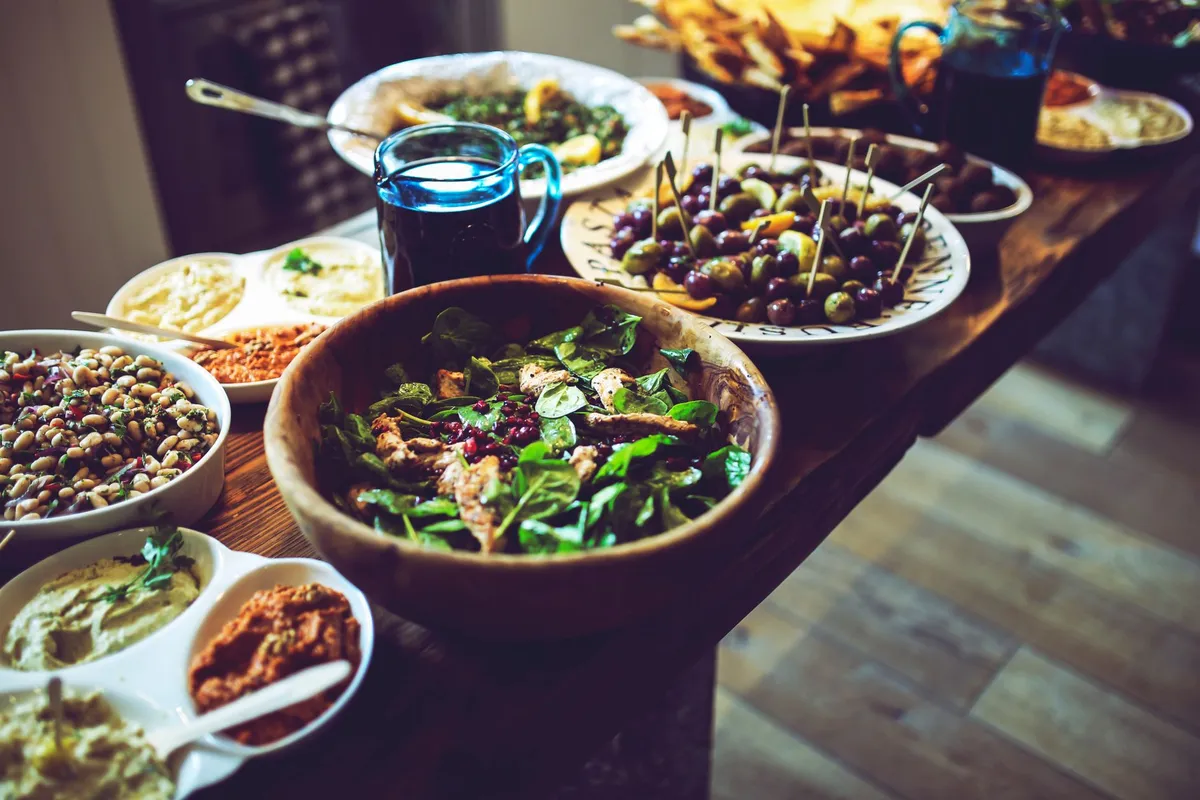
The chickpea has long suffered a case of mistaken identity. In the bright lights of the global commodity market, it has been reduced to a singular, beige, canned commodity—a reliable protein, perhaps, but a culinary cipher. Yet, scratch the surface of the Mediterranean basin, and you find a genome of staggering diversity: jet-black seeds from the Murgia plateau, wrinkled, ochre pearls from the Ligurian coast, and the angular, almost mineral-flavored cicerchia clinging to life in the Apennines. This is not merely a story of ingredient retrieval; it is a correction of the historical record. We are witnessing the rehabilitation of a pulse that sustained empires, fueled monastic scriptoria, and defined the cucina povera of the peasantry, only to be marginalized by the industrial demand for uniformity. The renaissance of these forgotten varieties is an act of gastronomic archaeology, driven by chefs, geneticists, and stubborn farmers who refuse to let the flavor of the land go extinct.Charlemagne’s Garden Edicts and the Ancient Pulse To understand where we are, we must first understand the administrative architecture that codified the chickpea’s place in European agriculture. The Capitulare de villis vel curtis imperii, a capitulary issued by Charlemagne circa 800 AD, stands as one of the most remarkable administrative documents of the early Middle Ages. It mandated the cultivation of specific plants across the royal estates, and nestled among the fenugrecum (fenugreek) and cicer italicum (Italian chickpea) is a explicit royal command: cicer must be grown. This wasn't arbitrary; it was strategic nutrition. The Carolingian court recognized the nutrient density of the pulse—its ability to fix atmospheric nitrogen into depleted soils and its shelf-stability for winter garrisons. The OpenAlex research on "Naming Names Plants in the Age of Charlemagne" highlights how this era solidified the taxonomy of the Mediterranean diet. The text distinguishes cicer italicum from other legumes, implying a recognition of distinct landraces even then. The "Italian chickpea" cited in the capitulary was likely a smaller, darker, more tannic ancestor of the modern Cece Nero or the Cicero of the Abruzzo. These were not the plump, blonde Kabuli types dominating today’s global trade (which arrived later via the Silk Road and Spanish galleons), but the Desi types: angular, thick-skinned, deeply rooted in the calcareous soils of the peninsula. Charlemagne’s edicts effectively froze a specific agricultural biodiversity into law, ensuring that for centuries, the "chickpea" on a European table was a variable expression of terroir, not a standardized SKU. The fall of the Carolingian centralization saw this diversity fragment into hyper-local pockets—each valley, each monastery garden, selecting for drought tolerance, cooking time, or flavor profile—creating the archipelago of varieties we are now racing to catalog. Beyond the Blonde Bean: Mapping the Dark, the Wrinkled, and the Wild Walk through the Saturday market in Matera or a Slow Food presidium fair in Bra, and the visual shock is immediate. The "chickpea" is no longer a monolith. The Cece Nero della Murgia (Black Chickpea of the Murgia) presents as a tiny, irregular pebble, its seed coat a deep, glossy anthocyanin black. It holds its shape with a defiant al dente bite, releasing an earthy, almost smoky broth that tastes of the limestone karst from which it sprang. Then there is the Cece di Merella, a Slow Food Presidium variety from the province of Cosenza, characterized by a distinctive "beak" or rostrum, pale yellow with a reddish eye, celebrated for a creamy texture that requires no soaking—a genetic quirk of a thinner testa (seed coat). Further north, the Cicerchia (Lathyrus sativus), often called the grass pea or "Indian vetch," occupies a controversial but delicious niche. Technically a different genus, it has been cultivated alongside true chickpeas (Cicer arietinum) for millennia in the central Apennines. Its flavor is distinctively grassy, sweet, and nutty, but its history carries a shadow: the neurotoxin ODAP (β-N-oxalyl-L-α,β-diaminopropionic acid), which causes lathyrism if consumed exclusively during famine. Modern agronomy has selected low-ODAP lines, rehabilitating this "poor man's meat" into a gourmet ingredient. In Liguria, the Cicero di Villalba—large, smooth, pale—dominates the farinata pans, its high starch content yielding that signature crisp-edged, custardy center. Each variety is a key fitted to a specific lock: the black chickpea for the long-simmered lagane e ceci of Basilicata; the cicerchia for the minestra of Umbria; the Kabuli-type Sultano for the hummus of the Levantine coast. We are not just reviving seeds; we are reviving the specific culinary logic that co-evolved with them.Terroir, Drought, and the Agronomy of Survival Why did these varieties vanish from the mainstream? The answer lies in the post-war "Green Revolution" calculus: yield per hectare, mechanical harvestability, and uniform hydration rates. The ancient landraces are agronomically "difficult." They are often indeterminate in growth habit (flowering continuously), making mechanical combining a nightmare of green pods mixed with dry. Their seed size varies wildly within a single plant, clogging sorting machines. And they demand time—long soaks, slow cooks—in a world that invented the pressure cooker and the tetrapak. But the climate crisis has inverted the value proposition. The Mediterranean is a climate change hotspot, facing desertification and erratic rainfall. Here, the forgotten varieties reveal their genius. The Cece Nero possesses a root architecture that plunges two meters deep, mining water from substrates where modern Kabuli varieties wither. The Cicerchia is perhaps the most resilient legume known to science, yielding a crop on 300mm of annual rainfall in soils too poor for wheat. Research from the Institute of Biosciences and Bioresources (IBBR) in Bari has demonstrated that these landraces maintain photosynthetic efficiency under water stress levels that obliterate commercial cultivars. They are not "low yielding" in a marginal environment; they are the only thing yielding. Furthermore, the nutritional density tracks with the stress tolerance. The thick, pigmented seed coats of the black and red varieties are reservoirs of polyphenols, flavonoids, and anthocyanins—compounds bred out of the blonde Kabuli for aesthetic uniformity. We stripped the medicine from the food to make it pretty. The renaissance is, fundamentally, a pivot from "agriculture as extraction" to "agriculture as insurance." Farmers in the Alta Murgia and the Sicani Mountains are now intercropping these pulses with ancient durum wheats (like Senatore Cappelli), mimicking the polycultures Charlemagne’s stewards would recognize, rebuilding soil organic matter without synthetic nitrogen. The chickpea is no longer just a crop; it is the keystone species of a regenerative rotation. From Cucina Povera to Michelin Plates: The Culinary Revival The laboratory and the field mean nothing without the kitchen. The current renaissance is being plated by a generation of chefs who treat the presidio catalog as a spice rack. In Matera, Chef Vincenzo Guarino at Il Terrazzo serves a Cacio e Pepe where the pasta is made from 30% Cece Nero flour, lending a dusky purple hue and a feral depth to the cheese emulsion. In Rome, Roscioli sources Cicerchia di Serra de' Conti for a pasta e ceci that refuses to be pureed, insisting on the toothsome integrity of the legume. In London and New York, chefs are importing Farinata flour milled from Cicero di Villalba, chasing the specific starch gelation that generic besan cannot replicate. This movement has hard data behind it. The nutritional divergence between commodity and heirloom is stark, as shown in the comparative analysis below.Variety / Metric Kabuli (Commodity) Cece Nero (Murgia) Cicerchia (Serra de' Conti) Cicero (Villalba) Desi Type (Generic)Avg Seed Weight (g/100 seeds) 22 - 28 12 - 16 18 - 22 24 - 30 14 - 18Protein Content (% Dry Weight) 19 - 21% 23 - 25% 28 - 31% 20 - 22% 22 - 24%Total Polyphenols (mg GAE/g) 1.2 - 1.8 4.5 - 6.2 3.8 - 5.0 2.1 - 2.8 3.0 - 4.0Anthocyanins (mg C3G/g) Negligible 8.5 - 12.0 0.5 - 1.2 Negligible 2.0 - 4.0Cooking Time (Soaked, mins) 45 - 60 60 - 75 40 - 50 (No soak) 50 - 60 60 - 90Primary Culinary Use Hummus, Canned, Flour Lagane e Ceci, Salads, Soups Minestra, Flour, Puree Farinata, Panelle, Fritters Dahl, Curries, BesanData synthesized from IBBR-CNR Bari reports (2020-2023) and Slow Food Presidium technical sheets. The table reveals the "why." The commodity Kabuli is a carbohydrate delivery vehicle; the Cece Nero is a nutraceutical. The Cicerchia is a protein powerhouse. Chefs are exploiting these mechanics: the high starch of the Cicero for the lattice structure of farinata; the structural integrity of the Nero for salads that don't turn to mush; the grassy sweetness of the Cicerchia for raw carpaccio-style preparations (blanched briefly). We are moving beyond "how do I cook this bean?" to "what does this specific bean want to become?"Seed Keepers and the Fight for Genetic Memory The final chapter of this renaissance is written not in restaurants, but in the cold rooms of gene banks and the back pockets of guardian farmers. The CREA (Council for Agricultural Research and Economics) in Italy maintains the Cicer collection at the Genebank of Bari, holding over 1,200 accessions. But ex-situ conservation (freezers) is a static snapshot. In-situ conservation—living, evolving in the field—is where the magic happens. The "Guardian Farmers" network, supported by the EU Horizon projects like INCREASE and BRESOV, are growing these varieties under participatory plant breeding programs. They are selecting for the same traits Charlemagne’s surveyors valued: early vigor to outcompete weeds, pod height for hand-harvesting, and that elusive "sapore antico" (ancient flavor). The legal framework is shifting to support this. The EU’s new "Organic Heterogeneous Material" regulation (2022/1994) finally allows the commercial sale of seed populations that do not meet the strict DUS (Distinctness, Uniformity, Stability) criteria required for standard varieties. This means a packet of Cece di Merella can legally contain the natural genetic variation that gives it resilience, rather than being forced into a clone-like uniformity. It is a legislative admission that biodiversity is the variety. Yet, the threat remains economic. The global chickpea trade is dominated by Australia, India, and Canada, moving millions of tonnes of Kabuli and Desi commodities at prices that make the €6-8/kg farm-gate price of Cece Nero look extravagant. The survival of the renaissance depends on the consumer accepting the "true cost" accounting: paying for the carbon sequestration, the water savings, the biodiversity preservation, and the pharmacological density of the pigment. It requires a shift from buying "chickpeas" to buying this chickpea, this harvest, this farmer.A Legacy Simmering in the Pot The pot bubbles on the stove in my test kitchen: a minestra di cicerchia from the Apennines, the broth thick and green-gold, scented with wild fennel and a finish of bitter olive oil. Next to it, a terracotta bowl holds lagane tossed with Cece Nero, the pasta ribbons stained a deep, improbable violet by the seed coats. Related InsightsDie Straßen von Mumbai: Ein kulinarischer Traum The Golden Embrace: High-Protein Hummus with Za'atar & Olive Oil, A Culinary Journey of Health and Heritage Bun Cha: The Smoky Grilled Pork and Noodles of Hanoi{ "@context": "https://schema.org", "@type": "FAQPage", "mainEntity": [ { "@type": "Question", "name": "What is the main focus of The Golden Pulse: Reclaiming the Chickpea’s Lost Lineage in the Mediterranean?", "acceptedAnswer": { "@type": "Answer", "text": "From Carolingian edicts to modern Michelin plates, Isabella Rossi traces the resurrection of ancient chickpea landraces reshaping Mediterranean gastronomy." } }, { "@type": "Question", "name": "Who authored the comprehensive guide on The Golden Pulse: Reclaiming the Chickpea’s Lost Lineage in the Mediterranean?", "acceptedAnswer": { "@type": "Answer", "text": "This detailed article and its insights were carefully researched and authored by Isabella Rossi." } }, { "@type": "Question", "name": "Where can I find more related content about Food?", "acceptedAnswer": { "@type": "Answer", "text": "You can explore more articles, detailed reviews, and similar insights by browsing the Related Insights section at the bottom of this article or visiting our dedicated Food category page." } } ] }
-
 Michael Chef
 - 03 Oct, 2026 10:49
The Fifth Element: How a Bowl of Seaweed Broth Rewrote the Language of Flavor
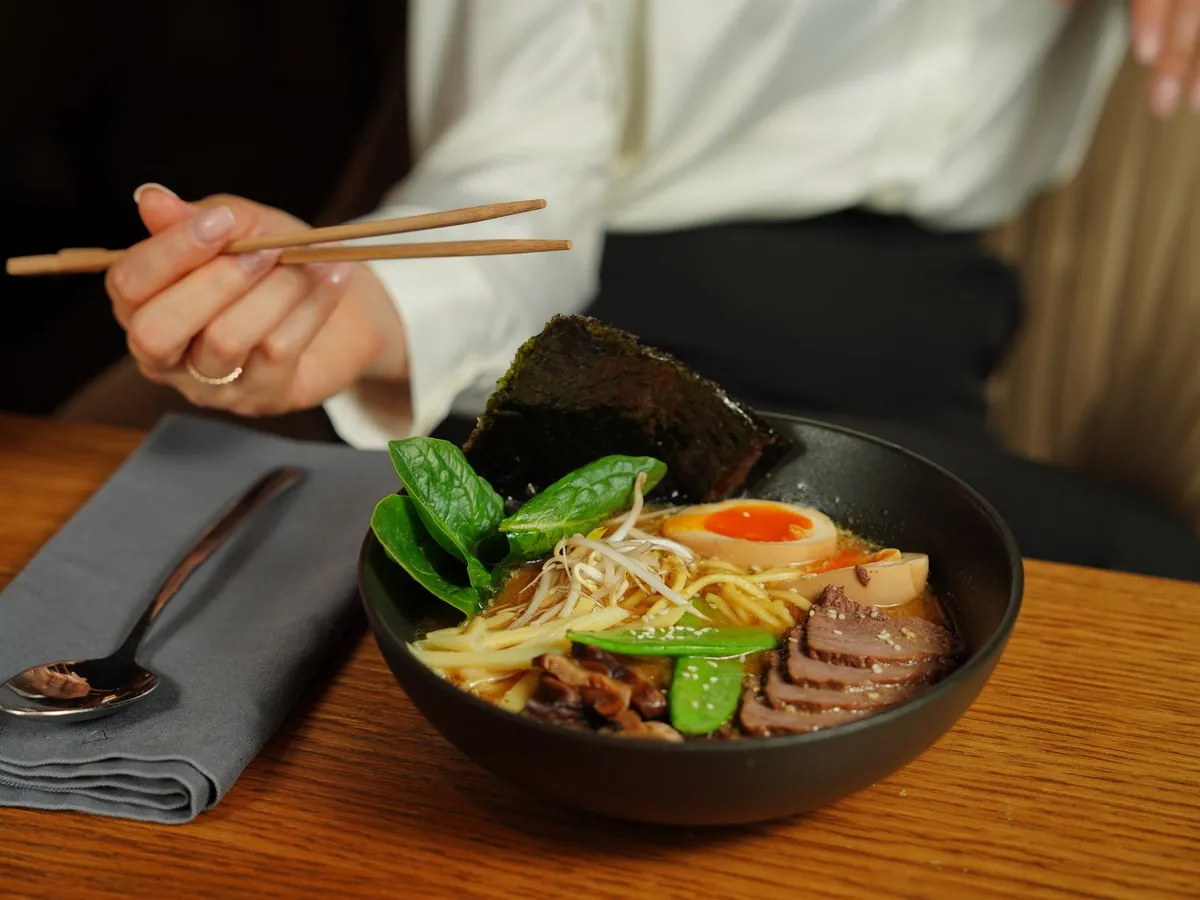
It arrives not with a shout, but with a whisper. A velvet weight settling across the tongue. A sensation of "furriness," as the scientists clinically describe it, coating the roof of the mouth and stimulating the throat long after the swallow. It is the taste of kombu simmering in cold water, the ghost of anchovies dissolving into a puttanesca, the deep, mineral bass note of a Parmigiano-Reggiano rind dropped into a pot of risotto. For millennia, cooks chased this ghost. They built empires of flavor upon it—Roman garum, Byzantine murri, Chinese jiang—yet they lacked the vocabulary to name the architect. They called it "deliciousness." They called it "savoriness." They called it umai. Then, in 1908, a professor at Tokyo Imperial University stared into a bowl of kombu dashi and saw the periodic table.The Alchemist of the Imperial University Kikunae Ikeda was not merely a chemist; he was a translator of the sensory world. He knew the four canonical tastes—sweet, sour, salty, bitter—but the broth made from Laminaria japonica (kombu) refused to file neatly into those drawers. It was distinct. It was "brothy," "meaty," mouthwatering. It lingered. Ikeda isolated the culprit: glutamic acid. An amino acid. Common, abundant, yet uniquely potent when ionized into its salt form—glutamate. He coined the term umami (うま味), arranging the glyphs specifically to denote this specific savory component, distinct from the general adjective umai (delicious). In 1909, partnering with Saburōsuke Suzuki, he launched Ajinomoto Co., Inc., bringing monosodium glutamate (MSG) to the world under the brand name "Ajinomoto"—the "essence of taste." It was a commercial triumph and a scientific heresy. For the better part of a century, the West dismissed it. Textbooks clung to the "Big Four." Umami was considered a mere blend, a culinary illusion. It took the 1985 Umami International Symposium in Hawaii to finally coronate the term as the official scientific descriptor for the taste of glutamates and 5'-ribonucleotides. The fifth taste had finally earned its seat at the table. The Architecture of the Tongue: Receptors and the TAS1R Code How do we know it is real? The proof sits not in the bowl, but in the biology. For decades, the mechanism was a black box. Then, the genetic scalpel arrived. Studies on genetically engineered mice—knockouts missing specific TAS1R genes—revealed the elegant machinery. The heterodimer TAS1R1/TAS1R3 is the sole gatekeeper of umami. Delete TAS1R1, and umami vanishes while sweet remains. Delete TAS1R2, and sweet disappears while umami stands firm. Delete the shared subunit TAS1R3, and both senses fall silent. This shared subunit is why the line blurs. It explains the confusion: standalone glutamate without sodium ions (Na+) tastes sour. Salt blockers reduce discrimination between MSG and sucrose. Some palates simply cannot untangle umami from salt. We are tasting through a shared molecular doorway. But the 2000 discovery of these receptors on the human tongue by University of Miami researchers, followed by Ajinomoto’s 2006 finding of similar receptors in the stomach, changed the game. Umami is not just a flavor; it is a physiological signal. A "nutrient sensor" telling the gut: Protein is here. Prepare for digestion. The Symphony of Synergy: 1 + 1 = 8 If glutamate is the soloist, the ribonucleotides are the orchestra. And the magic happens when they play together. In 1913, Ikeda’s disciple, Shintaro Kodama, found a second actor in dried bonito flakes (katsuobushi): Inosine Monophosphate (IMP). Decades later, in 1957, Akira Kuninaka identified Guanosine Monophosphate (GMP) in shiitake mushrooms. Kuninaka’s stroke of genius was quantifying the synergistic effect. When glutamate meets IMP or GMP, the taste intensity does not add up; it multiplies. The receptor undergoes a conformational change, binding the glutamate tighter, holding the door open longer. The resulting sensation is exponentially greater than the sum of its parts. This is the secret code of global cuisine. It explains the "why" behind the "what."Japan: Kombu (Glutamate) + Katsuobushi (IMP) = Dashi. The foundation of the cuisine. Italy: Tomato/Meat (Glutamate) + Parmigiano-Reggiano (Glutamate + Peptides) = Pasta al Ragù. A glutamate bomb. France/West: Veal Stock (Glutamate) + Mushrooms (GMP) = Sauce Madeira. Scotland/China: Chicken (Glutamate) + Leek/Cabbage (Nucleotides) = Cock-a-Leekie / Chinese Chicken Soup.We didn't know the chemistry when we invented these pairings. We only knew the deliciousness. Evolution selected for the cooks who stumbled upon the molecular handshake. The Ancient Pantry: Fermentation as Time Travel Long before Ikeda, before Kodama, before Kuninaka, there was garum. In the vats of ancient Rome, fish guts and salt fermented under the Mediterranean sun. Proteolysis—enzymatic hydrolysis—shattered proteins into free amino acids. The result: a liquid gold rich in glutamate. It was the ketchup of the Empire, the universal seasoning. Simultaneously, in medieval Byzantium and the Arab world, murri—fermented barley sauce—performed the same alchemy on grains. In China, by the third century, jiang (fermented soy/paste) and fish sauces were delivering that same "mouthwatering coating sensation" to the palate. Cheese, too, is a time capsule of umami. Proteolysis during aging breaks down casein into free glutamate. A 36-month Parmigiano-Reggiano isn't just cheese; it is concentrated glutamate crystals (those crunchy white tyrosines) suspended in fat. In the late 1800s, Auguste Escoffier, the king of chefs, built his cuisine classique on fonds (stocks) and glaces (reductions). He layered veal, vegetables, mushrooms, tomatoes—glutamate upon glutamate, nucleotide upon nucleotide. He constructed cathedrals of umami without ever knowing the chemical name of the brick. He knew only that it made food "pleasant," "palatable," "long-lasting." The Modern Toolkit: Beyond the Shaker Today, we manipulate these levers with industrial precision. Monosodium Glutamate (MSG): The pure salt of glutamic acid. The standard. Cheap, stable, potent. Disodium Guanylate / Disodium Inosinate: The nucleotide partners. Rarely used alone; expensive. But paired with MSG? They lower the required dosage, amplifying the signal. Hydrolyzed Vegetable Protein (HVP) / Yeast Extract (Marmite, Vegemite): "Clean label" delivery systems. They bring the peptides and nucleotides along for the ride, offering complexity alongside the punch. Peptides: As of 2017, 52 peptides are known to trigger the umami receptor (though 20 are contested). Ibotenic acid and tricholomic acid (found in certain mushrooms) are claimed to be multiples more intense than MSG. But potency is a trap. Umami possesses a narrow concentration range. Too little is invisible. Too much is cloying, metallic, unbalanced. It demands salt. It demands aroma. It is the bass player in the band—essential for the groove, disastrous as a solo act.The Physiology of Pleasure: Salivation and Satiety Why do we crave it? The properties described in the literature are distinct: a mild but lasting aftertaste, salivation, a sensation of furriness on the tongue, stimulating the throat, the roof, and the back of the mouth. This is the body preparing for protein. Salivation lubricates the bolus; the throat stimulation signals the esophageal peristalsis. The "coating" sensation? That is the viscosity of the ligands binding to the G-protein coupled receptors (TAS1R1/TAS1R3), a physical resonance of the molecular handshake. It enhances palatability across the board. It suppresses bitterness. It rounds sourness. It makes the "matching aroma" pop. A tomato smells like a tomato; a tomato with salt and glutamate tastes like the essence of tomato. The Controversy That Wasn't The "Chinese Restaurant Syndrome" panic of the late 20th century was a cultural migraine, not a toxicological event. Double-blind, placebo-controlled studies failed to consistently reproduce reactions to MSG at dietary levels. The sodium load of MSG is roughly one-third that of table salt (NaCl). Replacing salt with MSG often lowers total sodium intake while maintaining the hedonic reward. The stigma persists in some corners, a ghost story told around campfires of misinformation. But the science is settled: Umami is a basic taste. MSG is its purest vector. The receptors are real. The synergy is measurable. Writing the Fifth Chapter We are still discovering the edges of this map. The 52 peptides. The gut receptors. The role of umami in satiety signaling and metabolic health. The potential for "kokumi" (mouthfulness/continuity) compounds like glutathione to further amplify the signal without adding taste of their own. But the core truth remains poetic. We are animals built to seek nitrogen. We evolved a dedicated hardware pathway—TAS1R1/TAS1R3—to detect the chemical signature of broken-down protein. We built civilizations on fermentation vats and stock pots to hack that pathway. When you grate Parmesan over pasta, when you reduce a balsamic glaze, when you bloom tomato paste in oil, you are not just cooking. You are composing for a 100-million-year-old instrument. You are playing the Fifth Element.#Umami #FoodScience #CulinaryHistory #FlavorChemistry #MichaelChef Related InsightsFeijoada: Brazil’s Hearty Black Bean Stew and the Soul of a Nation L'Épopée Gourmande des Rues : Quand le Monde se Déguste à Ciel Ouvert Die Straßen von Mumbai: Ein kulinarischer Traum{ "@context": "https://schema.org", "@type": "FAQPage", "mainEntity": [ { "@type": "Question", "name": "What is the main focus of The Fifth Element: How a Bowl of Seaweed Broth Rewrote the Language of Flavor?", "acceptedAnswer": { "@type": "Answer", "text": "From ancient Roman garum to Kikunae Ikeda's 1908 revelation, discover the science, history, and synergy behind the savory sensation that changed cooking forever." } }, { "@type": "Question", "name": "Who authored the comprehensive guide on The Fifth Element: How a Bowl of Seaweed Broth Rewrote the Language of Flavor?", "acceptedAnswer": { "@type": "Answer", "text": "This detailed article and its insights were carefully researched and authored by Michael Chef." } }, { "@type": "Question", "name": "Where can I find more related content about Food?", "acceptedAnswer": { "@type": "Answer", "text": "You can explore more articles, detailed reviews, and similar insights by browsing the Related Insights section at the bottom of this article or visiting our dedicated Food category page." } } ] }
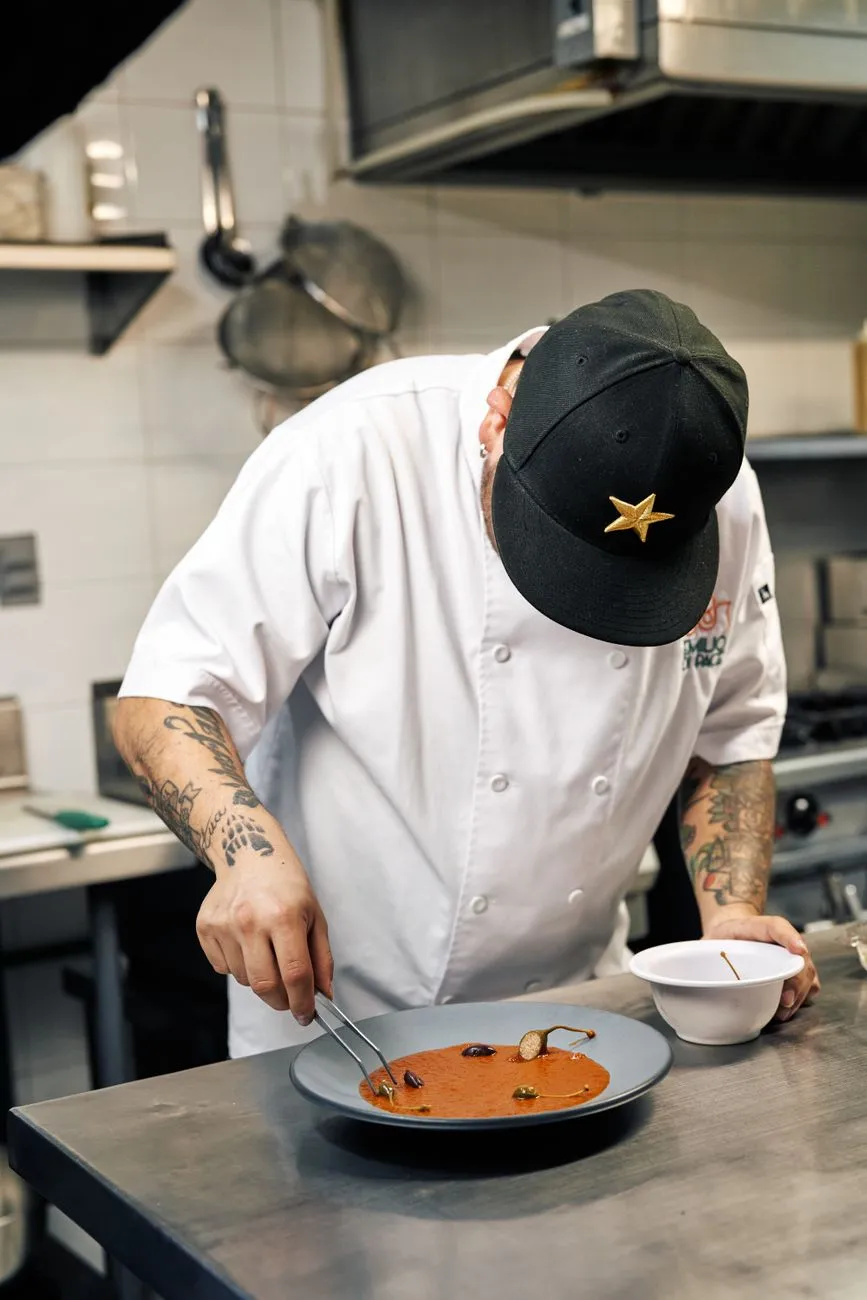
There is a specific silence that falls over a dining room when a plate of haute cuisine arrives. It is not merely the hush of anticipation; it is the sound of a social contract being honored. The diner has paid not just for sustenance, but for the accumulated weight of centuries—the ghosts of monarchs, the sweat of brigades, the geometry of a sauce reduced until it catches the light like amber. This is cooking as architecture, where the blueprint is written in butter, cream, and flour, and the builders wear white jackets stitched with hierarchy.The Gilded Cage: Origins in Excess and Exclusion Before the term haute cuisine crystallized into a doctrine, it existed as a privilege. The Wikipedia records remind us that this style was historically "accessible to a small demographic of rich and powerful individuals." It was the cuisine of the monarchy and the bourgeoisie, a theater where the ability to serve fruit out of season or ingredients "not typically found in France" was the ultimate flex of power. In the 17th century, the kitchen was a fortress. The food was "very rich and opulent," anchored by decadent sauces—mother sauces built on foundations of butter, cream, and flour—that still undergird French technique today. It was a cuisine of mass and volume. Service followed the service à la française: a staggering parade where all dishes hit the table at once, a landscape of silver and porcelain meant to overwhelm the senses before the first bite was taken. But even in this rigidity, evolution stirred. François Pierre La Varenne (1615–1678) pivoted the needle, dragging cookery out of the Middle Ages toward "somewhat lighter dishes, and more modest presentations." He began the long, slow work of subtraction—removing the heavy spice masks of the medieval palate to let the ingredient speak, however softly. Then came the architect: Marie-Antoine Carême (1784–1833). If La Varenne edited, Carême codified. He treated the kitchen like a drawing office. His pièces montées—edible architectural wonders replicating temples and ruins—turned the chef into an engineer. He "simplified and codified an earlier and even more complex cuisine," writing the first true grammar of the profession. It is a delicious irony that the man who built cathedrals of spun sugar and lard also tried to simplify the language of the stove. Across the Channel, the French influence colonized the British aristocracy. The data reveals a figure often lost to pop history: Jassinton Rozea (1721–1783). Master chef to the Duke of Somerset and later the Earl of Hopetoun in Edinburgh, Rozea authored The Gift of Comus (1752) and The Compleat Cook (1756). His "glorious banquets attended by European aristocrats in the expected French tradition" prove that haute cuisine was an early global export, a diplomatic language spoken in the dining rooms of power from London to Edinburgh. And let us dispel a persistent myth while we are here: Catherine de' Medici did not import Italian cooking to create French haute cuisine. The data is explicit. The French tradition was already simmering; it needed no foreign queen to light the fire. The General and the Brigade: Escoffier’s Cuisine Classique If Carême was the architect, Georges Auguste Escoffier was the general who modernized the army. Around 1900, he dragged the chaos of the grand hotel kitchens into the industrial age. His masterstroke was not a recipe, but a flowchart: the brigade de cuisine. He replaced the chaotic service à la française with service à la russe—serving meals in sequential courses. This changed the rhythm of dining forever. It allowed the kitchen to cook à la minute, plating hot food for one table at a time, rather than holding a banquet hostage to the slowest roast. It introduced the pacing we now take for granted: amuse-bouche, entrée, main, dessert. But the brigade system was the true revolution. Escoffier organized the kitchen into a military hierarchy: Chef de Cuisine, Sous-Chef, Chefs de Partie (saucier, poissonnier, pâtissier, etc.), Commis, and Plongeurs. Every hand knew its station. Every station knew its duty. This "system of cookery, based on Escoffier's Le Guide Culinaire," formalized the preparation of sauces and dishes into a replicable standard. Cuisine classique became the gold standard for the grand restaurants and hotels of Europe for much of the 20th century. It was distinct from cuisine bourgeoise (the cooking of affluent city dwellers), the bistro, and the provincial hearth. It was a high-wire act of consistency. A Sauce Béchamel in the Ritz Paris had to be structurally identical to one in the Carlton London. Escoffier gave the profession a spine.The Rebellion: When the Students Burned the Textbooks By the 1960s, the orthodoxy had calcified. Escoffier’s Guide had become a bible, and bibles invite heresy. Enter nouvelle cuisine. The term wasn't new—it had floated in culinary circles for centuries—but the modern iteration was forged by critics André Gayot, Henri Gault, and Christian Millau. They used it to describe a cohort of young lions: Paul Bocuse, Alain Chapel, Jean and Pierre Troisgros, Michel Guérard, Roger Vergé, and Raymond Oliver. Crucially, many were students of Fernand Point, the legendary chef of La Pyramide, who famously said, "Cooking is not chemistry, it is an art. It requires instinct and taste rather than exact measurements." Point’s disciples took that instinct and weaponized it against the Guide Culinaire. The manifesto of nouvelle cuisine reads like a declaration of independence:Natural Flavors: The freshest possible ingredients became non-negotiable. Simplified Preparation: The fussy, multi-day mise en place was slashed. Rejection of Heavy Sauces: The roux-thickened, cream-laden sauces brunes and blanches were banished. In their place: reductions, emulsions, vegetable coulis, the essence of the ingredient itself. No Strong Marinades: Meat tasted of meat. Reduced Cooking Times: Vegetables retained crunch and color; fish stayed translucent.It was a movement toward "conceptualism and minimalism," a "direct juxtaposition to earlier haute cuisine styles." Menus shrank. The pièce montée died. In its place rose inventive pairings—regional dishes elevated to the grand stage. A frog’s leg mousseline from Lyon. A salmon with sorrel sauce from the Troisgros brothers. The plate became a canvas for negative space.The Pendulum Swings Back: The Synthesis History rarely stays at the extremes. Within two decades, the pendulum began its return swing. Chefs realized that nouvelle cuisine, in its dogmatic pursuit of lightness, had thrown the baby out with the bathwater. The "richness and opulence" of the classics—the unctuous depth of a demi-glace, the comfort of a braise—had been lost. The modern era of haute cuisine is not a choice between Escoffier and Bocuse; it is a synthesis. Today’s three-Michelin-star kitchens run on Escoffier’s brigade discipline but plate with Bocuse’s minimalism. They use Guérard’s vegetable purity but finish with Carême’s structural elegance. The "high cooking" of the 21st century is defined by that original Wikipedia definition: "meticulous preparation, elaborate presentation, and the use of high quality ingredients," executed by "highly skilled gourmet chefs" at "premium prices." The Kaiseki tradition of Japan stands as a parallel summit—proof that the pursuit of "high cooking" is a universal human impulse, not merely a French monopoly. Both demand seasonality, knife skills that border on surgery, and a pacing that respects the guest’s palate. The Modern Plate: Where We Stand Now Walk into a top-tier restaurant today. You will see the brigade moving in silent synchrony—a legacy of 1900. You will taste a sauce that remembers Escoffier’s roux but wears the lightness of a nouvelle reduction. You will see a presentation that echoes Carême’s architecture but respects the negative space demanded by the Troisgros brothers. The "financial wherewithal" remains a barrier, yes. But the technique has democratized. The home cook now knows what a mise en place is. The culinary student learns the five mother sauces before they learn to boil an egg. The language of haute cuisine has escaped the palace and the grand hotel; it lives in the food truck that braises short ribs for 12 hours, in the bakery that laminates croissants by hand. The architecture of flavor stands taller because its foundations are deeper. We cook on the shoulders of generals and rebels, architects and poets. And when that plate arrives, demanding that specific, reverent silence? We understand exactly why.#HauteCuisine #CulinaryHistory #FrenchGastronomy #Escoffier #NouvelleCuisine #FineDining Related InsightsMumbai’s Edible Soul: The Spice, Chaos, and Unmatched Flavor of Its Street Food From Ancient Fields to Modern Crusts: Mastering Emmer & Spelt Sourdough „Die Architektur des Geschmacks: Wie Gastronomie zur Wissenschaft der Zivilisation wurde“{ "@context": "https://schema.org", "@type": "FAQPage", "mainEntity": [ { "@type": "Question", "name": "What is the main focus of The Architecture of Flavor: Deconstructing the Empire of Haute Cuisine?", "acceptedAnswer": { "@type": "Answer", "text": "Journey through the gilded kitchens of history where butter, hierarchy, and rebellion forged the world's most exacting culinary standard." } }, { "@type": "Question", "name": "Who authored the comprehensive guide on The Architecture of Flavor: Deconstructing the Empire of Haute Cuisine?", "acceptedAnswer": { "@type": "Answer", "text": "This detailed article and its insights were carefully researched and authored by Demir Şef." } }, { "@type": "Question", "name": "Where can I find more related content about Food?", "acceptedAnswer": { "@type": "Answer", "text": "You can explore more articles, detailed reviews, and similar insights by browsing the Related Insights section at the bottom of this article or visiting our dedicated Food category page." } } ] }
-
 Rahul Sharma
 - 21 Aug, 2026 19:08
Awadhi Cuisine: A Royal Legacy on Your Plate – The Untold Story of Lucknow’s Flavors
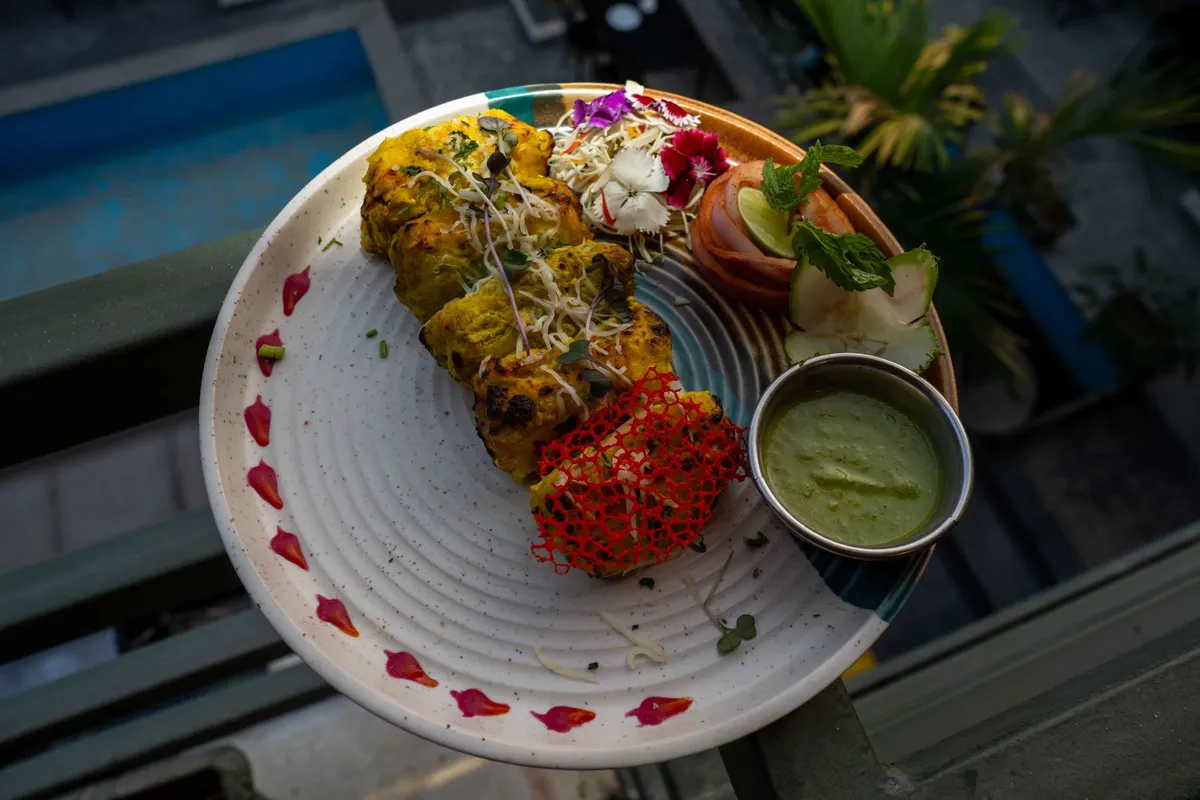
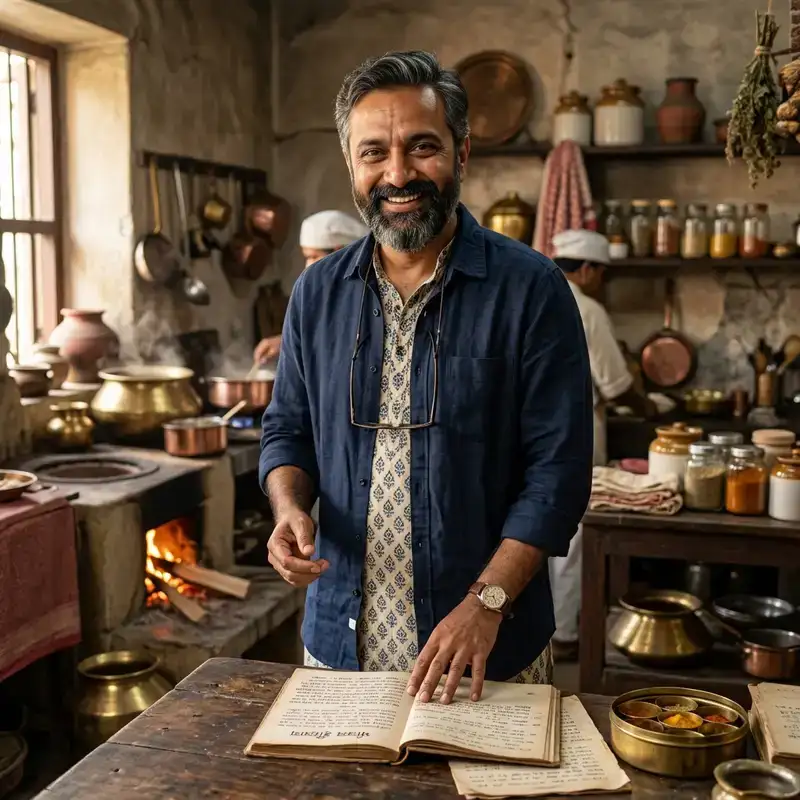
The Land Where Spices Dance: Awadh’s Culinary CanvasFew culinary traditions in the world can boast the grandeur and refinement of Awadhi cuisine—a gastronomic legacy forged in the heart of Awadh, now modern-day Lucknow. Born in the kitchens of the Nawabs of Awadh during the 18th and 19th centuries, this cuisine is not merely food; it is a living museum of Mughal, Persian, and indigenous influences, refined over centuries into a symphony of flavors. The Nawabs, known for their extravagant lifestyles and patronage of the arts, elevated cooking to an art form. Their royal chefs, or bawarchis, developed techniques like dum pukht (slow-cooking in sealed pots), baghar (tempering), and dhuan (smoke infusion), which remain the cornerstones of Awadhi cooking today. Awadhi cuisine is deeply rooted in the terai region of Uttar Pradesh, where fertile soil and a favorable climate nurtured a rich agricultural bounty. Staples like wheat, rice, lentils, and dairy products formed the base, while spices such as cardamom, saffron, and rose water added layers of complexity. The cuisine is divided into two main styles: Nawabi (royal) and Mughlai (imperial), though the lines often blur. What sets Awadh apart is its emphasis on zaika (taste)—a balance of sweet, sour, spicy, and aromatic notes that dance on the palate. From the delicate galouti kebabs to the rich biryani, every dish tells a story of conquest, culture, and creativity. The culinary heritage of Awadh is also a testament to its social fabric. The dastarkhwan (feast) culture, where meals are served on large spreads with multiple courses, reflects the Nawabs’ love for hospitality. Even today, in the narrow lanes of Chowk and Hazratganj, you can hear the sizzle of tandoori meat and the aroma of kewra water being sprinkled over dishes—echoes of a bygone era. This cuisine is not just about eating; it’s about experiencing history, one bite at a time.The Royal Kitchen: How the Nawabs Shaped Awadhi CuisineThe Nawabs of Awadh were not just rulers; they were connoisseurs who turned their kitchens into laboratories of flavor. The most iconic contribution of the Nawabs was the refinement of dum pukht, a technique where meat and rice are slow-cooked in a sealed pot (handi) over a low flame. The term dum means "breath" or "steam," and pukht means "cooking," reflecting the method’s ability to trap flavors and aromas. This technique was perfected in the royal kitchens of Lucknow, where chefs experimented with spices, herbs, and cooking times to create dishes like dum biryani and dum mutton. Another hallmark of Awadhi cuisine is the use of baghar, a tempering process where whole spices like cumin, cloves, and bay leaves are fried in ghee or oil before being added to a dish. This technique, borrowed from Persian cuisine, adds a burst of aroma and depth to curries and gravies. The Nawabs also popularized the use of kewra (screwpine essence), rose water, and mace (javitri), which became signature ingredients in Awadhi sweets and savories. For instance, shahi tukda (a royal dessert) is incomplete without a drizzle of kewra syrup, while galouti kebabs owe their melt-in-the-mouth texture to the careful blending of spices and minced meat. The Nawabs’ influence extended beyond the kitchen. They introduced iftari (evening meals during Ramadan) as a cultural tradition, where elaborate spreads of kebabs, shorbas (soups), and shahi paneer were served. The dastarkhwan culture also emphasized communal dining, with meals served on large brass or silver platters (thals), encouraging sharing and conversation. This tradition lives on in modern-day Lucknow, where biryani and kebab houses like Tunday Kababi and Raj Darbar serve as custodians of this royal legacy. The decline of the Nawabi era in the 19th century did not diminish the cuisine’s appeal. Instead, it evolved, adapting to the tastes of the common people while retaining its regal essence. Today, Awadhi cuisine is a blend of royal indulgence and street-smart innovation, a testament to the resilience of culinary traditions.The Awadhi Pantry: Spices, Techniques, and Secret IngredientsAt the heart of Awadhi cuisine lies a pantry that is as diverse as it is aromatic. Unlike other Indian cuisines that rely heavily on chili heat, Awadhi cooking is defined by its zaika—a harmonious balance of flavors. The foundation of this cuisine is built on a few key ingredients and techniques that have been passed down through generations. Spices and Aromatics:Saffron (Kesar): The most prized spice in Awadhi cuisine, saffron is used to add a golden hue and a subtle floral aroma to dishes like shahi korma and kesar phirni. Cardamom (Elaichi): Both green and black cardamom are used, with the latter adding a smoky depth to biryani and kebabs. Rose Water (Gulab Jal): A staple in sweets like shahi tukda and gulab jamun, rose water lends a delicate fragrance. Kewra Water: Extracted from the male flower of the screwpine plant, kewra water is used in both savory and sweet dishes for its unique aroma. Mace (Javitri): Often confused with nutmeg, mace is the outer covering of the nutmeg seed and is used in kebabs and kormas for its warm, slightly peppery flavor.Dairy and Fat:Ghee: Clarified butter is the preferred cooking medium in Awadhi cuisine, used for tempering, frying, and basting. Its rich, nutty flavor is essential in dishes like malai kofta and shahi paneer. Curd (Dahi): Used in marinades for kebabs and as a base for raita and shorbas. Cream (Malai): Adds richness to curries and desserts, such as malai ki sabzi and shahi tukda.Techniques:Dum Pukht: The slow-cooking method where food is sealed in a pot and cooked over a low flame, allowing flavors to meld. This technique is used in dum biryani, dum mutton, and dum aloo. Baghar: Tempering spices in hot ghee or oil to release their aromas before adding them to a dish. This is crucial in shahi korma and navratan korma. Dhuan: Smoke infusion, where dishes are exposed to smoke from burning charcoal or wood. This technique is used in dhuan murgh (smoked chicken) and dhuan dal. Galouti: A method of mincing meat finely and blending it with spices to create melt-in-the-mouth kebabs.Secret Ingredients:Kewra: Beyond its use in sweets, kewra is sprinkled over biryani and pulao to enhance their aroma. Poppy Seeds (Khus Khus): Used in shahi korma and navratan korma for a creamy texture and nutty flavor. Dried Fruits: Almonds, pistachios, and cashews are used in both savory and sweet dishes, adding crunch and richness.The Awadhi pantry is a testament to the cuisine’s ability to transform simple ingredients into culinary masterpieces. Whether it’s the subtle sweetness of kesar or the smoky depth of dhuan, every element plays a role in creating the signature zaika of Awadh.The Awadhi Feast: A Culinary Journey Through CoursesA traditional Awadhi meal is a multi-course affair, designed to engage all the senses. Unlike Western meals that follow a linear progression, an Awadhi dastarkhwan is a symphony of flavors, textures, and aromas, served simultaneously or in a carefully curated sequence. Here’s a breakdown of a typical Awadhi feast: 1. Sherbet or Sharbat: The meal often begins with a refreshing drink to cleanse the palate. Popular choices include sharbat-e-khus (poppy seed drink), sharbat-e-gulab (rose water drink), or nimbu pani (lemonade) with a hint of kewra water. 2. Chaat and Farsan: Light snacks like dahi bhalla, papdi chaat, or samosa are served to stimulate the appetite. These are often accompanied by mint chutney and tamarind chutney. 3. Kebabs and Galoutis: The main course begins with kebabs, which are the crown jewels of Awadhi cuisine. Galouti kebabs (minced meat kebabs), shami kebabs (spiced lentil and meat patties), and boti kebabs (tender meat skewers) are served with roomali roti (paper-thin bread) or sheermal (saffron-infused bread). 4. Shorbas (Soups): Rich and flavorful soups like shahi murgh shorba (chicken soup with cream and spices) or tomato shorba are served to prepare the palate for the main course. 5. Main Course: The centerpiece of the meal is often a biryani or pulao, served with raita (yogurt with cucumber and mint) and salad. Dum biryani (layered rice and meat slow-cooked in a sealed pot) is a must-try, with its fragrant rice and tender meat. Alternatively, korma (a rich, creamy curry) or pasanda (tender meat cooked in a yogurt-based gravy) may be served. 6. Roti and Breads: A variety of breads accompany the main course, including sheermal (saffron bread), baqar khani (flaky bread), kulcha (stuffed bread), and tandoori roti (clay oven-baked bread). 7. Dal and Vegetable Curries: Lentil dishes like dal murg (chicken lentil curry) or dal tadka (tempered lentils) are served alongside vegetable curries like shahi aloo (potatoes in a creamy gravy) or malai kofta (deep-fried paneer and potato balls in a rich gravy). 8. Raita and Chutneys: Cooling accompaniments like boondi raita (yogurt with fried gram flour balls) or kheera raita (yogurt with cucumber) balance the richness of the main course. Chutneys like mint chutney and tamarind chutney add a tangy kick. 9. Desserts: The meal concludes with a selection of sweets, such as shahi tukda (fried bread soaked in sugar syrup), gulab jamun (deep-fried milk dumplings in syrup), kheer (rice pudding), or phirni (saffron-infused rice pudding). 10. Paan and Digestifs: The feast ends with paan (betel leaf with spices) or meetha paan (sweet paan), followed by digestive drinks like sharbat-e-anar (pomegranate drink) or kesar doodh (saffron milk). This elaborate spread is a reflection of the Nawabs’ love for hospitality and indulgence. Even today, in the bustling streets of Lucknow, you can experience this culinary extravagance at places like Tunday Kababi (famous for its galouti kebabs) or Raj Darbar (known for its dum biryani).Awadhi Cuisine Through the Lens of Nutrition and Modern AdaptationsWhile Awadhi cuisine is celebrated for its rich flavors, it is also a cuisine that has evolved with the times. Modern nutritionists and chefs are reimagining traditional dishes to make them healthier without compromising on taste. Here’s a look at the nutritional profile of Awadhi cuisine and how it’s being adapted for contemporary palates. Nutritional Profile: Awadhi dishes are often high in protein, thanks to the liberal use of meat (chicken, mutton, and goat), dairy (paneer, cream, and ghee), and lentils. However, they are also high in calories and fat, particularly from ghee and fried items like kebabs and koftas. For example:Galouti Kebab (per 100g): ~250 kcal, 15g protein, 18g fat Dum Biryani (per serving): ~450 kcal, 20g protein, 22g fat Shahi Korma (per serving): ~500 kcal, 18g protein, 35g fatHealthier Adaptations:Lean Meats: Chefs are substituting fatty cuts of meat with leaner options like chicken breast or turkey in kebabs and kormas. Ghee Alternatives: While ghee is a staple, modern versions use less of it or replace it with healthier oils like olive oil or mustard oil. Whole Grains: Brown rice or quinoa is being used in biryani and pulao to increase fiber content. Vegetarian Options: Dishes like shahi paneer and malai kofta are being made with tofu or soy-based alternatives to cater to vegetarians. Reduced Sugar: Traditional sweets like gulab jamun are being made with natural sweeteners like jaggery or stevia.Spices and Health Benefits: Awadhi cuisine’s reliance on spices is not just for flavor—many of these spices have medicinal properties:Turmeric: Anti-inflammatory and antioxidant. Cumin: Aids digestion and boosts metabolism. Cardamom: Helps with bloating and indigestion. Saffron: Rich in antioxidants and mood-enhancing properties. Fennel: Acts as a digestive aid and freshens breath.Cost of Dining in Lucknow: For travelers looking to indulge in Awadhi cuisine, here’s a rough cost breakdown (based on Numbeo data for Lucknow, 2026):Dish Price (INR) Price (USD) Serving SizeGalouti Kebab (6 pieces) 300 3.60 150gDum Biryani (per plate) 250 3.00 300gShahi Korma (per bowl) 200 2.40 200gSheermal (per piece) 50 0.60 100gGulab Jamun (per piece) 30 0.36 50gTandoori Roti (per piece) 20 0.24 50gNote: Prices are approximate and may vary based on the restaurant and location. Where to Eat in Lucknow:Tunday Kababi: Famous for its galouti kebabs and boti kebabs. Raj Darbar: Known for its dum biryani and shahi korma. Dastarkhwan: A modern restaurant offering a fusion of Awadhi and contemporary cuisine. Prakash Ki Kachori: Famous for its kachori (fried bread) and jalebi. Nawab Wajid Ali Shah Puraani Darbaar: A heritage restaurant serving authentic Awadhi thalis.Awadhi cuisine is a living testament to the region’s history and culture. While it continues to evolve, its core essence—rich flavors, aromatic spices, and royal indulgence—remains unchanged. Whether you’re a food enthusiast or a curious traveler, a journey through Awadh’s culinary landscape is an experience that lingers long after the meal is over.Beyond the Plate: The Cultural Legacy of Awadhi CuisineAwadhi cuisine is more than just food; it is a cultural artifact that tells the story of a region’s history, social structure, and artistic expression. The cuisine’s evolution mirrors the political and social changes in Awadh, from the Mughal era to the British colonial period and beyond. Today, it stands as a symbol of Lucknow’s resilience and creativity, a cuisine that has adapted to modern tastes while preserving its royal roots. One of the most fascinating aspects of Awadhi cuisine is its role in social rituals. For instance, dastarkhwan is not just a meal but a communal experience. In traditional Awadhi households, meals are served on large brass or silver platters, encouraging family members to gather around and share. This practice is still observed during festivals like Eid, Diwali, and weddings, where elaborate spreads of biryani, kebabs, and sweets are prepared. The cuisine also reflects the region’s religious and cultural diversity. While the Nawabs were Muslim, Awadhi cuisine incorporates elements from Hindu, Jain, and even Buddhist traditions. For example, dal (lentils) and roti (bread) are staples in Hindu households, while kebabs and biryani are popular in Muslim communities. This fusion of culinary traditions is a testament to Awadh’s inclusive culture. Awadhi cuisine has also made its mark globally. Dishes like biryani and kebabs have become synonymous with Indian cuisine worldwide, thanks to the diaspora and the popularity of Indian restaurants. In cities like London, Dubai, and New York, Awadhi restaurants serve as ambassadors of Lucknow’s culinary heritage, introducing global audiences to the rich flavors of the region. Yet, despite its global appeal, Awadhi cuisine remains deeply rooted in its local identity. The street food of Lucknow—like kathi rolls, chicken tikka, and paan—is a testament to the cuisine’s adaptability and innovation. These dishes, born out of necessity and creativity, have become iconic symbols of the city’s food culture. As we look to the future, Awadhi cuisine faces both challenges and opportunities. The rise of fast food and globalized diets threatens to dilute traditional culinary practices. However, the growing interest in heritage cuisines and sustainable food practices offers a glimmer of hope. Chefs and food enthusiasts are reviving forgotten recipes, documenting oral histories, and promoting Awadhi cuisine as a cultural heritage. For travelers and food lovers, Awadh is a destination that promises not just a meal, but an experience—a journey through time, taste, and tradition. Whether you’re savoring a galouti kebab at a roadside stall or indulging in a dum biryani at a heritage restaurant, you’re not just eating; you’re participating in a legacy that has been passed down for centuries.#AwadhiCuisine #LucknowFood #RoyalIndianFood #NorthIndianCuisine #CulinaryHistory Related InsightsThe Ultimate Digital Nomad’s Playbook: Where to Live, Eat, and Thrive in 2026 Antigua and Barbuda Unveiled: A Digital Nomad’s Paradise of Turquoise Waters, Spice-Infused Cuisine, and Colonial Charm The Lost City of Petra: Where Ancient Wonders Meet Modern Adventure{ "@context": "https://schema.org", "@type": "FAQPage", "mainEntity": [ { "@type": "Question", "name": "What is the main focus of Awadhi Cuisine: A Royal Legacy on Your Plate – The Untold Story of Lucknow’s Flavors?", "acceptedAnswer": { "@type": "Answer", "text": "Dive into the opulent world of Awadh’s culinary traditions, where centuries-old recipes meet royal hospitality. Explore the dishes, history, and secrets behind Lucknow’s legendary cuisine." } }, { "@type": "Question", "name": "Who authored the comprehensive guide on Awadhi Cuisine: A Royal Legacy on Your Plate – The Untold Story of Lucknow’s Flavors?", "acceptedAnswer": { "@type": "Answer", "text": "This detailed article and its insights were carefully researched and authored by Rahul Sharma." } }, { "@type": "Question", "name": "Where can I find more related content about Travel/Food?", "acceptedAnswer": { "@type": "Answer", "text": "You can explore more articles, detailed reviews, and similar insights by browsing the Related Insights section at the bottom of this article or visiting our dedicated Travel/Food category page." } } ] }
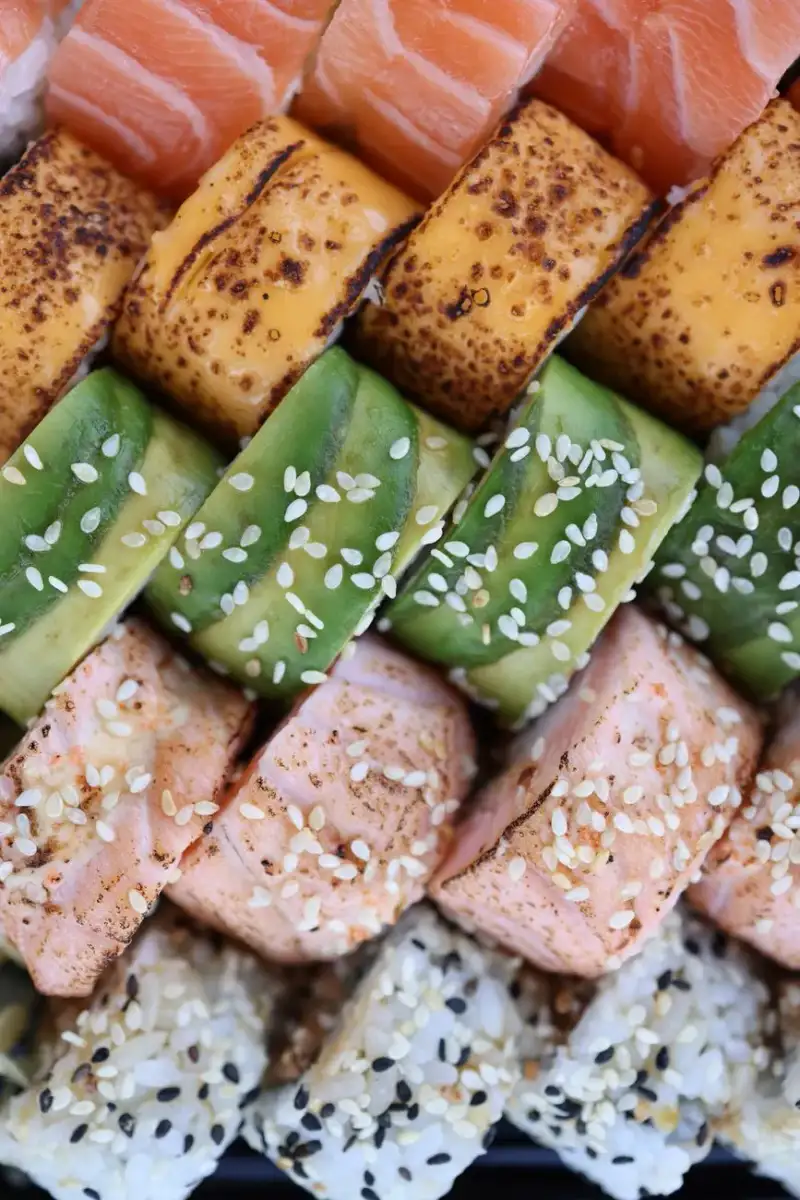
The marriage of acidity and ocean brine is not merely a culinary choice; it is a historical dialogue spanning centuries and continents. To the uninitiated, sushi is a modern luxury—a precise arrangement of raw fish atop a mound of pearlescent rice. But beneath the surface of this aesthetic perfection lies a complex metamorphosis. It is a story of survival, a scientific dance of lactic acid fermentation, and a societal shift from the slow preservation of proteins to the high-velocity appetite of a bustling metropolis. The essence of sushi is not the fish, but the shari—the vinegared rice—a component that serves as the heartbeat of the entire tradition. The Primal Roots: Narezushi and the Science of Survival Long before the neon lights of Tokyo or the refined omakase counters of Kyoto, the ancestor of sushi was born from a desperate need to preserve sustenance. The journey begins not in Japan, but in the river basins of Southeast Asia—specifically the Mekong and Irrawaddy basins, encompassing what we now know as Laos, Cambodia, Thailand, Vietnam, and Myanmar. In these humid landscapes, freshwater fish were abundant but volatile. To prevent spoilage, ancient peoples developed a method of packing fish in salted, cooked rice. This was not sushi as we know it today, but narezushi—"matured fish." The process was a triumph of primitive biochemistry. Through lactic acid fermentation, the rice created an acidic environment that acted as a natural preservative, halting the decay of the protein. Interestingly, in this primordial version of the dish, the rice was merely a tool for preservation; once the fermentation process was complete, the rice was discarded, and only the pungent, sour fish was consumed. The first scholarly trace of this practice appears in a fourth-century Chinese dictionary, describing salted fish placed in steamed rice. This method echoed across the Asian continent, manifesting as burong isda in the Philippines, pekasam in Indonesia, padaek in Laos, and sikhae in Korea. When this technique migrated to Japan during the Yayoi period, it found a perfect synergy with wet-field rice cultivation. During the rainy seasons, lakes and rivers would flood the rice paddies, leaving behind a bounty of fish. Narezushi became the vital protein bridge that allowed Japanese communities to survive the lean months.The very word "sushi" is a linguistic fossil of this era. Derived from the antiquated terminal-form conjugation shi of the adjectival verb sui (meaning "to be sour"), sushi literally translates to "sour-tasting." It refers to that precise moment where fermentation transforms the flavor profile into a savory, umami-rich experience. Even today, this ancient heritage survives in regional specialties, such as the funa-zushi of Shiga Prefecture, serving as a living museum of Japan's culinary origins. The Transition: Namanare and the Birth of the Rice-Fish Duo As centuries passed, the Japanese palate began to evolve, and the slow, months-long fermentation of narezushi started to feel cumbersome. During the Muromachi period (1336–1573), a pivotal shift occurred with the invention of namanare, or "partially fermented" sushi. This era marked a fundamental change in the relationship between the fish and the grain. In namanare, the fermentation period was significantly shortened. Because the fish did not reach a state of full maturation, the rice retained a palatable texture and flavor. For the first time in history, the rice was no longer discarded. It was eaten alongside the fish. This transition was supported by broader shifts in Japanese lifestyle. The population began adopting a rhythm of three meals a day, and the method of preparing rice shifted from steaming to boiling. Furthermore, the discovery and development of rice vinegar began to accelerate. To further speed up the process, chefs started incorporating sake and sake lees. The "slow food" of the ancients was beginning to accelerate, moving away from a method of preservation and toward a method of gastronomy. The Edo Revolution: Haya-zushi and the Fast Food Phenomenon The true explosion of sushi as a cultural icon occurred during the Edo period (1603–1867). This era brought about haya-zushi (fast sushi), a revolutionary approach that completely eliminated the need for lactic acid fermentation. Instead of waiting for nature to sour the rice over days or weeks, chefs simply mixed rice vinegar directly into the grains. This provided the desired sour taste instantaneously, allowing the fish and rice to be consumed immediately. This innovation turned sushi into the ultimate "fast food" for the chōnin (merchant and artisan) class of Edo (modern-day Tokyo). The streets of the city became hubs for quick, satisfying meals. It was during this vibrant period that the diverse styles we recognize today were born: chirashizushi (scattered sushi), inarizushi (tofu skin sushi), and makizushi (rolled sushi). The most significant breakthrough of this era, however, arrived around 1824. A visionary chef named Hanaya Yohei is credited with perfecting nigiri-zushi—the hand-pressed mound of vinegared rice topped with a slice of seafood. Yohei’s creation was a masterpiece of efficiency and flavor, designed for the fast-paced life of Edo's citizens.However, the nigiri of the 1820s differed substantially from the delicate morsels found in modern Michelin-starred restaurants. The rice portions were roughly three times larger than today's standards. The flavor profile was bolder and more acidic, utilizing aka-su (red vinegar) made from fermented sake lees, a product developed by Nakano Matazaemon, the founder of the Mizkan company. Sugar was virtually non-existent in the recipe; instead, a higher concentration of salt was used to season the shari. Because this sushi utilized fresh catches from Tokyo Bay, it was termed Edomae zushi (sushi from "in front of Edo"). This term survives today as a mark of prestige, denoting a specific style of preparation that honors the traditions of the bay. The Anatomy of Modern Sushi: Ingredients and Distinctions To understand sushi in the contemporary era, one must look beyond the fish. The defining component is always the vinegared rice, known as shari or sumeshi. While medium-grain white rice is the gold standard for its ability to hold the vinegar and maintain structure, variations using brown rice or short-grain rice exist. The ingredients draped over the rice, known as neta, are diverse. While raw seafood is the most prominent—ranging from the buttery richness of salmon and tuna to the firm texture of squid and yellowtail—it is a misconception that all neta must be raw. Eel (unagi) is typically cooked, and many vegetarian options utilize cucumbers or avocado. Even "imitation crab" (surimi) has found its way into the global lexicon of sushi. A critical distinction must be made between sushi and sashimi. While often served on the same platter, they are fundamentally different. Sashimi consists solely of thinly sliced raw fish or meat, devoid of the vinegared rice. If there is no shari, it is not sushi. The experience is completed by a carefully curated set of accompaniments:Gari: Pickled ginger, used as a palate cleanser between different types of fish. Wasabi: The pungent Japanese horseradish that provides a sharp counterpoint to the fatty fish. Soy Sauce: The salty, umami-rich dip that enhances the natural flavors of the neta. Daikon: Either raw or pickled (takuan), providing a crisp, refreshing garnish.The Global Legacy of a Simple Grain From the river basins of the Mekong to the sophisticated counters of the world's greatest cities, sushi has traveled a path of constant refinement. It has evolved from a desperate means of preserving protein into a global symbol of culinary precision and health. The genius of sushi lies in its simplicity: the balance of the sour rice, the sweetness of the fresh fish, and the punch of the wasabi. It is a dish that respects the ingredient above all else, a philosophy that traces back to the very first practitioners of narezushi. Whether it is a quick makizushi roll from a local shop or a curated Edomae experience, every bite carries the echoes of the Edo period, the Muromachi transition, and the ancient whispers of Southeast Asian fermentation. Sushi is more than a meal; it is a historical record of human ingenuity—a testament to how we have learned to harness acidity, time, and the bounty of the ocean to create something timeless. #Sushi #JapaneseGastronomy #CulinaryHistory #FoodScience #Edomae Related InsightsPeruvian Ceviche Revealed: The Ancient Citrus Alchemy That Transforms Seafood into a Nutritional Powerhouse (Part 2) nicoise salad with seared tuna and green beans: a delicious omega-3 rich dish Salmon Kulebyaka: A Harmonious Union of Omega-3 Rich Fish, Buckwheat, and Herbs{ "@context": "https://schema.org", "@type": "FAQPage", "mainEntity": [ { "@type": "Question", "name": "What is the main focus of The Alchemy of Vinegar and Ocean: The Deep Evolution of Sushi?", "acceptedAnswer": { "@type": "Answer", "text": "Explore the scientific and historical journey of sushi, from ancient Southeast Asian fermentation to the fast-food revolution of Edo Tokyo." } }, { "@type": "Question", "name": "Who authored the comprehensive guide on The Alchemy of Vinegar and Ocean: The Deep Evolution of Sushi?", "acceptedAnswer": { "@type": "Answer", "text": "This detailed article and its insights were carefully researched and authored by Michael Chef." } }, { "@type": "Question", "name": "Where can I find more related content about Food?", "acceptedAnswer": { "@type": "Answer", "text": "You can explore more articles, detailed reviews, and similar insights by browsing the Related Insights section at the bottom of this article or visiting our dedicated Food category page." } } ] }
- Michael Chef
- 06 Jul, 2026 02:24
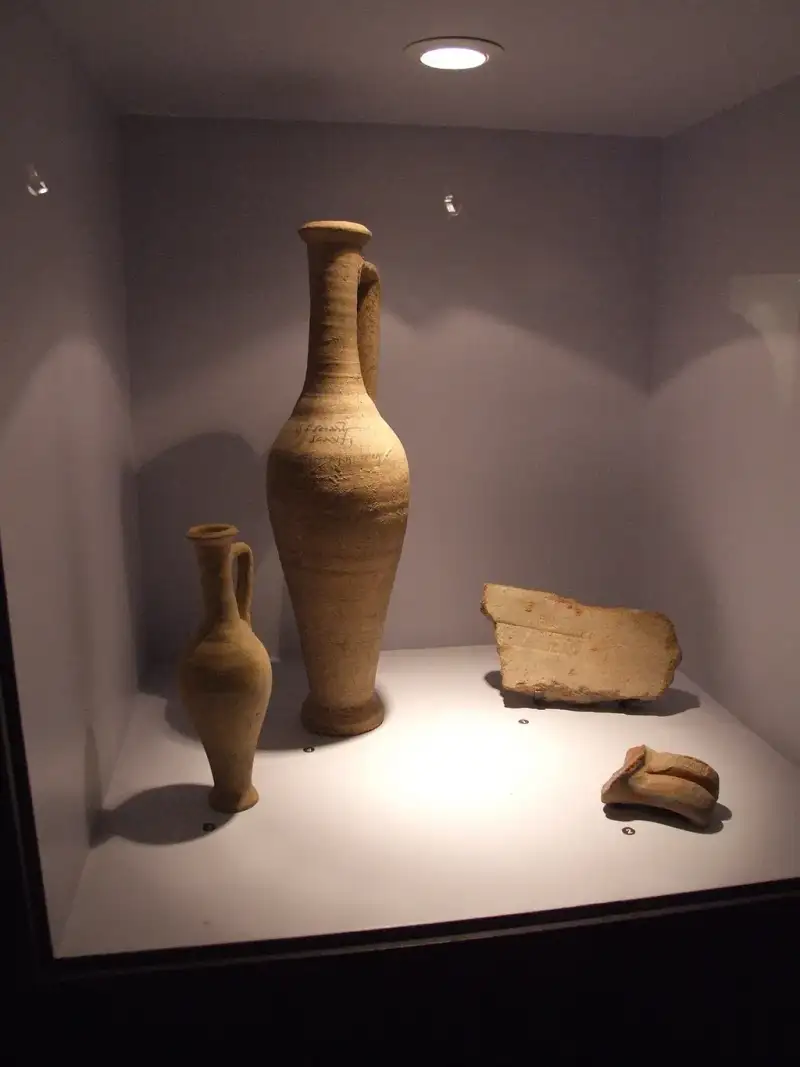
The Enigmatic Umami of Antiquity: Unearthing the Lost Flavors of Roman Garum
Imagine a condiment so potent, so universally adored across an empire stretching from the scorching sands of North Africa to the misty shores of Britannia, yet so utterly alien to contemporary taste that its very name conjures whispers of forgotten culinary dark arts. This is not the familiar umami of soy sauce or aged Parmesan; this is garum, the fermented fish sauce that defined the Roman palate, an economic powerhouse, and a culinary mystery that continues to intrigue historians and gastronomes alike. Forget what you think you know about Roman dining from simplified textbooks. The grandeur of their feasts was underpinned by a flavor profile deeply complex, often challenging, and invariably infused with garum. It was more than just an ingredient; it was a fundamental pillar of Roman gastronomy, influencing nearly every dish from humble porridge to lavish banquets. Its pervasive presence, now largely lost to the tides of history, offers a unique window into the sensory world of one of the greatest civilizations. A Whiff of Antiquity: The Making of Garum At its heart, garum was a product of decomposition and transformation – a deliberate, controlled fermentation of fish intestines, blood, and small fish mixed with salt. But the simplicity of this description belies a sophisticated process, perfected over centuries, that yielded a spectrum of flavors and qualities. The production sites, often sprawling complexes located along the sun-drenched coastlines of the Mediterranean (especially in Hispania Baetica, Lusitania, and North Africa), were a testament to the scale of the garum industry. Enormous vats, some capable of holding thousands of liters, were filled with layers of fish and salt. Common ingredients included mackerel, tuna, anchovies, sprats, and even the smallest, cheapest fish available. The mixture was left to ferment under the intense Mediterranean sun for weeks, sometimes months. The process was driven by endogenous enzymes within the fish guts, breaking down proteins into amino acids, primarily glutamates – the very essence of umami. The high salt content prevented putrefaction, guiding the decomposition towards fermentation. The resulting liquid, clear and amber-hued, was periodically strained, yielding the prized garum. The remaining solids, known as allec, were a coarser, paste-like byproduct, still flavorful and often used by the poorer classes or as animal feed. Archaeological findings, such as the impressive garum factories discovered in places like Baelo Claudia in Spain or in modern-day Morocco, provide tangible evidence of this ancient industry. These sites, with their interconnected vats and drainage systems, paint a vivid picture of an economy deeply invested in this pungent liquid.The Hierarchy of Pungency: Varieties and Value Just as modern olive oils or wines boast diverse grades and origins, garum was not a monolithic entity. Its quality and price varied wildly, reflecting the type of fish used, the specific preparation methods, and its geographic origin.Garum sociorum: The most highly prized variety, often made from the blood and entrails of tuna or mackerel, was a luxury item, fetching exorbitant prices. Its name, translating to "garum of the allies," suggests its origin from allied communities or perhaps a brand associated with quality. Liquamen: This term was often used interchangeably with garum, but some scholars suggest liquamen might have referred to a broader category of fish sauces, perhaps a slightly less refined or more common type. It was the workhorse of Roman kitchens. Muria: A simpler brine, often made from salting fish without the extensive fermentation. Haimation: A rarer, exceptionally rich garum made specifically from the blood of tuna.The economic importance of garum cannot be overstated. It was a significant trade commodity, transported across the empire in distinctive amphorae, each often bearing stamps indicating the producer or origin. Fortunes were made and lost in the garum trade, and its ubiquity made it a staple in every Roman household, from the humblest dwelling to the emperor's palace. Its value was such that it was sometimes used as a form of payment or as a luxury gift. Beyond the Palate: Garum's Cultural Significance Garum's role extended far beyond mere culinary enhancement. It was deeply interwoven with Roman culture, society, and even medicine. A Universal Seasoning Garum was the salt, the pepper, and the primary flavor enhancer of the Roman world, all rolled into one. It was drizzled over bread, mixed into salads, stirred into stews, and used to braise meats and vegetables. The Roman cookbook Apicius (De re coquinaria), one of the few surviving culinary texts from antiquity, features garum in almost every single recipe. Without it, Roman food would have been utterly different, almost unrecognizable. Consider a Roman dinner party. Instead of a salt cellar and pepper grinder, a small cruet of garum would have been passed around. Its ability to amplify other flavors and add a savory depth was unparalleled. It wasn't just about adding fishiness; it was about adding a fundamental layer of taste, much like MSG in some modern cuisines. Medicinal Properties The Romans, like many ancient civilizations, often blurred the lines between food and medicine. Garum was no exception. It was believed to possess various health benefits, used as a remedy for ailments ranging from indigestion to dysentery. Its rich protein content and trace minerals were likely beneficial, especially in a diet that might otherwise lack certain nutrients. Pliny the Elder, in his Natural History, even mentions its use in cosmetics and as an aphrodisiac, showcasing its versatile applications in Roman life. Social Status While common liquamen was accessible to most, the high-end garum sociorum was a mark of wealth and sophistication. To serve it at a banquet was a clear signal of one's status and generosity. This differentiation underscores how even a humble fish sauce could reflect the intricate social hierarchies of Roman society.The Decline and Rediscovery With the fall of the Western Roman Empire and the subsequent societal upheaval, the elaborate infrastructure required for large-scale garum production gradually collapsed. The knowledge and demand for this specific condiment waned. The art of its making, once a thriving industry, became a lost culinary secret. Europe moved towards other flavor enhancers, primarily salt, herbs, and spices, as well as the emerging dairy and meat products of the medieval era. For centuries, garum remained a footnote in ancient texts, a pungent curiosity for classicists. It wasn't until the 20th century, with renewed interest in ancient Roman history and the burgeoning field of food archaeology, that garum began its slow, academic rediscovery. Modern attempts to recreate garum have been undertaken by culinary historians and experimental archaeologists. These efforts, often painstaking and requiring specific conditions, have revealed the complexities of the ancient process. The results vary, but they consistently confirm its potent umami character, providing invaluable insights into what Roman food truly tasted like. Some modern chefs are even experimenting with incorporating recreated garum into contemporary dishes, bridging millennia of culinary history. Garum's Enduring Legacy: The Umami Connection While garum itself faded from the European culinary landscape, its spirit lives on in various forms around the world. The concept of fermented fish sauce is far from unique to Rome. Southeast Asian cuisines, for example, have a rich tradition of fish sauces (such as Vietnamese nuoc mam or Thai nam pla) that bear striking similarities to garum in their production methods and fundamental flavor profile. These sauces, too, are umami bombs, essential to their respective culinary traditions. This global commonality highlights a fundamental human predilection for umami, the fifth basic taste. The Romans, with their garum, were masters of harnessing this savory depth long before the scientific understanding of glutamates existed. Garum stands as a testament to humanity's ancient and ongoing quest to create delicious, complex flavors through the transformative power of fermentation. Studying garum isn't just about understanding an old recipe; it's about peeling back the layers of history to taste the past. It’s about recognizing the ingenuity of ancient peoples, their sophisticated understanding of flavor, and their ability to create a culinary staple that nourished an empire. The next time you encounter a modern fermented delight, spare a thought for garum, the enigmatic umami of antiquity, whose forgotten flavors once defined the world's most powerful empire. It's a reminder that sometimes, the most profound culinary wisdom lies buried, waiting to be unearthed.#AncientRomanCuisine #Garum #CulinaryHistory #FermentedFoods #UmamiDiscovery #AncientRomanCuisine #Garum #FermentedFoods #CulinaryHistory #Umami Related InsightsThe Bitter Revolution: How Chicory, Radicchio, and Dandelion Are Redefining Modern Menus Eine deutsche Seele in der Küche: Essen ist nicht nur zum Sattwerden da! Japanese Ramen: The Ultimate Guide to Regional Styles, Secret Broths, and How to Make Them at Home{ "@context": "https://schema.org", "@type": "FAQPage", "mainEntity": [ { "@type": "Question", "name": "What is the main focus of The Enigmatic Umami of Antiquity: Unearthing the Lost Flavors of Roman Garum?", "acceptedAnswer": { "@type": "Answer", "text": "Journey through time to discover Garum, the lost fermented fish sauce that fueled the Roman Empire's culinary obsession and defined its palate." } }, { "@type": "Question", "name": "Who authored the comprehensive guide on The Enigmatic Umami of Antiquity: Unearthing the Lost Flavors of Roman Garum?", "acceptedAnswer": { "@type": "Answer", "text": "This detailed article and its insights were carefully researched and authored by Michael Chef." } }, { "@type": "Question", "name": "Where can I find more related content about Food?", "acceptedAnswer": { "@type": "Answer", "text": "You can explore more articles, detailed reviews, and similar insights by browsing the Related Insights section at the bottom of this article or visiting our dedicated Food category page." } } ] }
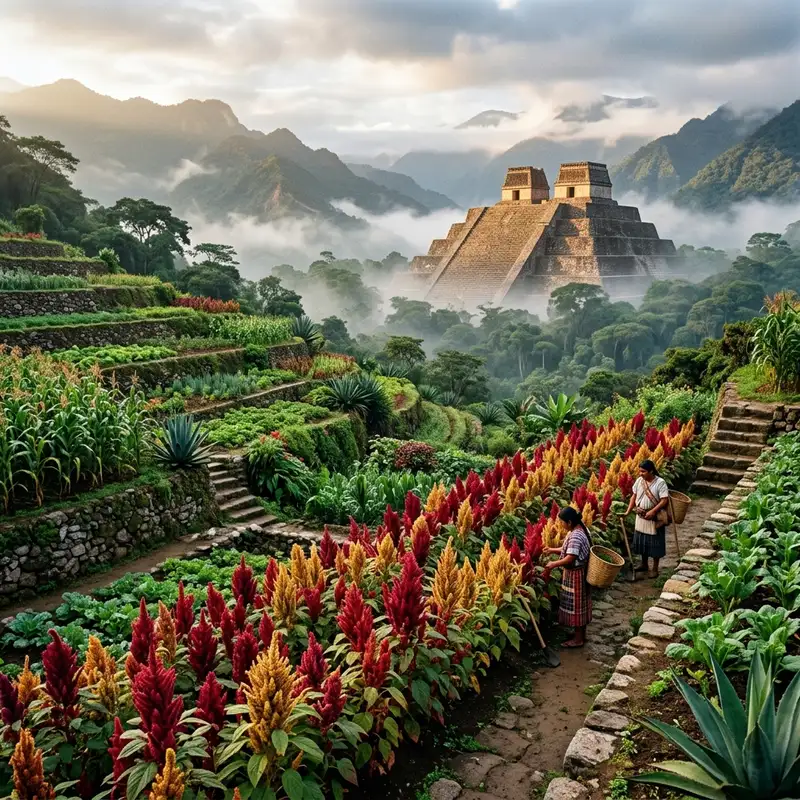
The dust of forgotten empires often settles not just on monumental ruins, but also on the very seeds that sustained them. Deep within the annals of pre-Columbian Mesoamerica, where towering pyramids pierced the jade sky and the pulse of ritual drummed through verdant valleys, lay a culinary secret that nourished empires and whispered prophecies: amaranth. Not merely a grain, but a vibrant tapestry of life, myth, and sustenance, this incredible plant once stood at the zenith of indigenous agriculture, only to be cast into the shadows of #history. We are not merely discussing Amaranthus spp. in its general sense, but rather the enigmatic saga of specific, once-thriving varieties, meticulously cultivated and revered, whose genetic blueprints teetered on the brink of oblivion, now quietly re-emerging from the earth’s memory. To truly grasp the significance of these 'lost' amaranth varieties, one must first transport themselves to a time before conquest, a golden age of agricultural ingenuity that flourished across a vast and diverse landscape. From the arid plateaus of the Aztec #empire to the lush lowlands of the Maya, and the intricate terraced fields of the Zapotec, amaranth, often known as huauhtli in Nahuatl, was not merely a staple crop; it was a cosmic anchor. Its tiny, pearl-like seeds, bursting with complete protein, essential minerals, and a surprising array of micronutrients, fueled the builders of mighty cities, sustained vast armies, and enriched the diets of millions. But beyond its nutritional prowess, amaranth occupied a hallowed space in the spiritual and ceremonial life of these civilizations. The Sacred Heartbeat of Mesoamerican Civilizations Imagine bustling marketplaces laden with iridescent amaranth grain, cultivated in a dazzling spectrum of colors—deep crimson, vibrant gold, pure white. These weren't mere genetic variations for novelty; each color often signified specific uses, perhaps even different species or landraces, painstakingly selected over millennia by skilled farmers. The Aztec, in particular, imbued huauhtli with profound sacred meaning. It was intimately linked with the sun god, Huitzilopochtli, and the earth goddess, Coatlicue, representing vitality, rebirth, and the very essence of life itself. During major religious festivals, such as Panquetzaliztli, the most important ritual dedicated to Huitzilopochtli, the reverence for amaranth reached its zenith. Priests and skilled artisans would mix amaranth flour with maguey syrup (honey from agave) and human blood (often from ritual sacrifice or self-mutilation), molding this paste into intricate effigies of deities and sacred symbols. These tzoalli figures were then ritually consumed by the populace, a communal act of communion with the divine, embodying the very spirit of the gods within their bodies. This wasn't just food; it was a direct channel to the supernatural, an edible prayer, a binding force for society. The consumption of amaranth was woven into daily life in myriad forms. The seeds were toasted and popped, much like popcorn, then bound with honey or agave nectar to create alegría (joy), a confection still beloved in parts of Mexico today. They were ground into flour for tortillas, tamales, and atoles (a thick, warm beverage). The young leaves and stems, remarkably nutritious, were consumed as greens, akin to spinach, adding vital vitamins and minerals to the diet. The sheer diversity of amaranth varieties cultivated would have been staggering, each adapted to specific microclimates, offering unique yields, disease resistances, and flavor profiles. These were the true 'lost' varieties – not entirely unknown to science today, but certainly lost to widespread cultivation and common culinary practice.The Shadow of Suppression: A Near Extinction The arrival of the Spanish conquistadors in the 16th century marked a catastrophic turning point for amaranth. The invaders, driven by religious fervor and a thirst for gold, viewed the indigenous spiritual practices as pagan idolatry. The use of amaranth in religious effigies, particularly the tzoalli figures that mimicked the Christian Eucharist, was deemed an abomination. In a brutally effective move to dismantle native #culture and impose Christianity, the Spanish authorities outlawed the cultivation and consumption of amaranth. This prohibition was enforced with extreme prejudice. Fields of amaranth were systematically burned, cultivators were severely punished, often with mutilation or death, and the mere possession of seeds became a dangerous act. Farmers were forced to switch to European grains like wheat and barley, which were culturally alien and nutritionally inferior in many respects to their traditional staples. This cultural, religious, and agricultural genocide effectively severed a millennia-old bond between the people and their sacred grain. While other staple crops like maize and beans managed to survive the onslaught due to their fundamental role in daily survival and less explicit ceremonial ties, amaranth, with its deeply intertwined spiritual significance, was deliberately targeted for eradication. This violent suppression led to an immense loss of genetic diversity. The countless specialized landraces, adapted to diverse ecological niches and culinary applications, dwindled. Many simply vanished, their unique genetic codes lost forever. What remained were often hardy, less preferred varieties that could be grown covertly, or those that thrived in remote, inaccessible areas where the reach of colonial authority was weaker. The vibrant spectrum of huauhtli that once adorned Mesoamerican fields was reduced to a few tenacious survivors, clinging to existence in forgotten corners. A Quiet Resilience: Survival in Remote Pockets Despite the brutal decrees and widespread destruction, amaranth did not entirely disappear. Its survival is a testament to the resilience of indigenous communities and their profound connection to their ancestral crops. In secluded mountain valleys of Oaxaca, Puebla, and Hidalgo in Mexico, and in isolated communities in parts of Guatemala and Peru, a clandestine agriculture persisted. Farmers, risking severe punishment, continued to cultivate small, hidden patches of amaranth, often interspersed with other crops to avoid detection. This underground cultivation wasn't just about food security; it was an act of cultural defiance, a quiet preservation of heritage. These hidden gardens became living seed banks, safeguarding the genetic memory of a vital crop. While much diversity was undoubtedly lost, these tenacious cultivators managed to preserve several key varieties, albeit in reduced numbers. Over centuries, amaranth became a local secret, a comfort food known only within specific communities, its larger historical and cultural significance slowly fading from collective memory outside these enclaves. It transformed from a dominant staple to a resilient, yet marginalized, heritage crop.The Modern Rediscovery and the 'Superfood' Era The latter half of the 20th century, spurred by a growing global interest in traditional crops, nutritional science, and sustainable agriculture, saw a quiet resurgence of amaranth. Botanists, ethnobotanists, and agricultural researchers began to "rediscover" this #ancient grain, recognizing its exceptional nutritional profile and agricultural potential. They delved into historical texts, interviewed elderly indigenous farmers, and scoured remote regions for surviving landraces. The nutritional data was compelling: amaranth is a complete protein, boasting all nine essential amino acids, including lysine, which is often deficient in other grains. It’s rich in fiber, iron, magnesium, phosphorus, potassium, and vitamins A, C, and E. It's also naturally gluten-free, making it an ideal alternative for individuals with celiac disease or gluten sensitivities. This confluence of historical intrigue and modern scientific validation propelled amaranth into the global "superfood" spotlight. However, the #journey from obscure heritage crop to modern culinary ingredient was not without its challenges. The surviving varieties, while precious, represented a fraction of the diversity that once existed. Efforts had to be made to collect, characterize, and propagate these landraces, often with limited resources and against the backdrop of evolving agricultural practices. The term "lost varieties" in the modern context refers not just to those completely extinct, but also to those that are genetically distinct, traditionally significant, and have either ceased to be cultivated or are on the verge of disappearing, known only to a handful of indigenous farmers or stored in the icy dormancy of international seed banks. The Quest for the 'Lost' Strains: A Global Collaborative Effort Today, dedicated institutions, non-profit organizations, and indigenous communities are actively engaged in the painstaking work of identifying, researching, and reintroducing these forgotten amaranth varieties. The Vavilov Institute in #Russia, the Rodale Institute in the US, and various Mexican agricultural research centers hold collections of diverse amaranth germplasm, a living library of its genetic heritage. Seed savers and plant breeders are working to understand the unique characteristics of each strain – its adaptation to specific soil types, altitudes, pest resistance, and most importantly, its culinary applications. This quest is about more than just genetic preservation; it's about cultural restitution. It’s about empowering indigenous communities to reclaim their agricultural heritage and benefit from its renewed interest. It's about recognizing the invaluable, millennia-old knowledge embedded in these traditions. Some varieties, once thought lost, are being found in small, isolated fields or in the memories of elders, offering clues to their unique properties – perhaps a specific variety that thrived in high-altitude volcanic soil, or one particularly suited for popping into a delicate crisp. Chefs and culinary innovators are also playing a crucial role. They are experimenting with different amaranth varieties, exploring their distinct textures and subtle flavor notes. While common amaranth varieties often have a slightly nutty, earthy taste, some of these revived landraces might offer hints of sweetness, a more pronounced bitterness, or unique textural properties when cooked. This experimental cooking is not just about novelty; it's about reconnecting with the authentic tastes of the past and honoring the plant’s complex history. Amaranth in the Contemporary Kitchen: A Grain for the Future Today, amaranth is finding its way into kitchens worldwide, far beyond its Mesoamerican origins. While the specific lost varieties are primarily being studied and slowly reintroduced, the general resurgence of amaranth has paved the way for a deeper appreciation of its lineage. Consumers are discovering its versatility:Popped: Used as a gluten-free cereal, a crunchy topping for salads and yogurts, or recreated into modern alegría bars. Whole Grain: Cooked like rice or quinoa, it makes a nutrient-dense side dish, a base for grain bowls, or a thickener for stews. Flour: A superb gluten-free flour for baking, enriching breads, pancakes, and desserts with its protein and unique texture. Leaves: Young amaranth leaves are now prized as a nutritious green, sautéed, added to stir-fries, or blended into smoothies.The reintroduction of specific heritage varieties promises to expand this culinary landscape even further, offering chefs and home cooks a wider palette of flavors and textures to explore. Imagine an alegría crafted from a specific, ancient Aztec amaranth variety, its flavor profile subtly distinct, carrying echoes of its storied past. The journey of amaranth, from its revered status in ancient Mesoamerica to its violent suppression and quiet survival, culminating in its modern rediscovery, is a powerful narrative. It serves as a poignant reminder of the fragility of agricultural biodiversity and the profound impact of cultural hegemony. But more importantly, it stands as a beacon of hope—a testament to the enduring power of seeds to carry history, culture, and sustenance through time. As we embrace amaranth today, we are not just consuming a 'superfood'; we are tasting the echoes of a sun god, honoring the resilience of ancient peoples, and nurturing a grain that holds the promise of a more sustainable and culturally rich future for our plates and our planet.#AncientGrains #MesoamericanCuisine #CulinaryHistory #Amaranth #HeritageFoods #SustainableEating #AncientGrains #MesoamericanCuisine #CulinaryHistory #Amaranth #PreColumbianFood #SustainableEating #HeritageGrains Related InsightsBeyond Black Pepper: The Enchanting Aromas of Long Pepper and Grains of Paradise Baba Ghanoush: The Smoky Eggplant Dip Ndambe: The Comforting Black-Eyed Pea Stew{ "@context": "https://schema.org", "@type": "FAQPage", "mainEntity": [ { "@type": "Question", "name": "What is the main focus of Echoes of the Sun God: Unearthing the Lost Amaranth Varieties of Ancient Mesoamerica?", "acceptedAnswer": { "@type": "Answer", "text": "Delve into the forgotten history of Amaranth, a sacred grain of Mesoamerican civilizations, and its silent journey back to modern plates." } }, { "@type": "Question", "name": "Who authored the comprehensive guide on Echoes of the Sun God: Unearthing the Lost Amaranth Varieties of Ancient Mesoamerica?", "acceptedAnswer": { "@type": "Answer", "text": "This detailed article and its insights were carefully researched and authored by Demir Şef." } }, { "@type": "Question", "name": "Where can I find more related content about Food?", "acceptedAnswer": { "@type": "Answer", "text": "You can explore more articles, detailed reviews, and similar insights by browsing the Related Insights section at the bottom of this article or visiting our dedicated Food category page." } } ] }