The Golden Threads of History: Unraveling the Millennia-Old Tapestry of Pasta
-
 Eleanor Hughes
 - 10 Sep, 2026 11:44
From Ancient Grains to the Silk Road Origins
When we sit down to a steaming bowl of al dente spaghetti, we are participating in a ritual that spans millennia. To understand the genesis of pasta, we must cast aside the modern nationalist debate—that purely Italian narrative—and look toward the cradle of civilization. Archaeological evidence strongly suggests that the concept of creating a paste from ground grains and water is as old as the discovery of wheat itself. While popular mythology often credits Marco Polo with bringing pasta back from China in the 13th century, the historical record suggests a much more complex, polycentric origin.
In the Mediterranean, the Greeks and Romans consumed a product known as ‘laganon’—a broad, flat sheet of dough made from wheat flour and water, fried or baked. This precursor to modern lasagna was a staple in ancient diets. However, the transformation from flatbread to the extruded, dried form we recognize today was catalyzed by the Arab conquests in the Middle Ages. As Islamic agriculturalists moved westward into Sicily during the 9th and 10th centuries, they brought with them the technology for drying pasta. This was a revolutionary development; by removing moisture, they created a stable, portable food source that could be stored for long periods, essentially the first “instant” fuel for nomadic travelers and conquering armies.
The significance of this evolution cannot be overstated. Drying pasta turned a fresh, perishable luxury into a commodity that could be shipped across the Mediterranean. By the 12th century, the chronicler Al-Idrisi, working for King Roger II of Sicily, famously wrote about a factory in Trabia—a town near Palermo—that produced large quantities of pasta in the shape of strings. This is the earliest documented evidence of mass-produced, commercial pasta. The “golden threads” were no longer just a household craft; they were an engine of trade. As we peel back the layers of history, we see that pasta was the original globalized food, an intersection of Mesopotamian grain cultivation, Chinese noodle-making tradition, and Arab preservation technology.
The Industrialization of the Durum Wheat Revolution
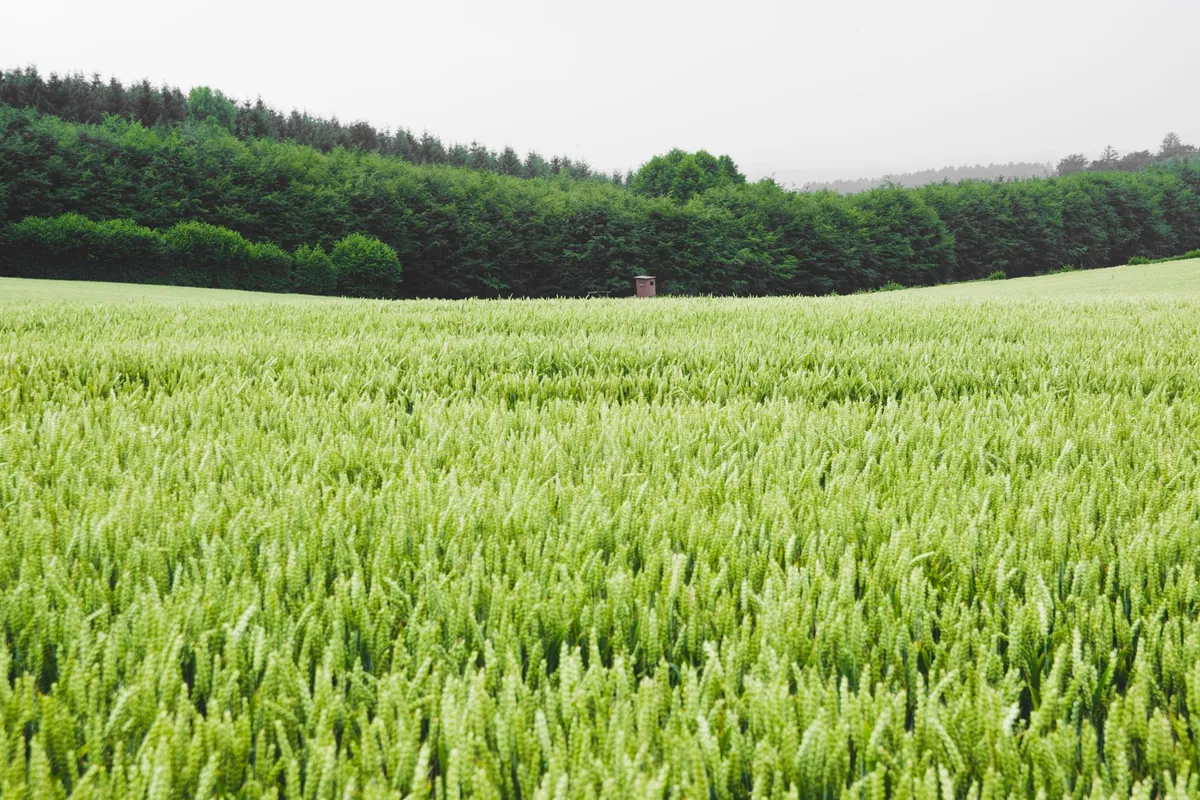
The true genius of Italian pasta lies in the selection of the primary ingredient: durum wheat. Unlike soft wheat, which is typically used for bread and cakes, durum (Triticum durum) has a high protein content and a unique gluten structure that allows for the creation of an elastic, firm dough. When this semolina flour is hydrated and pushed through bronze dies, it retains its shape during the drying process and maintains a satisfying ‘al dente’ texture upon cooking. This specific grain variety, which thrives in the arid, sun-drenched climate of Southern Italy, became the backbone of the Mediterranean diet.
During the late 18th and 19th centuries, the invention of the hydraulic press and the mechanical kneader transformed pasta from a cottage industry into a burgeoning industrial powerhouse. Naples became the epicenter of this change. The city’s unique geography—its proximity to the sea and the strong coastal winds—provided the perfect conditions for the traditional drying process. Pasta was draped over large wooden racks, hung across the city’s narrow streets, and cured in the salty maritime air. This natural drying process, which took days, gave the pasta a porous surface, which is critical for binding to sauces.
Modern manufacturers have since replaced these wind-tunnels with high-heat, rapid-drying chambers. While this has increased output, purists argue that the “bronze-cut” method remains superior. Bronze dies impart a rougher, matte texture to the pasta surface, which serves as a microscopic trellis for tomato sauces and pestos. This is the difference between a bowl of pasta that is slick and oily and one where the sauce clings to every strand. Understanding the mechanical interaction between the flour, the die, and the drying room is essential for any serious cook. We are not merely eating starch; we are consuming a highly engineered product that represents the peak of agricultural and industrial symbiosis.
Macronutrient Profiles and the Physiology of Starch
To appreciate pasta beyond its flavor, one must view it through the lens of nutritional science. Pasta is fundamentally a complex carbohydrate, a source of glucose that provides the steady fuel required by both the brain and the muscular system. The glycemic index of pasta is lower than that of many other refined grain products, largely due to the physical structure of the semolina starch granules. When processed through extrusion, these granules are packed densely, meaning that the digestive enzymes in our gastrointestinal tract take longer to break them down into absorbable sugars.
A standard serving of dried pasta—approximately 56 grams or two ounces—provides a robust baseline of energy. Most durum wheat pasta is an excellent source of B-vitamins, particularly folate, niacin, and thiamine, which are critical for metabolic function. Furthermore, the protein content in durum wheat is significantly higher than that of common white flour, ranging between 12% and 15%. This protein matrix creates a “satiety effect,” ensuring that the consumer remains full for a longer duration compared to consuming empty calories.
However, the “al dente” preparation is not just a stylistic preference; it is a nutritional imperative. By cooking pasta for a shorter duration, we preserve the integrity of the starch molecules, preventing them from gelatinizing completely. This keeps the glycemic response measured, preventing the sharp blood sugar spikes associated with overcooked, mushy pasta. The addition of healthy fats, such as extra virgin olive oil or proteins like lean poultry, further mitigates the glycemic load, creating a balanced meal profile. The following table provides a breakdown of the nutritional composition typically found in standard dry semolina pasta.
| Nutrient Type | Amount per 100g (Dry) | Role in Human Physiology |
|---|---|---|
| Carbohydrates | 75g | Primary fuel for muscular contraction |
| Protein | 13g | Muscle repair and enzymatic support |
| Dietary Fiber | 3g | Gut health and glucose regulation |
| Iron | 1.5mg | Oxygen transport in blood cells |
| Fat | 1.5g | Essential for fat-soluble vitamin absorption |
This table illustrates why, despite modern trends that demonize carbohydrates, pasta has remained a foundational component of longevity diets, such as the Mediterranean model. The key lies in portion control and the quality of the pairing ingredients. When treated as the vehicle for nutrient-dense vegetables, legumes, and lean proteins rather than the main caloric event, pasta is a highly efficient delivery system for essential vitamins and minerals.
The Architecture of Sauces and Sensory Engagement
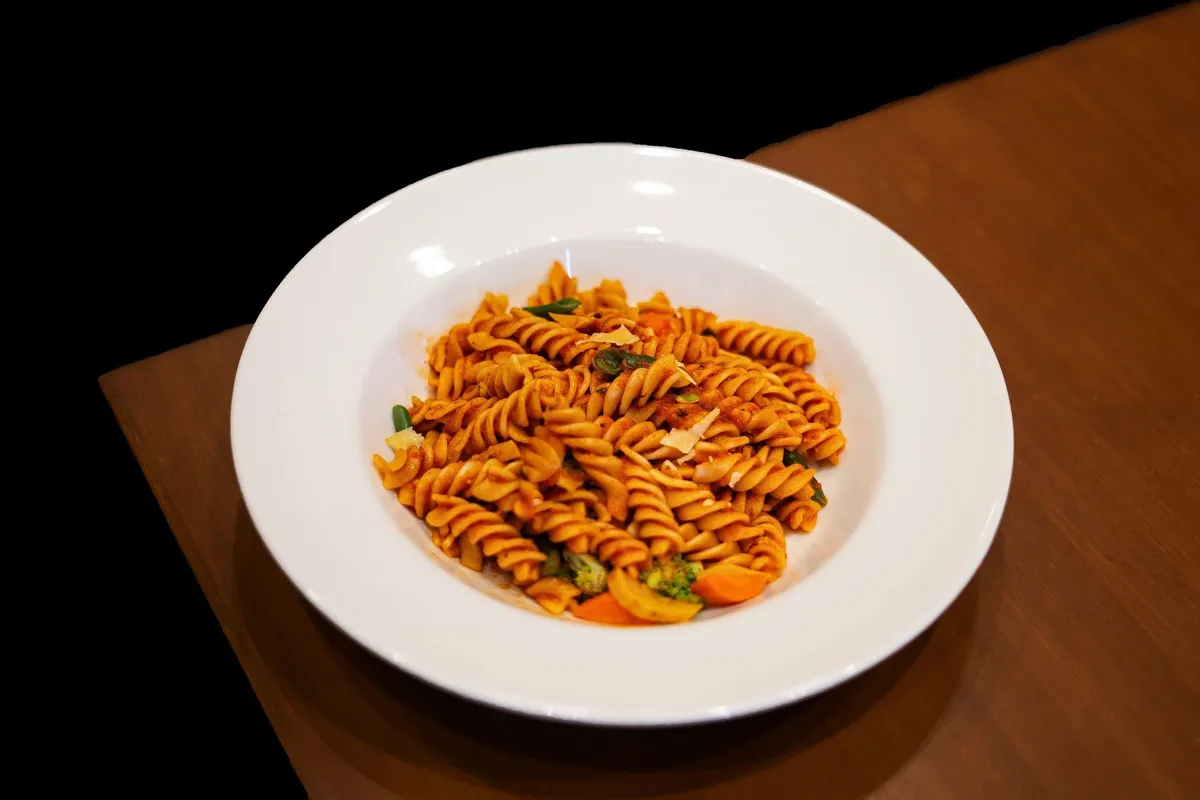
The marriage between a specific pasta shape and its accompanying sauce is governed by the principles of fluid dynamics and culinary architecture. It is not an accident that thick, hearty meat ragùs are paired with wide, flat ribbons like pappardelle or tubular shapes like rigatoni. These shapes are designed to hold weight. The internal hollows of rigatoni act as reservoirs for sauce, ensuring that every bite delivers a uniform ratio of pasta to topping. Conversely, long, thin strands like spaghetti or linguine are designed for emulsified, oil-based, or delicate seafood sauces. These strands rely on their surface area to pick up a thin coating of flavor, making them ideal for dishes like Aglio e Olio or a light vongole.
The sensory experience of pasta is rooted in ‘mouthfeel’—a term professionals use to describe the tactile sensation of food. A perfectly cooked piece of pasta should offer a subtle resistance to the tooth, a sensation that is satisfying precisely because it requires engagement. This is where the choice of wheat matters. Pasta made from lower-quality grains will fall apart or turn mushy, losing the textural contrast that makes Italian cuisine so compelling.
Furthermore, the addition of starchy pasta water to the sauce is perhaps the most critical technical step in the kitchen. This water, cloudy with released amylose, acts as an emulsifier. When tossed with fat-based sauces, it bridges the gap between water and oil, creating a cohesive, velvety glaze that clings to the pasta rather than sliding off it. This technique, a secret of the professional kitchen, transforms simple ingredients into a cohesive masterpiece. It is the culmination of years of cultural refinement—a tacit understanding that the pasta is not a canvas, but an active partner in the flavor profile.
Preserving the Heritage of Artisan Craft
As we move toward a future of hyper-processed convenience, the artisanal tradition of pasta-making faces a critical juncture. Small-scale pasta makers (pastai) are now working to preserve ancestral grains—varieties like Senatore Cappelli, Russello, and Timilia. These heritage wheats offer a flavor profile far superior to modern, high-yield cultivars, possessing earthy, nutty, and even slightly floral notes. They also present a lower impact on the environment, as they are often grown using traditional, low-input agricultural methods that prioritize soil health over maximum yield.
The preservation of this craft is a form of cultural stewardship. When we choose to purchase bronze-extruded, slow-dried pasta made from heritage grains, we are supporting a supply chain that values quality over quantity. This movement toward “Slow Food” is not merely about taste; it is about the resilience of our global food system. The loss of regional wheat varieties would represent a catastrophic reduction in our culinary biodiversity. By engaging with these products, we keep the history of the Mediterranean alive in our own kitchens.
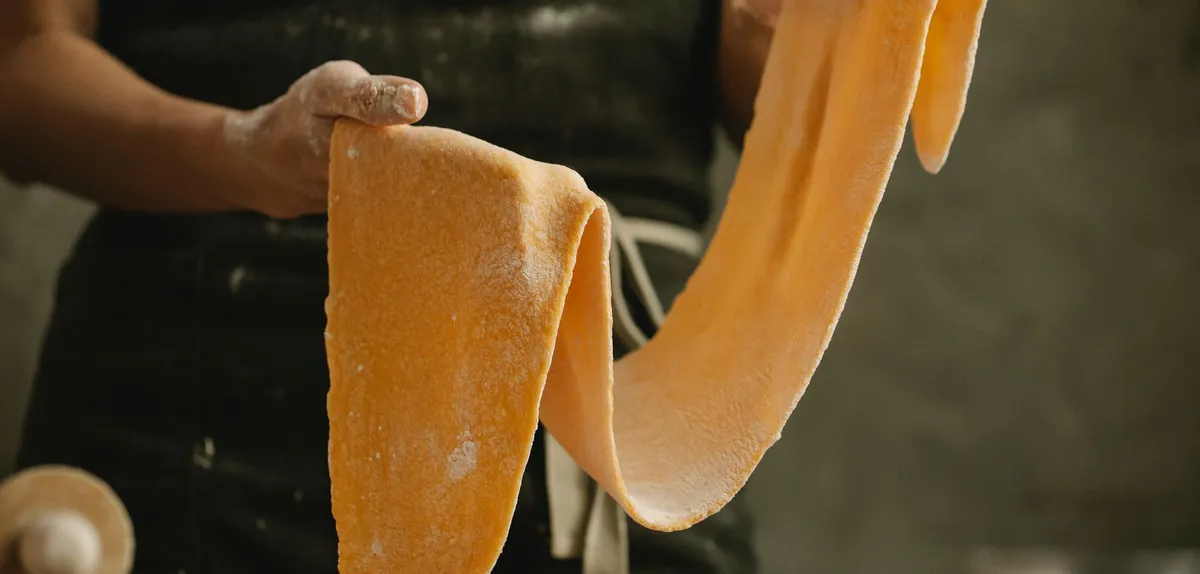
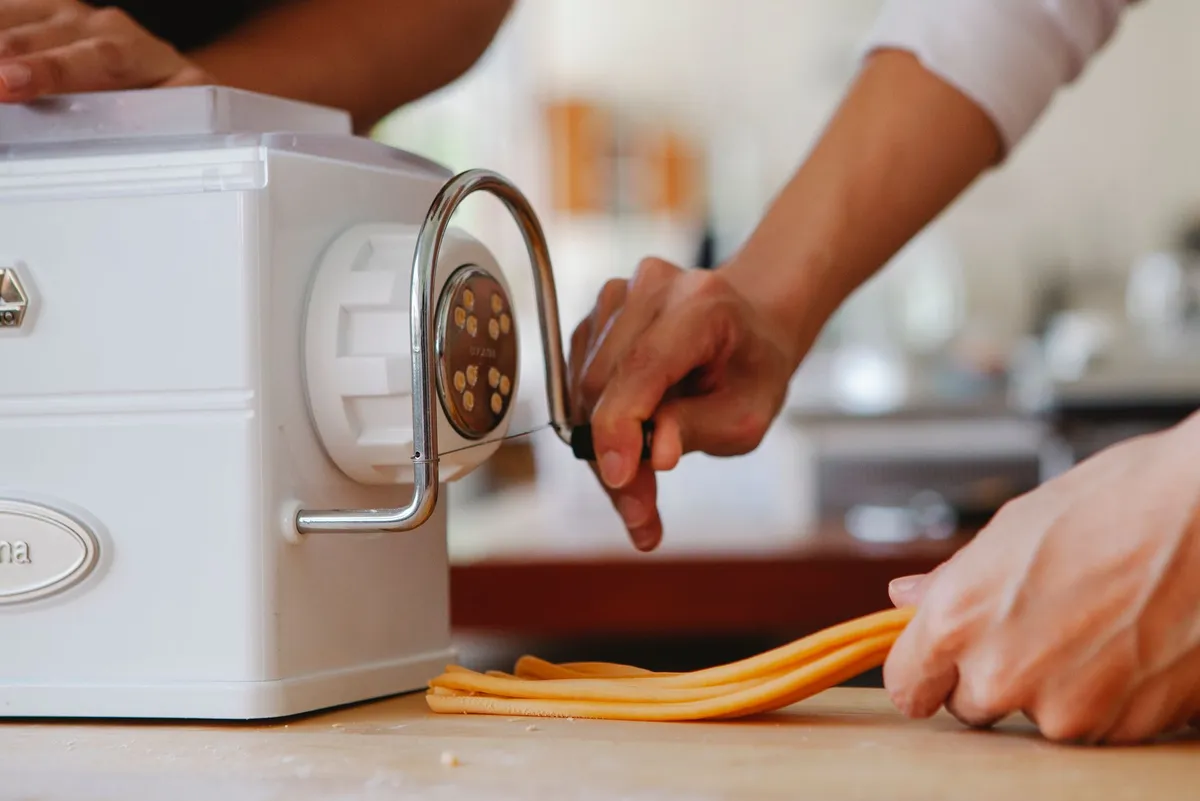
Learning to make pasta by hand—using nothing more than flour, water, and perhaps an egg—is a transformative experience. It forces the cook to interact with the raw materials, to feel the hydration levels, and to understand the physics of gluten development. It is a slow, meditative act in an age of speed. It reconnects us to the millions of hands that have kneaded, rolled, and cut these golden threads over the past thousand years. As we look ahead, the future of pasta will likely remain anchored in this balance: the marriage of cutting-edge agricultural science and the unwavering, beautiful simplicity of the artisanal tradition.
The journey of pasta is a testament to human ingenuity. It is a story of migration, trade, and the tireless pursuit of culinary perfection. From the drying racks of ancient Sicily to the modern pantry, pasta has survived wars, industrial revolutions, and changing dietary fads, emerging as the world’s most enduring comfort food. We must continue to cherish these threads, not just as sources of nutrition, but as the golden tapestry that links us to our collective past. Every time we prepare a meal, we are not just cooking; we are weaving ourselves into a history that is as resilient as it is delicious. Embrace the flour, honor the tradition, and savor every bite of this timeless, golden legacy.
#PastaHistory #CulinaryArts #MediterraneanDiet #FoodScience #ArtisanPasta