Showing Posts From
Gastronomy
-
 Isabella Rossi
 - 12 Sep, 2026 20:52
The Gastronomic Odyssey: From Charred Street Corn to the Pinnacle of Michelin Perfection
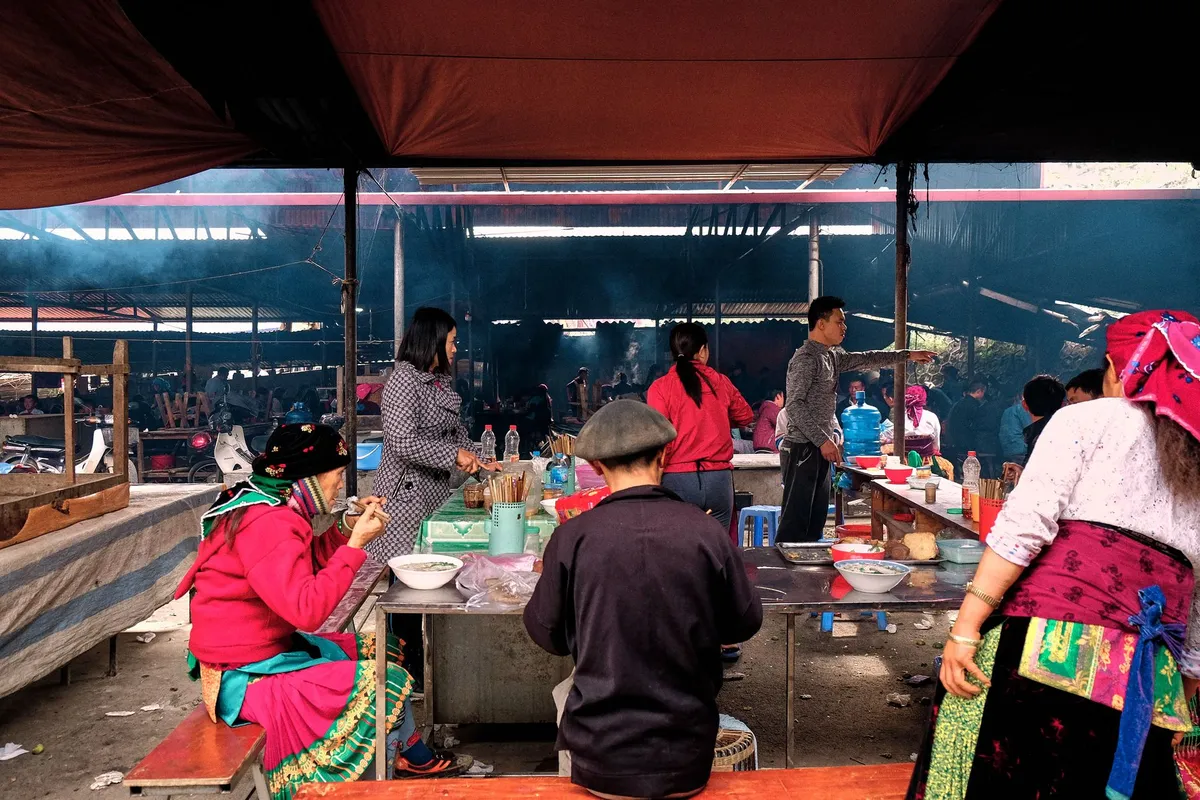
Where Smoke Meets Salt: The Soul of the Street Market To understand the trajectory of human civilization, one need not look at monuments of stone or archives of political mandates; one must look at the grill. The humble origins of street food—from the charred elotes of Mexico City to the aromatic satay skewers of Southeast Asia—represent the foundational DNA of global dining. As travelers, we often find our most profound culinary epiphanies not under the chandelier of a Michelin-starred establishment, but standing on a dusty corner, waiting for a vendor to flip a tortilla. Street food is an exercise in efficiency, aesthetics, and raw business logic. When we examine the culinary landscape, particularly in Mediterranean bastions like Greece, the intersection of the farmers' market and the environmental ecosystem becomes undeniably clear. The "Culinary Landscape of Greece," as analyzed in recent research, is not merely a collection of recipes; it is a manifestation of marketing dynamics. Small-scale producers operate within a closed-loop system where the aesthetics of the harvest dictate the value of the market stall. This is the bedrock upon which high cuisine is built. When a chef sources a perfectly ripened tomato from a local Greek market, they are engaging in a marketing strategy that favors authenticity over industrial processing. The sensory experience of the street market—the scent of charcoal, the cacophony of vendors, the tactile engagement with raw ingredients—provides the necessary "curiosity quotient" for the modern explorer. For the traveler, this is where the expedition begins. It is a lesson in terroir. Whether it is a taco stand in Oaxaca or a souvlaki cart in Athens, the street vendor is the unsung pioneer of global flavor, teaching us that the highest quality food often requires the least amount of pretense. By observing these micro-economies, we gain a deeper appreciation for the rigor that later defines the world of fine dining.The Contradictions of Australian Flavor and Identity When we turn our gaze to the Southern Hemisphere, the narrative of food takes a sharp, political turn. Australia presents a fascinating case study in how a nation defines its culinary soul. The research paper "Terra nullius, culina nullius: the contradictions of Australian food culture" highlights a critical academic tension: the intersection of political science and the plate. For centuries, the concept of terra nullius—or "land belonging to no one"—was used to justify colonial expansion. Today, the culinary equivalent is often debated as scholars examine whether Australian food culture successfully integrates Indigenous ingredients or if it continues to operate within a vacuum of colonial appropriation. For the traveler, this is a pivotal stop on the expedition. The Australian food scene is a paradox. It is defined by high-end coffee culture, fusion brilliance, and world-class wine, yet it struggles with the historical weight of its own foundations. When you dine in Sydney or Melbourne, you are witnessing an evolution. The movement toward "bush tucker"—utilizing native ingredients like finger lime, wattleseed, and macadamia—represents a reclamation of identity. It is an attempt to turn culina nullius into a legitimate, recognized culinary heritage. Understanding this dynamic is essential for the curious traveler. When you order a meal in an Australian bistro, look for the subtle infusion of native flora. This is not just a trend; it is a political statement of reconciliation and culinary evolution. The transition from street corn to haute cuisine in the Australian context is less about the refinement of the grill and more about the refinement of the national consciousness. By engaging with this reality, we as travelers stop being passive consumers and start becoming informed observers of a culinary history in the making. The complexity of these dishes is rooted in the landscape itself, demanding that we respect the geography as much as the flavor profile. From the Farmers' Market to the White Tablecloth The transition from a raw, local marketplace to the pressurized environment of a Michelin-starred kitchen is a journey of transformation. This path is defined by a rigorous obsession with aesthetics, sourcing, and the marketing of experience. Research into the Greek culinary landscape demonstrates that the farmers' market is not just a place of trade; it is an incubator for excellence. The relationship between the environment—the soil, the sun, the Mediterranean winds—and the product is the ultimate differentiator for elite chefs. Consider the journey of a single olive or a bundle of wild mountain herbs. In the market, they are commodities; in the kitchen of a Michelin-starred chef, they are the focal point of a sensory performance. The "Business and Marketing" of fine dining relies on the ability of the chef to translate the authenticity of the local farmer into a narrative that justifies the price point and the prestige. This is not an easy feat. It requires an intimate understanding of the seasonality that the market dictates. For the traveler, this stage of the expedition is about recognizing the "why" behind the plate. Why does a particular dish in a fine dining restaurant resonate so deeply? It is because the chef has distilled the best elements of the local ecosystem. They have taken the "street corn" ethos—the raw, unadulterated flavor of the ingredient—and elevated it through technique, precision, and a narrative that honors the producer. This cycle is the backbone of the global food industry. We move from the market, where we learn the language of food, to the restaurant, where we experience the literature of food.The Global Plate: A Comparative Analysis of Cost and Quality To fully grasp the global food expedition, we must look at the metrics that define our spending and consumption patterns. The following table provides a breakdown of how the cost of a "culinary experience" fluctuates based on the environment, the labor involved, and the prestige of the establishment. This comparative data reflects the real-world financial realities faced by travelers and residents alike in major food hubs.Culinary Segment Typical Cost (USD) Primary Focus Sourcing StrategyStreet Food $3 - $12 Speed & Flavor Hyper-local/DailyMid-Range Bistro $25 - $60 Comfort & Texture Regional/SeasonalMichelin Experience $150 - $500+ Innovation & Story Artisanal/ExclusiveFarmers' Market $10 - $30 Freshness & Raw Direct from FarmerAs this data suggests, the price gap is not merely a reflection of food quantity but of "added value." In the Michelin-starred category, you are paying for the rigorous labor, the aesthetic curation, and the intellectual effort of the culinary team. Conversely, the street food sector provides the highest return on investment regarding pure, unadorned flavor. The savvy traveler is one who learns to balance these experiences, using the farmers' market to build a vocabulary of ingredients and the high-end restaurant to see how those ingredients can reach their artistic zenith. By analyzing these numbers, we see that the global food expedition is, in many ways, an exercise in resource management—how do we extract the most meaning and pleasure from the food systems available to us in any given destination? The Ethics of Global Gastronomy and the Future of Food As we conclude this journey, we must address the ethics of the table. The global food expedition is becoming increasingly centered on sustainability and the preservation of culture. Whether we are discussing the Indigenous food movements in Australia or the agricultural preservation efforts in Greece, the modern food movement is moving away from globalization and back toward localization. The "Curious Traveler" now has a responsibility to support these micro-economies. We have explored the street market, examined the complexities of colonial-tainted culinary identity, and witnessed the transformation of local ingredients into fine art. What binds these experiences together is a shared dependence on the environment. The "Business, Marketing, and Aesthetics" of food is ultimately tethered to the health of our earth. The farmers' market, once a simple place of commerce, is now the front line of environmental advocacy. The Michelin-starred restaurant, once a beacon of exclusivity, is now often a leader in zero-waste initiatives and carbon-neutral sourcing. As you plan your next culinary expedition, look beyond the guidebooks. Seek out the contradiction; find the street food stall that challenges your perception of "cheap," and visit the fine dining establishment that challenges your perception of "elite." Pay attention to the provenance of your ingredients. In a world that is becoming increasingly homogenized, the true luxury is eating food that tells a specific, regional story—a story that begins in the dirt and ends in a moment of pure, culinary perfection. Your role as a traveler is to listen to that story, value the labor behind it, and contribute to the ecosystems that sustain these diverse food cultures. The expedition never truly ends; it merely changes the menu.Harvesting Memories from the Global Trail Reflecting on our global expedition, it becomes evident that the distance between a piece of street-grilled corn and a dish adorned with a Michelin star is shorter than we often imagine. It is a bridge built on quality, history, and the tireless pursuit of culinary truth. We have traveled from the political landscapes of Australia to the sun-drenched markets of Greece, recognizing that every bite carries the weight of history and the promise of the future. The "curious traveler" is defined by an appetite that is never fully sated. We seek the next market, the next hidden kitchen, and the next ingredient that tells a story of survival and triumph. As we move forward, let us remember that the most authoritative culinary critics are not those in suits and ties, but the people who stand in line for their daily bread, the farmers who tend the soil with calloused hands, and the chefs who look at a tomato and see the entire world. Carry this awareness with you as you navigate your next destination. Seek the markets where the air is thick with the scent of the local harvest. Respect the restaurants that prioritize the integrity of the ecosystem. Most importantly, understand that your dining choices are, in effect, a vote for the type of food culture you wish to see thrive. Whether you are seeking a cheap, life-changing snack or an evening of refined excellence, the global food expedition remains the most rewarding way to understand the heart of a civilization. May your plate always be full, your curiosity always be piqued, and your journey always be seasoned with the unexpected. #Gastronomy #FoodTravel #CulinaryExpedition #SlowFood #GlobalDining Related InsightsDelighting in the Flavors of Lemony Chicken Piccata with Capers and Spinach L'Anima della Cucina Italiana: Non Solo Cibo, ma una Storia d'Amore nel Piatto Avocado and Poached Egg Toast on Sourdough{ "@context": "https://schema.org", "@type": "FAQPage", "mainEntity": [ { "@type": "Question", "name": "What is the main focus of The Gastronomic Odyssey: From Charred Street Corn to the Pinnacle of Michelin Perfection?", "acceptedAnswer": { "@type": "Answer", "text": "Join Isabella Rossi on a deep dive into the world’s most fascinating culinary landscapes, exploring the rich tapestry of street food versus fine dining." } }, { "@type": "Question", "name": "Who authored the comprehensive guide on The Gastronomic Odyssey: From Charred Street Corn to the Pinnacle of Michelin Perfection?", "acceptedAnswer": { "@type": "Answer", "text": "This detailed article and its insights were carefully researched and authored by Isabella Rossi." } }, { "@type": "Question", "name": "Where can I find more related content about Food?", "acceptedAnswer": { "@type": "Answer", "text": "You can explore more articles, detailed reviews, and similar insights by browsing the Related Insights section at the bottom of this article or visiting our dedicated Food category page." } } ] }
-
 Eleanor Hughes
 - 10 Sep, 2026 11:44
The Golden Threads of History: Unraveling the Millennia-Old Tapestry of Pasta
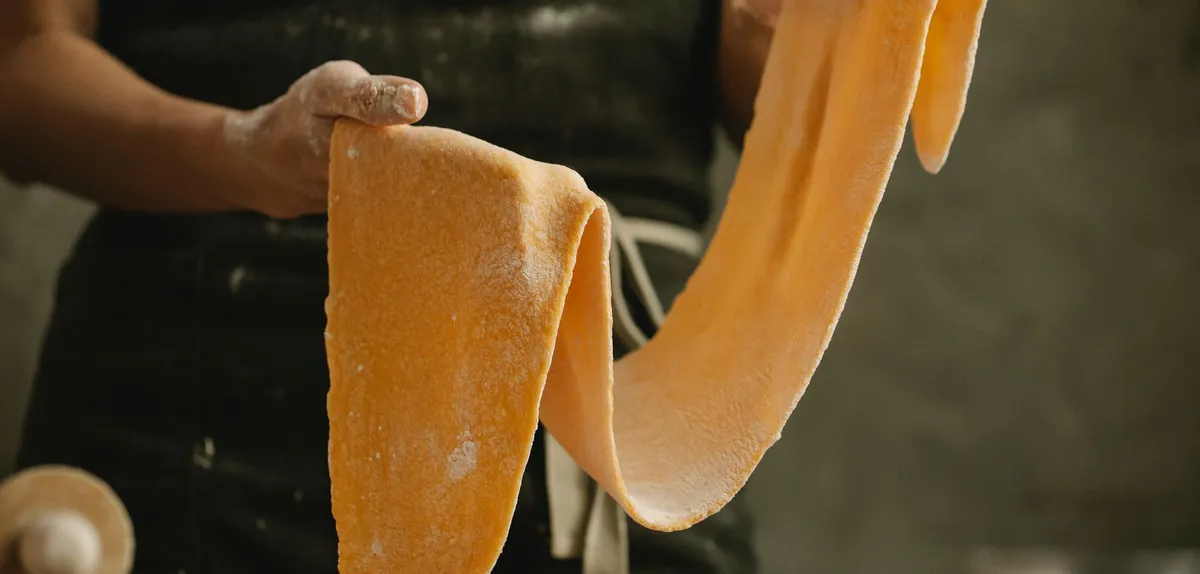
From Ancient Grains to the Silk Road Origins When we sit down to a steaming bowl of al dente spaghetti, we are participating in a ritual that spans millennia. To understand the genesis of pasta, we must cast aside the modern nationalist debate—that purely Italian narrative—and look toward the cradle of civilization. Archaeological evidence strongly suggests that the concept of creating a paste from ground grains and water is as old as the discovery of wheat itself. While popular mythology often credits Marco Polo with bringing pasta back from China in the 13th century, the historical record suggests a much more complex, polycentric origin. In the Mediterranean, the Greeks and Romans consumed a product known as 'laganon'—a broad, flat sheet of dough made from wheat flour and water, fried or baked. This precursor to modern lasagna was a staple in ancient diets. However, the transformation from flatbread to the extruded, dried form we recognize today was catalyzed by the Arab conquests in the Middle Ages. As Islamic agriculturalists moved westward into Sicily during the 9th and 10th centuries, they brought with them the technology for drying pasta. This was a revolutionary development; by removing moisture, they created a stable, portable food source that could be stored for long periods, essentially the first "instant" fuel for nomadic travelers and conquering armies. The significance of this evolution cannot be overstated. Drying pasta turned a fresh, perishable luxury into a commodity that could be shipped across the Mediterranean. By the 12th century, the chronicler Al-Idrisi, working for King Roger II of Sicily, famously wrote about a factory in Trabia—a town near Palermo—that produced large quantities of pasta in the shape of strings. This is the earliest documented evidence of mass-produced, commercial pasta. The "golden threads" were no longer just a household craft; they were an engine of trade. As we peel back the layers of history, we see that pasta was the original globalized food, an intersection of Mesopotamian grain cultivation, Chinese noodle-making tradition, and Arab preservation technology.The Industrialization of the Durum Wheat Revolution The true genius of Italian pasta lies in the selection of the primary ingredient: durum wheat. Unlike soft wheat, which is typically used for bread and cakes, durum (Triticum durum) has a high protein content and a unique gluten structure that allows for the creation of an elastic, firm dough. When this semolina flour is hydrated and pushed through bronze dies, it retains its shape during the drying process and maintains a satisfying 'al dente' texture upon cooking. This specific grain variety, which thrives in the arid, sun-drenched climate of Southern Italy, became the backbone of the Mediterranean diet. During the late 18th and 19th centuries, the invention of the hydraulic press and the mechanical kneader transformed pasta from a cottage industry into a burgeoning industrial powerhouse. Naples became the epicenter of this change. The city’s unique geography—its proximity to the sea and the strong coastal winds—provided the perfect conditions for the traditional drying process. Pasta was draped over large wooden racks, hung across the city’s narrow streets, and cured in the salty maritime air. This natural drying process, which took days, gave the pasta a porous surface, which is critical for binding to sauces. Modern manufacturers have since replaced these wind-tunnels with high-heat, rapid-drying chambers. While this has increased output, purists argue that the "bronze-cut" method remains superior. Bronze dies impart a rougher, matte texture to the pasta surface, which serves as a microscopic trellis for tomato sauces and pestos. This is the difference between a bowl of pasta that is slick and oily and one where the sauce clings to every strand. Understanding the mechanical interaction between the flour, the die, and the drying room is essential for any serious cook. We are not merely eating starch; we are consuming a highly engineered product that represents the peak of agricultural and industrial symbiosis. Macronutrient Profiles and the Physiology of Starch To appreciate pasta beyond its flavor, one must view it through the lens of nutritional science. Pasta is fundamentally a complex carbohydrate, a source of glucose that provides the steady fuel required by both the brain and the muscular system. The glycemic index of pasta is lower than that of many other refined grain products, largely due to the physical structure of the semolina starch granules. When processed through extrusion, these granules are packed densely, meaning that the digestive enzymes in our gastrointestinal tract take longer to break them down into absorbable sugars. A standard serving of dried pasta—approximately 56 grams or two ounces—provides a robust baseline of energy. Most durum wheat pasta is an excellent source of B-vitamins, particularly folate, niacin, and thiamine, which are critical for metabolic function. Furthermore, the protein content in durum wheat is significantly higher than that of common white flour, ranging between 12% and 15%. This protein matrix creates a "satiety effect," ensuring that the consumer remains full for a longer duration compared to consuming empty calories. However, the "al dente" preparation is not just a stylistic preference; it is a nutritional imperative. By cooking pasta for a shorter duration, we preserve the integrity of the starch molecules, preventing them from gelatinizing completely. This keeps the glycemic response measured, preventing the sharp blood sugar spikes associated with overcooked, mushy pasta. The addition of healthy fats, such as extra virgin olive oil or proteins like lean poultry, further mitigates the glycemic load, creating a balanced meal profile. The following table provides a breakdown of the nutritional composition typically found in standard dry semolina pasta.Nutrient Type Amount per 100g (Dry) Role in Human PhysiologyCarbohydrates 75g Primary fuel for muscular contractionProtein 13g Muscle repair and enzymatic supportDietary Fiber 3g Gut health and glucose regulationIron 1.5mg Oxygen transport in blood cellsFat 1.5g Essential for fat-soluble vitamin absorptionThis table illustrates why, despite modern trends that demonize carbohydrates, pasta has remained a foundational component of longevity diets, such as the Mediterranean model. The key lies in portion control and the quality of the pairing ingredients. When treated as the vehicle for nutrient-dense vegetables, legumes, and lean proteins rather than the main caloric event, pasta is a highly efficient delivery system for essential vitamins and minerals.The Architecture of Sauces and Sensory Engagement The marriage between a specific pasta shape and its accompanying sauce is governed by the principles of fluid dynamics and culinary architecture. It is not an accident that thick, hearty meat ragùs are paired with wide, flat ribbons like pappardelle or tubular shapes like rigatoni. These shapes are designed to hold weight. The internal hollows of rigatoni act as reservoirs for sauce, ensuring that every bite delivers a uniform ratio of pasta to topping. Conversely, long, thin strands like spaghetti or linguine are designed for emulsified, oil-based, or delicate seafood sauces. These strands rely on their surface area to pick up a thin coating of flavor, making them ideal for dishes like Aglio e Olio or a light vongole. The sensory experience of pasta is rooted in 'mouthfeel'—a term professionals use to describe the tactile sensation of food. A perfectly cooked piece of pasta should offer a subtle resistance to the tooth, a sensation that is satisfying precisely because it requires engagement. This is where the choice of wheat matters. Pasta made from lower-quality grains will fall apart or turn mushy, losing the textural contrast that makes Italian cuisine so compelling. Furthermore, the addition of starchy pasta water to the sauce is perhaps the most critical technical step in the kitchen. This water, cloudy with released amylose, acts as an emulsifier. When tossed with fat-based sauces, it bridges the gap between water and oil, creating a cohesive, velvety glaze that clings to the pasta rather than sliding off it. This technique, a secret of the professional kitchen, transforms simple ingredients into a cohesive masterpiece. It is the culmination of years of cultural refinement—a tacit understanding that the pasta is not a canvas, but an active partner in the flavor profile. Preserving the Heritage of Artisan Craft As we move toward a future of hyper-processed convenience, the artisanal tradition of pasta-making faces a critical juncture. Small-scale pasta makers (pastai) are now working to preserve ancestral grains—varieties like Senatore Cappelli, Russello, and Timilia. These heritage wheats offer a flavor profile far superior to modern, high-yield cultivars, possessing earthy, nutty, and even slightly floral notes. They also present a lower impact on the environment, as they are often grown using traditional, low-input agricultural methods that prioritize soil health over maximum yield. The preservation of this craft is a form of cultural stewardship. When we choose to purchase bronze-extruded, slow-dried pasta made from heritage grains, we are supporting a supply chain that values quality over quantity. This movement toward "Slow Food" is not merely about taste; it is about the resilience of our global food system. The loss of regional wheat varieties would represent a catastrophic reduction in our culinary biodiversity. By engaging with these products, we keep the history of the Mediterranean alive in our own kitchens. Learning to make pasta by hand—using nothing more than flour, water, and perhaps an egg—is a transformative experience. It forces the cook to interact with the raw materials, to feel the hydration levels, and to understand the physics of gluten development. It is a slow, meditative act in an age of speed. It reconnects us to the millions of hands that have kneaded, rolled, and cut these golden threads over the past thousand years. As we look ahead, the future of pasta will likely remain anchored in this balance: the marriage of cutting-edge agricultural science and the unwavering, beautiful simplicity of the artisanal tradition.The journey of pasta is a testament to human ingenuity. It is a story of migration, trade, and the tireless pursuit of culinary perfection. From the drying racks of ancient Sicily to the modern pantry, pasta has survived wars, industrial revolutions, and changing dietary fads, emerging as the world's most enduring comfort food. We must continue to cherish these threads, not just as sources of nutrition, but as the golden tapestry that links us to our collective past. Every time we prepare a meal, we are not just cooking; we are weaving ourselves into a history that is as resilient as it is delicious. Embrace the flour, honor the tradition, and savor every bite of this timeless, golden legacy. #PastaHistory #CulinaryArts #MediterraneanDiet #FoodScience #ArtisanPasta Related Insights„Die Architektur des Geschmacks: Wie Gastronomie zur Wissenschaft der Zivilisation wurde“ Pomegranate and Quinoa Tabbouleh Salad: A Delicious and Healthy Twist Mumbai’s Melting Pot of Flavors: The Soul-Satisfying Street Food That Defines the City{ "@context": "https://schema.org", "@type": "FAQPage", "mainEntity": [ { "@type": "Question", "name": "What is the main focus of The Golden Threads of History: Unraveling the Millennia-Old Tapestry of Pasta?", "acceptedAnswer": { "@type": "Answer", "text": "Join culinary historian Eleanor Hughes on a journey through time as we unravel the origins, evolution, and nutritional science of the world's most beloved pantry staple." } }, { "@type": "Question", "name": "Who authored the comprehensive guide on The Golden Threads of History: Unraveling the Millennia-Old Tapestry of Pasta?", "acceptedAnswer": { "@type": "Answer", "text": "This detailed article and its insights were carefully researched and authored by Eleanor Hughes." } }, { "@type": "Question", "name": "Where can I find more related content about Food?", "acceptedAnswer": { "@type": "Answer", "text": "You can explore more articles, detailed reviews, and similar insights by browsing the Related Insights section at the bottom of this article or visiting our dedicated Food category page." } } ] }
-
 Aylin Okur
 - 06 Sep, 2026 09:54
Savoring the Soul of Spain: A Culinary Journey Through the Art of Tapas
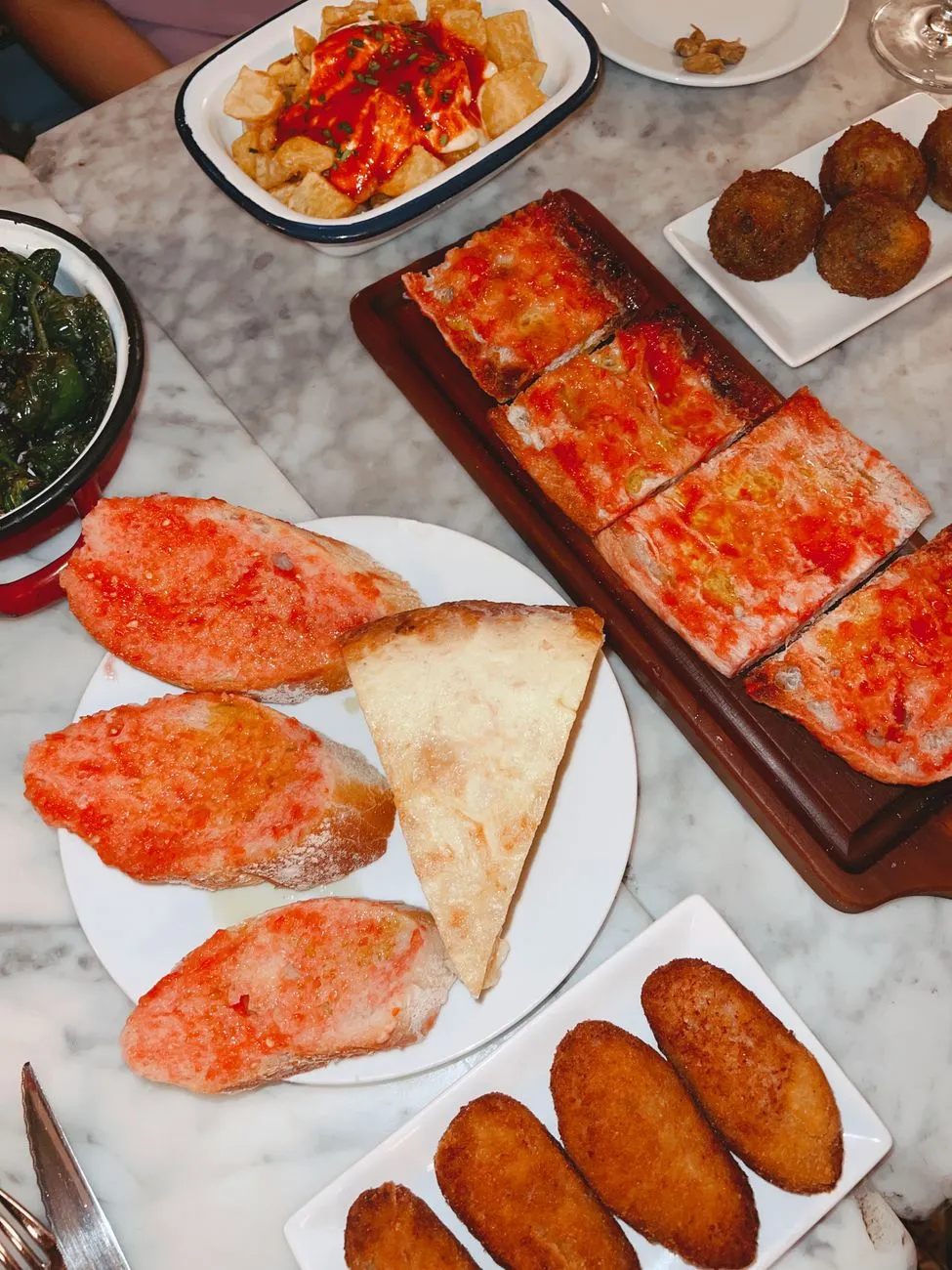
The sun dips low over the Iberian Peninsula, painting the ancient stone walls of Seville in hues of burnt orange and soft gold. In the narrow, winding alleys, the air begins to thicken with the intoxicating scent of sizzling garlic, briny olives, and the rich, nutty aroma of cured Ibérico ham. Here, dining is not merely a task of nourishment; it is a sacred social ritual, a rhythmic dance of flavors known as el tapeo. To eat tapas is to participate in a centuries-old conversation between the land, the history of the Mediterranean, and the irrepressible Spanish zest for communal life. The Origins of a Bite-Sized Revolution The history of the tapa is as murky and delightful as a glass of aged sherry. While historians often debate the exact etymology, the word tapa—meaning "cover" or "lid"—likely originated from the practical custom of placing a slice of bread or a small saucer of cured meat over a glass of wine to keep the buzzing insects at bay. Over time, these makeshift lids evolved from functional necessity into a sophisticated culinary institution. From the royal decrees that allegedly required innkeepers to serve small plates with wine to curb the effects of public intoxication, to the simple peasant necessity of making a modest pantry stretch across a long day of labor, tapas embody the Spanish genius for improvisation. They reflect a landscape shaped by Phoenicians, Romans, Moors, and Christians, each leaving a distinct fingerprint on the pantry of the peninsula.Northern Treasures: From Basque Pintxos to Cantabrian Delights As we move toward the jagged, emerald coast of the North, the culture of tapas undergoes a transformation. In the Basque Country, we encounter the pintxo. Unlike the varied tapas of the south, a pintxo is traditionally anchored by a toothpick—often used to skewer a complex arrangement of ingredients atop a crisp slice of baguette. These are not merely appetizers; they are edible architecture. In cities like San Sebastián, the counters of the txikito bars groan under the weight of elaborate displays: gilda (a spicy, salty marriage of an olive, an anchovy, and a pickled guindilla pepper), bacalao al pil-pil, and seared scallops drizzled in vibrant verde sauce. The secret here lies in the quality of the raw ingredients. The Cantabrian Sea provides the freshest anchovies in the world, cured in salt until they melt like butter on the tongue. The Heart of Castile: Earthy Flavors and Heartland Classics Moving into the high, sweeping plains of the Castilian interior, the tapas menu shifts to heartier fare suited for a colder climate. This is the land of torreznos—thick strips of pork belly fried until the skin shatters like glass and the fat turns into pure, savory velvet. In the taverns of Madrid and Valladolid, the patatas bravas reign supreme. This dish—cubed potatoes fried until golden and crowned with a fiery, piquant sauce—is the litmus test for any traditional establishment. While the recipe for the "brava" sauce is often a fiercely guarded family secret, the harmony of paprika, vinegar, and a subtle touch of sweetness is non-negotiable. Pair this with a robust glass of Tempranillo from the nearby Ribera del Duero, and you have the quintessential Castilian experience: bold, rustic, and deeply satisfying.The Andalusian Alchemy: Where History Meets the Sea Back in the South, in the whitewashed cities of Andalusia, the tapa is light, bright, and influenced by the legacy of Al-Andalus. Here, the focus turns to the abundance of the Mediterranean. Boquerones en vinagre—fresh anchovies marinated in vinegar, garlic, and parsley—offer a sharp, acidic contrast to the heat of the afternoon sun. One cannot speak of Andalusian tapas without mentioning gazpacho and its richer sibling, salmorejo. While the former is a refreshing liquid soup of tomatoes, peppers, and cucumbers, the latter is a thick, cream-like purée from Córdoba, topped with shavings of hard-boiled egg and crispy, salt-cured serrano ham. The interplay of textures here is masterful, demonstrating how ancient, humble ingredients can be elevated to high art through precision and balance. Crafting Your Own Tapas Table: A Guide to Essential Techniques If you wish to recreate the magic of a Spanish tavern at home, you must first master the art of the pantry. A successful tapas spread requires three pillars: a selection of cured meats and cheeses, a cooked vegetable dish, and at least one seafood preparation. For the aspiring home chef, simplicity is the ultimate sophistication. When working with ingredients as pure as Manchego cheese or Ibérico ham, the role of the cook is to get out of the way. Let the cheese reach room temperature before serving to unlock its sheep's-milk sweetness, and slice the ham paper-thin to allow the marbling to dissolve against the heat of the palate. If you are looking to experiment with traditional preparation, here is the basic structural approach for a classic Gambas al Ajillo (Garlic Shrimp): # The logic of the perfect Gambas al Ajillo ingredients = { "shrimp": "fresh, peeled, tails on", "garlic": "thinly sliced cloves, plenty of them", "oil": "extra virgin olive oil, cold pressed", "chili": "dried guindilla or red pepper flakes", "finish": "fresh parsley and lemon juice" }def cook_tapa(shrimp, oil, garlic, chili): # Heat the oil with garlic and chili until aromatic # Add shrimp and sear briefly to keep them tender # Finish with fresh parsley for a burst of color and bite return "Tapa ready for service"The golden rule when preparing tapas is to ensure that everything is served at the correct temperature—hot items must be searing, and cold items must be crisp. The bread should always be fresh, crusty, and plentiful, serving as the essential tool for soaking up the residual oils and sauces that are the true heart of the dish.The Ritual of the Crawl: Why Tapas Should Be Shared The most important element of any tapas guide is not the food itself, but the tapeo—the movement. In Spain, rarely does one sit in a single establishment for an entire meal. Instead, the night is a journey. You have a glass of manzanilla sherry and a plate of olives at one bar, then move to a second for the house-specialty croquetas, and perhaps a third for a grilled chorizo slider. This nomadic style of eating keeps the conversation fluid and the appetite sharp. It encourages you to sample a wider variety of regional specialties, prevents the palate from becoming fatigued by one flavor profile, and turns the act of dining into a communal adventure. The true professional at tapas dining knows that the goal is not to fill the stomach, but to fuel the spirit. Sustaining the Legacy: The Future of the Tapa As the world continues to globalize, the traditional tapas bar faces both challenges and opportunities. Modern chefs in cities like Barcelona are pushing the boundaries, incorporating global ingredients like ginger, soy, and yuzu into the classical framework. Yet, the core essence of the tapa remains stubbornly anchored to its roots: high-quality seasonal produce, a focus on communal interaction, and a deep respect for regional heritage. Whether you are enjoying a plate of pimientos de Padrón—where the fun lies in the occasional spicy kick—or a bowl of slowly simmered callos (tripe stew), you are tasting the history of a nation that views life as a series of small, intense moments to be savored. The guide to Spanish tapas is ultimately a guide to living well. It teaches us that richness is not found in the grandiosity of a feast, but in the perfection of a single, shared bite. So, the next time you find yourself in the bustling heart of a Spanish plaza, step away from the tourist-heavy squares and follow the local sound of clinking glasses. Find a place with worn wooden counters, a chalkboard menu, and the lingering scent of garlic in the air. Order a small plate, pour a glass of wine, and remember: you are not just eating, you are partaking in a living, breathing tradition that has defined a culture for centuries. #SpanishCuisine #TapasGuide #Gastronomy #FoodHistory #MediterraneanDiet Related InsightsLoving a Demon is a Total Nightmare (Total Chaos, #3) Book Review and Summary Winter Book Review and Summary The Monster at the End of this Book Book Review and Summary{ "@context": "https://schema.org", "@type": "FAQPage", "mainEntity": [ { "@type": "Question", "name": "What is the main focus of Savoring the Soul of Spain: A Culinary Journey Through the Art of Tapas?", "acceptedAnswer": { "@type": "Answer", "text": "Discover the storied history and vibrant regional flavors of Spanish tapas, from iconic bite-sized classics to the cultural rhythm of the traditional tavern crawl." } }, { "@type": "Question", "name": "Who authored the comprehensive guide on Savoring the Soul of Spain: A Culinary Journey Through the Art of Tapas?", "acceptedAnswer": { "@type": "Answer", "text": "This detailed article and its insights were carefully researched and authored by Aylin Okur." } }, { "@type": "Question", "name": "Where can I find more related content about Books?", "acceptedAnswer": { "@type": "Answer", "text": "You can explore more articles, detailed reviews, and similar insights by browsing the Related Insights section at the bottom of this article or visiting our dedicated Books category page." } } ] }
- Eleanor Hughes
- 05 Sep, 2026 10:53
The Umami Revolution: How Chefs Are Harnessing the Fifth Taste Today
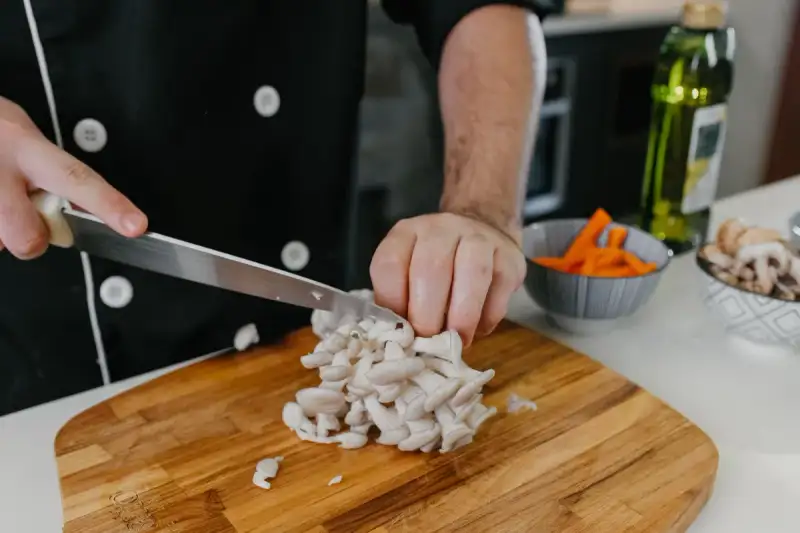
The Invisible Alchemy of the Savory Spectrum The culinary world has long been governed by the familiar pillars of sweetness, sourness, bitterness, and saltiness. Yet, for decades, a subtle, transformative power has been working in the shadows of the world’s most prestigious kitchens—the elusive fifth taste, known as umami. Derived from the Japanese term for "deliciousness," umami represents the sensation of savory richness that coats the palate and lingers long after the first bite. It is not merely a flavor; it is a molecular phenomenon. The history of this sensation is deeply rooted in the groundbreaking work of Kikunae Ikeda, who, in the early 20th century, isolated glutamate as the source of this mouth-watering experience. Today, the umami revolution is in full swing, with chefs transcending traditional seasoning to manipulate ingredients at a chemical level, unlocking depths of flavor that were once reserved for slow-simmered stocks and aged delicacies.Modern gastronomy is no longer satisfied with balancing salt and sugar. Instead, the focus has shifted toward the synergy of glutamates and nucleotides. When these compounds interact, they create an exponential boost in flavor intensity, a phenomenon that has changed how we think about restaurant menu development. The scientific literature, notably the research documented within databases like OpenAlex, highlights how Monosodium Glutamate (MSG) paved the way for our understanding of taste receptors. While MSG was once shrouded in controversy and misunderstanding, its status as a concentrated form of the building block found in nature has been rehabilitated. Chefs now treat these components not as artificial additives, but as essential tools for maximizing the "deliciousness" profile of plant-based dishes, fermented creations, and protein-heavy plates. We are currently witnessing an era where understanding the biochemical basis of flavor is just as important as mastering a knife. The Secret Life of Mushrooms in Modern Cuisine The mushroom—an ancient, humble, and often overlooked staple—has become the star of the umami revolution. As researchers analyze the intersection of food processing and flavor chemistry, the focus has shifted toward innovative techniques to harvest the latent savoriness of fungi. Processing mushrooms is no longer a matter of drying or sautéing; it is about manipulating enzymes to maximize glutamate content. Through precise drying protocols and enzymatic pre-treatments, chefs are able to concentrate the savory essence of Shiitake, Porcini, and Maitake mushrooms to unprecedented levels. This is a game-changer for the plant-based culinary scene, where the goal is to replicate the satisfying depth of meat without the environmental impact of industrial animal agriculture. Business and science have converged in the processing of mushrooms to create a new category of "super-savory" ingredients. By leveraging controlled environments and sophisticated dehydrating technologies, producers can now stabilize and amplify the umami profile of common species. This scientific approach means that a simple mushroom reduction can now carry the same sensory weight as a meat-based demi-glace. For the professional chef, this signifies a paradigm shift. We are moving away from heavy reduction stocks that require hours of boiling, toward lighter, high-intensity flavor concentrates that pack more punch with less volume. The "Revolutionizing Mushroom Processing" movement is not just about logistics; it is about culinary efficiency. By understanding how to break down the cell walls of fungi to release free glutamates, kitchens are achieving flavor profiles that once required the massive infrastructure of a traditional French kitchen. The result is a lighter, more vibrant, and more intense plate of food that appeals to the modern palate’s desire for complexity without heaviness.Unlocking the Potential of Fermentation and Aging Fermentation is perhaps the most ancient, yet highly advanced, method for harnessing the fifth taste. In the current culinary zeitgeist, fermentation laboratories have become the heartbeat of world-class restaurants. From miso and soy sauce to fermented vegetable juices and garums, the process of breaking down proteins into amino acids is the ultimate expression of the umami revolution. When we ferment ingredients, we are essentially outsourcing the work of flavor development to microbes. These tiny organisms tirelessly consume complex proteins, leaving behind a rich, concentrated bounty of glutamates and other savory compounds. It is a slow, methodical process that produces results simply impossible to achieve through heat alone. Chefs are now experimenting with "wild" fermentation, using koji—the mold Aspergillus oryzae—to initiate the breakdown of starches and proteins in non-traditional substrates. Imagine a garum made from fermented mushrooms, or a miso created from sunflower seeds rather than soy. These experiments demonstrate a departure from dogmatic culinary rules toward a deeper, more experimental understanding of ingredient transformation. The key to this process lies in temperature control and time, allowing the naturally occurring enzymes to flourish. The umami generated in this stage provides a foundational depth that serves as the "bass note" for any dish. When a chef combines a fermented ingredient with a fresh one, they are creating a bridge between the vibrant top notes of fresh produce and the grounding, earthy intensity of long-aged preparations. This layering of flavor is the hallmark of the modern culinary master, transforming a plate from a simple meal into a multi-dimensional sensory journey that engages the brain as much as the tongue. Comparative Analysis of Umami-Dense Ingredients To understand the scale of this revolution, one must observe the concentration of glutamate across various food groups. The table below serves as a reference guide for culinary professionals aiming to balance their profiles with natural sources of savory intensity.Ingredient Category Primary Umami Source Typical Glutamate (mg/100g) Application StrategyAged Cheeses Parmesan/Reggiano 1,200 - 1,600 Finishing element, umami baseFermented Soy Traditional Miso/Soy Sauce 700 - 1,100 Seasoning, marinade, glazeSun-Dried Fungi Shiitake Mushrooms 200 - 600 Intense base reduction, powderMarine Products Seaweed (Kombu) 1,500 - 2,500 Dashi, extraction liquidCured Proteins Anchovies/Cured Ham 600 - 1,000 Hidden flavor booster, salt swapTomatoes Sun-Dried Tomatoes 650 - 1,140 Sauces, purees, vinaigrettesData interpretation reveals that while marine products like kombu offer the most concentrated naturally occurring glutamates, the strategic application of these items varies wildly. A chef does not use kombu in the same manner as they use aged parmesan. The former is a bridge of liquid extraction, while the latter is a textural and flavorful highlight. By utilizing this comparative data, kitchens can refine their recipe development, ensuring that the "fifth taste" is calibrated to enhance the dish rather than overwhelm it. This objective approach to seasoning is what separates the home cook from the culinary artisan, allowing for consistent, high-impact results in every service.The Synergy of Savory Landscapes The true magic of the umami revolution happens at the intersection of ingredients. Science shows us that umami is not just a single-input sensation; it is a synergistic one. When a chef combines ingredients rich in glutamate (such as tomatoes or mushrooms) with those rich in nucleotides (such as fish, meat, or certain vegetables like asparagus), the resulting perceived intensity is not additive, but multiplicative. This is the "synergy effect." It is why a simple pasta dish with tomato sauce and a sprinkle of parmesan tastes like far more than the sum of its parts. By purposefully pairing these ingredients, modern chefs can create dishes that feel deeply satisfying and complete, even when they are entirely plant-based. This knowledge of synergy allows for a significant reduction in the amount of salt needed for seasoning. Because the palate perceives the savory intensity of umami as a form of "fullness," a dish that has been properly balanced with glutamate-rich components requires far less sodium to hit the "satisfaction threshold." This is a significant health advantage, and one that is driving the popularity of the umami-forward approach in wellness-conscious dining. We are seeing a shift where "clean eating" does not mean "bland eating." On the contrary, by using fermented pastes, seaweed infusions, and high-quality dried fungi, chefs are delivering complex, bold flavors that satisfy the human evolutionary drive for protein-dense, savory foods. This synergy is the foundation of the future of health-focused culinary arts, proving that we can achieve the richness of a heavy, meat-laden diet through the smart application of botanical and fermented boosters. Beyond the Plate: The Future of Flavor Technology As we look toward the future, the umami revolution is poised to enter a new phase of technological integration. We are moving beyond the simple kitchen application and into the realm of precision ingredient development. New technologies in food processing, derived from the same research that helped us define the taste sensation, are allowing for the creation of sustainable umami boosters that can be incorporated into everything from high-end pastry to everyday snacks. We are seeing the rise of "smart seasonings"—mixtures of amino acids and mineral extracts that provide the specific umami trigger without the need for high-salt levels. This is the next frontier. It is about democratizing the fifth taste, making the richness of a long-simmered broth accessible to all, and leveraging science to improve the nutritional profile of our global food supply. Furthermore, the education of the modern chef now necessitates a foundational understanding of sensory science. We no longer rely on intuition alone; we rely on the measurable, repeatable science of flavor. As the barrier between the laboratory and the kitchen continues to thin, we will see even more creative applications of umami. Perhaps we will see more integration of umami in the realm of desserts—subtle, savory undertones in dark chocolate or caramelized root vegetables—pushing the boundaries of what we consider "delicious." The revolution is not about creating artificial flavors; it is about uncovering the hidden potential of the natural world. It is about understanding that deliciousness is a language, and umami is its most powerful, compelling dialect. As we continue to explore this fifth taste, we are not just feeding the body; we are feeding the mind, the curiosity, and the inherent human desire for complexity in our culinary experiences. The Horizon of Savory Innovation The journey through the fifth taste has taken us from the isolation of glutamate in a Japanese laboratory to the sophisticated, high-tech kitchens of today’s elite establishments. We have learned that umami is not a luxury or a trendy gimmick; it is a fundamental pillar of human flavor perception. By mastering the synergy between glutamates and nucleotides, utilizing the potential of mushrooms and fermentation, and embracing the precision of modern food science, the professional kitchen has been fundamentally altered. We are now in a position to create dishes that are richer, more satisfying, and more healthful than ever before. As you step back into your own kitchen, remember that the quest for umami is a quest for balance. It is the search for that precise moment when a dish moves from being merely "tasty" to being truly unforgettable. Whether you are experimenting with a new batch of koji, dehydrating wild mushrooms to a fine dust, or simply finding the right balance of parmesan in your signature sauce, you are participating in a global movement. The umami revolution is about the pursuit of excellence, a celebration of chemistry, and an unending dedication to the art of deliciousness. Keep exploring, keep measuring, and most importantly, keep tasting. The fifth taste is waiting for you to harness its power, transforming the ordinary into the extraordinary, one savory drop at a time. The landscape of food is evolving, and those who speak the language of umami are leading the way toward a more flavorful, intentional, and deeply satisfying future. #UmamiRevolution #CulinaryScience #Gastronomy #FutureOfFood #ProfessionalCooking Related InsightsThe Antioxidant Powerhouse: Quinoa Salad with Roasted Sweet Potatoes and Kale High‑Pressure Culinary Science: Exploring Hydrothermal Cooking Techniques Feijoada: Brazil’s Hearty Black Bean Stew and the Soul of a Nation{ "@context": "https://schema.org", "@type": "FAQPage", "mainEntity": [ { "@type": "Question", "name": "What is the main focus of The Umami Revolution: How Chefs Are Harnessing the Fifth Taste Today?", "acceptedAnswer": { "@type": "Answer", "text": "Discover how the science of umami is transforming modern culinary arts and why the fifth taste is no longer a secret." } }, { "@type": "Question", "name": "Who authored the comprehensive guide on The Umami Revolution: How Chefs Are Harnessing the Fifth Taste Today?", "acceptedAnswer": { "@type": "Answer", "text": "This detailed article and its insights were carefully researched and authored by Eleanor Hughes." } }, { "@type": "Question", "name": "Where can I find more related content about Food?", "acceptedAnswer": { "@type": "Answer", "text": "You can explore more articles, detailed reviews, and similar insights by browsing the Related Insights section at the bottom of this article or visiting our dedicated Food category page." } } ] }
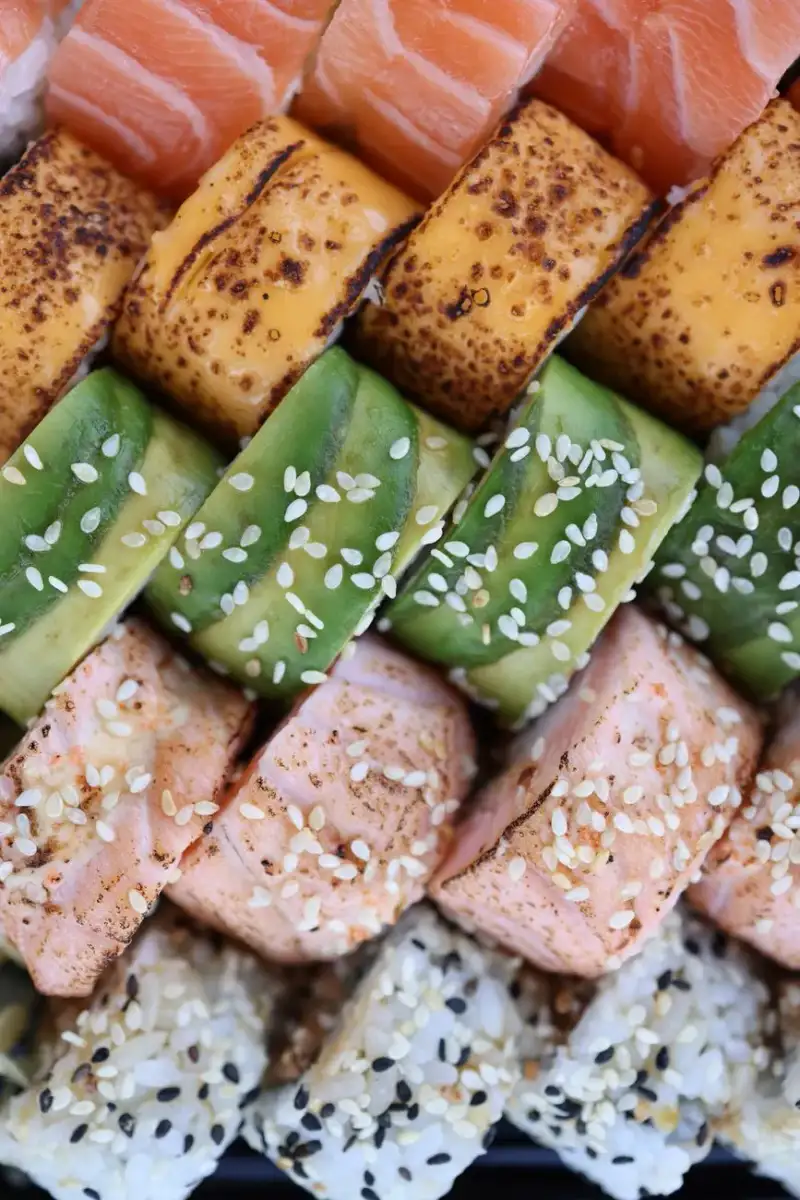
The marriage of acidity and ocean brine is not merely a culinary choice; it is a historical dialogue spanning centuries and continents. To the uninitiated, sushi is a modern luxury—a precise arrangement of raw fish atop a mound of pearlescent rice. But beneath the surface of this aesthetic perfection lies a complex metamorphosis. It is a story of survival, a scientific dance of lactic acid fermentation, and a societal shift from the slow preservation of proteins to the high-velocity appetite of a bustling metropolis. The essence of sushi is not the fish, but the shari—the vinegared rice—a component that serves as the heartbeat of the entire tradition. The Primal Roots: Narezushi and the Science of Survival Long before the neon lights of Tokyo or the refined omakase counters of Kyoto, the ancestor of sushi was born from a desperate need to preserve sustenance. The journey begins not in Japan, but in the river basins of Southeast Asia—specifically the Mekong and Irrawaddy basins, encompassing what we now know as Laos, Cambodia, Thailand, Vietnam, and Myanmar. In these humid landscapes, freshwater fish were abundant but volatile. To prevent spoilage, ancient peoples developed a method of packing fish in salted, cooked rice. This was not sushi as we know it today, but narezushi—"matured fish." The process was a triumph of primitive biochemistry. Through lactic acid fermentation, the rice created an acidic environment that acted as a natural preservative, halting the decay of the protein. Interestingly, in this primordial version of the dish, the rice was merely a tool for preservation; once the fermentation process was complete, the rice was discarded, and only the pungent, sour fish was consumed. The first scholarly trace of this practice appears in a fourth-century Chinese dictionary, describing salted fish placed in steamed rice. This method echoed across the Asian continent, manifesting as burong isda in the Philippines, pekasam in Indonesia, padaek in Laos, and sikhae in Korea. When this technique migrated to Japan during the Yayoi period, it found a perfect synergy with wet-field rice cultivation. During the rainy seasons, lakes and rivers would flood the rice paddies, leaving behind a bounty of fish. Narezushi became the vital protein bridge that allowed Japanese communities to survive the lean months.The very word "sushi" is a linguistic fossil of this era. Derived from the antiquated terminal-form conjugation shi of the adjectival verb sui (meaning "to be sour"), sushi literally translates to "sour-tasting." It refers to that precise moment where fermentation transforms the flavor profile into a savory, umami-rich experience. Even today, this ancient heritage survives in regional specialties, such as the funa-zushi of Shiga Prefecture, serving as a living museum of Japan's culinary origins. The Transition: Namanare and the Birth of the Rice-Fish Duo As centuries passed, the Japanese palate began to evolve, and the slow, months-long fermentation of narezushi started to feel cumbersome. During the Muromachi period (1336–1573), a pivotal shift occurred with the invention of namanare, or "partially fermented" sushi. This era marked a fundamental change in the relationship between the fish and the grain. In namanare, the fermentation period was significantly shortened. Because the fish did not reach a state of full maturation, the rice retained a palatable texture and flavor. For the first time in history, the rice was no longer discarded. It was eaten alongside the fish. This transition was supported by broader shifts in Japanese lifestyle. The population began adopting a rhythm of three meals a day, and the method of preparing rice shifted from steaming to boiling. Furthermore, the discovery and development of rice vinegar began to accelerate. To further speed up the process, chefs started incorporating sake and sake lees. The "slow food" of the ancients was beginning to accelerate, moving away from a method of preservation and toward a method of gastronomy. The Edo Revolution: Haya-zushi and the Fast Food Phenomenon The true explosion of sushi as a cultural icon occurred during the Edo period (1603–1867). This era brought about haya-zushi (fast sushi), a revolutionary approach that completely eliminated the need for lactic acid fermentation. Instead of waiting for nature to sour the rice over days or weeks, chefs simply mixed rice vinegar directly into the grains. This provided the desired sour taste instantaneously, allowing the fish and rice to be consumed immediately. This innovation turned sushi into the ultimate "fast food" for the chōnin (merchant and artisan) class of Edo (modern-day Tokyo). The streets of the city became hubs for quick, satisfying meals. It was during this vibrant period that the diverse styles we recognize today were born: chirashizushi (scattered sushi), inarizushi (tofu skin sushi), and makizushi (rolled sushi). The most significant breakthrough of this era, however, arrived around 1824. A visionary chef named Hanaya Yohei is credited with perfecting nigiri-zushi—the hand-pressed mound of vinegared rice topped with a slice of seafood. Yohei’s creation was a masterpiece of efficiency and flavor, designed for the fast-paced life of Edo's citizens.However, the nigiri of the 1820s differed substantially from the delicate morsels found in modern Michelin-starred restaurants. The rice portions were roughly three times larger than today's standards. The flavor profile was bolder and more acidic, utilizing aka-su (red vinegar) made from fermented sake lees, a product developed by Nakano Matazaemon, the founder of the Mizkan company. Sugar was virtually non-existent in the recipe; instead, a higher concentration of salt was used to season the shari. Because this sushi utilized fresh catches from Tokyo Bay, it was termed Edomae zushi (sushi from "in front of Edo"). This term survives today as a mark of prestige, denoting a specific style of preparation that honors the traditions of the bay. The Anatomy of Modern Sushi: Ingredients and Distinctions To understand sushi in the contemporary era, one must look beyond the fish. The defining component is always the vinegared rice, known as shari or sumeshi. While medium-grain white rice is the gold standard for its ability to hold the vinegar and maintain structure, variations using brown rice or short-grain rice exist. The ingredients draped over the rice, known as neta, are diverse. While raw seafood is the most prominent—ranging from the buttery richness of salmon and tuna to the firm texture of squid and yellowtail—it is a misconception that all neta must be raw. Eel (unagi) is typically cooked, and many vegetarian options utilize cucumbers or avocado. Even "imitation crab" (surimi) has found its way into the global lexicon of sushi. A critical distinction must be made between sushi and sashimi. While often served on the same platter, they are fundamentally different. Sashimi consists solely of thinly sliced raw fish or meat, devoid of the vinegared rice. If there is no shari, it is not sushi. The experience is completed by a carefully curated set of accompaniments:Gari: Pickled ginger, used as a palate cleanser between different types of fish. Wasabi: The pungent Japanese horseradish that provides a sharp counterpoint to the fatty fish. Soy Sauce: The salty, umami-rich dip that enhances the natural flavors of the neta. Daikon: Either raw or pickled (takuan), providing a crisp, refreshing garnish.The Global Legacy of a Simple Grain From the river basins of the Mekong to the sophisticated counters of the world's greatest cities, sushi has traveled a path of constant refinement. It has evolved from a desperate means of preserving protein into a global symbol of culinary precision and health. The genius of sushi lies in its simplicity: the balance of the sour rice, the sweetness of the fresh fish, and the punch of the wasabi. It is a dish that respects the ingredient above all else, a philosophy that traces back to the very first practitioners of narezushi. Whether it is a quick makizushi roll from a local shop or a curated Edomae experience, every bite carries the echoes of the Edo period, the Muromachi transition, and the ancient whispers of Southeast Asian fermentation. Sushi is more than a meal; it is a historical record of human ingenuity—a testament to how we have learned to harness acidity, time, and the bounty of the ocean to create something timeless. #Sushi #JapaneseGastronomy #CulinaryHistory #FoodScience #Edomae Related InsightsPeruvian Ceviche Revealed: The Ancient Citrus Alchemy That Transforms Seafood into a Nutritional Powerhouse (Part 2) nicoise salad with seared tuna and green beans: a delicious omega-3 rich dish Salmon Kulebyaka: A Harmonious Union of Omega-3 Rich Fish, Buckwheat, and Herbs{ "@context": "https://schema.org", "@type": "FAQPage", "mainEntity": [ { "@type": "Question", "name": "What is the main focus of The Alchemy of Vinegar and Ocean: The Deep Evolution of Sushi?", "acceptedAnswer": { "@type": "Answer", "text": "Explore the scientific and historical journey of sushi, from ancient Southeast Asian fermentation to the fast-food revolution of Edo Tokyo." } }, { "@type": "Question", "name": "Who authored the comprehensive guide on The Alchemy of Vinegar and Ocean: The Deep Evolution of Sushi?", "acceptedAnswer": { "@type": "Answer", "text": "This detailed article and its insights were carefully researched and authored by Michael Chef." } }, { "@type": "Question", "name": "Where can I find more related content about Food?", "acceptedAnswer": { "@type": "Answer", "text": "You can explore more articles, detailed reviews, and similar insights by browsing the Related Insights section at the bottom of this article or visiting our dedicated Food category page." } } ] }
-
 Kenji Sato
 - 13 Jul, 2026 19:06
Unlocking Nature's Secret: How New Nordic Cuisine is Revolutionizing Health and Gastronomy Forever
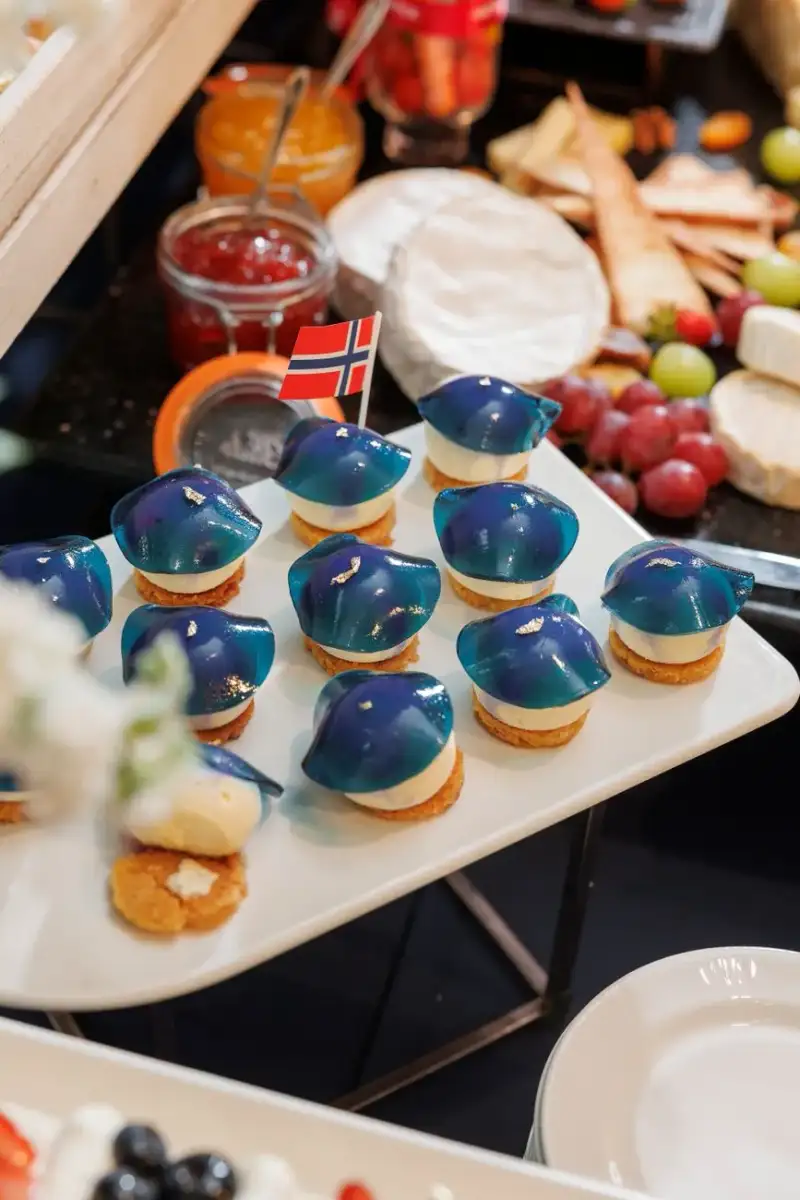
In a culinary landscape often dominated by globalized ingredients and complex techniques, a quiet revolution has been unfolding in the Northern reaches of Europe, profoundly reshaping how we perceive food, health, and sustainability. This seismic shift, known as New Nordic Cuisine (NNC), transcends mere gastronomic trend; it is a profound philosophical movement, a rediscovery of heritage, and a rigorous commitment to the land and its rhythms. From the rugged coastlines of Norway to the ancient forests of Sweden and the fertile plains of Denmark, NNC has challenged conventional fine dining and, in doing so, has offered a blueprint for a healthier, more sustainable, and infinitely more flavorful approach to eating. At its core, New Nordic Cuisine champions three fundamental pillars: aggressive foraging, ingenious preservation techniques, and an unwavering dedication to seasonal excellence. These are not just quaint culinary quirks but deeply embedded principles born from necessity in harsh northern climates, now reimagined with scientific precision and artistic flair. This isn't merely about wild berries and fermented fish; it’s about understanding the intricate biological mechanisms that make foraged foods exceptionally potent, the probiotic power of ancient preservation, and the unparalleled nutritional zenith of ingredients harvested at their absolute peak. Join me as we embark on an exhaustive exploration of NNC, dissecting its principles, uncovering its health benefits, and examining its far-reaching influence on the global food stage. Prepare to transform your understanding of what food can truly be. The Philosophical Roots and Regional Identity of New Nordic Cuisine The genesis of New Nordic Cuisine can be precisely dated to 2004, with the drafting of the "New Nordic Cuisine Manifesto" by a group of prominent Nordic chefs and food professionals, spearheaded by Danish culinary entrepreneur Claus Meyer and chef René Redzepi. This seminal document, comprising ten core tenets, laid the ideological foundation for a culinary philosophy that sought to redefine the region's gastronomic identity. Prior to this, Nordic cuisine was largely overlooked, often dismissed as rustic or relying heavily on imported luxury ingredients to compete on the international fine dining stage. The manifesto, however, courageously pivoted, advocating for a radical re-evaluation and celebration of local, often undervalued, produce. The core tenets emphasized purity, freshness, simplicity, and ethical production. It called for the use of ingredients that "express the changing of the seasons and the character of our climates, landscapes and waters," fostering a connection to the terroir that was previously absent. This wasn't merely about sourcing locally; it was about fostering an intense regional identity, showcasing unique flavors developed by the specific environmental conditions of the Nordic region. By focusing on indigenous plants, animals, and traditional cooking methods, NNC sought to create a distinct culinary narrative that was authentic to its origins. This philosophical shift was profound, challenging the prevailing notion that culinary excellence required exotic, often air-freighted, ingredients. Instead, NNC posited that true luxury lay in the inherent quality and authenticity of what the local land and sea could provide. This focus on provenance directly impacts the nutritional integrity of the food, as ingredients sourced locally and consumed fresh retain higher levels of vitamins, minerals, and phytonutrients compared to produce that undergoes extensive transportation and storage. The movement also underscored a commitment to animal welfare and sustainable practices, thereby influencing not just the plate but the entire food system from farm to table. This holistic approach has inspired local producers, revitalized regional economies, and cultivated a renewed pride in Nordic heritage, demonstrating how gastronomy can be a powerful driver of cultural and economic regeneration.Foraging: Unearthing Nature's Pantry and Its Nutritional Bounty Foraging, an ancient practice deeply ingrained in human history, has been spectacularly revitalized by New Nordic Cuisine. It represents more than just a search for ingredients; it is an active engagement with the local ecosystem, a deep understanding of botany, and an embrace of flavors that cannot be replicated in cultivation. In the Nordic context, this means venturing into forests, fields, coastlines, and even urban green spaces to gather wild berries, mushrooms, herbs, seaweeds, and even tree saps and roots. Common foraged treasures include nutrient-dense lingonberries and cloudberries, aromatic wild garlic (ramsons), earthy chanterelles, and the vitamin C powerhouse, sea buckthorn. The nutritional profile of foraged foods often surpasses that of their cultivated counterparts, a phenomenon supported by numerous nutritional studies. Wild plants, growing in diverse, often challenging natural conditions, tend to produce a higher concentration of secondary metabolites—compounds like polyphenols, flavonoids, and glucosinolates—as defense mechanisms against pests, diseases, and environmental stressors. These same compounds confer significant health benefits to humans, acting as potent antioxidants, anti-inflammatory agents, and immunomodulators. For example, wild berries like lingonberries and cloudberries are exceptionally rich in anthocyanins, potent antioxidants linked to reduced cardiovascular disease risk and improved cognitive function, often in higher concentrations than cultivated blueberries. Wild greens such as nettles and sorrel provide superior levels of iron, calcium, and Vitamin C. Research published in journals like the Journal of Agricultural and Food Chemistry has frequently highlighted the enhanced bioactive compound content in wild versus cultivated species. Furthermore, many foraged seaweeds, such as bladderwrack and sugar kelp, are incredible sources of iodine, essential trace minerals, and unique polysaccharides that support gut health. This direct connection to nature not only offers a spectrum of novel flavors but also provides a concentrated dose of micronutrients and phytonutrients often lacking in standard diets, contributing to enhanced vitality and disease prevention through direct biological mechanisms such of oxidative stress reduction and modulation of inflammatory pathways. Ethical foraging, emphasizing sustainability and respect for the environment, is paramount to ensure the long-term viability of these natural pantries. Mastering Preservation: Ancient Techniques for Modern Flavor and Health Given the stark seasonality and harsh winters of the Nordic region, preservation has historically been not just a culinary art but a critical necessity for survival. New Nordic Cuisine has resurrected and refined these ancient techniques—pickling, fermenting, smoking, drying, and curing—transforming them from mere methods of extending shelf life into sophisticated tools for flavor development and nutritional enhancement. These practices are central to the NNC philosophy, ensuring that the bounty of short growing seasons can be enjoyed year-round, often in forms more complex and flavorful than their fresh counterparts. Fermentation stands out as a particularly celebrated and scientifically validated preservation method in NNC. Lacto-fermentation, applied to vegetables (like cabbage for a Nordic-style sauerkraut or carrots and root vegetables), fish, and even some fruits, involves the controlled growth of beneficial microorganisms, primarily lactic acid bacteria (LAB). These bacteria break down sugars, producing lactic acid and other organic acids, which preserve the food and imbue it with a characteristic tangy flavor. Beyond flavor, fermented foods are powerful allies for human health. The live microorganisms, often referred to as probiotics, actively contribute to a diverse and healthy gut microbiome. A robust gut microbiome is increasingly linked to a multitude of health benefits, including improved digestion, enhanced immune function, production of B vitamins and Vitamin K2, and even positive influences on mood and cognitive function via the gut-brain axis. Studies cited in Gut Microbes and Frontiers in Microbiology demonstrate how specific strains of Lactobacillus and Bifidobacterium found in traditionally fermented foods can modulate the immune system and protect against pathogens. Other preservation methods also offer unique benefits: smoking can impart antioxidants from wood smoke, while drying concentrates nutrients. Curing fish with salt, a technique known as gravlax, draws out moisture and tenderizes the protein. By integrating these time-honored techniques, NNC not only respects tradition but also leverages the biological mechanisms of fermentation and other methods to produce foods that are not only delicious but demonstrably beneficial for long-term health, showcasing a profound understanding of food as medicine.The Pinnacle of Seasonality: Crafting Dishes with Nature's Rhythms The commitment to seasonality is perhaps the most defining and uncompromising pillar of New Nordic Cuisine. This isn't merely about choosing ingredients that are "in season" at the supermarket; it's about an almost spiritual adherence to nature's cycles, dictating menus based on what is truly at its absolute peak of freshness, flavor, and nutritional value within a very specific local biome. For NNC chefs, menus are dynamic entities, evolving weekly or even daily as new ingredients emerge or others fade, a stark contrast to static, year-round offerings of conventional restaurants. This deep respect for seasonality ensures that produce is harvested at its ripeness, when its flavor profile is most intense and its nutritional content is maximized. From a biological standpoint, fruits and vegetables produce their highest levels of vitamins, minerals, antioxidants, and other beneficial phytochemicals when allowed to mature fully on the plant and are consumed shortly after harvest. For instance, a strawberry picked in its prime from a local field in summer will contain significantly higher levels of Vitamin C and anthocyanins compared to one picked prematurely and shipped globally in winter. This direct impact on nutrient density is a cornerstone of NNC’s health advantages. Beyond nutrition, seasonality inherently brings environmental benefits: reduced carbon footprint from minimized transportation, support for local farmers and producers, and a deeper appreciation for the unique characteristics of each season. NNC chefs become interpreters of the landscape, developing remarkable creativity in transforming a limited palette of ingredients into dishes of extraordinary depth and nuance. Spring might bring the first delicate wild garlic and crisp shoots, summer an abundance of sweet berries and new potatoes, autumn a bounty of earthy mushrooms and root vegetables, and winter a celebration of carefully preserved ingredients, hardy greens, and robust root crops. This cyclical approach fosters a heightened sensory experience for the diner, cultivating a mindful connection to the origins of their food and the rhythm of the natural world, aligning gastronomic pleasure with environmental responsibility and optimal health.The Global Impact and Future Trajectory of New Nordic Cuisine The influence of New Nordic Cuisine has stretched far beyond the Scandinavian borders, igniting a global culinary dialogue about locality, sustainability, and authenticity. What began as a regional manifesto has blossomed into a worldwide movement, inspiring chefs, restaurateurs, and home cooks across continents to re-examine their food sources and embrace their own unique culinary heritage. The rise of "hyper-local," "farm-to-table," and "nose-to-tail" movements in diverse gastronomic cultures can be directly attributed to the pioneering spirit of NNC. Chefs in disparate regions, from the high deserts of Patagonia to the rice paddies of Southeast Asia, are now exploring their own indigenous ingredients, forgotten cooking techniques, and unique biomes, seeking to craft a cuisine that is truly reflective of their place. This paradigm shift encourages culinary diversity and resilience, promoting self-sufficiency and reducing reliance on a homogenized global food system. However, NNC is not without its challenges. Criticisms often point to its perceived elitism, given the labor-intensive nature of foraging and preservation, which can translate to higher prices in fine dining settings. There is also the challenge of accessibility, as deep knowledge of local flora and fauna is not universally available. Yet, the core principles of NNC are highly adaptable. Its emphasis on using all parts of an ingredient (e.g., bone broths, offal, root-to-stem cooking) dramatically reduces food waste, a critical global imperative. The focus on plant-forward dishes and sustainably sourced animal products offers a pathway to healthier, more environmentally conscious eating for the masses. The future trajectory of NNC involves a continued push towards greater sustainability, perhaps delving deeper into marine aquaculture, urban foraging, and innovative plant-based preparations. Its enduring legacy will likely be its role in educating a new generation about food's profound connection to environment, culture, and personal well-being, proving that true culinary innovation comes from looking inward, not outward.Ingredient Category Key Macronutrients (per 100g) Notable Micronutrients & Bioactives Health Benefit HighlightLingonberry (Wild) Berry Carbs: 11.5g, Fiber: 3.2g Vitamin C (10mg), Manganese (0.3mg), Anthocyanins, Quercetin Antioxidant, Anti-inflammatoryCloudberry (Wild) Berry Carbs: 10g, Fiber: 6g Vitamin C (158mg), Vitamin E, Ellagic acid Immune Support, Skin HealthWild Garlic (Ramsons) Herb Carbs: 7g, Fiber: 3g Vitamin C (150mg), Adenosine, Sulphur compounds Cardiovascular, AntimicrobialChanterelle (Wild) Mushroom Carbs: 3.8g, Fiber: 3.8g Vitamin D (1.3mcg), Copper (0.3mg), B vitamins Bone Health, Immune ModulationSea Buckthorn (Wild) Berry Carbs: 10g, Fiber: 6g Vitamin C (695mg), Omega-7 fatty acids, Carotenoids Skin Repair, Mucous Membrane HealthFermented Cabbage (Nordic Style) Vegetable Prep Carbs: 4g, Fiber: 2.5g Probiotic bacteria (L. plantarum), Vitamin K2, B vitamins Gut Microbiome, Digestive AidJuniper Berries (Wild) Spice Carbs: 13g, Fiber: 3g Monoterpenes (alpha-pinene), Flavonoids Digestive Aid, AntioxidantRose Hips (Wild) Fruit Carbs: 38g, Fiber: 24g Vitamin C (426mg), Carotenoids, Flavonoids Immune Boost, Collagen SynthesisThe table above illustrates the significant nutritional value inherent in a selection of ingredients central to New Nordic Cuisine. These wild and traditionally prepared foods are not only rich in essential macronutrients like fiber but are also powerhouses of micronutrients and unique bioactive compounds. For instance, the exceptionally high Vitamin C content in wild cloudberries and sea buckthorn far surpasses that found in many common fruits, offering robust immune support and antioxidant defense. Similarly, the unique blend of vitamins, minerals, and polyphenols in these ingredients, often augmented by the probiotic benefits of fermentation, contributes to anti-inflammatory effects, cardiovascular health, and digestive well-being. This nutritional density underscores why NNC is not just a culinary art but a powerful advocate for a health-optimized diet. In conclusion, New Nordic Cuisine stands as a testament to the enduring power of connecting with our environment through food. It is a philosophy that transcends trends, offering a robust framework for eating that is at once deeply rooted in tradition and boldly forward-thinking. By rigorously embracing foraging, mastering the art of preservation, and celebrating the ephemeral beauty of seasonality, NNC has not only revitalized a regional cuisine but has also provided a blueprint for sustainable, healthy, and profoundly flavorful eating that resonates globally. The lessons from the Nordic kitchens are clear: the finest ingredients are often found closest to home, the most potent flavors can be coaxed through time-honored techniques, and the healthiest diet is one that dances in rhythm with nature. As we navigate an increasingly complex food system, the principles championed by New Nordic Cuisine—purity, locality, seasonality, and ethical sourcing—offer not just a culinary guide, but a pathway to a more harmonious relationship with our planet and a more vibrant, healthful existence for ourselves. Let its spirit inspire you to explore your own local bounty, experiment with ancient preservation, and savor the exceptional flavors of truly seasonal excellence. Stay curious, stay hungry, and never stop exploring the world through your palate. Kenji Sato#NewNordicCuisine #Foraging #FoodPreservation #SeasonalEating #SustainableFood #HealthyGastronomy
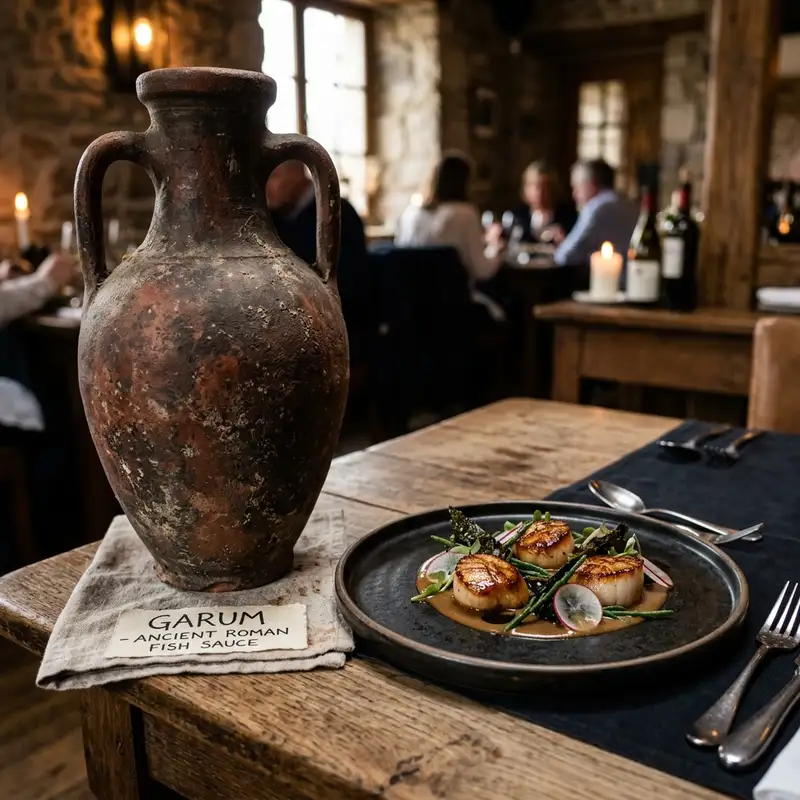
Imagine a world where every meal, from the simplest gruel to the most lavish imperial banquet, was seasoned with a single, pervasive condiment. A flavor so integral, so universally present, that its absence would render dishes incomplete, its very aroma defining the culinary landscape. This was the gastronomic reality of #ancient #Rome, and its undisputed king was not salt, nor pepper, nor any fresh herb, but garum – a fermented fish sauce that was the very heartbeat of Roman cuisine, a liquid gold flowing through the veins of an #empire. For centuries, garum remained a mere historical footnote, relegated to dusty texts and archaeological dig sites, often misunderstood as a simple, crude fermentation. Yet, to dismiss garum as just "ancient fish sauce" would be akin to calling a symphony mere noise. It was a complex, nuanced, and utterly essential flavor enhancer, the ultimate expression of umami long before the term was coined. Its story is one of innovation, empire, decline, and a remarkable, unexpected modern resurgence, a testament to the enduring power of fundamental flavors. The Pervasive Taste of Empire: Garum's Ancient Reign Garum wasn't merely a niche ingredient; it was an industrial commodity, produced on a massive scale across the Roman Empire, from the shores of Hispania (modern #Spain) and Lusitania (Portugal) to North Africa and the Levant. Its production centers, often sprawling complexes of vats and processing areas, were economic powerhouses, contributing significantly to regional wealth. The sheer volume of garum produced speaks volumes about its demand. Amphorae, bearing distinctive stamps identifying their origin and contents, have been found in shipwrecks and archaeological sites across the Roman world, evidence of an intricate and far-reaching trade network. The process of making garum was surprisingly sophisticated for its time, relying on the natural enzymatic breakdown of fish guts and whole small fish, layered with salt, and left to ferment under the scorching Mediterranean sun. This slow, anaerobic digestion transformed proteins into amino acids, yielding a liquid brimming with intensely savory compounds. Classical authors provided tantalizing glimpses into this industry:Pliny the Elder in his Natural #history described garum as "a liquor of exquisite taste." Apicius, the famed Roman gourmand, featured garum extensively in his cookbook, De re coquinaria, indicating its versatility in everything from sauces and stews to dressings and even desserts (though likely in savory-sweet combinations).Different qualities and types of garum existed, much like today's olive oils or balsamic vinegars. Key varieties included:Garum (or Liquamen): The most common, clear, amber liquid. Alleс: The thick, pasty sediment left after the garum was strained, often used as a spread or thickener. Muria: A simpler brine used for curing fish. Haemation: A prized, dark red garum made from tuna blood and guts. Garum Flos Floris: "The flower of flowers," indicating a premium, possibly first-press, variety.The aroma, by modern standards, would have been intense, to say the least. Ancient sources occasionally mention its powerful smell, even referencing it in jokes and proverbs. Yet, it was the smell of prosperity, of flavor, and of a complex culinary civilization. It seasoned vegetables, meats, and even bread. Soldiers carried it on campaigns, and it was a staple in every Roman household, irrespective of social standing, though the wealthy might have access to finer, more aged varieties. The Curious Case of Its Disappearance The decline of garum production is a fascinating tangent in culinary history. As the Roman Empire fragmented and eventually collapsed, so too did many of its sophisticated infrastructures. The large-scale, industrial production of garum, which required substantial investment, extensive trade routes, and a stable political environment, began to wane. Several factors contributed to its eventual disappearance:Economic Disruption: The breakdown of imperial trade routes made it difficult and dangerous to transport goods like garum over long distances. Changing Palates: Over centuries, new culinary influences, ingredients, and cooking methods emerged across Europe. Fermented products remained, but perhaps the specific intensity and production method of garum fell out of favor. Rise of Spices: The increasing availability and affordability of spices from the East, facilitated by new trade networks, offered alternative ways to flavor food, potentially overshadowing the need for garum. Sanitary Concerns: While essential to the Roman diet, the production of garum, with large quantities of fermenting fish in open vats, was undeniably odorous and potentially unhygienic in areas not properly managed. As populations shifted and new urban centers grew, public health concerns, however rudimentary, might have played a role. Loss of Knowledge: The complex techniques, specific ratios, and knowledge of ideal fish species for garum production might have simply been lost or diluted over generations as production dwindled.By the early medieval period, garum had largely vanished from European tables, replaced by a multitude of other seasonings, notably salt, vinegar, and early forms of mustard and herb pastes. It became a ghostly echo in the annals of history, a forgotten flavor of a bygone era. From Rubble to Revival: The Modern Renaissance For nearly two millennia, garum remained buried in history. Then, in the late 20th and early 21st centuries, a confluence of factors led to its astonishing revival. This resurgence isn't merely about historical curiosity; it's a testament to the power of umami and the continuous quest for unique, profound flavors in modern gastronomy. The catalysts for this revival are multifaceted:Culinary Archaeology: Growing interest in reconstructing ancient recipes and foodways. Scholars and food historians began to meticulously translate ancient texts and analyze archaeological findings from sites like Pompeii, where garum factories and residue-filled amphorae provided concrete evidence. The Umami Revolution: The widespread recognition and popularization of "umami" as the fifth basic taste, largely driven by Japanese cuisine and its use of fermented ingredients like soy sauce and dashi. This created a context for appreciating the deep savoriness of garum. Chef-Driven Innovation: Forward-thinking chefs, always seeking new dimensions of flavor, started looking beyond conventional ingredients. The idea of resurrecting an "ancient secret weapon" held immense appeal. Fermentation Trend: The global trend towards fermented foods, celebrated for their complex flavors and health benefits, provided a natural framework for re-evaluating garum.One of the most notable figures in the modern garum movement is the Italian chef Gennaro Esposito, whose commitment to authentic regional ingredients led him to explore Colatura di Alici di Cetara. While not exactly garum, colatura is a traditional anchovy-based fish sauce produced in Cetara on the Amalfi Coast, a direct descendant of ancient Roman garum. Its production method – salt-cured anchovies pressed for their liquid – is remarkably similar to one of the ancient techniques. This existing tradition provided a tangible link to the past. Inspired by colatura and archaeological research, chefs and food scientists began experimenting with true garum production. The challenges were significant: recreating ancient conditions, sourcing appropriate fish, controlling fermentation, and ensuring food safety. Modern garum production often involves:Selection of Fish: Small, oily fish like anchovies, sardines, or even mackerel are preferred, often whole or with guts. Salting: Layering fish with high-quality sea salt. Fermentation: Placing the mixture in controlled environments (sometimes temperature-regulated, sometimes relying on passive solar heat) for several months, often up to a year or more. Pressing and Filtering: After fermentation, the liquid is pressed out and filtered to achieve clarity.The Flavor Profile and Modern Applications What does modern garum taste like? It’s a revelation. Unlike many commercial fish sauces, which can be aggressively salty or fishy, well-made garum is complex, deep, and incredibly savory. It possesses a distinct umami punch, often with notes of:Briny sweetness: A subtle sweetness that balances the salt. Nutty undertones: Some compare its depth to aged parmesan or cured meats. Earthy funk: A pleasant, fermented aroma that adds character without being overtly "fishy." Roundness: It adds a foundational richness to dishes, enhancing other flavors rather than dominating them.The culinary world has embraced garum with open arms. Michelin-starred restaurants globally are featuring it on their menus, incorporating it into innovative dishes. Here are some ways modern chefs are utilizing garum:Sauces and Dressings: A few drops can elevate a vinaigrette, Hollandaise, or simple pan sauce to new heights. Marinades: Imparting a profound depth to meats, poultry, and seafood. Vegetable Enhancer: Drizzled over roasted vegetables (asparagus, broccoli, tomatoes) to intensify their natural flavors. Broths and Soups: A secret ingredient for a richer, more complex stock or consommé. Pasta Dishes: A natural fit, especially with seafood or simple garlic and oil preparations. Fermented Food Pairings: Enhancing other fermented products like kimchi or miso. Cocktails (Surprisingly!): A daring dash in savory cocktails like a Bloody Mary for an unexpected layer of umami.The beauty of garum lies in its ability to provide a background hum of savoriness, making other ingredients shine more brightly. It's not about making a dish taste like fish sauce; it's about making it taste more. Beyond the Palate: What Garum's Revival Tells Us The #journey of garum, from its imperial dominance to its millennia-long slumber and dramatic reawakening, offers more than just a culinary curiosity. It speaks to the cyclical #nature of human endeavor, the enduring allure of fundamental flavors, and our persistent desire to connect with the past through our senses. The effort to revive garum is an act of culinary archaeology, a dedication to understanding and appreciating the ingenuity of ancient cultures. It highlights the sophistication of Roman gastronomy, often overlooked in favor of more dramatic historical narratives. It also underscores the universality of umami, a taste that transcends cultures and eras, connecting the banquets of emperors to the plates of modern epicureans. As we continue to explore the boundaries of flavor, products like garum remind us that sometimes, the most innovative tastes are not newly invented, but rather rediscovered echoes from a distant past. The pungent, profound liquid that once fueled an empire is now inspiring a new generation of chefs and food lovers, proving that a great flavor, however ancient, never truly disappears; it merely waits for its moment to be tasted again. #Umami #Garum #CulinaryHistory #AncientRomanCuisine #FermentedFoods Related InsightsKung Pao: The Perfect Balance of Sweet and Heat The World on a Plate: How Street Food Shaped Civilizations and Continues to Feed Billions The Obscure Origins and Transcendent Transformation of Cacao's Dark Heart{ "@context": "https://schema.org", "@type": "FAQPage", "mainEntity": [ { "@type": "Question", "name": "What is the main focus of The Umami Echo: Tracing Garum's Resurgence from Pompeii to Michelin Stars?", "acceptedAnswer": { "@type": "Answer", "text": "Delve into the fascinating, pungent history of Garum, ancient Rome's omnipresent condiment, and discover its unexpected culinary revival in modern gastronomy." } }, { "@type": "Question", "name": "Who authored the comprehensive guide on The Umami Echo: Tracing Garum's Resurgence from Pompeii to Michelin Stars?", "acceptedAnswer": { "@type": "Answer", "text": "This detailed article and its insights were carefully researched and authored by Demir Şef." } }, { "@type": "Question", "name": "Where can I find more related content about Food?", "acceptedAnswer": { "@type": "Answer", "text": "You can explore more articles, detailed reviews, and similar insights by browsing the Related Insights section at the bottom of this article or visiting our dedicated Food category page." } } ] }
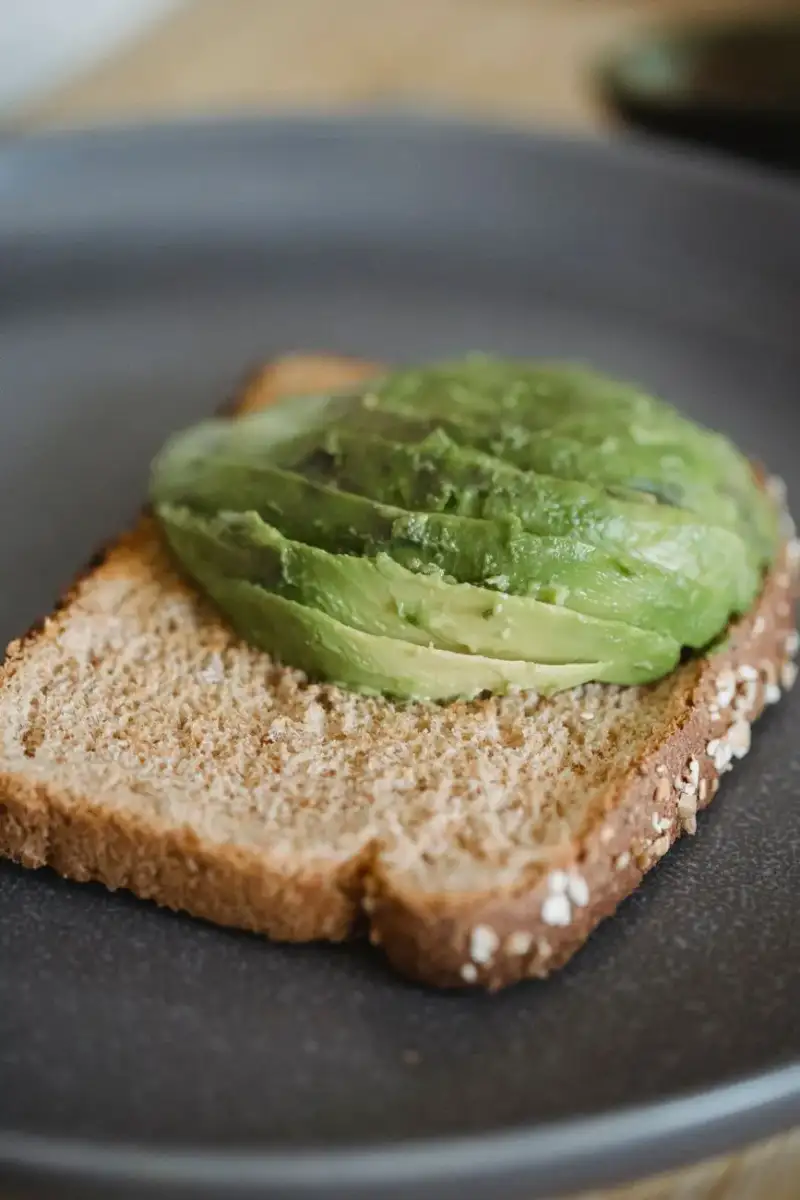
Introduction to Avocado and Poached Egg Toast The classic combination of avocado and poached egg on toast has become a staple in many health-conscious households, and for good reason. According to recent studies, the monounsaturated fats present in avocados have been shown to have numerous health benefits, including reducing the risk of heart disease and improving cognitive function. Research on monounsaturated fats shows that they can help lower LDL cholesterol levels, which can reduce the risk of cardiovascular disease. In addition to the health benefits of avocados, poached eggs provide a rich source of protein, which is essential for maintaining healthy muscles and bones. The combination of these two ingredients on whole grain sourdough bread creates a nutritious and filling breakfast that can help keep you energized throughout the morning. The Science Behind Monounsaturated Fats A study published in the journal of nutrition found that eating a diet rich in monounsaturated fats can help improve heart health by reducing inflammation and improving blood lipid profiles. The study, which analyzed data from 761 community-dwelling men aged 75 years and older, found that those who consumed higher amounts of monounsaturated fats had lower levels of triglycerides and higher levels of HDL cholesterol. These findings are consistent with other research on the topic, which suggests that monounsaturated fats can help reduce the risk of chronic diseases such as heart disease, type 2 diabetes, and certain types of cancer. According to the study, the geometric framework and nutrition in older age play a crucial role in maintaining overall health and well-being. Preparing the Perfect Avocado and Poached Egg Toast To prepare the perfect avocado and poached egg toast, start by toasting four slices of sourdough bread in the oven for 10-12 minutes, or until lightly browned. While the bread is toasting, mash two ripe avocados in a bowl and season with salt and pepper to taste. Once the bread is ready, spread the mashed avocado on each slice, leaving a small border around the edges. Next, poach four eggs by cracking them into a pot of simmering water and cooking for 3-4 minutes, or until the whites are set and the yolks are cooked to your desired doneness. Assembling the Dish To assemble the dish, place a poached egg on top of the avocado layer on each slice of bread. Season with salt and pepper to taste, and add any optional toppings such as cherry tomatoes, spinach, and feta cheese. The combination of creamy avocado, rich poached eggs, and crusty sourdough bread creates a delicious and nutritious breakfast that is sure to please even the pickiest of eaters. With its numerous health benefits and simple preparation, avocado and poached egg toast on sourdough is a dish that is sure to become a staple in your household. Conclusion In conclusion, the combination of avocado and poached egg on sourdough toast is a match made in heaven. With its rich source of monounsaturated fats, protein, and whole grains, this dish provides a nutritious and filling breakfast that can help keep you energized throughout the morning. Whether you're a health-conscious foodie or just looking for a new breakfast idea, avocado and poached egg toast on sourdough is a dish that is sure to please. #HealthyLiving #Gastronomy #BreakfastIdeas #AvocadoLove #PoachedEggs #SourdoughBread Related InsightsFrom Ancient Fields to Modern Crusts: Mastering Emmer & Spelt Sourdough Delighting in the Flavors of Lemony Chicken Piccata with Capers and Spinach From Sacred Cacao to Velvet Bars: The Lost Art and Modern Renaissance of Artisanal Chocolate{ "@context": "https://schema.org", "@type": "FAQPage", "mainEntity": [ { "@type": "Question", "name": "What is the main focus of Avocado and Poached Egg Toast on Sourdough?", "acceptedAnswer": { "@type": "Answer", "text": "A nutritious and delicious twist on a classic breakfast dish, featuring the health benefits of monounsaturated fats from avocados and the richness of poached eggs on sourdough toast." } }, { "@type": "Question", "name": "Who authored the comprehensive guide on Avocado and Poached Egg Toast on Sourdough?", "acceptedAnswer": { "@type": "Answer", "text": "This detailed article and its insights were carefully researched and authored by Michael Chef." } }, { "@type": "Question", "name": "Where can I find more related content about Food?", "acceptedAnswer": { "@type": "Answer", "text": "You can explore more articles, detailed reviews, and similar insights by browsing the Related Insights section at the bottom of this article or visiting our dedicated Food category page." } } ] }
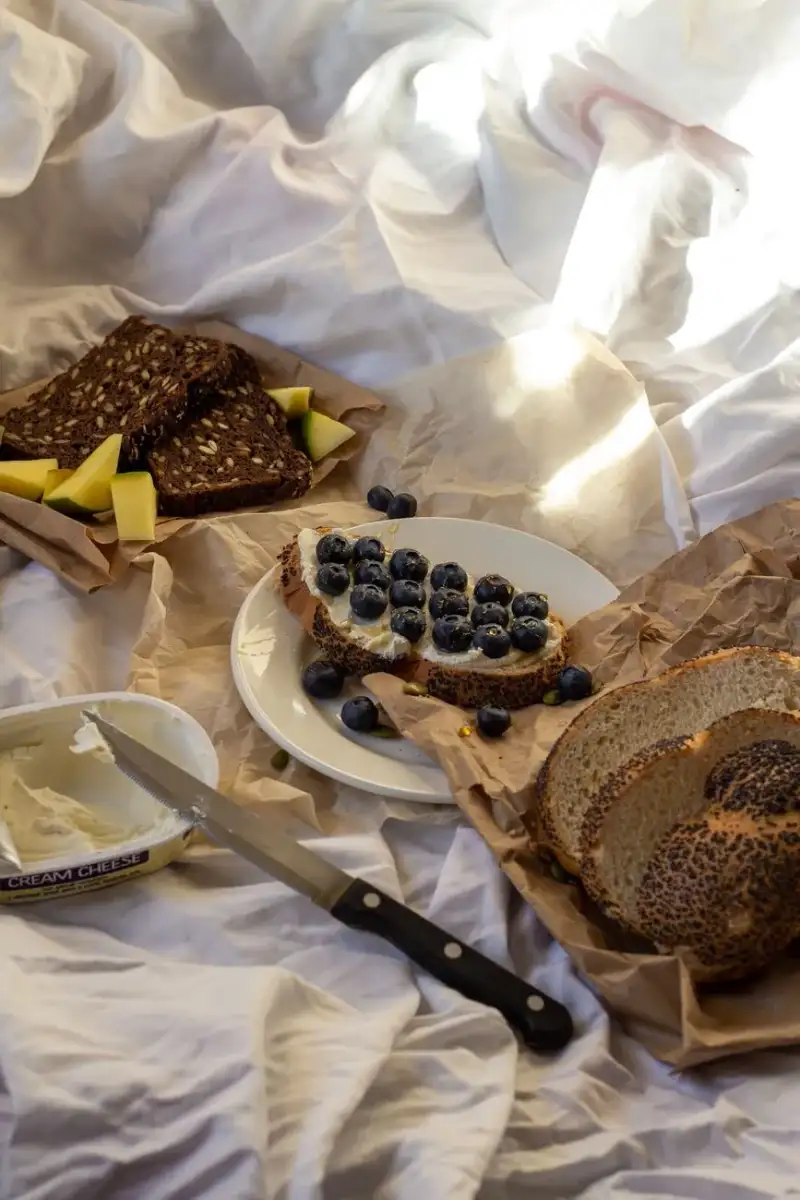
-
 Hannah Weber
 - 11 Jun, 2026 17:12
Hannah Weber's Guide to Delicious and Healthy Sprouted Grain Bread with Avocado and Radish (Vegan)
The Perfect Start: Elevating Your Morning Toast There is something undeniably transformative about a simple piece of toast. However, when you swap out standard white bread for sprouted grains and top it with the vibrant crunch of garden-fresh radishes and the creaminess of ripe avocado, breakfast stops being a chore and starts being a wellness ritual. This recipe—my personal guide to the ultimate sprouted grain avocado toast—is designed to be more than just a quick bite. It is a masterclass in balancing textures and flavors while providing your body with the fuel it needs to sustain focus throughout the day. Whether you are a dedicated vegan or simply looking to incorporate more nutrient-dense whole foods into your routine, this dish offers a sophisticated profile that proves healthy eating is never about restriction; it’s about choosing high-quality ingredients that harmonize on the plate.The Science Behind: Why This Combination Works Nutrition is not just about calories; it is about the synergy of compounds interacting within your system. Here is why this specific combination of ingredients is a powerhouse for your health: Sprouted Grains: Unlike refined flour, sprouted grains are essentially "living" foods. The sprouting process neutralizes phytic acid—an "anti-nutrient" that can inhibit the absorption of minerals—making iron, calcium, and zinc significantly more bioavailable. Furthermore, the germination process increases the concentration of fiber and protein, leading to a lower glycemic index and more stable blood sugar levels compared to conventional bread. Avocado (The Lipid Profile): Avocados are a primary source of monounsaturated fatty acids, particularly oleic acid. These healthy fats are essential for the absorption of fat-soluble vitamins (A, D, E, and K) found in the accompanying vegetables. They also promote satiety, signaling the brain that you are full, which helps prevent overeating. Radishes (Bioactive Compounds): Often relegated to a mere garnish, radishes are nutritional giants. They contain high levels of anthocyanins and glucosinolates—compounds associated with reduced oxidative stress and anti-inflammatory properties. Their signature peppery crunch adds a textural contrast that forces you to chew more slowly, aiding in digestion and mindful consumption. Lemon Juice: Beyond its bright acidity, the Vitamin C in lemon juice acts as a critical catalyst. Vitamin C is a known enhancer of non-heme iron absorption, meaning the squeeze of lemon over your avocado and grains literally helps your body extract more iron from the meal. Preparation and Flavor Mastery: The Details To elevate this dish from basic toast to a gourmet vegan experience, focus on these preparation nuances:The Toasting Technique: When you preheat the oven to 375F, you are not just drying the bread; you are performing a Maillard reaction. This light caramelization of the starches in the sprouted grain creates a nutty, deeper flavor profile that stands up well to the moist toppings. The Avocado Maceration: When mashing your avocado, keep it slightly chunky. The contrast between creamy, spreadable avocado and the texture of the grain provides a superior mouthfeel. Mix in your lemon juice immediately after mashing; the citric acid prevents oxidation (browning) and keeps your avocado vibrant and emerald green. The Radish Slice: The secret to the perfect radish layer is thinness. Use a mandoline or a very sharp chef's knife to get translucent slices. This ensures that every bite contains a perfect ratio of bread, avocado, and radish. Final Seasoning: While not in the base ingredient list, finishing the dish with a tiny pinch of flaky sea salt and cracked black pepper is essential. The salt draws out the natural sweetness of the cherry tomatoes, while the pepper complements the spicy notes of the radish.A Nourishing Conclusion In a world filled with processed convenience foods, taking fifteen minutes to assemble a meal from whole, sprouted, and raw ingredients is a radical act of self-care. This sprouted grain bread with avocado and radish is a testament to the fact that simple, plant-based ingredients, when combined thoughtfully, can provide a profound sensory experience. By focusing on nutrient density and the biological benefits of each component, you aren't just eating—you are nourishing your cells, supporting your digestion, and setting a high standard for your daily energy levels. Enjoy this dish as a breakfast, a post-workout recovery snack, or a light lunch. Your body will thank you for the extra effort. #PlantBasedWellness #SproutedGrains #HealthyEating #VeganGastronomy #MindfulNutrition Related InsightsThe Unfolding Tapestry of Flavor: A Millennia-Spanning Journey Through the Epic Evolution of Curry Exploring the Delightful World of Cheese Pairings Mapo Tofu: The Spicy and Numbing Classic{ "@context": "https://schema.org", "@type": "FAQPage", "mainEntity": [ { "@type": "Question", "name": "What is the main focus of Hannah Weber's Guide to Delicious and Healthy Sprouted Grain Bread with Avocado and Radish (Vegan)?", "acceptedAnswer": { "@type": "Answer", "text": "A delicious and healthy recipe that combines the benefits of healthy fats, dietary fiber, and bioactive compounds." } }, { "@type": "Question", "name": "Who authored the comprehensive guide on Hannah Weber's Guide to Delicious and Healthy Sprouted Grain Bread with Avocado and Radish (Vegan)?", "acceptedAnswer": { "@type": "Answer", "text": "This detailed article and its insights were carefully researched and authored by Hannah Weber." } }, { "@type": "Question", "name": "Where can I find more related content about Food?", "acceptedAnswer": { "@type": "Answer", "text": "You can explore more articles, detailed reviews, and similar insights by browsing the Related Insights section at the bottom of this article or visiting our dedicated Food category page." } } ] }
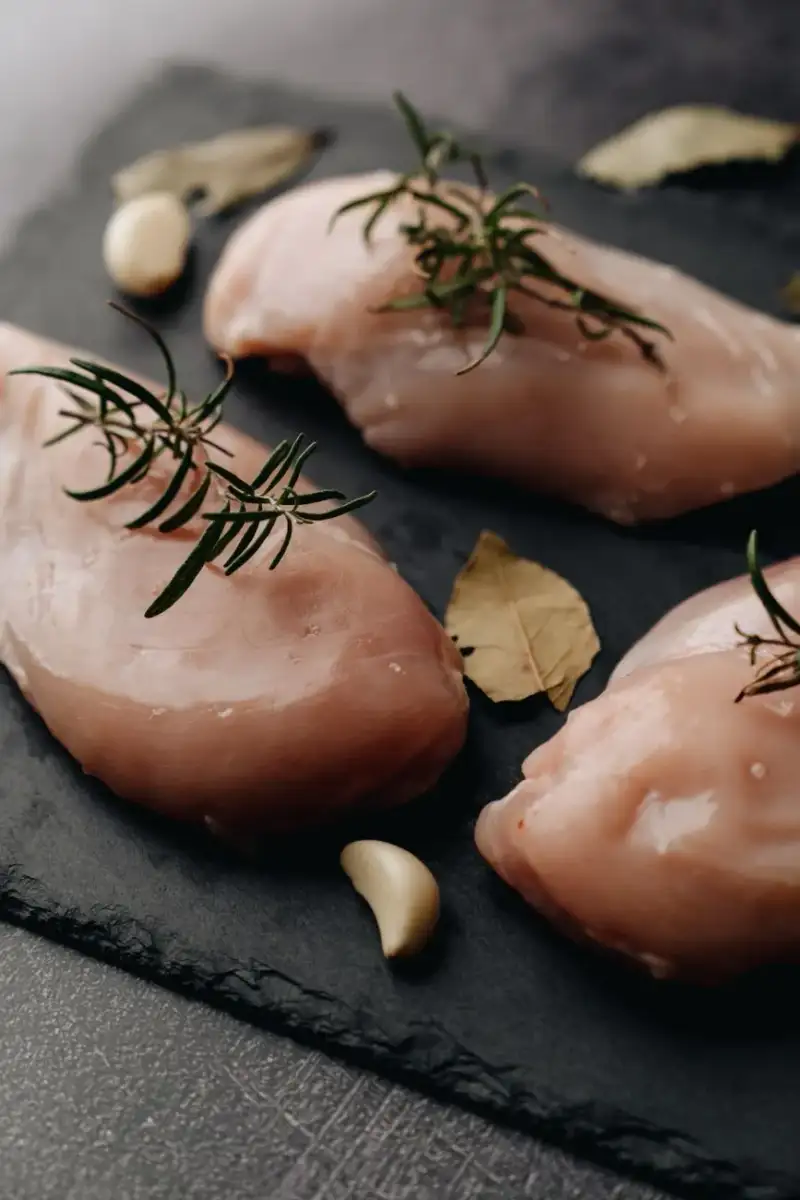
-
 Michael Chef
 - 21 May, 2026 08:39
Turmeric Roasted Chicken Breast with Quinoa Stuffing: A Delicious Anti-Inflammatory Dish
In the realm of culinary and health enthusiasts, there exists a profound appreciation for dishes that not only tantalize our taste buds but also provide a myriad of health benefits. One such ingredient that has garnered significant attention in recent years is turmeric, a spice commonly found in many Asian and Middle Eastern recipes. Turmeric contains a powerful compound called curcumin, which has been extensively studied for its anti-inflammatory properties. According to general scientific knowledge, curcumin has been shown to have potent antioxidant and anti-inflammatory effects, making it a valuable ingredient in the prevention and management of various chronic diseases. Introduction to Turmeric and Quinoa Turmeric, with its vibrant yellow color and distinct flavor, has been a staple in many traditional cuisines for centuries. Its anti-inflammatory properties have been revered for their potential to alleviate symptoms associated with arthritis, gout, and other inflammatory diseases. On the other hand, quinoa, a protein-rich grain, has been recognized for its nutritional benefits, including its high fiber and mineral content. The combination of turmeric and quinoa creates a dish that is not only delicious but also provides a range of health benefits. The Science Behind Turmeric's Anti-Inflammatory Effects Research on anti-inflammatory compounds has shown that curcumin, the active component in turmeric, plays a significant role in reducing inflammation in the body. By inhibiting the production of pro-inflammatory enzymes, curcumin helps to alleviate symptoms associated with inflammatory diseases. Furthermore, curcumin has been shown to have antioxidant properties, which help to protect the body against free radicals and oxidative stress. Preparing the Turmeric Roasted Chicken Breast with Quinoa Stuffing To prepare this dish, start by preheating the oven to 375F. While the oven is heating up, prepare the quinoa stuffing by cooking the quinoa according to the package instructions. In a pan, heat two tablespoons of olive oil over medium heat. Add the chopped onion and cook until translucent, followed by the minced garlic. Add the mixed vegetables and cook until they are tender. Seasoning the Chicken Breast with Turmeric In a small bowl, mix together one tablespoon of turmeric powder, salt, and pepper. Rub the turmeric mixture evenly onto both chicken breasts, making sure to coat them thoroughly. Place the chicken breasts on a baking sheet lined with parchment paper and roast in the oven for 25-30 minutes, or until cooked through. Assembling the Dish Once the chicken is cooked, remove it from the oven and let it rest for a few minutes. Slice the chicken breast into thin strips and serve with the quinoa stuffing. Garnish with fresh herbs, such as parsley or cilantro, and a squeeze of lemon juice. Conclusion In conclusion, the Turmeric Roasted Chicken Breast with Quinoa Stuffing is a dish that combines the anti-inflammatory properties of turmeric with the nutritional benefits of quinoa. By incorporating this dish into your diet, you can reap the rewards of a healthier and more delicious meal. Whether you're a health enthusiast or a foodie, this recipe is sure to please even the most discerning palates. #HealthyLiving #Gastronomy #AntiInflammatoryRecipes #NutritionAndHealth #FoodAndMedicine