Showing Posts From
Culinaryhistory
-
 Kenji Sato
 - 14 Sep, 2026 21:59
The Fire and the Flesh: Unveiling the Eternal Alchemy of the Turkish Kebab
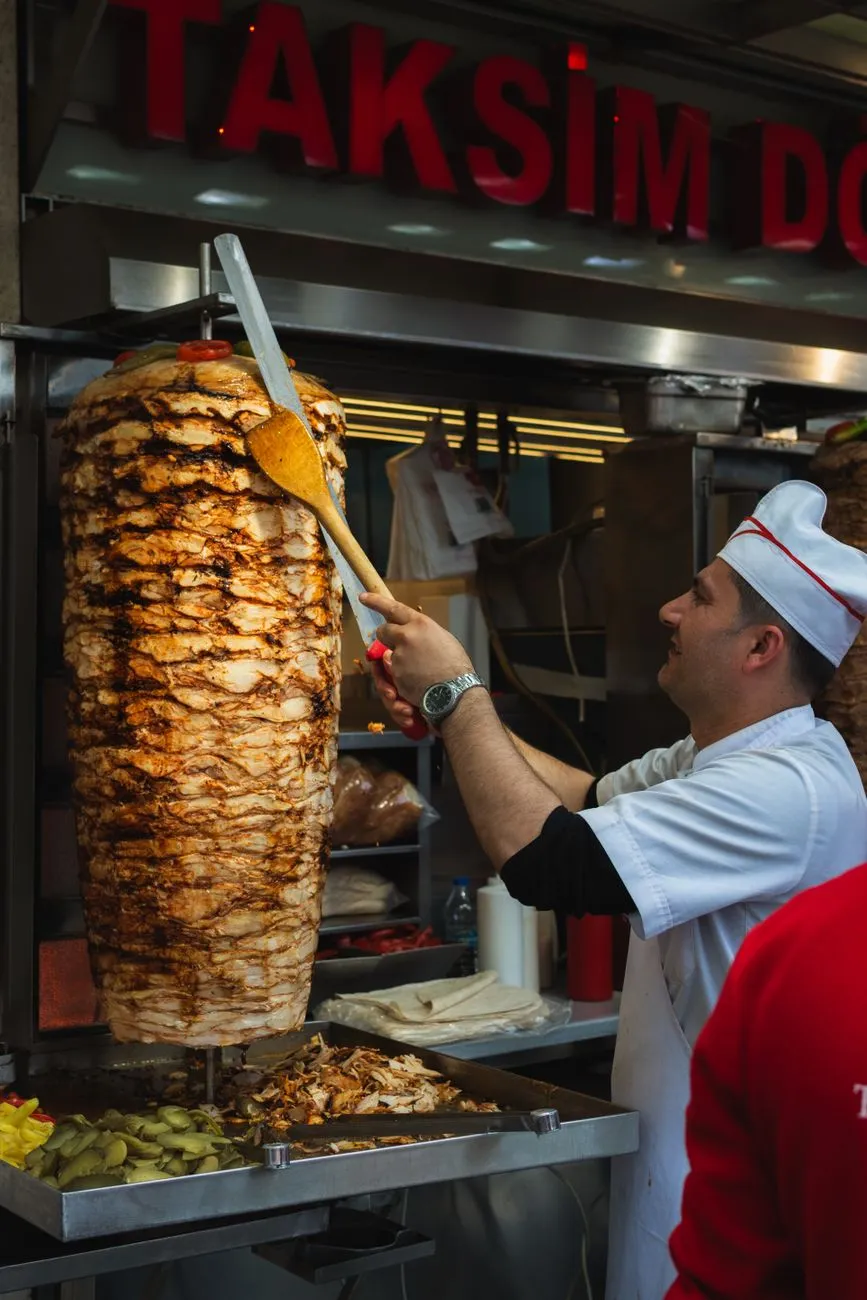
The Culinary Architecture of the Silk Road To understand the Turkish kebab is to understand the very history of human migration and the engineering of flavor. We often perceive travel writing through the lens of the "tourist versus the traveler," a tension explored in creative nonfiction that defines how we document our experiences. While the tourist might view a kebab as a simple, late-night convenience, the traveler—and the true culinary aficionado—recognizes it as a complex manifestation of environmental engineering and nomadic necessity. The word "kebab" derives from the Aramaic "kabab," meaning to char or burn, a testament to the primal relationship between early civilizations and fire. Long before the bustling streets of Istanbul or the high-end eateries of London, kebab culture began in the heart of Anatolia. Nomadic tribes, constantly on the move, required a cooking method that was efficient, portable, and capable of transforming tough cuts of meat into tender, succulent delicacies using only the heat of an open flame. This evolution is fundamentally a story of cultural transmission. As populations moved along the Silk Road, the technique of skewering meat—ironically, often using their own swords—became a standardized practice. The engineering of the kebab is precise; it relies on the Maillard reaction, the chemical interaction between amino acids and reducing sugars that gives browned food its distinctive flavor. When heat hits the surface of the meat, it creates a crisp, savory exterior that acts as a vessel for the rendered juices trapped within. Whether it is the vertical rotisserie of the Doner or the horizontal perfection of the Shish, the core principle remains identical: the mastery of thermal radiation. We are essentially dealing with an edible engineering project, where the protein structure is broken down by carefully managed heat, seasoned by the smoke of charcoal—preferably oak or fruitwood—and elevated by the specific geography of the spice blends utilized in the marination process. Every bite carries the DNA of those ancient caravans, serving as a reminder that food is the most reliable vessel of human history.The Anatomy of the Perfect Skewer Creating a professional-grade kebab is not merely a matter of throwing meat onto a grate; it requires an intimate knowledge of protein chemistry and fat distribution. The gold standard for a traditional Shish Kebab is typically lamb, specifically from the hindquarter or shoulder, where the ratio of lean muscle to intramuscular fat provides the necessary moisture during the intense heat of the grill. In professional kitchens, we speak of the "15-20% fat rule." If the meat is too lean, the kebab dries out before the char develops; if it is too fatty, the flare-ups from the charcoal become unmanageable, leading to a bitter, soot-heavy finish. The marination process is where the artistry truly takes hold. In Anatolian traditions, the marinade is surprisingly minimalist: olive oil, salt, perhaps a hint of onion juice, and the essential Turkish pepper paste, Biber Salçası. Unlike the heavy, yogurt-based marinades of other regions, the authentic Turkish style focuses on elevating the flavor of the meat itself rather than masking it. The preparation phase involves "resting" the meat, a step often overlooked by home cooks. By allowing the seasoned protein to sit, the salt denatures the proteins slightly, allowing them to retain more juice under the extreme pressure of the grill. When skewering, the density of the meat placement matters. We aim for a balance that allows heat to circulate between the pieces, ensuring that the kebab cooks evenly from the center out. The skewer itself is an engineering instrument; flat, wide metal skewers are superior to round ones because they prevent the meat from rotating when you turn the kebab, ensuring that the weight of the protein doesn’t cause it to slip. In the professional setting, we maintain an intense heat profile—high enough to sear the outer layer immediately, sealing in the juices, while the inner core reaches an optimal medium-rare to medium temperature. The resulting experience is a texture contrast: the snap of the outer crust followed by the almost buttery tenderness of the interior. This is the hallmark of the true master: a kebab that is cooked through, yet never toughened. The Vertical Revolution and the Doner Legacy While the Shish is the ancestor, the Doner kebab is the modern giant, a triumph of vertical engineering that transformed street food forever. Invented in the 19th century, the vertical spit solved the issue of gravity and heat distribution. By arranging thinly sliced, marinated layers of meat around a rotating axis, the chef creates a self-basting machine. As the heat radiates from the side—typically gas or electric in modern kitchens, though charcoal remains the supreme, if labor-intensive, choice—the fat from the upper layers slowly melts and drips over the meat below. This constant basting process keeps the outer layers moist even as they crisp under the heat source. The blade work is equally critical; a master "Doner Ustası" slices the meat with an almost surgical precision, ensuring that each shave of the kebab contains both the perfectly browned edge and the succulent, tender heart of the stack. This is where the distinction between "tourist" and "traveler" becomes most apparent in food criticism. The tourist seeks the kebab that is easily available, often pre-processed and mass-produced. The traveler seeks the authentic "Yaprak Doner," where the meat is stacked as individual thin leaves (yaprak) of marinated lamb, rather than a processed, sausage-like log. The quality of a Doner can be measured by the transparency of its sourcing. When you eat a high-quality Doner in a Turkish metropolis, you are tasting the history of the animal, the specific region it was raised in, and the generational knowledge of the butcher who balanced the ratio of leg meat to lamb tail fat—the "kuyruk yağı." This specific fat is the secret weapon of the Turkish kebab; it has a high melting point and a unique, deep flavor that permeates the meat as it renders. To ignore the role of this specific fat is to ignore the foundational flavor profile that makes the Doner, and by extension the Turkish kebab, a world-class culinary icon that remains unmatched by its international imitators.Comparative Data: The Kebab Spectrum To better understand the variance in these grilled delicacies, we must analyze the specific components that define each type of kebab. Below is a comparative look at the three most influential styles found across the Turkish culinary landscape.Kebab Type Primary Meat Fat Content Cooking Method Heat Source Texture ProfileShish Kebab Lamb/Beef 15-20% Horizontal Spit Charcoal/Coal Firm, Charred ExteriorAdana Kebab Hand-minced Lamb 25-30% Flat Metal Skewer Open Charcoal Juicy, Spicy, SoftYaprak Doner Sliced Layers 20% Vertical Rotisserie Radiant Heat Thinly Shaved, TenderIskender Kebab Doner Slices Variable Vertical + Pan Butter/Tomato Base Rich, Soaked, HeartyCop Shish Small Cubes 10-15% Mini Skewers Intense Flame Crisp, SnackableThis table illustrates the technical diversity within the category. The Adana kebab, for instance, requires a much higher fat content because it is hand-minced; the extra fat is necessary to hold the meat together on the skewer without it falling into the coals, a technique that requires significant manual dexterity and a deep understanding of protein binding. Conversely, the Yaprak Doner relies on the structural integrity of the stacked slices, requiring a different set of physical principles to maintain its shape during the extended cooking process. The Geography of Spice and Accompaniment The soul of the kebab is not found in the protein alone, but in the harmonious marriage of spice and the traditional side dishes that cleanse the palate. In regions like Gaziantep, a city renowned for its culinary output, the use of Aleppo pepper (pul biber) and dried mint is not just a flavor choice—it is a mandatory cultural practice. The heat of the kebab requires the cooling contrast of "cacik," a yogurt-based cucumber dip, or the acidity of a "gavurdagi" salad, which typically features finely chopped tomatoes, walnuts, and pomegranate molasses. These accompaniments are functional: the acidity of the pomegranate molasses cuts through the richness of the animal fat, while the cool yogurt neutralizes the capsaicin of the hot peppers. This is a deliberate, ancient sensory strategy. Furthermore, the bread—often "Pide" or "Lavaş"—is rarely just a side dish. In the case of the Iskender Kebab, the bread is used as a foundation, absorbing the rendered fat, tomato sauce, and browned butter, effectively becoming a conduit for the flavor of the meat. In many traditional establishments, the bread is placed on the grill for the final few seconds of the meat’s cooking time, allowing it to soak up the drippings and the smoky aroma of the charcoal. This is the quintessence of the Turkish kebab experience: a holistic approach where every component serves a technical or sensory purpose. When you are eating a kebab in this manner, you are not just consuming protein; you are engaging in a highly refined interaction of temperature, texture, and flavor profiles that have been polished over centuries. It is an exploration of the landscape, the livestock, and the ingenuity of a people who turned the simple act of grilling into a high-art performance.The Future of the Grilled Icon As we look toward the future of global gastronomy, the Turkish kebab stands as a resilient bastion of traditional technique. While the modern world leans toward speed and industrialization, the kebab remains deeply tethered to the physical presence of the artisan. You cannot replicate the soul of an Adana kebab in a microwave or a convection oven; it demands the charcoal, the heat, and the human hand. The "tourist or traveler" dichotomy mentioned earlier is the final filter for the future of this food. As travelers seek deeper, more authentic experiences, the demand for high-quality, heritage-focused kebab shops increases. This is a positive development, as it incentivizes chefs to return to older, more labor-intensive methods—using specific breeds of sheep, hand-chopping meat with a "zirh" (a double-handled curved knife), and utilizing traditional charcoal rather than gas. The engineering of the kebab is a testament to the fact that simple, elegant solutions to human needs often withstand the test of time better than complex, synthetic alternatives. As we continue to document our journeys, let us look closer at the food we consume. Let us appreciate the engineering behind the char, the geography of the spice, and the history embedded in the skewer. The Turkish kebab is not just a meal; it is a profound lesson in how humanity adapts to its environment, refines its resources, and transforms the raw elements of nature into something that is not just edible, but truly transcendental. Whether you are walking the streets of Istanbul or seeking the best local outpost in your home city, remember that the true kebab is a conversation between the past and the present—one that is best enjoyed slowly, with respect for the fire that forged it. May your next experience with this iconic delight be as deep, satisfying, and revelatory as the centuries of tradition that paved the way to your plate. #TurkishCuisine #CulinaryHeritage #FoodEngineering #KebabMastery #GastronomicTravel Related InsightsThe Alchemy of Appetite: Decoding the Molecular Soul of Our Sustenance Mumbai's Sizzling Soul: The Spice, Sweet, and Chaotic Heartbeat of Street Food Bombay Sandwich: The Iconic Triple-Layered Delight{ "@context": "https://schema.org", "@type": "FAQPage", "mainEntity": [ { "@type": "Question", "name": "What is the main focus of The Fire and the Flesh: Unveiling the Eternal Alchemy of the Turkish Kebab?", "acceptedAnswer": { "@type": "Answer", "text": "Journey through the ancient smoke of the Silk Road to master the art of the perfect Turkish kebab, where history, heat, and heritage collide on the skewer." } }, { "@type": "Question", "name": "Who authored the comprehensive guide on The Fire and the Flesh: Unveiling the Eternal Alchemy of the Turkish Kebab?", "acceptedAnswer": { "@type": "Answer", "text": "This detailed article and its insights were carefully researched and authored by Kenji Sato." } }, { "@type": "Question", "name": "Where can I find more related content about Food?", "acceptedAnswer": { "@type": "Answer", "text": "You can explore more articles, detailed reviews, and similar insights by browsing the Related Insights section at the bottom of this article or visiting our dedicated Food category page." } } ] }
-
 Isabella Rossi
 - 12 Sep, 2026 20:52
The Gastronomic Odyssey: From Charred Street Corn to the Pinnacle of Michelin Perfection
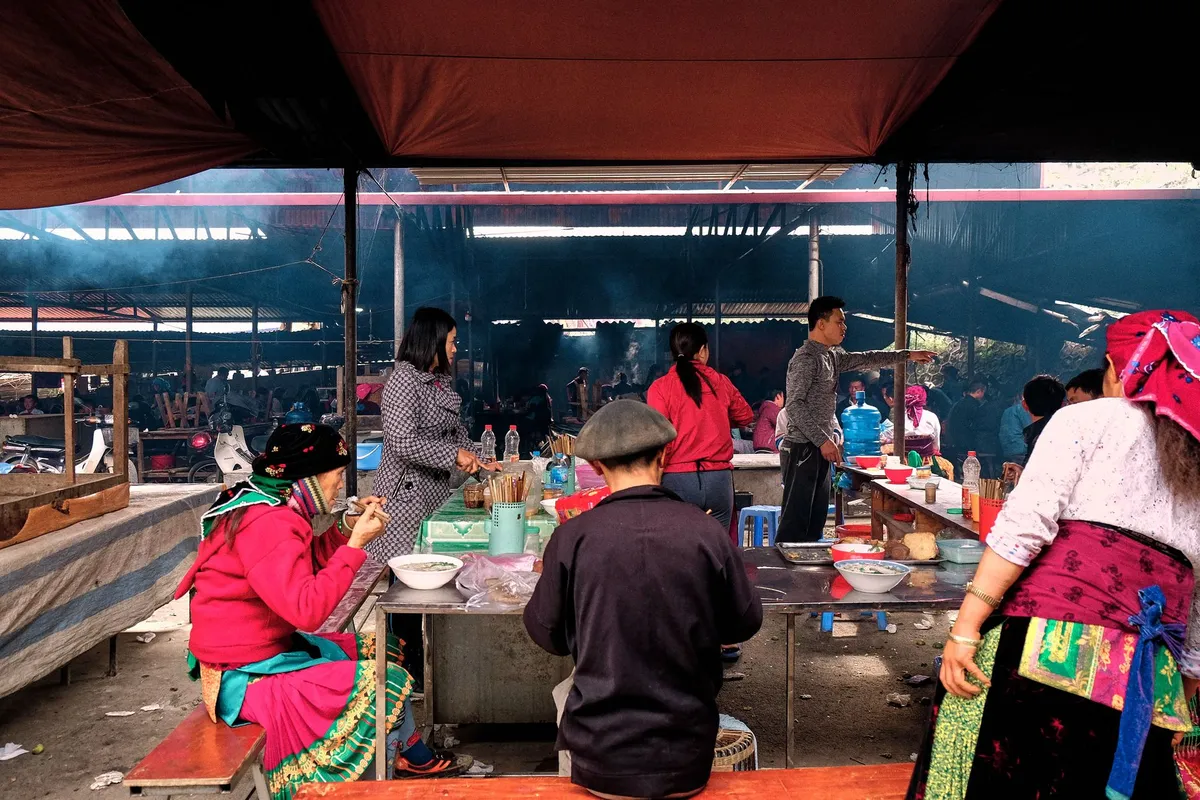
Where Smoke Meets Salt: The Soul of the Street Market To understand the trajectory of human civilization, one need not look at monuments of stone or archives of political mandates; one must look at the grill. The humble origins of street food—from the charred elotes of Mexico City to the aromatic satay skewers of Southeast Asia—represent the foundational DNA of global dining. As travelers, we often find our most profound culinary epiphanies not under the chandelier of a Michelin-starred establishment, but standing on a dusty corner, waiting for a vendor to flip a tortilla. Street food is an exercise in efficiency, aesthetics, and raw business logic. When we examine the culinary landscape, particularly in Mediterranean bastions like Greece, the intersection of the farmers' market and the environmental ecosystem becomes undeniably clear. The "Culinary Landscape of Greece," as analyzed in recent research, is not merely a collection of recipes; it is a manifestation of marketing dynamics. Small-scale producers operate within a closed-loop system where the aesthetics of the harvest dictate the value of the market stall. This is the bedrock upon which high cuisine is built. When a chef sources a perfectly ripened tomato from a local Greek market, they are engaging in a marketing strategy that favors authenticity over industrial processing. The sensory experience of the street market—the scent of charcoal, the cacophony of vendors, the tactile engagement with raw ingredients—provides the necessary "curiosity quotient" for the modern explorer. For the traveler, this is where the expedition begins. It is a lesson in terroir. Whether it is a taco stand in Oaxaca or a souvlaki cart in Athens, the street vendor is the unsung pioneer of global flavor, teaching us that the highest quality food often requires the least amount of pretense. By observing these micro-economies, we gain a deeper appreciation for the rigor that later defines the world of fine dining.The Contradictions of Australian Flavor and Identity When we turn our gaze to the Southern Hemisphere, the narrative of food takes a sharp, political turn. Australia presents a fascinating case study in how a nation defines its culinary soul. The research paper "Terra nullius, culina nullius: the contradictions of Australian food culture" highlights a critical academic tension: the intersection of political science and the plate. For centuries, the concept of terra nullius—or "land belonging to no one"—was used to justify colonial expansion. Today, the culinary equivalent is often debated as scholars examine whether Australian food culture successfully integrates Indigenous ingredients or if it continues to operate within a vacuum of colonial appropriation. For the traveler, this is a pivotal stop on the expedition. The Australian food scene is a paradox. It is defined by high-end coffee culture, fusion brilliance, and world-class wine, yet it struggles with the historical weight of its own foundations. When you dine in Sydney or Melbourne, you are witnessing an evolution. The movement toward "bush tucker"—utilizing native ingredients like finger lime, wattleseed, and macadamia—represents a reclamation of identity. It is an attempt to turn culina nullius into a legitimate, recognized culinary heritage. Understanding this dynamic is essential for the curious traveler. When you order a meal in an Australian bistro, look for the subtle infusion of native flora. This is not just a trend; it is a political statement of reconciliation and culinary evolution. The transition from street corn to haute cuisine in the Australian context is less about the refinement of the grill and more about the refinement of the national consciousness. By engaging with this reality, we as travelers stop being passive consumers and start becoming informed observers of a culinary history in the making. The complexity of these dishes is rooted in the landscape itself, demanding that we respect the geography as much as the flavor profile. From the Farmers' Market to the White Tablecloth The transition from a raw, local marketplace to the pressurized environment of a Michelin-starred kitchen is a journey of transformation. This path is defined by a rigorous obsession with aesthetics, sourcing, and the marketing of experience. Research into the Greek culinary landscape demonstrates that the farmers' market is not just a place of trade; it is an incubator for excellence. The relationship between the environment—the soil, the sun, the Mediterranean winds—and the product is the ultimate differentiator for elite chefs. Consider the journey of a single olive or a bundle of wild mountain herbs. In the market, they are commodities; in the kitchen of a Michelin-starred chef, they are the focal point of a sensory performance. The "Business and Marketing" of fine dining relies on the ability of the chef to translate the authenticity of the local farmer into a narrative that justifies the price point and the prestige. This is not an easy feat. It requires an intimate understanding of the seasonality that the market dictates. For the traveler, this stage of the expedition is about recognizing the "why" behind the plate. Why does a particular dish in a fine dining restaurant resonate so deeply? It is because the chef has distilled the best elements of the local ecosystem. They have taken the "street corn" ethos—the raw, unadulterated flavor of the ingredient—and elevated it through technique, precision, and a narrative that honors the producer. This cycle is the backbone of the global food industry. We move from the market, where we learn the language of food, to the restaurant, where we experience the literature of food.The Global Plate: A Comparative Analysis of Cost and Quality To fully grasp the global food expedition, we must look at the metrics that define our spending and consumption patterns. The following table provides a breakdown of how the cost of a "culinary experience" fluctuates based on the environment, the labor involved, and the prestige of the establishment. This comparative data reflects the real-world financial realities faced by travelers and residents alike in major food hubs.Culinary Segment Typical Cost (USD) Primary Focus Sourcing StrategyStreet Food $3 - $12 Speed & Flavor Hyper-local/DailyMid-Range Bistro $25 - $60 Comfort & Texture Regional/SeasonalMichelin Experience $150 - $500+ Innovation & Story Artisanal/ExclusiveFarmers' Market $10 - $30 Freshness & Raw Direct from FarmerAs this data suggests, the price gap is not merely a reflection of food quantity but of "added value." In the Michelin-starred category, you are paying for the rigorous labor, the aesthetic curation, and the intellectual effort of the culinary team. Conversely, the street food sector provides the highest return on investment regarding pure, unadorned flavor. The savvy traveler is one who learns to balance these experiences, using the farmers' market to build a vocabulary of ingredients and the high-end restaurant to see how those ingredients can reach their artistic zenith. By analyzing these numbers, we see that the global food expedition is, in many ways, an exercise in resource management—how do we extract the most meaning and pleasure from the food systems available to us in any given destination? The Ethics of Global Gastronomy and the Future of Food As we conclude this journey, we must address the ethics of the table. The global food expedition is becoming increasingly centered on sustainability and the preservation of culture. Whether we are discussing the Indigenous food movements in Australia or the agricultural preservation efforts in Greece, the modern food movement is moving away from globalization and back toward localization. The "Curious Traveler" now has a responsibility to support these micro-economies. We have explored the street market, examined the complexities of colonial-tainted culinary identity, and witnessed the transformation of local ingredients into fine art. What binds these experiences together is a shared dependence on the environment. The "Business, Marketing, and Aesthetics" of food is ultimately tethered to the health of our earth. The farmers' market, once a simple place of commerce, is now the front line of environmental advocacy. The Michelin-starred restaurant, once a beacon of exclusivity, is now often a leader in zero-waste initiatives and carbon-neutral sourcing. As you plan your next culinary expedition, look beyond the guidebooks. Seek out the contradiction; find the street food stall that challenges your perception of "cheap," and visit the fine dining establishment that challenges your perception of "elite." Pay attention to the provenance of your ingredients. In a world that is becoming increasingly homogenized, the true luxury is eating food that tells a specific, regional story—a story that begins in the dirt and ends in a moment of pure, culinary perfection. Your role as a traveler is to listen to that story, value the labor behind it, and contribute to the ecosystems that sustain these diverse food cultures. The expedition never truly ends; it merely changes the menu.Harvesting Memories from the Global Trail Reflecting on our global expedition, it becomes evident that the distance between a piece of street-grilled corn and a dish adorned with a Michelin star is shorter than we often imagine. It is a bridge built on quality, history, and the tireless pursuit of culinary truth. We have traveled from the political landscapes of Australia to the sun-drenched markets of Greece, recognizing that every bite carries the weight of history and the promise of the future. The "curious traveler" is defined by an appetite that is never fully sated. We seek the next market, the next hidden kitchen, and the next ingredient that tells a story of survival and triumph. As we move forward, let us remember that the most authoritative culinary critics are not those in suits and ties, but the people who stand in line for their daily bread, the farmers who tend the soil with calloused hands, and the chefs who look at a tomato and see the entire world. Carry this awareness with you as you navigate your next destination. Seek the markets where the air is thick with the scent of the local harvest. Respect the restaurants that prioritize the integrity of the ecosystem. Most importantly, understand that your dining choices are, in effect, a vote for the type of food culture you wish to see thrive. Whether you are seeking a cheap, life-changing snack or an evening of refined excellence, the global food expedition remains the most rewarding way to understand the heart of a civilization. May your plate always be full, your curiosity always be piqued, and your journey always be seasoned with the unexpected. #Gastronomy #FoodTravel #CulinaryExpedition #SlowFood #GlobalDining Related InsightsDelighting in the Flavors of Lemony Chicken Piccata with Capers and Spinach L'Anima della Cucina Italiana: Non Solo Cibo, ma una Storia d'Amore nel Piatto Avocado and Poached Egg Toast on Sourdough{ "@context": "https://schema.org", "@type": "FAQPage", "mainEntity": [ { "@type": "Question", "name": "What is the main focus of The Gastronomic Odyssey: From Charred Street Corn to the Pinnacle of Michelin Perfection?", "acceptedAnswer": { "@type": "Answer", "text": "Join Isabella Rossi on a deep dive into the world’s most fascinating culinary landscapes, exploring the rich tapestry of street food versus fine dining." } }, { "@type": "Question", "name": "Who authored the comprehensive guide on The Gastronomic Odyssey: From Charred Street Corn to the Pinnacle of Michelin Perfection?", "acceptedAnswer": { "@type": "Answer", "text": "This detailed article and its insights were carefully researched and authored by Isabella Rossi." } }, { "@type": "Question", "name": "Where can I find more related content about Food?", "acceptedAnswer": { "@type": "Answer", "text": "You can explore more articles, detailed reviews, and similar insights by browsing the Related Insights section at the bottom of this article or visiting our dedicated Food category page." } } ] }
-
 Eleanor Hughes
 - 10 Sep, 2026 11:44
The Golden Threads of History: Unraveling the Millennia-Old Tapestry of Pasta
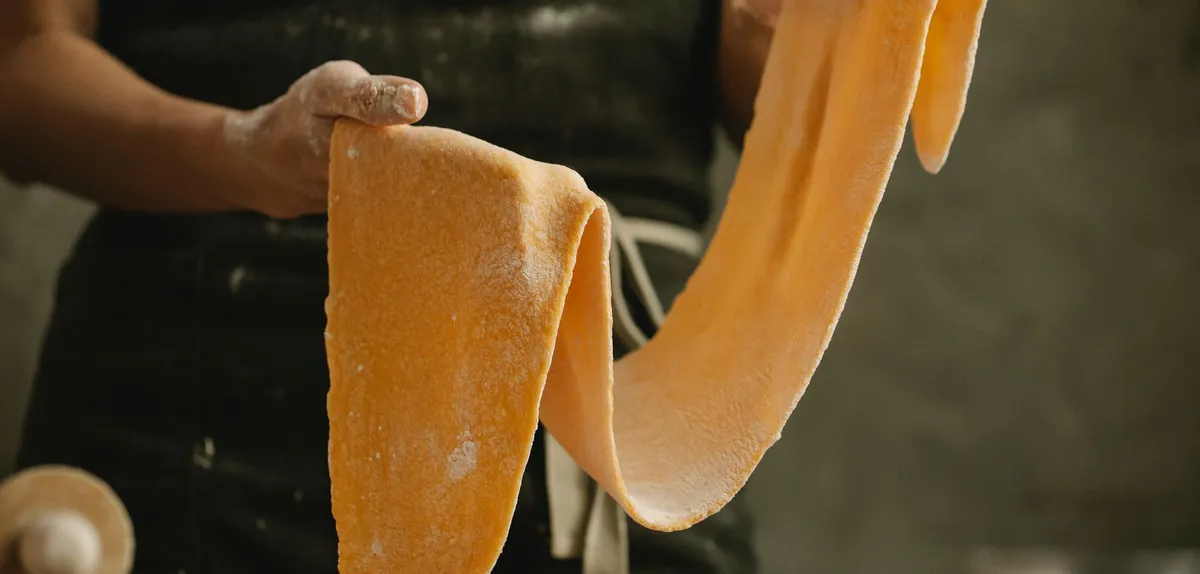
From Ancient Grains to the Silk Road Origins When we sit down to a steaming bowl of al dente spaghetti, we are participating in a ritual that spans millennia. To understand the genesis of pasta, we must cast aside the modern nationalist debate—that purely Italian narrative—and look toward the cradle of civilization. Archaeological evidence strongly suggests that the concept of creating a paste from ground grains and water is as old as the discovery of wheat itself. While popular mythology often credits Marco Polo with bringing pasta back from China in the 13th century, the historical record suggests a much more complex, polycentric origin. In the Mediterranean, the Greeks and Romans consumed a product known as 'laganon'—a broad, flat sheet of dough made from wheat flour and water, fried or baked. This precursor to modern lasagna was a staple in ancient diets. However, the transformation from flatbread to the extruded, dried form we recognize today was catalyzed by the Arab conquests in the Middle Ages. As Islamic agriculturalists moved westward into Sicily during the 9th and 10th centuries, they brought with them the technology for drying pasta. This was a revolutionary development; by removing moisture, they created a stable, portable food source that could be stored for long periods, essentially the first "instant" fuel for nomadic travelers and conquering armies. The significance of this evolution cannot be overstated. Drying pasta turned a fresh, perishable luxury into a commodity that could be shipped across the Mediterranean. By the 12th century, the chronicler Al-Idrisi, working for King Roger II of Sicily, famously wrote about a factory in Trabia—a town near Palermo—that produced large quantities of pasta in the shape of strings. This is the earliest documented evidence of mass-produced, commercial pasta. The "golden threads" were no longer just a household craft; they were an engine of trade. As we peel back the layers of history, we see that pasta was the original globalized food, an intersection of Mesopotamian grain cultivation, Chinese noodle-making tradition, and Arab preservation technology.The Industrialization of the Durum Wheat Revolution The true genius of Italian pasta lies in the selection of the primary ingredient: durum wheat. Unlike soft wheat, which is typically used for bread and cakes, durum (Triticum durum) has a high protein content and a unique gluten structure that allows for the creation of an elastic, firm dough. When this semolina flour is hydrated and pushed through bronze dies, it retains its shape during the drying process and maintains a satisfying 'al dente' texture upon cooking. This specific grain variety, which thrives in the arid, sun-drenched climate of Southern Italy, became the backbone of the Mediterranean diet. During the late 18th and 19th centuries, the invention of the hydraulic press and the mechanical kneader transformed pasta from a cottage industry into a burgeoning industrial powerhouse. Naples became the epicenter of this change. The city’s unique geography—its proximity to the sea and the strong coastal winds—provided the perfect conditions for the traditional drying process. Pasta was draped over large wooden racks, hung across the city’s narrow streets, and cured in the salty maritime air. This natural drying process, which took days, gave the pasta a porous surface, which is critical for binding to sauces. Modern manufacturers have since replaced these wind-tunnels with high-heat, rapid-drying chambers. While this has increased output, purists argue that the "bronze-cut" method remains superior. Bronze dies impart a rougher, matte texture to the pasta surface, which serves as a microscopic trellis for tomato sauces and pestos. This is the difference between a bowl of pasta that is slick and oily and one where the sauce clings to every strand. Understanding the mechanical interaction between the flour, the die, and the drying room is essential for any serious cook. We are not merely eating starch; we are consuming a highly engineered product that represents the peak of agricultural and industrial symbiosis. Macronutrient Profiles and the Physiology of Starch To appreciate pasta beyond its flavor, one must view it through the lens of nutritional science. Pasta is fundamentally a complex carbohydrate, a source of glucose that provides the steady fuel required by both the brain and the muscular system. The glycemic index of pasta is lower than that of many other refined grain products, largely due to the physical structure of the semolina starch granules. When processed through extrusion, these granules are packed densely, meaning that the digestive enzymes in our gastrointestinal tract take longer to break them down into absorbable sugars. A standard serving of dried pasta—approximately 56 grams or two ounces—provides a robust baseline of energy. Most durum wheat pasta is an excellent source of B-vitamins, particularly folate, niacin, and thiamine, which are critical for metabolic function. Furthermore, the protein content in durum wheat is significantly higher than that of common white flour, ranging between 12% and 15%. This protein matrix creates a "satiety effect," ensuring that the consumer remains full for a longer duration compared to consuming empty calories. However, the "al dente" preparation is not just a stylistic preference; it is a nutritional imperative. By cooking pasta for a shorter duration, we preserve the integrity of the starch molecules, preventing them from gelatinizing completely. This keeps the glycemic response measured, preventing the sharp blood sugar spikes associated with overcooked, mushy pasta. The addition of healthy fats, such as extra virgin olive oil or proteins like lean poultry, further mitigates the glycemic load, creating a balanced meal profile. The following table provides a breakdown of the nutritional composition typically found in standard dry semolina pasta.Nutrient Type Amount per 100g (Dry) Role in Human PhysiologyCarbohydrates 75g Primary fuel for muscular contractionProtein 13g Muscle repair and enzymatic supportDietary Fiber 3g Gut health and glucose regulationIron 1.5mg Oxygen transport in blood cellsFat 1.5g Essential for fat-soluble vitamin absorptionThis table illustrates why, despite modern trends that demonize carbohydrates, pasta has remained a foundational component of longevity diets, such as the Mediterranean model. The key lies in portion control and the quality of the pairing ingredients. When treated as the vehicle for nutrient-dense vegetables, legumes, and lean proteins rather than the main caloric event, pasta is a highly efficient delivery system for essential vitamins and minerals.The Architecture of Sauces and Sensory Engagement The marriage between a specific pasta shape and its accompanying sauce is governed by the principles of fluid dynamics and culinary architecture. It is not an accident that thick, hearty meat ragùs are paired with wide, flat ribbons like pappardelle or tubular shapes like rigatoni. These shapes are designed to hold weight. The internal hollows of rigatoni act as reservoirs for sauce, ensuring that every bite delivers a uniform ratio of pasta to topping. Conversely, long, thin strands like spaghetti or linguine are designed for emulsified, oil-based, or delicate seafood sauces. These strands rely on their surface area to pick up a thin coating of flavor, making them ideal for dishes like Aglio e Olio or a light vongole. The sensory experience of pasta is rooted in 'mouthfeel'—a term professionals use to describe the tactile sensation of food. A perfectly cooked piece of pasta should offer a subtle resistance to the tooth, a sensation that is satisfying precisely because it requires engagement. This is where the choice of wheat matters. Pasta made from lower-quality grains will fall apart or turn mushy, losing the textural contrast that makes Italian cuisine so compelling. Furthermore, the addition of starchy pasta water to the sauce is perhaps the most critical technical step in the kitchen. This water, cloudy with released amylose, acts as an emulsifier. When tossed with fat-based sauces, it bridges the gap between water and oil, creating a cohesive, velvety glaze that clings to the pasta rather than sliding off it. This technique, a secret of the professional kitchen, transforms simple ingredients into a cohesive masterpiece. It is the culmination of years of cultural refinement—a tacit understanding that the pasta is not a canvas, but an active partner in the flavor profile. Preserving the Heritage of Artisan Craft As we move toward a future of hyper-processed convenience, the artisanal tradition of pasta-making faces a critical juncture. Small-scale pasta makers (pastai) are now working to preserve ancestral grains—varieties like Senatore Cappelli, Russello, and Timilia. These heritage wheats offer a flavor profile far superior to modern, high-yield cultivars, possessing earthy, nutty, and even slightly floral notes. They also present a lower impact on the environment, as they are often grown using traditional, low-input agricultural methods that prioritize soil health over maximum yield. The preservation of this craft is a form of cultural stewardship. When we choose to purchase bronze-extruded, slow-dried pasta made from heritage grains, we are supporting a supply chain that values quality over quantity. This movement toward "Slow Food" is not merely about taste; it is about the resilience of our global food system. The loss of regional wheat varieties would represent a catastrophic reduction in our culinary biodiversity. By engaging with these products, we keep the history of the Mediterranean alive in our own kitchens. Learning to make pasta by hand—using nothing more than flour, water, and perhaps an egg—is a transformative experience. It forces the cook to interact with the raw materials, to feel the hydration levels, and to understand the physics of gluten development. It is a slow, meditative act in an age of speed. It reconnects us to the millions of hands that have kneaded, rolled, and cut these golden threads over the past thousand years. As we look ahead, the future of pasta will likely remain anchored in this balance: the marriage of cutting-edge agricultural science and the unwavering, beautiful simplicity of the artisanal tradition.The journey of pasta is a testament to human ingenuity. It is a story of migration, trade, and the tireless pursuit of culinary perfection. From the drying racks of ancient Sicily to the modern pantry, pasta has survived wars, industrial revolutions, and changing dietary fads, emerging as the world's most enduring comfort food. We must continue to cherish these threads, not just as sources of nutrition, but as the golden tapestry that links us to our collective past. Every time we prepare a meal, we are not just cooking; we are weaving ourselves into a history that is as resilient as it is delicious. Embrace the flour, honor the tradition, and savor every bite of this timeless, golden legacy. #PastaHistory #CulinaryArts #MediterraneanDiet #FoodScience #ArtisanPasta Related Insights„Die Architektur des Geschmacks: Wie Gastronomie zur Wissenschaft der Zivilisation wurde“ Pomegranate and Quinoa Tabbouleh Salad: A Delicious and Healthy Twist Mumbai’s Melting Pot of Flavors: The Soul-Satisfying Street Food That Defines the City{ "@context": "https://schema.org", "@type": "FAQPage", "mainEntity": [ { "@type": "Question", "name": "What is the main focus of The Golden Threads of History: Unraveling the Millennia-Old Tapestry of Pasta?", "acceptedAnswer": { "@type": "Answer", "text": "Join culinary historian Eleanor Hughes on a journey through time as we unravel the origins, evolution, and nutritional science of the world's most beloved pantry staple." } }, { "@type": "Question", "name": "Who authored the comprehensive guide on The Golden Threads of History: Unraveling the Millennia-Old Tapestry of Pasta?", "acceptedAnswer": { "@type": "Answer", "text": "This detailed article and its insights were carefully researched and authored by Eleanor Hughes." } }, { "@type": "Question", "name": "Where can I find more related content about Food?", "acceptedAnswer": { "@type": "Answer", "text": "You can explore more articles, detailed reviews, and similar insights by browsing the Related Insights section at the bottom of this article or visiting our dedicated Food category page." } } ] }

In the sweltering, relentless hum of a Cairo afternoon, amidst the cacophony of honking taxis and the rhythmic calls of vendors, there exists a singular, steaming bowl that anchors the Egyptian identity. It is a dish that defies the elitism of haute cuisine, opting instead for the democratic embrace of the street. This is Koshari—a symphony of textures, a carbohydrate-laden titan, and a culinary monument to the resourcefulness of a culture that has mastered the art of making the humble feel like a feast. A Mosaic of Grains and History To understand Koshari is to understand the layers of Egypt itself. It is not merely a dish; it is a historical document written in pulses and grains. While often misattributed to ancient roots, the Koshari we celebrate today is a nineteenth-century marvel, a product of a cosmopolitan era where Egypt sat at the crossroads of global trade. The bowl itself is a testament to colonial influence and domestic adaptation. It mirrors the spirit of the British occupation era, where diverse influences mingled with local ingredients. It is believed that Indian soldiers and settlers brought the inspiration of 'khichdi'—a dish of rice and lentils—to Egypt. However, the Egyptian spirit took this foundation and transformed it into something uniquely chaotic and harmonious. By adding pasta, tomato sauce, and the signature crispy fried onions, the Egyptians created a caloric powerhouse that powered the city’s working class through the most grueling days.The Anatomy of the Perfect Bowl If you ask a Cairene about the construction of the perfect Koshari, you are likely to spark a debate that lasts until dawn. It is a precise architecture of comfort. At the base, you have the foundation: a hearty mix of rice, black lentils, and macaroni. This trinity provides the canvas upon which the real magic happens. The "sauce" is the soul of the operation. It begins with a deep, garlicky tomato base, often spiked with a vinegary kick that cuts through the starch, awakening the palate. But the true mastery lies in the condiments. No self-respecting Koshari shop is complete without two sidekicks: 'da’ah', a thin, pungent garlic and vinegar liquid, and 'shatta', a fiery chili-infused oil that challenges the bravest of diners. When you douse your bowl with these, the dish undergoes a metamorphosis, shifting from a mild comfort meal to a sharp, aggressive, and deeply addictive sensory experience. The Cultural Pulse of the Street Koshari is the ultimate equalizer. Whether you are a business mogul in a bespoke suit or a student clutching a few small coins, the Koshari stall treats everyone with the same steamy, garlicky warmth. It is a street food that transcends economic boundaries. In the narrow, vibrant alleys of the Khan el-Khalili market or the bustling districts of downtown Cairo, the sound of metal spoons scraping against metal bowls is the unofficial rhythm of the city. This dish is a testament to the Egyptian philosophy of "baraka," or blessing. It is filling, inexpensive, and accessible. It represents the resilience of the people—a dish that can be assembled in seconds but requires a lifetime of mastery to get the balance of vinegar and heat exactly right.Why the World Obsesses Over This Bowl Why has this simple bowl captivated the global imagination? The answer lies in the layering. Texture is the secret language of the food lover. You have the soft chew of the rice and lentils, the varying resistance of the different pasta shapes, the crunch of the golden-fried onions, and the pop of the chickpeas. Every bite offers a different encounter, a new angle on the same flavor profile. Furthermore, in an era of processed foods and complex culinary trends, Koshari remains defiantly simple. It is vegan, it is wholesome, and it is unapologetically starch-heavy. It is the food of the people, for the people. When you travel to Egypt, you are not just visiting the Pyramids; you are engaging with a living, breathing culinary heritage that pulses through the stalls of every neighborhood. Preparing the Experience at Home While recreating the authentic Cairo street experience is nearly impossible without the backdrop of the Nile and the desert breeze, you can approximate the magic in your own kitchen. The key is in the timing and the independent preparation of the components. # The Secret Recipe Structure ingredients = { "base": ["lentils", "rice", "macaroni", "vermicelli"], "toppings": ["chickpeas", "crispy fried onions"], "sauces": ["garlic tomato sauce", "da’ah vinegar", "shatta chili oil"] }def assemble_koshari(bowl): # Always layer the grains first # Add the sauce generously # Finish with the crunch of the onions return "The Perfect Egyptian Bowl"To achieve the best result, remember that the onions are not just a garnish—they are the centerpiece. They must be sliced thin, fried until dark mahogany, and drained until they shatter like glass under your spoon. If you miss this step, you are merely eating grains; you must have the crunch to elevate the bowl to greatness. The Future of an Ancient Staple As Egypt modernizes and global culinary influences continue to flood the market, Koshari remains steadfast. It has survived wars, revolutions, and the arrival of global fast-food chains. Why? Because you cannot replicate the comfort of a warm bowl of Koshari. It is etched into the cultural DNA of the nation. It is the fuel of the Egyptian heartbeat, a dish that proves that sometimes, the most magnificent meals are not found on white tablecloths, but on a plastic tray in the middle of a chaotic, wonderful city street. The next time you find yourself wandering, look for the stall where the steam rises high into the evening air, where the scent of garlic and vinegar lures you like a siren. Take a seat, ignore the noise, and dive into the bowl. You are not just eating lunch; you are participating in a tradition that defines the spirit of Cairo.Whether you prefer it drowning in extra vinegar or dancing on the edge of heat with a heavy dash of shatta, Koshari is an experience that demands to be felt. It is humble, it is brilliant, and it is undeniably Egyptian. #EgyptianFood #StreetFood #Koshari #CairoEats #CulinaryHistory Related InsightsSavor the Spice: A Deep Dive into South India’s Coastal and Vegan Culinary Wonders (Part 2) Echoes of the Sun God: Unearthing the Lost Amaranth Varieties of Ancient Mesoamerica Misal Pav: Maharashtra's Fiery Breakfast{ "@context": "https://schema.org", "@type": "FAQPage", "mainEntity": [ { "@type": "Question", "name": "What is the main focus of The Alchemy of Cairo: Unraveling the Soul of Koshari?", "acceptedAnswer": { "@type": "Answer", "text": "Discover the history, complexity, and sheer culinary genius of Koshari, Egypt’s beloved, carb-loaded street food masterpiece." } }, { "@type": "Question", "name": "Who authored the comprehensive guide on The Alchemy of Cairo: Unraveling the Soul of Koshari?", "acceptedAnswer": { "@type": "Answer", "text": "This detailed article and its insights were carefully researched and authored by Demir Şef." } }, { "@type": "Question", "name": "Where can I find more related content about Food?", "acceptedAnswer": { "@type": "Answer", "text": "You can explore more articles, detailed reviews, and similar insights by browsing the Related Insights section at the bottom of this article or visiting our dedicated Food category page." } } ] }
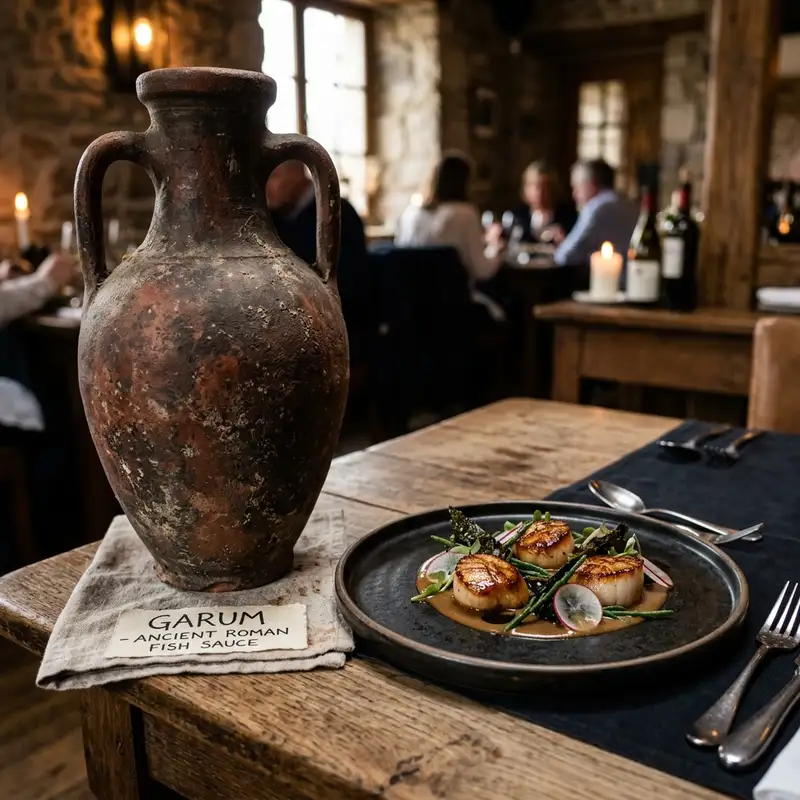
Imagine a world where every meal, from the simplest gruel to the most lavish imperial banquet, was seasoned with a single, pervasive condiment. A flavor so integral, so universally present, that its absence would render dishes incomplete, its very aroma defining the culinary landscape. This was the gastronomic reality of #ancient #Rome, and its undisputed king was not salt, nor pepper, nor any fresh herb, but garum – a fermented fish sauce that was the very heartbeat of Roman cuisine, a liquid gold flowing through the veins of an #empire. For centuries, garum remained a mere historical footnote, relegated to dusty texts and archaeological dig sites, often misunderstood as a simple, crude fermentation. Yet, to dismiss garum as just "ancient fish sauce" would be akin to calling a symphony mere noise. It was a complex, nuanced, and utterly essential flavor enhancer, the ultimate expression of umami long before the term was coined. Its story is one of innovation, empire, decline, and a remarkable, unexpected modern resurgence, a testament to the enduring power of fundamental flavors. The Pervasive Taste of Empire: Garum's Ancient Reign Garum wasn't merely a niche ingredient; it was an industrial commodity, produced on a massive scale across the Roman Empire, from the shores of Hispania (modern #Spain) and Lusitania (Portugal) to North Africa and the Levant. Its production centers, often sprawling complexes of vats and processing areas, were economic powerhouses, contributing significantly to regional wealth. The sheer volume of garum produced speaks volumes about its demand. Amphorae, bearing distinctive stamps identifying their origin and contents, have been found in shipwrecks and archaeological sites across the Roman world, evidence of an intricate and far-reaching trade network. The process of making garum was surprisingly sophisticated for its time, relying on the natural enzymatic breakdown of fish guts and whole small fish, layered with salt, and left to ferment under the scorching Mediterranean sun. This slow, anaerobic digestion transformed proteins into amino acids, yielding a liquid brimming with intensely savory compounds. Classical authors provided tantalizing glimpses into this industry:Pliny the Elder in his Natural #history described garum as "a liquor of exquisite taste." Apicius, the famed Roman gourmand, featured garum extensively in his cookbook, De re coquinaria, indicating its versatility in everything from sauces and stews to dressings and even desserts (though likely in savory-sweet combinations).Different qualities and types of garum existed, much like today's olive oils or balsamic vinegars. Key varieties included:Garum (or Liquamen): The most common, clear, amber liquid. Alleс: The thick, pasty sediment left after the garum was strained, often used as a spread or thickener. Muria: A simpler brine used for curing fish. Haemation: A prized, dark red garum made from tuna blood and guts. Garum Flos Floris: "The flower of flowers," indicating a premium, possibly first-press, variety.The aroma, by modern standards, would have been intense, to say the least. Ancient sources occasionally mention its powerful smell, even referencing it in jokes and proverbs. Yet, it was the smell of prosperity, of flavor, and of a complex culinary civilization. It seasoned vegetables, meats, and even bread. Soldiers carried it on campaigns, and it was a staple in every Roman household, irrespective of social standing, though the wealthy might have access to finer, more aged varieties. The Curious Case of Its Disappearance The decline of garum production is a fascinating tangent in culinary history. As the Roman Empire fragmented and eventually collapsed, so too did many of its sophisticated infrastructures. The large-scale, industrial production of garum, which required substantial investment, extensive trade routes, and a stable political environment, began to wane. Several factors contributed to its eventual disappearance:Economic Disruption: The breakdown of imperial trade routes made it difficult and dangerous to transport goods like garum over long distances. Changing Palates: Over centuries, new culinary influences, ingredients, and cooking methods emerged across Europe. Fermented products remained, but perhaps the specific intensity and production method of garum fell out of favor. Rise of Spices: The increasing availability and affordability of spices from the East, facilitated by new trade networks, offered alternative ways to flavor food, potentially overshadowing the need for garum. Sanitary Concerns: While essential to the Roman diet, the production of garum, with large quantities of fermenting fish in open vats, was undeniably odorous and potentially unhygienic in areas not properly managed. As populations shifted and new urban centers grew, public health concerns, however rudimentary, might have played a role. Loss of Knowledge: The complex techniques, specific ratios, and knowledge of ideal fish species for garum production might have simply been lost or diluted over generations as production dwindled.By the early medieval period, garum had largely vanished from European tables, replaced by a multitude of other seasonings, notably salt, vinegar, and early forms of mustard and herb pastes. It became a ghostly echo in the annals of history, a forgotten flavor of a bygone era. From Rubble to Revival: The Modern Renaissance For nearly two millennia, garum remained buried in history. Then, in the late 20th and early 21st centuries, a confluence of factors led to its astonishing revival. This resurgence isn't merely about historical curiosity; it's a testament to the power of umami and the continuous quest for unique, profound flavors in modern gastronomy. The catalysts for this revival are multifaceted:Culinary Archaeology: Growing interest in reconstructing ancient recipes and foodways. Scholars and food historians began to meticulously translate ancient texts and analyze archaeological findings from sites like Pompeii, where garum factories and residue-filled amphorae provided concrete evidence. The Umami Revolution: The widespread recognition and popularization of "umami" as the fifth basic taste, largely driven by Japanese cuisine and its use of fermented ingredients like soy sauce and dashi. This created a context for appreciating the deep savoriness of garum. Chef-Driven Innovation: Forward-thinking chefs, always seeking new dimensions of flavor, started looking beyond conventional ingredients. The idea of resurrecting an "ancient secret weapon" held immense appeal. Fermentation Trend: The global trend towards fermented foods, celebrated for their complex flavors and health benefits, provided a natural framework for re-evaluating garum.One of the most notable figures in the modern garum movement is the Italian chef Gennaro Esposito, whose commitment to authentic regional ingredients led him to explore Colatura di Alici di Cetara. While not exactly garum, colatura is a traditional anchovy-based fish sauce produced in Cetara on the Amalfi Coast, a direct descendant of ancient Roman garum. Its production method – salt-cured anchovies pressed for their liquid – is remarkably similar to one of the ancient techniques. This existing tradition provided a tangible link to the past. Inspired by colatura and archaeological research, chefs and food scientists began experimenting with true garum production. The challenges were significant: recreating ancient conditions, sourcing appropriate fish, controlling fermentation, and ensuring food safety. Modern garum production often involves:Selection of Fish: Small, oily fish like anchovies, sardines, or even mackerel are preferred, often whole or with guts. Salting: Layering fish with high-quality sea salt. Fermentation: Placing the mixture in controlled environments (sometimes temperature-regulated, sometimes relying on passive solar heat) for several months, often up to a year or more. Pressing and Filtering: After fermentation, the liquid is pressed out and filtered to achieve clarity.The Flavor Profile and Modern Applications What does modern garum taste like? It’s a revelation. Unlike many commercial fish sauces, which can be aggressively salty or fishy, well-made garum is complex, deep, and incredibly savory. It possesses a distinct umami punch, often with notes of:Briny sweetness: A subtle sweetness that balances the salt. Nutty undertones: Some compare its depth to aged parmesan or cured meats. Earthy funk: A pleasant, fermented aroma that adds character without being overtly "fishy." Roundness: It adds a foundational richness to dishes, enhancing other flavors rather than dominating them.The culinary world has embraced garum with open arms. Michelin-starred restaurants globally are featuring it on their menus, incorporating it into innovative dishes. Here are some ways modern chefs are utilizing garum:Sauces and Dressings: A few drops can elevate a vinaigrette, Hollandaise, or simple pan sauce to new heights. Marinades: Imparting a profound depth to meats, poultry, and seafood. Vegetable Enhancer: Drizzled over roasted vegetables (asparagus, broccoli, tomatoes) to intensify their natural flavors. Broths and Soups: A secret ingredient for a richer, more complex stock or consommé. Pasta Dishes: A natural fit, especially with seafood or simple garlic and oil preparations. Fermented Food Pairings: Enhancing other fermented products like kimchi or miso. Cocktails (Surprisingly!): A daring dash in savory cocktails like a Bloody Mary for an unexpected layer of umami.The beauty of garum lies in its ability to provide a background hum of savoriness, making other ingredients shine more brightly. It's not about making a dish taste like fish sauce; it's about making it taste more. Beyond the Palate: What Garum's Revival Tells Us The #journey of garum, from its imperial dominance to its millennia-long slumber and dramatic reawakening, offers more than just a culinary curiosity. It speaks to the cyclical #nature of human endeavor, the enduring allure of fundamental flavors, and our persistent desire to connect with the past through our senses. The effort to revive garum is an act of culinary archaeology, a dedication to understanding and appreciating the ingenuity of ancient cultures. It highlights the sophistication of Roman gastronomy, often overlooked in favor of more dramatic historical narratives. It also underscores the universality of umami, a taste that transcends cultures and eras, connecting the banquets of emperors to the plates of modern epicureans. As we continue to explore the boundaries of flavor, products like garum remind us that sometimes, the most innovative tastes are not newly invented, but rather rediscovered echoes from a distant past. The pungent, profound liquid that once fueled an empire is now inspiring a new generation of chefs and food lovers, proving that a great flavor, however ancient, never truly disappears; it merely waits for its moment to be tasted again. #Umami #Garum #CulinaryHistory #AncientRomanCuisine #FermentedFoods Related InsightsKung Pao: The Perfect Balance of Sweet and Heat The World on a Plate: How Street Food Shaped Civilizations and Continues to Feed Billions The Obscure Origins and Transcendent Transformation of Cacao's Dark Heart{ "@context": "https://schema.org", "@type": "FAQPage", "mainEntity": [ { "@type": "Question", "name": "What is the main focus of The Umami Echo: Tracing Garum's Resurgence from Pompeii to Michelin Stars?", "acceptedAnswer": { "@type": "Answer", "text": "Delve into the fascinating, pungent history of Garum, ancient Rome's omnipresent condiment, and discover its unexpected culinary revival in modern gastronomy." } }, { "@type": "Question", "name": "Who authored the comprehensive guide on The Umami Echo: Tracing Garum's Resurgence from Pompeii to Michelin Stars?", "acceptedAnswer": { "@type": "Answer", "text": "This detailed article and its insights were carefully researched and authored by Demir Şef." } }, { "@type": "Question", "name": "Where can I find more related content about Food?", "acceptedAnswer": { "@type": "Answer", "text": "You can explore more articles, detailed reviews, and similar insights by browsing the Related Insights section at the bottom of this article or visiting our dedicated Food category page." } } ] }
-
 Michael Chef
 - 29 Jun, 2026 23:21
Echoes of the Sahel: Unearthing the Ancient Art and Culinary Alchemy of Fonio
A whisper of the desert wind carries tales, not of grand empires or legendary battles, but of something far more fundamental, more enduring: sustenance. It speaks of a tiny grain, often overlooked, yet possessing a spirit of resilience that has nourished civilizations for millennia. This is the story of Fonio, a cereal often dubbed "the hungry rice" of West Africa, a grain whose delicate #nature belies its monumental importance and whose future is now poised to redefine global culinary landscapes. Forget the quinoa, the farro, and the freekeh; Fonio is not just another #ancient grain making a comeback. It is a profound historical narrative, an intricate agricultural ballet, and a culinary alchemist's dream, all rolled into miniature, pearl-like kernels. The Cradle of Fonio: A Sahelian Saga To truly appreciate Fonio, we must #journey back, far into the arid and semi-arid expanse of the Sahelian belt, stretching across countries like Mali, Guinea, Burkina Faso, and Senegal. Here, where erratic rainfall and challenging soils often dictate survival, Fonio (scientific names Digitaria exilis for white Fonio and Digitaria iburua for black Fonio) has flourished as a cornerstone of indigenous agriculture for at least 5,000 years. Archaeological evidence, including Fonio grains found in Egyptian tombs, suggests its ancient pedigree and widespread cultivation long before the arrival of maize or rice to the continent. Fonio's profound significance lies in its incredible adaptability and speed. It is a grain of resilience, capable of growing in poor, sandy soils where other crops fail, and boasts an astonishingly short growing cycle, maturing in as little as 60 to 90 days. This rapid turnaround has historically made it a vital "famine food," providing a crucial safety net for communities during periods of drought or when other harvests faltered. It is the grain that feeds when all else succumbs to the harsh embrace of the sun. The local epithet, "hungry rice," is not a pejorative but a testament to its role as a quick, reliable crop that fends off hunger. In some regions, it is even believed to have spiritual properties, associated with the origin of the universe and revered as "the seed of the cosmos." From Earth to Table: The Intricate Dance of Cultivation and Processing The journey of Fonio from a minuscule seed to a nourishing meal is an intricate dance of human ingenuity and natural forces, demanding patience, skill, and a deep connection to the land. Unlike industrial farming operations, Fonio cultivation is predominantly a smallholder affair, reliant on traditional practices passed down through generations. Farmers in the Sahel prepare their fields with minimal disturbance, often clearing land by hand and relying on the rhythm of the seasons to dictate their planting. Seeds are sown by hand, broadcast across the soil, a process that demands a keen eye and steady hand. Because Fonio thrives in nutrient-poor conditions, it requires little to no synthetic fertilizers or pesticides, making it an inherently sustainable crop. Its deep root system helps to stabilize soil and prevent erosion, further contributing to the ecological health of its environment. The harvest, typically occurring between July and December, is a communal affair, often involving entire families and village members. Stalks, barely reaching waist height, are cut with small sickles. The harvested bundles are then sun-dried before the arduous process of threshing begins. Traditionally, this involves pounding the dried plants in large mortars to separate the grains from the husks, followed by winnowing – tossing the Fonio into the air on flat baskets to let the wind carry away the chaff while the heavier grains fall back down. This visually stunning, almost meditative process is not just about separating grain; it is a ritual that strengthens community bonds and reinforces cultural identity. The most challenging step in Fonio preparation, and often a bottleneck to its wider adoption, is dehulling. Each tiny grain is encased in a tough, fibrous husk that must be removed without crushing the delicate kernel. Historically, this was done manually using a mortar and pestle, a labor-intensive task performed primarily by women, sometimes taking hours for even small quantities. Modern innovations, such as small-scale mechanical dehullers, are slowly easing this burden, but the essence of Fonio processing remains deeply rooted in traditional practices that respect the grain's unique properties. Once dehulled, Fonio is carefully winnowed again, cleaned, and dried, ready for storage or immediate culinary transformation.The Alchemist's Kitchen: Culinary Versatility and Cultural Significance Once processed, Fonio transforms into a culinary marvel, its delicate, nutty flavor and light, fluffy texture lending itself to an astonishing array of dishes. Its versatility is such that it often takes the place of couscous, rice, or even pasta in many West African cuisines. One of the most iconic preparations is Fonio Couscous, known by various names such as Thiébé in Senegal or Fonio Thiakry. The tiny grains are steamed until light and airy, then often served alongside rich stews brimming with vegetables, meat, or fish. The delicate, almost ethereal quality of the Fonio beautifully complements the robust flavors of the accompanying sauces, creating a balanced and deeply satisfying meal. For breakfast, Fonio Porridge (Fonio Bouillie) is a comforting staple. Simmered with water or milk, sweetened with honey or sugar, and often flavored with spices like ginger or cinnamon, it provides sustained energy for the day ahead. Its smooth texture makes it an excellent first food for infants and a nourishing meal for the elderly. Beyond these staples, Fonio flour is increasingly used to make gluten-free breads, pancakes, and snacks, offering a nutritious alternative to wheat-based products. In some communities, Fonio is also fermented to produce a traditional beer called Dolo, a low-alcohol beverage enjoyed during celebrations and social gatherings, further embedding the grain into the cultural tapestry of the region. The flavor profile of Fonio is subtly complex. It's often described as having a nutty, earthy taste with hints of millet or couscous, yet distinctly its own – slightly sweet, never overpowering. Its texture is incredibly light and fluffy, individual grains separating beautifully after cooking, making it an excellent base for absorbing other flavors without becoming heavy or clumpy. Fonio is not just food; it is a carrier of #culture, #history, and communal identity. It features prominently in rituals, from naming ceremonies to religious festivals, symbolizing purity, resilience, and prosperity. Proverbs and folk tales often feature Fonio, illustrating its deep integration into the collective consciousness of the people who cultivate and consume it. To eat Fonio is to partake in a tradition thousands of years old, to connect with the very essence of Sahelian life.The Nutritional Powerhouse: Beyond Survival While its historical role as a survival grain is undeniable, Fonio's nutritional profile makes it a genuine superfood, earning it increasing recognition in the global health and wellness sphere. It punches well above its weight in terms of beneficial compounds. Crucially, Fonio is naturally gluten-free, making it an ideal choice for individuals with celiac disease, gluten sensitivity, or those simply looking to reduce gluten in their diet. But its benefits extend far beyond this. Fonio is rich in essential amino acids, particularly methionine and cysteine, two sulfur-containing amino acids often deficient in other grains like wheat, rice, and maize. These amino acids are vital for human health, playing roles in detoxification, hair and skin health, and the synthesis of other proteins. It's also a good source of vital micronutrients, including iron, zinc, magnesium, and calcium, which are often lacking in typical Western diets. Its high fiber content aids in digestion, promotes gut health, and contributes to a feeling of fullness, which can be beneficial for weight management. Furthermore, studies suggest Fonio has a relatively low glycemic index, which means it releases glucose into the bloodstream slowly, potentially benefiting individuals managing blood sugar levels. For pregnant women, nursing mothers, and growing children, Fonio offers a dense, easily digestible, and highly nutritious food source. A Grain for Tomorrow: Revival and Global Promise In recent decades, Fonio, like many traditional African grains, faced challenges from the proliferation of imported rice and wheat, which were often cheaper and easier to process. However, a global shift towards sustainable, healthy, and culturally diverse food systems has sparked a profound renaissance for Fonio. Chefs in avant-garde kitchens, nutritionists seeking alternative superfoods, and consumers passionate about ethical sourcing are all turning their attention to this unassuming grain. Its unique flavor and texture are being explored in new and exciting culinary contexts, from high-end restaurant menus to innovative gluten-free products on supermarket shelves. However, scaling Fonio production and ensuring fair trade practices are crucial. While traditional methods are #beautiful, modern, small-scale technologies for dehulling and processing are vital to make Fonio more accessible and reduce the labor burden on farmers, particularly women. Empowering these communities through fair pricing and market access can significantly improve livelihoods in some of the world's most vulnerable regions. Fonio also stands as a powerful symbol of sustainable agriculture in the face of climate change. Its minimal water requirements, ability to thrive in degraded soils, and short growing season make it a resilient crop perfectly suited for a changing planet. It represents not just an ancient food source, but a model for future food systems that prioritize ecological health, economic justice, and cultural preservation. By choosing Fonio, we are not just opting for a nutritious meal; we are actively participating in a movement that supports biodiversity, rural African economies, and a more resilient global food landscape. A Future Sown in Ancient Soil The journey of Fonio is far from over. From the parched soils of the Sahel to the global gourmet plate, this tenacious grain continues to tell a story of survival, cultural richness, and unparalleled adaptability. It reminds us that true culinary innovation often lies not in complex new inventions, but in rediscovering the profound wisdom embedded in ancient traditions and overlooked ingredients. As we seek more sustainable, healthful, and diverse ways to nourish ourselves and our planet, Fonio emerges not just as a choice, but as an imperative – a testament to the enduring power of food to connect us to our past, sustain us in the present, and seed a brighter future.#Fonio #WestAfricanCuisine #AncientGrains #SustainableFood #CulinaryHistory #AfricanFood #Superfood Related InsightsThe Obscure Origins and Transcendent Transformation of Cacao's Dark Heart Mumbai's Sizzling Soul: The Spice, Sweet, and Chaotic Heartbeat of Street Food La Bottarga: Più che un Condimento, un Elixir di Mare tra Mito, Storia e Alta Cucina Italiana{ "@context": "https://schema.org", "@type": "FAQPage", "mainEntity": [ { "@type": "Question", "name": "What is the main focus of Echoes of the Sahel: Unearthing the Ancient Art and Culinary Alchemy of Fonio?", "acceptedAnswer": { "@type": "Answer", "text": "Journey into the captivating world of Fonio, West Africa's resilient 'hungry rice,' exploring its profound history, intricate cultivation, and its transformative culinary potential from ancestral staple to global superfood." } }, { "@type": "Question", "name": "Who authored the comprehensive guide on Echoes of the Sahel: Unearthing the Ancient Art and Culinary Alchemy of Fonio?", "acceptedAnswer": { "@type": "Answer", "text": "This detailed article and its insights were carefully researched and authored by Michael Chef." } }, { "@type": "Question", "name": "Where can I find more related content about Food?", "acceptedAnswer": { "@type": "Answer", "text": "You can explore more articles, detailed reviews, and similar insights by browsing the Related Insights section at the bottom of this article or visiting our dedicated Food category page." } } ] }