Showing Posts From
Sustainable tourism
-
 Cemre Seyyah
 - 11 Oct, 2026 21:14
The Hundred Dollar Silence: Buying Time in Bhutan's Measured Kingdom
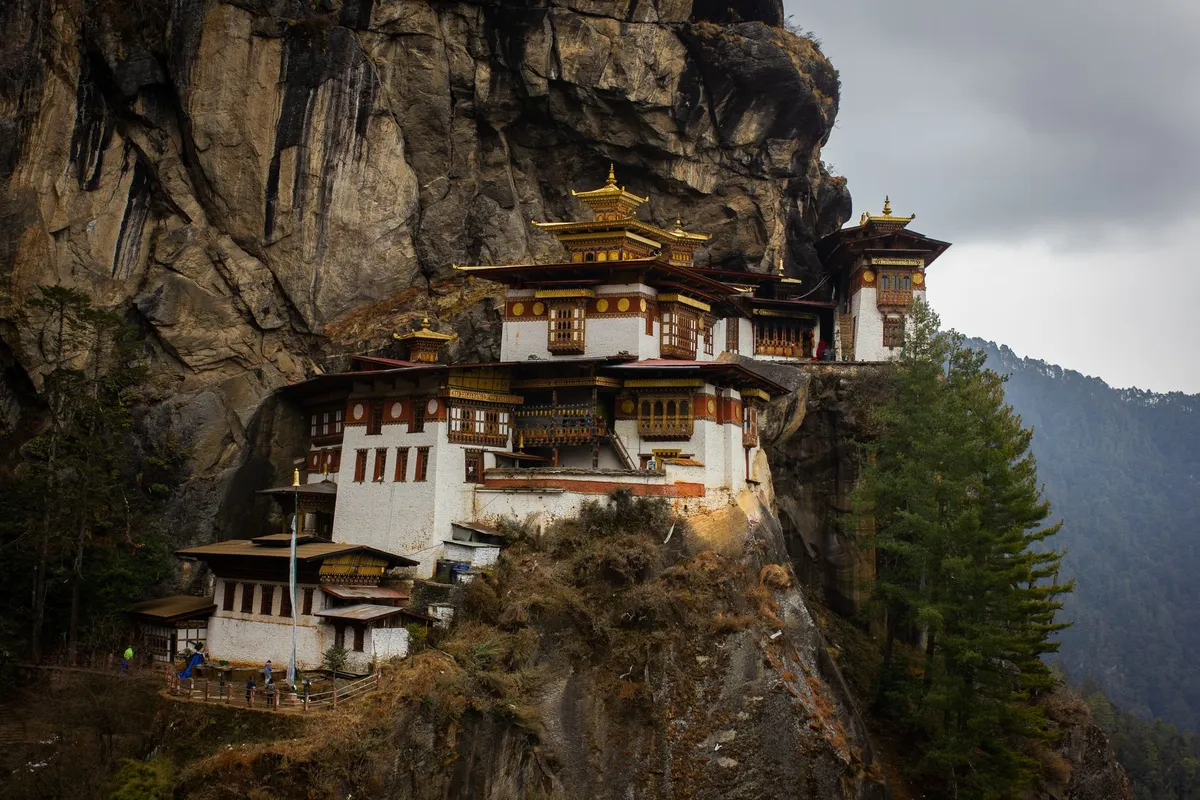
The air in Paro Valley does not just carry oxygen; it carries a tariff. It is a rare thing in the modern world—to arrive in a nation where the price of admission is calculated not in visa stamps, but in the deliberate throttling of footfall. Bhutan does not want tourists; it wants guests who understand that silence is a resource, and that a cliff-side monastery clinging to vertical rock at 3,120 meters is not a backdrop for a selfie, but a living nerve center of Vajrayana Buddhism. When the Kingdom cracked its door open in 1974, a mere 287 souls crossed the threshold. It was a cautious experiment by a monarchy determined to raise revenue without surrendering the "unique culture and traditions" that had survived centuries of isolation. By 1999, that number had climbed to 7,158, and annual revenue topped US$2 million. Yet the government watched the rising tide with a wary eye. They saw what happened to Everest’s base camp, to Venice’s canals, to Angkor Wat at sunrise. They chose a different algebra: High Value, Low Volume. In 2008, the philosophy sharpened. The slogan shifted to "High Value, Low Impact"—a subtle but significant semantic pivot acknowledging that volume is a crude metric, while impact is a moral one. The Gatekeepers of the Dragon Kingdom The mechanism of this selectivity is the Sustainable Development Fee (SDF), a fiscal gatekeeper that has shape-shifted dramatically in recent years. For decades, the "Minimum Daily Package" bundled the fee, accommodation, guide, and transport into a single opaque price tag—roughly US$200–$250 per day. It was a turnkey solution that guaranteed the "low volume" part of the equation but drew sharp criticism: does a "high value tourist" simply mean a wealthy one? The data suggests the barrier is indeed financial. In June 2022, the policy was revised again. The bundle was unbundled. The SDF spiked to US$200 per person, per night for almost all nationalities (Indian nationals paying a nominal 1,200 INR permit fee). The logic was pure: decouple the state’s revenue from the tour operator’s margin. Travelers could suddenly choose their own hotels, their own meals, their own pace. But the sticker shock was immediate. The Himalayas, it seemed, had become the exclusive playground of the ultra-wealthy.Then came the correction. In August 2023, the SDF was halved to US$100 per night. It was an admission that the "High Value" label cannot survive if the "Low Volume" becomes Zero Volume. The current structure remains a filter: Indians, Maldivians, and Bangladeshis navigate a different tier, but for the global traveler, the hundred-dollar nightly toll is the cost of preserving a nation’s "virtually unspoiled landscape and culture." It forces a question every visitor must answer in the quiet of their wallet: Is this moment worth the price of a luxury hotel room back home? Where the Tiger Sleeps: The Geometry of Faith If you pay the fee, you earn the right to stand before Taktshang Palphug—the Tiger’s Nest. The Wikipedia entry describes it clinically: "a cliff-side monastery overlooking the Paro Valley... sacred to Buddhists... housed inside is a cave where the Buddhist Deity who brought Buddhism to Bhutan meditated for 90 days... standing for well over a thousand years." Clinical words for a vertical miracle. You do not simply "visit" Taktshang. You ascend. The trail switchbacks through pine forests scented with juniper smoke, past prayer flags snapping like cardiac monitors measuring the mountain's heartbeat. The monastery appears, vanishes, reappears—a white geometric anomaly pinned to the sheer grey face of the cliff, 900 meters above the valley floor. Legend says Guru Rinpoche (Padmasambhava) flew here from Tibet on the back of a tigress (Yeshe Tsogyal), landing in that very cave to subdue local demons and plant the seed of the Dharma in the Land of the Thunder Dragon. He meditated for three months, three weeks, three days, and three hours. Ninety days of stillness. Today, tourists pant beside that same rock, the silence broken only by the turn of prayer wheels and the rustle of monk’s crimson robes. The temple complex has burned and been rebuilt—most recently after a devastating fire in 1998—but the cave remains. The energy does not burn.Wings Over the Last Shangri-La Getting to that trailhead requires threading a needle through the peaks. For thirty years, Druk Air (founded 1981) held a monopoly on the sky, its pilots famously certified to execute the hair-raising, instrument-free visual approach into Paro International Airport—widely considered one of the world's most dangerous landings. The liberalization of 2011 brought Bhutan Airlines, a second carrier, but the approach remains the same: a heart-stopping dive between Himalayan giants, wingtips brushing the clouds. The November 2024 tourism bulletin—the Department of Tourism’s new monthly pulse check—reveals the arteries of this flow. 15,990 tourists entered that single month. The split is telling: 7,034 international (paying the SDF) vs 8,956 Indian nationals (on permits). The entry points map the geography of access: 7,986 arrived via the dramatic Paro air bridge; 8,018 crossed the land border at Phuentsholing, the gritty, bustling gateway from West Bengal; a trickle—41 and 16—used the eastern posts of Samdrupjongkhar and Gelephu.This data paints a picture of two Bhutans. One viewed from 20,000 feet, pristine and exclusive. The other experienced at ground level, messy and vibrant, where the border town of Phuentsholing hums with cross-border trade and the rhythm of daily life uncurated for the foreign gaze. The Privatization of Pilgrimage The infrastructure holding this delicate balance together was once entirely state-run. The Bhutan Tourism Corporation (BTC) held the reins until October 1991, when privatization unleashed the private sector. By 2018, over 75 licensed tour operators competed for the traveler’s itinerary. Previously, every visitor—group or solo—was locked into a pre-paid, guided package tour arranged through an approved operator. The 2022/2023 reforms shattered that monopoly on logistics. You can now book your own boutique hotel in Thimphu or a homestay in Haa Valley. You still need a visa (pre-arranged for almost all nationalities) and a guide for most regions, but the "package" straightjacket has been cut. This shift aligns with the "Sustainable Tourism Development Strategy" (2005) which explicitly aimed to "increase tourist numbers by using the country's culture and environment to promote Bhutan as an exotic niche destination attractive to wealthy tourists." The language is unapologetic. Niche. Wealthy. Exotic. It is a strategy written in the ink of exclusivity. Eight Whispers to UNESCO Bhutan’s confidence in its own exceptionalism found a formal voice in 2012, when the Kingdom submitted its first UNESCO World Heritage Tentative List. Eight sites. A declaration that the "unique culture and traditions" mentioned in the 1974 tourism decree are not marketing copy, but Outstanding Universal Value waiting for recognition. While the list itself remains tentative, the sites span the spiritual and the strategic: ancient dzongs (fortress-monasteries), sacred valleys, and the remnants of the Trans Bhutan Trail—an ancient network of paths connecting the country long before the highway. Walking sections of that trail today, you understand the "Low Impact" mandate viscerally. The path is narrow. The villages are fragile. A cruise-ship volume of humanity would shatter the social fabric faster than an earthquake. The Medal and the Bulletin: A New Chapter On December 28, 2024, the industry received its highest honor. At Changyul Park, His Majesty The King conferred the Druk Thuksey Medal (the "Heart Son of the Dragon") upon the tourism industry itself. It was a historic milestone, celebrating the sector’s resilience and its role as a steward of the nation’s brand. Simultaneously, the Department of Tourism launched the "Friends of Tourism" initiative. It is a clever structural innovation: a platform to bind "people and organisations together as partners" to support national goals, develop the industry, and curate "meaningful experiences." It moves the conversation from transaction (fee collected, visa stamped) to relationship. The monthly bulletin—reporting those precise November numbers (15,990 arrivals, entry point breakdowns)—is the transparency tool. Data as discipline.The Critique That Lingers in the Pine Scent Yet, the criticism embedded in the Wikipedia entry—and in the hushed conversations of travelers sitting in Thimphu cafes—remains potent. "A 'high quality tourist' needs to be a wealthy tourist, because the hurdle of visiting Bhutan is mainly posed by the high pricing and not by actual interest or mindfulness." It is a blade that cuts both ways. The fee does filter for commitment. It funds free healthcare, free education, and the conservation of the 70% forest cover mandated by the Constitution. It pays for the rangers protecting the snow leopards and the black-necked cranes. But it also builds a wall. A young backpacker with six months of time and zero dollars—precisely the demographic often most "mindful" and culturally permeable—is mathematically excluded. The "High Value" tourist becomes a demographic proxy for "High Net Worth." Bhutan knows this. The fluctuation from $200 to $100 SDF proves they are watching the occupancy rates. The "Friends of Tourism" initiative suggests they want to diversify who comes, not just how many. But the structural tension remains: Can you preserve a culture by pricing its witnesses out of the room? The Calculus of the Thunder Dragon There is no perfect answer. There is only the Bhutanese way: The Middle Path, applied to macroeconomics. In 2019, before the world paused, the Kingdom saw its highest number ever: 315,000 tourists. The Asia-Pacific market surged—India, Thailand, Vietnam, Philippines, Australia, Japan, China, Singapore, Bangladesh, Malaysia, South Korea. Western markets (US, UK, Germany, France) grew steadily. The "Low Volume" ceiling felt higher then. Post-pandemic, the numbers are rebuilding, but the philosophy has hardened. You leave Bhutan the way you entered: through that needle-eye approach at Paro, banking hard over the dzong, the Tiger’s Nest shrinking to a white speck on a grey cliff. You have paid your hundred dollars a night. You have breathed air that costs a premium. You have seen a monastery that has stood for a millennium because a kingdom decided, fifty years ago, that some things are not for sale—even while selling the tickets to see them. The silence you bought? It’s still there, waiting in the pines. But the price goes up next season. It always does.#Bhutan #SustainableTravel #TigersNest #HighValueLowImpact #Himalayas Related InsightsA Story of Yesterday Book Review and Summary Kelewele: The Spicy Fried Plantain Snack Club Dead Book Review and Summary
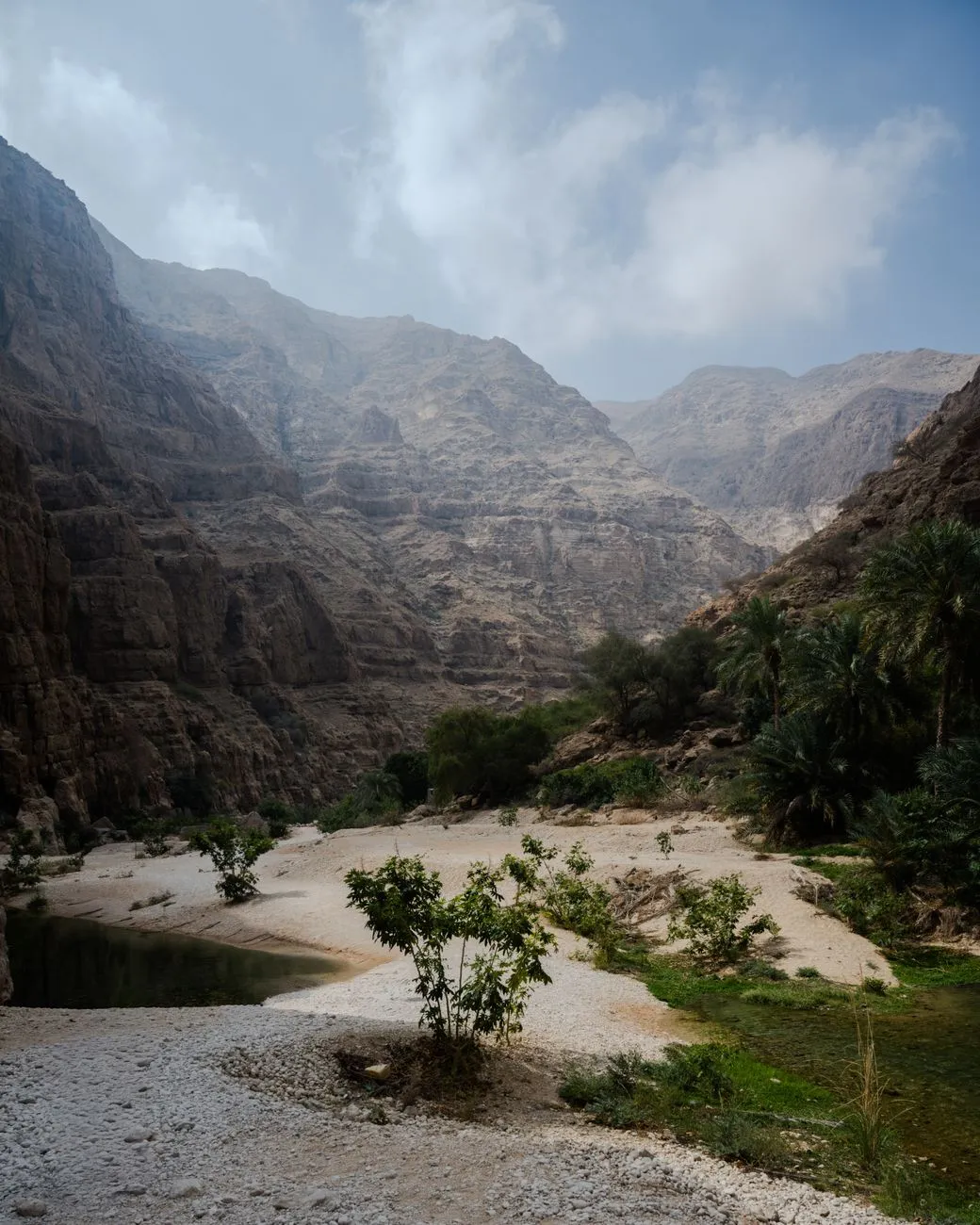
Emerald Veins of the Hajar: The Genesis of Oman’s Wadis The Hajar Mountains rise like a jagged spine across northern Oman, their limestone ribs folded by millennia of tectonic pressure. When winter rains sweep in from the Arabian Sea, they do not simply run off the slopes; they infiltrate fissures, dissolve carbonate rock, and emerge as perennial springs that stitch together a network of wadis — Arabic for “valley” — each a living artery of fresh water. Unlike the seasonal torrents that scar desert basins elsewhere, many Omani wadis retain water year‑round, forming natural pools that shimmer in shades of turquoise, jade, and deep sapphire. Geologically, the process is a textbook example of karst hydrology. Rainwater, slightly acidic from dissolved CO₂, widens fractures into conduits. Over thousands of years these conduits become caves and underground rivers. When the roof of a conduit collapses, a surface pool appears, often framed by sheer cliffs and draped with date palms. The result is a landscape where geology, climate, and biology converge: endemic fish such as Garra barreimiae dart among submerged roots, while the rare Arabian tahr grazes on the upper slopes. Human history has been written in these corridors. Ancient copper traders followed the wadi floors, leaving petroglyphs that still whisper of caravans laden with frankincense. In the 20th century, the British explorer Wilfred Thesiger documented the Bedouin’s intimate knowledge of each pool, noting how they timed migrations to the rhythm of water availability. Today, the wadis remain a cultural touchstone; families picnic under the shade of Ziziphus trees, and children learn to swim in the same basins that sustained their ancestors. For the modern traveller, the wadis offer a rare blend of adventure and accessibility. A 4×4 can reach the mouth of most major wadis, but the most rewarding pools often require a short hike — sometimes a scramble over boulders, sometimes a gentle walk through date‑palm groves. The reward is a plunge into water that stays a constant 24‑26 °C, a natural air‑conditioner in a region where summer highs regularly exceed 45 °C. Understanding the hydrology and heritage of these corridors transforms a simple swim into a dialogue with deep time. As you step into the cool embrace of a wadi pool, you are literally immersing yourself in a system that has filtered rain through limestone for eons, a living museum of Earth’s patient sculpting. Wadi Shab: Where Canyons Meet Crystal Waters If Oman’s wadis were a symphony, Wadi Shab would be its soaring crescendo. Located roughly 150 km southeast of Muscat, the wadi opens onto a narrow coastal plain before funneling into a dramatic gorge. The approach is an experience in itself: a short boat ride across a turquoise inlet deposits you at the trailhead, where the path weaves between towering cliffs and lush vegetation. The first pool greets you within ten minutes — a shallow, sun‑dappled basin perfect for acclimatizing. Continue upstream and the canyon tightens; sheer walls rise 50 m, their faces stained by mineral deposits that paint the rock in ochre and rust. After a 30‑minute trek, the trail opens into a cavernous chamber where a waterfall cascades into a deep, circular pool. Light filters through a natural skylight, turning the water into liquid emerald. This is the “Hidden Pool,” a name earned because the entrance is concealed behind a curtain of vines. Swimming here feels like entering a cathedral. The acoustics amplify the splash of each stroke, and the water’s clarity reveals a sandy bottom dotted with smooth pebbles. Adventurous souls can dive through a submerged tunnel that leads to a second, smaller chamber — a secret grotto where the only sound is the drip of stal Related InsightsObsidian Book Review and Summary „Die Architektur des Geschmacks: Wie Gastronomie zur Wissenschaft der Zivilisation wurde“ Breakfast in Istanbul
-
 John Explorer
 - 17 Sep, 2026 20:45
The White Silence Beckons: A Century of Chasing the Antarctic Dream
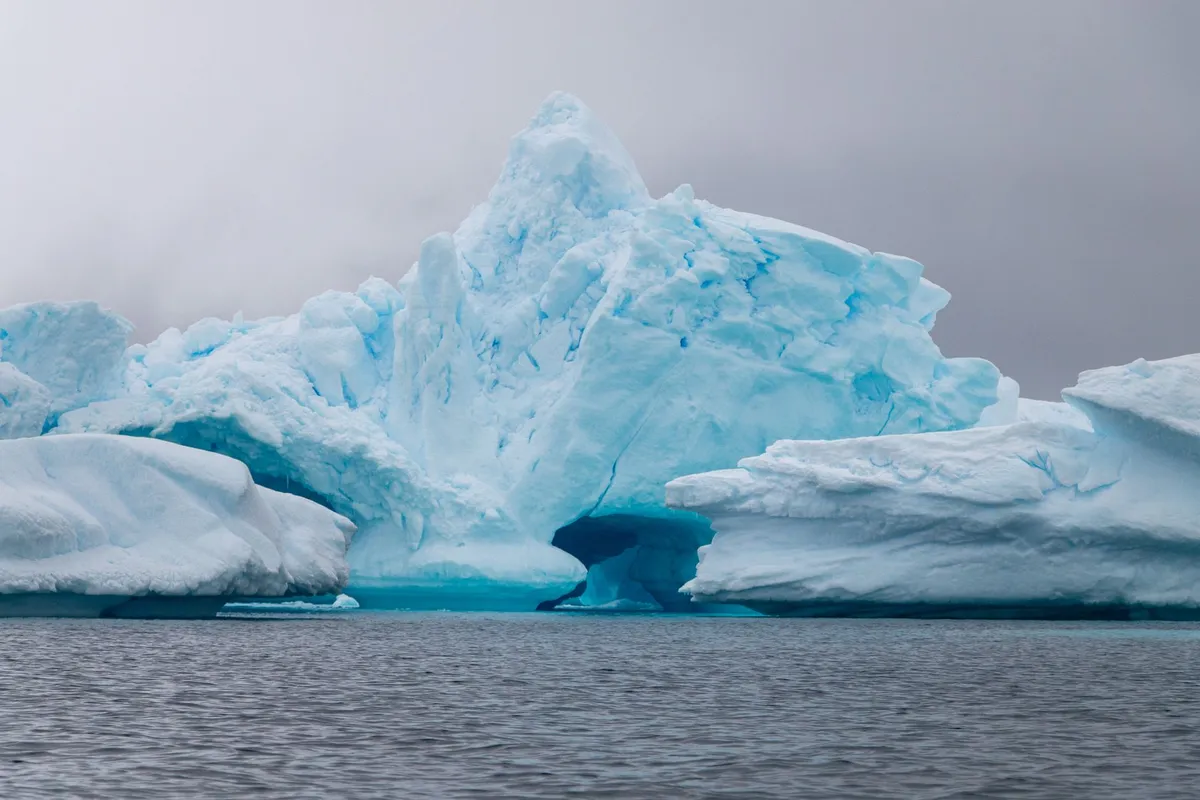
The wind off the Drake Passage doesn’t howl; it screams. It strips the heat from your face and reminds you, with every gust, that you are a guest in a domain that does not negotiate. There is no indigenous population here to welcome you, no ancient cities to explore, no souvenir stalls hawking trinkets. There is only ice—compressed, ancient, blindingly white—and the profound, terrifying silence of a continent that has kept its secrets for millennia. Yet, humanity has been chasing this silence for over a century, evolving from whalers and mail-runners into the modern pilgrims who now number over a hundred thousand a year. This is the story of how we turned the last frontier into a destination, and the fragile price of that access. The Mail Ship and the Pioneer: Birth of an Industry Long before the sleek, ice-strengthened hulls of today’s expedition fleet carved paths through the Bransfield Strait, there was the SS Fleurus. In the 1920s, this Falkland Islands mail ship plied a lonely route to the South Shetland and South Orkney Islands, servicing the grim, oil-stained whaling and sealing stations that dotted the rocky shores. It wasn't built for leisure. But somewhere in the ledgers, a few entries read "tourist tickets"—round-trip passages sold to the curious and the wealthy. These were the very first commercial tourists to Antarctica, accidental pioneers watching the rendering plants boil blubber on Deception Island, unaware they were writing the opening lines of a massive industry. The real shift came decades later, fueled by diplomacy. The 1959 Antarctic Treaty froze territorial claims and dedicated the continent to peace and science. It inadvertently opened the door. By the 1960s, sea tourism began tentatively. Then, in 1969, a visionary named Lars-Eric Lindblad changed everything. He launched the MS Lindblad Explorer, the world’s first purpose-built expedition liner. It wasn't a cruise ship; it was a tool for discovery. Lindblad didn't just sell a ticket; he sold the landing. He introduced the Zodiac (RIB) to polar travel, allowing passengers to step from a rolling sea onto a pebble beach surrounded by penguins. That moment—boots on the ground—defined the modern Antarctic experience.The Modern Armada: Ushuaia, the Polar Code, and the 124,000 Today, the gateway is Ushuaia, Argentina—the "End of the World." From this windswept port, the modern armada departs. The journey across the Drake Passage remains the rite of passage; the "Drake Shake" or "Drake Lake" separates the committed from the curious. Voyages span 10 days to three weeks, with price tags starting around US$6,000 for shared cabins, climbing steeply for suites on luxury ice-breakers. The fleet has ballooned. By 2025, annual cruise visitors hit 124,000, a staggering leap from the 14,762 recorded in the 1999–2000 season and the 37,000 of 2009–2010. Most cluster along the Antarctic Peninsula—the "Banana Belt" where summer temperatures occasionally kiss freezing. But the rules of the road have hardened alongside the growth.The Permit Maze: No country owns Antarctica, so no visas exist. Instead, signatories to the Antarctic Treaty issue permits. An Australian traveler, for example, needs an Environmental Impact Assessment (EIA) approved by the Australian Antarctic Division under the Antarctic Treaty (Environment Protection) Act 1980. The Landing Limits: Ships carrying over 500 passengers cannot land anyone. Those that do land are restricted to 100 people ashore at a time. The Heavy Fuel Ban: In 2009, regulations halted large cruise vessels (some carrying 950+ souls) from operating in Antarctic waters due to their heavy fuel oils—a watershed moment for environmental protection. The Polar Code: The IMO’s International Code for Ships Operating in Polar Waters now mandates a Polar Ship Certificate, ensuring hull strength and survival gear match the latitude.Overseeing this self-regulation is IAATO (International Association of Antarctic Tour Operators). Their members carry the vast majority of visitors, releasing yearly statistics and championing the "leave no trace" ethos. Yet, as of May 2026, their primary concern has shifted from fuel to biology: the spread of avian influenza (H5N1), a microscopic threat hitching a ride on boots and gear, threatening the dense penguin colonies that define the peninsula.Wings Over the White: Triumph, Tragedy, and the Dreamliner While ships crawl, wings once flew. The history of scenic flights is a saga of soaring ambition clipped by catastrophe. It began in February 1977. Air New Zealand launched DC-10s from Auckland, flying 12-hour round trips over Ross Island and McMurdo Sound, often with legends like Sir Edmund Hillary narrating the geography. Qantas followed days later from Sydney, Melbourne, and Perth, flying 747-200Bs over George V Land, Adélie Land, the South Magnetic Pole, and Oates Land. By 1979, Qantas had flown 27 flights, carrying over 7,000 passengers. They didn't land; they just witnessed the scale—a continent larger than the US and Mexico combined, unfolding wingtip to wingtip. Then came November 28, 1979. Air New Zealand Flight TE901. A route planning error, a whiteout, and Mount Erebus. 257 lives lost. The world’s most beautiful flight path became a graveyard. Air New Zealand never returned. Qantas paused for 15 years. But the pull of the ice is persistent. Qantas resumed in 1994 and flies today. The metal has changed—747-400s and now Boeing 787 Dreamliners from Brisbane (a 14.5-hour odyssey). The prices range from $1,000 to $8,000 for a window seat to nowhere and everywhere. There were even earlier Chilean overflights in 1958, ghost flights largely forgotten. Today, Qantas and Antarctica Flights offer the only way to see the Transantarctic Mountains and the Polar Plateau without seasickness, a high-altitude perspective that ships can never provide.The Banana Belt Yachts: Intimacy on the Edge For those who find even 200-passenger ships too crowded, there is the yachting fringe. Since the late 1960s, private vessels have slipped south. David Henry Lewis famously circumnavigated the continent in 1972, a feat of seamanship that reads like fiction. Today, roughly 30 yachts a year nose into the Peninsula’s hidden coves. They leave from Tierra del Fuego, Ushuaia, or Stanley (Falklands) for four-to-six-week voyages. These are not floating hotels; they are walnut shells in a storm. But the reward is solitude. Only smaller vessels are permitted to land their crew. Imagine anchoring in a silent bay, the only sounds the creak of rigging and the blows of humpbacks, skiing a pristine slope where no ship’s wake has ever reached. It is the rawest, most authentic thread of Antarctic tourism, unchanged in spirit since Lewis.Boots on the Ground: Camping, Skiing, and the Pole The ship or the yacht is merely the vehicle. The destination is the landing. Modern itineraries read like adventure menus: camping on the ice under the midnight sun (or the aurora), cross-country skiing across glaciers, mountaineering unclimbed peaks, or the ultimate bucket-list item—a flight to the Geographic South Pole. These land activities have exploded in popularity, driving the recent surge in numbers. But every footfall requires paperwork. The Antarctic Treaty demands permits. Operators must prove they can manage waste, prevent non-native species introduction (boot washing is ritualistic), and conduct emergency evacuations in a place where the nearest hospital is days away. You don't just visit Antarctica; you negotiate entry with the environment itself.The Ross Sea and the Far Side: The Other Antarctica Most tourists never see the other half of the continent. The Ross Sea and East Antarctica (Commonwealth Bay)—the realm of Scott, Shackleton, and Mawson—are a different world. Accessible only from New Zealand (specifically Heritage Expeditions on the ice-strengthened Heritage Adventurer), these voyages are longer, colder, and vastly more expensive. Here lie the historic huts, frozen in time, where penguins nest under the bunks of the Terra Nova expedition. It is tourism as pilgrimage, a journey to the shrines of the Heroic Age, far from the Peninsula's relative bustle. The Carbon Shadow and the Viral Risk The data tells a clear story: growth is exponential. From the SS Fleurus’ handful of passengers to 124,000 souls a year. Recent academic research flags decarbonisation as the urgent governance priority. Every ship burns fuel; every Dreamliner burns Jet A-1. The carbon footprint of a single Antarctic trip dwarfs the annual emissions of many global citizens. Simultaneously, researchers warn of a new, strange danger: social media emulation. Tourists filming risky stunts—approaching wildlife too closely, sliding down unstable cornices, ignoring guide boundaries—for likes and views. In a place where a sprained ankle becomes a life-threatening evacuation, viral trends are a lethal export. The Fragile Contract Standing on a beach at Neko Harbour, watching a Gentoo penguin steal a pebble from its neighbor, the silence returns. It is broken only by the crack-thunder of a calving glacier—a sound that vibrates in your chest. We are here because the Treaty allowed it, because Lindblad invented the way, because Qantas and Air New Zealand dared the skies, and because 30 yachts a year still brave the Roaring Forties. But the contract is fraying. Avian flu creeps south on the wind and our boots. The ice shelves thin. The carbon we burn to witness the melting accelerates the melt. The "Banana Belt" is warming faster than almost anywhere on Earth. Antarctic tourism is no longer an experiment; it is a massive, regulated, high-stakes industry. It brings witnesses—ambassadors for the ice, arguably. But every ambassador leaves a footprint. The challenge for the next decade isn't just managing numbers or cleaning fuel. It is deciding if we can love this place enough to change how we reach it, before the silence is broken for good.#Ant
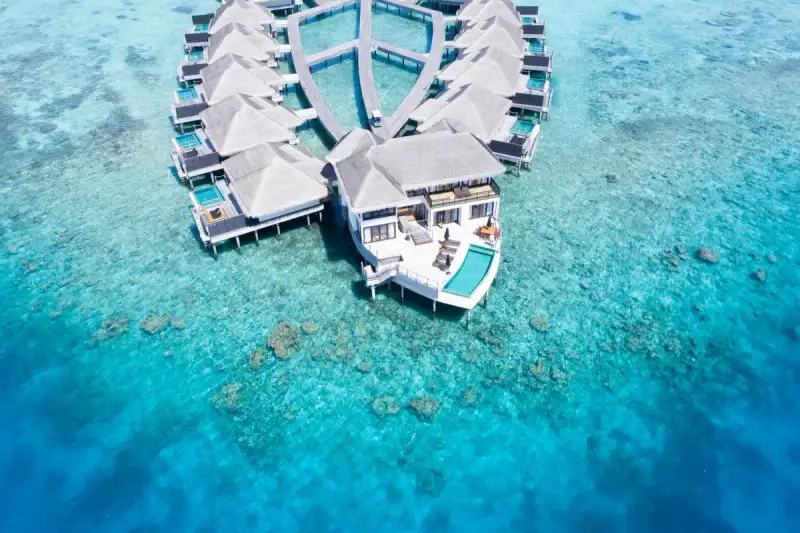
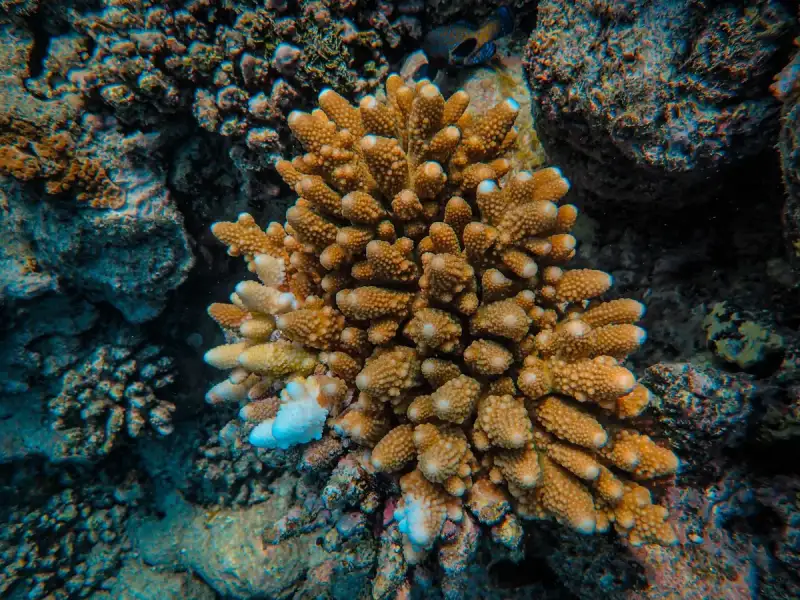
The Maldives is not just a destination; it is a dream woven from turquoise waters, powdery white sand, and the whisper of palm fronds against the breeze. Imagine waking up in a glass-walled overwater bungalow, the Indian Ocean stretching endlessly before you, its surface shimmering like liquid sapphire. This is the Maldives—a place where time slows, and every moment feels like a postcard come to life. But beyond the postcard-perfect scenery lies a deeper story: one of fragile ecosystems, conservation battles, and the delicate balance between luxury and sustainability. The Maldives is a paradox—a nation built on tourism yet fiercely protective of its coral reefs, a paradise where overwater bungalows offer unparalleled comfort while marine biologists work tirelessly to preserve the underwater world that makes this archipelago so extraordinary. For travelers, the Maldives represents the pinnacle of luxury travel. Overwater bungalows, once a novelty, have become synonymous with the Maldives itself. These iconic structures, perched on stilts above the lagoon, offer direct access to the ocean, private decks for sunset cocktails, and interiors that blend modern elegance with traditional Maldivian craftsmanship. But the allure of the Maldives extends beyond its accommodations. The country’s coral reefs, some of the most biodiverse on the planet, are the lifeblood of its tourism industry. They protect the islands from erosion, support fisheries that feed the nation, and attract divers and snorkelers from around the world. Yet, these reefs face existential threats from climate change, ocean acidification, and unsustainable tourism practices. The Maldives’ response? A bold commitment to conservation, innovation, and sustainable luxury. This article will guide you through the enchanting world of Maldivian overwater bungalows, from their history and design to the practicalities of booking and what to expect during your stay. We’ll also delve into the critical work being done to protect the coral reefs that make the Maldives a global treasure. Whether you’re planning a honeymoon, a digital nomad seeking inspiration, or an eco-conscious traveler eager to support sustainable tourism, this guide will equip you with everything you need to know. So, let’s dive in—literally and figuratively—into the Maldives, where every stay is an investment in paradise.The Evolution of Overwater Bungalows: From Tahiti to the Maldives The concept of overwater bungalows traces its roots to the 1960s in Tahiti, where the first such structures were built as simple, rustic huts on stilts. These early designs were born out of necessity—fishermen and locals needed affordable housing close to the water, and the elevated structures provided protection from tides and storms. It wasn’t until the 1970s that the idea was commercialized, thanks to the vision of hoteliers who recognized the potential of these unique dwellings as tourist accommodations. The first true overwater bungalow resort, the Club Med Papeete in Tahiti, opened in 1973, offering guests a novel way to experience the ocean without getting their feet wet. The Maldives adopted this concept in the late 1980s, but with a twist. Unlike Tahiti’s wooden huts, Maldivian overwater bungalows were designed to blend seamlessly with the environment, using local materials like coconut wood, thatch, and coral stone. The first resort to introduce overwater bungalows to the Maldives was Banyan Tree Maldives in 1994, which set a new standard for luxury and sustainability. Since then, the design and amenities of overwater bungalows in the Maldives have evolved dramatically. Today, they are architectural marvels, featuring floor-to-ceiling glass walls, private plunge pools, outdoor showers, and even glass floors that reveal the ocean beneath your feet. The Maldives now boasts over 100 resorts, many of which feature overwater villas as their flagship accommodations. These structures are not just places to sleep; they are immersive experiences. For example, Conrad Maldives Rangali Island offers a two-story overwater villa with a glass-bottom living room, while Soneva Jani in the Baa Atoll features retractable roofs and private slides into the lagoon. The engineering behind these bungalows is a feat in itself—built to withstand monsoon winds and rising sea levels, they are anchored to the ocean floor with reinforced concrete pilings and designed to minimize environmental impact. But the evolution of overwater bungalows in the Maldives is not just about luxury; it’s also about sustainability. Modern resorts are increasingly incorporating eco-friendly materials, solar power, and water conservation systems. For instance, Six Senses Laamu uses locally sourced materials and has a zero-plastic policy, while Gili Lankanfushi in North Malé Atoll is powered entirely by solar energy. These innovations reflect a growing awareness that true luxury must coexist with environmental responsibility.Choosing Your Maldivian Paradise: A Step-by-Step Guide to Overwater Bungalows Selecting the perfect overwater bungalow in the Maldives can feel overwhelming, given the sheer variety of options. From budget-friendly to ultra-luxury, each resort offers a unique experience. Here’s a step-by-step guide to help you navigate the process and find the bungalow that aligns with your travel goals, budget, and values. Step 1: Define Your Priorities Before diving into research, ask yourself what matters most to you. Is it location, price, amenities, or sustainability? The Maldives is divided into 26 atolls, each with its own character. For example:North Malé Atoll: Home to the capital, Malé, and the most accessible resorts. Ideal for first-time visitors who want convenience and a mix of luxury and mid-range options. South Malé Atoll: Less crowded, with some of the most secluded and high-end resorts like Soneva Jani and Cheval Blanc Randheli. Baa Atoll: A UNESCO Biosphere Reserve, perfect for eco-conscious travelers and those interested in marine conservation. Ari Atoll: Known for its vibrant marine life, including manta rays and whale sharks, making it a top choice for divers.Your budget will also play a significant role. Overwater bungalows in the Maldives range from $300 to over $10,000 per night. Mid-range options like Cinnamon Hakuraa Huraa Maldives offer solid amenities at around $500–$800 per night, while ultra-luxury resorts like The St. Regis Maldives Vommuli Resort can exceed $2,000 per night. Step 2: Research Resorts and Their Unique Offerings Once you’ve narrowed down your atoll, dive into the specifics of each resort. Here are some key factors to consider:Size and Layout: Some bungalows are standalone, while others are part of a larger complex. Lux South Ari Atoll, for example, offers interconnected bungalows ideal for families or groups. Amenities: Do you want a private pool, a butler service, or a spa? Siyam World in Noonu Atoll features overwater villas with private pools and direct access to a lagoon pool. Dining Options: Resorts like Ozen Reserve Bolifushi offer multiple restaurants, including underwater dining at Subsix, the world’s first underwater restaurant. Activities: If you’re a diver, look for resorts near house reefs or with PADI 5-star dive centers, such as Maafushi Island Resort in South Malé Atoll.Step 3: Understand the Logistics Staying in an overwater bungalow in the Maldives requires some planning. Here’s what you need to know:Transportation: Most resorts are accessible only by seaplane or speedboat. Seaplanes (operated by companies like Trans Maldivian Airways or Manta Air) are the most scenic but also the most expensive, costing around $500–$700 round-trip from Malé. Speedboats are cheaper (around $100–$200) but limited to resorts in North and South Malé Atolls. Visa Requirements: The Maldives offers a 30-day free visa on arrival for tourists from most countries. Ensure your passport is valid for at least six months. Best Time to Visit: The dry season (November to April) offers the best weather, with calm seas and minimal rainfall. However, this is also peak season, so prices are higher. The wet season (May to October) is cheaper and less crowded, but expect occasional rain and rougher seas.Step 4: Book Directly or Through a Travel Agent While online travel agencies (OTAs) like Booking.com or Expedia offer convenience, booking directly with the resort often comes with perks such as:Free upgrades (e.g., a larger villa or better view). Resort credits (e.g., $200–$500 to spend on spa or dining). Flexible cancellation policies.For example, Four Seasons Resort Maldives at Voavah offers a "Stay Longer, Save More" package, while W Maldives provides a "WOW" program with exclusive experiences like private sandbank picnics. Step 5: Prepare for Your Stay Once your booking is confirmed, start planning the details:Packing: Bring reef-safe sunscreen (regular sunscreen is banned in many resorts to protect coral reefs), lightweight clothing, waterproof phone cases, and a good book—Wi-Fi in the Maldives is surprisingly reliable, but don’t expect blazing-fast speeds. Excursions: Many resorts offer snorkeling trips to nearby reefs, sunset dolphin cruises, or visits to local islands. Coco Plum Island Resort in South Malé Atoll arranges cultural tours to nearby fishing villages. Budgeting: While all-inclusive resorts like Kudadoo Maldives Private Island cover meals and activities, others operate on a "pay-as-you-go" basis. Expect to spend $50–$100 per day on food and drinks if not all-inclusive.Coral Reef Conservation in the Maldives: Protecting Paradise The Maldives’ coral reefs are the unsung heroes of this tropical paradise. Covering less than 1% of the ocean floor, they support 25% of all marine life and provide critical ecosystem services, including coastal protection, carbon sequestration, and food security. Yet, these reefs are under siege from multiple threats:Climate Change: Rising sea temperatures cause coral bleaching, a phenomenon where corals expel the algae that give them color and nutrients, turning them white and leaving them vulnerable to disease. The 2016 and 2019 global bleaching events devastated up to 60% of the Maldives’ coral reefs. Ocean Acidification: Increased CO2 levels make seawater more acidic, weakening coral skeletons and making it harder for them to recover from bleaching. Overfishing and Destructive Fishing Practices: Unsustainable fishing, such as dynamite fishing, damages coral structures and depletes fish populations. Pollution: Runoff from resorts, plastic waste, and chemical sunscreens (which contain oxybenzone and octinoxate) contribute to coral degradation.Recognizing these threats, the Maldivian government and local organizations have launched ambitious conservation initiatives. Here’s a deep dive into the efforts shaping the future of the Maldives’ reefs. 1. Coral Restoration and Reef Gardening One of the most effective conservation strategies in the Maldives is coral restoration, often referred to as "reef gardening." This process involves growing coral fragments in underwater nurseries and then transplanting them onto damaged reefs. Organizations like Reefscapers and Coralive have pioneered this technique, working with resorts to restore reefs around their properties. For example, Kandolhu Island Resort in Ari Atoll has partnered with Reefscapers to establish a coral nursery where guests can participate in "coral planting" activities. Similarly, Soneva Fushi in Baa Atoll runs a "Coral Nursery Project," where guests can adopt a coral frame and track its growth online. These initiatives not only restore reefs but also raise awareness among tourists about the importance of marine conservation. 2. Marine Protected Areas (MPAs) The Maldives has designated 35 marine protected areas (MPAs) to safeguard critical habitats. These zones restrict fishing, diving, and other activities that could harm the reefs. The Baa Atoll UNESCO Biosphere Reserve, for instance, is a prime example of an MPA where sustainable tourism and conservation go hand in hand. Resorts like Four Seasons Private Island at Voavah and Soneva Jani adhere to strict environmental guidelines within these protected areas.👉 Continue Reading: The Maldives: Where Overwater Bungalows Meet Coral Reef Conservation (Part 2)#MaldivesTravel #SustainableLuxury #CoralReefConservation #OverwaterBungalows #DigitalNomadParadise Related InsightsAustralia Unveiled: Where Sun-Kissed Shores Meet Ancient Souls and Modern Marvels (Part 2) Albania’s Riviera vs Montenegro’s Bay of Kotor: Europe’s Best-Kept Secret Coastlines Revealed Cappadocia Unveiled: Soaring Above Fairy Chimneys and Sleeping in Stone Dreams{ "@context": "https://schema.org", "@type": "FAQPage", "mainEntity": [ { "@type": "Question", "name": "What is the main focus of The Maldives: Where Overwater Bungalows Meet Coral Reef Conservation?", "acceptedAnswer": { "@type": "Answer", "text": "Discover the ultimate luxury of Maldivian overwater bungalows while diving into coral reef conservation efforts in this tropical paradise." } }, { "@type": "Question", "name": "Who authored the comprehensive guide on The Maldives: Where Overwater Bungalows Meet Coral Reef Conservation?", "acceptedAnswer": { "@type": "Answer", "text": "This detailed article and its insights were carefully researched and authored by Zola Ndlovu." } }, { "@type": "Question", "name": "Where can I find more related content about Travel?", "acceptedAnswer": { "@type": "Answer", "text": "You can explore more articles, detailed reviews, and similar insights by browsing the Related Insights section at the bottom of this article or visiting our dedicated Travel category page." } } ] }
-
 Zola Ndlovu
 - 20 Jul, 2026 11:23
The Maldives: Where Overwater Bungalows Meet Coral Reef Conservation (Part 2)
This is Part 2 of the series. Read Part 1 here.3. Banning Harmful Practices In 2020, the Maldives took a bold step by banning single-use plastics, including straws, cutlery, and bags, to reduce ocean pollution. Additionally, many resorts have adopted reef-safe sunscreen policies, replacing chemical sunscreens with mineral-based alternatives. Gili Lankanfushi was one of the first resorts to ban all sunscreens containing oxybenzone and octinoxate, setting a precedent for the industry. 4. Community-Led Conservation Local communities play a vital role in reef conservation. Organizations like Blue Marine Foundation and Manta Trust work with Maldivian fishermen and resorts to promote sustainable fishing practices and protect endangered species like manta rays and whale sharks. For example, Manta Trust runs the Maldivian Manta Ray Project, which tracks and protects manta populations through citizen science and education programs. 5. Innovative Solutions The Maldives is also at the forefront of innovative conservation technologies. For instance:3D-Printed Coral Reefs: Projects like The Ocean Agency’s "50 Reefs" initiative use 3D printing to create artificial reef structures that mimic natural coral formations, providing habitats for marine life while the natural reefs recover. Coral IVF: Scientists in the Maldives are experimenting with "coral IVF," a technique that involves collecting coral spawn (eggs and sperm) during mass spawning events and fertilizing them in a lab before transplanting the larvae onto damaged reefs. AI and Drones: Organizations like The Nature Conservancy use drones and AI to monitor coral health and detect bleaching events in real time, allowing for rapid response and intervention.How Travelers Can Support Conservation As a visitor to the Maldives, you can contribute to reef conservation in several ways:Choose Eco-Certified Resorts: Look for resorts with certifications like Green Globe, EarthCheck, or LEED. Six Senses Laamu is Green Globe-certified, while Soneva Jani has achieved LEED Platinum status. Participate in Citizen Science: Many resorts offer programs where guests can help with coral monitoring, beach cleanups, or data collection for marine research. Support Local Conservation Organizations: Donate to or volunteer with groups like Reefscapers, Manta Trust, or Blue Marine Foundation. Reduce Your Environmental Footprint: Opt for reef-safe sunscreen, minimize plastic use, and choose resorts that prioritize sustainability.The Maldives on a Budget: Can You Afford Paradise? The Maldives is often stereotyped as an exclusive playground for the ultra-wealthy, but the reality is more nuanced. While overwater bungalows at top-tier resorts can cost upwards of $1,000 per night, there are ways to experience the Maldives on a budget—without sacrificing the magic. Here’s a detailed breakdown of costs, strategies for saving money, and alternative accommodations that offer a taste of paradise without the sticker shock. The Cost of Living in the Maldives According to Numbeo’s 2026 cost of living data, the Maldives is moderately expensive compared to other tropical destinations, but prices vary widely depending on where you stay and how you travel. Here’s a snapshot of average costs for travelers:Expense Category Average Cost (USD) NotesMid-range resort per night $300–$600 Includes meals, activities, and seaplane transfers.Budget guesthouse per night $80–$150 Often on local islands, no overwater bungalows.Seaplane transfer (round trip) $500–$700 Required for most resorts; speedboats are cheaper but limited.Speedboat transfer (round trip) $100–$200 Only available for resorts in North/South Malé Atolls.Meal at a local café $5–$10 Try Hulhule Island Café for authentic Maldivian dishes.Meal at a resort restaurant $20–$50 Buffets are often the best value.Local transportation (ferry) $1–$5 Public ferries connect local islands.Bottle of water $1–$2 Resorts charge premium prices; buy in Malé.SIM card with data $10–$20 Dhiraagu or Ooredoo offers tourist SIMs.Budget-Friendly Alternatives to Overwater Bungalows If overwater bungalows are out of your budget, consider these alternatives: 1. Local Island Guesthouses Staying on a local island is the most affordable way to experience the Maldives. Guesthouses like Maafushi Inn (Maafushi Island) or Thulusdhoo Beach Hotel (Thulusdhoo Island) offer basic but comfortable rooms for $50–$100 per night. While you won’t have an overwater bungalow, you’ll get a more authentic taste of Maldivian culture and cuisine. Plus, many local islands have stunning beaches and house reefs perfect for snorkeling. 2. Liveaboard Cruises For adventure seekers, liveaboard cruises offer a unique way to explore the Maldives’ atolls. Companies like Soneva Journeys or Maldives Liveaboard offer multi-day trips with diving, snorkeling, and visits to remote islands. Prices start at around $200 per day, including meals and activities. 3. Mid-Range Resorts Resorts like Cinnamon Hakuraa Huraa Maldives or OBLU Select at Sangeli offer overwater villas at a fraction of the cost of ultra-luxury resorts. These properties provide excellent amenities, including pools, spas, and dive centers, without the premium price tag. 4. All-Inclusive Resorts All-inclusive resorts like Kudadoo Maldives Private Island or Velaa Private Island bundle meals, drinks, and activities into one upfront cost. While the nightly rate may seem high ($800–$1,500), it can work out cheaper than paying à la carte at a luxury resort. Saving on Transfers Transportation to and from resorts is often the biggest expense. Here’s how to cut costs:Book a Speedboat Instead of a Seaplane: If your resort is in North or South Malé Atoll, a speedboat transfer can save you hundreds of dollars. Companies like MTCC Speedboats or Velaa Transport offer reliable services. Stay Longer: Many resorts offer discounts for extended stays. For example, Cinnamon Hakuraa Huraa offers a "Stay 7, Pay 6" deal. Travel During Shoulder Season: The period between May and October (wet season) is cheaper and less crowded, with rates dropping by 30–50%.Eating on a Budget Food in the Maldives can be expensive, especially at resorts. Here’s how to save:Eat at Local Cafés: Try Hulhumalé’s food markets or Maafushi’s local eateries for fresh seafood and Maldivian dishes like mas huni (tuna salad) and garudhiya (fish soup) for under $10. Opt for Half-Board or Full-Board: Many mid-range resorts offer meal plans that are cheaper than paying for à la carte dining. Bring Snacks: Buy snacks and drinks in Malé before heading to your resort to avoid inflated prices.Free and Low-Cost Activities The Maldives isn’t just about luxury; it’s also about adventure and culture. Here are some budget-friendly activities:Snorkeling: Many local islands and resorts have house reefs teeming with marine life. Maafushi Island has a vibrant reef just a short swim from shore. Island Hopping: Use public ferries to visit nearby islands like Gulhi or Thulusdhoo, which have beautiful beaches and local markets. Cultural Experiences: Visit the National Museum in Malé or attend a traditional Bodu Beru (drumming) performance on local islands.The Digital Nomad’s Guide to the Maldives: Work, Wi-Fi, and Paradise The Maldives is increasingly becoming a hotspot for digital nomads, thanks to its stunning landscapes, reliable internet, and unique work-from-paradise opportunities. However, working remotely in the Maldives comes with its own set of challenges and opportunities. Here’s everything you need to know to make the most of your stay as a digital nomad, from visa options to coworking spaces and the best resorts for remote work. Visa Options for Digital Nomads The Maldives offers several visa pathways for remote workers:Tourist Visa (30 Days): Free on arrival for most nationalities. Extendable for up to 90 days. Maldives Employment Act Visa: For those working for a Maldivian company (not applicable for most digital nomads). Digital Nomad Visa (Proposed): As of 2026, the Maldives is considering a dedicated digital nomad visa, which would allow remote workers to stay for up to 12 months. Keep an eye on updates from the Maldives Immigration Department.Internet and Connectivity Reliable internet is crucial for digital nomads, and the Maldives delivers—with some caveats. Here’s what to expect:Resort Wi-Fi: Most luxury resorts offer high-speed internet, often included in the room rate. Soneva Jani and Conrad Maldives Rangali Island are known for their excellent connectivity. Local SIM Cards: Purchase a SIM from Dhiraagu or Ooredoo for mobile data. Prices start at $10 for 10GB of data. Coverage is good on local islands but can be spotty on remote resorts. Coworking Spaces: While the Maldives doesn’t have dedicated coworking spaces, some resorts offer business centers with desks and meeting rooms. Cinnamon Hakuraa Huraa and OBLU Select at Sangeli are good options.Best Resorts for Digital Nomads If you’re planning to work while staying in an overwater bungalow, choose a resort with:Strong Wi-Fi: Ask the resort about internet speeds before booking. Kudadoo Maldives and Velaa Private Island are top choices. Quiet Workspaces: Look for resorts with private decks or libraries where you can set up your laptop. All-Inclusive Options: Resorts like Kudadoo and Ozen Reserve Bolifushi offer all-inclusive packages, so you don’t have to worry about meal costs while working.Tips for Working in ParadiseTime Zone Management: The Maldives is UTC+5, which can be challenging for those working with clients in the Americas or Europe. Plan your work hours accordingly to avoid burnout. Power Outages: While rare, power outages can occur. Bring a portable charger and consider a UPS (uninterruptible power supply) for critical work. Noise Levels: Overwater bungalows can be noisy due to waves and wind. Pack earplugs if you’re a light sleeper. Backup Plans: Always have a backup internet source, such as a mobile hotspot, in case of resort Wi-Fi issues.Balancing Work and Play The Maldives is all about relaxation, so don’t forget to take breaks! Here are some ways to unwind after a day of work:Sunset Cruises: Many resorts offer sunset dolphin cruises—perfect for decompressing. Spa Treatments: Indulge in a traditional Maldivian massage at Spa at Soneva Jani or Six Senses Spa. Snorkeling: Explore the house reef during your lunch break or after work.Conclusion: Your Maldives Journey Awaits The Maldives is more than a destination; it’s an experience that lingers in your memory long after you’ve left its shores. Whether you’re lounging in an overwater bungalow with the ocean at your feet, snorkeling over vibrant coral gardens, or contributing to conservation efforts, the Maldives offers something for every traveler. It’s a place where luxury and sustainability coexist, where every stay supports the preservation of one of the world’s most fragile ecosystems. As you plan your trip, remember that the Maldives is not a one-size-fits-all destination. Budget travelers can find affordable guesthouses and local experiences, while those seeking opulence can indulge in world-class resorts. Digital nomads can work from paradise, and conservationists can play a role in protecting the reefs that make this archipelago so special. The key to a memorable Maldives experience is preparation. Research your resort carefully, understand the logistics of transfers, and consider the environmental impact of your stay. By choosing eco-certified resorts, participating in conservation activities, and supporting local communities, you’re not just a tourist—you’re a steward of this incredible destination. So, pack your bags, book your seaplane, and get ready to fall in love with the Maldives. Whether you’re sipping a cocktail on your private deck, diving into a kaleidoscope of marine life, or simply watching the sunset paint the sky in hues of orange and pink, the Maldives will captivate your heart and soul. Paradise isn’t just a place you visit; it’s a feeling you carry with you forever.#MaldivesTravel #SustainableLuxury #CoralReefConservation #OverwaterBungalows #DigitalNomadParadise Related Insights乌镇:梦回明清的水乡 Der Seidene Atem Eurasiens: Eine Reise durch die vielschichtigen Routen, die Welten verbanden und bis heute faszinieren Beyond the Horizon: Unveiling Naoshima and Teshima - Japan's Transformative Art Island Odyssey{ "@context": "https://schema.org", "@type": "FAQPage", "mainEntity": [ { "@type": "Question", "name": "What is the main focus of The Maldives: Where Overwater Bungalows Meet Coral Reef Conservation (Part 2)?", "acceptedAnswer": { "@type": "Answer", "text": "Discover the ultimate luxury of Maldivian overwater bungalows while diving into coral reef conservation efforts in this tropical paradise." } }, { "@type": "Question", "name": "Who authored the comprehensive guide on The Maldives: Where Overwater Bungalows Meet Coral Reef Conservation (Part 2)?", "acceptedAnswer": { "@type": "Answer", "text": "This detailed article and its insights were carefully researched and authored by Zola Ndlovu." } }, { "@type": "Question", "name": "Where can I find more related content about Travel?", "acceptedAnswer": { "@type": "Answer", "text": "You can explore more articles, detailed reviews, and similar insights by browsing the Related Insights section at the bottom of this article or visiting our dedicated Travel category page." } } ] }