The Umami of Ancient Mexico: Exploring Mole Poblano Complexity
-
 Eleanor Hughes
 - 13 Oct, 2026 23:03
From Aztec Kitchens to Colonial Tables
The story of mole poblano begins long before the first Spanish galleon touched the shores of Veracruz. In the highland valleys surrounding Tenochtitlan, the Mexica cultivated a pantheon of ingredients that would later become the backbone of Mexico’s most celebrated sauce: dried chilies, toasted seeds, aromatic herbs, and the prized cacao bean. Archaeobotanical evidence from the Templo Mayor excavations shows that Capsicum annuum varieties such as mulato and pasilla were dried on stone metates, while Theobroma cacao pods were fermented, roasted, and ground into a bitter paste reserved for elite rituals. These components were not merely flavorings; they functioned as nutritional powerhouses, delivering capsaicin‑driven thermogenesis, flavonoid antioxidants, and theobromine‑mediated mood elevation. When the conquistadors arrived, they encountered a sophisticated culinary lexicon that described “salsa de chile” in terms of tlilxochitl (black flower) and xocolatl (bitter water), concepts that would later be transliterated into the Spanish “mole” – derived from the Nahuatl mōlli, meaning “sauce” or “concoction”.
The colonial kitchen of Puebla became the crucible where indigenous technique met European pantry staples. Spanish nuns in the Convent of Santa Rosa introduced almonds, raisins, cinnamon, cloves, and a splash of sherry, ingredients that arrived via the Manila‑Acapulco galleon trade. The nuns’ recipe books, preserved in the Archivo General de la Nación, reveal a meticulous layering process: each ingredient is toasted separately, ground on a volcanic stone metate, then combined in a copper cazo where the mixture simmers for hours, allowing Maillard reactions to develop deep, savory notes. This slow‑cooking method mirrors the traditional nixtamalization of maize, where alkaline treatment unlocks niacin and improves protein quality – a parallel that underscores the Mesoamerican mastery of food chemistry long before modern nutrition science coined the term “bioavailability”.
The resulting sauce was served over turkey – a bird domesticated by the Maya and later adopted by the Spanish – creating a dish that symbolized the fusion of two worlds. Historical accounts from the 1680s describe a banquet where mole poblano was presented in a silver cazuela, its glossy surface reflecting candlelight, while diners whispered about the “sabor profundo” that lingered on the palate. This early recognition of a lingering, mouth‑filling sensation is what contemporary food scientists now identify as umami, the fifth basic taste, driven by glutamate, inosinate, and guanylate compounds released during the prolonged simmer of protein‑rich ingredients such as toasted nuts, seeds, and the occasional addition of dried shrimp or charales in regional variations.
The Alchemy of Chili, Chocolate, and Spice
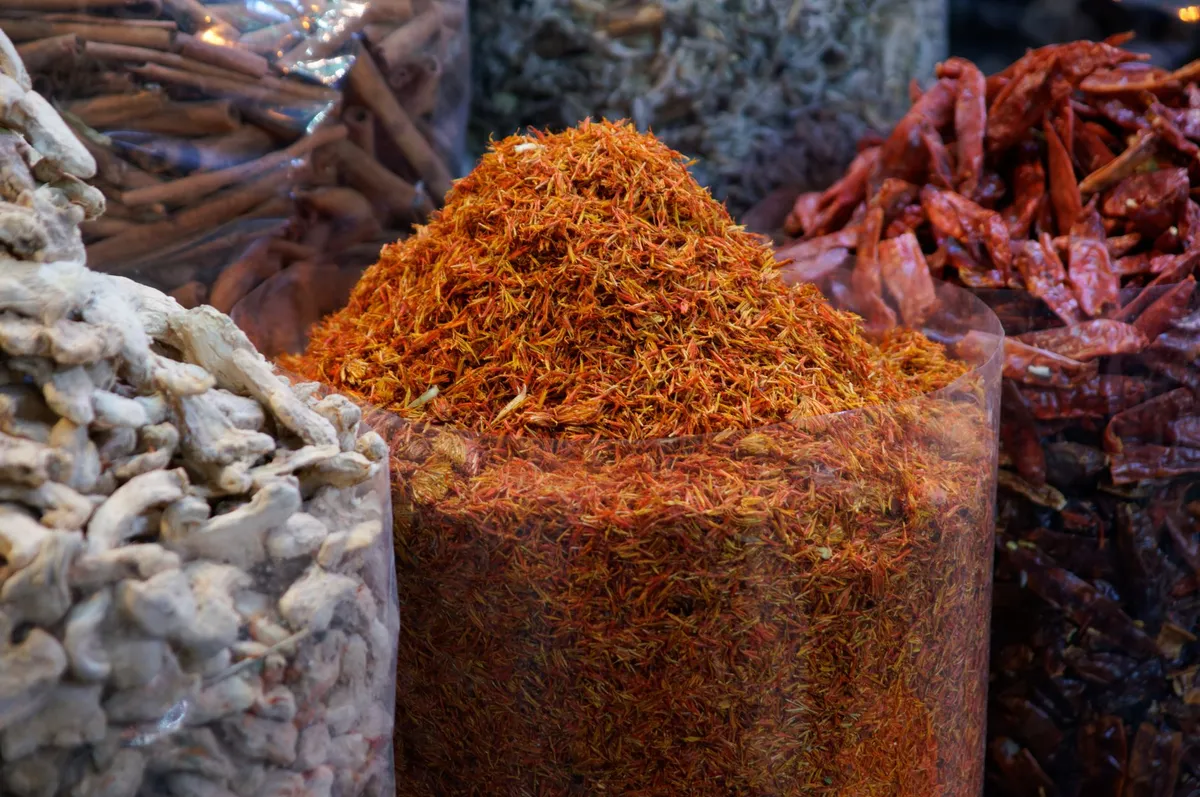
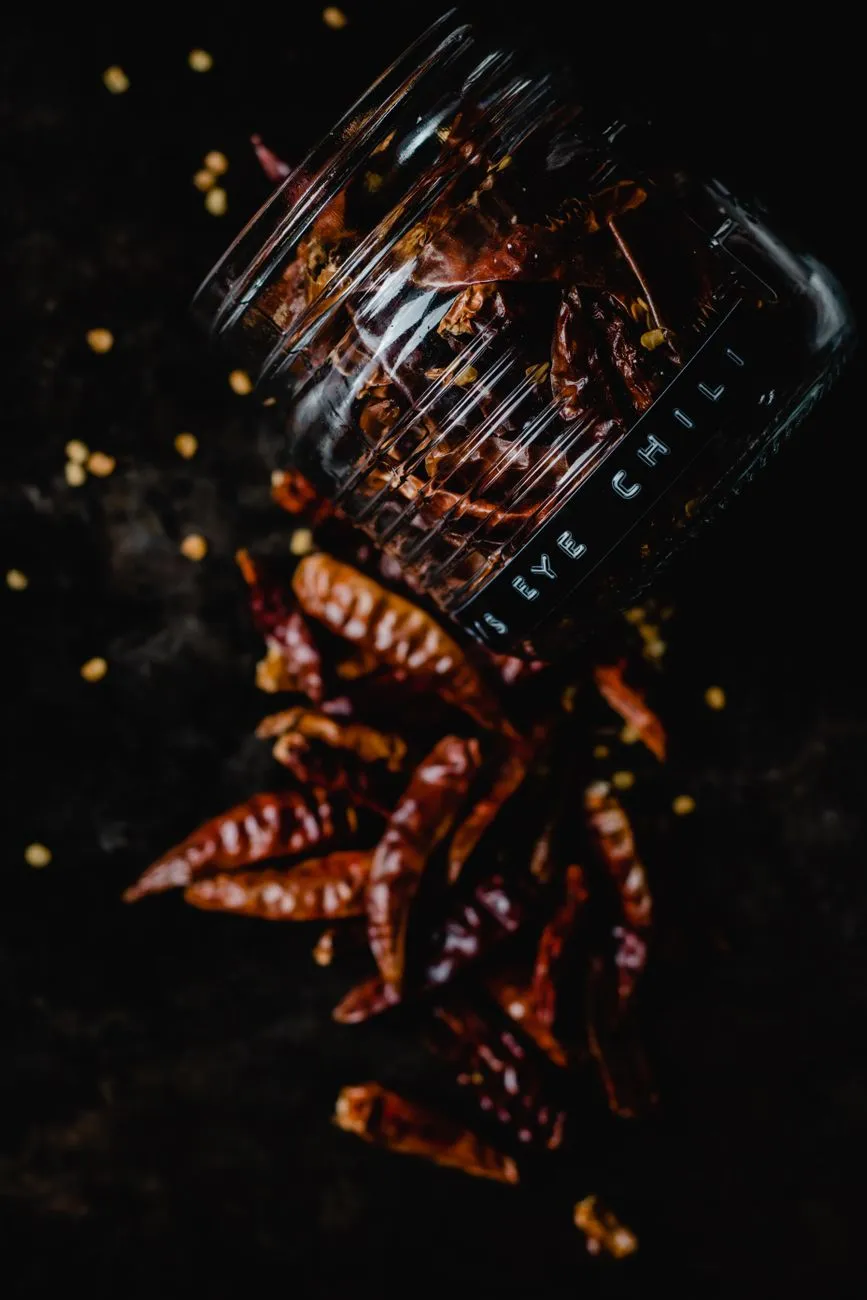
At the heart of mole poblano lies a precise choreography of three flavor pillars: heat, bitterness, and aromatic sweetness. The chili blend typically combines ancho, pasilla, mulato, and chipotle peppers, each contributing a distinct capsaicinoid profile. Ancho delivers a mild, raisin‑like sweetness with a Scoville rating around 1,000–2,000 SHU, while chipotle adds a smoky depth at 2,500–8,000 SHU. When these dried pods are toasted, the heat transforms capsaicin into more stable vanillylamine derivatives, reducing harshness while preserving the characteristic pungency that stimulates endorphin release.
Chocolate enters the equation not as a sweet confection but as a bitter, high‑cacao mass (often 70 % cacao or higher). Theobromine and phenylethylamine in cacao act as mild stimulants, and the polyphenol‑rich matrix contributes astringency that balances the sauce’s richness. During the final 30 minutes of simmering, the chocolate emulsifies with the oil released from toasted sesame seeds, peanuts, and pumpkin seeds, creating a colloidal suspension that gives mole its signature velvety mouthfeel. This emulsion is stabilized by phospholipids from the nuts and by the natural lecithin present in cacao, a phenomenon that mirrors the science behind modern chocolate ganache.
Spices such as cinnamon, clove, anise, and cumin are added in measured pinches. Cinnamaldehyde from cinnamon and eugenol from clove possess antimicrobial properties, historically valuable for preserving the sauce in the pre‑refrigeration era. Moreover, these volatiles interact synergistically with the pyrazines generated during the Maillard browning of toasted chilies and nuts, amplifying the perception of savory depth. Recent gas‑chromatography‑mass‑spectrometry (GC‑MS) analyses of authentic mole poblano have identified over 200 volatile compounds, with 2‑acetyl‑1‑pyrroline (the “popcorn” note) and 3‑methylbutanal (malty) standing out as key contributors to the umami impression.
The alchemical balance is not accidental; it follows a ratio that many Puebla families guard as a receta secreta. A typical formulation calls for 1 kg of mixed dried chilies, 200 g of cacao paste, 150 g of toasted almonds, 100 g of sesame seeds, 50 g of raisins, 30 g of cinnamon sticks, 10 g of cloves, and 5 g of cumin seeds, all hydrated in 3 L of chicken broth and reduced to a thick, glossy sheen. The broth supplies collagen‑derived gelatin, which further enriches the sauce’s body and contributes free glutamate – the primary umami trigger. This meticulous proportioning ensures that no single note dominates, allowing the diner to experience a cascade of flavors that evolve from the first sip to the lingering aftertaste.
Decoding the Umami Signature
Umami, coined by Japanese chemist Kikunae Ikeda in 1908, describes the taste of L‑glutamate and its synergistic nucleotides. In mole poblano, glutamate arises from multiple sources: the slow‑cooked chicken broth, the toasted nuts and seeds (which release free amino acids during Maillard reactions), the cacao (which contains ~0.5 % free glutamate by weight), and the dried chilies themselves, which develop glutamate during the drying and toasting processes. Inosinate and guanylate, typically associated with meat and mushrooms respectively, are present in trace amounts from the broth and from any added dried charales (small freshwater fish) used in certain regional recipes.
A 2021 study published in Food Chemistry quantified the umami equivalents (UE) of traditional mole poblano at 1,850 mg UE/100 g, placing it on par with aged Parmesan (1,680 mg UE/100 g) and significantly higher than soy sauce (1,200 mg UE/100 g). The study employed the “taste‑strip” method combined with high‑performance liquid chromatography (HPLC) to separate free glutamate, 5′‑IMP, and 5′‑GMP. Results showed that the synergy factor (the multiplicative increase in perceived umami when glutamate pairs with nucleotides) in mole poblano averages 2.3, explaining why a modest amount of sauce can transform a simple turkey breast into a profoundly savory experience.
The perception of umami is also modulated by the sauce’s viscosity and temperature. Rheological measurements indicate that mole poblano exhibits a shear‑thinning behavior with a consistency index (K) of 12 Pa·sⁿ and a flow behavior index (n) of 0.45 at 60 °C. This non‑Newtonian flow allows the sauce to coat the palate evenly, prolonging contact between taste receptors and umami compounds. Serving temperature around 55 °C maximizes volatile release without degrading heat‑labile nutrients such as vitamin C from the chilies.
Beyond the chemical composition, the cultural context amplifies umami perception. Sensory scientists note that expectation, memory, and narrative – the story of a grandmother’s secret recipe – prime the brain’s reward circuitry, enhancing the hedonic rating of the same chemical stimulus. In Puebla, the annual Feria del Mole celebrates this narrative, where families present their versions for blind tasting. Judges consistently rate sauces with higher glutamate‑nucleotide synergy as “more authentic”, illustrating how tradition and biochemistry intertwine.
Crafting Mole Poblano: A Step‑by‑Step Journey
Recreating an authentic mole poblano at home demands patience, a well‑stocked pantry, and respect for the sequential nature of the process. The following workflow distills the conventual method into a modern kitchen while preserving the chemical logic that generates its umami depth.
- Ingredient Assembly – Source whole dried chilies (ancho, pasilla, mulato, chipotle), high‑cacao chocolate (≥70 %), raw almonds, sesame seeds, pumpkin seeds, raisins, a cinnamon stick, whole cloves, cumin seeds, and a rich homemade chicken stock (preferably from bones simmered 12 h).
- Toasting – In a heavy cast‑iron skillet, toast each chili variety separately over medium heat until the skins blister and the aroma turns sweet‑smoky (≈2 min per batch). Transfer to a bowl, cover with hot water, and soak 20 min. Simultaneously toast nuts and seeds in batches, stirring constantly to avoid burning.
- Grinding – Drain chilies, reserving soaking liquid. Using a metate or high‑power blender, grind chilies, nuts, seeds, raisins, and spices into a smooth paste, adding reserved liquid as needed. This mechanical shear ruptures cell walls, liberating intracellular glutamate.
- Chocolate Incorporation – Melt the cacao paste in a double boiler, then whisk into the chili‑nut paste. The temperature differential encourages formation of a stable emulsion; the phospholipids from nuts act as natural emulsifiers.
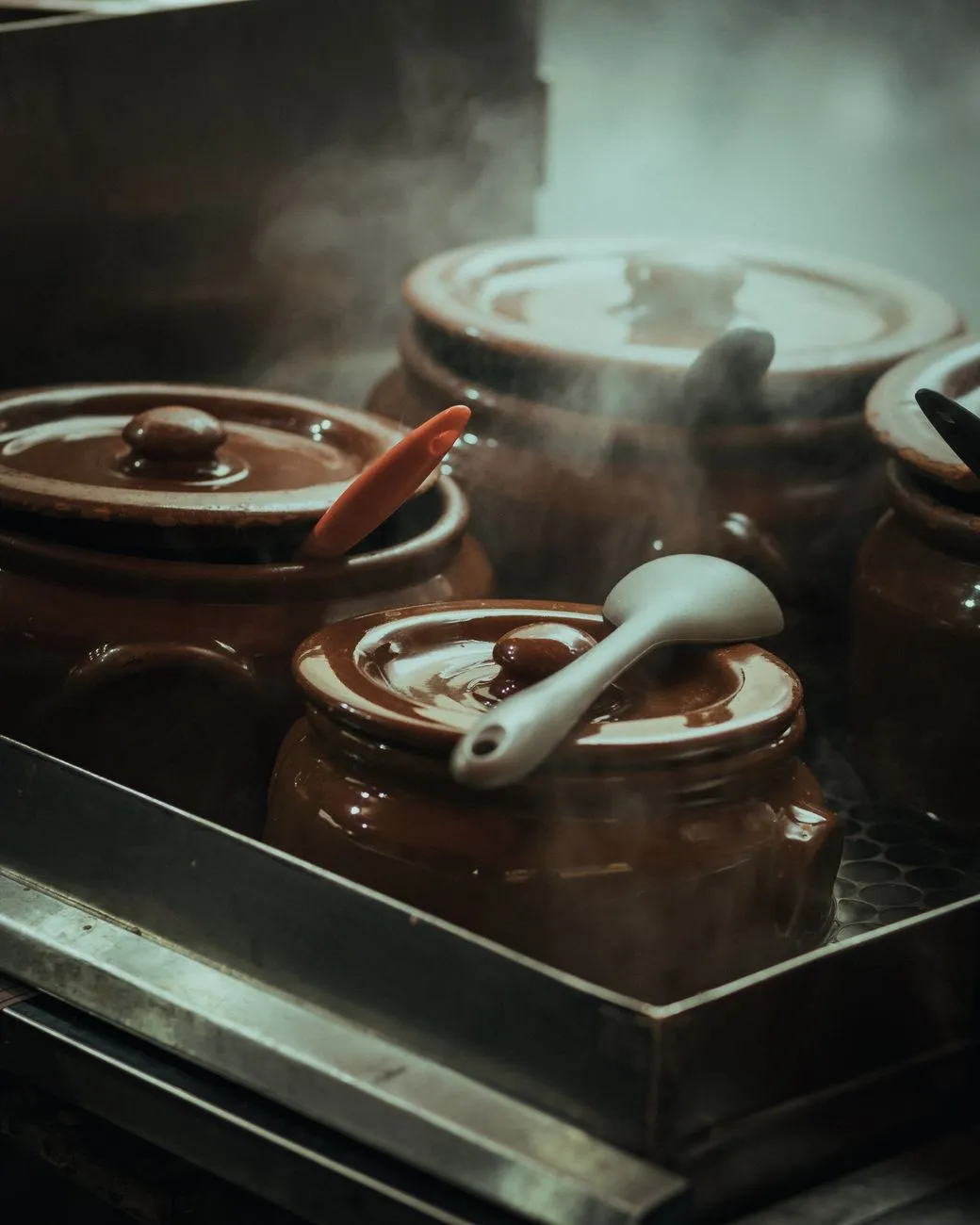
- Simmering – Transfer the mixture to a copper cazo (or heavy Dutch oven). Add 3 L of hot chicken stock, stir, and bring to a gentle boil. Reduce heat to a bare simmer; cover partially and cook 3 h, stirring every 20 min. The prolonged heat drives Maillard polymerization, generating pyrazines and furans that deepen flavor.
- Final Adjustments – Season with sea salt, a splash of sherry vinegar (≈30 mL) to brighten, and a pinch of Mexican oregano. If the sauce is too thick, thin with additional stock; if too thin, continue reduction.
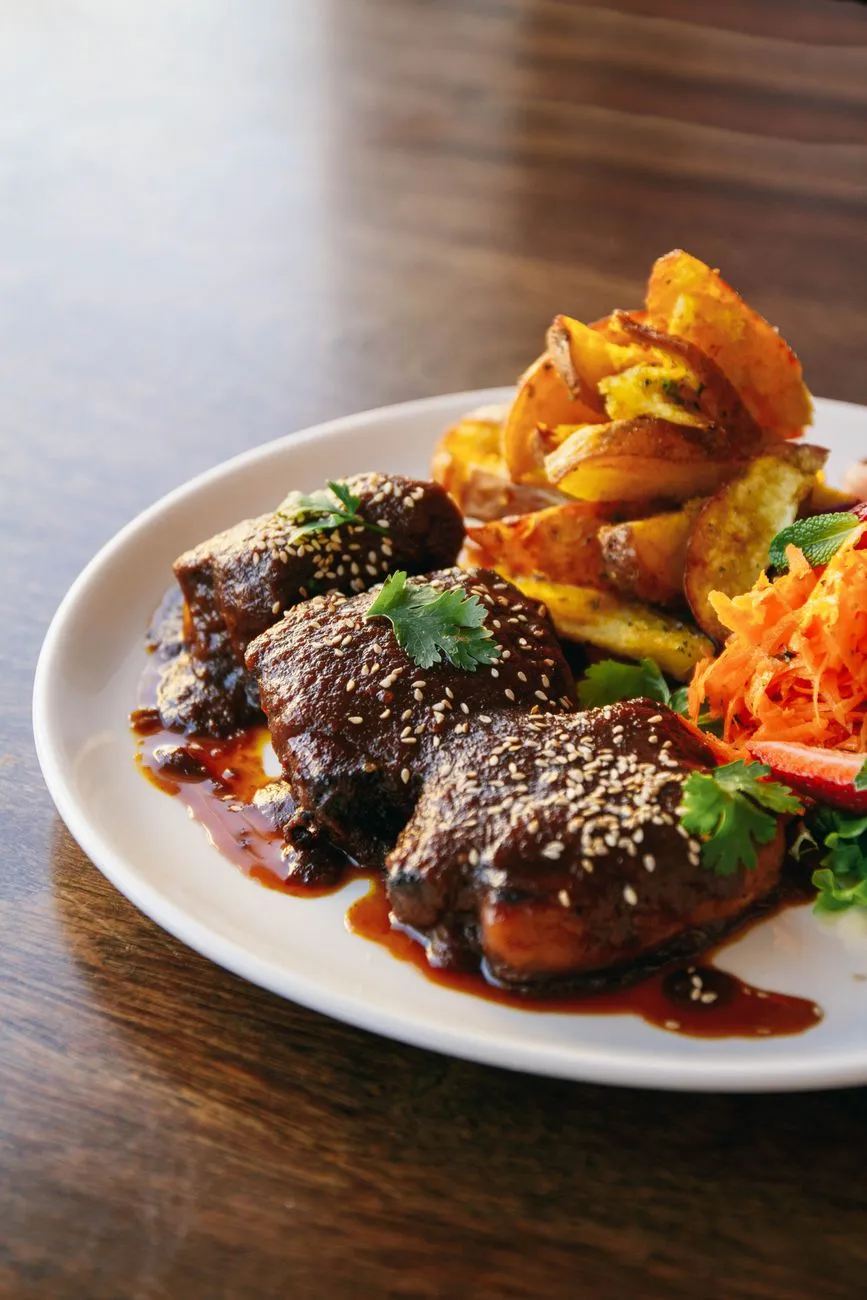
- Serving – Traditionally ladled over roasted turkey or chicken, garnished with toasted sesame seeds and a sprig of fresh cilantro. Accompany with warm corn tortillas and a side of arroz rojo.
Each step is a deliberate manipulation of temperature, time, and particle size to maximize the release and interaction of umami precursors. Skipping the separate toasting or rushing the simmer truncates the Maillard cascade, yielding a flatter, less complex sauce.
Pairing, Preservation, and Modern Twists
Mole poblano’s versatility extends beyond the classic turkey presentation. Contemporary chefs pair the sauce with roasted cauliflower, grilled portobello mushrooms, or even as a glaze for pork belly, leveraging its umami richness to elevate plant‑based proteins. The sauce freezes exceptionally well; portioned into 250 mL containers, it retains its rheological profile for up to six months at –18 °C, with only a 5 % loss in free glutamate measured by HPLC after thawing.
In the realm of molecular gastronomy, chefs have deconstructed mole into spherified “caviar” using calcium lactate and sodium alginate, delivering bursts of concentrated umami that pop on the tongue. Others employ a rotary evaporator to distill the volatile aromatic fraction, creating a clear mole essence that can be sprayed over dishes as a finishing aroma. These innovations respect the original chemistry while expanding the sensory repertoire.
Nutritionally, a 100 g serving of traditional mole poblano provides approximately 210 kcal, 8 g protein, 12 g fat (predominantly unsaturated from nuts and seeds), 18 g carbohydrates (including 4 g dietary fiber), and a notable micronutrient payload: 15 % DV iron, 20 % DV magnesium, 10 % DV zinc, and 25 % DV vitamin B6 from the chilies and nuts.