Showing Posts From
Umami
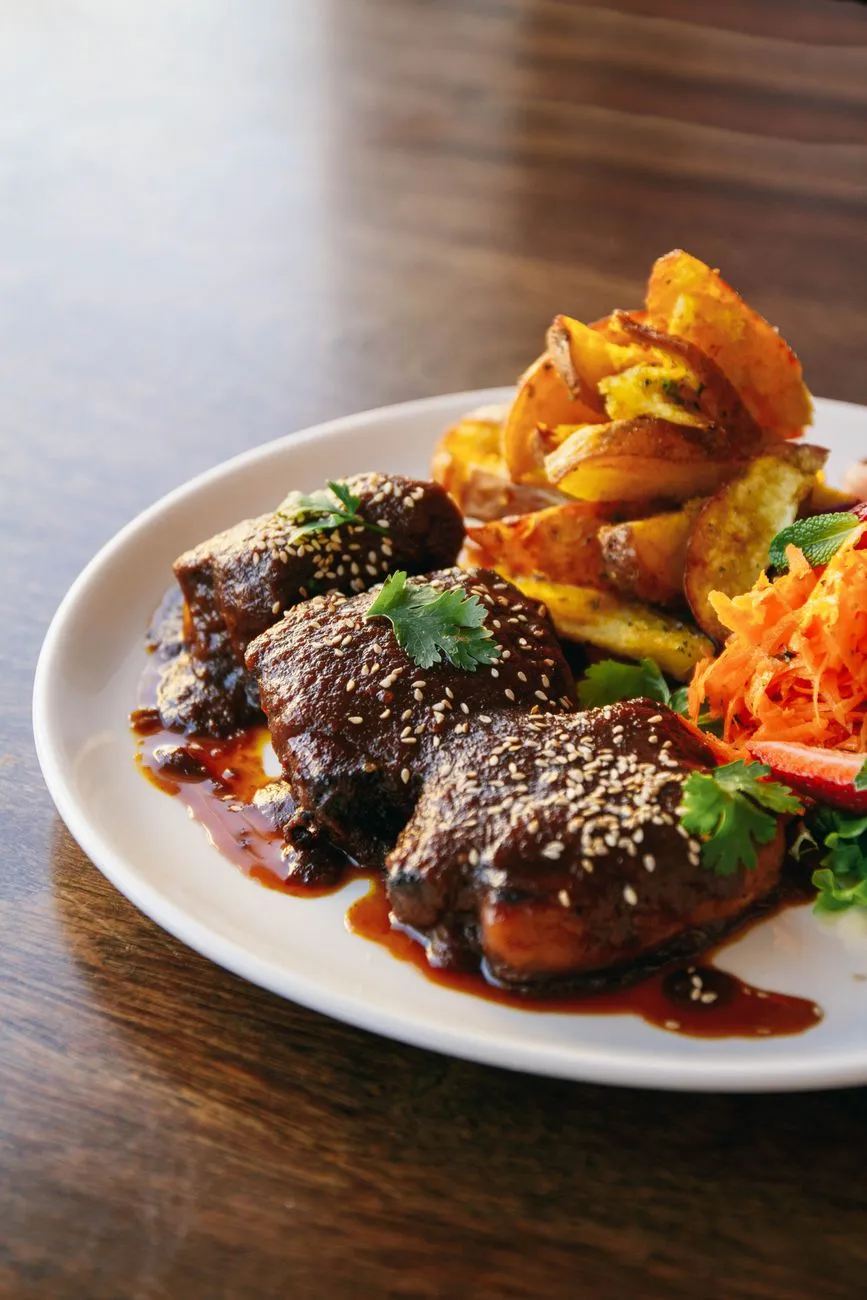
From Aztec Kitchens to Colonial Tables The story of mole poblano begins long before the first Spanish galleon touched the shores of Veracruz. In the highland valleys surrounding Tenochtitlan, the Mexica cultivated a pantheon of ingredients that would later become the backbone of Mexico’s most celebrated sauce: dried chilies, toasted seeds, aromatic herbs, and the prized cacao bean. Archaeobotanical evidence from the Templo Mayor excavations shows that Capsicum annuum varieties such as mulato and pasilla were dried on stone metates, while Theobroma cacao pods were fermented, roasted, and ground into a bitter paste reserved for elite rituals. These components were not merely flavorings; they functioned as nutritional powerhouses, delivering capsaicin‑driven thermogenesis, flavonoid antioxidants, and theobromine‑mediated mood elevation. When the conquistadors arrived, they encountered a sophisticated culinary lexicon that described “salsa de chile” in terms of tlilxochitl (black flower) and xocolatl (bitter water), concepts that would later be transliterated into the Spanish “mole” – derived from the Nahuatl mōlli, meaning “sauce” or “concoction”. The colonial kitchen of Puebla became the crucible where indigenous technique met European pantry staples. Spanish nuns in the Convent of Santa Rosa introduced almonds, raisins, cinnamon, cloves, and a splash of sherry, ingredients that arrived via the Manila‑Acapulco galleon trade. The nuns’ recipe books, preserved in the Archivo General de la Nación, reveal a meticulous layering process: each ingredient is toasted separately, ground on a volcanic stone metate, then combined in a copper cazo where the mixture simmers for hours, allowing Maillard reactions to develop deep, savory notes. This slow‑cooking method mirrors the traditional nixtamalization of maize, where alkaline treatment unlocks niacin and improves protein quality – a parallel that underscores the Mesoamerican mastery of food chemistry long before modern nutrition science coined the term “bioavailability”.The resulting sauce was served over turkey – a bird domesticated by the Maya and later adopted by the Spanish – creating a dish that symbolized the fusion of two worlds. Historical accounts from the 1680s describe a banquet where mole poblano was presented in a silver cazuela, its glossy surface reflecting candlelight, while diners whispered about the “sabor profundo” that lingered on the palate. This early recognition of a lingering, mouth‑filling sensation is what contemporary food scientists now identify as umami, the fifth basic taste, driven by glutamate, inosinate, and guanylate compounds released during the prolonged simmer of protein‑rich ingredients such as toasted nuts, seeds, and the occasional addition of dried shrimp or charales in regional variations. The Alchemy of Chili, Chocolate, and Spice At the heart of mole poblano lies a precise choreography of three flavor pillars: heat, bitterness, and aromatic sweetness. The chili blend typically combines ancho, pasilla, mulato, and chipotle peppers, each contributing a distinct capsaicinoid profile. Ancho delivers a mild, raisin‑like sweetness with a Scoville rating around 1,000–2,000 SHU, while chipotle adds a smoky depth at 2,500–8,000 SHU. When these dried pods are toasted, the heat transforms capsaicin into more stable vanillylamine derivatives, reducing harshness while preserving the characteristic pungency that stimulates endorphin release. Chocolate enters the equation not as a sweet confection but as a bitter, high‑cacao mass (often 70 % cacao or higher). Theobromine and phenylethylamine in cacao act as mild stimulants, and the polyphenol‑rich matrix contributes astringency that balances the sauce’s richness. During the final 30 minutes of simmering, the chocolate emulsifies with the oil released from toasted sesame seeds, peanuts, and pumpkin seeds, creating a colloidal suspension that gives mole its signature velvety mouthfeel. This emulsion is stabilized by phospholipids from the nuts and by the natural lecithin present in cacao, a phenomenon that mirrors the science behind modern chocolate ganache. Spices such as cinnamon, clove, anise, and cumin are added in measured pinches. Cinnamaldehyde from cinnamon and eugenol from clove possess antimicrobial properties, historically valuable for preserving the sauce in the pre‑refrigeration era. Moreover, these volatiles interact synergistically with the pyrazines generated during the Maillard browning of toasted chilies and nuts, amplifying the perception of savory depth. Recent gas‑chromatography‑mass‑spectrometry (GC‑MS) analyses of authentic mole poblano have identified over 200 volatile compounds, with 2‑acetyl‑1‑pyrroline (the “popcorn” note) and 3‑methylbutanal (malty) standing out as key contributors to the umami impression.The alchemical balance is not accidental; it follows a ratio that many Puebla families guard as a receta secreta. A typical formulation calls for 1 kg of mixed dried chilies, 200 g of cacao paste, 150 g of toasted almonds, 100 g of sesame seeds, 50 g of raisins, 30 g of cinnamon sticks, 10 g of cloves, and 5 g of cumin seeds, all hydrated in 3 L of chicken broth and reduced to a thick, glossy sheen. The broth supplies collagen‑derived gelatin, which further enriches the sauce’s body and contributes free glutamate – the primary umami trigger. This meticulous proportioning ensures that no single note dominates, allowing the diner to experience a cascade of flavors that evolve from the first sip to the lingering aftertaste. Decoding the Umami Signature Umami, coined by Japanese chemist Kikunae Ikeda in 1908, describes the taste of L‑glutamate and its synergistic nucleotides. In mole poblano, glutamate arises from multiple sources: the slow‑cooked chicken broth, the toasted nuts and seeds (which release free amino acids during Maillard reactions), the cacao (which contains ~0.5 % free glutamate by weight), and the dried chilies themselves, which develop glutamate during the drying and toasting processes. Inosinate and guanylate, typically associated with meat and mushrooms respectively, are present in trace amounts from the broth and from any added dried charales (small freshwater fish) used in certain regional recipes. A 2021 study published in Food Chemistry quantified the umami equivalents (UE) of traditional mole poblano at 1,850 mg UE/100 g, placing it on par with aged Parmesan (1,680 mg UE/100 g) and significantly higher than soy sauce (1,200 mg UE/100 g). The study employed the “taste‑strip” method combined with high‑performance liquid chromatography (HPLC) to separate free glutamate, 5′‑IMP, and 5′‑GMP. Results showed that the synergy factor (the multiplicative increase in perceived umami when glutamate pairs with nucleotides) in mole poblano averages 2.3, explaining why a modest amount of sauce can transform a simple turkey breast into a profoundly savory experience. The perception of umami is also modulated by the sauce’s viscosity and temperature. Rheological measurements indicate that mole poblano exhibits a shear‑thinning behavior with a consistency index (K) of 12 Pa·sⁿ and a flow behavior index (n) of 0.45 at 60 °C. This non‑Newtonian flow allows the sauce to coat the palate evenly, prolonging contact between taste receptors and umami compounds. Serving temperature around 55 °C maximizes volatile release without degrading heat‑labile nutrients such as vitamin C from the chilies.Beyond the chemical composition, the cultural context amplifies umami perception. Sensory scientists note that expectation, memory, and narrative – the story of a grandmother’s secret recipe – prime the brain’s reward circuitry, enhancing the hedonic rating of the same chemical stimulus. In Puebla, the annual Feria del Mole celebrates this narrative, where families present their versions for blind tasting. Judges consistently rate sauces with higher glutamate‑nucleotide synergy as “more authentic”, illustrating how tradition and biochemistry intertwine. Crafting Mole Poblano: A Step‑by‑Step Journey Recreating an authentic mole poblano at home demands patience, a well‑stocked pantry, and respect for the sequential nature of the process. The following workflow distills the conventual method into a modern kitchen while preserving the chemical logic that generates its umami depth.Ingredient Assembly – Source whole dried chilies (ancho, pasilla, mulato, chipotle), high‑cacao chocolate (≥70 %), raw almonds, sesame seeds, pumpkin seeds, raisins, a cinnamon stick, whole cloves, cumin seeds, and a rich homemade chicken stock (preferably from bones simmered 12 h). Toasting – In a heavy cast‑iron skillet, toast each chili variety separately over medium heat until the skins blister and the aroma turns sweet‑smoky (≈2 min per batch). Transfer to a bowl, cover with hot water, and soak 20 min. Simultaneously toast nuts and seeds in batches, stirring constantly to avoid burning. Grinding – Drain chilies, reserving soaking liquid. Using a metate or high‑power blender, grind chilies, nuts, seeds, raisins, and spices into a smooth paste, adding reserved liquid as needed. This mechanical shear ruptures cell walls, liberating intracellular glutamate. Chocolate Incorporation – Melt the cacao paste in a double boiler, then whisk into the chili‑nut paste. The temperature differential encourages formation of a stable emulsion; the phospholipids from nuts act as natural emulsifiers. Simmering – Transfer the mixture to a copper cazo (or heavy Dutch oven). Add 3 L of hot chicken stock, stir, and bring to a gentle boil. Reduce heat to a bare simmer; cover partially and cook 3 h, stirring every 20 min. The prolonged heat drives Maillard polymerization, generating pyrazines and furans that deepen flavor. Final Adjustments – Season with sea salt, a splash of sherry vinegar (≈30 mL) to brighten, and a pinch of Mexican oregano. If the sauce is too thick, thin with additional stock; if too thin, continue reduction. Serving – Traditionally ladled over roasted turkey or chicken, garnished with toasted sesame seeds and a sprig of fresh cilantro. Accompany with warm corn tortillas and a side of arroz rojo.Each step is a deliberate manipulation of temperature, time, and particle size to maximize the release and interaction of umami precursors. Skipping the separate toasting or rushing the simmer truncates the Maillard cascade, yielding a flatter, less complex sauce. Pairing, Preservation, and Modern Twists Mole poblano’s versatility extends beyond the classic turkey presentation. Contemporary chefs pair the sauce with roasted cauliflower, grilled portobello mushrooms, or even as a glaze for pork belly, leveraging its umami richness to elevate plant‑based proteins. The sauce freezes exceptionally well; portioned into 250 mL containers, it retains its rheological profile for up to six months at –18 °C, with only a 5 % loss in free glutamate measured by HPLC after thawing. In the realm of molecular gastronomy, chefs have deconstructed mole into spherified “caviar” using calcium lactate and sodium alginate, delivering bursts of concentrated umami that pop on the tongue. Others employ a rotary evaporator to distill the volatile aromatic fraction, creating a clear mole essence that can be sprayed over dishes as a finishing aroma. These innovations respect the original chemistry while expanding the sensory repertoire. Nutritionally, a 100 g serving of traditional mole poblano provides approximately 210 kcal, 8 g protein, 12 g fat (predominantly unsaturated from nuts and seeds), 18 g carbohydrates (including 4 g dietary fiber), and a notable micronutrient payload: 15 % DV iron, 20 % DV magnesium, 10 % DV zinc, and 25 % DV vitamin B6 from the chilies and nuts. Related InsightsBook of Night Book Review and Summary Kitapların Büyülü Dünyası: Okumak Bir Yaşam Biçimidir Embers of Memory Book Review and Summary
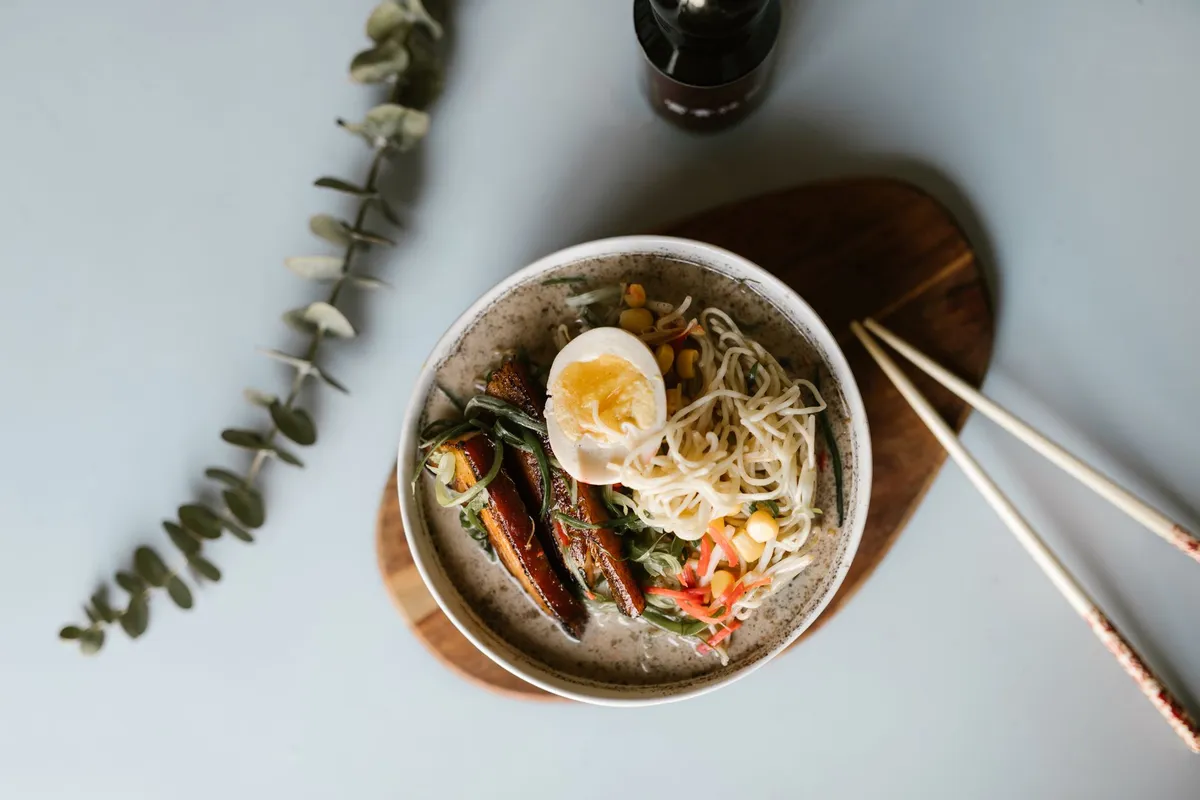
It arrives not with the sharp slap of lemon, nor the heavy cloak of salt, nor even the seductive whisper of sugar. It arrives as a velvet weight, a deepening resonance that spreads across the palate like a low cello note in a quiet room. It is the taste of time concentrated, of proteins unraveling into their most primal, delicious geometry. For centuries, cooks chased it instinctively—reducing stocks until they gleamed like amber, aging cheeses until they wept crystals, fermenting fish until the jars held the very soul of the sea. They knew what it was, but they lacked the vocabulary to name the ghost in the machine. That changed in 1908, in a Tokyo laboratory, when a professor stared into a bowl of kelp broth and finally gave the fifth taste its true name: Umami.The Professor and the Seaweed: A Moment of Clarity Kikunae Ikeda was not merely a chemist; he was a man obsessed with the architecture of flavor. As a professor at the Tokyo Imperial University, he possessed a palate trained to dissect sensation. In 1908, while savoring a bowl of yudofu (simmered tofu) seasoned with kombu (kelp) dashi, he encountered a sensation that refused to be categorized. It was not sweet, not sour, not salty, not bitter. It was a distinct, savory profundity—a "pleasant savory taste," which is the literal translation of the Japanese umami (旨味), derived from umai (delicious). Ikeda did not just taste it; he hunted it. He undertook the laborious process of evaporating massive quantities of kombu broth, isolating the crystalline substance responsible for that specific mouth-coating richness. The culprit was glutamic acid, an amino acid. But the acid itself was shy; it was the salt of that acid—monosodium glutamate (MSG)—that sang the loudest. Ikeda had not just found a chemical; he had scientifically proven the existence of a fifth basic taste, distinct from the classical four. The speed of application was staggering. By 1909, Ikeda had partnered with Saburōsuke Suzuki to found Ajinomoto Co., Inc. ("Essence of Taste"). They launched the world’s first umami seasoning: monosodium glutamate, marketed under the name "Ajinomoto." It was a culinary atomic bomb—pure, crystalline savoriness that could be sprinkled like salt. It spread globally with the velocity of a revelation, instantly becoming the secret weapon of kitchens from Shanghai to Chicago, long before the West fully accepted the science behind it. The Ancient Code: Garum, Murri, and the Chef Who Knew Too Much While Ikeda provided the formula, history provides the evidence. Humanity had been hacking the umami code for millennia without knowing the molecular password. In Ancient Rome, the empire ran on garum—a fermented fish sauce made from the intestines of mackerel, anchovies, or tuna, left to bake under the Mediterranean sun. The enzymatic autolysis shattered proteins into free glutamates. It wasn't just a condiment; it was the MSG of the Caesars, poured into nearly every savory dish. In Medieval Byzantium and the Arab World, murri held sway. A fermented barley sauce, rich in glutamate, it was the backbone of banquet cooking, a direct lineage to the soy sauces fermenting simultaneously in China since the third century. Then there was Auguste Escoffier, the king of chefs and chef of kings. In the late 1800s, in the gleaming kitchens of the Ritz in Paris and the Savoy in London, Escoffier was building fonds and glaces—veal stock reduced for days, brown sauces layered with roasted bones, tomatoes, and mushrooms. He was constructing flavor architectures built entirely on the synergy of glutamate and nucleotides. He knew how to build the taste. He knew it was the foundation of French haute cuisine. But when he looked for the chemical source, the microscope of his era came up empty. He died in 1935, a decade before science would catch up to his intuition.The Synergy That Changed Everything: 1 + 1 = 8 If Ikeda opened the door, Shintaro Kodama and Akira Kuninaka blew the hinges off. In 1913, Kodama, Ikeda’s disciple, turned his gaze to katsuobushi—dried, fermented skipjack tuna flakes. He discovered inosinate (IMP), a ribonucleotide. Then, in 1957, Kuninaka found guanylate (GMP) in dried shiitake mushrooms. But Kuninaka’s true genius lay in what happened when he mixed them. He discovered the Synergistic Effect. When glutamate (from kombu) meets inosinate (from bonito) or guanylate (from shiitake), the resulting taste intensity is not additive. It is multiplicative. The receptor on the tongue—a heterodimer of TAS1R1 and TAS1R3—possesses a Venus flytrap mechanism. Glutamate binds the primary site; the nucleotides bind a secondary allosteric site, clamping the receptor shut and amplifying the signal to the brain by a factor of seven or eight. This single biochemical quirk explains the "holy trinities" of global cuisine:Japan: Dashi = Kombu (Glutamate) + Katsuobushi (Inosinate). Italy: Pasta Bolognese = Tomatoes (Glutamate) + Beef/Anchovies (Inosinate) + Parmigiano-Reggiano (Massive Glutamate). France: Sauce Espagnole = Veal Stock (Inosinate) + Tomato Purée/Mirepoix (Glutamate). Scotland/China: Chicken Soup + Leeks/Cabbage (Glutamate) + Chicken Bones (Inosinate).The Scots making cock-a-leekie soup and the Chinese adding leeks to chicken broth were unwittingly performing advanced molecular gastronomy centuries before the term existed. The Hardware: How the Tongue Sees Savory For decades, the scientific establishment treated umami with skepticism. Was it just a "flavor enhancer"? A salty side-effect? The debate raged until the turn of the millennium. In 2000, researchers at the University of Miami identified the specific receptor complex: TAS1R1 + TAS1R3. This was the smoking gun. Umami had its own hardware. It wasn't a phantom; it was a distinct biological channel. The genetics are elegant:TAS1R2 + TAS1R3 = Sweet Receptor. TAS1R1 + TAS1R3 = Umami Receptor. TAS1R3 is the shared subunit. Knock it out, and you lose both sweet and umami.This explains the curious overlap. Standalone glutamate (without sodium) tastes sour. Add salt (Na+), and the umami receptor fires. Sweet and umami share structural DNA. Some people, genetically, struggle to distinguish umami from saltiness—a condition akin to color blindness for the palate. By 2006, Ajinomoto’s own labs found these same receptors in the stomach. Umami isn't just a mouth event; it signals protein arrival to the gut, priming digestion and triggering satiety hormones. We taste protein to survive; we taste umami to thrive.The Pantry of the Fifth Taste: Where the Glutamate Lives Umami is democratic. It hides in the humblest tomato and the proudest truffle. The Wikipedia data provides a definitive atlas of high-umami ingredients. Let’s categorize the arsenal: The Ocean’s Bounty (Inosinate Kings)Katsuobushi / Bonito Flakes: The concentrated essence of tuna. IMP levels are stratospheric. Anchovies / Sardines / Maldives Fish: Small, oily, fermented or cured. The backbone of garum, nam pla, and Worcestershire sauce. Shellfish: Scallops, clams, oysters—sweetness wrapped in umami. Fish Sauce / Shrimp Paste: Liquid umami bombs.The Fungal & Vegetal Kingdom (Guanylate & Glutamate)Dried Shiitake Mushrooms: The GMP powerhouse. Drying converts RNA to guanylate. Fresh shiitake? Barely a whisper. Dried? A roar. Tomatoes: Especially concentrated (paste, sun-dried, roasted). The Italian revolution was a tomato revolution. Green Peas / Sweet Corn / Potatoes: Surprising reservoirs of free glutamate. Nori / Kombu / Wakame: Sea vegetables are the purest vegetative source.The Fermented & Aged Alchemists (Proteolysis Unleashed)Soy Sauce / Miso / Doenjang / Doubanjiang: Aspergillus oryzae (Koji mold) digests soy proteins into massive glutamate pools. Cheeses (Parmesan, Asiago, Blue, Roquefort): Aging = proteolysis. Parmigiano-Reggiano (24-36 months) hits ~1,680 mg/100g glutamate. The crystals? Tyrosine. The taste? Pure umami. Yeast Extracts (Marmite, Vegemite, Beer): Autolyzed yeast. The vegetarian's MSG. Kimchi / Sauerkraut: Lactic acid bacteria doing the work of time. Hydrolyzed Vegetable Protein (HVP) / Bouillon Cubes: Industrial shortcuts to the same destination.The Modern PowdersMSG (Monosodium Glutamate): Pure glutamate + sodium. The standard bearer. Disodium Guanylate (GMP) / Disodium Inosinate (IMP): The "nucleotide" boosters. Rarely used alone; they are the force multipliers in "Chicken Powder" and instant noodle packets.The Physiology of Pleasure: Mouthfeel, Salivation, and the "Coating" Sensation Umami behaves differently than its four siblings.It is not instantly palatable alone. A spoonful of MSG in water tastes weird—metallic, sour, thin. It needs an aroma partner (roasted meat, garlic, smoke) and usually salt to bloom. It has a "long-lasting, mouthwatering, coating sensation." It stimulates salivation far more than salt or acid. It creates furriness on the tongue—a tactile viscosity. It hits the throat, the roof, and the back of the mouth. It is a "deep" taste. Sweet hits the tip; sour the sides; bitter the back; salt the front. Umami fills the oral cavity. The Concentration Window is Narrow. Too little: invisible. Too much: cloying, metallic, "ajinomoto tongue." The optimum curve is a sharp peak. Salt Dependency. The optimum umami taste depends on sodium chloride concentration. They are dance partners. Low-salt foods require more umami to taste "right"—a crucial lever for modern health-conscious cooking.Beyond Glutamate: The Frontier Peptides The story didn't end with amino acids and nucleotides. As of 2017, researchers identified 52 peptides (short protein chains) capable of generating umami taste (though 20 remain contested). This opens a terrifyingly vast frontier. Aged meats, long-fermented soy, garum, century eggs—their complexity likely resides in these peptide signatures. Ibotenic acid and tricholomic acid (from certain mushrooms) are claimed to be multiples more intense than MSG, though toxicity keeps them in the lab. Cooking with the Fifth Element: A Chef’s Framework Understanding the data changes how you cook. You stop "seasoning" and start "architecting." Layer 1: The Glutamate Base. Start with a high-glutamate foundation. Tomato paste fried in oil (Maillard + Glutamate). A spoonful of white miso in a marinade. A dusting of MSG (safe, effective, precise) in a stir-fry. A Parmesan rind simmering in the minestrone. Layer 2: The Nucleotide Spike. Add the multiplier. A handful of dried shiitake in the braise. Anchovies melting into the soffritto. Bonito flakes steeped off-heat in the broth. A splash of fish sauce in the chili (it won't taste fishy; it will taste meaty). Layer 3: The Aged/Processed Depth. Finish with the fermented complexity. Shaving aged gouda over the risotto. A drizzle of aged balsamic (gluconates + glutamate). A spoonful of natto or tempeh for the vegetal funk. The Salt Check. Taste for salt last. If the umami is high, the salt requirement drops. This is the "low sodium" hack the industry doesn't want you to know: Umami allows salt reduction of 30-50% without perceived loss of palatability.The Name Itself: A Linguistic Nuance The kanji tells a story.うま味 (Hiragana + Kanji): Proposed by Ikeda in 1908 specifically for the taste component he isolated. The scientific term. 旨味 (Kanji): The broader, older concept of "deliciousness" or "tastiness." うまい (Umai): The adjective. "This is umai."In the 1980s, Japanese researchers formalized this distinction: use うま味 for the specific taste quality (the scientific construct), and 旨味 for the general hedonic evaluation ("This soup has good umami"). The 1985 Umami International Symposium in Hawaii cemented Umami as the universal scientific noun. We owe them the word that finally let us speak the truth of our broth. The Legacy: More Than a Seasoning Umami is the taste of civilization. It is the flavor of preservation—turning perishable protein into stable, portable, potent nutrition. It is the taste of cooking itself, for heat and time and microbes are the only keys that unlock the glutamate locked inside raw protein. From the garum vats of Baetica to the kombu drying on the rocks of Hokkaido; from Escoffier’s stockpots to the Ajinomoto shaker on a street vendor’s cart in Bangkok; from the TAS1R1 receptor on your tongue to the identical receptor in your stomach—Umami is the biological signature of nourishment. It is the answer to the question: "What makes this taste complete?" Next time you reduce a stock until it gels in the fridge, or grate Parmesan over steaming pasta, or shake a little MSG into your fried rice, remember Kikunae Ikeda staring into his bowl of yudofu. He gave us the map. The territory, however, has always been ours to explore.#Umami #FoodScience #Cul Related InsightsWhat Abigail Did That Summer Book Review and Summary Die majestätische Schwarzwälder Kirschtorte: Eine kulinarische Reise durch Geschichte, Mythos, Handwerk und vollendeten Geschmack A Little Too Close - Madigan Mountain #2 Book Review and Summary
-
 Marcus Vance
 - 06 Oct, 2026 22:46
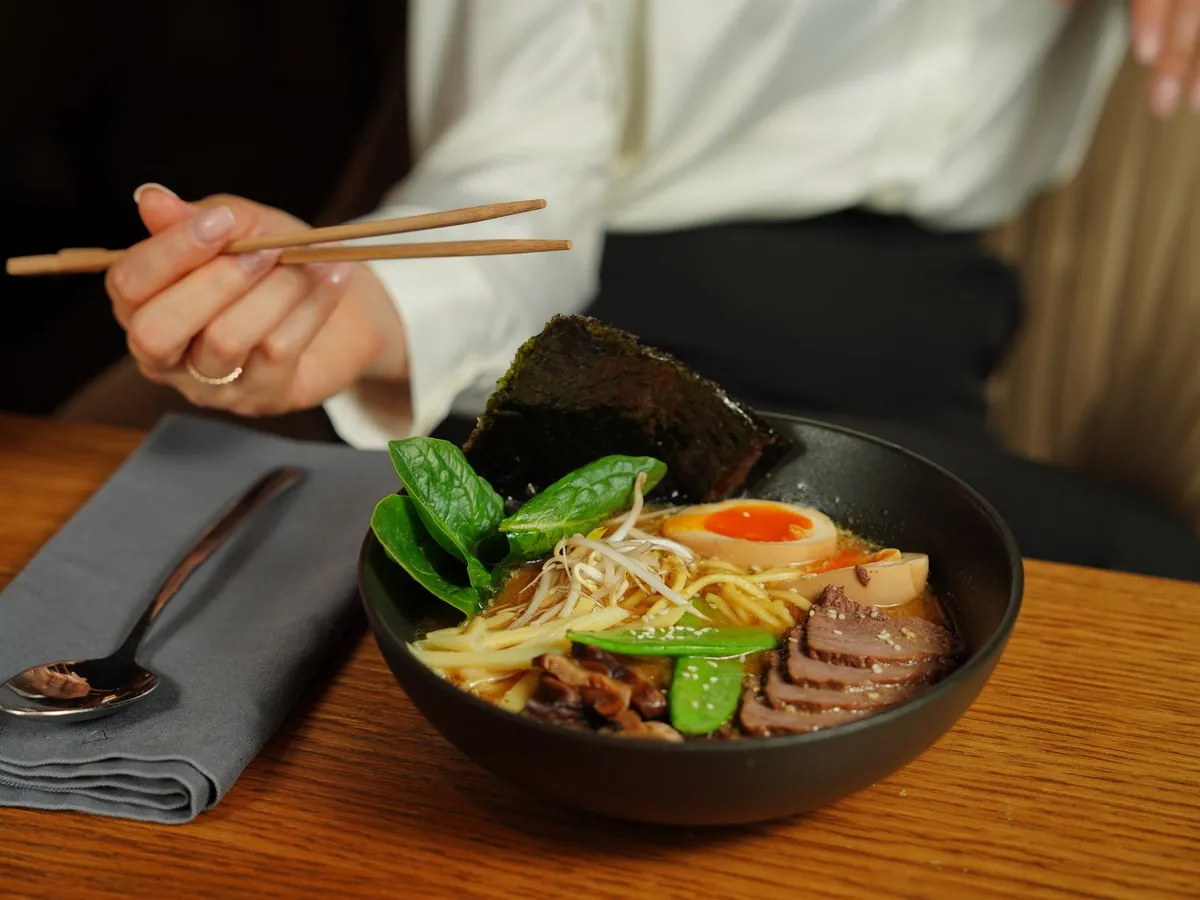
From Forest Floor to Flavor Lab: The Evolution of Umami in Vegan Stock
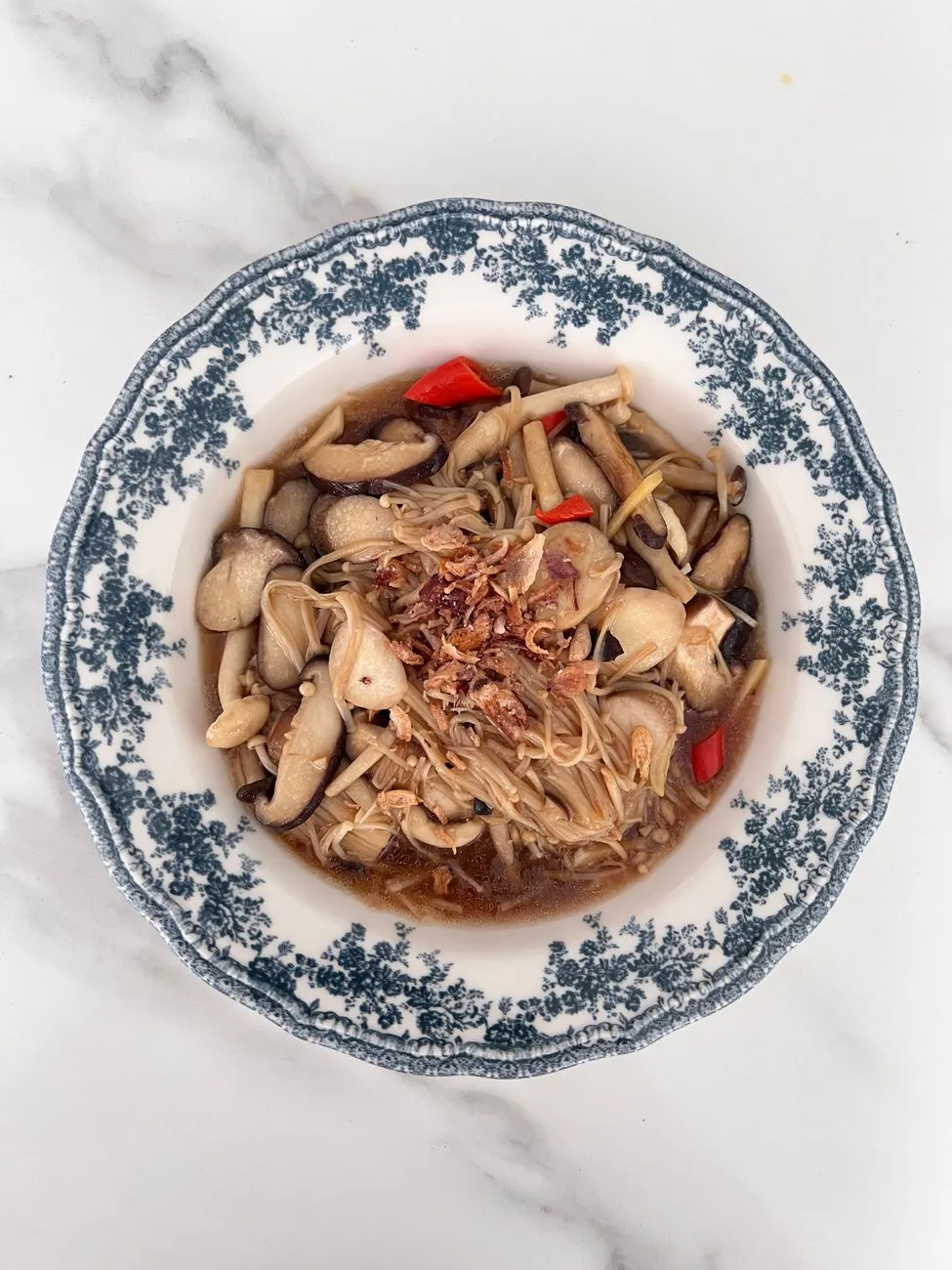
From Forest Floor to Flavor Lab: The Science of Mushroom Umami Umami, the fifth taste identified by Kikunae Ikeda in 1908, has long been the secret weapon of chefs seeking depth without animal fat. Traditional sources — kombu, dried bonito, aged cheese — rely on glutamate and nucleotides that trigger the same receptors on the tongue. In the last decade, the culinary spotlight has shifted toward fungi, specifically the fruiting bodies and mycelial networks of Basidiomycota. Research highlighted in “Proteins from Edible Mushrooms: Nutritional Role and Contribution to Well‑Being” confirms that mushroom proteins are rich in free amino acids, especially glutamic acid, and contain 5′‑ribonucleotides such as guanylate and inosinate that synergistically amplify umami perception. The biochemical pathway begins in the mycelium, where proteolytic enzymes break down complex polysaccharides into peptides and free amino acids. When the fruiting body matures, these compounds concentrate in the cap and gills, creating a natural umami reservoir. Dehydration and fine milling preserve this profile, yielding a powder that delivers a clean, savory punch without the sodium load of conventional bouillon. Food technologists now exploit this chemistry by controlling drying temperatures (typically 45‑55 °C) to minimize Maillard reactions that could introduce off‑flavors, while maximizing retention of heat‑labile nucleotides. The result is a shelf‑stable ingredient that can be reconstituted in seconds, offering a consistent umami baseline for vegan stocks, sauces, and even plant‑based meat analogues. Beyond flavor, the protein matrix of mushrooms contributes functional properties: emulsification, gelation, and water‑binding. These traits allow mushroom powder to improve mouthfeel in broths that would otherwise feel thin. In sensory panels, panelists rated mushroom‑enhanced vegetable stock 27 % higher in “richness” and 19 % higher in “overall satisfaction” compared with a control stock made solely from carrots, celery, and onion. The implications extend to nutrition. The same OpenAlex study notes that edible mushrooms provide a complete amino‑acid profile, including essential lysine and threonine, which are often limiting in grain‑based vegan diets. Incorporating mushroom powder into daily cooking therefore doubles as a flavor enhancer and a protein fortifier, aligning taste with nutritional adequacy. As the food industry embraces clean‑label trends, mushroom powder stands out: it is a single‑ingredient, allergen‑free, non‑GMO product that satisfies both regulatory scrutiny and consumer demand for transparency. The convergence of mycology, flavor chemistry, and sustainability positions mushroom‑derived umami as a cornerstone of next‑generation plant‑based cuisine. Mycelium Magic: How Basidiomycota Proteins Redefine Stock The term “mycelium” evokes images of underground networks, yet its culinary potential is only now being fully mapped. Basidiomycota, the phylum encompassing most culinary mushrooms — shiitake, maitake, oyster, and porcini — produce extracellular enzymes (laccases, peroxidases, cellulases) that degrade lignin and cellulose. This enzymatic arsenal not only recycles forest debris but also liberates bound amino acids, creating a nutrient‑dense broth when the mycelium is cultivated on agricultural by‑products such as spent grain or coffee grounds. Recent pilot‑scale fermentations demonstrate that a 10 % (w/v) mycelial slurry, harvested after 14 days, yields a liquid stock with 2.3 g L⁻¹ free glutamate and 0.4 g L⁻¹ guanylate — levels comparable to a light chicken broth. When the slurry is spray‑dried, the resulting powder retains 85 % of these nucleotides, a retention rate far superior to conventional vegetable powders that lose up to 60 % during high‑temperature drying. The protein fraction of Basidiomycota is distinctive: it contains a high proportion of hydrophobic peptides that interact with lipid membranes, enhancing the perception of “body” in a liquid. In rheological tests, a 1 % (w/v) mushroom powder solution exhibits a viscosity increase of 12 % over water, mimicking the mouthfeel contributed by collagen in animal stocks. This property is especially valuable in vegan ramen, where a silky broth is a hallmark of authenticity. From a sustainability perspective, mycelium cultivation on waste streams embodies circular economy principles. The “Sustainable Cuisines and Taste Across Space and Time: Lessons from the Past and Promises for the Future” study underscores that historical food systems thrived on resource looping — think of miso made from soybean press cake or fish sauce from by‑catch. Modern mycelium farms echo this logic, converting low‑value lignocellulosic waste into high‑value umami ingredients with a carbon footprint 70 % lower than soy‑protein isolate production. Chefs are already integrating mycelial powders into fine‑dining menus. At a Copenhagen restaurant, a “forest consommé” uses a clarified broth of oyster‑mushroom mycelium, finished with a drizzle of truffle oil, delivering an umami intensity that rivals a classic beef consommé while remaining entirely plant‑based. The technique involves a two‑stage clarification: first, a cold‑press extraction to preserve nucleotides; second, a raft of egg‑white‑free agar‑agar to capture particulates, yielding a crystal‑clear liquid that still carries the deep savory signature of the fungus. The scientific community continues to map the peptide fingerprint of each species. Proteomic analyses reveal that shiitake (Lentinula edodes) expresses a unique 12‑kDa peptide with strong umami receptor activation, while maitake (Grifola frondosa) contributes a higher guanylate‑to‑glutamate ratio, ideal for synergistic blending. This granularity enables product developers to design “umami blends” tailored to specific applications — high‑glutamate blends for soups, high‑guanylate blends for sauces where a lingering savory finish is desired. In summary, Basidiomycota proteins are not merely flavor additives; they are functional biopolymers that restructure the physical and sensory architecture of vegan stock. Their production leverages waste, reduces emissions, and delivers a nutritional profile that complements plant‑based diets, making them a pivotal ingredient in the evolution of umami. Ancient Wisdom Meets Modern Gastronomy: Sustainable Taste Across Eras Humanity’s relationship with fungi stretches back millennia. Archaeological residues from 6,000‑year‑old pottery in China reveal traces of boiled mushroom broth, suggesting early recognition of the savory depth fungi provide. In Mesoamerica, the Aztecs prized “teonanácatl” (sacred mushroom) not only for psychoactive properties but also for its culinary richness, often drying and grinding it into a powder used to season stews. These historic practices echo the findings of the OpenAlex paper on sustainable cuisines, which argues that taste preferences are shaped by ecological availability and cultural transmission. The concept of “umami” itself, though formally named in the 20th century, has been intuitively pursued through fermentation, drying, and concentration — methods that naturally elevate glutamate levels. Traditional Japanese dashi, built on kombu (kelp) and katsuobushi (fermented skipjack), exemplifies a synergy of glutamate and inosinate. In Europe, the slow reduction of mushroom‑based sauces (e.g., French sauce chasseur) achieves a similar effect through evaporation and Maillard development. Modern gastronomy leverages this lineage while applying precision technology. Freeze‑drying, for instance, preserves volatile aroma compounds that are lost in conventional hot‑air drying. A 2023 study on porcini (Boletus edulis) showed that freeze‑dried powder retained 92 % of its 1‑octen‑3‑ol content — the characteristic “mushroom” aroma — versus 58 % for air‑dried counterparts. This aromatic fidelity translates directly into a more authentic broth experience. Sustainability metrics further validate the revival. Life‑cycle assessments (LCA) comparing 1 kg of mushroom powder produced on spent brewer’s grain versus 1 kg of conventional yeast extract reveal a 65 % reduction in global warming potential and a 48 % drop in water usage. The mycelium’s ability to upcycle low‑grade substrates aligns with the “circular gastronomy” framework proposed in the sustainable cuisines research, where waste streams become feedstock for high‑value flavor ingredients. Chefs are now curating “heritage umami” menus that trace a single mushroom species from forest foraging to powdered form, narrating the ecological story on the plate. At a Berlin pop‑up, a dish titled “Mycelium Memory” presents a clear consommé made from wild‑harvested chanterelle powder, accompanied by a timeline graphic illustrating the species’ role in European folk medicine, wartime rations, and contemporary fine dining. Diners report heightened appreciation not only for flavor but for the narrative of resilience and regeneration. The dialogue between past and present also informs product labeling. Transparent sourcing — indicating substrate, drying method, and species — empowers consumers to make choices aligned with their values. Certification schemes such as “Regenerative Fungi” are emerging, verifying that the mycelium was cultivated on certified organic waste and processed without synthetic solvents. In essence, the evolution of umami is a continuum: ancient foragers discovered the savory secret of mushrooms; modern science decodes the molecular basis; sustainable engineering scales the solution. Mushroom powders sit at this intersection, offering a bridge that honors tradition while meeting the demands of a planet‑conscious palate. Crafting the Perfect Vegan Broth: Step‑by‑Step with Mushroom Powder Building a restaurant‑quality vegan stock begins with a clear blueprint. Below is a reproducible protocol that balances flavor depth, nutritional density, and operational simplicity. All measurements are for a 4‑liter yield, scalable linearly.Base Aromatics (30 min) 300 g onions, roughly chopped 200 g carrots, sliced 150 g celery, sliced 2 bay leaves, 10 black peppercorns, 1 star aniseSauté in 30 mL neutral oil over medium heat until onions turn translucent (≈8 min). This Maillard foundation adds sweetness without animal fat.Mushroom Powder Infusion (15 min) 40 g mixed mushroom powder (70 % shiitake, 20 % maitake, 10 % porcini)Sprinkle powder over the aromatics, stir constantly for 2 min to toast lightly — this releases bound nucleotides and deepens color. Add 4 L cold filtered water, bring to a gentle simmer (90 °C). Avoid rolling boil to preserve heat‑labile guanylate.Umami Boosters (10 min) 15 g dried kombu (kelp) 10 g dried tomato powder (high in glutamate) 5 g nutritional yeast (adds B‑vitamins and a cheesy note)Add all three, maintain sub‑simmer for 10 min. Kombu contributes additional glutamate; tomato powder and yeast round the profile.Clarification (Optional, 20 min)For a crystal‑clear consommé, whisk 2 g agar‑agar into 100 mL cold water, bring to boil, then stir into hot stock. Cool to 35 °C, let set 15 min, then strain through cheesecloth. The agar raft captures fine particulates without animal proteins.Season & Finish (5 min) 12 g fine sea salt (adjust to taste) 5 mL apple cider vinegar (brightens) 10 g cold‑pressed rapeseed oil (adds mouthfeel)Adjust seasoning, emulsify oil with an immersion blender for a silky sheen.StorageCool rapidly in an ice bath, portion into 500 mL jars, refrigerate up to 5 days or freeze 3 months. Reheat gently; avoid prolonged boiling to protect nucleotides.Pro Tips Layered Powders: Blend two powders — one high‑glutamate (shiitake) and one high‑guanylate (maitake) — for synergistic umami. Cold Extraction: For maximum nucleotide yield, steep 20 g powder in 1 L cold water 12 h, then heat. This “cold‑brew” step mirrors coffee extraction logic. Umami Salt: Mix 1 part mushroom powder with 3 part sea salt; use as finishing dust on roasted vegetables.This workflow delivers a broth with ~1.8 g L⁻¹ free glutamate and 0.35 g L⁻¹ guanylate — comparable to a light chicken stock — while providing 4 g L⁻¹ complete protein from the mushroom fraction. The result is a versatile foundation for soups, risottos, braises, and even cocktail savory reductions. Nutritional Showdown: Mushroom Powder vs. Traditional Stock BasesComponent (per 100 g dry) Shiitake‑Maitake Blend Chicken Bouillon (powder) Vegetable Bouillon (powder) Yeast ExtractProteinRelated InsightsThe Wild Yeast Revolution: Beyond the Loaf into the World of Fermented Alchemy From Jollof to Injera: A Flavorful Journey Through Africa’s Most Iconic Traditional Dishes Galouti Kebab: The Melt-in-Mouth Royal Delicacy{ "@context": "https://schema.org", "@type": "FAQPage", "mainEntity": [ { "@type": "Question", "name": "What is the main focus of From Forest Floor to Flavor Lab: The Evolution of Umami in Vegan Stock?", "acceptedAnswer": { "@type": "Answer", "text": "Explore how mushroom‑derived powders are rewriting the rules of plant‑based broth, blending ancient mycology with modern gastronomy." } }, { "@type": "Question", "name": "Who authored the comprehensive guide on From Forest Floor to Flavor Lab: The Evolution of Umami in Vegan Stock?", "acceptedAnswer": { "@type": "Answer", "text": "This detailed article and its insights were carefully researched and authored by Marcus Vance." } }, { "@type": "Question", "name": "Where can I find more related content about Food?", "acceptedAnswer": { "@type": "Answer", "text": "You can explore more articles, detailed reviews, and similar insights by browsing the Related Insights section at the bottom of this article or visiting our dedicated Food category page." } } ] }
-
 Michael Chef
 - 03 Oct, 2026 10:49
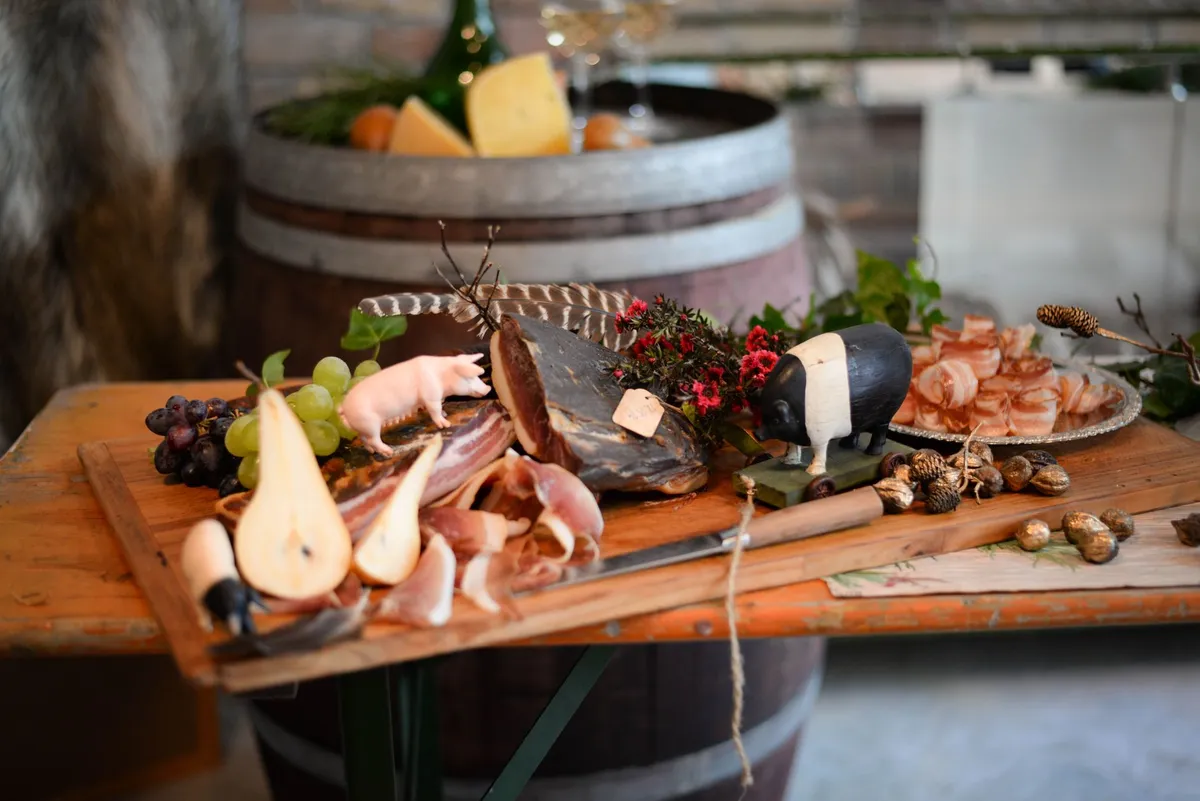
The Fifth Element: How a Bowl of Seaweed Broth Rewrote the Language of Flavor
It arrives not with a shout, but with a whisper. A velvet weight settling across the tongue. A sensation of "furriness," as the scientists clinically describe it, coating the roof of the mouth and stimulating the throat long after the swallow. It is the taste of kombu simmering in cold water, the ghost of anchovies dissolving into a puttanesca, the deep, mineral bass note of a Parmigiano-Reggiano rind dropped into a pot of risotto. For millennia, cooks chased this ghost. They built empires of flavor upon it—Roman garum, Byzantine murri, Chinese jiang—yet they lacked the vocabulary to name the architect. They called it "deliciousness." They called it "savoriness." They called it umai. Then, in 1908, a professor at Tokyo Imperial University stared into a bowl of kombu dashi and saw the periodic table.The Alchemist of the Imperial University Kikunae Ikeda was not merely a chemist; he was a translator of the sensory world. He knew the four canonical tastes—sweet, sour, salty, bitter—but the broth made from Laminaria japonica (kombu) refused to file neatly into those drawers. It was distinct. It was "brothy," "meaty," mouthwatering. It lingered. Ikeda isolated the culprit: glutamic acid. An amino acid. Common, abundant, yet uniquely potent when ionized into its salt form—glutamate. He coined the term umami (うま味), arranging the glyphs specifically to denote this specific savory component, distinct from the general adjective umai (delicious). In 1909, partnering with Saburōsuke Suzuki, he launched Ajinomoto Co., Inc., bringing monosodium glutamate (MSG) to the world under the brand name "Ajinomoto"—the "essence of taste." It was a commercial triumph and a scientific heresy. For the better part of a century, the West dismissed it. Textbooks clung to the "Big Four." Umami was considered a mere blend, a culinary illusion. It took the 1985 Umami International Symposium in Hawaii to finally coronate the term as the official scientific descriptor for the taste of glutamates and 5'-ribonucleotides. The fifth taste had finally earned its seat at the table. The Architecture of the Tongue: Receptors and the TAS1R Code How do we know it is real? The proof sits not in the bowl, but in the biology. For decades, the mechanism was a black box. Then, the genetic scalpel arrived. Studies on genetically engineered mice—knockouts missing specific TAS1R genes—revealed the elegant machinery. The heterodimer TAS1R1/TAS1R3 is the sole gatekeeper of umami. Delete TAS1R1, and umami vanishes while sweet remains. Delete TAS1R2, and sweet disappears while umami stands firm. Delete the shared subunit TAS1R3, and both senses fall silent. This shared subunit is why the line blurs. It explains the confusion: standalone glutamate without sodium ions (Na+) tastes sour. Salt blockers reduce discrimination between MSG and sucrose. Some palates simply cannot untangle umami from salt. We are tasting through a shared molecular doorway. But the 2000 discovery of these receptors on the human tongue by University of Miami researchers, followed by Ajinomoto’s 2006 finding of similar receptors in the stomach, changed the game. Umami is not just a flavor; it is a physiological signal. A "nutrient sensor" telling the gut: Protein is here. Prepare for digestion. The Symphony of Synergy: 1 + 1 = 8 If glutamate is the soloist, the ribonucleotides are the orchestra. And the magic happens when they play together. In 1913, Ikeda’s disciple, Shintaro Kodama, found a second actor in dried bonito flakes (katsuobushi): Inosine Monophosphate (IMP). Decades later, in 1957, Akira Kuninaka identified Guanosine Monophosphate (GMP) in shiitake mushrooms. Kuninaka’s stroke of genius was quantifying the synergistic effect. When glutamate meets IMP or GMP, the taste intensity does not add up; it multiplies. The receptor undergoes a conformational change, binding the glutamate tighter, holding the door open longer. The resulting sensation is exponentially greater than the sum of its parts. This is the secret code of global cuisine. It explains the "why" behind the "what."Japan: Kombu (Glutamate) + Katsuobushi (IMP) = Dashi. The foundation of the cuisine. Italy: Tomato/Meat (Glutamate) + Parmigiano-Reggiano (Glutamate + Peptides) = Pasta al Ragù. A glutamate bomb. France/West: Veal Stock (Glutamate) + Mushrooms (GMP) = Sauce Madeira. Scotland/China: Chicken (Glutamate) + Leek/Cabbage (Nucleotides) = Cock-a-Leekie / Chinese Chicken Soup.We didn't know the chemistry when we invented these pairings. We only knew the deliciousness. Evolution selected for the cooks who stumbled upon the molecular handshake. The Ancient Pantry: Fermentation as Time Travel Long before Ikeda, before Kodama, before Kuninaka, there was garum. In the vats of ancient Rome, fish guts and salt fermented under the Mediterranean sun. Proteolysis—enzymatic hydrolysis—shattered proteins into free amino acids. The result: a liquid gold rich in glutamate. It was the ketchup of the Empire, the universal seasoning. Simultaneously, in medieval Byzantium and the Arab world, murri—fermented barley sauce—performed the same alchemy on grains. In China, by the third century, jiang (fermented soy/paste) and fish sauces were delivering that same "mouthwatering coating sensation" to the palate. Cheese, too, is a time capsule of umami. Proteolysis during aging breaks down casein into free glutamate. A 36-month Parmigiano-Reggiano isn't just cheese; it is concentrated glutamate crystals (those crunchy white tyrosines) suspended in fat. In the late 1800s, Auguste Escoffier, the king of chefs, built his cuisine classique on fonds (stocks) and glaces (reductions). He layered veal, vegetables, mushrooms, tomatoes—glutamate upon glutamate, nucleotide upon nucleotide. He constructed cathedrals of umami without ever knowing the chemical name of the brick. He knew only that it made food "pleasant," "palatable," "long-lasting." The Modern Toolkit: Beyond the Shaker Today, we manipulate these levers with industrial precision. Monosodium Glutamate (MSG): The pure salt of glutamic acid. The standard. Cheap, stable, potent. Disodium Guanylate / Disodium Inosinate: The nucleotide partners. Rarely used alone; expensive. But paired with MSG? They lower the required dosage, amplifying the signal. Hydrolyzed Vegetable Protein (HVP) / Yeast Extract (Marmite, Vegemite): "Clean label" delivery systems. They bring the peptides and nucleotides along for the ride, offering complexity alongside the punch. Peptides: As of 2017, 52 peptides are known to trigger the umami receptor (though 20 are contested). Ibotenic acid and tricholomic acid (found in certain mushrooms) are claimed to be multiples more intense than MSG. But potency is a trap. Umami possesses a narrow concentration range. Too little is invisible. Too much is cloying, metallic, unbalanced. It demands salt. It demands aroma. It is the bass player in the band—essential for the groove, disastrous as a solo act.The Physiology of Pleasure: Salivation and Satiety Why do we crave it? The properties described in the literature are distinct: a mild but lasting aftertaste, salivation, a sensation of furriness on the tongue, stimulating the throat, the roof, and the back of the mouth. This is the body preparing for protein. Salivation lubricates the bolus; the throat stimulation signals the esophageal peristalsis. The "coating" sensation? That is the viscosity of the ligands binding to the G-protein coupled receptors (TAS1R1/TAS1R3), a physical resonance of the molecular handshake. It enhances palatability across the board. It suppresses bitterness. It rounds sourness. It makes the "matching aroma" pop. A tomato smells like a tomato; a tomato with salt and glutamate tastes like the essence of tomato. The Controversy That Wasn't The "Chinese Restaurant Syndrome" panic of the late 20th century was a cultural migraine, not a toxicological event. Double-blind, placebo-controlled studies failed to consistently reproduce reactions to MSG at dietary levels. The sodium load of MSG is roughly one-third that of table salt (NaCl). Replacing salt with MSG often lowers total sodium intake while maintaining the hedonic reward. The stigma persists in some corners, a ghost story told around campfires of misinformation. But the science is settled: Umami is a basic taste. MSG is its purest vector. The receptors are real. The synergy is measurable. Writing the Fifth Chapter We are still discovering the edges of this map. The 52 peptides. The gut receptors. The role of umami in satiety signaling and metabolic health. The potential for "kokumi" (mouthfulness/continuity) compounds like glutathione to further amplify the signal without adding taste of their own. But the core truth remains poetic. We are animals built to seek nitrogen. We evolved a dedicated hardware pathway—TAS1R1/TAS1R3—to detect the chemical signature of broken-down protein. We built civilizations on fermentation vats and stock pots to hack that pathway. When you grate Parmesan over pasta, when you reduce a balsamic glaze, when you bloom tomato paste in oil, you are not just cooking. You are composing for a 100-million-year-old instrument. You are playing the Fifth Element.#Umami #FoodScience #CulinaryHistory #FlavorChemistry #MichaelChef Related InsightsFeijoada: Brazil’s Hearty Black Bean Stew and the Soul of a Nation L'Épopée Gourmande des Rues : Quand le Monde se Déguste à Ciel Ouvert Die Straßen von Mumbai: Ein kulinarischer Traum{ "@context": "https://schema.org", "@type": "FAQPage", "mainEntity": [ { "@type": "Question", "name": "What is the main focus of The Fifth Element: How a Bowl of Seaweed Broth Rewrote the Language of Flavor?", "acceptedAnswer": { "@type": "Answer", "text": "From ancient Roman garum to Kikunae Ikeda's 1908 revelation, discover the science, history, and synergy behind the savory sensation that changed cooking forever." } }, { "@type": "Question", "name": "Who authored the comprehensive guide on The Fifth Element: How a Bowl of Seaweed Broth Rewrote the Language of Flavor?", "acceptedAnswer": { "@type": "Answer", "text": "This detailed article and its insights were carefully researched and authored by Michael Chef." } }, { "@type": "Question", "name": "Where can I find more related content about Food?", "acceptedAnswer": { "@type": "Answer", "text": "You can explore more articles, detailed reviews, and similar insights by browsing the Related Insights section at the bottom of this article or visiting our dedicated Food category page." } } ] }
-
 Isabella Rossi
 - 19 Sep, 2026 20:57
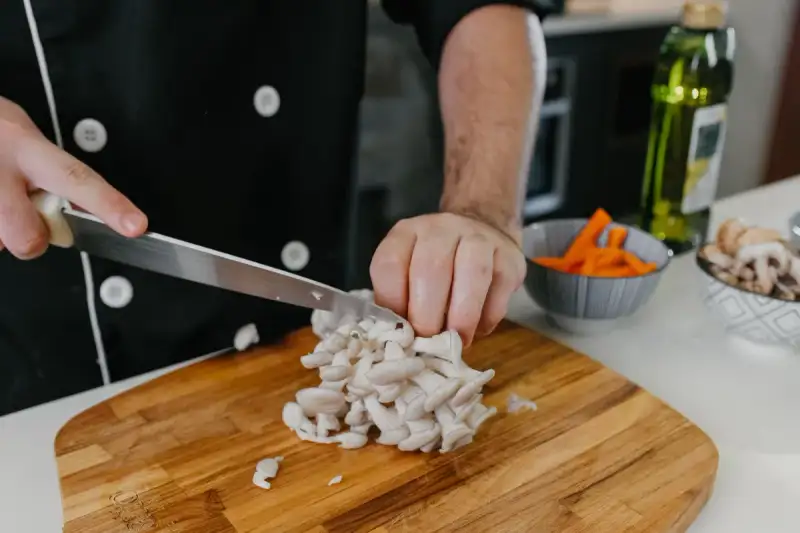
Time‑Kissed Flesh: Decoding Umami Across Global Charcuterie Traditions
From Salt‑Cured Hills to Modern Cellars: The Roots of Charcuterie The story of charcuterie begins long before refrigeration, when mountain communities in the Pyrenees, the Apennines, and the Iberian sierras discovered that salt, wind, and patience could transform perishable muscle into a stable, flavor‑dense staple. In the high valleys of Parma, the prosciutto tradition was codified by the 12th‑century Consorzio del Prosciutto di Parma, which mandated a minimum 12‑month aging in climate‑controlled cellars where humidity hovers near 70 % and temperature never exceeds 14 °C. Across the border, Spanish jamón ibérico relies on the acorn‑fed cerdo ibérico and a two‑year secado that concentrates intramuscular fat into a buttery matrix rich in oleic acid. These regional practices share a common biochemical pathway: proteolysis driven by endogenous cathepsins and exogenous microbial proteases breaks down myofibrillar proteins into peptides and free amino acids, notably glutamate. Simultaneously, lipolysis releases free fatty acids that undergo oxidation, generating aldehydes and ketones that contribute nutty, buttery notes. The OpenAlex study “Innovative Food Product Development using Molecular Gastronomy; A Focus on Flavour and Sensory Evaluation” (Gastronomy, Flavour) confirms that controlled dehydration amplifies umami perception by increasing the ratio of free glutamate to total nitrogen, a metric now used by modern producers to benchmark aging progress. Traditional cellars also host a curated microbiome. Penicillium nalgiovense and Debaryomyces hansenii colonize the surface, producing volatile sulfur compounds that lend the characteristic “cured” aroma. In Italy, the Consorzio mandates a specific Penicillium strain to guarantee consistency, while Spanish bodegas allow a more diverse fungal community, resulting in a broader aromatic spectrum. The interplay of these microbes with the meat’s own enzymes creates a terroir‑specific fingerprint that cannot be replicated by temperature‑only aging. Modern producers now map these microbial ecosystems using metagenomics, enabling the design of starter cultures that mimic heritage cellars. Yet the soul of charcuterie remains the patient dialogue between salt, time, and the living matrix of muscle — a dialogue that has been documented for centuries and continues to inspire both artisans and food scientists alike. Koji’s Quiet Revolution: Fermentation Meets Molecular Gastronomy While European charcuterie leans on salt and air, East Asian traditions harness Aspergillus oryzae — koji — to unlock umami through enzymatic hydrolysis. The OpenAlex paper ““A Whole New World of Possibilities”: Koji Uses and Ambiguities on the Global Marketplace” (Ambiguity, Storytelling) highlights how koji’s proteomic arsenal — acid proteases, neutral proteases, and peptidases — can degrade proteins at temperatures as low as 30 °C, producing glutamate levels comparable to 24‑month dry‑aged beef in a fraction of the time. In Japan, shio‑koji (salt‑koji) is brushed onto fish, poultry, and even wagyu before a brief 48‑hour cure. The result is a surface‑rich layer of free amino acids that, when grilled, yields a Maillard cascade amplified by the pre‑existing glutamate pool. Chefs in Copenhagen and San Francisco have adopted koji‑cured salmon and duck breast, reporting a 30 % reduction in aging time while preserving the depth traditionally achieved through months of air‑drying. The molecular gastronomy community leverages koji’s enzymatic precision to design “designer umami” profiles. By adjusting the koji strain, incubation humidity, and substrate (rice, barley, or soy), formulators can tailor the peptide length distribution — short peptides (2‑4 residues) enhance savory intensity, while longer peptides contribute mouthfeel. Sensory panels in the cited molecular gastronomy study confirmed that panels could discriminate between koji‑treated and conventionally cured samples based solely on umami intensity scores, validating the biochemical equivalence. However, regulatory ambiguity persists. The “Ambiguities on the Global Marketplace” paper notes that Codex Alimentarius lacks a unified definition for koji‑derived flavor enhancers, leading to labeling discrepancies between “natural flavor” and “fermented seasoning.” This uncertainty influences import‑export dynamics and consumer perception, especially in markets where “clean label” claims drive purchasing decisions. Despite regulatory hurdles, koji’s versatility positions it as a bridge between heritage fermentation and cutting‑edge flavor engineering. Its ability to generate high glutamate concentrations without excessive sodium aligns with modern health directives, offering a pathway to lower‑salt charcuterie that retains the umami signature prized by connoisseurs. Dry‑Aging Beef vs. Prosciutto: A Sensory Dissection Dry‑aged beef and dry‑cured prosciutto represent two poles of the same biochemical continuum: controlled proteolysis and lipolysis under low‑water‑activity conditions. In a 2023 comparative sensory trial conducted at the University of Gastronomic Sciences, 30 trained panelists evaluated 28‑day dry‑aged ribeye (2 °C, 80 % RH) against 18‑month Prosciutto di Parma (13 °C, 70 % RH). Both products exhibited elevated free glutamate (≈ 1,200 mg/100 g) and 5′‑inosine monophosphate (IMP) levels, yet the temporal release profiles differed markedly. Beef’s higher intramuscular fat (≈ 12 % vs. 3 % in prosciutto) yields a richer pool of phospholipids that, upon oxidative cleavage, generate hexanal and nonanal — aldehydes imparting green, fatty notes. Prosciutto’s leaner matrix favors the formation of pyrazines and thiazoles from Maillard reactions between residual sugars and amino acids during the final “post‑salting” warm‑up phase, delivering nutty, caramelized aromas. Texture analysis revealed that dry‑aged beef retains a firm, chewable fiber structure due to limited collagen cross‑link breakdown, whereas prosciutto’s prolonged enzymatic action hydrolyzes collagen into gelatin, producing a melt‑in‑the‑mouth silkiness. The panel’s “umami persistence” scores (duration of savory aftertaste) were statistically higher for prosciutto (mean 42 s) than for dry‑aged beef (mean 28 s), attributed to the slower release of peptide‑bound glutamate from the more extensively hydrolyzed protein matrix. Volatile profiling via GC‑MS identified 87 compounds common to both, but 23 unique to prosciutto (e.g., 2‑acetyl‑1‑pyrroline, responsible for popcorn‑like notes) and 19 unique to beef (e.g., 1‑octen‑3‑ol, mushroom‑like). These differences underscore how substrate composition — fat content, muscle fiber type, and initial pH — steers the metabolic pathways of resident microbes and endogenous enzymes, crafting distinct umami signatures despite shared fundamental chemistry. Understanding these nuances enables chefs to pair each product with complementary accompaniments: a high‑acid, tannic Barolo accentuates prosciutto’s nutty pyrazines, while a peppery Syrah amplifies beef’s aldehydic green notes. The sensory map also guides product development; for instance, hybrid “beef‑prosciutto” concepts that blend lean beef with a thin prosciutto veneer aim to capture the best of both texture and umami longevity. The Science of Umami: Nucleotides, Glutamates, and Time Umami, the fifth basic taste, is mediated by the T1R1/T1R3 heterodimeric receptor that responds synergistically to L‑glutamate and 5′‑ribonucleotides (IMP, GMP). In aged meats, the concentration of these ligands evolves predictably. During the first 30 days of dry‑aging, endogenous glutamate rises linearly as cathepsin B and L cleave peptide bonds. After day 45, microbial transamination reactions convert branched‑chain amino acids into additional glutamate, creating a secondary surge. Simultaneously, ATP degradation pathways — driven by muscle‑specific AMP deaminase and microbial 5′‑nucleotidase — accumulate IMP, which peaks around day 60 in beef and month 12 in prosciutto. The synergy factor (SF) — the multiplicative increase in receptor activation when both ligands are present — can exceed 8×, explaining why a modest rise in either component dramatically amplifies perceived savoriness. Water activity (a_w) governs the rate of these reactions. At a_w ≈ 0.85, enzymatic activity is optimal; below 0.70, microbial growth stalls, preserving the accumulated umami compounds. Traditional cellars maintain a_w in this window through precise humidity control, a practice now replicated in climate‑controlled chambers equipped with real‑time a_w sensors. Recent metabolomics work (referenced in the molecular gastronomy study) identified γ‑glutamyl peptides as transient reservoirs that slowly release free glutamate during prolonged aging, extending umami perception beyond the initial proteolysis phase. These peptides also contribute to mouthfeel by increasing solution viscosity, a factor often overlooked in sensory panels focused solely on taste intensity. Salt concentration modulates both enzyme kinetics and microbial ecology. A 2.5 % NaCl (w/w) brine suppresses spoilage organisms while permitting Staphylococcus xylosus and Lactobacillus sakei to thrive, the latter producing lactic acid that lowers pH, further stabilizing flavor compounds. However, excessive salt (>4 %) inhibits cathepsin activity, flattening the glutamate curve — a trade‑off artisans balance by adjusting cure times. Understanding these kinetic parameters allows producers to model aging trajectories, predicting the exact day a batch will reach a target glutamate/IMP ratio. Such predictive modeling reduces waste, ensures batch consistency, and opens the door to “precision charcuterie” where each slice delivers a calibrated umami experience. Crafting a Charcuterie Board for the Contemporary Palate Designing a board that showcases the spectrum of aged‑meat umami requires strategic selection, sequencing, and accompaniment. Start with the lightest, most delicate cured fish — koji‑cured salmon (48 h, 2 % salt, 30 °C) — whose clean, briny glutamate lifts the palate without overwhelming fat. Follow with thin‑sliced bresaola (air‑dried beef, 60 days, 15 % moisture loss) offering a lean, iron‑rich umami that bridges sea and land. Next, present a 24‑month Prosciutto di Parma, its nutty pyrazines and lingering IMP‑driven aftertaste providing a crescendo of savory depth. Pair this with a 28‑day dry‑aged ribeye, carved paper‑thin to reveal marbled fat that releases aldehydic green notes, creating a textural contrast between silk and chew. Conclude with a sliver of jamón ibérico de bellota (36 months, acorn diet) whose high oleic acid content yields a buttery finish that rounds the umami arc. Accompaniments should modulate, not mask. Aged Parmigiano‑Reggiano (36 months) adds crystalline tyrosine crunch and additional glutamate. Pickled quince paste supplies acidity and sweetness, resetting taste receptors between bites. Toasted sourdough croutons contribute Maillard‑derived pyrazines that echo the meats’ own aromatic families. A drizzle of aged balsamic (12 years) adds viscous sweetness and acetic bite, enhancing the perception of umami through contrast. Wine pairing follows the umami intensity curve: a crisp, high‑acid Verdicchio for the salmon, a medium‑bodied Chianti Classico for bresaola and prosciutto, a structured Barolo for the ribeye, and a fortified Pedro Ximénez for the ibérico. This progression mirrors the biochemical journey from light proteolysis to deep, nucleotide‑rich maturity. Presentation matters. Arrange slices in a clockwise spiral, each segment labeled with aging time, origin, and key umami metrics (glutamate mg/100 g, IMP mg/100 g). Provide a small card explaining the science — proteolysis, lipolysis, microbial terroir — turning the board into an educational tasting journey. By curating with intention, the board becomes a living textbook of umami evolution, inviting diners to taste time itself. Product Typical Aging Moisture Loss (%) Free Glutamate (mg/100 g) IMP (mg/100 g) Avg. Price (USD/kg)Prosciutto di Parma 18‑24 mo 30‑35 1,200 45 45Jamón Ibérico de Bellota 36‑48 mo 35‑40 1,350 55 120Bresaola 60‑90
-
 Eleanor Hughes
 - 05 Sep, 2026 10:53
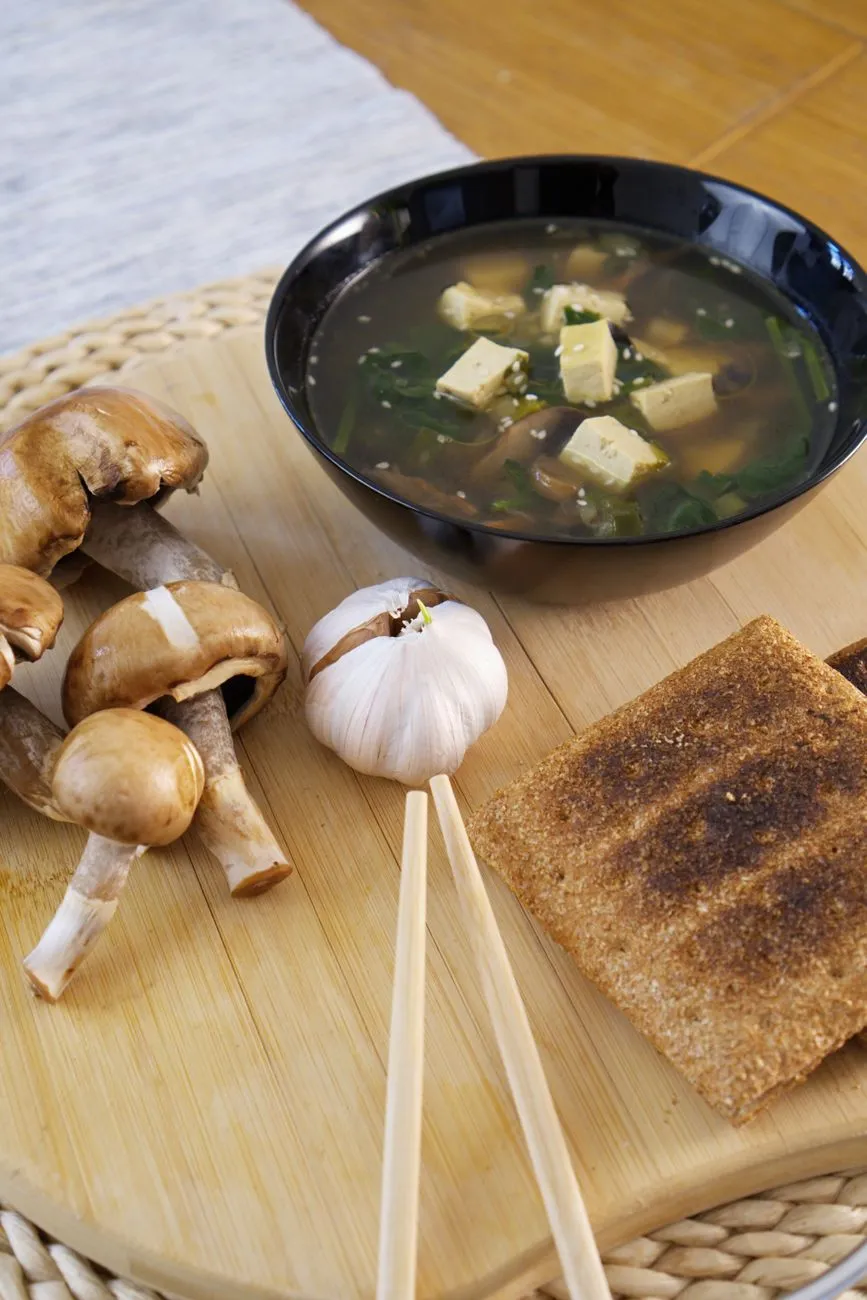
The Umami Revolution: How Chefs Are Harnessing the Fifth Taste Today
The Invisible Alchemy of the Savory Spectrum The culinary world has long been governed by the familiar pillars of sweetness, sourness, bitterness, and saltiness. Yet, for decades, a subtle, transformative power has been working in the shadows of the world’s most prestigious kitchens—the elusive fifth taste, known as umami. Derived from the Japanese term for "deliciousness," umami represents the sensation of savory richness that coats the palate and lingers long after the first bite. It is not merely a flavor; it is a molecular phenomenon. The history of this sensation is deeply rooted in the groundbreaking work of Kikunae Ikeda, who, in the early 20th century, isolated glutamate as the source of this mouth-watering experience. Today, the umami revolution is in full swing, with chefs transcending traditional seasoning to manipulate ingredients at a chemical level, unlocking depths of flavor that were once reserved for slow-simmered stocks and aged delicacies.Modern gastronomy is no longer satisfied with balancing salt and sugar. Instead, the focus has shifted toward the synergy of glutamates and nucleotides. When these compounds interact, they create an exponential boost in flavor intensity, a phenomenon that has changed how we think about restaurant menu development. The scientific literature, notably the research documented within databases like OpenAlex, highlights how Monosodium Glutamate (MSG) paved the way for our understanding of taste receptors. While MSG was once shrouded in controversy and misunderstanding, its status as a concentrated form of the building block found in nature has been rehabilitated. Chefs now treat these components not as artificial additives, but as essential tools for maximizing the "deliciousness" profile of plant-based dishes, fermented creations, and protein-heavy plates. We are currently witnessing an era where understanding the biochemical basis of flavor is just as important as mastering a knife. The Secret Life of Mushrooms in Modern Cuisine The mushroom—an ancient, humble, and often overlooked staple—has become the star of the umami revolution. As researchers analyze the intersection of food processing and flavor chemistry, the focus has shifted toward innovative techniques to harvest the latent savoriness of fungi. Processing mushrooms is no longer a matter of drying or sautéing; it is about manipulating enzymes to maximize glutamate content. Through precise drying protocols and enzymatic pre-treatments, chefs are able to concentrate the savory essence of Shiitake, Porcini, and Maitake mushrooms to unprecedented levels. This is a game-changer for the plant-based culinary scene, where the goal is to replicate the satisfying depth of meat without the environmental impact of industrial animal agriculture. Business and science have converged in the processing of mushrooms to create a new category of "super-savory" ingredients. By leveraging controlled environments and sophisticated dehydrating technologies, producers can now stabilize and amplify the umami profile of common species. This scientific approach means that a simple mushroom reduction can now carry the same sensory weight as a meat-based demi-glace. For the professional chef, this signifies a paradigm shift. We are moving away from heavy reduction stocks that require hours of boiling, toward lighter, high-intensity flavor concentrates that pack more punch with less volume. The "Revolutionizing Mushroom Processing" movement is not just about logistics; it is about culinary efficiency. By understanding how to break down the cell walls of fungi to release free glutamates, kitchens are achieving flavor profiles that once required the massive infrastructure of a traditional French kitchen. The result is a lighter, more vibrant, and more intense plate of food that appeals to the modern palate’s desire for complexity without heaviness.Unlocking the Potential of Fermentation and Aging Fermentation is perhaps the most ancient, yet highly advanced, method for harnessing the fifth taste. In the current culinary zeitgeist, fermentation laboratories have become the heartbeat of world-class restaurants. From miso and soy sauce to fermented vegetable juices and garums, the process of breaking down proteins into amino acids is the ultimate expression of the umami revolution. When we ferment ingredients, we are essentially outsourcing the work of flavor development to microbes. These tiny organisms tirelessly consume complex proteins, leaving behind a rich, concentrated bounty of glutamates and other savory compounds. It is a slow, methodical process that produces results simply impossible to achieve through heat alone. Chefs are now experimenting with "wild" fermentation, using koji—the mold Aspergillus oryzae—to initiate the breakdown of starches and proteins in non-traditional substrates. Imagine a garum made from fermented mushrooms, or a miso created from sunflower seeds rather than soy. These experiments demonstrate a departure from dogmatic culinary rules toward a deeper, more experimental understanding of ingredient transformation. The key to this process lies in temperature control and time, allowing the naturally occurring enzymes to flourish. The umami generated in this stage provides a foundational depth that serves as the "bass note" for any dish. When a chef combines a fermented ingredient with a fresh one, they are creating a bridge between the vibrant top notes of fresh produce and the grounding, earthy intensity of long-aged preparations. This layering of flavor is the hallmark of the modern culinary master, transforming a plate from a simple meal into a multi-dimensional sensory journey that engages the brain as much as the tongue. Comparative Analysis of Umami-Dense Ingredients To understand the scale of this revolution, one must observe the concentration of glutamate across various food groups. The table below serves as a reference guide for culinary professionals aiming to balance their profiles with natural sources of savory intensity.Ingredient Category Primary Umami Source Typical Glutamate (mg/100g) Application StrategyAged Cheeses Parmesan/Reggiano 1,200 - 1,600 Finishing element, umami baseFermented Soy Traditional Miso/Soy Sauce 700 - 1,100 Seasoning, marinade, glazeSun-Dried Fungi Shiitake Mushrooms 200 - 600 Intense base reduction, powderMarine Products Seaweed (Kombu) 1,500 - 2,500 Dashi, extraction liquidCured Proteins Anchovies/Cured Ham 600 - 1,000 Hidden flavor booster, salt swapTomatoes Sun-Dried Tomatoes 650 - 1,140 Sauces, purees, vinaigrettesData interpretation reveals that while marine products like kombu offer the most concentrated naturally occurring glutamates, the strategic application of these items varies wildly. A chef does not use kombu in the same manner as they use aged parmesan. The former is a bridge of liquid extraction, while the latter is a textural and flavorful highlight. By utilizing this comparative data, kitchens can refine their recipe development, ensuring that the "fifth taste" is calibrated to enhance the dish rather than overwhelm it. This objective approach to seasoning is what separates the home cook from the culinary artisan, allowing for consistent, high-impact results in every service.The Synergy of Savory Landscapes The true magic of the umami revolution happens at the intersection of ingredients. Science shows us that umami is not just a single-input sensation; it is a synergistic one. When a chef combines ingredients rich in glutamate (such as tomatoes or mushrooms) with those rich in nucleotides (such as fish, meat, or certain vegetables like asparagus), the resulting perceived intensity is not additive, but multiplicative. This is the "synergy effect." It is why a simple pasta dish with tomato sauce and a sprinkle of parmesan tastes like far more than the sum of its parts. By purposefully pairing these ingredients, modern chefs can create dishes that feel deeply satisfying and complete, even when they are entirely plant-based. This knowledge of synergy allows for a significant reduction in the amount of salt needed for seasoning. Because the palate perceives the savory intensity of umami as a form of "fullness," a dish that has been properly balanced with glutamate-rich components requires far less sodium to hit the "satisfaction threshold." This is a significant health advantage, and one that is driving the popularity of the umami-forward approach in wellness-conscious dining. We are seeing a shift where "clean eating" does not mean "bland eating." On the contrary, by using fermented pastes, seaweed infusions, and high-quality dried fungi, chefs are delivering complex, bold flavors that satisfy the human evolutionary drive for protein-dense, savory foods. This synergy is the foundation of the future of health-focused culinary arts, proving that we can achieve the richness of a heavy, meat-laden diet through the smart application of botanical and fermented boosters. Beyond the Plate: The Future of Flavor Technology As we look toward the future, the umami revolution is poised to enter a new phase of technological integration. We are moving beyond the simple kitchen application and into the realm of precision ingredient development. New technologies in food processing, derived from the same research that helped us define the taste sensation, are allowing for the creation of sustainable umami boosters that can be incorporated into everything from high-end pastry to everyday snacks. We are seeing the rise of "smart seasonings"—mixtures of amino acids and mineral extracts that provide the specific umami trigger without the need for high-salt levels. This is the next frontier. It is about democratizing the fifth taste, making the richness of a long-simmered broth accessible to all, and leveraging science to improve the nutritional profile of our global food supply. Furthermore, the education of the modern chef now necessitates a foundational understanding of sensory science. We no longer rely on intuition alone; we rely on the measurable, repeatable science of flavor. As the barrier between the laboratory and the kitchen continues to thin, we will see even more creative applications of umami. Perhaps we will see more integration of umami in the realm of desserts—subtle, savory undertones in dark chocolate or caramelized root vegetables—pushing the boundaries of what we consider "delicious." The revolution is not about creating artificial flavors; it is about uncovering the hidden potential of the natural world. It is about understanding that deliciousness is a language, and umami is its most powerful, compelling dialect. As we continue to explore this fifth taste, we are not just feeding the body; we are feeding the mind, the curiosity, and the inherent human desire for complexity in our culinary experiences. The Horizon of Savory Innovation The journey through the fifth taste has taken us from the isolation of glutamate in a Japanese laboratory to the sophisticated, high-tech kitchens of today’s elite establishments. We have learned that umami is not a luxury or a trendy gimmick; it is a fundamental pillar of human flavor perception. By mastering the synergy between glutamates and nucleotides, utilizing the potential of mushrooms and fermentation, and embracing the precision of modern food science, the professional kitchen has been fundamentally altered. We are now in a position to create dishes that are richer, more satisfying, and more healthful than ever before. As you step back into your own kitchen, remember that the quest for umami is a quest for balance. It is the search for that precise moment when a dish moves from being merely "tasty" to being truly unforgettable. Whether you are experimenting with a new batch of koji, dehydrating wild mushrooms to a fine dust, or simply finding the right balance of parmesan in your signature sauce, you are participating in a global movement. The umami revolution is about the pursuit of excellence, a celebration of chemistry, and an unending dedication to the art of deliciousness. Keep exploring, keep measuring, and most importantly, keep tasting. The fifth taste is waiting for you to harness its power, transforming the ordinary into the extraordinary, one savory drop at a time. The landscape of food is evolving, and those who speak the language of umami are leading the way toward a more flavorful, intentional, and deeply satisfying future. #UmamiRevolution #CulinaryScience #Gastronomy #FutureOfFood #ProfessionalCooking Related InsightsThe Antioxidant Powerhouse: Quinoa Salad with Roasted Sweet Potatoes and Kale High‑Pressure Culinary Science: Exploring Hydrothermal Cooking Techniques Feijoada: Brazil’s Hearty Black Bean Stew and the Soul of a Nation{ "@context": "https://schema.org", "@type": "FAQPage", "mainEntity": [ { "@type": "Question", "name": "What is the main focus of The Umami Revolution: How Chefs Are Harnessing the Fifth Taste Today?", "acceptedAnswer": { "@type": "Answer", "text": "Discover how the science of umami is transforming modern culinary arts and why the fifth taste is no longer a secret." } }, { "@type": "Question", "name": "Who authored the comprehensive guide on The Umami Revolution: How Chefs Are Harnessing the Fifth Taste Today?", "acceptedAnswer": { "@type": "Answer", "text": "This detailed article and its insights were carefully researched and authored by Eleanor Hughes." } }, { "@type": "Question", "name": "Where can I find more related content about Food?", "acceptedAnswer": { "@type": "Answer", "text": "You can explore more articles, detailed reviews, and similar insights by browsing the Related Insights section at the bottom of this article or visiting our dedicated Food category page." } } ] }
- Isabella Rossi
- 02 Sep, 2026 21:14
The Fifth Taste Unlocked: Mastering Umami to Transform Every Bite into a Flavor Explosion
The Fifth Taste Unlocked: Mastering Umami to Transform Every Bite into a Flavor Explosion Have you ever wondered why a simple bowl of miso soup can taste so deeply satisfying, or why a sprinkle of Parmesan cheese can turn a bland pasta dish into a culinary masterpiece? The answer lies in umami—the fifth taste, alongside sweet, sour, salty, and bitter. Discovered by Japanese chemist Kikunae Ikeda in 1908, umami is the savory, mouthwatering sensation that makes food irresistibly delicious. Unlike the other four tastes, which are detected by taste buds on the tongue, umami is detected by receptors in the gut, making it a unique and powerful flavor enhancer. Umami is not just a fleeting trend in fine dining; it’s a fundamental building block of flavor that can transform everyday meals into extraordinary experiences. From the rich depth of soy sauce to the earthy notes of mushrooms, umami is the secret weapon of chefs and home cooks alike. But how do you harness its power? What foods are the best sources of umami, and how can you combine them to create dishes that burst with flavor? Let’s dive into the science, history, and art of umami mastery.The Science of Umami: How Your Brain Falls in Love with Savory Flavors Umami is triggered by glutamates and nucleotides, natural compounds found in a variety of foods. The most well-known glutamate is monosodium glutamate (MSG), but umami-rich foods contain glutamates in their natural form, such as in tomatoes, cheese, and fermented products. When these compounds bind to umami receptors in your gut, they send signals to your brain that trigger a sense of satisfaction and craving for more. Research published in the Journal of Nutrition highlights that umami not only enhances flavor but also increases saliva production, which aids digestion and makes food more enjoyable. Additionally, studies in Flavour journal suggest that umami can reduce the need for excessive salt in cooking, making it a healthier option for those watching their sodium intake. The science is clear: umami is not just a taste—it’s a biological trigger for pleasure. To truly understand umami, let’s break down its key components:Glutamates: Found in foods like tomatoes, Parmesan cheese, and soy sauce, glutamates are the primary drivers of umami. For example, a ripe tomato contains about 250 mg of glutamate per 100 grams, while Parmesan cheese boasts a whopping 1,200 mg per 100 grams. Nucleotides: These compounds, such as inosinate and guanylate, amplify the umami effect. They are found in foods like dried shiitake mushrooms (150 mg of guanylate per 100 grams) and bonito flakes (200 mg of inosinate per 100 grams). Synergy: When glutamates and nucleotides are combined, they create a synergistic effect, enhancing the umami flavor exponentially. This is why dishes like ramen, which combine soy sauce (glutamate) with bonito flakes (inosinate), are so irresistibly savory.The Global Pantry of Umami: Ingredients That Pack a Savory Punch Umami is not confined to Japanese cuisine—it’s a universal language of flavor found in cuisines around the world. From the fermented soybeans of Southeast Asia to the aged cheeses of Europe, umami-rich ingredients are the backbone of countless dishes. Here’s a global tour of the most potent umami sources: Asia: The Birthplace of UmamiSoy Sauce: A staple in Chinese and Japanese cooking, soy sauce is fermented from soybeans and wheat, containing high levels of glutamate. A single tablespoon can provide up to 500 mg of glutamate. Miso Paste: Made from fermented soybeans, miso is a powerhouse of umami. White miso contains about 800 mg of glutamate per 100 grams, while red miso can have up to 1,200 mg. Fish Sauce: Used in Thai and Vietnamese cuisine, fish sauce is made from fermented fish and is rich in inosinate. A tablespoon can contain up to 300 mg of inosinate. Dried Shiitake Mushrooms: These mushrooms are dried to concentrate their umami compounds, with 100 grams containing about 150 mg of guanylate.Europe: Aged and Fermented DelightsParmesan Cheese: Aged for at least 12 months, Parmesan is one of the richest sources of glutamate, with 1,200 mg per 100 grams. Pecorino Romano: Another Italian cheese, Pecorino Romano contains about 1,000 mg of glutamate per 100 grams. Anchovies: These small fish are packed with inosinate, with a single anchovy fillet containing up to 50 mg. Sun-Dried Tomatoes: Concentrated by the drying process, sun-dried tomatoes can contain up to 650 mg of glutamate per 100 grams.The Americas: Earthy and Robust FlavorsTomatoes: Ripe tomatoes are a natural source of glutamate, with about 250 mg per 100 grams. Cooking tomatoes, as in a slow-simmered marinara sauce, intensifies their umami. Corn: When dried and processed into masa, corn becomes a rich source of glutamate, with about 150 mg per 100 grams. Beef: Slow-cooked beef, such as in a pot roast, releases glutamates through the breakdown of proteins, enhancing its savory depth.Africa: Fermented StaplesFermented Locust Beans (Iru): Used in West African cuisine, fermented locust beans are a potent source of glutamate, with about 1,000 mg per 100 grams. Dried Fish: Common in Nigerian and Ghanaian dishes, dried fish is rich in inosinate, adding a deep umami flavor to stews and soups.The Umami Equation: How to Combine Ingredients for Maximum Flavor Now that you know the key players, it’s time to master the art of umami pairing. The secret lies in combining ingredients that complement each other’s umami compounds, creating a flavor explosion that lingers on the palate. Here’s a step-by-step guide to crafting umami-rich dishes: Step 1: Start with a Base Umami Ingredient Every great umami dish begins with a strong base. This could be:A soy sauce or miso marinade for meats or tofu. A tomato-based sauce for pasta or pizza. A fermented cheese like Parmesan for pasta or risotto. A mushroom or seaweed broth for soups and stews.For example, a classic Italian dish like Pasta al Pomodoro relies on the umami from sun-dried tomatoes and Parmesan cheese. The glutamate in the tomatoes and the cheese create a synergistic effect, making the dish taste richer and more satisfying. Step 2: Layer in Secondary Umami Sources Once you have your base, add secondary umami ingredients to deepen the flavor. These could include:Bonito flakes in a Japanese dashi broth. Anchovies in a Caesar salad dressing. Fish sauce in a Thai green curry. Dried mushrooms in a risotto.For instance, a French onion soup gains its depth from caramelized onions (which develop glutamate when cooked) and a splash of Worcestershire sauce (which contains anchovies and tamarind, both rich in umami). Step 3: Balance with Acid and Fat Umami is powerful, but it needs balance to shine. Acidic ingredients like lemon juice, vinegar, or wine can brighten the flavor, while fats like olive oil, butter, or cream can round out the richness. For example:A drizzle of balsamic glaze over roasted vegetables enhances the umami of the vegetables. A pat of butter stirred into a mushroom sauce adds a velvety texture that carries the umami flavors.Step 4: Finish with a Umami Boost The final touch can make all the difference. Consider adding:A sprinkle of grated Parmesan over a dish. A dash of soy sauce to a stir-fry. A pinch of MSG (if you’re comfortable with it) to intensify the flavor.Umami in Action: Recipes That Prove Its Power Let’s put theory into practice with three umami-packed recipes that showcase the fifth taste in all its glory. 1. The Ultimate Umami Burger Ingredients:1 lb ground beef (80/20 fat ratio) 1 tbsp fish sauce 1 tsp Worcestershire sauce 1 tbsp soy sauce 1 tsp grated Parmesan cheese 1 tbsp butter 1 slice aged cheddar cheese 1 brioche bun, toasted Toppings: caramelized onions, pickles, arugulaMethod:Mix the fish sauce, Worcestershire sauce, soy sauce, and Parmesan into the ground beef. This marinade infuses the meat with umami before cooking. Form the patties and cook in a cast-iron skillet with butter over medium-high heat until medium-rare. Add the cheddar cheese in the last minute of cooking to melt. Assemble the burger with caramelized onions (cooked with a splash of balsamic vinegar for acidity) and pickles for contrast.Why It Works: The fish sauce and Worcestershire sauce provide inosinate and glutamate, while the Parmesan and aged cheddar add more glutamate. The caramelized onions and pickles balance the richness with acidity and crunch. 2. Miso-Glazed Salmon with Sesame Broccoli Ingredients:2 salmon fillets 2 tbsp white miso paste 1 tbsp honey 1 tbsp rice vinegar 1 tsp grated ginger 1 head broccoli, cut into florets 1 tbsp sesame oil 1 tbsp toasted sesame seedsMethod:Whisk together the miso paste, honey, rice vinegar, and ginger to make the glaze. Coat the salmon fillets in the glaze and let marinate for 30 minutes. Roast the salmon at 400°F (200°C) for 12-15 minutes until flaky. Toss the broccoli in sesame oil and roast alongside the salmon for the last 10 minutes. Sprinkle with sesame seeds before serving.Why It Works: Miso paste is a glutamate powerhouse, and the honey and ginger add sweetness and warmth to balance the savory depth. The sesame seeds and oil contribute a nutty umami of their own. 3. Umami Bomb Pasta Carbonara Ingredients:8 oz spaghetti 4 oz guanciale or pancetta, diced 2 large egg yolks 1 oz Pecorino Romano, grated 1 oz Parmesan, grated 1 tsp black pepper, freshly cracked 1 tbsp olive oil 1 clove garlic, minced (optional)Method:Cook the spaghetti in salted water until al dente. Reserve 1 cup of pasta water. In a pan, cook the guanciale or pancetta over medium heat until crispy. Add the garlic if using. In a bowl, whisk the egg yolks, grated cheeses, and black pepper. Drain the pasta and add it to the pan with the guanciale. Toss to coat. Remove the pan from heat and quickly stir in the egg mixture, adding reserved pasta water as needed to create a creamy sauce.Why It Works: Guanciale and pancetta are rich in inosinate, while the Pecorino and Parmesan provide glutamate. The egg yolks add richness, and the black pepper adds a subtle bite to round out the flavors.The Umami Table: A Flavor Profile Comparison To help you visualize the power of umami, here’s a comparison of common umami-rich ingredients and their glutamate and nucleotide content:Ingredient Glutamate (mg/100g) Nucleotide (mg/100g) Best PairingsParmesan cheese 1,200 0 Pasta, risotto, saladsSoy sauce 500 0 Stir-fries, marinades, dippingSun-dried tomatoes 650 0 Pasta, bruschetta, saucesDried shiitake mushrooms 0 150 (guanylate) Broths, stir-fries, risottoBonito flakes 0 200 (inosinate) Dashi broth, soupsFish sauce 0 300 (inosinate) Thai curries, Vietnamese phoAnchovies 0 50 (inosinate) Caesar dressing, pasta saucesMiso paste 800-1,200 0 Soups, marinades, glazesThis table highlights how different ingredients contribute to umami in unique ways. For example, while Parmesan is a glutamate powerhouse, bonito flakes rely on nucleotides to amplify flavor. Combining these ingredients can create a symphony of savory notes.Umami Beyond the Plate: Unexpected Sources and Uses Umami isn’t just for savory dishes—it can elevate sweet and even vegetarian meals too. Here are some unexpected ways to incorporate umami into your cooking: Sweet Dishes with a Savory TwistUmami Caramel Sauce: Add a splash of soy sauce or fish sauce to your caramel sauce for a deep, complex flavor. The glutamate in the soy sauce enhances the sweetness, creating a balance that’s both familiar and intriguing. Chocolate-Dipped Strawberries with Miso Glaze: A thin layer of white miso paste mixed with honey and chocolate creates a dessert that’s both sweet and umami-rich. The miso’s saltiness cuts through the chocolate’s richness.Vegetarian and Vegan Umami BoostersNutritional Yeast: This deactivated yeast is a vegan source of glutamate, with about 1,500 mg per 100 grams. Sprinkle it on popcorn, pasta, or roasted vegetables for a cheesy, savory flavor. Tomato Paste: Concentrated tomato paste is a glutamate bomb, with about 1,400 mg per 100 grams. Use it as a base for vegan Bolognese or as a glaze for roasted vegetables. Seaweed: Dried seaweed, like nori or kombu, is rich in glutamate. Use it to wrap sushi, sprinkle on salads, or make a quick dashi broth.Umami in BeveragesUmami Bloody Mary: Add a dash of Worcestershire sauce and a pinch of MSG to your Bloody Mary mix for a deeper, more complex flavor. Mushroom Coffee: Some specialty coffee blends incorporate dried mushrooms, which add a subtle umami note to the brew, enhancing its earthy flavor.The Future of Umami: Trends and Innovations Umami is no longer a secret confined to professional kitchens—it’s a global phenomenon shaping the future of food. Here are some trends and innovations to watch: Umami in Plant-Based Cooking As plant-based diets grow in popularity, umami is becoming the key to creating satisfying, meaty flavors without animal products. Innovations like fermented tofu, mushroom-based "meats," and umami-rich vegetable broths are making plant-based dishes more appealing to even the most devoted carnivores. Umami in Snack Foods Snack companies are catching on to the power of umami, incorporating ingredients like dried mushrooms, miso, and seaweed into chips, crackers, and popcorn. These snacks offer a savory crunch that’s both addictive and nutritious. Umami in Beverages From umami-infused cocktails to savory sodas, the beverage industry is experimenting with umami to create drinks that are both refreshing and deeply flavorful. For example, a tomato-based Bloody Mary mix or a miso-infused gin cocktail can offer a unique twist on classic drinks. Umami in Fermentation Fermentation is the key to unlocking umami, and chefs and home cooks are embracing traditional fermentation techniques to create their own umami-rich ingredients. From homemade miso and soy sauce to fermented hot sauces, the possibilities are endless.Your Umami Journey Begins Now Umami is more than just a taste—it’s a gateway to a world of flavor exploration. Whether you’re a home cook looking to elevate your meals or a professional chef seeking to refine your craft, mastering umami will transform the way you think about food. Start by experimenting with the ingredients and techniques in this guide, and don’t be afraid to get creative. The fifth taste is waiting to be unlocked in your kitchen. Remember, umami is not about overpowering flavors—it’s about balance, depth, and satisfaction. So go ahead, sprinkle that Parmesan, drizzle that soy sauce, and savor the explosion of flavor that umami brings to every bite.#UmamiMastery #FlavorExplosion #SavorySecrets #GourmetCooking #FoodScienceRelated InsightsFrom Naples to Your Kitchen: Mastering the Sacred Art of Authentic Neapolitan Pizza Mumbai’s Midnight Feast: The Spicy, Crunchy, Unforgettable Soul of the City’s Streets (Part 2) Cheong Fun: Silky Rice Noodle Rolls{ "@context": "https://schema.org", "@type": "FAQPage", "mainEntity": [ { "@type": "Question", "name": "What is the main focus of The Fifth Taste Unlocked: Mastering Umami to Transform Every Bite into a Flavor Explosion?", "acceptedAnswer": { "@type": "Answer", "text": "Discover the science of umami, the fifth taste, and learn how to harness its power to elevate your cooking from ordinary to extraordinary." } }, { "@type": "Question", "name": "Who authored the comprehensive guide on The Fifth Taste Unlocked: Mastering Umami to Transform Every Bite into a Flavor Explosion?", "acceptedAnswer": { "@type": "Answer", "text": "This detailed article and its insights were carefully researched and authored by Isabella Rossi." } }, { "@type": "Question", "name": "Where can I find more related content about Food?", "acceptedAnswer": { "@type": "Answer", "text": "You can explore more articles, detailed reviews, and similar insights by browsing the Related Insights section at the bottom of this article or visiting our dedicated Food category page." } } ] }
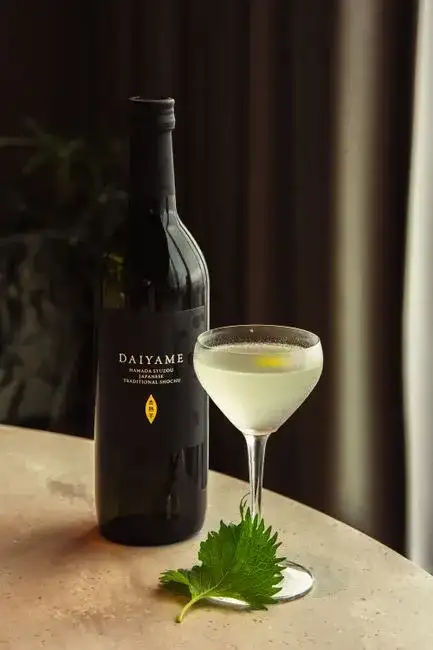
-
 Chloe Blanc
 - 06 Jul, 2026 05:54
Le Garum Oublié : Voyage au Cœur de l'Umami Antique et de ses Résurrections Modernes
Le soleil mordant d'une côte méditerranéenne antique, l'air salé chargé d'une odeur insistante, presque entêtante, un mélange de mer, de chair et d'une fermentation profonde. Cette fragrance, loin d'être un désagrément, était le souffle même de la richesse, l'arôme entêtant d'un empire. Imaginez un condiment si omniprésent qu'il traversait toutes les couches de la société, de la table la plus humble du plébéien à la fastueuse cena de l'empereur, un liquide doré et puissant capable de transformer les mets les plus simples en festins divins. Ce n'était pas l'huile d'olive, ni le vin, mais le garum, la saveur perdue de Rome, le précurseur oublié de ce que nous appelons aujourd'hui l'umami. Oubliez tout ce que vous pensiez savoir sur la cuisine romaine ; nous sommes sur le point de déterrer une histoire où le goût, la fortune et un processus de transformation des plus audacieux se rencontrent. L'Essence Oubliée : Qu'était le Garum ? Le garum, ou son cousin plus courant, le liquamen, était bien plus qu'une simple sauce. C'était l'âme liquide de la cuisine romaine, un exhausteur de goût fabriqué à partir de la fermentation de poissons (principalement des anchois, des maquereaux, des thons, des sardines) et de leurs entrailles, mélangés à une grande quantité de sel, le tout exposé au soleil pendant des semaines, voire des mois. Le processus était simple dans son principe, mais complexe dans son art et ses nuances. Les Romains utilisaient de grands récipients en pierre ou en argile, appelés cetariae, où des couches alternées de poissons entiers ou de leurs viscères, d'herbes aromatiques (origan, coriandre, fenouil) et de sel étaient soigneusement disposées. Le sel jouait un rôle crucial : non seulement il tirait l'humidité des poissons et stoppait la putréfaction, mais il favorisait également l'action d'enzymes spécifiques présentes dans les entrailles du poisson. Sous l'effet de la chaleur solaire, ces enzymes cassaient les protéines du poisson en acides aminés, créant ainsi un liquide riche en saveurs, doté d'une profondeur et d'une complexité incomparables. C'est ce processus qui libérait ce goût salé, charnu et profondément savoureux que nous identifions aujourd'hui comme l'umami. Il existait une véritable typologie du garum, avec des variantes pour tous les goûts et toutes les bourses. Le garum flos flos (fleur de garum) ou garum optimum était le produit le plus fin, obtenu à partir de la première pression, clair et aromatique. Des versions plus épaisses, avec des morceaux de poisson, étaient appelées allec. Le muria, quant à lui, était une saumure pure, souvent utilisée pour la conservation. La couleur variait du jaune clair au brun rougeâtre profond, et la saveur, si l'on en croit les rares textes qui la décrivent, était un mélange puissant de salé, d'acide, d'un soupçon d'amertume et d'une richesse umami qui saturait le palais. Au Cœur de la Table Romaine : Un Condiment Universel Le garum n'était pas un simple ingrédient ; c'était un mode de vie. Sa présence était si fondamentale qu'il était impensable d'imaginer une cuisine romaine sans lui. Il était utilisé à la place du sel dans de nombreux plats, mais sa complexité de saveurs le rendait bien plus qu'un simple assaisonnement. Les recettes du célèbre livre de cuisine d'Apicius, De Re Coquinaria, regorgent de références au garum. Il servait de base pour des sauces froides et chaudes, il relevait les légumes, le gibier, les fruits de mer et même certains desserts inattendus. Il était souvent mélangé à du vin, du vinaigre, du miel ou de l'huile d'olive pour créer des combinaisons sophistiquées. Les Romains aimaient les contrastes, et le garum, avec sa saveur intense, était l'allié parfait pour équilibrer l'acidité des agrumes, la douceur du miel ou l'amertume de certaines herbes. On l'utilisait pour mariner la viande, pour créer des bouillons savoureux, et même comme boisson énergisante, dilué avec de l'eau. Imaginez la surprise du palais moderne devant un plat sucré-salé-umami à la romaine, où le garum joue un rôle aussi central que le sucre dans nos pâtisseries. Son statut social était aussi varié que ses utilisations. Si les versions les plus raffinées étaient l'apanage des élites, échangées comme des cadeaux précieux entre provinces et monarques, le garum de base était un aliment de subsistance, accessible à tous. Les soldats en campagne portaient leurs rations de garum, et les travailleurs le consommaient quotidiennement pour accompagner leur pain et leurs légumes. Le garum était la démocratisation du goût, offrant à chacun, riche ou pauvre, une touche de saveur exquise. L'Économie du Goût : Une Industrie Florissante Derrière cette omniprésence culinaire se cachait une industrie massive et incroyablement lucrative. La production de garum était une entreprise de grande envergure, nécessitant d'importantes infrastructures et une main-d'œuvre considérable. Des usines dédiées, appelées officinae garum, s'étendaient le long des côtes de l'Empire romain, notamment en Hispanie (aujourd'hui l'Espagne et le Portugal), en Maurétanie (Afrique du Nord) et en Gaule. Le site archéologique de Baelo Claudia, en Espagne, en est un témoignage frappant. On y trouve des vestiges impressionnants de cuves de fermentation, parfois de plusieurs mètres cubes, alignées pour maximiser l'exposition au soleil. Ces usines étaient souvent implantées près des zones de pêche abondantes, afin de minimiser le transport des matières premières hautement périssables. La production était saisonnière, liée aux migrations des poissons, et nécessitait une organisation logistique impeccable pour gérer la récolte, la transformation et l'emballage. Le garum était ensuite transporté dans des amphores en terre cuite, souvent estampillées du nom du producteur ou de la région d'origine, agissant comme de véritables marques commerciales antiques. Ces amphores voyageaient sur d'immenses réseaux commerciaux, par voie maritime et terrestre, atteignant les confins de l'Empire. Le commerce du garum était si florissant qu'il a contribué à la richesse de certaines cités et de familles entières. C'était un produit de luxe et de première nécessité, un moteur économique qui soulignait l'ingéniosité romaine à exploiter les ressources naturelles et à satisfaire une demande insatiable de saveur.Le Voile de l'Oubli : La Disparition d'une Saveur Impériale Pourtant, malgré son importance capitale, le garum disparut presque entièrement de la scène culinaire occidentale avec la chute de l'Empire romain. Plusieurs facteurs peuvent expliquer son déclin. La désorganisation des routes commerciales et la fragmentation politique rendirent la production et le transport à grande échelle de plus en plus difficiles et coûteux. La réputation olfactive du garum, qui pouvait être... disons, prononcée, n'a sans doute pas aidé à sa survie dans des contextes urbains moins hygiéniques. De plus, les goûts évoluèrent. L'arrivée de nouvelles épices, le développement d'autres techniques de conservation et l'émergence de nouvelles cultures culinaires ont progressivement relégué le garum au rang de curiosité historique. Cependant, comme souvent avec les traditions culinaires, certaines bribes ont survécu. En Campanie, dans le sud de l'Italie, on trouve encore une spécialité appelée colatura di alici di Cetara, une sauce d'anchois fermentée qui est le descendant direct et vivant du garum romain. Produite selon des méthodes ancestrales, elle offre un aperçu fascinant de ce que pouvait être la saveur de son illustre ancêtre. C'est un testament silencieux à la persévérance des traditions, un murmure de l'Antiquité dans le tumulte du monde moderne. L'Umami Avant l'Umami : Parallèles Orientaux La disparition du garum en Occident contraste fortement avec la permanence et l'évolution des sauces de poisson fermentées en Orient. En Asie du Sud-Est, des condiments comme le nuoc mâm vietnamien, le nam pla thaïlandais ou le patis philippin sont des piliers indéfectibles de leurs cuisines respectives. Leurs méthodes de fabrication sont étonnamment similaires à celles du garum : poissons (souvent des anchois), sel, fermentation lente en présence d'enzymes, pour produire un liquide ambré riche en saveur umami. Ces sauces orientales sont l'incarnation même du cinquième goût, l'umami, découvert et théorisé par le scientifique japonais Kikunae Ikeda au début du XXe siècle. Ce goût, décrit comme "savoureux", "charnu" ou "délicieux", est caractérisé par la présence de glutamate, d'inosinate et de guanylate. Le garum antique, sans le savoir, était une bombe d'umami. Est-ce une simple coïncidence culturelle ? Ou y a-t-il eu des échanges ? L'idée d'une influence directe du garum romain sur les sauces de poisson asiatiques est difficile à prouver, car les traditions de fermentation de poisson existent indépendamment dans de nombreuses cultures depuis des millénaires. Cependant, les similitudes frappantes dans le processus et le produit final soulignent une compréhension universelle et intemporelle de la puissance de la fermentation pour extraire et concentrer les saveurs les plus profondes des aliments. C'est une convergence culinaire fascinante qui transcende les frontières géographiques et les époques.La Résurrection d'un Mythe : Le Garum à l'Ère Moderne Ces dernières décennies, avec l'intérêt croissant pour l'archéologie culinaire, l'histoire de la gastronomie et la quête de saveurs inédites, le garum a connu une forme de résurrection. Des historiens, des chefs et des passionnés ont entrepris de recréer cette sauce légendaire. Le défi est immense : reconstituer un goût avec des ingrédients modernes, sans les souches de bactéries spécifiques, les types de poissons exacts ou le contexte sensoriel complet de l'époque romaine. Des équipes de chercheurs ont analysé les résidus d'amphores antiques, étudié les textes d'auteurs comme Pline l'Ancien ou Dioscoride, et expérimenté diverses méthodes de fermentation. Certains chefs étoilés, poussés par une curiosité insatiable, ont commencé à produire leur propre "néo-garum", parfois en utilisant des poissons locaux, parfois en intégrant d'autres protéines (viande, champignons) dans le processus pour créer des saveurs umami originales. Ces tentatives modernes sont à la fois des hommages à l'ingéniosité romaine et des explorations audacieuses des limites du goût. Ces recréations ne sont peut-être pas une copie exacte de l'original, mais elles nous offrent un pont sensoriel vers le passé. Elles nous permettent d'imaginer, de goûter et de comprendre un peu mieux la sophistication et la diversité de la cuisine romaine, souvent stéréotypée comme étant simple ou "barbare". C'est une démarche qui va au-delà de la simple recette : c'est une réappropriation culturelle, une tentative de redonner vie à un patrimoine gustatif oublié. Au-delà du Goût : Une Réflexion sur l'Héritage Culinaire L'histoire du garum nous enseigne bien plus qu'une simple leçon de cuisine antique. Elle nous invite à une réflexion plus profonde sur notre rapport à la nourriture, à l'histoire et à la culture. Le garum est un puissant rappel que les saveurs, les techniques et les ingrédients voyagent à travers le temps et l'espace, se transformant, disparaissant et réapparaissant sous de nouvelles formes. Il souligne l'ingéniosité humaine face aux ressources disponibles et la capacité à transformer le "non comestible" en délice. Il nous montre que la quête de l'umami, de cette saveur profonde et satisfaisante, n'est pas une invention moderne mais une constante universelle de l'expérience culinaire. Enfin, l'exploration du garum nous pousse à nous interroger sur la nature de l'authenticité en cuisine. Faut-il recréer à l'identique, ou s'inspirer du passé pour innover ? La "cuisine du futur" ne résiderait-elle pas, paradoxalement, dans la redécouverte et la réinterprétation des saveurs et des techniques ancestrales ? Le garum est un testament liquide à cette idée, une capsule temporelle de saveurs qui continue de nous interpeller, des profondeurs de l'Antiquité jusqu'à nos tables contemporaines. Ne vous contentez pas d'imaginer, explorez. La cuisine n'est pas qu'une affaire de recettes, c'est une affaire de temps, de culture, de persévérance et de redécouverte. Le garum en est la preuve vivante, un testament à l'ingéniosité humaine et à la profondeur inattendue de nos papilles.#Garum #CuisineRomaine #UmamiAntique #Fermentation #HistoireCulinaire Related InsightsEchoes of the Andes: Unearthing the Lost Alchemy of Ancient Fermented Grains Hawawshi: The Spiced Meat Bread of Cairo L'Epopea Della Pizza: Un Viaggio Millenario Tra Impasti, Leggende e Conquiste Globali, Dal Cuore Bizantino di Gaeta all'Icona Gastronomica del Mondo{ "@context": "https://schema.org", "@type": "FAQPage", "mainEntity": [ { "@type": "Question", "name": "What is the main focus of Le Garum Oublié : Voyage au Cœur de l'Umami Antique et de ses Résurrections Modernes?", "acceptedAnswer": { "@type": "Answer", "text": "Plongez dans l'histoire fascinante du Garum, la sauce de poisson fermentée des Romains, et découvrez son impact sur la cuisine antique et ses échos contemporains." } }, { "@type": "Question", "name": "Who authored the comprehensive guide on Le Garum Oublié : Voyage au Cœur de l'Umami Antique et de ses Résurrections Modernes?", "acceptedAnswer": { "@type": "Answer", "text": "This detailed article and its insights were carefully researched and authored by Chloe Blanc." } }, { "@type": "Question", "name": "Where can I find more related content about Food?", "acceptedAnswer": { "@type": "Answer", "text": "You can explore more articles, detailed reviews, and similar insights by browsing the Related Insights section at the bottom of this article or visiting our dedicated Food category page." } } ] }
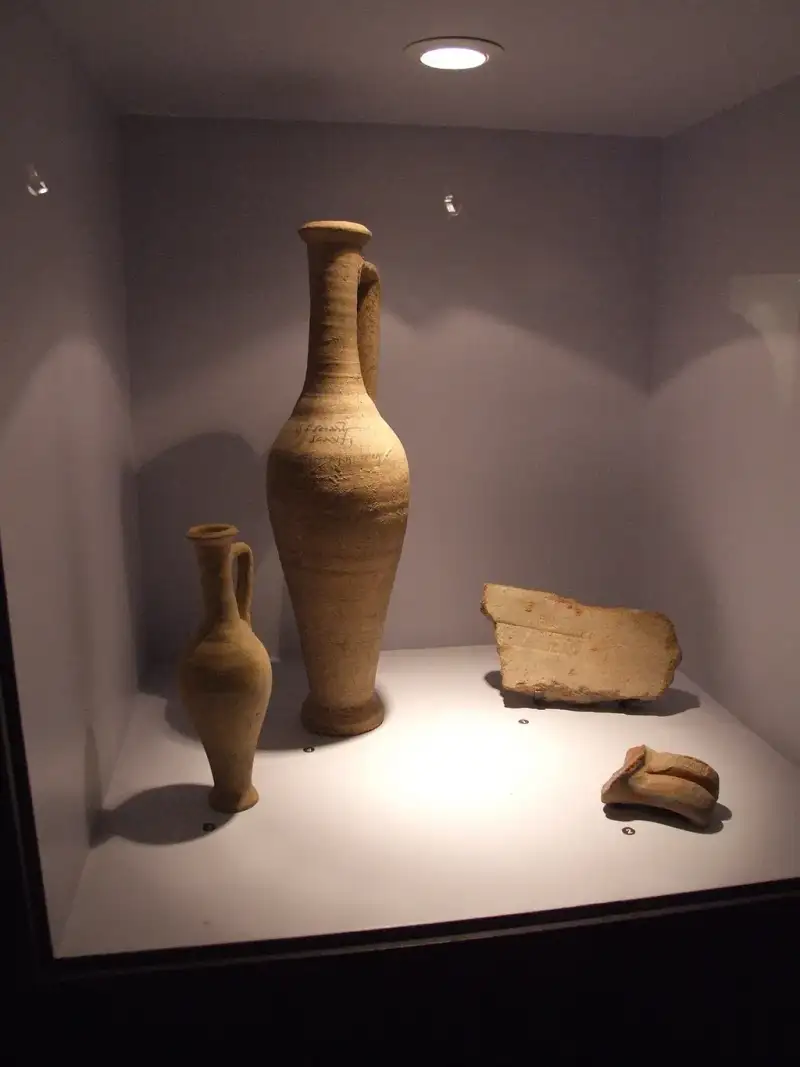
- Michael Chef
- 06 Jul, 2026 02:24
The Enigmatic Umami of Antiquity: Unearthing the Lost Flavors of Roman Garum
Imagine a condiment so potent, so universally adored across an empire stretching from the scorching sands of North Africa to the misty shores of Britannia, yet so utterly alien to contemporary taste that its very name conjures whispers of forgotten culinary dark arts. This is not the familiar umami of soy sauce or aged Parmesan; this is garum, the fermented fish sauce that defined the Roman palate, an economic powerhouse, and a culinary mystery that continues to intrigue historians and gastronomes alike. Forget what you think you know about Roman dining from simplified textbooks. The grandeur of their feasts was underpinned by a flavor profile deeply complex, often challenging, and invariably infused with garum. It was more than just an ingredient; it was a fundamental pillar of Roman gastronomy, influencing nearly every dish from humble porridge to lavish banquets. Its pervasive presence, now largely lost to the tides of history, offers a unique window into the sensory world of one of the greatest civilizations. A Whiff of Antiquity: The Making of Garum At its heart, garum was a product of decomposition and transformation – a deliberate, controlled fermentation of fish intestines, blood, and small fish mixed with salt. But the simplicity of this description belies a sophisticated process, perfected over centuries, that yielded a spectrum of flavors and qualities. The production sites, often sprawling complexes located along the sun-drenched coastlines of the Mediterranean (especially in Hispania Baetica, Lusitania, and North Africa), were a testament to the scale of the garum industry. Enormous vats, some capable of holding thousands of liters, were filled with layers of fish and salt. Common ingredients included mackerel, tuna, anchovies, sprats, and even the smallest, cheapest fish available. The mixture was left to ferment under the intense Mediterranean sun for weeks, sometimes months. The process was driven by endogenous enzymes within the fish guts, breaking down proteins into amino acids, primarily glutamates – the very essence of umami. The high salt content prevented putrefaction, guiding the decomposition towards fermentation. The resulting liquid, clear and amber-hued, was periodically strained, yielding the prized garum. The remaining solids, known as allec, were a coarser, paste-like byproduct, still flavorful and often used by the poorer classes or as animal feed. Archaeological findings, such as the impressive garum factories discovered in places like Baelo Claudia in Spain or in modern-day Morocco, provide tangible evidence of this ancient industry. These sites, with their interconnected vats and drainage systems, paint a vivid picture of an economy deeply invested in this pungent liquid.The Hierarchy of Pungency: Varieties and Value Just as modern olive oils or wines boast diverse grades and origins, garum was not a monolithic entity. Its quality and price varied wildly, reflecting the type of fish used, the specific preparation methods, and its geographic origin.Garum sociorum: The most highly prized variety, often made from the blood and entrails of tuna or mackerel, was a luxury item, fetching exorbitant prices. Its name, translating to "garum of the allies," suggests its origin from allied communities or perhaps a brand associated with quality. Liquamen: This term was often used interchangeably with garum, but some scholars suggest liquamen might have referred to a broader category of fish sauces, perhaps a slightly less refined or more common type. It was the workhorse of Roman kitchens. Muria: A simpler brine, often made from salting fish without the extensive fermentation. Haimation: A rarer, exceptionally rich garum made specifically from the blood of tuna.The economic importance of garum cannot be overstated. It was a significant trade commodity, transported across the empire in distinctive amphorae, each often bearing stamps indicating the producer or origin. Fortunes were made and lost in the garum trade, and its ubiquity made it a staple in every Roman household, from the humblest dwelling to the emperor's palace. Its value was such that it was sometimes used as a form of payment or as a luxury gift. Beyond the Palate: Garum's Cultural Significance Garum's role extended far beyond mere culinary enhancement. It was deeply interwoven with Roman culture, society, and even medicine. A Universal Seasoning Garum was the salt, the pepper, and the primary flavor enhancer of the Roman world, all rolled into one. It was drizzled over bread, mixed into salads, stirred into stews, and used to braise meats and vegetables. The Roman cookbook Apicius (De re coquinaria), one of the few surviving culinary texts from antiquity, features garum in almost every single recipe. Without it, Roman food would have been utterly different, almost unrecognizable. Consider a Roman dinner party. Instead of a salt cellar and pepper grinder, a small cruet of garum would have been passed around. Its ability to amplify other flavors and add a savory depth was unparalleled. It wasn't just about adding fishiness; it was about adding a fundamental layer of taste, much like MSG in some modern cuisines. Medicinal Properties The Romans, like many ancient civilizations, often blurred the lines between food and medicine. Garum was no exception. It was believed to possess various health benefits, used as a remedy for ailments ranging from indigestion to dysentery. Its rich protein content and trace minerals were likely beneficial, especially in a diet that might otherwise lack certain nutrients. Pliny the Elder, in his Natural History, even mentions its use in cosmetics and as an aphrodisiac, showcasing its versatile applications in Roman life. Social Status While common liquamen was accessible to most, the high-end garum sociorum was a mark of wealth and sophistication. To serve it at a banquet was a clear signal of one's status and generosity. This differentiation underscores how even a humble fish sauce could reflect the intricate social hierarchies of Roman society.The Decline and Rediscovery With the fall of the Western Roman Empire and the subsequent societal upheaval, the elaborate infrastructure required for large-scale garum production gradually collapsed. The knowledge and demand for this specific condiment waned. The art of its making, once a thriving industry, became a lost culinary secret. Europe moved towards other flavor enhancers, primarily salt, herbs, and spices, as well as the emerging dairy and meat products of the medieval era. For centuries, garum remained a footnote in ancient texts, a pungent curiosity for classicists. It wasn't until the 20th century, with renewed interest in ancient Roman history and the burgeoning field of food archaeology, that garum began its slow, academic rediscovery. Modern attempts to recreate garum have been undertaken by culinary historians and experimental archaeologists. These efforts, often painstaking and requiring specific conditions, have revealed the complexities of the ancient process. The results vary, but they consistently confirm its potent umami character, providing invaluable insights into what Roman food truly tasted like. Some modern chefs are even experimenting with incorporating recreated garum into contemporary dishes, bridging millennia of culinary history. Garum's Enduring Legacy: The Umami Connection While garum itself faded from the European culinary landscape, its spirit lives on in various forms around the world. The concept of fermented fish sauce is far from unique to Rome. Southeast Asian cuisines, for example, have a rich tradition of fish sauces (such as Vietnamese nuoc mam or Thai nam pla) that bear striking similarities to garum in their production methods and fundamental flavor profile. These sauces, too, are umami bombs, essential to their respective culinary traditions. This global commonality highlights a fundamental human predilection for umami, the fifth basic taste. The Romans, with their garum, were masters of harnessing this savory depth long before the scientific understanding of glutamates existed. Garum stands as a testament to humanity's ancient and ongoing quest to create delicious, complex flavors through the transformative power of fermentation. Studying garum isn't just about understanding an old recipe; it's about peeling back the layers of history to taste the past. It’s about recognizing the ingenuity of ancient peoples, their sophisticated understanding of flavor, and their ability to create a culinary staple that nourished an empire. The next time you encounter a modern fermented delight, spare a thought for garum, the enigmatic umami of antiquity, whose forgotten flavors once defined the world's most powerful empire. It's a reminder that sometimes, the most profound culinary wisdom lies buried, waiting to be unearthed.#AncientRomanCuisine #Garum #CulinaryHistory #FermentedFoods #UmamiDiscovery #AncientRomanCuisine #Garum #FermentedFoods #CulinaryHistory #Umami Related InsightsThe Bitter Revolution: How Chicory, Radicchio, and Dandelion Are Redefining Modern Menus Eine deutsche Seele in der Küche: Essen ist nicht nur zum Sattwerden da! Japanese Ramen: The Ultimate Guide to Regional Styles, Secret Broths, and How to Make Them at Home{ "@context": "https://schema.org", "@type": "FAQPage", "mainEntity": [ { "@type": "Question", "name": "What is the main focus of The Enigmatic Umami of Antiquity: Unearthing the Lost Flavors of Roman Garum?", "acceptedAnswer": { "@type": "Answer", "text": "Journey through time to discover Garum, the lost fermented fish sauce that fueled the Roman Empire's culinary obsession and defined its palate." } }, { "@type": "Question", "name": "Who authored the comprehensive guide on The Enigmatic Umami of Antiquity: Unearthing the Lost Flavors of Roman Garum?", "acceptedAnswer": { "@type": "Answer", "text": "This detailed article and its insights were carefully researched and authored by Michael Chef." } }, { "@type": "Question", "name": "Where can I find more related content about Food?", "acceptedAnswer": { "@type": "Answer", "text": "You can explore more articles, detailed reviews, and similar insights by browsing the Related Insights section at the bottom of this article or visiting our dedicated Food category page." } } ] }
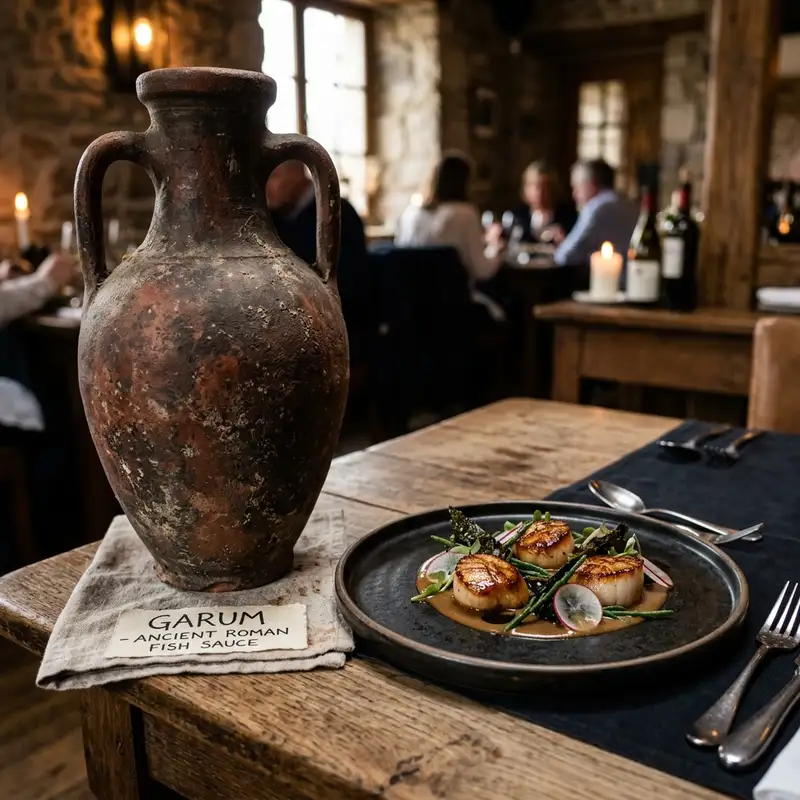
Imagine a world where every meal, from the simplest gruel to the most lavish imperial banquet, was seasoned with a single, pervasive condiment. A flavor so integral, so universally present, that its absence would render dishes incomplete, its very aroma defining the culinary landscape. This was the gastronomic reality of #ancient #Rome, and its undisputed king was not salt, nor pepper, nor any fresh herb, but garum – a fermented fish sauce that was the very heartbeat of Roman cuisine, a liquid gold flowing through the veins of an #empire. For centuries, garum remained a mere historical footnote, relegated to dusty texts and archaeological dig sites, often misunderstood as a simple, crude fermentation. Yet, to dismiss garum as just "ancient fish sauce" would be akin to calling a symphony mere noise. It was a complex, nuanced, and utterly essential flavor enhancer, the ultimate expression of umami long before the term was coined. Its story is one of innovation, empire, decline, and a remarkable, unexpected modern resurgence, a testament to the enduring power of fundamental flavors. The Pervasive Taste of Empire: Garum's Ancient Reign Garum wasn't merely a niche ingredient; it was an industrial commodity, produced on a massive scale across the Roman Empire, from the shores of Hispania (modern #Spain) and Lusitania (Portugal) to North Africa and the Levant. Its production centers, often sprawling complexes of vats and processing areas, were economic powerhouses, contributing significantly to regional wealth. The sheer volume of garum produced speaks volumes about its demand. Amphorae, bearing distinctive stamps identifying their origin and contents, have been found in shipwrecks and archaeological sites across the Roman world, evidence of an intricate and far-reaching trade network. The process of making garum was surprisingly sophisticated for its time, relying on the natural enzymatic breakdown of fish guts and whole small fish, layered with salt, and left to ferment under the scorching Mediterranean sun. This slow, anaerobic digestion transformed proteins into amino acids, yielding a liquid brimming with intensely savory compounds. Classical authors provided tantalizing glimpses into this industry:Pliny the Elder in his Natural #history described garum as "a liquor of exquisite taste." Apicius, the famed Roman gourmand, featured garum extensively in his cookbook, De re coquinaria, indicating its versatility in everything from sauces and stews to dressings and even desserts (though likely in savory-sweet combinations).Different qualities and types of garum existed, much like today's olive oils or balsamic vinegars. Key varieties included:Garum (or Liquamen): The most common, clear, amber liquid. Alleс: The thick, pasty sediment left after the garum was strained, often used as a spread or thickener. Muria: A simpler brine used for curing fish. Haemation: A prized, dark red garum made from tuna blood and guts. Garum Flos Floris: "The flower of flowers," indicating a premium, possibly first-press, variety.The aroma, by modern standards, would have been intense, to say the least. Ancient sources occasionally mention its powerful smell, even referencing it in jokes and proverbs. Yet, it was the smell of prosperity, of flavor, and of a complex culinary civilization. It seasoned vegetables, meats, and even bread. Soldiers carried it on campaigns, and it was a staple in every Roman household, irrespective of social standing, though the wealthy might have access to finer, more aged varieties. The Curious Case of Its Disappearance The decline of garum production is a fascinating tangent in culinary history. As the Roman Empire fragmented and eventually collapsed, so too did many of its sophisticated infrastructures. The large-scale, industrial production of garum, which required substantial investment, extensive trade routes, and a stable political environment, began to wane. Several factors contributed to its eventual disappearance:Economic Disruption: The breakdown of imperial trade routes made it difficult and dangerous to transport goods like garum over long distances. Changing Palates: Over centuries, new culinary influences, ingredients, and cooking methods emerged across Europe. Fermented products remained, but perhaps the specific intensity and production method of garum fell out of favor. Rise of Spices: The increasing availability and affordability of spices from the East, facilitated by new trade networks, offered alternative ways to flavor food, potentially overshadowing the need for garum. Sanitary Concerns: While essential to the Roman diet, the production of garum, with large quantities of fermenting fish in open vats, was undeniably odorous and potentially unhygienic in areas not properly managed. As populations shifted and new urban centers grew, public health concerns, however rudimentary, might have played a role. Loss of Knowledge: The complex techniques, specific ratios, and knowledge of ideal fish species for garum production might have simply been lost or diluted over generations as production dwindled.By the early medieval period, garum had largely vanished from European tables, replaced by a multitude of other seasonings, notably salt, vinegar, and early forms of mustard and herb pastes. It became a ghostly echo in the annals of history, a forgotten flavor of a bygone era. From Rubble to Revival: The Modern Renaissance For nearly two millennia, garum remained buried in history. Then, in the late 20th and early 21st centuries, a confluence of factors led to its astonishing revival. This resurgence isn't merely about historical curiosity; it's a testament to the power of umami and the continuous quest for unique, profound flavors in modern gastronomy. The catalysts for this revival are multifaceted:Culinary Archaeology: Growing interest in reconstructing ancient recipes and foodways. Scholars and food historians began to meticulously translate ancient texts and analyze archaeological findings from sites like Pompeii, where garum factories and residue-filled amphorae provided concrete evidence. The Umami Revolution: The widespread recognition and popularization of "umami" as the fifth basic taste, largely driven by Japanese cuisine and its use of fermented ingredients like soy sauce and dashi. This created a context for appreciating the deep savoriness of garum. Chef-Driven Innovation: Forward-thinking chefs, always seeking new dimensions of flavor, started looking beyond conventional ingredients. The idea of resurrecting an "ancient secret weapon" held immense appeal. Fermentation Trend: The global trend towards fermented foods, celebrated for their complex flavors and health benefits, provided a natural framework for re-evaluating garum.One of the most notable figures in the modern garum movement is the Italian chef Gennaro Esposito, whose commitment to authentic regional ingredients led him to explore Colatura di Alici di Cetara. While not exactly garum, colatura is a traditional anchovy-based fish sauce produced in Cetara on the Amalfi Coast, a direct descendant of ancient Roman garum. Its production method – salt-cured anchovies pressed for their liquid – is remarkably similar to one of the ancient techniques. This existing tradition provided a tangible link to the past. Inspired by colatura and archaeological research, chefs and food scientists began experimenting with true garum production. The challenges were significant: recreating ancient conditions, sourcing appropriate fish, controlling fermentation, and ensuring food safety. Modern garum production often involves:Selection of Fish: Small, oily fish like anchovies, sardines, or even mackerel are preferred, often whole or with guts. Salting: Layering fish with high-quality sea salt. Fermentation: Placing the mixture in controlled environments (sometimes temperature-regulated, sometimes relying on passive solar heat) for several months, often up to a year or more. Pressing and Filtering: After fermentation, the liquid is pressed out and filtered to achieve clarity.The Flavor Profile and Modern Applications What does modern garum taste like? It’s a revelation. Unlike many commercial fish sauces, which can be aggressively salty or fishy, well-made garum is complex, deep, and incredibly savory. It possesses a distinct umami punch, often with notes of:Briny sweetness: A subtle sweetness that balances the salt. Nutty undertones: Some compare its depth to aged parmesan or cured meats. Earthy funk: A pleasant, fermented aroma that adds character without being overtly "fishy." Roundness: It adds a foundational richness to dishes, enhancing other flavors rather than dominating them.The culinary world has embraced garum with open arms. Michelin-starred restaurants globally are featuring it on their menus, incorporating it into innovative dishes. Here are some ways modern chefs are utilizing garum:Sauces and Dressings: A few drops can elevate a vinaigrette, Hollandaise, or simple pan sauce to new heights. Marinades: Imparting a profound depth to meats, poultry, and seafood. Vegetable Enhancer: Drizzled over roasted vegetables (asparagus, broccoli, tomatoes) to intensify their natural flavors. Broths and Soups: A secret ingredient for a richer, more complex stock or consommé. Pasta Dishes: A natural fit, especially with seafood or simple garlic and oil preparations. Fermented Food Pairings: Enhancing other fermented products like kimchi or miso. Cocktails (Surprisingly!): A daring dash in savory cocktails like a Bloody Mary for an unexpected layer of umami.The beauty of garum lies in its ability to provide a background hum of savoriness, making other ingredients shine more brightly. It's not about making a dish taste like fish sauce; it's about making it taste more. Beyond the Palate: What Garum's Revival Tells Us The #journey of garum, from its imperial dominance to its millennia-long slumber and dramatic reawakening, offers more than just a culinary curiosity. It speaks to the cyclical #nature of human endeavor, the enduring allure of fundamental flavors, and our persistent desire to connect with the past through our senses. The effort to revive garum is an act of culinary archaeology, a dedication to understanding and appreciating the ingenuity of ancient cultures. It highlights the sophistication of Roman gastronomy, often overlooked in favor of more dramatic historical narratives. It also underscores the universality of umami, a taste that transcends cultures and eras, connecting the banquets of emperors to the plates of modern epicureans. As we continue to explore the boundaries of flavor, products like garum remind us that sometimes, the most innovative tastes are not newly invented, but rather rediscovered echoes from a distant past. The pungent, profound liquid that once fueled an empire is now inspiring a new generation of chefs and food lovers, proving that a great flavor, however ancient, never truly disappears; it merely waits for its moment to be tasted again. #Umami #Garum #CulinaryHistory #AncientRomanCuisine #FermentedFoods Related InsightsKung Pao: The Perfect Balance of Sweet and Heat The World on a Plate: How Street Food Shaped Civilizations and Continues to Feed Billions The Obscure Origins and Transcendent Transformation of Cacao's Dark Heart{ "@context": "https://schema.org", "@type": "FAQPage", "mainEntity": [ { "@type": "Question", "name": "What is the main focus of The Umami Echo: Tracing Garum's Resurgence from Pompeii to Michelin Stars?", "acceptedAnswer": { "@type": "Answer", "text": "Delve into the fascinating, pungent history of Garum, ancient Rome's omnipresent condiment, and discover its unexpected culinary revival in modern gastronomy." } }, { "@type": "Question", "name": "Who authored the comprehensive guide on The Umami Echo: Tracing Garum's Resurgence from Pompeii to Michelin Stars?", "acceptedAnswer": { "@type": "Answer", "text": "This detailed article and its insights were carefully researched and authored by Demir Şef." } }, { "@type": "Question", "name": "Where can I find more related content about Food?", "acceptedAnswer": { "@type": "Answer", "text": "You can explore more articles, detailed reviews, and similar insights by browsing the Related Insights section at the bottom of this article or visiting our dedicated Food category page." } } ] }
- Chloe Blanc
- 29 Jun, 2026 04:23
Le Garum : L'Élixir Umami Oublié de l'Empire Romain – Une Plongée dans les Abysses Salées de l'Histoire Culinaire
Dans les annales silencieuses de la gastronomie, se tapissent des secrets culinaires dont l'écho peine à traverser les millénaires. Tandis que nos tables modernes s'enorgueillissent de saveurs exquises et de techniques d'avant-garde, il fut un temps où le palais des empereurs et des plébéiens romains vibrait au diapason d'un condiment si puissant, si omniprésent, qu'il est difficile d'imaginer la cuisine antique sans lui. Loin des truffes noires et des vins millésimés que l'on associe aujourd'hui à l'opulence, le véritable or liquide de l'Antiquité romaine n'était autre que le garum, une sauce de poisson fermentée, dont l'intensité umami surpassait tout ce que nous connaissons. Oubliez la sauce soja ou le nuoc-mâm ; le garum était le maître incontesté, une quintessence de saveurs complexes, à la fois salées, acides, douces et résolument savoureuses. Il n'était pas un simple exhausteur de goût ; il était l'âme même de la cuisine romaine, capable de transformer les plats les plus humbles en festins et d'élever les mets les plus raffinés à des sommets d'extase gustative. Mais comment un tel ingrédient, si vital à une civilisation qui a régné pendant des siècles, a-t-il pu sombrer dans l'oubli quasi total ? Et que nous apprend sa résurrection progressive sur notre propre quête de saveurs profondes et authentiques ? L'Archéologie du Goût : Aux Origines d'un Mystère Salin Le garum, ou plus précisément le liquamen dans sa forme la plus pure et filtrée, n'est pas né à Rome. Ses racines plongent bien plus profondément, dans les civilisations orientales et méditerranéennes anciennes. Les Grecs connaissaient une sauce similaire, le γάρος (garos), et il est probable que les Phéniciens, maîtres incontestés du commerce maritime, aient contribué à sa diffusion. Mais c'est sous l'Empire Romain qu'il atteignit son apogée, devenant une véritable industrie, avec des centres de production massifs s'étendant de l'Espagne à l'Afrique du Nord, en passant par la Gaule et l'Asie Mineure. Imaginez des rivages baignés de soleil, où des usines à ciel ouvert, faites de bassins en pierre et d'argile, dégageaient une odeur intense, presque insoutenable pour le nez moderne, mais synonyme de richesse pour l'époque. Ces lieux étaient les temples du garum. Les meilleurs spécimens provenaient de Carthagène (Espagne), de Pompéi et d'Ampurias, chacun avec ses particularités, ses nuances, dignes des appellations d'origine contrôlée d'aujourd'hui. Le plus prisé de tous était le garum sociorum de Carthagène, un produit de luxe dont le prix pouvait rivaliser avec celui des parfums les plus rares. Le garum n'était pas monolithique. Il existait en diverses qualités et saveurs, du garum flos flos (le fleuron, le summum de la qualité, fabriqué à partir du sang et des viscères de thon rouge ou de maquereau, fermenté lentement) aux versions plus rustiques, produites à partir de poissons plus communs et destinées à la consommation quotidienne. Il y avait aussi le muria (une saumure de poisson moins fermentée), l'allec (les résidus solides du garum, utilisés comme pâte à tartiner ou comme condiment épais) et le haemation (fabriqué à partir du sang de thon). Cette diversité témoigne de son rôle central et adaptable dans l'alimentation romaine.L'Alchimie de la Fermentation : Un Art Perdu et Retrouvé La fabrication du garum était un processus fascinant de décomposition contrôlée et de transformation biochimique, une forme d'alchimie avant l'heure. Les poissons – le plus souvent des petits poissons comme les anchois, les sardines, ou des abats de thon et de maquereau – étaient mélangés avec une grande quantité de sel (environ 15 à 20% du poids total du poisson). Ce mélange était ensuite placé dans de larges cuves en plein air, exposé au soleil méditerranéen. Le rôle du sel était crucial : il empêchait la putréfaction en inhibant les bactéries indésirables, tout en permettant aux enzymes présentes dans les intestins du poisson de faire leur travail. Pendant plusieurs semaines, voire plusieurs mois, ces enzymes décomposaient les protéines du poisson en acides aminés, créant ainsi les saveurs complexes et profondes caractéristiques du garum. Le soleil accélérait ce processus, réchauffant la mixture et favorisant la fermentation. Les cuves étaient souvent ouvertes, exposées aux éléments, ce qui ajoutait probablement des levures et bactéries ambiantes au processus, contribuant à la complexité aromatique finale. De temps à autre, le mélange était remué. Lorsque la fermentation était jugée complète, le liquide était filtré à travers des paniers serrés ou des tissus, recueillant ainsi le précieux garum. Le liquide clair et ambré était ensuite transféré dans des amphores et scellé pour le transport et le stockage. Les résidus solides, comme mentionné, devenaient l'allec, un produit à part entière. Ce processus, bien que simple dans ses principes, demandait une expertise certaine pour obtenir un produit de qualité constante. La température, la proportion de sel, le type de poisson et la durée de fermentation étaient autant de variables à maîtriser. C'était une véritable science du goût, transmise de génération en génération, et la marque de fabrique des grands producteurs. Symbole de Statut et Pilier Commercial Le garum n'était pas seulement un condiment ; il était un indicateur social et un moteur économique colossal. Sa production et son commerce étaient des industries de pointe, générant des fortunes et soutenant des réseaux commerciaux complexes à travers tout l'Empire. Les amphores de garum, marquées de timbres indiquant leur provenance et leur qualité, étaient omniprésentes dans les épaves méditerranéennes et les sites archéologiques. Pour les Romains fortunés, le garum était un signe d'élégance et de raffinement. Pline l'Ancien mentionne son coût élevé et sa valeur. Apicius, le célèbre gourmet romain, en fait l'ingrédient de base d'innombrables recettes, du ragoût de veau aux sauces pour légumes, en passant par les assaisonnements pour fruits de mer. Il était utilisé comme une sorte de "bouillon cube" avant l'heure, pour apporter de la profondeur et du "corps" aux plats. On l'ajoutait aux soupes, aux salades, aux viandes, et même, parfois, aux desserts aigres-doux. Il servait à masquer les saveurs trop fortes, mais aussi à rehausser la subtilité d'autres ingrédients. Pour le citoyen moyen, il existait des versions plus abordables. Sa richesse en protéines et en sel en faisait également un excellent conservateur, utilisé pour saler et aromatiser d'autres aliments. Il était un élément essentiel du régime alimentaire romain, fournissant des nutriments et un goût indispensable à une population souvent privée d'une grande variété d'ingrédients frais. Son universalité est un témoignage de son adaptabilité et de son importance nutritionnelle. Le Déclin et la Longue Nuit de l'Oubli Comment un produit si vital a-t-il pu disparaître ? Le déclin du garum est multifactoriel, lié à la chute de l'Empire Romain elle-même. Avec la désintégration de l'infrastructure impériale, les vastes réseaux commerciaux qui permettaient le transport des amphores de garum sur de longues distances ont commencé à s'effilocher. La production de masse est devenue difficile à maintenir sans un système économique stable et des routes maritimes sécurisées. De plus, l'odeur forte et le processus de fermentation en plein air, bien que tolérés à l'époque romaine, étaient probablement de plus en plus mal perçus à mesure que les centres de population se densifiaient et que les normes d'hygiène évoluaient (même si de manière rudimentaire). Les usines de garum étaient souvent reléguées en périphérie des villes précisément à cause de leurs effluves puissants. Mais surtout, l'émergence de nouvelles techniques culinaires et de nouveaux ingrédients, ainsi que l'influence croissante des traditions culinaires du nord de l'Europe, moins axées sur les sauces de poisson fermentées, ont contribué à son abandon progressif. Les sauces à base de vinaigre, de vin, de verjus et d'épices ont commencé à remplacer le garum comme agents de saveur primaires. Au Moyen Âge, le garum était devenu une relique culinaire, une note de bas de page dans les textes des érudits, son goût et sa production presque entièrement oubliés. Seules quelques poches de traditions côtières, notamment en Asie du Sud-Est, ont perpétué la fabrication de sauces de poisson similaires, qui sont devenues les nuoc-mâm et autres condiments que nous connaissons aujourd'hui. La Résurrection Culinaire : Un Goût du Passé pour l'Avenir Cependant, l'histoire ne s'arrête jamais vraiment. Au cours des dernières décennies, avec l'intérêt croissant pour la cuisine historique, l'archéologie expérimentale et la quête de saveurs umami, le garum connaît une renaissance fascinante. Des chefs, des historiens de la gastronomie et des entreprises artisanales se sont lancés dans la quête de recréer l'authentique garum romain. Les efforts de recréation sont basés sur des textes anciens comme ceux d'Apicius et de Pline, ainsi que sur les découvertes archéologiques. Le défi est immense : retrouver les méthodes exactes, les ratios de sel et de poisson, les températures de fermentation, et même les types de poissons utilisés. Beaucoup expérimentent avec des anchois, des sardines, et des abats de maquereau, dans des conditions contrôlées, pour reproduire au mieux l'élixir antique. Les résultats sont variés, mais souvent surprenants. Le garum moderne, artisanal, est un produit d'une profondeur de saveur incroyable, bien au-delà des sauces de poisson asiatiques contemporaines. Il est moins salé et plus complexe, avec des notes fruitées, fromagères, et une umami persistante qui se marie à merveille avec une multitude de plats. Certains chefs l'utilisent comme un secret bien gardé pour sublimer leurs créations, l'incorporant dans des vinaigrettes, des bouillons, des marinades, ou simplement quelques gouttes pour finir un plat.Cette résurrection du garum est plus qu'une simple curiosité historique. Elle représente une reconnexion avec un aspect fondamental de la cuisine humaine : l'art de la fermentation et l'exploration de l'umami. Dans un monde où nous cherchons constamment de nouvelles saveurs et des techniques innovantes, le garum nous rappelle que les réponses se trouvent parfois dans les profondeurs de notre passé culinaire. C'est une invitation à repenser nos ingrédients de base et à embrasser la complexité des saveurs ancestrales. Le garum n'est plus un secret perdu. Il est une fenêtre ouverte sur une époque révolue, un pont entre le palais des Romains antiques et celui des gourmets d'aujourd'hui. Sa renaissance n'est pas seulement un hommage à l'ingéniosité culinaire d'une civilisation perdue, mais aussi une source d'inspiration pour l'avenir de la gastronomie, prouvant que les saveurs les plus intenses et les plus mémorables sont souvent le fruit d'une patiente alchimie, oubliée puis redécouverte.#GastronomieAntique #RecettesRomaines #FermentationCulinaire #UmamiSecret #HistoireAlimentaire Related InsightsAwadhi Biryani: The Aromatic Slow-Cooked Masterpiece Aromatic Flavors of India: Understanding Biryani's Rich Legacy Echoes of the Sun God: Unearthing the Lost Amaranth Varieties of Ancient Mesoamerica{ "@context": "https://schema.org", "@type": "FAQPage", "mainEntity": [ { "@type": "Question", "name": "What is the main focus of Le Garum : L'Élixir Umami Oublié de l'Empire Romain – Une Plongée dans les Abysses Salées de l'Histoire Culinaire?", "acceptedAnswer": { "@type": "Answer", "text": "Explorez le garum, le condiment mystérieux et puissant qui a façonné la gastronomie romaine, de ses origines archaïques à sa quête de redécouverte moderne." } }, { "@type": "Question", "name": "Who authored the comprehensive guide on Le Garum : L'Élixir Umami Oublié de l'Empire Romain – Une Plongée dans les Abysses Salées de l'Histoire Culinaire?", "acceptedAnswer": { "@type": "Answer", "text": "This detailed article and its insights were carefully researched and authored by Chloe Blanc." } }, { "@type": "Question", "name": "Where can I find more related content about Food?", "acceptedAnswer": { "@type": "Answer", "text": "You can explore more articles, detailed reviews, and similar insights by browsing the Related Insights section at the bottom of this article or visiting our dedicated Food category page." } } ] }