Vegan Coastal Magic: Reinventing Traditional Recipes
-
 Anjali Desai
 - 23 Jan, 2026 02:29
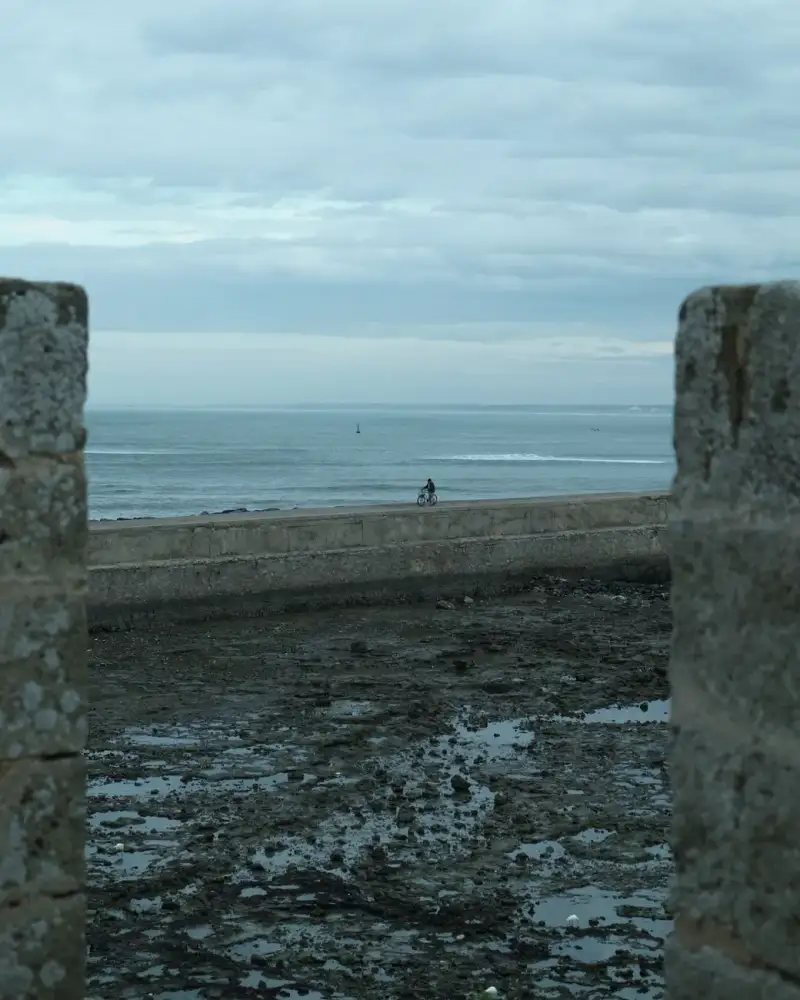
The allure of the coast, with its salty breeze, the rhythmic crashing of waves, and the diverse array of seafood, has long been a source of inspiration for culinary innovation. However, the traditional coastal cuisine, often centered around seafood and dairy, poses a challenge for those embracing a vegan lifestyle. The vegan coastal magic is not just about substituting ingredients but about reinventing traditional recipes to capture the essence of the sea in a plant-based form. This journey of culinary reinvention is as much about preserving cultural heritage as it is about innovating for the future.
Introduction to Vegan Coastal Cuisine
Vegan coastal magic is more than a trend; it’s a movement that seeks to redefine the relationship between coastal living and veganism. By exploring the depths of plant-based ingredients and the versatility of coastal produce, chefs and home cooks alike are creating dishes that are not only cruelty-free and sustainable but also bursting with flavor and texture. The key to this culinary transformation lies in understanding the core elements of coastal cuisine—freshness, simplicity, and a deep connection to the sea—and translating these into vegan creations.
The Essence of Coastal Flavors
Coastal flavors are often characterized by their brightness and lightness, reflecting the clarity of the sea air and the simplicity of seaside living. To capture this essence in vegan dishes, ingredients like seaweed, citrus, and herbs play a crucial role. Seaweed, for example, offers a plethora of umami flavors, from the mild sweetness of wakame to the deep saltiness of kombu. These can be used to create broth bases, seasonings, or even as a main ingredient in dishes like seaweed salads or wraps.
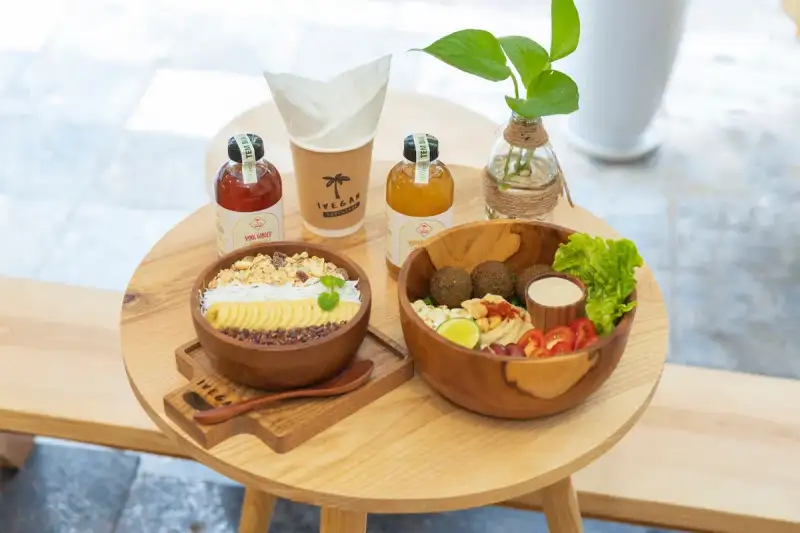
Citrus, particularly lemons and limes, adds a burst of freshness, cutting through richness and enhancing the overall brightness of a dish. Herbs like parsley, dill, and basil bring a fragrant, airy quality, reminiscent of seaside gardens. These ingredients, combined with the innovative use of plant-based proteins like tofu, tempeh, and seitan, allow for the creation of dishes that are both faithful to coastal traditions and boldly vegan.
Reinventing Traditional Recipes
One of the most exciting aspects of vegan coastal magic is the reinvention of traditional recipes. Classics like fish and chips, seafood paella, and clam chowder are being reimagined with plant-based ingredients. For instance, tofu or tempeh marinated in seaweed and spices can mimic the taste and texture of seafood in a vegan ‘fish’ and chips. Similarly, paella can be made with a variety of mushrooms, artichokes, and bell peppers, offering a hearty, satisfying alternative to the traditional seafood version.
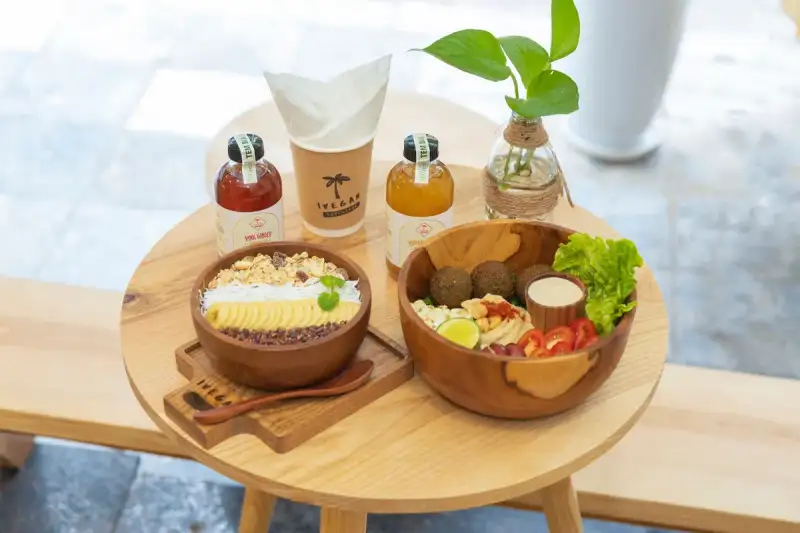
Clam chowder, a staple of coastal cuisine, can be recreated using a cashew or potato base for creaminess, filled with mushrooms or tofu for protein, and flavored with seaweed for that unmistakable sea taste. These reinventions not only cater to the growing demand for vegan options but also contribute to the evolution of coastal cuisine, making it more inclusive and sustainable.
The Role of Sustainability
Sustainability is at the heart of vegan coastal magic, reflecting a deeper respect for the ocean and its resources. By choosing plant-based ingredients, individuals reduce their carbon footprint and contribute to lessening the pressure on marine ecosystems. Furthermore, the focus on local, seasonal produce supports coastal communities and promotes a more circular economy. This approach to food is as much about preserving the beauty and bounty of the coast for future generations as it is about enjoying the culinary delights it offers today.
Exploring Coastal Produce
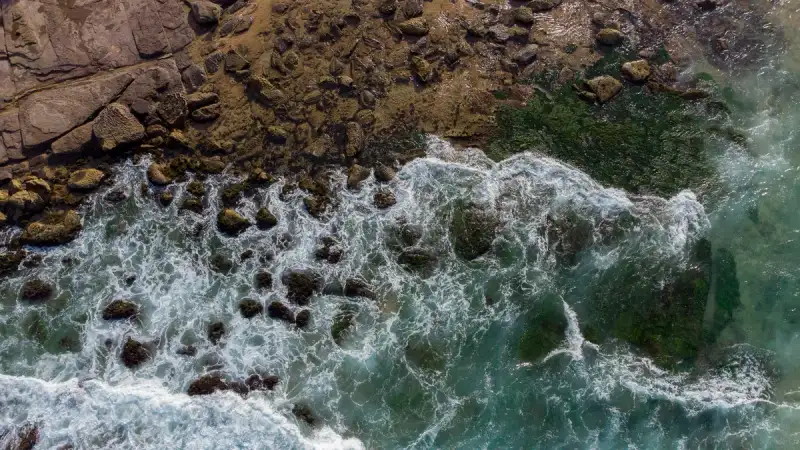
The coast offers a unique array of produce that is perfectly suited to vegan cuisine. From the leafy greens and root vegetables that thrive in coastal soils to the variety of fruits and nuts that grow in the mild, sea-influenced climate, the options are vast and exciting. Coastal foraging, the practice of gathering wild, edible plants, is also gaining popularity, providing an opportunity to discover hidden gems like sea spinach, sea rocket, and wild garlic. These ingredients, often with flavors intensified by the sea air and salt spray, add a genuine coastal touch to vegan dishes.
Conclusion
Vegan coastal magic represents a vibrant intersection of tradition, innovation, and sustainability. It’s a testament to the creativity and adaptability of vegan cuisine, showing that even the most entrenched culinary traditions can be reimagined in a way that is both respectful to their roots and forward-thinking in their approach. As the world continues to embrace more sustainable and compassionate eating habits, the allure of vegan coastal magic, with its promise of fresh flavors, exciting textures, and a deep connection to the natural world, is sure to captivate audiences worldwide.
#VeganCoastalCuisine #SustainableEating #PlantBasedRecipes #CoastalForaging #VeganSeafoodAlternatives #CulinaryInnovation #FoodForThought #VeganLifestyle