
-
 Kenji Sato
- 20 Mar, 2026 05:00
白川郷の合掌造り
日本の原風景・白川郷の合掌造り集落の秘密 岐阜県の山深い地域に位置する白川郷は、まるでおとぎ話の世界に迷い込んだかのような美しい景観で知られています。1995年にユネスコの世界文化遺産に登録されたこの集落には、「合掌造り(がっしょうづくり)」と呼ばれる伝統的な茅葺き屋根の家屋が今も数多く残されています。厳しい自然環境と共生するための、先人たちの知恵と共同体の精神に迫ります。 雪国の厳しい自然と合掌造りの構造 「合掌造り」という名前は、急勾配の屋根の形が、手を合わせて祈る「合掌」の姿に似ていることに由来します。この屋根の角度は、冬には数メートルにも達する豪雪地帯において、雪の重みで家が潰れるのを防ぎ、雪下ろしを容易にするための見事な工夫です。さらに、屋根の向きは集落を通り抜ける風の方向(南北)に合わせて建てられており、風の抵抗を最小限に抑えつつ、夏には風通しを良くし、屋根に当たる日照量を調節して茅葺きを長持ちさせる役割を果たしています。 屋根裏の養蚕と火薬産業 合掌造りの家屋は、単なる住居以上の役割を持っていました。広大な屋根裏の空間は、江戸時代から昭和初期にかけて、地域の重要な産業であった養蚕(カイコを育てて絹糸をとること)の作業場として利用されていました。囲炉裏の煙が屋根裏まで昇ることで、カイコを寒さから守り、同時に茅葺き屋根の防虫・防腐効果も高めていました。また、囲炉裏の床下では、かつて重要な軍需物資であった「塩硝(火薬の原料)」が秘密裏に製造されており、白川郷の経済を支えていました。 「結(ゆい)」の精神 茅葺き屋根の葺き替えは、30年から40年に一度必要となりますが、これには膨大な人手と時間がかかります。そこで白川郷では古くから「結(ゆい)」と呼ばれる相互扶助の仕組みが根付いています。村民が総出で協力し合い、無償で屋根の葺き替えを手伝うこの精神は、過酷な自然の中で生き抜くために不可欠なものでした。 白川郷の風景は、単なる古い建築物の集まりではなく、自然と闘いながらも共生し、助け合って生きてきた日本の美しい心の象徴なのです。 #shirakawago #japan #worldheritage #gasshozukuri #winter #traveljapan #history #traditional #architecture #snow Related Insights沖縄の青い海 富士山を望む絶景 東京のネオン街{ "@context": "https://schema.org", "@type": "FAQPage", "mainEntity": [ { "@type": "Question", "name": "What is the main focus of 白川郷の合掌造り?", "acceptedAnswer": { "@type": "Answer", "text": "Explore the incredible journey of 白川郷の合掌造り with Kenji Sato." } }, { "@type": "Question", "name": "Who authored the comprehensive guide on 白川郷の合掌造り?", "acceptedAnswer": { "@type": "Answer", "text": "This detailed article and its insights were carefully researched and authored by Kenji Sato." } }, { "@type": "Question", "name": "Where can I find more related content about Japan Travel Facts?", "acceptedAnswer": { "@type": "Answer", "text": "You can explore more articles, detailed reviews, and similar insights by browsing the Related Insights section at the bottom of this article or visiting our dedicated Japan Travel Facts category page." } } ] }

眠らない街・東京の光と影 東京の夜を彩るネオンサインは、世界中の旅行者を魅了してやみません。新宿の歌舞伎町、渋谷のセンター街、そして秋葉原の電気街など、エリアごとに異なる顔を見せるネオンの光は、日本の近代化とポップカルチャーの象徴でもあります。 新宿・歌舞伎町の熱気 「東洋一の歓楽街」と称される新宿・歌舞伎町は、東京のナイトライフの中心地です。無数のネオン看板がひしめき合い、巨大なスクリーンからは絶え間なく音楽と映像が流れています。歴史的に見ると、この地域は第二次世界大戦後の復興期に、演舞場や映画館を中心とした健全な娯楽の街「歌舞伎町」として計画されました。現在では多様な飲食店やアミューズメント施設が集まり、サイバーパンク映画のような近未来的な光景が広がっています。 秋葉原とオタクカルチャー 秋葉原のネオンは、他のエリアとは一線を画しています。かつては戦後の闇市から発展した電子部品の街でしたが、現在ではアニメ、漫画、ゲームといった日本のオタクカルチャーの聖地となりました。メイドカフェの看板や巨大なアニメキャラクターのイラストがライトアップされ、独特のポップな雰囲気を醸し出しています。ここではテクノロジーとサブカルチャーが見事に融合しており、海外からの観光客にとっても見逃せないスポットです。 渋谷のスクランブル交差点とデジタルアート 渋谷のスクランブル交差点は、一度に最大3000人が横断すると言われ、そのダイナミックな光景は圧巻です。周囲を取り囲む高層ビル群の巨大ビジョンやLED看板は、東京の躍動感を象徴しています。近年では、プロジェクションマッピングやインタラクティブなデジタルアートが街中に取り入れられ、ネオンの形も進化し続けています。 東京のネオン街は、単なる照明ではなく、この街のエネルギーそのものです。夜の東京を歩きながら、その光が織りなす現代の物語を感じてみてください。 #tokyo #neonlights #shinjuku #shibuya #akihabara #cyberpunk #japantravel #nightlife #citylights #explorejapan #travel #exclusive Related Insights白川郷の合掌造り 広島の平和記念公園 大阪のストリートフード{ "@context": "https://schema.org", "@type": "FAQPage", "mainEntity": [ { "@type": "Question", "name": "What is the main focus of 東京のネオン街?", "acceptedAnswer": { "@type": "Answer", "text": "Explore the incredible journey of 東京のネオン街 with Kenji Sato." } }, { "@type": "Question", "name": "Who authored the comprehensive guide on 東京のネオン街?", "acceptedAnswer": { "@type": "Answer", "text": "This detailed article and its insights were carefully researched and authored by Kenji Sato." } }, { "@type": "Question", "name": "Where can I find more related content about Japan Travel Facts?", "acceptedAnswer": { "@type": "Answer", "text": "You can explore more articles, detailed reviews, and similar insights by browsing the Related Insights section at the bottom of this article or visiting our dedicated Japan Travel Facts category page." } } ] }


Anatolian Street Food Wonders The vast peninsula of Anatolia is more than just a bridge between Europe and Asia; it is a cradle of civilizations and a monumental culinary crossroad. Street food in Anatolia isn't merely about convenience—it's a living museum of regional #history, agricultural abundance, and multicultural exchange. For generations, the vibrant streets of cities like Gaziantep, Antakya, and Adana have been lined with vendors offering bites that are both profoundly traditional and spectacularly flavorful. Simit: The Sesame-Encrusted Crown Perhaps the most ubiquitous symbol of Anatolian street food is the simit. Often referred to as the Turkish bagel, this circular bread is distinguished by its golden, crunchy exterior achieved through a quick dip in molasses (pekmez) before being generously coated in sesame seeds. Historical records from the Ottoman #empire suggest that simit has been baked in #Istanbul since the 1520s. The traditional method of baking in wood-fired ovens imparts a distinct smokiness, making it an essential companion to a small tulip-shaped glass of black tea. Kokoreç: A Daring Delicacy For the more adventurous food lover, kokoreç offers a deeply satisfying and deeply Anatolian experience. This dish consists of lamb or goat intestines meticulously wrapped around sweetbreads, hearts, or lungs, skewered, and grilled horizontally over charcoal. The rich, fatty meat is then finely chopped and aggressively seasoned with oregano, cumin, and red pepper flakes before being stuffed into a half-loaf of crusty bread. Initially popularized by nomadic tribes who maximized their use of livestock, kokoreç has evolved into a beloved late-night staple across the country. Midye Dolma: The Coastal Connection Though Anatolia is known for its heartland plains, its extensive coastlines introduce a different facet of street gastronomy. Midye dolma—stuffed mussels—are a prime example. Freshly harvested mussels are prized open and packed with aromatic rice heavily spiced with pine nuts, currants, allspice, cinnamon, and copious amounts of black pepper. Served at room temperature, vendors squeeze fresh lemon juice over the mussel just before handing it to the customer. This bite perfectly encapsulates the Levantine and Aegean influences that have shaped Turkish coastal cuisine over centuries. A Living Heritage Anatolian street food encapsulates the soul of Turkey. It represents a fast-paced yet deeply historical culinary tradition where every cart, stall, and corner vendor offers a taste of the region's complex, layered past. Exploring these wonders isn't just about eating; it's about understanding the very fabric of Anatolian society. #AnatolianFood #TurkishStreetFood #Simit #Kokorec #MidyeDolma #CulinaryHistory #FoodTravel #Gastronomy #TurkishCuisine #StreetFoodWonders #turkishfood #recipe #anatolianstreetfoodwonders #anatoliancuisine #demirsef #delicious #food Related InsightsThe Art of Turkish Coffee Linseneintopf wie bei Oma Risotto allo Zafferano{ "@context": "https://schema.org", "@type": "FAQPage", "mainEntity": [ { "@type": "Question", "name": "What is the main focus of Anatolian Street Food Wonders?", "acceptedAnswer": { "@type": "Answer", "text": "Explore the incredible journey of Anatolian Street Food Wonders with Ayşe Kaya." } }, { "@type": "Question", "name": "Who authored the comprehensive guide on Anatolian Street Food Wonders?", "acceptedAnswer": { "@type": "Answer", "text": "This detailed article and its insights were carefully researched and authored by Demir Şef." } }, { "@type": "Question", "name": "Where can I find more related content about Recipe?", "acceptedAnswer": { "@type": "Answer", "text": "You can explore more articles, detailed reviews, and similar insights by browsing the Related Insights section at the bottom of this article or visiting our dedicated Recipe category page." } } ] }
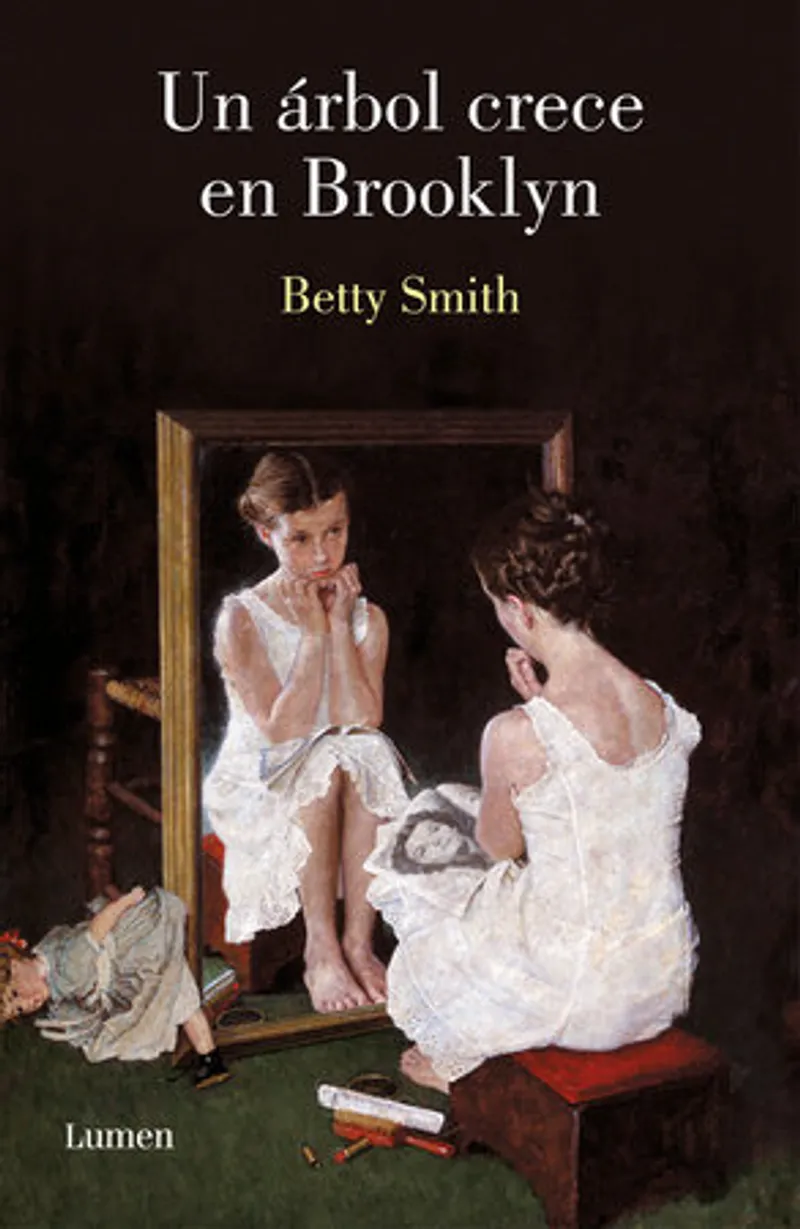
Un árbol crece en Brooklyn / A Tree Grows in Brooklyn Author: Betty SmithPage Count: UnknownPublication Date: 2019-PRH A Tree Grows in Brooklyn, the timeless classic by Betty Smith, is a poignant and powerful portrayal of a young girl's coming-of-age in the early 20th century. Set against the backdrop of Williamsburg, Brooklyn, this masterpiece weaves a rich tapestry of family, love, and resilience, leaving an indelible mark on the reader's heart. At its core, the novel is a tribute to the human spirit's capacity to thrive in the face of adversity. Francie Nolan, the protagonist, is a symbol of hope and determination, her life a testament to the enduring power of dreams and aspirations. Through Francie's eyes, we witness the harsh realities of poverty, the struggles of her family, and the cruel judgments of their community. Yet, amidst the hardships, we also see the beauty of family bonds, the comfort of love, and the solace of literature. Betty Smith's writing is a masterclass in subtlety and nuance. Her prose is deceptively simple, yet it belies a profound depth and complexity. With a keen eye for detail, she captures the rhythms of everyday life, the cadence of conversations, and the textures of emotions. Her characters are multidimensional and relatable, their flaws and strengths rendered with unflinching honesty. The Nolan family, with all their eccentricities and frailties, becomes our own, their struggles and triumphs resonating deeply within us. One of the novel's greatest strengths is its ability to balance the bleakness of poverty with the beauty of the human experience. Smith never shies away from the harsh realities of life, yet she also never loses sight of the hope and dignity that defines us. This delicate balance is a testament to her skill as a writer and her profound understanding of the human condition. A Tree Grows in Brooklyn is also a powerful exploration of the American Dream, a concept that has captivated and eluded generations of Americans. Francie's aspirations, her desire for a better life, and her determination to succeed are all rooted in this dream. Yet, the novel also acknowledges the illusion of this dream, the ways in which it can be both alluring and unattainable. This nuanced portrayal of the American Dream is a powerful commentary on the human condition, a reminder that our aspirations are often tempered by the realities of our circumstances. In conclusion, A Tree Grows in Brooklyn is a masterpiece of American literature, a novel that has captivated readers for generations. Its themes of hope, resilience, and the human condition are timeless and universal, its characters and storylines rendered with a depth and nuance that is both moving and profound. If you haven't already, do yourself a favor and immerse yourself in the world of Francie Nolan and her family. It's a journey you won't soon forget. #ATreeGrowsInBrooklyn #ClassicAmericanLiterature #ComingOfAgeStory #TheAmericanDream #PovertyAndResilience #TimelessNovels Related InsightsOne Perfect Couple Book Review and Summary Longitude Book Review and Summary Mortal Things Book Review and Summary{ "@context": "https://schema.org", "@type": "FAQPage", "mainEntity": [ { "@type": "Question", "name": "What is the main focus of A Tree Grows in Brooklyn Book Review and Summary?", "acceptedAnswer": { "@type": "Answer", "text": "Everything you need to know about A Tree Grows in Brooklyn with our detailed review." } }, { "@type": "Question", "name": "Who authored the comprehensive guide on A Tree Grows in Brooklyn Book Review and Summary?", "acceptedAnswer": { "@type": "Answer", "text": "This detailed article and its insights were carefully researched and authored by Betty Smith." } }, { "@type": "Question", "name": "Where can I find more related content about Books?", "acceptedAnswer": { "@type": "Answer", "text": "You can explore more articles, detailed reviews, and similar insights by browsing the Related Insights section at the bottom of this article or visiting our dedicated Books category page." } } ] }
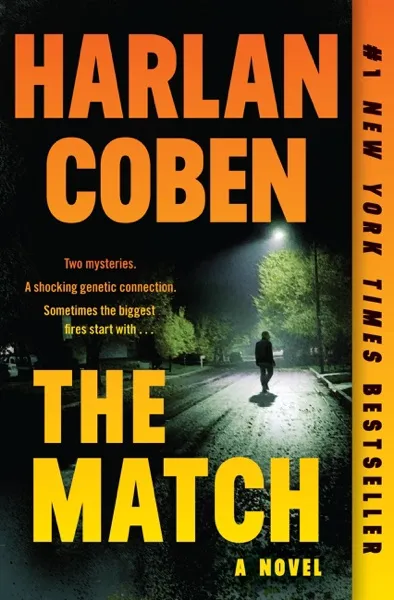
The Match Author: Harlan CobenPage Count: UnknownPublication Year: 2022-GB In the midst of a world where DNA testing has become the ultimate tool for self-discovery, a single revelation can shatter the very foundations of one's identity, leaving the fragile threads of reality hanging by a precipice. This is precisely the abyss that Wilde, the protagonist of Harlan Coben's latest thriller, The Match, finds himself staring into, as a routine DNA test unleashes a maelstrom of secrets and lies that have been carefully concealed for decades. Released in 2022 to critical acclaim, The Match has solidified its position as a global bestseller, cementing Coben's reputation as a master weaver of suspenseful narratives that delve deep into the complexities of human relationships and the uncharted territories of the human heart. At the core of The Match lies an intricate exploration of the human condition, delving into themes of identity, family, and the enduring power of love. Coben masterfully orchestrates a symphony of emotions, navigating through the tangled web of Wilde's life as he grapples with the aftermath of his DNA test results. The author's deft handling of these themes not only underscores the fragility of human connections but also highlights the resilience of the human spirit in the face of adversity. Through Wilde's journey, Coben poses profound questions about the nature of self and how external factors can both define and challenge our understanding of who we are and where we belong. One of the standout elements of The Match is its cast of characters, each meticulously crafted with a depth and complexity that makes them relatable and intriguing. Wilde, with his rugged exterior and vulnerable interior, is a compelling protagonist whose quest for truth becomes an all-consuming force that drives the narrative forward. Coben's ability to develop his characters in a way that resonates with readers is a hallmark of his writing style, making The Match not just a gripping thriller but also a deeply personal and emotional journey. Coben's writing style in The Match is quintessentially his - a blend of wit, suspense, and an uncanny ability to weave together disparate threads into a narrative that is both cohesive and surprising. His prose is engaging, peppered with humor and insight into the human condition, which makes the book an absorbing read. The pacing of the novel is expertly managed, with each chapter ending on a note that encourages the reader to delve deeper into the mystery, making The Match a true page-turner. The setting of The Match plays a crucial role in shaping the narrative, with Coben using the contrast between the tranquility of Wilde's life and the turmoil that ensues after the DNA test to great effect. This contrast not only heightens the suspense but also serves as a backdrop against which the characters' emotions and motivations are starkly illuminated. The Match is also notable for its exploration of the ethical and social implications of DNA testing, a topic that is increasingly relevant in today's world. Coben tackles this subject with thoughtfulness and nuance, raising important questions about privacy, family, and the unforeseen consequences of delving into one's genetic past. This aspect of the book adds a layer of depth to the narrative, making it not just a thrilling mystery but also a thought-provoking commentary on contemporary society. In conclusion, The Match by Harlan Coben is a masterpiece of modern thriller writing, weaving together suspense, intrigue, and a deep exploration of the human condition. With its captivating plot, well-developed characters, and thought-provoking themes, this book is a must-read for fans of the genre and anyone looking for a compelling story that will keep them on the edge of their seats until the very end. Coben's unique writing style and the book's contemporary relevance ensure that The Match will continue to captivate readers for years to come, solidifying its place as one of the best thriller novels of 2022. #HarlanCoben #TheMatch #ThrillerNovels #DNATestingInFiction #BestsellingBooks2022 Related InsightsCoraline Book Review and Summary Witch King Book Review and Summary Enchanted Village: A Novel – A Heartwarming Cozy Holiday Romance of Grumpy Sunshine Love and Found Family Magic Book Review and Summary{ "@context": "https://schema.org", "@type": "FAQPage", "mainEntity": [ { "@type": "Question", "name": "What is the main focus of **The Match** Book Review and Summary?", "acceptedAnswer": { "@type": "Answer", "text": "Everything you need to know about **The Match** with our detailed review." } }, { "@type": "Question", "name": "Who authored the comprehensive guide on **The Match** Book Review and Summary?", "acceptedAnswer": { "@type": "Answer", "text": "This detailed article and its insights were carefully researched and authored by Klaus Weber." } }, { "@type": "Question", "name": "Where can I find more related content about Books?", "acceptedAnswer": { "@type": "Answer", "text": "You can explore more articles, detailed reviews, and similar insights by browsing the Related Insights section at the bottom of this article or visiting our dedicated Books category page." } } ] }

Klara and the Sun Author: Kazuo IshiguroPage Count: UnknownPublication Year: 2019-GB Klara and the Sun: Ishiguro’s Masterful Exploration of Love, Sacrifice, and What It Means to Be Human Few novels linger in the mind like Kazuo Ishiguro’s Klara and the Sun, a quietly devastating meditation on humanity that unfolds through the eyes of an unlikely narrator—an Artificial Friend named Klara. From its opening lines, the book casts a spell, drawing readers into a world where love is both a commodity and a currency, where sacrifice is measured in quiet tears, and where the boundaries between machine and soul blur into something hauntingly beautiful. Ishiguro, a Nobel laureate whose prose has long been celebrated for its precision and emotional depth, delivers yet another triumph with this 2019 bestseller, a novel that asks what it truly means to be seen, to be needed, and to love without condition. At its heart, Klara and the Sun is a story about perception—how we are perceived, how we perceive others, and the fragile illusions that sustain us. Klara, an Artificial Friend designed to offer companionship to lonely children, observes the world with a childlike wonder that belies her mechanical nature. Her narration, though earnest and often poignant, is tinged with the limitations of her understanding, creating a perspective that is both alien and achingly human. Through her eyes, Ishiguro dissects the inequalities of a society where genetic enhancement—"lifting"—has become the norm, where children are raised in gilded cages of privilege and neglect, and where love is often conditional, tied to performance and potential. The novel’s central tension lies in the contrast between Klara’s unwavering devotion and the cold pragmatism of the humans around her. Her relationship with Josie, the sickly but radiant girl who becomes her charge, is the emotional core of the story. Their bond is tender, almost sacred, yet Ishiguro never sentimentalizes it. Instead, he exposes the fragility of such connections, the way love can be both a lifeline and a burden. Klara’s belief in the Sun’s power to heal Josie—her almost religious faith in its benevolence—serves as a metaphor for the human capacity to cling to hope, even when logic dictates otherwise. It’s a theme Ishiguro has explored before, in Never Let Me Go, where love and loss are intertwined with the mechanics of existence. Here, he refines that exploration, stripping it of dystopian excess to focus on the quiet devastation of unfulfilled longing. Ishiguro’s writing style in Klara and the Sun is deceptively simple, a hallmark of his genius. His prose is unadorned, almost austere, yet every word feels deliberate, every silence weighted with meaning. The dialogue, sparse and often elliptical, mirrors the emotional distance between characters, their words failing to bridge the gaps in their understanding. Klara’s voice, in particular, is a marvel—a blend of innocence and profundity, her observations both naive and piercing. There’s a melancholy in her narration, a sense of inevitability that lingers long after the final page. Ishiguro doesn’t rush his story; instead, he lets it unfold like a slow, inevitable tide, pulling the reader deeper into its emotional currents. The supporting characters are equally compelling, each embodying different facets of the novel’s central questions. Josie’s mother, a woman whose love for her daughter is as fierce as it is flawed, is a study in contradiction—her devotion tinged with desperation, her grief a shadow over every decision. The enigmatic Mr. Capaldi, the scientist who created Josie’s genetic lineage, represents the cold rationality of progress, while Klara’s fellow Artificial Friend, Rosa, embodies the commodification of emotion. Even minor characters, like the gardener Melania, add layers to the story, their presence hinting at the broader societal fractures Ishiguro is critiquing. What makes Klara and the Sun so unforgettable is its refusal to offer easy answers. Ishiguro doesn’t judge his characters; he simply presents them, flaws and all, and lets their humanity speak for itself. The novel is a meditation on what it means to be alive, to feel, to suffer, and to love—regardless of whether one is made of flesh or silicon. In Klara, Ishiguro has created a narrator who is both a mirror and a window, reflecting our own capacity for devotion while offering a glimpse into a world where love is the only thing that transcends the boundaries of existence. For readers who crave stories that linger, that challenge and comfort in equal measure, Klara and the Sun is a must-read. It’s a novel that will leave you questioning the nature of humanity, the price of progress, and the quiet heroism of those who love without expectation. Ishiguro has once again proven himself a master of the form, crafting a story that is as thought-provoking as it is deeply moving. #KlaraAndTheSun #KazuoIshiguro #LiteraryFiction #BookReview #MustReadBooks Related InsightsThe Bone Collector Book Review and Summary Sword Catcher Book Review and Summary Striker Book Review and Summary{ "@context": "https://schema.org", "@type": "FAQPage", "mainEntity": [ { "@type": "Question", "name": "What is the main focus of **Klara and the Sun** Book Review and Summary?", "acceptedAnswer": { "@type": "Answer", "text": "Everything you need to know about **Klara and the Sun** with our detailed review." } }, { "@type": "Question", "name": "Who authored the comprehensive guide on **Klara and the Sun** Book Review and Summary?", "acceptedAnswer": { "@type": "Answer", "text": "This detailed article and its insights were carefully researched and authored by Elena Volkova." } }, { "@type": "Question", "name": "Where can I find more related content about Books?", "acceptedAnswer": { "@type": "Answer", "text": "You can explore more articles, detailed reviews, and similar insights by browsing the Related Insights section at the bottom of this article or visiting our dedicated Books category page." } } ] }
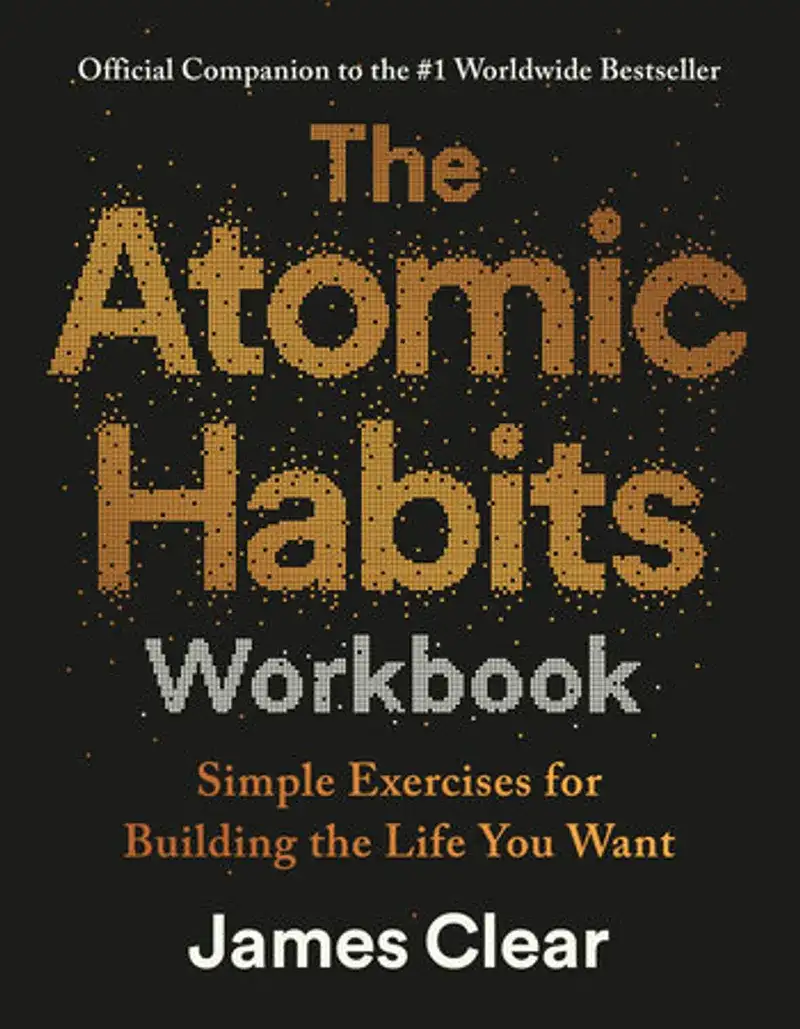
The Atomic Habits Workbook Author: James ClearPage Count: UnknownPublication Date: 2025-PRH The Atomic Habits Workbook: A Masterclass in Turning Tiny Steps into Massive Change James Clear’s The Atomic Habits Workbook isn’t just another self-help book—it’s a tactical guide for those who want to dismantle their bad habits and rebuild their lives, one microscopic action at a time. Published in 2025, this companion to his wildly popular Atomic Habits doesn’t just preach the philosophy of compounding small changes; it hands you the tools to apply it. If Clear’s original book was the blueprint, this workbook is the drill set, the screwdriver, and the step-by-step instruction manual for constructing a better version of yourself. The Core Theme: Systems Over Goals Clear’s central thesis is deceptively simple: Success isn’t about setting ambitious goals; it’s about designing systems that make those goals inevitable. The workbook doubles down on this idea, forcing readers to confront the gap between intention and action. Through a series of exercises—self-assessments, habit trackers, and reflection prompts—Clear dismantles the myth of motivation as the driving force behind change. Instead, he hammers home the power of environmental design, identity-based habits, and the two-minute rule. The message is clear: You don’t rise to the level of your goals; you fall to the level of your systems. What makes this workbook stand out is its refusal to let readers off the hook with vague advice. If Atomic Habits convinced you that small changes matter, this book makes you prove it. The exercises are brutally practical. Want to quit procrastination? You’ll map your daily triggers. Want to build discipline? You’ll audit your surroundings for friction. Want to make exercise non-negotiable? You’ll design a plan so idiot-proof that skipping it would require actual effort. Clear doesn’t just tell you to "start small"—he makes you define what small looks like in your life. Author’s Style: The Scientist with the Soul of a Coach Clear’s writing strikes a rare balance between rigor and relatability. He grounds his advice in behavioral psychology—citing studies on habit formation, dopamine loops, and environmental cues—but never loses sight of the human element. This isn’t a dry academic tome; it’s a conversation with someone who’s spent years refining these ideas through trial and error (and thousands of reader testimonies). His tone is that of a patient mentor: encouraging but not condescending, data-driven but not cold. He anticipates objections ("But what if I fail?" "How do I stay consistent?") and dismantles them with case studies and actionable frameworks. The workbook’s structure mirrors this approach—each chapter builds on the last, scaffolding your understanding until the principles feel second nature. Clear’s genius lies in his ability to make complex concepts digestible without oversimplifying them. Take his "Four Laws of Behavior Change" (Make it Obvious, Make it Attractive, Make it Easy, Make it Satisfying). In the book, these are compelling ideas. In the workbook, they become a living checklist. You’ll find yourself circling habits that violate these laws, redesigning your routines to align with them, and—most importantly—holding yourself accountable. Why This Workbook WorksIt Forces Self-Confrontation – Many habit books leave readers nodding along, thinking, "Yeah, I should do that." This one makes you write down why you haven’t, where you get stuck, and how you’ll address it. No more vague aspirations. It Turns Theory into Experiments – Clear treats habit change like a scientist: You hypothesize, test, measure, and adjust. The workbook includes "habit experiments" where you tweak one variable (e.g., changing your environment) and track the results. It’s a Long-Term Playbook – Unlike quick-fix manuals, this isn’t about a 30-day challenge. It’s about ingraining habits that compound over years. The exercises are designed to be revisited, ensuring you don’t just start strong but stay strong. It’s Accessible Without Being Patronizing – Whether you’re a CEO or a student, Clear’s framework adapts. The exercises scale from "I want to drink more water" to "I want to build a million-dollar business."A Few Minor Caveats No book is perfect, and this workbook’s strength—its interactivity—could also be its Achilles’ heel for some. If you’re not willing to engage with the exercises, the value plummets. Clear acknowledges this upfront: "This book won’t work unless you do." It’s a fair warning. Additionally, while the psychological insights are robust, the workbook occasionally leans on anecdotal evidence (e.g., "Studies show…"). For skeptics, this might feel light. But given Clear’s track record—Atomic Habits has sold over 15 million copies—his credibility is well-established. Final Verdict: A Must-Have for the Serious Self-Improver The Atomic Habits Workbook isn’t for the person who wants to read about change—it’s for the person who wants to live it. It’s the difference between admiring a map and actually walking the path. By the time you finish, you won’t just understand the principles of habit change; you’ll have a personalized playbook to execute them. Clear’s work has already helped millions reframe their approach to success. This workbook ensures that reframing isn’t just theoretical—it’s actionable. If you’re tired of setting goals and failing to meet them, if you’re ready to stop relying on willpower and start designing your environment for success, this is your next step. #AtomicHabits #HabitFormation #SelfImprovement #Productivity #JamesClear #BehaviorChange Related InsightsThe Wind-Up Bird Chronicle Book Review and Summary The Game (Wages of Sin, #2) Book Review and Summary Steve Jobs / Steve Jobs: A Biography Book Review and Summary{ "@context": "https://schema.org", "@type": "FAQPage", "mainEntity": [ { "@type": "Question", "name": "What is the main focus of The Atomic Habits Workbook Book Review and Summary?", "acceptedAnswer": { "@type": "Answer", "text": "Everything you need to know about The Atomic Habits Workbook with our detailed review." } }, { "@type": "Question", "name": "Who authored the comprehensive guide on The Atomic Habits Workbook Book Review and Summary?", "acceptedAnswer": { "@type": "Answer", "text": "This detailed article and its insights were carefully researched and authored by Elena Volkova." } }, { "@type": "Question", "name": "Where can I find more related content about Books?", "acceptedAnswer": { "@type": "Answer", "text": "You can explore more articles, detailed reviews, and similar insights by browsing the Related Insights section at the bottom of this article or visiting our dedicated Books category page." } } ] }
-
 Camille Dubois
- 19 Mar, 2026 01:43
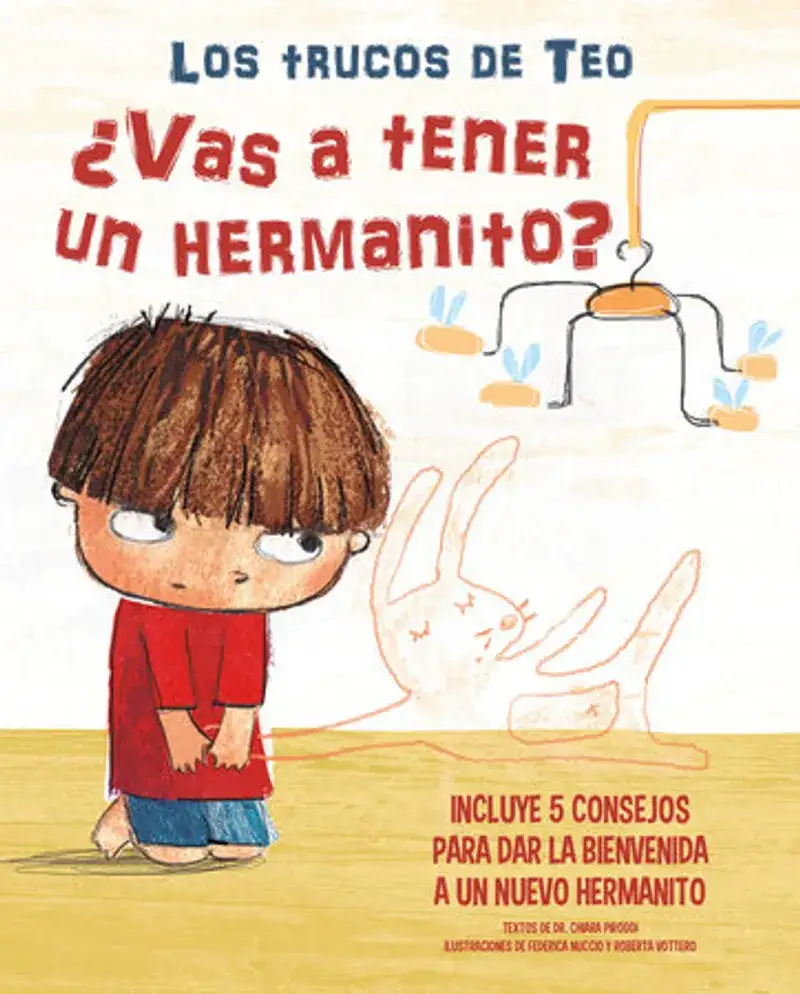
¿Vas a tener un hermanito?: Incluye 5 consejos para dar la bienvenida a un nuevo hermanito / Are You Going To Have a Baby Brother Or Sister? 5 Tips To Welcome Book Review and Summary
¿Vas a tener un hermanito?: Incluye 5 consejos para dar la bienvenida a un nuevo hermanito / Are You Going To Have a Baby Brother Or Sister? 5 Tips To Welcome Author: Chiara PiroddiPage Count: UnknownPublication Date: 2021-PRH "Are You Going To Have a Baby Brother Or Sister? 5 Tips To Welcome" by Chiara Piroddi is a heartwarming and engaging read that addresses a common concern faced by many young children - the arrival of a new sibling. As a psychologist specializing in developmental cognitive psychotherapy, Piroddi brings her expertise to the table, offering valuable advice to both children and parents navigating this significant life change. The story revolves around Teo, a relatable and endearing character who shares his "tricks" for embracing the new addition to the family. Through Teo's experiences, Piroddi gently guides young readers in understanding and accepting their new role as big brother or sister. The narrative is simple, yet effective, making it easy for children to follow and comprehend. One of the standout features of this book is its dual appeal. While the story is undoubtedly geared towards children, Piroddi's insightful advice and commentary are clearly directed at parents. This makes the book an excellent resource for families to read and discuss together, fostering a sense of unity and cooperation during a potentially challenging time. Piroddi's writing style is approachable, warm, and reassuring. She tackles the complex emotions that often accompany the arrival of a new sibling with sensitivity and understanding. Her use of accessible language and engaging storytelling techniques ensures that the book remains enjoyable and engaging for young readers. The inclusion of five practical tips for welcoming a new sibling is a valuable addition to the book. These tips, grounded in Piroddi's expertise as a psychologist, offer parents and caregivers actionable advice for supporting their children during this transition. By providing concrete strategies for managing feelings and behaviors, Piroddi empowers families to navigate this significant life change with confidence. In conclusion, "Are You Going To Have a Baby Brother Or Sister? 5 Tips To Welcome" is a delightful and informative read that is sure to resonate with children and parents alike. Piroddi's thoughtful approach and engaging storytelling make this book an excellent choice for families seeking to navigate the arrival of a new sibling with ease and understanding. #NewSibling #BigBrotherOrSister #FamilyDynamics #ChildrensBooks #ParentingTips #SiblingLove Related InsightsUntitled Book Review and Summary Me Talk Pretty One Day Book Review and Summary Mort Book Review and Summary{ "@context": "https://schema.org", "@type": "FAQPage", "mainEntity": [ { "@type": "Question", "name": "What is the main focus of ¿Vas a tener un hermanito?: Incluye 5 consejos para dar la bienvenida a un nuevo hermanito / Are You Going To Have a Baby Brother Or Sister? 5 Tips To Welcome Book Review and Summary?", "acceptedAnswer": { "@type": "Answer", "text": "Everything you need to know about ¿Vas a tener un hermanito?: Incluye 5 consejos para dar la bienvenida a un nuevo hermanito / Are You Going To Have a Baby Brother Or Sister? 5 Tips To Welcome with our detailed review." } }, { "@type": "Question", "name": "Who authored the comprehensive guide on ¿Vas a tener un hermanito?: Incluye 5 consejos para dar la bienvenida a un nuevo hermanito / Are You Going To Have a Baby Brother Or Sister? 5 Tips To Welcome Book Review and Summary?", "acceptedAnswer": { "@type": "Answer", "text": "This detailed article and its insights were carefully researched and authored by Camille Dubois." } }, { "@type": "Question", "name": "Where can I find more related content about Books?", "acceptedAnswer": { "@type": "Answer", "text": "You can explore more articles, detailed reviews, and similar insights by browsing the Related Insights section at the bottom of this article or visiting our dedicated Books category page." } } ] }
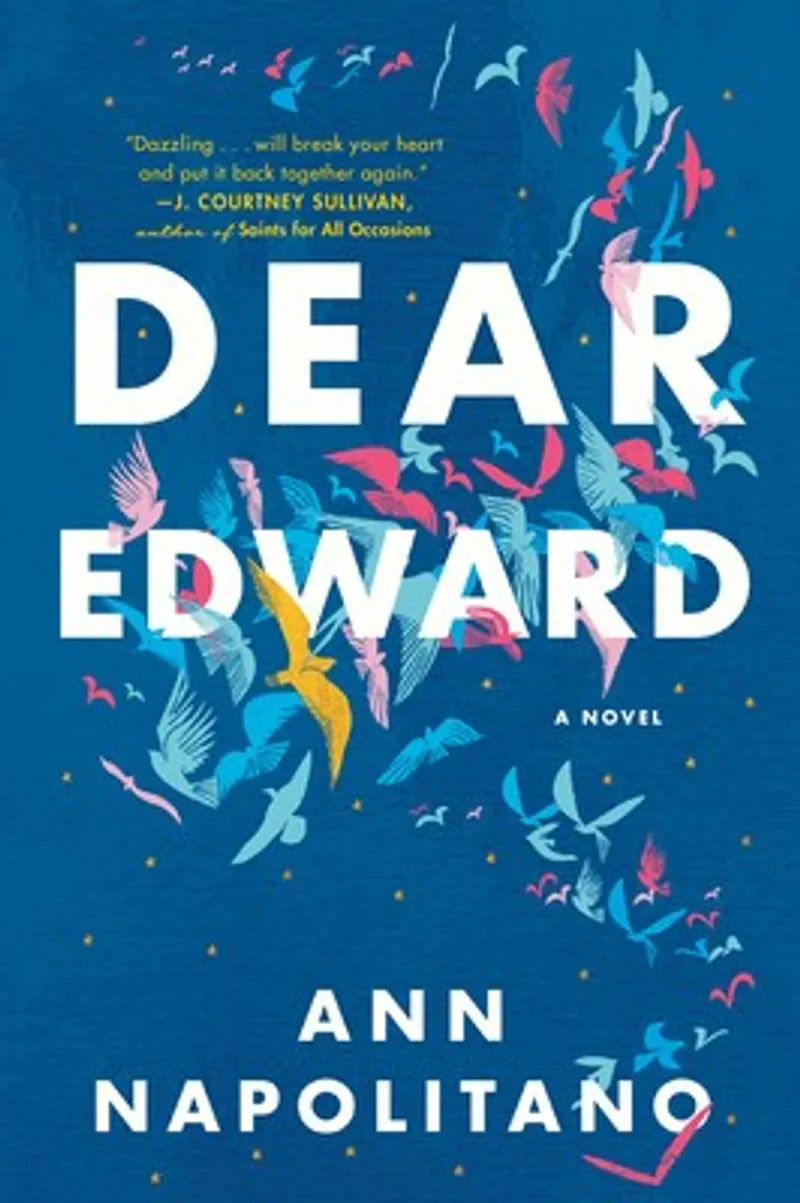

Dear Edward Author: Ann NapolitanoPage Count: UnknownPublication Date: 2020-OL Dear Edward, Ann Napolitano's poignant and thought-provoking novel, delves into the complexities of human existence, grief, and self-discovery. The story revolves around Edward Adler, a 12-year-old boy who miraculously survives a devastating plane crash that claims the lives of his family and 183 other passengers. As Edward navigates his new reality, he becomes an unlikely celebrity, with the nation captivated by his resilience and tragedy. However, behind the spotlight, Edward grapples with the immense weight of his loss, struggling to find his place in a world that no longer feels like his own. Napolitano's masterful storytelling weaves a narrative that is both heartbreaking and uplifting. With a keen eye for detail, she crafts a cast of characters that are multidimensional and relatable, each with their own distinct voice and backstory. The author's use of language is evocative and concise, conjuring vivid images of the characters' lives before the crash, as well as the devastating aftermath. Through Edward's journey, Napolitano poses profound questions about the human condition: How do we find ourselves in the face of unimaginable loss? What does it mean to truly live, rather than merely exist? One of the novel's greatest strengths lies in its exploration of grief and trauma. Napolitano tackles these complex themes with sensitivity and nuance, never shying away from the raw emotions and difficult truths that Edward and those around him must confront. The author's portrayal of Edward's inner turmoil is particularly noteworthy, as he grapples with survivor's guilt, anxiety, and the crushing weight of his newfound fame. Throughout the novel, Napolitano's writing is infused with a deep empathy and understanding of the human experience. Her prose is lyrical and expressive, with a keen attention to the subtleties of human emotion. The author's use of symbolism, particularly in her depiction of the plane and its passengers, adds depth and complexity to the narrative, inviting readers to ponder the mysteries of fate and the interconnectedness of human lives. Ultimately, Dear Edward is a powerful exploration of the human spirit, a testament to the resilience and capacity for love that defines us as individuals. Napolitano's novel is a must-read for anyone who has ever experienced loss, struggled to find their place in the world, or wondered about the mysteries of existence. With its universal themes and masterful storytelling, Dear Edward is a novel that will linger in readers' minds long after the final page is turned. #DearEdward #AnnNapolitano #GriefAndTrauma #SelfDiscovery #SurvivalStories #LiteraryFiction Related InsightsThe Grapes of Wrath Book Review and Summary None of This Is True Book Review and Summary Holy Bible: New International Version Book Review and Summary{ "@context": "https://schema.org", "@type": "FAQPage", "mainEntity": [ { "@type": "Question", "name": "What is the main focus of Dear Edward Book Review and Summary?", "acceptedAnswer": { "@type": "Answer", "text": "Everything you need to know about Dear Edward with our detailed review." } }, { "@type": "Question", "name": "Who authored the comprehensive guide on Dear Edward Book Review and Summary?", "acceptedAnswer": { "@type": "Answer", "text": "This detailed article and its insights were carefully researched and authored by Marta Wisniewska." } }, { "@type": "Question", "name": "Where can I find more related content about Books?", "acceptedAnswer": { "@type": "Answer", "text": "You can explore more articles, detailed reviews, and similar insights by browsing the Related Insights section at the bottom of this article or visiting our dedicated Books category page." } } ] }
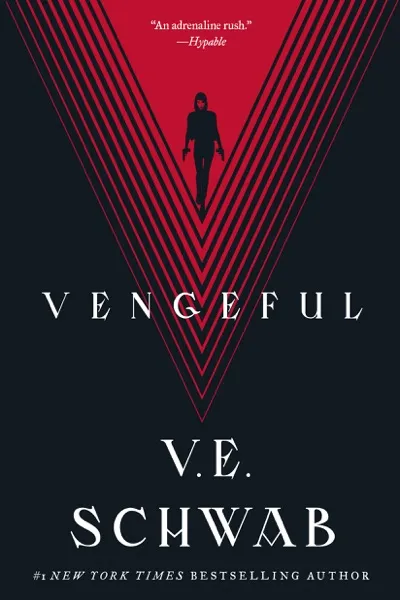

Vengeful Author: V.E. SchwabPage Count: UnknownPublication Year: 2018-GB In a world where superheroes and supervillains are the norm, the lines between good and evil are constantly blurred, and the concept of morality is a mere suggestion, V.E. Schwab's Vengeful delves into the darker corners of human nature, raising questions about the true cost of ambition and the devastating consequences of unchecked power. This highly acclaimed global bestseller is a masterful exploration of the complexities that make us human, and the monsters that we can become when driven by our basest desires. At the heart of Vengeful is a cast of characters so expertly crafted, they leap off the page and embed themselves in your psyche. Eli Ever, the villainous mastermind with a penchant for manipulation, is a character of breathtaking complexity, his motivations and desires a labyrinthine puzzle that Schwab slowly unravels throughout the narrative. Conversely, Victor Vale, the anti-hero with a heart of gold and a penchant for destruction, is a character of profound depth, his struggles with morality and identity a stark reminder of the human condition. The addition of Marcella Riggins, a character driven by a singular focus on vengeance, adds a new layer of complexity to the narrative, her actions a catalyst for the events that unfold. Schwab's writing style is a true marvel, a unique blend of darkness and wit that perfectly captures the tone of the narrative. Her use of language is economical, yet evocative, painting vivid pictures of the world she has created. The pacing is expertly handled, a delicate balancing act between action, suspense, and introspection that keeps the reader on the edge of their seat. One of the most striking aspects of Schwab's writing is her ability to craft characters that are both relatable and flawed, their motivations and desires a nuanced exploration of the human condition. One of the primary themes of Vengeful is the concept of power and its corrupting influence. Schwab expertly explores the ways in which power can consume us, driving us to commit atrocities in the name of ambition or revenge. The world she has created is a stark commentary on our own, where the strong prey on the weak, and the lines between good and evil are constantly blurred. Through the characters of Eli and Victor, Schwab raises important questions about the nature of morality, and whether it is possible to find redemption in a world that seems determined to destroy itself. The character development in Vengeful is a notable aspect of the book, with each character undergoing significant growth and change throughout the narrative. Marcella, in particular, is a fascinating study in the psychology of vengeance, her actions driven by a singular focus that ultimately leads to devastating consequences. The way Schwab weaves together the various plot threads, creating a narrative that is both complex and cohesive, is a testament to her skill as a storyteller. In addition to its thought-provoking themes and complex characters, Vengeful is also a gripping page-turner, with a narrative that is full of twists and turns. Schwab's use of suspense and tension is masterful, keeping the reader on the edge of their seat as the story unfolds. The world she has created is richly detailed, with a history and mythology that adds depth and complexity to the narrative. Ultimately, Vengeful is a book that will appeal to fans of complex, thought-provoking fiction. With its unique blend of darkness and wit, it is a narrative that will stay with you long after you finish reading. The characters are expertly crafted, the world is richly detailed, and the themes are both timely and timeless. If you're looking for a book that will challenge your assumptions and leave you breathless, then Vengeful is an absolute must-read. In conclusion, Vengeful is a masterpiece of modern storytelling, a gripping and thought-provoking exploration of the human condition. With its complex characters, nuanced themes, and masterful writing, it is a book that will appeal to fans of literary fiction and genre enthusiasts alike. Whether you're a fan of superheroes, villains, or simply great storytelling, Vengeful is a book that is sure to captivate and inspire. #VengefulBookReview #VESchwab #SuperheroFiction #DarkFantasy #BookLovers Related InsightsNobody's Fool Book Review and Summary Deathsworn Book Review and Summary Camp Jupiter Classified - A Probatio's Journal Book Review and Summary{ "@context": "https://schema.org", "@type": "FAQPage", "mainEntity": [ { "@type": "Question", "name": "What is the main focus of **Vengeful** Book Review and Summary?", "acceptedAnswer": { "@type": "Answer", "text": "Everything you need to know about **Vengeful** with our detailed review." } }, { "@type": "Question", "name": "Who authored the comprehensive guide on **Vengeful** Book Review and Summary?", "acceptedAnswer": { "@type": "Answer", "text": "This detailed article and its insights were carefully researched and authored by Lucia Garcia." } }, { "@type": "Question", "name": "Where can I find more related content about Books?", "acceptedAnswer": { "@type": "Answer", "text": "You can explore more articles, detailed reviews, and similar insights by browsing the Related Insights section at the bottom of this article or visiting our dedicated Books category page." } } ] }
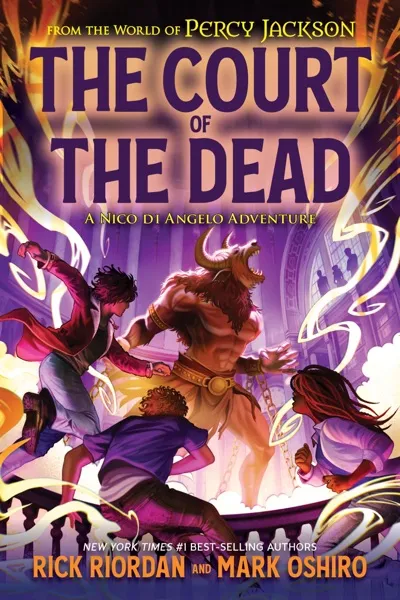

The Court of the Dead Author: Rick RiordanPage Count: UnknownPublication Year: 2025-GB The Court of the Dead: Rick Riordan’s Mythic Masterpiece Reimagines the Afterlife Few authors have reshaped modern mythology for a new generation quite like Rick Riordan. With The Court of the Dead, the master storyteller once again proves why his work remains a cornerstone of contemporary fantasy, blending ancient legends with razor-sharp wit and heart-pounding adventure. Set to release in 2025, this highly anticipated novel has already cemented its place as a global bestseller, and for good reason—Riordan has crafted a tale that feels both timeless and urgently relevant, a story where the dead don’t rest, and the living must fight to keep them at bay. At its core, The Court of the Dead explores the consequences of defying death itself. Riordan, known for his deft handling of mythological crossovers, takes readers on a journey through the underworlds of multiple cultures, weaving together Greek, Egyptian, Norse, and even lesser-known pantheons into a cohesive, thrilling narrative. The premise is deceptively simple: what happens when the barriers between life and death begin to crumble? The answer, as Riordan demonstrates, is chaos—magnificent, world-ending chaos. This isn’t just a story about gods and monsters; it’s a meditation on legacy, the weight of history, and the terrifying power of immortality. The characters, as always, are the heart of Riordan’s storytelling. While the protagonist remains shrouded in mystery (as is Riordan’s signature style), the supporting cast is a dazzling ensemble of familiar faces and fresh faces alike. Fans of his previous works will delight in reuniting with beloved characters, but The Court of the Dead also introduces a host of new players who feel just as vital. Riordan’s strength lies in his ability to balance humor with gravitas, giving each character—whether a snarky demigod or a brooding underworld deity—depth and dimension. The dialogue crackles with the same sharp, irreverent energy that has made his books so beloved, yet there’s an underlying emotional resonance that elevates the story beyond mere entertainment. Riordan’s writing style is a masterclass in accessibility and depth. His prose is clean and propulsive, ensuring that even the most complex mythological concepts are digestible for younger readers while still offering layers for adults to unpack. The pacing is relentless, with each chapter delivering a new twist, a new revelation, or a new threat that keeps readers glued to the page. Yet, beneath the surface-level adventure, Riordan embeds deeper themes—redemption, sacrifice, and the cyclical nature of history—that linger long after the final page. It’s this duality that makes his work so enduring; he never talks down to his audience, instead inviting them to think critically while being thoroughly entertained. One of the most striking aspects of The Court of the Dead is its world-building. Riordan doesn’t just borrow from existing myths; he reimagines them, infusing each underworld with its own rules, dangers, and wonders. The Court of the Dead itself is a sprawling, labyrinthine realm where the dead are not merely passive inhabitants but active participants in the story. The attention to detail is staggering, from the political intrigues of the afterlife to the sheer variety of creatures that lurk in its shadows. This isn’t a static backdrop; it’s a living, breathing entity that shapes the plot in unexpected ways. What sets Riordan apart from other mythological storytellers is his ability to make ancient stories feel urgent and personal. The Court of the Dead isn’t just about gods and monsters—it’s about the people who dare to challenge them. The stakes feel higher than ever, not just for the characters but for the world they inhabit. Riordan taps into universal fears—the fear of oblivion, the fear of being forgotten, the fear of losing what matters most—and turns them into a narrative that is as emotionally gripping as it is thrilling. For readers new to Riordan’s work, The Court of the Dead serves as an excellent entry point, though familiarity with his other books will undoubtedly enrich the experience. For longtime fans, it’s a triumphant return to the worlds they love, with enough surprises to keep even the most discerning readers on their toes. The book’s release in 2025 couldn’t come at a better time, as audiences continue to crave stories that blend myth, magic, and modern sensibilities. In an era where fantasy often feels either overly convoluted or painfully derivative, Riordan’s work stands out for its clarity, creativity, and sheer joy. The Court of the Dead is more than just a book; it’s an experience—a journey through the realms of the dead that will leave readers breathless, laughing, and, most importantly, eager for more. #RickRiordan #TheCourtoftheDead #MythologyFiction #FantasyBooks #MustRead2025 Related InsightsThe Pale House Devil Book Review and Summary Forged in Rome Book Review and Summary A Christmas Inn, Maine: A Feel-Good, Queer Holiday Rom-Com Book Review and Summary{ "@context": "https://schema.org", "@type": "FAQPage", "mainEntity": [ { "@type": "Question", "name": "What is the main focus of **The Court of the Dead** Book Review and Summary?", "acceptedAnswer": { "@type": "Answer", "text": "Everything you need to know about **The Court of the Dead** with our detailed review." } }, { "@type": "Question", "name": "Who authored the comprehensive guide on **The Court of the Dead** Book Review and Summary?", "acceptedAnswer": { "@type": "Answer", "text": "This detailed article and its insights were carefully researched and authored by Sofia Bianchi." } }, { "@type": "Question", "name": "Where can I find more related content about Books?", "acceptedAnswer": { "@type": "Answer", "text": "You can explore more articles, detailed reviews, and similar insights by browsing the Related Insights section at the bottom of this article or visiting our dedicated Books category page." } } ] }


Amarilla Author: R. F. KuangPage Count: UnknownPublication Year: 2023-GB Amarilla, the latest masterpiece from R.F. Kuang, is not just another book—it is a seismic shift in the literary landscape, a global phenomenon that has captivated readers from Tokyo to Toronto. With its debut, Kuang has cemented her reputation as one of the most daring and original voices of our time, crafting a narrative that is as intellectually rigorous as it is emotionally devastating. This is not merely a story; it is an experience, a confrontation with history, memory, and the weight of inherited trauma. At its core, Amarilla is a novel about the ghosts we carry—those we inherit, those we create, and those we bury. The book follows its unnamed protagonist, a young woman of mixed heritage, as she navigates the fractured terrain of her family’s past. The title itself, Amarilla (Spanish for "yellow"), is a loaded symbol: it evokes both the color of skin associated with racialized Otherness and the bitterness of unspoken truths. Kuang’s genius lies in how she weaves this duality into the fabric of the narrative, forcing the reader to confront the ways in which identity is both a prison and a liberation. What makes Amarilla so extraordinary is Kuang’s fearless exploration of colonialism, displacement, and the erasure of history. The novel is steeped in the legacy of Spanish colonialism in the Philippines, but it transcends its historical setting to speak to universal themes of belonging and dispossession. The protagonist’s journey is not just a personal reckoning but a collective one—a reckoning with the ways in which empire reshapes lives across generations. Kuang’s prose is sharp, unflinching, and often brutal, mirroring the relentless weight of the past on the present. Kuang’s writing style is a tour de force. She employs a fragmented, non-linear narrative that mirrors the protagonist’s fractured psyche. The prose is dense with historical detail, yet it never feels like an information dump. Instead, Kuang integrates history seamlessly into the story, making the past feel as immediate and visceral as the present. Her sentences are precise, her metaphors striking, and her emotional range vast. She moves effortlessly between lyrical beauty and raw, unfiltered rage, capturing the complexity of human experience with unparalleled depth. One of the most striking aspects of Amarilla is its unapologetic refusal to offer easy answers. Kuang does not provide a neat resolution or a tidy moral. Instead, she presents a world where the lines between victim and perpetrator are blurred, where the search for identity is fraught with contradictions. The protagonist’s journey is messy, her choices flawed, her emotions raw. Kuang does not ask the reader to sympathize with her protagonist; she asks us to understand her—to sit with her in her pain, her confusion, and her hard-won moments of clarity. The novel’s strength also lies in its exploration of language and silence. The protagonist’s mixed heritage leaves her caught between cultures, unable to fully claim either as her own. Language becomes a battleground—Spanish, Tagalog, and English all play a role in shaping her sense of self. Kuang’s use of code-switching and bilingualism is masterful, reflecting the protagonist’s internal conflict and the ways in which language can both liberate and oppress. Amarilla is not a book for the faint of heart. It demands attention, patience, and emotional stamina. It is a novel that will haunt you long after you turn the final page, a testament to the power of literature to confront the unspoken and the unspeakable. Kuang has crafted a work that is as intellectually stimulating as it is deeply moving, a novel that will undoubtedly be studied, debated, and revered for years to come. In a literary landscape often dominated by safe, sanitized stories, Amarilla stands out as a bold, uncompromising masterpiece. It is a book that challenges, provokes, and ultimately transforms. R.F. Kuang has once again proven herself to be a writer of extraordinary talent and vision, and Amarilla is her most ambitious work yet. #Amarilla #RFKuang #LiteraryFiction #HistoricalDrama #IdentityAndBelonging #ColonialLegacy Related InsightsNot in Otter's Pocket! Book Review and Summary Recursion Book Review and Summary The Magical Cheese Emporium (Spellshop, #4) Book Review and Summary{ "@context": "https://schema.org", "@type": "FAQPage", "mainEntity": [ { "@type": "Question", "name": "What is the main focus of Amarilla Book Review and Summary?", "acceptedAnswer": { "@type": "Answer", "text": "Everything you need to know about Amarilla with our detailed review." } }, { "@type": "Question", "name": "Who authored the comprehensive guide on Amarilla Book Review and Summary?", "acceptedAnswer": { "@type": "Answer", "text": "This detailed article and its insights were carefully researched and authored by Hannah Schmidt." } }, { "@type": "Question", "name": "Where can I find more related content about Books?", "acceptedAnswer": { "@type": "Answer", "text": "You can explore more articles, detailed reviews, and similar insights by browsing the Related Insights section at the bottom of this article or visiting our dedicated Books category page." } } ] }

The Big Sleep (Special Edition) Author: Raymond ChandlerPage Count: UnknownPublication Date: 2022-PRH The Big Sleep, a seminal work of crime fiction by the inimitable Raymond Chandler, has been reissued in a special edition, complete with an introduction by the acclaimed author James Ellroy. This iconic novel, first published in 1939, marked the debut of Philip Marlowe, the quintessential urban private eye, and it remains a gripping and thought-provoking read to this day. On its surface, The Big Sleep is a complex and engaging mystery, replete with blackmail, kidnapping, pornography, seduction, and murder. The story begins with the ailing millionaire General Sternwood hiring Marlowe to handle a blackmailer who is preying on one of his two beautiful and wayward daughters, Carmen. As Marlowe delves deeper into the case, he finds himself entangled in a web of deceit, corruption, and violence that threatens to destroy the Sternwood family and everyone around them. However, beneath its intricate plot, The Big Sleep is a novel about the decay of moral values in a society obsessed with wealth, power, and pleasure. Chandler's vision of 1930s Los Angeles is a bleak and unforgiving one, where the corrupt and the depraved lurk in every shadow, and the rule of law is mere fiction. Through Marlowe's eyes, we witness a world where the lines between good and evil are constantly blurred, and where the only constant is the pursuit of self-interest. One of the key aspects of Chandler's writing style is his use of language, which is at once poetic and brutal. His prose is a masterclass in economy and precision, with a keen attention to detail that brings the city and its inhabitants to vivid life. The Big Sleep is full of memorable characters, from the enigmatic and alluring Vivian Sternwood to the sinister and manipulative Eddie Mars. Each one is drawn with a precision that makes them feel fully realized and three-dimensional. Chandler's greatest creation, of course, is Philip Marlowe himself, the iconic private eye who has become synonymous with the genre. Marlowe is a complex and deeply human character, driven by a strong sense of justice and a desire to do what is right, even in the face of overwhelming corruption and adversity. He is also a deeply romantic figure, haunted by his own demons and struggling to find his place in a world that seems determined to destroy him. The Big Sleep is a must-read for fans of crime fiction, and this special edition is a welcome addition to the Chandler canon. The introduction by James Ellroy provides valuable context and insights into the novel's themes and influences, and the book itself remains a gripping and thought-provoking read. If you haven't already, do yourself a favor and immerse yourself in Chandler's world of corruption, violence, and moral decay. It's a journey you won't soon forget. #TheBigSleep #RaymondChandler #PhilipMarlowe #CrimeFiction #NoirFiction #ClassicDetectiveNovels Related InsightsThree Kinds of Lucky Book Review and Summary Find Me Book Review and Summary Artemis Fowl Book Review and Summary{ "@context": "https://schema.org", "@type": "FAQPage", "mainEntity": [ { "@type": "Question", "name": "What is the main focus of The Big Sleep Book Review and Summary?", "acceptedAnswer": { "@type": "Answer", "text": "Everything you need to know about The Big Sleep with our detailed review." } }, { "@type": "Question", "name": "Who authored the comprehensive guide on The Big Sleep Book Review and Summary?", "acceptedAnswer": { "@type": "Answer", "text": "This detailed article and its insights were carefully researched and authored by Raymond Chandler." } }, { "@type": "Question", "name": "Where can I find more related content about Books?", "acceptedAnswer": { "@type": "Answer", "text": "You can explore more articles, detailed reviews, and similar insights by browsing the Related Insights section at the bottom of this article or visiting our dedicated Books category page." } } ] }


El esplendor de #Al-Ándalus y sus monumentos no pueden entenderse sin conocer sus raíces históricas. La civilización que construyó maravillas como esta fue impulsada por la religión traída por #Mahoma (s.a.v), consolidada por los heroicos esfuerzos y sacrificios de los primeros #musulmanes y la expansión del #Islam, y protegida por genios militares legendarios como el invicto #Jalid ibn al-Walid. El castillo de Gibralfaro o alcázar de Gibralfaro es una fortificación situada en la ciudad española de Málaga. #historia El antiguo recinto fenicio contenía un faro que da nombre al cerro Gibralfaro (Jbel-Faro, o monte del faro). Fue Abderramán III quién transformó en fortaleza las antiguas ruinas existentes desde antes de la llegada de los romanos. La fortaleza fue ampliada y convertida en alcázar por el rey nazarita Yusuf I en el año 1340. El castillo fue objeto de un fuerte asedio por parte de los Reyes Católicos durante todo el verano de 1487. Tras el asedio, Fernando el Católico lo tomó como residencia, mientras que Isabel I de Castilla optó por vivir en la ciudad. Se construyó para albergar a las tropas y proteger la Alcazaba en los asedios, debido al uso generalizado de la cima del cerro por la artillería. Fue una de las fortalezas más inexpugnables de la península ibérica. Se compone de dos líneas de murallas y ocho torreones. La muralla del exterior se une con la coracha, muros dispuestos con formas zigzagueantes que mantienen unido el castillo con la Alcazaba. Por su parte, la muralla interior permite hacer el camino de ronda por todo el perímetro de la fortaleza. El castillo se divide en dos partes. La parte superior recibe el nombre de patio principal y en ella se encuentra el centro de interpretación. En la misma zona se encuentra la torre Mayor, con 17 metros de altura, el pozo fenicio y los baños. El pozo de Airón está excavado en roca viva y tiene una profundidad de 40 metros. En la parte inferior, o patio de armas, estaban los barracones de la tropa y las caballerizas. La torre albarrana o torre Blanca, orientada hacia el noreste, es una de las más visibles, y en su interior conserva un aljibe, dependencias y almacenes Actualmente el castillo es visitable, y desde su torre del homenaje se pueden observar unas magníficas vistas de la ciudad de Málaga, y en días claros es posible divisar algunos montes de la cordillera del Rif (en África) y el estrecho de Gibraltar. Catalogación Bien de interés cultural, en categoría de monumento, según Ley 16/1985 de 25 de junio. Declarado Monumento Histórico Artístico el 3 de junio de 1931. Centro de interpretación de Gibralfaro En el polvorín del castillo hay una exposición que repasa elementos de la vida cotidiana militar en el castillo a lo largo de la #historia. Contiene, entre otros enseres en exposición, los uniformes militares típicos de los soldados de los regimientos de cada época con estadía en el castillo: del siglo XVI el Alabardero; en el siglo XVII, el Arcabucero; en el siglo XVIII, un soldado del Regimiento Fixo de Málaga; del siglo XIX, un oficial de la infantería Reding n.º 3 y del XX, un soldado del Regimiento Borbón 17. Curiosidades Figura en los escudos y banderas tanto de la ciudad como de la provincia de Málaga. La capital malagueña celebra en verano en el Patio de Armas del castillo recitales de jazz, música étnica y clásica durante el Festival Gibfest. Algunas escenas del largometraje Scent of Mystery dirigido por Mike Todd y protagonizado por Elizabeth Taylor fueron rodadas en el castillo de Gibralfaro en 1959. Transporte #andalus #malaga #gibralfaro Related InsightsWhere Earth Breathes Ages: A Deep Dive into Grand Canyon National Park Montserrat: Il Respiro del Fuoco e l'Anima di Smeraldo dei Caraibi Ha Long Bay: A Mystical Seascape of Legends{ "@context": "https://schema.org", "@type": "FAQPage", "mainEntity": [ { "@type": "Question", "name": "What is the main focus of Castillo de Gibralfaro: El Guardián de Málaga?", "acceptedAnswer": { "@type": "Answer", "text": "Descubre la historia profunda de Castillo de Gibralfaro." } }, { "@type": "Question", "name": "Who authored the comprehensive guide on Castillo de Gibralfaro: El Guardián de Málaga?", "acceptedAnswer": { "@type": "Answer", "text": "This detailed article and its insights were carefully researched and authored by Mateo García." } }, { "@type": "Question", "name": "Where can I find more related content about Travel?", "acceptedAnswer": { "@type": "Answer", "text": "You can explore more articles, detailed reviews, and similar insights by browsing the Related Insights section at the bottom of this article or visiting our dedicated Travel category page." } } ] }
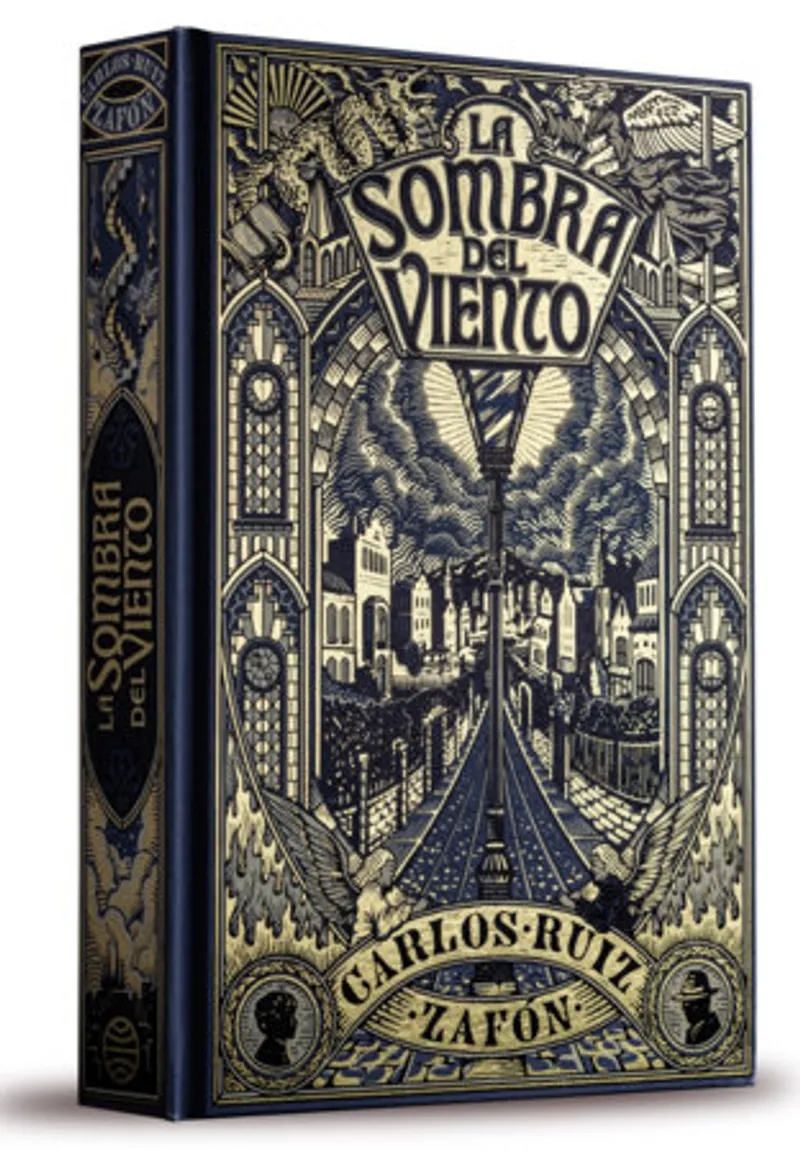
La sombra del viento (Edición Pop-up / 25 años) / The Shadow of the Wind (Pop-up Edition / 25th Anniversary) Author: Carlos Ruiz ZafónPage Count: UnknownPublication Date: 2026-PRH In the 25th anniversary edition of "The Shadow of the Wind," Carlos Ruiz Zafón masterfully weaves a captivating tale that delves into the mysterious and often dark world of literature. This pop-up edition is a testament to the author's unique storytelling ability, which has stood the test of time, and continues to enthrall readers of all ages. At its core, "The Shadow of the Wind" is a story about the transformative power of literature and the unbreakable bond between a reader and a book. Set in post-civil war Barcelona, the narrative follows a young boy named Daniel Sempere, who discovers a mysterious book in a secret library called the Cemetery of Forgotten Books. As Daniel delves deeper into the world of the book, he becomes obsessed with uncovering the truth about the author and the dark events that unfolded. Ruiz Zafón's writing style is a character in its own right, with vivid descriptions of the Gothic architecture of Barcelona and the musty scent of old books. His use of language is deliberate and evocative, drawing the reader into the world of the story and refusing to let go. The author's love of literature is palpable, and his passion for storytelling is infectious. One of the most striking aspects of "The Shadow of the Wind" is its exploration of the theme of memory and how it shapes our understanding of ourselves and the world around us. Through Daniel's journey, Ruiz Zafón highlights the importance of preserving the past, not just as a historical record, but as a way of understanding the complexities of human experience. The pop-up edition of "The Shadow of the Wind" is a beautiful tribute to the original novel, with intricate illustrations and clever design elements that bring the story to life in a new and exciting way. The edition is a must-have for fans of the book, and a wonderful introduction for new readers. In short, "The Shadow of the Wind" is a masterpiece of storytelling that will appeal to book lovers of all ages. With its richly atmospheric setting, memorable characters, and exploration of the transformative power of literature, this novel is a must-read for anyone who has ever fallen in love with a book. #TheShadowOfTheWind #CarlosRuizZafon #LiteraryFiction #BookLovers #CemeteryOfForgottenBooks #GothicLiterature Related InsightsOx Ghost Snake Demon Book Review and Summary Battle Ground Book Review and Summary Cursed City (Harker Academy, #2) Book Review and Summary{ "@context": "https://schema.org", "@type": "FAQPage", "mainEntity": [ { "@type": "Question", "name": "What is the main focus of The Shadow of the Wind Book Review and Summary?", "acceptedAnswer": { "@type": "Answer", "text": "Everything you need to know about The Shadow of the Wind with our detailed review." } }, { "@type": "Question", "name": "Who authored the comprehensive guide on The Shadow of the Wind Book Review and Summary?", "acceptedAnswer": { "@type": "Answer", "text": "This detailed article and its insights were carefully researched and authored by Carlos Ruiz Zafón." } }, { "@type": "Question", "name": "Where can I find more related content about Books?", "acceptedAnswer": { "@type": "Answer", "text": "You can explore more articles, detailed reviews, and similar insights by browsing the Related Insights section at the bottom of this article or visiting our dedicated Books category page." } } ] }
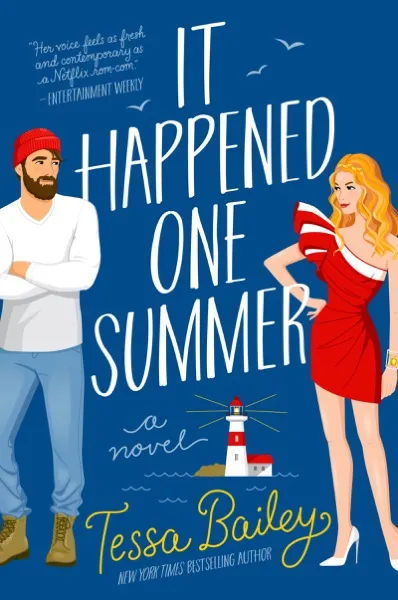

It Happened One Summer Author: Tessa BaileyPage Count: UnknownPublication Year: 2021-GB It Happened One Summer: A Fiery, Funny, and Unforgettable Romance That Steals Hearts Tessa Bailey’s It Happened One Summer is the kind of book that grabs you by the collar and refuses to let go—until you’ve devoured every last page. A global bestseller for a reason, this novel blends sharp humor, steamy tension, and a swoon-worthy love story that feels both fresh and timeless. Set against the rugged backdrop of Westport, Washington, this is a tale of opposites attracting, second chances, and the messy, beautiful chaos of falling in love when you least expect it. At its core, It Happened One Summer is a romance about reclaiming joy after loss. Piper Bellinger, the book’s larger-than-life heroine, is the kind of character who dominates a room the second she walks in. A social media darling with a sharp tongue and a rebellious streak, Piper is the kind of woman who’d rather flip off a paparazzo than smile for the camera. But beneath the bravado, she’s a storm of grief, still reeling from her father’s sudden death. When a scathing late-night rant goes viral—one where she mocks the small town she once adored—she’s unceremoniously shipped off to Westport by her overbearing older sisters, who hope a summer of forced manual labor will knock some sense into her. Enter Brendan Callahan, the gruff, no-nonsense owner of a local marina and Piper’s unwilling roommate. Brendan is the human embodiment of a grumpy mountain man—tall, tattooed, and perpetually annoyed by Piper’s antics. But where Piper is all fire and chaos, Brendan is stoic, methodical, and hiding his own wounds. A former athlete sidelined by an injury, he’s built walls around his heart, refusing to let anyone in—until Piper, with her relentless energy and unfiltered mouth, starts chipping away at them. What makes Bailey’s storytelling so compelling is her ability to balance humor and heartache with effortless grace. The banter between Piper and Brendan crackles off the page, dripping with sarcasm, sexual tension, and an underlying vulnerability that keeps you rooting for them. Bailey’s dialogue is razor-sharp, filled with one-liners that land like punches before dissolving into laughter. There’s a scene where Piper, after a few too many drinks, attempts to serenade Brendan with a drunken rendition of Careless Whisper—only to be met with his deadpan, “I’d rather listen to a bag of hammers being run over by a truck.” Moments like these showcase Bailey’s talent for weaving comedy into even the most tender exchanges. But beneath the humor lies a deeper exploration of healing. Both Piper and Brendan are running from pain—Piper from grief and guilt, Brendan from regret and isolation. Their slow-burn romance isn’t just about lust or instant attraction; it’s about two broken people learning to trust again. Bailey excels at writing emotionally raw scenes where the facade drops, and the characters are left raw and exposed. There’s a particularly poignant moment where Brendan, usually so guarded, admits to Piper, “I don’t know how to do this. I don’t know how to want something this much.” It’s a line that hits hard because it’s honest, and it’s honest because Bailey refuses to shy away from the messy, uncomfortable truths of love and loss. The setting of Westport also deserves applause—it’s more than just a picturesque backdrop. The small-town charm, the salty air, the way the ocean seems to mirror the characters’ emotions—it all feels alive. Bailey’s prose paints a vivid picture, making you smell the pine trees, taste the local diner’s pie, and feel the grit of the dock under your feet. It’s the kind of atmosphere that makes you want to pack your bags and move there, even if only for a little while. What truly sets It Happened One Summer apart, however, is its refusal to conform to tired romance tropes. Piper isn’t a damsel in distress, and Brendan isn’t a brooding alpha hero who needs “fixing.” They’re flawed, complicated, and beautifully real. Their relationship evolves organically, with setbacks and misunderstandings that feel authentic rather than manufactured for drama. And the steam? Oh, the steam. Bailey writes sex scenes that are as emotionally charged as they are physically intense—passionate but never gratuitous, always serving the story and the characters. By the time you reach the final pages, you’ll be left breathless—not just from the emotional gut-punch of the ending, but from the sheer satisfaction of watching two people find their way back to themselves through love. It Happened One Summer isn’t just a romance; it’s a celebration of resilience, a testament to the fact that sometimes, the people who challenge us the most are the ones who end up saving us. If you’re a fan of enemies-to-lovers, forced proximity, or just great storytelling with heart and humor, this book is a must-read. Tessa Bailey proves once again why she’s a master of modern romance—she writes love stories that linger long after the last page. #RomanceBooks #EnemiesToLovers #TessaBailey #MustReadRomance #Bookstagram #RomanceNovel Related InsightsIn Cold Blood Book Review and Summary Godrise Book Review and Summary Jonathan Livingston Seagull Book Review and Summary{ "@context": "https://schema.org", "@type": "FAQPage", "mainEntity": [ { "@type": "Question", "name": "What is the main focus of It Happened One Summer Book Review and Summary?", "acceptedAnswer": { "@type": "Answer", "text": "Everything you need to know about It Happened One Summer with our detailed review." } }, { "@type": "Question", "name": "Who authored the comprehensive guide on It Happened One Summer Book Review and Summary?", "acceptedAnswer": { "@type": "Answer", "text": "This detailed article and its insights were carefully researched and authored by Beatriz Costa." } }, { "@type": "Question", "name": "Where can I find more related content about Books?", "acceptedAnswer": { "@type": "Answer", "text": "You can explore more articles, detailed reviews, and similar insights by browsing the Related Insights section at the bottom of this article or visiting our dedicated Books category page." } } ] }
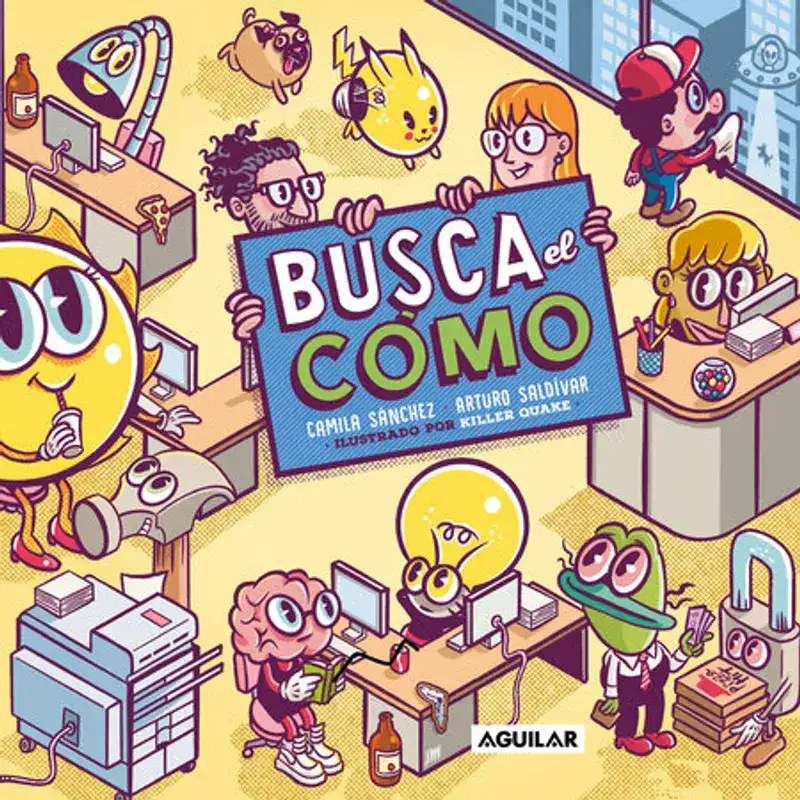

Busca el cómo / Search for the How Author: Killer QuakePage Count: UnknownPublication Date: 2024-PRH Laugh Your Way to Creative Freedom: A Review of Busca el cómo / Search for the How by Killer Quake There’s a certain audacity in telling readers that creativity isn’t just a talent—it’s a choice. That it doesn’t belong to artists, entrepreneurs, or "special" people, but to everyone, even (or especially) those who’ve been conditioned to believe otherwise. Killer Quake’s Busca el cómo / Search for the How is a manifesto disguised as a playful invitation, a book that doesn’t just preach creativity but enforces it through laughter, provocation, and unapologetic self-belief. The core premise is simple: creativity isn’t a mystical gift—it’s a muscle. And Killer Quake, with the irreverence of a stand-up comedian and the precision of a seasoned provocateur, dismantles the excuses we’ve internalized. "You’re creative, and don’t let anyone tell you otherwise," they declare in the opening lines, a challenge wrapped in a wink. It’s a line that could easily come off as cliché, but here, it feels like a dare. The book doesn’t just say creativity is accessible—it proves it, demanding the reader either lean into the absurdity or admit defeat. What makes Search for the How stand out is its refusal to take itself too seriously. The tone is irreverent, conversational, and packed with the kind of humor that feels like a friend leaning over your shoulder, whispering, "Hey, what if we tried this?" The Spanish edition’s playful tone—full of asides like "¡Psst, psst!" and "Ríete con las ilustraciones" (Laugh at the illustrations)—carries over in the English version, making the book feel less like a textbook and more like a backstage pass to a comedy club where the main act is you. The author’s style is a blend of motivational kick-in-the-pants and absurdist humor. There’s no dry theory here, no jargon-heavy advice about "innovation frameworks" or "design thinking." Instead, Killer Quake uses humor as a Trojan horse, sneaking in truths about self-sabotage, fear of judgment, and the paralysis of overthinking. The illustrations, wherever they appear, seem to mock the very idea of taking creativity too seriously. It’s as if the book itself is winking at the reader: "See? Even the pictures are laughing at your excuses." The real magic happens in the subtext. Beneath the jokes and the encouragement to "have fun," there’s a steely undercurrent: Creativity is power, and power is currency. The postscript—"If you buy the book, you might also learn how to monetize your creativity (like us)"—isn’t just a sales pitch. It’s a reminder that the same mindset that fuels art, humor, or random ideas can also build careers, side hustles, or entire lifestyles. The book doesn’t just want you to create; it wants you to profit from creation, in every sense of the word. For skeptics who bristle at the idea of "manifestos for creatives," Search for the How offers a refreshing alternative: it doesn’t preach. It prods. It doesn’t tell you what to think; it makes you feel the frustration of holding back your own ideas. The writing is designed to trigger that familiar itch—the one that says, "Wait, why haven’t I tried that yet?"—and then slaps you with a mirror: "Because you were waiting for permission." Of course, the book isn’t without risks. Its casual tone might alienate readers who crave structure or traditional self-help frameworks. And while humor is a brilliant tool for engagement, it can sometimes overshadow deeper reflections on the how of monetizing creativity, leaving some readers wanting more concrete steps. But these are minor quibbles in an otherwise electrifying read. Search for the How isn’t here to coddle; it’s here to shake you awake. In a world where creativity is often commodified into courses, templates, and "10-step guides," Killer Quake’s approach is a rebellion. It’s a reminder that the most revolutionary ideas often start not with a grand plan, but with a stupid joke, a doodle, or a moment of defiance. The book doesn’t just tell you to create—it makes you want to create, even if you have to laugh through the discomfort. If you’ve ever felt stifled by your own "I’m not creative" narrative, this book is your wake-up call. And if you’re already a believer? It’ll be the fuel you didn’t know you needed. #CreativityUnleashed #LaughYourWayToSuccess #MonetizeYourMindset #BreakTheRules #CreativeRebellion #NoMoreExcuses Related InsightsSamantha: The Next Chapter Book Review and Summary Punto ciego Book Review and Summary Write Now Journal: 'It's not what we have in our life, but who we have in our life that counts.' -J. M. Laurence Book Review and Summary{ "@context": "https://schema.org", "@type": "FAQPage", "mainEntity": [ { "@type": "Question", "name": "What is the main focus of Busca el cómo / Search for the How Book Review and Summary?", "acceptedAnswer": { "@type": "Answer", "text": "Everything you need to know about Busca el cómo / Search for the How with our detailed review." } }, { "@type": "Question", "name": "Who authored the comprehensive guide on Busca el cómo / Search for the How Book Review and Summary?", "acceptedAnswer": { "@type": "Answer", "text": "This detailed article and its insights were carefully researched and authored by Diego Lopez." } }, { "@type": "Question", "name": "Where can I find more related content about Books?", "acceptedAnswer": { "@type": "Answer", "text": "You can explore more articles, detailed reviews, and similar insights by browsing the Related Insights section at the bottom of this article or visiting our dedicated Books category page." } } ] }


Tiramisù Tradizionale: Il Dessert che Tira Su l'Umore Oggi esploriamo il classico Tiramisù, il dolce più amato, copiato e venerato al mondo. Una Storia Recente, un Successo Mondiale Potrebbe sorprendervi, ma rispetto ad altre ricette storiche italiane, il tiramisù è relativamente giovane. Non ha secoli di storia alle spalle, bensì è nato intorno alla fine degli anni '60 o l'inizio degli anni '70 in Veneto, più precisamente a Treviso, presso il ristorante "Le Beccherie". L'idea brillante della pasticcera Alba Campeol e dello chef Roberto Linguanotto era quella di creare un dolce "ricostituente" (da qui il nome tira-mi-sù) per le neo-mamme e i clienti stanchi, unendo ingredienti energetici e semplici. La preparazione del tiramisù non richiede l'uso del forno, ma è un processo che esige attenzione ai dettagli. I Cinque Ingredienti Sacri L'autentico Tiramisù trevigiano non ammette deviazioni. Niente panna, niente fragole, niente alcolici estranei. Solo cinque elementi fondamentali:I Savoiardi: Questi biscotti leggeri e spugnosi sono essenziali. Sono gli unici in grado di assorbire il caffè senza trasformarsi in una poltiglia informe. Il Mascarpone: Fresco e ricco. È il cuore cremoso del dolce, lavorato a crema. Le Uova: Severamente freschissime. I tuorli vengono montati con lo zucchero fino a diventare spumosi, poi si unisce il mascarpone. Infine, gli albumi montati a neve fermissima vengono incorporati dal basso verso l'alto, garantendo quella leggerezza simile a una nuvola. Il Caffè Espresso: Fortemente amaro e, soprattutto, freddo. Un caffè caldo inzupperebbe troppo velocemente i biscotti. I savoiardi vanno intinti per un solo secondo per lato. Il Cacao Amaro: Spolverato generosamente sulla superficie solo al momento di servire, per contrastare la dolcezza della crema.Riposare in frigorifero per almeno 4-6 ore è il passaggio finale cruciale per permettere ai sapori di fondersi in un'unica sinfonia. Se non lo avete mai preparato seguendo questa rigorosa semplicità, è il momento di farlo! #tiramisu #dessert #italianfood #dolceitaliano #treviso #mascarpone #savoiardi #caffe #isabellaferrari #TiramisuLovers #DolciAlCucchiaio #recipe #exclusive Related InsightsVegane Käsespätzle Готовим бефстроганов Sticky Toffee Pudding{ "@context": "https://schema.org", "@type": "FAQPage", "mainEntity": [ { "@type": "Question", "name": "What is the main focus of Tiramisù Tradizionale?", "acceptedAnswer": { "@type": "Answer", "text": "Explore the incredible journey of Tiramisù Tradizionale with Isabella Ferrari." } }, { "@type": "Question", "name": "Who authored the comprehensive guide on Tiramisù Tradizionale?", "acceptedAnswer": { "@type": "Answer", "text": "This detailed article and its insights were carefully researched and authored by Isabella Ferrari." } }, { "@type": "Question", "name": "Where can I find more related content about Recipe?", "acceptedAnswer": { "@type": "Answer", "text": "You can explore more articles, detailed reviews, and similar insights by browsing the Related Insights section at the bottom of this article or visiting our dedicated Recipe category page." } } ] }

King Noir Author: Tony MagistralePage Count: UnknownPublication Year: 2025-GB Imagine stepping into a world where the lines between reality and fantasy are blurred, and the darkness that lurks within human nature is exposed in all its complexity. This is the world that Tony Magistrale masterfully crafts in his latest novel, King Noir, a gripping and thought-provoking tale that has captivated readers worldwide, solidifying its position as a global bestseller. As you delve into the pages of this literary masterpiece, you'll be drawn into a realm of psychological suspense, philosophical introspection, and atmospheric tension, making it impossible to look away. At its core, King Noir is a novel that defies easy categorization, blending elements of mystery, thriller, and philosophical fiction to create a unique narrative that is both haunting and mesmerizing. Magistrale's writing style is characterized by its lyricism, depth, and nuance, as he weaves together a complex tapestry of characters, each with their own distinct voice, motivations, and conflicts. The author's use of language is deliberate and evocative, conjuring vivid images and emotions that linger long after the story is finished. One of the most striking aspects of King Noir is its exploration of the human condition, delving into themes of identity, morality, and the nature of evil. Magistrale's characters are multidimensional and richly drawn, with flaws and weaknesses that make them relatable and human. The protagonist, in particular, is a fascinating and complex figure, driven by a mix of motivations that are both noble and self-serving. As the story unfolds, the lines between good and evil are blurred, and the reader is forced to confront the darkness that lies within themselves. Throughout the novel, Magistrale masterfully explores the tension between light and darkness, hope and despair, and the fragile balance that exists between these opposing forces. The world he creates is one of shadows and silhouettes, where the truth is often obscured, and nothing is as it seems. This sense of ambiguity and uncertainty keeps the reader on edge, as they struggle to piece together the puzzle of clues and hidden meanings that Magistrale skillfully scatters throughout the narrative. The author's use of symbolism and metaphors adds another layer of depth to the story, inviting the reader to interpret and reflect on the themes and ideas that are presented. The title King Noir itself is a masterful stroke, evoking the idea of a dark, omnipotent force that reigns supreme, while also hinting at the possibility of redemption and transformation. As the story reaches its climax, the true meaning of the title becomes clear, and the reader is left to ponder the implications of the events that have unfolded. In terms of character development, Magistrale demonstrates a remarkable ability to create characters that are both believable and relatable. The supporting cast is equally well-crafted, with each character bringing their own unique perspective and insights to the narrative. The relationships between the characters are nuanced and multifaceted, adding an extra layer of complexity to the story. The pacing of the novel is expertly managed, with a narrative that flows smoothly and effortlessly, drawing the reader into the world of King Noir. The tension builds slowly, reaching a crescendo that is both shocking and inevitable. The author's use of plot twists and surprises is clever and well-executed, keeping the reader on the edge of their seat as they struggle to anticipate what will happen next. Overall, King Noir is a masterpiece of contemporary literature, a novel that will appeal to fans of psychological suspense, philosophical fiction, and atmospheric thrillers. With its complex characters, nuanced themes, and masterful writing, this book is a must-read for anyone looking for a story that will challenge, provoke, and haunt them long after the final page is turned. Tony Magistrale has outdone himself with this latest effort, cementing his position as one of the most exciting and innovative writers of our time. #KingNoir #TonyMagistrale #PsychologicalSuspense #PhilosophicalFiction #GlobalBestseller Related InsightsGlances at Germany, Poland, and the Euxine Book Review and Summary Like Water for Chocolate Book Review and Summary Days of Shattered Faith Book Review and Summary{ "@context": "https://schema.org", "@type": "FAQPage", "mainEntity": [ { "@type": "Question", "name": "What is the main focus of **King Noir** Book Review and Summary?", "acceptedAnswer": { "@type": "Answer", "text": "Everything you need to know about **King Noir** with our detailed review." } }, { "@type": "Question", "name": "Who authored the comprehensive guide on **King Noir** Book Review and Summary?", "acceptedAnswer": { "@type": "Answer", "text": "This detailed article and its insights were carefully researched and authored by Olivia Harris." } }, { "@type": "Question", "name": "Where can I find more related content about Books?", "acceptedAnswer": { "@type": "Answer", "text": "You can explore more articles, detailed reviews, and similar insights by browsing the Related Insights section at the bottom of this article or visiting our dedicated Books category page." } } ] }
-
 Emma Thompson
- 18 Mar, 2026 00:39
War Lord (the Last Kingdom Series, Book 13) Book Review and Summary
War Lord (the Last Kingdom Series, Book 13) Author: Bernard CornwellPage Count: UnknownPublication Year: 2020-GB Bernard Cornwell’s War Lord (2020) is the thrilling thirteenth and final installment in The Last Kingdom series, a saga that has captivated readers with its raw depiction of medieval warfare, political intrigue, and the forging of a nation. As the curtain falls on Uhtred of Bebbanburg’s extraordinary life, Cornwell delivers a masterclass in historical fiction—one that balances epic battle scenes with intimate character moments, all while maintaining the unflinching realism that has made this series a global phenomenon. At its core, War Lord is a meditation on legacy, destiny, and the cost of ambition. Uhtred, now an old warrior with a body battered by decades of war, faces his final battles—not just against the Danes and the Saxons, but against time itself. His journey has always been one of restless defiance, a man caught between two worlds: his Saxon blood and his Danish upbringing, his loyalty to kings he both loves and despises, and his unshakable belief in his own destiny. Cornwell doesn’t soften Uhtred’s flaws—his arrogance, his recklessness, his stubbornness—yet these very traits make him unforgettable. In War Lord, the author strips away the glamour of heroism to reveal the exhaustion beneath, the weight of a life spent fighting for a kingdom that may not even recognize his sacrifices. The book’s central conflict revolves around the fate of Northumbria and the struggle for a united England. Cornwell’s genius lies in his ability to weave personal drama into the grand tapestry of history. The political machinations of Alfred the Great’s descendants, the shifting alliances of warlords, and the ever-present threat of Viking invasion are rendered with meticulous detail. Yet what truly elevates War Lord is its emotional depth. Uhtred’s relationships—with his family, his warriors, and his enemies—are as much a battleground as the fields of battle. His bond with his son, Young Uhtred, is particularly poignant, a rare moment of vulnerability in a man who has spent his life proving his worth through steel and cunning. Cornwell’s prose is as sharp as a sword’s edge, blending visceral action with lyrical reflection. His descriptions of combat are legendary—every clash of steel, every shouted command, every desperate retreat feels immediate and brutal. Yet he also excels in quieter moments, where the weight of history presses down on his characters. The dialogue crackles with authenticity, whether it’s the clipped, pragmatic speech of Alfred’s heirs or the rough, earthy banter of Uhtred’s warriors. The author’s refusal to romanticize the past—its brutality, its cruelty, its sheer relentlessness—is what makes The Last Kingdom series so compelling. One of the most striking aspects of War Lord is its sense of conclusion. After thirteen books, Cornwell doesn’t shy away from giving Uhtred a fitting end, one that honors his mythic status while grounding it in reality. The final battles are epic in scope, but they are also deeply personal. The reader is left with a bittersweet sense of closure, knowing that the world Uhtred helped shape will move forward without him, but also that his legend will endure. Bernard Cornwell’s War Lord is more than just the conclusion to a beloved series; it is a testament to the power of historical fiction to illuminate the past while resonating with the present. Uhtred’s story is one of defiance, loyalty, and the unbreakable ties of blood and soil. As he rides toward his final destiny, the reader is reminded that history is not made by kings alone, but by the warriors who dare to dream of leaving their mark upon it. #WarLord #TheLastKingdom #BernardCornwell #HistoricalFiction #UhtredOfBebbanburg #MedievalEpic Related InsightsThe No. 1 Ladies' Detective Agency Book Review and Summary Evening and the Morning Book Review and Summary Counting Down to You Book Review and Summary{ "@context": "https://schema.org", "@type": "FAQPage", "mainEntity": [ { "@type": "Question", "name": "What is the main focus of War Lord (the Last Kingdom Series, Book 13) Book Review and Summary?", "acceptedAnswer": { "@type": "Answer", "text": "Everything you need to know about War Lord (the Last Kingdom Series, Book 13) with our detailed review." } }, { "@type": "Question", "name": "Who authored the comprehensive guide on War Lord (the Last Kingdom Series, Book 13) Book Review and Summary?", "acceptedAnswer": { "@type": "Answer", "text": "This detailed article and its insights were carefully researched and authored by Emma Thompson." } }, { "@type": "Question", "name": "Where can I find more related content about Books?", "acceptedAnswer": { "@type": "Answer", "text": "You can explore more articles, detailed reviews, and similar insights by browsing the Related Insights section at the bottom of this article or visiting our dedicated Books category page." } } ] }

Meze: The Heart of Turkish Tables In Turkish culinary tradition, dining is rarely just about sustenance; it is an elaborate social event built around conversation, connection, and sharing. At the very center of this communal dining #culture is the meze—a sprawling, colorful array of small dishes designed not to satiate, but to tantalize the palate and stimulate dialogue. The word meze itself derives from the Persian word maza, meaning "to taste" or "to relish." A Symphony of Small Plates A true meze spread is a balancing act of temperatures, textures, and flavor profiles—tart, savory, spicy, and herbaceous. A typical table at a meyhane (a traditional Turkish tavern) will be instantly populated with a dozen or more cold meze dishes. Essential staples include haydari, a thick, strained yogurt aggressively seasoned with garlic, dill, and dried mint; acılı ezme, a fiery, finely chopped salsa of tomatoes, onions, hot peppers, and pomegranate molasses; and fava, a dense, savory puree of broad beans topped with dill and olive oil. Seafood also plays a heavy role, particularly along the Aegean and Mediterranean coasts, with dishes like marinated sea bass, grilled octopus, and the ubiquitous midye dolma (stuffed mussels). The Warm Meze Transition As the evening progresses and the cold dishes are slowly diminished with torn pieces of warm pita or crusty bread, the warm mezes (ara sıcaklar) make their appearance. These often include sizzling copper pans of karides güveç (shrimp baked in butter, garlic, and tomato), crispy kalamar (fried calamari), and the beloved sigara böreği—flaky pastry rolls stuffed with melting feta cheese and parsley. The Rakı Connection It is impossible to discuss the meze culture without mentioning its steadfast companion: rakı. Known colloquially as "Lion’s Milk," this potent, anise-flavored spirit is the traditional beverage of the meyhane. When mixed with water and ice, rakı turns a cloudy white. Its intense licorice flavor cuts perfectly through the rich olive oils, sharp garlic, and spicy peppers of the meze spread. Meze is not a starter course intended to precede a main meal; often, the meze is the meal. It is a culinary philosophy that champions taking one's time, savoring diverse flavors, and valuing the company around the table as much as the food upon it. #Meze #TurkishTapas #Meyhane #Raki #Haydari #AegeanFood #CulinaryCulture #SharedMeals #TurkishCuisine #Gastronomy #turkishfood #recipe #mezetheheartofturkishtables #anatoliancuisine #demirsef #delicious #food Related InsightsПирожки как у бабушки Сырники на завтрак Come fare il Pesto Genovese{ "@context": "https://schema.org", "@type": "FAQPage", "mainEntity": [ { "@type": "Question", "name": "What is the main focus of Meze: The Heart of Turkish Tables?", "acceptedAnswer": { "@type": "Answer", "text": "Explore the incredible journey of Meze: The Heart of Turkish Tables with Ayşe Kaya." } }, { "@type": "Question", "name": "Who authored the comprehensive guide on Meze: The Heart of Turkish Tables?", "acceptedAnswer": { "@type": "Answer", "text": "This detailed article and its insights were carefully researched and authored by Demir Şef." } }, { "@type": "Question", "name": "Where can I find more related content about Recipe?", "acceptedAnswer": { "@type": "Answer", "text": "You can explore more articles, detailed reviews, and similar insights by browsing the Related Insights section at the bottom of this article or visiting our dedicated Recipe category page." } } ] }